Notes from the Inkpot
Writing, teaching, creating - one ink-stained idea at a time.



Bouncing Boy by Helen Dunmore: Summary, Themes & Analysis
Explore Bouncing Boy by Helen Dunmore with a detailed summary, stanza-by-stanza analysis, key quotations, themes, literary techniques, and exam-ready insights. Discover how Dunmore uses symbolism, imagery, and ambiguity to transform an ordinary childhood scene into a poignant exploration of memory, grief, love, and the enduring presence of those we have lost.
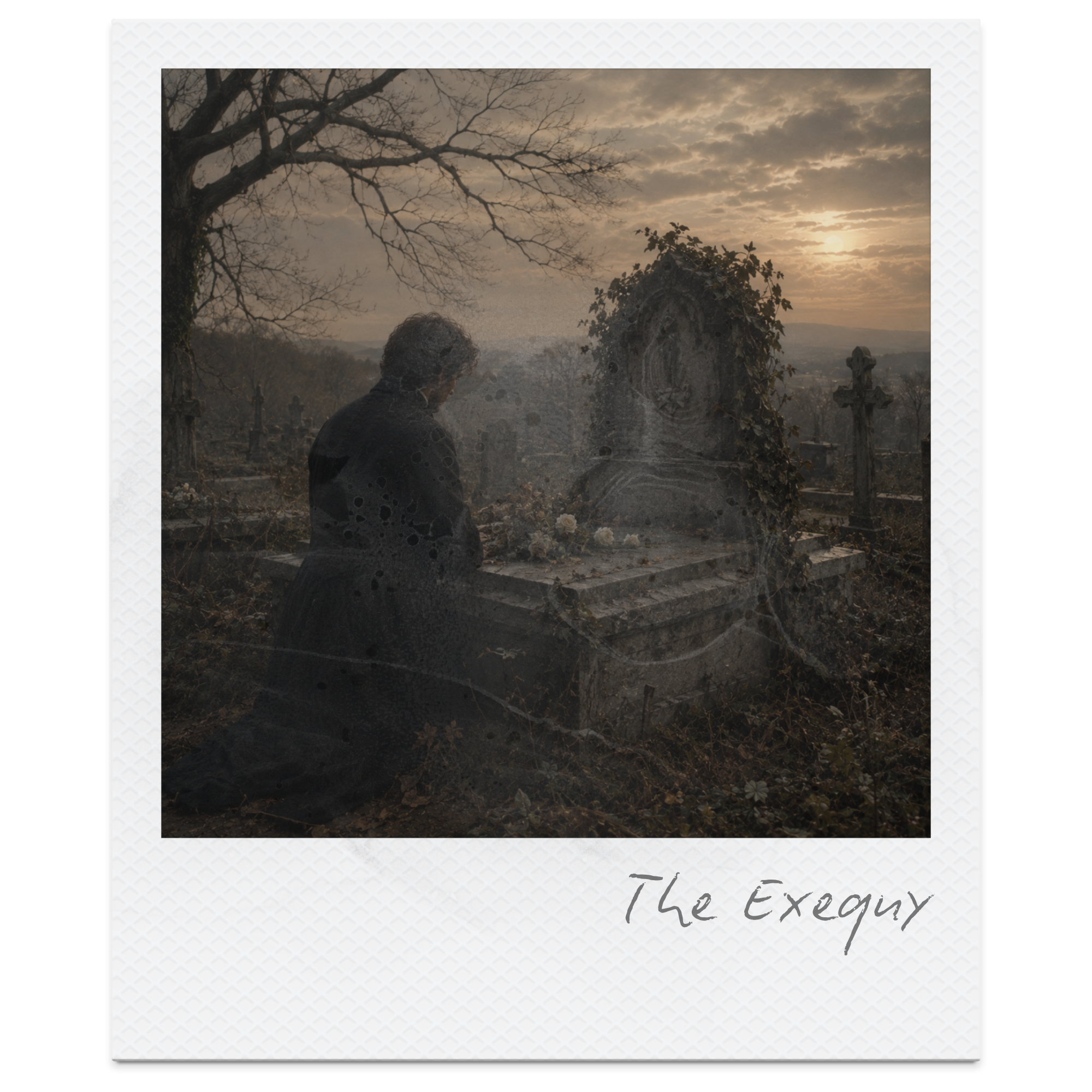
The Exequy by Henry King: Love, Loss, and the Hope of Reunion
The Exequy by Henry King is a powerful seventeenth-century elegy that explores grief, love, mortality, and the hope of reunion after death. Written following the loss of King's wife, the poem combines deeply personal mourning with Christian beliefs about resurrection and eternal life. Through rich symbolism, metaphysical conceits, celestial imagery, and reflections on memory and devotion, King transforms bereavement into a moving meditation on enduring love and spiritual consolation. This analysis explores the poem's themes, structure, imagery, symbolism, and emotional impact for students studying Songs of Ourselves Volume 2.

Heart and Mind by Edith Sitwell: Analysis of Love, Mortality and the Conflict Between Heart and Mind
Edith Sitwell's Heart and Mind is a richly symbolic exploration of love, mortality, desire, and the enduring conflict between emotion and reason. Through a sequence of dramatic voices—including a Lion, a Skeleton, the Sun, and the Moon—Sitwell transforms an abstract philosophical debate into a vivid allegorical drama. Recurring images of fire, dust, gold, and celestial bodies create a poem that continually questions what gives human life meaning and whether passion or intellect ultimately holds greater power. This detailed analysis of Heart and Mind explores the poem's structure, symbolism, themes, literary techniques, and alternative interpretations. It includes stanza-by-stanza analysis, key quotations, anthology comparisons, and exam-focused insights, examining how Sitwell uses paradox, mythological imagery, and dramatic dialogue to present the heart and mind as powerful yet fundamentally irreconcilable forces.
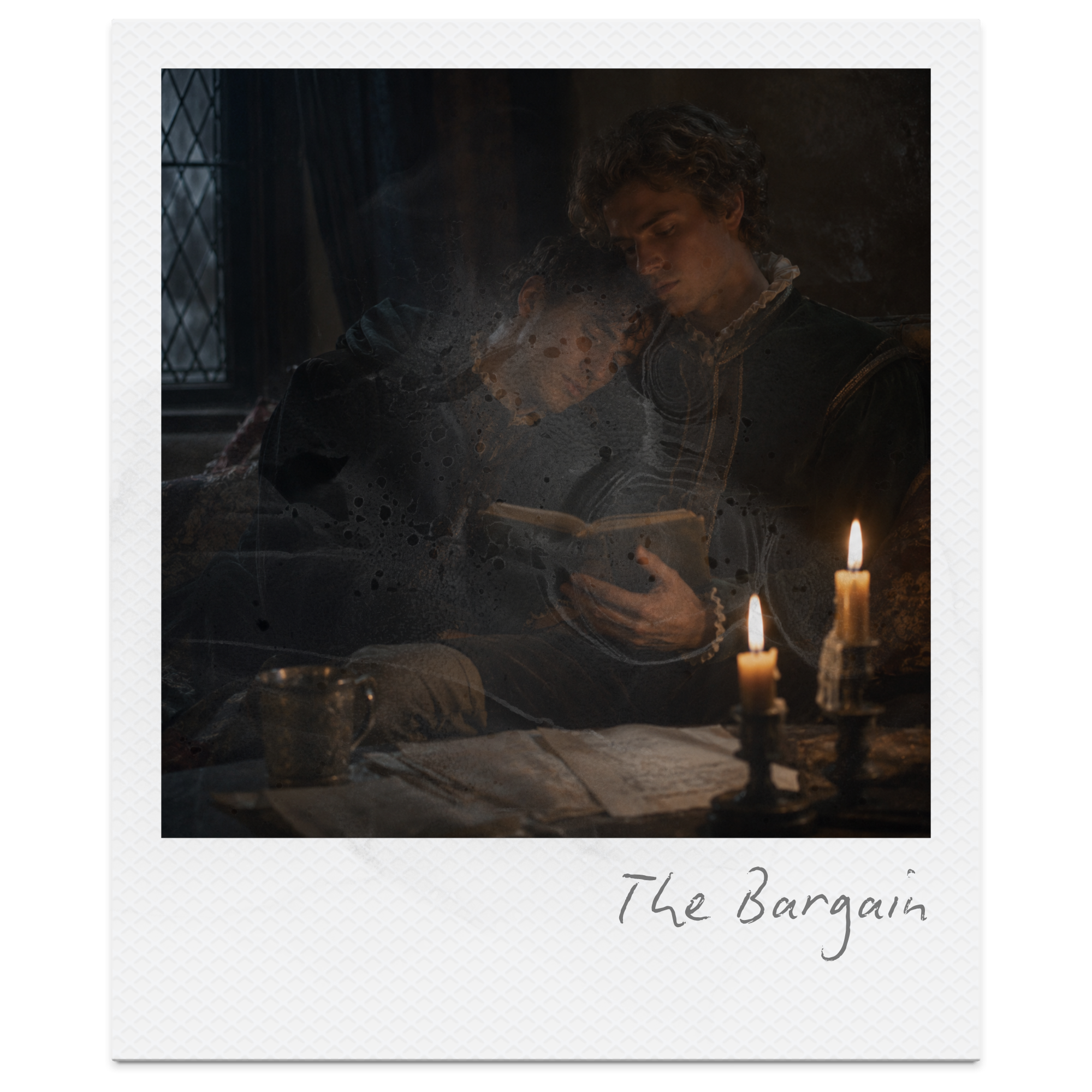
The Bargain by Sir Philip Sidney: Analysis of Love, Exchange and Emotional Equality
Explore The Bargain by Sir Philip Sidney through detailed analysis of love, emotional reciprocity, identity, and psychological vulnerability. This in-depth guide examines the poem’s structure, symbolism, exchange imagery, emotional tensions, and layered presentation of intimacy, revealing how Sidney transforms a seemingly balanced love lyric into a more complex exploration of dependence and shared suffering. Perfect for CIE AS Level Literature in English (9695), this analysis includes line-by-line commentary, key quotes and techniques, alternative interpretations, anthology comparisons, exam-ready insights, and teaching ideas designed to support advanced literary discussion and revision.

Last Sonnet by John Keats: Themes, Meaning and Analysis
Explore Last Sonnet by John Keats — widely known by its opening line, “Bright star, would I were stedfast as thou art” — through detailed analysis of love, mortality, permanence, and emotional vulnerability. This in-depth guide examines the poem’s imagery, symbolism, structure, sound, and shifting emotional tensions, while exploring how Keats contrasts eternal constancy with fragile human intimacy. Perfect for CIE AS Level Literature in English (9695), this analysis also includes close line-by-line commentary, key quotes and techniques, alternative interpretations, anthology comparisons, exam-ready insights, and teaching ideas designed to support advanced literary discussion and revision.
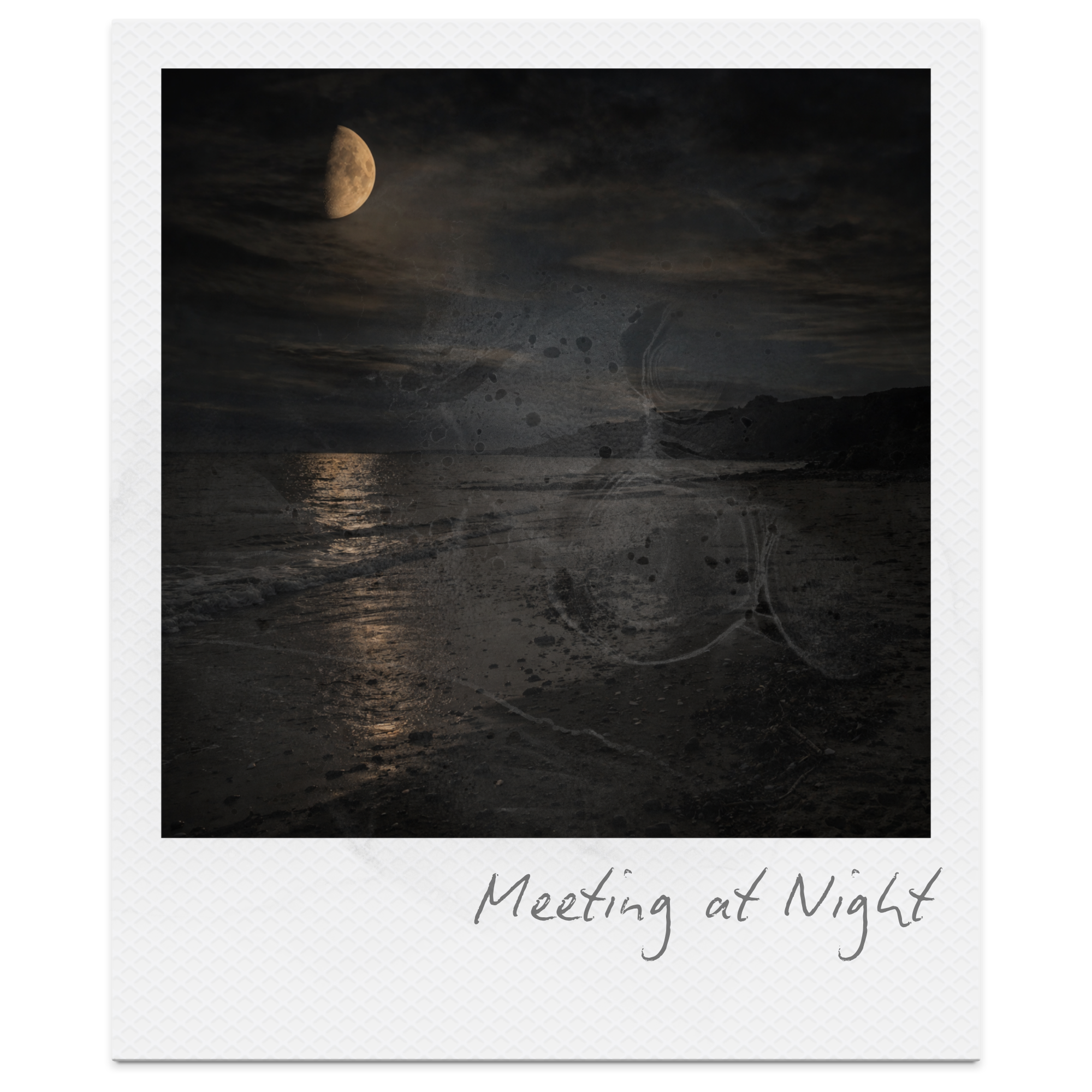
Meeting at Night by Robert Browning: Summary, Themes, Meaning & Analysis
Robert Browning’s Meeting at Night explores romantic desire, anticipation, and secrecy, presenting a speaker driven across a dark landscape to reach a moment of intimate connection. Through vivid sensory imagery, rhythmic variation, and a carefully structured progression from distance to closeness, the poem transforms a physical journey into a powerful expression of emotional urgency. This analysis examines how Browning uses language, form, and sound to create meaning and impact, showing how each stage of the journey intensifies the speaker’s focus and desire. With a clear emphasis on method → purpose → effect, this guide supports IGCSE World Literature (0408) students in developing precise, high-level analytical responses.

A Quoi Bon Dire by Charlotte Mew: Summary, Themes & Analysis
Charlotte Mew’s À Quoi Bon Dire explores enduring love, memory, and the tension between public perception and private truth, presenting a speaker who refuses to accept the finality of loss. Through parallel structure, structural contrast, and subtle shifts in voice, the poem reveals how emotional connection can persist beyond physical absence, challenging conventional ideas of death and separation. This analysis examines how Mew uses language, form, and temporal ambiguity to create meaning and impact, showing how the speaker’s quiet certainty resists social assumptions. With a focus on method → purpose → effect, this guide supports IGCSE World Literature (0408) students in developing strong, analytical responses.

Memory by Christina Rossetti: Summary, Themes, Symbolism & Analysis
Christina Rossetti’s Memory explores the tension between emotional attachment and deliberate self-denial, presenting a speaker who consciously rejects a past love while continuing to feel its lasting impact. Through controlled language and reflective tone, the poem reveals how memory cannot be fully erased, but instead becomes internalised and preserved, shaping the speaker’s identity and emotional life over time. Divided into two distinct parts, the poem moves from decisive renunciation to quiet reflection, highlighting the contrast between outward control and inward persistence. While the speaker suppresses her feelings in the present, she ultimately finds meaning through spiritual hope, suggesting that what is denied in life may be restored beyond it.

Autumn Violets Christina Rossetti Analysis: Themes, Symbolism, Structure & Key Quotes
Christina Rossetti’s Autumn Violets is a reflective sonnet that explores how love is shaped by time, age, and emotional limitation. Through the delicate image of violets blooming out of season, Rossetti contrasts youthful, idealised love with a quieter, more restrained form of love that emerges later in life. The poem suggests that, like the natural world, emotional experiences follow a pattern, and when they occur outside their “proper” moment, they must be understood differently. In this analysis, we explore Rossetti’s use of seasonal symbolism, structure, and language to examine the relationship between love and timing. With detailed breakdowns of key lines, themes, and techniques, this guide offers a clear and insightful reading of Autumn Violets, revealing how the poem ultimately presents acceptance—not fulfilment—as the defining quality of later love.
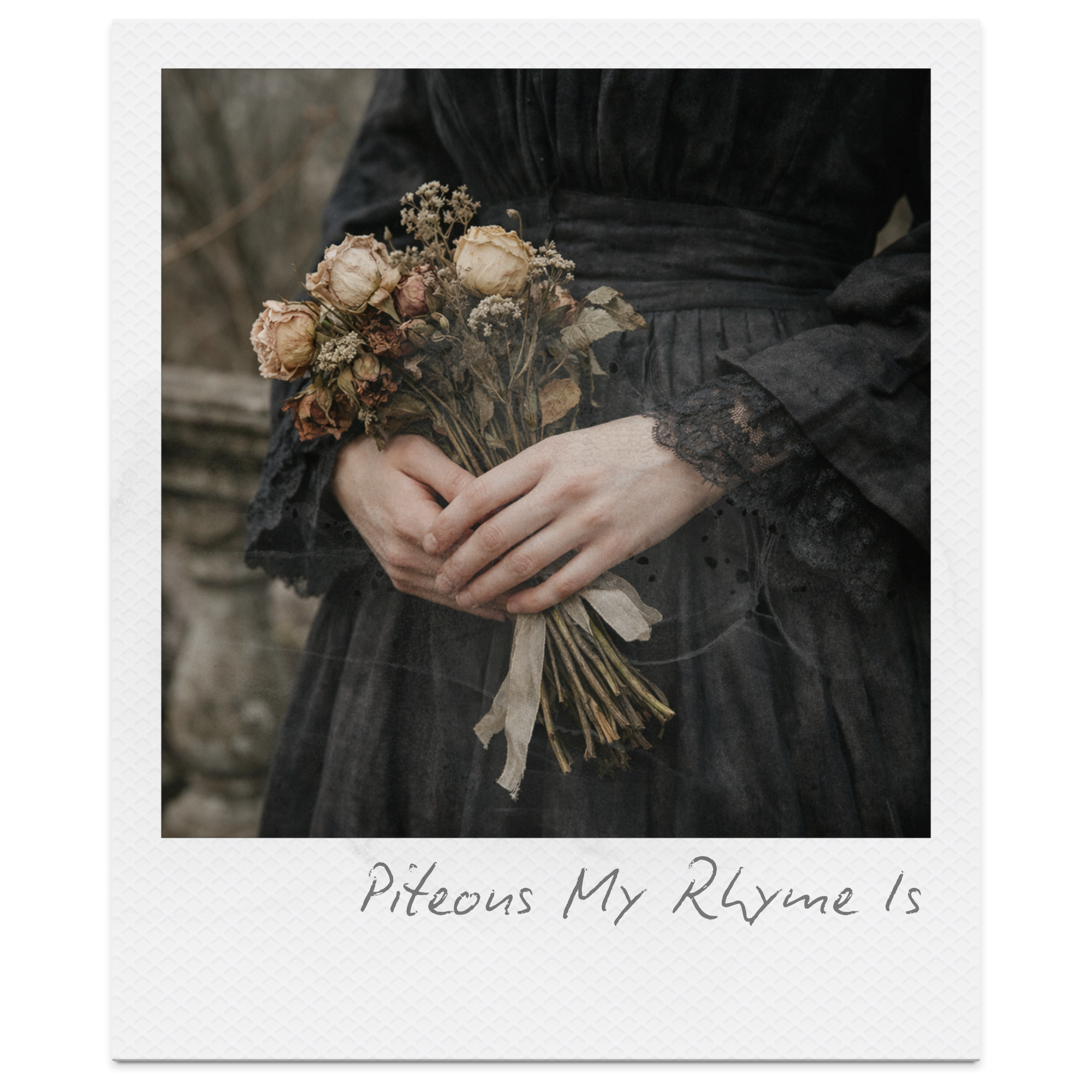
Piteous My Rhyme Is by Christina Rossetti: Summary, Themes, Symbolism & Analysis
Christina Rossetti’s Piteous My Rhyme Is explores the paradoxical relationship between love, suffering, and emotional endurance. Through a carefully mirrored structure, the poem contrasts two perspectives on love: one that sees love as wasted, unreturned, and painful, and another that interprets the same experience as evidence of love’s strength and lasting power. In this analysis of Piteous My Rhyme Is, we examine Rossetti’s use of structure, repetition, rhyme, and rhetorical questioning to explore themes such as unreturned love, emotional sacrifice, and the contrast between mortal life and lasting emotion. The poem ultimately suggests that love’s willingness to endure suffering may reveal its deepest significance.