Bouncing Boy by Helen Dunmore: Summary, Themes & Analysis
Helen Dunmore's Bouncing Boy explores the fragile boundary between childhood, loss, memory, and imagination, transforming an ordinary scene at a trampoline into a deeply moving meditation on absence and remembrance. Through extended metaphor, symbolism, vivid visual imagery, and subtle shifts in tone, Dunmore gradually reveals that the boy's extraordinary leap represents something far more profound than play, inviting readers to reflect on grief, hope, and the enduring presence of those who are no longer with us. If you are studying or teaching Songs of Ourselves Volume 3 for CIE Literature in English (0475) Paper 1 (2028–2030), explore every poem in detail in the Songs of Ourselves Volume 3 Hub, or discover a wider collection of analyses, revision resources, and teaching materials in the Literature Library.

Context of Bouncing Boy
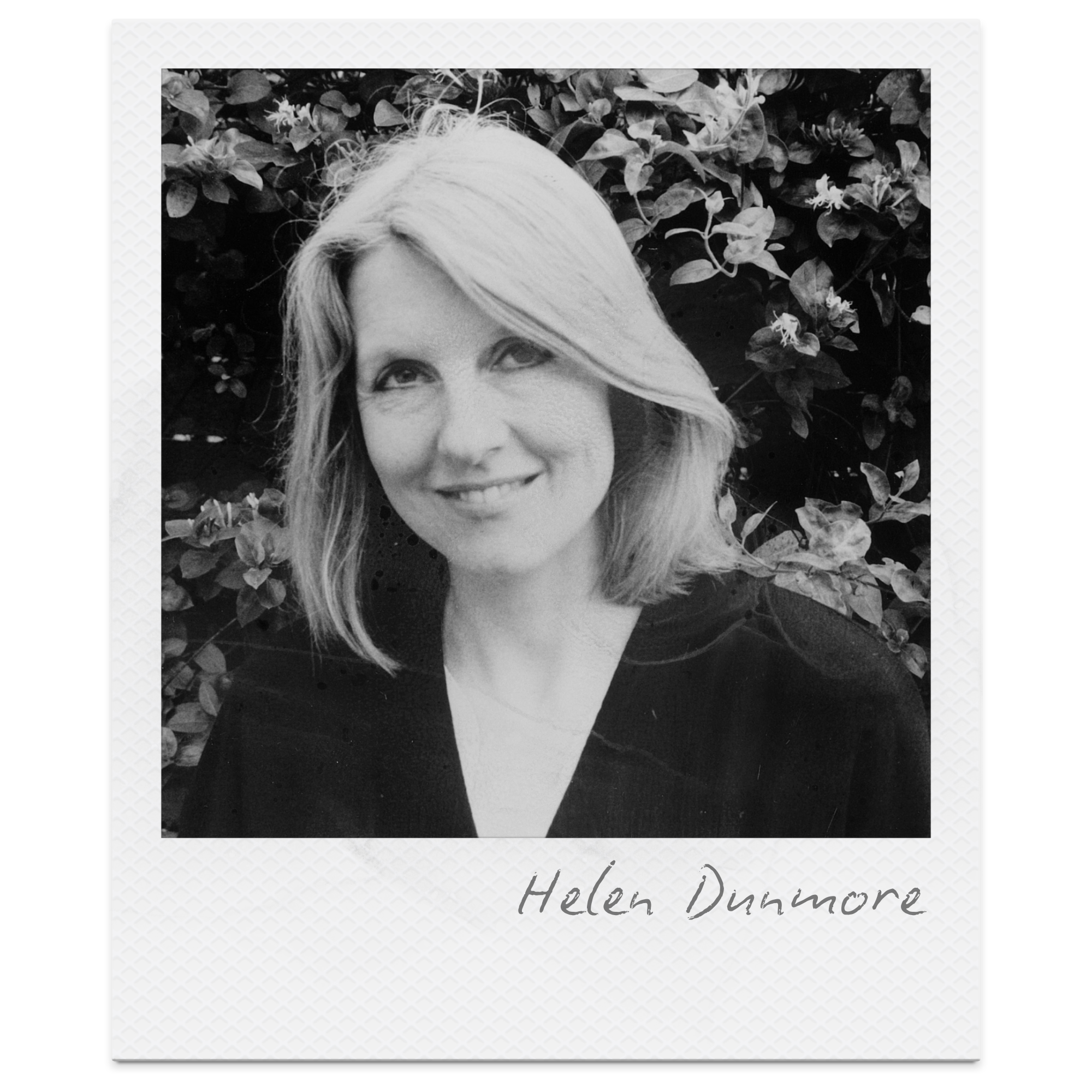
Helen Dunmore (1952–2017) was a British poet, novelist, and children's writer whose work frequently explores memory, family relationships, childhood, and the emotional significance of ordinary moments. Rather than presenting dramatic events directly, she often uses rich imagery and subtle symbolism to reveal deeper psychological and emotional truths.
Written in 1999, Bouncing Boy appears at first to describe children playing on a trampoline beside the sea. However, as the poem develops, it gradually shifts into a meditation on grief and remembrance, suggesting that the boy's seemingly impossible ascent represents someone who has been lost rather than simply a child at play. Dunmore deliberately leaves this interpretation open, allowing readers to experience the poem's emotional revelation gradually.
The poem was written "for Paul," indicating that it is dedicated to a real individual. Although Dunmore never explicitly names Paul in the poem, the dedication encourages readers to see the poem as rooted in personal memory, lending emotional authenticity to its exploration of absence and loss.
By combining an everyday childhood setting with increasingly surreal imagery, Dunmore demonstrates how poetry can transform familiar experiences into reflections on love, bereavement, and the enduring presence of memory. The poem invites readers to consider how imagination can become a way of expressing emotions that are difficult to articulate directly, making grief both deeply personal and universally recognisable.
Bouncing Boy: At a Glance
Form: Free verse lyric poem
Mood: Playful, reflective, poignant, and quietly elegiac
Central tension: The contrast between the innocence of childhood play and the painful reality of loss and remembrance
Core themes: Childhood, grief, memory, imagination, absence, love, hope, and the enduring presence of those who are gone
One-sentence meaning: Through the extended metaphor of a child bouncing ever higher on a trampoline, Dunmore transforms an ordinary moment into a moving exploration of grief, suggesting that memory and imagination allow loved ones to remain emotionally present even after they have been lost.
Quick Summary of Bouncing Boy
The poem begins with a lively scene of children playing on a trampoline, where energetic jumping is compared to chess pieces refusing to follow the rules of the game. Amid this ordinary moment, one boy begins to climb ever higher into the "icy November sky," while other children quietly watch from below. Although the setting initially feels playful and familiar, subtle details begin to suggest that this is no ordinary game, as the boy's ascent becomes increasingly extraordinary.
As the poem develops, the boy's jump seems to continue beyond the limits of reality. The sea and trampoline appear to encourage him, while the watching children remain silent as "your turn / grows impossibly long." The ending leaves the boy suspended between earth and sky, creating an emotionally ambiguous conclusion that invites readers to interpret his ascent as a symbol of loss, memory, or spiritual transcendence. Rather than offering a clear explanation, Dunmore allows the poem's imagery to suggest that love and remembrance can preserve a person's presence long after they have gone.
Title, Form, Structure, and Metre
The formal features of Bouncing Boy are central to its emotional impact. Helen Dunmore combines free verse, a carefully controlled three-stanza structure, and fluid enjambment to blur the boundary between reality and imagination. As the poem progresses, its movement mirrors the boy's ascent, gradually shifting from an ordinary childhood scene towards a poignant meditation on memory, absence, and loss.
Title
The title Bouncing Boy initially appears playful and uncomplicated, encouraging readers to expect a light-hearted poem about childhood. The alliteration of the repeated "b" sound creates a buoyant rhythm that echoes the repeated movement of bouncing, reinforcing the sense of youthful energy and innocence.
However, as the poem develops, the title takes on a more symbolic significance. The "bouncing boy" is no longer simply a child at play but becomes a figure suspended between earth and sky, suggesting emotional or spiritual transcendence. The simplicity of the title therefore contrasts with the poem's emotional complexity, inviting readers to reconsider its meaning once the final image reveals that the boy's "turn / grows impossibly long."
Form and Structure
Bouncing Boy is written in free verse, allowing Dunmore to recreate the unpredictable rhythm of bouncing while avoiding the constraints of a regular poetic form. The natural flow of the language reflects both the physical movement of the trampoline and the gradual movement of memory, making the poem feel spontaneous yet carefully controlled.
The poem is organised into three uneven stanzas, each representing a distinct stage in the emotional journey. The first stanza establishes the lively playground setting and introduces the repeated upward movement of the children. The second narrows its focus to the individual boy as his ascent becomes increasingly extraordinary, creating the first suggestion that the poem is moving beyond literal description. The final stanza develops this ambiguity, shifting towards symbolism as the trampoline, sea, and silent observers remain below while the boy's "turn / grows impossibly long." This structural progression mirrors the movement from ordinary experience to emotional revelation.
Dunmore also uses enjambment throughout the poem to sustain momentum. Lines frequently flow into one another without punctuation, creating a continuous upward movement that reflects the boy's climb into the sky. By contrast, the final lines slow noticeably, allowing readers to dwell on the unresolved ending and its emotional implications.
Rhyme Scheme and Poetic Pattern
The poem has no regular rhyme scheme, contributing to its natural, conversational quality. Rather than relying on predictable rhyme, Dunmore creates cohesion through carefully repeated sounds, recurring images, and subtle patterns of movement.
The absence of rhyme also reinforces the poem's ambiguity. Without the neat closure often provided by a regular rhyme scheme, the ending remains emotionally open, encouraging readers to reflect on multiple possible interpretations rather than arriving at a single fixed meaning.
Metre and Rhythmic Movement
There is no consistent metrical pattern, reflecting both the irregular rhythm of bouncing and the unpredictable movement of memory itself. Dunmore allows the poem's rhythm to expand and contract naturally, mirroring the rise and fall of the trampoline.
Throughout the poem, enjambment creates the sensation of continuous ascent. Phrases such as "watch as you start to climb / the icy November sky" carry the reader smoothly across the line break, imitating the uninterrupted upward motion of the boy. In contrast, shorter phrases such as "then down" and the isolated ending "grows impossibly long" interrupt this momentum, slowing the rhythm and emphasising the emotional shift from playful movement to quiet contemplation. The poem's rhythmic flexibility therefore reflects both the physical action it describes and the gradual transformation of an ordinary childhood scene into a moving reflection on grief, memory, and enduring love.
The Speaker in Bouncing Boy
The speaker in Bouncing Boy is an unnamed observer who watches the children playing while addressing one particular child directly through the repeated use of the second-person pronoun "you." This perspective creates an intimate and deeply personal tone, making it feel as though the speaker is speaking to someone who is physically absent but emotionally present. Rather than simply describing events, the speaker appears to be recalling, imagining, or preserving a cherished memory, allowing readers to sense a strong emotional connection that extends beyond the ordinary playground scene.
Although the opening of the poem is light-hearted and observational, the speaker's tone gradually becomes more reflective and poignant as the boy rises ever higher into the "icy November sky." Unlike the other children, who simply watch, the speaker follows the boy's ascent with unwavering attention, noticing details that suggest the moment has moved beyond reality. The direct address transforms the poem into something resembling a private conversation or tribute, particularly when considered alongside the dedication "for Paul."
The speaker's voice deliberately avoids explaining what has happened to the boy, instead allowing imagery and symbolism to communicate feelings that are difficult to express directly. This restraint gives the poem much of its emotional power. By observing rather than interpreting, the speaker invites readers to share in the uncertainty between memory, imagination, and grief, suggesting that love can keep someone emotionally present even after they are no longer physically there. The voice therefore balances wonder, tenderness, and quiet sorrow, encouraging multiple interpretations while maintaining an atmosphere of gentle remembrance.
Stanza-by-Stanza Analysis of Bouncing Boy
Helen Dunmore carefully structures Bouncing Boy so that each stanza deepens the poem's emotional significance. What begins as a lively scene of childhood play gradually develops into an ambiguous meditation on memory, loss, and enduring love. Through extended metaphor, symbolism, imagery, and subtle shifts in tone, the poem encourages readers to move beyond its literal narrative, revealing how ordinary moments can become powerful expressions of grief and remembrance.
Stanza 1: Childhood Play and the Defiance of Gravity
Dunmore opens the poem with an energetic scene of children playing on a trampoline, immediately creating an atmosphere of movement, excitement, and possibility. However, beneath this apparently ordinary playground activity, she introduces subtle images that suggest the children are resisting normal rules and limitations. Through extended metaphor, simile, and unexpected imagery, the opening stanza begins to blur the boundary between reality and imagination, preparing readers for the poem's more symbolic conclusion.
The opening statement, "All the squares of trampoline are taken," immediately establishes a communal setting filled with activity. The noun "squares" emphasises the trampoline's neat, ordered structure, creating an image of defined boundaries and organised space. Yet this order is immediately challenged by the lively movement of the children, suggesting that imagination can transform even an ordinary playground into something extraordinary.
Dunmore develops this idea through the striking simile "children leaping like chessmen / who won't play the game." The comparison to "chessmen" introduces imagery of rules, strategy, and careful control, yet the children deliberately refuse to follow these expectations. The phrase "won't play the game" symbolises a rejection of limitation and predictability, suggesting that childhood imagination resists the rigid structures that govern adult life. The image also hints at a deeper refusal to accept inevitable outcomes, foreshadowing the poem's later challenge to the finality of loss.
The isolated phrase "Up, flying." marks a sudden change in rhythm. Its brevity slows the reader momentarily while drawing attention to the children's upward movement. The present participle "flying" deliberately exaggerates the action, transforming bouncing into something almost magical. Rather than simply jumping, the children appear to escape gravity itself, introducing the possibility that the poem operates on both a literal and symbolic level.
The ascent continues as the children rise "from tiny footholds, hitting the sky's / elastic surprise." The adjective "tiny" emphasises how small and insignificant the trampoline appears compared with the vastness of the sky, making the children's achievement seem even more remarkable. Meanwhile, the personification of the "sky's / elastic surprise" mirrors the trampoline itself, suggesting that the heavens become another surface capable of catching and returning the children. The unexpected adjective "elastic" links earth and sky together, blurring the distinction between reality and imagination while creating a playful sense that the universe itself participates in the game.
The stanza concludes simply with "then down." These two words complete the natural rhythm of bouncing, yet their abruptness also reminds readers that every ascent is followed by descent. At this stage, the movement appears entirely ordinary, but the repeated pattern of rising and falling establishes a structural motif that Dunmore will later disrupt. By ending the stanza so briefly, she leaves readers anticipating another bounce, subtly foreshadowing the moment when one child's descent will never fully arrive.
Through this opening stanza, Dunmore transforms an everyday playground into a space where ordinary physical rules begin to dissolve. The playful imagery captures the freedom and imagination of childhood while quietly introducing ideas about transcendence and the possibility of moving beyond earthly limitations, laying the foundations for the poem's emotional shift in the later stanzas.
Stanza 2: A Personal Ascent Beyond the Ordinary
In the second stanza, Dunmore shifts her focus from the group of children to a single individual addressed directly as "you." This change immediately creates a more intimate and emotional atmosphere, suggesting that the poem is no longer simply observing a playground scene. Through second-person narration, symbolism, and increasingly surreal imagery, the boy's bouncing begins to resemble a journey beyond the ordinary world, inviting readers to consider themes of memory, absence, and transcendence.
The opening declaration, "There's a space for you always," immediately distinguishes the boy from the other children. The indefinite noun "space" operates on both a literal and symbolic level. On the surface, it refers to an empty section of the trampoline, but it also suggests a permanent place in the speaker's memory and affections. The adverb "always" is particularly significant, implying permanence in contrast to the temporary nature of childhood games. This simple statement quietly introduces the poem's exploration of enduring love and remembrance.
Dunmore contrasts this emotional permanence with the ordinary behaviour of "Two kids eating ice cream / with careful darts of the tongue." The sensory imagery grounds the poem in an everyday childhood setting, while the metaphor "careful darts" captures the small, precise movements of the children as they protect their ice cream from melting. This attention to such ordinary details reinforces the realism of the scene, making the increasingly extraordinary events that follow feel even more striking. The children remain absorbed in the present moment, unaware of the deeper significance the speaker perceives.
The emotional turning point comes as they "watch as you start to climb / the icy November sky, hand over hand." The verb "climb" marks a significant departure from the earlier image of bouncing. Instead of rising and falling rhythmically, the boy now appears to make a deliberate ascent, suggesting purpose and permanence rather than temporary play. The phrase "hand over hand" reinforces this impression by evoking the steady movement of someone climbing a rope or ladder, making the impossible seem almost believable.
The image of the "icy November sky" is especially rich in symbolism. November traditionally evokes the end of autumn, shortening days, and the approach of winter, often symbolising decline, mortality, or remembrance. Unlike the bright, playful sky readers might expect from a children's poem, this cold seasonal setting introduces a quieter emotional register. The adjective "icy" conveys both physical coldness and emotional distance, suggesting the separation between the living and the absent while also emphasising the immense, unreachable space into which the boy disappears.
By the end of the stanza, the poem has subtly transformed from a realistic account of children at play into something far more ambiguous and poignant. The direct address, symbolic imagery, and impossible ascent encourage readers to move beyond a literal interpretation, suggesting that the speaker is witnessing not simply a child bouncing higher than the others, but a figure who exists within the overlapping worlds of memory, imagination, and grief.
Stanza 3: Silence, Absence, and Enduring Remembrance
In the final stanza, Dunmore completes the poem's transformation from a lively description of childhood play into a moving reflection on loss and memory. Through personification, symbolism, auditory imagery, and a striking shift in pace, the ordinary rhythms of bouncing are gradually replaced by a sense of permanence and absence. Rather than providing a clear explanation, Dunmore leaves readers with an emotionally ambiguous ending that suggests love and remembrance can outlast physical presence.
The stanza opens with the direct address "You hear the clap of the sea." The verb "hear" immediately places the boy in a space that feels increasingly separate from the other children, while the noun "clap" introduces a sound associated with applause. The sea, often a symbol of both continuity and eternity, appears to acknowledge the boy's ascent, reinforcing the idea that the natural world participates in this extraordinary moment.
This image develops through the personification of "your bright blue trampoline applauding / with the dull fervour of rubber." The verb "applauding" suggests admiration and celebration, as though the trampoline is encouraging the boy to continue climbing. However, Dunmore immediately tempers this uplifting image with the contrasting phrase "dull fervour of rubber." The juxtaposition of "dull" and "fervour" combines muted restraint with passionate feeling, reflecting the complexity of grief itself. Although the trampoline is an ordinary object, it becomes symbolic of the enduring support of memory, quietly sustaining the boy's impossible journey.
The repeated phrase "each time you go down" initially appears to restore the familiar rhythm established in the opening stanza. However, readers quickly realise that this downward movement no longer functions normally. Instead of completing another bounce, the poem begins to suspend both time and expectation, creating the sense that the natural cycle has been interrupted.
Dunmore then returns to the recurring image of "the kids eating ice cream," grounding the poem once again in an ordinary childhood scene. Yet their behaviour has changed significantly. Earlier they watched with curiosity; now they stand "with wind in their teeth" and "say nothing." The silence is particularly powerful. Rather than expressing confusion or fear, the children simply observe, suggesting that some experiences cannot be explained through language. The image of the "wind in their teeth" conveys both the cold November setting and the physical sensation of speech being held back, emphasising that words are inadequate in the face of profound loss.
The poem reaches its emotional climax in the final lines: "the time mounts and your turn / grows impossibly long." The verb "mounts" deliberately echoes the boy's earlier climb into the sky, linking the passing of time with his continuing ascent. Instead of the boy rising, it is now time itself that seems to climb, creating the unsettling impression that ordinary chronology has broken down. The adjective "impossibly" finally confirms that the poem has moved beyond literal description. A trampoline turn cannot last forever, yet this one never ends, suggesting that the boy has passed beyond the physical world while remaining permanently present in memory.
Dunmore's refusal to explain this ending is one of the poem's greatest strengths. The final image remains suspended between imagination, memory, and grief, allowing multiple interpretations to coexist. The boy may represent someone who has died, someone who lives on through remembrance, or the enduring presence of childhood itself. By ending with the unresolved image of a turn that "grows impossibly long," Dunmore captures the way love resists finality, suggesting that although people may disappear from ordinary life, they continue to exist within memory, imagination, and the hearts of those who remember them.
Key Quotes and Methods in Bouncing Boy
Through extended metaphor, symbolism, personification, and imagery, Helen Dunmore transforms a simple scene of children playing into a poignant exploration of memory, loss, and the enduring power of love. Each quotation gradually shifts the poem from literal description towards emotional symbolism, encouraging readers to interpret the boy's journey in multiple ways.
"children leaping like chessmen / who won't play the game"
◆ Technique: Simile; metaphor; symbolism
◆ Meaning: The children are compared to chess pieces that refuse to obey the rules governing them.
◆ Purpose: Dunmore suggests that childhood imagination resists limitation while foreshadowing the poem's challenge to the inevitability of loss and mortality.
◆ Impact: Readers begin to sense that the poem will move beyond an ordinary playground scene towards something more symbolic.
"the sky's / elastic surprise"
◆ Technique: Personification; metaphor
◆ Meaning: The sky is imagined as possessing the same spring-like quality as the trampoline.
◆ Purpose: Dunmore blurs the boundary between earth and sky, making the impossible ascent feel believable within the poem's imaginative world.
◆ Impact: Readers experience a growing sense of wonder as reality and imagination merge.
"There's a space for you always"
◆ Technique: Symbolism; emotive language
◆ Meaning: The speaker suggests that the boy will always have a place, both physically and emotionally.
◆ Purpose: Dunmore introduces the idea of enduring remembrance and lasting emotional presence.
◆ Impact: The line becomes deeply moving once readers begin to interpret the poem as an exploration of grief and memory.
"the icy November sky"
◆ Technique: Symbolism; seasonal imagery
◆ Meaning: The cold November sky evokes late autumn, endings, and remembrance.
◆ Purpose: Dunmore subtly introduces associations with mortality and emotional distance without stating them directly.
◆ Impact: Readers recognise a tonal shift from playful childhood towards quiet reflection.
"hand over hand"
◆ Technique: Repetition; kinetic imagery
◆ Meaning: The boy appears to climb deliberately rather than simply bounce.
◆ Purpose: Dunmore transforms the trampoline into a symbolic route between the earthly and the spiritual.
◆ Impact: The impossible ascent becomes one of the poem's most memorable and emotionally resonant images.
"the clap of the sea"
◆ Technique: Personification; auditory imagery
◆ Meaning: The sound of the waves resembles applause.
◆ Purpose: Dunmore presents nature as acknowledging and accompanying the boy's extraordinary journey.
◆ Impact: Readers sense that the natural world quietly supports the poem's emotional and symbolic meaning.
"your bright blue trampoline applauding"
◆ Technique: Personification; symbolism
◆ Meaning: The trampoline is given human qualities, appearing to celebrate the boy's ascent.
◆ Purpose: Dunmore transforms an ordinary object into a symbol of encouragement, memory, and enduring affection.
◆ Impact: The familiar playground setting acquires unexpected emotional depth.
"the dull fervour of rubber"
◆ Technique: Juxtaposition; oxymoronic contrast
◆ Meaning: The trampoline combines ordinary materiality with passionate emotion.
◆ Purpose: Dunmore reflects the tension between everyday reality and the profound emotions hidden beneath it.
◆ Impact: Readers appreciate how grief often exists quietly beneath ordinary experiences.
"the kids eating ice cream... say nothing"
◆ Technique: Contrast; silence as symbolism
◆ Meaning: The children's silence replaces the lively activity of the opening stanza.
◆ Purpose: Dunmore suggests that some emotions, particularly grief, cannot easily be expressed through words.
◆ Impact: The silence creates a poignant atmosphere, encouraging readers to contemplate the poem's ambiguity.
"the time mounts and your turn / grows impossibly long"
◆ Technique: Personification; symbolism; ambiguity
◆ Meaning: Time itself appears to climb as the boy's turn never ends.
◆ Purpose: Dunmore leaves the poem deliberately unresolved, suggesting that memory and love transcend ordinary time.
◆ Impact: The haunting ending invites multiple interpretations, ensuring that the poem lingers in the reader's mind long after it has finished.
Key Techniques in Bouncing Boy
In Bouncing Boy, Helen Dunmore combines extended metaphor, symbolism, free verse, personification, and shifting perspective to transform an ordinary scene of children playing into a poignant exploration of memory, grief, and enduring love. Rather than explicitly explaining the boy's significance, Dunmore relies on ambiguity and carefully crafted imagery, allowing readers to discover the poem's emotional depth gradually.
◆ Extended Metaphor – The trampoline becomes much more than a piece of playground equipment. As the poem progresses, bouncing develops into a sustained metaphor for transcendence, memory, or the journey beyond ordinary life. This extended metaphor allows Dunmore to explore grief indirectly, making the poem emotionally powerful without becoming sentimental.
◆ Symbolism – Ordinary objects acquire deeper meanings throughout the poem. The trampoline symbolises both childhood innocence and the fragile boundary between life and memory, while the November sky suggests endings, mortality, and remembrance. The space reserved for the boy represents enduring love and the permanent place someone occupies in the hearts of those who remember them.
◆ Second-Person Narration – Dunmore repeatedly addresses the boy as "you," creating an intimate and personal voice. This direct address makes the poem feel like a private conversation or tribute rather than a detached observation. It also strengthens the emotional connection between the speaker and the absent figure, reinforcing themes of remembrance and enduring affection.
◆ Personification – The natural world and everyday objects are given human qualities throughout the poem. The "sky's / elastic surprise," the "clap of the sea," and the "bright blue trampoline applauding" suggest that nature and the environment actively participate in the boy's journey. This creates a sense that the world itself acknowledges his significance, blurring the boundary between reality and imagination.
◆ Imagery – Dunmore uses rich visual, auditory, and kinetic imagery to immerse readers in the scene. Images of children leaping, the "icy November sky," the sound of the sea, and the trampoline's movement create a vivid physical setting while simultaneously supporting the poem's symbolic meaning. The imagery gradually becomes less realistic and more dreamlike, mirroring the emotional shift from childhood play to reflection.
◆ Contrast – One of the poem's most effective techniques is the contrast between the ordinary and the extraordinary. Everyday details such as children eating ice cream sit alongside impossible images of a child climbing into the sky. This juxtaposition allows Dunmore to suggest that profound emotional experiences often emerge from the most familiar moments.
◆ Ambiguity – Dunmore deliberately avoids explaining what has happened to the boy. The poem never confirms whether the ascent is literal, imagined, symbolic, or connected to death. This ambiguity encourages multiple interpretations and invites readers to participate actively in constructing meaning, making the poem more emotionally resonant.
◆ Seasonal Imagery – The reference to the "icy November sky" introduces seasonal symbolism associated with decline, remembrance, and the transition from life towards winter. Rather than presenting nature as threatening, Dunmore uses the season to create a reflective atmosphere that supports the poem's exploration of grief and memory.
◆ Enjambment – Sentences frequently continue across line breaks, creating a flowing rhythm that mirrors both the repeated movement of bouncing and the boy's uninterrupted ascent. This continuous movement makes the climb feel effortless and gradually carries readers away from the realistic playground setting into the poem's symbolic landscape.
◆ Structural Progression – The poem follows a carefully controlled emotional journey. The opening stanza establishes a lively playground scene, the second isolates the boy and begins his extraordinary ascent, and the final stanza leaves him suspended between presence and absence. This progression mirrors the reader's growing awareness that the poem is not simply about play, but about memory, love, and loss.
◆ Sound Imagery – Dunmore uses subtle auditory details to shape the poem's atmosphere. The "clap of the sea" and the trampoline "applauding" create sounds of encouragement and celebration, while the silence of the observing children becomes equally significant. The movement from noise to quiet reflection mirrors the poem's emotional development.
◆ Open Ending – Rather than resolving the narrative, Dunmore concludes with the haunting image of the boy's "turn / grows impossibly long." This unresolved ending leaves readers contemplating the poem long after it finishes. By refusing to explain the final image, Dunmore suggests that grief, memory, and love cannot be neatly concluded, allowing the poem's emotional impact to continue beyond its final line.
How the Writer Creates Meaning and Impact in Bouncing Boy
In Bouncing Boy, Helen Dunmore creates meaning through the careful interplay of extended metaphor, symbolism, imagery, personification, and structural progression. What initially appears to be a simple description of children playing gradually becomes an emotionally complex exploration of memory, grief, and enduring love. By refusing to explain the poem's central image directly, Dunmore encourages readers to experience the same uncertainty, hope, and quiet sadness as the speaker, making the poem's emotional impact all the more powerful.
◆ Language: Transforming the Ordinary into the Extraordinary – Dunmore begins with familiar language that evokes an ordinary playground before gradually introducing increasingly surreal images. Simple descriptions of "children leaping" and "kids eating ice cream" create a realistic setting that readers immediately recognise. As the poem develops, however, verbs such as "climb" and phrases like "the sky's / elastic surprise" shift the poem beyond literal reality. This gradual transformation allows readers to accept the impossible within the emotional logic of the poem, reflecting how memory and imagination often reshape ordinary experiences.
◆ Imagery: Creating a Symbolic Journey – The poem's imagery evolves alongside its emotional development. The lively visual images of bouncing children give way to the symbolic ascent into the "icy November sky," before concluding with the haunting image of a turn that "grows impossibly long." Rather than functioning as isolated descriptions, these images chart the movement from physical play towards emotional transcendence. The increasingly dreamlike imagery invites readers to interpret the boy's journey as one of memory, loss, or spiritual departure.
◆ Symbolism: Suggesting Loss Without Explaining It – Dunmore relies heavily on symbolism rather than direct statement. The trampoline becomes a symbolic threshold between the everyday world and something beyond it, while the November sky evokes endings, remembrance, and emotional distance. The recurring image of space suggests that someone can remain permanently present within memory even after physical absence. By allowing these symbols to develop naturally, Dunmore creates a poem that remains emotionally open rather than prescriptive.
◆ Structure: A Gradual Emotional Revelation – The poem's three-stanza structure carefully controls the reader's understanding. The first stanza establishes an apparently playful scene, the second isolates the boy and begins his impossible ascent, and the third transforms that ascent into a meditation on absence and remembrance. This progression mirrors the reader's own experience of discovery, as the poem slowly reveals its emotional depth without ever abandoning its outward simplicity.
◆ Voice and Perspective: Creating Intimacy Through Direct Address – The repeated use of the second-person pronoun "you" gives the poem the intimacy of a private conversation. Rather than observing from a distance, the speaker appears to address someone who is emotionally present despite physical absence. This perspective allows readers to feel included in an act of remembrance, while the lack of explanation encourages them to construct their own interpretation of the relationship between the speaker and the boy.
◆ Sound and Silence: Communicating Emotion Beyond Words – Dunmore uses sound sparingly but effectively. The "clap of the sea" and the trampoline "applauding" create an atmosphere of quiet encouragement, suggesting that the natural world acknowledges the boy's ascent. In contrast, the watching children "say nothing." This silence is deeply significant because it implies that language cannot fully express experiences such as grief or remembrance. By allowing silence to carry emotional weight, Dunmore creates a restrained and deeply moving conclusion.
◆ Nature as Emotional Landscape – Rather than simply providing a backdrop, nature reflects and amplifies the poem's emotional journey. The sea, wind, and November sky become active participants in the boy's ascent, blurring the boundary between the external landscape and the speaker's inner emotions. This reflects the idea that grief is experienced not only internally but also through the way people perceive the world around them.
◆ Ambiguity and the Ending: Inviting Multiple Interpretations – The poem's final image of "your turn / grows impossibly long" deliberately avoids resolution. Dunmore never confirms whether the boy has died, whether he exists only in memory, or whether the entire ascent is symbolic. This ambiguity becomes one of the poem's greatest strengths, allowing readers to engage personally with its meaning. The unresolved ending reflects the nature of grief itself: it cannot be neatly explained or concluded, but continues to exist through memory, imagination, and enduring love. By ending with uncertainty rather than certainty, Dunmore ensures that the emotional resonance of the poem continues long after the final line has been read.
Themes in Bouncing Boy
In Bouncing Boy, Helen Dunmore explores how childhood, memory, and love continue to exist alongside grief and absence. Through extended metaphor, symbolism, personification, and ambiguous imagery, she gradually transforms an ordinary playground scene into a moving reflection on the way people remember those they have lost. Rather than presenting grief as something overwhelming or final, Dunmore suggests that imagination and memory allow emotional connections to endure beyond physical separation.
Childhood
Childhood is presented as a time of freedom, imagination, and limitless possibility. The poem begins with children "leaping like chessmen / who won't play the game," suggesting that young people instinctively resist the rules and limitations imposed upon them. Their playful energy transforms an ordinary trampoline into a space where impossible things seem achievable. However, Dunmore also uses childhood as a lens through which profound emotions can be explored, showing that innocence and loss can exist side by side.
Grief
Although the poem never explicitly refers to death, grief gradually becomes one of its defining themes. The boy's increasingly impossible ascent and the haunting conclusion, where his "turn / grows impossibly long," suggest a separation that cannot be reversed. Rather than describing grief directly, Dunmore expresses it through symbolism and silence, allowing readers to experience the uncertainty and longing that often accompany bereavement. This indirect approach makes the poem both subtle and emotionally powerful.
Memory
Memory shapes the entire poem, transforming an ordinary moment into something deeply significant. The speaker's declaration that "There's a space for you always" suggests that remembrance preserves someone's place long after they have physically disappeared. The poem implies that memory is not passive recollection but an active force that keeps loved ones emotionally present, allowing the past to continue influencing the present.
Imagination
Imagination allows the poem to move beyond literal reality. What begins as children bouncing on a trampoline gradually develops into the impossible image of a boy climbing "the icy November sky, hand over hand." Dunmore deliberately blurs the distinction between imagination and reality, suggesting that symbolic or imagined experiences can express emotional truths more effectively than straightforward description. Through imagination, grief becomes something that can be explored without ever being directly explained.
Absence
Absence is one of the poem's most poignant themes. The boy is addressed throughout as "you," making him feel emotionally close despite becoming physically distant. His increasingly prolonged ascent creates the impression that he is no longer fully part of the everyday world, yet he is never completely gone. Dunmore portrays absence not as emptiness but as a different kind of presence, one sustained through memory and love.
Love
The poem suggests that love endures even when physical presence is lost. The reassurance that there is "a space for you always" conveys unconditional affection and lasting emotional connection. The speaker's direct address creates the intimacy of a personal conversation, implying that the relationship continues despite separation. Dunmore presents love as something capable of overcoming both time and distance, quietly resisting the finality of loss.
Hope
Despite its exploration of grief, the poem is not entirely sorrowful. Images such as the trampoline "applauding" and the sea's "clap" suggest encouragement rather than despair, while the boy's ascent can be interpreted as a hopeful movement towards peace or transcendence. Dunmore never presents loss as meaningless; instead, she implies that memory and love offer comfort, allowing hope to exist alongside sadness.
The Enduring Presence of Those Who Are Gone
The poem ultimately suggests that those we lose continue to exist through remembrance. The final image, where "your turn / grows impossibly long," deliberately refuses to offer closure, implying that the boy's presence cannot be measured by ordinary time. Rather than disappearing completely, he remains suspended within the speaker's memory and imagination. Through this ambiguous ending, Dunmore argues that while people may leave the physical world, they continue to shape the lives of those who remember them, making love and memory stronger than absence itself.
Alternative Interpretations of Bouncing Boy
Although Bouncing Boy appears to describe a child playing on a trampoline, Helen Dunmore deliberately leaves its central image unresolved. Through extended metaphor, symbolism, and ambiguous imagery, the poem supports multiple interpretations, each revealing different aspects of memory, loss, and love.
Psychological Interpretation: Memory Refuses to Let Go
From a psychological perspective, the poem explores the way grief reshapes memory rather than simply preserving it. The boy's impossible ascent reflects the mind's attempt to keep a loved one emotionally alive, allowing memory to transcend the limits of reality. Images such as "There's a space for you always" and "your turn / grows impossibly long" suggest that bereavement distorts ordinary experiences, suspending both time and acceptance. Rather than depicting denial, Dunmore presents memory as a compassionate way of maintaining an emotional bond with someone who is physically absent.
Feminist Interpretation: Maternal Love Beyond Loss
A feminist reading focuses on the poem's nurturing voice and the emotional labour of remembrance. Although the speaker's identity is never confirmed, the direct address and unwavering attention to the boy can be interpreted as expressing a mother's enduring love for her child. The reassurance that "There's a space for you always" reflects unconditional acceptance rather than possession, while the speaker never attempts to pull the boy back to earth. Instead, the poem portrays love as an act of remembrance that allows freedom rather than control. From this perspective, Dunmore presents maternal love as enduring beyond physical separation, resisting the idea that death can completely sever emotional connection.
Philosophical Interpretation: Love Transcends Time
The poem can also be read as a meditation on the relationship between time and human experience. The final image, where "the time mounts and your turn / grows impossibly long," suggests that emotional experience does not obey ordinary chronology. Physical life may end, but memory continues to exist outside linear time. Dunmore therefore questions whether absence truly represents an ending, proposing instead that love and remembrance create their own form of permanence.
Symbolic Interpretation: The Journey Between Earth and Sky
The boy's ascent can be understood as a symbolic journey between the physical and the spiritual. The trampoline becomes a threshold rather than simply playground equipment, while the "icy November sky" represents a space beyond everyday experience. Dunmore never confirms where the boy is going or why he continues to climb, allowing the image to represent death, transcendence, hope, or the persistence of memory. By refusing to resolve the symbolism, she invites readers to bring their own experiences of love and loss to the poem, ensuring its emotional meaning remains deeply personal.
Exam-Ready Insight for Bouncing Boy
Strong responses to Bouncing Boy recognise that Helen Dunmore deliberately avoids explaining the poem's central image. Rather than treating the boy's ascent as a literal event, successful essays explore how extended metaphor, symbolism, imagery, and structural progression create multiple possible interpretations. The highest-scoring responses analyse how Dunmore gradually transforms an ordinary playground scene into a moving meditation on memory, love, and absence, supporting their ideas with precise analysis of language and structure.
What Strong Responses Do
◆ Develop a thoughtful interpretation of the boy's ascent, recognising that the poem deliberately remains ambiguous rather than offering a single fixed meaning.
◆ Analyse Dunmore's methods closely, exploring how symbolism, personification, imagery, and second-person narration gradually shift the poem from realism towards emotional reflection.
◆ Track the structural progression, explaining how the poem moves from lively childhood play to a quiet, unresolved ending that invites readers to reflect on grief and remembrance.
◆ Explore the significance of ordinary details, showing how images such as the trampoline, ice cream, and November sky acquire symbolic meaning as the poem develops.
◆ Comment on the poem's restrained emotional style, explaining how Dunmore creates a powerful response through suggestion and ambiguity rather than direct statements about loss.
◆ Embed carefully chosen quotations and analyse individual words to show precisely how meaning is created.
Common Mistakes to Avoid
◆ Assuming the boy has definitely died rather than recognising this as one possible interpretation.
◆ Retelling the events of the poem instead of analysing Dunmore's techniques.
◆ Treating the trampoline as simply part of the setting rather than exploring its symbolic role.
◆ Ignoring the significance of the final ambiguous image.
◆ Identifying literary devices without explaining their contribution to the poem's emotional impact.
Strong Thesis Statement
In Bouncing Boy, Helen Dunmore uses extended metaphor, symbolism, personification, and a gradual structural shift from playful realism to poignant ambiguity to explore how memory and love can preserve the emotional presence of those who are physically absent.
Model Analytical Paragraph
Dunmore gradually transforms an ordinary childhood activity into a powerful symbol of memory and loss by allowing realistic imagery to develop into emotional metaphor. Early in the poem, the children are described as "leaping like chessmen / who won't play the game," where the simile initially captures the carefree unpredictability of childhood. However, the phrase "won't play the game" also suggests a refusal to accept the rules that govern ordinary life, subtly foreshadowing the poem's challenge to the apparent finality of absence. This movement away from realism becomes even more striking when the speaker observes the boy beginning to "climb / the icy November sky, hand over hand." The deliberate verb "climb" replaces the expected rhythm of bouncing with purposeful upward movement, while the symbolic "November sky" introduces associations with endings, remembrance, and mortality. Dunmore never explains why the ascent continues, allowing readers to interpret it as a journey through memory, grief, or spiritual transcendence. The emotional climax arrives in the closing lines, where "the time mounts and your turn / grows impossibly long." Here, the personification of "time" mirrors the boy's own ascent, suggesting that ordinary chronology has broken down. The adjective "impossibly" confirms that the poem has moved beyond literal description, leaving readers with an unresolved image that reflects the nature of grief itself. Rather than offering closure, Dunmore suggests that love allows someone to remain emotionally present even after physical separation, making the poem's ambiguity its greatest emotional strength.
Teaching Ideas for Bouncing Boy
These classroom activities encourage students to explore how Helen Dunmore uses symbolism, imagery, structure, and ambiguity to create meaning in Bouncing Boy. The tasks are designed to develop the close analytical skills required for success in CIE IGCSE Literature in English (0475) while encouraging thoughtful discussion of multiple interpretations.
1. Collaborative Analytical Paragraph
Working in pairs, students choose one quotation that they believe best represents the poem's central meaning. Together, they should write a detailed analytical paragraph explaining how Dunmore's language and methods shape the reader's interpretation.
Which individual words carry the greatest significance?
How does the quotation contribute to the poem's ambiguity?
What emotional response does Dunmore create?
2. Structured Group Close Analysis
Divide the class into three groups and assign each group one stanza. Students should identify the key literary methods before explaining how their stanza develops the poem's progression from an ordinary playground scene to a meditation on memory and loss. Each group then shares its findings so the class can trace the poem's structural and emotional development.
How does the tone change across the poem?
Which techniques are most important in your stanza?
How does your section prepare readers for the final image?
3. Exploring Multiple Interpretations
Ask students to work in small groups, with each group exploring one possible interpretation of the poem—for example, grief, childhood imagination, maternal love, or spiritual transcendence. Students should support their interpretation with carefully selected quotations before presenting their argument to the class. This activity encourages students to recognise that strong literary analysis is supported by textual evidence rather than a single "correct" answer.
Which quotations best support your interpretation?
Which literary methods strengthen your reading?
Why has Dunmore left the poem open to multiple interpretations?
4. Creative Writing Task
Invite students to write about an ordinary childhood memory that gradually becomes symbolic of a larger emotional experience. Encourage them to begin with realistic description before introducing imagery, symbolism, and subtle shifts in tone to reveal a deeper meaning, just as Dunmore does in Bouncing Boy. For more creative writing activities, descriptive prompts, and imaginative inspiration, visit the Creative Writing Archive.
Begin with an everyday setting or activity.
Use symbolism to suggest an emotion without stating it directly.
Finish with an ending that remains open to interpretation, encouraging readers to reflect beyond the final line.
Go Deeper into Bouncing Boy
If you enjoyed Bouncing Boy, exploring other poems that examine memory, grief, childhood, and the enduring influence of love will deepen your understanding of Dunmore's ideas. Although these texts approach loss and remembrance in different ways, they all explore how ordinary experiences become emotionally significant through memory, symbolism, and imagination.
◆ Piano – D. H. Lawrence – Like Bouncing Boy, Lawrence explores the overwhelming power of memory to transport the speaker beyond the present. While Piano uses music to awaken childhood memories, Dunmore uses the image of a trampoline to suggest that remembered love continues to transcend time and absence. Both poems demonstrate that memory is an active emotional force rather than a simple recollection of the past.
◆ Remember – Christina Rossetti – Rossetti also reflects on separation and remembrance, but from the perspective of someone anticipating death. Comparing the poems reveals contrasting attitudes towards memory: Rossetti encourages acceptance and selflessness, whereas Dunmore suggests that emotional bonds continue through imagination and enduring love. Both poets use gentle, restrained language to explore profound emotions.
◆ Mid-Term Break – Seamus Heaney – Both poems explore loss through understatement rather than overt displays of emotion. Heaney presents the devastating reality of bereavement through carefully observed domestic details, while Dunmore transforms an ordinary childhood scene into a symbolic reflection on grief. Comparing the two highlights how subtle imagery can create a more powerful emotional impact than explicit description.
◆ The Prelude (1805 Extract) – William Wordsworth – Although very different in tone, both poems begin with childhood experiences before gradually revealing deeper emotional significance. Wordsworth explores how joyful encounters with nature shape identity, while Dunmore shows how childhood memories become intertwined with love and loss. Both poets use movement and vivid imagery to transform ordinary moments into lasting reflections on the human experience.
◆ Funeral Blues – W. H. Auden – Auden presents grief openly and directly, expressing overwhelming despair after the loss of a loved one. In contrast, Dunmore communicates similar emotions through symbolism, ambiguity, and suggestion. Studying the poems together demonstrates how different poetic styles can explore bereavement with equal emotional power.
◆ Do Not Stand at My Grave and Weep – Mary Elizabeth Frye – Like Bouncing Boy, Frye's poem rejects the idea that death represents complete absence. Instead, the speaker continues to exist through the natural world, while Dunmore suggests that memory and imagination preserve emotional presence. Both poems offer comforting perspectives on loss, using nature and symbolism to imply that love endures beyond physical separation.
◆ Out, Out— – Robert Frost – Frost also explores the fragility of childhood and the sudden interruption of youthful innocence. Whereas Frost confronts mortality with stark realism, Dunmore approaches similar ideas through ambiguity and metaphor. Comparing the two poems reveals how different writers use structure, tone, and imagery to explore the impact of loss on those left behind.
Final Thoughts
Helen Dunmore's Bouncing Boy demonstrates how an apparently ordinary childhood scene can become a profound exploration of memory, grief, and enduring love. Through extended metaphor, symbolism, personification, and a carefully controlled progression from playful realism to emotional ambiguity, Dunmore transforms a child bouncing on a trampoline into a haunting image of absence and remembrance. By revealing her central ideas gradually rather than directly, she allows readers to experience the same uncertainty, hope, and quiet sorrow that shape the speaker's reflections.
At the heart of the poem is the idea that love resists finality. The boy's impossible ascent, the repeated assurance that "There's a space for you always," and the unresolved ending all suggest that physical absence does not erase emotional presence. Instead, Dunmore presents memory as an active force that preserves relationships, allowing those who have been lost to continue existing within the imagination and the hearts of those who remember them. The poem's refusal to explain its symbolism gives it a universal quality, inviting readers to bring their own experiences of remembrance and loss to its interpretation.
Ultimately, Bouncing Boy reminds readers that poetry often communicates its deepest truths through suggestion rather than certainty. By balancing the innocence of childhood with the complexity of grief, Dunmore creates a poem that is both tender and thought-provoking, demonstrating how ordinary moments can become lasting symbols of love, hope, and remembrance. Its quiet ambiguity ensures that the final image lingers long after the poem ends, encouraging readers to reflect on the enduring power of memory.
If you're revising Songs of Ourselves Volume 3, explore the Songs of Ourselves Volume 3 Hub for detailed analyses of every anthology poem. You can also visit the Literature Library for more summaries, comparison guides, close readings, and exam-focused resources
Choose Your Next Text