From The Prelude (1805 Extract) by William Wordsworth: Summary, Themes & Analysis
William Wordsworth's The Prelude (1805 Extract) celebrates the exhilaration of childhood, the transformative power of nature, and the intensity of memory, capturing a seemingly ordinary winter evening that becomes an unforgettable experience. Through vivid sensory imagery, simile, personification, and carefully crafted sound patterns, Wordsworth transforms children's ice skating into a moment of joy, freedom, and emotional awakening. Beneath its lively description, the poem also introduces the contrast between youthful excitement and the quieter, more reflective awareness of the natural world that would become central to Romantic poetry. If you are studying or teaching Songs of Ourselves Volume 3 for CIE Literature in English (0475) Paper 1 (2028–2030), explore every poem in detail in the Songs of Ourselves Volume 3 Hub, or discover more analyses, revision guides, and teaching resources in the Literature Library.

Context of From The Prelude
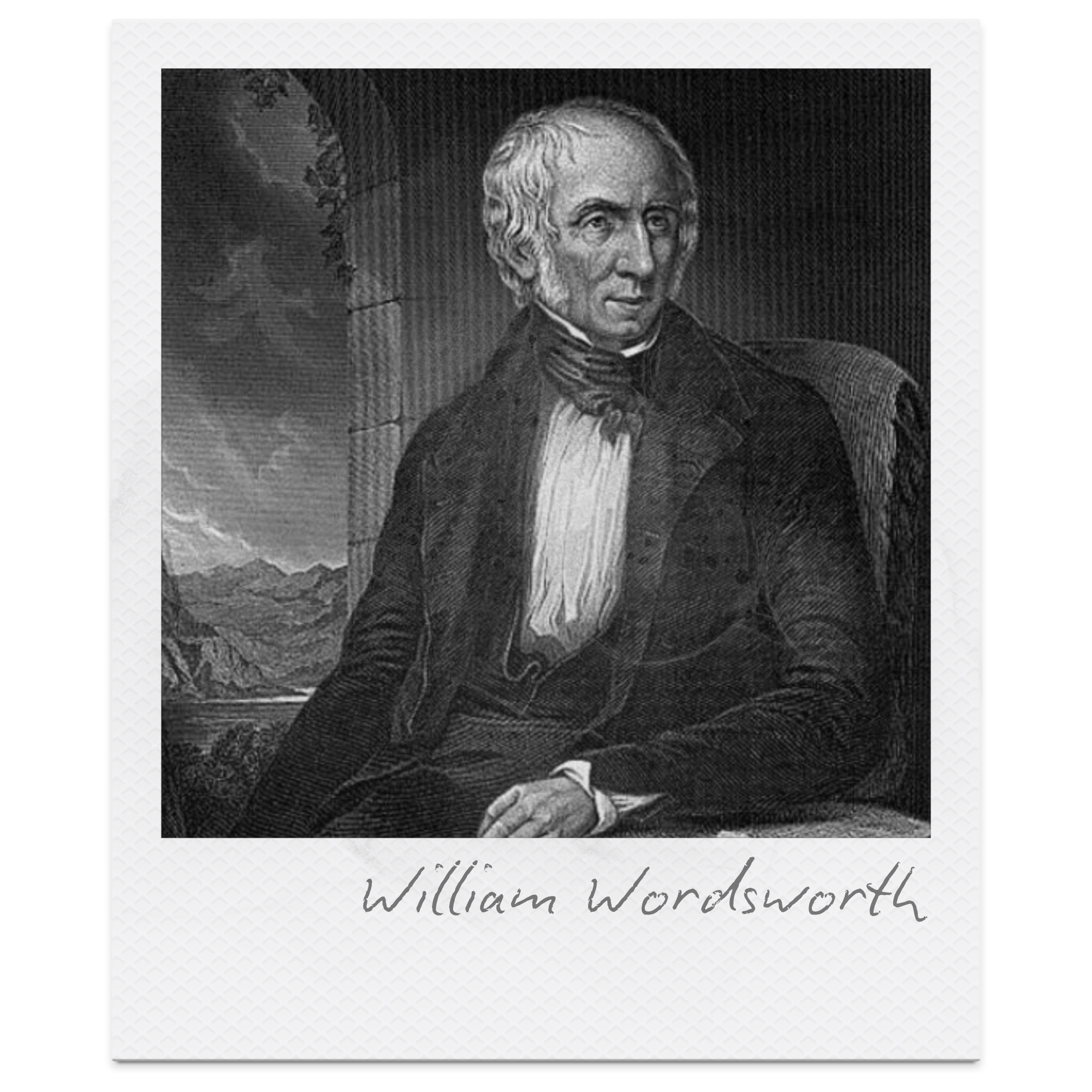
William Wordsworth (1770–1850) was one of the leading figures of the Romantic movement, a literary period that celebrated nature, emotion, memory, and the individual's personal experience rather than the reason and order emphasised during the Enlightenment. Much of Wordsworth's poetry explores how encounters with the natural world shape a person's emotional and spiritual development, particularly during childhood.
The Prelude is Wordsworth's long autobiographical poem, written to trace the growth of his own mind and imagination. Although it was completed in several versions, including the 1805 manuscript, it was not published until after his death in 1850. This anthology extract comes from the earlier 1805 version, which is often regarded as more energetic and emotionally immediate than the later revision.
The skating episode reflects Wordsworth's childhood in England's Lake District, where the dramatic landscape profoundly influenced his writing. While the extract initially celebrates youthful freedom, speed, and companionship, it also hints at a growing awareness of nature's vastness and mystery. This movement from simple enjoyment towards deeper reflection is central to Romantic poetry, where ordinary experiences often become moments of profound emotional and imaginative significance.
Rather than presenting childhood as merely innocent or nostalgic, Wordsworth suggests that these early encounters with nature help form identity, memory, and perception. The extract therefore captures not only the excitement of winter play but also the beginnings of the lifelong relationship between human experience and the natural world that lies at the heart of The Prelude.
From The Prelude: At a Glance
Form: Extract from an autobiographical blank verse poem
Mood: Joyful, energetic, nostalgic, and increasingly reflective
Central tension: Childhood freedom and exhilaration contrasted with the quiet power and mystery of the natural world
Core themes: Nature, childhood, memory, freedom, joy, imagination, the sublime, and personal growth
One-sentence meaning: Through vivid memories of childhood skating, Wordsworth celebrates the joy of youthful freedom while showing how experiences in nature shape the imagination and lay the foundations for a deeper understanding of the world.
Quick Summary of From The Prelude
The extract begins with the speaker recalling a winter evening during childhood when he eagerly ignores the call to return home so that he can continue skating with his friends. As darkness falls, the children race across the frozen lake, playing energetic games inspired by hunting scenes. The speaker vividly remembers the excitement, freedom, and companionship of these moments, presenting childhood as a time of boundless joy, physical energy, and carefree adventure.
As the extract develops, the focus gradually widens from the children themselves to the surrounding landscape. The sounds of their skating echo across cliffs, trees, and distant hills, while the fading evening sky and emerging stars create a more reflective atmosphere. Although the speaker's excitement remains central, the closing lines suggest a growing awareness of nature's immense scale and quiet mystery. The memory therefore becomes more than a recollection of childhood play, revealing how experiences in the natural world shaped the speaker's imagination and emotional development.
Title, Form, Structure, and Metre
The formal features of The Prelude (1805 Extract) are central to its meaning. Wordsworth combines blank verse, flowing enjambment, and a carefully structured progression from energetic action to quiet reflection, mirroring both the movement of the skaters and the speaker's remembered emotional journey. The extract's form allows a simple childhood memory to develop into a meditation on the relationship between nature, memory, and personal growth.
Title
The title The Prelude immediately suggests that this is a beginning rather than a complete story. A prelude introduces something larger, preparing readers for what follows, and Wordsworth uses the poem to explore the early experiences that shaped his imagination and identity. Although this extract focuses on a single winter evening, it represents one important stage in the speaker's lifelong development. The ordinary memory of skating therefore becomes symbolic of the formative experiences that prepare a person for adulthood.
Form and Structure
The extract is taken from a much longer autobiographical poem, allowing Wordsworth to present a personal memory while also exploring broader ideas about childhood and human development. Rather than following a rigid narrative, the poem unfolds naturally as the speaker's memory returns in vivid detail, creating the impression that the experience is being relived rather than simply described.
Structurally, the extract moves through several clear stages. It begins with the excitement of escaping home and joining friends on the frozen lake before building into increasingly energetic descriptions of speed, movement, and communal play. As the children race across the ice, the poem gradually shifts its attention from their activity to the surrounding landscape. The closing lines become noticeably more reflective as the distant hills, stars, and evening sky emerge, suggesting that the speaker is becoming aware of nature's grandeur alongside the excitement of childhood freedom.
This gradual widening of focus reflects one of the extract's central ideas. What begins as a memory of play develops into a deeper appreciation of how encounters with nature shape the imagination. The ending therefore feels expansive rather than conclusive, leaving readers with a sense that the experience extends beyond the skating itself.
Rhyme Scheme and Poetic Pattern
The extract is written in blank verse, meaning it has no regular rhyme scheme. The absence of rhyme creates a natural, conversational voice that reflects the speaker's recollection of childhood while avoiding the artificiality that a fixed rhyme pattern might create.
Instead of rhyme, Wordsworth relies on repetition, alliteration, and rich sound imagery to generate rhythm and musicality. The flowing syntax allows one image to develop naturally into the next, reflecting the continuous movement of the skaters as they glide across the frozen lake. This flexible poetic pattern also enables sudden changes in pace, moving effortlessly from energetic action to quieter moments of reflection.
Metre and Rhythmic Movement
Like much of The Prelude, this extract is written predominantly in iambic pentameter, although Wordsworth frequently introduces natural variations to avoid a mechanical rhythm. The steady pulse provides a sense of forward movement, echoing the smooth, continuous motion of skating across the ice while maintaining the reflective quality of remembered experience.
At moments of heightened excitement, the rhythm becomes more energetic through enjambment and long, flowing sentences. For example, the rapid succession of images describing the children "hissed along the polished ice" and "through the darkness and the cold we flew" creates momentum that mirrors their speed. By contrast, the final lines slow noticeably as attention shifts towards the distant hills, sparkling stars, and fading evening sky. This subtle change in rhythm reflects the movement from physical exhilaration towards contemplation, demonstrating how the poem's metre supports Wordsworth's exploration of both youthful joy and the enduring influence of nature.
The Speaker in From The Prelude
The speaker in The Prelude (1805 Extract) is William Wordsworth himself, reflecting on one of his own childhood experiences from the perspective of adulthood. The poem therefore combines the immediacy of a child's emotions with the wisdom and insight of an older narrator, allowing readers to experience both the excitement of the moment and its lasting significance. This dual perspective is central to the poem, as the adult speaker recognises meanings within the memory that his younger self could not yet fully understand.
At the beginning of the extract, the speaker's voice is energetic, joyful, and impulsive. He vividly recalls ignoring the call to return home because he is completely absorbed in the excitement of skating, describing himself as "Proud and exulting like an untired horse." His language captures the freedom, confidence, and boundless enthusiasm of childhood, while the first-person narration makes the memory feel immediate and authentic.
As the extract progresses, however, the speaker's perspective gradually becomes more reflective. While the child delights in speed, games, and companionship, the adult narrator notices the wider landscape, drawing attention to the echoing cliffs, distant hills, sparkling stars, and fading evening sky. This widening focus reveals that the memory is important not simply because it was enjoyable, but because it illustrates how encounters with nature shaped the speaker's imagination and emotional development. Through this blend of personal recollection, nostalgia, and mature reflection, Wordsworth presents childhood as the foundation of identity, suggesting that the experiences of youth continue to influence the way people understand both themselves and the natural world throughout their lives.
Line-by-Line Analysis of From The Prelude
Although this anthology selection is taken from a much longer autobiographical poem, it forms a carefully shaped episode that moves from childhood excitement to quiet reflection. Wordsworth gradually widens the reader's perspective, beginning with the thrill of skating before shifting attention towards the surrounding landscape and its profound emotional effect. Through vivid sensory imagery, simile, personification, sound patterns, and subtle structural changes, the extract demonstrates how an ordinary childhood memory becomes a formative encounter with nature, freedom, and the developing imagination.
Lines 1–6: A Winter Evening Filled with Childhood Joy
Wordsworth opens the extract by establishing both the physical setting and the emotional intensity of the memory. Although the scene begins in an ordinary village at dusk, the speaker's recollection immediately transforms it into a moment of extraordinary happiness, demonstrating how memory can elevate everyday experiences into defining moments of life.
The opening phrase "in the frosty season" immediately places the reader within a crisp winter landscape. Rather than presenting winter as bleak or hostile, Wordsworth uses it as the backdrop for adventure and exhilaration. The adjective "frosty" evokes freshness, clarity, and possibility, preparing readers for the vivid sensory descriptions that follow while reinforcing the Romantic idea that nature is a source of wonder rather than hardship.
Wordsworth then contrasts darkness with warmth through the description of the sun having "Was set" while "The cottage-windows through the twilight blazed." The glowing windows symbolise the comfort and security of home, yet the speaker deliberately chooses not to return. The vivid verb "blazed" personifies the cottages, making them appear warm and inviting against the gathering darkness. This contrast establishes the tension between domestic safety and the irresistible freedom offered by the natural world.
The speaker reveals this choice in the confession "I heeded not the summons." The verb "heeded" suggests a deliberate decision rather than simple forgetfulness, while "summons" implies both authority and obligation. Ignoring the call home reflects the impulsiveness of childhood, but Wordsworth presents this not as an act of rebellion, but as evidence that the speaker is completely immersed in the joy of the present moment.
The emotional significance of the memory becomes unmistakable when the speaker reflects that it was a "happy time" and, more personally, "a time of rapture!" The repetition of "It was" slows the pace and allows the adult narrator to dwell upon the memory, while the exclamatory noun "rapture" elevates the experience beyond ordinary happiness. Rather than simply recalling an enjoyable evening, Wordsworth presents the memory as one of overwhelming delight and emotional intensity. The distinction between "for all of us" and "for me" is equally important. Although everyone shared the excitement, the speaker recognises that this experience had a uniquely profound effect on his own imagination and development.
This opening movement immediately establishes one of the extract's central ideas: childhood experiences in nature possess a lasting emotional power that extends far beyond the moment itself. By combining vivid natural description with the reflective voice of adulthood, Wordsworth shows that seemingly ordinary memories can become formative experiences, shaping identity and influencing the way a person understands both themselves and the natural world.
Lines 7–10: The Exhilaration of Speed and Freedom
As the memory becomes more vivid, Wordsworth captures the exhilarating movement of the skaters, using simile, dynamic verbs, and sound imagery to convey the boundless energy of childhood. The pace of the poem quickens, allowing readers to experience the speaker's excitement as though they are gliding across the ice alongside him.
The sound of "The village-clock tolled six" briefly reminds the speaker of ordinary routines and responsibilities. The clock marks the passing of time and signals that evening has arrived, reinforcing the earlier "summons" to return home. However, instead of ending the adventure, the clock becomes the catalyst for even greater excitement. The immediate response, "I wheeled about," introduces a sudden burst of movement. The energetic verb "wheeled" suggests effortless speed and freedom, reflecting the child's instinctive desire to remain immersed in play rather than return to the restrictions of home.
Wordsworth develops this sense of liberation through the memorable simile "Proud and exulting like an untired horse / That cares not for his home." Comparing himself to a powerful horse emphasises both physical vitality and emotional freedom. The adjective "untired" suggests limitless energy, while "exulting" conveys intense joy and confidence. The image also hints at wildness, presenting the child as momentarily freed from social expectations and able to respond instinctively to the natural world. By stating that the horse "cares not for his home," Wordsworth reinforces the temporary rejection of domestic comfort in favour of adventure, suggesting that childhood is characterised by a desire to explore rather than remain confined.
The description "All shod with steel / We hissed along the polished ice" appeals vividly to both sight and sound. The phrase "shod with steel" refers to the children's skates, but also evokes the image of powerful animals equipped for movement across the frozen landscape. Meanwhile, the onomatopoeic verb "hissed" recreates the sharp sound of blades cutting through the ice, immersing readers in the physical experience of skating. The adjective "polished" suggests a perfectly smooth surface that reflects both the winter light and the effortless motion of the skaters, creating an impression of elegance as well as speed.
This section demonstrates how Wordsworth transforms an ordinary childhood activity into an almost heroic experience. Through energetic language and flowing rhythm, skating becomes more than recreation; it becomes a symbol of freedom, confidence, and the limitless possibilities of youth. At the same time, the adult speaker's recollection reveals that these moments of exhilaration were significant because they nurtured an enduring sense of wonder and connection with the natural world.
Lines 11–14: Childhood Play Becomes an Epic Adventure
Wordsworth now expands the children's skating into something far greater than a simple winter game. Through allusion, collective imagery, and increasingly energetic language, he transforms ordinary play into an imaginative adventure inspired by the natural world. This reflects the Romantic belief that childhood imagination has the power to elevate everyday experiences into something extraordinary.
The speaker explains that the children skated in "games / Confederate, imitative of the chase / And woodland pleasures." The adjective "Confederate" emphasises unity and cooperation, suggesting that the children move as a single group rather than as isolated individuals. Meanwhile, the phrase "imitative of the chase" reveals that their games are inspired by hunting, allowing them to imaginatively recreate scenes from the countryside. This demonstrates how deeply their play is connected to nature, with the surrounding landscape shaping both their movements and their imaginations.
Wordsworth develops this imaginative world through the vivid auditory imagery of "the resounding horn, / The pack loud-chiming, and the hunted hare." The listing recreates the excitement of a traditional hunt, while the adjectives "resounding" and "loud-chiming" fill the poem with imagined sound. Although the children are simply skating, their imagination transforms the frozen lake into a woodland alive with movement and pursuit. This illustrates one of Wordsworth's central Romantic ideas: the imagination enriches reality, allowing ordinary experiences to become emotionally and spiritually significant.
The pace reaches its fastest point in the declaration "So through the darkness and the cold we flew." The dynamic verb "flew" exaggerates the children's speed, suggesting effortless movement and complete liberation from ordinary physical limits. Rather than simply skating across the ice, they seem almost airborne, creating a sense of exhilaration that mirrors the emotional freedom of childhood. The conjunction of "darkness" and "cold" might normally suggest danger or discomfort, yet neither diminishes the speaker's joy. Instead, these elements heighten the excitement, showing that nature's harsher qualities are embraced rather than feared.
Through this movement, Wordsworth presents childhood imagination as a transformative force. The frozen lake becomes a place where reality and imagination merge, allowing the children to experience adventure, companionship, and freedom on an almost heroic scale. The extract therefore demonstrates that the value of these memories lies not only in what physically happened, but in how the young imagination interpreted and elevated the experience, revealing nature as a landscape of limitless possibility.
Lines 15–18: Nature Echoes the Children's Exuberance
As the children continue skating, Wordsworth shifts the focus from their movement to the landscape surrounding them. Through personification, sound imagery, and simile, nature appears to respond to the children's excitement, creating the impression that the environment itself participates in their joyful experience. This growing interaction between the skaters and the landscape reflects the Romantic belief that humanity and nature are deeply interconnected.
The declaration "And not a voice was idle" immediately emphasises the collective energy of the group. The negative construction suggests that every child is laughing, shouting, or calling out, creating an atmosphere of constant movement and companionship. Rather than presenting childhood as a solitary experience, Wordsworth celebrates the shared joy of communal play, reinforcing the sense of unity established earlier in the extract.
The speaker then describes how the surrounding landscape responds to this excitement: "with the din / Smitten, the precipices rang aloud." The powerful verb "Smitten" personifies the cliffs, making it seem as though they have been physically struck by the children's voices. This transforms the landscape from a passive backdrop into an active participant, while the phrase "rang aloud" emphasises the extraordinary echoes reverberating through the valley. Wordsworth suggests that nature amplifies rather than silences human joy, allowing the children's excitement to become part of the wider environment.
This dialogue between humanity and nature continues as "The leafless trees and every icy crag / Tinkled like iron." The delicate verb "tinkled" creates vivid auditory imagery, recreating the sharp, metallic sounds produced by frost and echo. The simile "like iron" is particularly effective because it combines delicacy with strength. Iron suggests hardness, resilience, and permanence, while "tinkled" evokes light, musical sounds. This contrast captures both the beauty and the harshness of the winter landscape, demonstrating that Wordsworth finds wonder even in nature's coldest season.
The repeated references to precipices, leafless trees, and icy crags also broaden the scale of the poem. The speaker is no longer focused solely on the children skating across the frozen lake; instead, the surrounding landscape becomes increasingly vast and significant. Nature appears immense, powerful, and responsive, subtly preparing readers for the more reflective mood that emerges in the closing lines.
This movement marks an important turning point in the extract. While the earlier sections celebrate the children's physical freedom, Wordsworth now suggests that their joy is inseparable from the natural world itself. Through carefully crafted sound imagery and personification, he presents nature not simply as the setting for childhood adventure, but as an active presence that magnifies emotion and contributes to the speaker's lifelong sense of wonder.
Lines 19–20: A Moment of Mystery and Reflection
At this point, the extract begins to shift away from pure excitement towards a more reflective awareness of the natural world. Although the children continue skating, the speaker suddenly notices that the landscape possesses emotions and meanings beyond their youthful play. This subtle change in tone introduces one of the poem's central Romantic ideas: that nature is not simply beautiful, but also vast, mysterious, and capable of inspiring deep emotional reflection.
The distant landscape comes alive in the description "far-distant hills / Into the tumult sent an alien sound / Of melancholy." The personification of the hills suggests that nature actively responds to the children's activity, yet its response is very different from the joyful echoes of the previous lines. The adjective "alien" is particularly significant because it introduces something unfamiliar and difficult to understand. While the children delight in speed and noise, the hills answer with a sound that feels strange, distant, and emotionally complex, hinting that nature possesses depths beyond human understanding.
The noun "melancholy" marks an important tonal shift. Until this point, the extract has been dominated by words associated with joy, energy, and rapture, but here a quieter emotion enters the poem. The melancholy does not interrupt the children's happiness; instead, it exists alongside it, suggesting that the natural world contains both exhilaration and contemplation. This moment reflects the Romantic fascination with experiences that inspire wonder while also reminding people of their own smallness within a much larger universe.
Wordsworth also emphasises that this feeling is "not unnoticed." This understated phrase reveals the dual perspective that shapes the entire extract. Although the youthful speaker remains absorbed in skating, the adult narrator recognises that this mysterious sound formed part of the experience and contributed to his developing understanding of nature. It suggests that even as a child, he instinctively sensed something profound within the landscape, despite being unable to fully explain it at the time.
This brief movement represents a significant turning point in the poem. The extract begins as a celebration of childhood freedom, but the appearance of the "alien sound / Of melancholy" signals the beginning of deeper reflection. Wordsworth suggests that encounters with nature are valuable not only because they bring pleasure, but because they awaken the imagination and encourage an awareness of emotions and mysteries that extend beyond ordinary human experience.
Lines 21–22: The Quiet Beauty of Nature Endures
The extract concludes by slowing its pace dramatically, replacing the energy and noise of the skating with a scene of stillness and quiet beauty. Through visual imagery, symbolism, and contrast, Wordsworth widens the reader's perspective from the children's immediate experience to the vastness of the evening landscape. The ending suggests that while childhood joy is intense and fleeting, nature possesses an enduring tranquillity that continues to shape the speaker's memory long after the moment has passed.
The description of "the stars, / Eastward, were sparkling clear" introduces a sense of permanence and wonder. The adjective "sparkling" creates vivid visual imagery, making the stars appear bright, alive, and almost timeless. Unlike the movement of the children, the stars remain calm and constant, symbolising the enduring presence of nature beyond the brief excitement of human activity. Their appearance also expands the scale of the poem from the frozen lake to the wider universe, reminding readers that the children's joyful adventure takes place within a landscape far greater than themselves.
Wordsworth balances this image with the gentle observation that "in the west / The orange sky of evening died away." The personification of the sky "dying" suggests the natural ending of the day rather than something tragic or frightening. The warm colour "orange" softens the image, creating a peaceful transition from daylight into night. This gradual fading mirrors the movement of the poem itself, which has shifted from energetic action towards quiet reflection. The image also symbolises the passing of childhood moments: however joyful they may be, they cannot last forever.
The contrast between the sparkling stars in the east and the dying light in the west reinforces one of the extract's central ideas about change and continuity. The day ends, yet the stars emerge; excitement fades, yet beauty remains. Rather than presenting endings as purely negative, Wordsworth suggests that nature exists in continual cycles of renewal, where one moment naturally gives way to the next.
The extract therefore closes on a note of calm contemplation rather than excitement. The speaker's memory is no longer centred solely on skating or childhood games but on the wider landscape that surrounded them. By ending with the vast evening sky instead of the children themselves, Wordsworth reinforces the Romantic belief that nature is the lasting teacher, quietly shaping the imagination long after moments of youthful exhilaration have passed. The memory endures not because of the skating alone, but because it became an encounter with the beauty, mystery, and permanence of the natural world.
Key Quotes and Methods in From The Prelude
Throughout The Prelude (1805 Extract), Wordsworth uses vivid imagery, simile, personification, sound imagery, and blank verse to transform an ordinary childhood memory into a reflection on nature, freedom, memory, and the development of the imagination.
"I heeded not the summons"
◆ Technique: First-person narration; symbolic language
◆ Meaning: The speaker ignores the call to return home, choosing freedom and adventure instead.
◆ Purpose: Wordsworth emphasises the spontaneity and impulsiveness of childhood while suggesting that nature holds a stronger attraction than domestic responsibility.
◆ Impact: Readers immediately share the speaker's excitement and recognise the powerful emotional pull of the natural world.
"It was a time of rapture!"
◆ Technique: Exclamatory language; emotive diction
◆ Meaning: The memory is recalled as one of overwhelming joy rather than simple happiness.
◆ Purpose: Wordsworth elevates an ordinary childhood experience into a formative emotional moment.
◆ Impact: Readers understand that the memory continues to shape the speaker's identity long into adulthood.
"Proud and exulting like an untired horse"
◆ Technique: Simile
◆ Meaning: The speaker compares himself to a powerful, energetic animal full of freedom and vitality.
◆ Purpose: Wordsworth captures the limitless confidence and physical exhilaration of childhood.
◆ Impact: The simile creates a vivid sense of movement while reinforcing the Romantic connection between humanity and nature.
"We hissed along the polished ice"
◆ Technique: Onomatopoeia; auditory imagery
◆ Meaning: The sound of the skates is recreated through the verb "hissed."
◆ Purpose: Wordsworth immerses readers in the physical experience of skating.
◆ Impact: The line creates immediacy and excitement, allowing readers to almost hear the blades cutting across the ice.
"imitative of the chase / And woodland pleasures"
◆ Technique: Allusion; imagery
◆ Meaning: The children's games imitate hunting scenes and rural life.
◆ Purpose: Wordsworth shows how childhood imagination transforms ordinary play into adventure.
◆ Impact: Readers see how closely the children's creativity is connected to the surrounding natural landscape.
"through the darkness and the cold we flew"
◆ Technique: Hyperbole; dynamic verb
◆ Meaning: The skaters appear to move with extraordinary speed and freedom.
◆ Purpose: Wordsworth conveys the exhilaration of youthful energy and boundless possibility.
◆ Impact: The exaggerated movement reflects the emotional intensity of the memory.
"the precipices rang aloud"
◆ Technique: Personification; auditory imagery
◆ Meaning: The cliffs seem to respond to the children's voices.
◆ Purpose: Wordsworth presents nature as an active participant rather than a passive setting.
◆ Impact: Readers experience the close relationship between human emotion and the natural environment.
"The leafless trees and every icy crag / Tinkled like iron"
◆ Technique: Simile; sound imagery
◆ Meaning: Frost and echoes create sharp, metallic sounds across the landscape.
◆ Purpose: Wordsworth highlights both the beauty and the harshness of the winter setting.
◆ Impact: The unusual comparison creates a memorable sensory image while emphasising nature's vivid presence.
"an alien sound / Of melancholy"
◆ Technique: Juxtaposition; emotive diction
◆ Meaning: A mysterious sadness interrupts the children's excitement.
◆ Purpose: Wordsworth introduces the deeper emotional and spiritual dimensions of nature.
◆ Impact: Readers recognise the shift from carefree childhood play towards mature reflection.
"the stars... were sparkling clear"
◆ Technique: Visual imagery; symbolism
◆ Meaning: The stars symbolise permanence, beauty, and the vastness of the natural world.
◆ Purpose: Wordsworth widens the poem's perspective beyond the immediate experience of skating.
◆ Impact: Readers are left with a sense of awe as nature becomes the lasting focus of the memory.
"The orange sky of evening died away"
◆ Technique: Personification; visual imagery
◆ Meaning: The fading sunset marks the natural ending of both the day and the childhood adventure.
◆ Purpose: Wordsworth gently reminds readers that joyful moments are temporary, even though their emotional impact endures.
◆ Impact: The extract closes with a peaceful, reflective mood that reinforces the lasting influence of memory and nature.
Key Techniques in From The Prelude
In The Prelude (1805 Extract), William Wordsworth combines vivid imagery, blank verse, simile, personification, sound imagery, and structural progression to transform a childhood memory into a reflection on nature, memory, and personal development. Rather than simply recalling an enjoyable experience, he demonstrates how encounters with the natural world shape the imagination and continue to influence identity throughout life.
◆ Autobiographical First-Person Narration – The poem is told through the speaker's own memories, creating an intimate and authentic voice. Because the adult Wordsworth reflects on his childhood self, the poem combines the immediacy of youthful excitement with mature understanding. This dual perspective allows readers to appreciate both the joy of the original experience and its lifelong significance.
◆ Blank Verse – The extract is written in unrhymed iambic pentameter, or blank verse. The absence of rhyme creates a natural, conversational rhythm that reflects the movement of remembered thought rather than a tightly controlled lyric. This flexible form allows Wordsworth to move seamlessly between energetic description and quiet reflection.
◆ Vivid Sensory Imagery – Wordsworth appeals to sight, sound, and movement throughout the extract. Images such as "The cottage-windows through the twilight blazed," "We hissed along the polished ice," and "the stars... were sparkling clear" immerse readers in the memory, making it feel immediate and alive. The rich sensory detail also demonstrates the lasting clarity with which the speaker remembers childhood experiences.
◆ Nature Imagery – The natural landscape is far more than a backdrop. The frozen lake, cliffs, trees, hills, stars, and evening sky all contribute to the speaker's emotional experience. Wordsworth presents nature as dynamic, beautiful, and spiritually significant, reflecting the central beliefs of Romanticism.
◆ Simile – Wordsworth uses memorable comparisons to capture both physical movement and emotional freedom. The speaker describes himself as "like an untired horse," suggesting limitless energy, instinct, and independence, while the trees and crags "Tinkled like iron" create an unexpected comparison that combines musical beauty with the strength and hardness of the winter landscape.
◆ Personification – Throughout the extract, nature is given human qualities. "The cottage-windows... blazed," "the precipices rang aloud," and "The orange sky of evening died away" all suggest that the landscape actively responds to human experience. This personification reinforces the Romantic idea that humanity and nature exist in a close emotional relationship.
◆ Sound Imagery and Onomatopoeia – Sound is central to the poem's atmosphere. The "village-clock," "resounding horn," "pack loud-chiming," and echoes from the cliffs create a rich auditory landscape. Particularly effective is the onomatopoeic verb "hissed," which recreates the sound of skates cutting across the ice and immerses readers in the excitement of the moment.
◆ Dynamic Verbs – Wordsworth fills the extract with energetic verbs such as "wheeled," "hissed," "flew," "rang," and "tinkled." These verbs maintain the poem's momentum while reflecting the vitality and spontaneity of childhood. The movement gradually slows towards the end of the extract, mirroring the speaker's transition from excitement to contemplation.
◆ Structural Progression – The extract follows a carefully controlled emotional journey. It begins with the anticipation of skating, builds through scenes of speed, play, and communal excitement, before gradually widening its focus towards the surrounding landscape. The closing images of distant hills, stars, and the fading evening sky create a reflective conclusion, demonstrating how childhood joy naturally develops into deeper awareness and understanding.
◆ Juxtaposition – Wordsworth repeatedly contrasts movement with stillness, noise with silence, and childhood excitement with mature reflection. The children's energetic skating is set against the calm permanence of the stars and evening sky, highlighting both the fleeting nature of human experience and the enduring presence of the natural world.
◆ Symbolism – Many elements of the extract carry symbolic significance. The ice represents freedom and possibility, the journey across the frozen lake reflects personal growth, while the stars symbolise permanence, wonder, and the vastness of nature. The fading evening sky gently reminds readers that joyful moments inevitably pass, even though their emotional influence remains.
◆ Romantic Ideals – Every aspect of the extract reflects the principles of Romantic poetry. Wordsworth celebrates childhood, emotion, imagination, and the natural world, suggesting that ordinary experiences in nature possess the power to shape identity and deepen human understanding. Rather than presenting childhood as something to outgrow, he portrays it as the foundation of the adult imagination and the beginning of a lifelong relationship with nature.
How the Writer Creates Meaning and Impact in From The Prelude
In The Prelude (1805 Extract), William Wordsworth creates meaning through the careful combination of imagery, blank verse, sound patterns, symbolism, and structural development. What begins as a joyful recollection of childhood skating gradually becomes a meditation on nature, memory, and the formative experiences that shape the human imagination. By moving from physical excitement to quiet reflection, Wordsworth demonstrates that seemingly ordinary moments in childhood can have a profound and lasting influence on personal identity.
◆ Language: Transforming an Ordinary Memory into Something Extraordinary – Wordsworth's language elevates a simple winter evening into a deeply significant experience. Emotive words such as "rapture," "proud," and "exulting" convey the overwhelming joy of childhood, while dynamic verbs including "wheeled," "hissed," and "flew" recreate the exhilaration of skating across the frozen lake. This energetic diction allows readers to experience the excitement alongside the speaker, while also recognising its lasting emotional importance.
◆ Imagery: Creating a Living Landscape – Rich sensory imagery immerses readers in both the physical environment and the speaker's emotional experience. The glowing "cottage-windows," the "polished ice," the echoing "precipices," and the "orange sky of evening" create a landscape that is both vividly real and emotionally charged. Rather than simply describing nature, Wordsworth presents it as something that stimulates wonder, imagination, and reflection.
◆ Structure: From Exhilaration to Reflection – The extract follows a carefully controlled emotional progression. It begins with anticipation and joyful freedom before building through increasingly energetic descriptions of skating and childhood games. Gradually, however, the focus shifts away from the children themselves towards the wider landscape. The appearance of the "alien sound / Of melancholy" and the closing images of stars and the fading sky slow the pace, encouraging readers to move from excitement to contemplation. This structural development mirrors the speaker's own journey from youthful experience to mature understanding.
◆ Nature as a Teacher – Throughout the extract, nature is presented as far more than a backdrop for childhood play. The frozen lake, cliffs, trees, hills, and evening sky actively shape the speaker's emotional and imaginative development. Even while the children are absorbed in their games, the landscape quietly introduces feelings of awe and mystery. Wordsworth suggests that encounters with nature educate the emotions, teaching lessons that may only be fully understood later in life.
◆ Sound and Movement: Recreating Childhood Energy – Auditory imagery plays a vital role in conveying the vitality of the memory. The "village-clock," "resounding horn," "pack loud-chiming," and the skates that "hissed along the polished ice" create a rich soundscape that reflects the excitement of communal play. The repeated echoes from the surrounding cliffs suggest that nature amplifies rather than interrupts the children's joy, reinforcing the close relationship between humanity and the landscape.
◆ Symbolism: Childhood as the Beginning of Personal Growth – The skating itself becomes symbolic of freedom, exploration, and emotional development. The frozen lake represents a space where ordinary rules seem suspended, allowing the children to experience confidence, independence, and imaginative adventure. Meanwhile, the gradual transition from daylight to darkness symbolises the movement from innocent enjoyment towards deeper awareness, reflecting the speaker's growing understanding of both himself and the natural world.
◆ Memory and Perspective – The extract gains much of its emotional power from the contrast between the child's immediate experience and the adult speaker's reflection. The younger Wordsworth simply delights in skating with his friends, but the older narrator recognises that the memory represents something much greater. By revisiting the scene through memory, he demonstrates how childhood experiences continue to shape identity, suggesting that their true significance often becomes clear only with time.
◆ The Ending: Wonder Gives Way to Contemplation – The final images of "the stars... were sparkling clear" and "The orange sky of evening died away" bring the extract to a peaceful, reflective conclusion. After the noise and speed of the skating, the quiet beauty of the evening sky reminds readers that nature endures beyond moments of human excitement. Rather than ending with action, Wordsworth ends with stillness, reinforcing the Romantic belief that the natural world possesses a lasting spiritual power. The extract ultimately suggests that childhood joy is valuable not simply because it is pleasurable, but because it creates memories that continue to shape the imagination throughout life, allowing ordinary experiences to become sources of lifelong wisdom and inspiration.
Themes in From The Prelude
In The Prelude (1805 Extract), William Wordsworth explores how childhood experiences in nature shape the imagination and continue to influence identity throughout life. Through vivid imagery, blank verse, personification, and structural progression, he transforms an ordinary memory of skating into a meditation on joy, freedom, memory, and the profound emotional relationship between humanity and the natural world. The extract reflects many of the defining ideas of Romanticism, celebrating emotion and personal experience as powerful sources of knowledge and growth.
Nature
Nature is the poem's most significant presence, acting not merely as the setting but as an active force in the speaker's emotional development. The frozen lake, echoing cliffs, "leafless trees," distant hills, and "sparkling" stars all contribute to the speaker's experience, creating a landscape that feels alive and responsive. Through personification and sensory imagery, Wordsworth suggests that nature possesses its own energy and mystery, encouraging readers to view it as a teacher rather than simply a backdrop for human activity.
Childhood
Wordsworth presents childhood as a period of intense emotion, physical freedom, and limitless possibility. The speaker recalls ignoring the call home because he is completely absorbed in skating with his friends, describing the experience as "a time of rapture!" The extract celebrates the spontaneity, confidence, and imagination of youth while suggesting that these seemingly ordinary experiences become the foundation of adult identity and understanding.
Memory
The entire extract is shaped by memory, with the adult speaker looking back on one particularly vivid childhood experience. The remarkable sensory detail demonstrates how clearly the event remains in his mind, while his reflective commentary reveals that he now understands its deeper significance. Wordsworth suggests that memory is not simply a record of the past but a means of interpreting experience, allowing ordinary moments to acquire greater meaning over time.
Freedom
Freedom is expressed both physically and emotionally throughout the extract. The speaker chooses adventure over domestic responsibility when he "heeded not the summons," while the exhilarating movement of the skaters creates a powerful sense of liberation. The simile comparing the speaker to "an untired horse / That cares not for his home" reinforces this feeling of independence, suggesting that childhood allows brief moments of complete release from social expectations and restraint.
Joy
The poem celebrates the intense happiness of shared childhood experience. Words such as "happy," "rapture," "proud," and "exulting" create an atmosphere of exuberance, while the energetic descriptions of skating communicate the excitement of physical movement and companionship. However, Wordsworth's presentation of joy extends beyond simple pleasure, suggesting that moments of happiness become especially valuable because they shape the emotions and remain vivid throughout life.
Imagination
Imagination transforms the children's skating into something far greater than an ordinary game. Their activities become "imitative of the chase / And woodland pleasures," showing how youthful creativity reshapes reality into adventure. This reflects one of the central beliefs of Romanticism: imagination enriches experience, allowing the ordinary world to become extraordinary. For Wordsworth, imagination is not an escape from reality but a deeper way of engaging with it.
The Sublime
Alongside joy and excitement, the extract introduces a quieter awareness of the sublime—the overwhelming power and mystery of the natural world. The "alien sound / Of melancholy," the echoing hills, and the vast evening sky create moments of awe that extend beyond the children's immediate understanding. Rather than inspiring fear, the landscape encourages wonder and reflection, suggesting that nature possesses depths that cannot be fully explained but can profoundly influence the human mind.
Personal Growth
Although the extract focuses on a single childhood memory, it forms part of Wordsworth's wider exploration of how the mind develops. The movement from energetic skating to quiet contemplation mirrors the speaker's own emotional and intellectual growth. The adult narrator recognises that this winter evening was not simply enjoyable but formative, demonstrating how experiences in nature nurture the imagination, deepen emotional awareness, and contribute to the lifelong process of self-discovery. Through this reflection, Wordsworth suggests that personal growth begins not in extraordinary events, but in the seemingly ordinary moments that remain with us long after childhood has ended.
Alternative Interpretations of From The Prelude
Although The Prelude (1805 Extract) appears to be a joyful recollection of childhood skating, Wordsworth deliberately creates a poem that can be understood in several different ways. Through imagery, blank verse, personification, sound imagery, and structural development, the extract becomes not only a celebration of youthful freedom but also an exploration of memory, imagination, and humanity's relationship with the natural world.
Autobiographical Interpretation: A Formative Childhood Memory
From an autobiographical perspective, the extract records one of the experiences that shaped Wordsworth's own mind. As part of The Prelude, the episode contributes to his wider exploration of personal growth, demonstrating how seemingly ordinary childhood moments become deeply significant over time. The excitement of skating is therefore important not because it is unusual, but because it represents one of the countless encounters with nature that formed the poet's imagination and identity. The adult narrator's reflective voice suggests that the true meaning of the experience only became clear many years later.
Romantic Interpretation: Nature as a Spiritual Teacher
A Romantic reading places nature at the centre of the poem's meaning. Rather than acting as a simple backdrop for childhood games, the frozen lake, echoing cliffs, distant hills, and evening sky become active participants in the speaker's emotional development. Nature offers joy, freedom, beauty, and mystery simultaneously, gradually leading the speaker from physical excitement towards deeper contemplation. In this interpretation, Wordsworth suggests that the natural world possesses a quiet wisdom capable of shaping both the imagination and the human spirit.
Psychological Interpretation: Memory Shapes Identity
From a psychological perspective, the poem explores the way memory transforms experience. The speaker does not simply remember skating; he reconstructs it through the emotions and understanding of adulthood. Details such as "a time of rapture!" reveal how the memory has grown in significance over the years, becoming part of the speaker's sense of self. The extract therefore suggests that identity is formed not only through experience itself but through the way those experiences are remembered, interpreted, and continually revisited throughout life.
The Sublime Interpretation: Joy Gives Way to Awe
The extract can also be interpreted as an exploration of the sublime, one of the defining ideas of Romantic literature. While the poem begins with exhilaration and youthful confidence, the appearance of the "alien sound / Of melancholy", the distant hills, and the vast evening sky introduces emotions that extend beyond simple happiness. These moments suggest that nature possesses an immense power and mystery that cannot be fully understood. Rather than overwhelming the speaker with fear, the sublime inspires humility, wonder, and reflection, marking the beginning of a deeper awareness of humanity's place within the natural world.
Exam-Ready Insight for From The Prelude
Strong responses to The Prelude (1805 Extract) recognise that Wordsworth is not simply describing a childhood memory. Instead, he uses a joyful experience of skating to explore how encounters with nature shape the imagination and contribute to personal growth. The strongest essays explain how language, structure, sound, and imagery work together to transform an ordinary winter evening into a formative moment that continues to influence the speaker long into adulthood.
What Strong Responses Do
◆ Develop a clear interpretation of the skating episode as a significant moment in the speaker's emotional and imaginative development rather than simply an enjoyable childhood memory.
◆ Analyse Wordsworth's methods closely, exploring how imagery, similes, personification, sound patterns, and dynamic verbs create both excitement and reflection.
◆ Comment on the poem's structural progression, showing how it moves from energetic childhood play towards a quieter awareness of the natural world's beauty and mystery.
◆ Explore the presentation of nature, explaining that it functions as an active force shaping the speaker's thoughts and emotions rather than merely providing the setting.
◆ Recognise the dual perspective created by the adult narrator remembering his younger self, showing how memory gives the experience greater meaning.
◆ Use precise quotations and analyse individual words in detail, always explaining how Wordsworth's methods influence the reader.
Common Mistakes to Avoid
◆ Retelling the skating episode without analysing Wordsworth's techniques.
◆ Treating the extract as simply nostalgic rather than recognising its exploration of personal growth.
◆ Ignoring the shift from excitement to reflection in the final lines.
◆ Describing nature as scenery instead of considering its emotional and symbolic significance.
◆ Identifying literary devices without explaining how they contribute to the poem's wider meaning.
Strong Thesis Statement
In The Prelude (1805 Extract), William Wordsworth uses vivid sensory imagery, blank verse, dynamic movement, and structural shifts from exhilaration to reflection to show that childhood encounters with nature shape the imagination, creating memories that continue to influence identity throughout life.
Model Analytical Paragraph
Wordsworth presents childhood as a time of limitless freedom by combining energetic imagery with powerful comparisons that celebrate both physical movement and emotional liberation. The speaker recalls being "Proud and exulting like an untired horse / That cares not for his home," where the simile compares the child to an energetic animal driven by instinct rather than responsibility. The adjective "untired" suggests seemingly endless energy, while "exulting" conveys overwhelming joy and confidence, capturing the intensity with which childhood experiences are felt. The image also symbolises temporary freedom from the expectations of adult life, as the horse "cares not for his home," reflecting the speaker's decision to ignore the earlier "summons" to return indoors. Wordsworth develops this exhilaration through the dynamic description "We hissed along the polished ice," where the onomatopoeic verb "hissed" recreates the sharp sound of skates gliding across the frozen surface and allows readers to experience the speed and excitement alongside the speaker. However, this freedom is not presented as an end in itself. As the extract progresses, the lively action gradually gives way to the quieter images of "the stars... were sparkling clear" and "The orange sky of evening died away," revealing that the lasting importance of the memory lies not simply in childhood play but in the speaker's growing awareness of the beauty, permanence, and quiet power of the natural world. Through this carefully controlled progression, Wordsworth suggests that moments of youthful joy become formative because they nurture the imagination and continue to shape identity long after childhood has passed.
Teaching Ideas for From The Prelude
These classroom activities help students explore how William Wordsworth uses imagery, sound, structure, and Romantic ideas to present childhood as a formative period of joy, freedom, and emotional development. Each task develops the close analytical skills required for success in CIE IGCSE Literature in English (0475) while encouraging students to consider how writers create meaning through language and form.
1. Collaborative Analytical Paragraph
Working in pairs, students choose one quotation that best illustrates the speaker's relationship with nature or childhood. Together, they should write a detailed analytical paragraph explaining how Wordsworth's methods develop the poem's central ideas.
Which words are most significant, and why?
How does the quotation reveal the speaker's emotions?
What effect does Wordsworth create for the reader?
2. Structured Group Close Analysis
Divide the class into small groups and assign each group one section of the extract. Students should identify the key literary methods used before explaining how their section contributes to the poem's progression from energetic childhood play to reflective appreciation of nature. Each group then presents its findings, allowing the class to build a complete understanding of the poem's structure and development.
How does the mood change in your section?
Which techniques are most effective?
How does this part prepare readers for the ending?
3. Imagery and Sound Mapping
Ask students to create a visual map of the poem's sensory imagery, organising examples into sound, movement, light, and nature. They should then explain how these different types of imagery work together to recreate the speaker's childhood experience and shape the reader's emotional response. This activity helps students move beyond identifying imagery to exploring its wider purpose and effect.
Which sense dominates the poem, and why?
How do the sounds change as the extract progresses?
How does the imagery contribute to the shift from excitement to reflection?
4. Creative Writing Task
Invite students to write about one of their own childhood memories in the style of Wordsworth. Encourage them to begin with a vivid physical experience before gradually widening their focus to reflect on why the memory remains significant. Students should incorporate sensory imagery, personification, and contrasting moods to mirror the poem's movement from action to contemplation. For more descriptive writing activities and creative inspiration, visit the Creative Writing Archive.
Choose a childhood memory connected to a particular place.
Use detailed sensory description to recreate the experience.
End by reflecting on how the memory influenced the person you are today.
Go Deeper into From The Prelude
If you enjoyed The Prelude (1805 Extract), exploring other texts that examine nature, childhood, memory, and personal growth will deepen your understanding of Wordsworth's ideas. These poems and literary works similarly explore how encounters with the natural world shape identity, inspire reflection, and reveal humanity's place within a much larger landscape.
◆ Lines Written a Few Miles above Tintern Abbey – William Wordsworth – One of Wordsworth's most famous explorations of memory and nature. Like The Prelude, it reflects on how experiences in the natural world continue to influence the mind long after they have passed. Comparing the two poems highlights Wordsworth's belief that nature nurtures emotional, moral, and spiritual growth throughout life.
◆ I Wandered Lonely as a Cloud – William Wordsworth – Both poems celebrate joyful encounters with nature that remain vivid through memory. While the daffodils provide comfort during later moments of solitude, the skating episode becomes a formative childhood memory. Together, they demonstrate Wordsworth's conviction that remembered experiences of nature possess lasting emotional power.
◆ Frost at Midnight – Samuel Taylor Coleridge – Like Wordsworth, Coleridge explores childhood, memory, and the educational influence of nature. Whereas The Prelude reflects on the poet's own upbringing, Coleridge imagines the future childhood of his son, expressing the hope that growing up surrounded by nature will shape his character and imagination.
◆ The Rainbow – William Wordsworth – This short lyric shares the famous declaration, "The Child is father of the Man," expressing Wordsworth's belief that childhood experiences determine the adult self. Reading it alongside The Prelude reinforces the idea that youthful encounters with nature become the foundation of lifelong identity and emotional understanding.
◆ Piano – D. H. Lawrence – Both poems explore the extraordinary emotional power of memory. Lawrence's speaker is unexpectedly transported back to childhood through music, while Wordsworth consciously revisits a winter evening on the ice. Comparing the poems reveals how sensory experiences preserve the past and continue to influence adult identity.
◆ Deep in the Hills – Ruth Dallas – Both poems explore humanity's relationship with the natural world, but from different perspectives. Wordsworth shows nature shaping the imagination during childhood, while Dallas suggests that human identity exists within the landscape rather than separate from it. Together, the poems encourage readers to consider how nature influences both personal identity and our understanding of belonging.
◆ Storm on the Island – Seamus Heaney – Although Heaney presents nature as far more threatening than Wordsworth, both poets examine humanity's relationship with powerful landscapes. Comparing the two poems reveals contrasting Romantic and modern perspectives, allowing students to explore whether nature should be viewed as a source of comfort, inspiration, or overwhelming power.
◆ The Darkling Thrush – Thomas Hardy – Hardy also uses the natural world to explore emotional experience, although his conclusions are much more uncertain than Wordsworth's optimism. Comparing the poems allows students to examine how different poets use landscape, symbolism, and seasonal imagery to explore hope, memory, and humanity's place within the natural world.
Final Thoughts
William Wordsworth's The Prelude (1805 Extract) demonstrates how an apparently ordinary childhood memory can become a profound exploration of nature, memory, and personal growth. Through vivid sensory imagery, blank verse, personification, and a carefully controlled shift from energetic action to quiet reflection, Wordsworth transforms an evening of skating into a formative experience that shapes the speaker's imagination and understanding of the world. The extract celebrates the excitement of youth while revealing that its deepest significance lies in the lasting emotional connection it creates with the natural landscape.
At the heart of the poem is the Romantic belief that nature is a teacher. The frozen lake, echoing cliffs, distant hills, and fading evening sky are far more than a picturesque setting; they become active influences on the speaker's developing mind. Although the child delights in freedom, speed, and companionship, the adult narrator recognises that these moments also awakened a lifelong sense of wonder, demonstrating how memory transforms simple experiences into sources of wisdom and self-understanding.
Ultimately, The Prelude (1805 Extract) reminds readers that the experiences which shape us most profoundly are often those that seem ordinary at the time. By revisiting this joyful winter evening through the lens of memory, Wordsworth suggests that childhood encounters with nature continue to echo throughout adulthood, influencing identity, imagination, and emotional perception long after the moment itself has passed.
If you're revising Songs of Ourselves Volume 3, explore the Songs of Ourselves Volume 3 Hub for detailed analyses of every poem in the anthology. You can also visit the Literature Library for more summaries, comparison guides, close readings, and exam-focused resources.
Choose Your Next Text