70 Arctic Gothic Writing Prompts: Frozen Monasteries, Endless Night & Ancient Ice
The Arctic has long captured the imagination of writers as one of the world's most beautiful yet unforgiving landscapes. Endless snowfields, towering glaciers, frozen seas, abandoned expeditions, and months of darkness create an atmosphere where isolation, survival, and the unknown become inseparable. When these stark landscapes are combined with the mystery and psychological tension of Gothic fiction, they become the perfect setting for stories where nature itself feels ancient, watchful, and impossibly powerful.
Although Gothic fiction is often associated with crumbling castles and haunted manor houses, many classic works embrace frozen landscapes as places where civilisation gives way to something far older and more terrifying. Mary Shelley's Frankenstein reaches its haunting conclusion amid the Arctic ice, where creator and creation pursue one another across an endless frozen wilderness. Dan Simmons' The Terror, inspired by the doomed Franklin Expedition, transforms the polar wilderness into a place of supernatural dread, while countless ghost stories and exploration narratives use snow, silence, and isolation to heighten fear and uncertainty.
In Arctic Gothic, the landscape is never simply a backdrop. Endless winter nights distort time, glaciers conceal forgotten histories, and abandoned settlements seem frozen at the exact moment disaster struck. Remote research stations, ruined whaling villages, frozen monasteries, ancient cave systems, and ships trapped within drifting sea ice all become places where secrets remain perfectly preserved beneath centuries of snow.
This collection of 70 Arctic Gothic Writing Prompts is designed as a complete creative toolkit, featuring plot hooks, title ideas, opening lines, closing lines, character ideas, setting prompts, and cinematic visual inspiration. From haunted ice fields and forgotten expeditions to supernatural folklore, mysterious lights, and ancient beings sleeping beneath the glaciers, these prompts will help you create atmospheric stories filled with beauty, dread, and unforgettable mystery.
If you're looking for even more dark and atmospheric inspiration, explore the Gothic Writing Hub or browse the Creative Writing Archive, where you'll find hundreds of creative writing prompts, story ideas, character inspiration, and seasonal resources to inspire your next tale.
1. Plot Hooks
The frozen north is filled with isolation, mystery, and landscapes capable of hiding secrets for centuries. These prompts explore forgotten expeditions, supernatural encounters, ancient ice, and the terrifying beauty of the Arctic.
Write about an abandoned research station where every clock stopped at exactly the same moment.
Write about explorers who discover a monastery perfectly preserved beneath a glacier.
Write about mysterious footprints that appear each morning across untouched snow but never lead anywhere.
Write about a lighthouse that continues shining despite the island having been abandoned for fifty years.
Write about a frozen ship emerging from the sea ice carrying passengers who have not aged.
Write about strange lights dancing above the tundra that lure travellers away from camp.
Write about an ancient creature imprisoned beneath the glacier beginning to awaken.
Write about a village where no one ventures outside during the longest night of the year.
Write about an archaeologist uncovering perfectly preserved letters written centuries apart in the same handwriting.
Write about an expedition that discovers another team already waiting for them—despite no record of anyone ever arriving.
2. Title Ideas
Arctic Gothic titles should evoke silence, isolation, ancient landscapes, and the unsettling beauty of endless winter.
Beneath the Frozen Sea
The Last Lighthouse
Cathedral of Ice
The Longest Night
Where the Glacier Sleeps
Frostbound Abbey
Beneath the Aurora
The Silent Expedition
Winter Without Dawn
The Frozen Bell
3. Opening Lines
The opening of an Arctic Gothic story should immediately immerse readers in a world of silence, isolation, and creeping unease. Endless snow, abandoned settlements, frozen landscapes, and unnatural phenomena can all hint that something ancient is waiting beneath the ice.
The snow had covered the church for nearly a century before its bell rang again.
No one could explain why the abandoned lighthouse was burning once more.
The footprints appeared every morning, always beginning in the middle of the frozen lake.
We found the expedition exactly where they had vanished—waiting for us.
The glacier had finally released what it had been hiding.
The sun disappeared for the winter, and something else emerged from the darkness.
Every window in the abandoned village glowed with candlelight despite there being no electricity.
The map ended where the ice began.
I realised we weren't alone when another set of breathing echoed across the frozen cave.
The monastery should never have survived beneath the glacier.
4. Closing Lines
Arctic Gothic endings often leave readers with lingering uncertainty. The ice may preserve secrets, but it rarely gives them away completely, leaving the wilderness as mysterious as it was at the beginning.
By morning, the glacier had buried every trace of the monastery once again.
The ship drifted silently back into the frozen mist, taking its passengers with it.
We escaped the ice, but something followed us home.
When spring finally arrived, the footprints remained.
The aurora faded, and the voices fell silent once more.
Some things are meant to stay frozen forever.
The lighthouse went dark the moment we reached the shore.
Beneath the snow, the bell began ringing again.
The expedition disappeared from every official record, but I still remember their faces.
Deep beneath the glacier, something opened its eyes.
5. Character Ideas
The harsh beauty of the Arctic demands resilient characters, but even the strongest can be changed by endless isolation and the mysteries hidden beneath the snow. These characters bring together survival, obsession, faith, and the supernatural.
A glaciologist who discovers impossible structures buried within the ice.
A lighthouse keeper refusing to abandon an island everyone else believes to be cursed.
A historian obsessed with solving the disappearance of a Victorian polar expedition.
A monk guarding a forgotten monastery hidden beneath a glacier.
A pilot delivering supplies to remote settlements who keeps seeing the same stranger walking across the sea ice.
An Inuit storyteller whose ancient legends begin coming true.
A photographer documenting abandoned Arctic villages before they disappear beneath the snow forever.
A grieving explorer convinced someone is leaving messages inside the aurora.
A marine archaeologist investigating a ship trapped beneath centuries of ice.
A solitary weather station operator who begins receiving radio broadcasts from the past.
6. Setting Ideas
Arctic Gothic settings are defined by breathtaking beauty, immense silence, and the constant feeling that humanity is only a temporary visitor in an ancient landscape. These frozen locations provide unforgettable backdrops for haunting stories.
A monastery carved directly into a towering glacier.
An abandoned whaling station surrounded by drifting sea ice.
A frozen fjord where abandoned ships remain trapped beneath the ice.
A research station isolated by months of perpetual darkness.
A remote lighthouse overlooking an iceberg-filled coastline.
A forgotten mining settlement slowly disappearing beneath the snow.
An immense network of glowing ice caves hidden beneath a glacier.
A mountain pass where travellers vanish during blizzards.
A tiny village perched beside a frozen bay beneath the northern lights.
A volcanic Arctic island where black sand beaches meet towering walls of ice.
7. Picture Prompts
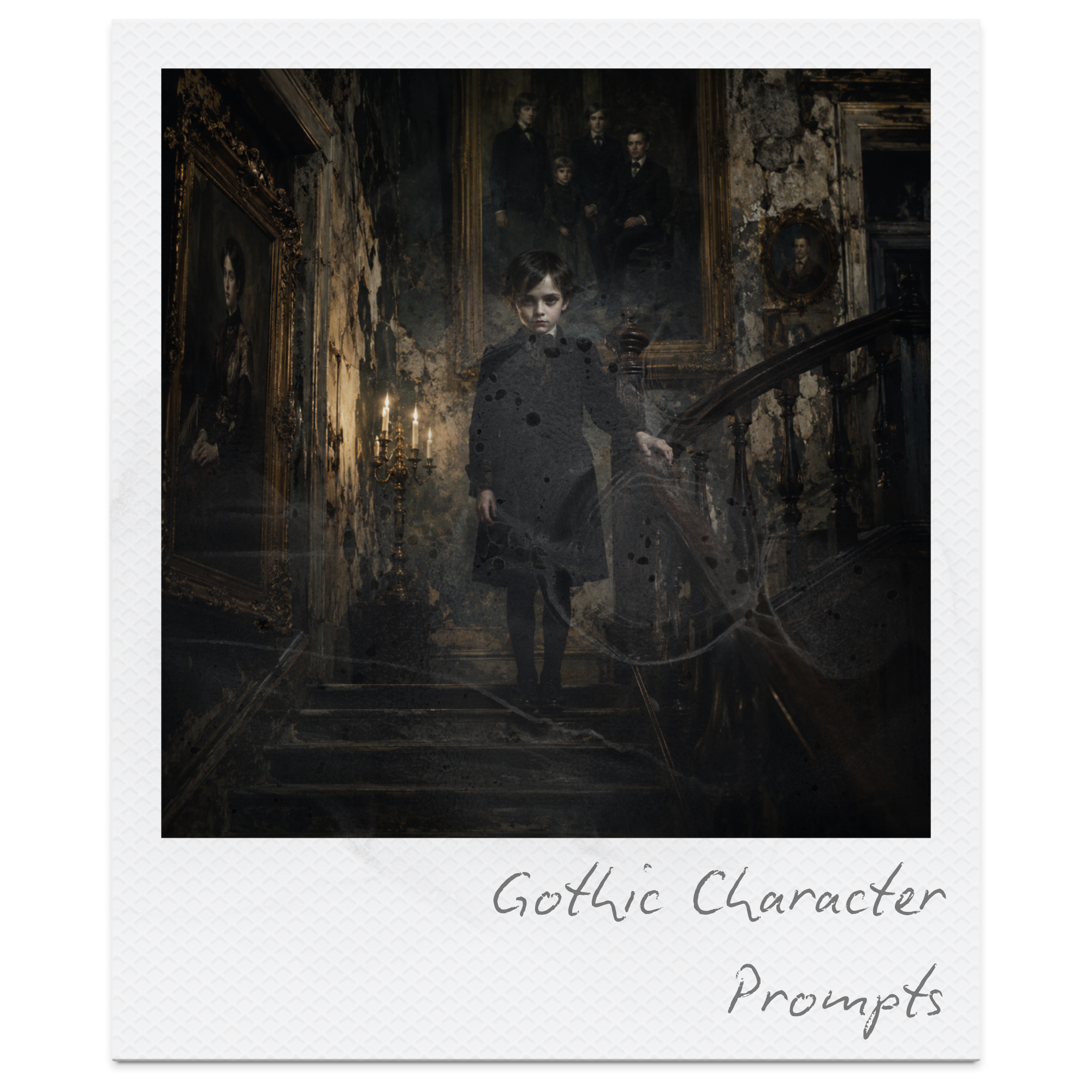
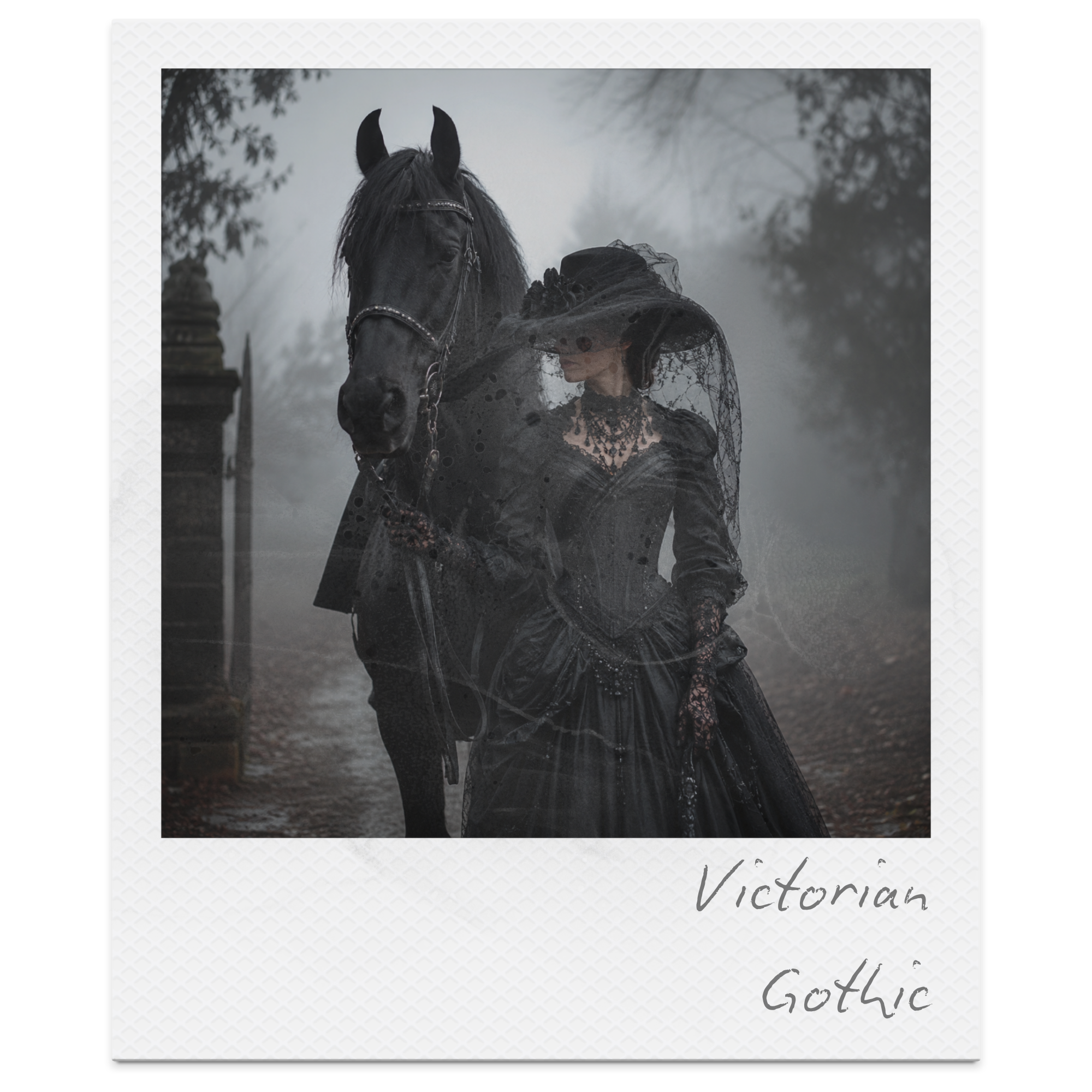
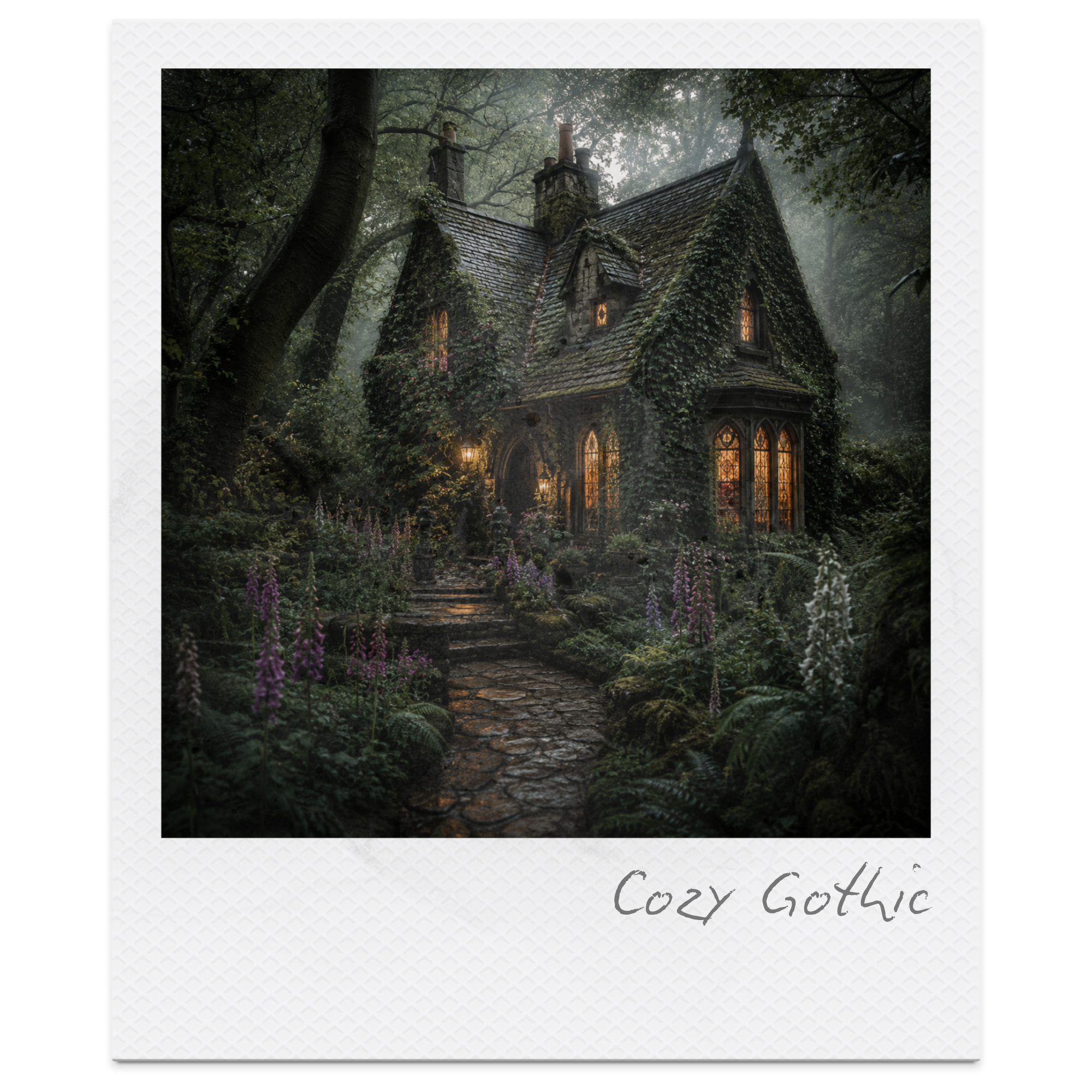
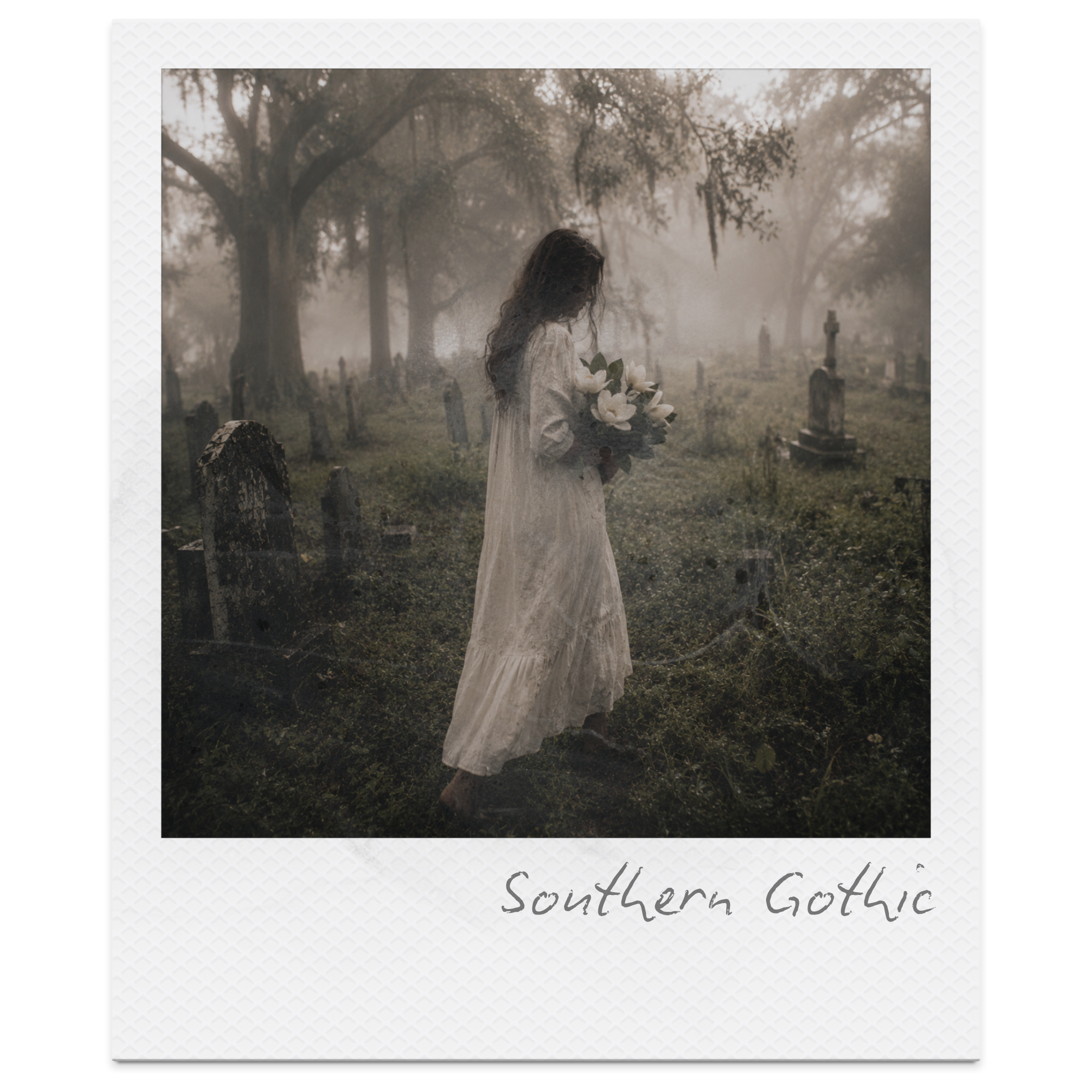
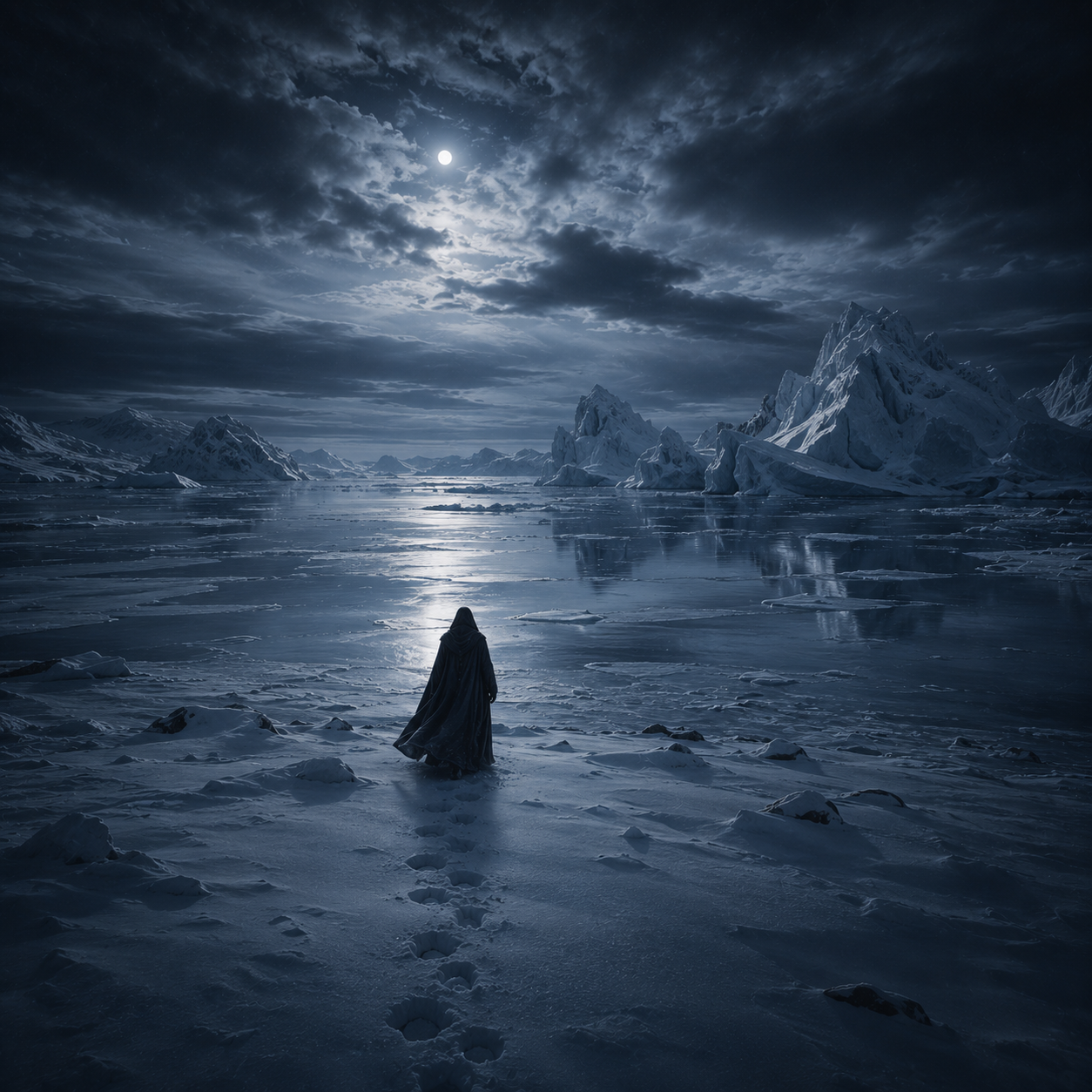
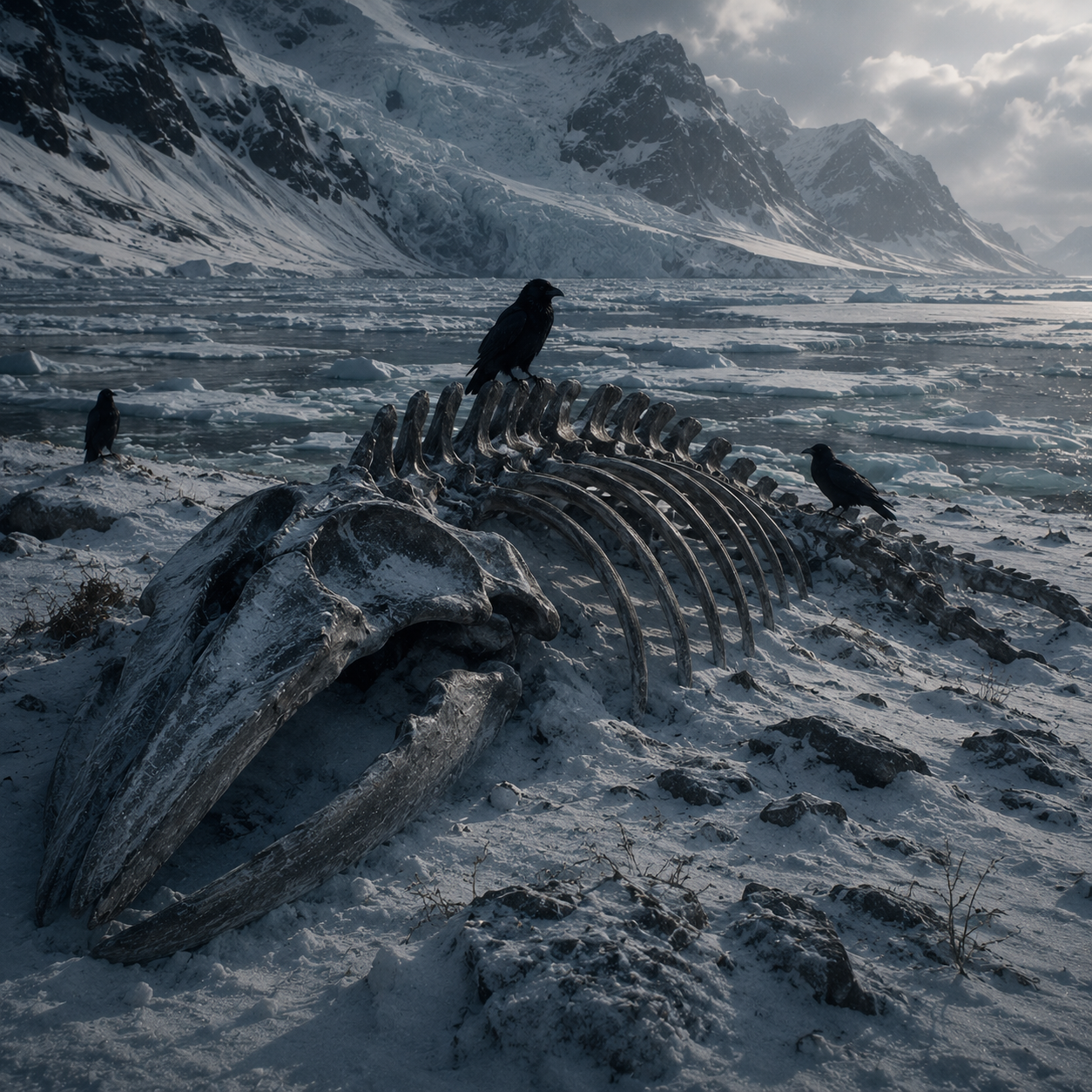
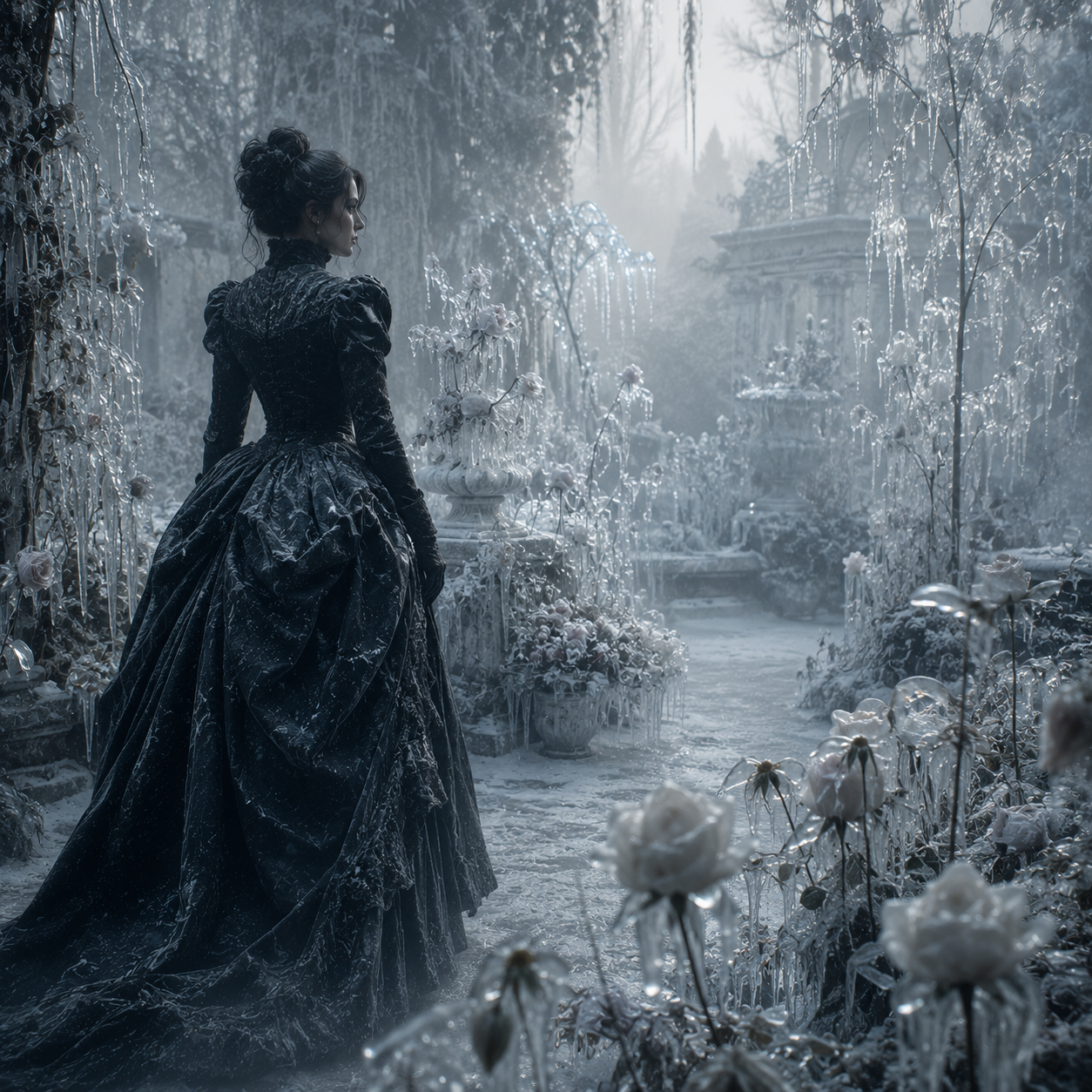
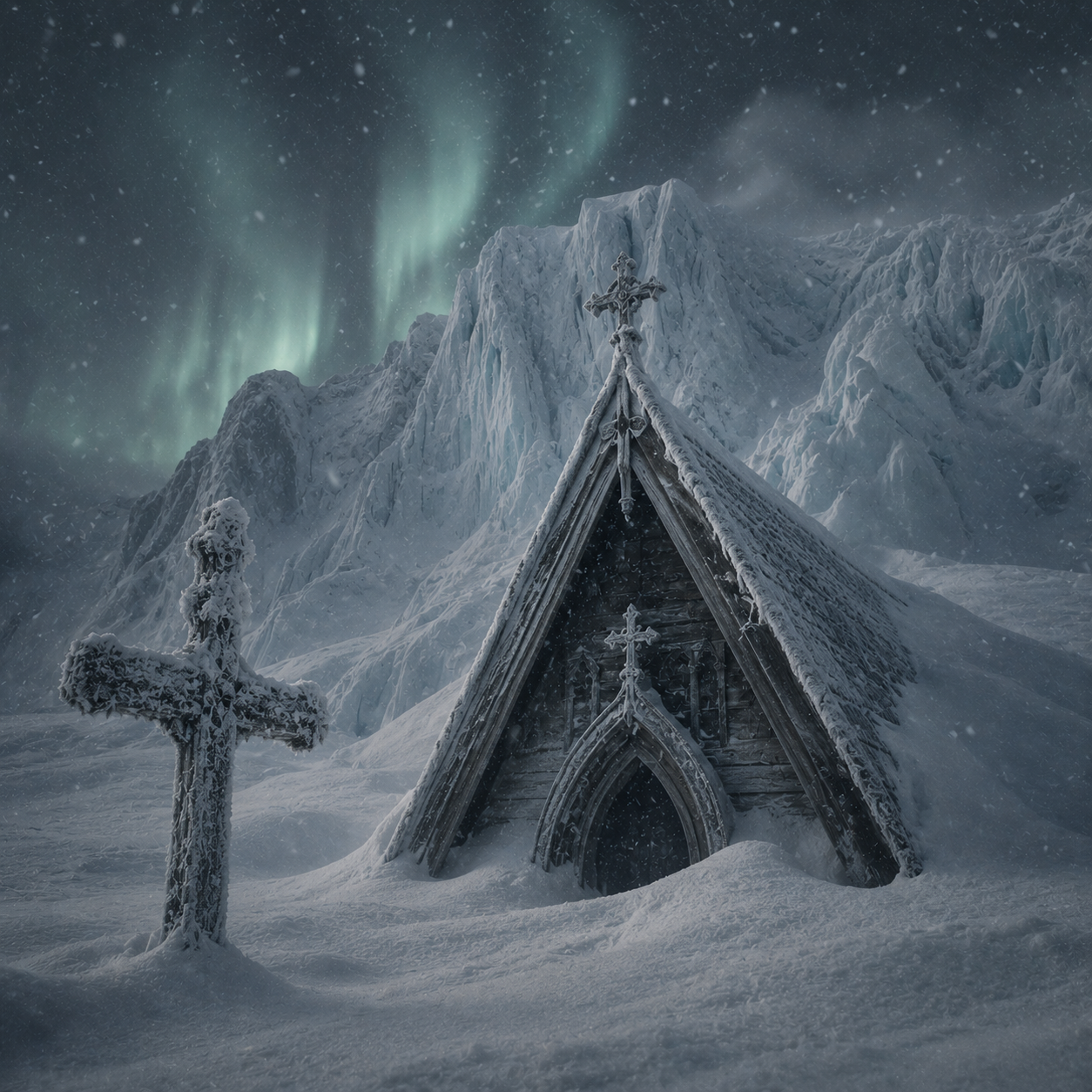
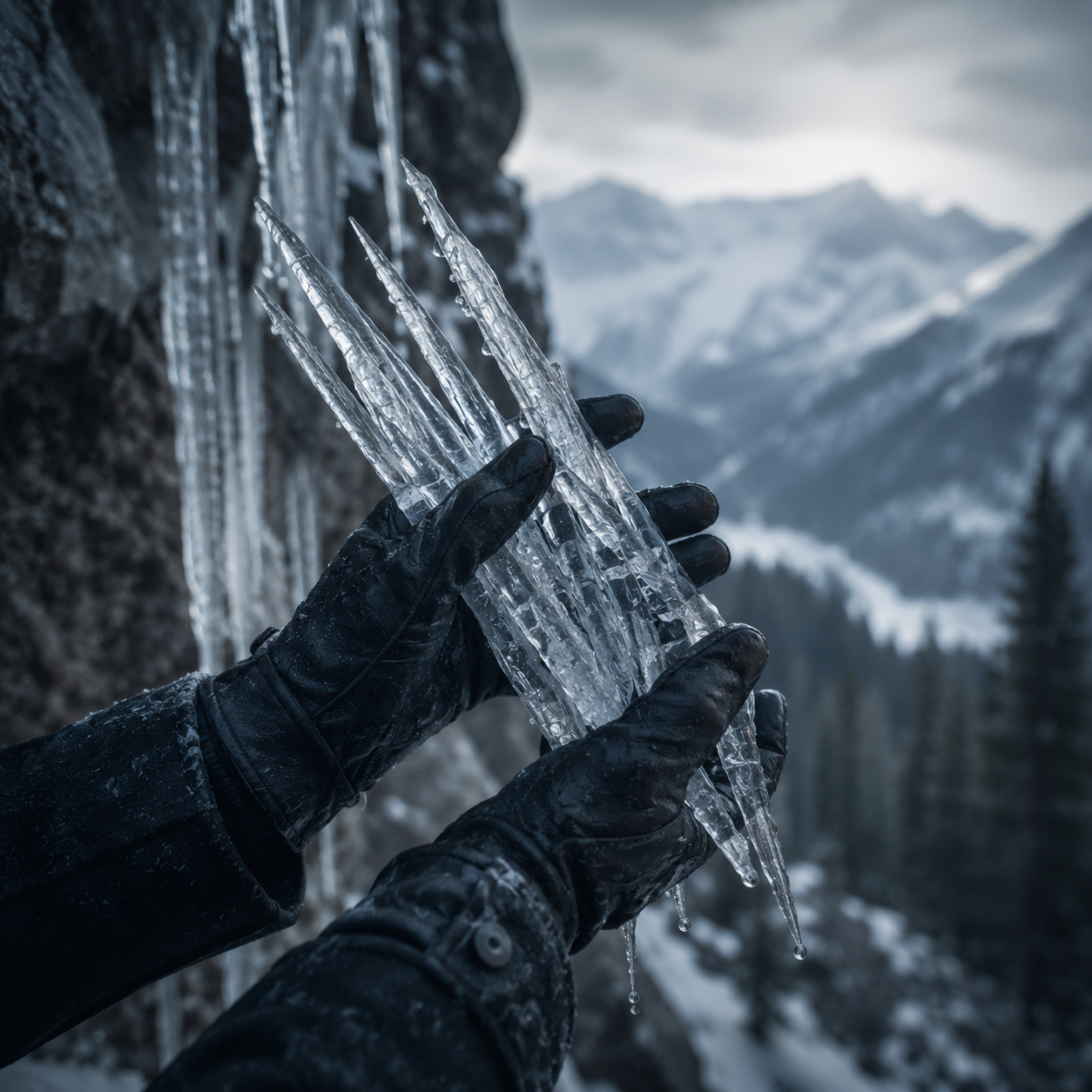
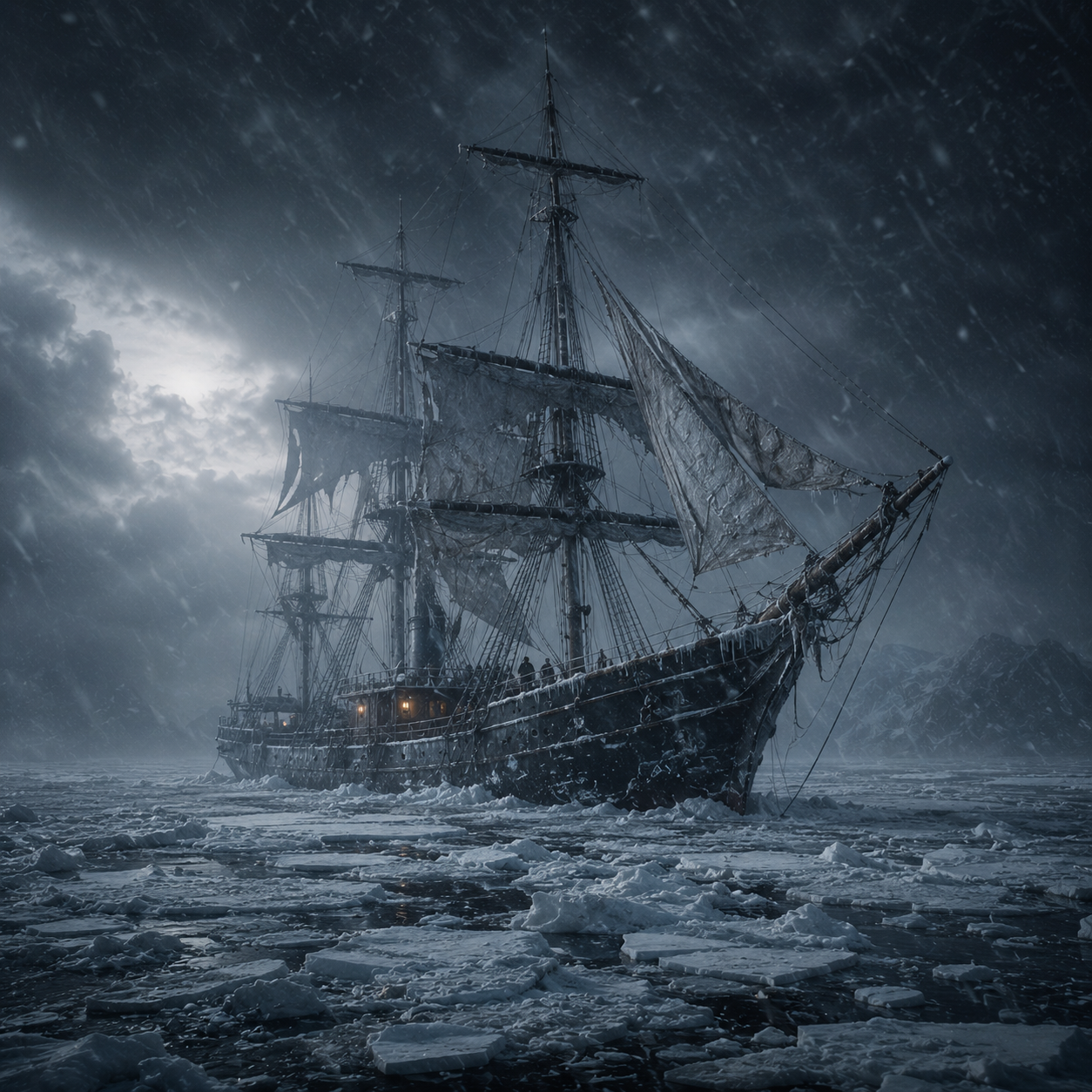
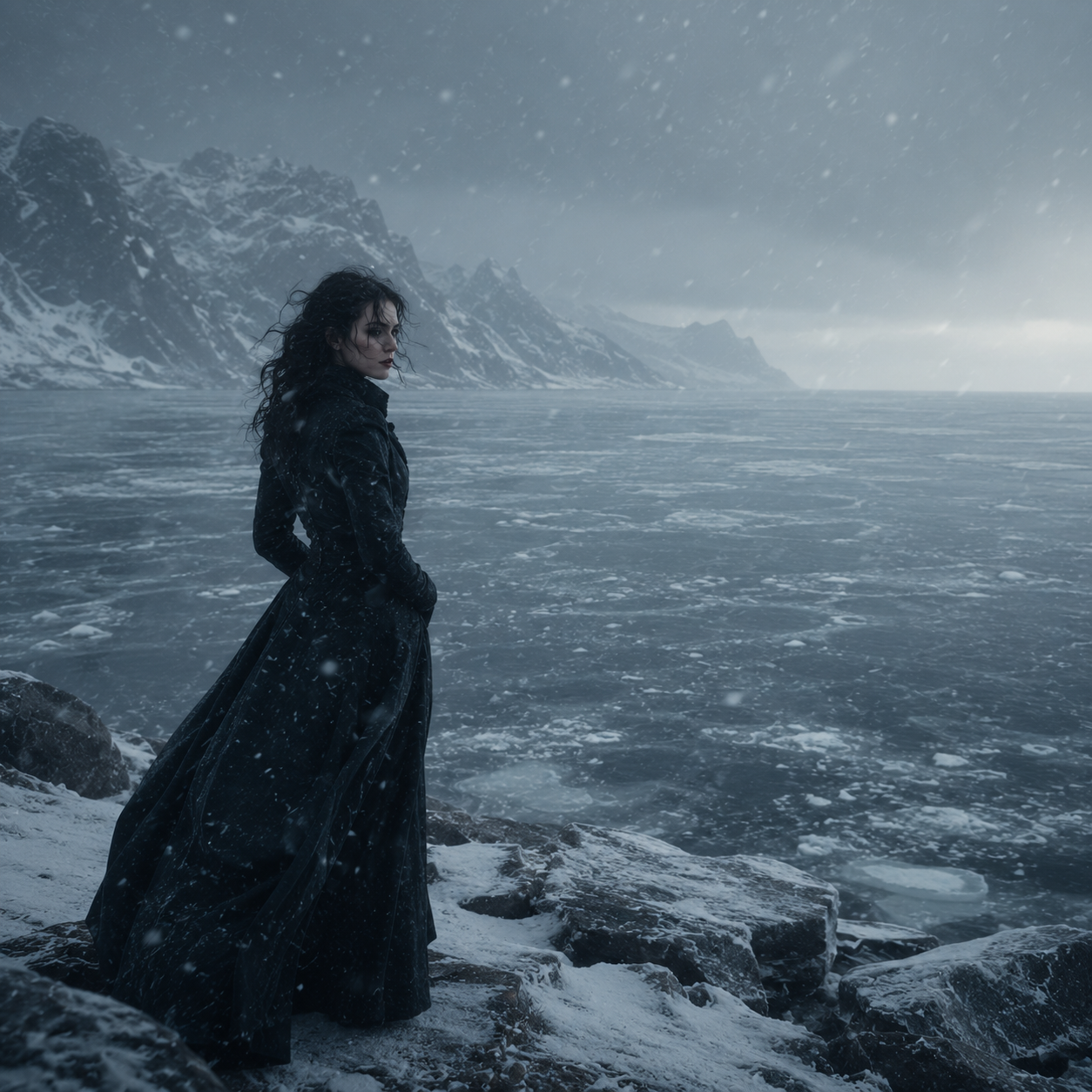
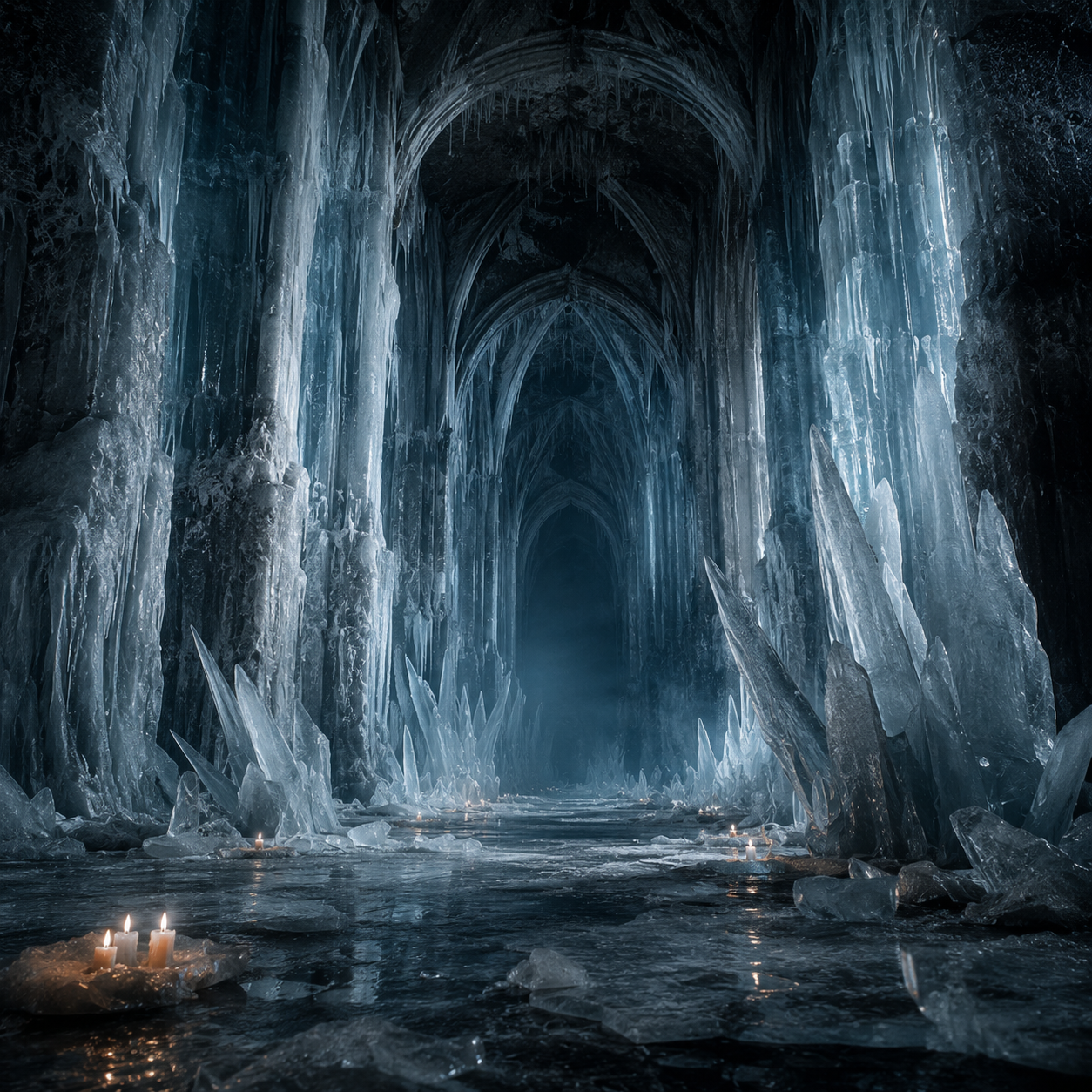
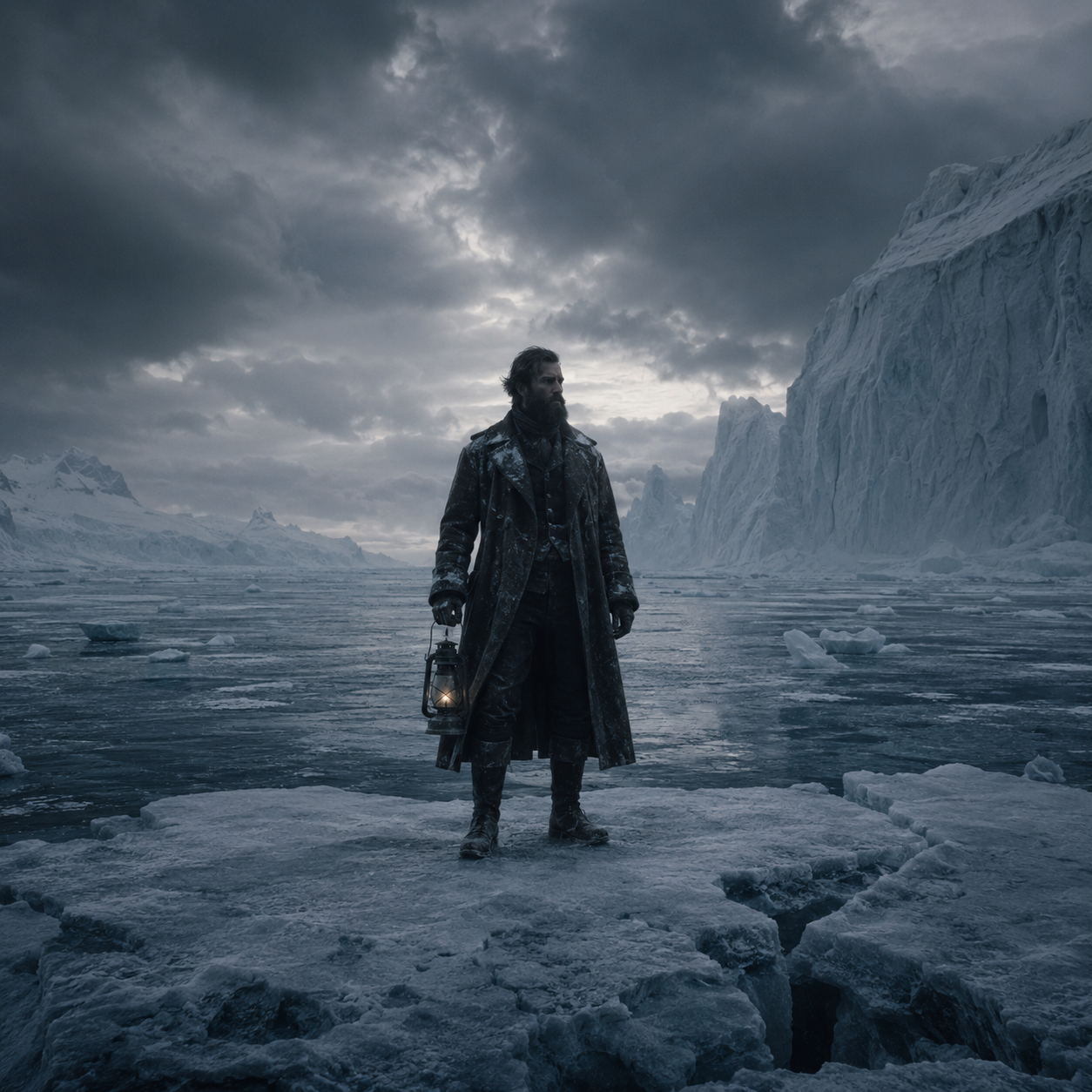
Arctic Gothic stories are built upon isolation, silence, and the overwhelming power of the frozen landscape. These visual prompts encourage you to study abandoned buildings, endless snowfields, frozen coastlines, ancient glaciers, candlelit interiors, and mysterious figures standing against the vastness of the Arctic. Pay close attention to light, colour, weather, architecture, and the relationship between people and the landscape, then imagine the forgotten histories and supernatural mysteries hidden within each scene.
Go Deeper into Arctic Gothic Writing
Arctic Gothic is driven by isolation, endurance, and the unsettling feeling that humanity is insignificant within an ancient and indifferent landscape. Rather than relying on constant danger, the genre creates tension through silence, endless darkness, unforgiving weather, and the sense that the frozen wilderness has witnessed countless forgotten histories. The Arctic becomes more than a setting—it becomes a living force that shapes every decision, every fear, and every mystery.
As you develop your stories, think about how isolation changes your characters. Endless winter nights blur the passage of time, familiar landmarks disappear beneath drifting snow, and survival often depends upon trusting people who may be hiding dangerous secrets. Whether your story features supernatural beings beneath the ice, forgotten expeditions, abandoned monasteries, or ancient folklore, the strongest Arctic Gothic tales balance breathtaking beauty with quiet psychological unease.
◆ Let the landscape create the fear. Vast glaciers, frozen seas, endless snowfields, and months without sunrise can become just as threatening as any supernatural creature, constantly reminding your characters how fragile they truly are.
◆ Draw upon Arctic history and folklore. Lost expeditions, Inuit legends, abandoned whaling stations, isolated research bases, forgotten mining settlements, and stories of the northern lights can all provide rich foundations for atmospheric and believable Gothic fiction.
◆ Use silence and isolation to build suspense. A distant light on the horizon, footprints crossing untouched snow, an abandoned cabin with smoke rising from its chimney, or strange voices carried across the ice can create lasting tension without revealing the source too quickly.
◆ Explore themes of endurance, obsession, and the unknown. Arctic Gothic often asks what people will sacrifice to uncover hidden truths, survive impossible conditions, or understand mysteries that may have remained buried beneath the ice for centuries.
Final Thoughts
Arctic Gothic transforms one of the world's most spectacular landscapes into a place of haunting beauty and quiet terror. Frozen monasteries, abandoned expeditions, ancient glaciers, forgotten settlements, and endless winter nights provide unforgettable settings where mystery, survival, and the supernatural intertwine. Whether your story focuses on psychological suspense, ghostly folklore, historical secrets, or creatures hidden beneath the ice, the Arctic offers endless possibilities for atmospheric storytelling.
These 70 Arctic Gothic Writing Prompts are designed to inspire stories filled with breathtaking landscapes, unforgettable characters, supernatural mysteries, and ancient secrets preserved within the frozen wilderness. Combine the prompts, expand them into longer narratives, or use them as the starting point for novels, short stories, classroom activities, or writing challenges that embrace both the beauty and the danger of the far north.
When you're ready to explore even more haunting worlds, visit the Gothic Writing Hub for additional Gothic prompts and atmospheric inspiration, or browse the Creative Writing Archive, where you'll find hundreds of creative writing resources spanning fantasy, horror, mystery, folklore, romance, science fiction, and beyond.
Choose Your Next Adventure