Notes from the Inkpot
Writing, teaching, creating - one ink-stained idea at a time.

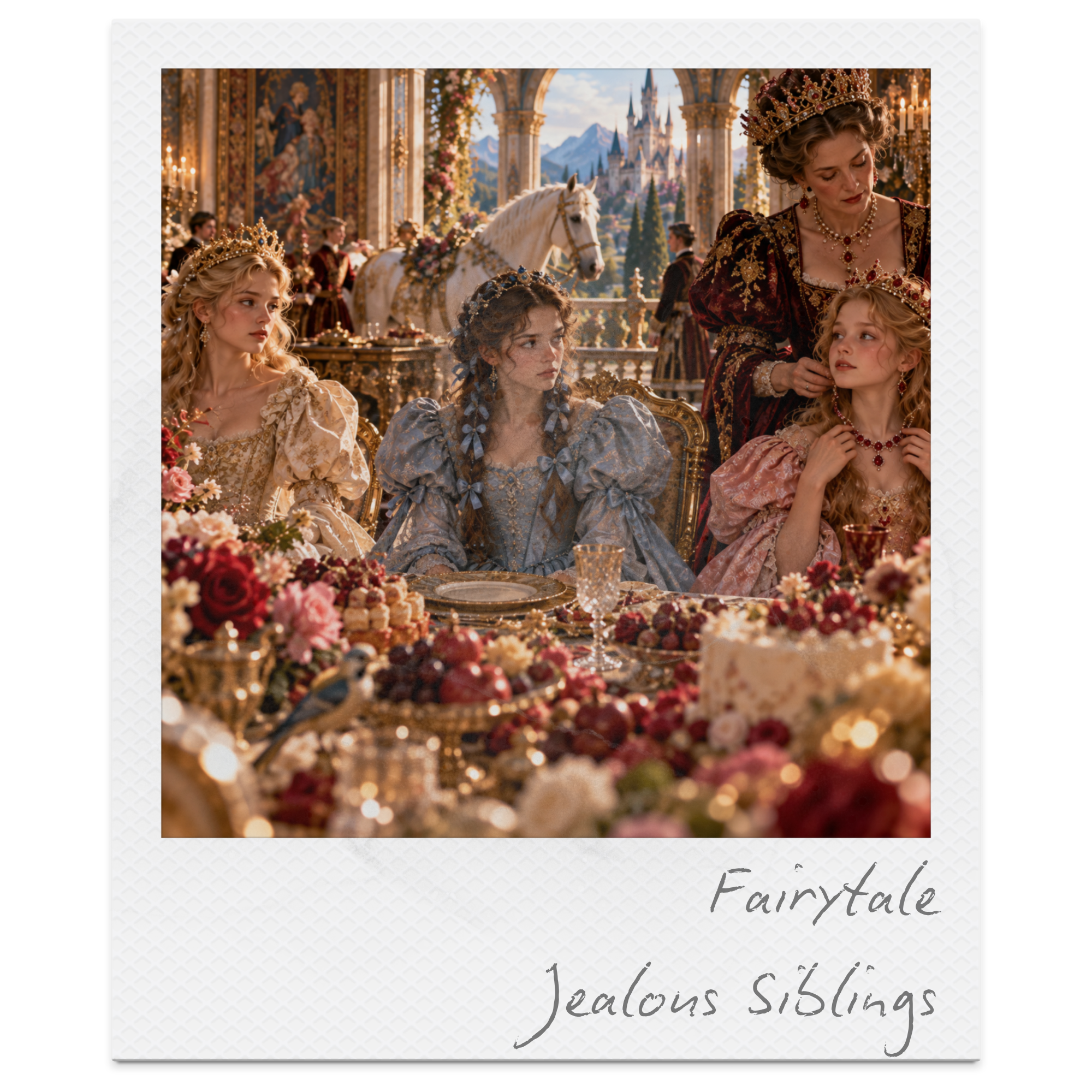
70 Fairytale Jealous Siblings Writing Prompts: Rivalry, Betrayal & Family Secrets
Explore 70 Fairytale Jealous Siblings Writing Prompts filled with rival sisters, competing brothers, favourite children, overlooked heirs and dangerous family secrets. Discover plot prompts, story titles, opening and closing lines, character ideas, settings and picture prompts for creating original fairy tales. Explore sibling rivalry through royal succession, magical gifts, parental favouritism, inheritance, beauty, ambition and betrayal. Create stories about siblings competing for crowns, kingdoms, love and recognition, or characters who discover that winning might cost them the person who knows them best. Perfect for writers, teachers and students looking for dark, magical and original fairytale story inspiration.
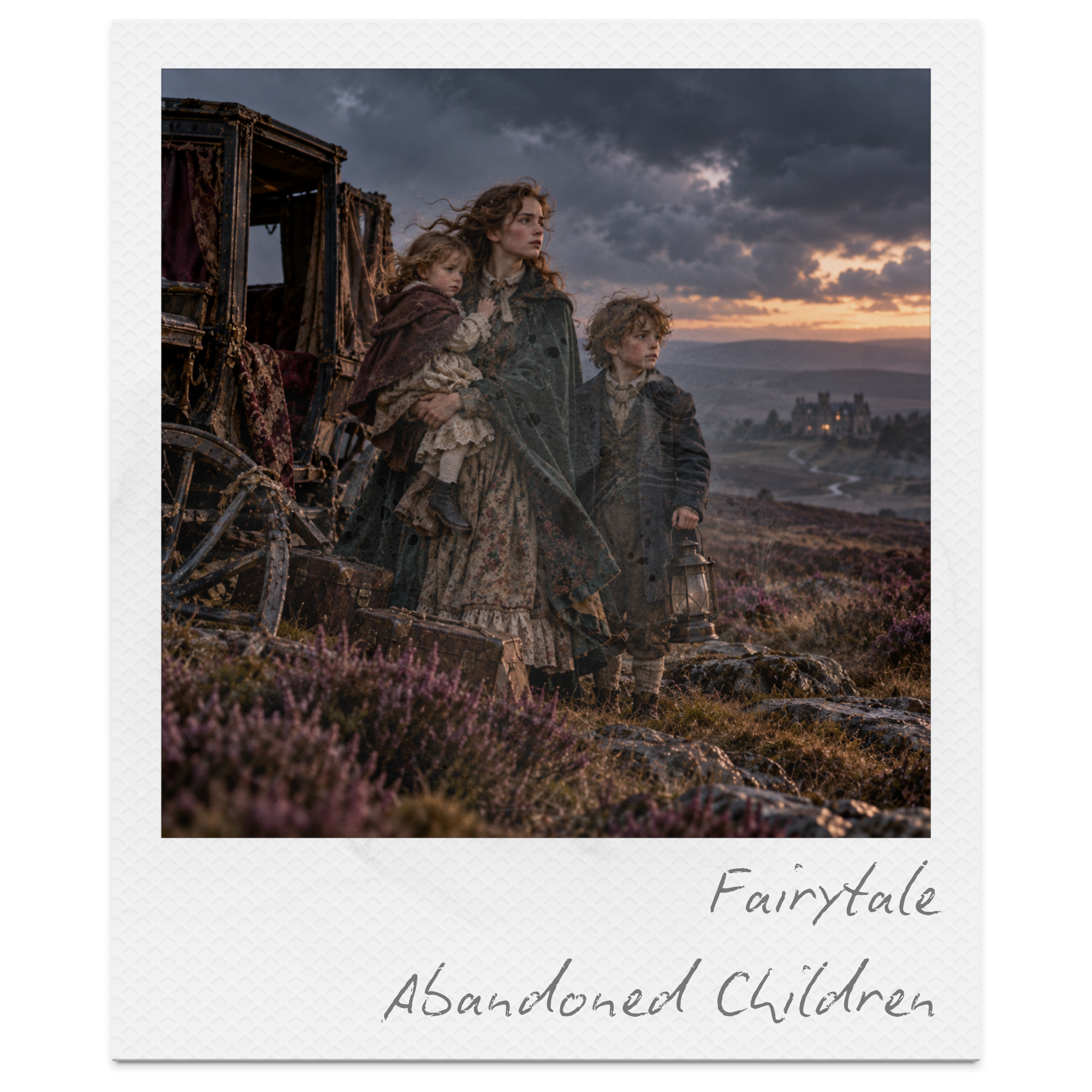
70 Fairytale Abandoned Children Writing Prompts: Lost Children, Orphans & Dark Forests
Discover 70 Fairytale Abandoned Children Writing Prompts inspired by lost children, orphans, hidden heirs and dangerous journeys into the unknown. Explore plot prompts, story titles, opening and closing lines, character ideas, settings and picture prompts for creating original fairy tales. Reimagine the abandoned child trope through dark forests, royal secrets, missing siblings, mysterious cottages and families with something to hide. Create stories about children searching for home, discovering why they were left behind or deciding they never want to return. Perfect for writers, teachers and students looking for dark, magical and original fairytale story inspiration.
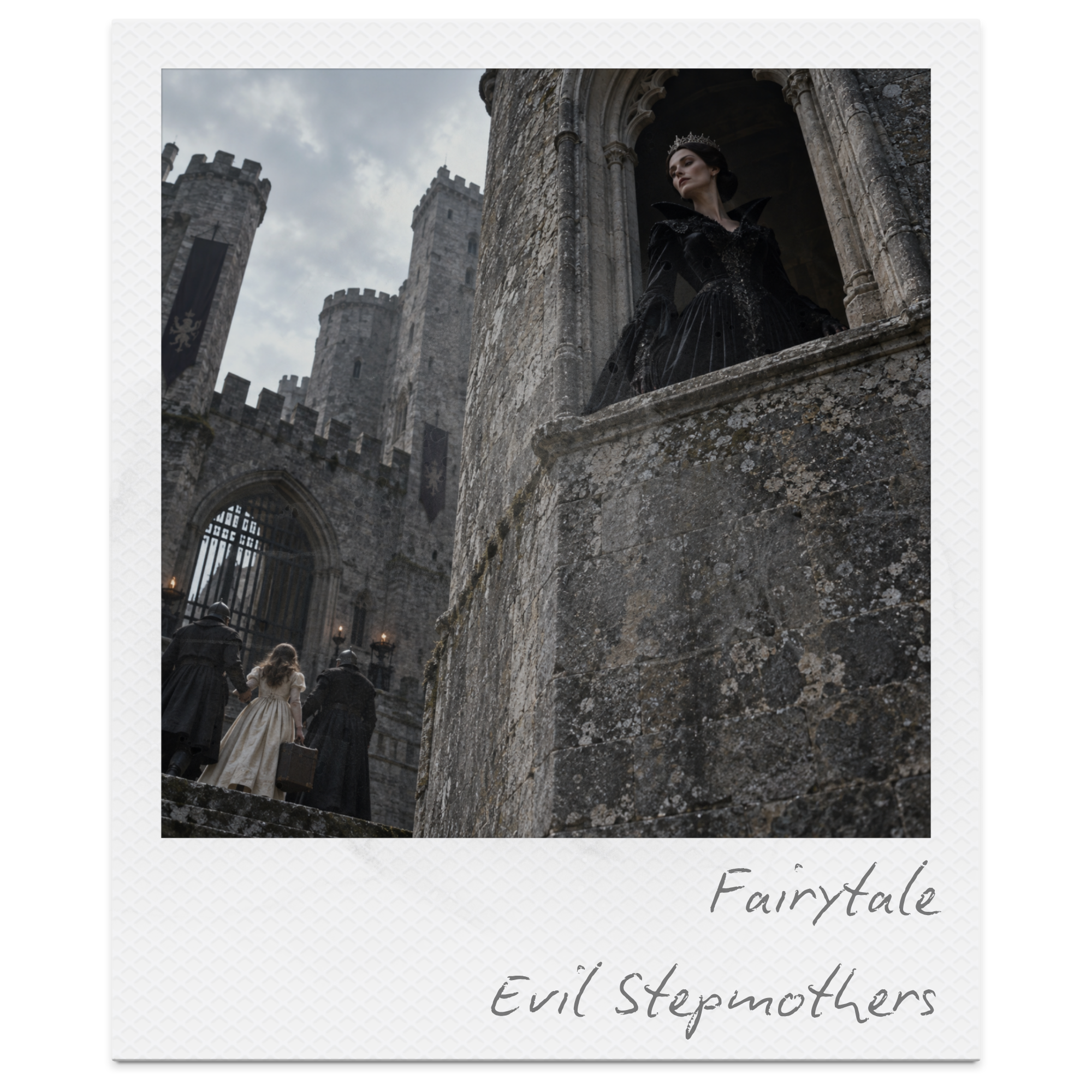
70 Evil Stepmother Writing Prompts: Curses, Cruel Queens & Twisted Family Secrets
Discover 70 Evil Stepmother Writing Prompts inspired by classic fairy tales, wicked queens, complicated families and twisted happily ever afters. Explore plot prompts, story titles, opening and closing lines, character ideas, settings and picture prompts for creating original fairytale stories. Reimagine the traditional evil stepmother as a jealous queen, ambitious second wife, dangerous witch, misunderstood outsider or something entirely unexpected. Experiment with curses, inheritance, royal marriages, family secrets and rivalries between stepmothers and stepchildren. Perfect for writers, teachers and students looking for dark, magical and twisted fairytale story inspiration.
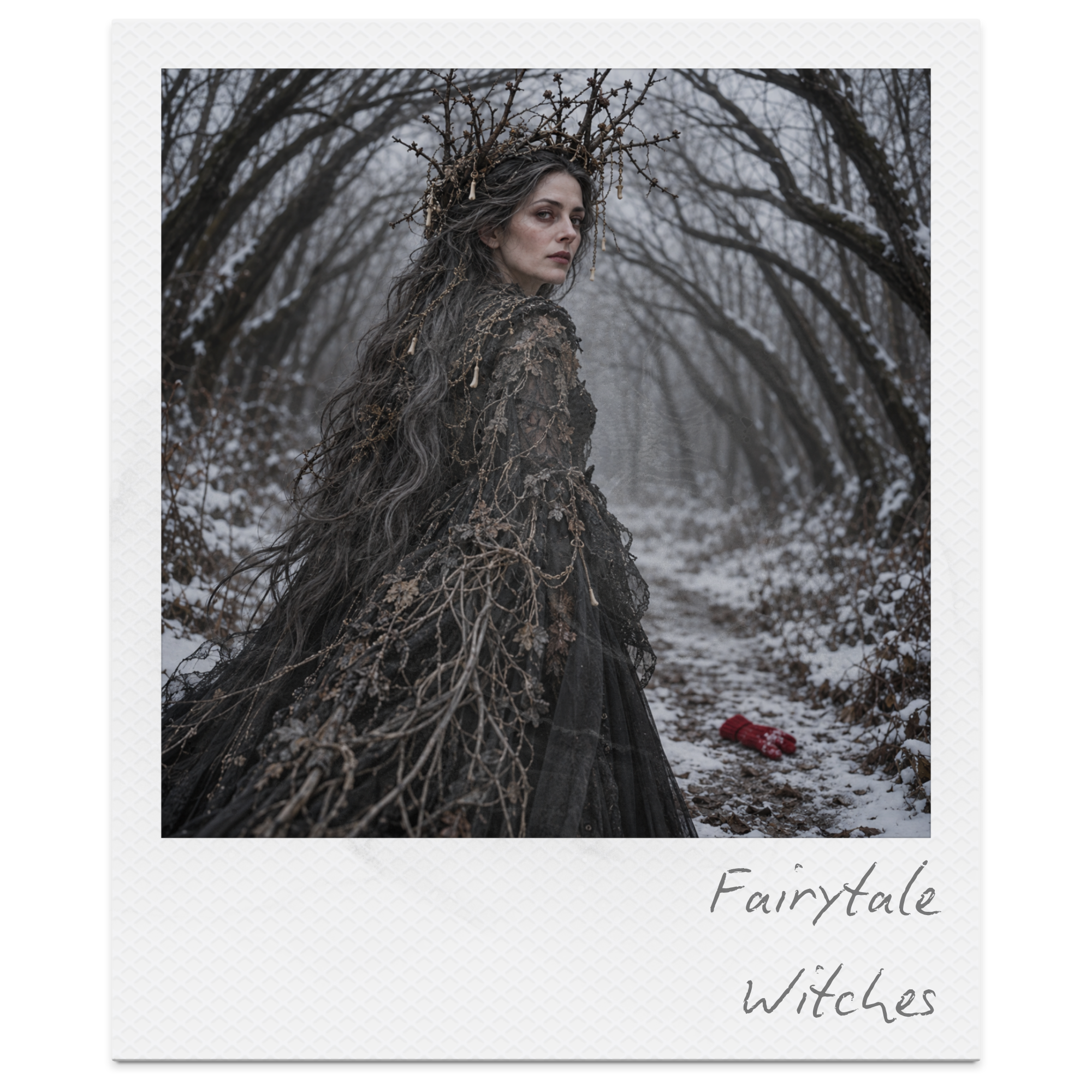
70 Fairytale Witch Writing Prompts: Dark Magic, Curses & Original Fairytale Stories
Discover 70 Fairytale Witch Writing Prompts filled with curses, dark magic, strange bargains and mysterious enchantments. Explore plot prompts, story titles, opening and closing lines, character ideas, settings and picture prompts designed to inspire original fairytale stories. Create forest witches, royal sorceresses, misunderstood healers, child witches and magical outsiders with secrets of their own. Experiment with twisted fairy tales, traditional folklore and darker stories where the supposed villain may not be what she seems. Perfect for writers, teachers and students looking for fresh ways to reinvent the familiar fairytale witch. Choose one prompt or combine several to create an entirely new enchanted story.
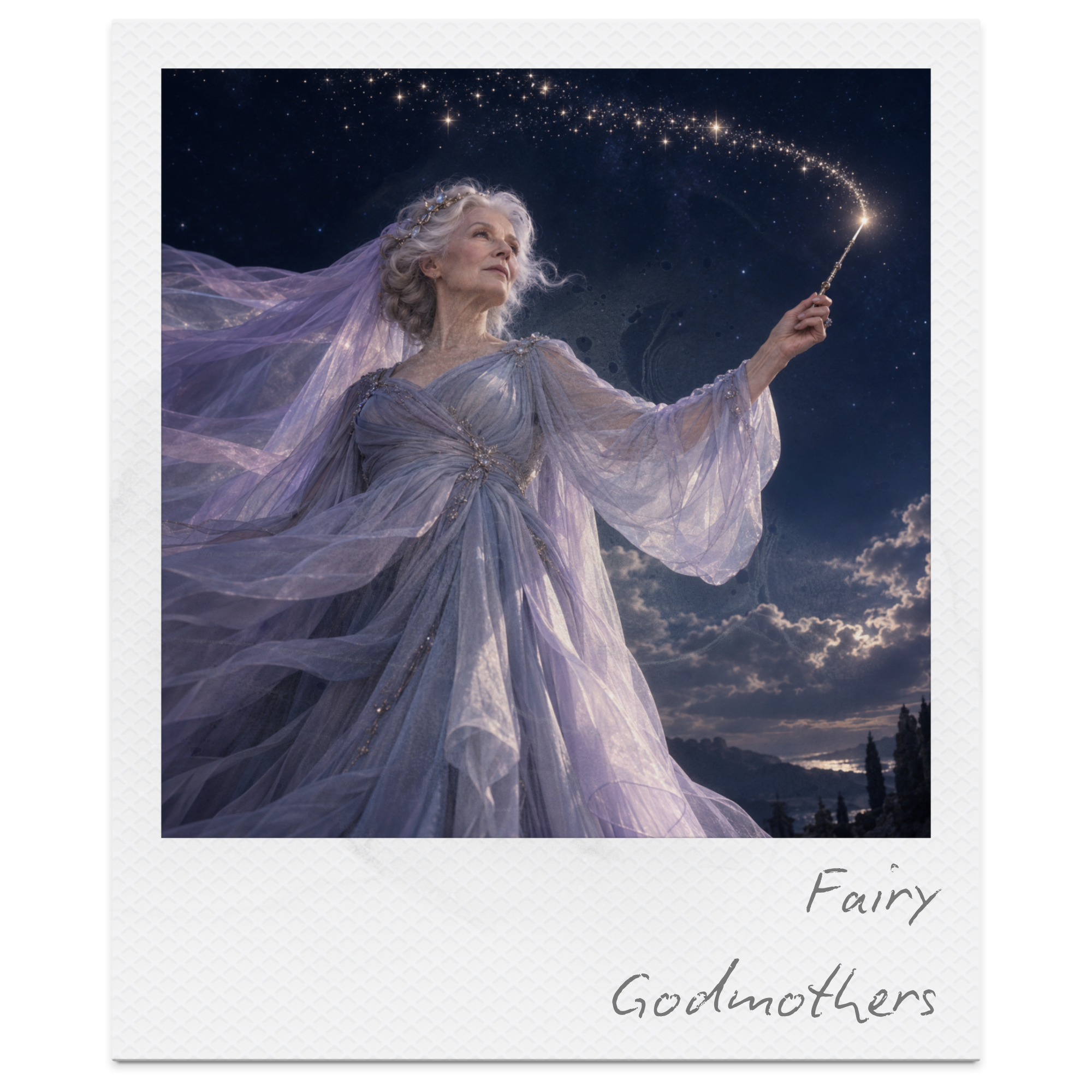
70 Fairy Godmother Writing Prompts: Magical Helpers, Wishes & Original Fairytale Stories
Discover 70 Fairy Godmother Writing Prompts designed to inspire original fairytale stories filled with magical helpers, unexpected wishes and enchanted transformations. Explore plot prompts, story titles, opening and closing lines, character ideas, settings and picture prompts to spark your next tale. Reimagine the familiar fairy godmother as an ancient protector, inexperienced apprentice, reluctant mentor or mysterious stranger with secrets of her own. Play with magical rules, midnight deadlines, unusual gifts and wishes that do not go quite as planned. Perfect for writers, teachers and students looking for fresh inspiration rooted in classic and traditional fairy tales. Use one prompt or combine several to create an entirely new fairytale world.
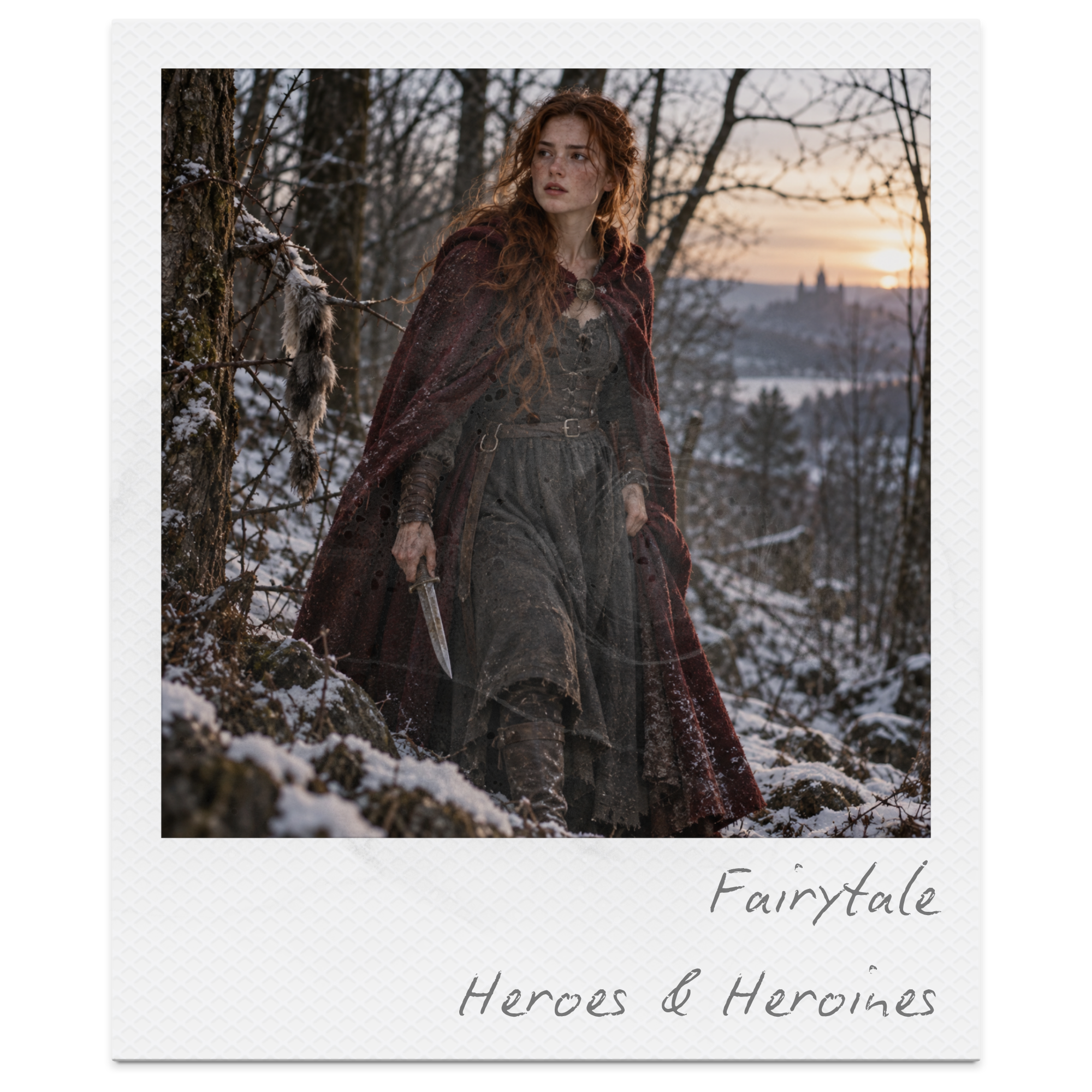
70 Fairytale Hero & Heroine Writing Prompts: Characters, Quests & Story Ideas
Discover 70 Fairytale Hero and Heroine Writing Prompts featuring unlikely heroes, brave heroines, magical quests, impossible challenges and unexpected adventures. Explore plot hooks, titles, opening and closing lines, character ideas, settings and picture prompts to inspire your next original fairytale, fantasy story or retelling.
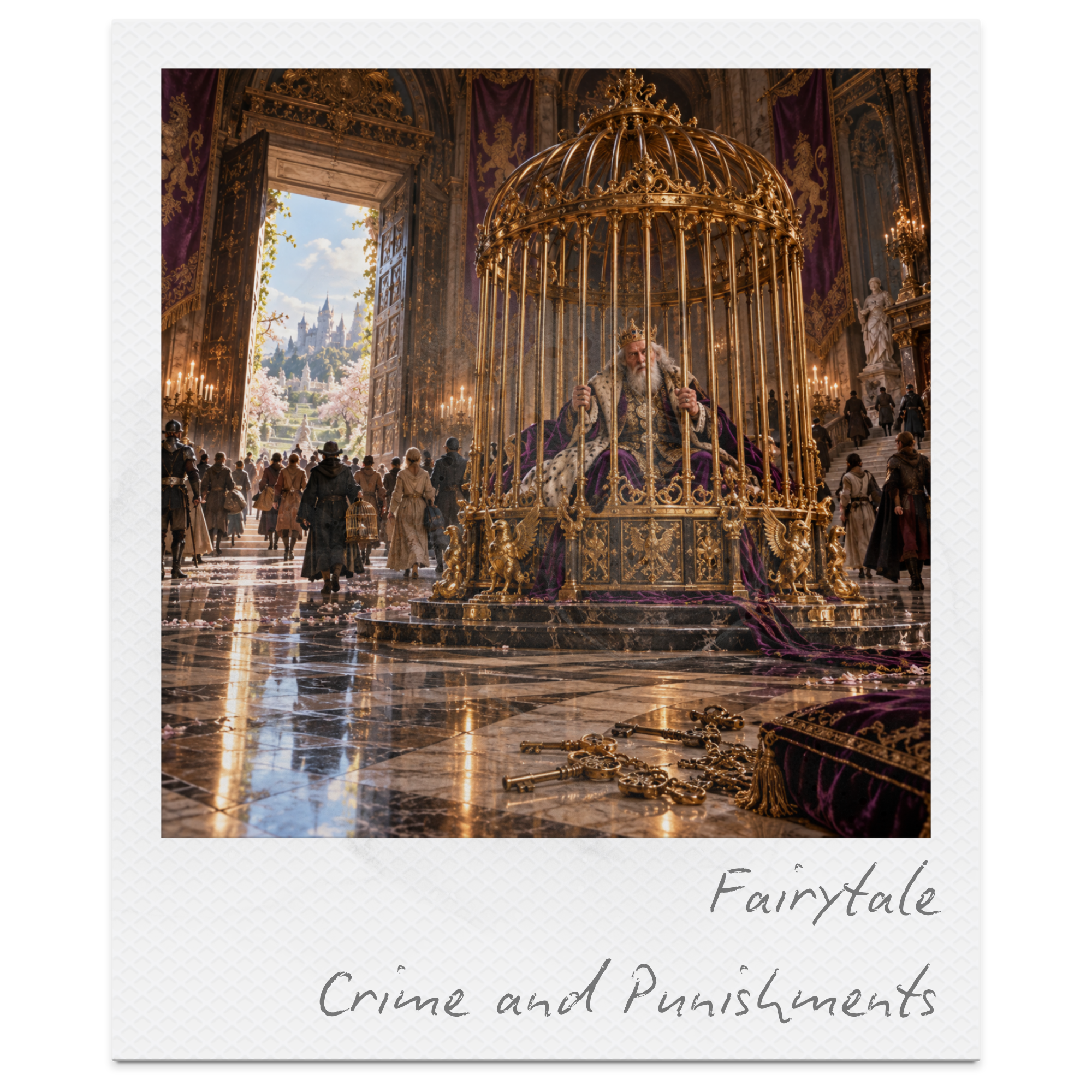
70 Fairytale Crime & Punishment Writing Prompts: Magical Laws, Curses & Twisted Justice
Explore 70 Fairytale Crime and Punishment Writing Prompts filled with magical laws, strange trials, stolen treasures, broken bargains, royal justice and twisted consequences. Discover plot hooks, titles, opening and closing lines, character ideas, settings and picture prompts for original fairytales and retellings.
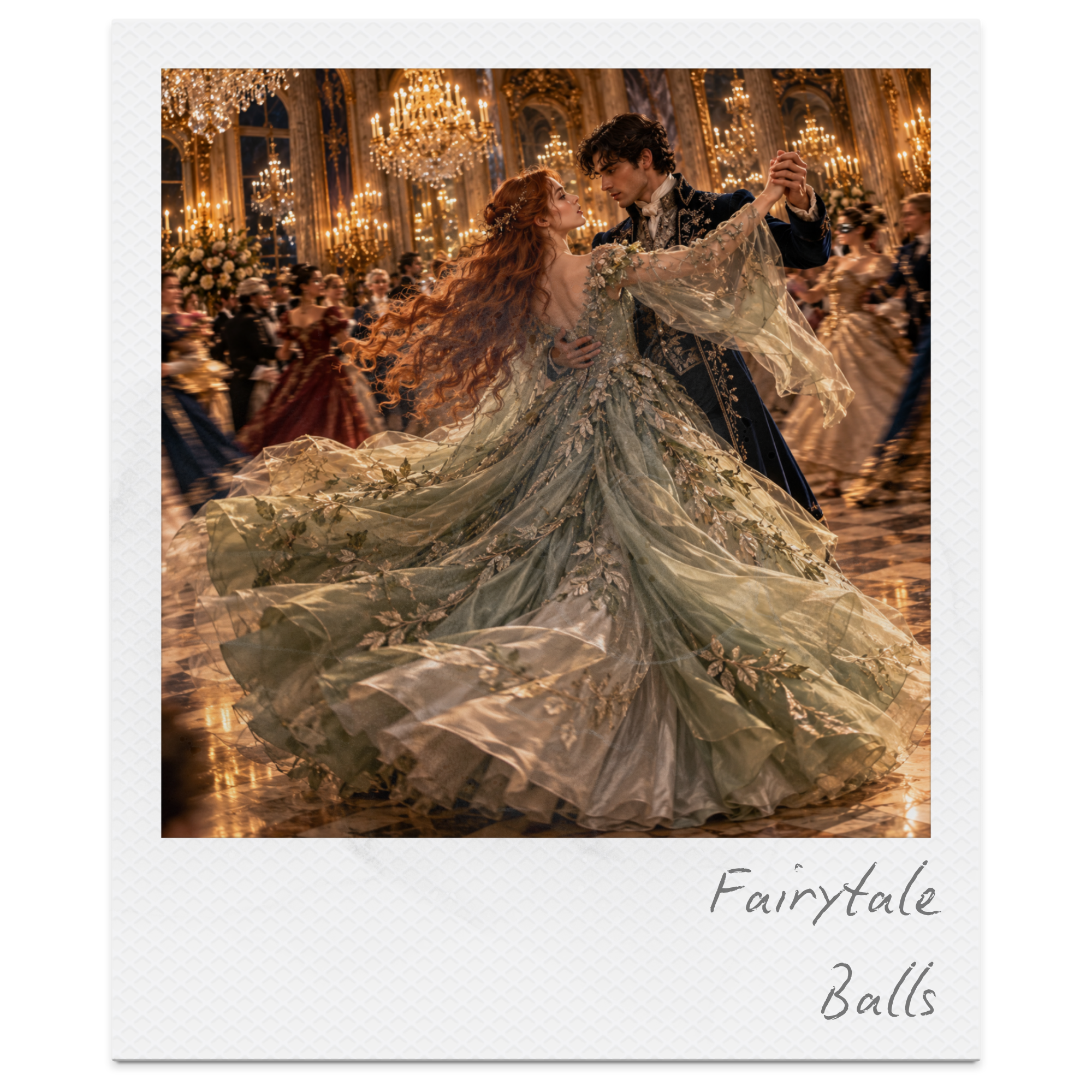
70 Fairytale Ball Writing Prompts: Enchanted Dances, Masquerades & Royal Secrets
Explore 70 Fairytale Ball Writing Prompts filled with enchanted dances, royal celebrations, mysterious guests, masquerades, magical gowns and midnight secrets. Discover plot hooks, titles, opening and closing lines, character ideas, settings and picture prompts to inspire your next original fairytale or retelling.
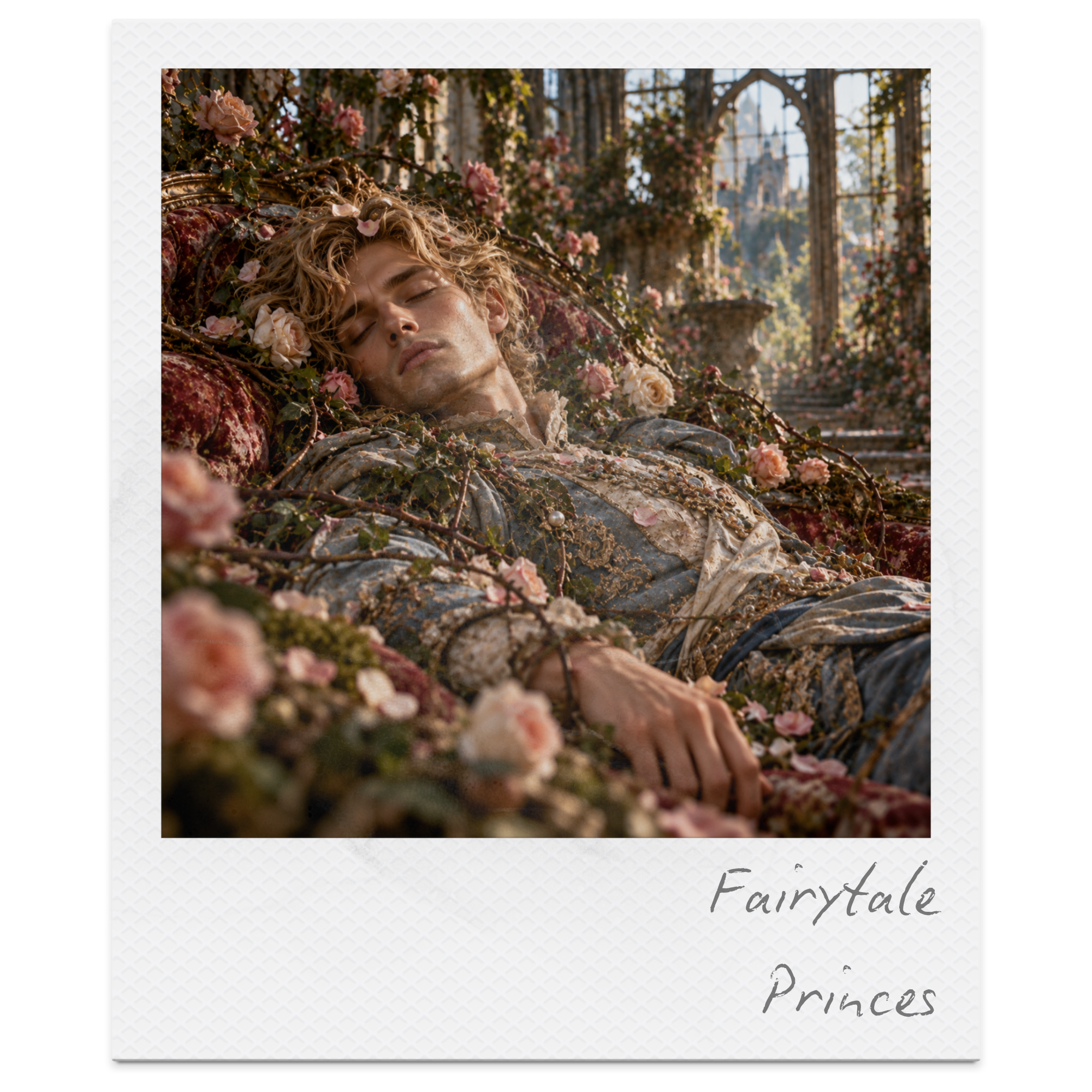
70 Fairytale Prince Writing Prompts: Cursed Princes, Royal Quests & Enchanted Heirs
Explore 70 Fairytale Prince Writing Prompts featuring cursed princes, royal quests, enchanted heirs, youngest sons, foolish royals and Prince Charming twists. Discover plot hooks, titles, opening and closing lines, character ideas, magical settings and picture prompts for your next fairytale.
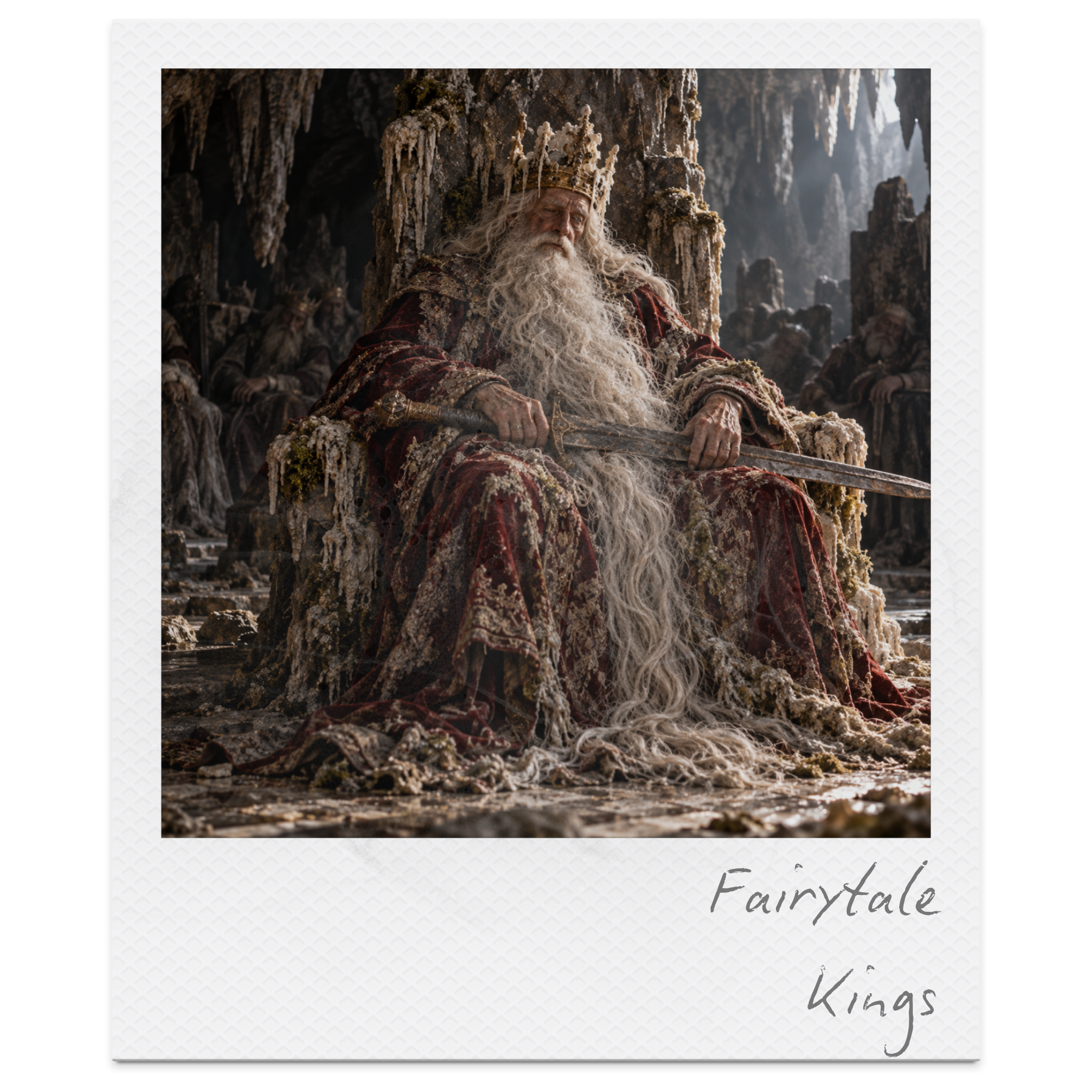
70 Fairytale King Writing Prompts: Curses, Crowns & Magic
Explore 70 Fairytale King Writing Prompts featuring child kings, foolish rulers, cursed monarchs, talking animals, impossible tasks, magical bargains, enchanted crowns and strange royal traditions for whimsical, dark and traditional fairytale inspiration.
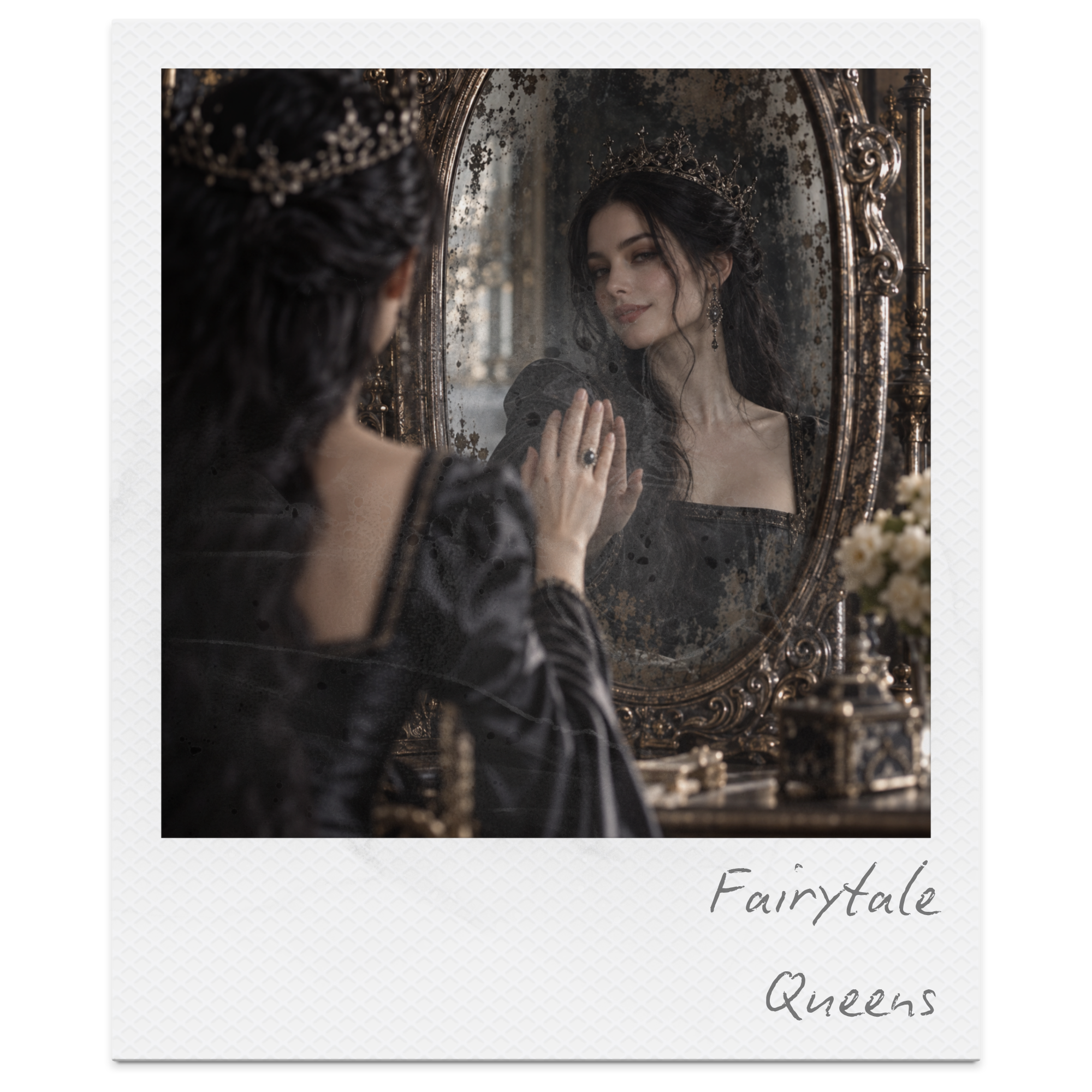
70 Fairytale Queen Writing Prompts: Magical Queens, Curses & Crowns
Explore 70 Fairytale Queen Writing Prompts featuring warrior queens, witch queens, child monarchs, ancient rulers, magical crowns, strange curses, royal bargains and enchanted kingdoms for whimsical, dark and traditional fairytale inspiration.
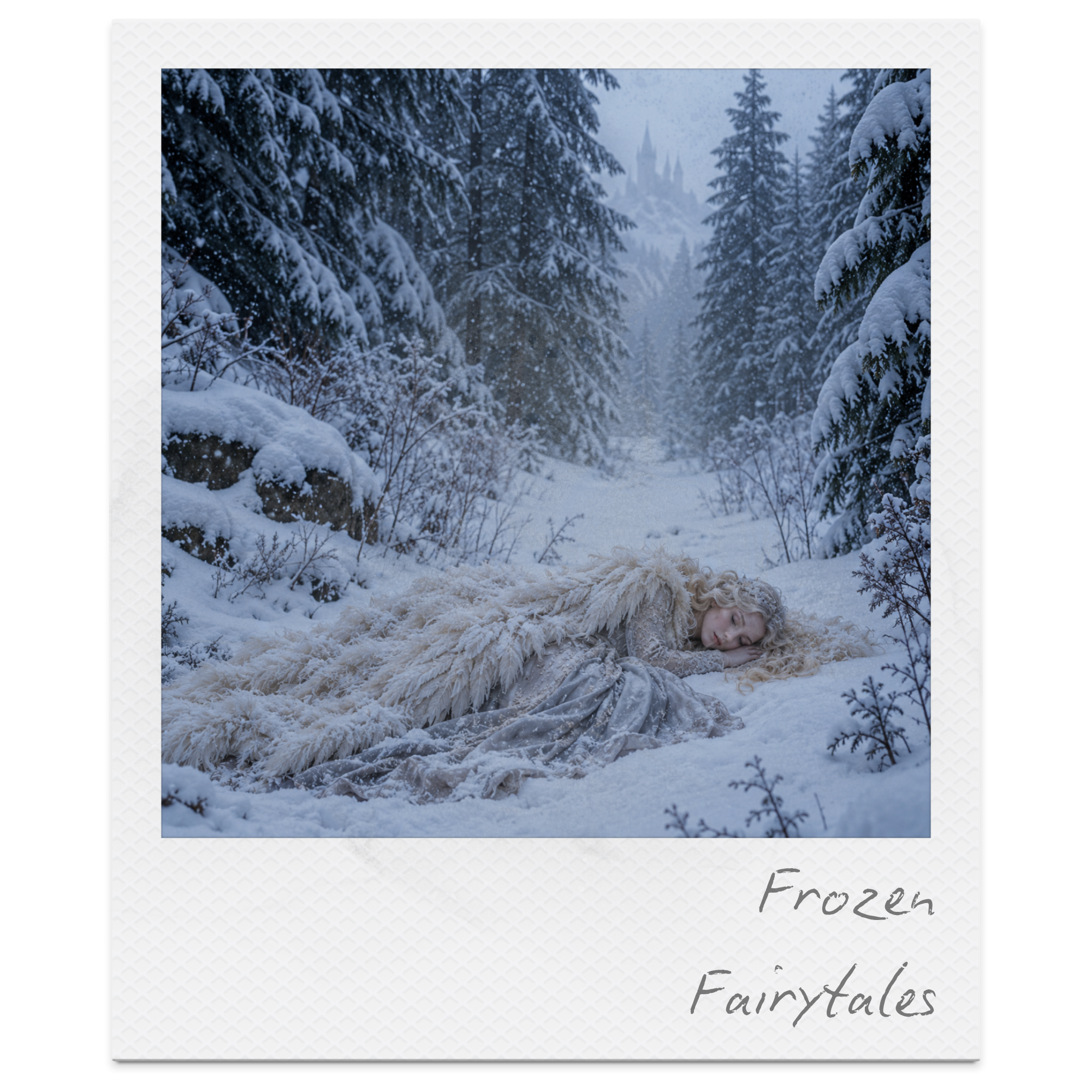
70 Frozen Fairytale Writing Prompts: Snow, Ice & Winter Magic
Explore 70 Frozen Fairytale Writing Prompts filled with ice queens, snow witches, frozen kingdoms, talking animals, winter bargains, enchanted palaces and secrets hidden beneath the ice for whimsical, dark and magical story inspiration.
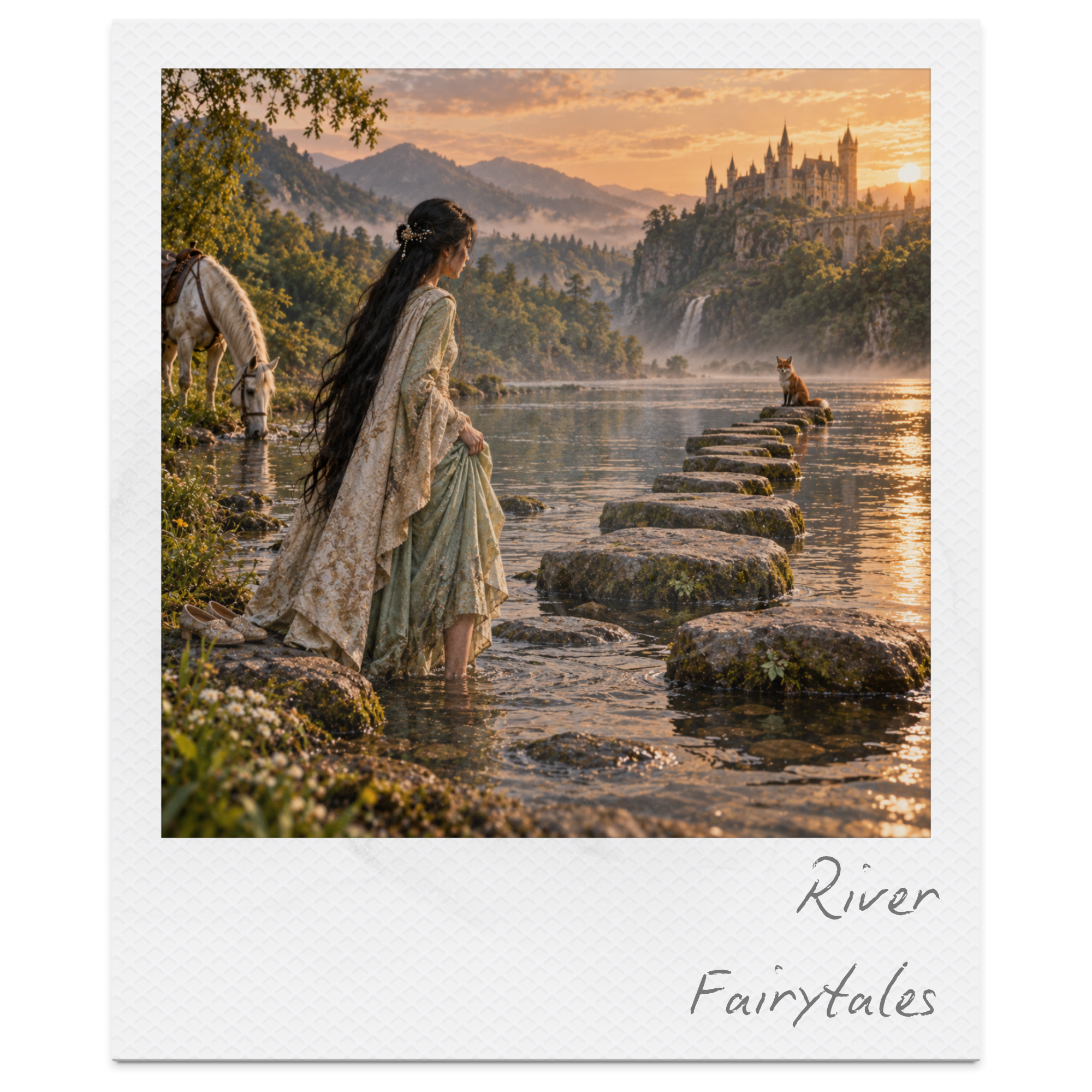
70 River Fairytale Writing Prompts: Witches, Trolls & Water Magic
Explore 70 River Fairytale Writing Prompts filled with trolls, river witches, golden fish, magical bargains, mysterious ferrymen, talking frogs, enchanted bridges and strange things carried downstream for whimsical, dark and folkloric story inspiration
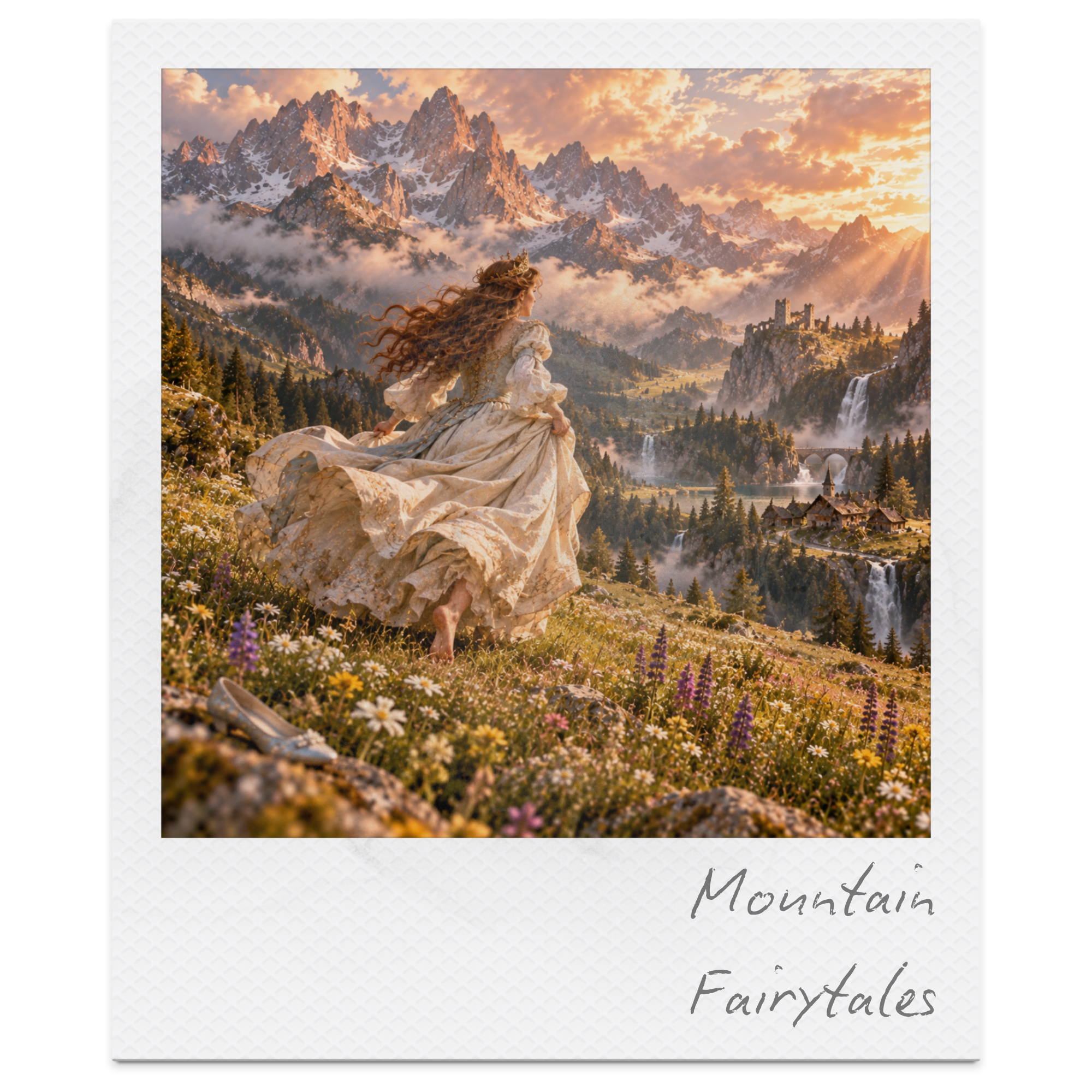
70 Mountain Fairytale Writing Prompts: Trolls, Giants & Magical Peaks
Explore 70 Mountain Fairytale Writing Prompts filled with trolls, giants, enchanted bridges, hidden kingdoms, magical bargains, mountain witches, impossible paths and mysterious peaks for whimsical, dark and folkloric story inspiration.
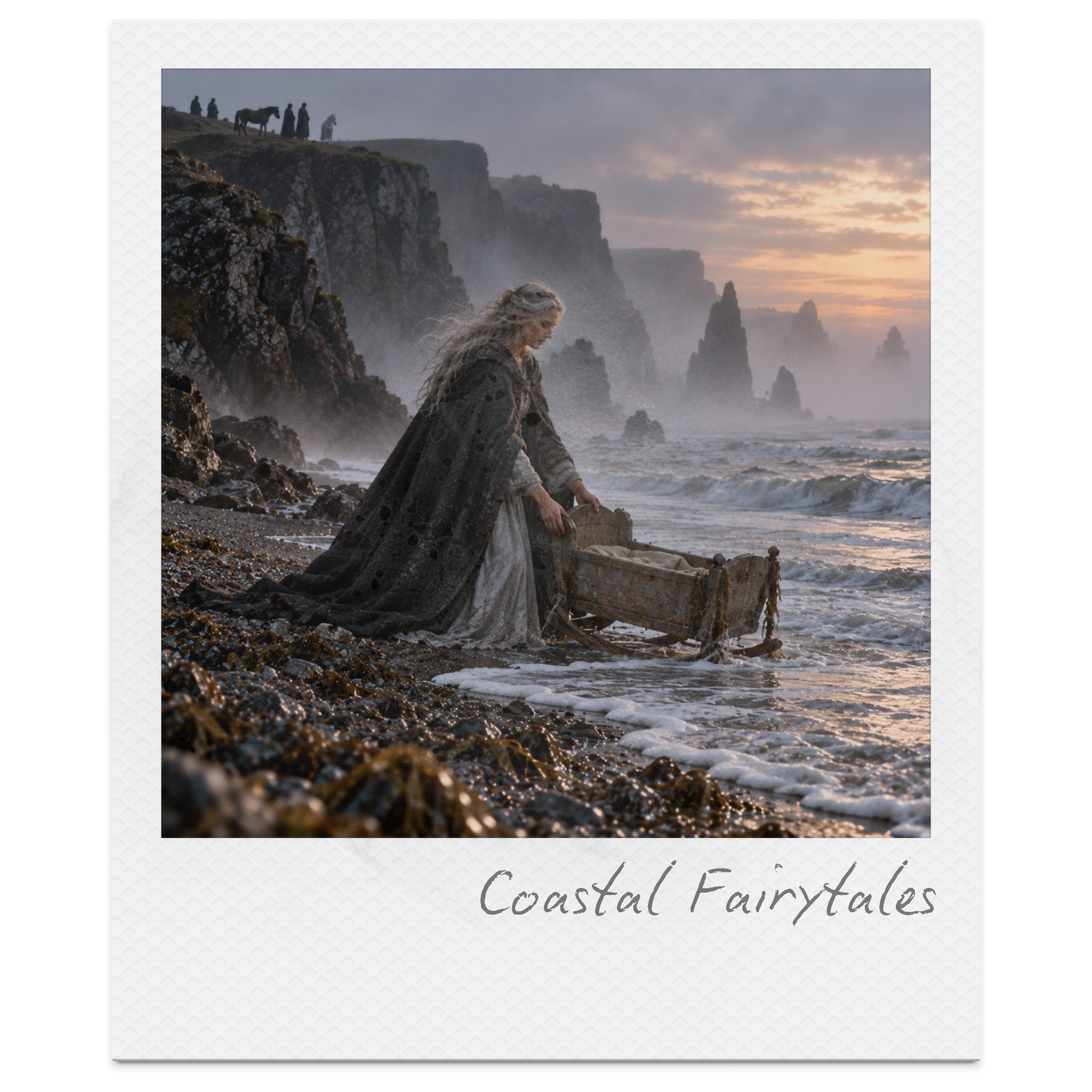
70 Coastal Fairytale Writing Prompts: Lighthouses, Selkies & Shoreline Magic
Explore 70 Coastal Fairytale Writing Prompts filled with selkies, lighthouses, fishing villages, hidden coves, sea caves, tidal secrets and shoreline magic, with plot prompts, titles, characters, settings and visual story inspiration.
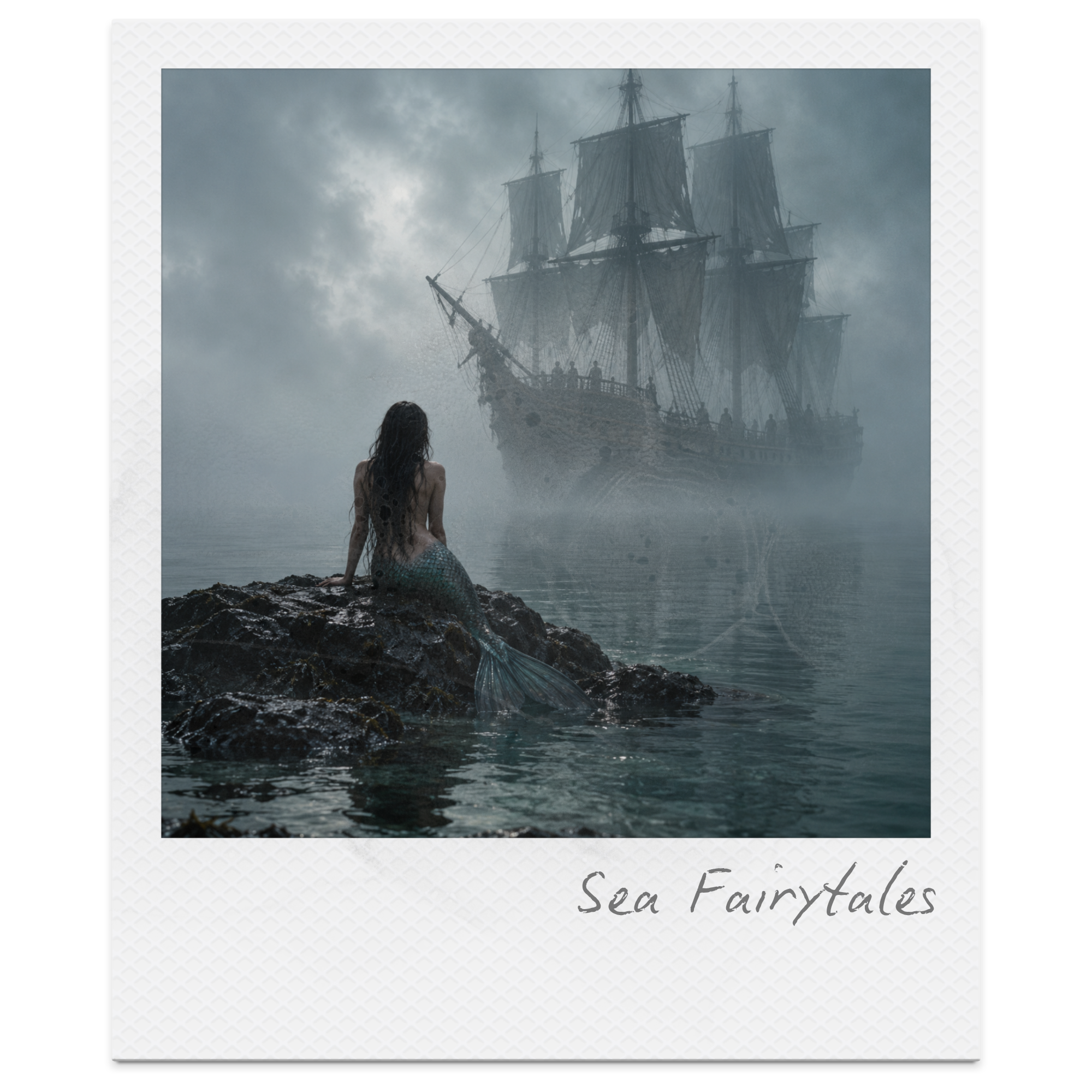
70 Sea Fairytale Writing Prompts: Mermaids, Curses & Ocean Magic
Explore 70 Sea Fairytale Writing Prompts filled with mermaids, ocean magic, sea witches, enchanted ships, drowned kingdoms, mysterious islands and coastal folklore, with plot prompts, titles, characters, settings and visual story inspiration.
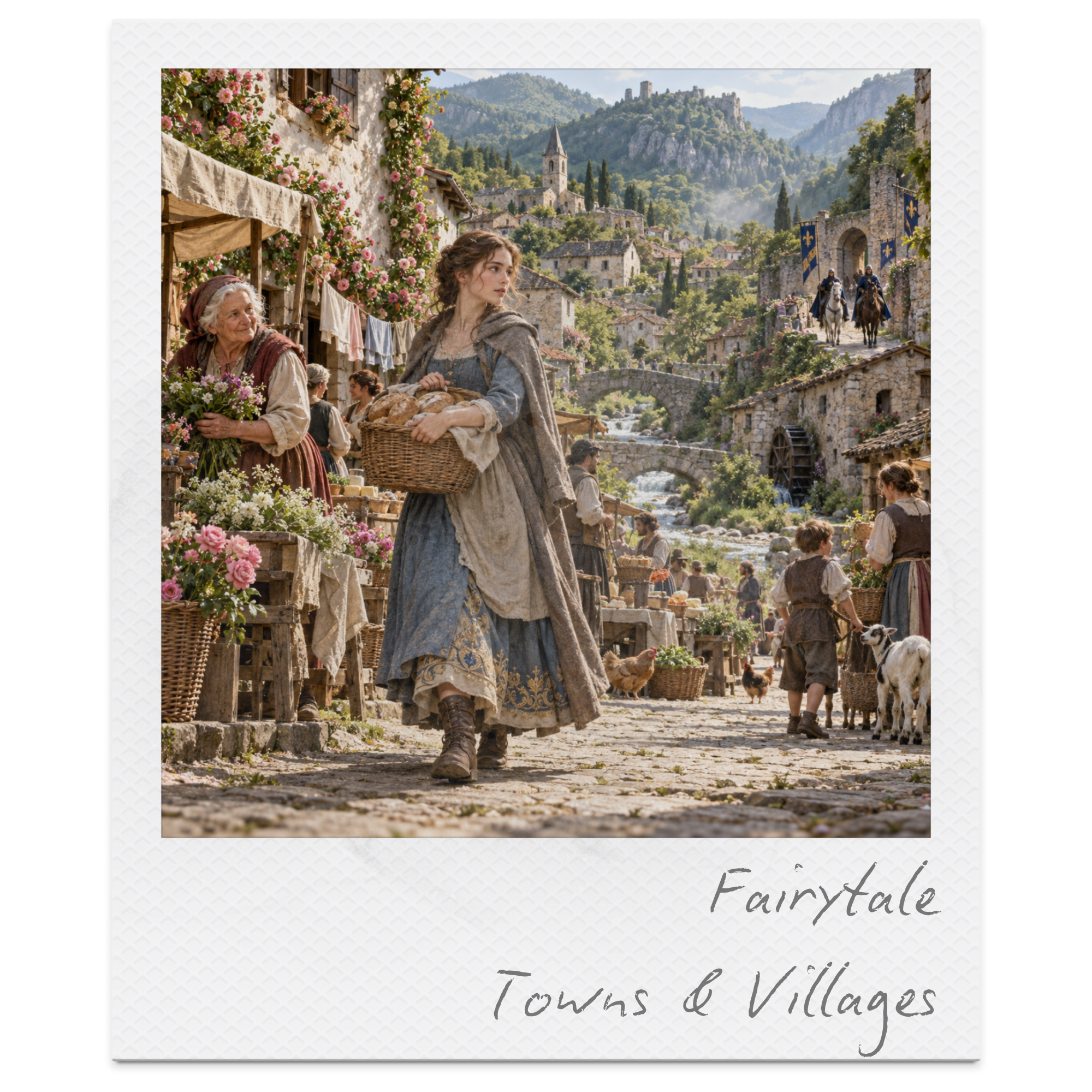
70 Fairytale Town & Village Writing Prompts: Enchanted Settlements, Hidden Secrets & Magical Communities
Explore 70 Fairytale Town and Village Writing Prompts featuring enchanted settlements, mysterious strangers, magical markets, hidden secrets and peculiar traditions, with plot prompts, titles, opening lines, characters, settings and visual story inspiration.
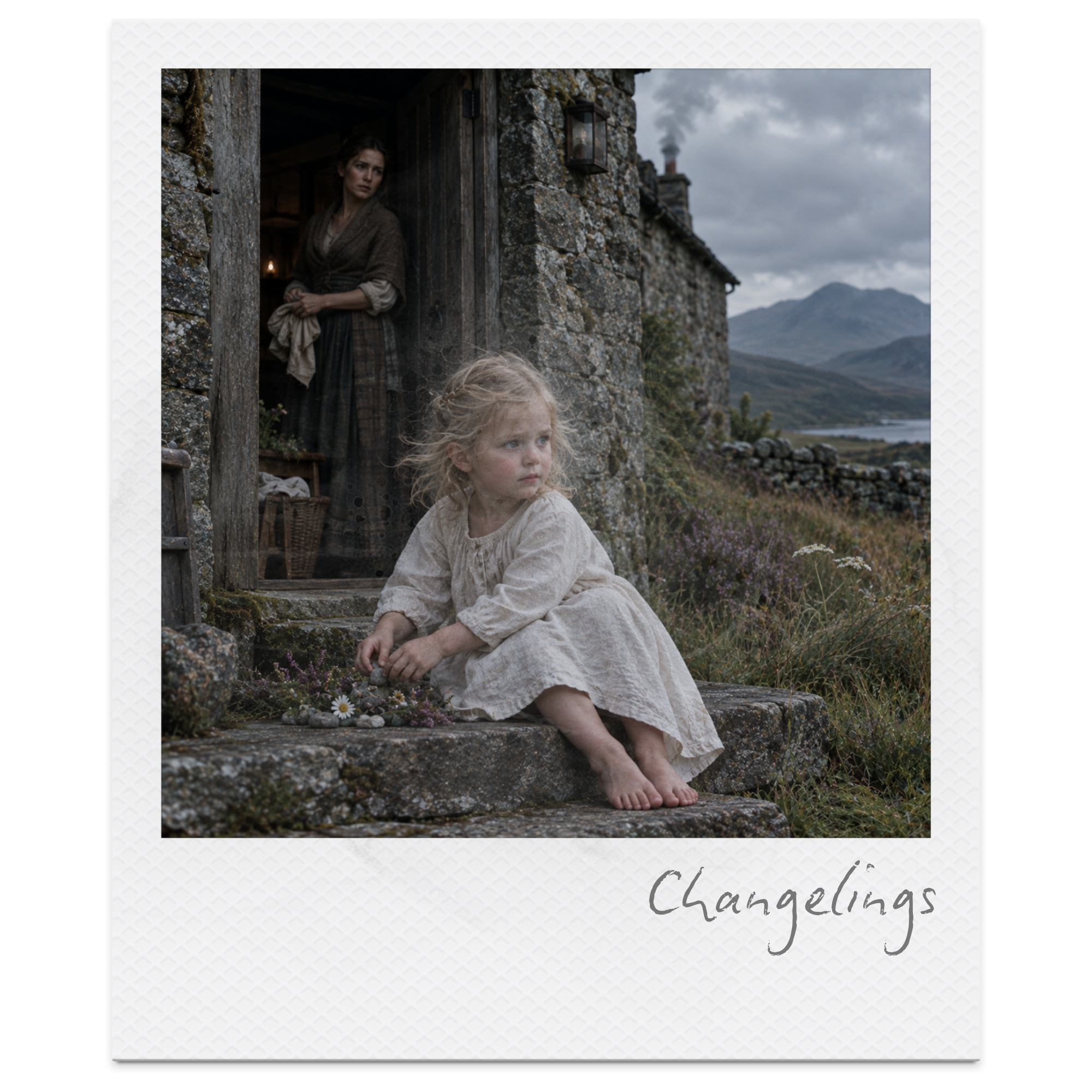
70 Changeling Writing Prompts: Fae Folklore, Stolen Children & Secret Identities
Explore 70 Changeling Writing Prompts inspired by fae folklore, stolen children, secret identities and mysterious exchanges. Discover plot prompts, story titles, opening and closing lines, characters, settings and picture prompts exploring hidden faerie worlds, returning humans and the question of where we truly belong.
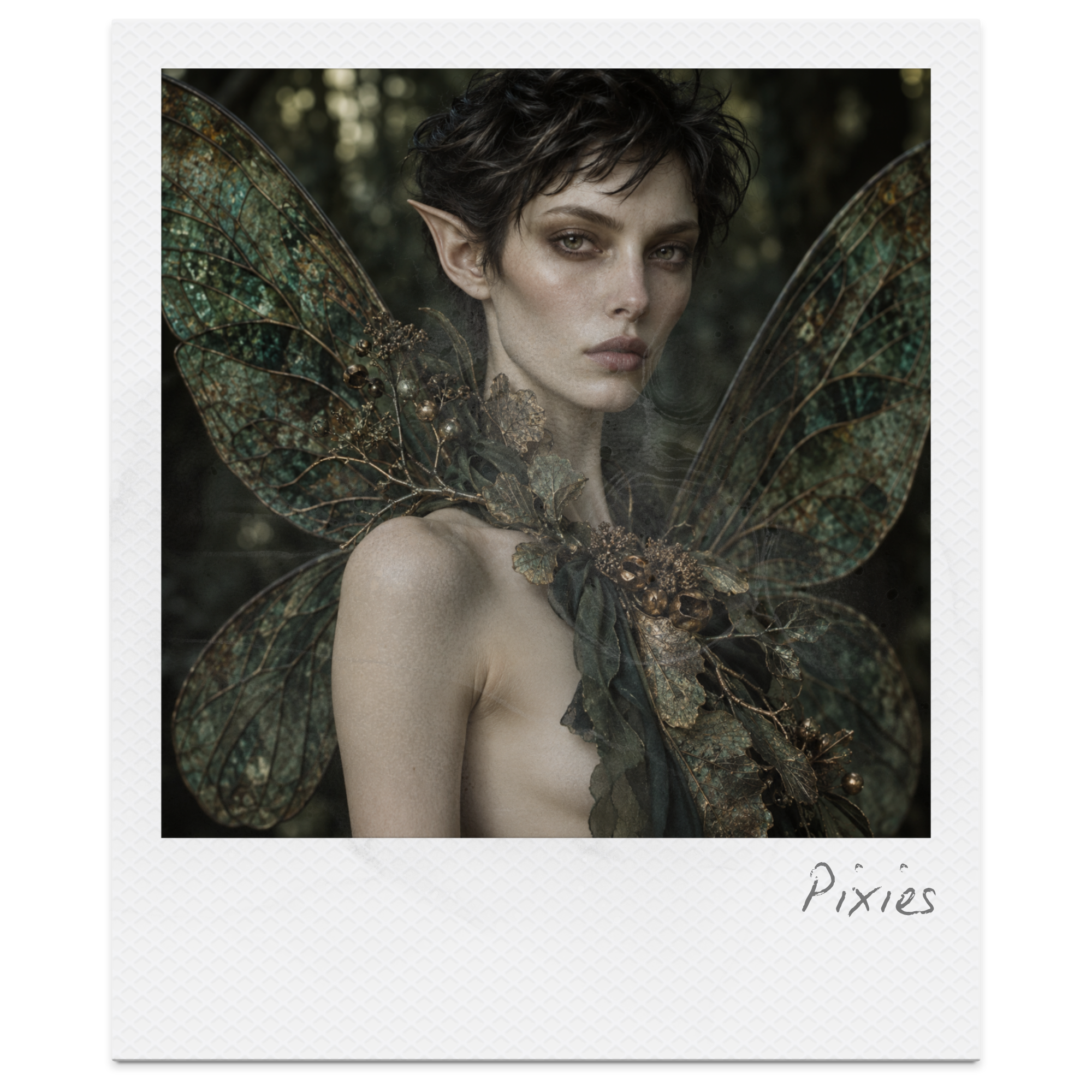
70 Pixie Writing Prompts: Mischief, Magic & Tiny Fae Adventures
Explore 70 Pixie Writing Prompts inspired by mischievous fae, hidden woodland communities, miniature worlds and traditional folklore. Discover plot prompts, story titles, opening and closing lines, characters, magical settings and picture prompts filled with tiny adventures, stolen treasures and unexpected magic.
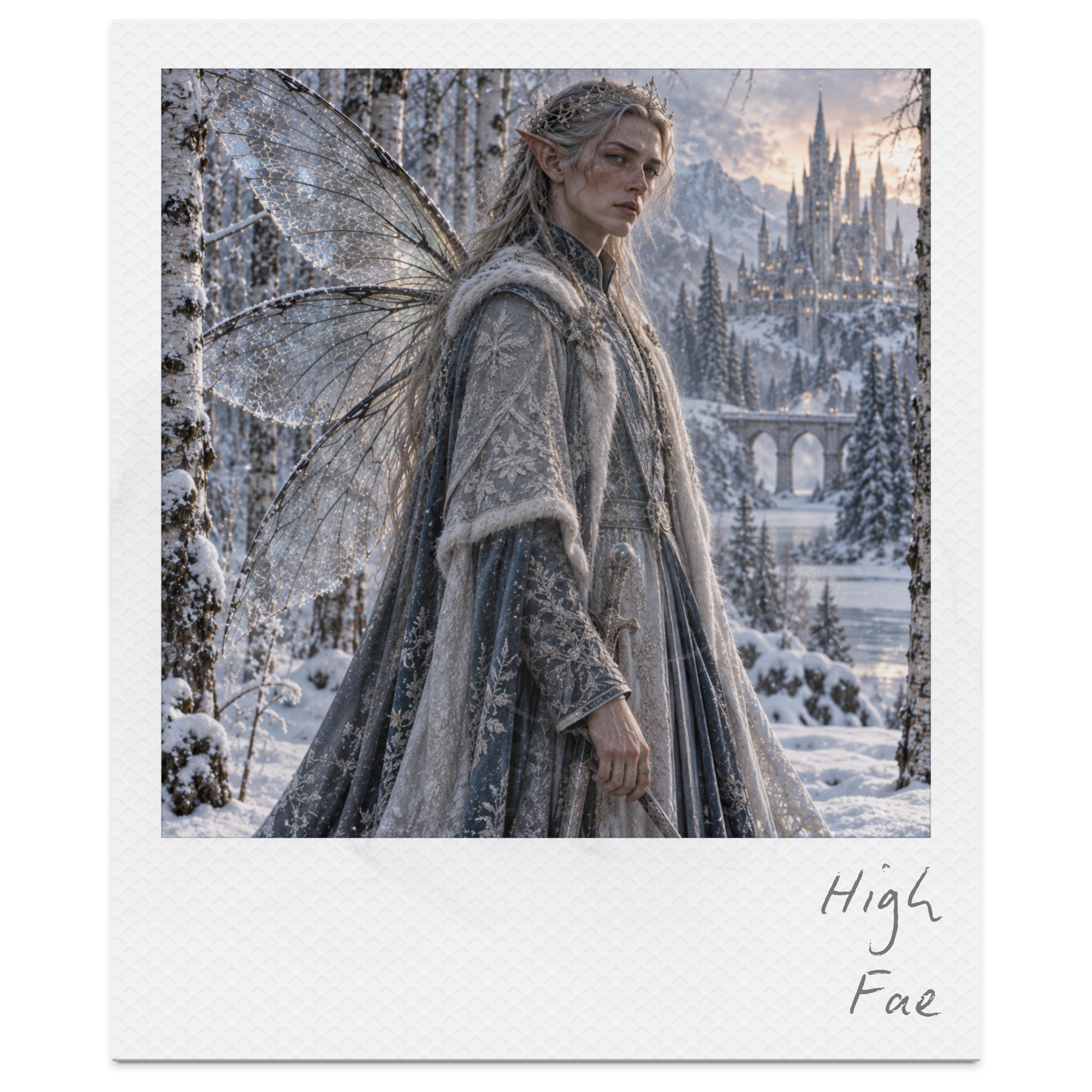
70 High Fae Writing Prompts: Immortal Courts, Ancient Magic & Fae Royalty
Explore 70 High Fae Writing Prompts filled with immortal courts, ancient magic, powerful bloodlines and fae royalty. Discover plot prompts, title ideas, opening and closing lines, characters, settings and picture prompts to inspire fantasy and folklore stories of rival houses, enchanted kingdoms and centuries-old secrets.