70 Evil Stepmother Writing Prompts: Curses, Cruel Queens & Twisted Family Secrets
Fairytales have not always been particularly kind to stepmothers. From the jealous queen of Snow White to the woman who abandons Hansel and Gretel in the forest, the evil stepmother has become one of the most recognisable figures in traditional storytelling: cruel, jealous, ambitious and frequently determined to remove inconvenient children from her path. Sometimes she wants beauty, sometimes wealth, sometimes a crown. Occasionally, she simply wants the children gone.
But an evil stepmother does not have to be another woman glaring into a magic mirror. She might marry a widowed king because she desperately wants power, inherit children who already despise her, place a curse on a stepdaughter to protect a much darker family secret or discover that becoming somebody's new mother comes with magical obligations nobody thought to mention. She can be genuinely monstrous, wonderfully theatrical, quietly manipulative or the supposed villain of a story that changes completely when told from her perspective.
These 70 Evil Stepmother Writing Prompts explore cruel queens, dangerous marriages, jealous rivals, family secrets, curses, inheritance, betrayal and complicated relationships between parents and children. Across plot prompts, titles, opening and closing lines, characters, settings and picture prompts, you can draw on the traditions of classic fairy tales, experiment with twisted and fractured fairy tales, or take the familiar archetype somewhere completely new.
For more wicked relatives, enchanted kingdoms and traditional storytelling inspiration, explore the Fairytales & Folklore Writing Hub. You can also visit Fairytale Story Sparks when you want a quick combination of characters, settings, magical rules and conflicts, or browse the Creative Writing Archive for more prompts, character ideas, settings and story inspiration across every genre.
1. Plot Prompts
The evil stepmother is one of the most enduring villains of classic fairy tales, but there are far more possibilities than jealousy and poisoned apples. These plot prompts explore inheritance, second marriages, curses, rival bloodlines and the dangerous question of who gets to decide what makes a mother wicked.
A widowed king marries a woman from a neighbouring kingdom, and within a month each of his children begins disappearing from their portraits.
A girl learns that her supposedly evil stepmother has spent years secretly paying a witch to keep her alive.
When a queen dies, her husband remarries exactly one year later. His new wife looks identical to the dead queen, except that she refuses to enter the old queen's rooms.
A stepmother sends her husband's children into an enchanted forest expecting them never to return. Twenty years later, they emerge as its rulers.
Inspired by the darkness of traditional fairy tales, write about a stepmother who abandons her stepchildren during a famine because keeping them alive would mean sacrificing her own baby.
A princess believes her stepmother wants to steal her inheritance. In reality, the new queen has discovered that inheriting the throne will activate an ancient family curse.
A king's new wife insists that his twelve daughters must never dance after midnight. They assume she is cruel until they discover what waits beneath the palace every night.
A stepmother commissions a magical mirror to tell her which of her stepchildren will eventually kill her.
In a kingdom where crowns pass from mother to daughter, a new queen must decide what to do with the daughter of the woman whose throne she has taken.
Write a fractured fairy tale in which the infamous wicked stepmother is allowed to tell the story herself — and her version contradicts almost everything the kingdom believes.
2. Story Title Ideas
A title can make a story immediately feel as though it belongs beside the darker stories collected by the Brothers Grimm, or signal that you are about to turn a familiar fairytale archetype into something completely new. Use these as complete titles or as inspiration for your own twisted fairy tales.
The King's Second Wife
The Stepmother's Mirror
Seven Ways to Lose a Princess
The Woman Who Married Our Father
A Crown for the Other Mother
The Queen in Mother's Bedroom
Instructions for Becoming a Wicked Stepmother
The Children She Sent into the Woods
The Stepmother Who Refused to Be Wicked
After Happily Ever After
3. Opening Lines
Many traditional fairy tales establish danger remarkably quickly: a death, a marriage, a warning or a journey into the woods. These opening lines begin with new wives, suspicious children and families in which happily ever after has already started to unravel.
My father brought home his new wife on the first anniversary of my mother's death.
Everyone called my stepmother wicked, although nobody could ever agree on precisely what she had done.
The queen had been married for three days when she asked the huntsman how difficult it would be to make a child disappear.
There are three rules for surviving a new stepmother, and my eldest sister broke the first before breakfast.
My stepmother never asked me to call her Mother; she merely ordered everyone else to forget that I had ever had one.
The morning after the wedding, every portrait of my mother had been turned towards the wall.
My father's new wife arrived with thirteen trunks, six black horses and a small wooden box she forbade us to open.
In fairy tales, a dead mother should have the decency to stay dead.
The new queen was more beautiful than my mother, kinder than my mother and, according to my little brother, much better at lying.
Had I known what my stepmother was hiding beneath the palace, I would have been considerably more grateful when she locked me in my room.
4. Closing Lines
A twisted fairy tale does not necessarily need a happily ever after. These final lines leave room for revenge, reconciliation, uneasy victories and the possibility that the person everyone called wicked was never the greatest danger in the story.
And so the kingdom remembered the wicked stepmother, because admitting what the children had done would have ruined a much better story.
I placed the crown upon my stepdaughter's head and wondered how long it would take her to understand why I had never wanted it there.
They found my stepmother's cottage empty, except for a mirror that finally showed my own face.
Father had always said she would destroy our family; none of us had considered that he already had.
Years later, children still told stories about the witch in the forest, although by then I knew enough to call her Mother.
My stepmother kissed my forehead, handed me the poisoned apple and whispered, “Now make them believe I gave it to you.”
The old stories promised that wicked women would be punished, so I suppose neither of us should have been surprised when they came for me next.
We buried my stepmother beside my mother, which was either forgiveness or an exceptionally cruel joke.
Perhaps one day they will call me the evil stepmother too.
And that is the trouble with happily ever after: eventually, somebody's father remarries.
5. Character Ideas
The evil stepmothers of traditional tales are often defined by cruelty, vanity or jealousy. Modern and feminist fairy tales can keep those deliciously villainous women while also asking more complicated questions about motherhood, marriage, beauty, power and the roles women are expected to play.
The Beautiful Second Queen – A celebrated beauty who has spent her entire life being told that beauty is her only source of power. Her teenage stepdaughter is beginning to attract more attention than she does.
The Former Servant – A palace maid marries the widowed king and suddenly becomes stepmother to three royal children who once ordered her around.
The Child Bride – An eighteen-year-old princess is married to a forty-year-old widowed king and expected to become “mother” to his sixteen-year-old daughter.
The Witch Stepmother – A woman hides her magic throughout her courtship, only to discover that one of her new stepchildren possesses far more dangerous powers.
The Perfect Stepmother – She is beautiful, patient, affectionate and apparently devoted to her new children. Her eldest stepdaughter is the only person convinced that something is terribly wrong.
The Stepmother from Another Kingdom – A foreign princess marries into a court that distrusts her language and customs, and every misfortune is soon blamed on the strange new queen.
The Widow with Children of Her Own – She enters the marriage determined to secure a future for her sons, even if that means removing her husband's children from the line of succession.
The Reluctant Stepmother – She married a handsome prince expecting balls, jewels and travel. Nobody mentioned his seven children.
The Truly Wicked Stepmother – Forget misunderstood villains. Create a gloriously terrible fairytale woman who adores power, enjoys revenge and has absolutely no interest in redemption.
The Future Evil Stepmother – A kind young woman receives a prophecy that history will remember her as one of the most hated women who ever lived.
6. Setting Ideas
From dark forests to royal bedchambers, setting has always shaped the atmosphere of classic fairy tales and fairy tales from around the world. Place your stepmother somewhere that gives her power, traps her with her new family or conceals what she is really doing.
A Divided Palace – The old queen's apartments have been preserved exactly as she left them, while the new queen is expected to live in a smaller wing on the opposite side of the palace.
The Winter Kingdom – A new queen arrives from a warm southern country and discovers that the royal family's survival depends upon an ancient bargain made every winter.
The Forest Cottage – A stepmother takes her children deep into the woods to visit an old woman who seems to know her remarkably well.
The Mirror Gallery – Hundreds of mirrors line a palace corridor, but since the king remarried, none of them reflect his children correctly.
The Locked Nursery – The room where the king's first wife raised her children has remained sealed since her death. The new queen can hear someone singing inside.
The Rose Garden – Every queen in the dynasty has planted a rose when she married the king. The first wife's rose refuses to die.
The Gingerbread Village – In a playful reversal of familiar fairy tale stories, the stepmother sends her children somewhere apparently delightful because she knows exactly what lives there.
The Island Palace – The royal family retreats to an isolated summer palace where the stepmother controls every boat capable of reaching the mainland.
The House Between Kingdoms – After their father dies, three royal children must live with their stepmother in the strange borderland she ruled before marrying him.
The Ruined Castle – The children flee their supposedly evil stepmother only to discover the abandoned castle where she grew up — and evidence of what was done to her there.
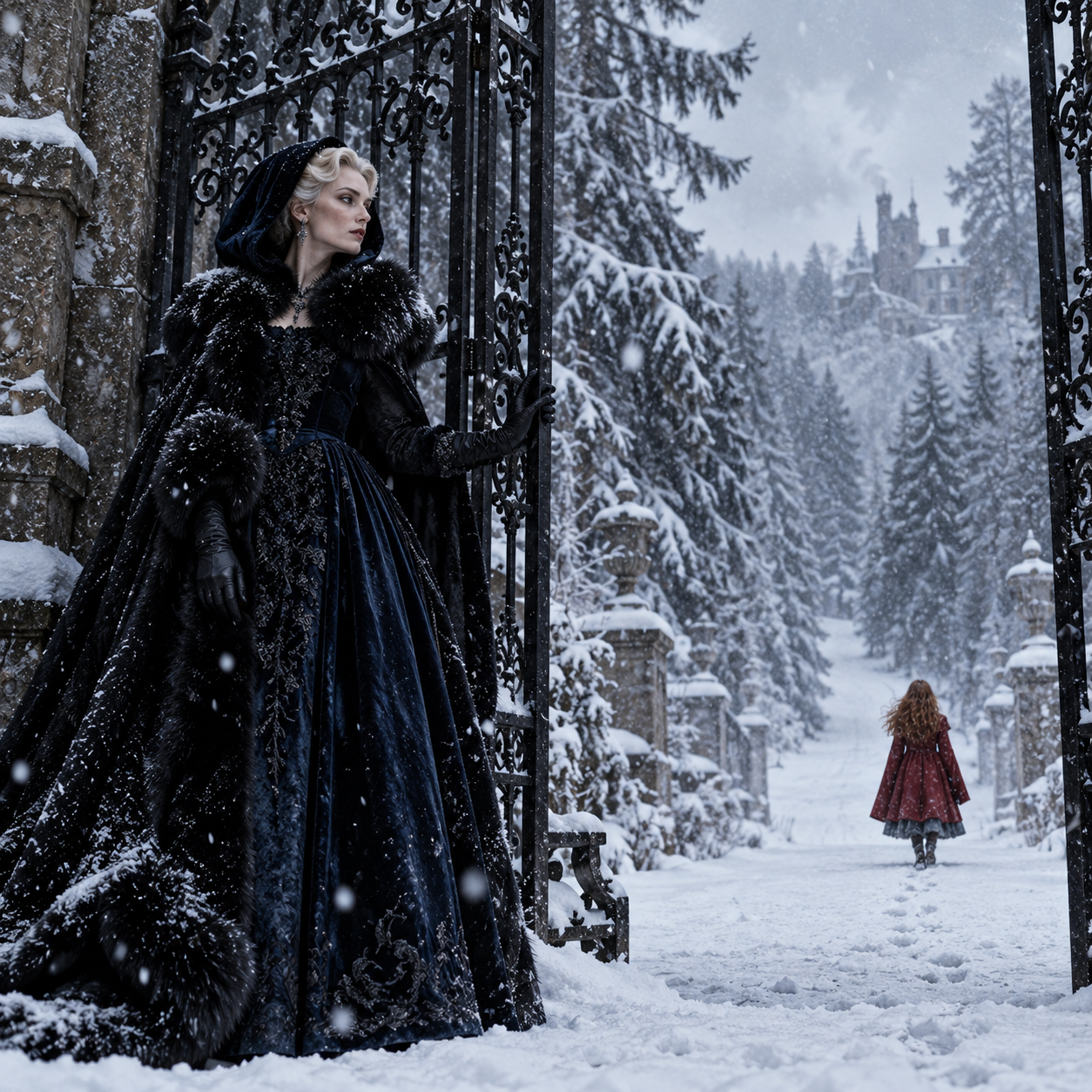
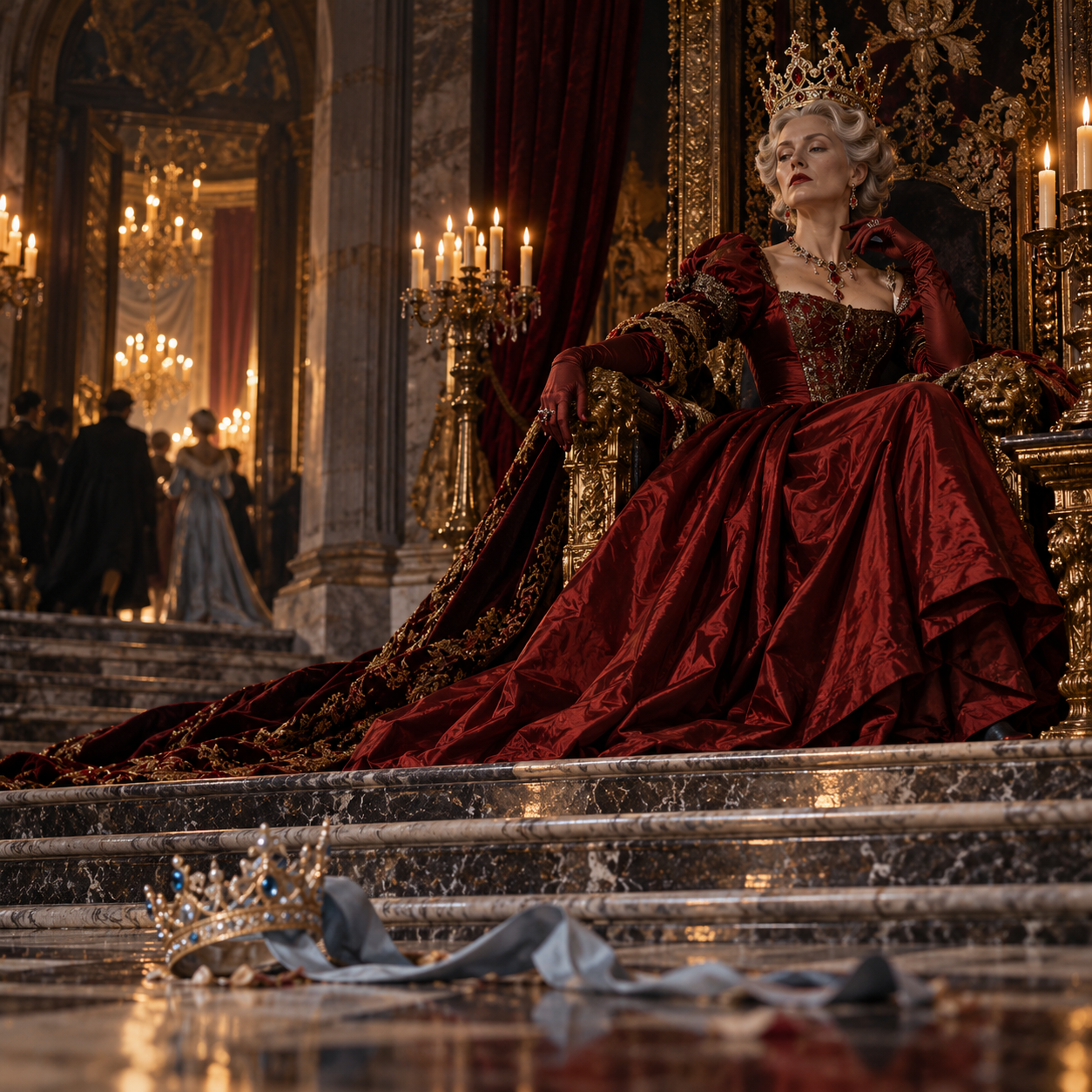
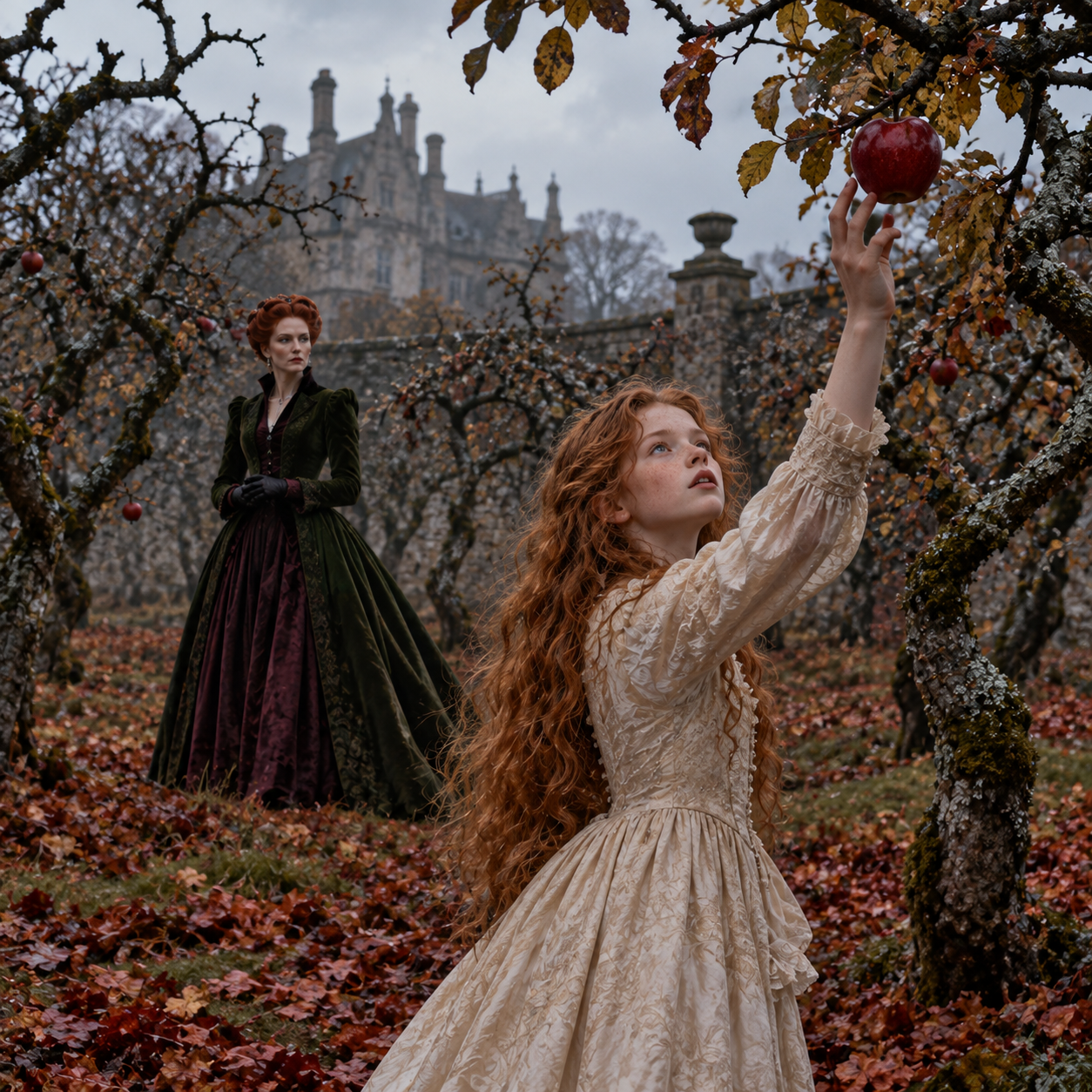
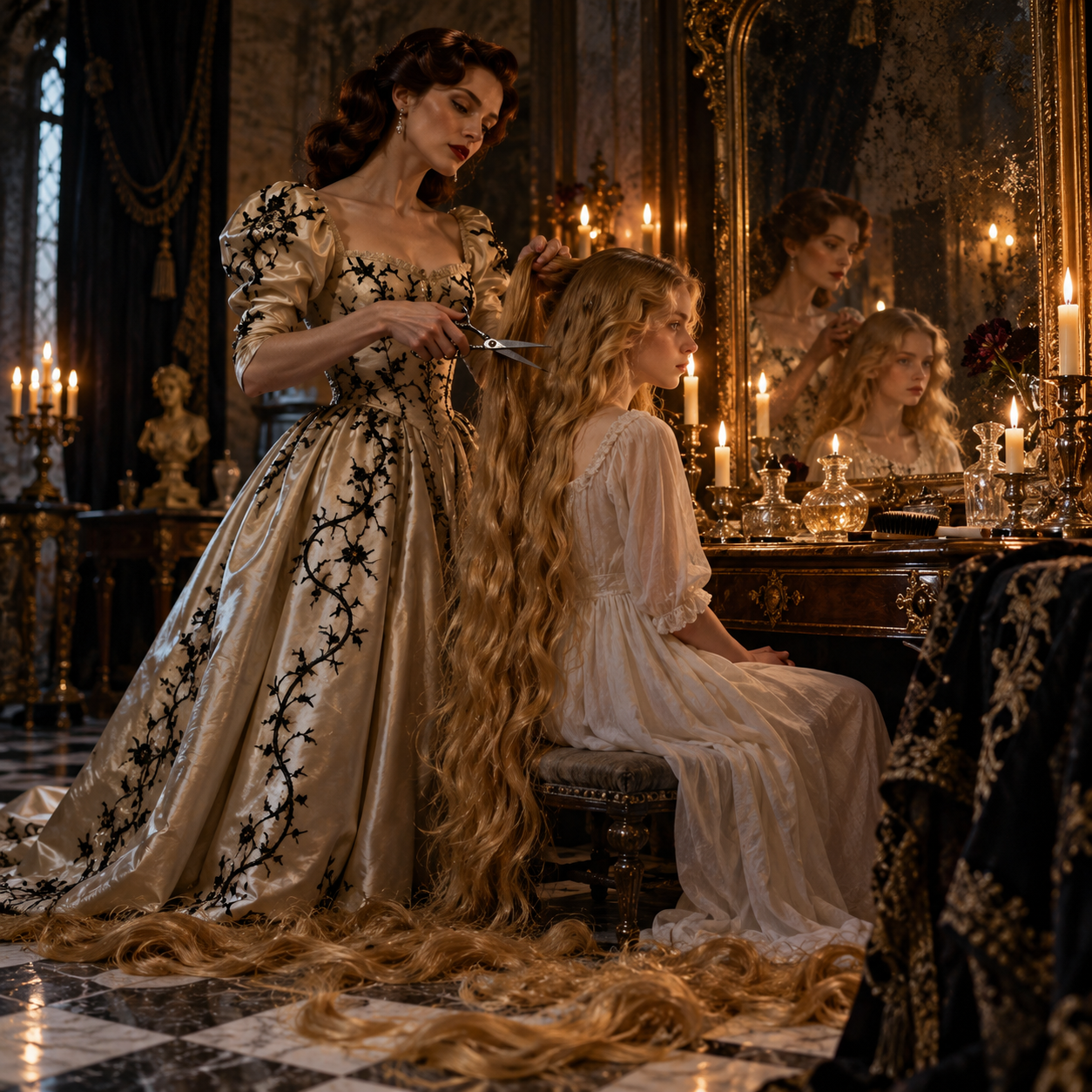
7. Picture Prompts
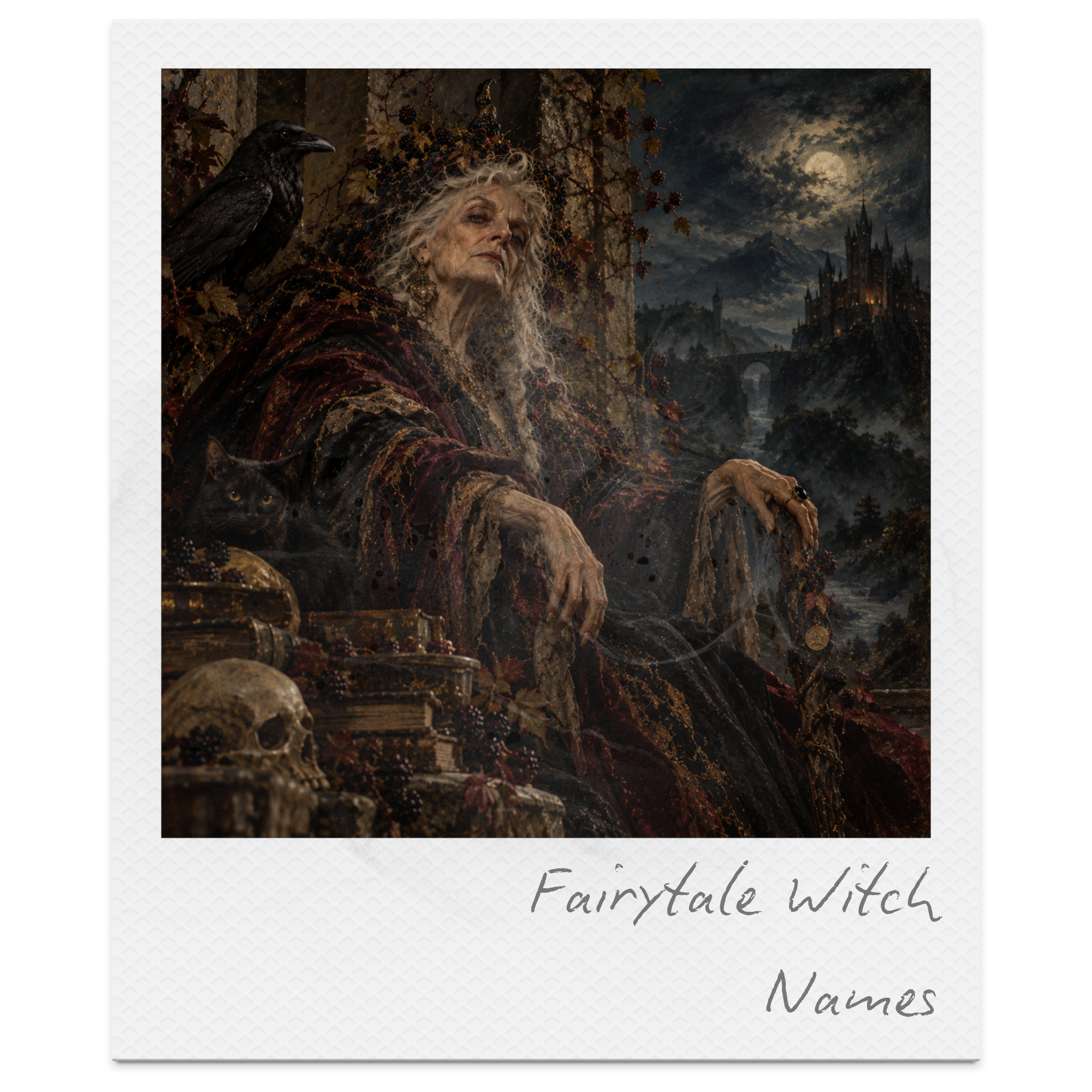
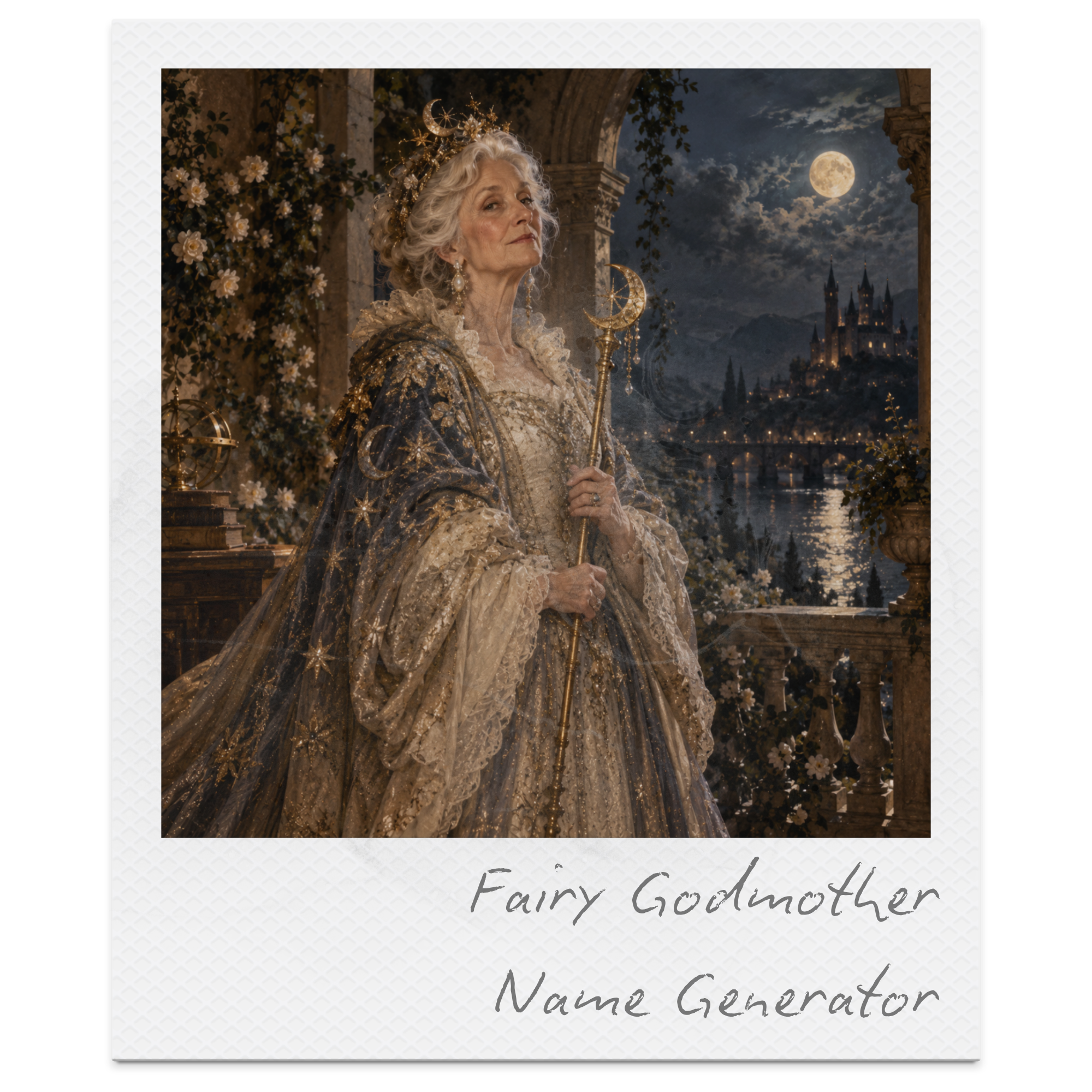
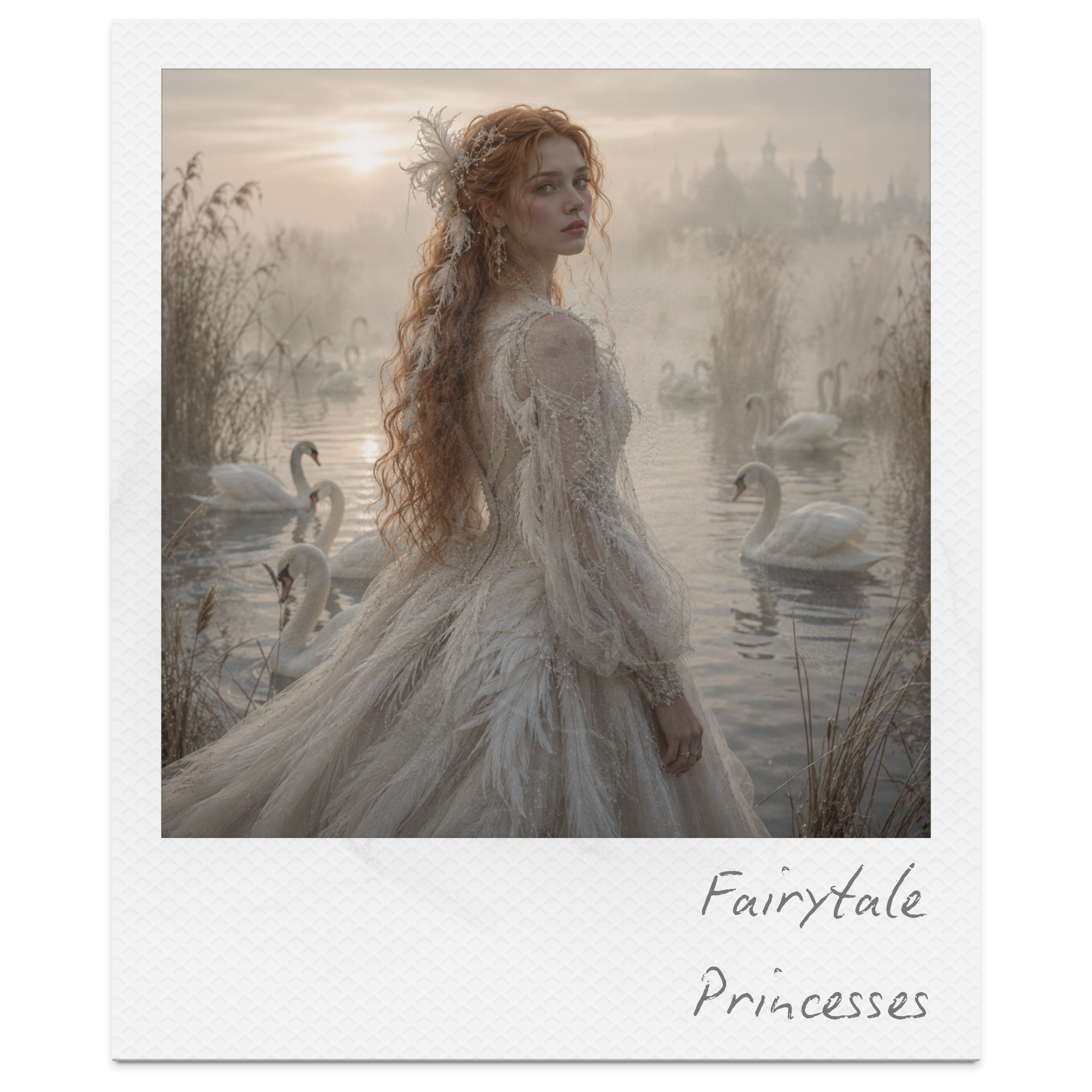
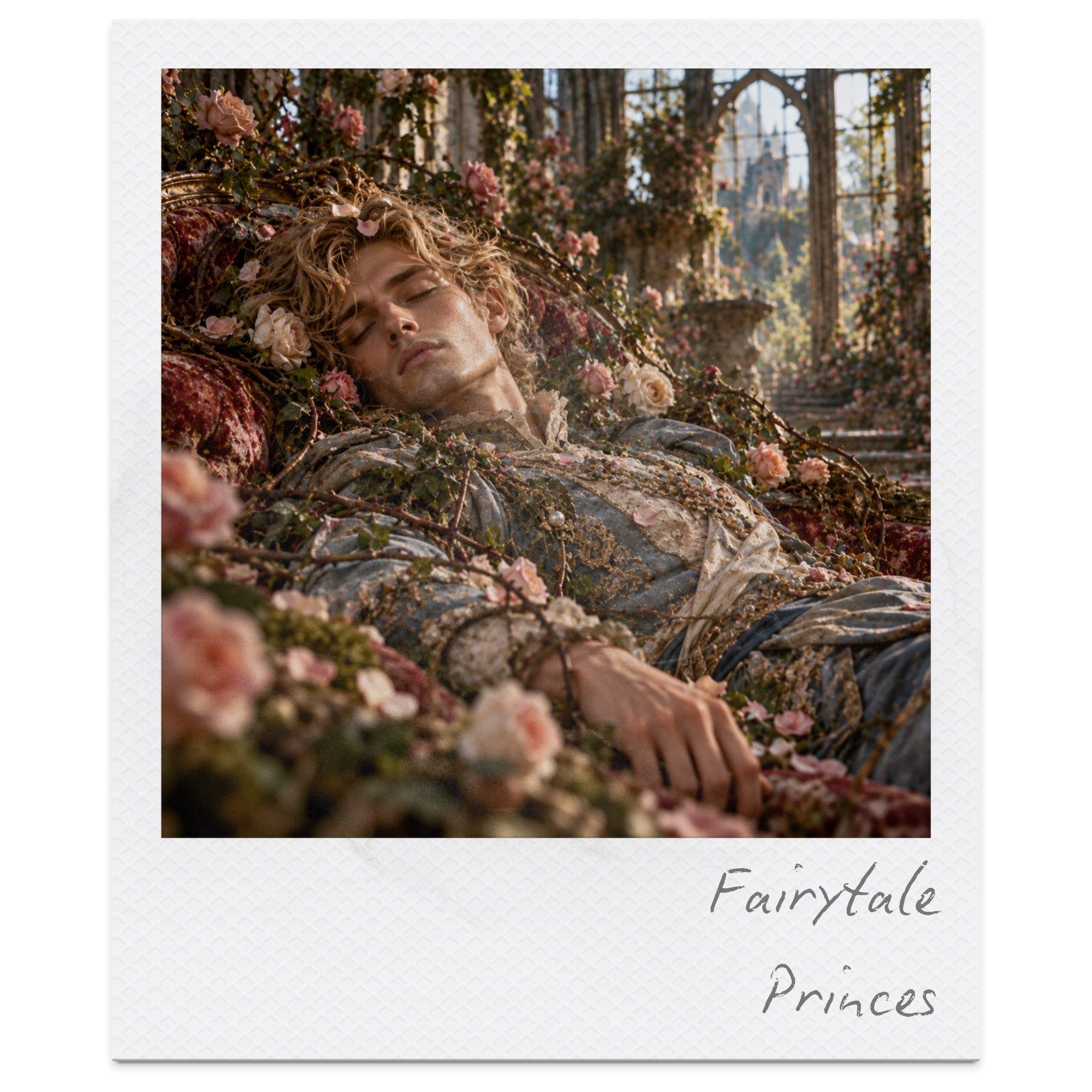
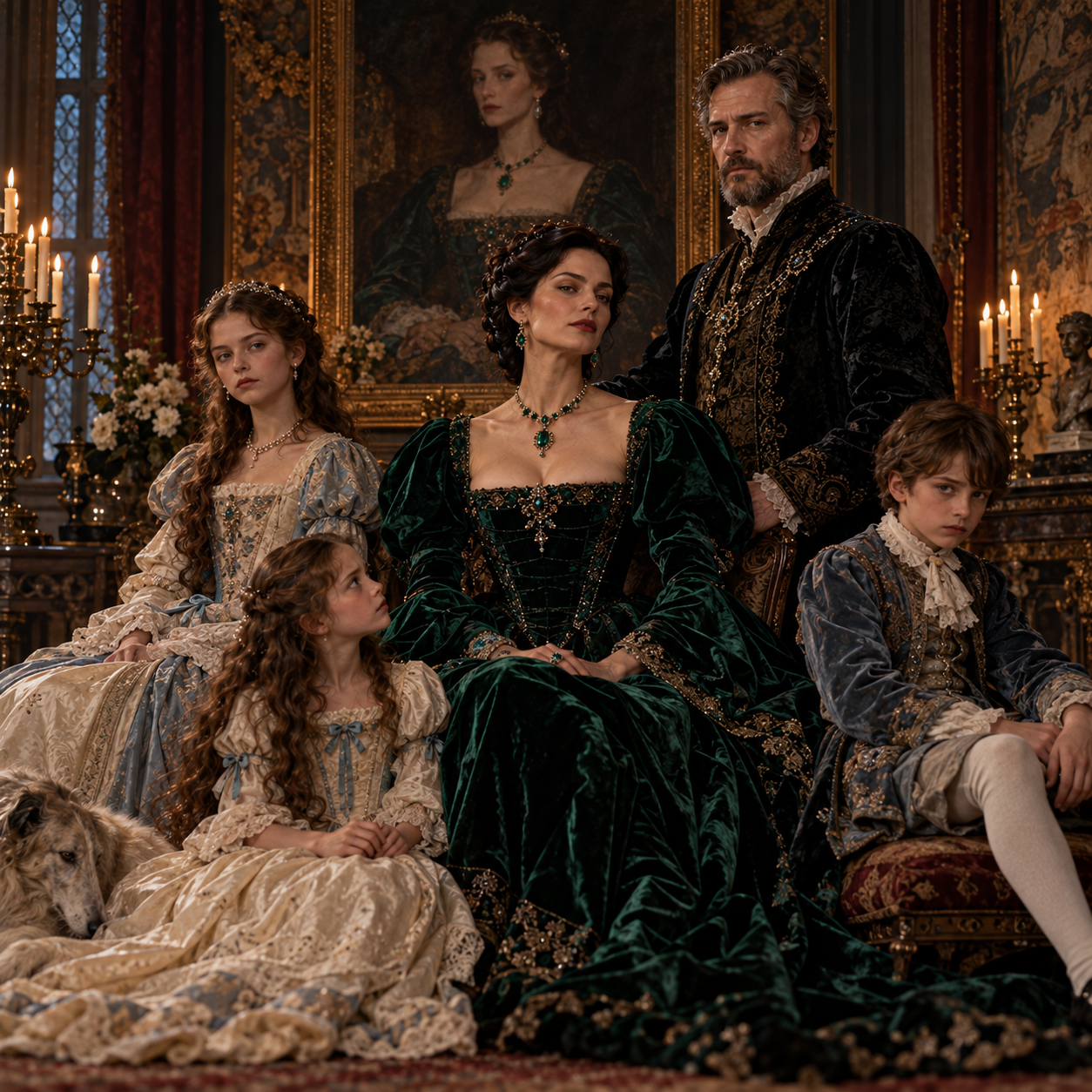
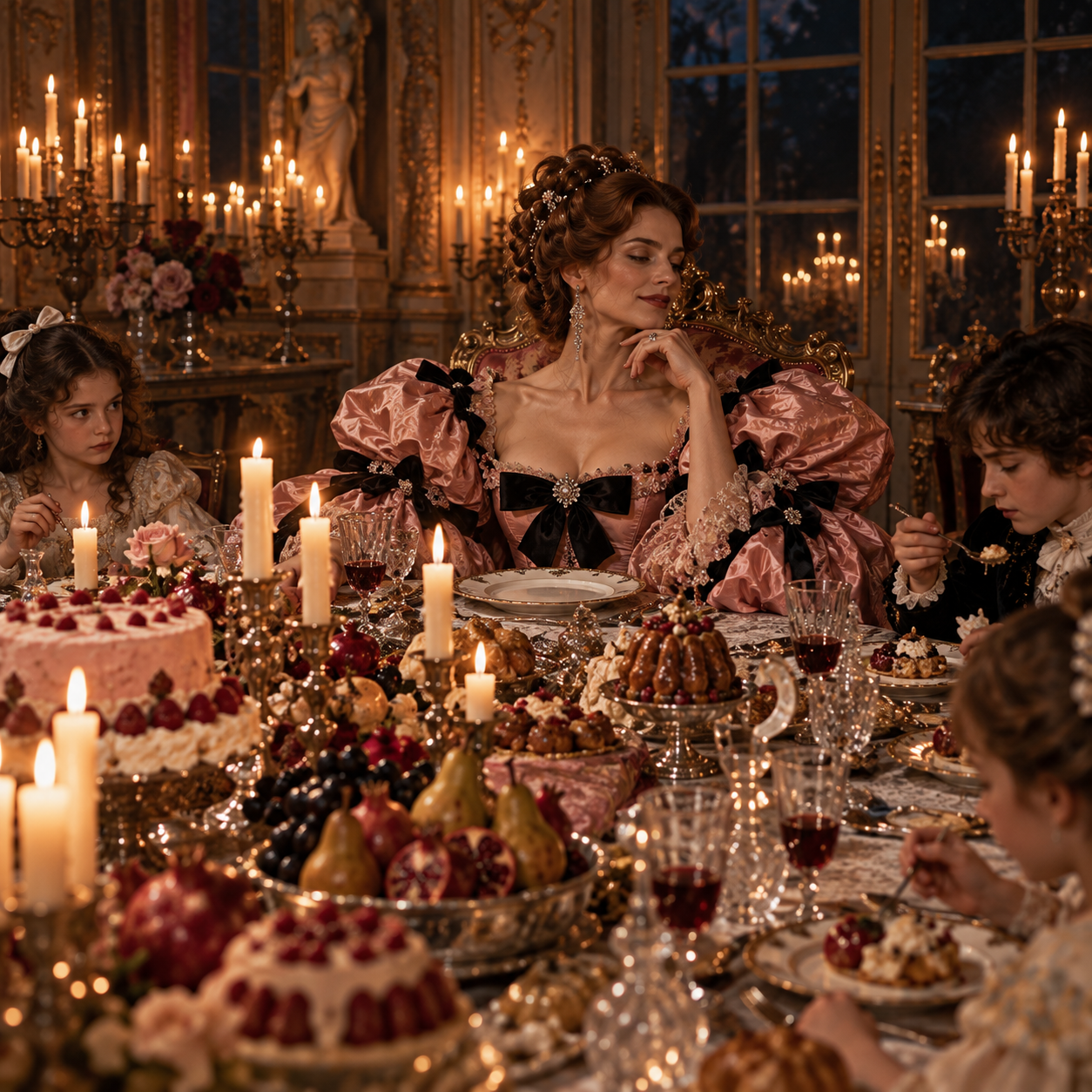
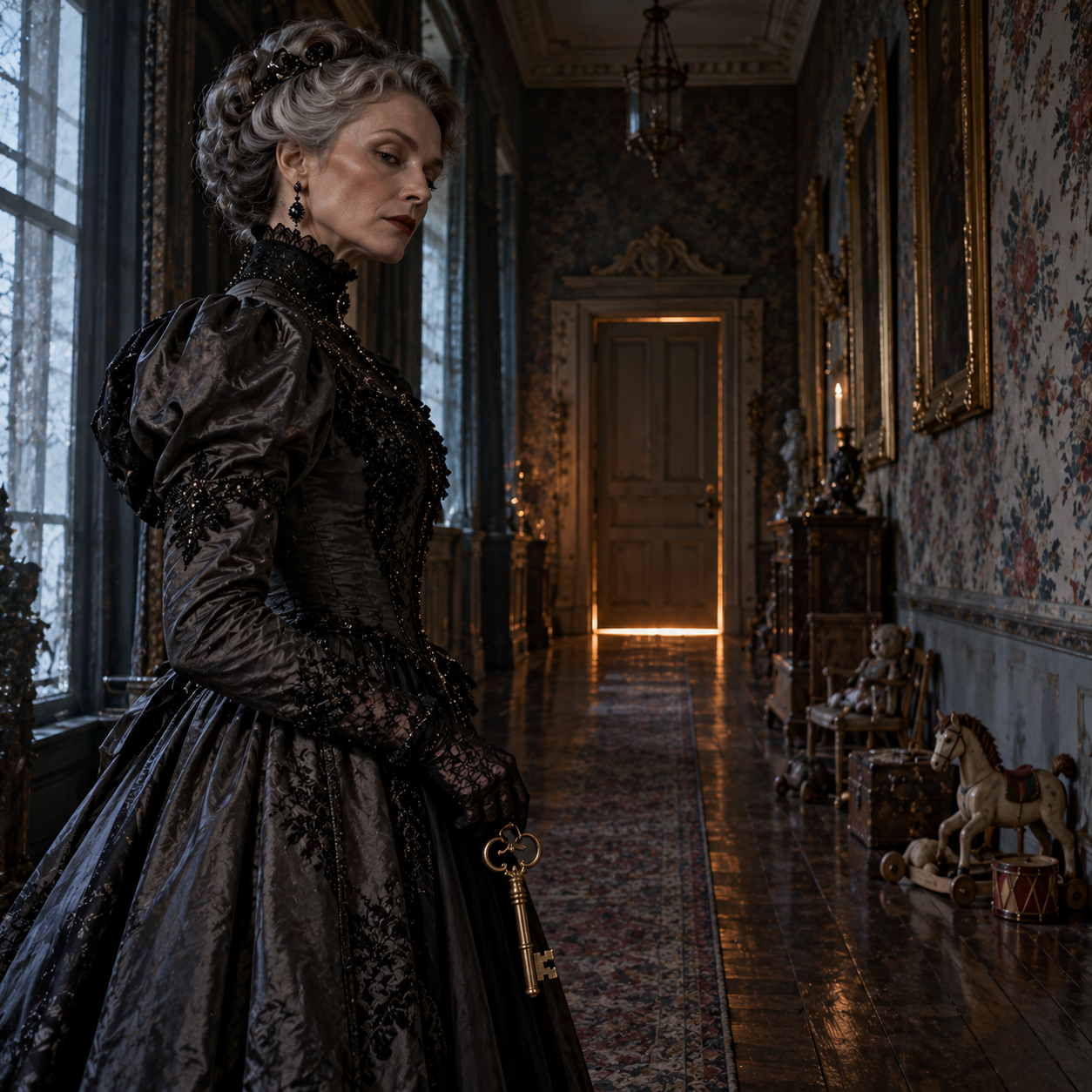
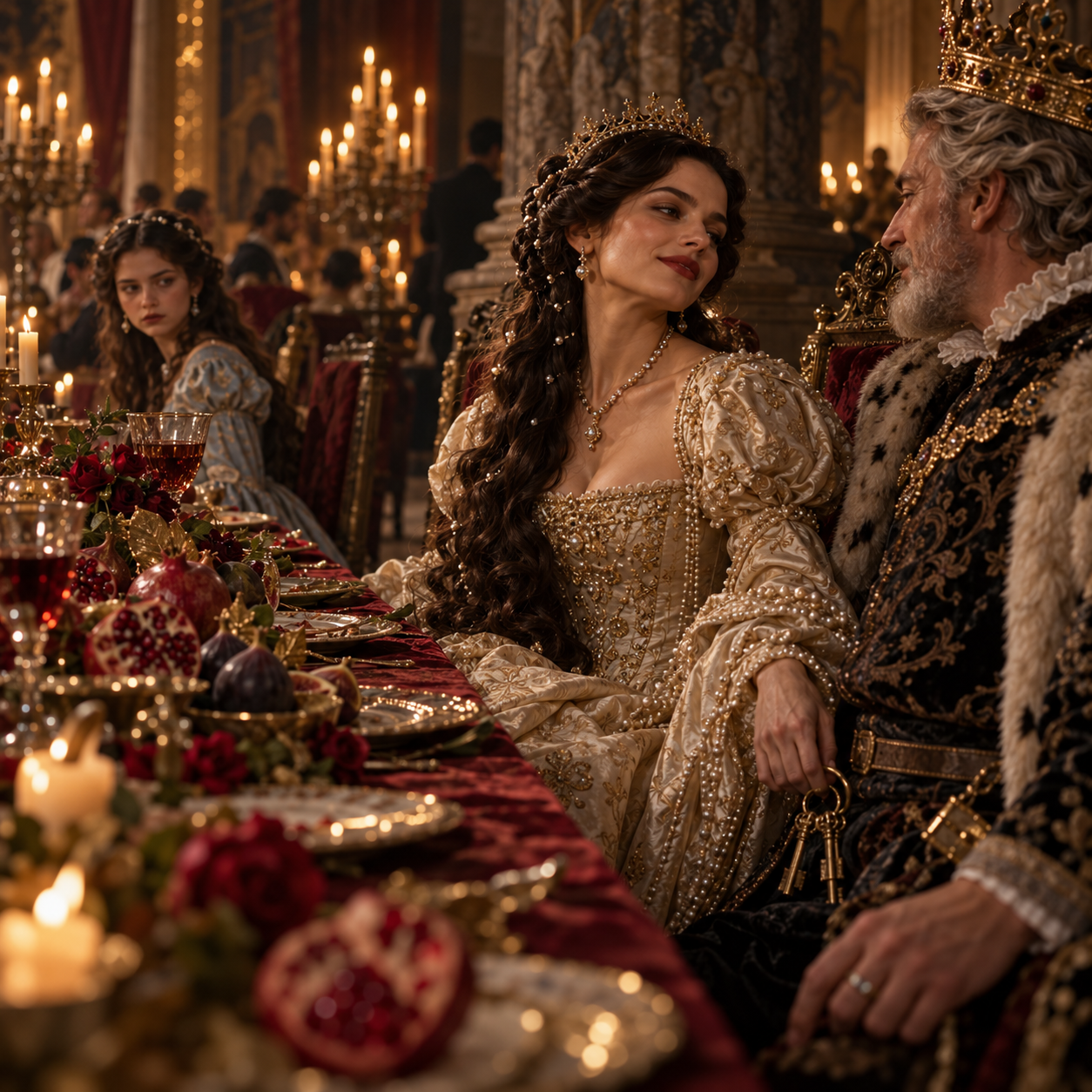
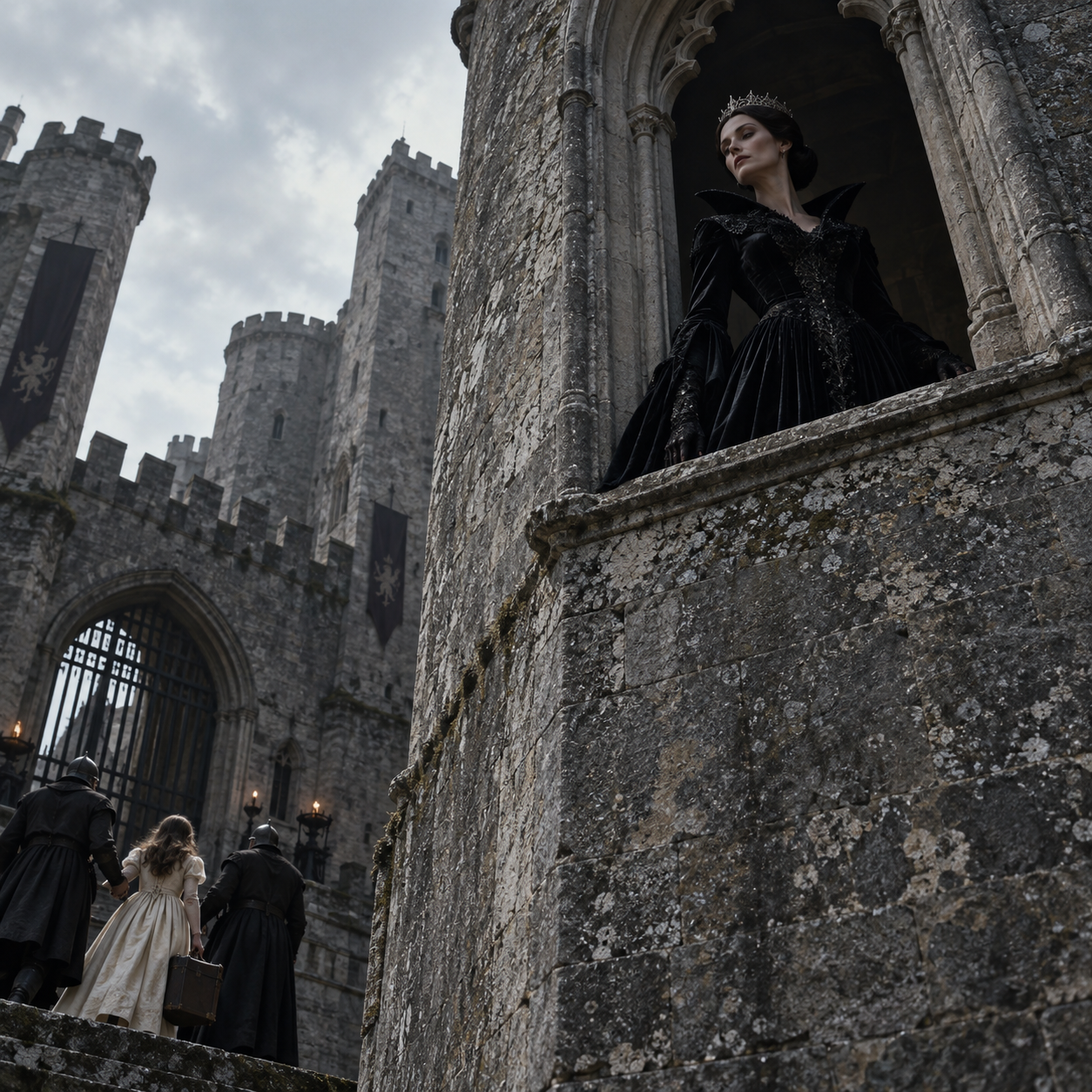
The evil stepmother has changed enormously across classic fairy tales, illustrated fairy tales, modern fairy tales and twisted retellings, making her a particularly rich character to explore visually. Look closely at each image and decide what kind of story it suggests. Who was this woman before she entered the family? Why did she marry? What does she want from her stepchildren? Is she truly the villain, or have you arrived halfway through somebody else's version of events?
Use the images as starting points rather than fixed stories. A crown, mirror, wedding dress, locked door, forest path or child's expression can completely change your interpretation of the woman at the centre of the scene.

Go Deeper into Evil Stepmother Stories
The evil stepmother is such a familiar fairytale archetype that readers arrive with expectations before she has even stepped onto the page. You can use those expectations, exaggerate them or completely overturn them to create a character who feels far more interesting than the traditional jealous second wife.
◆ Decide why she married into the family – Was it love, ambition, money, political necessity, survival or something much stranger? Her reasons for marrying can shape everything that follows.
◆ Think about the woman who came before her – A dead or absent mother can still have enormous power over a household. Consider whether your stepmother is competing with an idealised memory, uncovering her predecessor's secrets or deliberately trying to erase her.
◆ Give the children reasons to distrust her – Don't rely solely on the fact that she is their stepmother. Perhaps she changes household rules, removes treasured possessions, dismisses beloved servants or knows things about the family that nobody has told her.
◆ Decide whether she is actually wicked – You do not have to redeem every evil stepmother. She can be spectacularly cruel if that suits your story. But you can also explore the difference between being wicked and simply being remembered that way.
◆ Use inheritance to create conflict – Crowns, estates, magical gifts and family fortunes can become much more complicated when a king or wealthy widower remarries and suddenly has two branches of a family competing for the same future.
◆ Explore the relationship between stepmother and stepchild – Hatred does not need to be immediate. Affection can sour into resentment, suspicion can become loyalty, or two people determined to dislike one another might discover they have more in common than either expected.
◆ Give her power beyond her marriage – Who was she before she became somebody's second wife? She might have her own title, fortune, family, profession, magic, political influence or reputation that makes her dangerous independently of her husband.
◆ Question who controls the story – Traditional fairy tales frequently tell us exactly who is good and who is wicked. Try retelling events from another perspective and ask which details might have been exaggerated, omitted or deliberately changed.
◆ Make the father matter – If a father remarries and conflict erupts between his children and his new wife, he should not simply disappear from responsibility. Consider what he ignores, enables, misunderstands or deliberately chooses not to see.
◆ Think beyond happily ever after – Marriage often ends a classic fairy tale, but for an evil stepmother story it can be where everything begins. Ask what happens when the wedding celebrations end, a new queen moves into the palace and several people realise that their place within the family has just changed forever.
Final Thoughts
The evil stepmother has survived for centuries because she introduces conflict into the place that is supposed to feel safest: the family. A new marriage can change who belongs, who inherits, who has power and whose version of the past is allowed to survive. Add a crown, a curse or an enchanted forest, and a complicated family relationship can become the beginning of an entire fairytale.
You can embrace the archetype completely and create a magnificently wicked queen with poisoned gifts and murderous intentions, or pull it apart. Perhaps the stepmother is protecting the children from something worse. Perhaps the beloved first wife left secrets behind. Perhaps the father is responsible for far more than anyone admits. Or perhaps your stepmother really is terrible — and is having an absolutely wonderful time being the villain.
For more wicked queens, enchanted families, magical kingdoms and traditional storytelling inspiration, explore the Fairytales & Folklore Writing Hub. You can also visit Fairytale Story Sparks for instant fairytale prompts and unexpected story ideas, or browse the Creative Writing Archive for character inspiration, settings, worldbuilding resources and creative writing prompts across every genre.
Start with the woman everyone has already decided is wicked. Give her a new family, something she desperately wants and a reason to make one unforgivable choice.
Then decide whose version of the story gets told.
Choose Your Next Adventure