70 Fairytale Hero & Heroine Writing Prompts: Characters, Quests & Story Ideas
Fairytale heroes and heroines rarely begin their stories looking particularly heroic.
They might be the youngest child nobody listens to, a servant sweeping ashes from the hearth, a shepherd who has never travelled beyond the neighbouring village or a princess who has spent her entire life being told that someone else will eventually arrive to rescue her.
Then something happens.
A road appears where there was no road yesterday. A king announces an impossible challenge. Someone disappears into the forest. A talking animal asks for help. A curse falls over the kingdom. Or a stranger arrives at the cottage door carrying an object that should not exist.
Suddenly, an ordinary character has a choice to make.
The most memorable fairytale protagonists do not always succeed because they are the strongest person in the story. They survive because they are curious enough to open the forbidden door, clever enough to answer the impossible riddle, compassionate enough to help the creature everyone else ignores or stubborn enough to keep walking when the road becomes dangerous.
And sometimes they get everything spectacularly wrong first.
These 70 fairytale hero and heroine writing prompts explore brave adventurers, reluctant rescuers, overlooked siblings, royal runaways, clever villagers, cursed protagonists and ordinary characters thrown into extraordinary situations. You'll find plot hooks, title ideas, opening lines, closing lines, character ideas, settings and picture prompts designed to help you create original fairytale protagonists and the adventures that transform them.
Your hero might be sent to rescue a princess who has already escaped. Your heroine might discover that defeating the monster would actually doom the kingdom. A youngest son might refuse the crown waiting at the end of his quest, while an overlooked daughter becomes the only person willing to enter the enchanted forest when everyone else disappears.
Use these prompts for traditional fairytales, fractured tales, retellings, fantasy stories or completely original adventures. Take a familiar fairytale role and reverse it, combine several ideas or simply begin with one question:
What would make this particular person leave the safety of home and step into the story?
For more enchanted characters, magical kingdoms and folklore-inspired storytelling, explore the Fairytales & Folklore Hub. You can also visit Fairytale Story Sparks for generators, prompts and instant fairytale inspiration, or browse the Creative Writing Archive for hundreds of character ideas, magical settings, worldbuilding resources and creative writing prompts across every genre.
Your character does not need to begin as a hero.
Give them something they want.
Put something impossible in their way.
Then see who they become trying to reach it.
1. Plot Hooks
A fairytale hero or heroine needs something that pulls them beyond the life they already know. It might be an impossible task, a missing person, a mysterious visitor or simply one small act of kindness with consequences nobody could have predicted. These plot hooks begin at the moment an ordinary character finds themselves at the centre of an extraordinary story.
The youngest daughter of a poor family gives her last piece of bread to an old woman on the road. The following morning, seven royal carriages arrive outside her cottage, each carrying someone who insists she has been chosen for a different impossible quest.
A miller's son is promised half the kingdom if he can rescue a princess from an enchanted tower. When he reaches it, he finds the tower empty and a note from the princess telling potential rescuers not to follow her.
Everyone believes the kingdom's legendary hero will return when the ancient bell rings. When it finally sounds, the only person who hears it is a twelve-year-old kitchen maid.
A young woman defeats the monster terrorising her village and becomes a celebrated heroine overnight. Three days later, the monster's children arrive at her door asking why she killed their mother.
A shepherd discovers an injured white stag caught in a hunter's trap. After freeing it, he wakes the following morning able to see the hidden roads leading into every enchanted place in the kingdom.
A princess has spent her entire life waiting for the hero prophesied to rescue her kingdom. When nobody arrives, she takes the legendary sword from the palace wall and goes looking for the villain herself.
Three brothers are sent to retrieve a golden apple from a giant's garden. Their overlooked younger sister secretly follows them and discovers that the giant has been waiting specifically for her.
A celebrated knight fails every challenge required to break a terrible curse. His shy young squire attempts the first task almost by accident and succeeds immediately.
A baker's daughter helps a strange old man shelter from a storm. He rewards her with the ability to receive one truthful answer to any question — but she must decide what to ask before sunrise.
A boy grows up hearing stories about the terrifying witch who lives beyond the forest. When his little sister disappears, the witch becomes the only person willing to help him find her.
2. Title Ideas
A good fairytale title can make an ordinary character feel as though a legend is already waiting for them. These titles hint at quests, transformations, forgotten heroes and unlikely protagonists without revealing exactly what happens when they finally step beyond the familiar road.
The Girl Who Chose the Wolf
Three Impossible Things Before Sunrise
The Miller's Youngest Son
A Hero for the Winter Kingdom
The Girl at the End of the Road
Seven Tasks
The Boy Who Refused the Crown
Nobody Came to Rescue Her
The Last Hero Left
What the Woodcutter's Daughter Found Beneath the Mountain
3. Opening Lines
Fairytale heroes and heroines often reveal themselves through the first choice they make. They open the door, follow the path, answer the stranger or volunteer when everyone wiser remains silent. These opening lines begin just before a seemingly ordinary character discovers that their life is about to become considerably stranger.
On the morning Mara was supposed to marry the baker's son, a dragon landed in her mother's vegetable garden.
Everyone in the kingdom knew that heroes were born beneath the midsummer moon, which made Thomas's birth on a rainy Tuesday particularly disappointing.
The old woman asked each of the three brothers for bread, but only their sister noticed that she had not asked for anything to eat.
By the time the prince arrived to rescue her, Elin had already escaped the tower, defeated the witch and stolen his horse.
There were seven roads leading away from the village, and Clara had been forbidden from taking the smallest one.
The sword had refused every knight in the kingdom before it chose the kitchen boy.
Nobody volunteered to enter the forest until the king announced exactly who had disappeared inside it.
The wolf could have eaten Anna easily, which made his request for her help considerably more alarming.
Finn had always assumed that being chosen for a legendary quest would involve considerably more warning.
On her sixteenth birthday, Rosa learned that every story her grandmother had ever told her was true.
4. Closing Lines
The character who returns from a fairytale adventure should rarely be exactly the person who first left home. These closing lines imagine what remains after the monster is defeated, the spell is broken or the supposedly impossible quest is finally complete.
She returned the sword to the stone and walked home before anyone could offer her a crown.
Years later, they still called him the hero of the kingdom, although only the dragon knew what really happened on the mountain.
Mira had left home carrying nothing but a loaf of bread; she returned with a kingdom following behind her.
The prince offered her half his kingdom, and she surprised them both by asking for the enchanted forest instead.
For the first time in three hundred years, nobody in the kingdom needed rescuing.
Tomas looked at the golden crown, the waiting throne and the open road beyond the palace gates, then chose the road.
She had spent the entire journey trying to become the heroine from the prophecy, only to discover that the prophecy had never mentioned her at all.
When the children asked how he had defeated the giant, Elias always told them the truth: he hadn't.
The wolf disappeared back among the trees, carrying the secret that would have turned her into a legend.
And so the girl nobody had thought important enough to remember became the woman nobody would ever forget.
5. Character Ideas
Fairytale protagonists can come from anywhere. Royalty may begin with privilege but face expectations ordinary characters never encounter, while servants, craftspeople and overlooked younger siblings can enter magical worlds without understanding any of their rules. These character ideas provide the beginnings of heroes and heroines whose personalities, flaws and choices can shape the fairytale around them.
A miller's daughter is clever, ambitious and thoroughly tired of strangers assuming that being poor makes her helpless. When the king announces an impossible challenge, she enters because the prize is ownership of the mill her family has rented for generations.
The youngest of seven brothers is the only sibling who has never displayed any magical ability. When his brothers are transformed into birds, however, he discovers that being immune to magic may be considerably more useful.
A princess has secretly trained herself in everything traditional heroes are expected to know because she has spent sixteen years correctly suspecting that nobody is coming to rescue her.
A gentle giant desperately wants to become a knight but cannot enter the royal tournament because giants are officially classified as monsters.
A shepherd girl can understand animals but finds humans considerably more difficult. When the king's enchanted horse refuses to allow anyone near it, she is summoned to the palace.
A celebrated young hero has completed six legendary quests before turning twenty. Unfortunately, he is beginning to suspect that somebody has deliberately arranged every one of his victories.
An elderly washerwoman has spent decades hearing travellers tell stories about distant magical kingdoms. When a mysterious map appears inside a bundle of royal laundry, she decides it is finally her turn to have an adventure.
A woodcutter's son is extraordinarily brave whenever someone else is in danger and completely terrified whenever he must do something for himself. His newest quest requires him to enter an enchanted castle alone.
A royal messenger has no sword, magical powers or famous ancestry but knows every road in the kingdom. When all seven royal knights disappear, she becomes the only person capable of following their trail.
A former villain has already appeared in somebody else's fairytale and lost. Years later, when a new curse threatens the kingdom, they become the only person who recognises what is happening.
6. Setting Ideas
A fairytale hero is shaped by the places they must cross. The road between home and happily ever after might lead through forests that rearrange themselves, castles hidden beneath mountains or kingdoms where completely different rules apply. These settings are designed to create obstacles, choices and discoveries that force your hero or heroine to become part of the world rather than simply travel through it.
A forest containing seven roads, each supposedly leading to a different destiny. Travellers can choose only once, because the other six paths disappear the moment they take their first step.
A mountain kingdom where anyone hoping to become a hero must climb to a ruined castle above the clouds and return carrying something they did not take with them.
A tiny village built around a crossroads where heroes traditionally begin their quests. The villagers have become so accustomed to legendary travellers passing through that they recognise the warning signs of an approaching adventure before the hero does.
An abandoned palace filled with statues of every hero who has ever attempted to break its curse. One empty pedestal remains at the centre of the great hall.
A kingdom where heroes are selected by a magical mirror on their sixteenth birthday. For the first time in recorded history, the mirror chooses nobody.
A road that appears only to people who desperately need to reach somewhere impossible. Nobody knows where it leads until they begin walking.
A castle at the edge of the world where retired heroes live after completing their stories. One young traveller arrives looking for the person who supposedly died saving their kingdom twenty years earlier.
An enchanted valley where every traveller encounters the person they might have become if they had made one different choice. Leaving requires deciding which version of themselves is allowed to continue the journey.
A kingdom surrounded by an enormous thorn forest that grows thicker every time someone attempts to fight through it. The only successful travellers have entered without weapons.
A cottage standing exactly halfway between the ordinary world and the enchanted one. Every hero who passes through is offered a night's shelter, a meal and one piece of advice — but nobody knows who lives there.
7. Picture Prompts
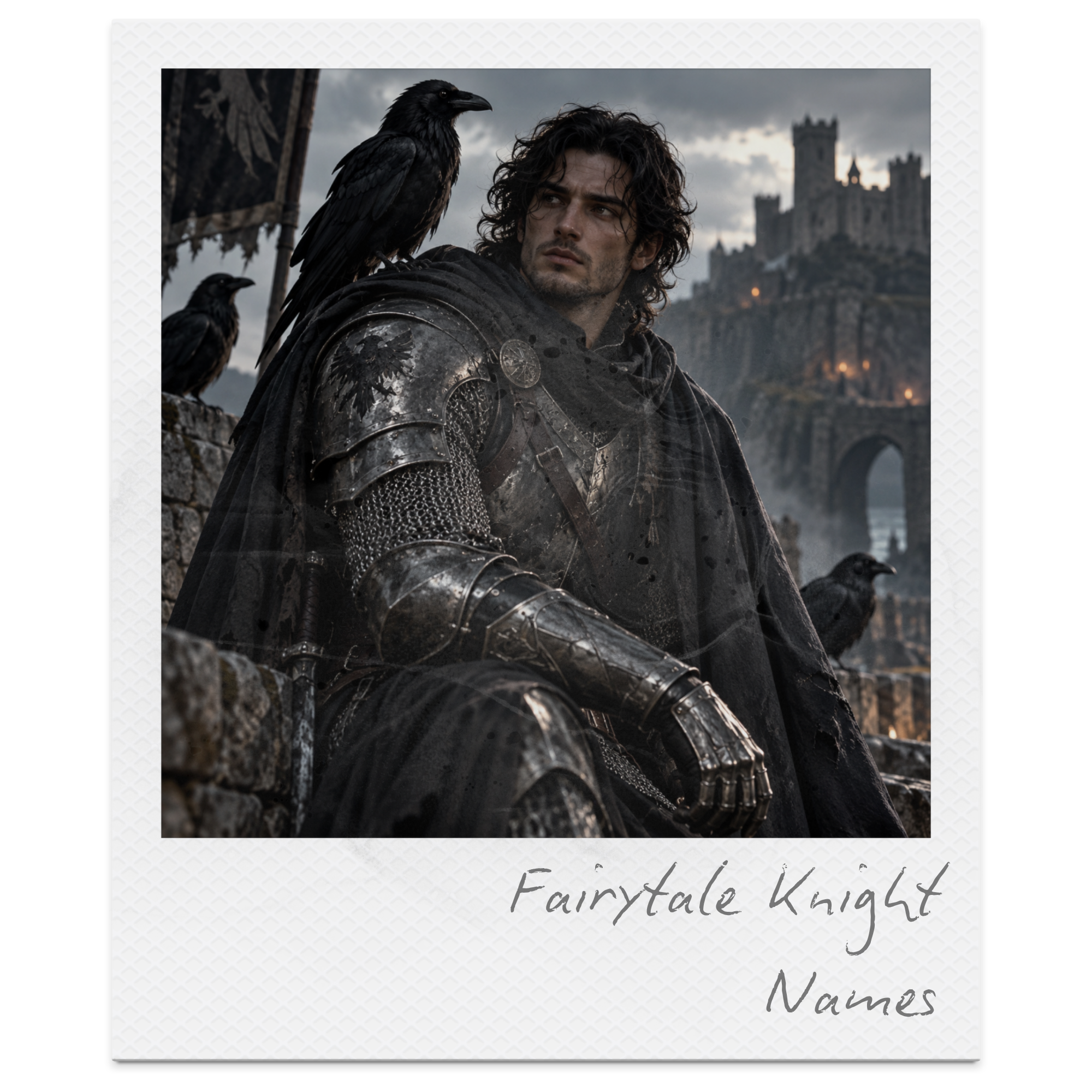
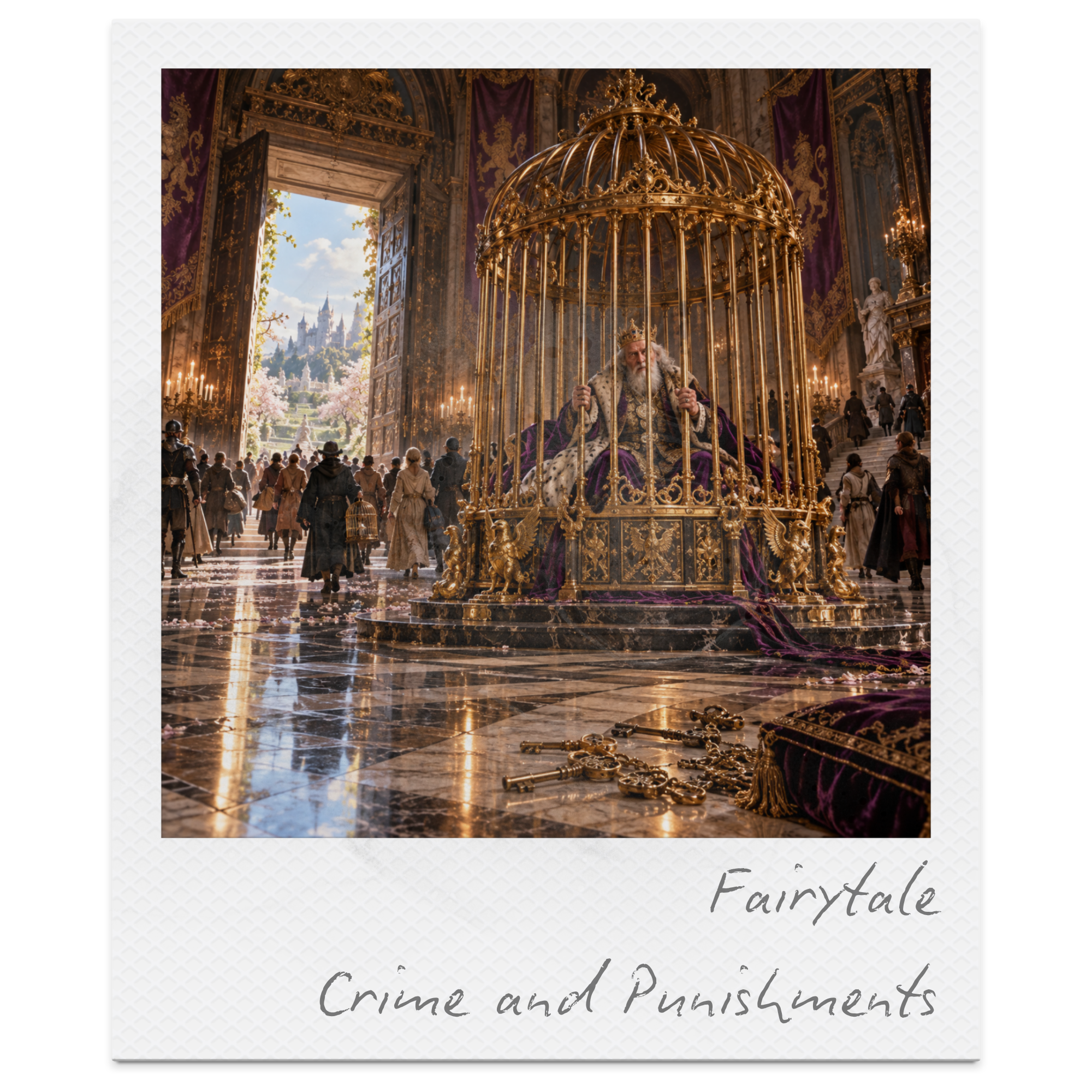
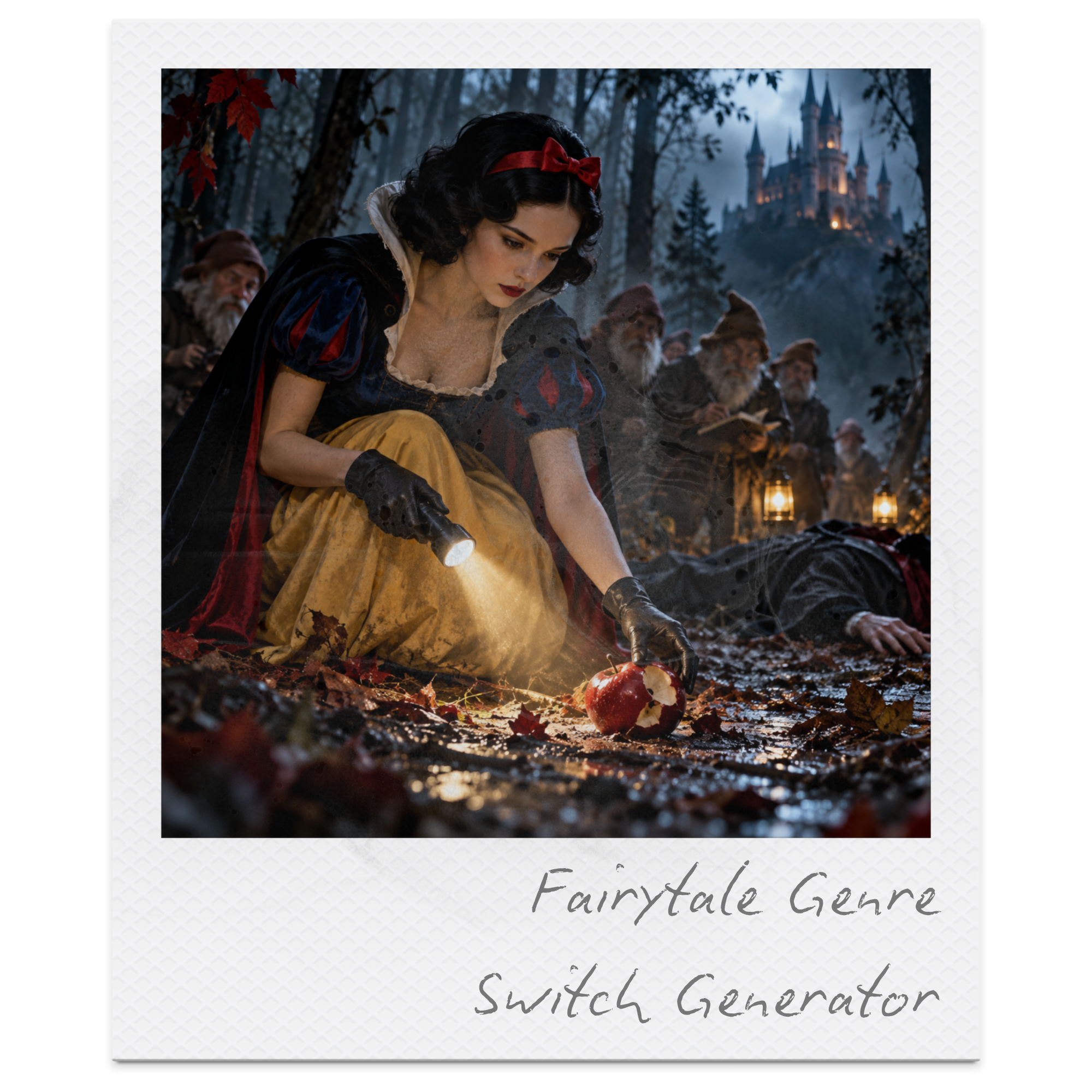
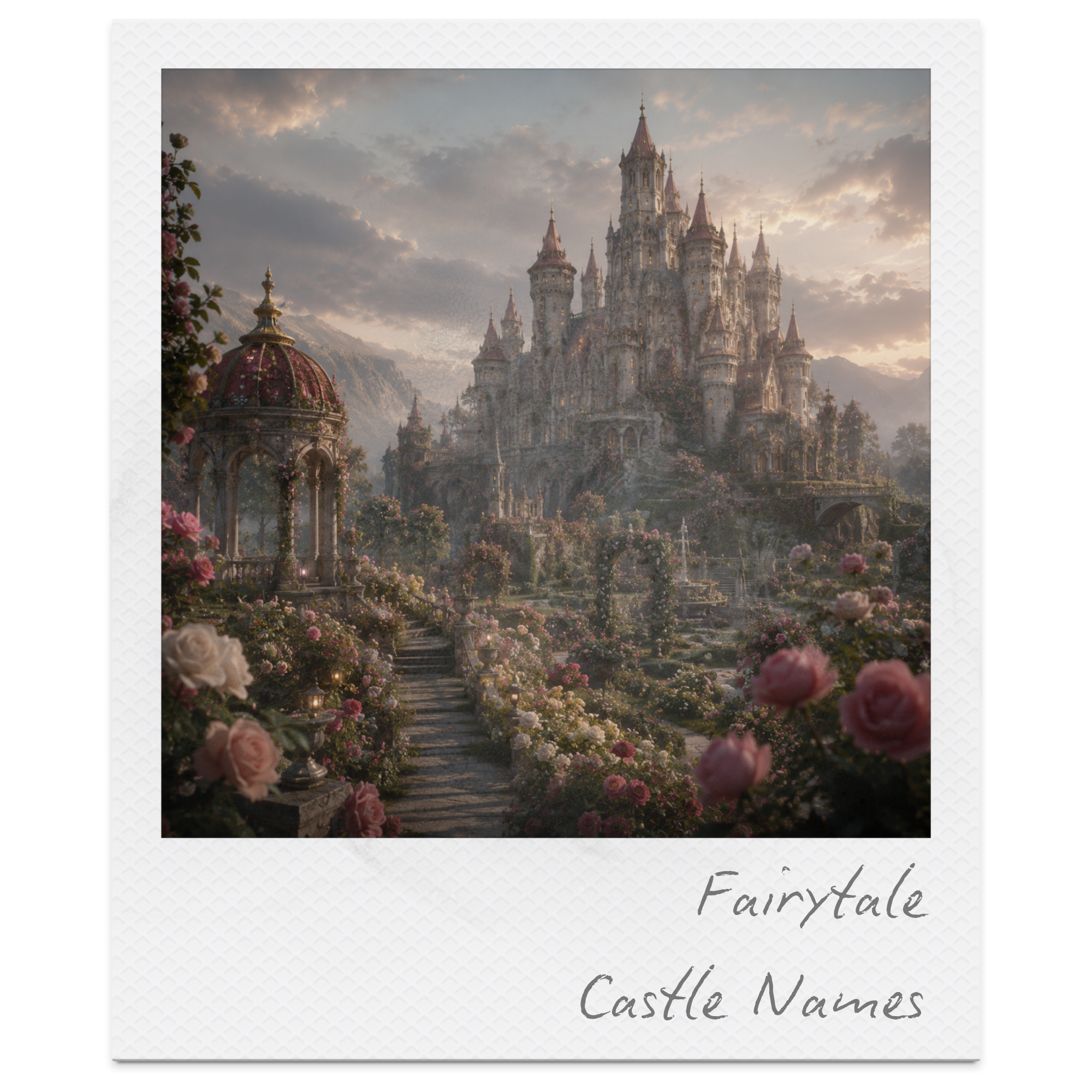
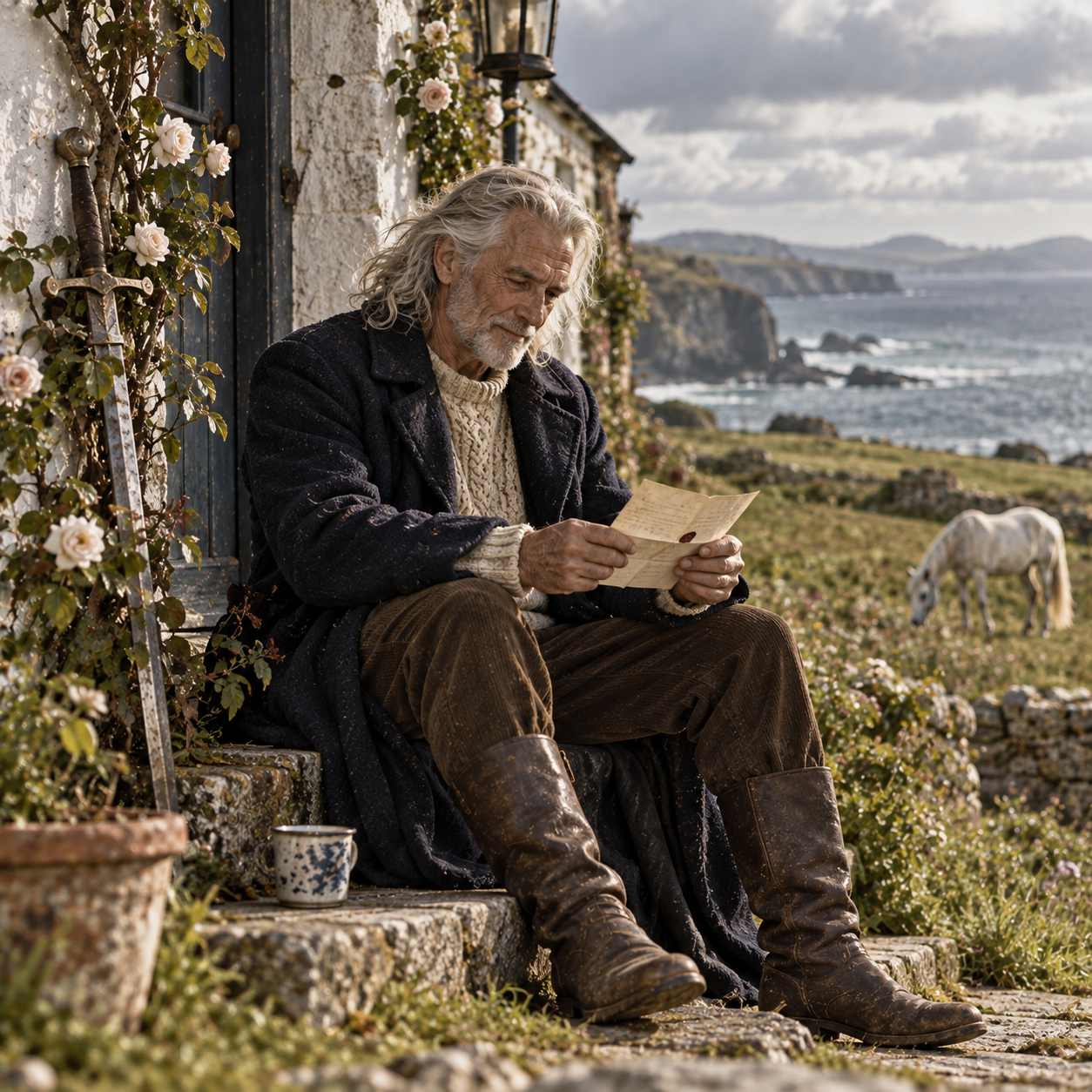
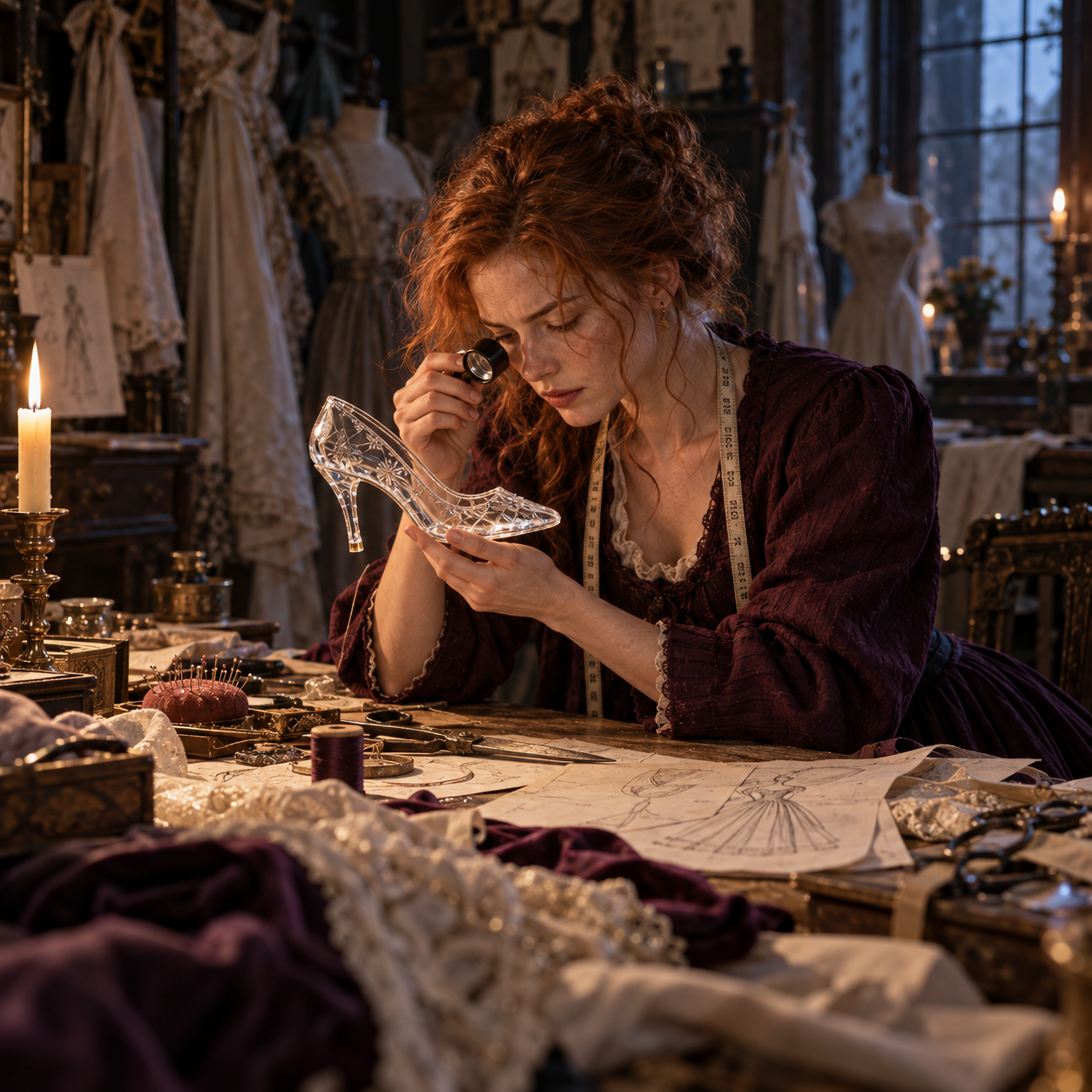
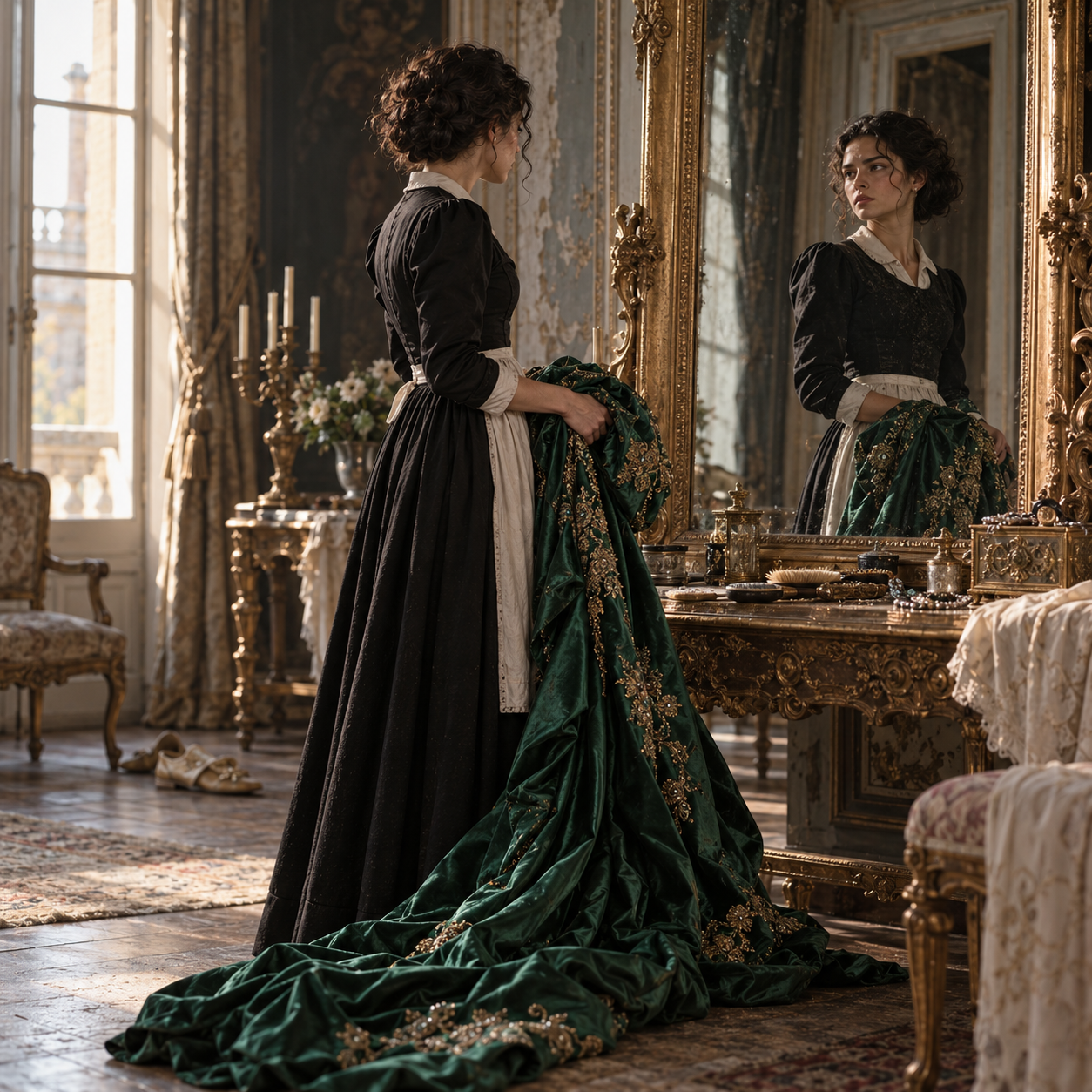
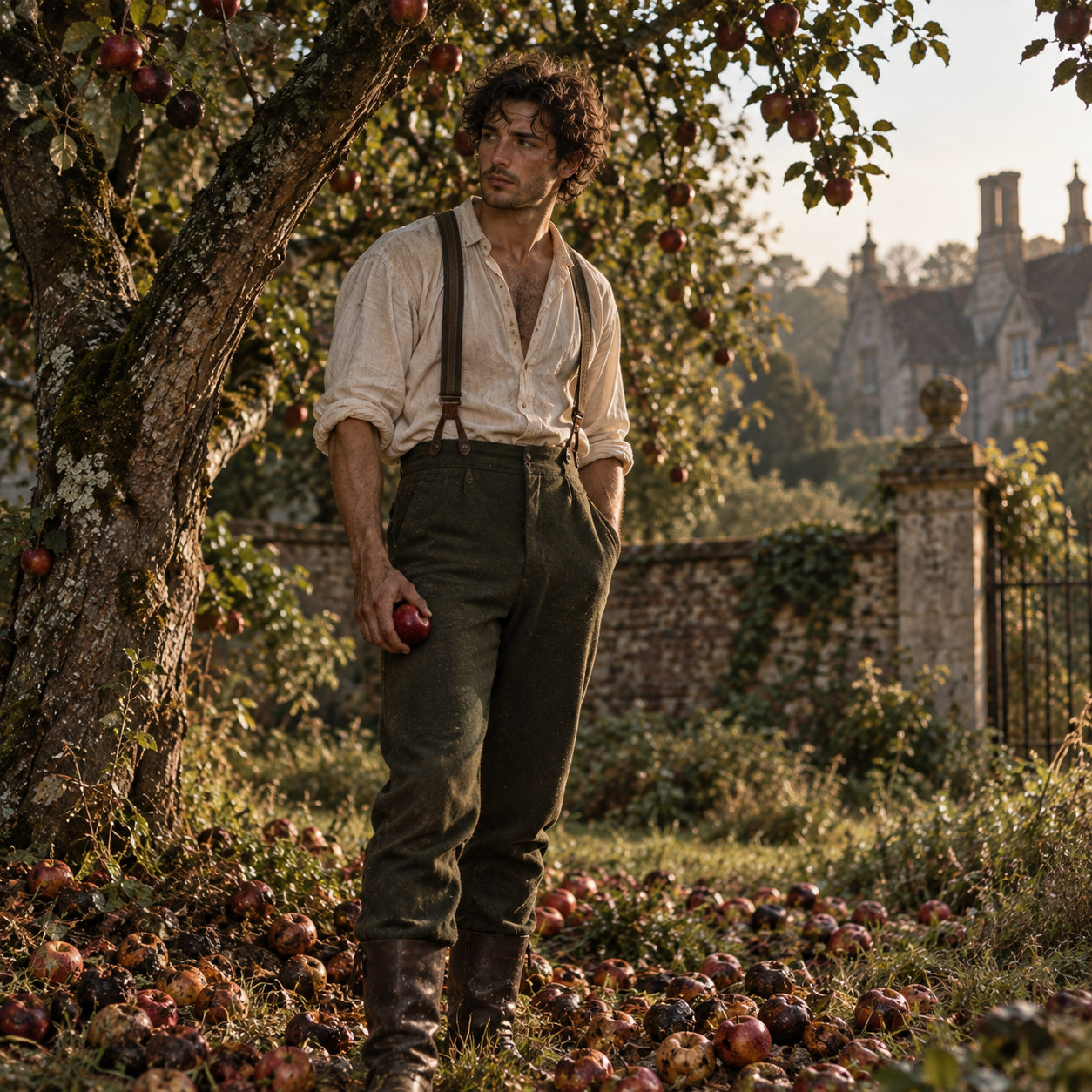
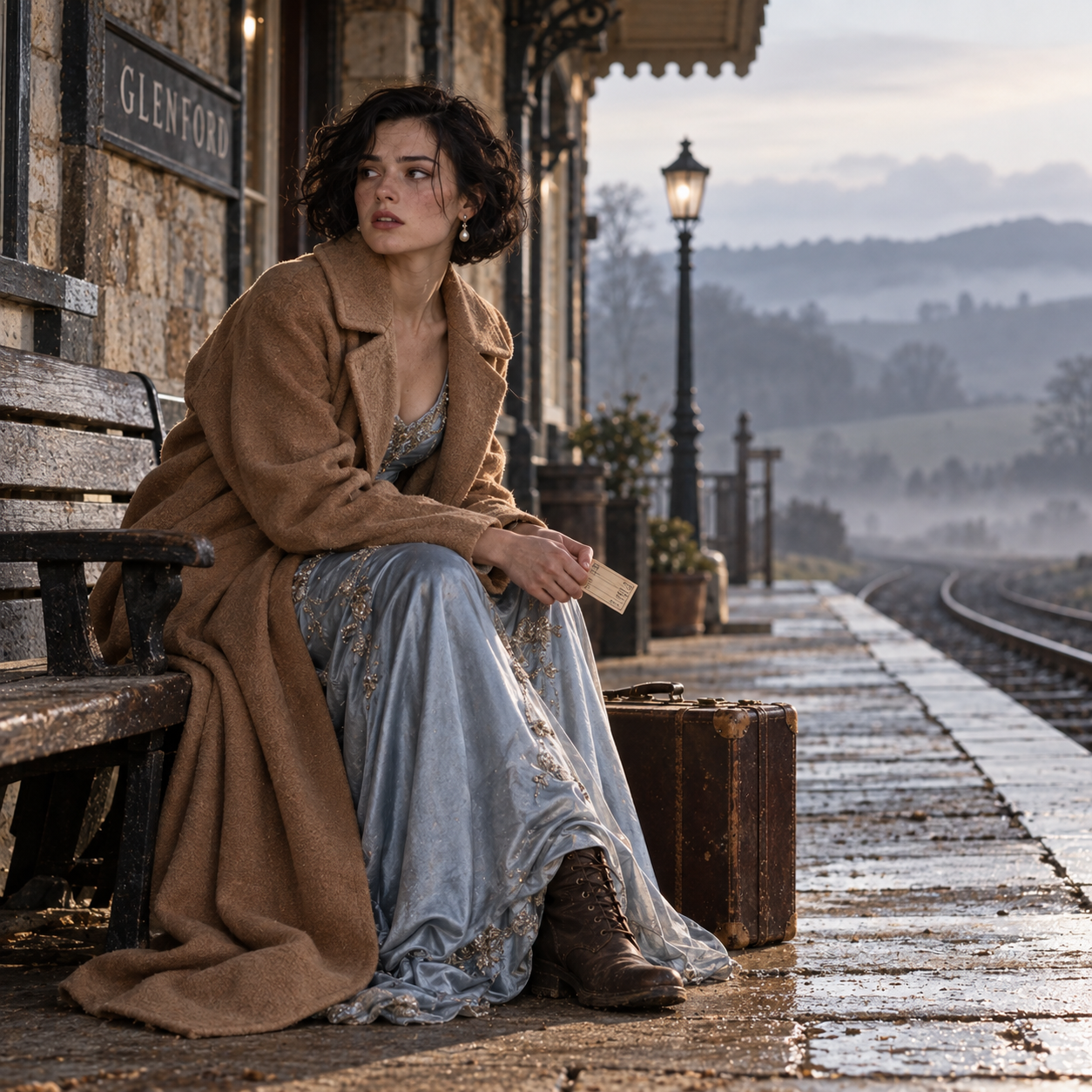
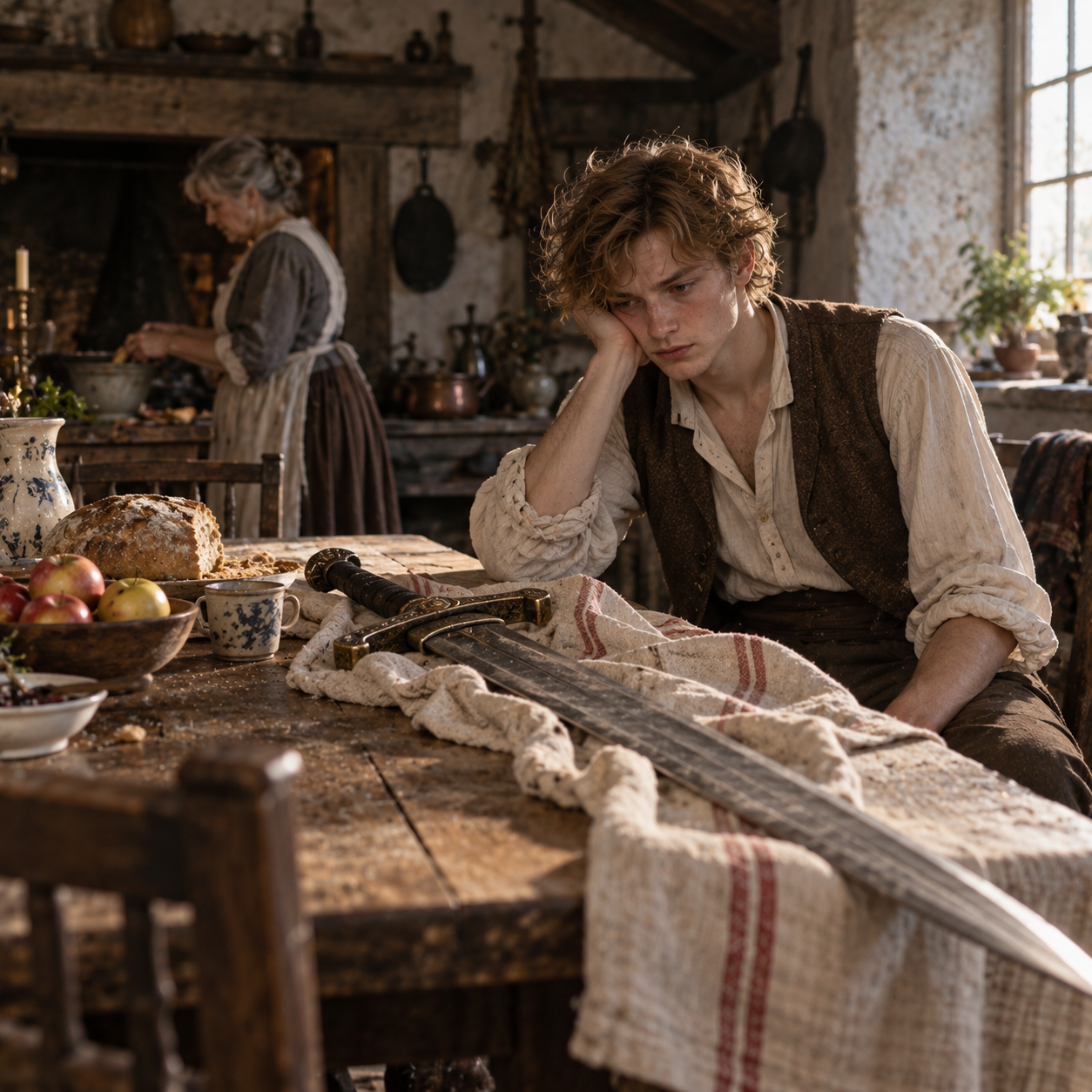
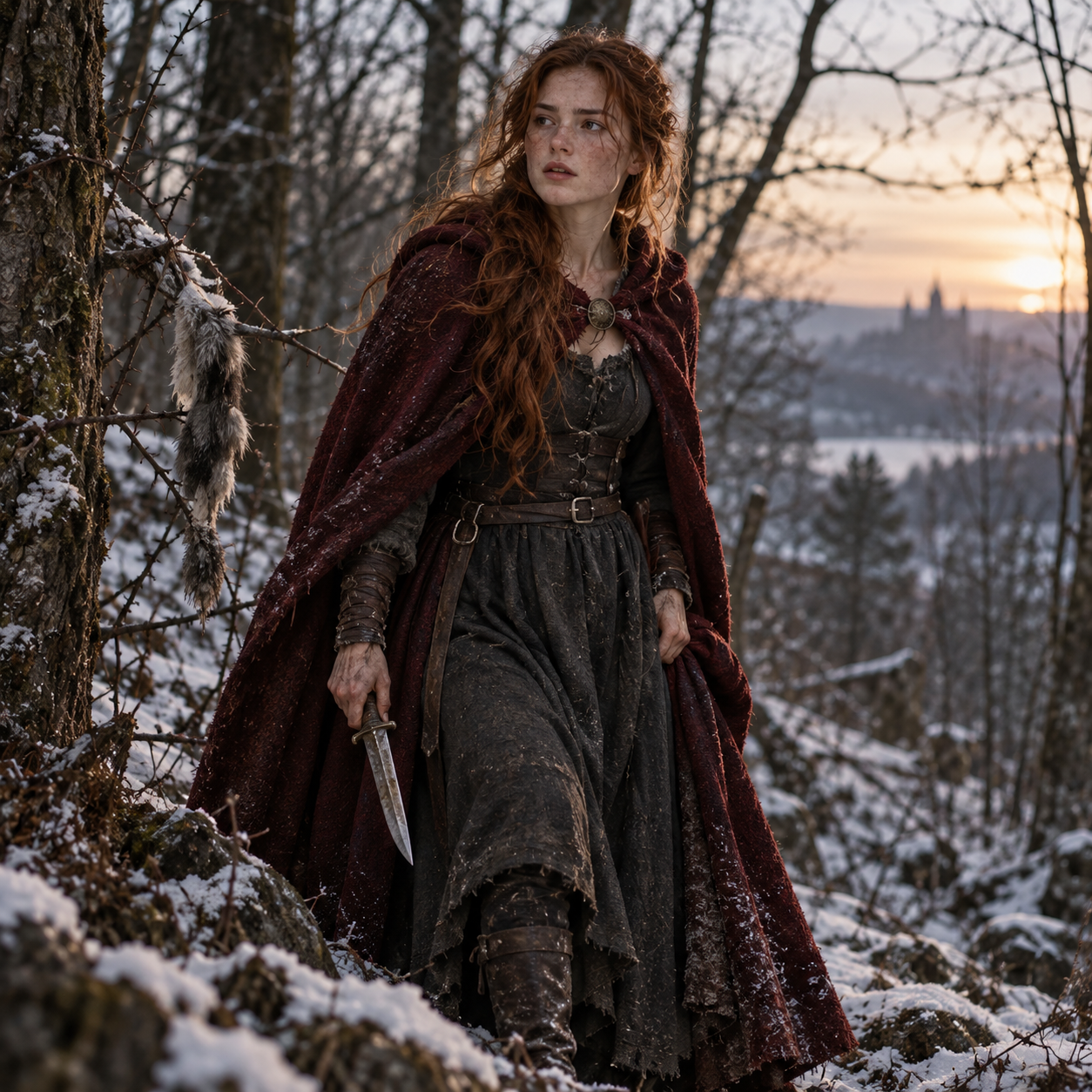
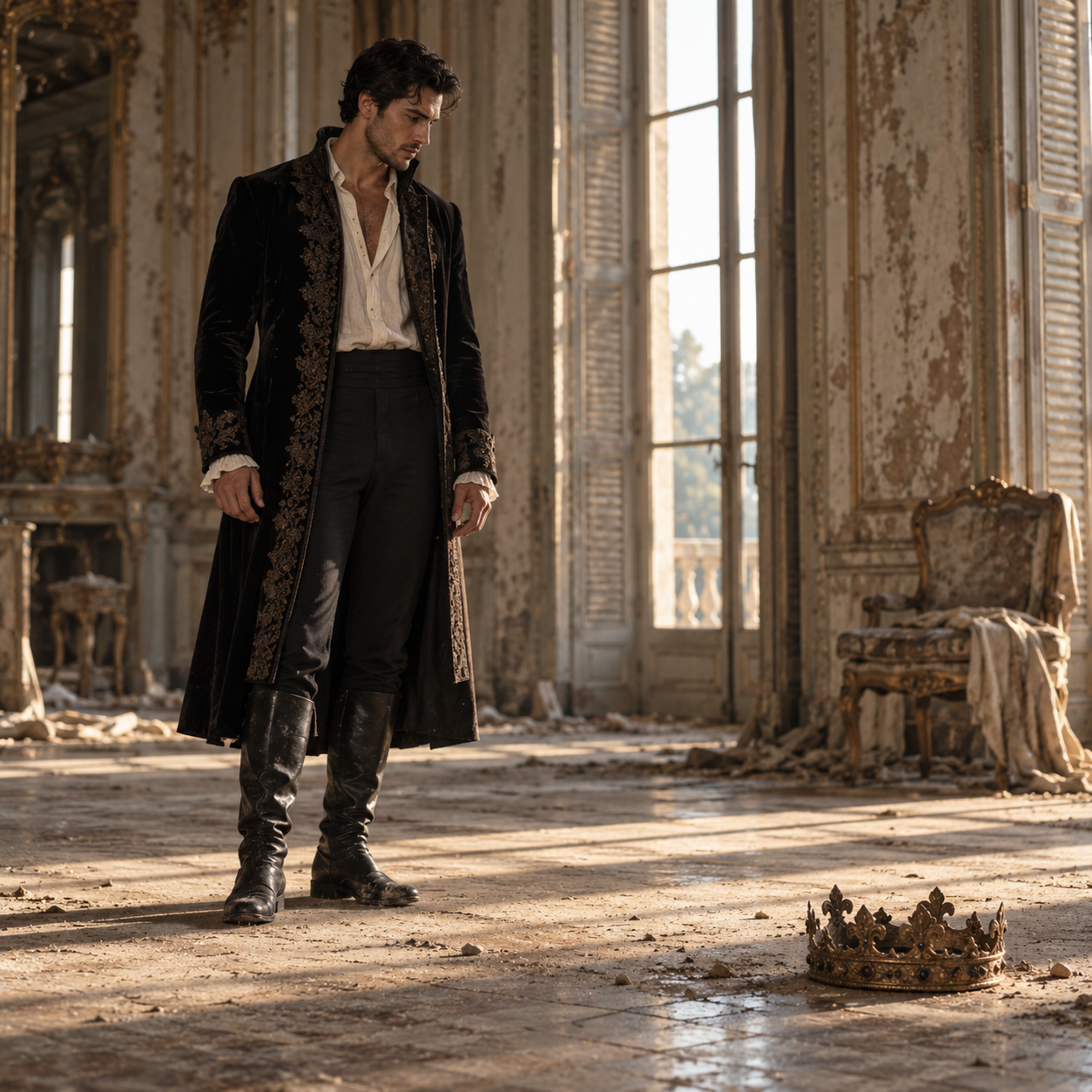
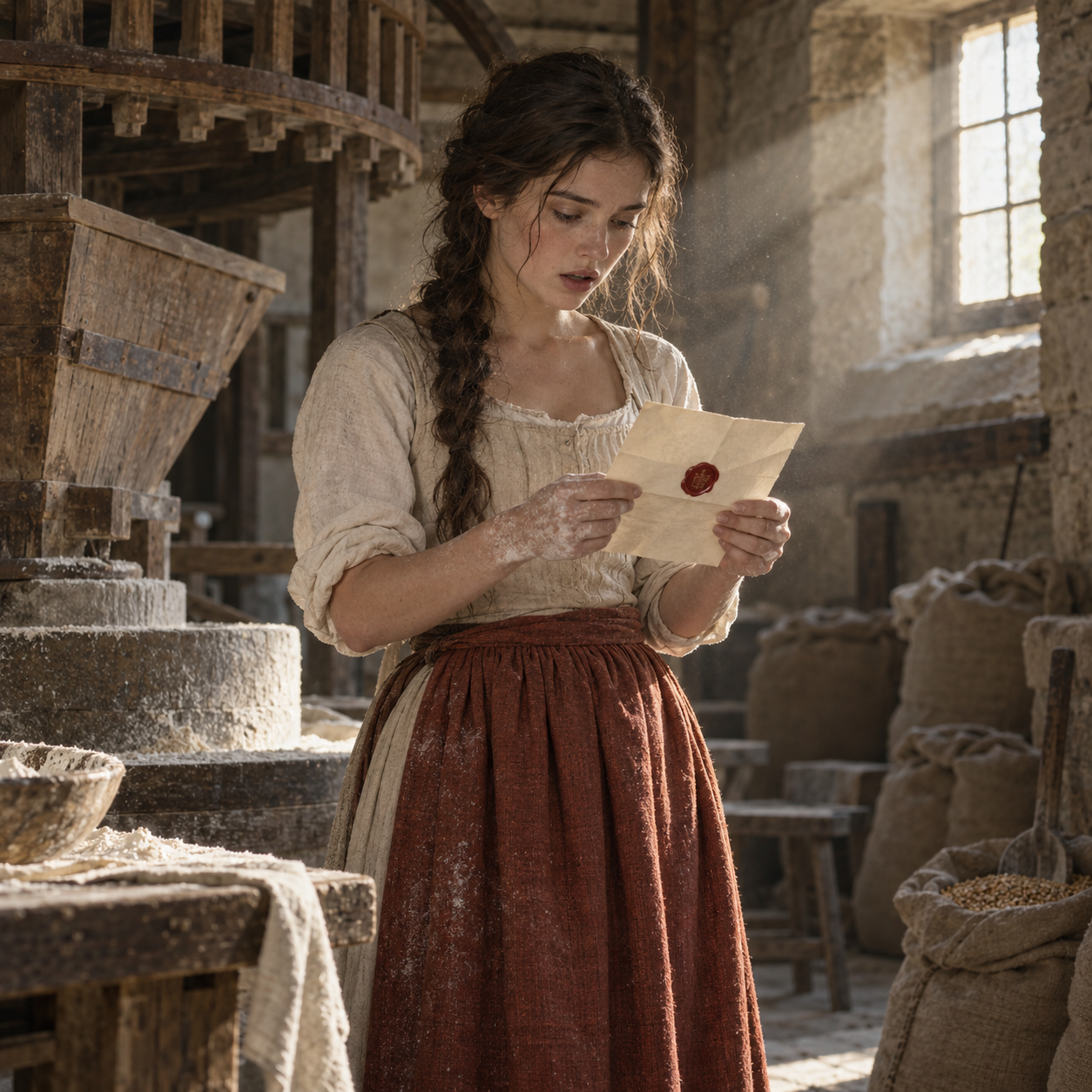
A fairytale hero or heroine does not need to be standing triumphantly with a sword to inspire a story. Sometimes the most interesting image captures the moment before anyone knows whether the character will be heroic at all: a miller's daughter reading an unexpected royal letter, a young man waiting alone beside an enchanted road, a servant holding something she should never have found or a traveller realising that the creature in front of them is asking for help rather than threatening them.
Look closely at each picture and ask what has just changed. Where was this character supposed to be today? What do they want before the adventure begins? What are they carrying? What have they noticed that nobody else has? Who is waiting beyond the edge of the image?
Then look for the detail that complicates the obvious story.
The beautiful heroine may be the villain's daughter. The armed knight may need rescuing. The apparently helpless stranger may know exactly what they are doing. The person dressed like a prince may actually be a servant, while the ordinary traveller standing beside them could be the missing heir to the kingdom.
Use each image as a single moment inside a much larger fairytale. Decide what happened five minutes before it, what will happen five minutes afterwards and what this character will eventually have to do that the person pictured here would never believe themselves capable of doing.
Go Deeper Into Writing Fairytale Heroes & Heroines
A memorable fairytale hero or heroine needs more than courage. The best protagonists are shaped by the choices they make when confronted with strange rules, impossible tasks and tempting shortcuts. Think about who your character is before the adventure begins, what sends them beyond the familiar world and why this particular person might succeed where someone stronger, richer or more powerful would fail.
◆ Start with an ordinary life. Give your character a home, family, job or responsibility before magic interrupts it. The further their adventure takes them from that beginning, the more clearly readers can see how they change.
◆ Decide what they want before the quest begins. They might want freedom, recognition, money, adventure, security, love or simply the chance to prove someone wrong.
◆ Give them a reason to leave home. A mysterious invitation, missing sibling, royal proclamation, talking animal, family debt or unexpected inheritance can push an otherwise ordinary character onto the road.
◆ Make staying home tempting. Adventure becomes more meaningful when your protagonist has something valuable to lose by leaving.
◆ Think beyond princes and princesses. Millers, shepherds, servants, bakers, woodcutters, merchants, craftspeople and overlooked younger siblings can make brilliant fairytale protagonists.
◆ Use traditional fairytale roles, then complicate them. The princess might become the rescuer. The youngest son might refuse the adventure. The knight might need saving. The apparently helpless old woman might actually be testing the hero.
◆ Give your character a flaw that affects the story. Pride might make them refuse help. Curiosity could lead them through a forbidden door. Impatience might cause them to break an important magical rule.
◆ Let their strengths create problems too. Loyalty can keep someone in a dangerous situation, kindness can make them trust the wrong stranger and bravery can become recklessness when they refuse to retreat.
◆ Make kindness useful. Traditional fairytales often reward characters for helping animals, strangers or apparently insignificant people. Let a small compassionate choice return later in an unexpected way.
◆ Reward observation. Your hero might succeed because they notice the missing bird, remember an old woman's warning or realise that one door in the castle has no handle.
◆ Give them an unusual skill. Sewing, baking, gardening, storytelling, music, animal care or knowledge of plants might solve an impossible problem more effectively than sword fighting.
◆ Give them something they cannot do. A protagonist who cannot fight, read, lie, swim or use magic must approach familiar fairytale challenges differently.
◆ Create a magical helper — but make the help limited. A talking fox might know the road but refuse to enter the castle. A fairy might grant one gift but demand something in return.
◆ Give the helper their own motives. Perhaps the bird, wolf, witch or mysterious stranger assisting your hero wants the quest completed for reasons nobody initially understands.
◆ Introduce an impossible task. Sorting a mountain of seeds, finding a person without knowing their name, carrying water in a broken vessel or retrieving something from a place nobody can enter creates distinctly fairytale challenges.
◆ Make cleverness as important as courage. Riddles, bargains, loopholes and carefully chosen words can create victories that feel more satisfying than simply defeating an enemy.
◆ Establish magical rules. Perhaps your heroine must never reveal her name, your hero cannot accept food after sunset or neither can leave the enchanted road until they reach its end.
◆ Let them break a rule. Sometimes deliberately breaking the rule should be exactly what moves the story forward.
◆ Give choices consequences. A fairytale bargain should matter. If your character accepts three wishes, takes the golden key or promises their firstborn child, do not let the price disappear when it becomes inconvenient.
◆ Use three. Three brothers, three doors, three attempts, three gifts or three impossible tasks create an instantly recognisable fairytale rhythm.
◆ Let the first attempts fail. Your protagonist does not need to understand the magical world immediately. Failure can teach them the rule they need to succeed later.
◆ Give them a temptation. The enchanted castle might offer everything they thought they wanted if they abandon the quest.
◆ Make the villain offer something reasonable. A difficult choice becomes more interesting when accepting the witch's bargain would genuinely solve one of the hero's problems.
◆ Question the monster. Before your protagonist kills the wolf, giant, dragon or troll, let them discover why everyone believes it is dangerous.
◆ Give the villain and hero something in common. Perhaps both were overlooked younger children, both lost someone to the royal family or both desperately want to escape the roles assigned to them.
◆ Decide what “rescue” actually means. The person in the tower might need help escaping, breaking a curse, reclaiming their identity — or preventing well-meaning heroes from releasing them.
◆ Give your protagonist something symbolic to carry. A red cloak, silver key, loaf of bread, wooden sword, family ring or seemingly worthless button can become important later.
◆ Let objects change meaning. The sword they desperately wanted at the beginning might be something they willingly abandon by the end.
◆ Make the setting test the character. An enchanted forest can exploit their fear, a magical palace can tempt their ambition and a crossroads can force them to choose what matters most.
◆ Think about identity. Your protagonist might travel disguised, discover unexpected ancestry, lose their name or deliberately abandon a title they once wanted.
◆ Do not make royal status the automatic reward. Your hero might be offered a crown and refuse it. Happily ever after could mean returning to the mill, opening a shop, travelling the world or finally owning the little cottage they started in.
◆ Let romance be optional. A fairytale heroine does not need a prince, and a hero does not need a princess. Friendship, family, freedom, belonging and self-determination can provide equally powerful emotional endings.
◆ If you include romance, make both characters matter to the story. Neither should exist solely as a reward waiting at the end of somebody else's quest.
◆ Think about what your character believes at the beginning. Perhaps they believe wealth creates happiness, heroes never feel afraid or their older siblings will always be better than them.
◆ Challenge that belief throughout the adventure. Each encounter can force them to reconsider what they thought they knew.
◆ Decide what becoming heroic costs them. They may lose certainty, status, safety, magic, a treasured possession or the future they originally imagined for themselves.
◆ Bring something home. The character who returns should carry evidence of the journey — physically, emotionally or both.
◆ Show how the world sees them differently. The overlooked youngest daughter may return to cheering crowds, while the celebrated prince may deliberately return without revealing what he accomplished.
◆ Then show whether your character cares. Becoming a hero does not necessarily mean wanting to be treated like one.
◆ Most importantly, make heroism a choice rather than a personality trait. Your character does not need to begin brave, noble or extraordinary. Give them one moment when walking away would be easier — and let what they choose next define the hero or heroine they become.
Final Thoughts
Fairytale heroes and heroines do not have to begin extraordinary. They can be overlooked younger siblings, servants, shepherds, reluctant princes or princesses who have grown tired of waiting to be rescued.
What makes them heroic is what happens next.
Give your character something they desperately want, then place an impossible obstacle in their way. Let them make mistakes, trust the wrong person, break a magical rule or discover that the monster they were sent to defeat is not the real villain after all.
Most importantly, let their choices shape the story. Your hero might win a kingdom and refuse the crown. Your heroine might rescue herself, befriend the witch or discover that courage looks very different from what she imagined.
For more magical story inspiration, explore the Fairytales & Folklore Hub, visit Fairytale Story Sparks for prompts and generators, or browse the Creative Writing Archive for more characters, settings and worldbuilding ideas.
Start with an ordinary character, send them somewhere impossible and see who they become along the way.
Choose Your Next Adventure