70 Fairytale Crime & Punishment Writing Prompts: Magical Laws, Curses & Twisted Justice
Fairytale kingdoms have rules.
Do not enter the forbidden tower. Do not steal fruit from the enchanted orchard. Never break a promise made to a fairy. Do not open the locked door, harm the talking animal or take something from the witch's cottage simply because nobody appears to be home.
And if someone tells you not to look inside the mysterious golden box?
You probably shouldn't look inside the mysterious golden box.
Crime and punishment in fairytales rarely work like ordinary justice. A thief might be ordered to retrieve three impossible objects. A liar could lose the ability to speak anything except the truth. Someone who steals a bird might slowly grow feathers, while a prince who abuses his power could wake to discover that nobody in his kingdom remembers his name.
Sometimes the punishment is handed down by a king or queen. Sometimes it comes from a witch, fairy, magical creature or ancient law. And sometimes the magic of the fairytale seems to deliver justice all by itself.
These 70 fairytale crime and punishment writing prompts explore magical laws, forbidden acts, strange trials, royal justice, curses and wonderfully peculiar consequences. The collection is divided into plot hooks, title ideas, opening lines, closing lines, character ideas, setting ideas and picture prompts, giving you plenty of different ways to begin a story.
Use them to inspire traditional fairytales, fractured tales, retellings or completely original enchanted worlds. You might follow the person accused of the crime, the ruler deciding their punishment, the magical creature whose law has been broken or somebody beginning to wonder whether the kingdom's idea of justice is fair at all.
For more enchanted kingdoms, magical rules, traditional story motifs and folklore-inspired inspiration, explore the Fairytales & Folklore Hub. You can also visit Fairytale Story Sparks for more fairytale writing prompts and story ideas, or browse the Creative Writing Archive for hundreds of character, setting, worldbuilding and storytelling resources.
Because in a fairytale, stealing a loaf of bread might cost you a gold coin.
Stealing a golden apple might cost you seven years.
And breaking the wrong promise could cost you considerably more.
1. Plot Hooks
Fairytale crimes can begin with something as small as picking the wrong flower or as serious as stealing a kingdom. The most interesting consequences often grow directly from what the character has done, turning justice into a curse, quest or impossible bargain. Use these plot hooks to explore what happens when somebody breaks the strange rules governing an enchanted world.
A hungry girl steals three golden apples from the king's enchanted orchard. Instead of sending her to prison, the king orders her to replace them — but the only tree that grows golden apples stands in a garden belonging to a giant.
A prince is caught hunting a white stag protected by ancient royal law. His punishment is to spend one year and one day living as the creature he tried to kill, without revealing his true identity to anyone.
A thief steals a silver necklace from an old woman at a market. The next morning, everything he has ever stolen begins following him through the village, from golden coins and jewellery to an extremely annoyed goose.
Breaking a promise made to a fairy is the most serious crime in the kingdom. When the queen herself breaks one, the royal judges discover that the law requires her to surrender the crown to the person she betrayed.
A young woman is accused of stealing the princess's wedding ring and sentenced to complete three impossible tasks before sunset. Someone at the palace knows she is innocent — because they committed the crime themselves.
Every convicted liar in the kingdom is cursed to speak only the truth for seven years. A notorious trickster deliberately commits the crime because there is one secret he desperately needs the enchantment to force him to reveal.
A woodcutter enters a forbidden part of the royal forest and cuts down an ancient tree. Instead of arresting him, the forest itself places him on trial, with an owl as judge, foxes as witnesses and the remaining trees as the jury.
A princess discovers that her father has been turning criminals into stone statues and displaying them throughout the palace gardens. When one statue whispers her name as she passes, she begins investigating what the prisoners actually did.
Anyone caught stealing from a witch must work in her cottage for seven years. A clever thief deliberately allows himself to be caught because something inside the cottage was stolen from his family generations ago.
A poor boy is sentenced to death for stealing the king's crown. An ancient law gives him one chance to escape punishment: if he can prove before sunrise that the crown never truly belonged to the king, he may keep it.
2. Title Ideas
A fairytale title can make even the strangest crime sound like the beginning of a legend. These titles draw on magical laws, stolen treasures, royal trials, curses and punishments that follow their own peculiar logic. Choose one that makes you immediately wonder what rule was broken — and what price somebody will have to pay.
The Golden Apple Thief
Seven Years and a Day
The Trial of the White Stag
A Crown for a Criminal
The Girl Who Stole the King's Shadow
Guilty
Three Crimes Before Midnight
The Thief, the Witch and the Very Unfortunate Goose
What Happened to Those Who Broke the Queen's Laws
The Punishment
3. Opening Lines
A broken rule can throw a character straight into the middle of a fairytale. Begin with the crime, the accusation or the moment somebody discovers exactly what punishment awaits them. These opening lines leave the truth of what happened — and whether the law itself should be trusted — for you to decide.
Everyone in the kingdom knew the punishment for stealing a golden apple, but nobody had ever been hungry enough to risk it before.
The king's guards arrived at Mara's cottage shortly before sunrise carrying her missing shoe and a warrant for her arrest.
There were seven crimes punishable by transformation in the kingdom, and Prince Frederick had just committed three of them before breakfast.
The fairy did not look particularly angry when she announced that Tomas had broken their bargain, which frightened him considerably more than shouting would have done.
The thief knew he had stolen the wrong ring when it began screaming for the royal guards.
On the morning of her execution, the witch requested a needle, a length of golden thread and permission to speak to the king's youngest daughter.
Nobody had warned Edmund that the trees were permitted to testify in court.
The sentence was unusual but perfectly clear: steal from a dragon and you must return something the dragon considers equally valuable.
By the time the palace guards discovered who had stolen the queen's crown, half the kingdom had already tried it on.
The judge asked whether she had anything to say before he turned her into a swan.
4. Closing Lines
Fairytale justice does not always end with the guilty character behind bars. A curse may be broken, a cruel law overturned or a punishment revealed to have consequences nobody expected. Choose one of these final lines and work backwards to discover the crime, trial and strange chain of events that brought the story there.
From that day forward, nobody in the kingdom was ever punished for picking an apple again.
The thief returned every coin he had ever stolen, but he kept the goose.
When the seventh year ended, the prince discovered that he preferred being a stag.
She placed the crown on the judge's desk and asked him who he intended to arrest next.
The final statue stepped down from its pedestal, and the palace garden was empty at last.
Nobody ever discovered who stole the golden key, although the king was considerably more careful about locking people away after that.
The witch had promised that the punishment would fit the crime; she had never promised that the king would enjoy it.
When midnight came, his shadow returned — but it refused to belong to him.
And so the law remained written in the kingdom's oldest book, crossed out with a single line of red ink.
The royal court declared her innocent three hundred years too late.
5. Character Ideas
Crime and punishment stories need more than criminals. Judges, rulers, magical witnesses, guards, executioners and people wrongly accused can all reveal how justice works within a fairytale kingdom. Use these characters to explore who creates the rules, who benefits from them and what happens when somebody decides that an ancient law should no longer be obeyed.
A royal judge has the magical ability to know whether anyone standing before her is lying. She has trusted the gift for thirty years, until an obviously innocent child says something she knows to be true and the magic declares it a lie.
A cheerful young thief steals exclusively from witches, giants, wicked kings and magical creatures. He insists this makes him a hero rather than a criminal, although the growing collection of people offering rewards for his capture strongly disagrees.
A princess secretly visits prisoners beneath her father's castle and discovers that many have been imprisoned for breaking bizarre laws nobody outside the palace knows exist.
A palace executioner has never actually executed anyone. Instead, he secretly helps condemned prisoners escape through an enchanted door beneath the scaffold and invents increasingly elaborate explanations for why their bodies disappear.
A witch specialises in punishments that perfectly match the crime. She turns gossips into magpies, greedy nobles into pigs and thieves into mice, until the king orders her to punish someone she believes is innocent.
A royal guard has spent his entire career capturing people who enter the forbidden forest. After finally crossing its boundary himself, he discovers why the kingdom's rulers have worked so hard to keep everyone out.
A young lawyer has inherited a magical book containing every law ever created in the kingdom. One night, new laws begin appearing in its pages even though the king insists he has written nothing.
A former prince has spent seven years as a frog as punishment for a crime he refuses to discuss. When the enchantment finally breaks, he returns to the palace determined to prove that somebody else deserved the sentence.
An elderly woman travels between villages offering shelter to fugitives. Everyone assumes she is simply kind until it is revealed that she was once the kingdom's most feared royal judge.
A talking raven serves as the only witness to crimes committed after midnight. Unfortunately, the raven accepts bribes, holds grudges and has recently begun demanding increasingly expensive payment before agreeing to testify.
6. Setting Ideas
Justice can feel completely different depending on where it is delivered. A trial beneath an ancient tree creates different possibilities from a dungeon filled with enchanted prisoners or a courtroom where the walls themselves remember every lie ever spoken. These settings turn fairytale law into something physical, magical and sometimes far more dangerous than the crime itself.
A circular courtroom grown inside the trunk of an enormous ancient tree, where roots form the benches and leaves change colour whenever someone lies. Nobody knows what happens when all the leaves fall at once.
A dungeon beneath the royal castle where every cell contains a different enchantment. One prisoner lives underwater, another has been reduced to the size of a mouse and a third occupies a beautiful bedroom with no visible door.
A forest clearing where magical creatures hold their own trials beneath the full moon. Humans may attend only if invited, and anyone who interrupts the proceedings becomes part of the next case.
A palace garden filled with hundreds of lifelike stone statues. Small plaques beneath them list the crimes they committed, although several statues have no plaque at all.
A remote island where the kingdom sends people who have broken magical laws. Nobody is prevented from leaving, but every boat launched from its shore mysteriously returns before sunset.
A royal courtroom containing an enormous golden mirror behind the judge's throne. Instead of reflecting faces, it shows the worst thing each person in the room has ever done.
A tower used to imprison people who have broken fairy bargains. Every prisoner occupies a different floor, and the number of stairs between levels changes according to how much time remains on their sentence.
A market held once each year where stolen magical objects must be returned to their rightful owners. Anything unclaimed before midnight legally belongs to whoever is brave enough to take it home.
A bridge marking the border between two kingdoms with completely different laws. A tiny courthouse stands exactly in the middle, dealing exclusively with crimes committed while someone had one foot on either side.
An abandoned prison deep beneath the oldest part of the palace. Its doors are open and its prisoners disappeared centuries ago, but every cell still contains the magical punishment intended for whoever once lived there.
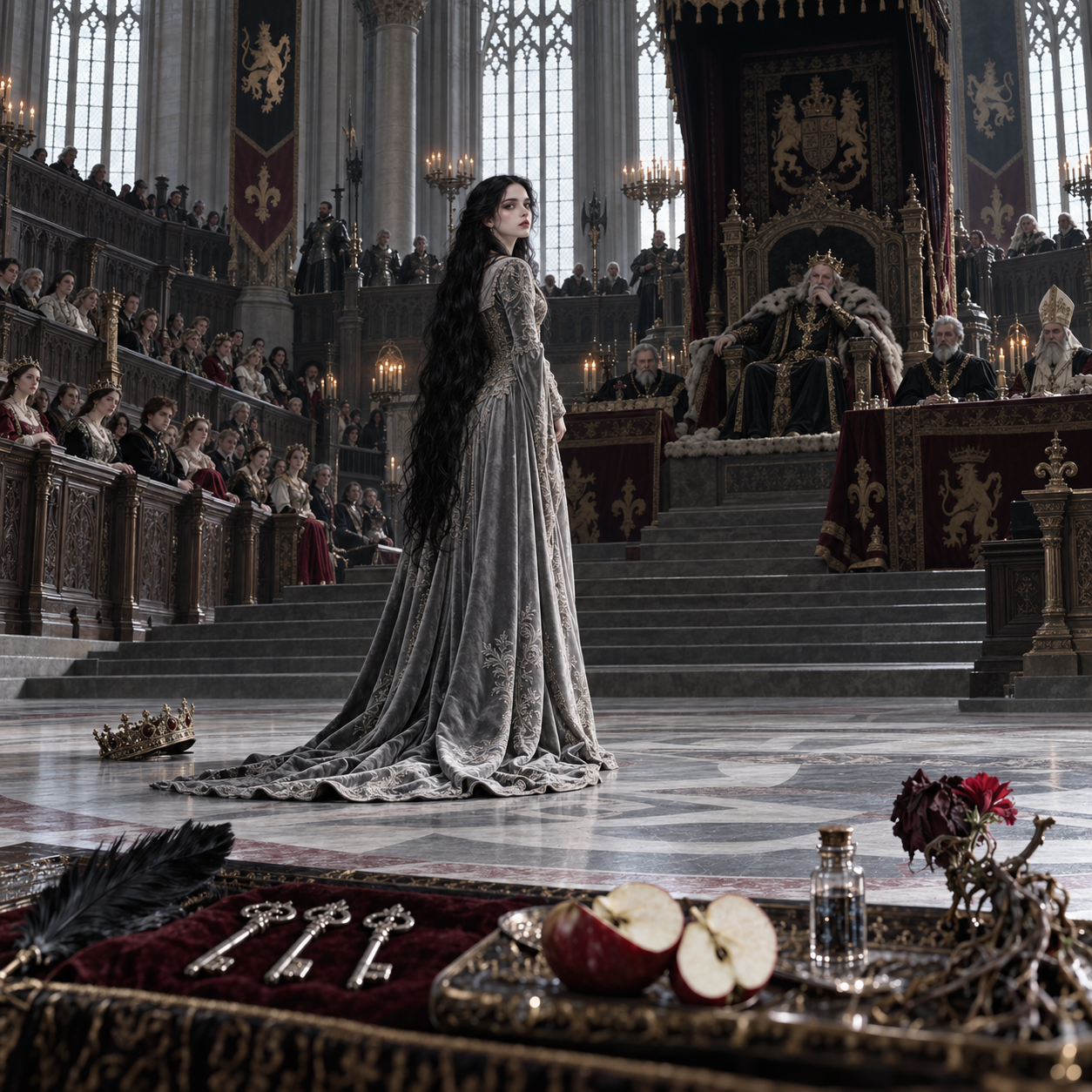
7. Picture Prompts
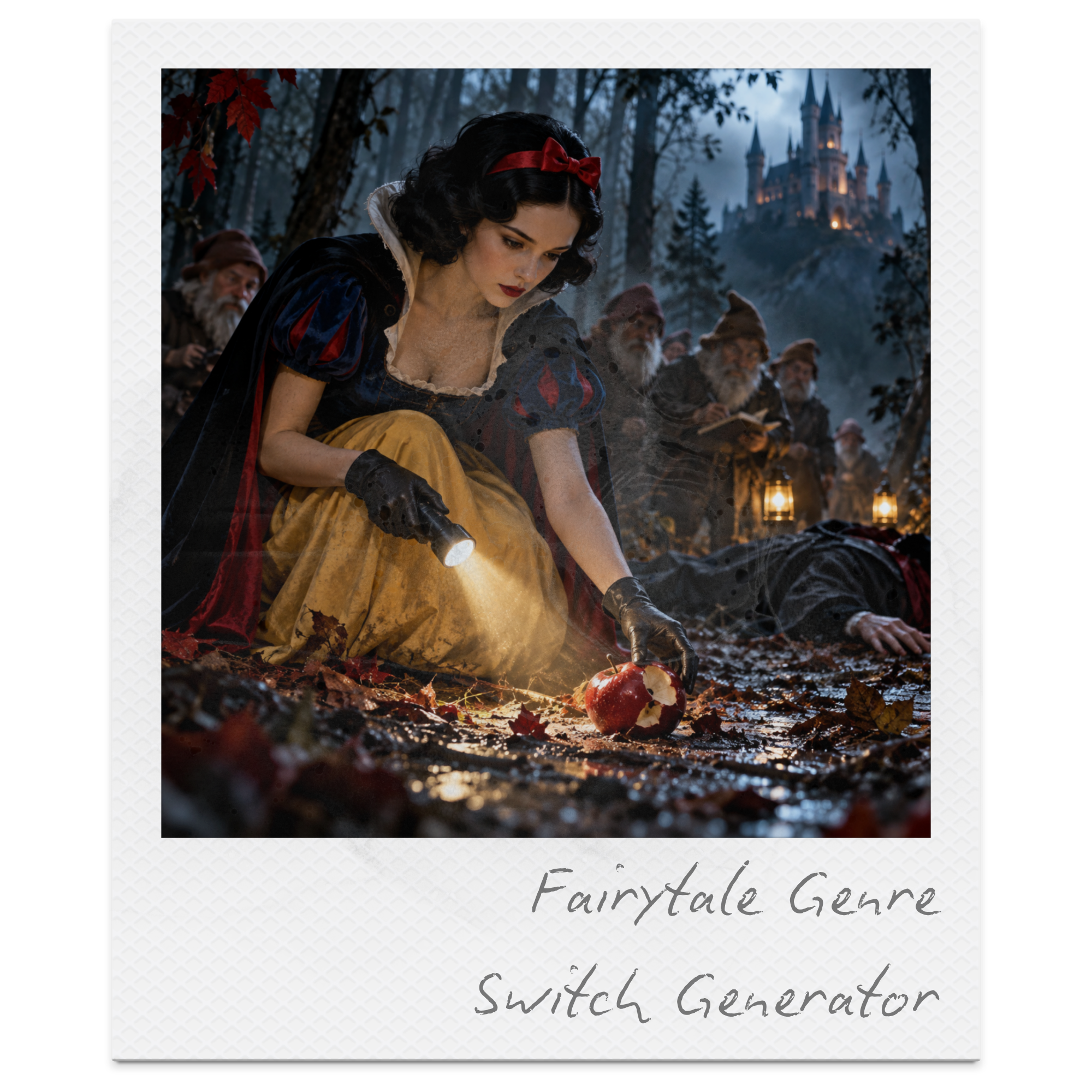
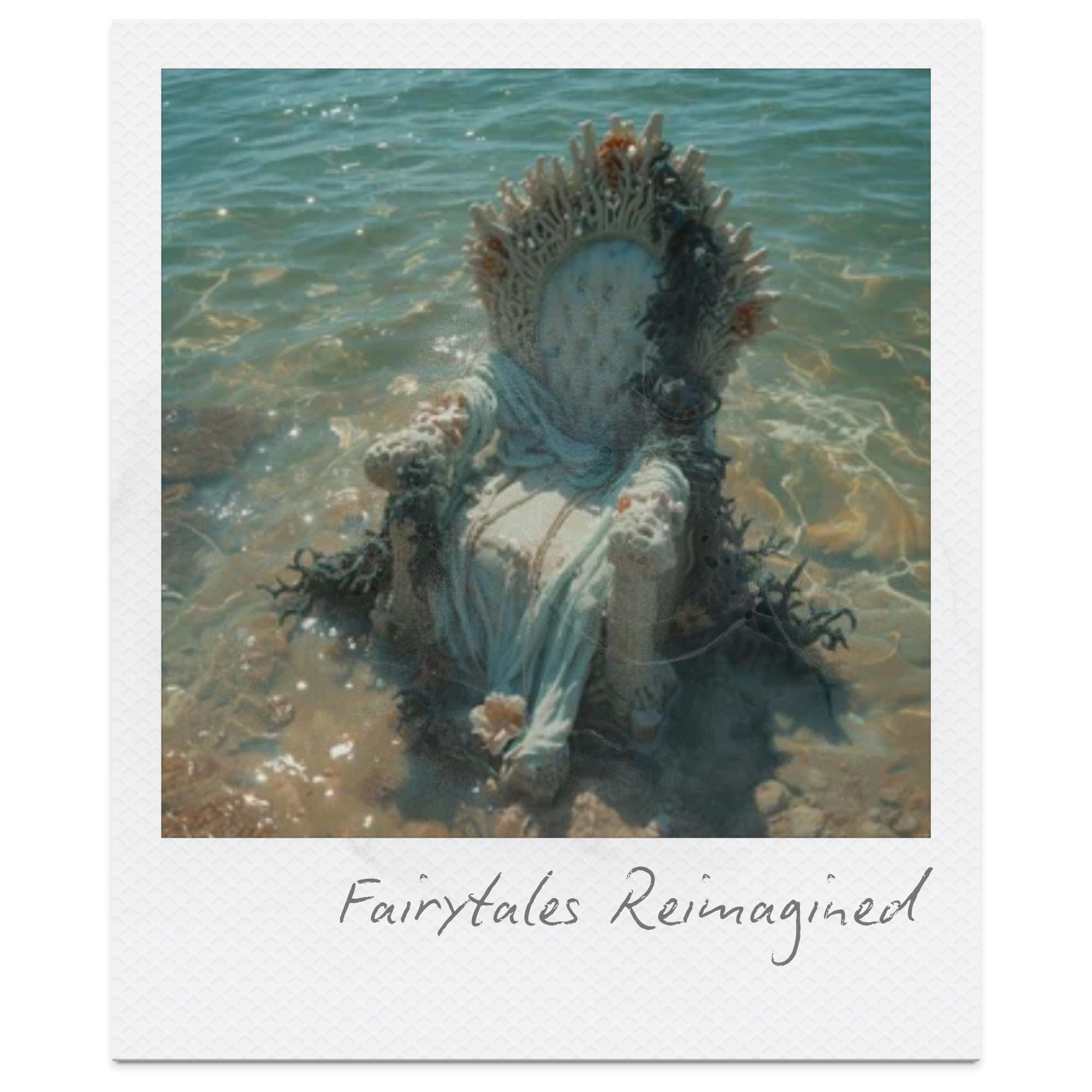
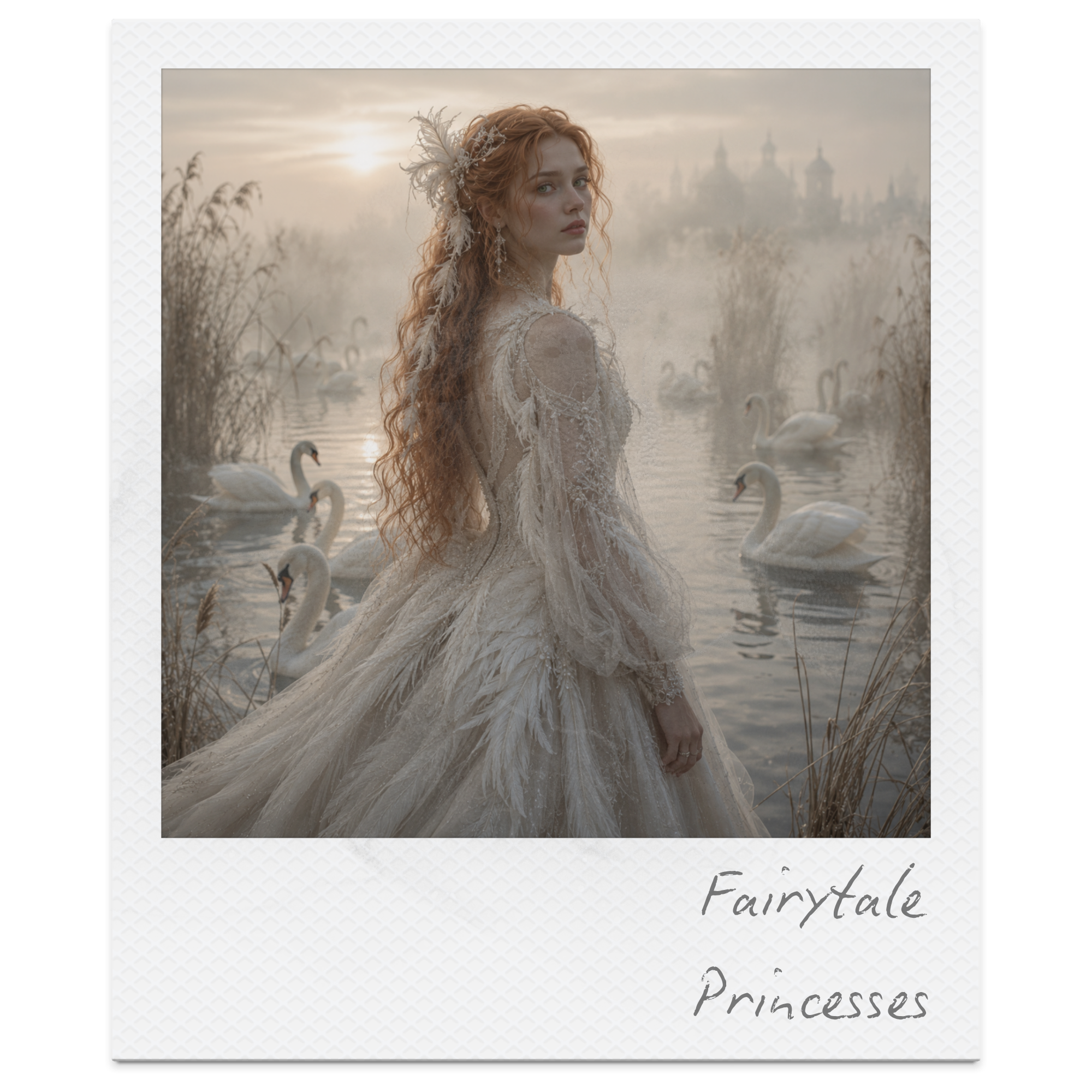
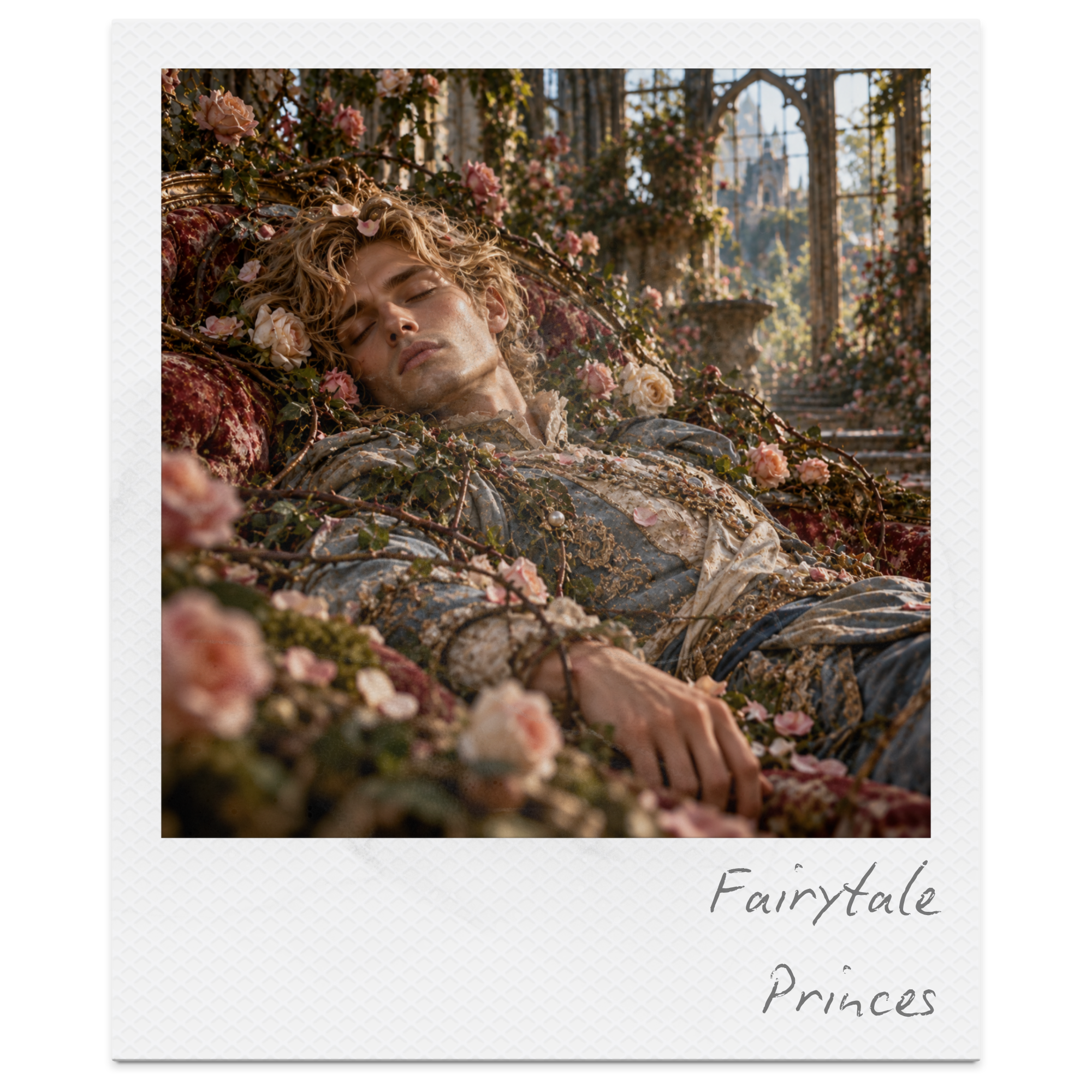
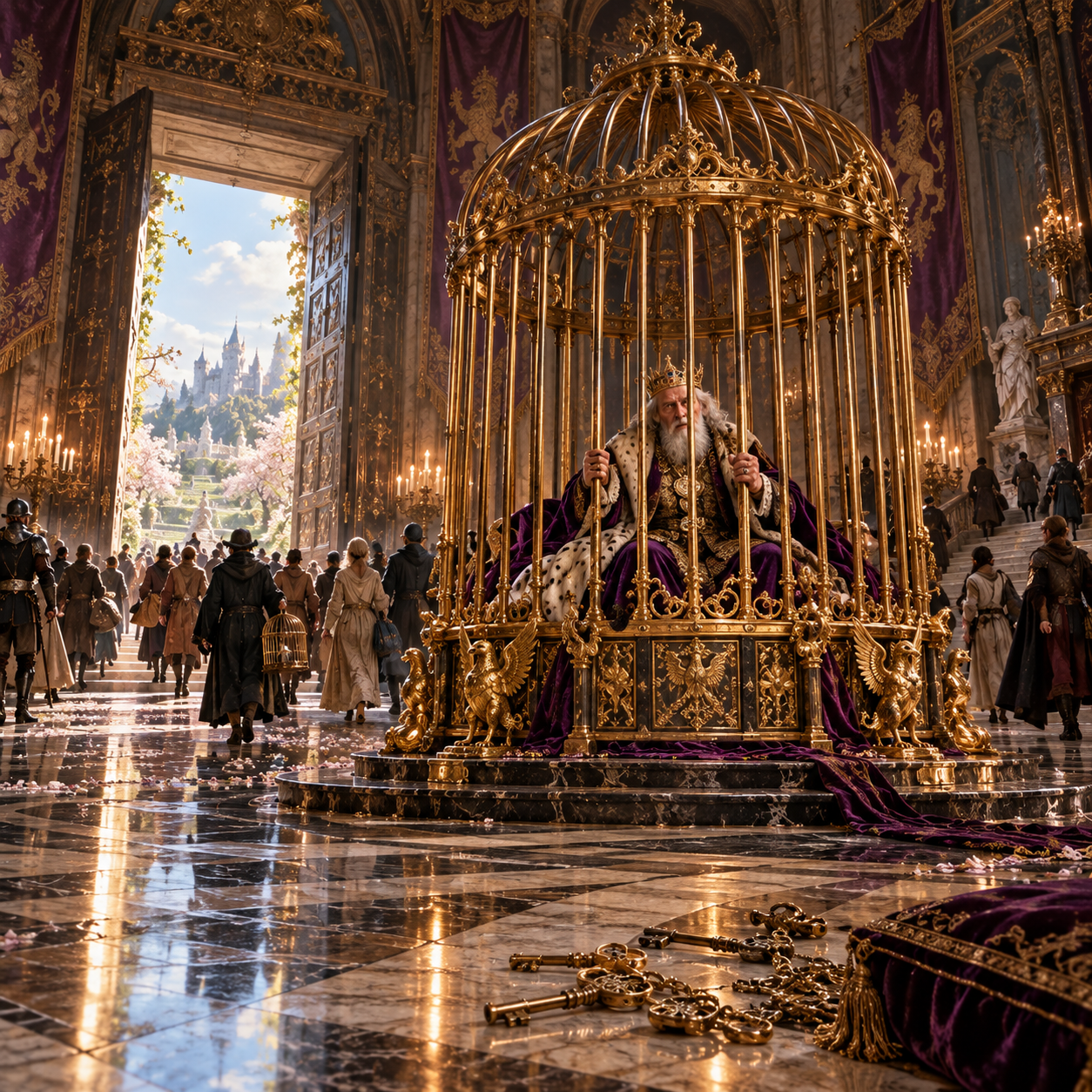
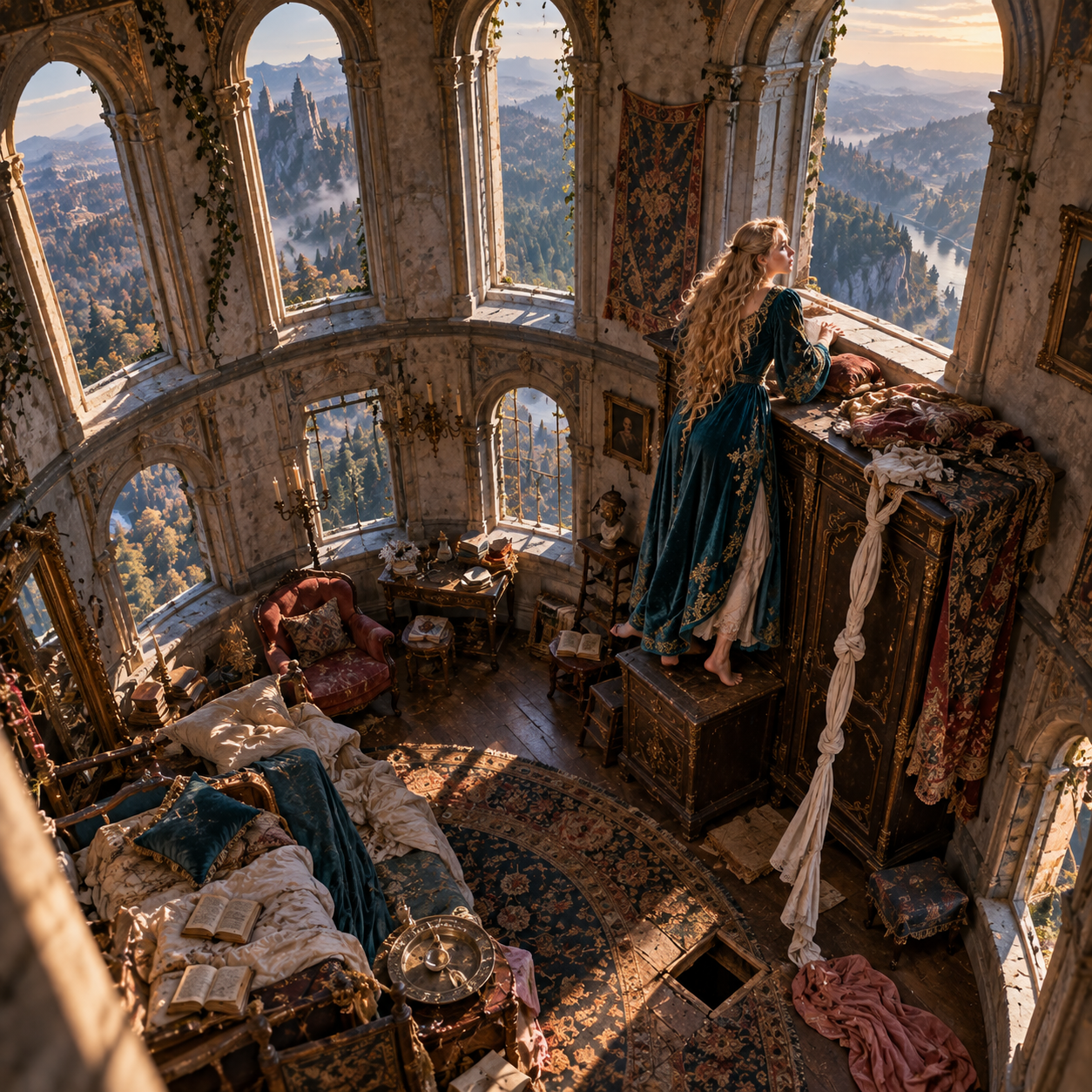
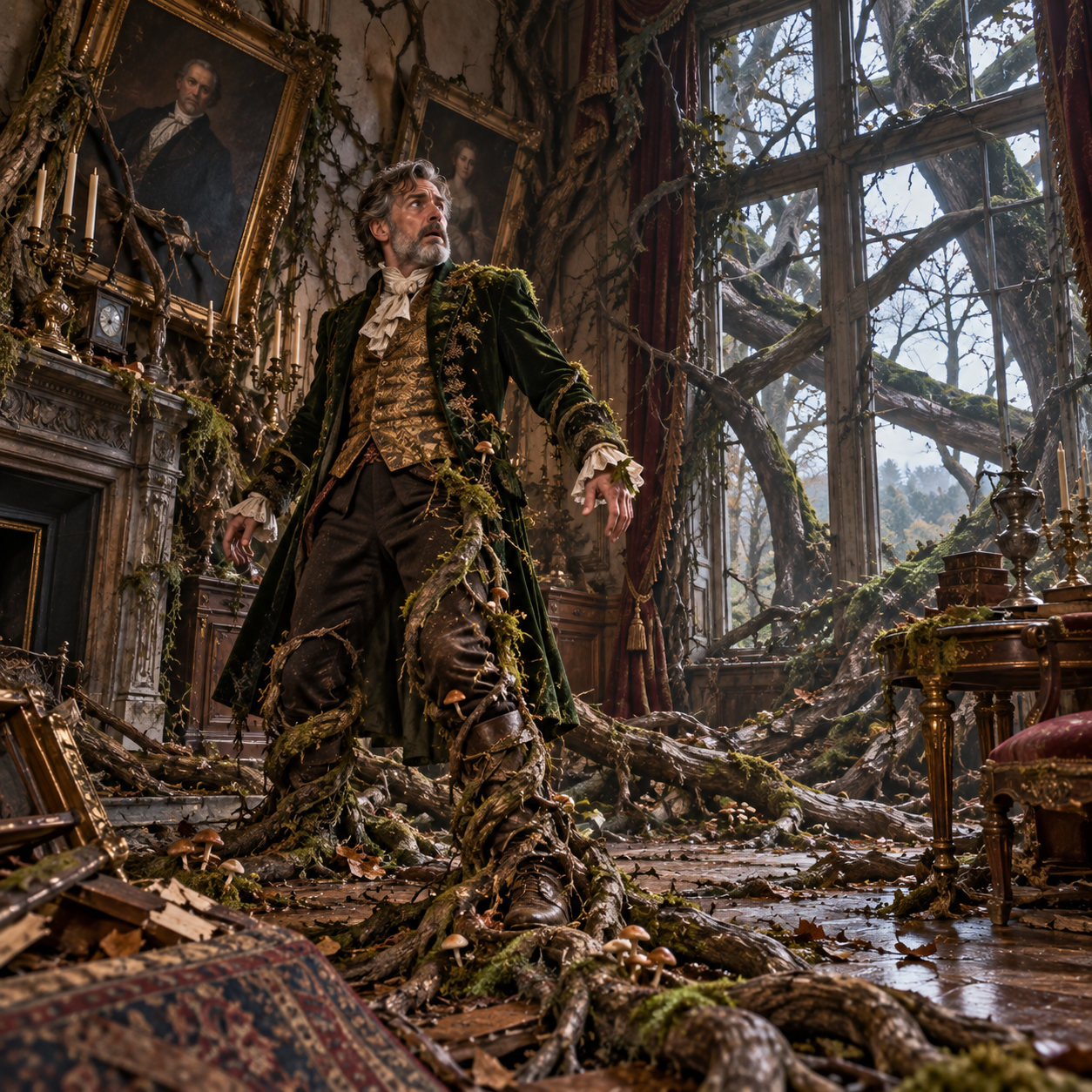
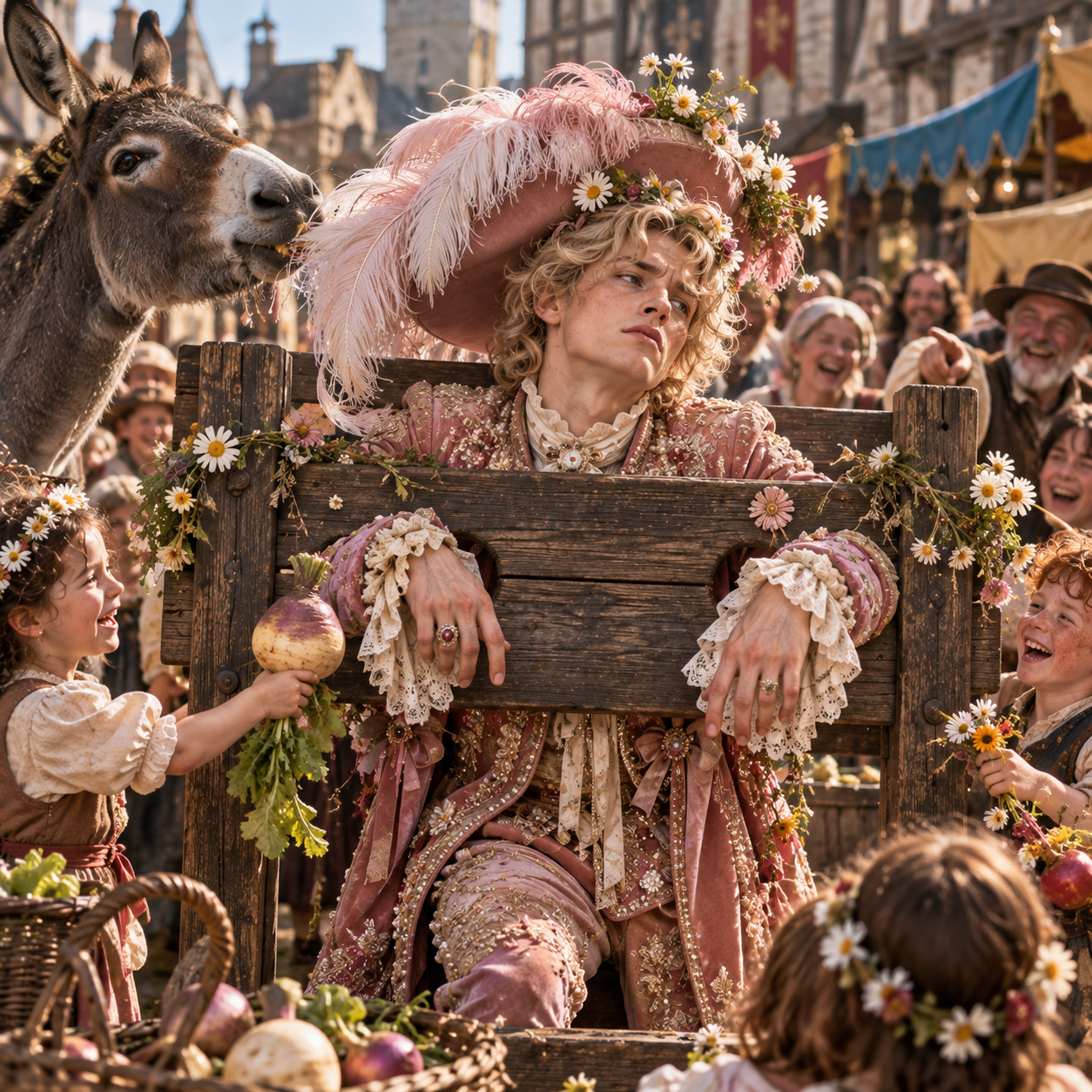
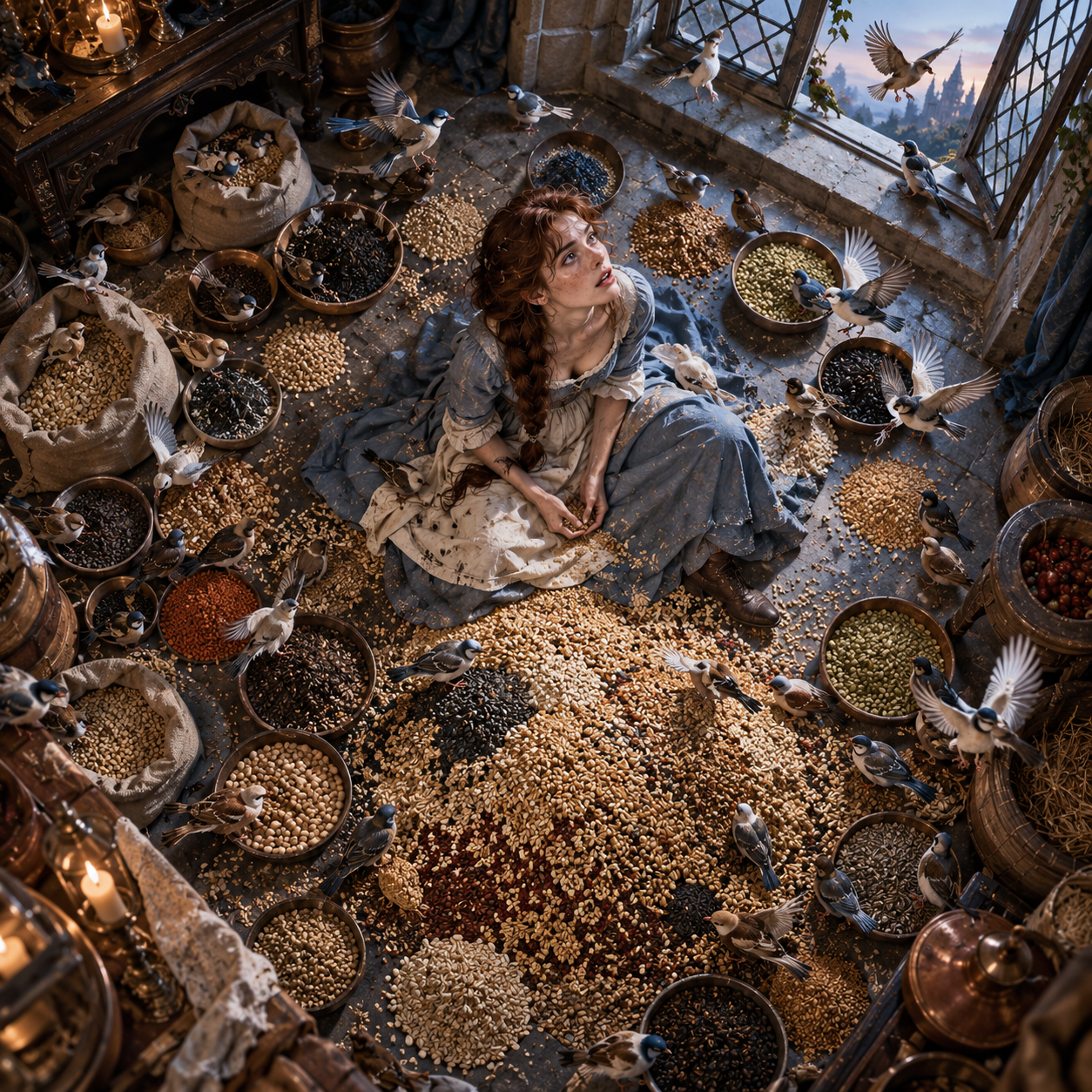
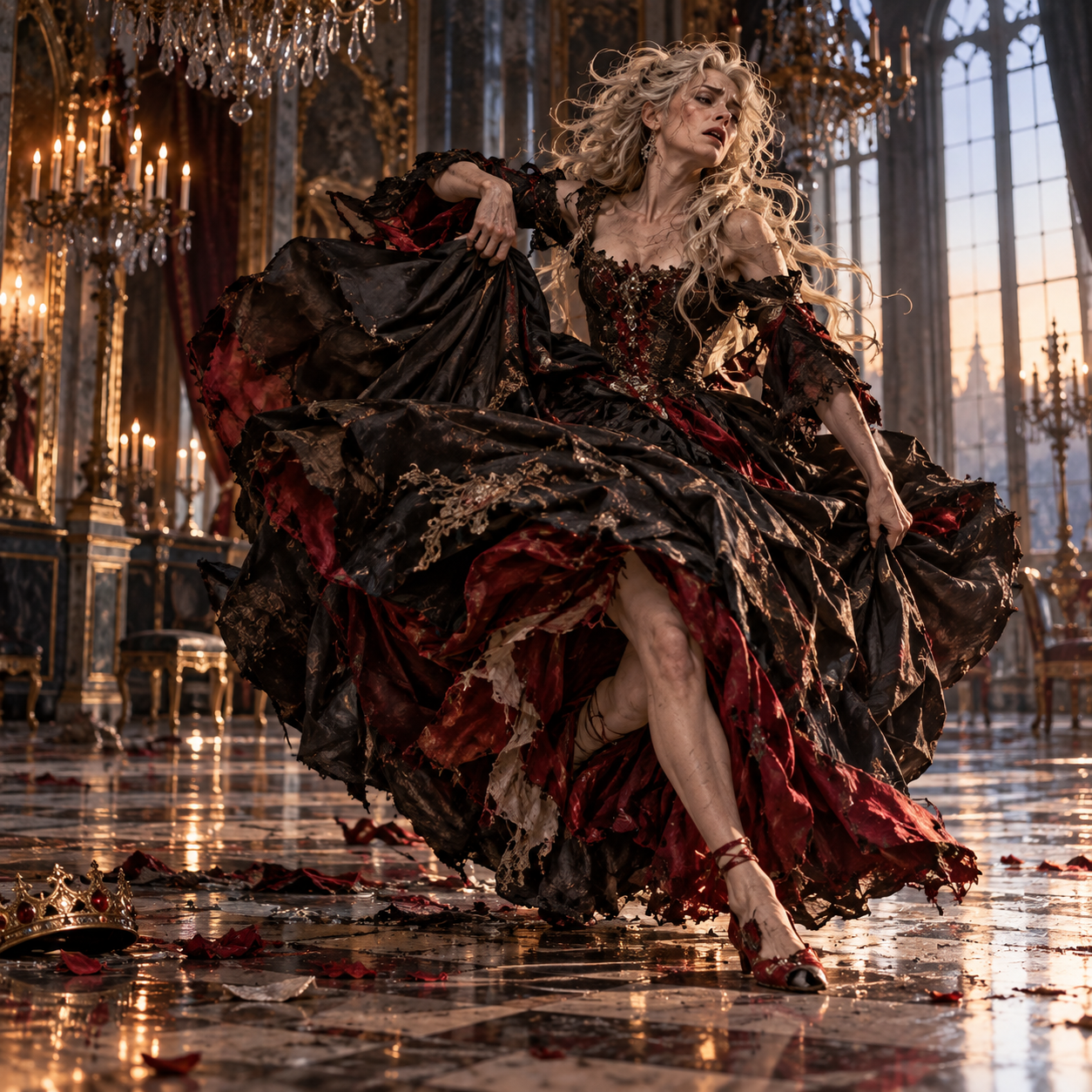
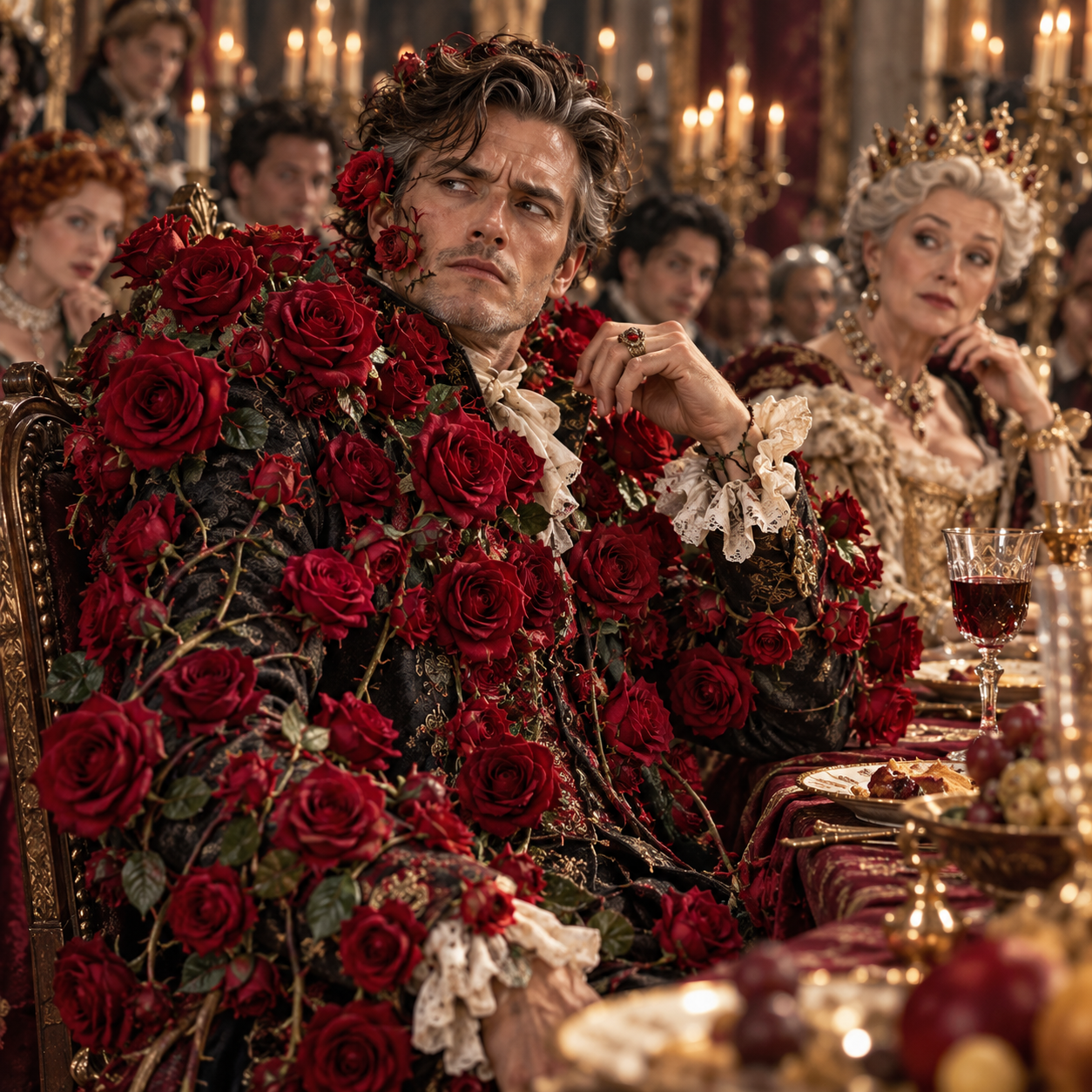
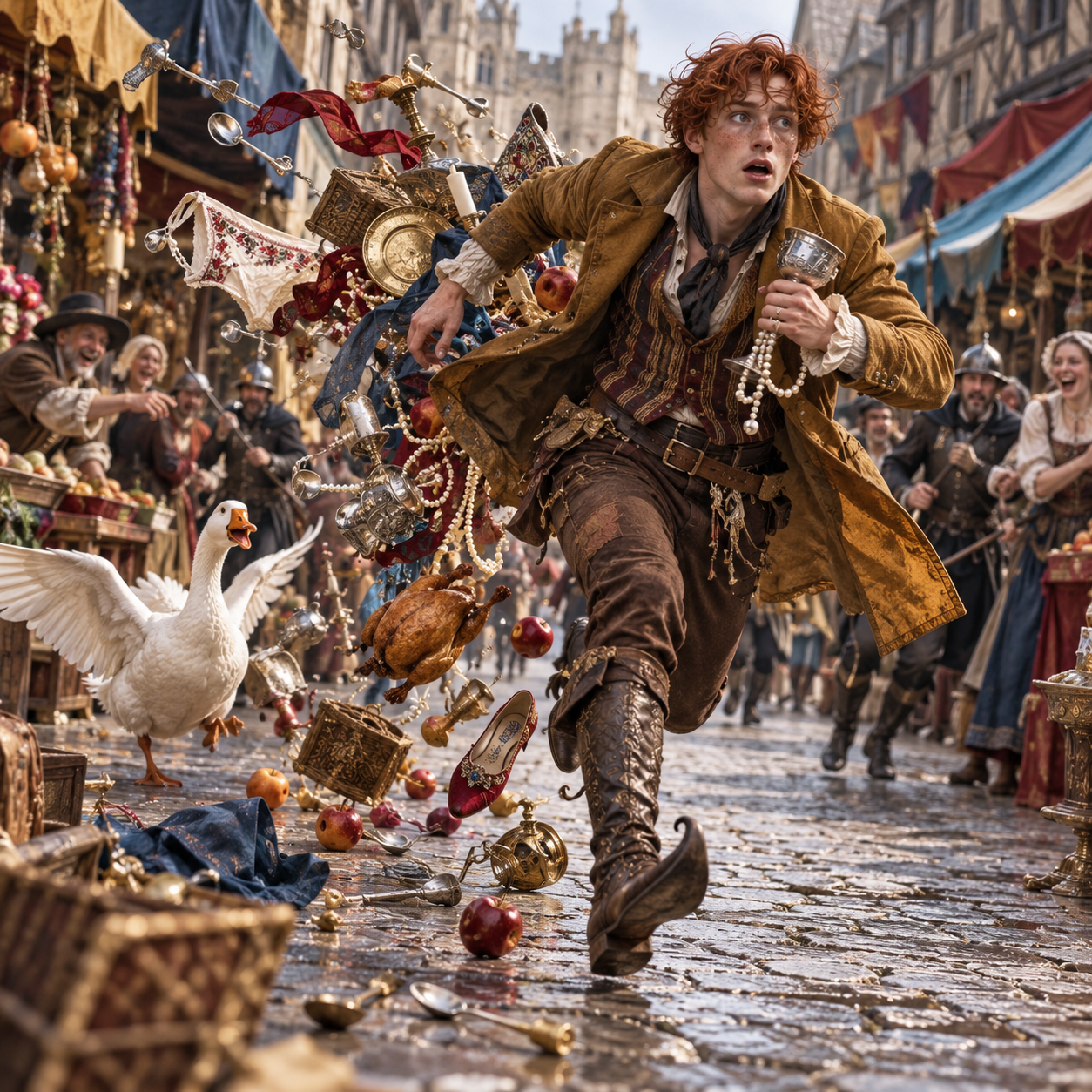
Fairytale crime can be sparked by a single suspicious detail. Look closely at each image and ask what rule might have been broken, what object has been stolen, who is being accused and whether the person who appears guilty actually committed the crime. A discarded golden key, an empty pedestal, a trail through a forbidden garden or an unusual creature watching from the edge of the scene could become the clue that shapes the entire story. You might begin before the crime happens, during the investigation or at the moment a strange fairytale punishment is about to be carried out.

Go Deeper Into Fairytale Crime & Punishment
Fairytale justice does not need to follow the rules of an ordinary courtroom. Crimes can be magical, laws can be ancient and strangely specific, and punishments often reveal something about the person receiving them. Think about who creates the rules in your world, why those rules exist and what happens when justice becomes just as dangerous as the crime.
◆ Make the punishment fit the crime. A thief might lose everything they own, a liar may be unable to speak anything except the truth, or someone who traps a magical creature could find themselves imprisoned in its place.
◆ Create laws that could exist only in a fairytale. Forbid picking golden apples, entering the forest after sunset, speaking a fairy's true name, harming a white stag or opening a particular door inside the palace.
◆ Give strange laws a reason to exist. A rule that initially seems ridiculous might actually protect the kingdom from an ancient curse, sleeping creature or bargain made generations ago.
◆ Decide who has the power to make laws. Kings and queens are obvious choices, but witches, fairies, forests, dragons and magical objects might enforce rules of their own.
◆ Let different kinds of law overlap. A prince might obey the king's law while accidentally breaking the laws of the forest, leaving him innocent in one court and guilty in another.
◆ Use the rule of three. Three accusations, three witnesses, three impossible tasks or three chances to prove innocence can give a magical trial a traditional fairytale rhythm.
◆ Turn a trial into a quest. Instead of proving innocence inside a courtroom, your character might have to retrieve a stolen object, find a magical witness or complete an impossible task before sunset.
◆ Create unusual witnesses. Talking animals, enchanted mirrors, ghosts, trees, portraits and magical objects may have seen exactly what happened — although that does not necessarily make them reliable.
◆ Give evidence magical properties. A stolen ring might scream when touched by the thief, footprints could glow beneath moonlight or a mirror might reveal where an object has been hidden.
◆ Explore false accusations. A fairytale character can be blamed because of jealousy, mistaken identity, wicked magic or a deliberately planted enchanted object.
◆ Question who benefits from the law. A king may insist that an ancient rule protects the kingdom when its real purpose is to protect his throne.
◆ Use class and status to complicate justice. Ask whether a princess receives the same punishment as a servant, whether royal families are exempt from certain laws and what happens when the ruler becomes the criminal.
◆ Give royal characters consequences too. Kings, queens, princes and princesses become far more interesting when crowns cannot protect them from magical bargains or ancient laws.
◆ Build justice around promises. In a fairytale world, breaking your word can be more serious than stealing gold. Decide who witnesses promises and what happens when somebody refuses to honour one.
◆ Treat hospitality as a rule. Refusing food to a hungry traveller, harming a guest or taking advantage of someone's kindness can trigger consequences long before anyone realises the stranger was magical.
◆ Use transformation as punishment carefully. Becoming a frog, bird, beast, tree or statue can reflect the character's actions, but think about what they must learn or do before the enchantment can end.
◆ Make time part of the sentence. Seven years and a day, three winters, one hundred nights or until the next blue moon can make even a simple punishment feel distinctly fairytale.
◆ Create loopholes. Ancient laws are much more fun when clever characters can interpret them literally, exploit forgotten wording or discover that nobody has ever asked what a particular rule actually means.
◆ Let the punishment create another problem. Turning every thief into a mouse seems effective until the palace suddenly has hundreds of unusually intelligent mice living inside its walls.
◆ Decide whether justice and fairness are the same thing. A character can technically deserve punishment while the sentence remains cruel, or break an unjust law for entirely understandable reasons.
◆ Allow laws to change. Overturning an ancient rule, freeing enchanted prisoners or forcing a ruler to face the same justice as everyone else can become the real happily ever after.
◆ Remember that fairytale consequences do not always require a judge. Sometimes the forest remembers. The magical object knows who stole it. The broken promise carries its own curse. The story itself can seem to decide what happens next.
Final Thoughts
Fairytales have always understood that breaking the rules has consequences.
Steal from the wrong garden and you might find yourself pursued across seven kingdoms. Break a promise and the words you spoke years ago may suddenly matter more than any law written by a king. Open the forbidden door and whatever happens next might feel wildly disproportionate — but that is part of the strange logic that makes fairytale justice so much fun to explore.
The best place to begin is often with a simple rule.
Do not pick the golden apples.
Never enter the forest after sunset.
Keep the promise you made beside the well.
Then decide who breaks it — and why.
A hungry child stealing enchanted fruit creates a very different story from a greedy king taking it because he believes everything in his kingdom belongs to him. The same crime can feel heroic, foolish, selfish or completely justified depending on the person committing it and the law they have chosen to disobey.
Punishment can become part of the storytelling too. Instead of simply locking someone inside a dungeon, give the consequence fairytale logic. Let the liar speak nothing but truth. Turn the hunter into the animal he pursued. Send the thief to retrieve something far more valuable than the object they stole. Make the cruel ruler experience life as one of the people harmed by his laws.
And remember that the law itself does not always have to be right.
Your story might begin with a criminal trying to escape punishment and end with an entire kingdom realising that the rule should never have existed in the first place.
For more enchanted kingdoms, magical rules, traditional story motifs and folklore-inspired inspiration, explore the Fairytales & Folklore Hub. You can also visit Fairytale Story Sparks for more fairytale writing prompts and story ideas, or browse the Creative Writing Archive for character inspiration, magical settings, worldbuilding resources and creative writing prompts across every genre.
In an ordinary story, breaking the law might lead to a trial.
In a fairytale, it might lead to a talking fox, three impossible tasks, seven years as a swan and a very important lesson about stealing apples from gardens that do not belong to you.
Choose Your Next Adventure