70 Fairytales Reimagined Writing Prompts for Teens: Story Starters, Characters, Settings & Visual Ideas
Fairytales have always been rewritten, retold, and reshaped — from the dark forests of the Brothers Grimm to modern YA fairytale retellings filled with morally complex protagonists and richly built worlds. Teen writers are drawn to fairytales because they sit at the crossroads of fantasy, psychology, and identity: who gets a voice, who holds power, and how familiar stories change when seen through a different lens.
This collection of 70 fairytale writing prompts for teens is designed for writers who want to reimagine classic fairytales into fresh, surprising stories. Inside, you’ll find plot hooks, story title ideas, opening and closing lines, character sketches, atmospheric settings, and picture prompts — all built around the idea of reinvention rather than repetition.
Perfect for classroom creative writing, writing clubs, or independent teen writers, these fairytale reimagined writing prompts balance whimsy, darkness, and modern twists, encouraging writers to ask bold questions: What if the villain was right? What if the princess didn’t want saving? What if the ending wasn’t happily ever after?
If you’re looking for more inspiration, you can explore the Fairytale and Folklore Writing Prompts Hub or browse the Creative Writing Archive for a wider range of atmospheric and genre-based ideas.
1. Plot Hooks
Fairytales reimagined work best when a familiar story collides with a new perspective, system, or world. These plot hooks invite teen writers to retell classic fairytales through modern, dystopian, or morally complex lenses — where power shifts, roles fracture, and endings are no longer guaranteed.
A Sleeping Beauty refuses to wake, not because of a curse, but because the dream world offers more freedom than reality ever did.
A Cinderella retelling where the royal ball is a political summit, and the marriage is an alliance designed to end a generations-long conflict.
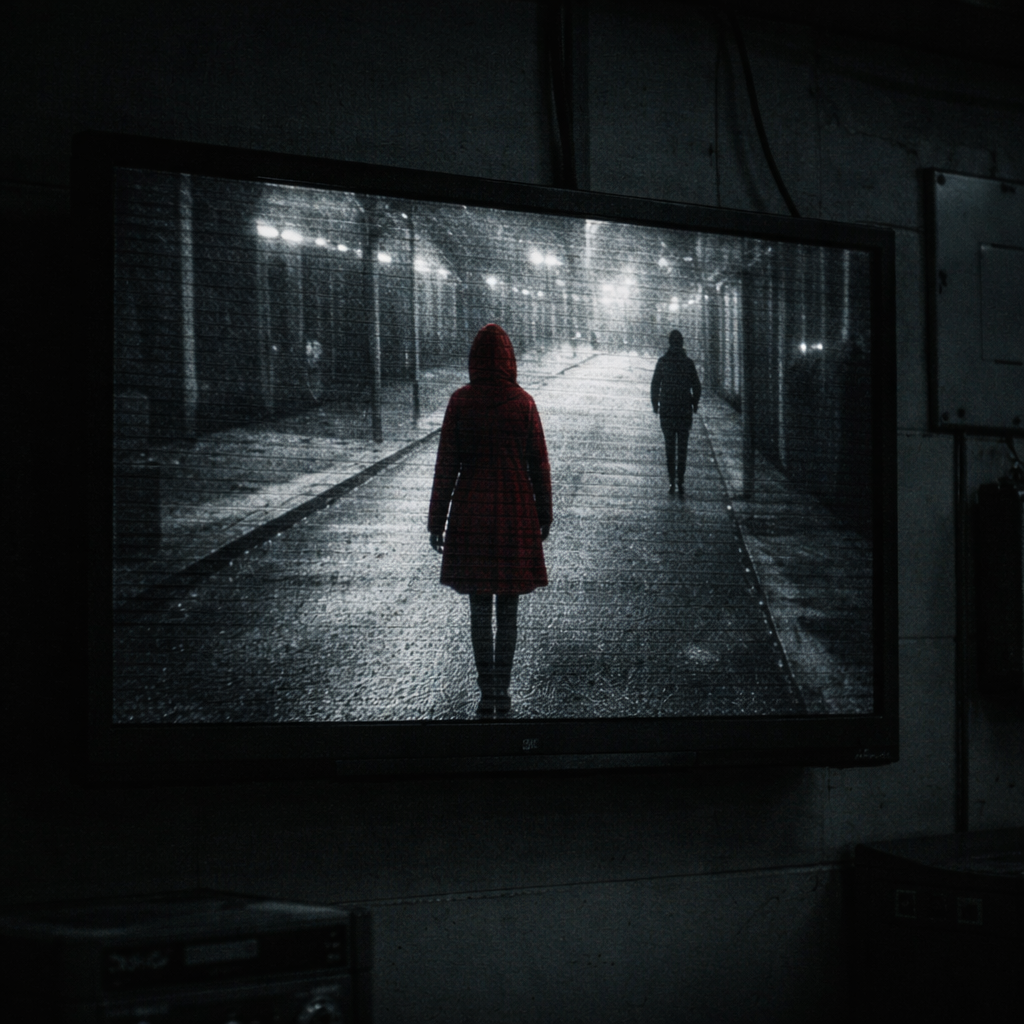
A modern Red Riding Hood works as a courier navigating a violent, cyberpunk city — and begins to realise the real wolves wear uniforms and badges.
Years after her exile, Snow White returns to the kingdom to confront the queen — only to discover the story she remembers is not the one everyone else believes.
In a Hansel and Gretel reimagining, the so-called witch is the only figure trying to protect children from something far worse lurking in the forest.
A Beauty and the Beast retelling where the Beast becomes more human through kindness — and more monstrous each time cruelty is shown to him instead.
A Rapunzel reimagined as a girl raised in isolation who secretly controls a vast information network through reflective surfaces, mirrors, and screens.
A teen discovers she is descended from the Pied Piper, inheriting his power — and the responsibility for deciding who follows, and who is left behind.
An underwater kingdom prepares for war after a broken treaty, forcing a Little Mermaid figure to choose between love, loyalty, and survival.
In a world where happily-ever-afters are assigned at birth, one teen refuses the ending chosen for them — and risks rewriting the system entirely.
2. Title Ideas
These titles hint at familiar fairytales, but with sharper edges, darker moods, and modern twists — inviting readers into stories where the ending is uncertain and the rules have changed.
The Glass Throne
Wolves in Red
A Kingdom of Salt and Shadow
The Seventh Door
Thorns and Honey
The Piper’s Debt
Midnight Bargains
The Tower That Watches
Ever After, Never Again
Ashes in the Snow
3. Opening Lines
Fairytale openings should feel familiar and wrong at the same time — atmospheric, strange, and quietly magical. These opening lines are designed to draw readers in gently, then unsettle them as the story begins to shift.
My mother always warned me about the woods, but she never said the wolves would wear suits.
At midnight, the glass slippers began to crack.
The dwarves told me to run, but I had been running my entire life.
No one ever asks what happens to a kingdom while its princess sleeps.
The Piper returned for his payment, and this time he wanted more than gold.
Once upon a time, I was promised a happy ending. Then I turned sixteen.
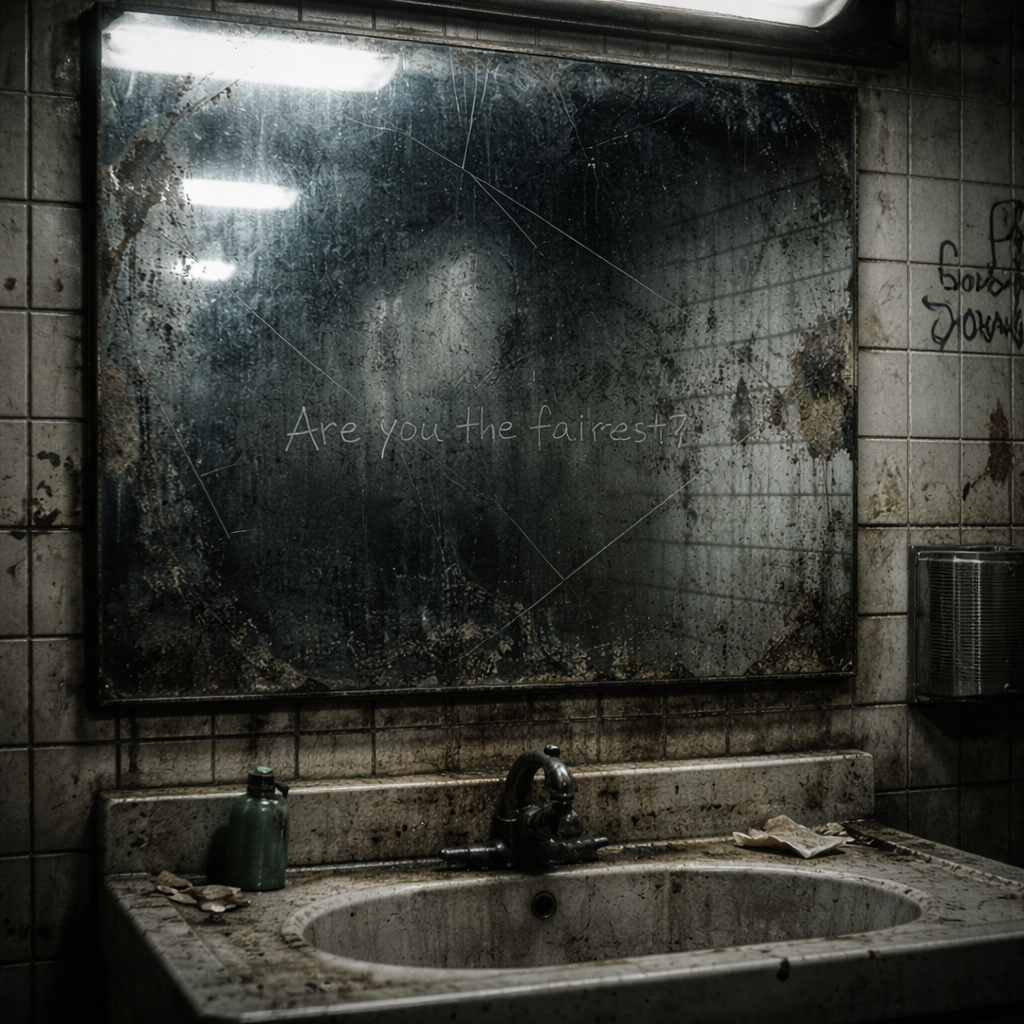
The queen’s mirror had never lied — not even when she begged it to.
The sea witch saved me, and for that the world decided she was a monster.
Every year, a child vanished into the forest. This year, it was my sister.
The prince did not recognise me, even though I was wearing the same face.
4. Closing Lines
Endings in reimagined fairytales rarely offer simple happily-ever-afters. Instead, they linger in triumph, loss, or quiet ambiguity, allowing the story to end — but not to settle.
The kingdom cheered, but I walked away before anyone could place the crown on my head.
We broke the curse, but no one warned us how heavy freedom would feel.
In the end, the sea accepted me as one of its own.
Our story did not end with a wedding — it began with one.
I left the tower door open, in case another lost girl ever needed it.
The wolves retreated, but I kept the red cape.
Magic had not saved us; it had only forced us to tell the truth.
The queen shattered the mirror, and for the first time, she smiled.
When the pipes finally fell silent, the town was able to sleep.
My fairy godmother warned me about midnight. She never mentioned what came after dawn.
5. Character Ideas
Reimagined fairytales come alive when characters are layered, conflicted, and morally complex. These character sketches offer starting points for stories where familiar roles fracture — and identity matters more than destiny.
A princess who would rather negotiate treaties and prevent wars than marry for political gain — and is punished for it.
A huntsman tasked with eradicating magical creatures, who secretly works to protect them from extinction.
A witch who grants wishes freely, but takes memories as payment — leaving her clients successful and strangely hollow.
A beast who writes poetry no one will ever read, slowly realising that becoming human may cost him his inner life.
A fairy godparent who has lived too long, resenting immortality while watching generations repeat the same mistakes.
A prince trained as an assassin rather than a diplomat, raised to rule through fear instead of trust.
A girl raised by wolves who struggles to survive among humans — not because she is wild, but because she is honest.
A queen who maintains peace through illusions, forcing herself to decide whether safety is worth living inside a lie.
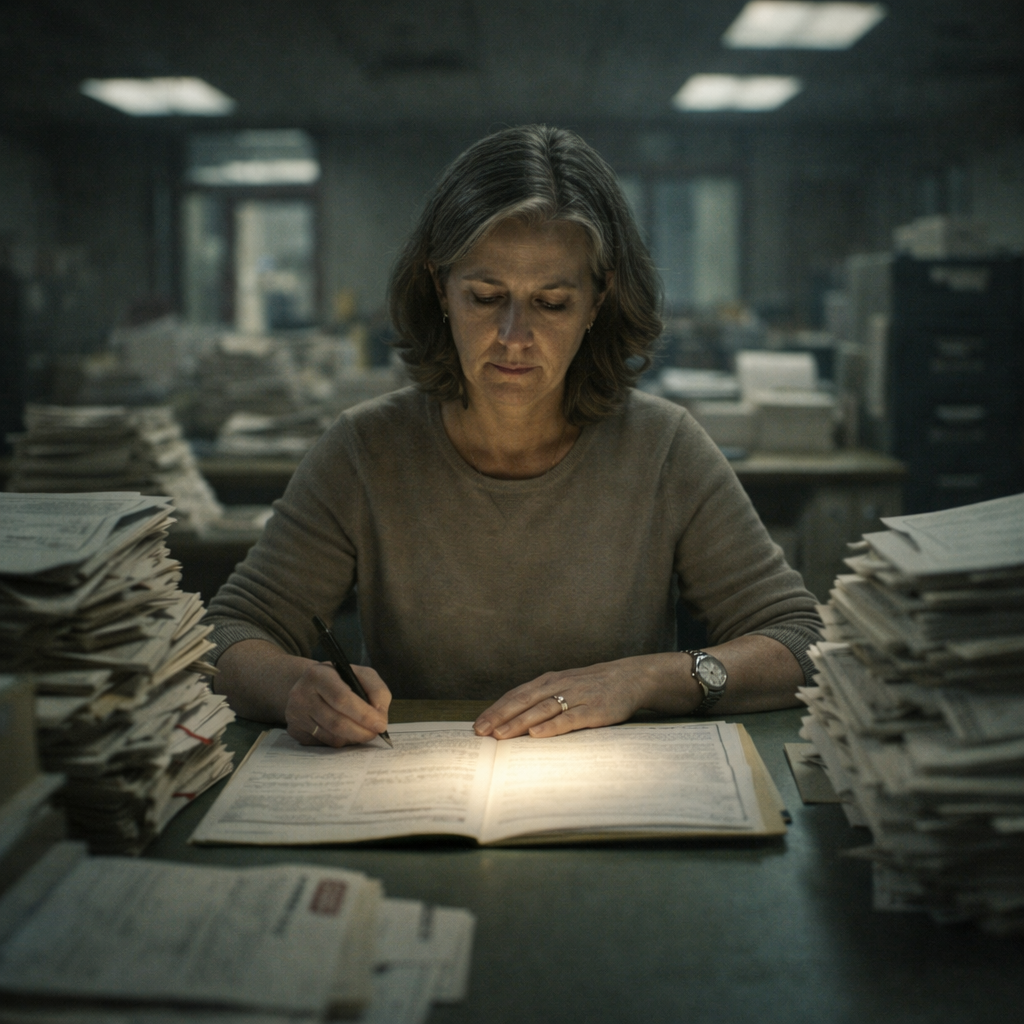
A palace servant who knows every hidden passage and overhears every secret — and understands how fragile power truly is.
A bard whose songs subtly rewrite history, until truth itself becomes dangerous to remember.
6. Setting Ideas
In reimagined fairytales, settings don’t just feel magical — they reveal how power, identity, and control operate in new worlds. These locations reshape familiar fairytale spaces through modern systems, social structures, and unsettling twists.
A government building converted from an old palace, where portraits of former rulers still line the halls — and employees swear the eyes follow them at night.
A glass-and-steel city where reflective skyscrapers display predictive advertisements, showing citizens carefully curated versions of their possible futures.
A public forest preserve where GPS systems fail, paths subtly shift, and visitors report being guided toward the choices they most fear.
A black-market night exchange hidden beneath a shopping district, where impossible items are traded discreetly — bottled time, altered memories, second chances — all with contracts attached.
A coastal city built on stilts and sea walls, where the ocean hums constantly through submerged infrastructure, warning residents when old treaties are about to be broken.
A vertical archive tower where data, books, and stories are stored floor by floor — and access is restricted based on what the authorities believe people are ready to know.
A remote town monitored by medical records, where each child is flagged at birth with a predicted “risk factor” that feels disturbingly like a curse.
A subterranean vault beneath a royal residence, where magic is extracted, regulated, and distributed like currency to maintain social order.
A botanical research facility in a cold climate, where frozen plants are preserved for display — each one labelled with the date it stopped growing.
A modern metropolis layered with invisible boundaries, where fairytale creatures, spells, and old magic survive by adapting to zoning laws, surveillance, and technology.
7. Picture Prompts
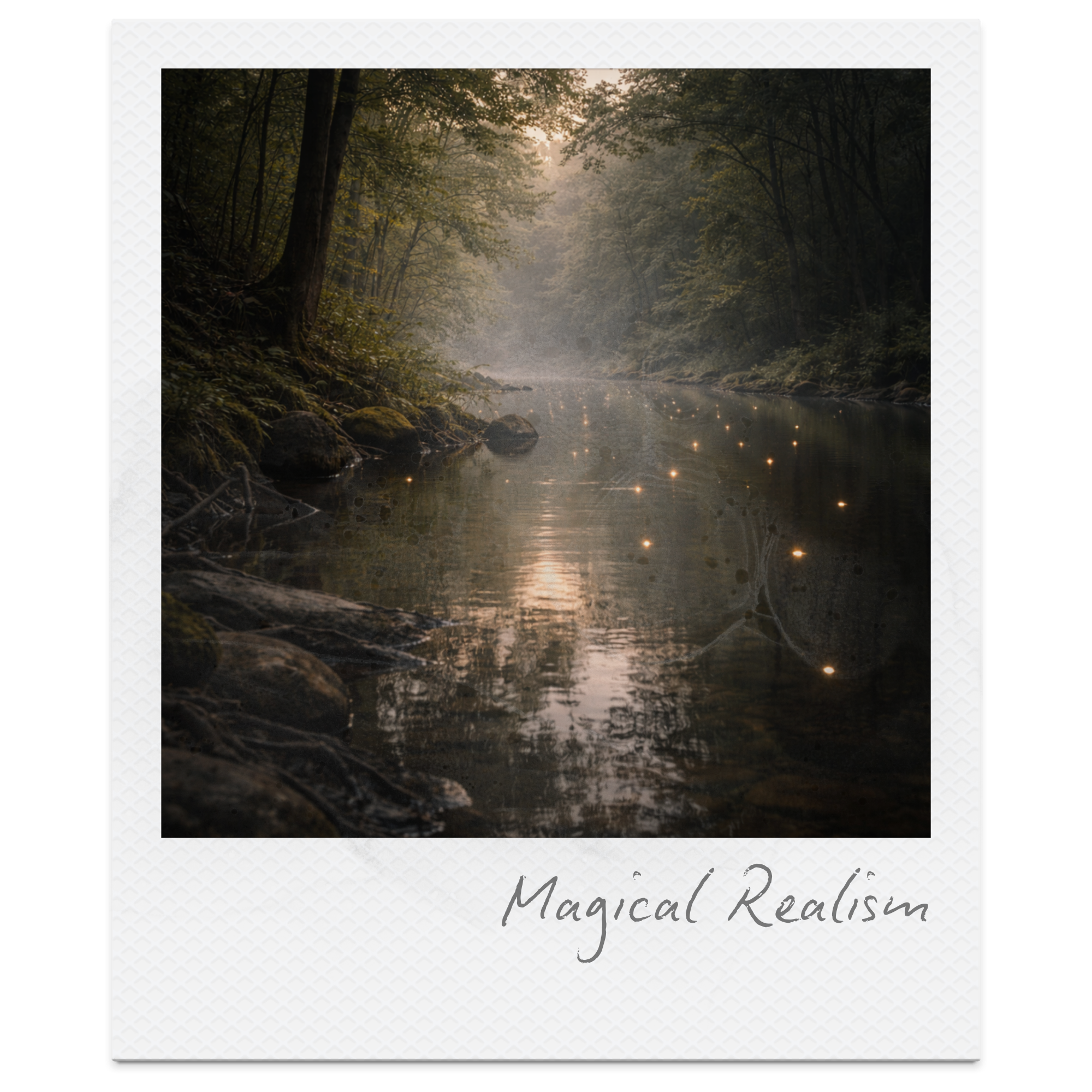
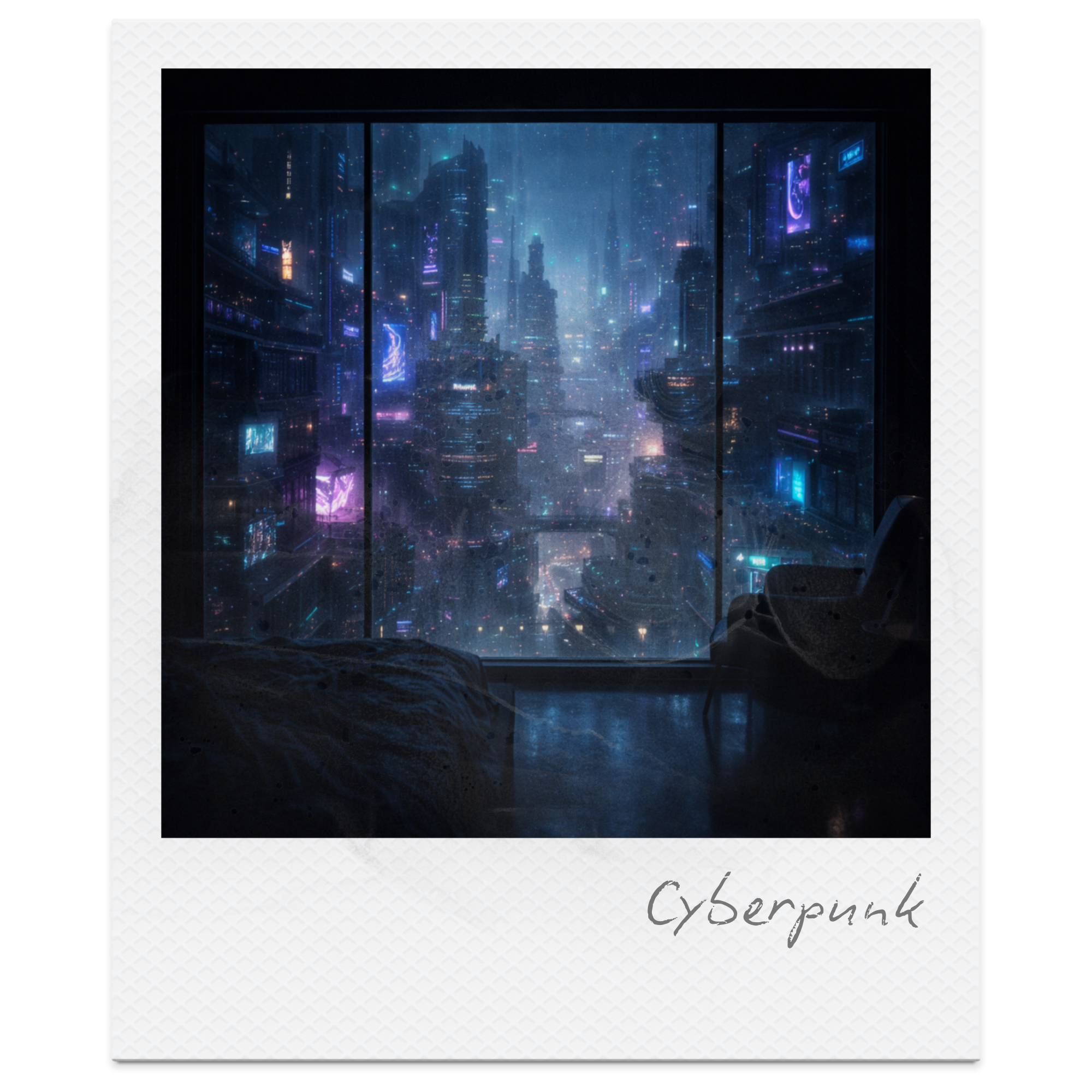
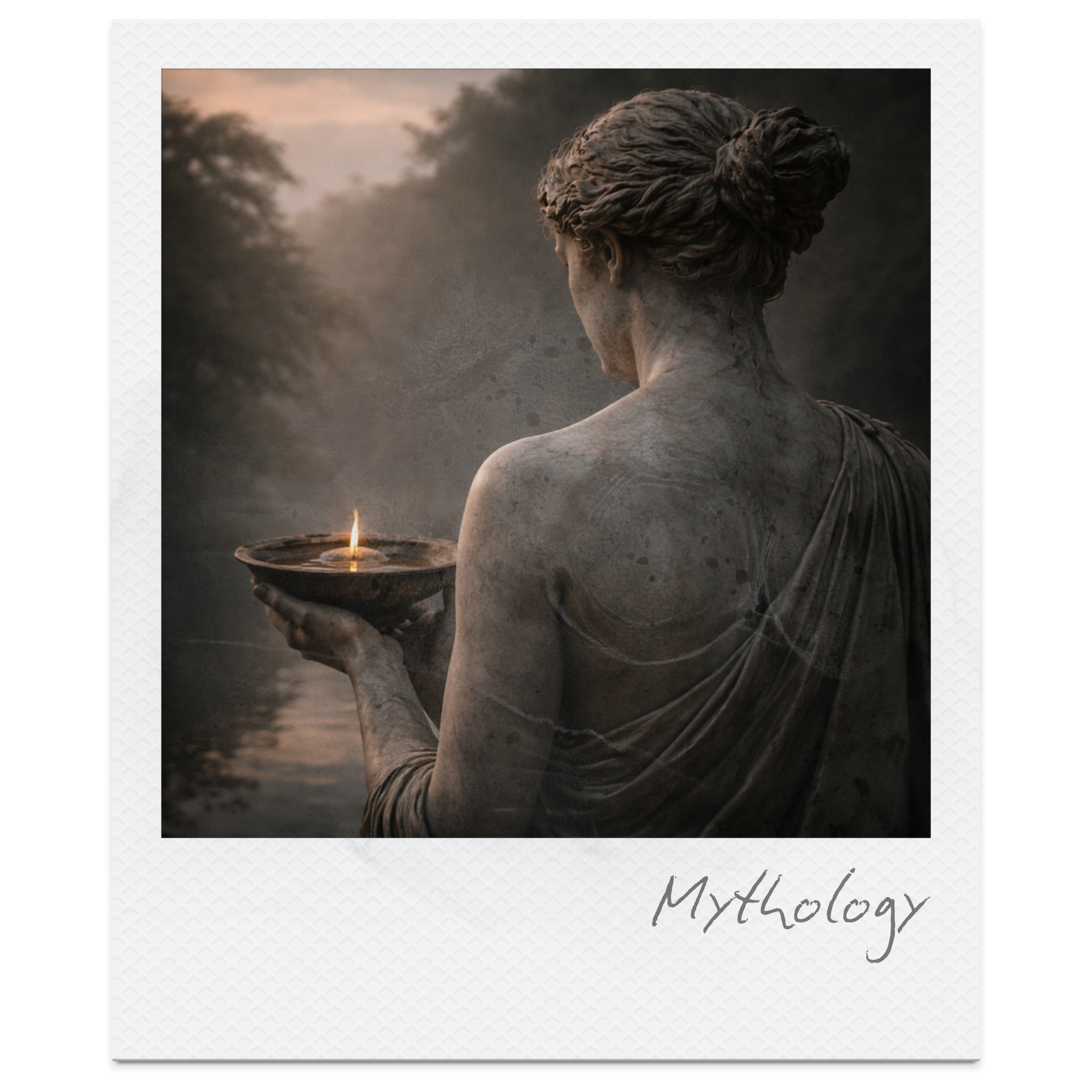
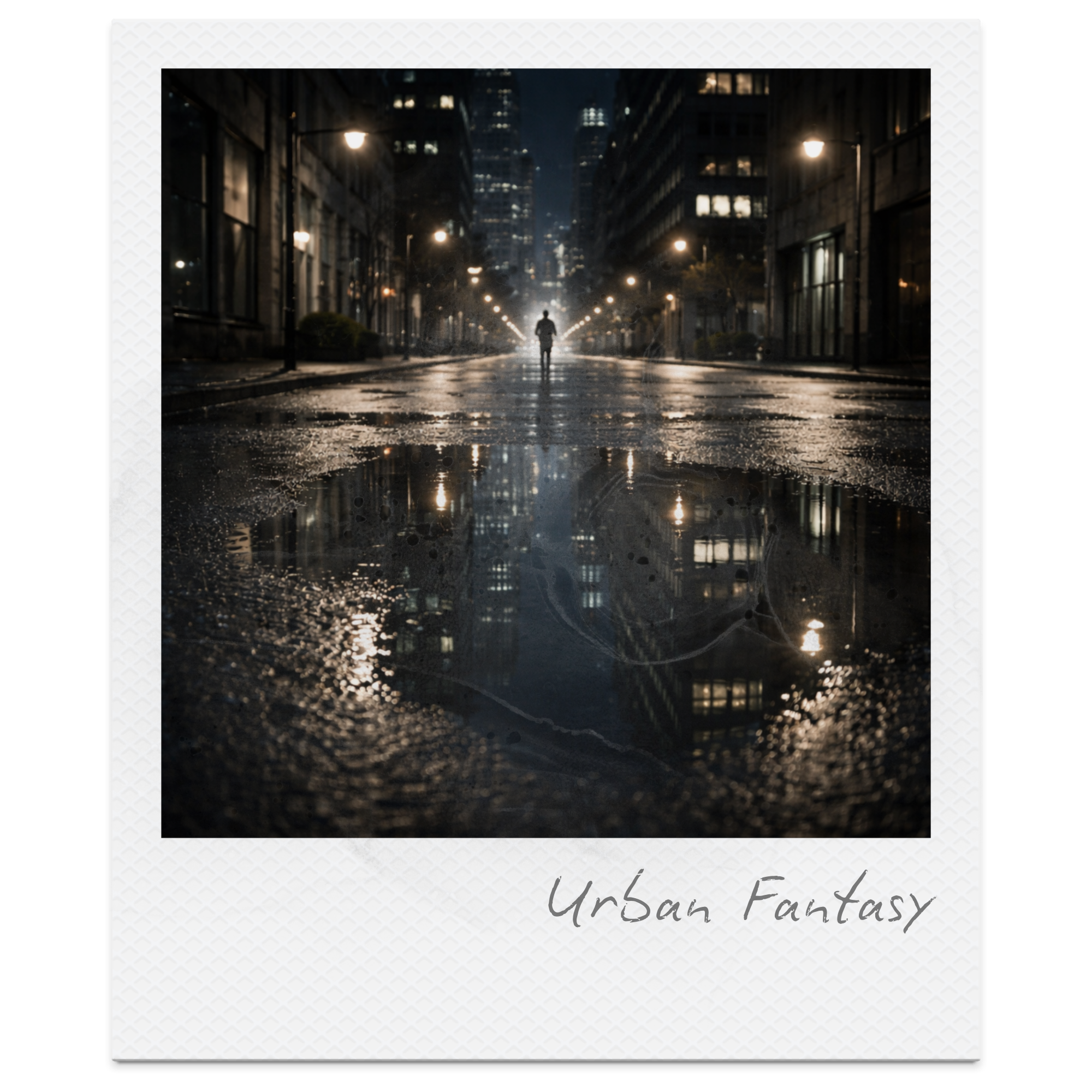
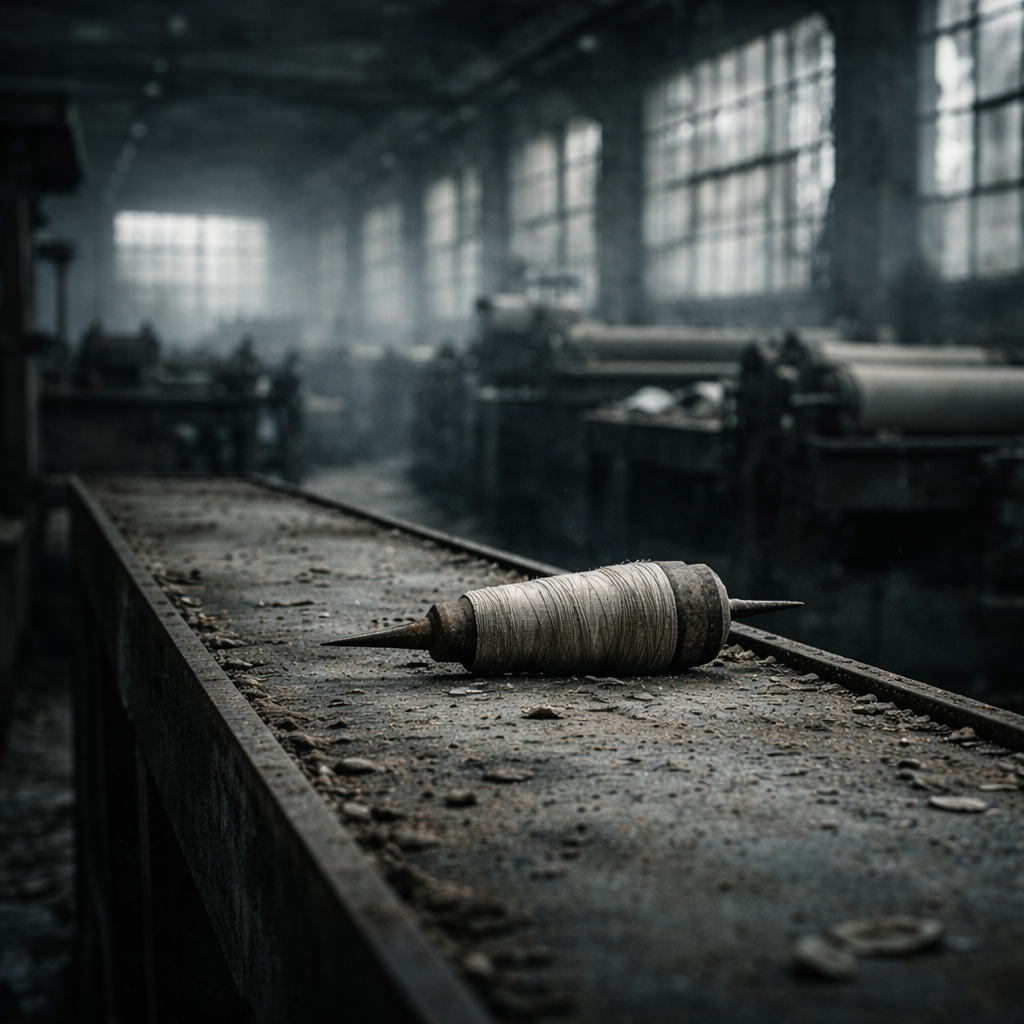
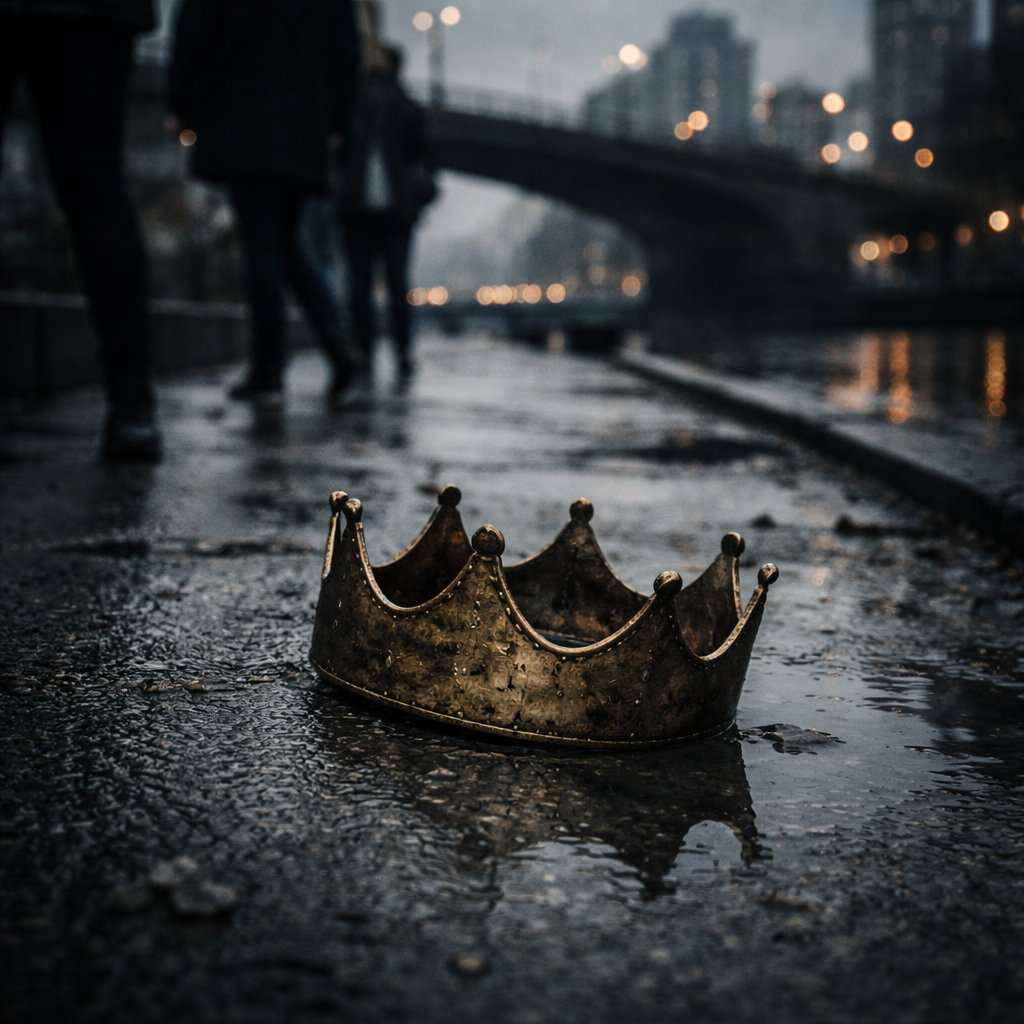
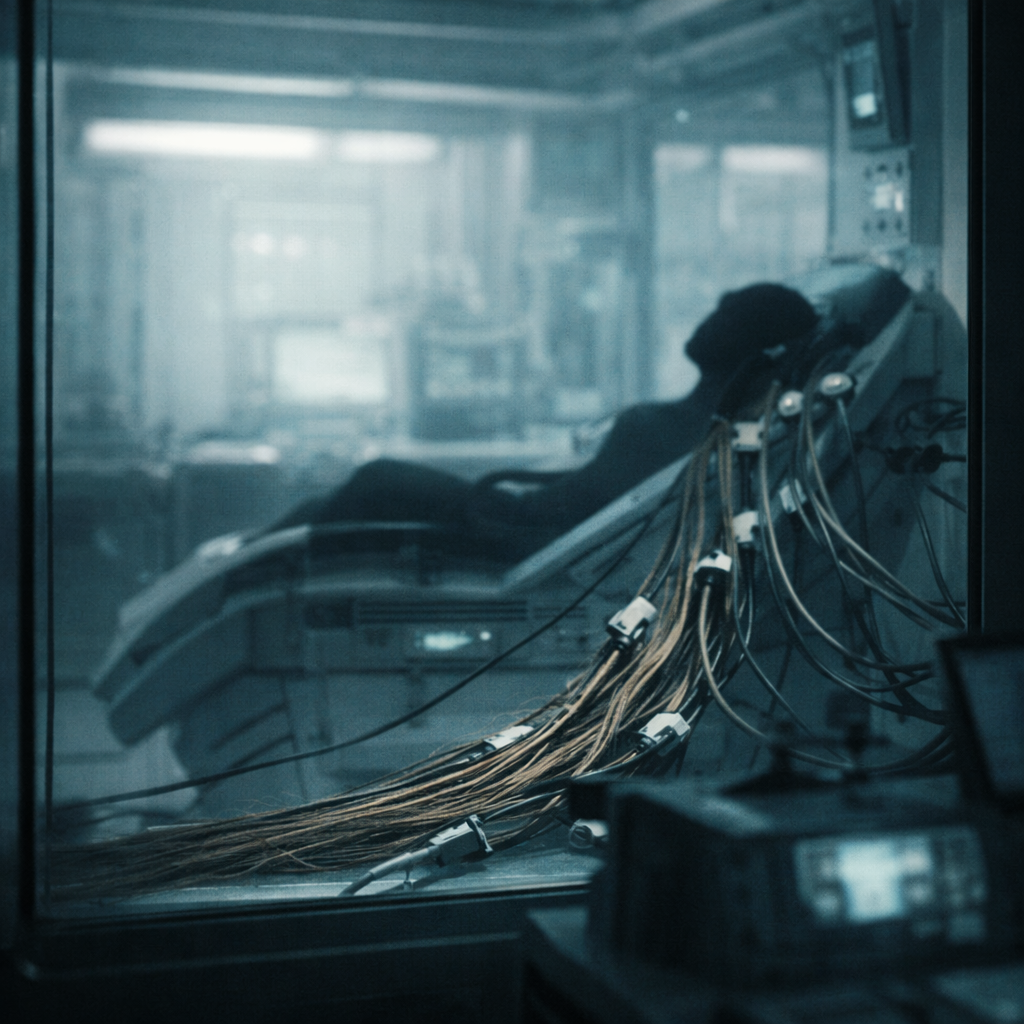
These fairytales reimagined picture prompts use visual contrast to spark ideas — placing familiar fairytale symbols inside modern, dystopian, or speculative worlds. Each image is designed to evoke atmosphere, tension, and narrative possibility, where magic collides with systems, power structures, and contemporary life.




Go Deeper into Fairytales Reimagined Writing
To take reimagined fairytales further, shift your focus from magic itself to the systems that surround it. In these stories, enchantment rarely exists in isolation — it operates through power structures, traditions, technology, and social rules that shape who benefits and who pays the price.
Try developing these prompts in more challenging ways:
◆ Rewrite a fairytale by changing who controls the narrative — tell the story from the perspective of the servant, the bystander, or the character history usually forgets.
◆ Replace a traditional magical force with a modern system (law, surveillance, algorithms, medical records, contracts) and explore how it enforces fairytale logic in new ways.
◆ Focus on choice rather than destiny: what happens when a character refuses the role the story assigns them?
◆ Rewrite the same story twice — once following the expected fairytale ending, and once showing what happens after the happily-ever-after dissolves.
◆ Let objects carry meaning: crowns, mirrors, slippers, contracts, or keys can reveal more about power than spells ever could.
Reimagined fairytales work best when the magic feels embedded, not announced — when the story asks readers to recognise the fairytale shape first, then question why it still exists.
Final Thoughts
Fairytales endure because they are endlessly adaptable. When reimagined, they become powerful tools for exploring identity, control, resistance, and reinvention — especially for teen writers navigating questions of agency and belonging.
These 70 fairytales reimagined writing prompts for teens encourage writers to engage critically with familiar stories, reshaping them to reflect modern worlds, contemporary fears, and new possibilities. Whether used for classroom creative writing, group discussion, or independent projects, the prompts support deeper thinking about how stories evolve — and who gets to rewrite them.
If you’re looking for more inspiration, you can explore the Fairytale and Folklore Writing Prompts Hub or browse the Creative Writing Archive for a wider range of atmospheric and genre-based ideas.
Choose Your Next Adventure