15 Best Fantasy Novels to Teach in the Classroom

Fantasy is one of the most powerful — and most underestimated — teaching genres.
It’s high-interest without being low-rigour. It gives students imaginative distance while still allowing them to explore identity, power, fear, morality, loyalty, and choice. That distance often makes discussions sharper and more honest than realist texts alone.
The fantasy novels below work especially well with students aged roughly 9–18, whether you’re teaching a full class text, running book clubs, or building a short genre unit. This list blends classic and contemporary titles, familiar favourites and global voices, lighter reads and darker, more demanding ones.
Each entry includes a clear reason to teach it and practical classroom ideas.
Please note: this post contains affiliate links. As an Amazon Associate, I earn from qualifying purchases.
What you’ll find in this list
◆ High-interest fantasy novels with real teaching value
◆ A balance of classic and contemporary texts
◆ Global settings and range of fantasy worlds
◆ Books that support symbolism, ethics, and analysis
◆ Texts suitable for short units or anchor reads
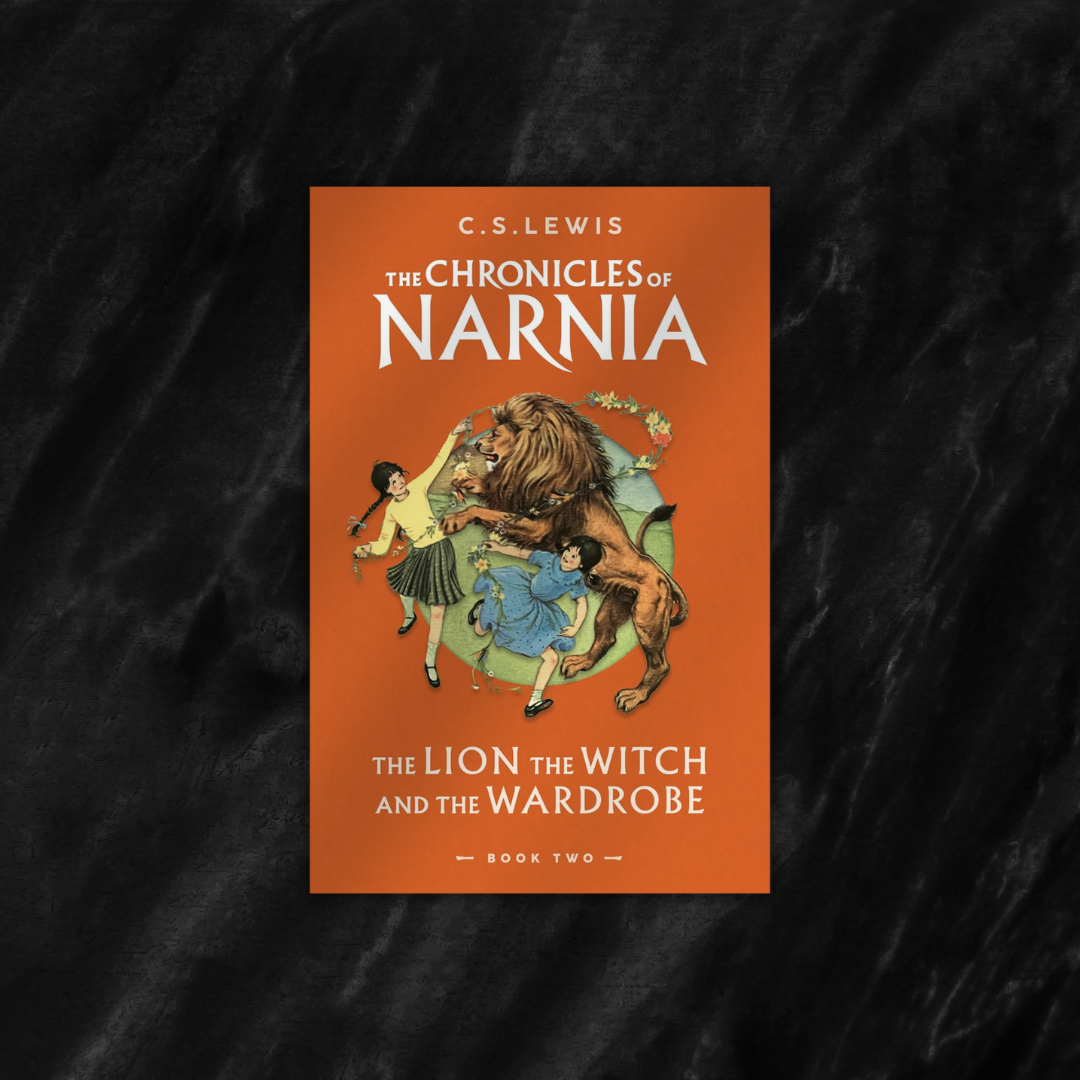
1. The Lion, the Witch and the Wardrobe — C.S. Lewis (Novel | Ages 9–12)
Four siblings step into Narnia, a fantasy world frozen under fear, propaganda, and absolute control. What begins as a classic adventure story gradually becomes a layered exploration of temptation, courage, betrayal, loyalty, and sacrifice — making it far richer than it first appears.
Why teach it:
This is one of the most effective fantasy novels to teach in the classroom. It’s immediately accessible for younger readers, yet it supports meaningful discussion around moral choice, responsibility, leadership, and how individuals respond to power. As an entry point to the fantasy genre, it builds confidence while still offering depth.
Classroom use:
◆ Track how each sibling responds differently to authority, fear, and temptation
◆ Symbol analysis: winter, the lamppost, the stone table, and what they represent
◆ Narrative writing task: crossing a threshold into a new world with unfamiliar rules
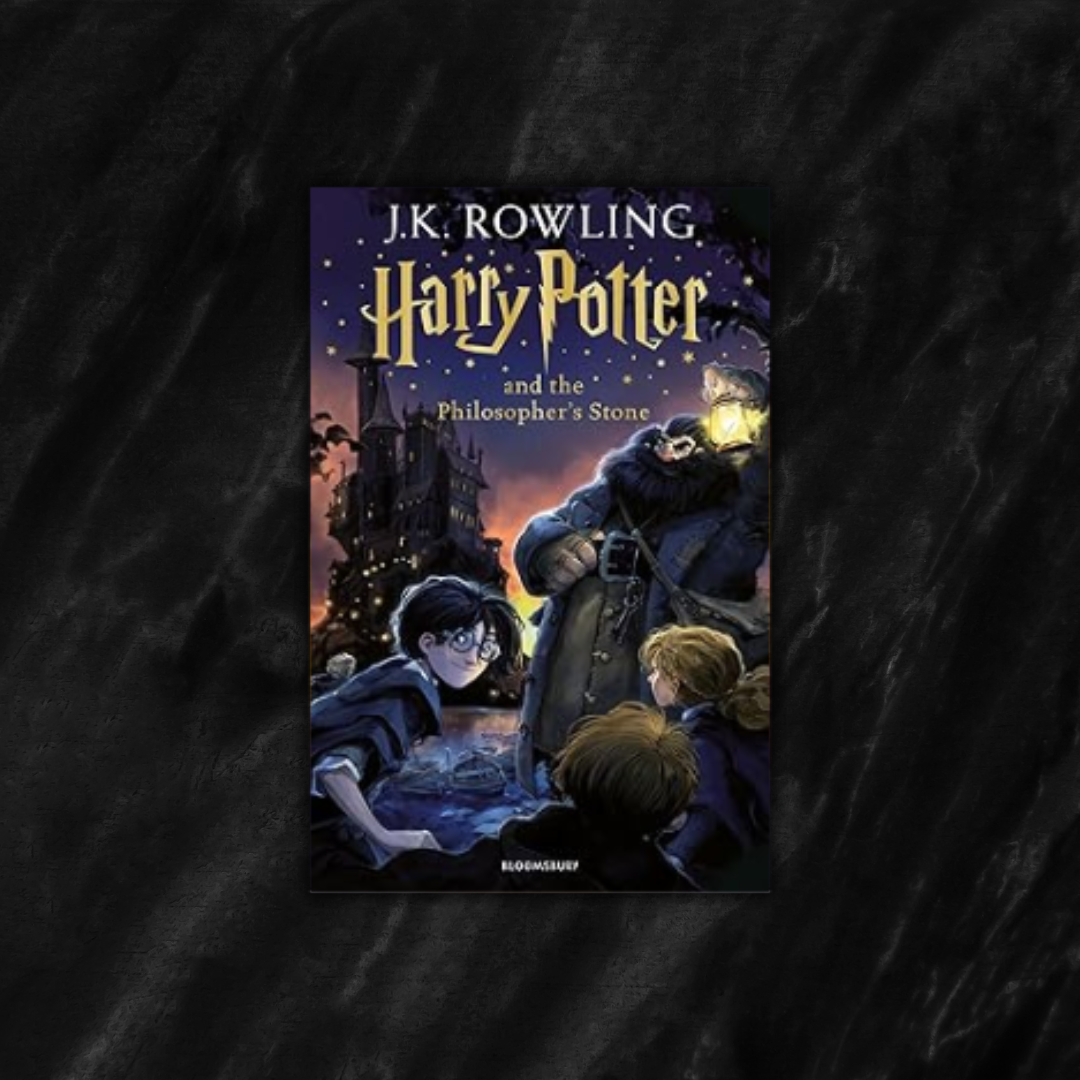
2. Harry Potter and the Philosopher’s Stone — J.K. Rowling (Novel | Ages 9–13)
Harry discovers a hidden magical world shaped by rigid rules, social hierarchies, and inherited power — where belonging is conditional and authority is rarely neutral. Beneath the spells and spectacle, the novel explores how institutions shape identity, reward conformity, and punish difference, making the magic feel both thrilling and dangerous.
Why teach it:
This is one of the most effective fantasy novels for classroom study because students invest immediately. Beyond the high-interest fantasy surface, the text supports rich discussion about belonging, fairness, loyalty, moral choice, and how systems of power influence behaviour. It works particularly well as a whole-class read or structured chapter-by-chapter study.
Classroom use:
◆ Analyse how houses, rules, and authority structures influence student behaviour
◆ Track Harry’s identity development across key moments of choice and conflict
◆ Creative task: design a school where the structure reveals its underlying values
Teaching support:
If you’re teaching this novel in depth, I’ve created a comprehensive Harry Potter and the Sorcerer’s Stone classroom bundle that supports both creative and analytical work across the entire book. It includes chapter quizzes, discussion cards, silent debates, creative and descriptive writing prompts (PDF + editable Google Slides), review activities, vocabulary games, and essay questions — making it easy to run a low-prep, high-impact fantasy unit.
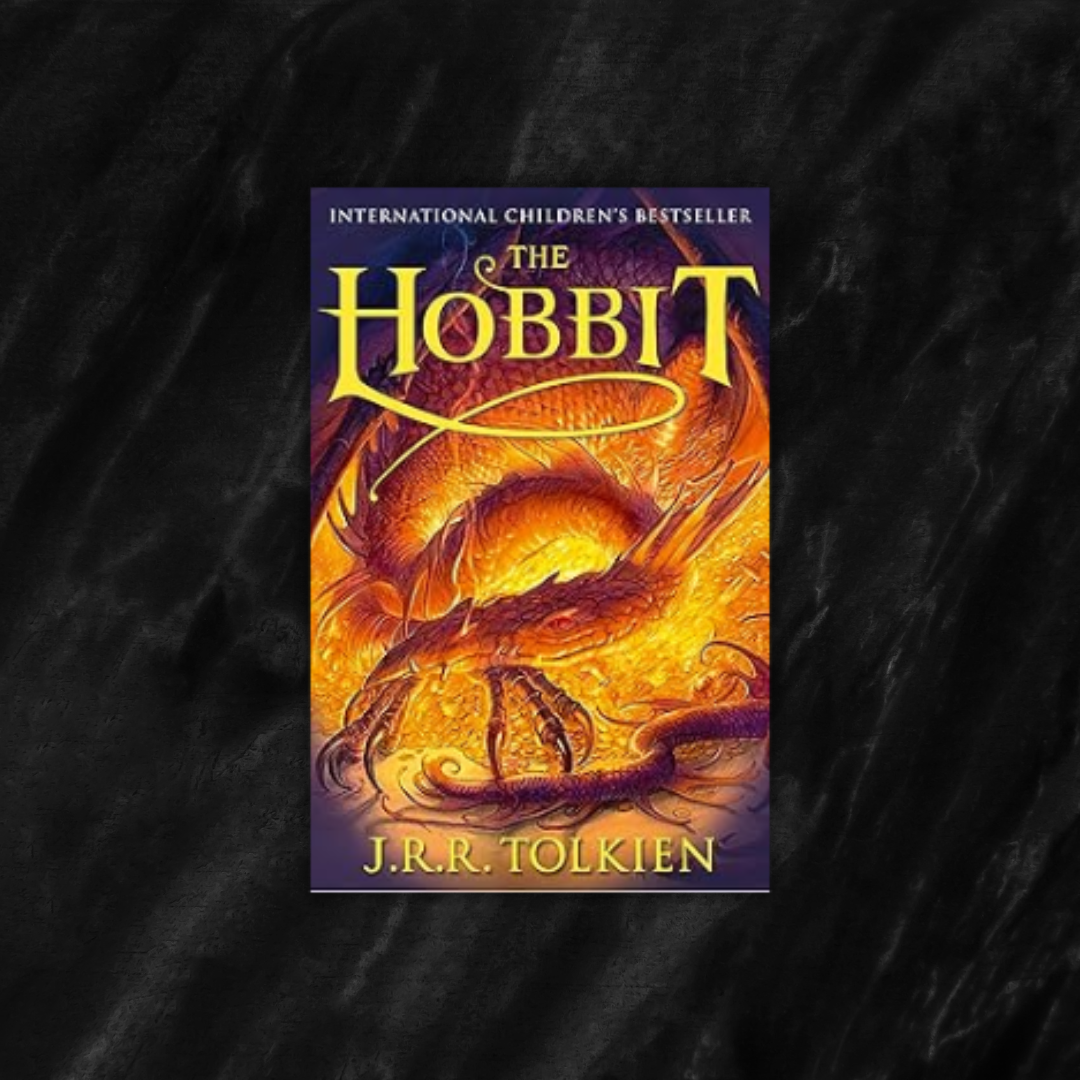
3. The Hobbit — J.R.R. Tolkien (Novel | Ages 10–14)
Bilbo Baggins is pushed out of comfort and into danger, gradually becoming someone capable of courage, strategy, and moral judgement. The episodic quest structure allows students to follow his growth step by step, while the scale of the journey still feels unmistakably epic.
Why teach it:
This is one of the clearest and most teachable examples of the hero’s journey in fantasy literature. Bilbo’s character development is visible and sustained, making it ideal for tracking change over time. The novel also introduces students to classic fantasy worldbuilding, tone, and atmosphere without overwhelming them.
Classroom use:
◆ Track Bilbo’s development through moments of risk, choice, and consequence
◆ Setting study: how landscape, distance, and danger create tension and mood
◆ Descriptive writing task: crafting a “threshold moment” where a character crosses into the unknown
4. Where the Mountain Meets the Moon — Grace Lin (Novel | Ages 9–12)
Minli sets out to change her family’s fortune and embarks on a quiet fantasy quest shaped by folktales, mythical beings, and moral choice. The narrative weaves traditional Chinese folklore directly into the journey, allowing stories, values, and lessons to emerge naturally rather than through exposition.
Why teach it:
This is an excellent fantasy novel for introducing global mythology in the classroom. Students encounter folklore, cultural values, and moral reasoning organically, without needing heavy background knowledge or historical framing. The structure makes it accessible while still offering depth.
Classroom use:
◆ Compare the embedded folktales with the main narrative: what do they add or explain?
◆ Explore how stories transmit values, warnings, and hope across generations
◆ Creative writing task: write an original folktale that could sit inside the novel and reinforce its themes
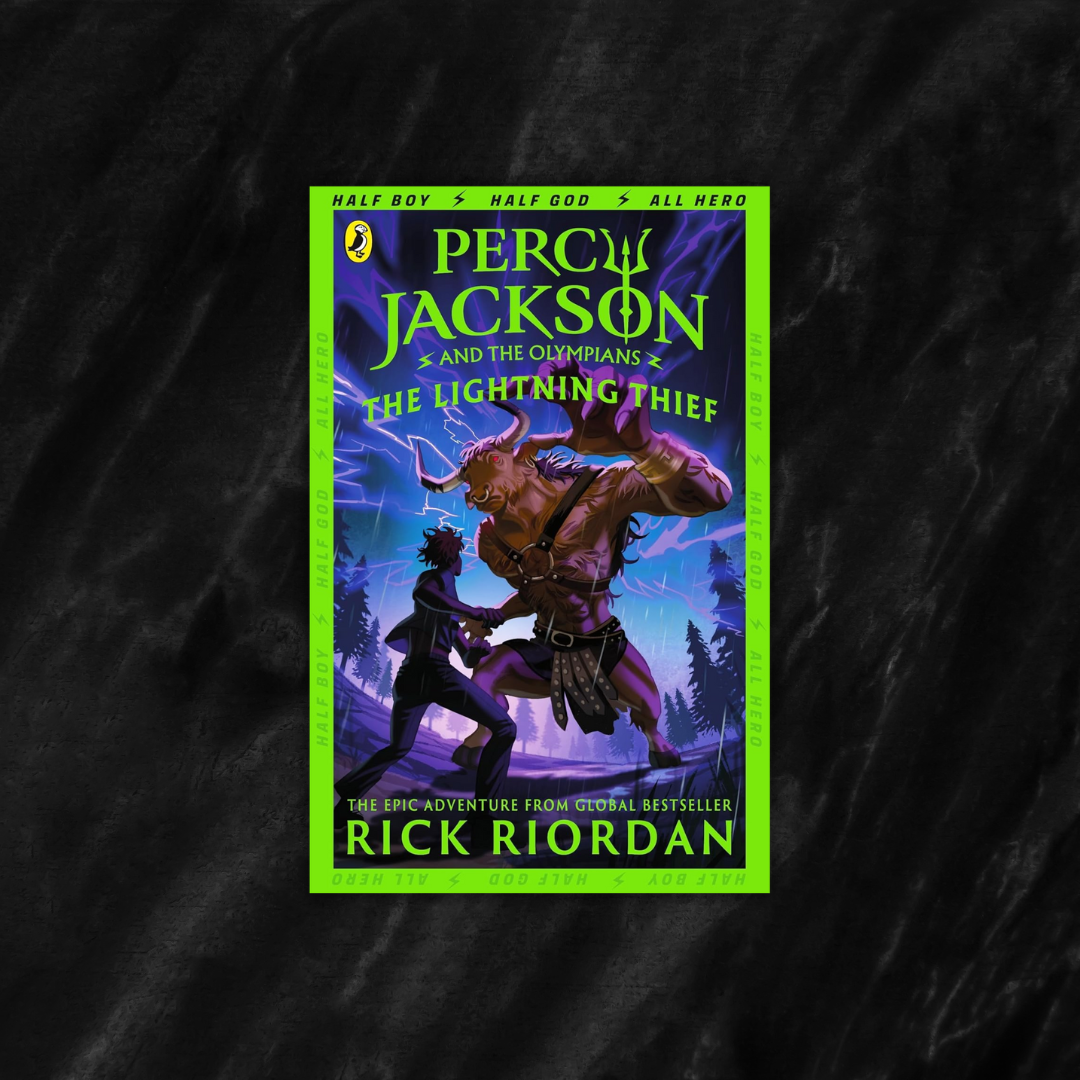
5. Percy Jackson and the Lightning Thief — Rick Riordan (Novel | Ages 9–13)
Percy discovers he’s a demigod and is launched into a modern fantasy quest where ancient gods, monsters, and prophecies collide with the contemporary world. The blend of humour, danger, and myth makes the story immediately engaging while reworking classical mythology for a modern audience.
Why teach it:
This is an ideal fantasy novel for teaching mythology, archetypes, and the hero’s journey without sacrificing pace or student interest. The fast-moving plot keeps engagement high, while the mythological framework supports structured analysis and comparison.
Classroom use:
◆ Map the stages of the hero’s journey and test how closely Percy follows them
◆ Compare ancient myths with their modern adaptations in the novel
◆ Creative writing task: modernise a myth by placing it in a familiar, contemporary setting
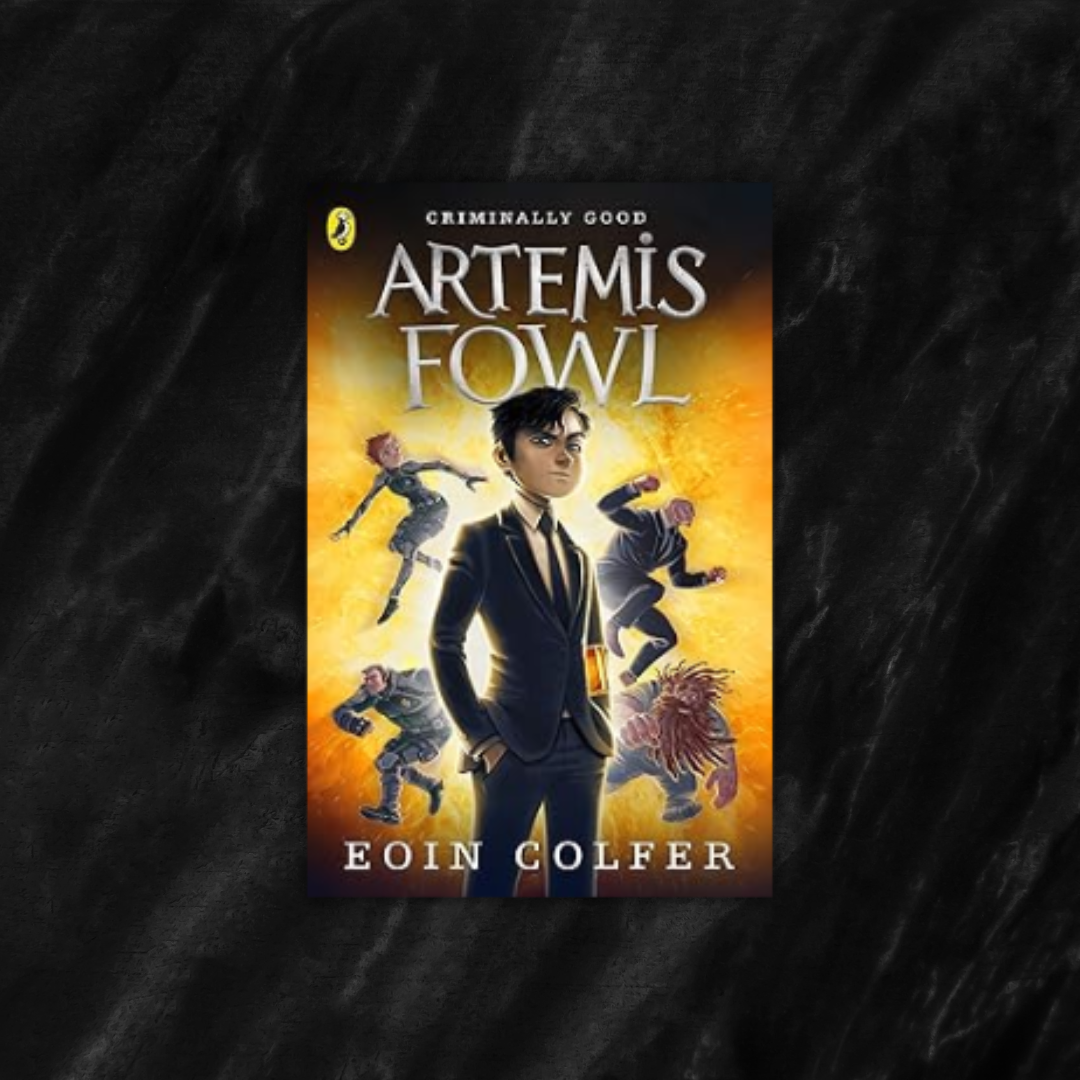
6. Artemis Fowl — Eoin Colfer (Novel | Ages 11–14)
A child criminal mastermind kidnaps a fairy — and discovers that hidden magical societies operate with their own rules, technologies, hierarchies, and ethical codes. The result is a fast-paced fantasy that blends myth, science fiction, and crime, constantly challenging readers’ assumptions about heroes and villains.
Why teach it:
This is an excellent fantasy novel for students who claim they “don’t like fantasy.” The humour, pace, and morally ambiguous protagonist hook readers quickly, while the narrative invites serious discussion about power, intelligence, ethics, and intention versus outcome.
Classroom use:
◆ Debate whether Artemis functions as a hero, a villain, or something in between
◆ Track shifting perspectives and how sympathy is manipulated
◆ Creative task: reimagine a traditional fantasy creature as part of a modern, rule-driven society
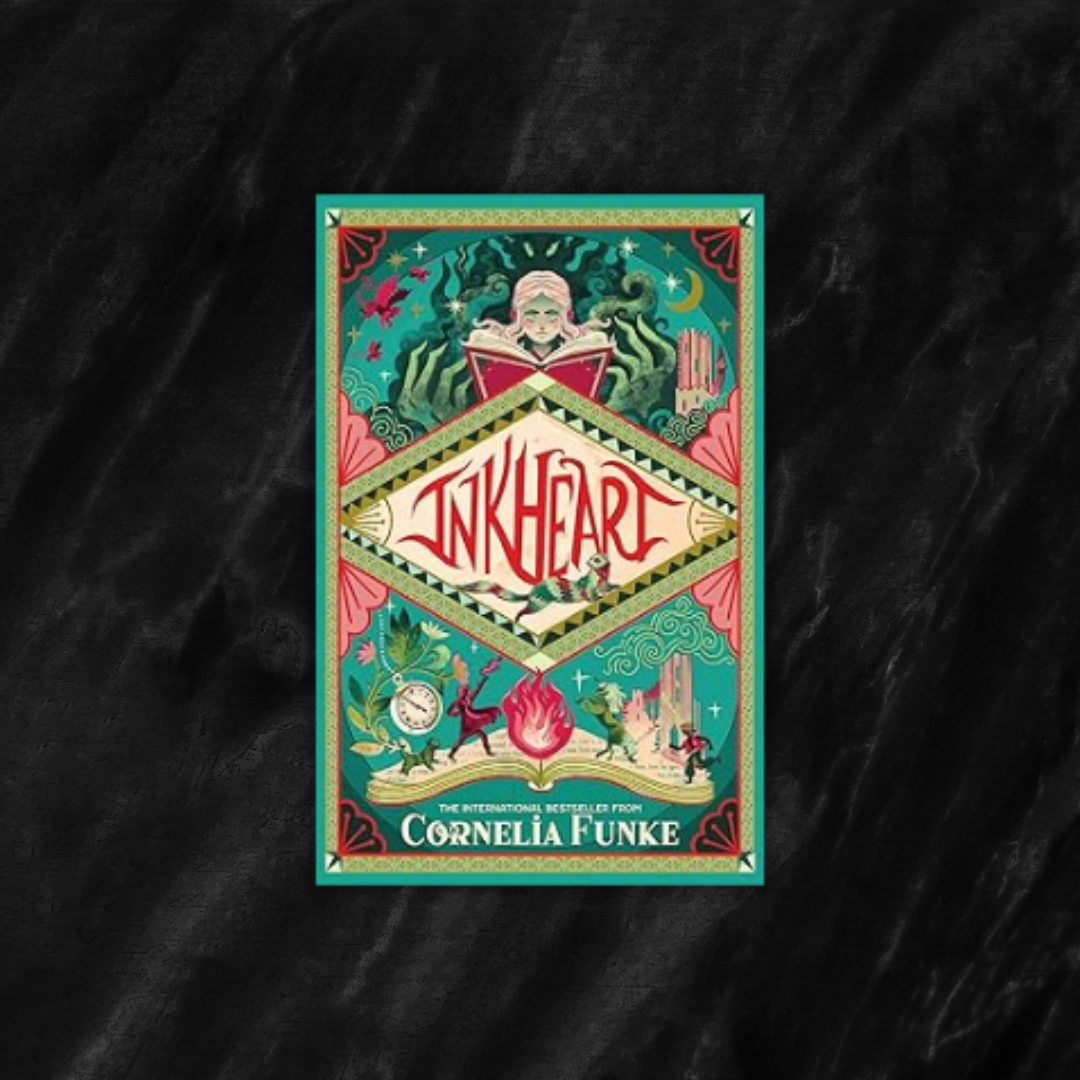
7. Inkheart — Cornelia Funke (Novel | Ages 10–14)
When characters are read out of books, stories become dangerous — and storytelling itself becomes an act with real consequences. This fantasy novel turns reading into power, asking what happens when imagination crosses into reality and who is responsible for the outcomes.
Why teach it:
This is an excellent fantasy text for developing meta-thinking about literature. It encourages students to reflect on authorship, reader responsibility, and narrative consequence, making it especially effective for teaching how stories shape actions, beliefs, and moral outcomes.
Classroom use:
◆ Discuss the ethics of storytelling: who holds responsibility when stories cause harm?
◆ Creative writing task: which character would you bring into the real world — and why?
◆ Analytical writing: explore how the novel presents narrative as power rather than entertainment
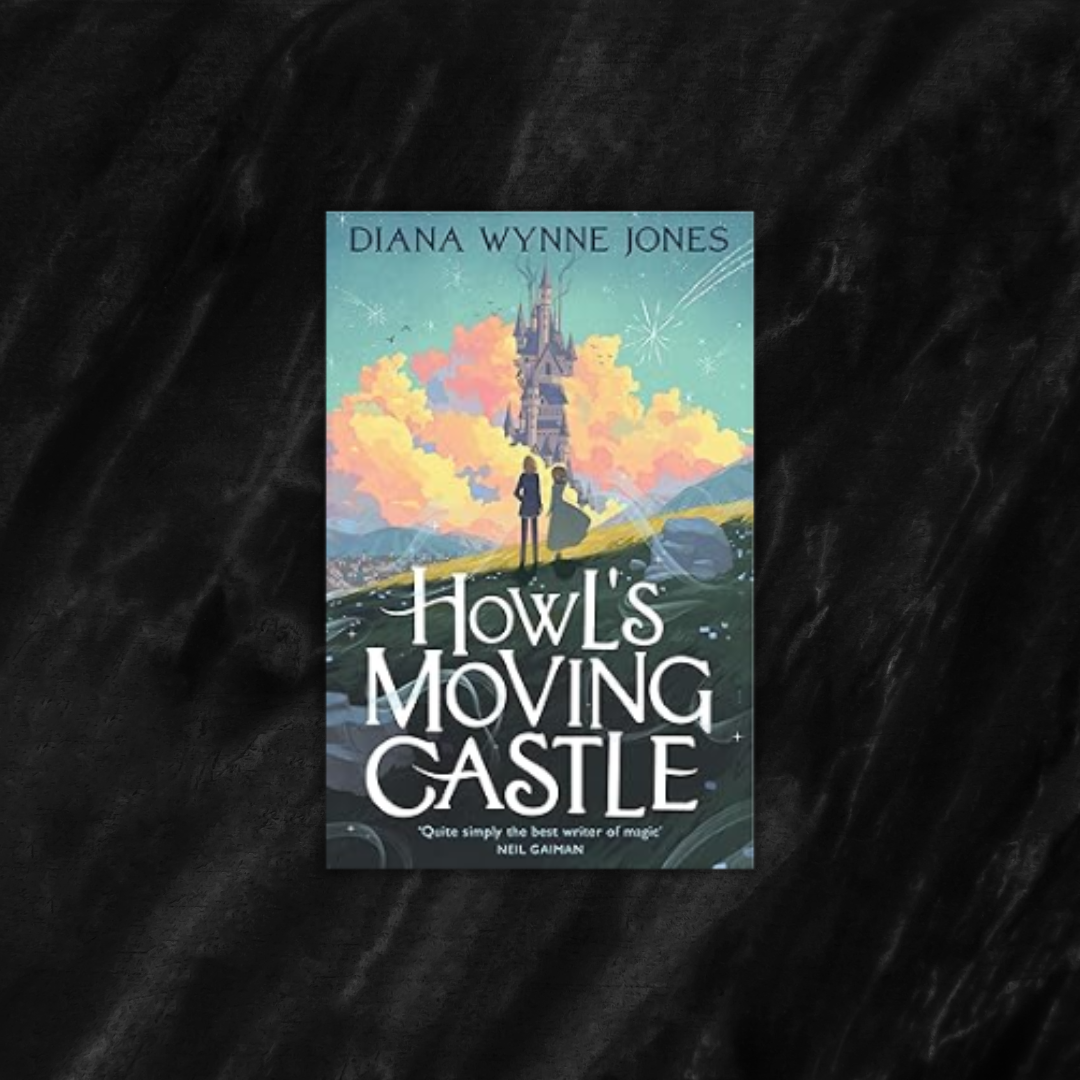
8. Howl’s Moving Castle — Diana Wynne Jones (Novel | Ages 11–14)
A young woman is cursed into an altered body and finds herself living in a moving castle with a wizard who is far less heroic — and far more complicated — than his reputation suggests. The story plays with fairy-tale expectations, using humour and magic to explore identity, power, and self-perception.
Why teach it:
This fantasy novel is ideal for character-focused classroom study. It subverts familiar fairy-tale tropes without becoming dense or didactic, allowing students to analyse identity, confidence, and power dynamics in a way that feels engaging rather than heavy.
Classroom use:
◆ Identity study: appearance versus reality and how perception shapes behaviour
◆ Explore power dynamics in relationships and who holds control — and why
◆ Creative writing task: build a setting that reflects a character’s internal conflict
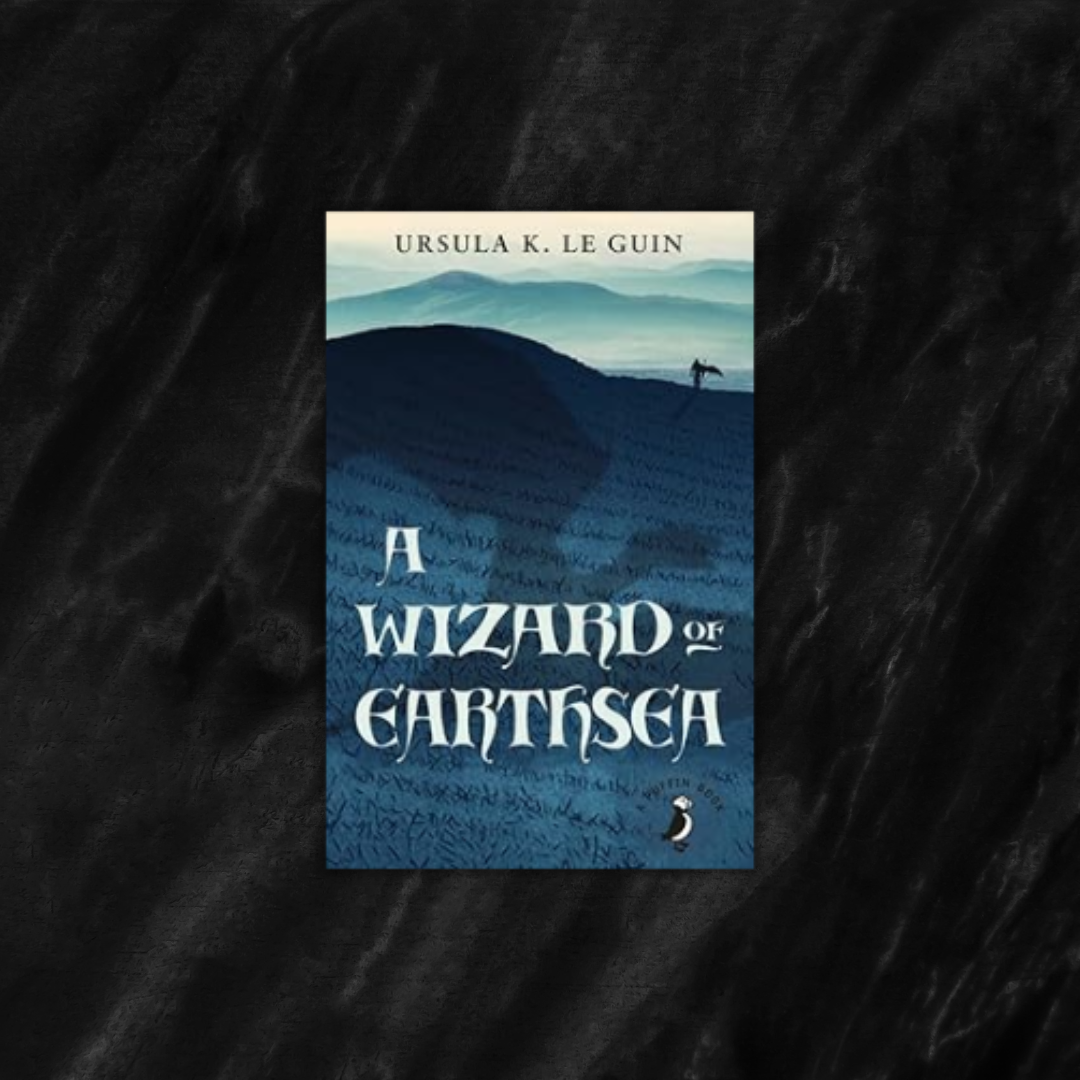
9. A Wizard of Earthsea — Ursula K. Le Guin (Novel | Ages 12–15)
Ged unleashes a shadow born of arrogance and must spend the rest of the novel confronting what he has created. The journey is as internal as it is physical, turning the fantasy quest into a meditation on responsibility, identity, and the cost of unchecked pride.
Why teach it:
This is fantasy with genuine literary weight. The novel supports deep analysis of responsibility, self-knowledge, and moral consequence, making it ideal for students ready to engage with symbolism, restraint, and slow-burning character development.
Classroom use:
◆ Symbolism study: names, shadows, balance, and true power
◆ Character arc analysis: how pride transforms into understanding
◆ Reflective writing task: facing the consequences of one irreversible choice
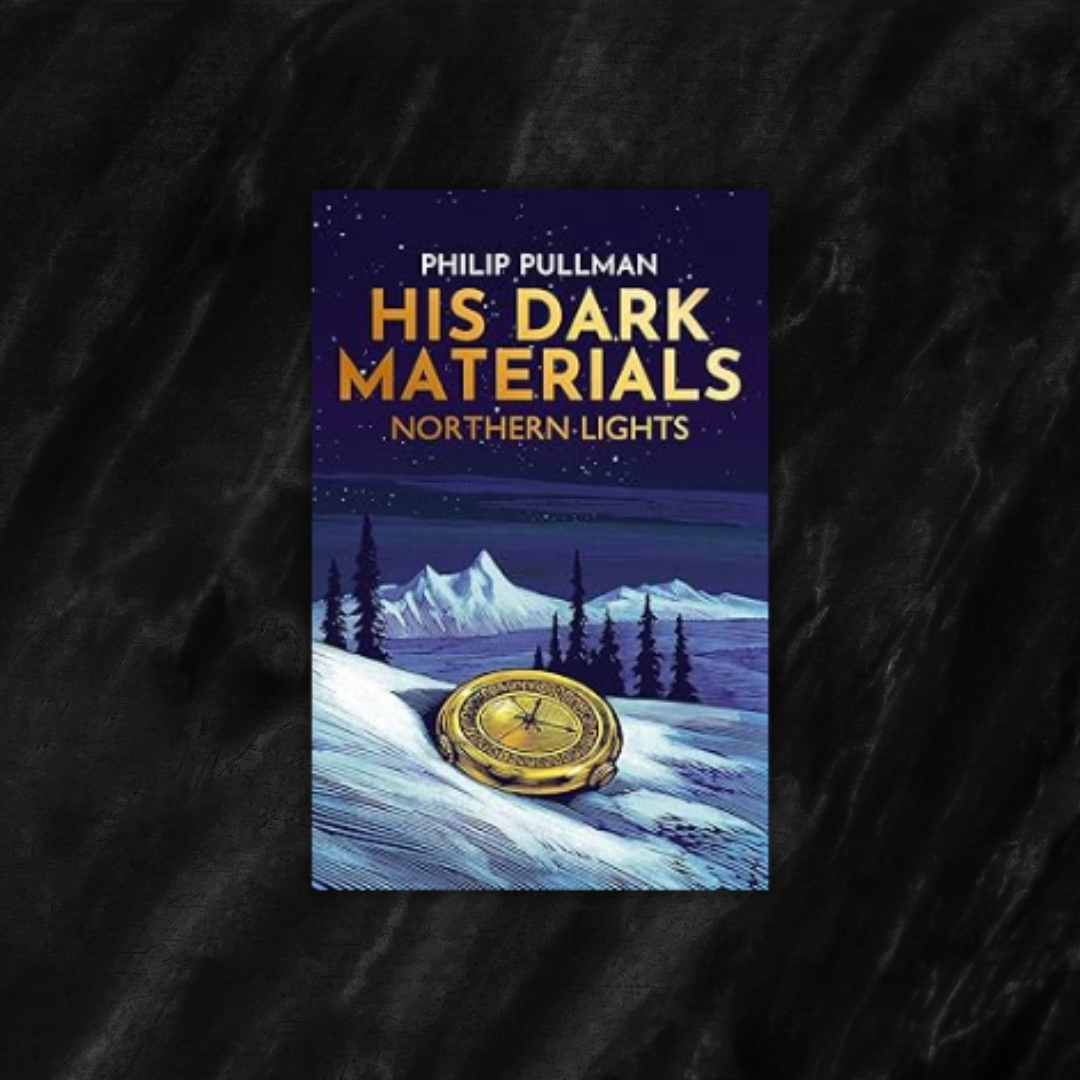
10. Northern Lights — Philip Pullman (Novel | Ages 12–16)
Lyra navigates parallel worlds shaped by authority, belief, and moral complexity in a fantasy narrative that blends high-stakes adventure with philosophical depth. As she moves through increasingly dangerous systems of power, the novel asks urgent questions about truth, obedience, and who gets to decide what is right.
Why teach it:
This is a powerful fantasy novel for classroom study because it remains gripping while inviting serious discussion about power, free will, knowledge, and control. Students are drawn in by the plot, then challenged to think critically about institutions, ideology, and moral responsibility.
Classroom use:
◆ Debate authority and obedience: when is resistance justified?
◆ Symbol study: dæmons, Dust, the alethiometer, and what they represent
◆ Creative writing task: design a dæmon that reflects a character’s inner self
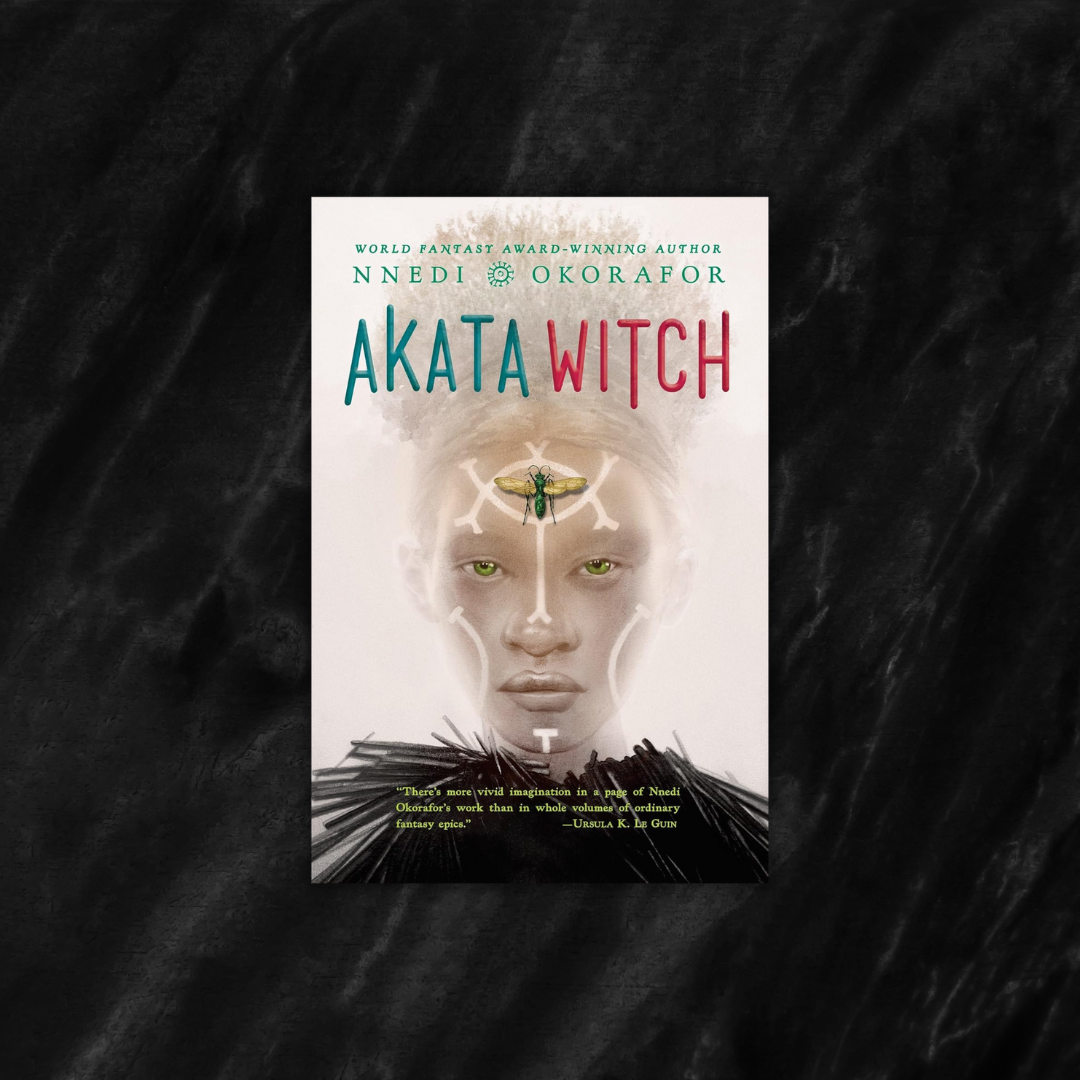
11. Akata Witch — Nnedi Okorafor (Novel | Ages 11–14)
A Nigerian-American girl discovers a hidden magical society rooted in West African folklore, where power, tradition, and community operate by rules very different from those in familiar Eurocentric fantasy worlds. The novel blends contemporary life with indigenous mythology, creating a fantasy landscape that feels both immediate and deeply cultural.
Why teach it:
This fantasy novel broadens students’ understanding of what the genre can be — culturally, structurally, and thematically. It challenges narrow expectations of fantasy while supporting discussion about identity, belonging, heritage, and power.
Classroom use:
◆ Discussion focus: identity, belonging, and cultural hybridity
◆ Compare magic systems across fantasy texts and what they reveal about values
◆ Research task: explore folklore-inspired elements and how they shape the world of the novel
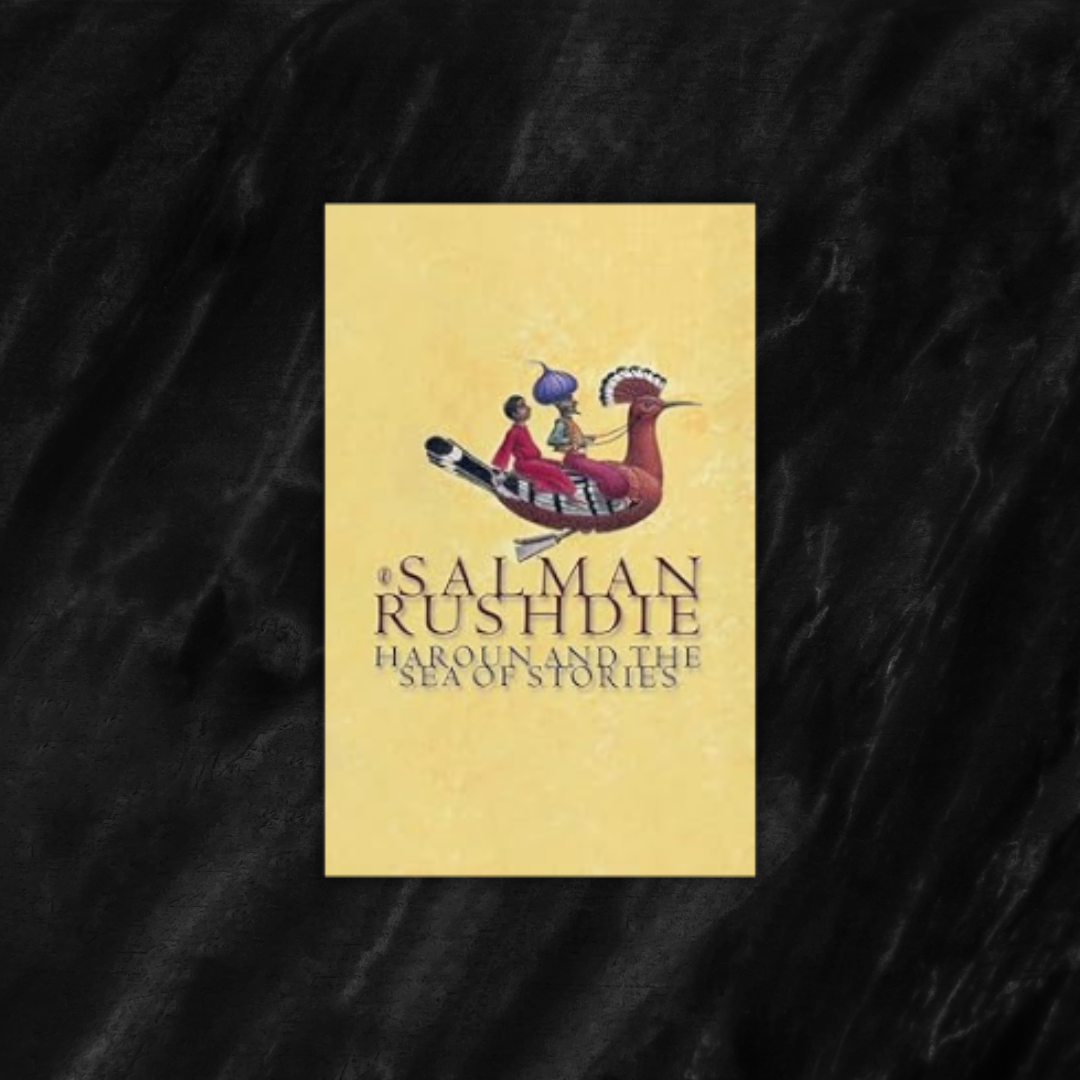
12. Haroun and the Sea of Stories — Salman Rushdie (Novel | Ages 11–14)
A boy travels to a fantastical world where stories are systematically silenced and imagination itself is under threat. As narrative becomes a battleground, the novel turns fantasy into an allegory about censorship, control, and the power of voice.
Why teach it:
This is a highly teachable fantasy text for exploring allegory, freedom of expression, and the cultural importance of storytelling. It allows students to engage with serious ideas about suppression and resistance at a safe imaginative distance.
Classroom use:
◆ Allegory analysis: what does silence represent, and who benefits from it?
◆ Discussion: Why do stories matter in societies under control?
◆ Creative writing task: design a world powered — or threatened — by narrative
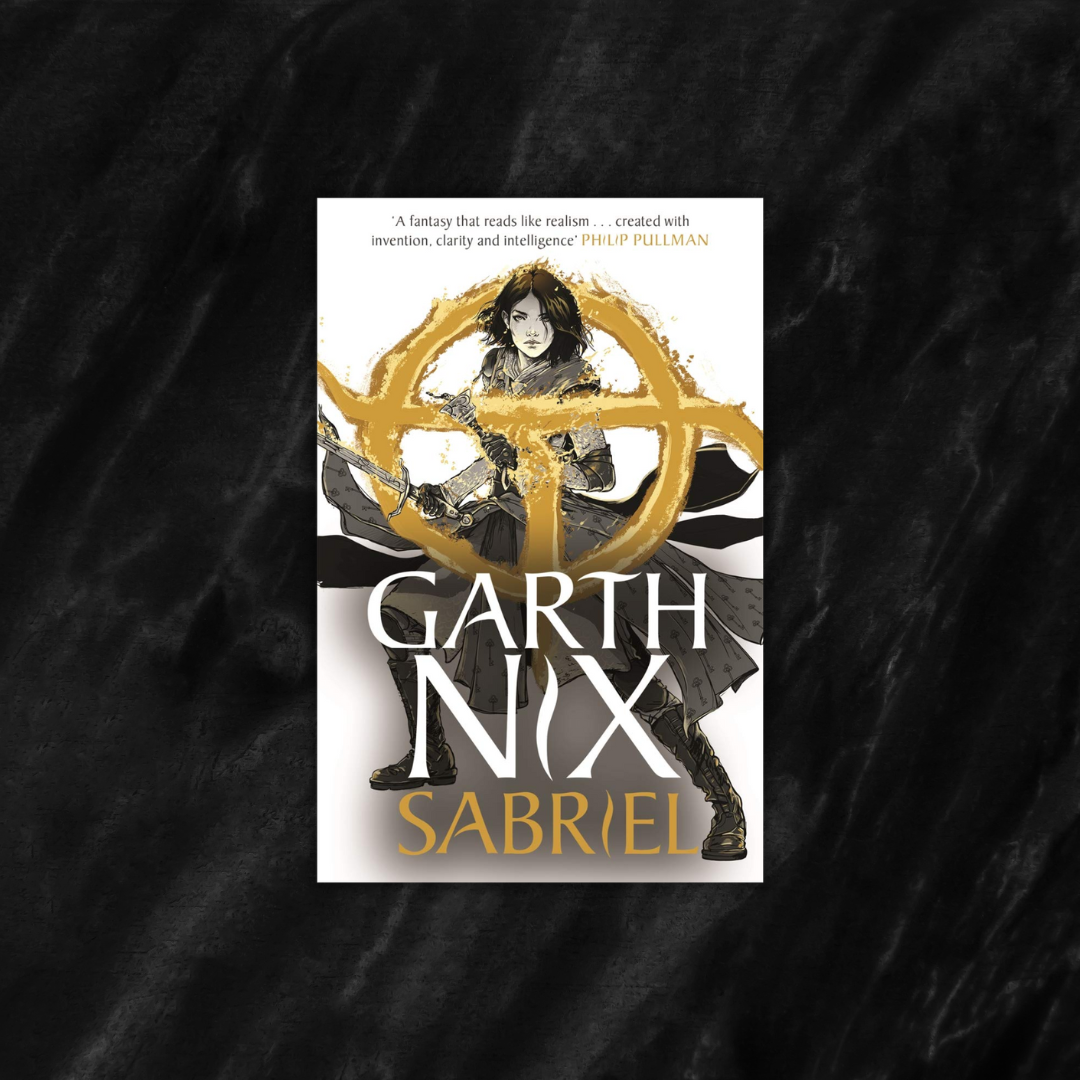
13. Sabriel — Garth Nix (Novel | Ages 14–18)
A young woman inherits the dangerous role of Abhorsen, tasked with maintaining the boundary between the living and the dead. As she confronts necromancy, loss, and inherited duty, the novel builds a dark, immersive fantasy world where responsibility carries real moral and emotional cost.
Why teach it:
This is a richly atmospheric fantasy novel with significant ethical weight. It’s particularly effective for older students ready to engage with questions of duty, sacrifice, mortality, and moral responsibility within a fully realised fantasy world.
Classroom use:
◆ Explore duty and sacrifice: when responsibility is chosen versus imposed
◆ Analyse worldbuilding and magic systems as reflections of moral order
◆ Compare portrayals of death, control, and the afterlife across fantasy texts
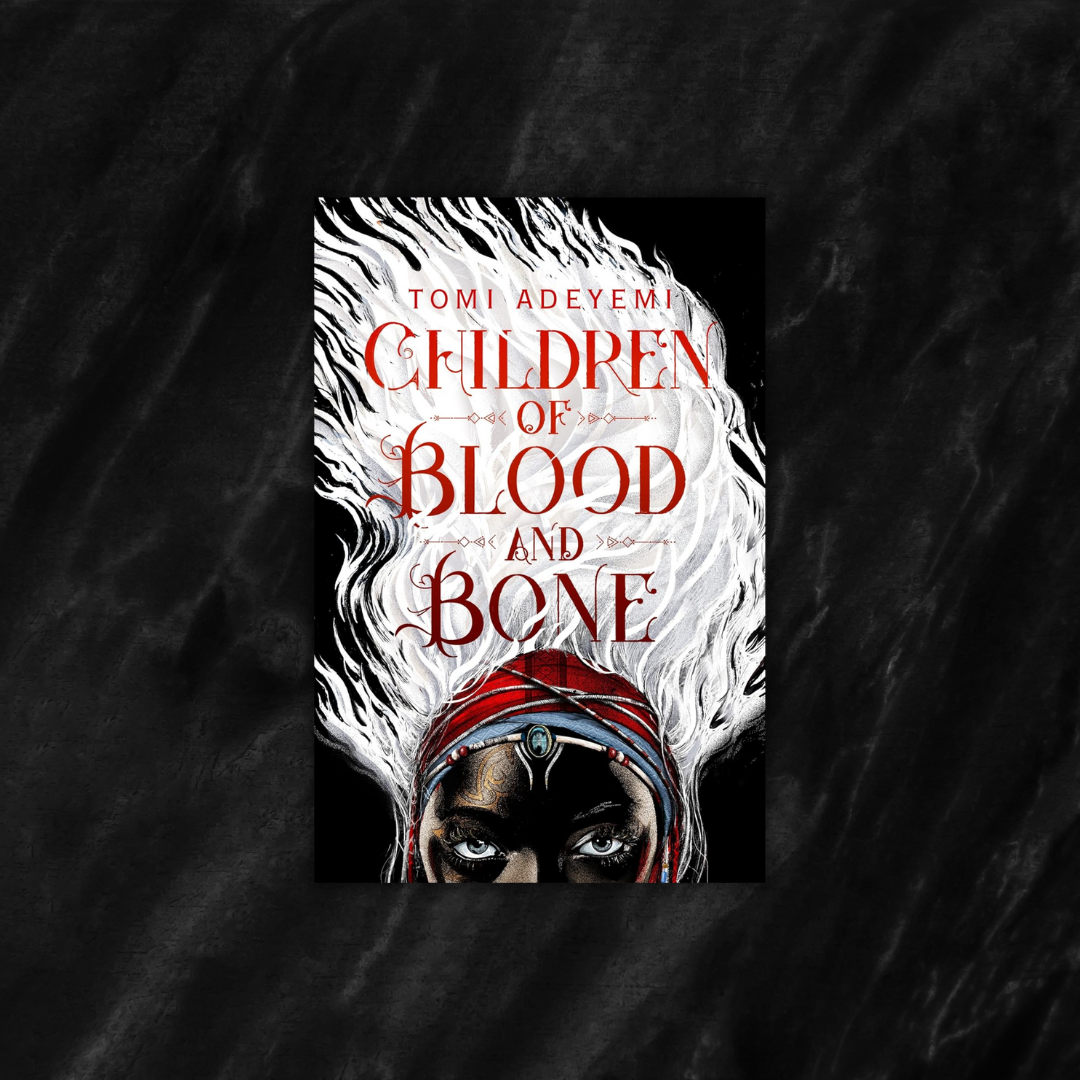
14. Children of Blood and Bone — Tomi Adeyemi (Novel | Ages 14–18)
Magic, oppression, and rebellion collide in a West African–inspired fantasy world where power is inherited, controlled, and violently suppressed. The novel uses epic fantasy stakes to explore systemic injustice, fear-driven authority, and the cost of resistance.
Why teach it:
This fantasy novel is a powerful vehicle for discussing injustice, resistance, and power through allegory. By placing real-world structures of oppression into a fantasy setting, it allows students to analyse difficult themes at a safe distance while still engaging critically and emotionally.
Classroom use:
◆ Analyse allegorical systems: who holds power, who is excluded, and why
◆ Compare rebellion narratives across fantasy texts and real-world movements
◆ Debate moral compromise: when does resistance justify harm?
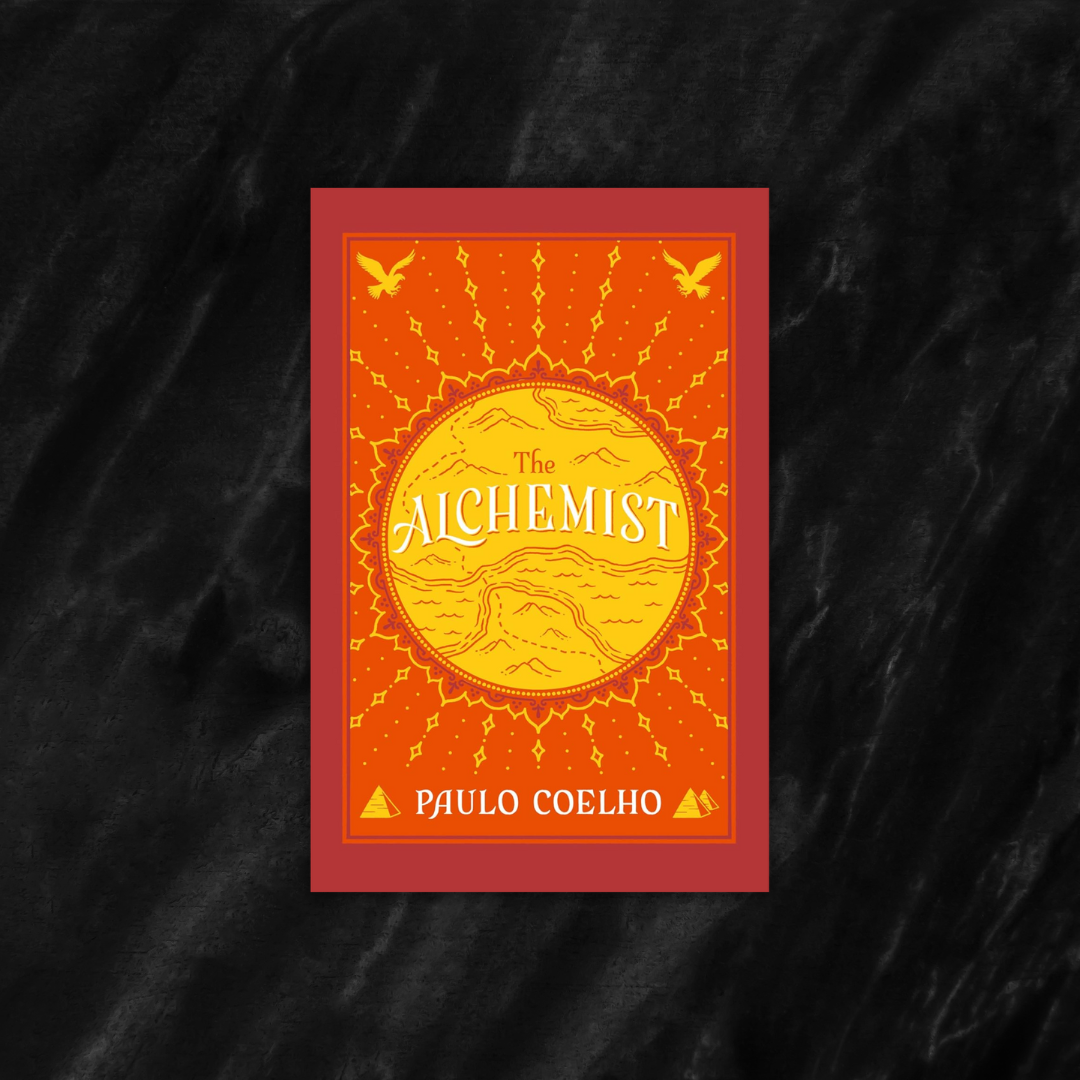
15. The Alchemist — Paulo Coelho (Novel | Ages 13–18)
A shepherd follows a recurring dream across the desert, encountering omens, mentors, and moments of doubt that challenge his understanding of purpose and belief. The journey reframes success as persistence, interpretation, and willingness to take risk rather than certainty or reward.
Why teach it:
This fantasy novel supports thoughtful reflection without demanding personal disclosure. Its allegorical structure invites students to explore ambition, choice, and resilience through symbolism rather than confession, making it especially effective in mixed or cautious classroom environments.
Classroom use:
◆ Track symbols and recurring motifs and how their meanings evolve
◆ Analyse aphorisms and Coelho’s deliberate simplicity of style
◆ Personal writing task: define a goal through metaphor rather than autobiography
Fantasy in the Classroom: Common Questions
Why are fantasy novels effective for classroom study?
Fantasy creates imaginative distance while still exploring real-world ideas like power, identity, morality, and belonging. That distance often makes students more willing to engage in discussion, debate, and interpretation without feeling personally exposed.
Can fantasy novels support serious literary analysis?
Absolutely. High-quality fantasy texts offer rich symbolism, complex character arcs, ethical dilemmas, and carefully structured worlds. Many support the same depth of analysis as realist literature — sometimes more effectively because systems of power and consequence are made visible.
Do fantasy novels work for different ages and abilities?
Yes. Most fantasy novels are highly adaptable. By adjusting discussion depth, writing expectations, or paired tasks, the same text can support surface-level comprehension or deeper thematic analysis, making fantasy especially useful in mixed-ability classrooms.
Are fantasy novels suitable for reluctant readers?
Often, they’re ideal. Fantasy’s sense of momentum, danger, and discovery helps hook students who struggle to engage with slower or more abstract texts. At the same time, strong fantasy rewards close reading, making it valuable beyond initial engagement.
Do fantasy novels need to be taught as full units?
Not at all. Many fantasy texts work best as short units, anchor chapters, book-club reads, or genre studies. Even a small section of a well-chosen fantasy novel can generate rich discussion and purposeful writing.
How can fantasy support creative writing in the classroom?
Fantasy offers clear models for worldbuilding, character development, atmosphere, and narrative structure. Students can analyse how these elements work, then apply them to their own writing with confidence and control.
Final Thoughts
Fantasy doesn’t dilute thinking — it sharpens it.
The strongest fantasy novels invite students to examine power, identity, fear, responsibility, and choice through stories that feel meaningful rather than instructional. They provide space for ethical debate, imaginative risk-taking, and genuine curiosity, while still supporting rigorous analysis and structured writing.
Whether you use these texts as anchor reads, short units, or discussion starters, a single well-chosen fantasy novel can reset momentum, deepen engagement, and remind students why stories matter in the first place.
