Notes from the Inkpot
Writing, teaching, creating - one ink-stained idea at a time.

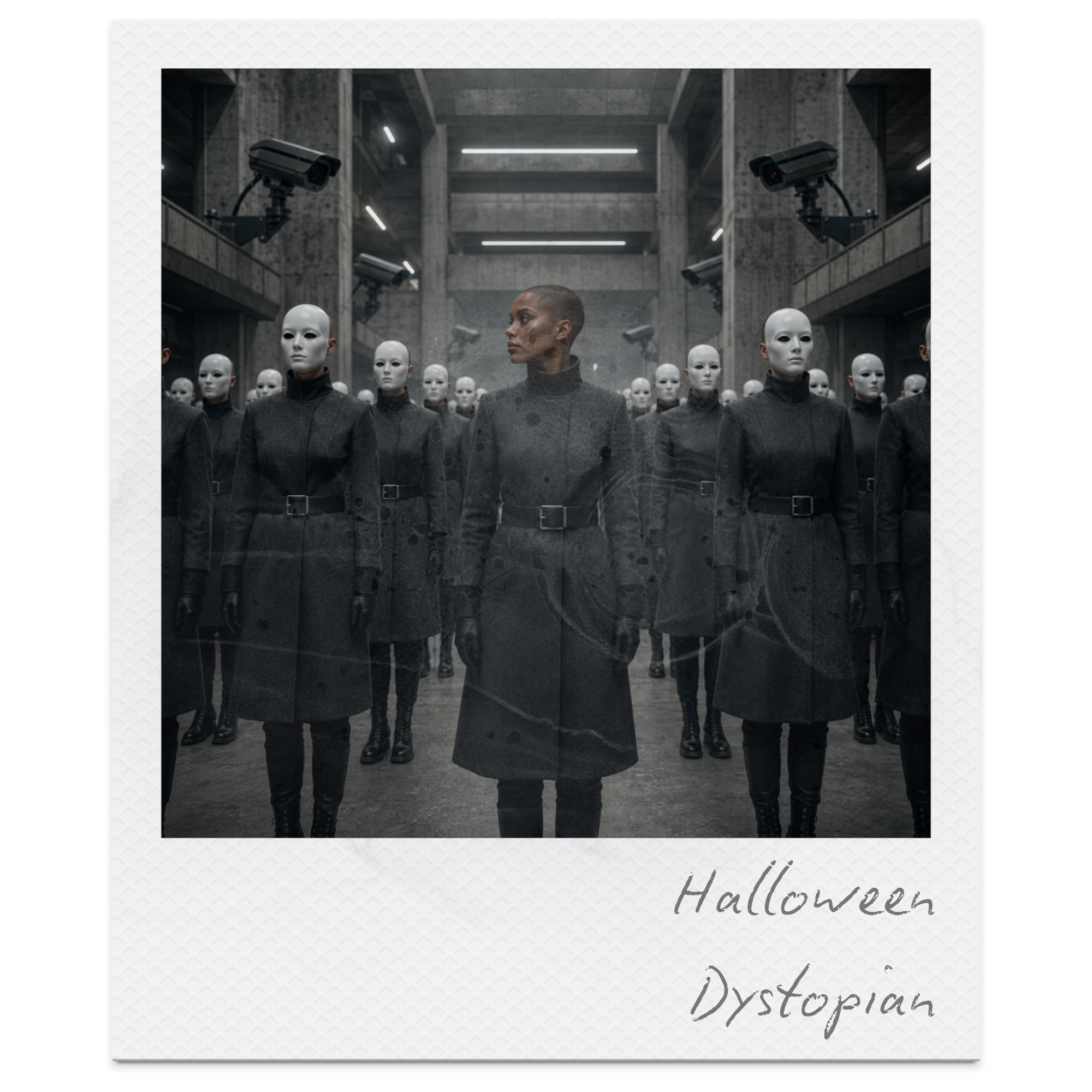
70 Halloween Dystopian Writing Prompts: Dark Futures, Control & Rebellion
Explore 70 Halloween Dystopian Writing Prompts featuring masked societies, government-controlled celebrations, surveillance, censorship and temporary freedom. Discover plot ideas, story titles, opening and closing lines, characters, unsettling settings and cinematic picture prompts exploring authoritarian futures where Halloween becomes a night of rebellion, hidden identities and dangerous choices.
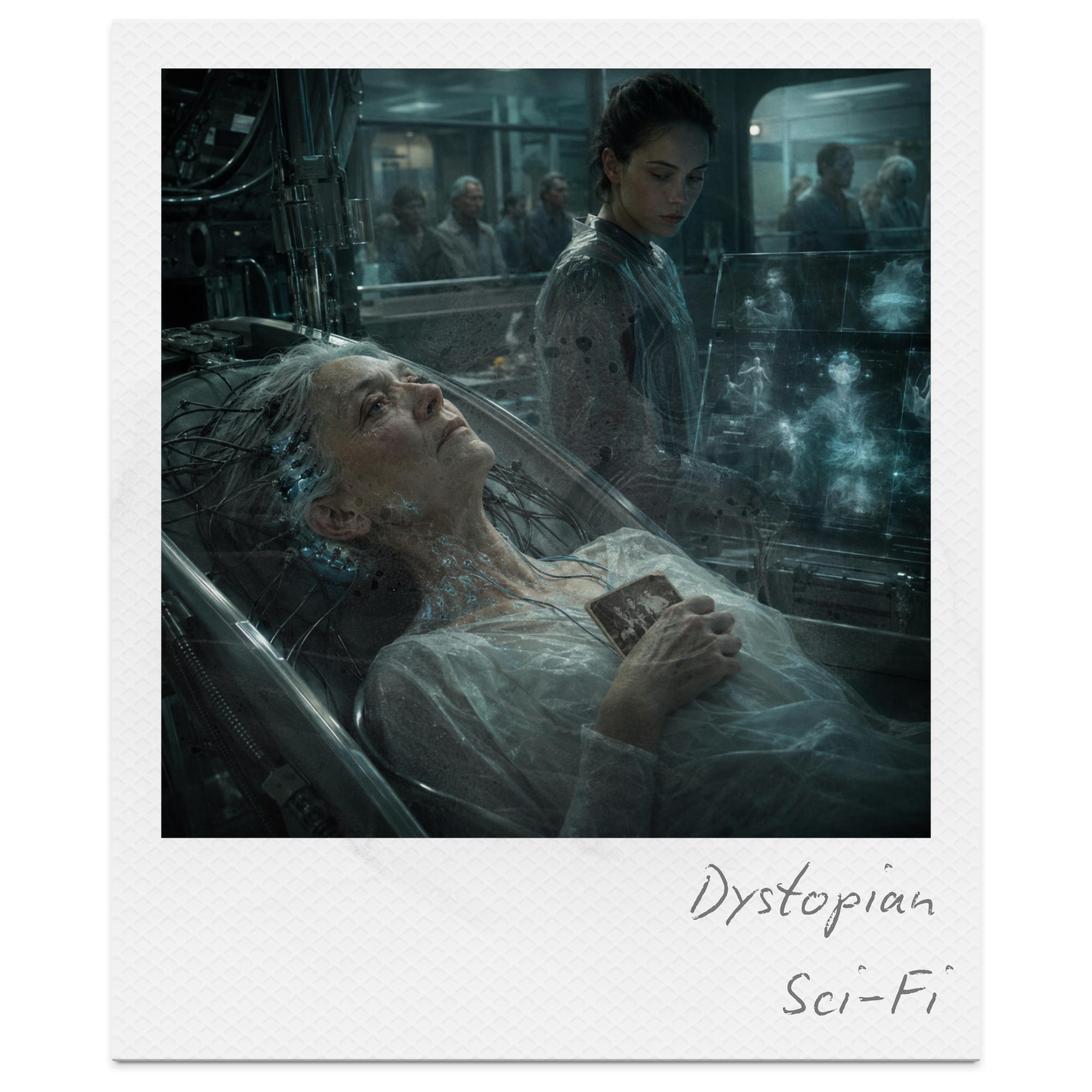
70 Dystopian Sci-Fi Writing Prompts: Dark Futures, Technology & Rebellion
Explore 70 Dystopian Sci-Fi Writing Prompts featuring dark futures, artificial intelligence, surveillance states, technological control and rebellion. Discover sci-fi plot ideas, story titles, opening and closing lines, futuristic characters, dystopian settings and cinematic picture prompts designed to inspire original stories. Perfect for writers exploring authoritarian societies, corporate power, dangerous technology and speculative futures where progress comes at a cost.
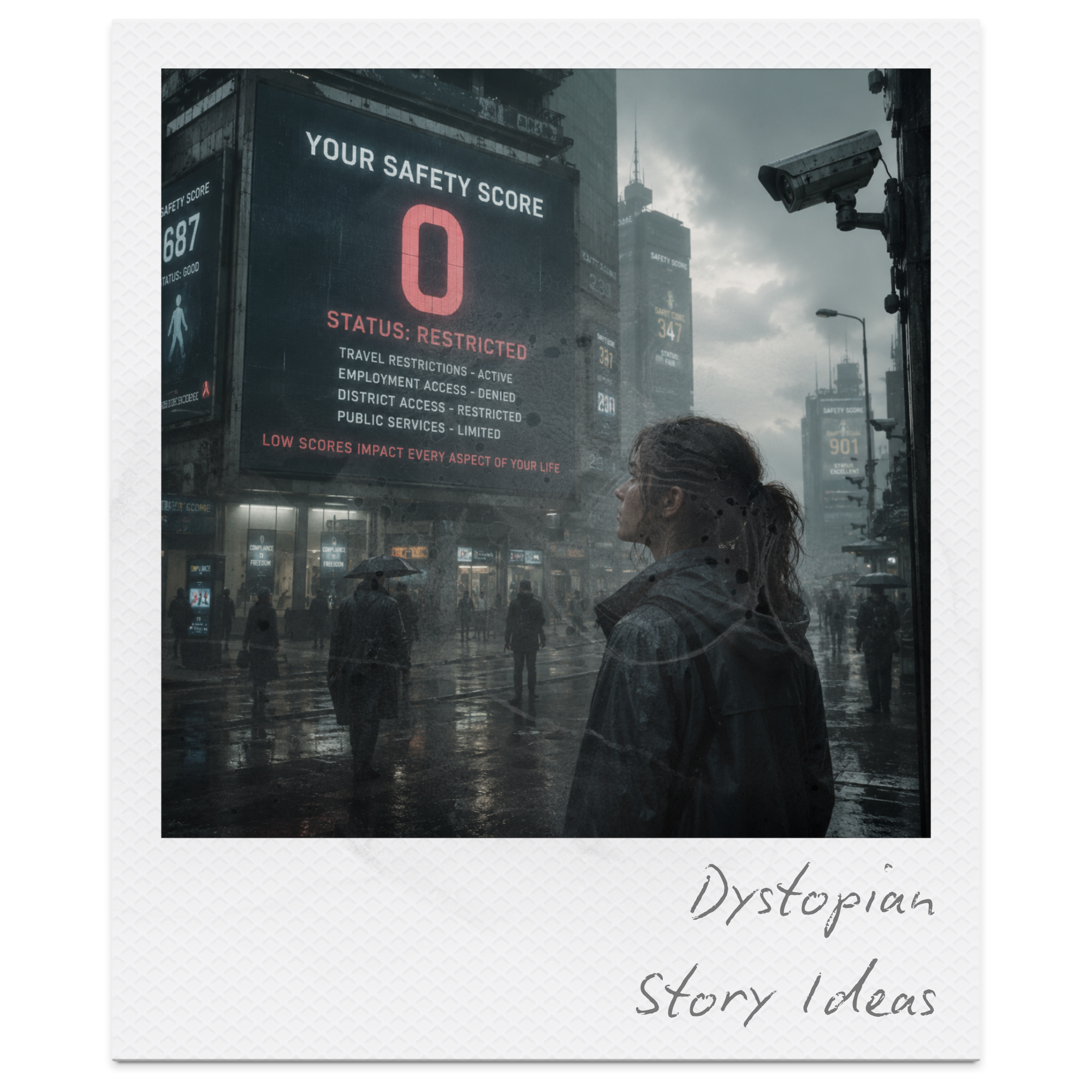
100 Dystopian Story Ideas: Dark Futures, Broken Societies & Rebellion Writing Prompts
Explore 100 dystopian story ideas filled with surveillance, authoritarian governments, artificial intelligence, environmental collapse, inequality, censorship, social control and rebellion. Each prompt takes a different element of society and pushes it into an unsettling future where safety, progress and perfection often come with an unexpected cost. From citizens whose lives are controlled by algorithms to perfect communities hiding uncomfortable truths, these dystopian writing prompts are designed to inspire original stories, complex societies and speculative worlds that ask difficult questions about power, freedom, identity and what we might sacrifice for a better future.
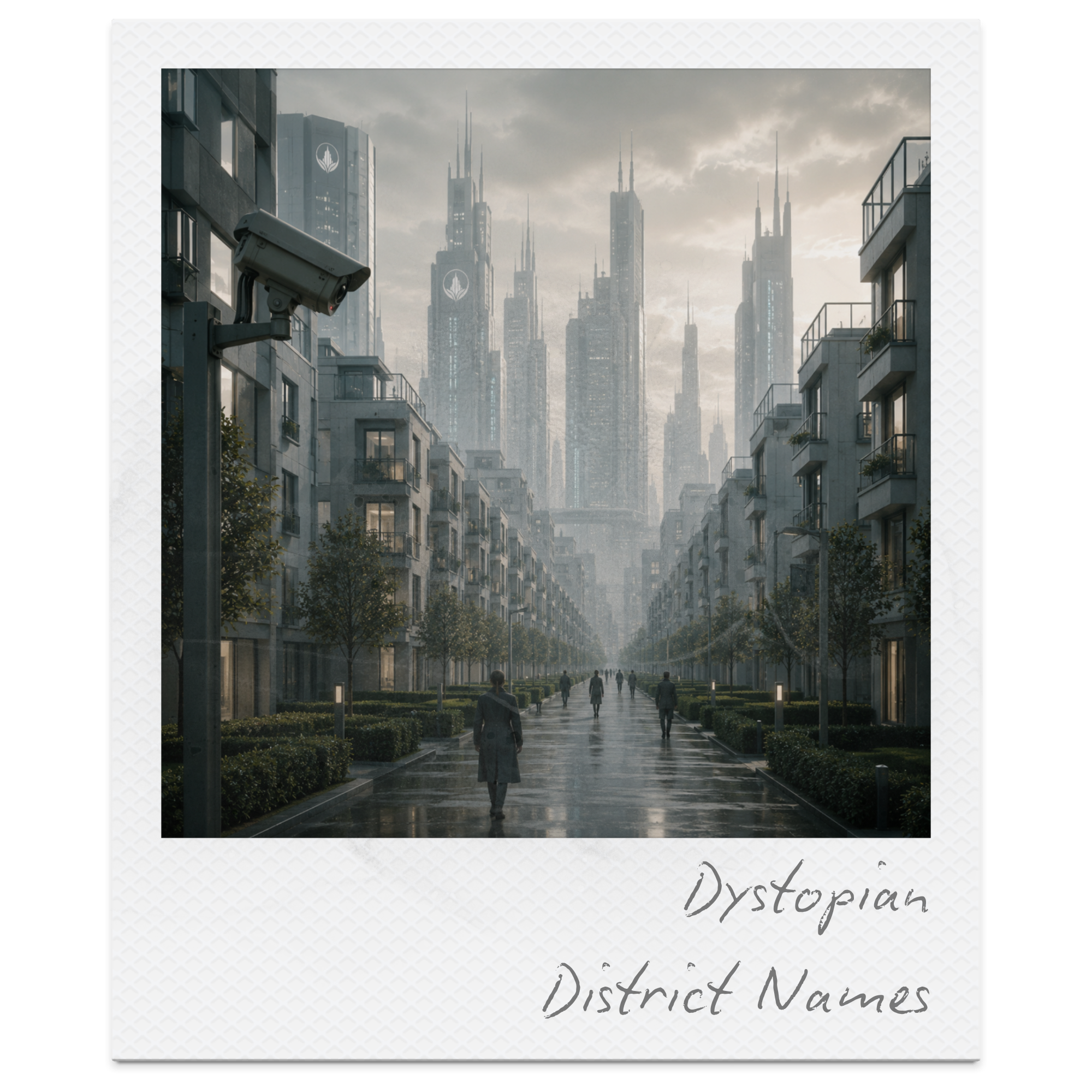
100 Dystopian District & Sector Names (With Meanings and Story Ideas)
From government headquarters and corporate zones to underground resistance sectors and abandoned quarantine districts, these 100 dystopian district and sector names are designed to bring your fictional cities to life. Each name includes its meaning and a story idea to help you create immersive settings filled with surveillance, propaganda, inequality, rebellion, and the hidden histories that define unforgettable dystopian worlds.
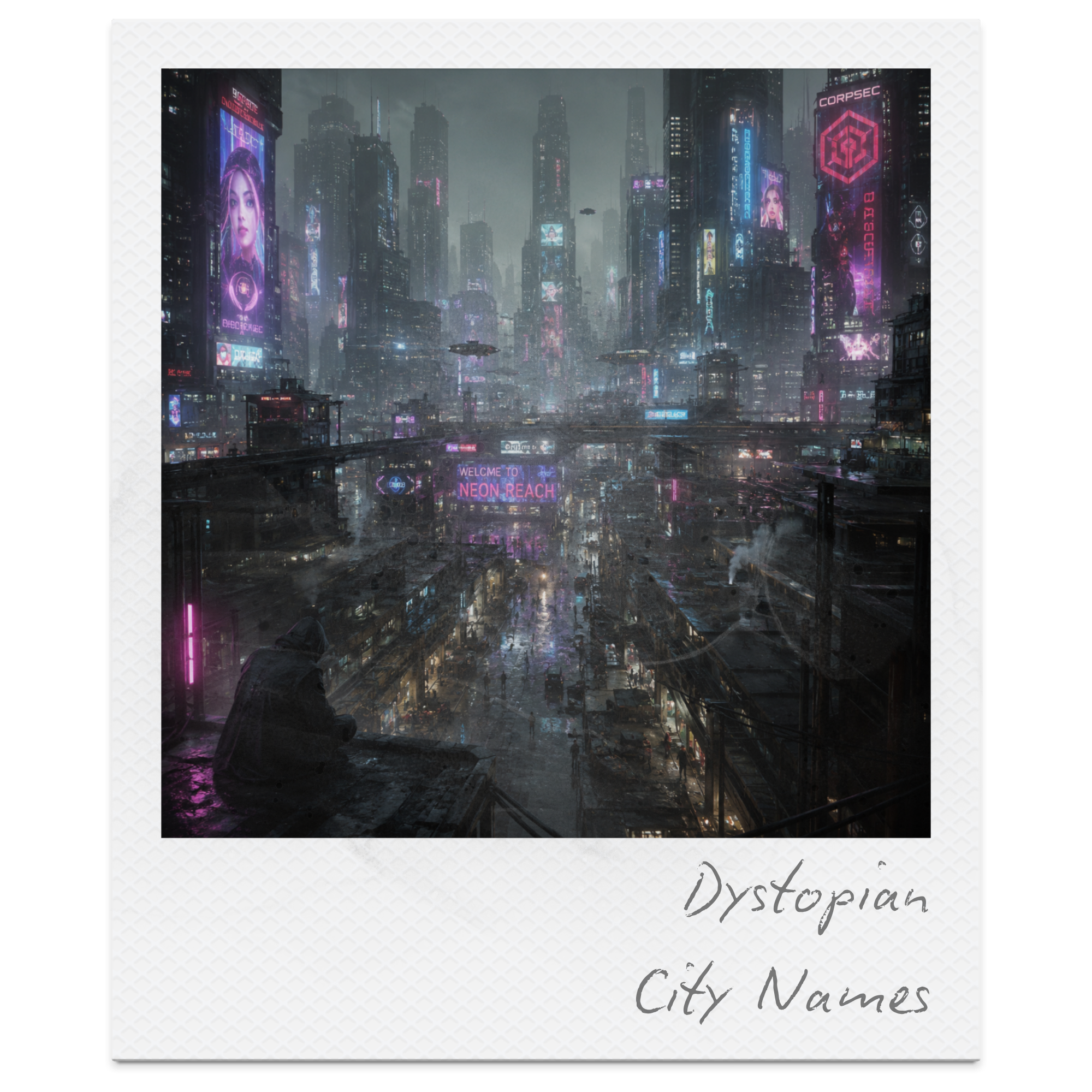
100 Dystopian City Names (With Meanings and Story Ideas)
Whether you're designing an authoritarian capital, a neon-lit cyberpunk metropolis, a fortified city hidden behind towering walls, or the last surviving settlement after civilisation has fallen, the right city name can instantly establish the tone of your world. These 100 dystopian city names are designed to inspire immersive settings across speculative fiction, with meanings and story ideas to help you create memorable locations that feel rich with history, conflict, and possibility.
100 Dystopian Character Names (With Meanings and Story Ideas)
Discover 100 unique dystopian character names complete with meanings, symbolism, and story ideas. From rebels and resistance fighters to government officials, scientists, corporate executives, hackers, and ordinary citizens, these names are designed to help you create memorable characters for dystopian, cyberpunk, post-apocalyptic, speculative fiction, and sci-fi stories.
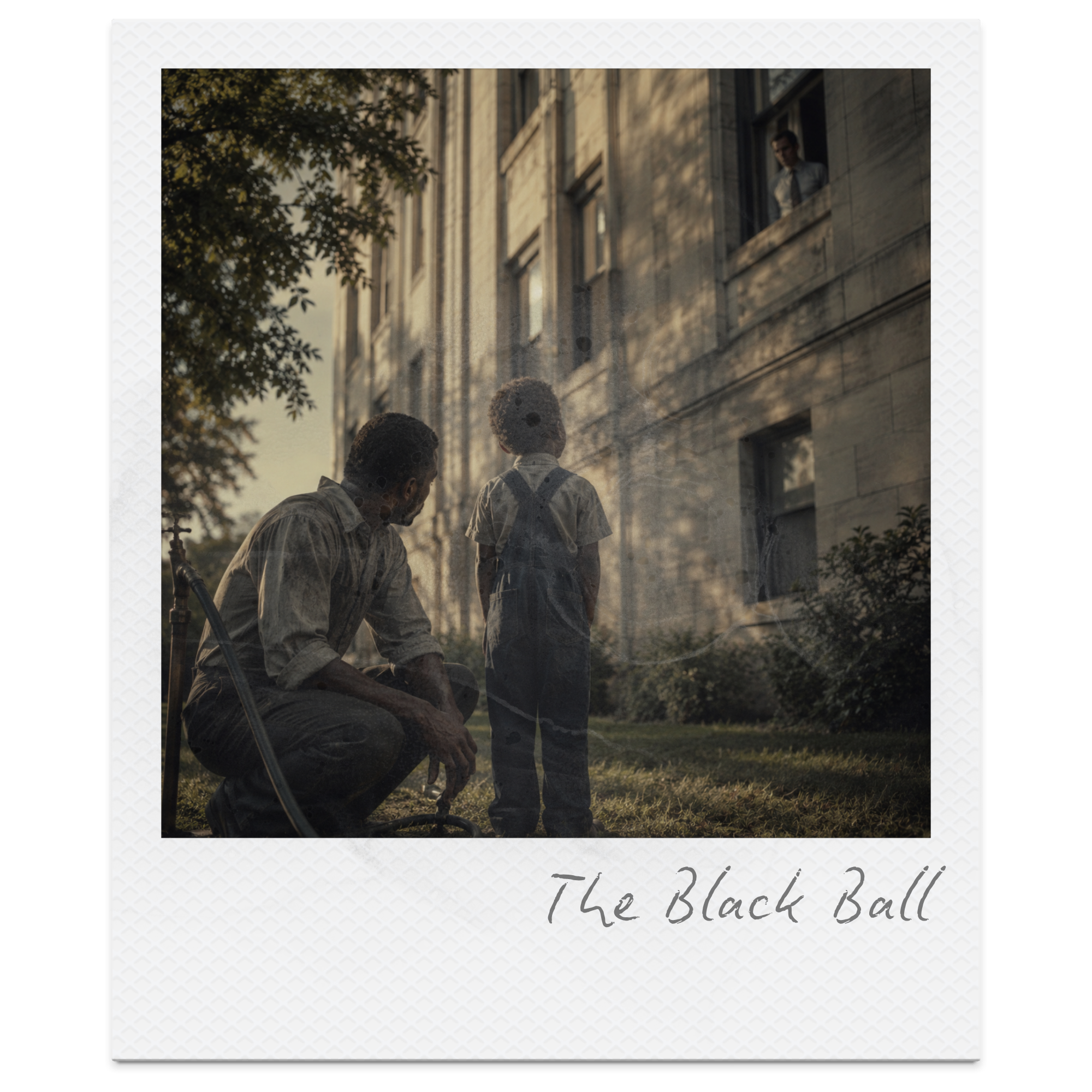
The Black Ball by Ralph Ellison: Summary, Themes & Analysis
Ralph Ellison’s The Black Ball is a powerful short story exploring racism, identity, fatherhood, and the painful loss of innocence within a deeply unequal society. Through the experiences of John and his young son, Ellison reveals how prejudice shapes ordinary daily life, using symbolism, dramatic irony, and reflective narration to expose the emotional pressure created by social inequality. This detailed analysis explores the story’s themes, characters, symbolism, structure, key quotes, and exam-focused interpretations for CIE IGCSE English Literature (0475 & 0922).
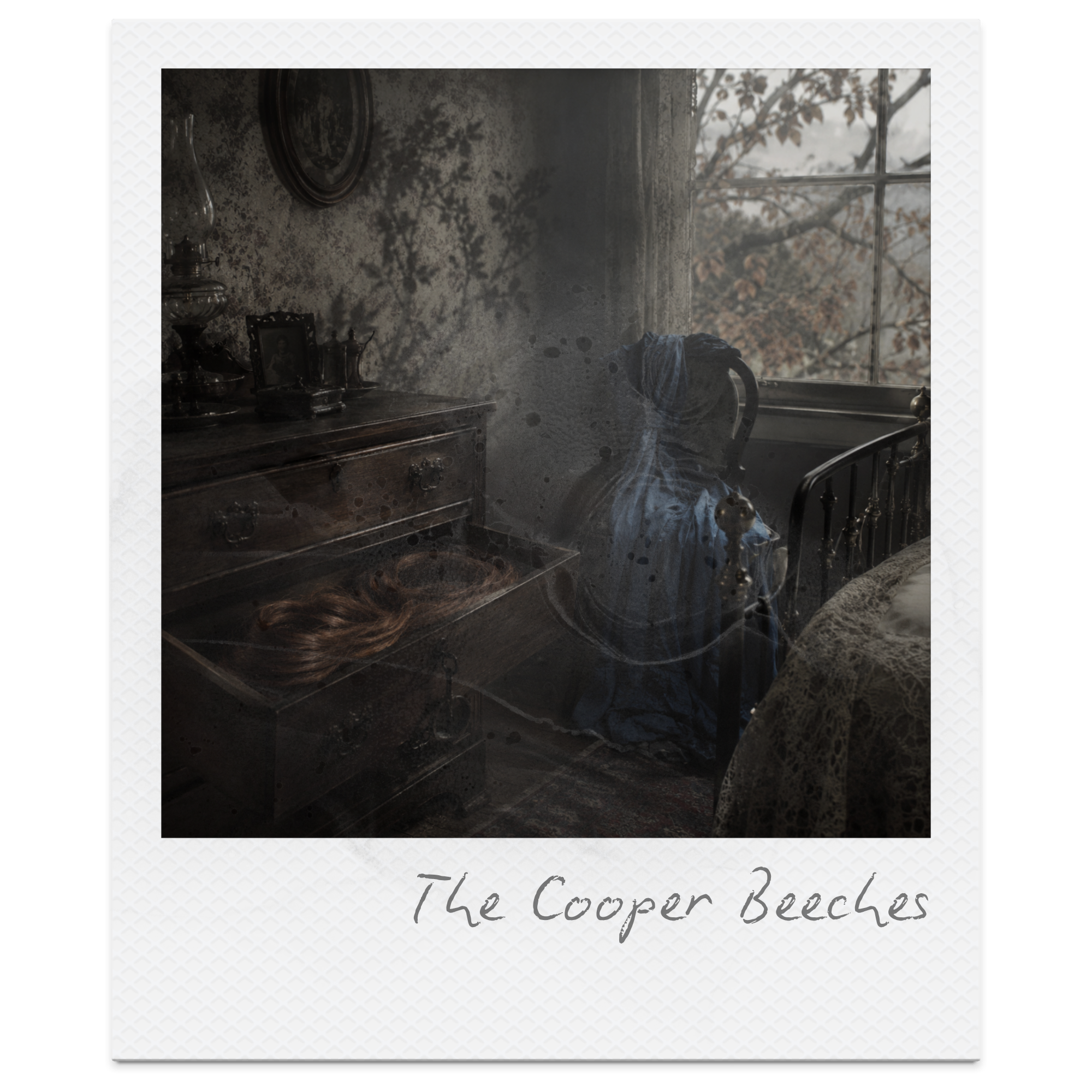
The Copper Beeches by Sir Arthur Conan Doyle: Summary, Themes & Analysis
In this detailed analysis of The Copper Beeches by Sir Arthur Conan Doyle, we explore how Doyle combines detective fiction, Gothic atmosphere, and psychological tension to examine power, imprisonment, deception, gender control, and appearance versus reality. Through the mysterious Copper Beeches house, the unsettling behaviour of the Rucastles, and Sherlock Holmes’s analytical methods, the story gradually reveals hidden cruelty beneath outward respectability. Designed for CIE IGCSE World Literature (0408) and wider secondary literature study, this guide explores structure, symbolism, narrative voice, key quotes, themes, and writer’s methods in a clear, classroom-ready format. Perfect for revision, essay planning, close analysis, and discussion-based learning.
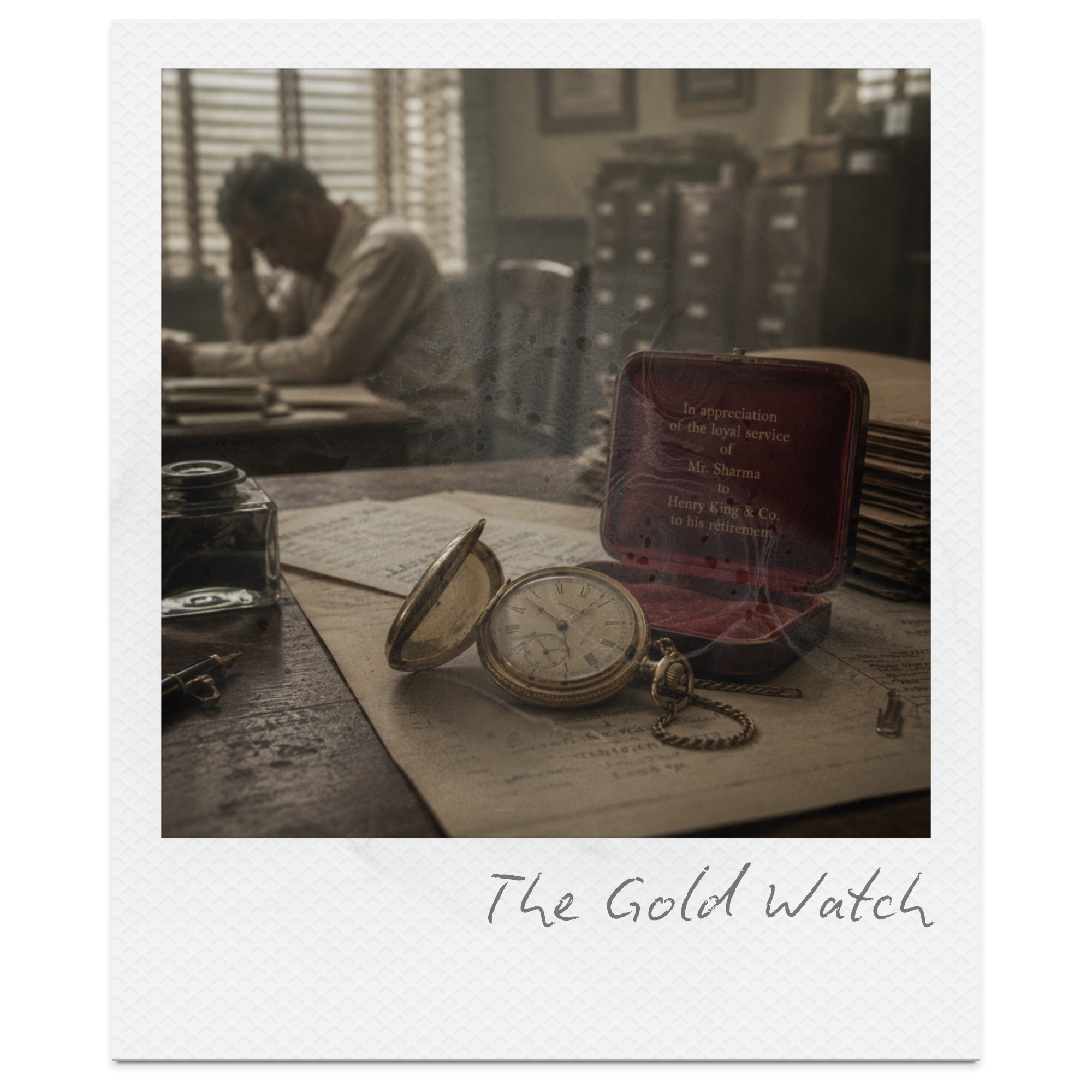
The Gold Watch by Mulk Raj Anand: Summary, Themes & Analysis
Mulk Raj Anand’s The Gold Watch is a quietly devastating short story exploring colonial power, workplace hierarchy, economic insecurity, and human dignity. Through the experiences of the ageing dispatch clerk Sharma, Anand exposes how institutional systems disguise emotional cruelty beneath politeness, routine, and formal gestures of appreciation. This analysis explores the story’s themes, symbolism, narrative voice, and psychological tension, examining how Anand uses irony, restraint, and symbolism to critique systems that value workers only while they remain useful. Ideal for students studying CIE IGCSE English Literature (0475 & 0922) and anyone exploring postcolonial short fiction.
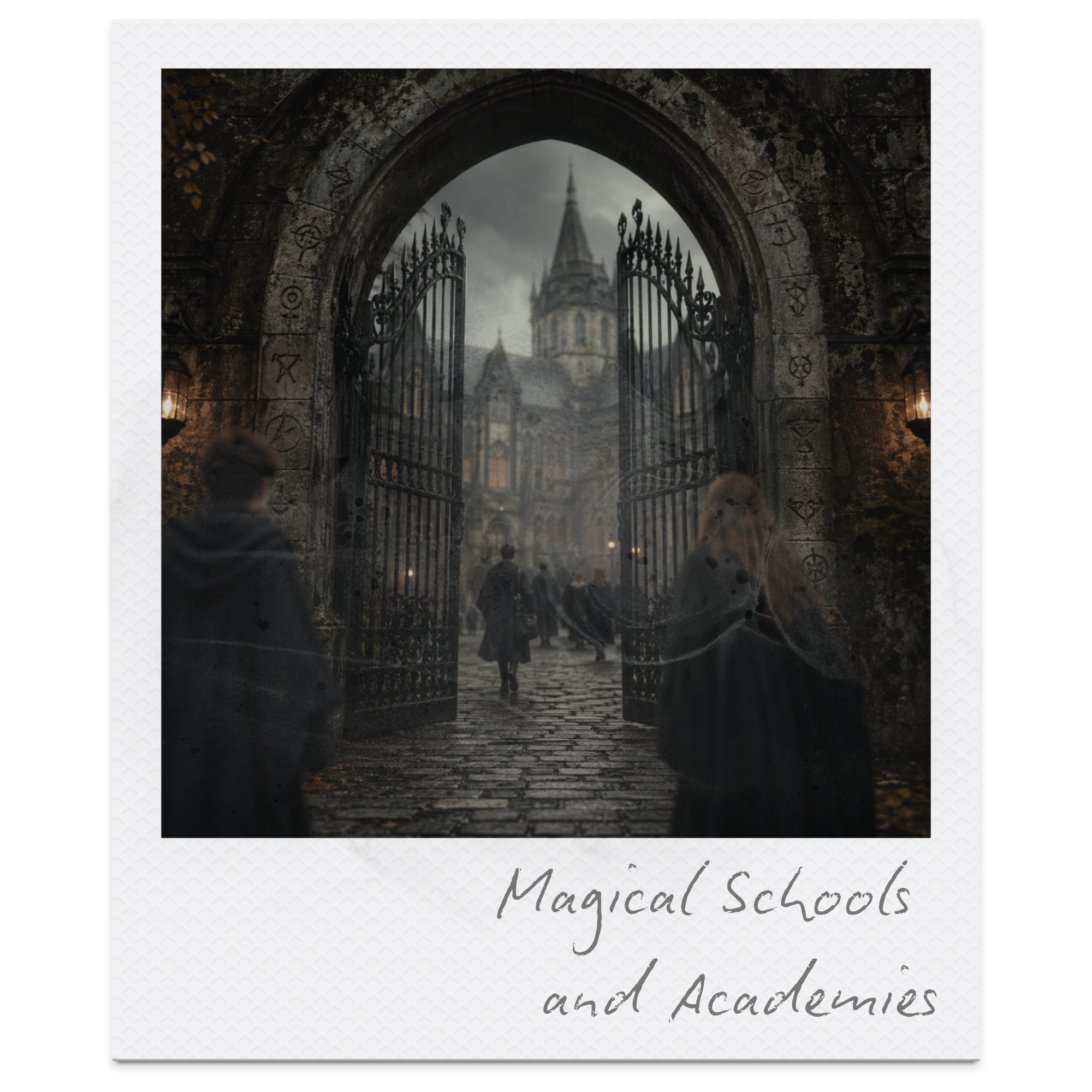
70 Magical School & Academy Writing Prompts: Power, Knowledge, and Hidden Worlds
Magical schools and academies offer a rich foundation for fantasy storytelling, blending knowledge, power, secrecy, and transformation into settings that shape both character and conflict. From prestigious institutions with hidden hierarchies to dangerous academies where survival is never guaranteed, these environments reveal how learning itself can become a form of control. Beneath structured lessons and ancient traditions, something deeper is always at work—systems that test, manipulate, and ultimately redefine those who enter. This collection of 70 Magical School & Academy Writing Prompts is designed as a complete creative toolkit, combining plot hooks, title ideas, opening lines, and more to help you build immersive, original worlds. Whether you are exploring rival factions within a hidden university, forbidden knowledge buried in a shifting library, or students uncovering the true purpose of their education, these prompts will help you craft stories where every lesson carries consequence.
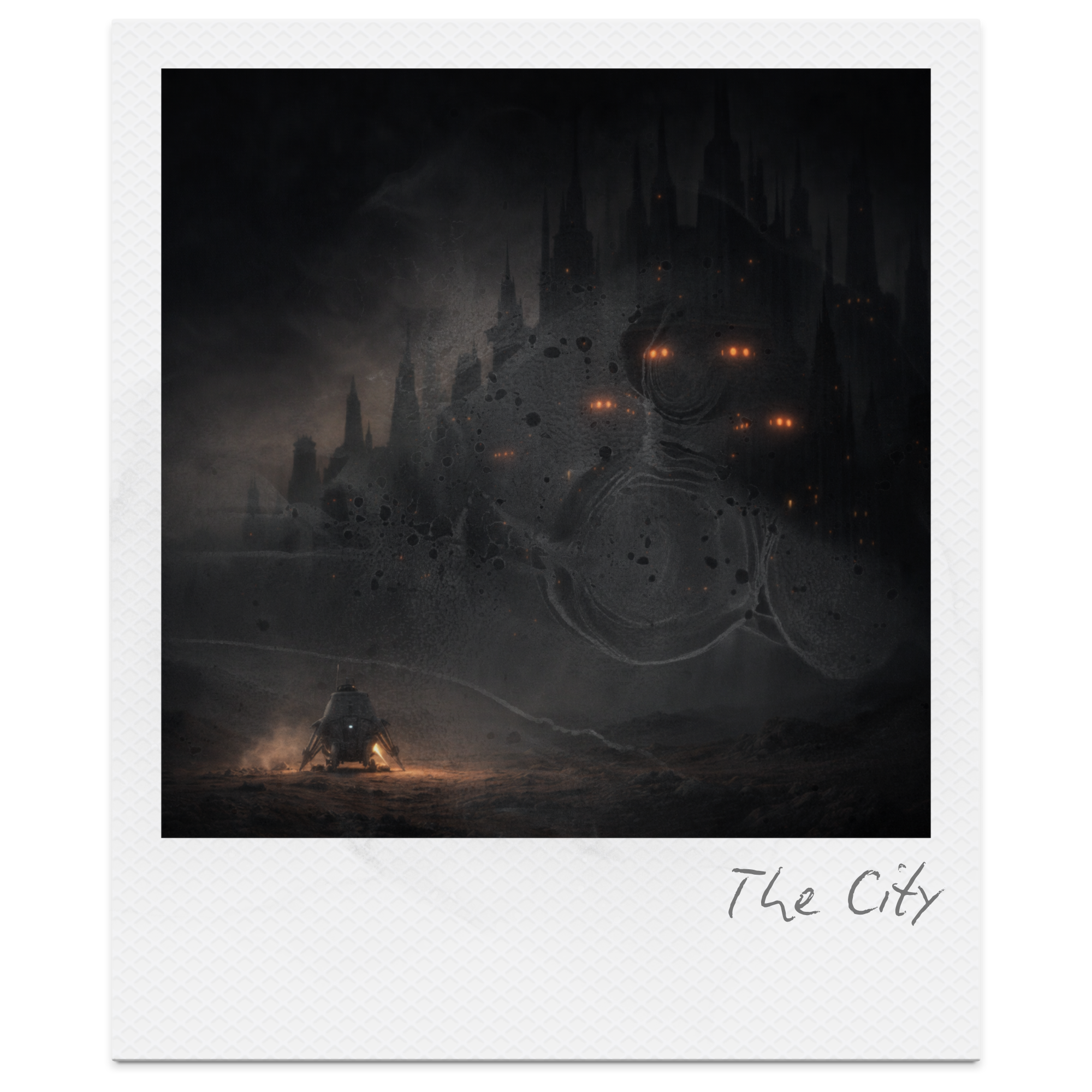
The City by Ray Bradbury: Summary, Themes, Meaning & Analysis
Ray Bradbury’s The City is a haunting work of speculative science fiction that explores revenge, memory, and technological power through the image of a vast, silent city waiting across twenty thousand years. At first, the city appears empty and lifeless, but as human explorers arrive, it becomes clear that it is watching, analysing, and responding with cold precision. Bradbury transforms setting into a conscious force, creating a narrative where the environment itself becomes the central intelligence. As the story unfolds, the city reveals its true purpose: to enact a long-delayed act of revenge against humanity. What makes this particularly unsettling is the way emotion has been embedded into a mechanical system, removing empathy and replacing it with calculation. The result is a chilling exploration of how violence and memory can be preserved beyond human life, raising questions about justice, control, and the consequences of past actions that continue to shape the future.
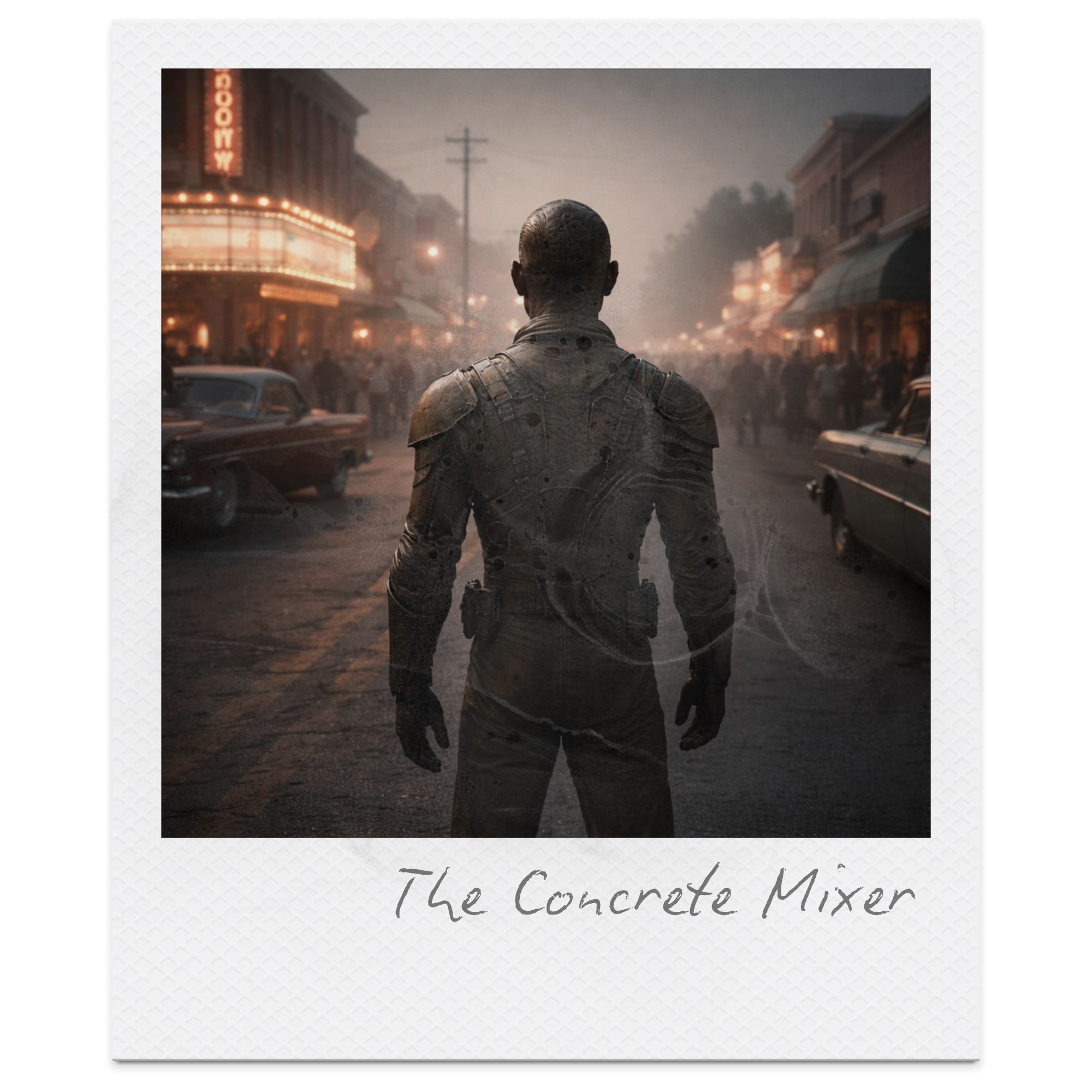
The Concrete Mixer by Ray Bradbury: Summary, Themes, Meaning & Analysis
The Concrete Mixer by Ray Bradbury is a darkly satirical science fiction story that explores the dangers of consumerism, mass culture, and the quiet power of assimilation. When the Martian Ettil arrives on Earth expecting war, he instead finds a world of overwhelming friendliness, entertainment, and excess. Beneath the surface of this hospitality, however, lies something far more unsettling—a society that conquers not through violence, but through distraction, comfort, and the erosion of individuality. As Ettil moves through this strange new world, he begins to realise that the Martians are not being defeated—they are being absorbed. Bradbury uses irony, exaggeration, and symbolic imagery to critique modern life, suggesting that the greatest threat to identity is not destruction, but transformation. In this analysis, we explore the story’s themes, symbolism, and deeper meaning, revealing why The Concrete Mixer remains one of Bradbury’s most thought-provoking and relevant works.

The Exiles by Ray Bradbury: Summary, Themes, Symbolism & Analysis
Bradbury’s The Exiles is a haunting exploration of censorship, imagination, and the fragility of stories, set on a dying Mars where forgotten authors and their creations struggle to survive. As books are banned and burned on Earth, the figures they once sustained begin to fade, turning the story into a powerful reflection on what happens when culture is erased and memory is lost. Blending science fiction, gothic atmosphere, and a deeply meta-literary perspective, the story challenges readers to consider the true cost of suppressing imagination. Through its unsettling imagery and quiet, devastating ending, The Exiles asks a central question: if stories disappear, what happens to the parts of ourselves they once held together?
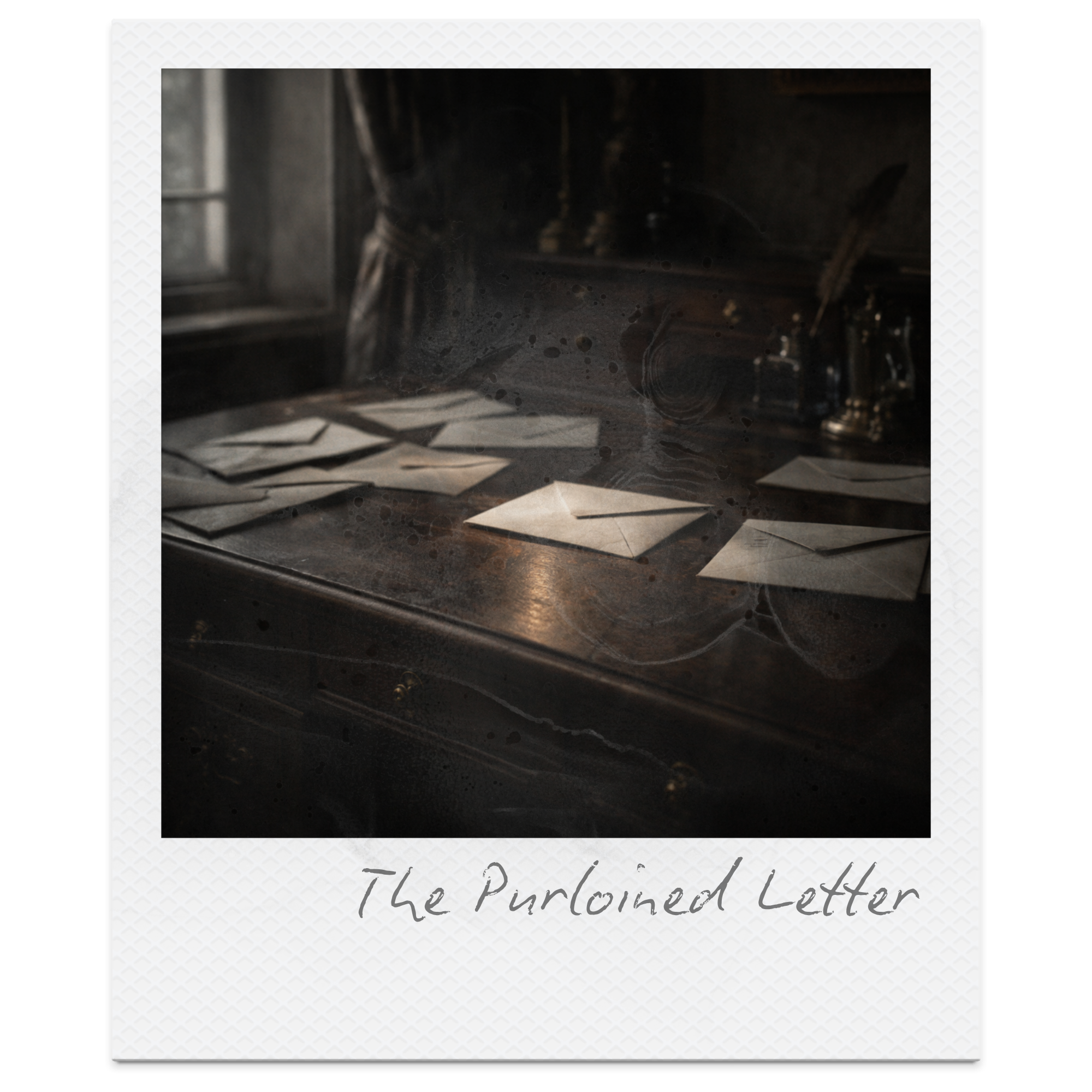
The Purloined Letter by Edgar Allan Poe: Summary, Themes, Symbolism & Analysis
The Purloined Letter is a clever and thought-provoking detective story that challenges the idea that mysteries are always complex. Instead, Edgar Allan Poe presents a case where the solution is hidden in plain sight, revealing how assumptions and rigid thinking can prevent us from seeing the obvious. Through the character of Dupin, Poe explores how true intelligence lies in understanding how others think, rather than simply relying on method or procedure. As the investigation unfolds, the story shifts from a traditional search for hidden clues to a deeper exploration of perception, power, and psychological strategy. The stolen letter becomes more than just an object—it represents control, secrecy, and vulnerability, showing how knowledge can be used as a form of influence. Ultimately, the story leaves readers questioning not just the mystery itself, but the way human reasoning shapes what we see—and what we miss.
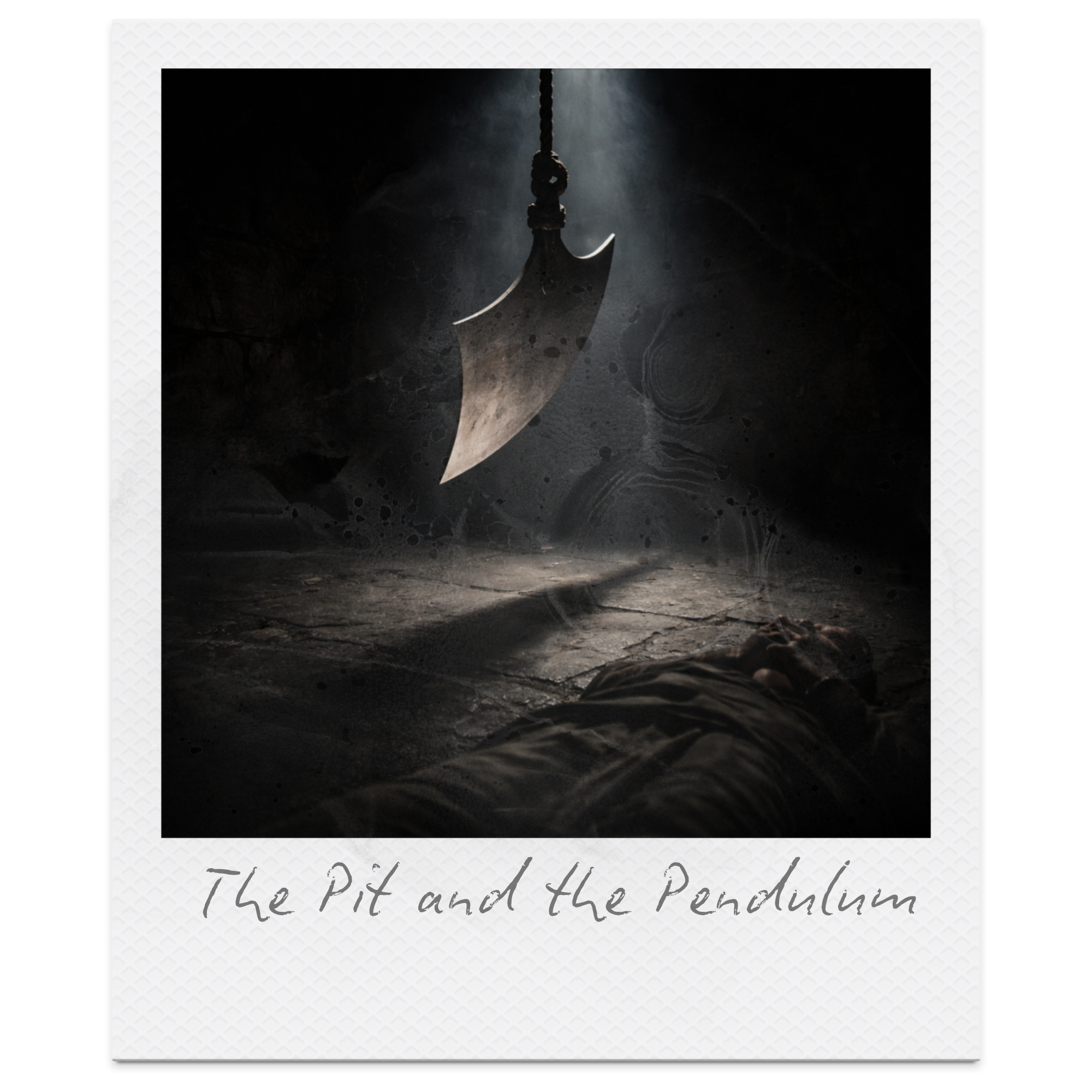
The Pit and the Pendulum by Edgar Allan Poe: Summary, Themes, Symbolism & Analysis
The Pit and the Pendulum by Edgar Allan Poe is a chilling exploration of psychological horror, fear, and survival under extreme control. Set within the terrifying world of the Inquisition, the story follows a condemned narrator trapped in a shifting dungeon where darkness, hidden dangers, and calculated torture push him to the brink of madness. Rather than relying on sudden shocks, Poe builds tension through anticipation, sensory deprivation, and the slow passage of time, creating a deeply unsettling reading experience. As the narrator faces the horrors of the pit, the descending pendulum, and the enclosing walls, the story explores powerful themes including power and control, perception and reality, death and mortality, and endurance. The setting itself becomes an instrument of torture, reflecting the narrator’s deteriorating mental state and forcing him into a desperate fight for survival. Through its intense focus on the mind under pressure, The Pit and the Pendulum remains one of Poe’s most compelling and psychologically complex short stories.
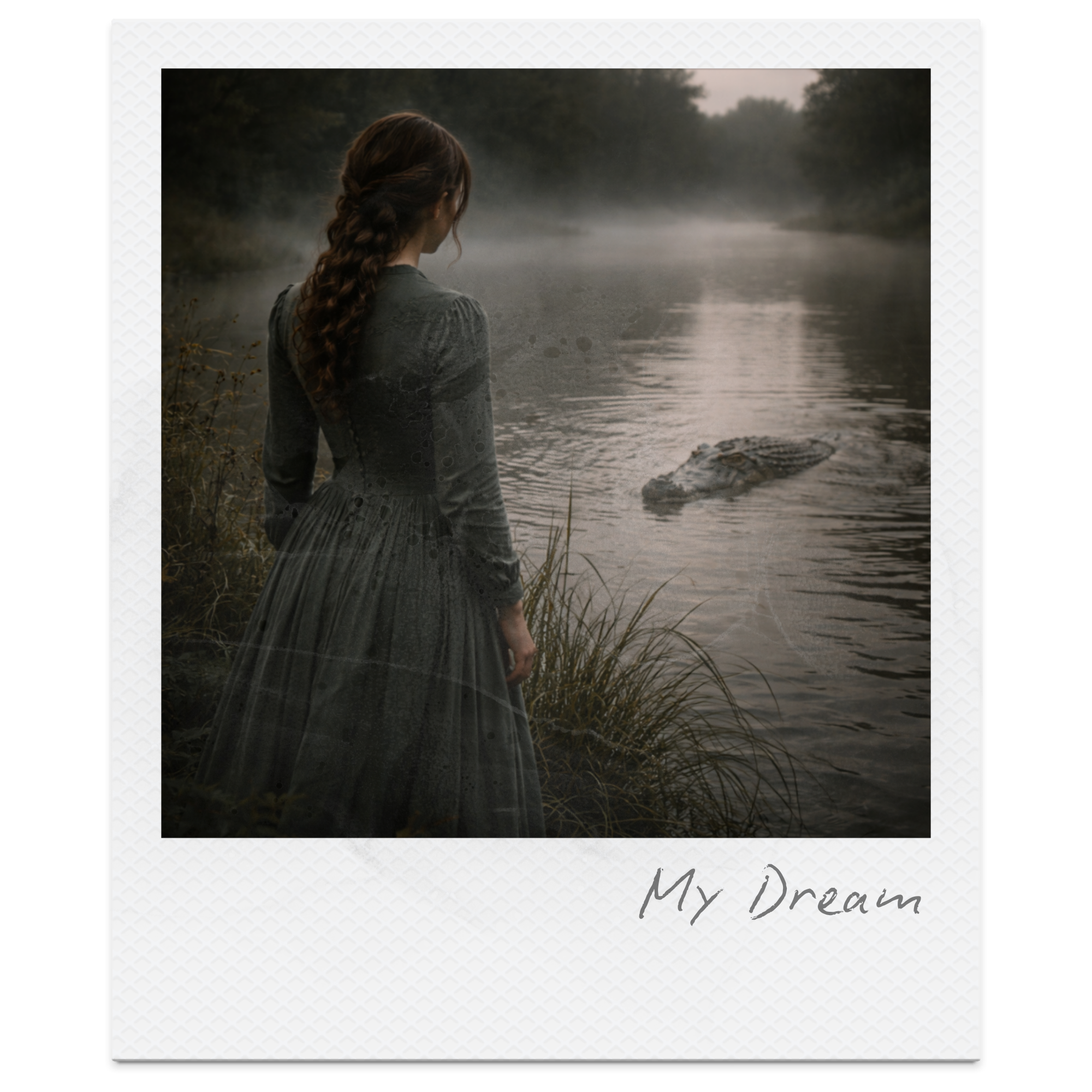
My Dream by Christina Rossetti: Summary, Themes, Symbolism & Analysis
Christina Rossetti’s My Dream presents a dark and symbolic vision of power, corruption, and collapse. Through the rise of a monstrous crocodile who gains dominance through violence and excess, the poem explores how authority built on destruction is ultimately unstable and self-defeating. This analysis examines Rossetti’s use of allegory, imagery, and dream narrative to reveal deeper concerns about human nature, control, and moral consequence. With its ambiguous ending and unsettling symbolism, My Dream invites readers to question how power operates—and what remains when it inevitably fails.
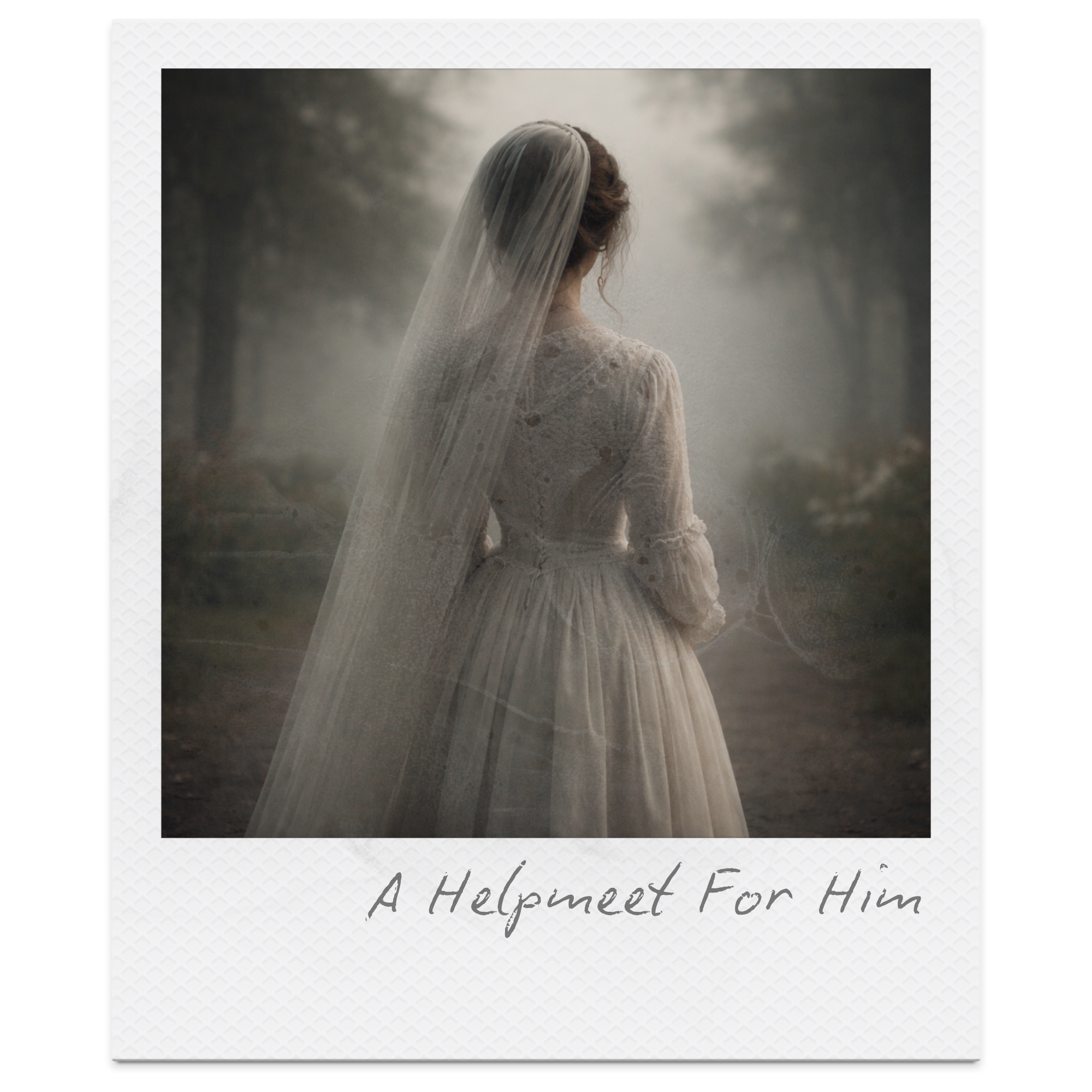
A Helpmeet for Him by Christina Rossetti: Summary, Themes, Symbolism & Analysis
Christina Rossetti’s A Helpmeet for Him explores gender roles, hidden strength, and Victorian ideals of womanhood, presenting a seemingly traditional view of female identity while subtly questioning its limitations. Through repetition, paradox, and controlled structure, the poem suggests that submission may conceal a deeper form of influence. This analysis examines the poem’s themes, symbolism, and structure, as well as its exploration of power, dependency, and identity. Ideal for students and teachers, it offers a clear summary alongside detailed interpretation to support deeper understanding of Rossetti’s work.

The Veldt by Ray Bradbury: Summary, Themes, Meaning & Analysis
Ray Bradbury’s The Veldt is often taught as a warning about technology gone too far — but that reading only scratches the surface. Beneath the virtual nursery and its unsettling imagery, the story is really about parenting, power, and what happens when moral responsibility is repeatedly deferred in favour of comfort. In this in-depth analysis for English teachers, I explore how The Veldt exposes emotional outsourcing, delayed authority, and the quiet consequences of avoidance. The post examines Bradbury’s post-war context, the nursery as a site of control rather than care, and why the story’s ending feels inevitable rather than shocking. With clear classroom insight, teaching guidance, and extension ideas, this post helps teachers move beyond surface-level symbolism and into richer discussion about technology, control, and responsibility — showing why The Veldt remains one of Bradbury’s most disturbing and relevant stories to teach.

The Fly by Katherine Mansfield: Post-War Grief, Masculinity, and Trauma (For English Teachers)
The Fly by Katherine Mansfield is often taught as a short, symbolic story — but its real power lies in what it reveals about post-war grief, masculinity, and emotional repression. Written in the aftermath of the First World War, The Fly explores what happens when loss is expected to be over, yet trauma quietly persists beneath ordinary life. This post is designed for English teachers looking to bridge WW1 poetry and post-war prose, showing how lived experience shapes literature long after conflict has ended. It explores Mansfield’s personal connection to war, the symbolism of the fly as repeated trauma, and the story’s unsettling portrayal of power, control, and suppressed emotion. With classroom-ready activity ideas and links to wider conflict poetry, this deep dive helps teachers position The Fly as more than a standalone short story — but as part of a broader conversation about aftermath, memory, and the long shadow of war.
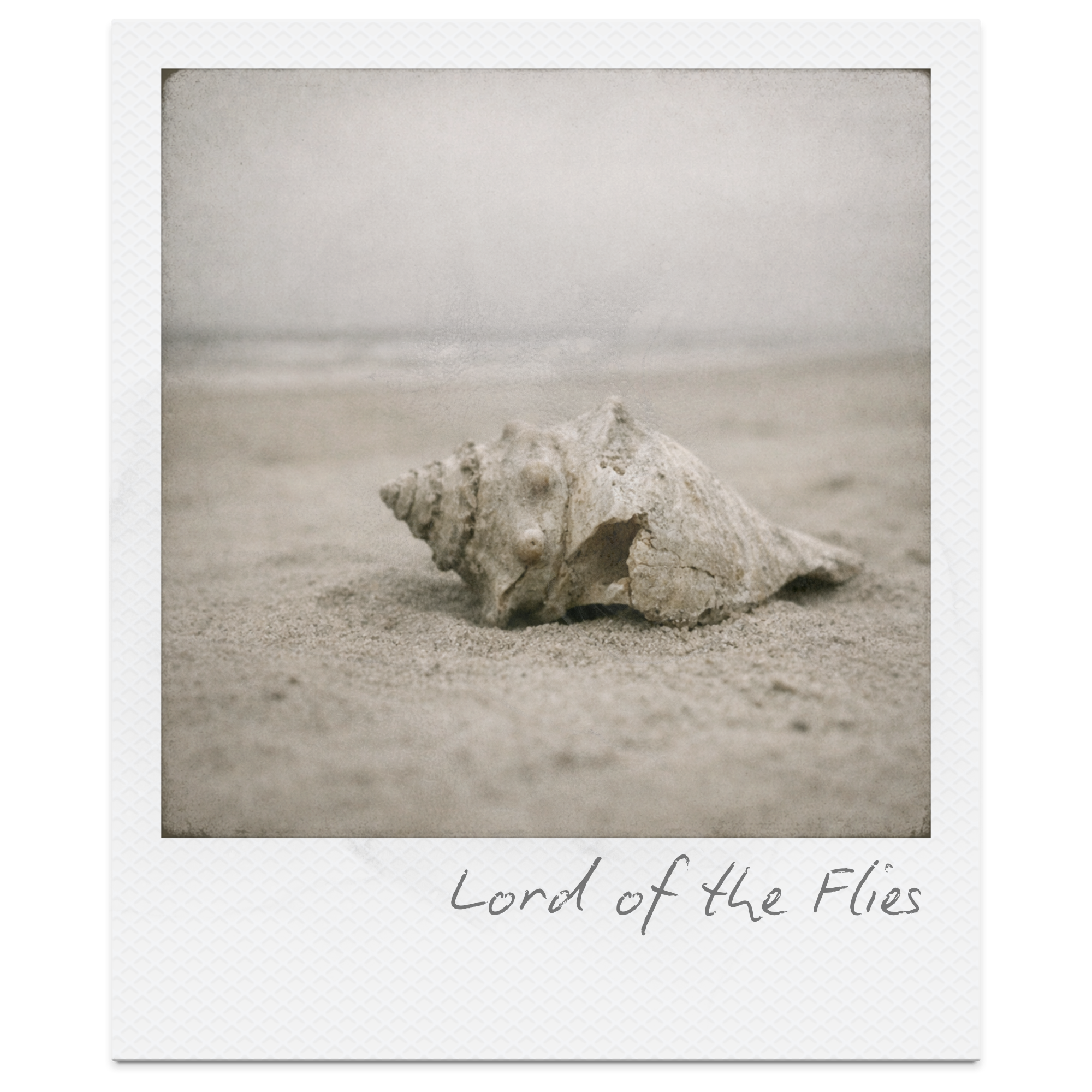
Lord of the Flies: Why Students Engage, and Why Teachers Need More Than a Summary Sheet
Lord of the Flies is a novel that consistently engages students, but teaching it well requires more than summary sheets and surface-level analysis. This post explores why Lord of the Flies works so powerfully in the classroom, how students instinctively respond to its themes of power, fear, and responsibility, and where lessons often begin to break down once discussion deepens. Written for teachers working across different classrooms and curricula, this guide focuses on how to teach Lord of the Flies effectively — from structuring discussion and securing recall to using creative writing as a way into deeper analysis. It also shares practical classroom strategies and introduces a comprehensive Lord of the Flies resource bundle designed to support discussion, analysis, and assessment without increasing planning workload.