70 Southern Gothic Writing Prompts: Decaying Estates, Family Secrets & Small Town Mysteries
Southern Gothic explores the darker side of the American South, where fading grandeur, inherited guilt, isolated communities, and long-buried secrets shape every story. Crumbling plantation houses, overgrown cemeteries, abandoned churches, humid swamplands, forgotten family estates, and quiet rural towns become more than atmospheric settings—they reflect generations of pride, prejudice, loss, superstition, and moral decay. Ordinary places conceal extraordinary histories, while the past refuses to stay buried.
The genre has been shaped by writers including William Faulkner, Flannery O'Connor, Carson McCullers, Harper Lee, Tennessee Williams, and more recently Silvia Moreno-Garcia's Mexican Gothic, which shares many of the genre's themes of decaying family legacies, oppressive traditions, and unsettling ancestral secrets. Southern Gothic often blends psychological tension, social commentary, folklore, religion, and the supernatural, creating stories where beauty and corruption exist side by side.
This collection of 70 Southern Gothic Writing Prompts is designed as a complete creative toolkit, featuring plot prompts, title ideas, opening lines, closing lines, character ideas, setting prompts, and atmospheric picture prompts. Explore forgotten plantations, sleepy bayou towns, Spanish moss hanging from ancient oaks, abandoned churches, family feuds, eerie folklore, mysterious strangers, and communities haunted as much by their history as by anything supernatural.
If you're looking for even more inspiration, explore the Gothic Writing Hub or browse the Creative Writing Archive, where you'll discover hundreds of prompts, characters, settings, worldbuilding ideas, and creative writing resources across gothic fiction, horror, fantasy, mystery, folklore, historical fiction, and many more genres.
1. Plot Prompts
Southern Gothic stories explore the uneasy intersection of family legacy, social decay, religious tradition, and the lingering influence of the past. Set against humid landscapes, forgotten estates, sleepy towns, and tangled swamplands, these stories reveal communities where every family guards its own secrets and history refuses to loosen its grip.
A woman inherits her family's crumbling plantation house only to discover every room has been carefully preserved exactly as it was on the night someone vanished fifty years earlier.
After returning to their hometown for a funeral, a man uncovers evidence that generations of his family have been protecting the same terrible secret.
Every resident of a quiet Southern town refuses to cross the old wooden bridge after sunset, but nobody will explain why.
An ambitious journalist investigating a series of disappearances finds every trail leading back to an abandoned church hidden deep within the bayou.
A family gathering to divide a wealthy relative's estate uncovers letters suggesting their fortune was built upon a centuries-old bargain.
A travelling preacher arrives in an isolated town where every sermon seems to predict tragedies before they happen.
After restoring an abandoned cemetery, a historian begins uncovering graves that don't appear on any official records.
A neglected mansion slowly reveals hidden rooms filled with portraits of family members no living relative recognises.
A sheriff investigating strange events in the surrounding swamps discovers local folklore may be far older than the town itself.
Every summer, mysterious music drifts across the marshes, drawing people towards a long-forgotten estate nobody admits still exists.
2. Title Ideas
Southern Gothic titles often evoke fading grandeur, inherited secrets, forgotten places, and the haunting beauty of the rural South. These titles hint at stories shaped by family history, isolation, faith, and the weight of generations.
Beneath the Spanish Moss
The House on Cypress Road
Where the Bayou Waits
The Last Magnolia
The Silent Revival
Blackwater Parish
Ashes Beneath the Oaks
The Hollow Plantation
The Thirteenth Bell
Mercy Creek
3. Opening Lines
Southern Gothic stories rarely begin with dramatic horror. Instead, they quietly introduce ordinary places already burdened by extraordinary histories, allowing tension to grow through atmosphere, memory, and subtle unease.
Nobody in Mercy Creek ever spoke about the old plantation unless they absolutely had to.
By the time I returned home, the magnolia tree had grown large enough to hide the upstairs windows.
My grandmother always insisted the swamp remembered every name it was given.
The church bell hadn't rung in twenty years until the morning they found the body.
Every family on this road buried something they hoped would never be uncovered.
The heat had a way of making old stories sound almost believable.
They said the house had stood empty since the fire, but someone kept sweeping the front porch.
The first thing I noticed wasn't the silence—it was how carefully everyone avoided looking towards the cemetery.
Every portrait inside the house watched the front gate instead of the hallway.
Nobody questioned why every funeral in town ended before sunset.
4. Closing Lines
Southern Gothic endings often leave readers with the sense that history continues repeating itself. The mystery may be resolved, but the land, the family, and the town remain unchanged, quietly waiting for another generation.
By morning, the swamp had swallowed every trace of what happened.
Some family names are impossible to escape.
The house stood empty once more, patiently waiting for its next heir.
Nobody mentioned the old church again, though everyone heard its bell.
The magnolias bloomed exactly where they always had.
Some ghosts never needed to haunt anyone—they simply waited to be remembered.
The town returned to normal, as though nothing had happened.
Every generation believes they'll be the last to keep the secret.
The river carried the truth away, but not the guilt.
In the South, the past never truly leaves.
5. Character Ideas
Southern Gothic characters are shaped by inheritance, tradition, religion, and community. They often struggle against expectations imposed by family history while carrying burdens that stretch back through generations.
The reluctant heir returning to restore a neglected family estate.
An elderly housekeeper who knows every secret hidden within the old plantation.
A travelling preacher whose arrival unsettles an otherwise peaceful town.
A local sheriff investigating crimes everyone else seems determined to ignore.
A grieving widow who refuses to sell the family home despite years of decay.
A young historian documenting forgotten cemeteries across the rural South.
A reclusive artist painting portraits inspired by people who disappeared decades ago.
A teenage girl beginning to question the strange traditions her family has always followed.
An ageing groundskeeper who has never once left the estate where he was born.
A newcomer discovering every resident already seems to know their name.
6. Setting Ideas
The landscape is central to Southern Gothic fiction. Humid swamps, decaying plantations, abandoned churches, sleepy towns, neglected cemeteries, and ancient oak trees all become powerful reflections of the histories and secrets they contain.
A crumbling plantation house surrounded by towering live oaks draped in Spanish moss.
A forgotten cemetery slowly disappearing beneath vines and wildflowers.
An abandoned church standing beside a flooded bayou.
A sleepy Southern town centred around a weathered courthouse square.
A lonely wooden bridge stretching across dark swamp water.
A neglected family estate hidden behind rusted wrought-iron gates.
A winding country road lined with enormous magnolia trees.
An overgrown botanical garden surrounding an abandoned mansion.
A riverside dock where old fishing boats have slowly rotted into the water.
A mist-covered bayou threaded with cypress trees and hanging moss.
7. Picture Prompts
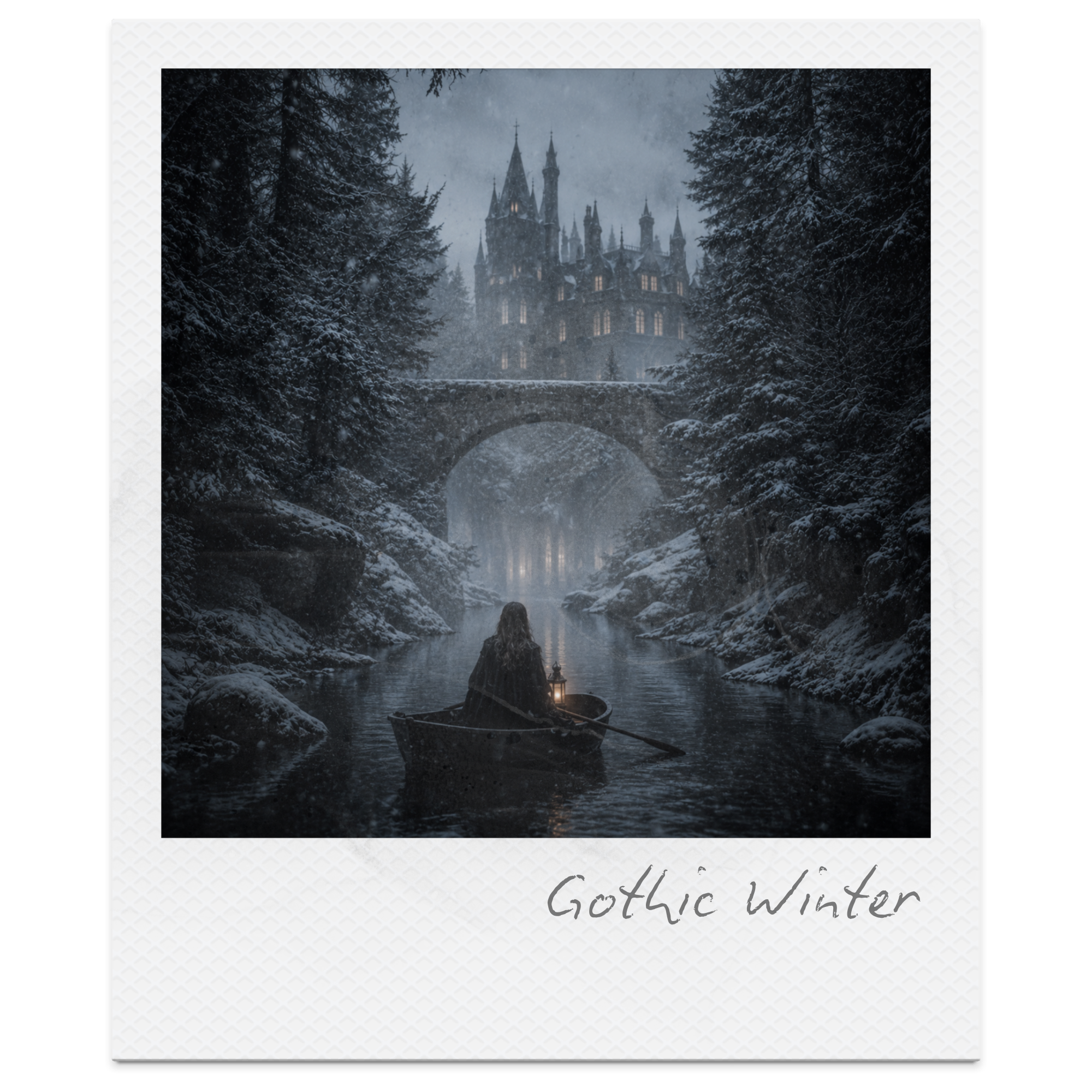
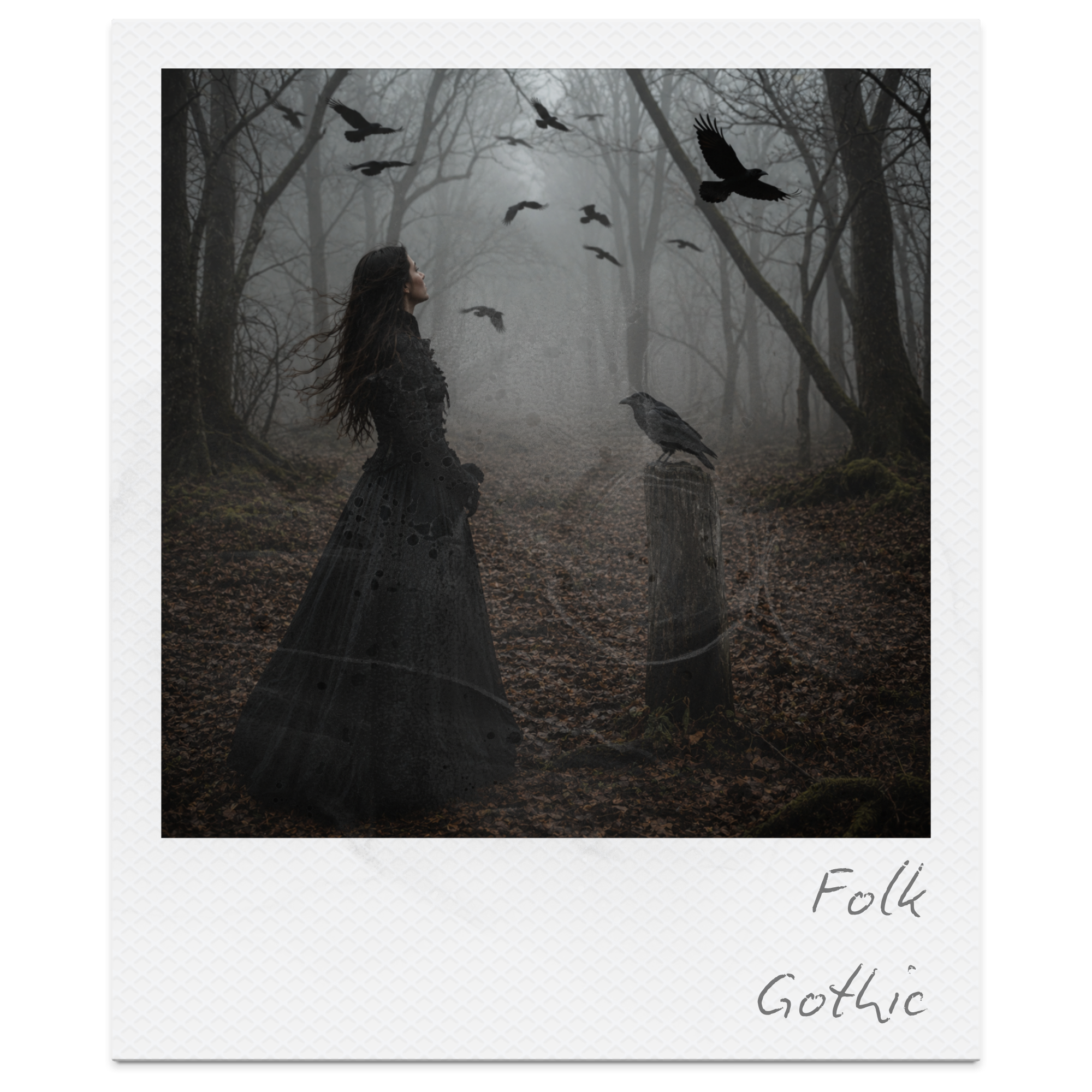
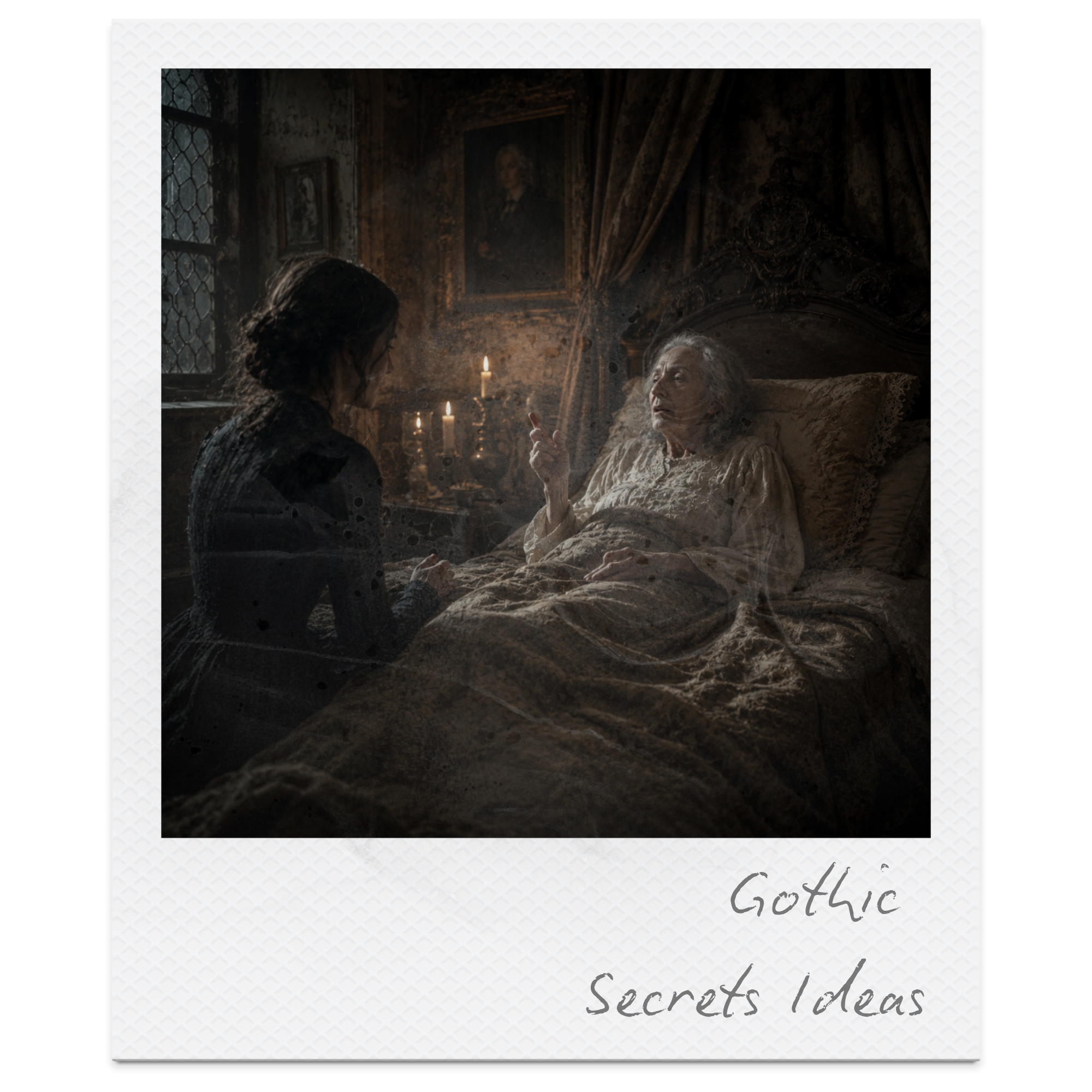
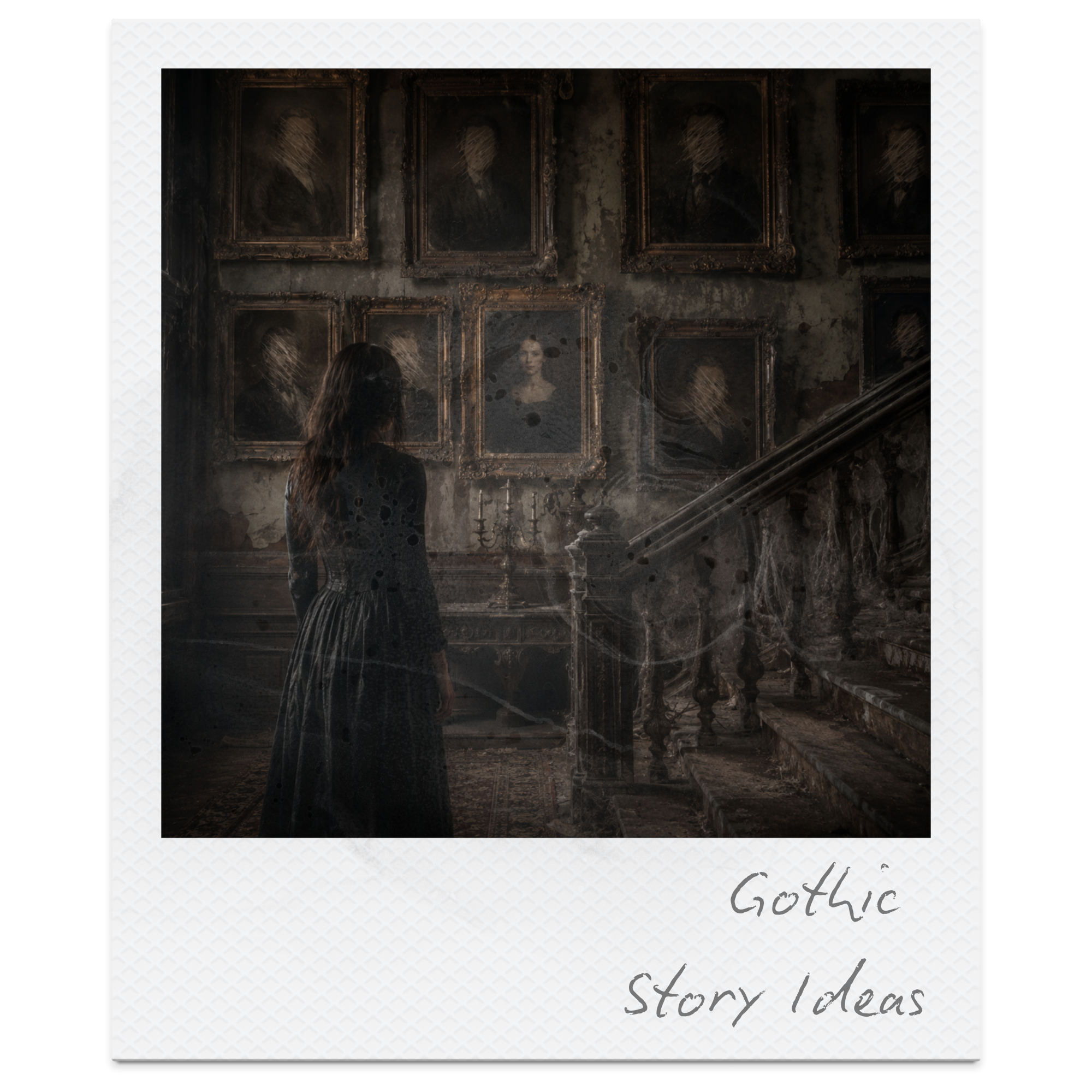
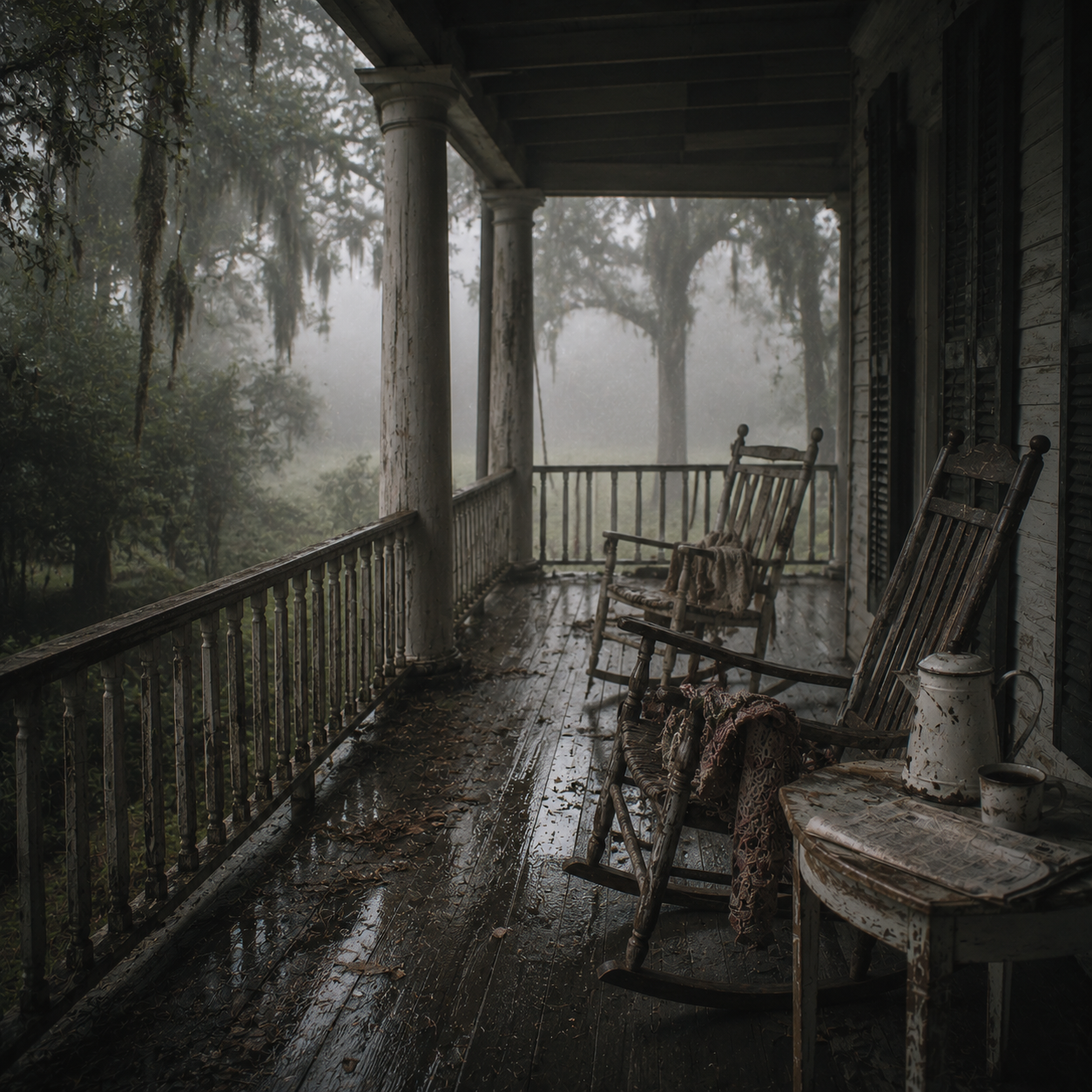
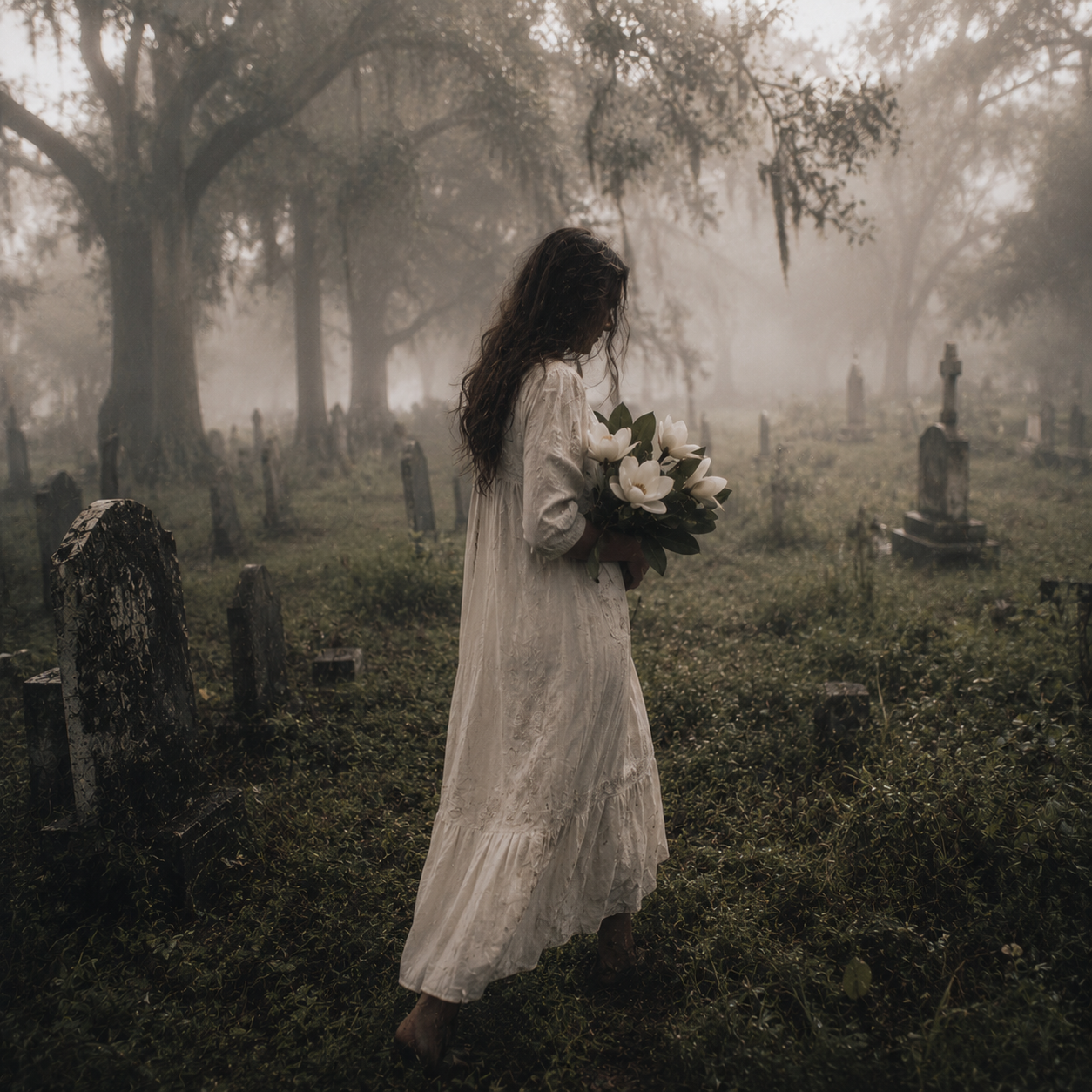
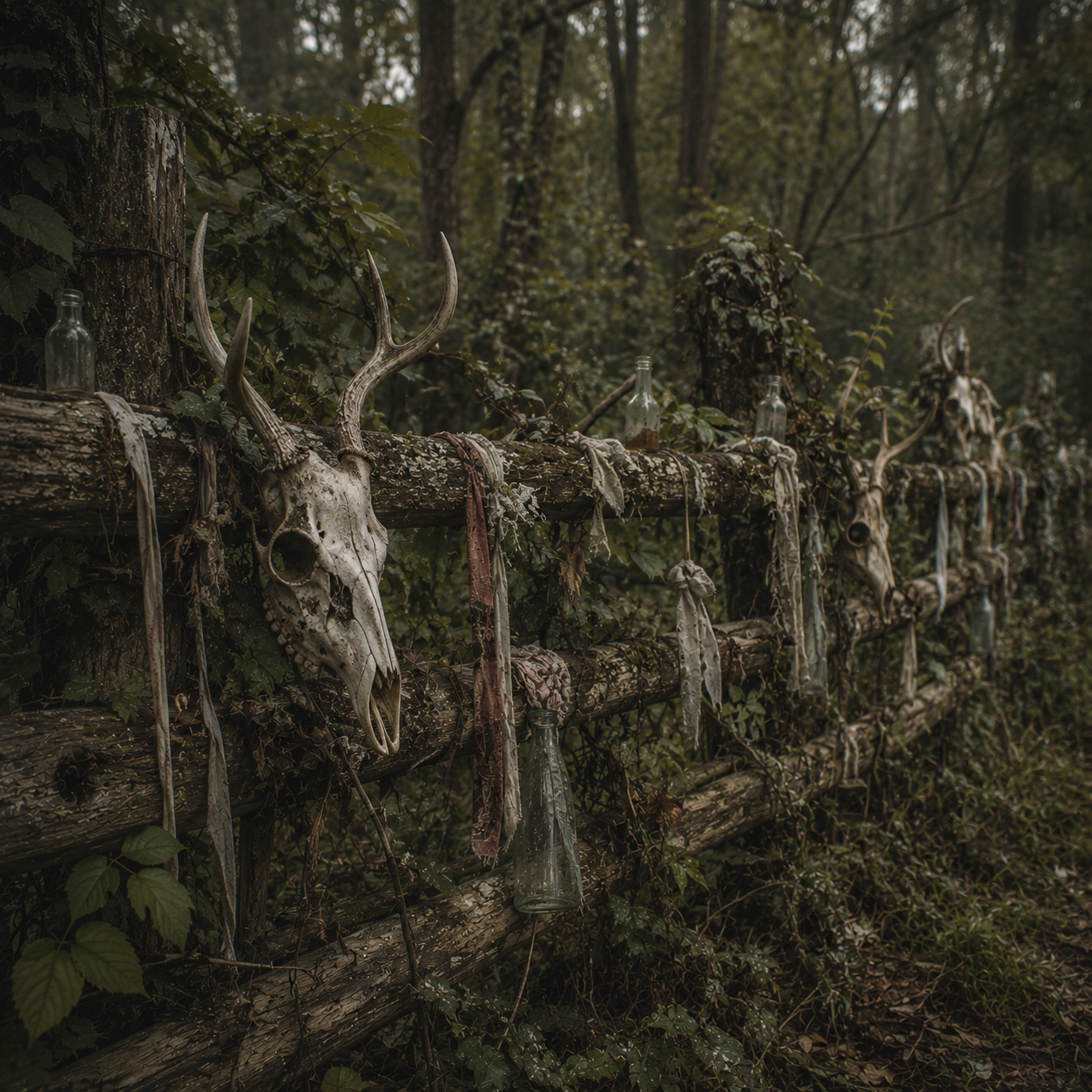
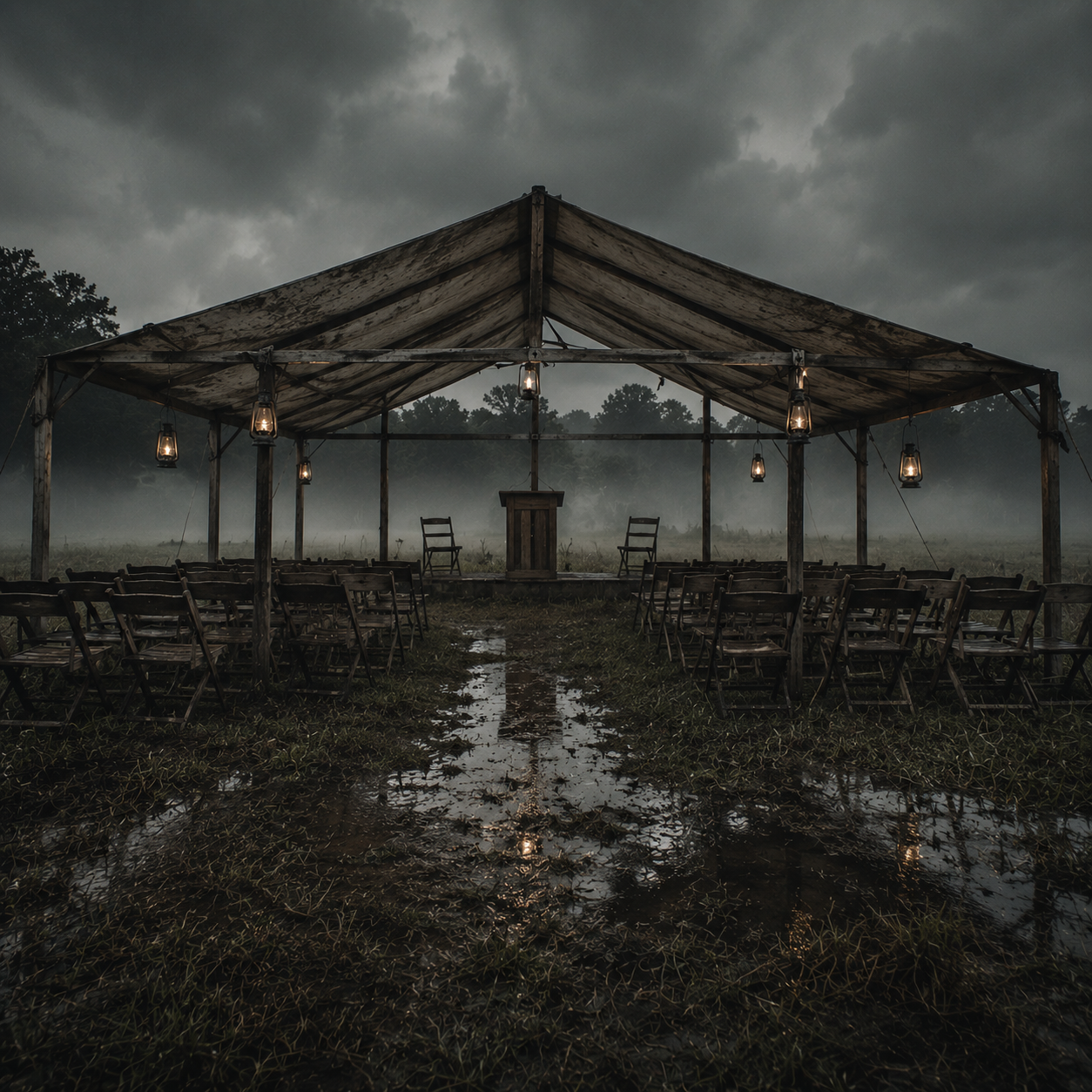
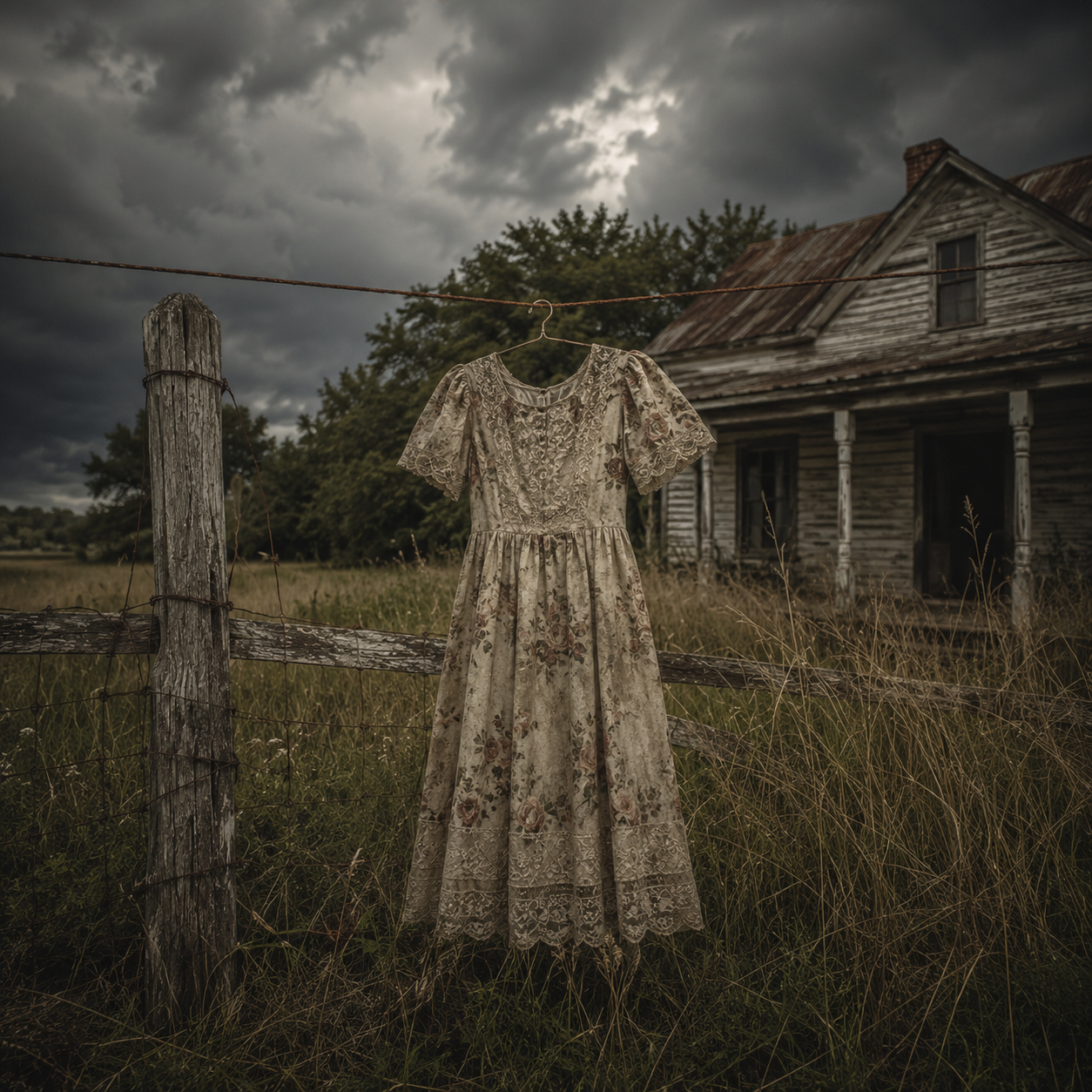
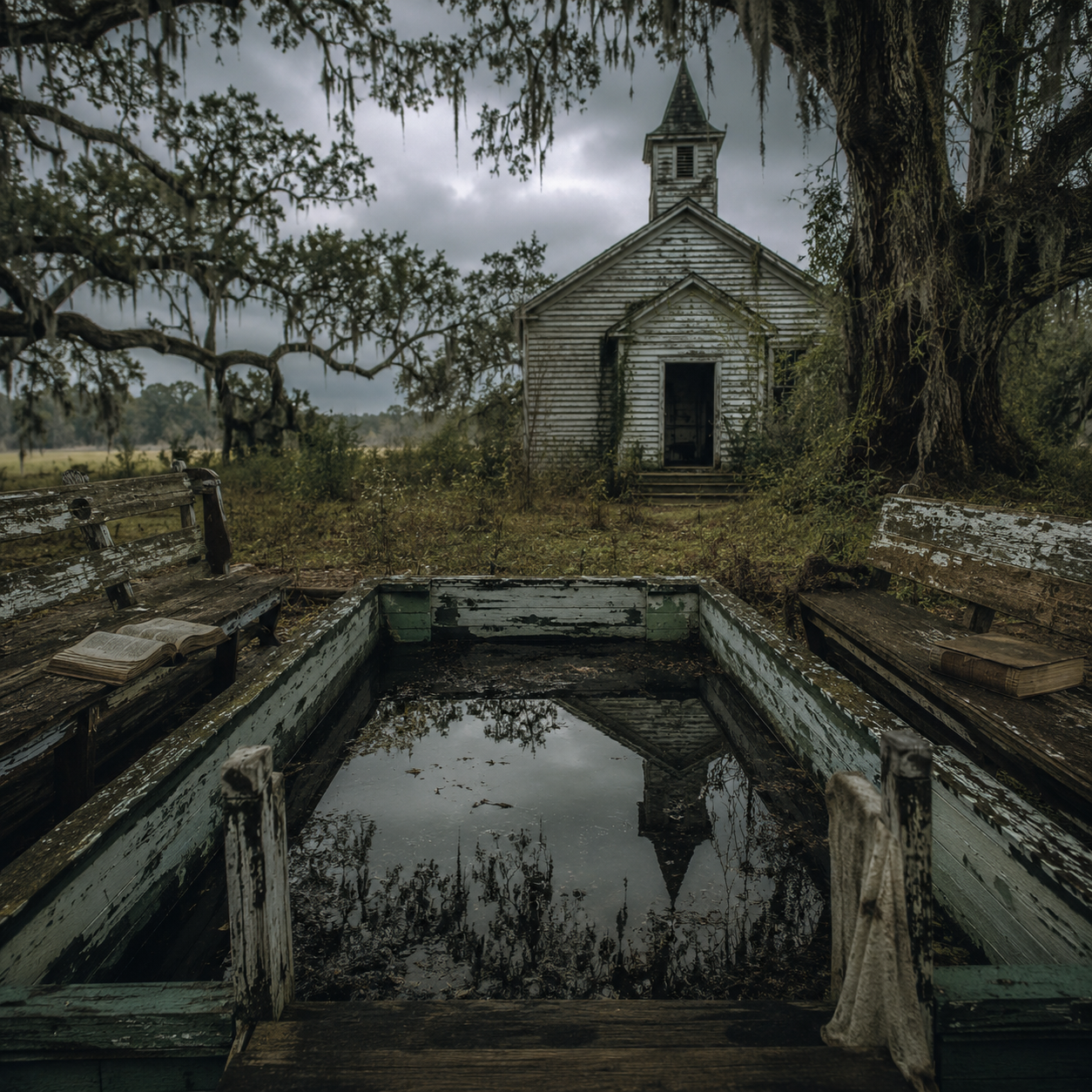
Southern Gothic is rich with atmosphere, combining fading elegance with quiet decay, humid landscapes, and communities haunted by memory. Use these scenes as inspiration, asking what histories, family secrets, or hidden tragedies lie just beyond the frame.
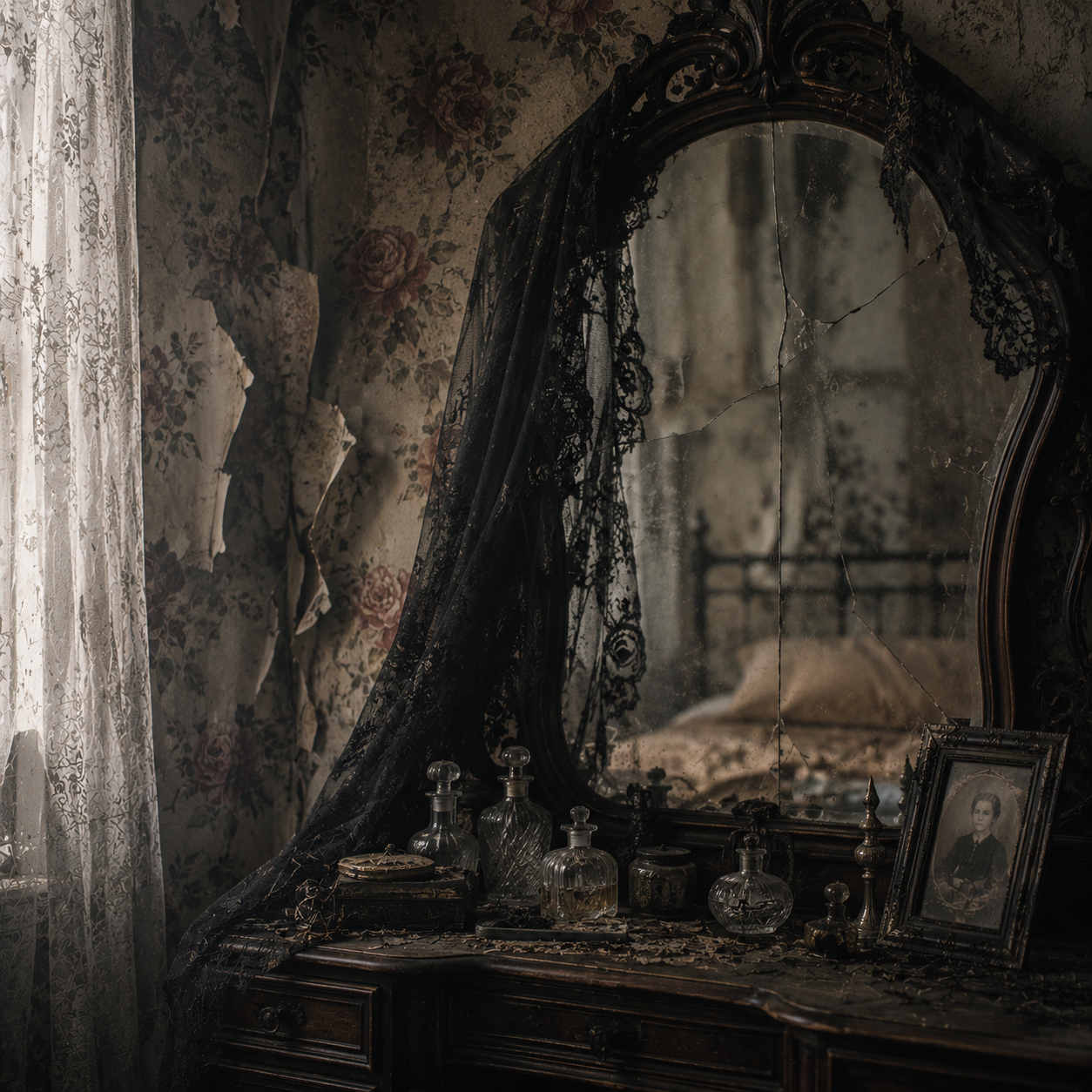
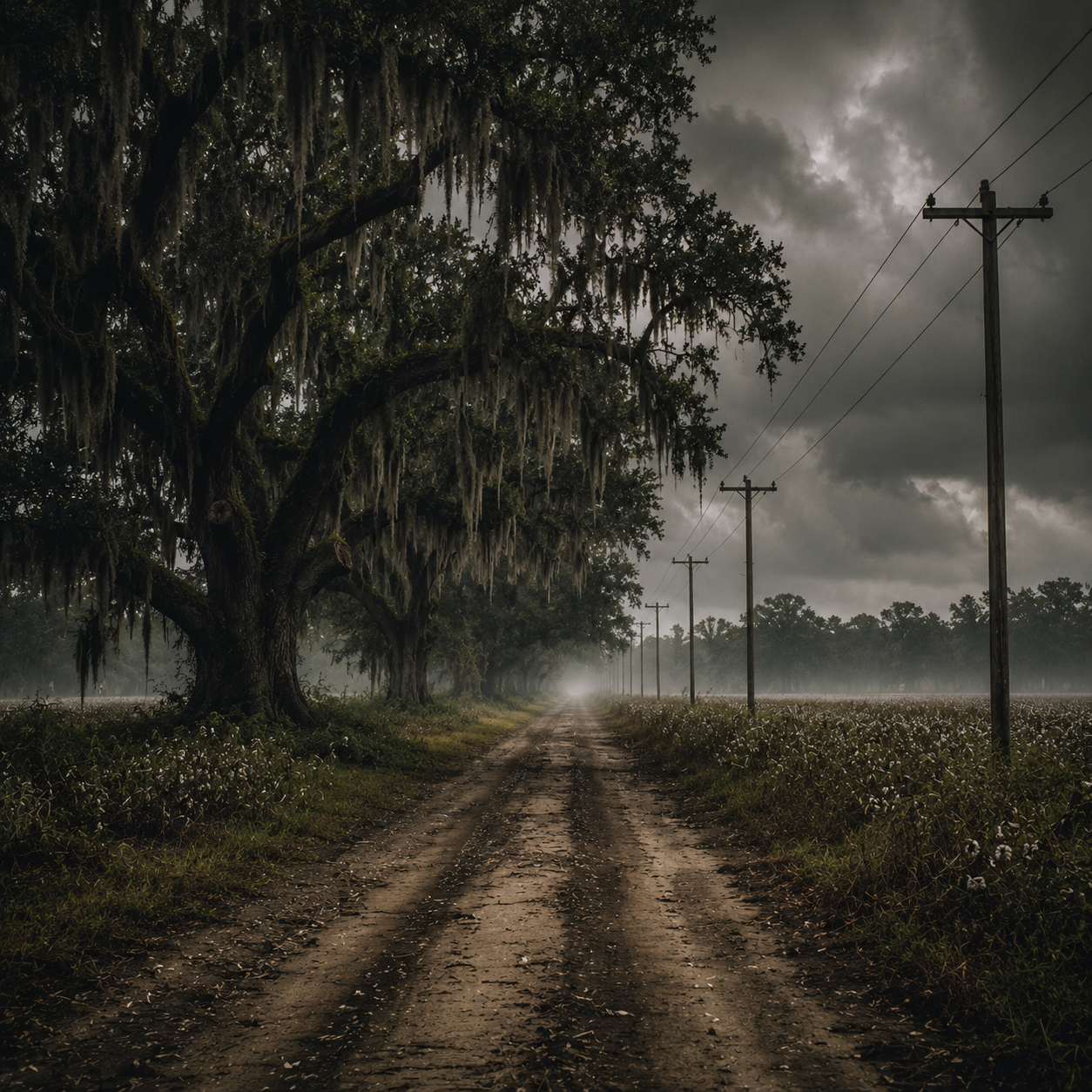
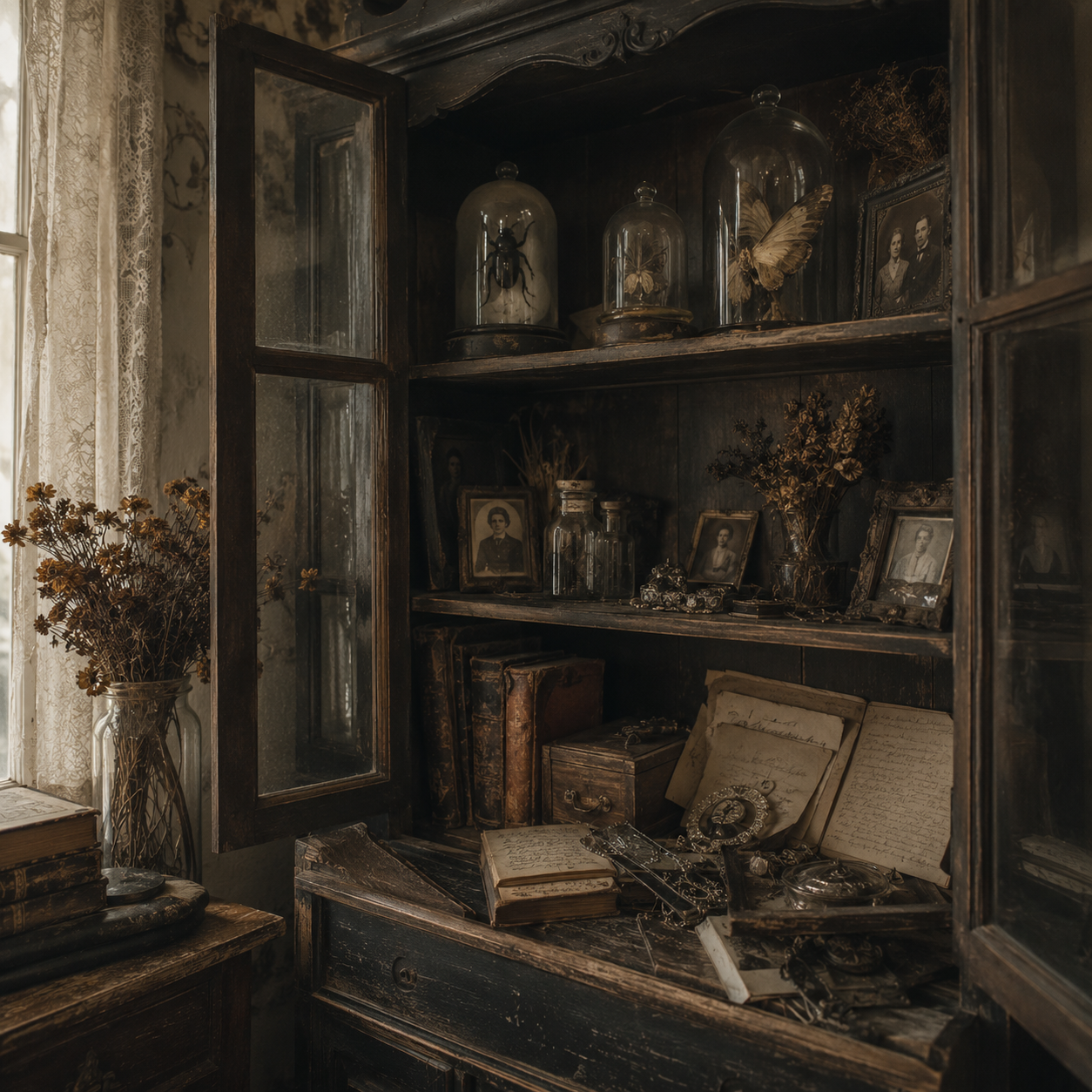
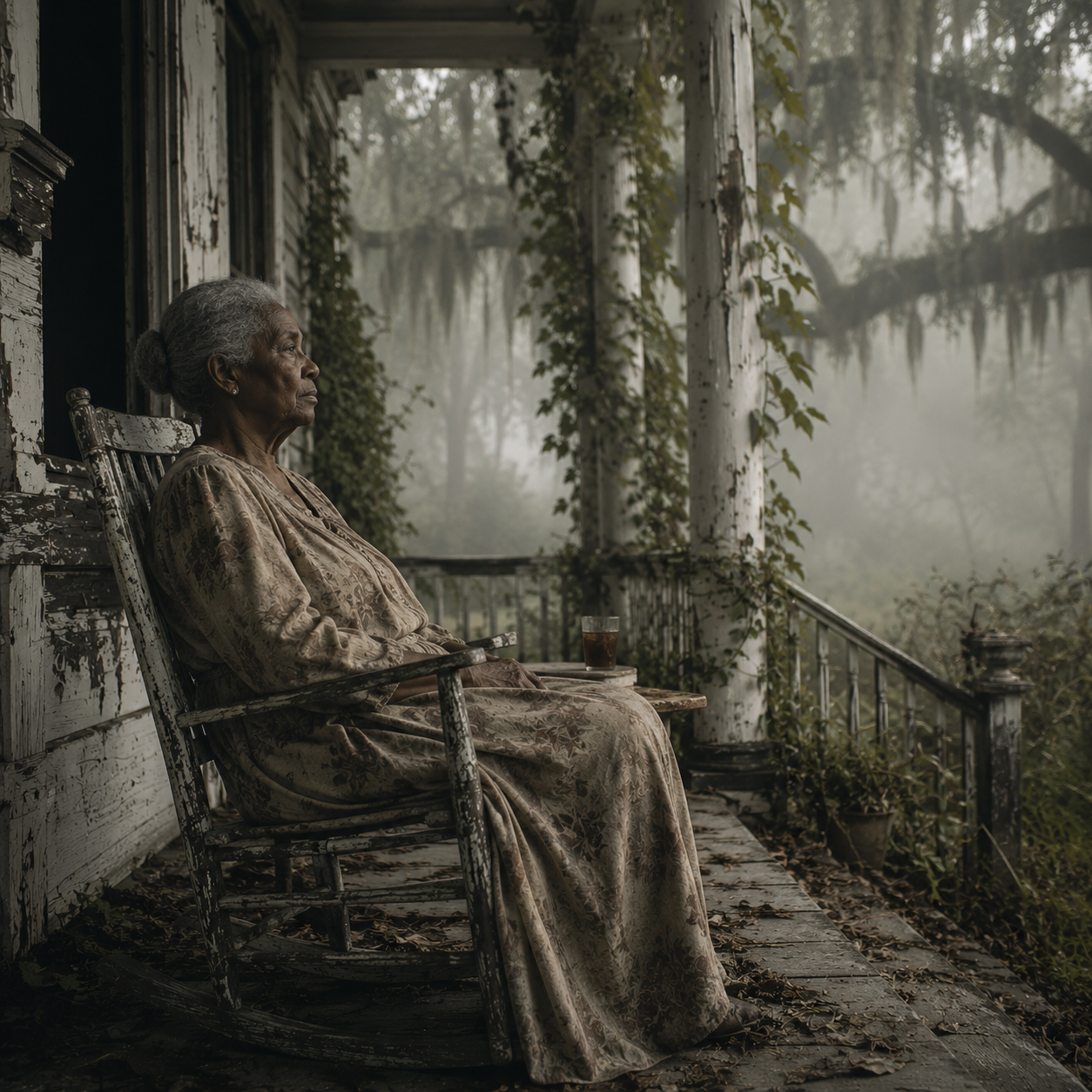
Go Deeper into Southern Gothic
Southern Gothic is less concerned with haunted houses than it is with haunted histories. At its heart, the genre explores what happens when communities refuse to confront the past. Family reputations, inherited wealth, religious traditions, buried crimes, social expectations, and generational trauma linger over every conversation, shaping the lives of characters long after the original events have been forgotten. The supernatural may be present, but often the greatest horror comes from ordinary people protecting extraordinary secrets.
Setting is one of the genre's greatest strengths. The humid heat of the American South, moss-draped oak trees, slow-moving bayous, abandoned plantations, weathered churches, forgotten cemeteries, and isolated small towns all contribute to an atmosphere where beauty and decay exist side by side. Every location should feel lived in, layered with generations of memory, and quietly resistant to change.
◆ Build stories around family legacies. Inherited estates, long-running feuds, hidden wills, old letters, forgotten scandals, and generations of silence all create rich foundations for Southern Gothic fiction.
◆ Let the setting shape your characters. Oppressive heat, dense swamps, neglected gardens, decaying mansions, abandoned churches, and sleepy towns should influence the mood, decisions, and relationships throughout your story.
◆ Use religion and tradition thoughtfully. Revival meetings, church communities, local customs, family rituals, and deeply rooted beliefs can create powerful emotional and moral conflict without becoming stereotypes.
◆ Explore the tension between appearance and reality. Respectable families, beautiful homes, charming towns, and close-knit communities often conceal uncomfortable truths beneath carefully maintained appearances.
◆ Draw inspiration from regional folklore. Ghost stories, swamp legends, mysterious lights, local superstitions, and whispered tales passed between generations can add depth while reinforcing the atmosphere of uncertainty.
◆ Create morally complex characters. Southern Gothic rarely divides people into heroes and villains. Instead, characters are shaped by loyalty, guilt, grief, fear, pride, and the difficult choices made by previous generations.
◆ Allow the past to remain present. Old photographs, abandoned buildings, heirlooms, forgotten diaries, weathered family cemeteries, and fading portraits all remind readers that history continues to influence the present.
◆ Balance beauty with unease. Flowering magnolias, elegant verandas, Spanish moss, candlelit parlours, and peaceful bayous become even more unsettling when contrasted with hidden violence, long-buried secrets, or quiet moral decay.

Every year, the fire burns.
Every year, someone is chosen.
For generations, the people of Ashwick have gathered to celebrate the Longlight Festival. Visitors see wildflowers, music, bonfires, and ancient traditions passed carefully from one generation to the next.
But every village has its secrets.
And some traditions survive for a reason.
The Kindling Collection is an immersive archive inspired by folk horror, ritual, superstition, and isolated communities bound by traditions nobody dares question. Inside you'll discover letters, diary entries, photographs, festival posters, warnings, drawings, church documents, and other forgotten fragments connected to Ashwick and the Longlight Festival.
Some documents describe a harmless celebration.
Others hint at something far darker.
Why do some villagers refuse to discuss the festival?
Why do certain names disappear from the records?
And why does every warning seem to arrive too late?
The truth has been buried beneath generations of stories.
What's Inside?
◆ 50+ printable documents and artefacts from the world of Ashwick
◆ Letters, diary entries, drawings, festival posters, photographs, orders of service, warnings, and more
◆ A printable prompt card to inspire exploration and storytelling
◆ Instant digital download in PDF format
Who Is It For?
Perfect for:
◆ Writers and worldbuilders
◆ Fans of folk horror and rural gothic fiction
◆ Mystery lovers and curious minds
◆ Teachers and students
◆ Anyone fascinated by folklore, ritual, and hidden histories
What Makes This Different?
This isn't a guided story or a mystery with a solution.
It's an archive.
The documents don't agree. Some details repeat. Others contradict one another entirely.
Every piece reveals part of a larger story, but none reveal the whole truth.
What happened in Ashwick depends on what you believe, what you dismiss, and what connections you choose to make.
Every reader uncovers a different story.
And every year, the fire still burns.
Explore a Town Where Everyone Knows the Secret: The Kindling Collection
Southern Gothic stories understand something unsettling about small communities: the longer people live together, the more history they have to hide.
Old families remember things newcomers don't. Traditions continue because nobody wants to be the first person to question them. Names disappear from conversations. Certain subjects are quietly avoided. And sometimes an entire community becomes invested in maintaining the same version of the past.
The Kindling Collection takes that idea and places you inside the fictional English village of Ashwick — a seemingly picturesque community shaped by generations of tradition, silence and secrets.
Every year, the villagers gather for the Longlight Festival, an old midsummer celebration filled with wildflowers, music and bonfires.
Every year, someone is chosen.
What that means is something you'll have to uncover for yourself.
Instead of being given a complete story, you receive the fragments Ashwick has left behind — letters, diary entries, photographs, church documents, festival posters, children's drawings, warnings, memorials and records stretching across generations.
Some pieces describe an ordinary community celebration. Others suggest that the people of Ashwick have been protecting something for a very long time.
Why do certain names disappear from the records? Why are some traditions never questioned? Why do warnings repeatedly arrive too late? And how much can you trust a community that has spent generations telling the same story?
There is no official solution and no single correct interpretation. You decide what happened, who knew about it and why the truth remained buried.
Follow one family through generations of silence. Write from the perspective of a newcomer who begins asking uncomfortable questions. Reconstruct the history everyone else wants forgotten, or use the archive to create an entirely new story about inheritance, guilt, tradition and the lengths a community will go to protect itself.
For writers drawn to small-town secrets, inherited guilt, religious tradition, old families, communal silence, buried histories and places where the past controls the present, Kindling offers an entire community waiting to be investigated.
Some towns bury their secrets. Others turn them into traditions.
→ Discover The Kindling Collection
Final Thoughts
Southern Gothic reveals that the past is never truly gone. Beneath the beauty of moss-covered oak trees, elegant old estates, quiet rivers, and sleepy rural towns lie generations of family secrets, inherited guilt, forgotten tragedies, and communities shaped by the stories they choose not to tell. Whether your story explores psychological tension, supernatural folklore, social conflict, or hidden histories, Southern Gothic offers endless opportunities to create richly atmospheric fiction where every place carries the weight of memory.
These 70 Southern Gothic Writing Prompts explore decaying plantations, abandoned churches, mysterious bayous, forgotten cemeteries, family legacies, small-town secrets, religious traditions, and the quiet unease that defines the genre. Whether you're writing gothic horror, historical fiction, literary fiction, supernatural mystery, or dark family dramas, these prompts are designed to help you create immersive stories filled with atmosphere, emotional complexity, and unforgettable settings.
If you're looking for even more inspiration, explore the Gothic Writing Hub for prompts, characters, settings, names, worldbuilding ideas, and genre guides, or browse the Creative Writing Archive for hundreds of creative writing resources spanning Gothic fiction, fantasy, horror, mystery, folklore, historical fiction, and many more genres.
Choose Your Next Adventure