70 Gothic Winter Writing Prompts: Snow, Ice, Frozen Landscapes & Haunted Secrets
Winter has long been one of Gothic literature's most powerful settings. Snow muffles sound, darkness lingers long into the day, and frozen landscapes transform familiar places into lonely, unforgiving worlds where secrets remain buried beneath ice for generations. Isolated manor houses, abandoned villages, silent forests, frost-covered graveyards, and candlelit halls create an atmosphere where beauty and dread exist side by side, inviting stories of mystery, grief, survival, and the supernatural.
From the frozen wilderness of Frankenstein to the snowbound isolation of The Shining, the ghostly atmosphere of The Woman in Black, and countless winter ghost stories inspired by Victorian traditions, Gothic Winter explores how harsh landscapes heighten emotional tension and expose the hidden fears of those forced to endure them. Blizzards, frozen lakes, abandoned churches, crumbling castles, and forgotten mountain passes become more than settings—they become silent witnesses to tragedies that refuse to be forgotten.
This collection of 70 Gothic Winter Writing Prompts is designed as a complete creative toolkit, combining plot prompts, title ideas, opening lines, closing lines, character ideas, setting prompts, and cinematic visual inspiration. Explore abandoned snow-covered villages, frozen abbeys, mysterious travellers, winter folklore, isolated estates, ancient forests, and long-buried secrets waiting beneath the ice.
If you're looking for even more Gothic inspiration, explore the Gothic Writing Hub or browse the Creative Writing Archive, where you'll discover hundreds of prompts, characters, settings, worldbuilding ideas, and creative writing resources across gothic fiction, fantasy, horror, mystery, folklore, historical fiction, and many more genres.
1. Plot Prompts
Winter transforms familiar landscapes into places of isolation, silence, and uncertainty, making it the perfect setting for Gothic fiction. These prompts explore frozen manors, abandoned villages, blizzards, ancient curses, and haunting secrets hidden beneath snow and ice.
A remote mountain village becomes completely cut off by snowfall just as an ancient winter tradition begins.
The frozen lake surrounding an abandoned manor starts revealing objects trapped beneath the ice from different centuries.
Every winter, mysterious footprints appear across the snow leading into a forest where nobody has returned alive.
A traveller seeks shelter in an isolated inn, only to discover every guest has been snowed in for far longer than should be possible.
An ancient monastery buried beneath snow is uncovered after centuries, revealing that its final residents vanished overnight.
During the longest night of the year, every clock in a grand estate stops at midnight, just as ghostly figures begin wandering its halls.
A family inherits a crumbling castle where every room grows colder each night despite roaring fires.
A frozen cemetery begins revealing long-forgotten graves after an unusually harsh winter.
A lighthouse keeper trapped by blizzards receives mysterious letters delivered across the frozen sea.
A child discovers that the beautiful ice sculptures appearing throughout the village each winter were once living people.
2. Title Ideas
Winter Gothic titles should evoke isolation, frozen landscapes, forgotten histories, and the quiet beauty of snow-covered worlds hiding dark secrets beneath the surface.
The Winter Chapel
Beneath the Frozen Lake
The Longest Night
Frost & Ash
The Silent Manor
Snowbound
The Ice Bell
The White Forest
Where Winter Waits
Beneath the Black Pines
3. Opening Lines
The opening of a Gothic Winter story should immediately establish atmosphere through silence, cold, and isolation. These first lines invite readers into worlds where every snowfall seems to hide another mystery.
The snow erased the road before anyone realised we shouldn't have come.
Every winter the bells rang, though the monastery had stood empty for over a century.
The footprints appeared overnight, beginning at my front door and ending nowhere.
Grandmother always warned us never to cross the frozen lake after dusk.
By the time the blizzard arrived, nobody could remember who had first locked the west wing.
The castle looked almost beautiful beneath the snow until the windows began lighting one by one.
They said winter preserved everything, but nobody mentioned that it preserved memories too.
I knew something was wrong when the ravens abandoned the forest before the first snowfall.
Every portrait in the manor had been turned to face the wall before we arrived.
The village disappeared beneath the snow so quietly it was as though it had never existed.
4. Closing Lines
Winter Gothic endings often leave readers with lingering uncertainty. Even when the story ends, the landscape remains unchanged, patiently waiting beneath another blanket of snow.
By spring, the snow had hidden every trace of what happened.
Some secrets are safer left beneath the ice.
The bells never rang again, yet everyone remembered hearing them.
Winter released the village, but never its memories.
The frozen lake remained perfectly still.
When the thaw finally came, something was missing.
The castle stood empty once more, waiting for another winter.
Not every ghost leaves footprints.
Beneath the fresh snowfall, the old path was already returning.
Winter always comes back.
5. Character Ideas
Winter Gothic characters are shaped by endurance, grief, isolation, and the harsh landscapes they inhabit. Whether protectors, wanderers, historians, or reluctant heirs, they carry stories as old as the snow itself.
A reclusive lighthouse keeper who has spent decades watching the frozen coastline.
A historian searching for a monastery that vanished beneath the snow centuries ago.
A young woman who inherits a mountain manor nobody has lived in since the previous winter.
An elderly groundskeeper who quietly maintains an abandoned cemetery throughout the harshest months.
A travelling doctor forced to seek refuge in a village hidden by blizzards.
A lonely child who believes the figures walking across the frozen lake are trying to communicate.
A grieving widow restoring an isolated chapel buried beneath snow.
A park ranger investigating strange lights appearing deep within an ancient winter forest.
A mysterious traveller who arrives with every first snowfall and disappears when spring returns.
A monastery librarian protecting manuscripts no one else knows survived.
6. Setting Ideas
Winter landscapes naturally create isolation, silence, and vulnerability, making them ideal for Gothic storytelling. These frozen settings provide atmospheric backdrops filled with hidden histories and lingering mysteries.
A snow-covered Gothic manor overlooking a frozen valley.
A ruined monastery buried deep within the mountains.
An abandoned village slowly disappearing beneath drifting snow.
A frozen forest of towering black pines.
A lonely cemetery where every gravestone is hidden beneath ice.
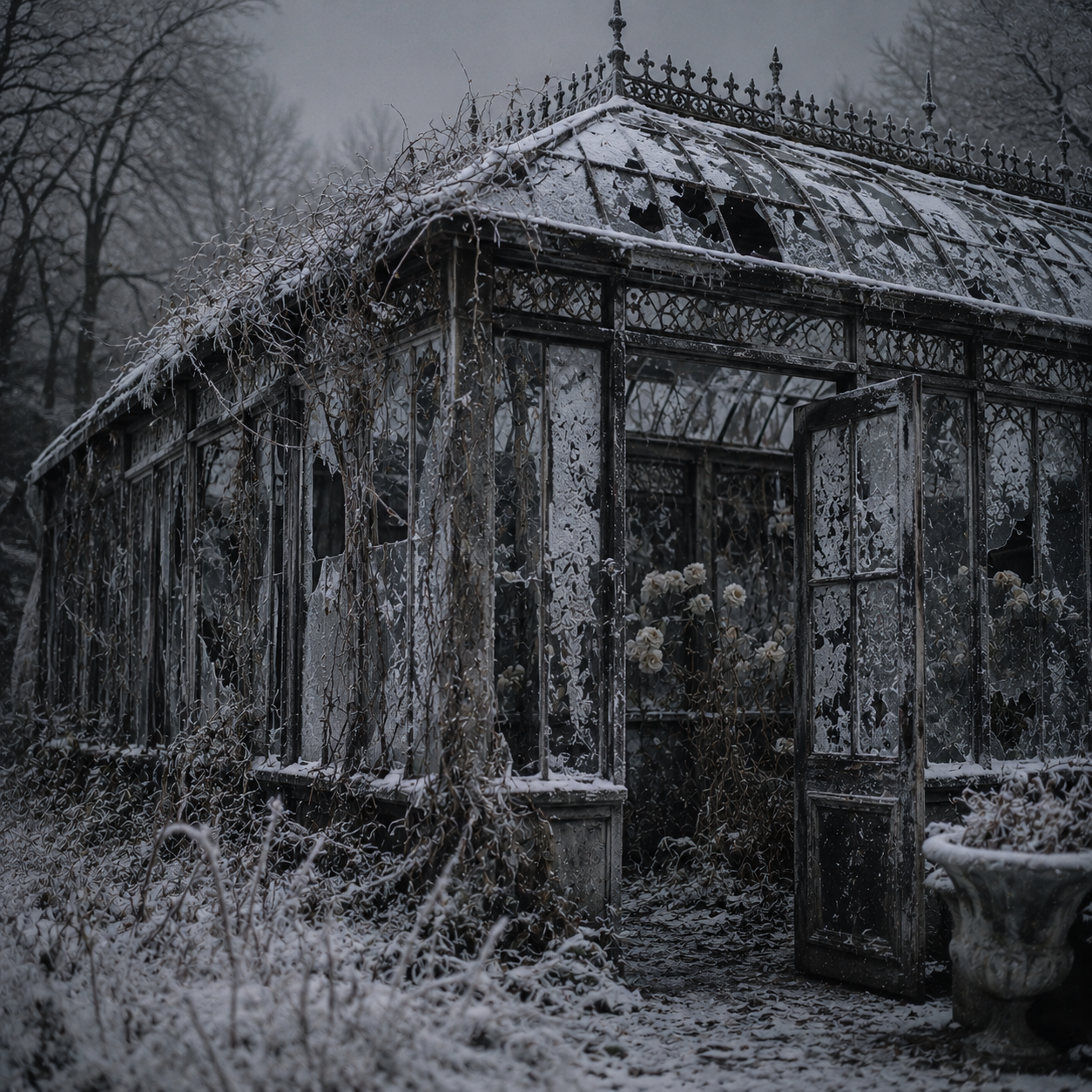
A Victorian greenhouse filled with frost-covered plants.
A remote lighthouse surrounded by frozen cliffs and crashing waves.
A frozen lake crossed by an ancient stone bridge.
A mountain pass where travellers have vanished for generations.
A candlelit castle library overlooking an endless winter landscape.
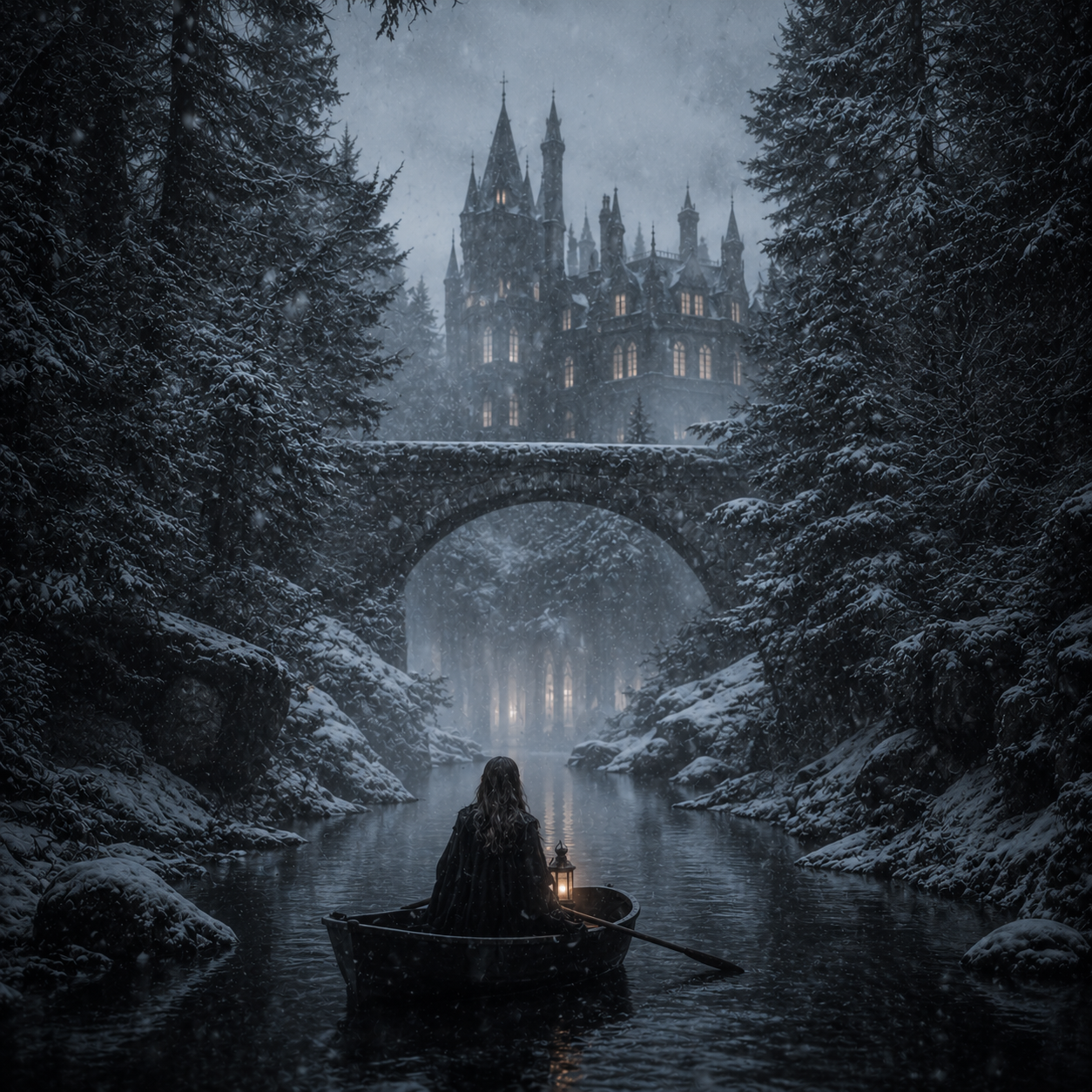
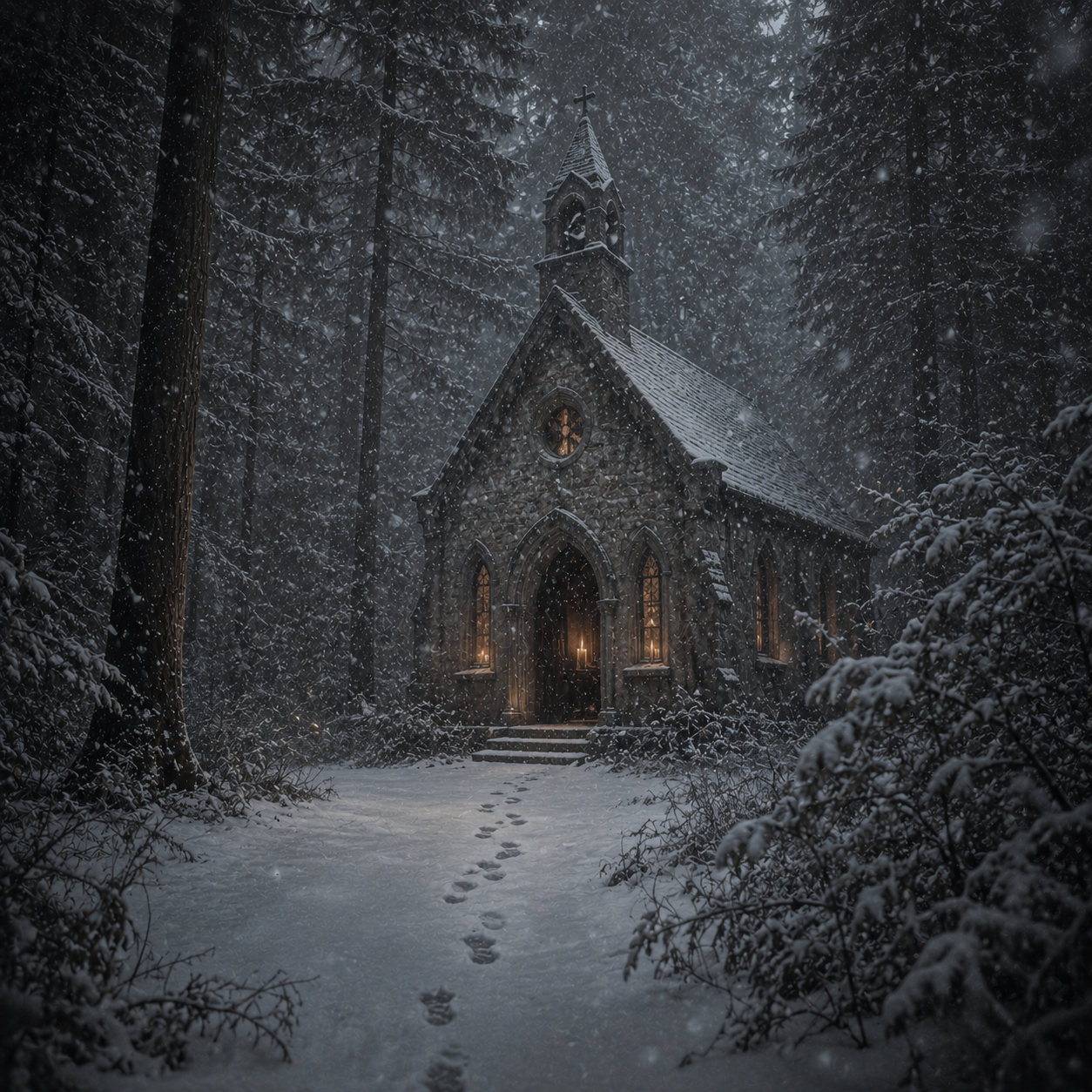
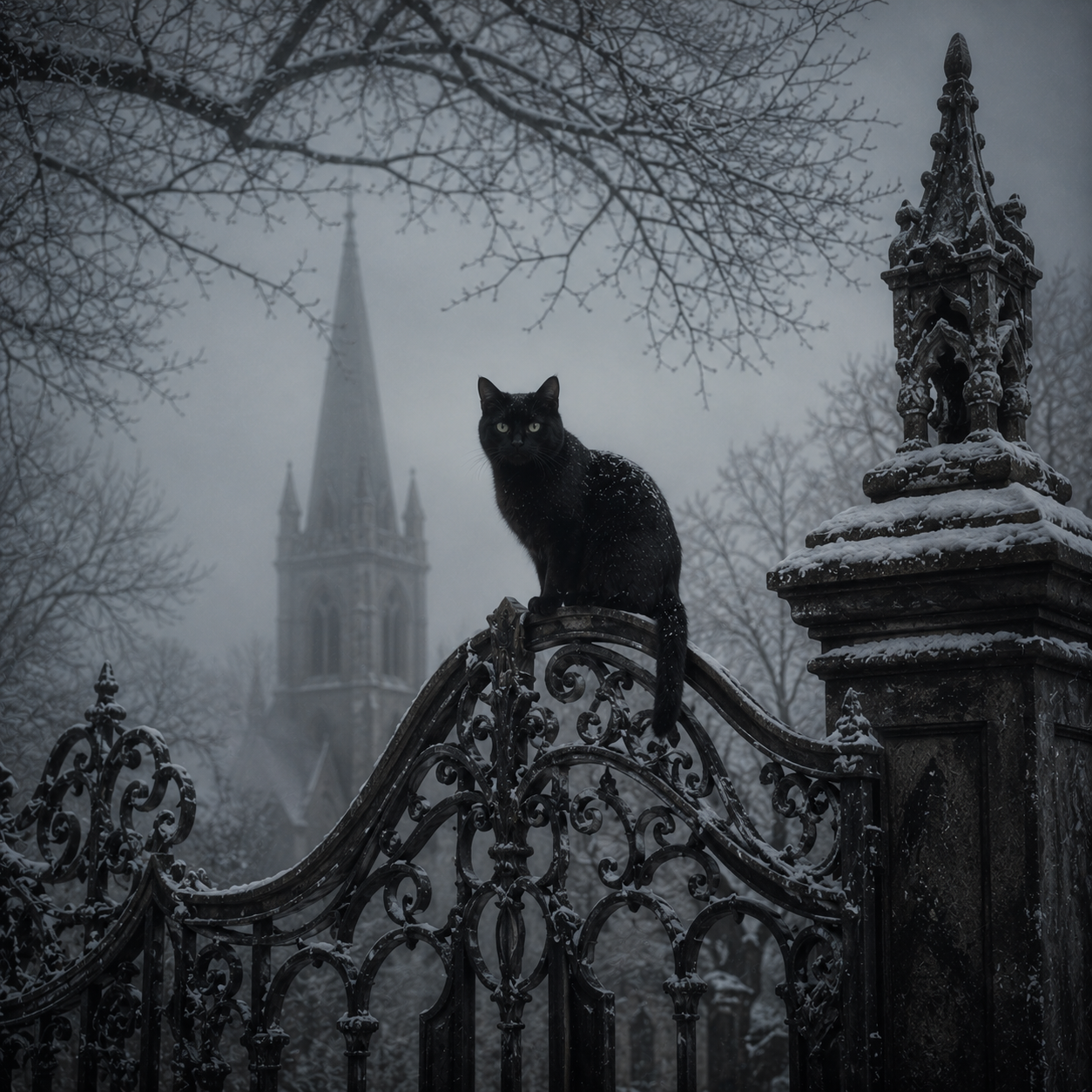
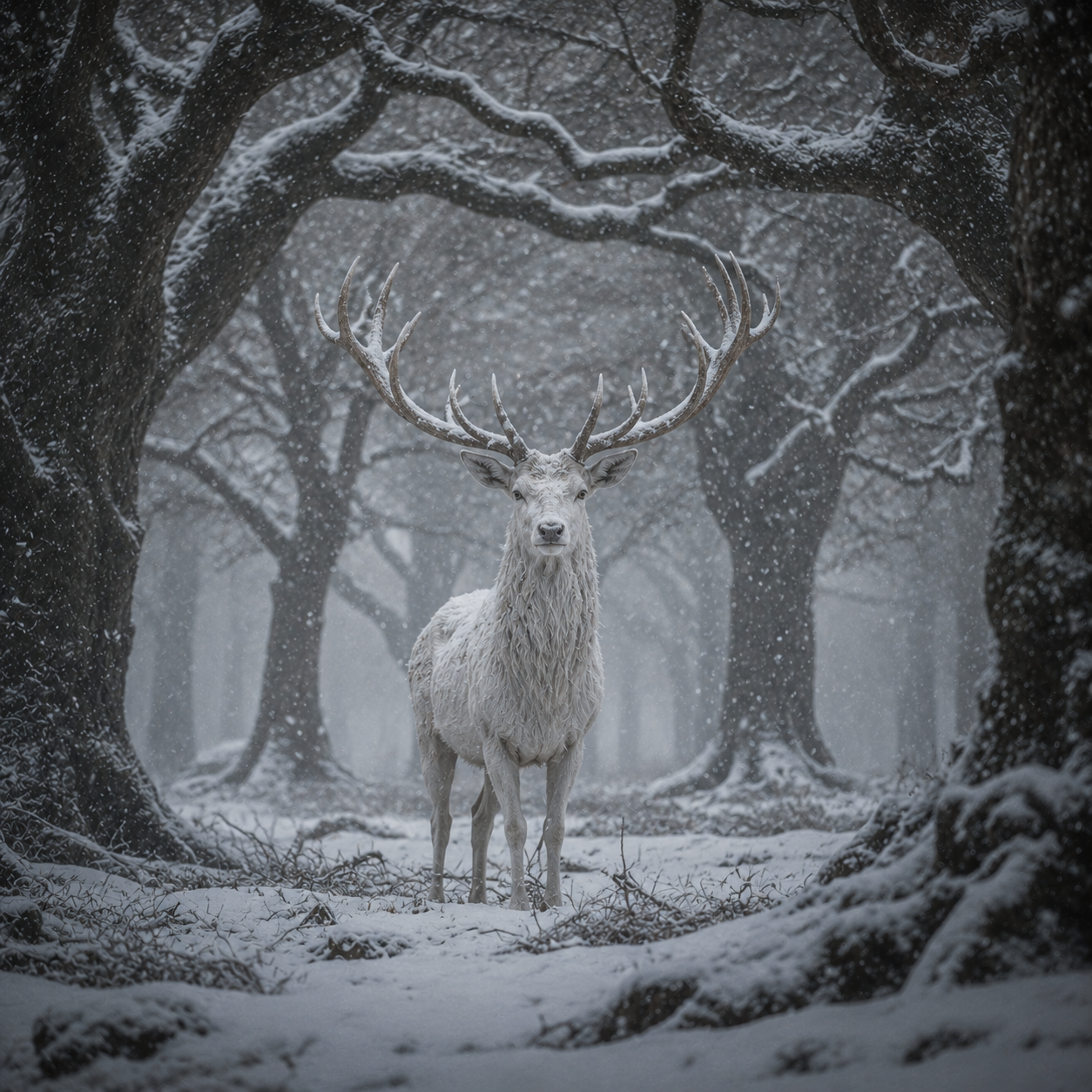
7. Picture Prompts
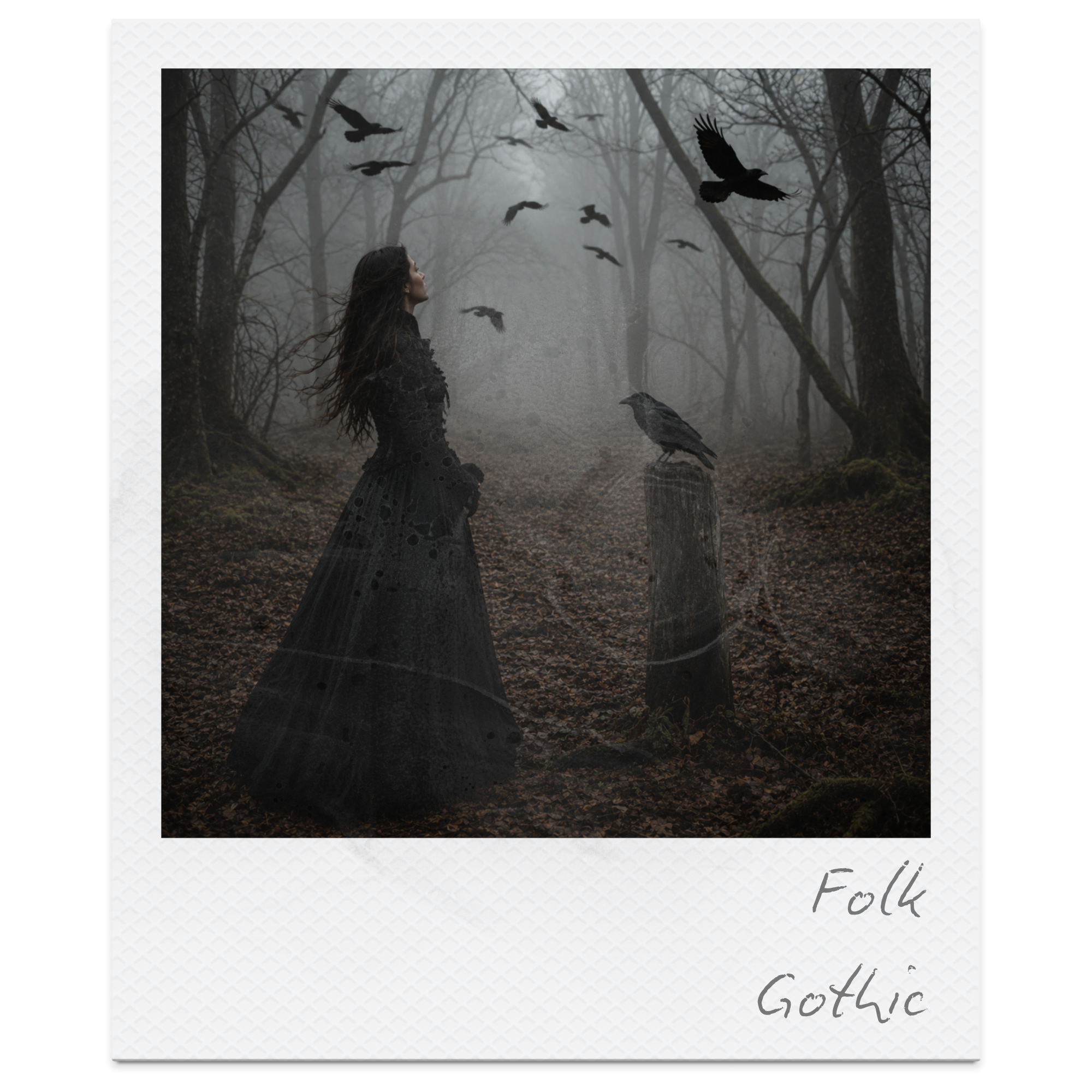
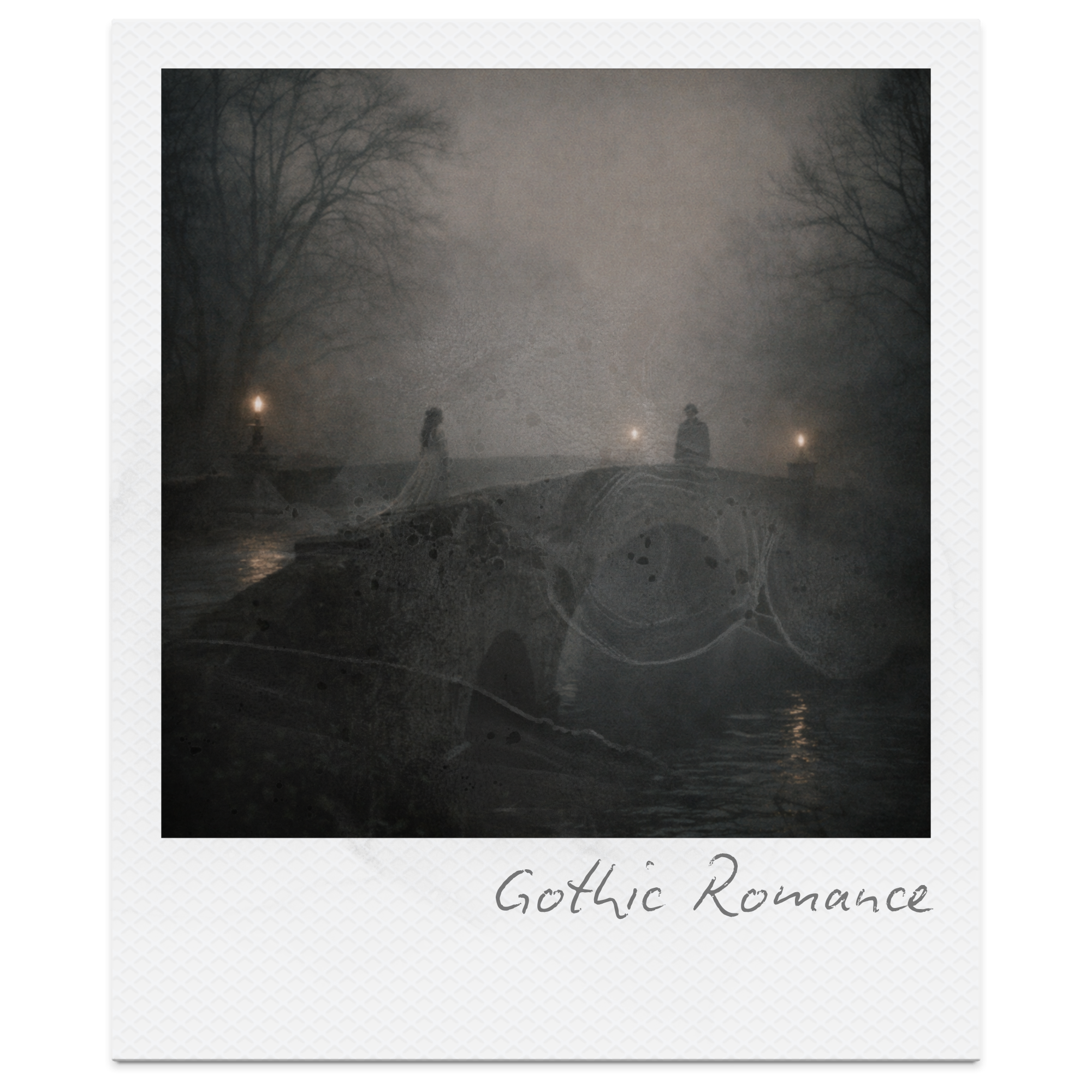
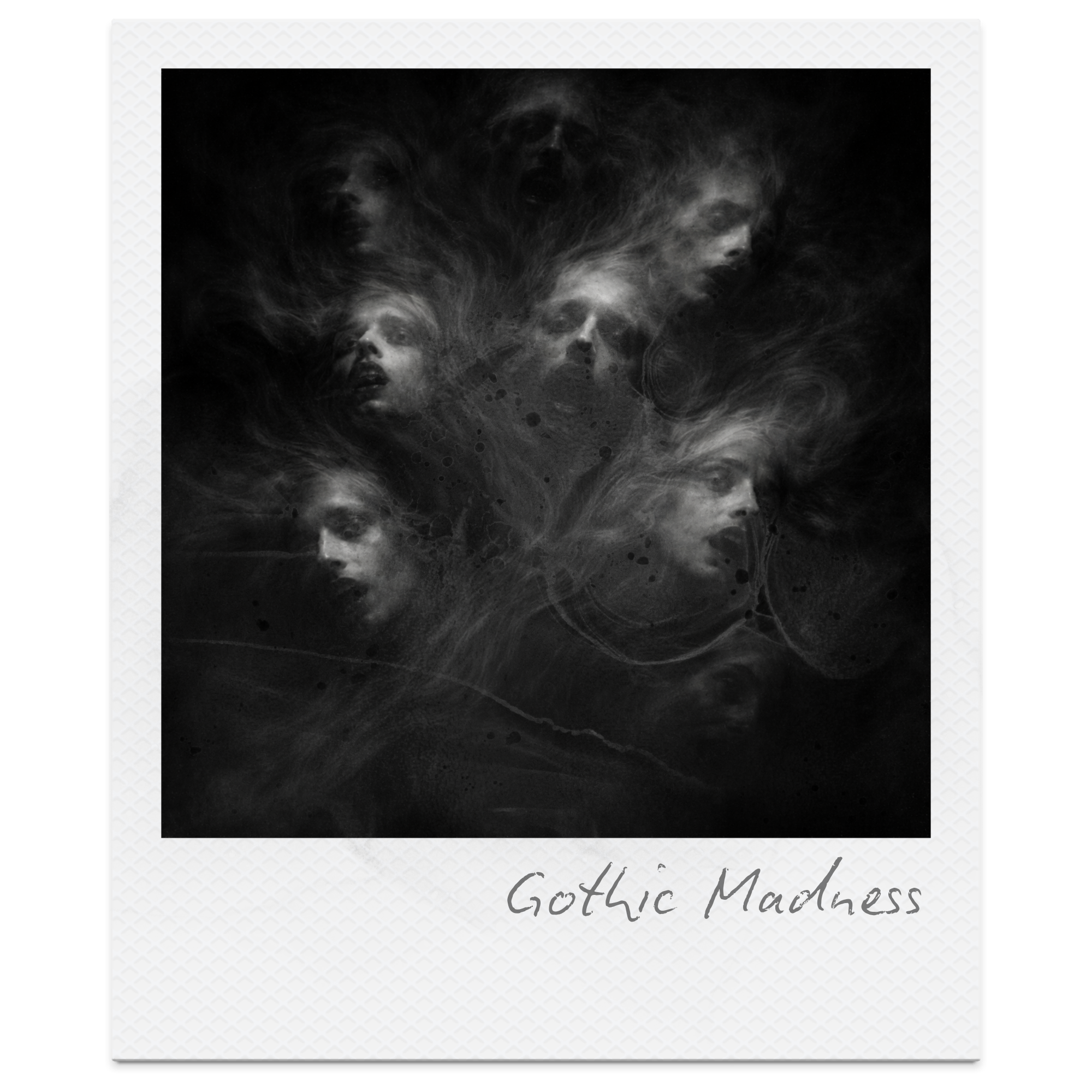
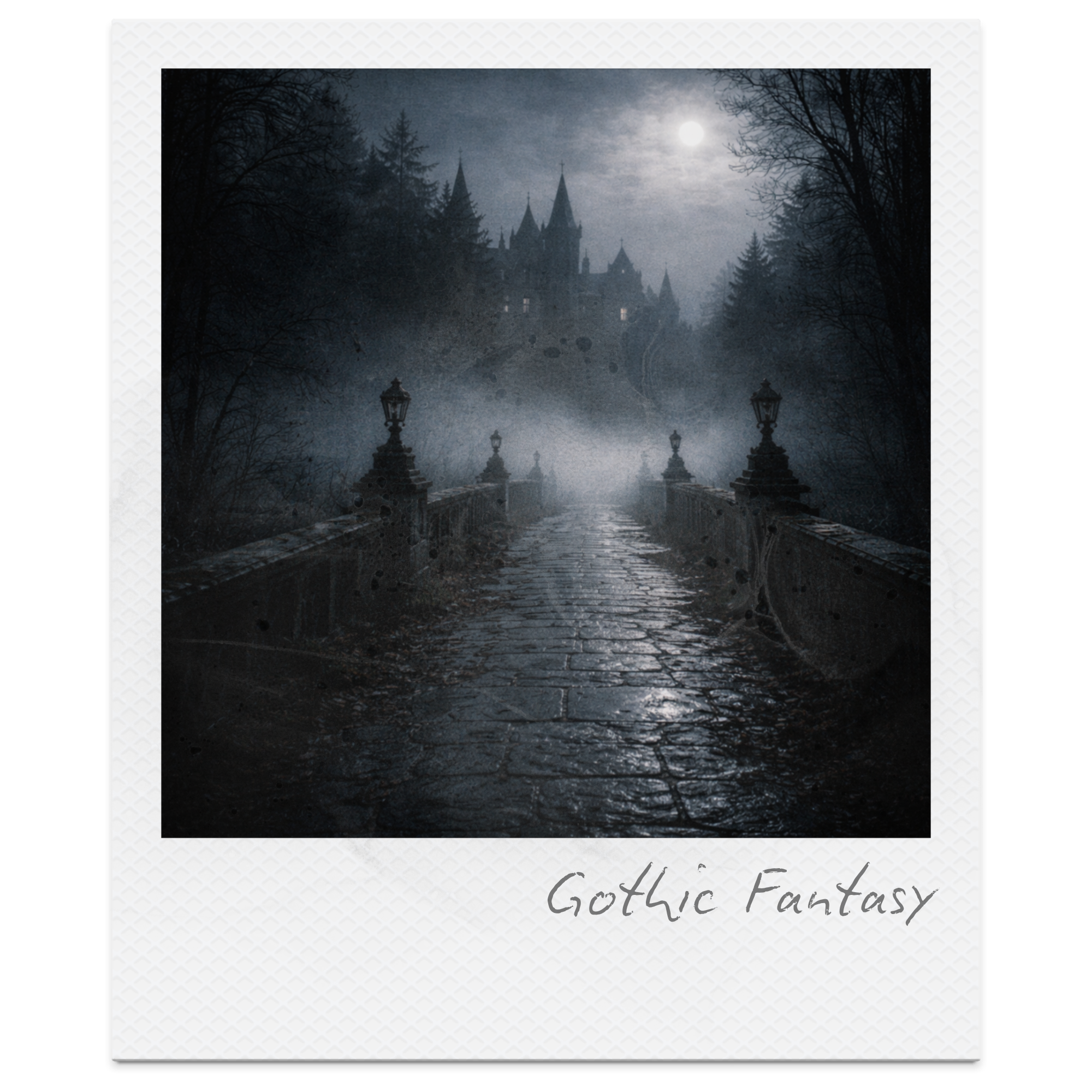
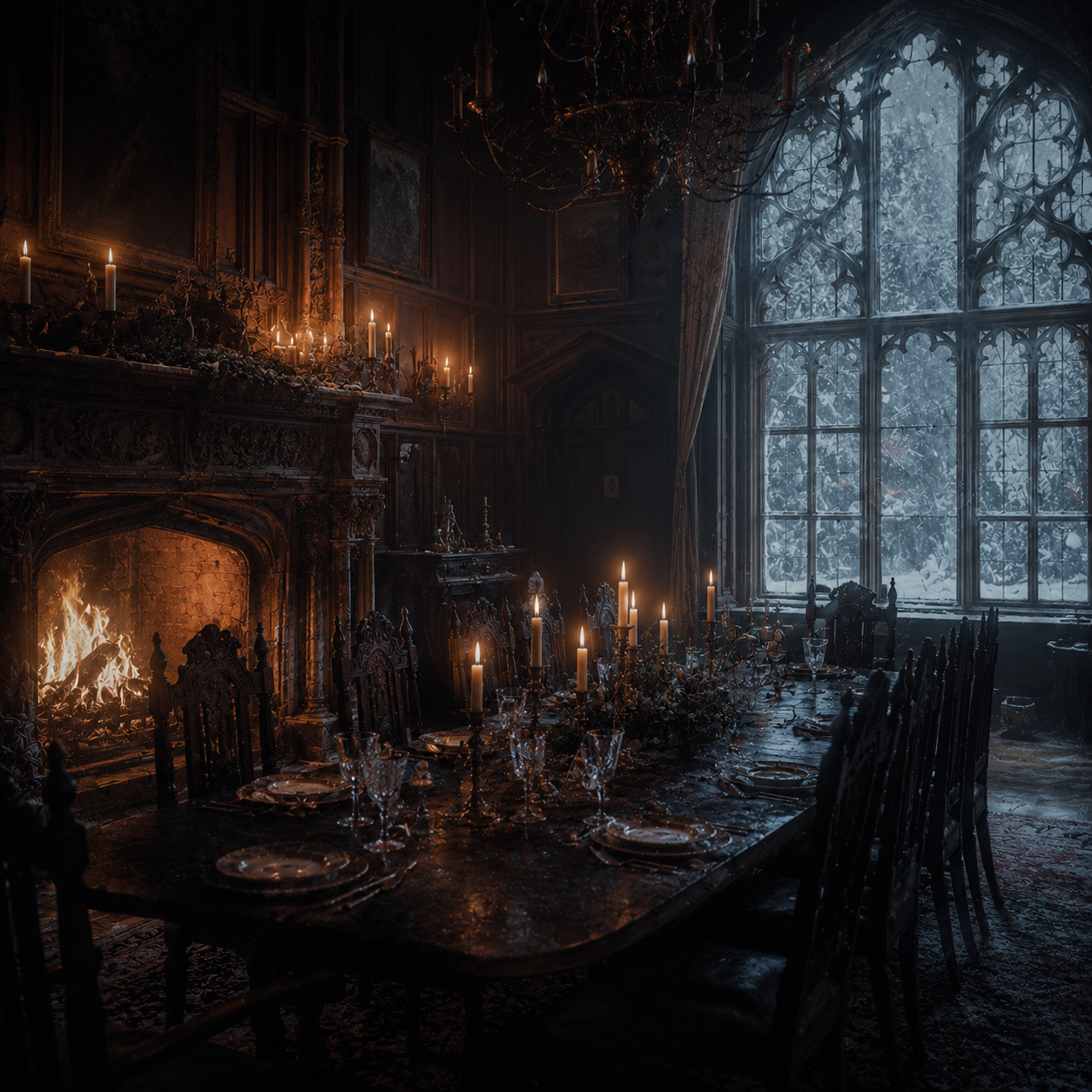
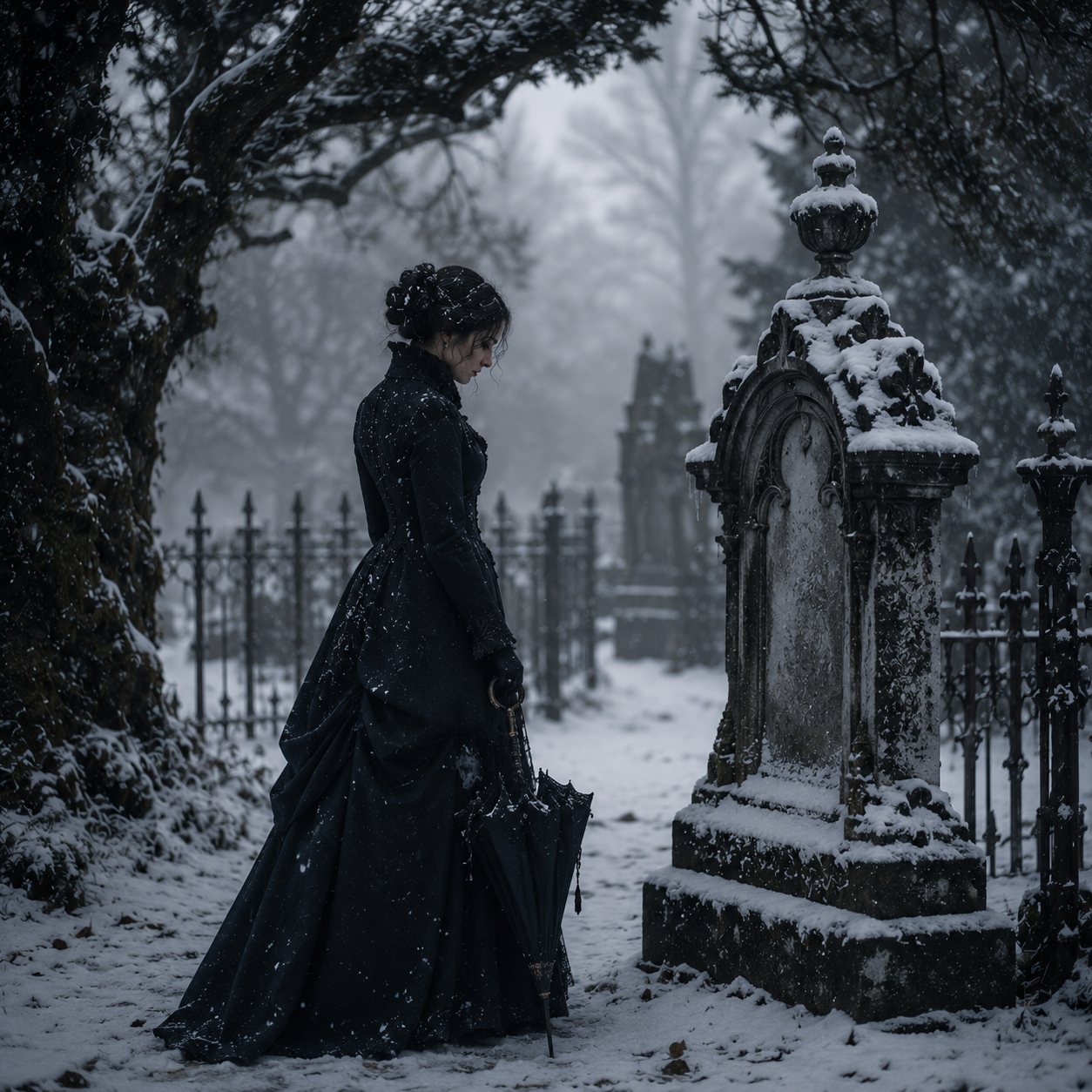
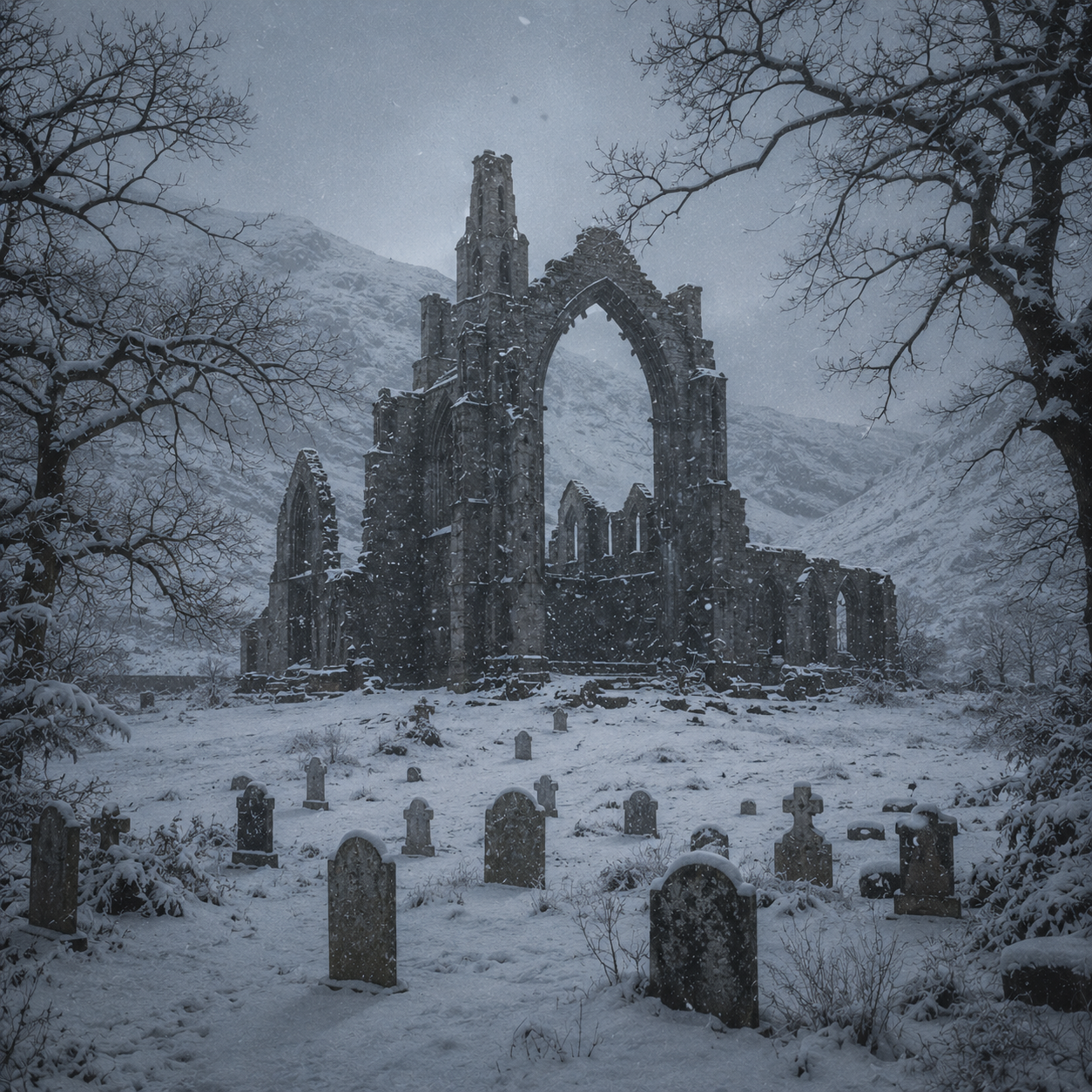
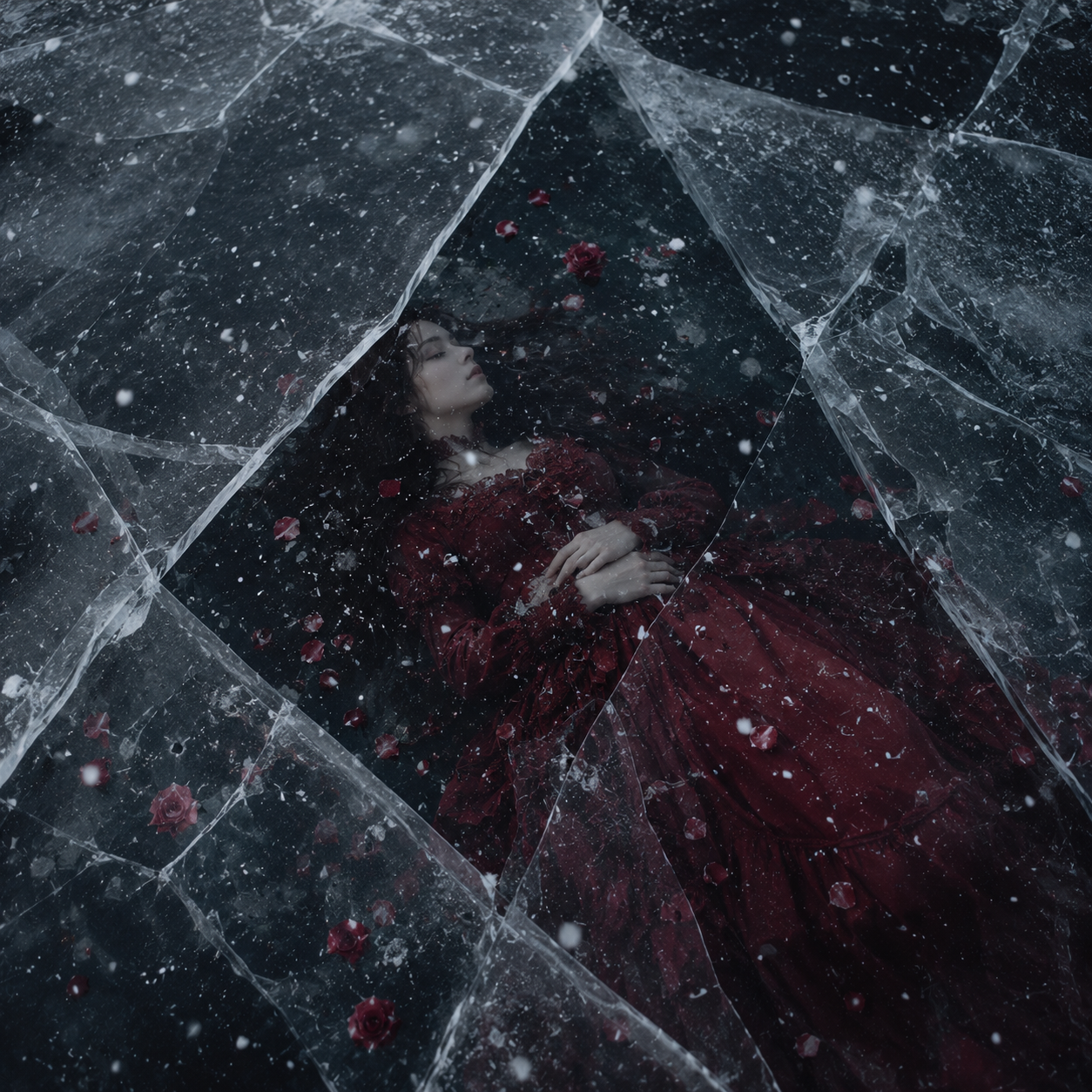
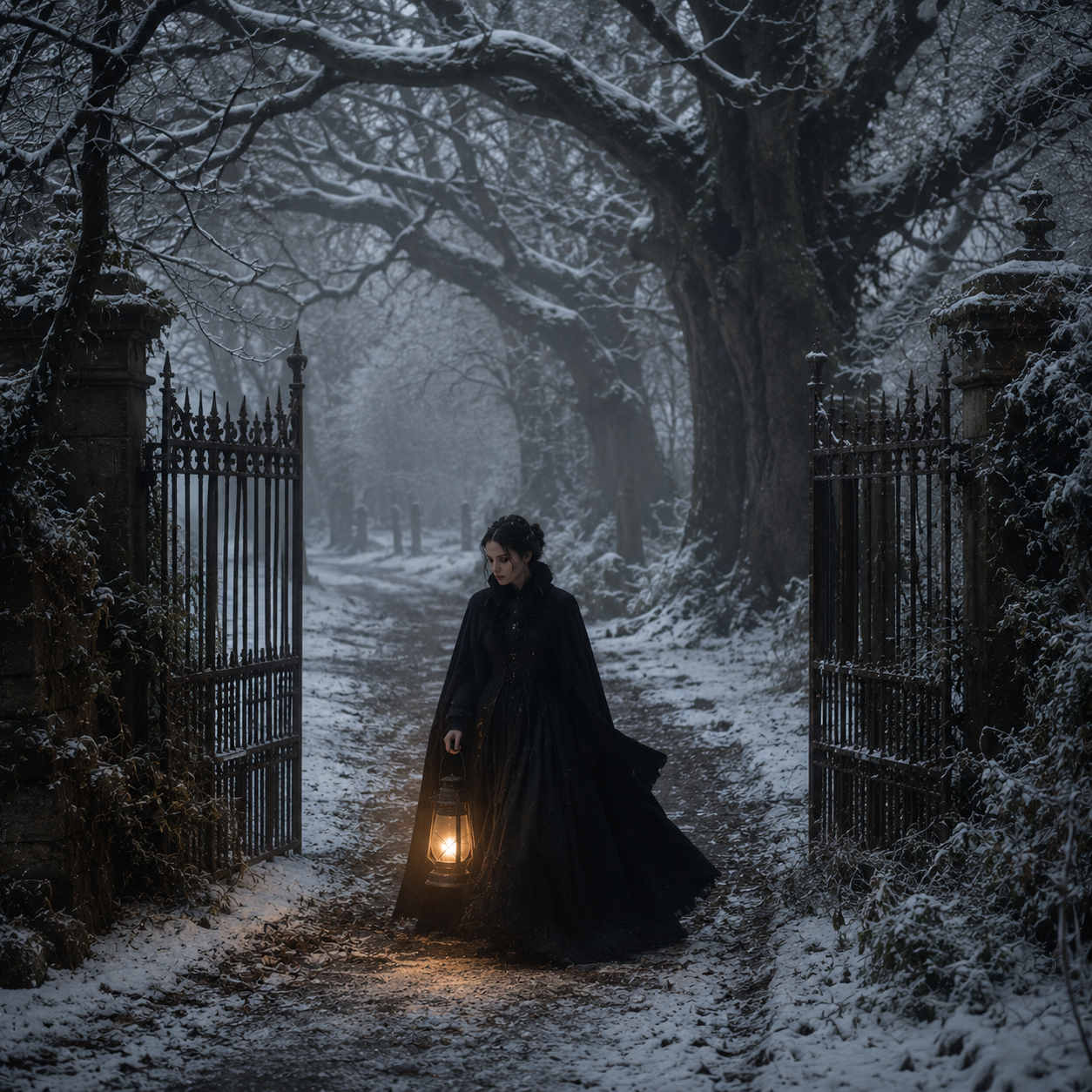
Winter Gothic is filled with striking visual contrasts—warm candlelight against endless snow, ruined architecture emerging through blizzards, and frozen landscapes hiding forgotten histories. Use these scenes to inspire atmospheric stories, asking what happened before the moment captured and what secrets remain hidden beneath the ice.
Go Deeper into Gothic Winter
Winter has always held a special place in Gothic fiction. Snow muffles sound, darkness arrives early, and frozen landscapes isolate people from the outside world, creating the perfect conditions for mystery, fear, and reflection. A snowstorm can trap strangers together inside a crumbling manor, while a frozen forest can preserve forgotten secrets beneath layers of ice for generations. In Gothic Winter stories, the landscape is never simply cold—it becomes a force that shapes every decision your characters make.
The contrast between warmth and cold is one of the genre's greatest strengths. A glowing fireplace inside an ancient castle feels more comforting when blizzards rage outside, while a single lantern burning in a snow-covered cemetery immediately raises questions. Winter naturally slows the pace of a story, allowing tension to build gradually as isolation, uncertainty, and long-buried secrets begin to surface.
◆ Use winter weather to shape your plot. Heavy snowfall, frozen rivers, blizzards, avalanches, and icy roads can isolate characters, cut off communication, and force difficult decisions.
◆ Let the landscape become part of the mystery. Snow-covered forests, frozen lakes, abandoned villages, mountain passes, and frost-covered cemeteries should influence the story just as much as your characters.
◆ Contrast warmth with cold. Candlelit libraries, roaring fireplaces, glowing lanterns, and welcoming kitchens become even more atmospheric when surrounded by harsh winter landscapes.
◆ Draw inspiration from winter folklore. Ghost stories told during the longest nights, ancient solstice traditions, mysterious winter processions, forgotten saints, and seasonal superstitions can all add depth to your worldbuilding.
◆ Allow silence to build suspense. Snow absorbs sound, making even familiar places feel unfamiliar. Quiet landscapes often create greater unease than constant danger.
◆ Use winter as a symbol of emotional conflict. Frozen lakes, barren trees, endless snowfall, and long nights can reflect grief, loneliness, guilt, or memories your characters have tried to bury.
◆ Balance beauty with dread. Frost-covered branches, glittering snowfields, frozen waterfalls, and moonlit forests should feel breathtaking while hinting that something ancient and unsettling lies just beneath the surface.
◆ Remember that winter is also a season of endurance and hope. The promise of spring gives Gothic Winter stories emotional depth, reminding readers that even the darkest landscapes eventually begin to thaw, though not every secret should emerge with them.
Final Thoughts
Winter has inspired Gothic storytellers for centuries because it transforms even the most familiar places into landscapes of uncertainty. Snow buries forgotten paths, frozen lakes conceal hidden histories, and endless nights encourage old superstitions to return. Whether you're writing about isolated manor houses, abandoned monasteries, haunted forests, mysterious travellers, or villages bound by ancient traditions, Gothic Winter offers the perfect setting for stories where beauty and dread exist side by side.
These 70 Gothic Winter Writing Prompts explore snowbound estates, frozen landscapes, ghostly legends, winter folklore, hidden secrets, ancient curses, and the quiet tension that only the coldest season can create. Whether you're writing gothic horror, historical fiction, supernatural mystery, dark fantasy, or literary fiction, these prompts will help you build immersive worlds where every snowfall uncovers another mystery.
If you're looking for even more inspiration, explore the Gothic Writing Hub for prompts, characters, settings, names, worldbuilding ideas, and genre guides, or browse the Creative Writing Archive for hundreds of creative writing resources spanning gothic fiction, fantasy, horror, mystery, romance, folklore, historical fiction, and many more genres.
Choose Your Next Adventure