70 Gothic Fantasy Writing Prompts: Dark Story Starters, Characters, Settings & Visual Ideas
Gothic fantasy has long explored the uneasy space between the natural and the supernatural. Emerging from gothic literature, dark folklore, and mythic storytelling traditions, these stories often unfold in isolated places — ruined castles, fogbound forests, abandoned estates, and forgotten villages where the past refuses to remain buried. Rather than relying on spectacle or fast-paced adventure, gothic fantasy focuses on atmosphere, secrecy, memory, and moral ambiguity, allowing tension to build slowly through setting and character.
Gothic fantasy writing prompts invite teen writers to explore stories shaped by haunted landscapes, ancient bargains, hidden histories, and quiet supernatural forces. These narratives often explore themes of identity, inheritance, guilt, transformation, and the cost of knowledge. While gothic fantasy shares elements with horror and dark fantasy, it usually emphasises mood, symbolism, and emotional conflict rather than overt violence or action.
This collection of 70 Gothic Fantasy Writing Prompts is designed as a complete creative toolkit, combining story starters, plot hooks, character ideas, setting prompts, opening lines, closing lines, and cinematic visual prompts inspired by gothic landscapes, folklore, and atmospheric fantasy worlds. The prompts work equally well for creative writing lessons, English classrooms, writing clubs, journaling, or longer YA fantasy projects, offering young writers a structured way to explore gothic storytelling while developing atmosphere and voice.
If you enjoy atmospheric fantasy worlds shaped by folklore, magic, and dark mythology, you can explore more ideas in the Fantasy Writing Hub and the Gothic Writing Hub or browse the Creative Writing Archive, which organises hundreds of prompts by genre, theme, and storytelling style.
1. Plot Hooks
Gothic fantasy plot hooks often begin with secrets buried in landscapes or families, where history continues to shape the present. Drawing on gothic literature, folklore, and dark fantasy traditions, these prompts introduce characters who uncover hidden truths, confront inherited power, or encounter supernatural forces that blur the boundary between past and present.
Write about a teenager who inherits a crumbling manor where every portrait on the walls slowly changes expression when no one is looking.
Write about a village where the forest grows closer to the houses each winter, and no one remembers when the trees first began moving.
Write about a library that contains books recording events that have not happened yet — including one describing the reader’s own future.
Write about a castle where the doors rearrange themselves at night, leading visitors toward rooms that reveal forgotten parts of their past.
Write about a character who discovers their reflection sometimes continues moving after they stop.
Write about a ruined abbey where the bells ring every midnight, even though no one has lived there for centuries.
Write about a family that has secretly guarded the same locked door for generations without knowing what lies behind it.
Write about a character who begins receiving letters written in their own handwriting but describing events they have never experienced.
Write about a town where every building slowly mirrors the architecture of a long-abandoned castle nearby.
Write about a traveller who discovers the road they are following appears on no map and seems determined to lead them somewhere specific.
2. Title Ideas
Gothic fantasy titles often evoke mystery, inheritance, and shadow, suggesting atmosphere rather than revealing the story directly. Drawing on gothic literature and dark folklore, these titles reflect themes of hidden knowledge, haunted places, and quiet supernatural forces.
The House That Remembered
Whispers in the Stone
The Orchard of Shadows
Where the Forest Watches
The Daughter of the Manor
The Bells of Black Hollow
A Door That Should Not Open
The Night Garden
The Castle Without Windows
Ashes Beneath the Floorboards
3. Opening Lines
Strong gothic fantasy openings create unease before explanation, introducing atmosphere, place, and voice in ways that suggest hidden truths. Rather than revealing the supernatural immediately, these opening lines allow mystery to emerge gradually through tone and image.
The house had been empty for decades, but the front door opened as if it had been waiting for me.
No one in the village walked near the forest after sunset, though no one could explain why.
The letter arrived with no return address and a date from twenty years ago.
I knew the castle was abandoned, but the candlelight in the highest window said otherwise.
Every night at exactly midnight, the bells rang from a tower that no longer existed.
My grandmother always warned me never to open the green door in the cellar.
The forest path appeared overnight, cutting through land where nothing had grown before.
I realised the town had changed when the statues began looking directly at me.
The diary described events that had not happened yet, including the moment I began reading it.
The first sign something was wrong was when the shadows in the room stopped matching the light.
4. Closing Lines
Gothic fantasy endings rarely provide complete resolution. Instead, they suggest transformation, lingering mystery, or quiet acceptance of the unknown, leaving readers with the sense that the world remains larger and stranger than the story revealed.
By morning the forest looked ordinary again, though I knew it had memorised my name.
The door closed behind me, and for the first time I understood why no one had ever left.
Nothing in the house moved again, except the portraits watching from the walls.
The bells stopped ringing at dawn, but the silence felt heavier than the sound had ever been.
I left the village before sunrise, knowing the forest would eventually follow.
When the last candle went out, the castle finally looked alive again.
The diary ended with a sentence I had not written yet.
The road vanished behind me as though it had never existed at all.
I returned the key to the door, though I knew someone else would find it again.
The shadows returned to normal by morning, but I had already learned how to see them differently.
5. Character Ideas
Gothic fantasy characters are often defined by inheritance, secrecy, and moral tension, caught between ordinary life and forces shaped by history, myth, or the supernatural. These characters invite writers to explore identity, responsibility, and transformation through gothic storytelling.
A reluctant heir who inherits a cursed estate but refuses to abandon the people who live on its land.
A scholar who studies supernatural folklore only to realise their own family history appears in the records.
A groundskeeper who has secretly protected an abandoned manor for decades, waiting for the rightful owner to return.
A traveller who can sense hidden magic in landscapes but cannot control what it awakens.
A descendant of a forgotten royal line whose power only appears when they enter the ruined castle of their ancestors.
A historian who discovers that the town’s official records have been rewritten many times to hide a single event.
A lighthouse keeper who believes the sea itself is trying to communicate through storms.
A village healer who understands the forest better than the people who fear it.
A character whose shadow occasionally moves independently, revealing truths they would rather hide.
An archivist responsible for guarding ancient letters that must never be opened.
6. Setting Ideas
Gothic fantasy settings are defined by atmosphere, history, and isolation, where landscapes themselves hold memory. Drawing on gothic literature and dark folklore, these places shape the emotional direction of the story as much as the characters.
A crumbling manor surrounded by gardens that bloom only at night.
A mountain village permanently shrouded in mist where strangers rarely stay long.
An abandoned monastery hidden deep within a forest that seems to resist being mapped.
A ruined castle perched above cliffs where the wind carries voices from the sea.
A forgotten town slowly being reclaimed by forest and ivy.
A graveyard where new graves sometimes appear before anyone has died.
A narrow valley where the sun only reaches the ground for a few hours each day.
A forest lake said to reveal memories rather than reflections.
A deserted theatre where performances once summoned supernatural forces.
A long stone bridge leading to an island that appears only during certain tides.
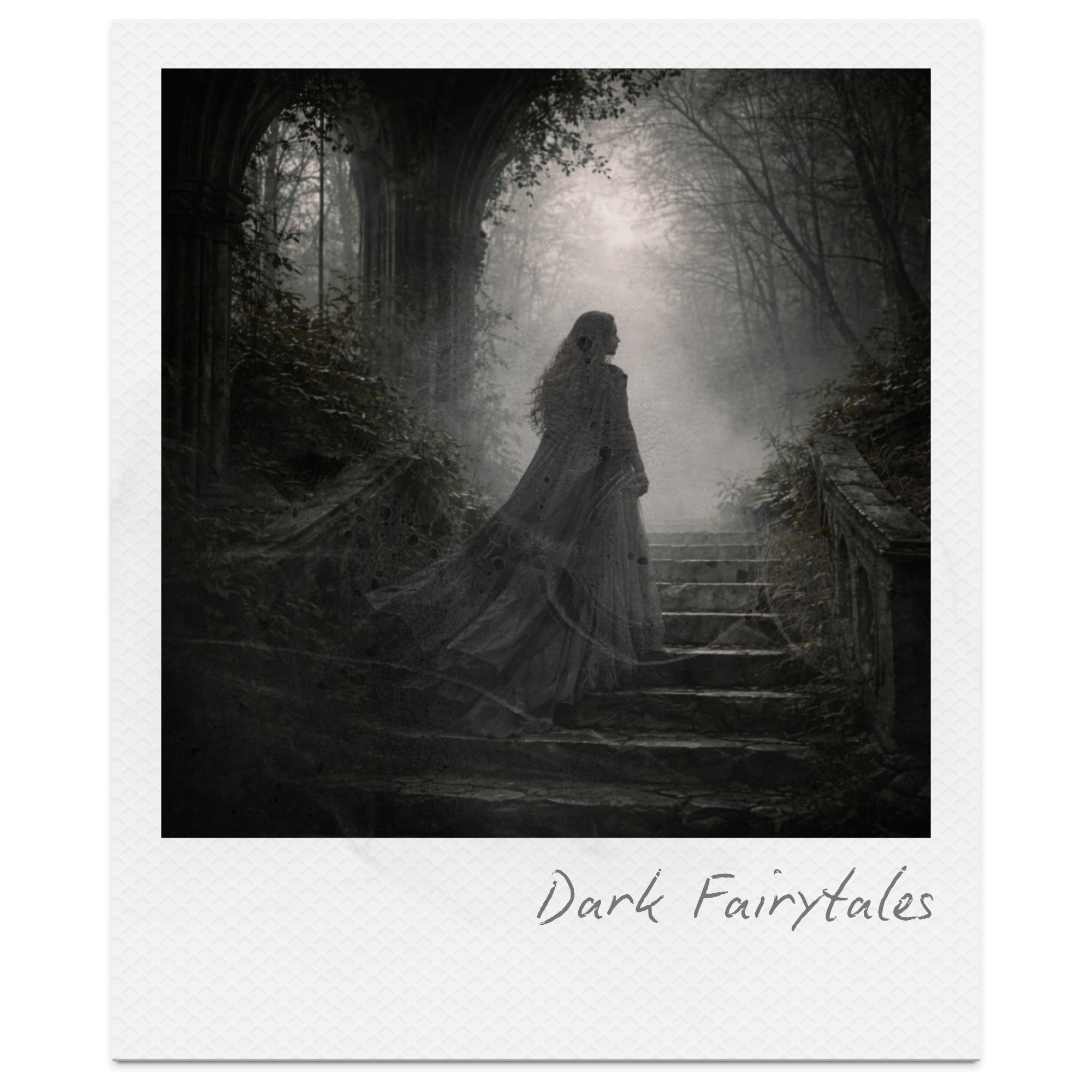
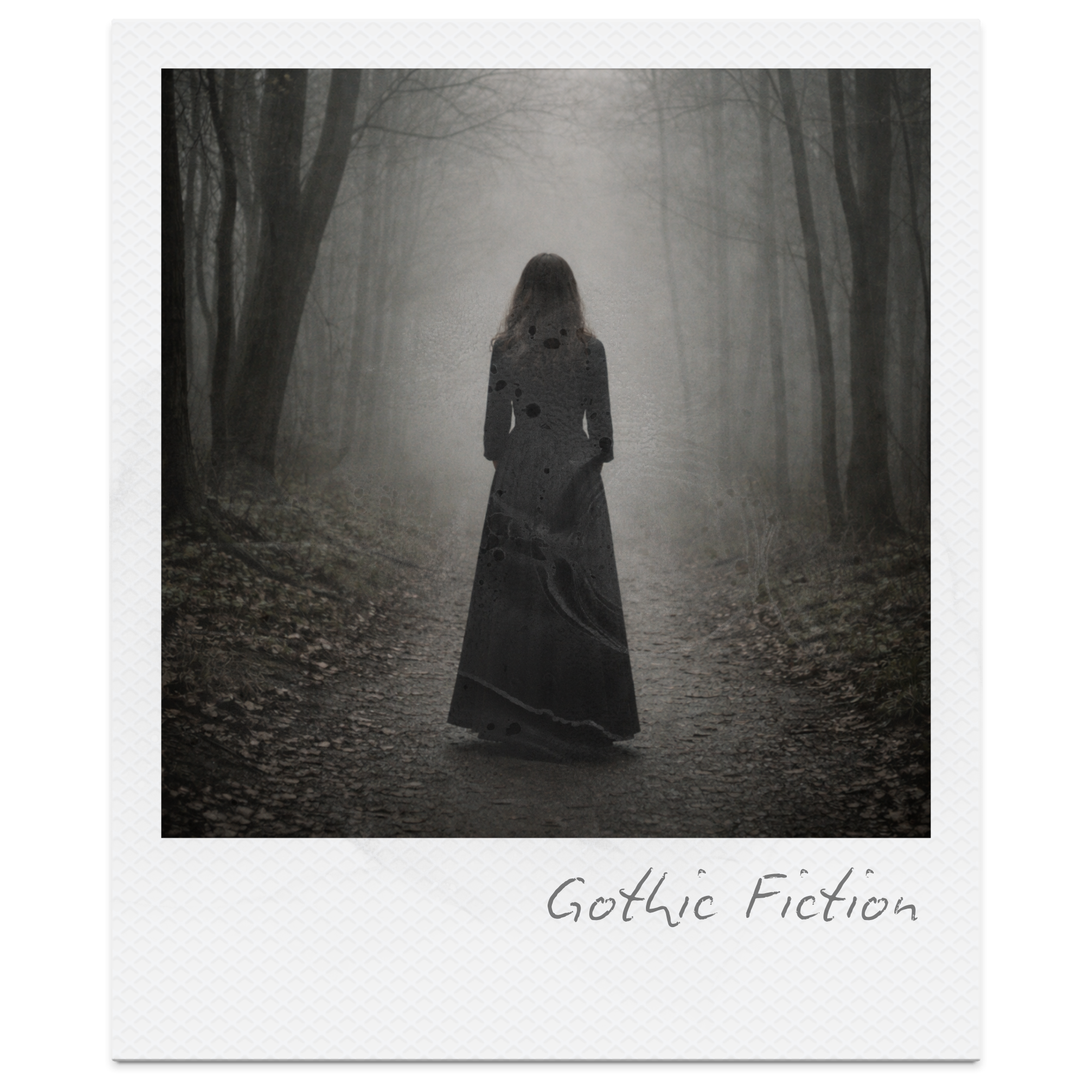
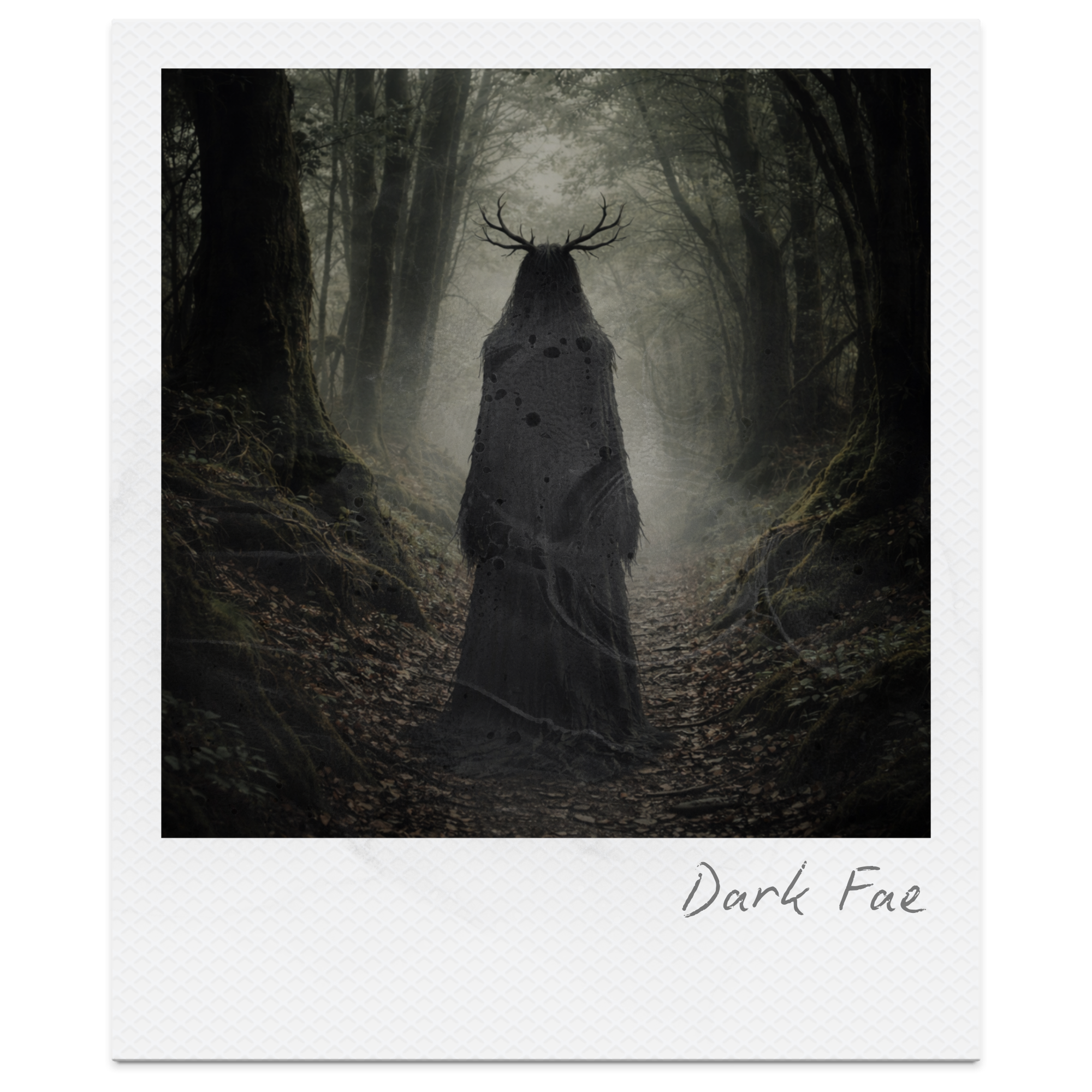
7. Picture Prompts
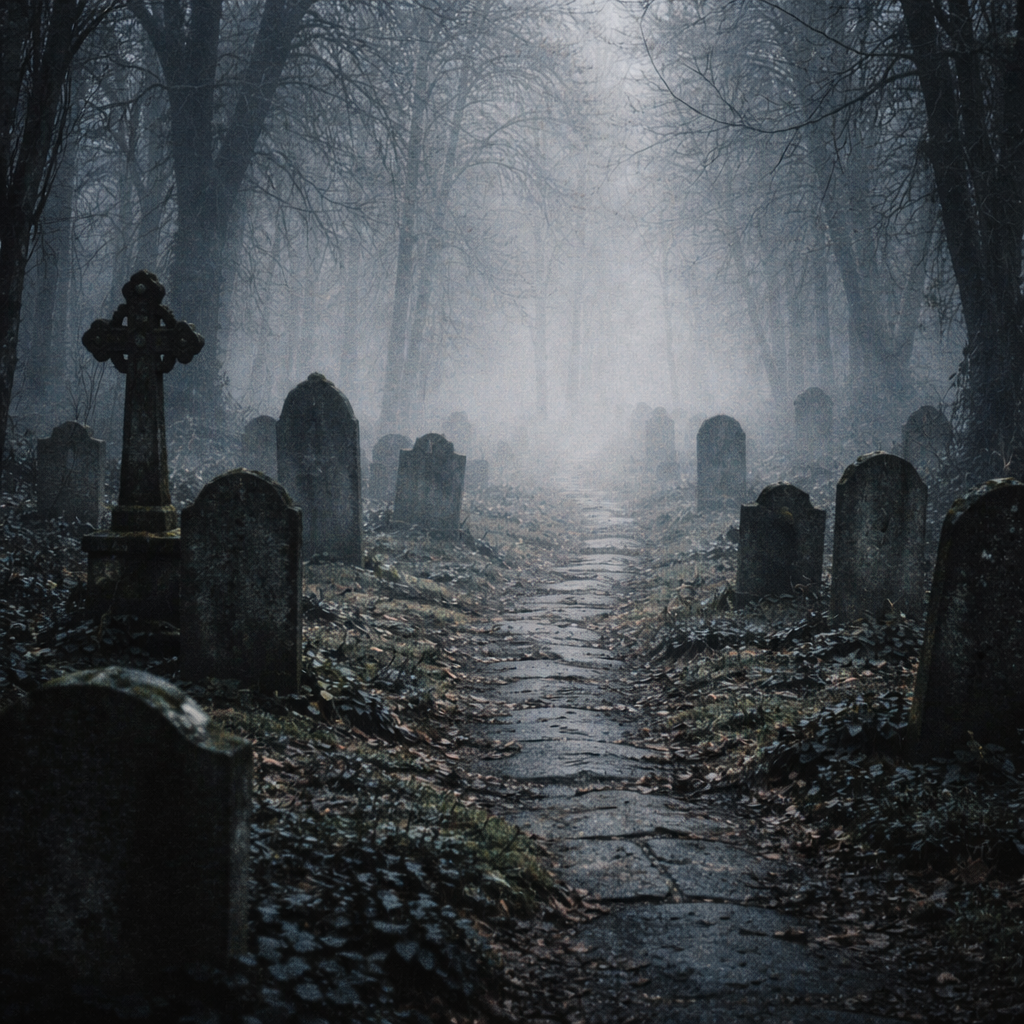
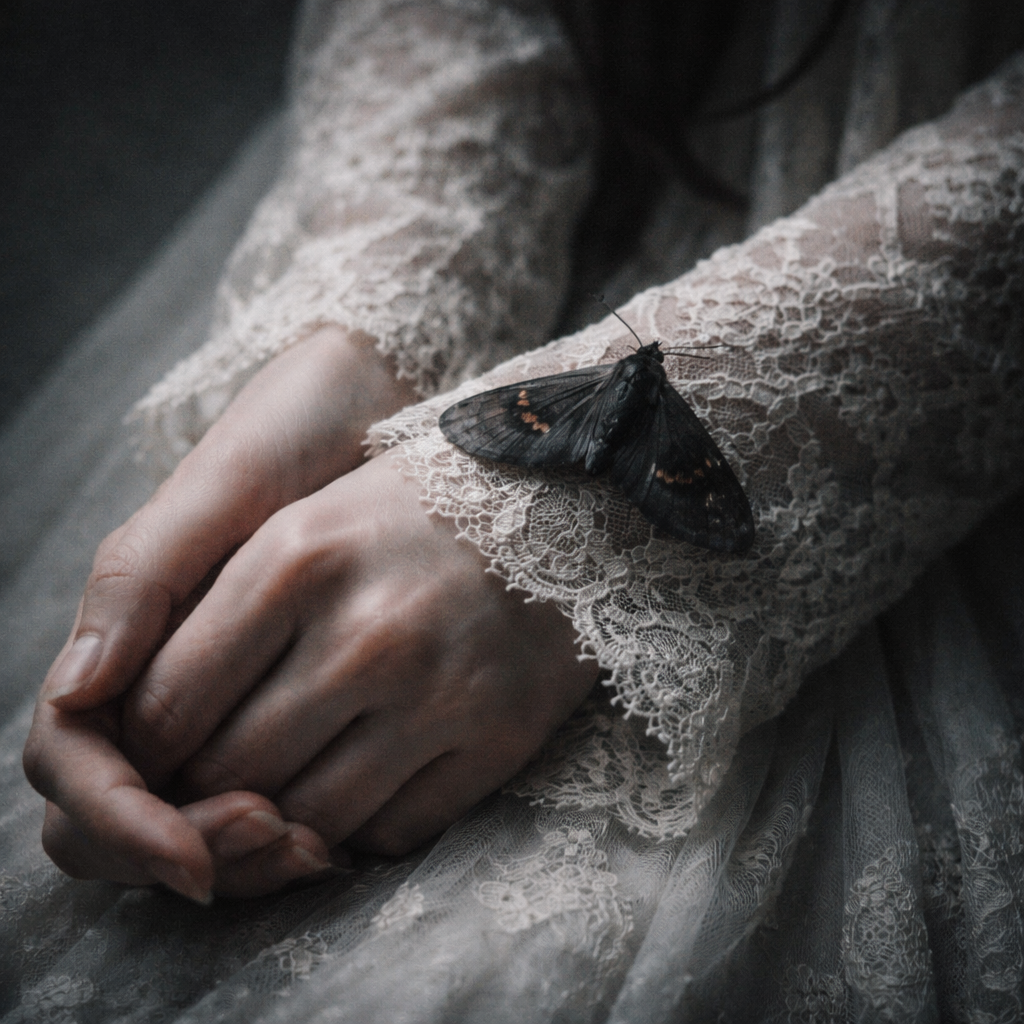
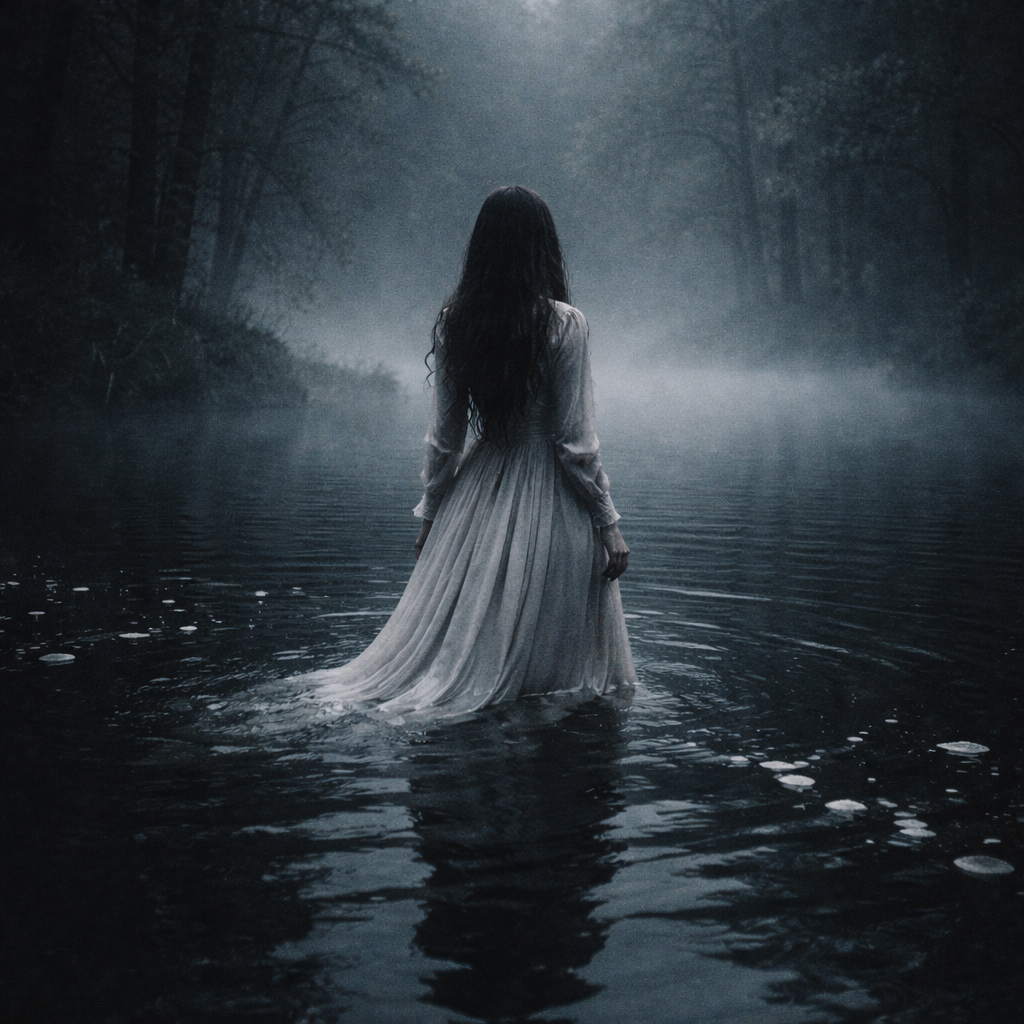
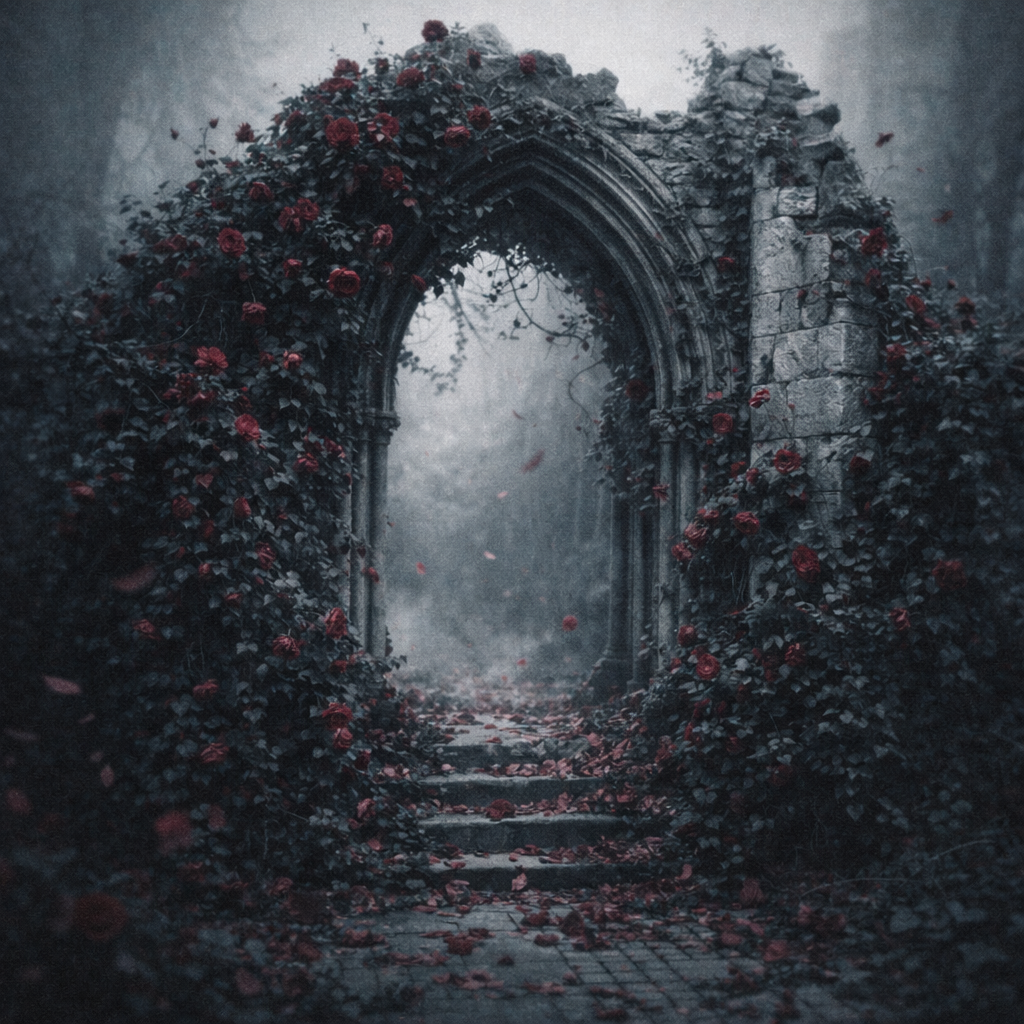
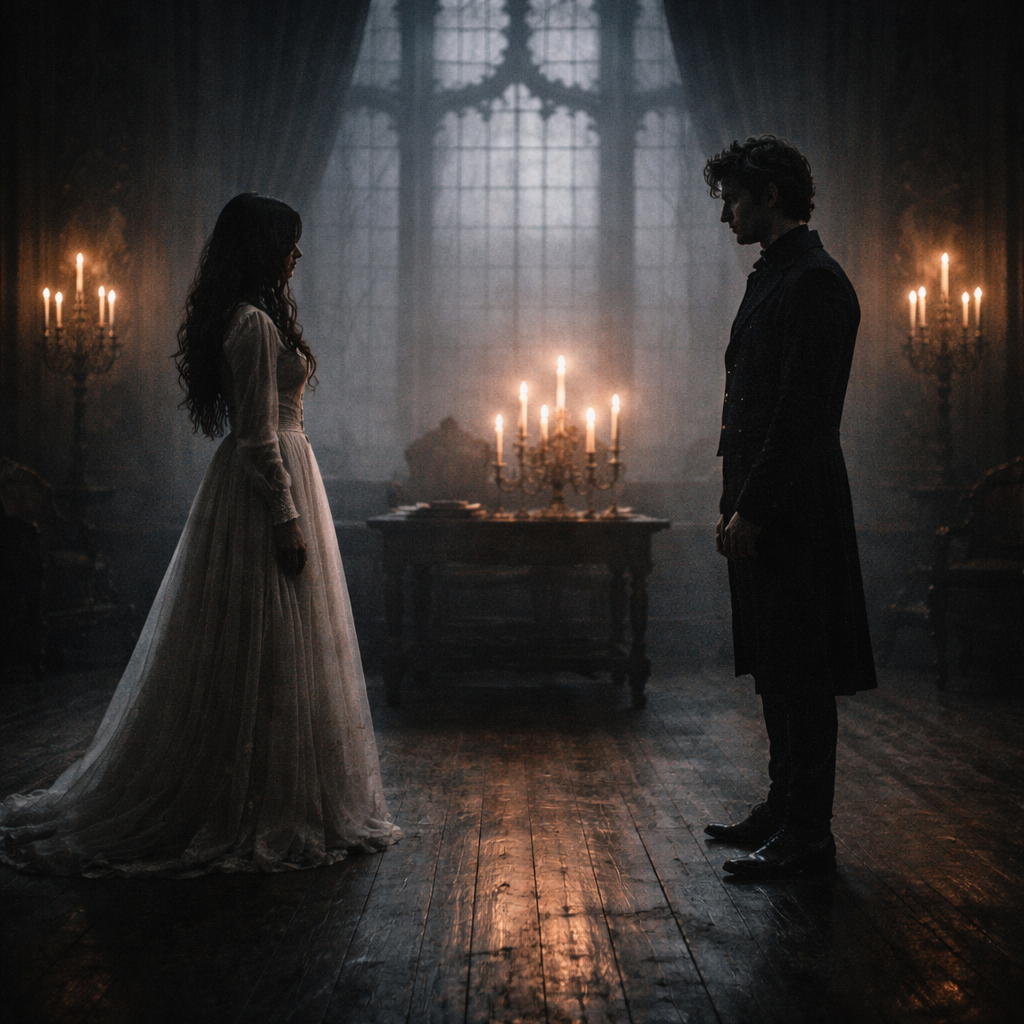
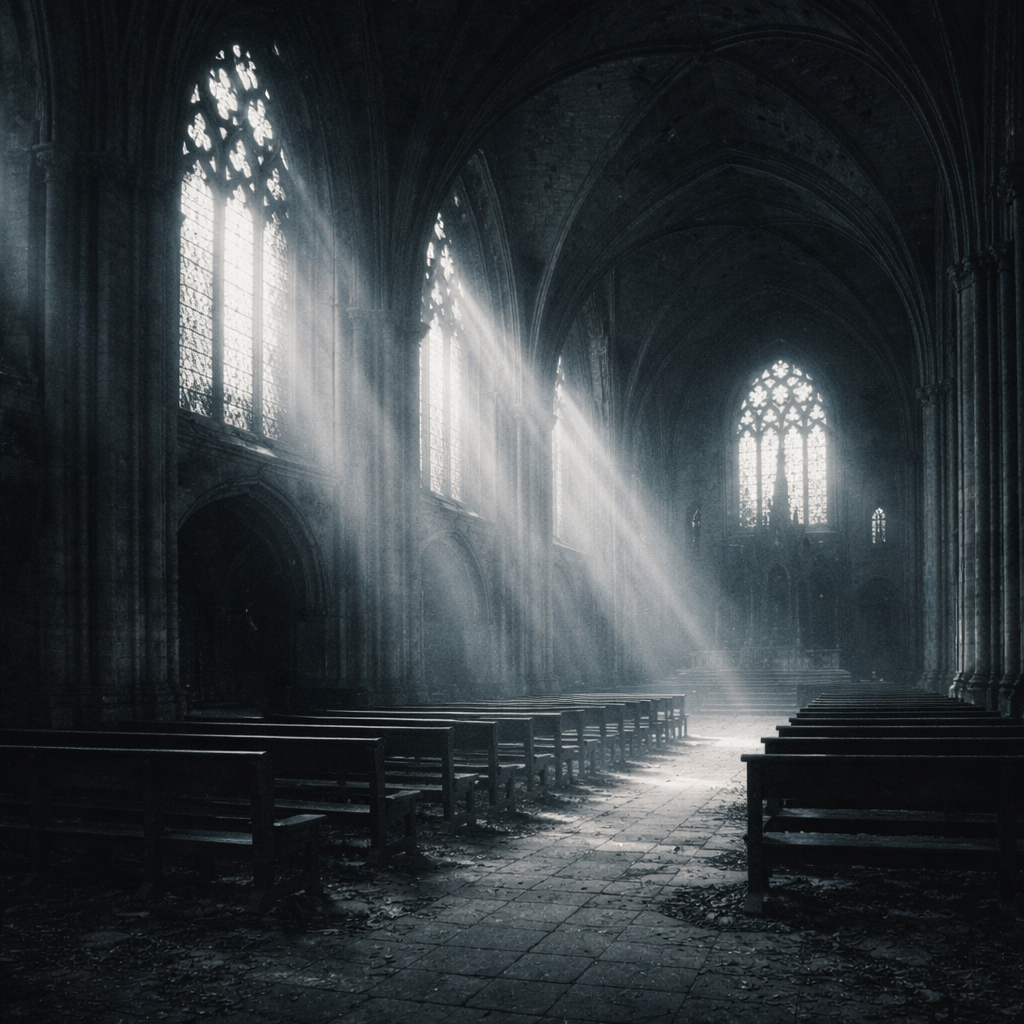
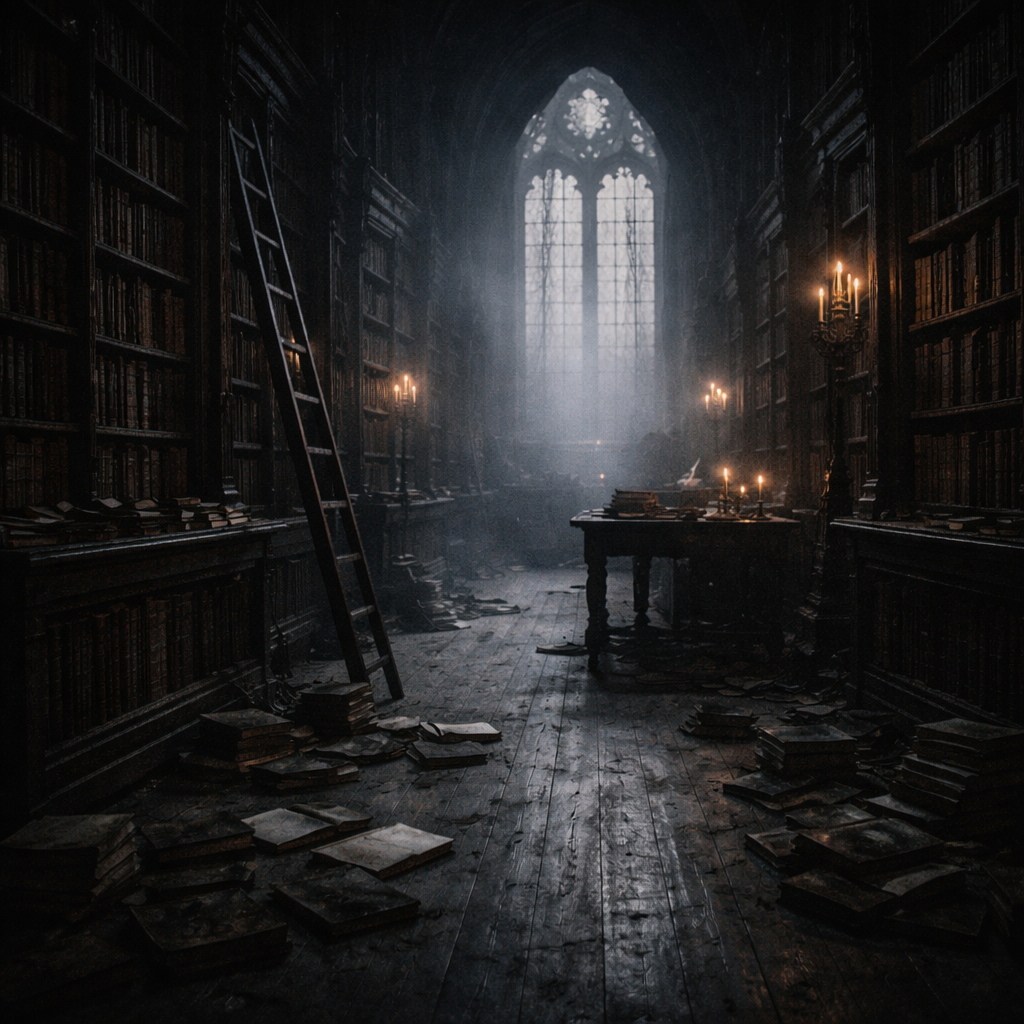
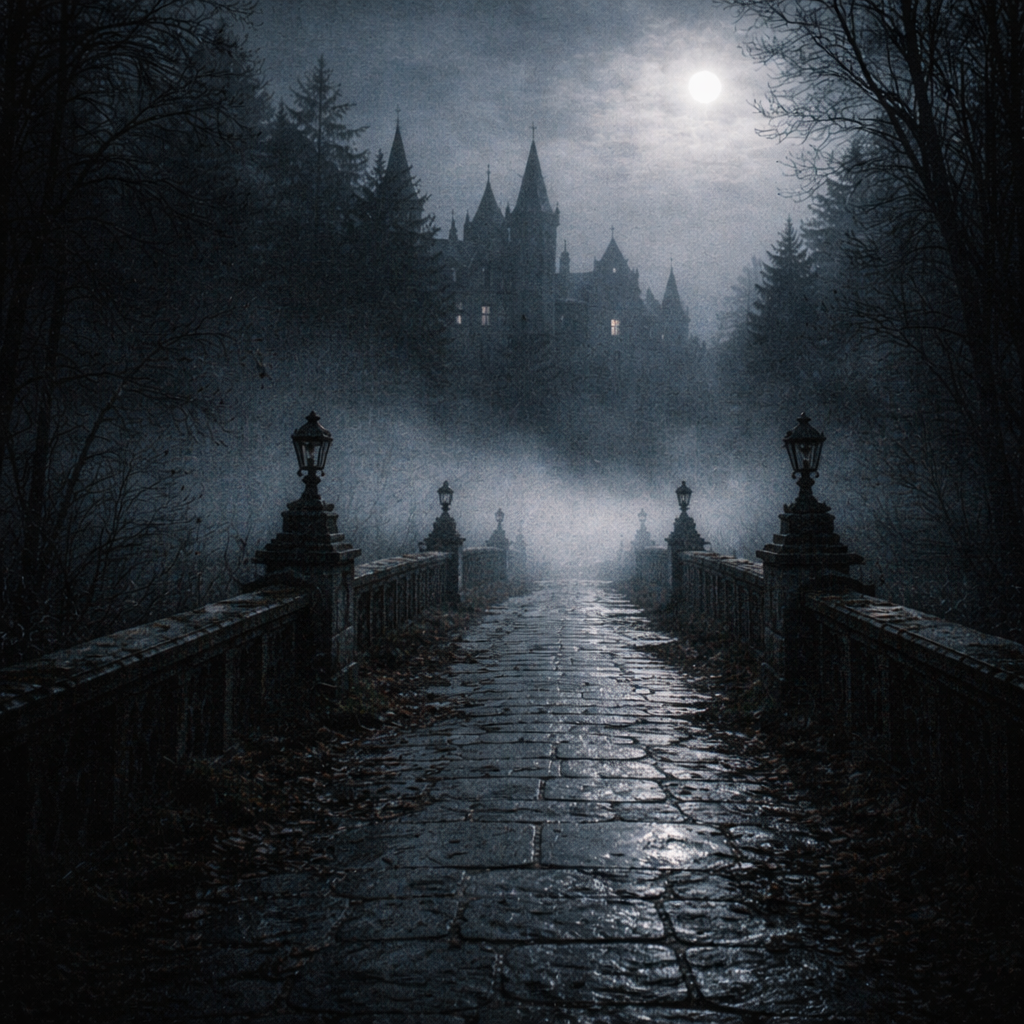
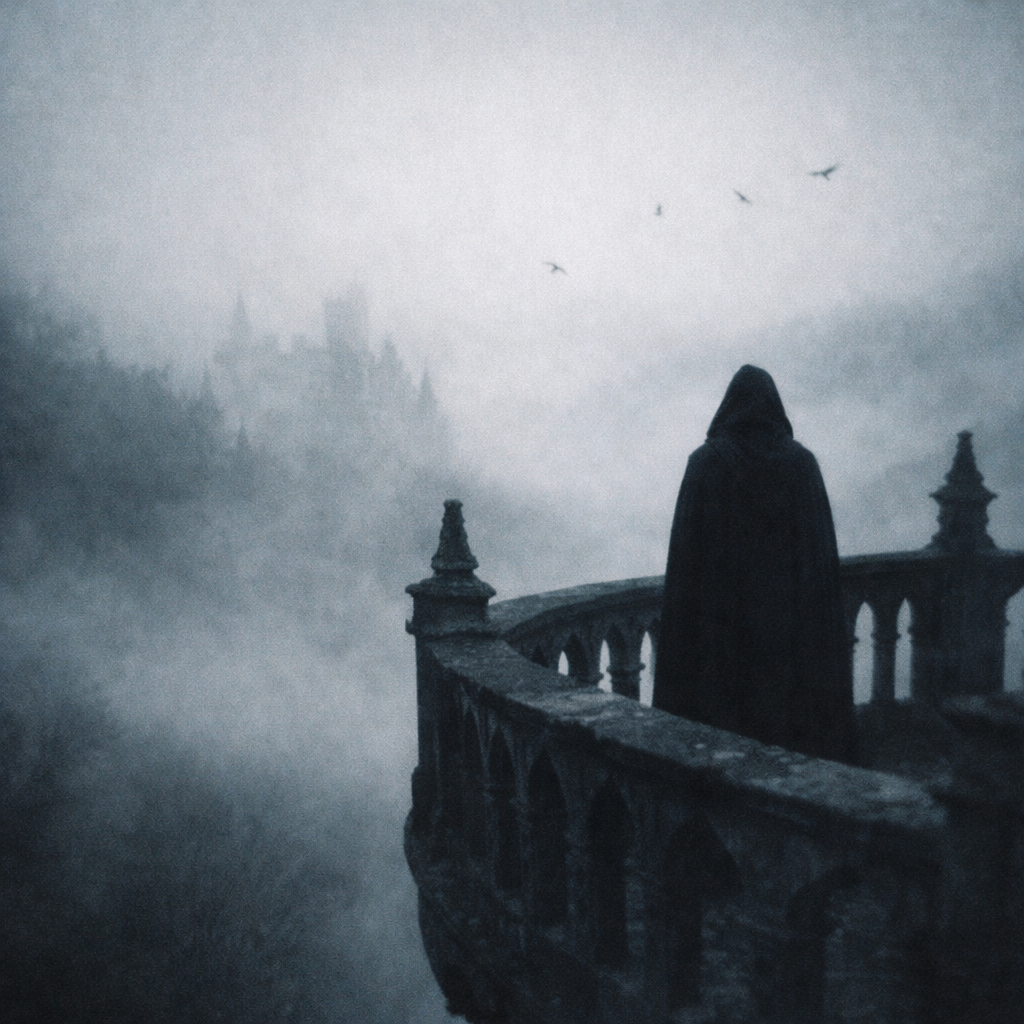
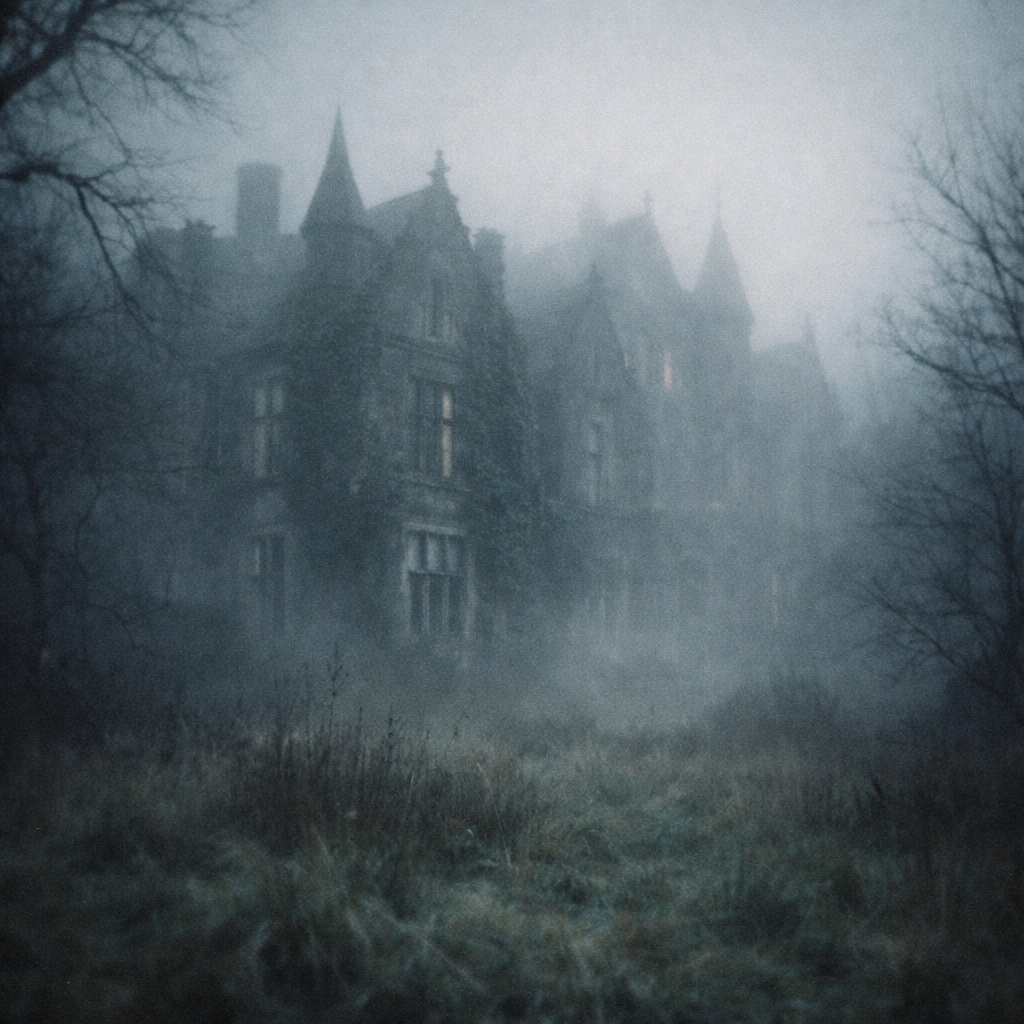
Visual prompts are particularly effective for gothic fantasy, where architecture, landscape, and atmosphere shape the story as much as plot. These images are designed to inspire mood and interpretation rather than illustrating a single narrative.
Each visual prompt reflects the aesthetics of gothic fantasy storytelling — ruined architecture, misty landscapes, moonlit forests, and forgotten places shaped by time. Writers can interpret the images in different ways, asking what happened before the moment captured, what secrets the setting might hold, and whose story remains untold.
Writers might use these images as story starters, descriptive writing exercises, or inspiration for longer fantasy projects, allowing atmosphere and symbolism to guide their storytelling rather than relying on traditional plot structures.
Go Deeper into Gothic Fantasy Writing
To develop gothic fantasy stories beyond surface-level mystery, encourage writers to focus on atmosphere, restraint, and emotional tension rather than constant action. The most memorable gothic fantasy narratives often reveal their supernatural elements slowly, allowing place and character to shape meaning.
◆ Focus on setting as a character. Write a scene where a house, forest, or castle seems to react to the character’s presence.
◆ Experiment with hidden histories. Create a scene where a character uncovers an object or document that changes how they understand their family or town.
◆ Use silence and absence to build tension. Instead of showing the supernatural directly, describe its effects on the environment or characters.
◆ Write the same scene from two perspectives: the person discovering the secret and the force that has been guarding it.
Every year, the fire burns.
Every year, someone is chosen.
For generations, the people of Ashwick have gathered to celebrate the Longlight Festival. Visitors see wildflowers, music, bonfires, and ancient traditions passed carefully from one generation to the next.
But every village has its secrets.
And some traditions survive for a reason.
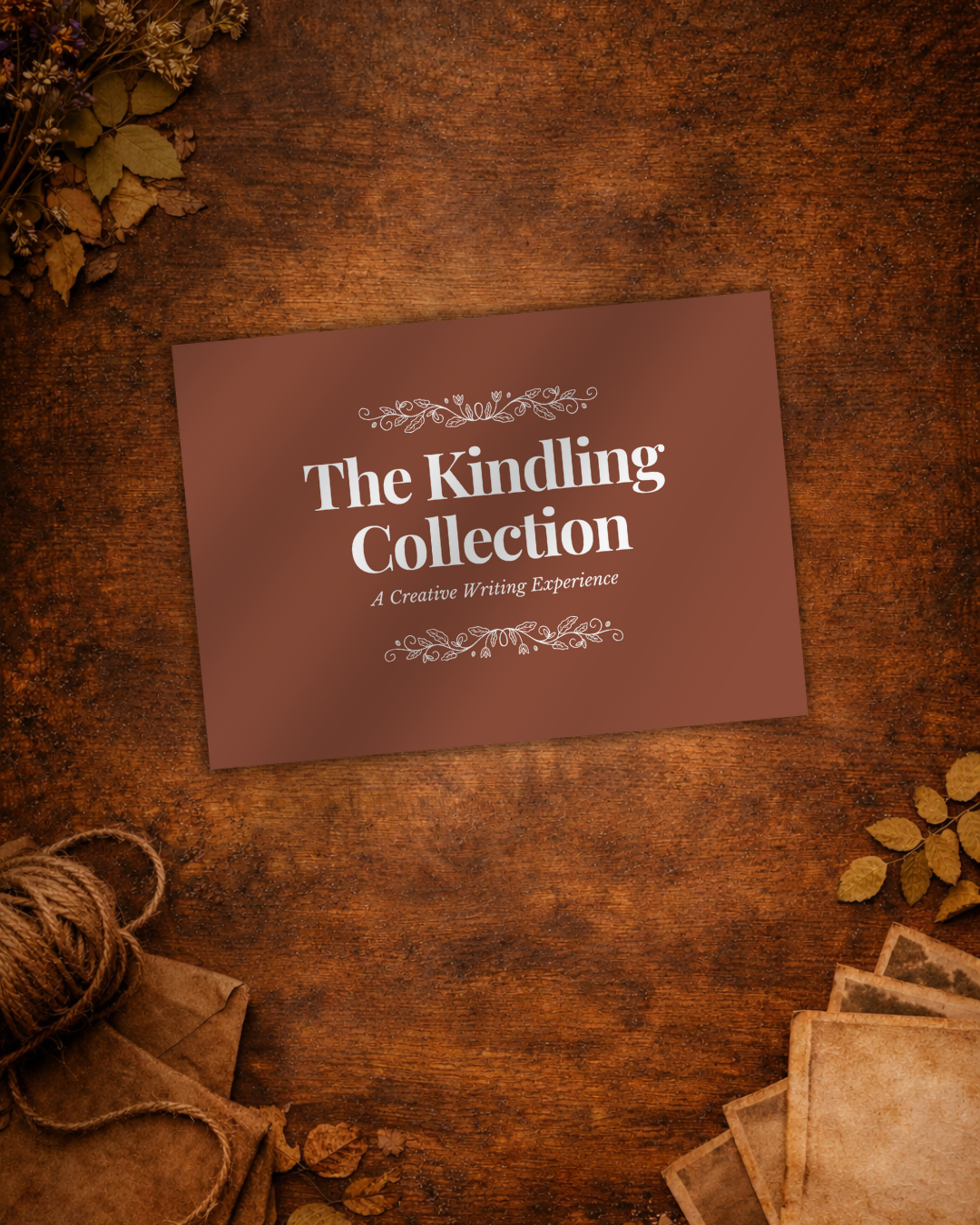
The Kindling Collection is an immersive archive inspired by folk horror, ritual, superstition, and isolated communities bound by traditions nobody dares question. Inside you'll discover letters, diary entries, photographs, festival posters, warnings, drawings, church documents, and other forgotten fragments connected to Ashwick and the Longlight Festival.
Some documents describe a harmless celebration.
Others hint at something far darker.
Why do some villagers refuse to discuss the festival?
Why do certain names disappear from the records?
And why does every warning seem to arrive too late?
The truth has been buried beneath generations of stories.
What's Inside?
◆ 50+ printable documents and artefacts from the world of Ashwick
◆ Letters, diary entries, drawings, festival posters, photographs, orders of service, warnings, and more
◆ A printable prompt card to inspire exploration and storytelling
◆ Instant digital download in PDF format
Who Is It For?
Perfect for:
◆ Writers and worldbuilders
◆ Fans of folk horror and rural gothic fiction
◆ Mystery lovers and curious minds
◆ Teachers and students
◆ Anyone fascinated by folklore, ritual, and hidden histories
What Makes This Different?
This isn't a guided story or a mystery with a solution.
It's an archive.
The documents don't agree. Some details repeat. Others contradict one another entirely.
Every piece reveals part of a larger story, but none reveal the whole truth.
What happened in Ashwick depends on what you believe, what you dismiss, and what connections you choose to make.
Every reader uncovers a different story.
And every year, the fire still burns.
Enter a Village Where the Old Stories Still Matter: The Kindling Collection
Gothic fantasy often begins with a place that feels as though it remembers more than the people living there.
A forest nobody enters after dark. A tradition repeated long after its meaning has been forgotten. A disappearance the villagers refuse to discuss. An old warning dismissed as superstition — until something happens that makes ignoring it impossible.
The Kindling Collection takes you inside a fictional rural community where folklore, memory and mystery have become tangled together.
Rather than giving you a finished story, the archive lets you uncover one through photographs, documents, records, written fragments and other pieces of evidence left behind by the people who lived there.
At the centre of the collection is a village shaped by old traditions, bonfires, disappearances and beliefs passed quietly from one generation to the next. Some details seem ordinary. Others suggest that the customs everyone accepts may have a history nobody fully understands.
What those traditions mean — and whether there is anything supernatural behind them — is entirely up to you.
There is no official solution and no correct interpretation. You might uncover an ancient bargain, invent the folklore behind a forgotten ritual, follow the story of someone who disappeared, or decide that the villagers themselves are considerably more dangerous than anything supposedly hiding beyond the village.
Use one artefact to inspire a short story, reconstruct the community's history, create the legend that started its traditions, or build an entirely new Gothic fantasy from the unanswered questions scattered throughout the archive.
For writers drawn to dark folklore, isolated villages, strange traditions, ancient beliefs, haunted landscapes, supernatural ambiguity and places where the past still shapes the present, Kindling offers a world already waiting to be explored.
Every village has its stories. Some survive because people are afraid to stop telling them.
→ Enter The Kindling Collection
Final Thoughts
Gothic fantasy continues to resonate because it explores the relationship between memory, place, and identity, often revealing that the past never disappears entirely. Rooted in gothic literature, folklore, and dark fantasy traditions, these stories invite readers to confront secrets, question inherited beliefs, and navigate worlds where beauty and danger coexist.
These 70 Gothic Fantasy Writing Prompts are designed to help young writers practise atmosphere-driven storytelling, experiment with gothic worldbuilding, and develop stories that prioritise mood, symbolism, and emotional depth.
Whether used for creative writing warm-ups, classroom lessons, writing clubs, or longer YA fantasy projects, the prompts encourage thoughtful storytelling that embraces ambiguity, mystery, and imagination.
To discover more dark fantasy and atmospheric storytelling ideas, visit the Fantasy or Gothic Writing Hub or explore the Creative Writing Archive, where you can find additional prompts across gothic fantasy, folklore-inspired fiction, and other imaginative genres.
Choose Your Next Adventure