70 Realistic Fiction Writing Prompts for Teens: Story Starters, Characters, Settings & Visual Ideas
Realistic fiction is built on recognisable lives, believable choices, and moments that quietly change everything. Rather than relying on fantasy or spectacle, these stories draw their power from character, emotion, and the tension found in everyday situations. This collection of 70 realistic fiction writing prompts for teens is designed to help writers develop authentic voices, explore meaningful conflict, and craft stories rooted in real experience.
The prompts include story starters, character ideas, settings, and visual prompts that support creative writing lessons, independent projects, and sustained writing practice. Many of the themes explored here—identity, responsibility, memory, silence, and consequence—connect directly to the wider genres and craft focuses in my Creative Writing Archive, where you’ll find hundreds of prompts organised by genre, theme, and storytelling approach to support writers at every stage.
Whether you’re guiding students through character-driven storytelling or building confidence with realistic narratives, this collection offers grounded, flexible prompts that prioritise depth, plausibility, and emotional truth.
1. Plot Hooks
Realistic fiction begins with moments that seem small but carry lasting consequences. These plot hooks place characters at points of choice, tension, or quiet disruption, encouraging writers to explore how ordinary events can reshape relationships, identity, or understanding over time.
A character overhears a conversation that was never meant for them—and must decide whether to confront the truth or pretend they heard nothing.
A routine journey is interrupted by an unexpected delay, forcing two people to finally address what they have been avoiding.
A forgotten object is returned years later, reopening a chapter of the past the character thought was closed.
A character agrees to do a small favour, only to realise it carries more responsibility than they expected.
A long-standing friendship begins to shift after a single comment that cannot be taken back.
A family tradition is broken for the first time, revealing tensions that have been quietly building for years.
A character tells a lie to protect someone else—and must live with the consequences as it grows beyond their control.
An ordinary day becomes significant when a character chooses not to speak at a crucial moment.
A decision made out of habit is challenged, forcing the character to question who they are becoming.
A goodbye that was meant to be temporary begins to feel permanent.
2. Title Ideas
Strong realistic fiction titles often suggest emotion, conflict, or change rather than action. They hint at what matters beneath the surface of a story—relationships, choices, moments that linger—without giving everything away. These titles are designed to help writers establish tone early and consider how meaning can be shaped before the story even begins.
The Things We Didn’t Say
After the Phone Call
What Stayed Behind
The Long Way Home
Before Anyone Noticed
After
Still Sitting There
The Day It Almost Happened
Borrowed Time
Last Sunday
3. Opening Lines
Realistic fiction often begins in the middle of ordinary life, at the moment something small starts to matter. These opening lines are designed to establish voice, context, and emotional tension quickly, drawing readers into believable situations where change is already underway.
I didn’t realise the conversation would matter until I replayed it later, word by word.
The message stayed unread for three hours before I finally decided what to do.
Nothing about the day suggested it would be remembered, which is why it was.
We had done this routine so many times that I noticed immediately when it felt wrong.
The thing I regret most is not what I said, but what I chose not to explain.
It was only after they left that I understood what the silence meant.
The object had been sitting there for years before I suddenly recognised it as evidence.
I agreed without thinking, assuming it wouldn’t change anything.
By the time I reached the end of the street, I had already decided to lie.
I didn’t tell anyone what happened, partly because I wasn’t sure how to describe it yet.
4. Closing Lines
Realistic fiction often ends not with resolution, but with recognition — a moment when a character understands what has changed, or what can no longer be undone. These closing lines are designed to leave space for reflection, consequence, and emotional aftershock.
I didn’t fix what happened, but I stopped pretending it hadn’t mattered.
When I looked back, the place was the same — it was me who wasn’t.
We never spoke about it again, which somehow said more than any argument could have.
The apology came too late to change anything, but early enough to be honest.
I carried the truth with me, even when I chose not to share it.
Nothing returned to normal, though everything appeared to.
I realised the ending wasn’t what I’d expected — it was what I’d been avoiding.
Some decisions don’t feel final until you start living with them.
By the time I understood what I’d lost, I had already learned how to live without it.
It wasn’t closure, but it was enough to move forward.
5. Character Ideas
Realistic fiction characters are shaped by circumstance, relationships, and the choices they avoid as much as the ones they make. These character ideas are designed to help writers explore identity, responsibility, conflict, and emotional realism through believable people in recognisable situations.
A teenager who is always seen as the reliable one and begins to resent the expectations placed on them.
A character returning to a place they once left behind, unsure whether they are coming back to reconcile or to prove they no longer belong there.
Someone who keeps a secret to protect another person, even as the cost of that silence grows.
A character who agrees with others publicly but privately struggles with guilt over what they didn’t challenge.
A young person caught between loyalty to a friend and honesty with an adult who expects the truth.
A character who measures their worth through achievement and feels lost when success no longer feels satisfying.
Someone who witnesses a moment they don’t fully understand, only realising its significance much later.
A character who avoids difficult conversations until circumstances force them to speak.
A person who becomes responsible for something—or someone—they never expected to care about.
A character who realises that forgiveness does not always mean reconciliation.
6. Setting Ideas
In realistic fiction, setting often reflects what characters are experiencing internally. Familiar places can become charged through memory, tension, or change, shaping decisions and revealing what matters beneath the surface. These settings are designed to support character-driven storytelling grounded in everyday life.
A family home where one room is never used, and no one explains why.
A bus stop or train platform where two characters keep missing each other by minutes.
A school corridor after hours, when the noise has gone and something unresolved remains.
A workplace on the final day before a significant change, such as a resignation or closure.
A local café where a conversation is overheard that alters a relationship.
A childhood bedroom being packed up, its contents forcing a character to confront what they are leaving behind.
A hospital waiting area where time stretches and decisions must be made without certainty.
A public place that once felt safe but now carries tension or discomfort.
A familiar walking route that feels different after a single unexpected encounter.
A shared space that two characters continue to use while avoiding what needs to be said.
7. Picture Prompts
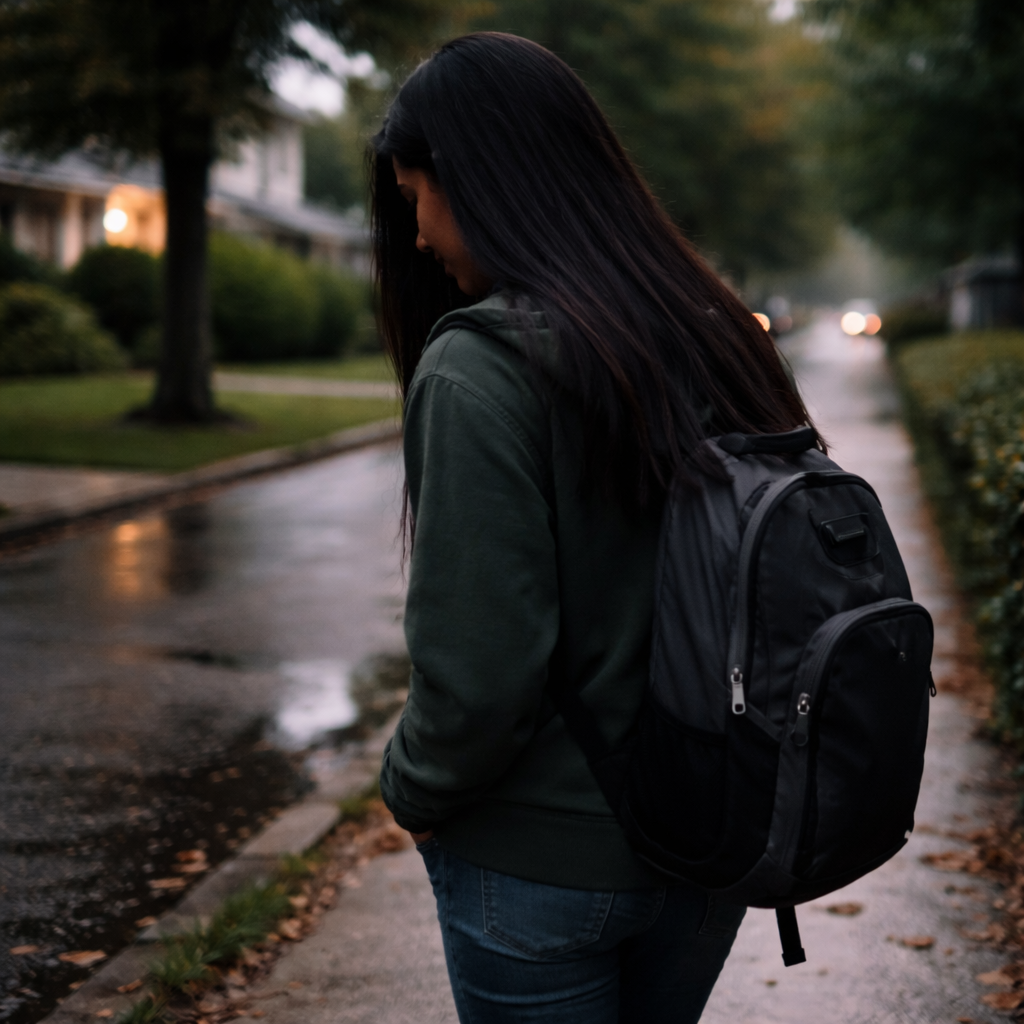
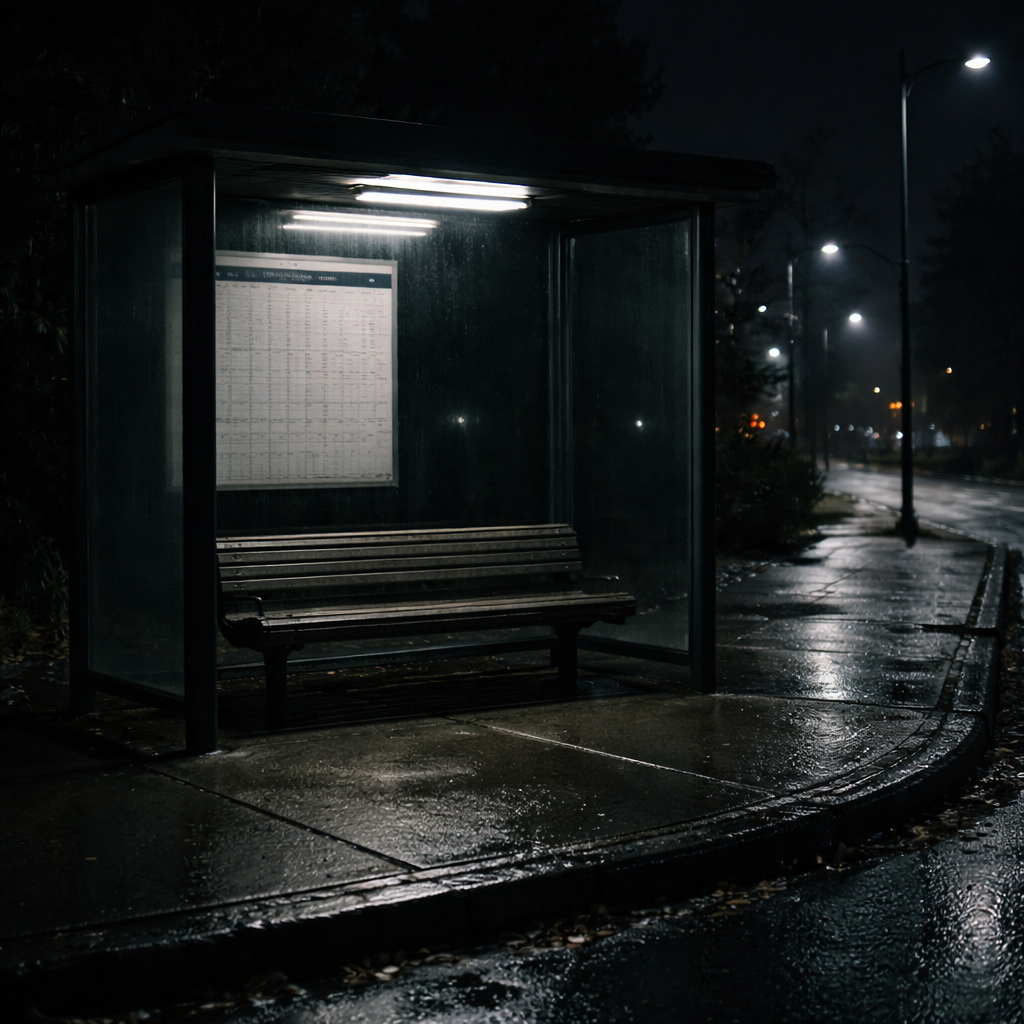
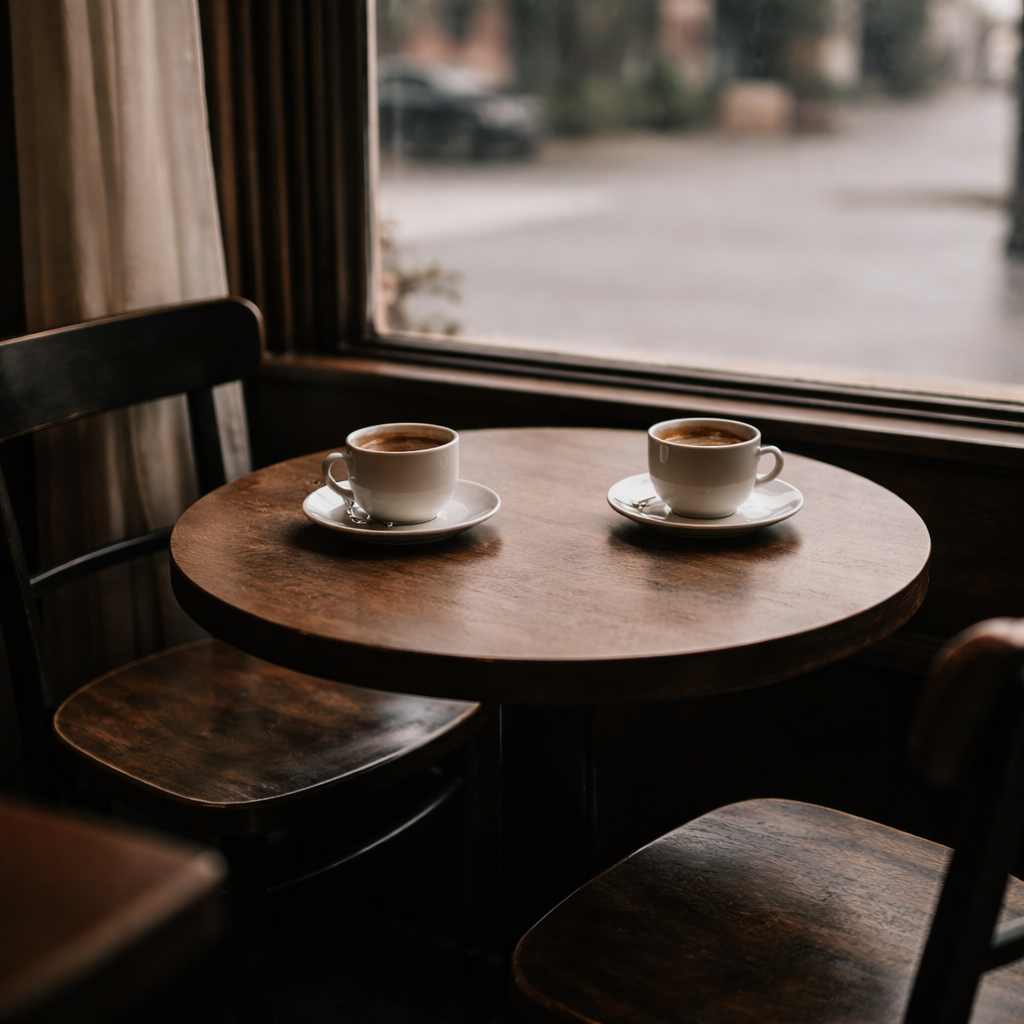
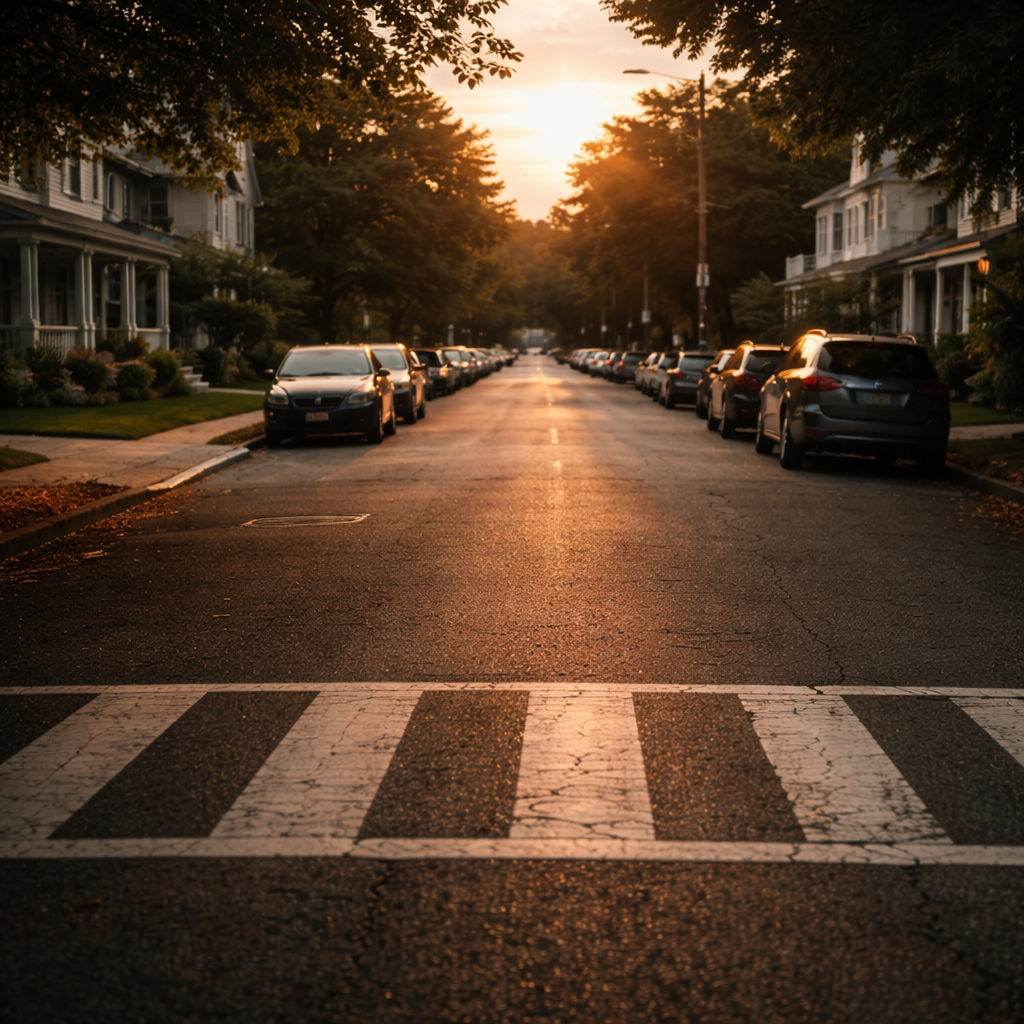
In realistic fiction, images work best when they capture a moment rather than a spectacle. These picture prompts are designed to encourage close observation, emotional inference, and narrative restraint—inviting writers to consider what has just happened, what is about to happen, and what remains unspoken.
Use the images to develop character perspective, setting detail, and subtext, or as starting points for short stories, descriptive writing, or reflective creative writing tasks. Each visual is grounded in everyday life, allowing writers to build believable stories shaped by mood, memory, and quiet change rather than dramatic events.






Go Deeper into Realistic Fiction
Realistic fiction is most powerful when it trusts the reader. Rather than relying on dramatic twists or tidy resolutions, strong realist writing focuses on subtext, consequence, and the emotional weight of ordinary moments. To push your writing further, consider how much you allow the reader to infer rather than explain.
As you revise or extend your piece, try the following approaches:
◆ Let actions speak first. Small gestures, pauses, or choices often reveal more than direct explanation.
◆ Use dialogue selectively. What characters avoid saying can be as revealing as what they express openly.
◆ Pay attention to timing. Ask why this moment matters now and what has led the character to this point.
◆ Keep descriptions purposeful. Choose details that reflect the character’s emotional state rather than listing everything in the scene.
◆ Resist neat endings. Realistic fiction often concludes with understanding rather than resolution.
Realistic stories linger because they feel possible. They mirror the way change happens in real life—quietly, unevenly, and sometimes without certainty—leaving readers to sit with what has been learned rather than what has been solved.
Final Thoughts
Realistic fiction reminds us that powerful stories don’t always come from extraordinary events, but from ordinary moments handled with care. A choice made too quickly, a conversation left unfinished, a silence that lingers — these are the details that give realistic stories their emotional weight and lasting impact.
If you’d like to explore more prompts like these, organised by genre, theme, and storytelling approach, you can browse the full Creative Writing Archive, where you’ll find hundreds of prompts designed for teen writers, classrooms, and independent projects.
However you choose to write, let realism do what it does best: pay attention, trust the reader, and allow small moments to matter.
Choose Your Next Adventure