Goblin Market by Christina Rossetti: Summary, Themes, Symbolism & Detailed Analysis
Christina Rossetti’s Goblin Market is one of the most famous and widely discussed poems in Victorian literature. First published in 1862 in Rossetti’s collection Goblin Market and Other Poems, the work has fascinated readers for over a century because of its rich imagery, unsettling atmosphere, and complex symbolism. At first glance the poem resembles a dark fairy tale about two sisters and a dangerous group of goblin merchants, yet beneath this narrative lies a far more layered exploration of temptation, desire, morality, and redemption.
The poem is also Rossetti’s most debated work, generating a wide range of interpretations among critics and readers. Some view it as a religious allegory about temptation and spiritual salvation, while others read it as a powerful exploration of female desire, sisterhood, and resistance to patriarchal control. The vivid descriptions of the goblins’ fruit, the emotional intensity of Laura’s fall, and Lizzie’s courageous act of resistance all contribute to a poem that feels both enchanting and unsettling.
Part of what makes Goblin Market so compelling is Rossetti’s ability to combine fairy-tale storytelling with serious thematic depth. The poem’s musical rhythms, sensory imagery, and repetitive marketplace cries create an atmosphere that draws readers into the seductive world of the goblin market, while the sisters’ relationship anchors the narrative in questions about love, loyalty, sacrifice, and moral choice.
Because of its narrative structure, striking imagery, and symbolic richness, Goblin Market continues to be studied as one of Rossetti’s most important poems. The analysis below explores the poem’s context, structure, key quotes, literary techniques, and major themes, revealing how Rossetti transforms a seemingly simple story into a complex reflection on temptation, redemption, and the enduring power of sisterhood.
This poem is part of a wider exploration of Rossetti’s work. You can find more analyses and comparisons in the Christina Rossetti Poetry Hub.

Historical and Literary Context of Goblin Market
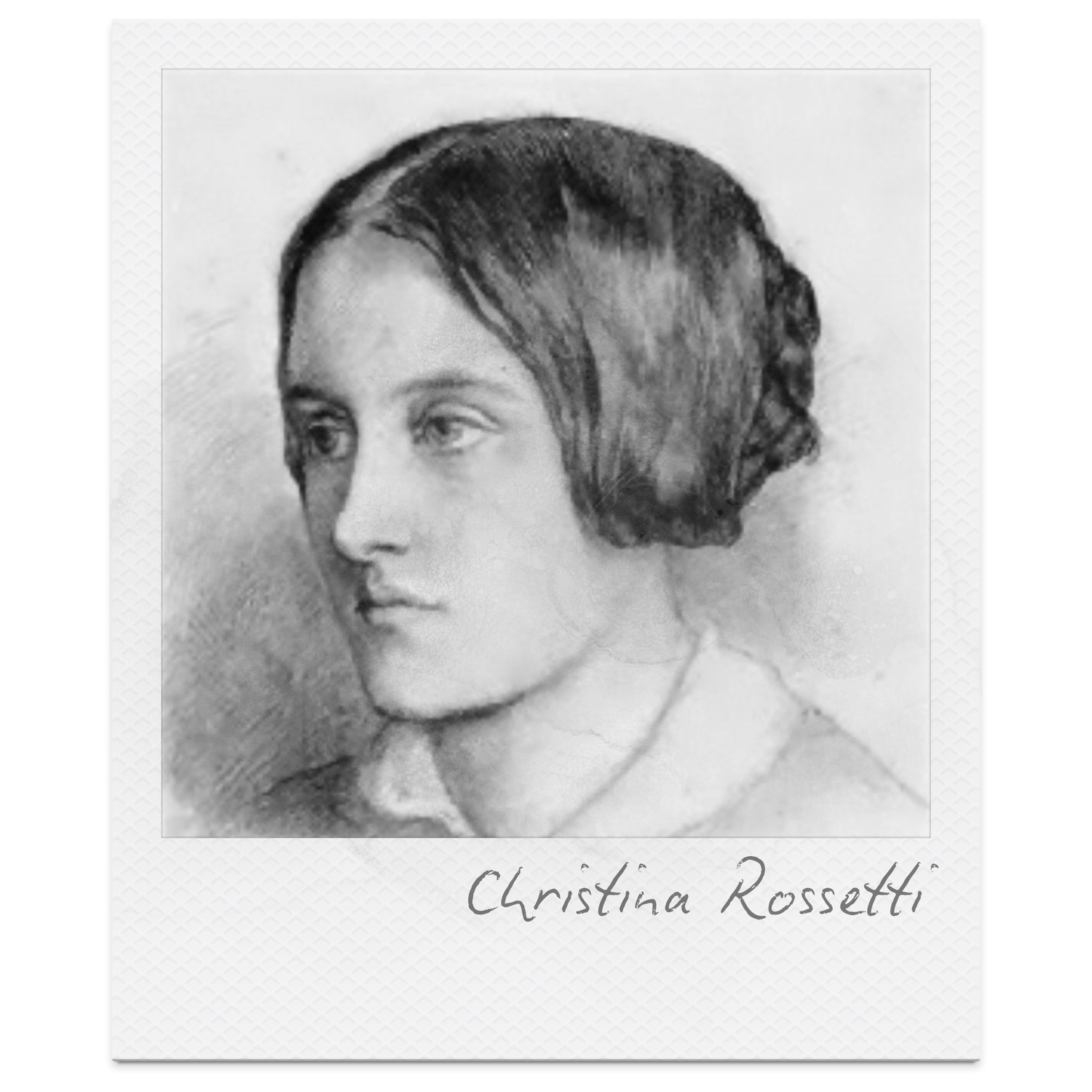
Christina Rossetti published Goblin Market in 1862 in the poetry collection Goblin Market and Other Poems. The poem emerged during the Victorian period, a time marked by strict moral expectations, particularly regarding women’s behaviour, sexuality, and social reputation. Victorian society placed strong emphasis on female purity, restraint, and obedience, and literature often reflected anxieties surrounding temptation, moral fall, and redemption. Rossetti’s poem engages directly with these cultural tensions while presenting them through the imaginative framework of a fairy-tale narrative.
Rossetti herself was deeply influenced by religious faith and moral reflection, and many of her poems explore themes of temptation, spiritual struggle, and redemption. Some readers therefore interpret Goblin Market as a Christian allegory, with Laura’s consumption of the goblin fruit representing temptation or sin, while Lizzie’s self-sacrificial act suggests redemption and salvation. Rossetti’s Anglican beliefs and interest in devotional writing provide an important background for understanding how the poem explores questions of moral fall and spiritual restoration.
At the same time, the poem also reflects Victorian debates about women’s roles and autonomy. The story centres entirely on the relationship between two sisters, Laura and Lizzie, whose bond ultimately proves stronger than the dangerous forces represented by the goblins. Because of this focus on female solidarity and resistance, many modern readers interpret the poem through a feminist lens, viewing it as a critique of how women can be objectified, tempted, or controlled within patriarchal systems.
Rossetti was also associated with the Pre-Raphaelite artistic movement, a group of artists and writers who valued vivid imagery, medieval influences, and intense emotional expression. The poem’s rich descriptions of fruit, colour, texture, and sound reflect this artistic sensibility. The goblins’ repeated marketplace cries and the lush sensory detail of the fruit create an atmosphere that feels both beautiful and unsettling, reinforcing the poem’s exploration of temptation and desire.
Understanding this religious, cultural, and artistic context helps illuminate why Goblin Market has generated so many interpretations. Rossetti’s poem operates simultaneously as a fairy tale, moral allegory, psychological exploration, and social commentary, which explains why it remains one of the most studied and debated works in Victorian poetry. If you would like to read more about the context surrounding Rossetti’s work, I have a blog post that explores it, available here.
Goblin Market: At a Glance
Form: Narrative poem blending fairy tale, allegory, and lyric poetry, written in irregular stanzas that create a musical, chant-like rhythm.
Mood: Seductive, eerie, and increasingly tense, shifting between temptation, danger, and eventual redemption.
Central tension: The conflict between temptation and moral resistance, as Laura succumbs to the goblins’ fruit while Lizzie resists their influence.
Core themes: Temptation, desire, sisterhood, redemption, sacrifice, and the dangers of consumption.
One-sentence meaning:
Goblin Market explores how temptation can lead to moral and emotional destruction, while love, sacrifice, and loyalty—particularly the bond between sisters—have the power to bring redemption and restoration.
Quick Summary of Goblin Market
Christina Rossetti’s Goblin Market tells the story of two sisters, Laura and Lizzie, who live together in a rural setting where they frequently hear the cries of mysterious goblin merchants selling exotic fruit. While Lizzie warns her sister about the danger of the goblins, Laura becomes increasingly curious about their offerings. One evening she cannot resist the temptation and buys their fruit, consuming it eagerly. The experience is intensely pleasurable, but it also carries a hidden cost: after tasting the fruit once, Laura can no longer hear the goblins’ calls, leaving her desperate and emotionally consumed by longing.
As time passes, Laura begins to waste away with grief and desire, unable to forget the fruit she once tasted. Her physical and emotional decline reflects the destructive consequences of temptation and obsession. Lizzie, watching her sister suffer, decides to confront the goblins herself in an attempt to help Laura. When she goes to the goblin market, however, she refuses to eat their fruit despite their attempts to force it upon her. The goblins grow increasingly aggressive, but Lizzie remains steadfast in her resistance.
Lizzie eventually returns home carrying the juice of the fruit upon her body rather than consuming it. She urges Laura to “eat me, drink me, love me,” allowing Laura to taste the fruit without repeating the original act of temptation. Through this act of self-sacrifice and sisterly devotion, Laura is ultimately restored. The poem concludes with the sisters later reflecting on the experience and teaching their children the importance of loyalty and support, emphasising that there is no friend like a sister in times of danger and hardship.
Title, Form, Structure, and Metre of Goblin Market
Christina Rossetti’s Goblin Market uses its formal structure, rhythm, and sound patterns to reinforce the poem’s central themes of temptation, danger, and resistance. Unlike many Victorian poems that follow a rigid poetic structure, Rossetti deliberately adopts a fluid and irregular form, allowing the poem to shift between lyrical description, narrative progression, and the hypnotic calls of the goblin merchants. These formal choices help create the poem’s distinctive atmosphere, drawing readers into the seductive rhythm of the marketplace while also reflecting the instability and unpredictability of temptation.
Title
The title Goblin Market immediately establishes a setting associated with commerce, exchange, and temptation. A market is traditionally a place of trade where goods are bought and sold, suggesting that the poem will explore themes of desire, consumption, and the consequences of purchasing something that carries hidden costs. By combining this everyday concept with the supernatural word goblin, Rossetti creates an unsettling tension between the familiar and the uncanny.
The title also hints at the poem’s central metaphor. The goblins do not simply offer fruit; they represent a form of dangerous temptation disguised as pleasure. Their marketplace becomes a symbolic space where desire, morality, and vulnerability intersect. From the outset, the title prepares readers for a narrative that examines the risks of indulgence and the power of resisting harmful temptation.
Form and Structure
Goblin Market is best understood as a narrative poem that blends elements of fairy tale, allegory, and lyrical poetry. Rather than following a fixed stanza form, Rossetti writes in irregular stanzas of varying lengths, allowing the poem’s structure to mirror the shifting emotional intensity of the story. Some stanzas are brief and rhythmic, while others expand into longer descriptive passages, creating a sense of movement that reflects the unfolding narrative.
This structural flexibility allows Rossetti to move smoothly between different modes of expression. The poem alternates between narrative storytelling, vivid sensory description, and the repetitive cries of the goblin merchants, each of which contributes to the poem’s hypnotic atmosphere. The irregular structure also helps emphasise moments of tension, particularly during the encounters between the sisters and the goblins.
The poem’s narrative progression also reflects a clear emotional arc. It begins with curiosity and temptation as Laura hears the goblins’ calls, moves through desire and decline after Laura eats the fruit, and culminates in Lizzie’s act of resistance and sacrifice, which ultimately restores her sister. The shifting structure mirrors this journey, reinforcing the poem’s exploration of temptation, fall, and redemption.
Rhyme Scheme and Poetic Pattern
Rossetti’s rhyme scheme in Goblin Market is highly variable and musical, contributing to the poem’s song-like quality. Instead of maintaining a single consistent pattern, Rossetti frequently alters the rhyme scheme within and between stanzas. This shifting pattern creates a sense of unpredictability that reflects the strange and alluring nature of the goblin market itself.
Many sections rely on strong end rhymes and internal echoes, producing a rhythmic momentum that mimics the chanting cries of the goblins as they advertise their fruit. The famous marketplace calls — such as the repeated invitation to “Come buy, come buy” — function almost like refrains in a song, reinforcing the sense that the goblins are attempting to lure listeners through repetition and sound as much as through imagery.
The fluid rhyme patterns also help sustain the poem’s oral, almost incantatory quality, making the goblins’ calls feel hypnotic and difficult to resist. In this way, Rossetti uses rhyme not merely for aesthetic effect but as a structural device that reflects the seductive power of temptation.
Metre and Rhythmic Movement
One of the most distinctive features of Goblin Market is its irregular metre, which shifts frequently throughout the poem. While many lines loosely follow iambic rhythms, Rossetti repeatedly disrupts this pattern with shorter lines, trochaic beats, and abrupt changes in pace. This irregular rhythmic movement contributes to the poem’s lively, unpredictable sound.
The goblins’ cries in particular rely on rapid, chant-like rhythms that contrast with the calmer narrative passages. For example, the repeated calls of the goblin merchants create a quick, urgent cadence:
Come BUY, come BUY.
The sharp stress pattern and repetition create a sense of insistent persuasion, mimicking the energetic calls of real marketplace sellers. These rhythmic shifts make the goblins’ voices feel intrusive and difficult to ignore.
By contrast, other sections of the poem slow down into more measured, flowing rhythms when describing the sisters or reflecting on Laura’s decline. The constant variation between these rhythmic modes reinforces the poem’s thematic tension between seductive temptation and moral resistance.
Rossetti’s use of irregular metre therefore serves an important symbolic function. The fluctuating rhythms echo the chaotic, enticing atmosphere of the goblin market, drawing readers into the same hypnotic soundscape that threatens to overwhelm Laura. Through these rhythmic shifts, the poem’s form mirrors the experience of temptation itself: alluring, persuasive, and dangerously difficult to resist.
Speaker and Narrative Voice in Goblin Market
The poem is narrated by a third-person speaker who recounts the experiences of the two sisters, Laura and Lizzie. This narrative voice functions almost like a storyteller, presenting the events of the poem with the clarity and rhythm of a fairy tale while also maintaining a sense of moral distance. Because the speaker observes the sisters rather than participating directly in the events, readers are able to view the unfolding temptation and danger with a degree of perspective.
At the same time, the speaker’s tone subtly guides the reader’s interpretation of the story. The descriptions of the goblins and their fruit are filled with sensory richness and seductive imagery, reflecting the powerful attraction of the market. However, the narrative voice also introduces moments of warning and caution, particularly when describing the risks associated with the goblins’ offerings. Through this balance of fascination and unease, the speaker reinforces the poem’s exploration of temptation, desire, and moral consequence.
The speaker’s perspective becomes especially significant in the poem’s conclusion. After the central events have passed, the narrator reflects on the sisters’ experience from a distance, emphasising the importance of loyalty, compassion, and sisterly support. This reflective tone transforms the poem from a dramatic narrative into a form of moral reflection, suggesting that the story carries a broader lesson about resilience and the value of solidarity in times of hardship.
Stanza-by-Stanza Analysis of Goblin Market
Christina Rossetti’s Goblin Market unfolds through a series of vivid narrative stanzas that gradually develop the poem’s central ideas about temptation, desire, resistance, and redemption. A close reading of each stanza reveals how Rossetti builds meaning through imagery, symbolism, sound patterns, and shifting tone, allowing the story of Laura and Lizzie to move from curiosity and danger toward restoration and moral reflection.
Examining the poem stanza by stanza also highlights how Rossetti carefully controls the reader’s emotional response. The early sections emphasise the seductive attraction of the goblin merchants, while later stanzas intensify the sense of danger as Laura suffers the consequences of her temptation. The poem ultimately moves toward a powerful moment of sacrifice and sisterly devotion, demonstrating how loyalty and compassion can overcome destructive desire.
Through this detailed analysis, it becomes possible to see how Rossetti’s narrative structure transforms what initially appears to be a fairy-tale encounter with goblins into a complex exploration of moral choice, female solidarity, and the possibility of redemption.
Stanza 1: The Seductive Call of the Goblin Market
The poem opens with the repeated cry of the goblin merchants, immediately establishing the central temptation that will drive the narrative. The goblins’ chant-like call of “Come buy, come buy” creates a rhythmic refrain that echoes throughout the stanza, mimicking the persuasive calls of marketplace sellers while also giving the poem a hypnotic, almost incantatory quality. This repetition draws both the reader and the sisters into the strange atmosphere of the goblin market.
Rossetti fills the stanza with an abundance of fruit imagery, listing apples, cherries, peaches, berries, and exotic fruits from distant places. The sheer length of the list creates a sense of overwhelming richness, suggesting that the goblins’ offerings are not simply ordinary food but something unusually abundant and alluring. The fruits are described in intensely sensory terms, emphasising their colour, texture, and ripeness. Phrases such as “plump unpeck’d cherries” and “bloom-down-cheek’d peaches” highlight their softness and fullness, reinforcing the sense that the fruit is irresistibly tempting.
The imagery of ripeness and fullness also subtly introduces the poem’s underlying themes of desire and indulgence. Many of the fruits are described as round, ripe, and bursting with sweetness, creating an atmosphere of excess and sensual pleasure. Rossetti strengthens this effect through a semantic field of taste and consumption, using phrases such as “taste them and try,” “sweet to tongue,” and “figs to fill your mouth.” These references to the mouth and the act of eating emphasise the physical experience of consuming the fruit, foreshadowing the dangerous pleasure that Laura will later encounter.
At the same time, the stanza emphasises the goblins’ persuasive power. Their chant moves quickly between lines, and the shifting rhythms create a lively, enticing sound pattern that reflects the excitement of a bustling marketplace. This energetic rhythm mirrors the goblins’ attempts to lure potential buyers, making their call feel both playful and insistent.
Through this opening stanza, Rossetti establishes the seductive atmosphere of the goblin market, presenting temptation as something colourful, abundant, and pleasurable. However, the intensity of the imagery and the relentless repetition of the goblins’ cries also hint that this seductive abundance may conceal something far more dangerous.
Stanza 2: Curiosity and Caution
The second stanza introduces the two sisters, Laura and Lizzie, and immediately establishes a contrast between curiosity and restraint. While both girls hear the goblins’ calls, their responses differ subtly. Laura lifts her head to listen more closely, suggesting an openness to the mysterious voices, whereas Lizzie “veil’d her blushes,” implying embarrassment, modesty, or instinctive caution. This small detail hints that Lizzie is more aware of the danger associated with the goblins.
Rossetti emphasises the sisters’ shared awareness of risk through their physical closeness. The image of them “crouching close together” with “clasping arms and cautioning lips” suggests secrecy and nervous anticipation. Their “tingling cheeks and finger tips” indicate excitement as well as anxiety, revealing how temptation can provoke both attraction and fear. These physical responses create an atmosphere of tension, as the sisters listen while simultaneously trying to resist the goblins’ influence.
Laura’s warning that “We must not look at goblin men” reinforces the sense that visual contact itself may be dangerous. The instruction suggests that temptation begins with attention: by looking, one might become vulnerable to desire. Her repeated insistence that “we must not buy their fruits” also shows that the sisters already recognise the goblins as potentially threatening figures.
Laura’s question about the fruit’s origins introduces a deeper layer of unease. When she asks “Who knows upon what soil they fed / Their hungry thirsty roots?”, she hints that the fruit may have grown in unknown or even sinister conditions. The reference to “hungry thirsty roots” suggests something parasitic or unnatural beneath the surface, implying that the fruit’s beauty may conceal a darker origin. This moment foreshadows the poem’s broader theme that temptation often appears attractive while hiding dangerous consequences.
The stanza ends with the goblins approaching, “hobbling down the glen,” a description that adds a slightly unsettling tone to the scene. Although their calls still sound playful and enticing, their movement through the landscape hints that they are drawing closer, bringing the threat of temptation nearer to the sisters.
Stanza 3: The Sisters’ Diverging Responses to Temptation
This stanza deepens the contrast between Lizzie’s resistance and Laura’s curiosity, revealing how the sisters begin to respond differently to the goblins’ presence. Lizzie immediately warns her sister, repeating Laura’s name — “Laura, Laura” — in a tone of urgency. Her warning that Laura should not “peep at goblin men” suggests that even looking at them carries danger. Lizzie’s instinctive response is to block out the temptation entirely: she covers her eyes, shuts her ears, and ultimately runs away, physically distancing herself from the goblins’ influence.
Laura, however, reacts very differently. Rather than turning away, she lifts her “glossy head” and encourages Lizzie to look with her. The repetition of “Look, Lizzie, look, Lizzie” conveys Laura’s fascination, suggesting that curiosity is beginning to overpower caution. Her voice is described as “like the restless brook,” a simile that reflects both excitement and instability, hinting that Laura’s thoughts are already moving restlessly toward temptation.
Rossetti also introduces vivid imagery of the goblins themselves. Laura describes the strange merchants carrying baskets and dishes of fruit, emphasising the abundance and richness of their goods. At the same time, the goblins are characterised through zoomorphic imagery, as their features resemble animals such as cats, rats, and other creatures. These comparisons create an unsettling effect. Animals like rats and cats often carry associations of slyness, scavenging, and predatory behaviour, suggesting that the goblins are deceptive figures who disguise their dangerous intentions beneath the appearance of friendly merchants.
The contrast between appearance and reality is further reinforced by the description of their voices. Although the goblins’ physical features seem strange and animalistic, their voices are “like voice of doves / Cooing all together.” The gentle sound evokes softness, harmony, and affection, making the goblins seem welcoming and harmless. This creates a striking contrast between their unsettling appearance and their soothing voices, reinforcing the poem’s exploration of temptation disguised as kindness.
Rossetti also introduces subtle irony through the description of the “pleasant weather.” While the setting appears calm and inviting, the situation itself is increasingly dangerous as Laura continues to observe the goblins rather than turning away. This contrast between the peaceful environment and the growing moral risk highlights the poem’s central warning: temptation often appears most attractive when it seems harmless and inviting.
Stanza 4: Laura’s Surrender to Curiosity
In this short but highly significant stanza, Rossetti uses a sequence of similes drawn from nature to illustrate Laura’s growing attraction toward the goblins and their fruit. The repeated comparisons emphasise movement and release, suggesting that Laura is beginning to move beyond the restraint she previously expressed. Each image portrays a graceful stretching or unfolding, symbolising her increasing willingness to approach the forbidden temptation.
The first simile compares Laura to “a rush-imbedded swan.” Swans are traditionally associated with purity, elegance, and lifelong fidelity, which creates an interesting tension within the stanza. On the surface, the comparison suggests beauty and grace, but it also subtly highlights the irony of the situation: Laura appears innocent and serene even as she moves toward something potentially dangerous. The image reinforces how temptation can disguise itself beneath an appearance of natural beauty.
Rossetti continues this pattern with further natural imagery. Laura is compared to “a lily from the beck” and “a moonlit poplar branch,” images that evoke purity, delicacy, calmness, and quiet growth. These comparisons soften the moment, making Laura’s movement seem gentle and almost inevitable. However, the final simile introduces a stronger sense of release. When Laura is described as “a vessel at the launch / When its last restraint is gone,” the imagery suggests a decisive moment when control disappears entirely. Once a ship is launched, it cannot easily return to the shore, symbolising how Laura’s curiosity is beginning to move beyond the point of easy restraint.
Through this sequence of flowing natural images, Rossetti depicts temptation not as a sudden act of rebellion but as a gradual shift from caution to surrender. The stanza captures the moment when curiosity begins to outweigh resistance, foreshadowing Laura’s eventual decision to approach the goblin market.
Stanza 5: The Goblins Surround Laura
In this stanza the goblins physically approach Laura, transforming their distant calls into a direct and threatening encounter. The movement “Backwards up the mossy glen / Turn’d and troop’d the goblin men” suggests a coordinated advance, as though the goblins are deliberately surrounding their potential customer. The repeated chant “Come buy, come buy” continues to echo through the stanza, reinforcing the hypnotic rhythm that has been drawing Laura’s attention since the beginning of the poem.
Rossetti emphasises the goblins’ unsettling nature through vivid description and repeated references to their strange behaviour. When they reach Laura, they stand “stock still upon the moss,” creating a tense pause in the action before they begin signalling to one another. The repeated phrasing “brother with queer brother” and “brother with sly brother” suggests a secretive community whose members operate together with shared intent. The emphasis on their brotherhood highlights the sense that Laura is facing a collective force rather than individual sellers.
The stanza also continues Rossetti’s use of zoomorphic imagery to describe the goblins. Their faces and voices resemble animals: one has a “cat-face,” another a “rat-face,” while others whistle or chirp like birds. These comparisons reinforce the impression that the goblins belong partly to the natural world and partly to something more sinister. Animals such as rats and cats often carry associations of cunning or predatory behaviour, suggesting that the goblins’ friendliness may conceal harmful intentions.
At the same time, the goblins attempt to entice Laura by presenting their fruit in elaborate ways. One goblin sets down his basket, another lifts a plate, and another begins weaving “a crown / Of tendrils, leaves, and rough nuts brown.” These gestures transform the marketplace into something almost ceremonial, as though Laura is being offered a form of symbolic prize or reward. The fruit is displayed with theatrical care, emphasising the richness and abundance of what they are selling.
Despite her fascination, Laura hesitates because she “long’d but had no money.” This detail introduces the idea of exchange that underlies the goblin market. The fruit cannot simply be taken; it must be bought, suggesting that any indulgence will require a form of payment. The goblins quickly respond by inviting her to “taste” the fruit, speaking in voices described as “smooth as honey.” Their sweetness and friendliness contrast sharply with their animal-like appearances, reinforcing the poem’s recurring theme that temptation often disguises danger beneath an appealing surface.
Stanza 6: Payment and Indulgence
In this pivotal stanza Laura moves from curiosity to active participation in the goblin market, accepting the fruit despite her earlier warnings. When she explains that she has “no coin” and no silver or copper to pay with, she initially appears to recognise the moral implications of taking something without rightful exchange. Her statement that “to take were to purloin” suggests an awareness that accepting the fruit improperly would be a form of theft. However, the goblins immediately reinterpret the terms of payment, transforming Laura’s own body into currency.
The goblins’ response that “You have much gold upon your head” introduces a striking metaphor in which Laura’s golden hair becomes a form of payment. By asking her to “buy from us with a golden curl,” they convert her physical beauty into a transactional object. This moment suggests a disturbing form of exchange in which Laura must give up a part of herself in order to gain access to the fruit. In Victorian culture, a woman’s hair was often associated with beauty, femininity, and personal identity, so Laura’s decision to cut a lock of her hair symbolises a deeper loss than a simple financial transaction. Her “precious golden lock” becomes the price of indulgence.
The stanza also emphasises Laura’s emotional vulnerability. When she cuts her hair, she “dropp’d a tear more rare than pearl,” implying that she instinctively senses the seriousness of what she is doing. The comparison of her tear to a pearl highlights both its beauty and its value, reinforcing the sense that Laura is giving something deeply personal in exchange for the fruit.
Once the transaction is complete, Laura immediately begins to consume the fruit with intense enthusiasm. Rossetti’s description of the fruit’s flavour is highly sensual and vivid. The juice is described as “sweeter than honey from the rock” and “stronger than man-rejoicing wine,” emphasising the overwhelming pleasure of the experience. The repetition of the verb “suck’d” intensifies this moment, highlighting Laura’s uncontrolled indulgence as she repeatedly consumes the fruit. The imagery focuses strongly on taste, sweetness, and the physical act of eating, reinforcing the poem’s broader association between consumption and desire.
Laura continues eating until “her lips were sore,” suggesting that the pleasure has become excessive and physically draining. This moment hints that the fruit’s appeal may conceal harmful consequences. The act of throwing away the empty rinds symbolises the temporary nature of the pleasure she has experienced, while the single “kernel stone” she keeps may represent a lingering trace of the encounter.
The stanza ends with Laura returning home alone and disoriented, unsure whether it is night or day. This loss of awareness suggests that the experience has already begun to alter her perception and control. Through this moment, Rossetti portrays temptation as something that can rapidly move from curiosity to overwhelming indulgence, leaving lasting consequences in its wake.
Stanza 7: Warning and Defiance
This stanza introduces a moment of moral warning, as Lizzie confronts Laura about her late return from the goblin market. Standing “at the gate,” Lizzie acts almost as a symbolic guardian figure, positioned between Laura and the dangerous world beyond the home. Her tone is filled with “wise upbraidings,” reflecting both concern and frustration as she warns her sister about the dangers of wandering in the goblins’ territory. Lizzie’s comment that “Twilight is not good for maidens” reinforces the sense that certain spaces and times are socially dangerous for young women, echoing Victorian anxieties about female vulnerability and reputation.
Lizzie strengthens her warning by recounting the story of Jeanie, a girl who previously encountered the goblins and suffered devastating consequences. Jeanie accepted their gifts and consumed their fruit, but afterwards she “pined and pined away,” unable to find the goblins again. Her fate foreshadows what may happen to Laura: once the initial pleasure has passed, the desire cannot be satisfied again. The haunting image that “no grass will grow / Where she lies low” suggests that Jeanie’s fall has permanently scarred the landscape. The daisies Lizzie planted “that never blow” reinforce the idea that Jeanie’s experience has brought sterility and loss rather than life and renewal.
Despite this powerful warning, Laura refuses to acknowledge the danger. Her response begins with “Nay, hush,” dismissing Lizzie’s concerns and attempting to silence the cautionary story. Instead of expressing regret, Laura speaks enthusiastically about the fruit she has eaten. Her description is filled with luxurious sensory imagery, listing peaches, grapes, figs, and melons in a way that echoes the goblins’ earlier chant. This repetition shows how deeply the experience has affected her imagination: Laura now becomes an echo of the goblins’ seductive voice.
The stanza also reveals the beginning of Laura’s insatiable craving. Even though she claims to have eaten her fill, she admits that “my mouth waters still.” This admission suggests that the fruit has created a lasting desire that cannot easily be satisfied. Laura even plans to return the following night to buy more, showing how temptation has already begun to transform into obsession.
Through the contrast between Lizzie’s caution and Laura’s excitement, Rossetti highlights the poem’s central tension between warning and indulgence. Lizzie represents awareness and restraint, while Laura embodies the powerful pull of desire. The story of Jeanie foreshadows the consequences that may await Laura if she continues to pursue the goblins’ fruit, intensifying the poem’s sense of impending danger.
Stanza 8: Sisterly Unity and Temporary Peace
After the tension of Laura’s encounter with the goblins, this stanza presents a moment of calm intimacy and unity between the sisters. Rossetti fills the stanza with a sequence of gentle similes that emphasise the closeness of Laura and Lizzie as they lie together in bed. The sisters are compared to “two pigeons in one nest,” “two blossoms on one stem,” and “two flakes of new-fall’n snow.” Each image reinforces the idea of natural harmony and inseparable companionship, highlighting the deep bond that exists between them.
The repeated comparisons also create a sense of purity and innocence. Images such as blossoms, snow, and ivory evoke delicacy and beauty, suggesting that despite the dangers surrounding them, the sisters’ relationship remains untainted. Rossetti’s imagery here contrasts sharply with the earlier scenes of temptation and indulgence, temporarily restoring an atmosphere of calm and safety.
Nature itself appears to participate in this moment of quiet protection. The moon and stars gaze in, the wind sings a lullaby, and even nocturnal creatures such as owls and bats seem to pause their movements. This peaceful environment reinforces the sense that the sisters’ bond creates a protective space, momentarily shielding them from the disruptive influence of the goblins.
The final image of the sisters lying “cheek to cheek and breast to breast / Lock’d together in one nest” emphasises their emotional and physical closeness. Rossetti highlights the strength of sisterhood and mutual comfort, a theme that will become increasingly significant as the poem progresses. Although Laura has already tasted the goblins’ fruit, this moment of unity suggests that the sisters’ relationship remains strong enough to withstand the dangers that lie ahead.
Stanza 9: Routine and Restlessness
This stanza contrasts the appearance of normal domestic life with the growing emotional consequences of Laura’s encounter with the goblins. The sisters rise early and carry out their daily chores, working “neat like bees, as sweet and busy.” The simile emphasises order, productivity, and harmony, suggesting that their household follows the rhythms of respectable rural life. Activities such as milking cows, kneading cakes, and churning butter reinforce the image of the sisters as industrious and modest maidens, fulfilling the expected roles of young Victorian women.
However, beneath this surface of normality, Rossetti introduces a subtle but significant emotional divide between the sisters. Lizzie performs her tasks “with an open heart,” suggesting calmness and contentment. Laura, by contrast, works “in an absent dream,” indicating that her thoughts remain fixed on the goblin fruit she tasted the night before. This contrast shows how temptation has already begun to alter Laura’s inner world, separating her mentally from the ordinary routines around her.
The stanza concludes with a clear structural parallel that highlights this difference. Rossetti juxtaposes the sisters’ emotional states through balanced phrasing: “One content, one sick in part.” Lizzie is fully present in the moment, enjoying the brightness of the day, while Laura feels incomplete and restless. The final lines deepen this contrast: “One warbling for the mere bright day’s delight, / One longing for the night.” Lizzie’s cheerful singing reflects harmony with the natural world, whereas Laura waits impatiently for nightfall, when she hopes to hear the goblins again.
Through this quiet but powerful contrast, Rossetti shows how temptation begins to disrupt Laura’s sense of balance. Although outwardly nothing has changed, her longing for the goblins’ fruit has already created an internal division, foreshadowing the deeper consequences that will soon follow.
Stanza 10: Waiting for the Goblins
As evening arrives again, the tension surrounding Laura’s longing becomes increasingly visible. The sisters walk to the brook to fetch water, repeating the same domestic routine that marked the earlier part of the day. However, Rossetti emphasises that the emotional divide between them has deepened. Lizzie appears “most placid in her look,” suggesting calmness and stability, while Laura is described “most like a leaping flame.” This simile conveys intensity and restlessness, implying that Laura’s desire has become something energetic and difficult to control.
The imagery of fire also suggests a sense of burning impatience, reinforcing the idea that Laura’s thoughts remain consumed by the goblin fruit. Unlike Lizzie, who moves through the evening peacefully, Laura seems animated by anticipation. The contrast between placid stillness and fiery movement highlights how temptation has altered Laura’s emotional state.
Lizzie attempts to encourage her sister to return home by drawing attention to the quietness of the natural world. She observes that the animals are settling for the night, noting that “no wilful squirrel wags” and that “the beasts and birds are fast asleep.” These details reinforce the sense that the natural world is moving toward rest and safety. Lizzie’s words subtly suggest that the sisters should follow this pattern and withdraw from the goblins’ dangerous territory.
Laura, however, delays their return. She “loiter’d still among the rushes,” making excuses about the steepness of the bank. This hesitation reveals her true intention: she hopes to remain near the brook long enough to hear the goblins’ cries again. Her lingering signals that she is no longer merely curious but actively seeking another encounter with the forbidden fruit.
Through the contrast between Lizzie’s calm caution and Laura’s restless anticipation, Rossetti intensifies the poem’s central tension. Laura’s inability to leave the brookside suggests that her earlier indulgence has already begun to shape her behaviour, drawing her closer to the dangerous world of the goblin market once more.
Stanza 11: Silence and the Beginning of Loss
In this stanza Laura waits anxiously for the goblins’ familiar cry, but the marketplace that once seemed so lively is suddenly silent. She tries to justify her lingering by claiming that “the hour was early still,” insisting that the evening has not yet reached the time when the goblins usually appear. These excuses reveal how determined she is to hear the merchants again. Her attention is fixed on the sound she expects to return.
Rossetti emphasises Laura’s heightened awareness through the phrase “Listening ever.” The continuous listening suggests obsessive anticipation, yet the expected call never arrives. The repeated chant “Come buy, come buy”, which previously echoed through the glen, is now noticeably absent. By recalling the goblins’ “iterated jingle / Of sugar-baited words,” the poem highlights how persuasive and seductive their language once sounded. The phrase “sugar-baited” reinforces the idea that the goblins’ calls function like a trap, sweetening their offer in order to lure victims toward them.
Laura searches the landscape for any sign of the goblins’ presence, but she cannot see even one of the strange merchants she previously described. The energetic verbs that once characterised their movement — “racing, whisking, tumbling, hobbling” — now appear only as memories. These dynamic words contrast sharply with the stillness of the present moment, emphasising how abruptly the lively marketplace has vanished.
The disappearance of the goblins marks a crucial turning point in the poem. Laura had expected that she could easily return to the market and experience the same pleasure again. Instead, the silence reveals that the encounter was temporary and irreversible. The goblins’ fruit has awakened a powerful desire, but the source of that desire has now disappeared, leaving Laura suspended between longing and absence.
Stanza 12: Lizzie’s Warning and the Gathering Darkness
In this stanza Lizzie once again attempts to persuade Laura to leave the dangerous place near the brook. Although Lizzie claims that she “hear[s] the fruit-call,” she insists that she “dare not look,” showing her determination to resist the goblins’ temptation. This contrast highlights Lizzie’s self-control: she acknowledges the presence of the goblins but deliberately refuses to engage with them. Her restraint reinforces her role in the poem as a figure of prudence, moral awareness, and resistance.
Lizzie repeatedly urges Laura to return home, emphasising the dangers of remaining outside as night approaches. Her words draw attention to the natural signs of evening: “The stars rise, the moon bends her arc, / Each glowworm winks her spark.” These details create a vivid image of the growing darkness while also suggesting that the world is moving into a more uncertain and potentially threatening state. In many traditional narratives, night represents a time when boundaries weaken and danger becomes more likely, making Lizzie’s warning particularly significant.
Lizzie also introduces the possibility of a storm, noting that “clouds may gather / Though this is summer weather.” This image symbolises how danger can arise even when circumstances appear calm. The threat of clouds extinguishing light and leaving the sisters lost reinforces the poem’s broader theme that temptation can lead individuals away from safety and clarity.
Through Lizzie’s warnings, Rossetti emphasises the contrast between caution and obsession. Lizzie recognises the risks associated with remaining near the goblin market, while Laura continues to linger, hoping to encounter the goblins again. The stanza therefore intensifies the sense of impending danger, suggesting that Laura’s desire may soon lead her into deeper consequences.
Stanza 13: The Shock of Withdrawal and Laura’s Desperate Longing
This stanza marks a devastating turning point for Laura. When Lizzie claims she can still hear the goblins’ cry, Laura reacts with shock and despair. She “turn’d cold as stone,” suggesting emotional paralysis and sudden dread. The phrase conveys how abruptly Laura realises that something fundamental has changed: although the goblins still call, she herself can no longer hear them. This loss symbolises the irreversible consequences of her earlier indulgence.
Rossetti reinforces this idea through Laura’s frantic questions: “Must she then buy no more such dainty fruit?” and “Must she no more such succous pasture find?” These rhetorical questions reveal her growing panic. The language of abundance and nourishment — “dainty fruit,” “succous pasture” — emphasises how intensely she longs to experience the goblin fruit again. Yet the possibility of such pleasure has now vanished.
The line “Gone deaf and blind?” introduces a powerful metaphor for Laura’s new condition. Although she is physically capable of seeing and hearing, she is now cut off from the supernatural marketplace. The goblins’ world has become inaccessible to her, leaving her trapped in a painful state of desire without fulfilment. This loss is further expressed in the striking image “Her tree of life droop’d from the root.” The metaphor evokes spiritual collapse and inner decay, suggesting that Laura’s vitality and hope have been fundamentally damaged.
Laura returns home in silence, “trudg[ing] home, her pitcher dripping all the way.” The image of the leaking pitcher subtly symbolises her own state: she is now drained of energy and purpose. Her quiet return contrasts sharply with the earlier excitement surrounding the goblin market.
The stanza concludes with an intense depiction of Laura’s emotional torment. Once Lizzie falls asleep, Laura’s suppressed desire erupts into “passionate yearning.” Her reaction becomes almost violent as she “gnash’d her teeth for baulk’d desire.” The physical imagery emphasises the overwhelming power of her craving. Rossetti portrays desire here not as pleasurable but as destructive, leaving Laura weeping “as if her heart would break.” The stanza therefore reveals the true cost of the goblin fruit: it creates a longing that cannot be satisfied again.
Stanza 14: Gradual Decline and the Consequences of Desire
This stanza shows the slow, relentless consequences of Laura’s encounter with the goblin fruit. Rossetti emphasises the passage of time through the repeated phrase “Day after day, night after night,” suggesting a cycle of ongoing suffering. Laura continues to wait and listen, hoping that the goblins will return, yet her vigil proves futile. The phrase “kept watch in vain” reinforces the sense that her longing cannot be fulfilled.
The poem also emphasises the silence that surrounds her longing. Laura remains trapped in “sullen silence of exceeding pain,” a phrase that conveys both emotional withdrawal and deep internal suffering. Unlike earlier in the poem, when the goblins’ voices filled the glen with energy and temptation, the landscape now offers only absence. Rossetti repeats the goblins’ chant — “Come buy, come buy” — but only as a memory, reinforcing that Laura will never hear it again.
As time passes, Laura’s physical condition begins to reflect her emotional and spiritual decline. Rossetti describes how “her hair grew thin and grey,” signalling premature ageing and the draining of her vitality. The once vibrant and curious Laura begins to weaken, illustrating how her desire has become destructive rather than pleasurable.
Rossetti reinforces this decline through a striking simile comparing Laura to the moon: “She dwindled, as the fair full moon doth turn / To swift decay.” The moon often symbolises beauty, fullness, and cyclical renewal, yet here it becomes an image of fading brilliance. The phrase “burn / Her fire away” suggests that Laura’s life force is gradually being extinguished.
Through this imagery, the stanza reveals the long-term consequences of Laura’s earlier decision. The goblin fruit promised pleasure and abundance, but instead it has left her trapped in an endless state of longing that slowly consumes her strength.
Stanza 15: Futile Hope and the Illusion of Renewal
In this stanza Laura briefly attempts to reclaim the source of the goblin fruit through the kernel-stone she saved earlier. Hoping that the fruit might grow again, she plants it beside a wall “that faced the south,” a location associated with warmth and sunlight. Her actions reveal a desperate hope that she might somehow recreate the experience she once had. She “dew’d it with tears,” watering the seed with her own grief, a poignant image that blends emotional suffering with the natural process of growth.
However, the attempt proves futile. Rossetti repeatedly emphasises the seed’s failure to develop: “Watch’d for a waxing shoot, / But there came none.” The repetition of negative phrasing highlights the complete absence of life. The kernel “never saw the sun” and “never felt the trickling moisture run,” suggesting that the goblin fruit belongs to a supernatural realm that cannot be reproduced within the ordinary natural world. Laura’s effort to restore what she lost is therefore doomed from the beginning.
As Laura continues to weaken, her mind becomes increasingly consumed by memories of the fruit. Rossetti compares her longing to the hallucinations of a traveller lost in the desert: “as a traveller sees / False waves in desert drouth.” This simile introduces the idea of a mirage, an illusion that appears real but offers no relief. Just as the traveller imagines water that does not exist, Laura imagines the goblin fruit she can no longer reach.
The stanza concludes with an image of growing torment. The traveller who chases mirages becomes “thirstier in the sandful breeze,” and Laura’s longing functions in the same way: the more she remembers the fruit, the more unbearable her desire becomes. Rossetti therefore presents Laura’s craving as self-perpetuating. Instead of fading with time, it deepens into a consuming hunger that continues to drain her strength.
Stanza 16: Withdrawal from Life and the Collapse of Routine
In this brief but powerful stanza Rossetti shows how completely Laura’s condition has overtaken her life. Earlier in the poem she and Lizzie were described performing their daily work “neat like bees,” carrying out domestic tasks with energy and harmony. Now those routines have disappeared entirely.
The stanza lists the chores Laura once performed — “swept the house,” “tended the fowls or cows,” “fetch’d honey,” “kneaded cakes of wheat,” and “brought water from the brook.” This catalogue of ordinary labour emphasises how far she has fallen from her former vitality. Domestic work in Victorian culture symbolised order, responsibility, and participation in everyday life. Laura’s inability to complete these tasks therefore signals a deeper withdrawal from the world around her.
Instead of working, Laura now “sat down listless in the chimney-nook.” The word “listless” suggests exhaustion, apathy, and emotional emptiness. The chimney corner — traditionally a place of warmth and comfort within the home — becomes a space of stagnation where Laura remains inactive and detached.
The stanza ends with a stark statement: “And would not eat.” This refusal to eat carries powerful symbolic weight within the poem. Having once consumed the goblin fruit with overwhelming intensity, Laura can now take nourishment from nothing at all. Her earlier act of indulgence has left her unable to sustain herself through ordinary means, reinforcing the idea that the goblin fruit has corrupted her natural relationship with life and nourishment.
Stanza 17: Lizzie’s Compassion and the Memory of Jeanie
In this stanza the focus shifts toward Lizzie, whose response to Laura’s suffering reveals both compassion and moral courage. Rossetti describes Lizzie as “Tender Lizzie,” emphasising her empathy as she watches her sister deteriorate. The phrase “cankerous care” suggests that Laura’s grief and longing have become corrosive, slowly consuming her health and spirit. Lizzie cannot bear to witness this decline, yet she also refuses to abandon her sister.
Unlike Laura, Lizzie can still hear the goblins’ calls. Rossetti repeats their familiar chant — “Come buy our orchard fruits, / Come buy, come buy” — reminding readers that the marketplace continues to exist. The goblins still move “beside the brook” and “along the glen,” their presence marked by the “tramp of goblin men.” This contrast reinforces Laura’s tragic condition: the goblins remain active, but she alone is excluded from their world.
Lizzie longs to help Laura by purchasing fruit herself, hoping it might relieve her sister’s suffering. However, she “fear’d to pay too dear,” recognising that the goblins’ goods always demand a dangerous price. This moment highlights Lizzie’s careful judgment. She feels compassion but also understands the potential consequences of dealing with the goblins.
The stanza also recalls the earlier warning about Jeanie, whose fate now becomes even more significant. Lizzie remembers how Jeanie once encountered the goblins, “who should have been a bride,” but instead wasted away and died young. The description of her death — “In earliest winter time / With the first glazing rime” — evokes images of frost and early decay. Winter imagery symbolises the premature ending of life and potential.
By recalling Jeanie’s fate, Rossetti reinforces the seriousness of Laura’s situation. The story of Jeanie functions as a cautionary example: indulgence in the goblins’ fruit leads not to pleasure but to decline and death. Lizzie’s memory of this tragedy strengthens her determination to protect her sister, even as she begins to consider a dangerous way to help her.
Stanza 18: Lizzie’s Decision and the Beginning of Action
In this stanza the poem reaches a crucial turning point as Lizzie decides to act. Laura’s condition has worsened so dramatically that she now appears “dwindling / Seem’d knocking at Death’s door.” The phrase suggests that Laura is approaching death itself, emphasising how severe the consequences of the goblin fruit have become. Faced with the possibility of losing her sister entirely, Lizzie can no longer remain cautious.
Rossetti signals Lizzie’s moral decision through the line “Lizzie weigh’d no more / Better and worse.” Earlier she hesitated, carefully considering the dangers of dealing with the goblins. Now, however, compassion overrides calculation. Lizzie resolves to intervene regardless of the potential risk. This moment highlights her transformation from passive observer to active protector.
The practical details of her preparation reinforce the seriousness of her decision. Lizzie places “a silver penny in her purse,” intending to buy the goblins’ fruit legitimately rather than through the dangerous exchange that trapped Laura. Before leaving, she “kiss’d Laura,” a gesture that underscores her affection and determination to save her sister.
Lizzie then crosses the heath “with clumps of furze / At twilight,” entering the same landscape where the goblin market appears. The twilight setting is significant: it is the liminal hour when the goblins’ voices begin to emerge and when danger and enchantment overlap.
The stanza ends with an important symbolic shift. Lizzie, who earlier refused even to look toward the goblins, now deliberately prepares herself to confront them. Rossetti emphasises this change in the line “And for the first time in her life / Began to listen and look.” Lizzie is no longer avoiding temptation; she is facing it directly in order to save her sister.
Stanza 19: The Goblins’ Frenzied Temptation
When the goblins notice Lizzie watching them, they react with chaotic excitement. Rossetti immediately establishes their unsettling energy through the line “Laugh’d every goblin / When they spied her peeping.” Their laughter suggests both mockery and predatory anticipation, as though they recognise a new opportunity.
The goblins rush toward Lizzie in a chaotic mass, their movements described through a rapid sequence of verbs: “hobbling, / Flying, running, leaping.” This accumulation of motion creates a sense of overwhelming pressure, as though Lizzie is suddenly surrounded by uncontrollable energy. Rossetti continues this effect through a long list of sounds and gestures — “Puffing and blowing, / Chuckling, clapping, crowing.” The rhythm becomes increasingly frantic, mirroring the goblins’ restless and intrusive behaviour.
Once again the goblins are described through zoomorphic imagery, appearing “Cat-like and rat-like, / Ratel- and wombat-like.” These comparisons reinforce their unnatural and unsettling nature. By combining traits of multiple animals, Rossetti creates creatures that seem both familiar and disturbing. The mixture of sly, scavenging, and unpredictable animals contributes to the impression that the goblins represent a chaotic and predatory force.
As the goblins crowd around Lizzie, their behaviour becomes aggressively physical. They “Hugg’d her and kiss’d her: / Squeez’d and caress’d her,” actions that appear affectionate but quickly feel invasive and coercive. The language suggests that the goblins attempt to overwhelm Lizzie through proximity and pressure, turning temptation into a form of assault.
Meanwhile the goblins continue their persuasive sales pitch, displaying their fruit with exaggerated enthusiasm. Their commands — “Look,” “Bob,” “Bite,” and “Pluck them and suck them” — emphasise the sensory appeal of the fruit. The repeated references to tasting and sucking reinforce the poem’s persistent oral imagery, which links the fruit to indulgence and physical pleasure.
Through this chaotic display Rossetti emphasises how seductive and overwhelming the goblins’ temptation can be. Yet unlike Laura earlier in the poem, Lizzie remains composed in the face of their pressure. The goblins’ frantic energy contrasts sharply with Lizzie’s quiet determination, highlighting the growing tension between temptation and resistance.
Stanza 20: Lizzie’s Resistance and the Goblins’ Violence
In this stanza Lizzie finally confronts the goblins directly, attempting to purchase fruit in a straightforward and controlled way. Addressing them politely as “Good folk,” she asks them to “Give me much and many,” holding out her apron while tossing them her silver penny. Lizzie’s language reflects courtesy and restraint, showing that she intends to engage with the goblins on her own terms rather than surrendering to their temptations.
However, the goblins immediately attempt to lure her into the same trap that ensnared Laura. They invite her to sit and feast with them: “Nay, take a seat with us, / Honour and eat with us.” Their insistence emphasises that their fruit must be consumed immediately and in their presence. Rossetti reinforces this idea through the explanation that the fruit cannot be carried away because “Half their bloom would fly, / Half their dew would dry.” This claim highlights the fleeting nature of the goblin fruit: its allure depends on immediate indulgence.
Lizzie refuses the invitation with calm determination. She explains that “one waits / At home alone for me,” reminding the goblins — and the reader — that her purpose is to help Laura. When the goblins refuse to sell her fruit in the way she requested, Lizzie simply asks for the return of her penny. Her refusal to participate in their feast disrupts the goblins’ usual power.
At this point the goblins’ behaviour changes dramatically. Their earlier charm disappears, replaced by hostility. Rossetti signals this shift through animalistic imagery as they begin “grunting and snarling.” The goblins call Lizzie “proud” and “uncivil,” accusing her of arrogance simply because she refuses to obey their expectations.
The situation quickly becomes violent. The goblins surround Lizzie, “elbow’d and jostled her,” “claw’d with their nails,” and “tore her gown.” The list of aggressive actions creates a sense of chaotic assault. Their goal becomes clear when they attempt to force the fruit upon her: they “held her hands and squeez’d their fruits / Against her mouth to make her eat.”
This moment represents the climax of the goblins’ coercion. Having failed to tempt Lizzie through persuasion, they attempt to compel her physically. Yet the stanza also emphasises Lizzie’s strength. Despite the goblins’ violence, she refuses to open her mouth and consume the fruit. Her resistance marks a crucial contrast with Laura’s earlier submission and prepares the way for the poem’s act of redemption.
Stanza 21: Lizzie’s Steadfast Purity and Moral Strength
In this stanza Rossetti presents Lizzie as a powerful image of resistance. While the goblins surround and attack her, she remains unmoved. The stanza begins with the striking description “White and golden Lizzie stood,” colours traditionally associated with purity, virtue, and spiritual strength. Even as the goblins attempt to overwhelm her, Lizzie remains composed and unwavering.
Rossetti develops this idea through a sequence of extended similes, each emphasising Lizzie’s stability in the face of assault. She is compared to “a lily in a flood,” an image that evokes innocence threatened by overwhelming forces. The lily symbolises purity, while the flood suggests chaos and pressure. Despite this danger, the flower remains upright.
The next image strengthens this idea further: Lizzie is “Like a rock of blue-vein’d stone / Lash’d by tides obstreperously.” Here Rossetti shifts from delicate imagery to one of solid endurance. The rock stands firm while waves crash against it, suggesting Lizzie’s immovable resolve despite the goblins’ relentless attacks.
Rossetti then compares Lizzie to “a beacon left alone / In a hoary roaring sea, / Sending up a golden fire.” The beacon symbolises guidance and hope amid danger. In this image Lizzie becomes a source of light within a threatening environment, suggesting that her steadfastness has a protective and even redemptive quality.
Another comparison presents Lizzie as “a fruit-crown’d orange-tree / White with blossoms honey-sweet / Sore beset by wasp and bee.” The goblins here resemble swarming insects attempting to consume the sweetness of the tree. Yet the tree remains rooted and flourishing despite their presence.
The stanza culminates in a powerful final image: Lizzie is “Like a royal virgin town / Topp’d with gilded dome and spire / Close beleaguer’d by a fleet.” This military metaphor transforms Lizzie into a fortified city under siege. The attacking fleet represents the goblins’ attempts to conquer her virtue, but the city’s strong defences hold firm.
Across these similes Rossetti constructs Lizzie as a figure of extraordinary resilience. Surrounded by aggression and temptation, she refuses to yield. The imagery therefore elevates Lizzie from a simple character within the narrative to a symbolic figure representing moral strength, self-control, and the power of resistance.
Stanza 22: Defiance, Endurance, and the Goblins’ Defeat
This stanza continues the confrontation between Lizzie and the goblins, emphasising her extraordinary resistance. Rossetti begins with the proverb-like line “One may lead a horse to water, / Twenty cannot make him drink.” The statement introduces the central idea of the stanza: no matter how forcefully the goblins try to compel Lizzie, they cannot force her to submit. The line reinforces the theme of individual moral choice — temptation may be presented, but acceptance ultimately depends on the individual.
The goblins intensify their assault, and Rossetti conveys their aggression through a rapid sequence of verbs: “cuff’d,” “caught,” “coax’d,” “fought,” “bullied,” “besought.” This accumulation of actions creates a sense of overwhelming pressure. Their violence becomes increasingly physical as they “scratch’d,” “pinch’d,” “kick’d,” “knock’d,” “maul’d,” and “mock’d” her. The relentless list emphasises the goblins’ frustration as their attempts to control Lizzie continue to fail.
Despite this violence, Lizzie remains completely silent. Rossetti emphasises her restraint through the line “Lizzie utter’d not a word.” She deliberately refuses to open her mouth, “Lest they should cram a mouthful in.” Her silence becomes an act of resistance, demonstrating extraordinary self-control. Unlike Laura earlier in the poem, Lizzie refuses to taste the fruit, maintaining absolute discipline even under physical assault.
At the same time, Rossetti introduces an important detail: the goblins’ fruit juices begin to “syrup” Lizzie’s face. The juice “lodg’d in dimples of her chin” and “streak’d her neck.” This imagery suggests that Lizzie’s body becomes coated with the fruit without her actually consuming it. The moment prepares for the poem’s later act of redemption, as the fruit’s juices will become the means through which Laura is saved.
Eventually the goblins abandon their efforts. Exhausted by Lizzie’s resistance, they “flung back her penny” and scatter in different directions. Their chaotic retreat is described through vivid movement — some “writh’d into the ground,” others “div’d into the brook,” while some vanish into the wind. The goblins’ disappearance contrasts sharply with their earlier energy and power.
The stanza therefore marks a moment of victory. Lizzie’s refusal to yield defeats the goblins not through violence but through endurance and moral strength. Her steadfast resistance disrupts the goblins’ power and prepares the way for the poem’s final act of redemption.
Stanza 23: Lizzie’s Escape and Triumphant Return
After resisting the goblins’ assault, Lizzie finally escapes their grasp. The stanza opens with the phrase “In a smart, ache, tingle,” capturing the lingering physical sensations of the encounter. Her body bears the marks of the goblins’ violence, yet the language also conveys adrenaline and urgency. Lizzie does not pause to recover; instead, she immediately begins her journey home.
Rossetti emphasises the speed and intensity of her movement. Lizzie “sprang up the bank,” “tore thro’ the furze,” and “threaded copse and dingle.” These rapid verbs create a sense of breathless motion, suggesting that she is propelled forward by both urgency and determination. The natural landscape she crosses — the heath, bushes, and wooded hollows — echoes the terrain she travelled earlier, but now the focus is entirely on escape rather than temptation.
The sound of the penny jingling in her purse becomes an important symbol within the stanza. Earlier the coin represented Lizzie’s attempt to purchase fruit honourably. Now its “bounce” is described as “music to her ear,” signalling that she has survived the encounter without surrendering it. The penny therefore represents both her integrity and the failure of the goblins’ attempt to corrupt her.
As Lizzie runs, she briefly fears that the goblins may pursue her. She runs “as if she fear’d some goblin man / Dogg’d her with gibe or curse / Or something worse.” The phrase “something worse” leaves the threat deliberately vague, suggesting that the goblins’ malice could take many forms. Yet Rossetti quickly reveals that the goblins do not follow her. Their power ends the moment Lizzie refuses to submit.
Instead of fear, the stanza ends with a sense of triumph. Lizzie’s compassion and determination give her extraordinary energy: “The kind heart made her windy-paced.” Her motivation is not fear but love for Laura. The stanza concludes with the image of Lizzie racing home “quite out of breath with haste / And inward laughter.” The inward laughter suggests quiet victory — Lizzie knows she has succeeded in overcoming the goblins and carrying back the means to save her sister.
Stanza 24: Lizzie’s Sacrifice and the Possibility of Redemption
This stanza marks the emotional climax of the poem, as Lizzie returns home and calls urgently to Laura. Her voice carries across the garden: “Laura… Did you miss me?” The opening lines immediately re-establish the sisters’ bond, reminding the reader that Lizzie’s entire journey has been motivated by love and concern for her sister.
Lizzie urges Laura to come to her despite the injuries she has suffered: “Never mind my bruises.” The line acknowledges the violence she endured at the hands of the goblins, but Lizzie dismisses her own suffering because her focus remains entirely on Laura’s recovery. Her repeated commands — “Hug me, kiss me, suck my juices” — emphasise urgency and physical closeness, signalling that the fruit’s power now lies in the juice covering her body.
Rossetti deliberately mirrors the earlier language of temptation. When Laura first encountered the goblins, she was encouraged to “pluck” and “suck” their fruit. Now Lizzie invites Laura to “suck my juices / Squeez’d from goblin fruits for you.” The imagery transforms the meaning of the fruit: what was once a symbol of dangerous indulgence now becomes the means of salvation. The fruit is no longer consumed directly from the goblins but mediated through Lizzie’s act of sacrifice.
Lizzie’s invitation also carries echoes of religious symbolism. The lines “Eat me, drink me, love me” recall the language of sacrificial redemption found in Christian tradition. Through this imagery, Lizzie appears as a Christ-like figure who willingly suffers in order to save another. The fruit that once corrupted Laura becomes the substance through which she may be healed.
The stanza concludes with Lizzie explaining the extent of her sacrifice: “For your sake I have braved the glen / And had to do with goblin merchant men.” Her words emphasise the danger she willingly faced. Lizzie’s courage transforms the narrative of temptation into one of sisterhood, sacrifice, and redemption, preparing the reader for the moment when Laura will finally be freed from the destructive power of the goblin fruit.
Stanza 25: Laura’s Fear and the Beginning of Restoration
This stanza captures Laura’s immediate reaction when she sees Lizzie return from the goblins. Laura rises suddenly “from her chair” in alarm, her frantic movements — “Flung her arms up… Clutch’d her hair” — revealing intense fear and guilt. She assumes that Lizzie must have eaten the fruit herself and therefore shares the same fate that destroyed her. Laura’s questions come in a rapid, distressed sequence: “have you tasted / For my sake the fruit forbidden?” Her language shows that she believes Lizzie has sacrificed her own life.
Laura imagines Lizzie suffering the same decline she has endured. The lines “Must your light like mine be hidden, / Your young life like mine be wasted” reveal her deep remorse. She recognises her own condition as ruinous and fears that Lizzie has now been “undone” alongside her. The repetition in “ruin’d in my ruin” reinforces Laura’s overwhelming guilt and her sense that she has brought destruction upon the person she loves most.
However, even in her panic Laura instinctively turns toward Lizzie for comfort. She “clung about her sister” and “kiss’d and kiss’d and kiss’d her,” the repetition emphasising urgency and emotional desperation. This physical closeness becomes the mechanism through which the fruit’s juices — still on Lizzie’s body — begin to reach Laura.
Rossetti then introduces imagery of renewal through Laura’s tears. They fall “like rain / After long sultry drouth,” suggesting relief after prolonged suffering. The simile echoes earlier desert imagery in which Laura’s longing resembled thirst. Now, however, water returns as a sign of emotional release and the beginning of healing.
At the same time, Laura remains physically distressed. She trembles “with aguish fear, and pain,” suggesting a fever-like state as her body reacts to the fruit’s juices. The stanza therefore captures a transitional moment: Laura’s guilt and fear remain intense, but the process of restoration has begun through the loving connection between the sisters.
Stanza 26: Purging, Pain, and the Violent Process of Redemption
In this stanza the fruit that once tasted sweet becomes unbearable to Laura. When she consumes the juices from Lizzie’s body, her reaction is immediate and violent. Her “lips began to scorch,” suggesting intense physical pain as the fruit’s power works within her. Rossetti describes the juice as “wormwood to her tongue,” invoking the bitter plant traditionally associated with suffering and punishment. What was once irresistible pleasure is now transformed into bitterness.
Laura’s body reacts as if undergoing a form of spiritual or physical exorcism. Rossetti writes that she “writh[es] as one possess’d,” emphasising the overwhelming force of the experience. The comparison suggests that Laura must expel the corrupting influence of the goblin fruit before she can be restored. Her actions become chaotic and uncontrolled as she “rent all her robe” and “wrung / Her hands in lamentable haste.” These gestures evoke both anguish and release, as though the poison of the fruit is being forced out of her.
The imagery of movement intensifies the sense of violent transformation. Laura’s hair “stream’d like the torch / Borne by a racer at full speed,” creating an image of burning energy and urgency. Rossetti continues this pattern of similes with comparisons to “the mane of horses in their flight,” “an eagle” flying directly toward the sun, and “a caged thing freed.” Each image conveys motion, liberation, and explosive force.
Together these images suggest that Laura’s suffering is not simply punishment but a process of purification. The goblin fruit once trapped her in destructive desire, but the pain she now experiences represents the breaking of that hold. The stanza therefore portrays redemption as turbulent and painful, yet ultimately liberating. Laura must endure this moment of intense struggle before she can be fully restored.
Stanza 27: Collapse, Crisis, and the Edge Between Death and Renewal
In this stanza Laura reaches the most intense moment of her transformation. The fruit’s power spreads rapidly through her body as “swift fire spread through her veins.” This new fire confronts the “fire smouldering” already within her — the destructive desire awakened by the goblin fruit. The stronger force ultimately overwhelms the weaker one, suggesting that the healing power carried by Lizzie begins to defeat the corrupting influence that has consumed Laura.
Rossetti emphasises the bitterness of this experience. Laura “gorged on bitterness without a name,” a phrase that conveys both physical and emotional suffering. The word “gorged” deliberately echoes the earlier scene in which Laura greedily consumed the goblin fruit. Now, however, what she consumes is not sweetness but painful purification. The narrator briefly interrupts the narrative with the lament “Ah! fool, to choose such part / Of soul-consuming care!” This comment reflects the moral recognition that Laura’s earlier choice brought about this destructive struggle.
The intensity of the moment overwhelms Laura completely. Her “sense fail’d in the mortal strife,” suggesting that her body can no longer endure the conflict taking place within her. Rossetti then presents a sequence of dramatic similes to describe her collapse. Laura is compared to “the watch-tower of a town / Which an earthquake shatters down,” “a lightning-stricken mast,” and “a wind-uprooted tree.” Each image evokes sudden destruction and violent upheaval, emphasising the scale of the crisis she is experiencing.
The final image intensifies this sense of overwhelming force: Laura falls “like a foam-topp’d waterspout / Cast down headlong in the sea.” The simile suggests an immense natural power collapsing into stillness. After such violent imagery, the stanza concludes with a haunting question: “Pleasure past and anguish past, / Is it death or is it life?”
This question leaves Laura suspended between two possibilities. Her suffering may signal the end of her life, or it may represent the final stage of her redemption. The stanza therefore creates a moment of profound uncertainty, emphasising how completely Laura has been transformed by the experience.
Stanza 28: Renewal and Life Restored
The stanza opens with a decisive declaration: “Life out of death.” After the uncertainty of the previous moment — when Laura appeared suspended between survival and collapse — Rossetti now confirms that redemption has been achieved. The phrase captures the poem’s central idea: that transformation and renewal can emerge from suffering.
Throughout the night Lizzie remains beside her sister, watching carefully as Laura struggles between life and death. Lizzie “watch’d by her” and “counted her pulse’s flagging stir,” the language suggesting both tenderness and vigilance. She tends to Laura’s weakened body, “held water to her lips” and “cool’d her face / With tears and fanning leaves.” These small, intimate gestures reinforce Lizzie’s role as caretaker and saviour. Her quiet endurance contrasts with the earlier violence of the goblin encounter.
As dawn approaches, Rossetti introduces imagery of natural renewal. The first birds begin to sing, reapers walk toward fields of “golden sheaves,” and “dew-wet grass” bends in the morning breeze. The landscape awakens alongside Laura, creating a symbolic connection between the restoration of nature and Laura’s return to life. The image of “cup-like lilies” opening on the stream further reinforces this sense of rebirth and purity.
When Laura finally awakens, the transformation is complete. She rises “as from a dream,” suggesting that the entire ordeal now feels distant and unreal. Her joyful behaviour returns immediately as she “laugh’d in the innocent old way.” The phrase signals the restoration of her earlier vitality and innocence.
Rossetti also emphasises Laura’s physical renewal. Her “gleaming locks” show “not one thread of grey,” reversing the premature ageing described earlier in the poem. Her breath becomes “sweet as May,” a phrase that associates her recovery with springtime and new life. The stanza ends with a vivid image of vitality: “light danced in her eyes.”
Through these details Rossetti presents Laura’s recovery not simply as survival but as complete restoration. The suffering she endured has been overcome through Lizzie’s sacrifice, reaffirming the poem’s powerful themes of sisterhood, redemption, and renewal.
Stanza 29: Memory, Moral Wisdom, and the Enduring Power of Sisterhood
The final stanza shifts the poem forward in time, revealing the long-term consequences of the sisters’ experience. Years later, both Laura and Lizzie are wives and mothers, their lives now centred around caring for their own children. Rossetti describes their “mother-hearts beset with fears,” highlighting how responsibility and love shape their adult lives. This new stage of life frames the earlier events as a formative memory rather than an immediate crisis.
Laura becomes the storyteller of the past. She gathers the children and recounts the events of her youth, remembering “those pleasant days long gone / Of not-returning time.” The phrase acknowledges the distance between the innocence of childhood and the reflective wisdom of adulthood. The goblin market, once an immediate and dangerous reality, is now remembered as part of a cautionary tale.
In her retelling, Laura emphasises the deceptive nature of the goblins and their fruit. She describes the “wicked, quaint fruit-merchant men” whose fruit seemed “like honey to the throat / But poison in the blood.” This contrast between sweetness and poison encapsulates the poem’s central warning about temptation: what appears delightful on the surface may conceal destructive consequences.
At the same time, Laura’s story celebrates Lizzie’s courage and sacrifice. She recounts how her sister “stood / In deadly peril to do her good.” The phrase highlights Lizzie’s willingness to risk herself in order to save Laura. The fruit that once symbolised temptation is transformed into “the fiery antidote,” suggesting that Lizzie’s act turned danger into healing.
The stanza concludes with the poem’s clearest moral lesson. Laura encourages the children to “cling together,” emphasising the enduring importance of mutual support. The final lines celebrate sisterhood as a powerful and protective bond:
“For there is no friend like a sister
In calm or stormy weather.”
Through these lines Rossetti frames the entire narrative as a testament to loyalty, compassion, and resilience. The poem ends not with temptation or suffering but with the strength of human connection — particularly the unique bond between sisters, who guide, support, and rescue one another through life’s dangers.
Key Quotes from Goblin Market
Christina Rossetti’s Goblin Market is filled with memorable imagery, rhythmic repetition, and symbolic language that deepen its exploration of temptation, desire, sisterhood, sacrifice, and redemption. The following key quotations highlight moments that shape the poem’s meaning and emotional impact. Rossetti’s use of repetition, biblical symbolism, sensory imagery, and narrative voice allows these lines to capture the poem’s central tensions between indulgence and restraint, danger and salvation.
“Come buy, come buy.”
◆ The repeated chant creates a hypnotic incantation, mimicking the persuasive calls of market traders while also suggesting the relentless lure of temptation.
◆ Repetition reinforces the seductive power of the goblins’ voices, making their call sound both playful and ominous.
◆ The phrase becomes a motif throughout the poem, representing the persistent pull of forbidden pleasure.
“Sweeter than honey from the rock, / Stronger than man-rejoicing wine.”
◆ The biblical imagery of “honey from the rock” suggests divine sweetness and nourishment, heightening the sense that the fruit offers extraordinary pleasure.
◆ The comparison to wine evokes intoxication and loss of control, linking the fruit to overwhelming physical desire.
◆ Rossetti’s sensory imagery emphasises taste and indulgence, reinforcing the poem’s exploration of temptation through bodily experience.
“She suck’d and suck’d and suck’d the more.”
◆ The triple repetition intensifies the sense of uncontrolled indulgence, suggesting Laura’s loss of restraint.
◆ The verb “suck’d” contributes to the poem’s oral imagery, connecting consumption with sensual desire.
◆ The rhythm of the line mimics compulsive behaviour, reflecting the addictive power of the fruit.
“Her tree of life droop’d from the root.”
◆ The phrase “tree of life” carries strong symbolic meaning, evoking biblical imagery associated with vitality and spiritual nourishment.
◆ The image of the tree drooping from the root suggests that Laura’s entire being has been weakened.
◆ Rossetti uses this metaphor to signal the shift from temporary pleasure to long-term decline.
“Like a lily in a flood.”
◆ The simile presents Lizzie as a figure of purity and resilience.
◆ The lily traditionally symbolises innocence and spiritual integrity, reinforcing Lizzie’s moral strength.
◆ The surrounding “flood” represents overwhelming pressure, highlighting her steadfast resistance.
“White and golden Lizzie stood.”
◆ The colour imagery of “white and golden” evokes purity, holiness, and virtue.
◆ Rossetti presents Lizzie as a symbolic figure of moral resistance.
◆ The line contributes to the poem’s portrayal of Lizzie as a potential redemptive figure within the narrative.
“One may lead a horse to water, / Twenty cannot make him drink.”
◆ The proverb emphasises the theme of individual choice.
◆ It suggests that temptation may be presented, but submission ultimately depends on personal will.
◆ The line highlights Lizzie’s remarkable self-control despite the goblins’ coercion.
“Eat me, drink me, love me.”
◆ The imperative verbs convey urgency as Lizzie offers herself as the means of Laura’s redemption.
◆ The phrase carries strong Eucharistic echoes, recalling Christian imagery of sacrificial salvation.
◆ Rossetti transforms the fruit’s symbolism here: what once represented temptation now becomes the instrument of healing.
“Life out of death.”
◆ This concise declaration functions as the poem’s central thematic resolution.
◆ The phrase evokes Christian resurrection imagery, emphasising renewal after suffering.
◆ It marks the moment when Laura’s redemption becomes certain.
“Her breath was sweet as May.”
◆ The simile associates Laura’s recovery with springtime and rebirth.
◆ Rossetti uses seasonal imagery to symbolise renewal and restored vitality.
◆ The line contrasts sharply with earlier images of Laura’s decline and decay.
“For there is no friend like a sister.”
◆ The final moral highlights the poem’s central theme of sisterhood and mutual support.
◆ Rossetti shifts the poem from supernatural narrative to human lesson, presenting the story as a cautionary tale for the next generation.
◆ The line reinforces the idea that loyalty, compassion, and solidarity provide protection against temptation and danger.
Key Techniques in Goblin Market
Christina Rossetti’s Goblin Market is a richly layered narrative poem that combines lyrical imagery, shifting rhythm, and symbolic language to explore themes of temptation, desire, moral resistance, and redemption. Rossetti blends elements of fairytale, religious allegory, and Victorian social commentary, using a wide range of literary techniques to create a poem that feels both playful and unsettling.
◆ Irregular Metre and Rhythmic Instability – Unlike many Victorian poems, Goblin Market does not follow a single consistent metre. Instead, Rossetti uses rapid shifts in rhythm and line length, creating a musical but unpredictable movement. This irregularity mirrors the chaotic energy of the goblins’ marketplace, particularly during the fruit-seller chants, where the rhythm becomes breathless and incantatory. The instability of the metre reflects the disorienting nature of temptation, drawing the reader into the same hypnotic rhythm that captivates Laura.
◆ Marketplace Incantation and Repetition – The goblins’ chant “Come buy, come buy” functions as a repeated incantation throughout the poem. Rossetti mimics the persuasive language of street vendors or market sellers, but the repetition also creates a hypnotic, almost spell-like effect. This technique reinforces the relentless persistence of temptation, suggesting that desire often returns again and again until it is resisted.
◆ Sensory Imagery and the Semantic Field of Consumption – Rossetti fills the poem with sensory language associated with taste, texture, and sweetness, particularly in the goblins’ fruit descriptions. Words such as “honey,” “wine,” “suck,” “sweet,” and “juice” create an intense sensory experience that emphasises indulgence. This semantic field of consumption makes temptation feel vivid and immediate, while also hinting at the danger of excess and loss of self-control.
◆ Zoomorphism of the Goblins – The goblins are repeatedly described through animal imagery, appearing “cat-like,” “rat-like,” “snail-paced,” or “wombat-like.” These zoomorphic descriptions create creatures that are both familiar and unsettling. The animal comparisons suggest slyness, predation, and instinctive appetite, reinforcing the idea that the goblins represent chaotic and predatory forces rather than ordinary merchants.
◆ Extended Simile Clusters – Rossetti frequently builds meaning through long sequences of similes, particularly when describing Lizzie’s resistance. For example, Lizzie is compared to a lily in a flood, a rock in the sea, a beacon in a storm, and a besieged city. These layered comparisons elevate Lizzie into a symbolic figure of moral endurance and spiritual strength, transforming a simple physical struggle into a moment of mythic significance.
◆ Biblical and Sacramental Symbolism – The poem draws heavily on Christian imagery, especially in the redemption scene where Lizzie urges Laura to “Eat me, drink me.” This language echoes the Eucharist, in which bread and wine symbolise sacrificial redemption. Rossetti transforms the goblin fruit from a symbol of temptation into a means of salvation, suggesting that suffering and sacrifice can lead to spiritual renewal.
◆ Motif of Fruit as Temptation – Fruit functions as the poem’s central symbol. Its sweetness initially represents sensual pleasure and temptation, recalling biblical imagery from the Garden of Eden. However, the fruit later becomes the instrument of healing, demonstrating how symbols in the poem shift meaning as the narrative progresses.
◆ Sound Patterning and Musical Language – Rossetti’s poem relies heavily on alliteration, internal rhyme, and rhythmic repetition to create a musical quality. Lists such as “Apples and quinces, / Lemons and oranges” create a rolling, lyrical rhythm that mimics the goblins’ persuasive voices. This musicality draws the reader into the seductive atmosphere of the marketplace.
◆ Narrative Ballad Structure – Although the poem is highly lyrical, it also functions as a narrative poem similar to a ballad, telling a story with dramatic events, moral conflict, and resolution. The storytelling style makes the poem accessible while allowing Rossetti to embed complex symbolic meanings within a seemingly simple narrative.
◆ Symbolic Landscapes and Liminal Spaces – The poem’s setting, particularly the glen and the brook, functions as a liminal space where ordinary rules are suspended. These transitional environments represent the boundary between safety and danger, innocence and experience. Laura’s encounters with the goblins take place in this ambiguous landscape, reinforcing the poem’s themes of temptation and transformation.
◆ Contrast and Structural Doubling – Rossetti frequently uses paired contrasts to develop meaning. Laura and Lizzie represent opposing responses to temptation: one succumbs while the other resists. Similarly, the fruit is initially sweet but later bitter, and the goblins appear playful but prove dangerous. These contrasts create a moral and symbolic structure that guides the poem toward its redemptive conclusion.
Themes in Goblin Market
Christina Rossetti’s Goblin Market explores a range of interconnected themes that deepen the poem’s meaning beyond its fairytale-like narrative. Through the story of Laura and Lizzie, Rossetti examines temptation, desire, moral choice, sacrifice, and the enduring strength of sisterhood. These themes unfold through the poem’s vivid imagery, symbolic fruit, and the contrasting responses of the two sisters to the goblins’ seductive marketplace.
Temptation
Temptation lies at the heart of Goblin Market, embodied in the goblins’ enticing fruit and their persistent call of “Come buy, come buy.” The goblins use persuasive language and sensory descriptions to lure Laura, presenting their fruit as irresistibly sweet and abundant. Rossetti’s imagery emphasises how temptation often appears attractive and harmless at first.
However, the poem gradually reveals the hidden dangers behind this seduction. What initially seems pleasurable ultimately leads to suffering and decline. Laura’s inability to hear the goblins’ call again symbolises the lasting consequences of giving in to temptation. Through this narrative, Rossetti suggests that temptation can distort judgement and create desires that become destructive rather than fulfilling.
Desire
Closely connected to temptation is the theme of desire. Laura’s fascination with the goblin fruit reflects a powerful longing that goes beyond simple curiosity. The poem repeatedly emphasises sensory pleasure — taste, sweetness, and indulgence — suggesting that desire can overwhelm rational thought.
After tasting the fruit, Laura becomes consumed by an uncontrollable craving. Even when the goblins disappear, her longing remains. Rossetti portrays this desire as self-perpetuating: the more Laura remembers the fruit, the stronger her craving becomes. In this way, the poem presents desire not as a fleeting emotion but as a force capable of dominating the human mind and body.
Sisterhood
One of the poem’s most powerful themes is the bond between Laura and Lizzie. Their relationship forms the emotional centre of the narrative, contrasting sharply with the deceptive relationships offered by the goblins.
Lizzie’s unwavering loyalty demonstrates the strength of sisterhood as a source of protection and support. While Laura initially succumbs to temptation, Lizzie remains steadfast and ultimately risks her own safety to rescue her sister. Rossetti portrays their bond as a form of moral guidance, suggesting that companionship and mutual care can help individuals resist destructive influences.
The poem’s final moral emphasises this idea clearly: “For there is no friend like a sister.” Through this message, Rossetti celebrates sisterhood as a powerful and enduring form of solidarity.
Sacrifice
Lizzie’s actions represent a profound act of sacrifice. When Laura’s condition worsens, Lizzie willingly confronts the goblins despite knowing the danger they pose. Her decision to face them reflects both courage and compassion.
During the confrontation, Lizzie endures humiliation and violence while refusing to eat the fruit. Her determination transforms her into a symbolic figure of moral strength. By allowing the fruit’s juices to cover her without consuming them, she creates the means by which Laura can be saved.
Rossetti presents sacrifice not as passive suffering but as an active choice made out of love. Lizzie’s willingness to endure pain ultimately becomes the turning point that allows Laura to recover.
Redemption
Redemption emerges when Laura consumes the juices Lizzie carries back from the goblins. Although the experience is painful, it purges the destructive influence of the goblin fruit. Laura’s violent physical reaction symbolises a process of purification.
When she awakens restored, Rossetti describes her recovery as “Life out of death.” This phrase captures the transformative nature of the moment. Laura’s redemption is not achieved through her own actions alone but through Lizzie’s compassion and sacrifice. The poem therefore emphasises that redemption often occurs through the support and intervention of others.
The Dangers of Consumption
The poem repeatedly associates temptation with consumption, particularly through the imagery of eating fruit. At first the goblins’ fruit appears to represent pleasure and abundance. However, once Laura tastes it, the fruit becomes a source of addiction and decline.
Rossetti’s imagery suggests that excessive consumption can lead to loss of control and self-destruction. The goblin fruit promises satisfaction but instead creates an endless craving. In this sense, the poem can be read as a warning about indulgence — whether physical, emotional, or moral.
By the end of the poem, the fruit’s meaning has shifted. What once symbolised temptation becomes the means of healing through Lizzie’s sacrifice. This transformation highlights Rossetti’s complex exploration of consumption: pleasure itself is not inherently dangerous, but uncontrolled desire can become deeply harmful.
Alternative Interpretations of Goblin Market
One of the reasons Goblin Market continues to fascinate readers is its interpretive ambiguity. The poem can be read through several different critical lenses, each revealing new layers of meaning. Critics have interpreted the poem as a religious allegory, a commentary on Victorian consumer culture, a psychological exploration of desire and addiction, and a provocative meditation on sexuality and gender power. Rossetti’s rich symbolism allows these interpretations to coexist, which explains why the poem remains widely debated more than a century after it was written.
Sexual Interpretation: Desire, Temptation, and Victorian Anxiety about Female Sexuality
One of the most controversial readings of Goblin Market interprets the goblin fruit as a symbol of sexual experience. The poem’s language repeatedly emphasises sensory pleasure, physical indulgence, and oral imagery, particularly when Laura consumes the fruit. Lines such as “She suck’d and suck’d and suck’d the more” and references to “sweet to tongue,” “taste,” and “mouth” create imagery that many critics interpret as erotic. The fruit’s descriptions — “plump,” “ripe,” and overflowing with juice — reinforce this sensual atmosphere.
Within this interpretation, Laura’s encounter with the goblins can be read as a metaphor for sexual temptation that leads to social and physical ruin. The story of Jeanie reinforces this idea: she accepts the goblins’ fruit and later wastes away, reflecting Victorian anxieties about fallen women who lose their reputation after sexual transgression. Laura’s payment for the fruit — cutting off a golden lock of hair — has also been interpreted as symbolic of a sexual transaction, suggesting parallels with prostitution or the exchange of virtue for pleasure.
The goblins themselves are often read as predatory male figures who care little for the wellbeing of the women they target. Their behaviour toward Lizzie becomes explicitly aggressive when she refuses their offer, culminating in a violent assault in which they attempt to force the fruit upon her. This moment has frequently been interpreted as sexual coercion or attempted assault, reinforcing the idea that the goblins represent exploitative male desire.
The imagery surrounding purity also changes after Laura eats the fruit. Earlier in the poem she is associated with symbols such as swans and lilies, which traditionally represent innocence and chastity. After her encounter with the goblins, these images disappear, suggesting a symbolic loss of innocence or sexual purity.
Some critics also interpret the scene in which Laura consumes the juices from Lizzie’s body as containing incestuous undertones. The intense physical intimacy — repeated kissing and the language of bodily consumption — has been read as reflecting Victorian anxieties about female sexuality and the idea that once a woman becomes “fallen,” social boundaries may appear blurred or transgressed. Within this interpretation, the scene becomes deliberately uncomfortable, emphasising the extremity of Laura’s moral crisis while also reinforcing the poem’s exploration of taboo desire.
Feminist Interpretation: Sisterhood and Resistance to Predatory Power
From a feminist perspective, Goblin Market can be interpreted as a story about female solidarity in the face of male exploitation. The goblins operate as a collective group that attempts to seduce, manipulate, and ultimately overpower the women they encounter. Their behaviour reflects patterns of predatory power, as they focus only on satisfying their own desires without regard for the consequences experienced by Laura or Jeanie.
Lizzie’s resistance therefore becomes a powerful moment of female defiance. Unlike Laura, she refuses to be persuaded by the goblins’ promises and withstands their physical intimidation. Her refusal to eat the fruit demonstrates both self-control and moral autonomy, suggesting that women can resist oppressive forces through strength and solidarity.
The poem also highlights the importance of domestic cooperation between the sisters, particularly in scenes where they work together to complete household tasks. This shared labour contrasts sharply with the chaotic, exploitative behaviour of the goblins, reinforcing the idea that female community offers stability and protection.
The poem’s final moral explicitly celebrates this bond. Laura tells the next generation that “there is no friend like a sister,” emphasising that mutual support can help individuals survive moments of danger or temptation.
Religious Interpretation: Fall, Sacrifice, and Redemption
Rossetti was deeply influenced by her Christian faith, and many readers interpret Goblin Market as a religious allegory. The goblin fruit strongly echoes the biblical story of Eve and the forbidden fruit in the Garden of Eden, suggesting that Laura’s choice represents a form of moral fall.
Lizzie’s role in the poem then takes on profound religious significance. When she offers Laura the fruit’s juices and urges her to “Eat me, drink me,” the language recalls the Eucharist, in which believers consume bread and wine as symbols of Christ’s sacrificial body and blood. In this interpretation, Lizzie becomes a Christ-like figure who endures suffering in order to redeem another.
Laura’s painful reaction to the fruit’s juices can be interpreted as a process of spiritual purification, culminating in her awakening and the declaration “Life out of death.” This moment echoes the Christian idea that redemption and renewal can emerge from suffering.
Psychological Interpretation: Desire and Addiction
Modern critics often read the goblin fruit as a metaphor for addiction and compulsive desire. Once Laura tastes the fruit, she becomes unable to live without it, returning repeatedly to the brook in hopes of hearing the goblins’ call again.
Her decline resembles the symptoms of addiction: she withdraws from daily life, loses interest in work and food, and becomes increasingly physically weakened. The simile comparing her longing to a traveller seeing mirages in the desert reinforces the psychological nature of her craving, suggesting that desire can distort perception and create illusions of satisfaction.
This interpretation becomes particularly interesting when considered alongside Rossetti’s personal context. Her brother Dante Gabriel Rossetti’s wife, Elizabeth Siddal, famously struggled with laudanum addiction, and some critics believe that Victorian anxieties about substance dependence may inform the poem’s portrayal of destructive craving.
Economic Interpretation: Consumer Temptation and Marketplace Seduction
Another interpretation views Goblin Market as a commentary on Victorian consumer culture. The goblins behave like enthusiastic market sellers, advertising their goods with persuasive chants and vivid descriptions.
Their language reflects the techniques of commercial persuasion, promising pleasure and abundance while concealing the hidden cost of their products. Laura’s experience reflects the danger of consumer seduction, in which individuals are drawn toward indulgence without recognising the long-term consequences.
In this sense, the poem can be read as a critique of capitalist temptation, warning that markets often rely on desire and illusion to encourage excessive consumption.
Folklore and Fairytale Interpretation
Finally, Goblin Market can be understood as a moral fairytale rooted in folklore traditions. The goblins resemble supernatural trickster figures commonly found in folktales, who lure humans into dangerous bargains.
The poem’s narrative structure — temptation, suffering, rescue, and moral reflection — mirrors the patterns of traditional fairytales. Like many early folk stories, the narrative contains dark and unsettling elements, reminding readers that moral lessons in folklore were often conveyed through dramatic and even brutal imagery.
Interpretive Ambiguity
Rather than supporting a single definitive reading, Goblin Market deliberately blends these interpretations. Its imagery simultaneously evokes religious allegory, erotic symbolism, social commentary, and psychological struggle. This layered complexity is precisely what has allowed the poem to remain the subject of critical debate for more than a century.
Rossetti’s poem therefore invites readers to consider multiple perspectives at once, making Goblin Market one of the most complex and enduringly discussed works of Victorian poetry.
Teaching Ideas for Goblin Market
Christina Rossetti’s Goblin Market provides rich opportunities for exploring symbolism, narrative structure, and competing interpretations. The poem invites students to examine temptation, morality, gender dynamics, and redemption, while also developing skills in close reading, evidence-based interpretation, and analytical writing. The activities below focus on encouraging deeper engagement with Rossetti’s language and themes while ensuring that students practise independent critical thinking.
1. Temptation Tracking: Mapping the Language of Desire
Ask students to track the language associated with temptation and pleasure throughout the poem. Working individually or in pairs, students highlight words connected to taste, sweetness, and physical sensation, such as sweet, honey, juice, taste, and suck.
Students then consider:
How does Rossetti make the fruit seem attractive and irresistible?
At what point does the language of pleasure begin to shift into something darker or more dangerous?
How does the imagery surrounding the fruit change after Laura eats it?
Students can then write a short analytical response explaining how Rossetti uses sensory imagery and semantic fields to present temptation as both alluring and destructive.
2. Character Contrast: Laura and Lizzie
Students explore how Rossetti presents Laura and Lizzie as contrasting responses to temptation.
Working in groups, students create a comparison chart examining:
their reactions to the goblins
imagery associated with each sister
their role in the narrative
how they change throughout the poem
Students then discuss how Rossetti uses this contrast to develop the theme of sisterhood and moral choice, considering whether Lizzie functions as a heroic figure, a moral guide, or a symbolic saviour.
3. Debate Activity: What Do the Goblins Represent?
Divide the class into small groups and assign each group a different interpretation of the goblins.
Possible interpretations include:
sexual temptation
consumer culture and greed
predatory masculinity
addiction and dependency
Each group gathers quotations and evidence from the poem to support their interpretation before presenting their argument to the class. Students then evaluate which interpretation is most convincing, recognising that Rossetti’s poem deliberately allows for multiple overlapping meanings.
4. Symbolism Investigation: The Meaning of Fruit
Students investigate how Rossetti uses fruit as a central symbol throughout the poem.
Working with selected extracts, students identify moments where fruit symbolises:
temptation
pleasure
corruption or danger
healing and redemption
Students then explain how Rossetti transforms the meaning of fruit across the narrative. This helps students understand how symbols evolve and accumulate meaning over the course of a literary text.
5. Analytical Writing Practice: Model Paragraph and Essay Questions
This activity focuses on helping students develop analytical writing skills by examining how a strong paragraph is constructed. By studying a model response, students can identify how arguments are developed, quotations are embedded, and language analysis connects to wider themes.
Students begin by reading the paragraph below and identifying:
the central argument of the paragraph
how evidence from the poem is integrated
how language analysis supports the interpretation
Students can then engage in several extension tasks to deepen their understanding of analytical writing.
Possible essay questions
How does Rossetti present Lizzie as a heroic figure in Goblin Market?
Explore how Rossetti presents temptation and resistance in the poem.
How does Rossetti explore the theme of sisterhood in Goblin Market?
To what extent does Goblin Market function as a moral warning about temptation?
Example analytical paragraph (answering the question: How does Rossetti present Lizzie as a heroic figure in Goblin Market?)
Rossetti presents Lizzie as a figure of remarkable courage and moral strength during her confrontation with the goblins. When they surround and assault her, the narrator describes how “White and golden Lizzie stood, / Like a lily in a flood.” The simile emphasises Lizzie’s purity and resilience, as the lily traditionally symbolises innocence while the flood suggests overwhelming pressure. Rossetti extends this imagery through a series of comparisons, including a rock lashed by tides and a beacon in a storm, transforming Lizzie into a symbolic figure of endurance. Despite the goblins’ violence, Lizzie refuses to open her mouth and eat the fruit, demonstrating extraordinary self-control. Through this imagery, Rossetti portrays Lizzie as both morally steadfast and sacrificial, suggesting that true strength lies in resisting temptation and protecting others from harm.
Students can then complete a range of analytical tasks:
◆ Mark the paragraph using an exam mark scheme – students evaluate how effectively the paragraph meets assessment criteria such as argument, use of evidence, and language analysis.
◆ Write a paragraph offering a different interpretation – for example, students may argue that Lizzie represents religious sacrifice, moral authority, or resistance to patriarchal pressure.
◆ Extend the paragraph – students add further quotations and analysis to develop the argument more fully.
◆ Strengthen the paragraph – students improve the writing by refining the topic sentence, deepening the analysis, or making stronger links to the poem’s themes.
Through this process, students practise evaluating, improving, and constructing analytical writing, helping them develop the confidence to produce more sophisticated literary responses.
6. Creative Writing: Goblin Market-Inspired Prompts
Students (or writers) can explore the themes of Goblin Market through a structured set of creative writing prompts designed to develop original narratives.
This collection of 70 Goblin Market Writing Prompts invites writers to explore:
temptation and desire
dangerous bargains and hidden costs
sisterhood, protection, and sacrifice
uncanny settings and atmospheric storytelling
Writers can use the prompts to experiment with different forms, including plot hooks, opening lines, character ideas, and setting prompts. This encourages them to engage creatively with Rossetti’s themes while developing their own voice and narrative style.
Explore the full collection of Goblin Market Writing Prompts here.
Go Deeper into Goblin Market
While Goblin Market is one of Christina Rossetti’s most complex and widely discussed poems, many of its themes and ideas appear elsewhere in her poetry. Exploring these connections can help readers better understand Rossetti’s recurring concerns with temptation, female agency, moral struggle, desire, and spiritual redemption. The poems below offer particularly useful comparisons, revealing how Rossetti revisits similar tensions across different poetic forms and narratives.
◆ Shut Out – Like Goblin Market, this poem explores exclusion, loss, and the consequences of desire. The speaker is barred from a once-familiar garden, suggesting a symbolic fall from innocence that parallels Laura’s loss after eating the goblin fruit.
◆ A Daughter of Eve – This poem directly engages with the biblical legacy of Eve and original sin, a theme that also underpins Goblin Market. Both poems explore the idea that women may be seen as vulnerable to temptation, while also questioning how such assumptions shape female identity.
◆ An Apple-Gathering – This poem shares striking symbolic parallels with Goblin Market, particularly through its use of fruit imagery to explore themes of premature desire, social judgement, and regret. Both poems suggest that impulsive choices can lead to long-term consequences.
◆ Twice – Rossetti explores emotional vulnerability and rejection, presenting a speaker who offers her heart and faces disappointment. The poem’s focus on emotional exposure and self-awareness connects to Laura’s painful realisation of the consequences of her desire.
◆ From the Antique – This poem reflects on female frustration within restrictive social expectations, offering a stark perspective on womanhood. When read alongside Goblin Market, it deepens discussions about how Rossetti portrays the pressures placed on women in Victorian society.
◆ Maude Clare – Like Goblin Market, this dramatic poem explores female relationships, power, and moral strength. Maude Clare’s bold confrontation of social expectations mirrors the ways Rossetti often presents women as capable of challenging traditional authority.
◆ Winter: My Secret – This playful and enigmatic poem focuses on secrecy and withheld knowledge, themes that resonate with the hidden temptations and mysterious allure of the goblin fruit.
◆ The World – This sonnet examines the seductive but dangerous attraction of worldly pleasures. Its warning against superficial temptation echoes the central moral conflict of Goblin Market.
◆ Up-Hill – Rossetti uses the metaphor of a journey to explore spiritual endurance and perseverance, offering a hopeful counterpart to the moral struggle faced by Laura in Goblin Market.
◆ A Better Resurrection – This devotional poem explores spiritual renewal and redemption, reflecting the same pattern of fall and restoration that shapes Laura’s journey through temptation and recovery.
By reading these poems together, we can see how Rossetti repeatedly returns to questions about desire, morality, and the possibility of redemption. Goblin Market may be her most dramatic exploration of these ideas, but it forms part of a much wider conversation within her poetry about temptation, agency, and the struggle between worldly pleasure and spiritual integrity.
Final Thoughts
Christina Rossetti’s Goblin Market remains one of the most fascinating and debated poems in Victorian literature. Through its vivid narrative, rich symbolism, and musical language, the poem explores powerful themes including temptation, desire, sisterhood, sacrifice, and redemption. The story of Laura and Lizzie moves from danger and moral collapse to recovery and healing, creating a narrative that feels at once like a fairy tale, a moral allegory, and a deeply symbolic exploration of human experience.
Part of the poem’s enduring appeal lies in its openness to interpretation. Readers continue to debate whether Goblin Market should be understood primarily as a religious allegory, a feminist story of sisterly loyalty, a critique of consumer temptation, or a poem filled with erotic and symbolic imagery. Rather than offering a single clear answer, Rossetti allows these meanings to exist side by side, making the poem endlessly rich for analysis and discussion.
Ultimately, the poem’s final message centres on the strength of compassion and loyalty. Lizzie’s courage and willingness to suffer for her sister transforms the narrative from one of downfall into one of redemption, reinforcing Rossetti’s powerful belief in the restorative force of love and sacrifice.
If you’d like to explore more of Rossetti’s poetry, visit the Christina Rossetti Poetry Hub, where you can browse analyses of her poems and discover recurring themes across her work.. If you would like to explore more poetry analysis and literary context for different authors, visit The Literature Library, where you can find detailed guides to poems, authors, and key literary themes.
Choose Your Next Text