Notes from the Inkpot
Writing, teaching, creating - one ink-stained idea at a time.


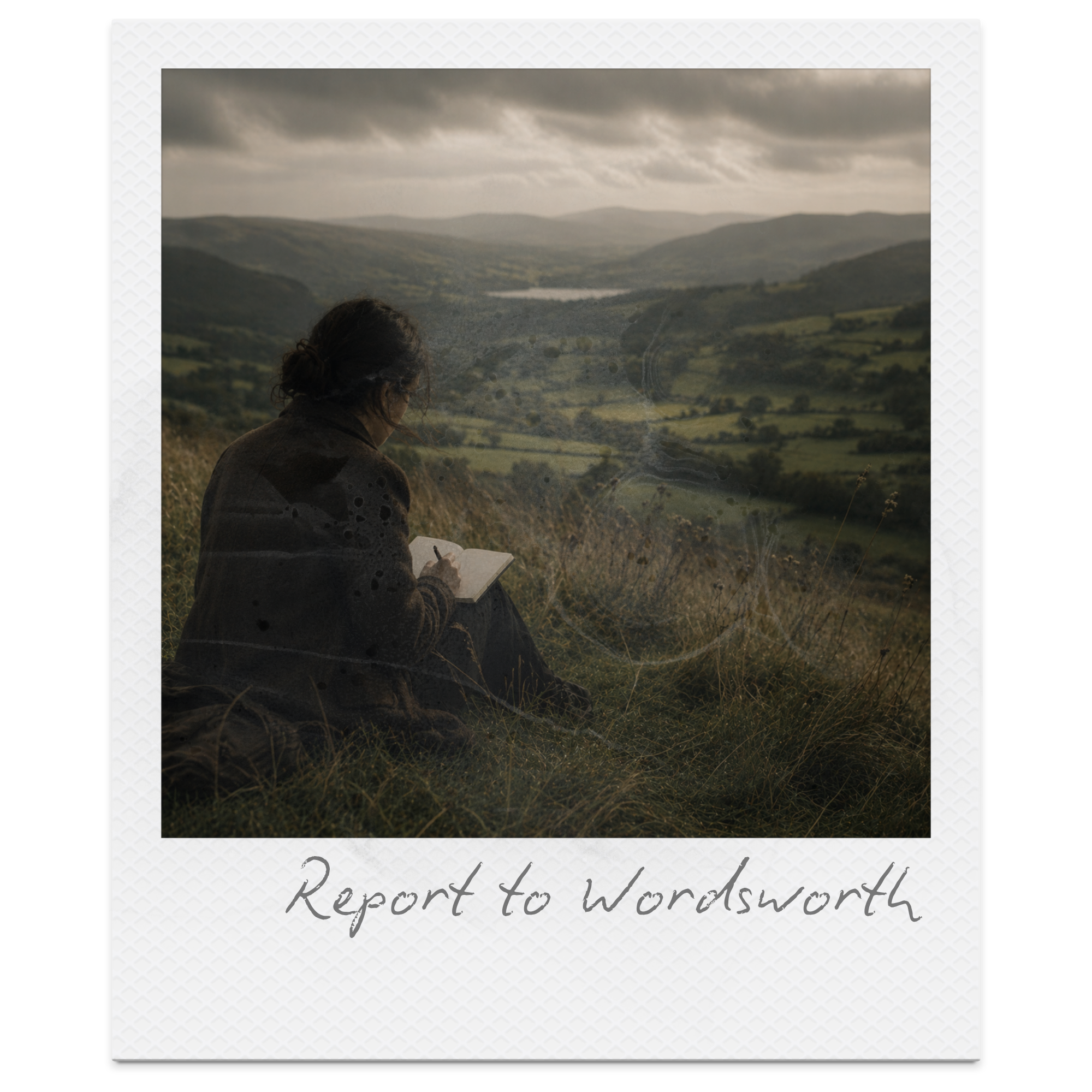
Report to Wordsworth by Boey Kim Cheng: Summary, Themes & Analysis
Report to Wordsworth by Boey Kim Cheng explores the devastating impact of human activity on the natural world, using vivid imagery, mythological allusion, and a disrupted sonnet form to contrast Romantic ideals with modern environmental decline. Through its urgent tone and escalating imagery, the poem presents nature as weakened, silenced, and in need of restoration. This analysis examines how Cheng uses language, structure, and voice to create meaning, focusing on environmental destruction, the failure of poetry and spirituality, and the loss of harmony between humanity and nature. Designed for IGCSE Literature (0475), it supports students in developing clear, method-focused responses.
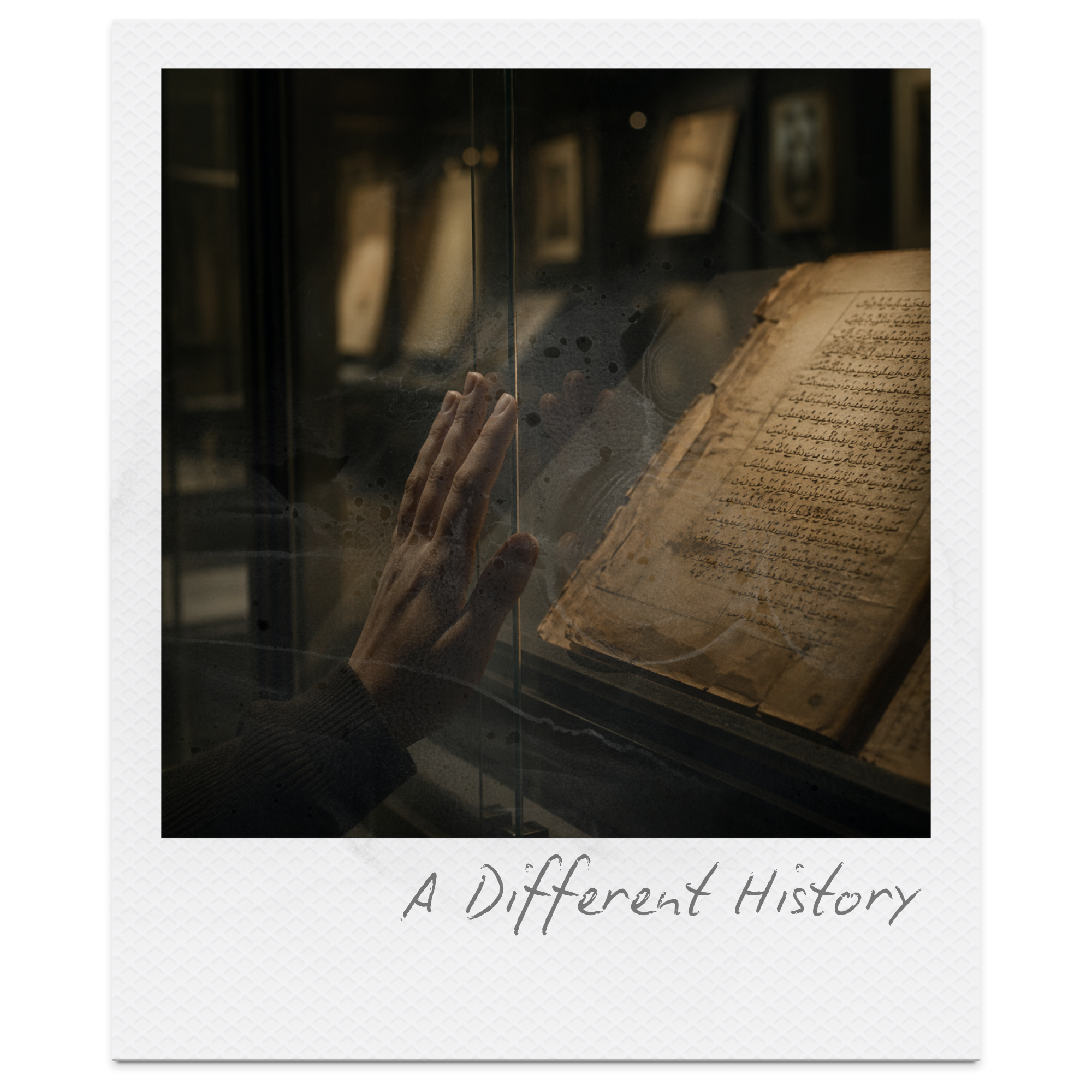
A Different History by Sujata Bhatt: Summary, Themes & Analysis
Sujata Bhatt’s A Different History explores language as power, examining how it can be both respected and used for control. Through contrast, repetition, and rhetorical questions, the poem highlights the tension between cultural identity and the lasting effects of colonial influence. This analysis breaks down key themes, methods, and structural shifts, helping students understand how meaning is created. Ideal for IGCSE Literature, it supports clear, method-focused responses and strong exam preparation.
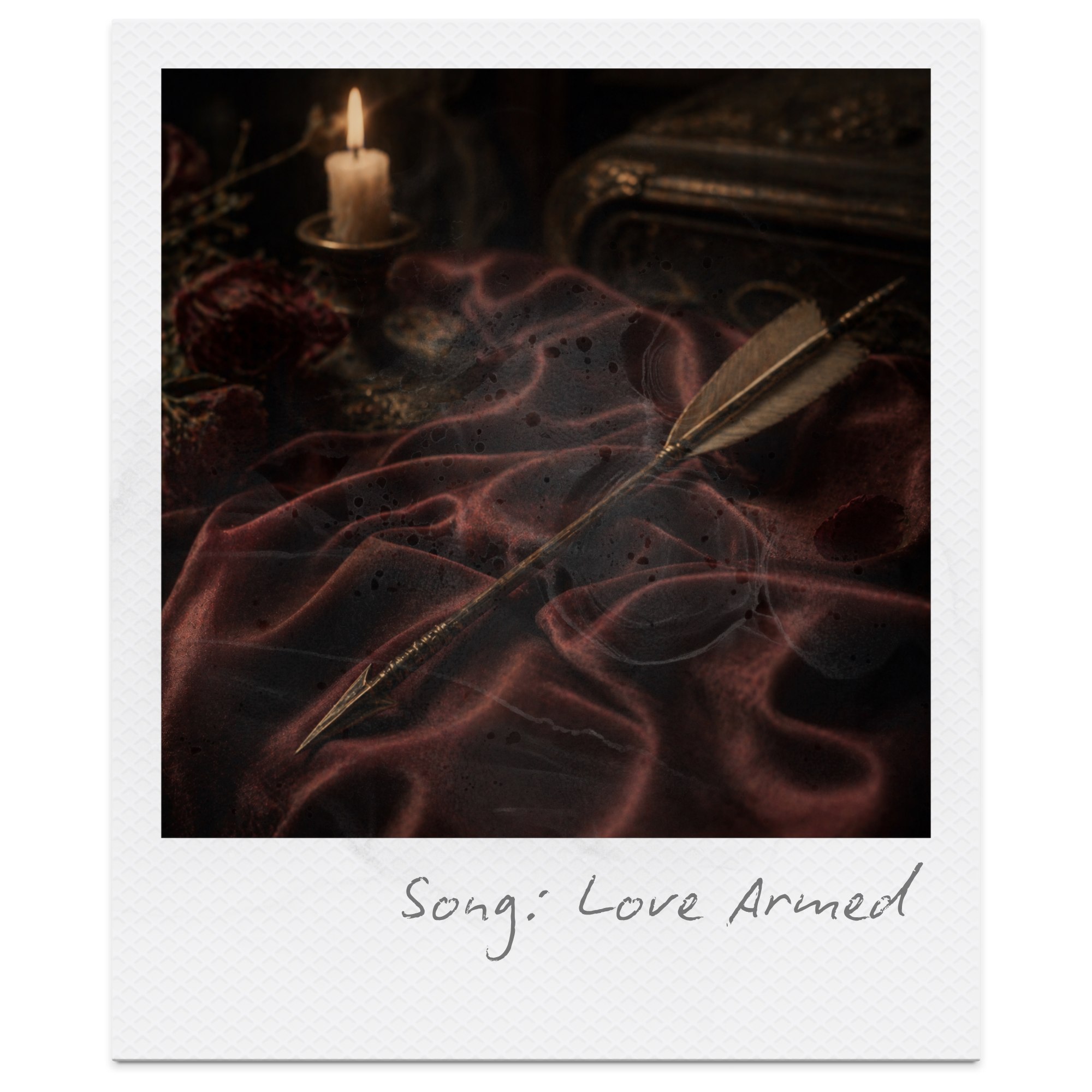
Song: Love Armed by Aphra Behn: Summary, Themes & Analysis
Aphra Behn’s Song: Love Armed explores love as power, presenting it as a force shaped by emotional imbalance, vulnerability, and control. Through the extended metaphor of Cupid as a tyrannical ruler, alongside vivid violent imagery and structural contrast, the poem reveals how love is constructed through unequal contributions—where one lover provides desire and feeling, while the other exerts dominance and cruelty. This analysis examines how Behn uses language, structure, and voice to create meaning, offering a clear breakdown of key themes, techniques, and effects. Designed for IGCSE Literature, it supports students in developing method-focused analysis and building strong, conceptual responses for exam success.
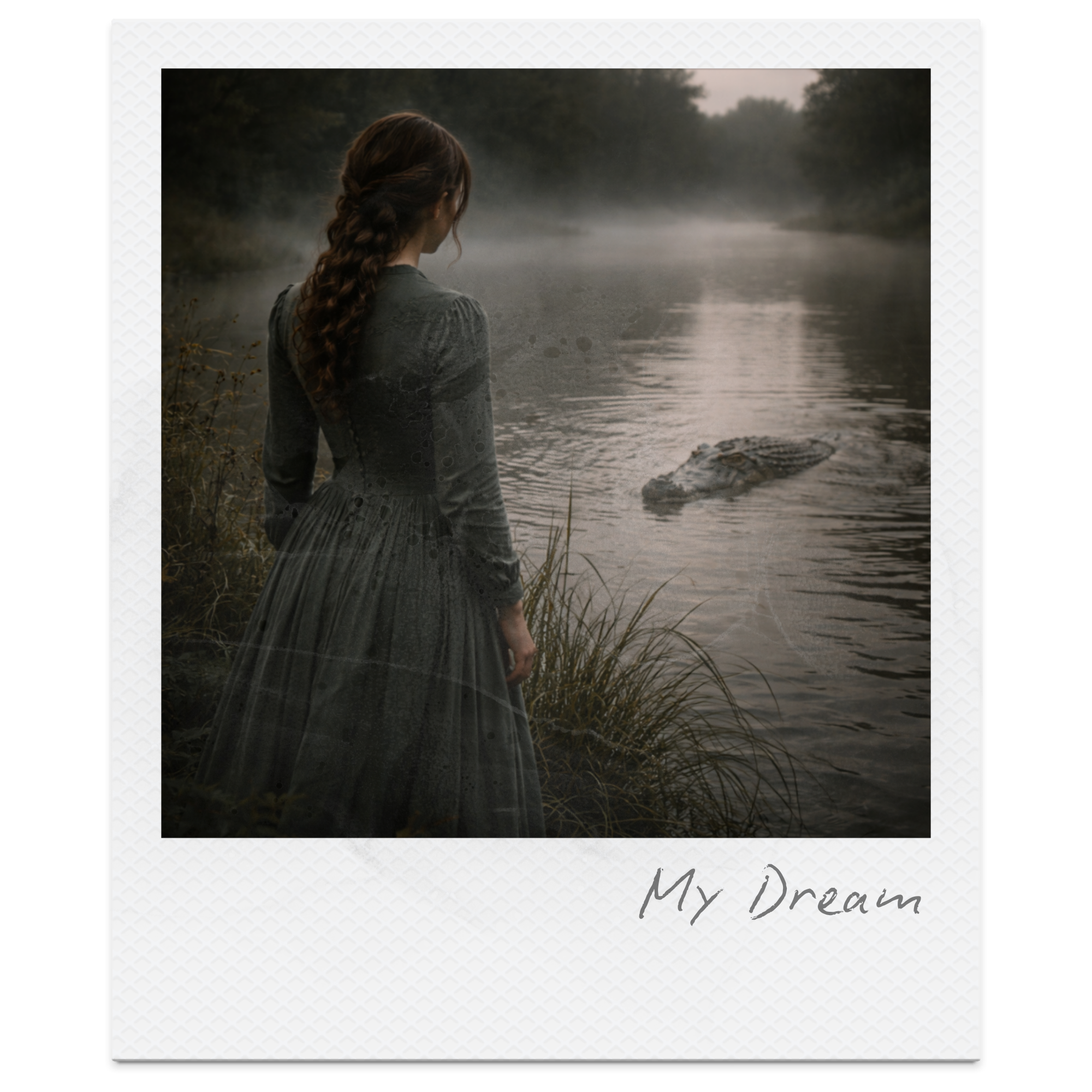
My Dream by Christina Rossetti: Summary, Themes, Symbolism & Analysis
Christina Rossetti’s My Dream presents a dark and symbolic vision of power, corruption, and collapse. Through the rise of a monstrous crocodile who gains dominance through violence and excess, the poem explores how authority built on destruction is ultimately unstable and self-defeating. This analysis examines Rossetti’s use of allegory, imagery, and dream narrative to reveal deeper concerns about human nature, control, and moral consequence. With its ambiguous ending and unsettling symbolism, My Dream invites readers to question how power operates—and what remains when it inevitably fails.
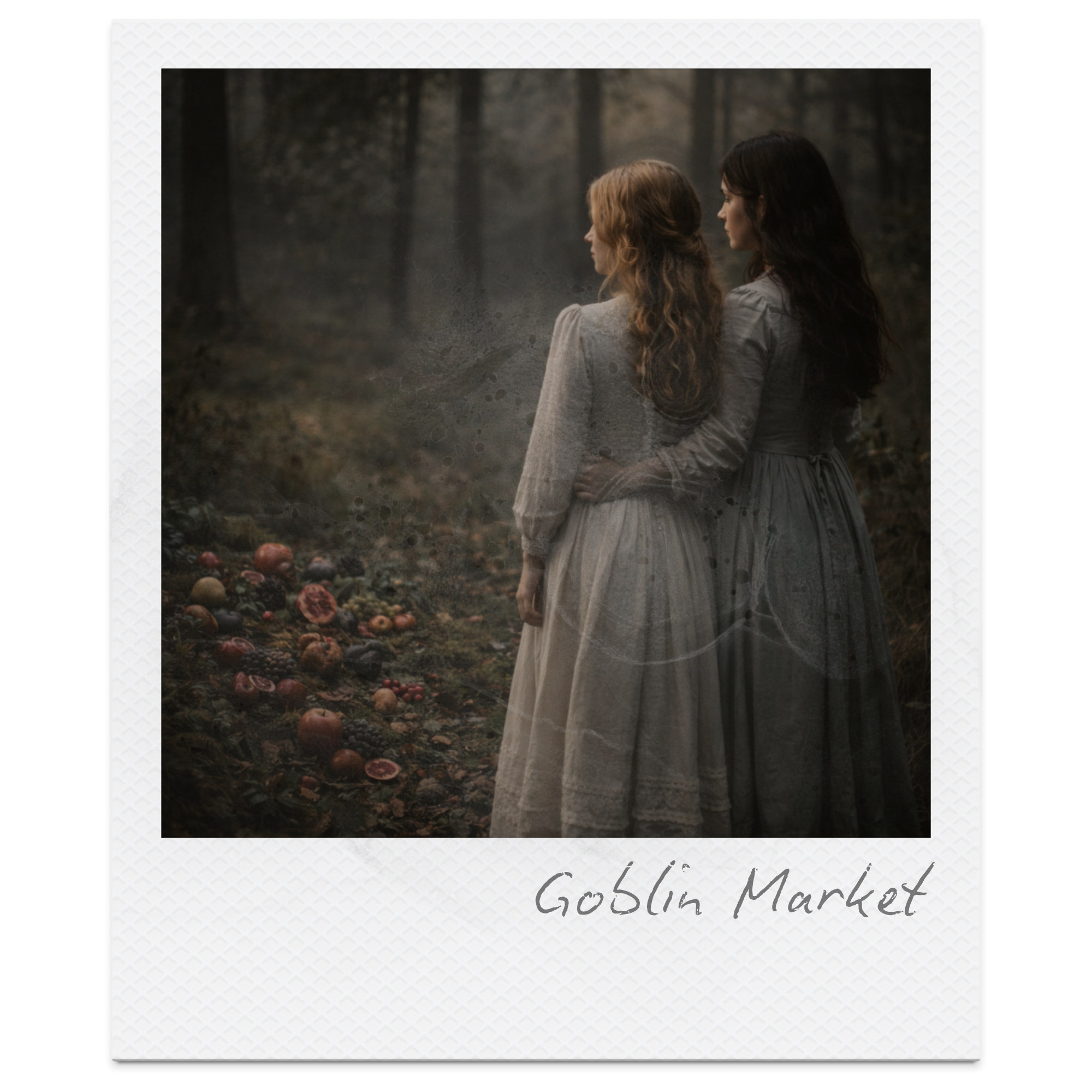
Goblin Market by Christina Rossetti: Summary, Themes, Symbolism & Detailed Analysis
Christina Rossetti’s Goblin Market is one of the most famous and debated Victorian poems, exploring powerful themes of temptation, desire, sisterhood, sacrifice, and redemption. Through the story of Laura and Lizzie and the mysterious goblin fruit merchants, Rossetti creates a richly symbolic narrative filled with sensory imagery, moral tension, and striking symbolism. The poem blends elements of fairy tale, religious allegory, and social commentary, making it one of Rossetti’s most complex works. This guide explores the poem’s summary, key quotations, themes, symbolism, and literary techniques, along with different critical interpretations including feminist, psychological, religious, and existential readings. Whether you are studying Goblin Market for literature courses or exploring Rossetti’s poetry more deeply, this analysis offers a clear and detailed introduction to one of the most enduring poems of the nineteenth century.
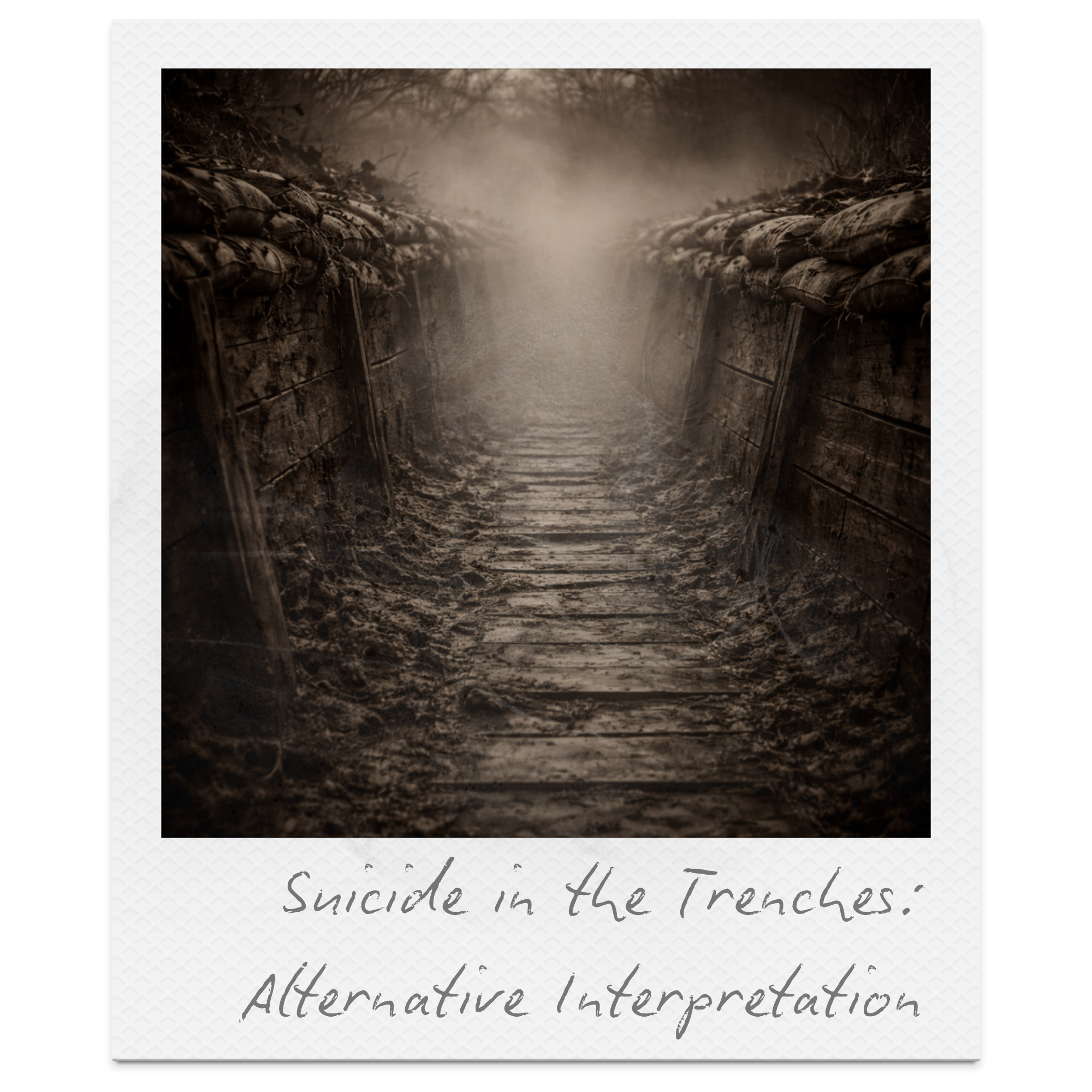
Alternative Interpretations of Suicide in the Trenches by Siegfried Sassoon
Suicide in the Trenches is often taught as a poem with a clear message about the horrors of war. Yet Sassoon’s restraint, ambiguity, and shifting focus invite multiple interpretations about responsibility, blame, and silence. This post explores alternative interpretations of Suicide in the Trenches, examining whether the poem functions as a moral accusation against civilians, a critique of systems, or an exposure of emotional numbness. Designed to support discussion and debate, it encourages students to move beyond surface readings and engage with interpretation as an active, evidence-based process.
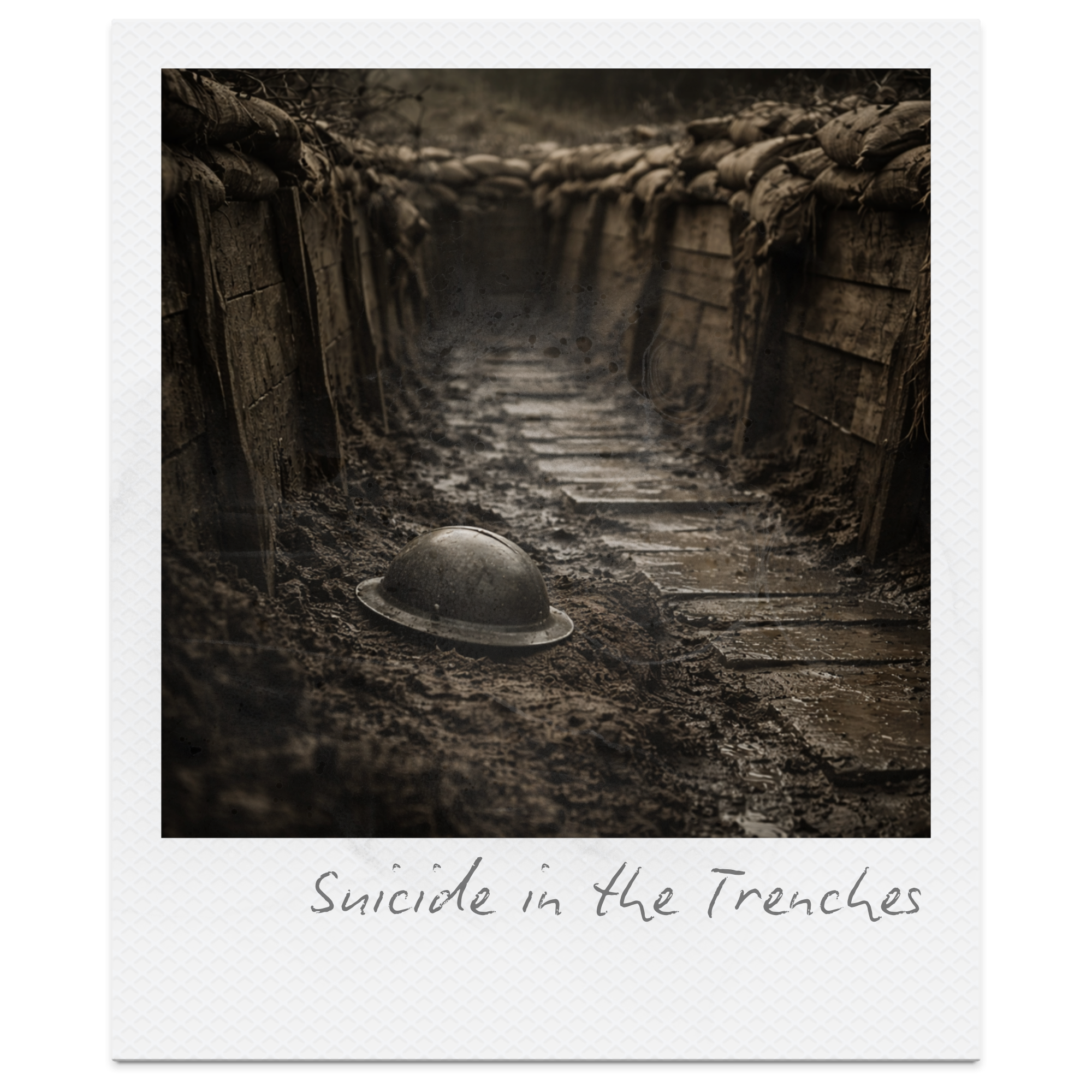
Suicide in the Trenches: Overview, Context, Key Ideas & Teaching Approaches
Suicide in the Trenches is often introduced as a simple war poem, yet its power lies in what it refuses to explain. Through restraint, regularity, and plain language, Siegfried Sassoon presents suffering without consolation, exposing how easily individual lives are absorbed into silence. This pillar post brings together context, key ideas, interpretation, and teaching approaches for Suicide in the Trenches. It explores how meaning is shaped through tone, structure, and omission, and shows how the poem functions as both protest writing and a powerful gateway text for studying war poetry, responsibility, and moral judgement.
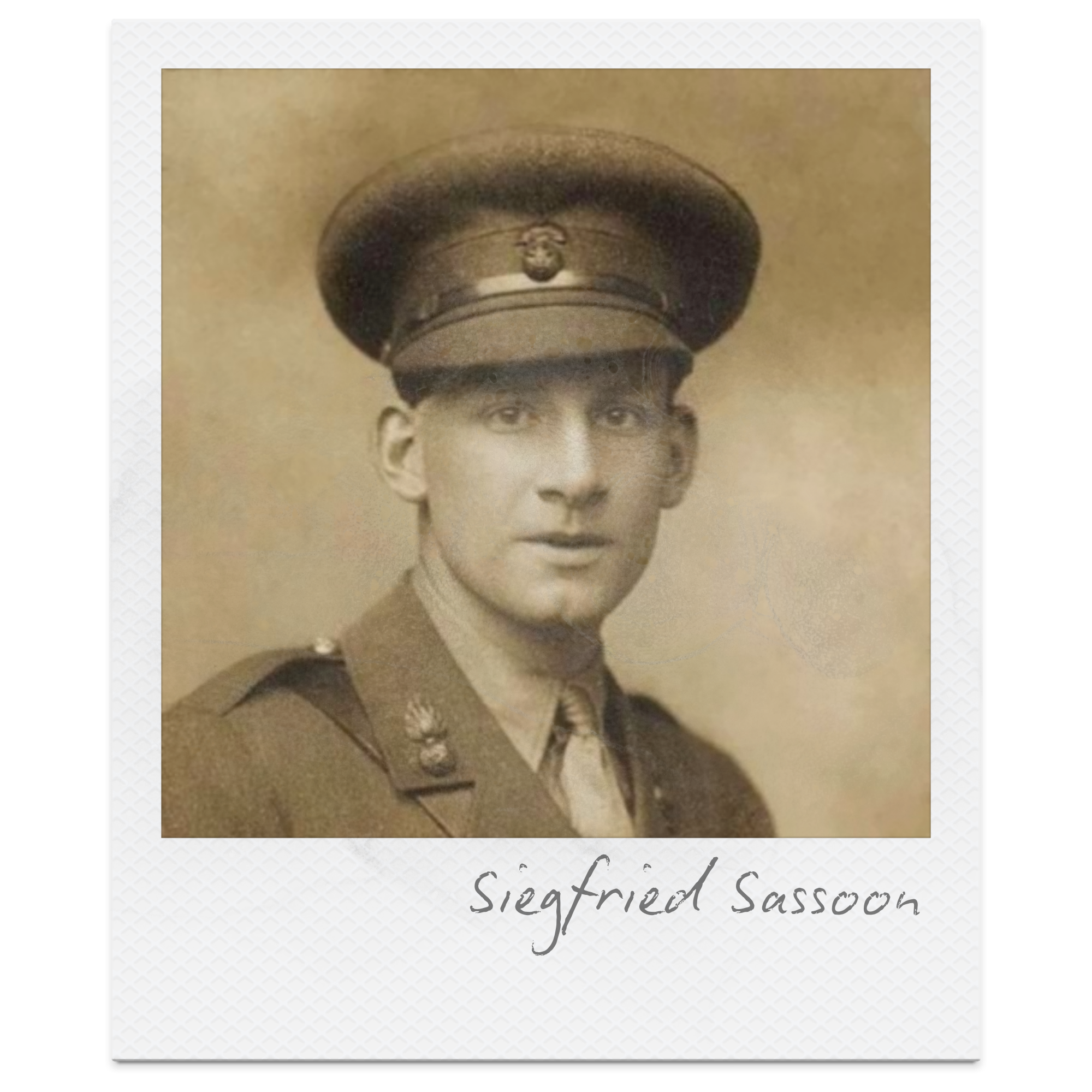
Siegfried Sassoon: Context, War Poetry, and Literary Significance
Siegfried Sassoon is one of the most important voices in First World War poetry, writing not from imagination but from direct experience of trench warfare. His poems expose the brutality, futility, and moral failure of modern war, challenging patriotic narratives that present suffering as noble or necessary. Through irony, anger, and controlled restraint, Sassoon forces readers to confront the gap between those who fight and those who authorise violence from a distance. Understanding Sassoon’s context is essential for reading poems such as “Suicide in the Trenches.” Shaped by frontline combat, public protest, and psychological trauma, his writing interrogates responsibility, authority, and the language used to justify mass death. Rather than offering comfort or heroic sacrifice, Sassoon’s war poetry demands ethical engagement, making it central to the study of WWI literature and modern protest writing.