Notes from the Inkpot
Writing, teaching, creating - one ink-stained idea at a time.




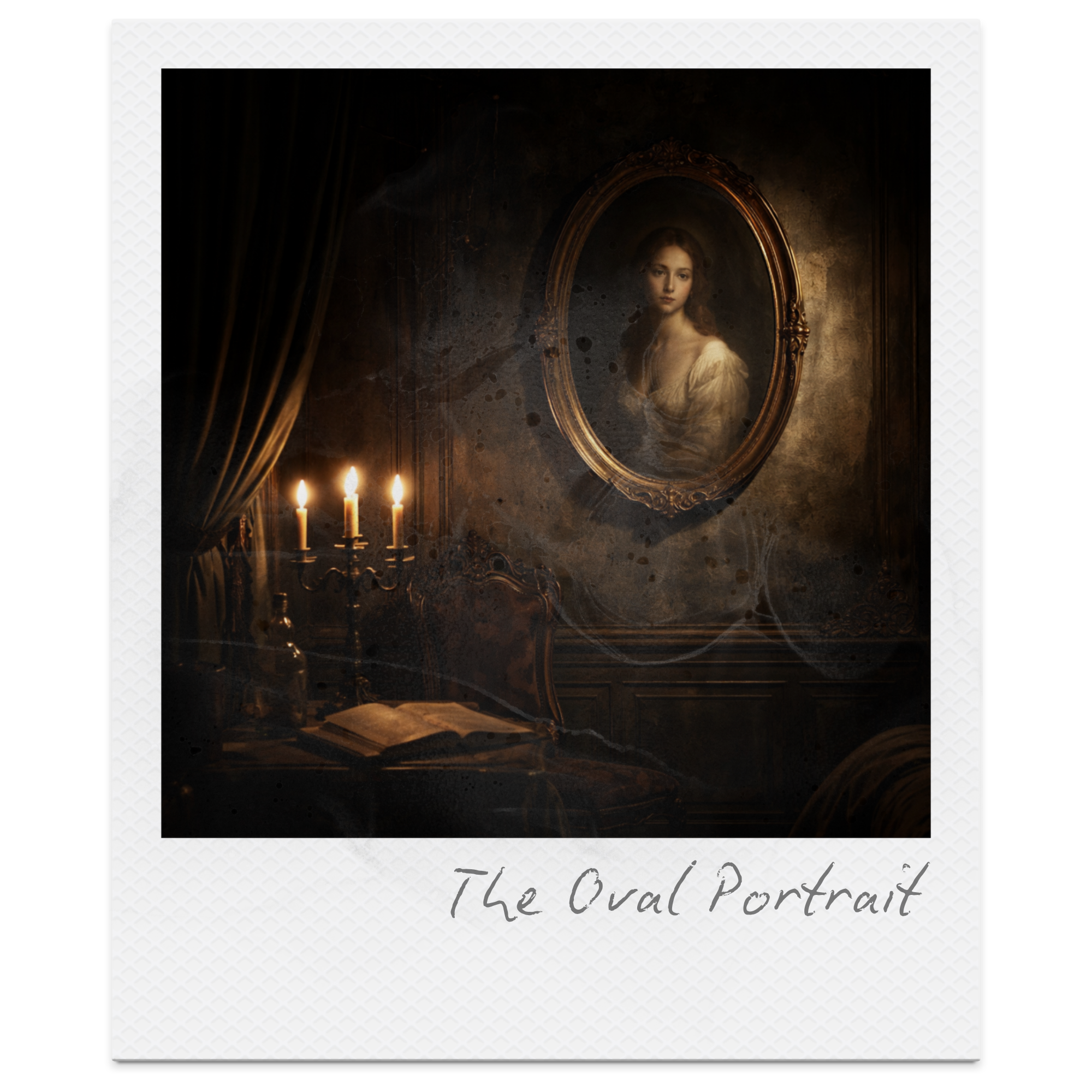
The Oval Portrait by Edgar Allan Poe: Summary, Themes, Symbolism & Analysis
The Oval Portrait by Edgar Allan Poe is a haunting Gothic short story that explores the dangerous relationship between art and life, revealing how obsession can transform creation into destruction. Set within a decaying château, the story follows a wounded narrator who becomes fixated on a strikingly lifelike portrait, uncovering a disturbing tale of artistic ambition and sacrifice. This analysis explores the story’s key themes, including obsession, control, beauty and mortality, and the blurred boundary between reality and illusion. Through close analysis of structure, setting, and character, The Oval Portrait reveals how the pursuit of perfection can consume life itself, raising unsettling questions about the true cost of art.

A Helpmeet for Him by Christina Rossetti: Summary, Themes, Symbolism & Analysis
Christina Rossetti’s A Helpmeet for Him explores gender roles, hidden strength, and Victorian ideals of womanhood, presenting a seemingly traditional view of female identity while subtly questioning its limitations. Through repetition, paradox, and controlled structure, the poem suggests that submission may conceal a deeper form of influence. This analysis examines the poem’s themes, symbolism, and structure, as well as its exploration of power, dependency, and identity. Ideal for students and teachers, it offers a clear summary alongside detailed interpretation to support deeper understanding of Rossetti’s work.
From the Antique Christina Rossetti Analysis: Themes, Feminism & Existential Meaning
Christina Rossetti’s From the Antique offers a striking exploration of weariness, identity, and existential despair, presenting a speaker who moves beyond dissatisfaction with life to question the value of existence itself. Through deceptively simple language and a controlled, almost conversational tone, the poem traces a progression from frustration with a “woman’s lot” to a far more unsettling desire for complete non-existence. The speaker does not merely long for change or escape, but for the erasure of both body and soul, revealing a profound rejection of identity and selfhood. At the same time, Rossetti contrasts this personal despair with the steady continuity of the natural world. While the speaker imagines her own disappearance, the seasons continue to turn, blossoms bloom, and life moves forward unchanged. This juxtaposition highlights a central tension within the poem: the individual experience of suffering exists within a world that remains indifferent and self-sustaining. Through this contrast, Rossetti raises deeper questions about insignificance, perception, and the meaning of existence, positioning the poem as both a personal reflection and a broader philosophical meditation.
Cousin Kate by Christina Rossetti: Analysis, Themes, Structure & Meaning
Cousin Kate by Christina Rossetti is a dramatic narrative poem that explores female reputation, class power, and sexual double standards in Victorian society. Through the voice of a rural woman seduced and abandoned by a wealthy lord, Rossetti reveals how social judgement falls disproportionately on women while men maintain their status and authority. This analysis explores the poem’s themes, symbolism, and narrative structure, examining how Rossetti critiques Victorian morality while giving the speaker a powerful voice of reflection and resilience. It also considers how the poem’s final twist transforms the speaker’s shame into a form of unexpected power.
Heart’s Chill Between by Christina Rossetti: Analysis, Summary, Themes & Meaning
lost love, revealing how grief, memory, and emotional repression continue to shape the speaker’s inner life long after a relationship has ended. Through restrained language and reflective imagery, the poem shows how outward composure can conceal deeper psychological suffering. This analysis examines the poem’s themes, symbolism, structure, and key quotations, offering a detailed exploration of Rossetti’s portrayal of emotional restraint and unresolved grief. Ideal for GCSE and A Level literature study, the guide also includes teaching ideas and comparisons with other Rossetti poems.
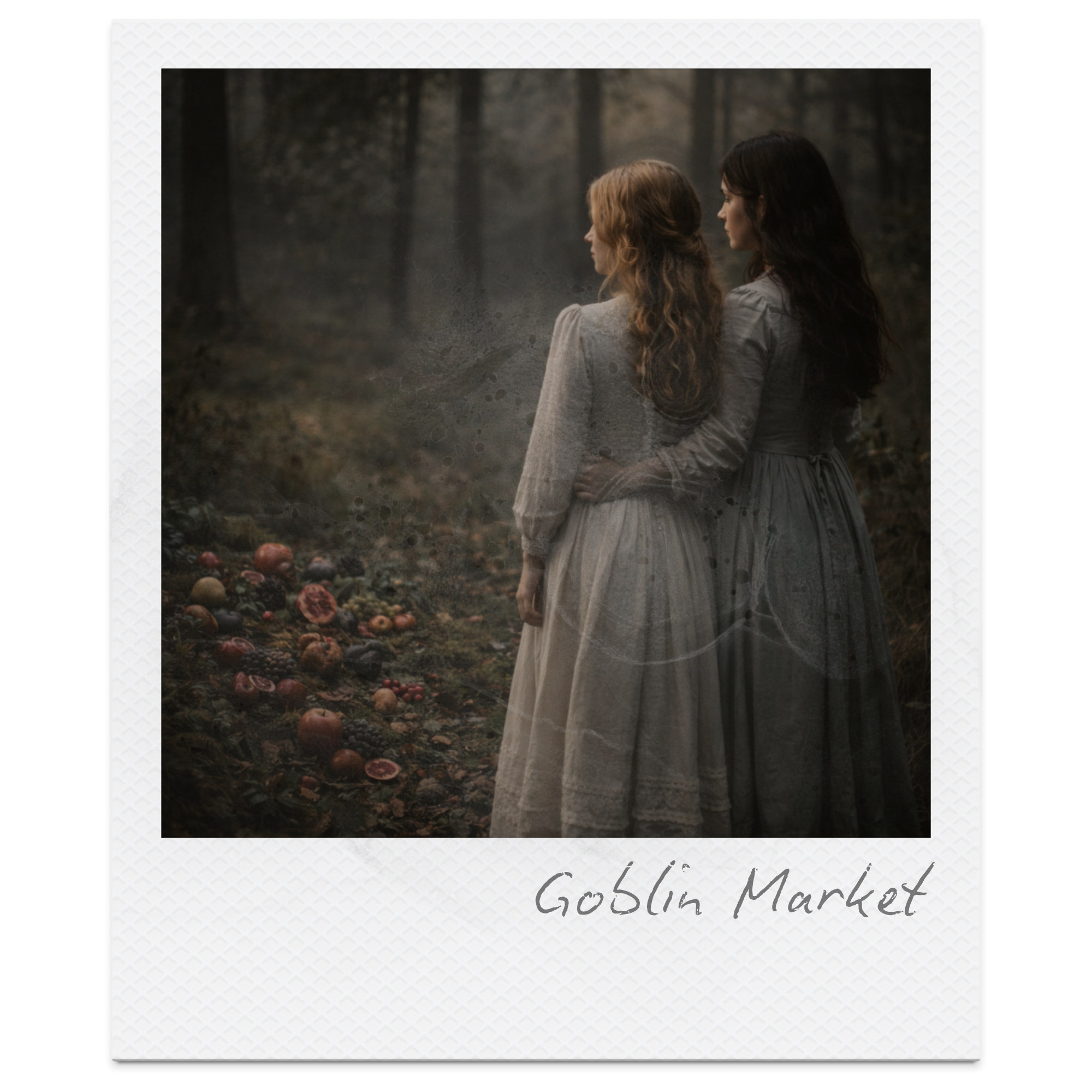
Goblin Market by Christina Rossetti: Summary, Themes, Symbolism & Detailed Analysis
Christina Rossetti’s Goblin Market is one of the most famous and debated Victorian poems, exploring powerful themes of temptation, desire, sisterhood, sacrifice, and redemption. Through the story of Laura and Lizzie and the mysterious goblin fruit merchants, Rossetti creates a richly symbolic narrative filled with sensory imagery, moral tension, and striking symbolism. The poem blends elements of fairy tale, religious allegory, and social commentary, making it one of Rossetti’s most complex works. This guide explores the poem’s summary, key quotations, themes, symbolism, and literary techniques, along with different critical interpretations including feminist, psychological, religious, and existential readings. Whether you are studying Goblin Market for literature courses or exploring Rossetti’s poetry more deeply, this analysis offers a clear and detailed introduction to one of the most enduring poems of the nineteenth century.