Cousin Kate by Christina Rossetti: Analysis, Themes, Structure & Meaning
Christina Rossetti’s Cousin Kate explores the harsh consequences of Victorian social expectations, particularly the unequal standards applied to female sexuality, reputation, and class. The poem is spoken by a young working-class woman who recounts how a powerful lord seduced and abandoned her before marrying her cousin, Kate. Through this narrative, Rossetti exposes the cruel double standards of Victorian morality, where a man’s actions remain socially acceptable while a woman’s reputation can be permanently destroyed.
The poem also examines themes of power, social hierarchy, and female identity. The speaker reflects on how the lord’s authority allowed him to manipulate her life, transforming her from a contented “cottage maiden” into an “outcast thing.” Yet Rossetti complicates this story of shame and rejection by ending the poem with a powerful reversal: the speaker possesses something that the respectable Lady Kate does not — the lord’s illegitimate son, who represents both her disgrace and her lasting claim to his legacy.
This analysis explores the poem’s themes, symbolism, and poetic techniques, revealing how Rossetti critiques Victorian gender expectations and the social systems that punish women for male wrongdoing. For further analysis of Rossetti’s poetry, explore the Christina Rossetti Hub, or browse the wider Literature Library for more guides to nineteenth-century literature and poetry.

Context of Cousin Kate
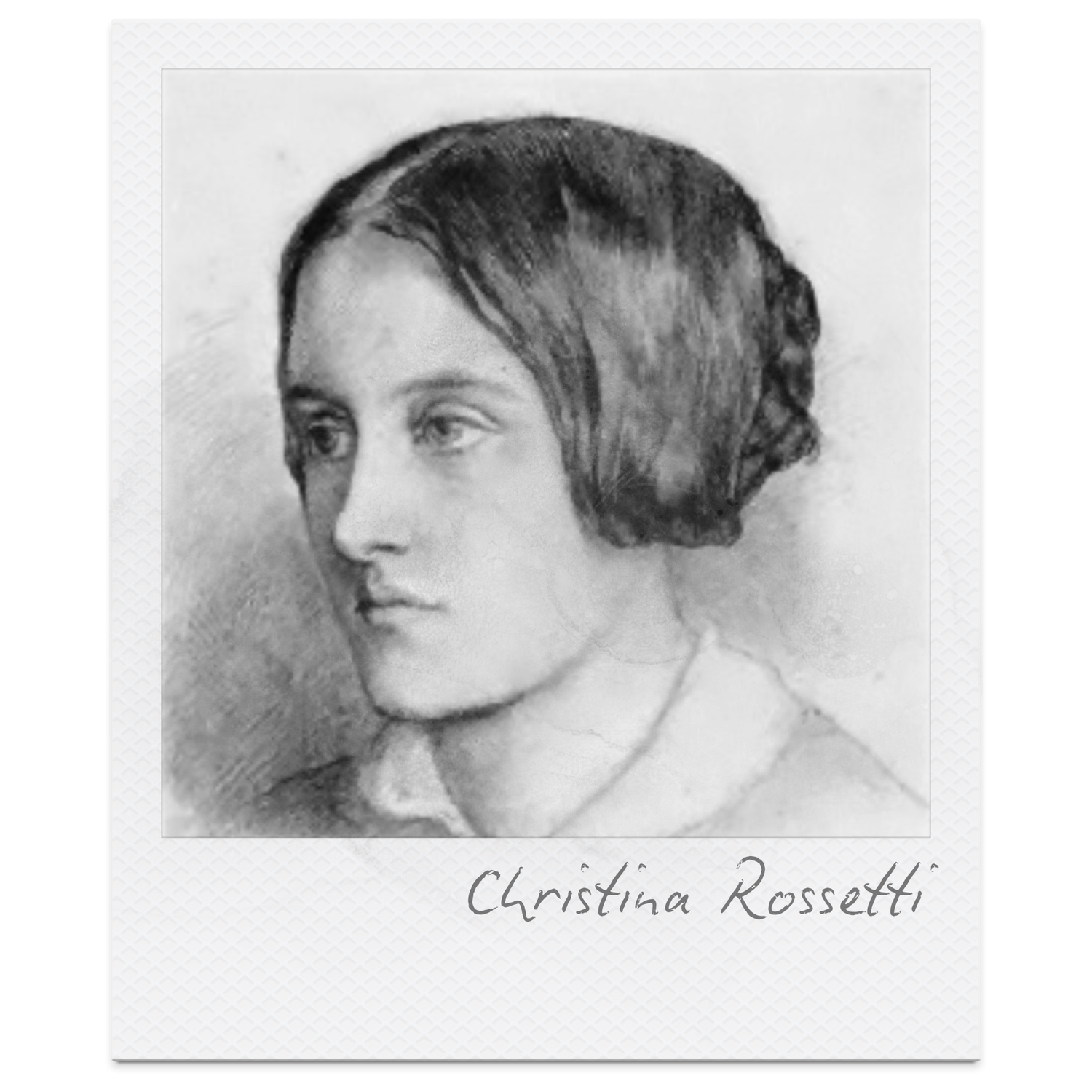
Christina Rossetti’s Cousin Kate reflects many of the social concerns present in Victorian society, particularly the strict expectations placed upon women’s sexual reputation, moral purity, and social status. The poem tells the story of a young working-class woman who is seduced by a wealthy lord and later abandoned when he chooses to marry her cousin, Kate. Through this narrative, Rossetti highlights the harsh double standards of Victorian morality, where a man’s behaviour could be excused while a woman who lost her reputation faced permanent social exclusion.
The poem also reflects the rigid class hierarchy of the nineteenth century. The speaker begins as a “cottage maiden,” representing a modest rural life, while the lord belongs to the upper social elite. His ability to “find” her, bring her to his palace, and then discard her demonstrates the imbalance of power between wealthy landowners and working-class women. The lord’s later decision to marry Kate reinforces the importance of respectability and social appearance, suggesting that marriage was often shaped by reputation rather than genuine affection.
Rossetti frequently explored the vulnerability of women within systems of male authority and social judgement. In Cousin Kate, the speaker becomes an “outcast thing” after her relationship with the lord, while Kate is praised as “good and pure.” This contrast exposes the way Victorian society valued female virtue while ignoring male responsibility. At the same time, the poem’s final stanza complicates this judgement by suggesting that the speaker possesses a form of power through her son, who represents the lord’s true heir.
For a deeper understanding of Rossetti’s life, influences, and the wider Victorian literary and religious context that shaped her poetry, see the Christina Rossetti Context Post.
Cousin Kate: At a Glance
Form: Narrative lyric poem with regular stanza structure and strong storytelling voice
Mood: Bitter, reflective, and accusatory, with moments of quiet pride
Central tension: A working-class woman is seduced and abandoned by a lord who later marries her cousin, exposing the double standards of Victorian morality.
Core themes: female reputation, class power, sexual double standards, Victorian morality, female resilience
One-sentence meaning:
The poem tells the story of a young woman ruined by a wealthy lord who later marries her cousin, revealing the hypocrisy of Victorian social expectations while suggesting that the speaker ultimately holds a different form of power through the son she bears.
Quick Summary of Cousin Kate
The poem begins with the speaker recalling her earlier life as a “cottage maiden,” living simply and contentedly among her rural community. She explains that she had not thought much about her own beauty until a wealthy lord noticed her and praised her appearance. The speaker questions why he chose to seek her out, suggesting that his attention ultimately brought suffering and emotional turmoil rather than happiness.
The speaker then describes how the lord brought her to his palace and made her his mistress, treating her as both his “plaything” and his lover. Although she initially experienced joy in this new life, she soon realises that she has been used and discarded. The lord eventually abandons her and instead chooses to marry her cousin, Kate, whose reputation remains “good and pure.” This shift highlights the harsh double standards of Victorian morality, where the same man who seduced the speaker now rejects her as socially unacceptable.
In the final stanzas, the speaker directly addresses Cousin Kate, comparing their lives and questioning the fairness of their situations. Although Kate has gained wealth, status, and marriage, the speaker reveals that she possesses something Kate does not: the lord’s illegitimate son. The poem ends with this powerful reversal, suggesting that while society condemns the speaker, she may ultimately hold the true legacy and emotional claim through the child who could inherit the lord’s lands.
Title, Form, Structure, and Metre
Christina Rossetti’s Cousin Kate uses a structured and highly controlled poetic form to tell a dramatic story about love, betrayal, and social judgement. By drawing on the conventions of the ballad tradition, Rossetti creates a poem that is both narrative and moral in tone, allowing the speaker to recount her experience while implicitly criticising the double standards of Victorian society.
Title
The title Cousin Kate immediately centres the poem around the figure of Kate, even though the story is told from the perspective of the speaker who has been wronged. This choice emphasises the poem’s central rivalry and comparison between the two women. Throughout the poem, Kate represents social respectability and accepted femininity, while the speaker represents social exclusion and disgrace. By naming the poem after Kate rather than the speaker, Rossetti highlights the way society privileges the woman who fits its expectations.
Form and Structure
Cousin Kate is written in the style of a ballad, a traditional poetic form commonly used to tell stories involving love, betrayal, and moral conflict. Ballads often focus on dramatic personal experiences, and Rossetti uses this form to present the speaker’s account of seduction, abandonment, and social judgement.
The poem consists of six eight-line stanzas (octaves). Each stanza can be understood as two connected quatrains, which reflects the structure of many traditional ballads. This regular stanza pattern gives the poem a steady narrative rhythm, allowing the speaker’s story to unfold clearly as it moves forward through time.
The poem also uses repetition and parallel phrasing, which are common features of ballad storytelling. For example, the line “Why did a great lord find me out” appears twice in the opening stanza. This repetition emphasises the speaker’s confusion and distress, reinforcing the idea that the encounter with the lord permanently altered her life.
Ballads were historically associated with oral storytelling and were often designed to be memorable and accessible. Rossetti’s use of clear narrative progression and direct speech allows readers to easily follow the unfolding story, while also drawing attention to the moral implications of the events described.
Rhyme Scheme and Poetic Pattern
The poem follows a regular rhyme scheme that reinforces its ballad-like musicality. Within each eight-line stanza, Rossetti generally follows a pattern close to ABCBDBEB, which reflects the rhyme patterns commonly found in traditional ballads.
The repeated B rhyme throughout the stanza creates a sense of cohesion, linking key lines together and giving the poem a strong rhythmic flow. Rossetti occasionally strengthens this pattern by repeating similar sounds across multiple lines, creating subtle connections between words associated with class, status, and identity.
For example, in the third stanza the repeated rhyme linking “Kate,” “gate,” and “estate” connects the cousin’s name to the social elevation she receives through marriage. This pattern reinforces the poem’s focus on class mobility and social reputation, suggesting that Kate’s rise in status is closely tied to the lord’s approval.
Metre and Rhythmic Movement
The poem is written largely in common metre, a rhythm traditionally associated with ballads. Common metre alternates between lines written in iambic tetrameter (four iambic feet) and iambic trimeter (three iambic feet). An iamb consists of an unstressed syllable followed by a stressed syllable.
For example:
So NOW | I MOAN | an UN | CLEAN THING
Who MIGHT | have BEEN | a DOVE
This alternating rhythm produces a steady and memorable cadence that supports the poem’s storytelling quality. The regular metre also reflects the speaker’s controlled narrative voice, suggesting that she has carefully shaped the story she tells.
Rossetti occasionally varies the metre slightly, particularly by shifting stress patterns or allowing the rhythm to stretch across line breaks. These small deviations draw attention to important moments in the poem, such as the contrast between the speaker and Kate or the emotional weight of the speaker’s situation. However, the metre remains largely consistent, maintaining the poem’s strong sense of narrative flow and dramatic clarity.
Overall, Rossetti’s use of ballad form, regular rhyme, and common metre allows the poem to function both as a personal story and as a broader reflection on the consequences of power, class, and moral judgement in Victorian society.
The Speaker of Cousin Kate
The speaker of Cousin Kate is a young working-class woman who recounts how she was seduced and abandoned by a wealthy lord. She begins the poem by describing her earlier life as a “cottage maiden,” suggesting that she once lived a simple and contented rural life among her community. This opening establishes her as someone who originally belonged to a modest social world defined by labour, community, and innocence.
As the poem unfolds, the speaker presents herself as the victim of the lord’s power and social authority. She explains that he discovered her, praised her beauty, and brought her to his palace, where she became both his lover and his “plaything.” Although she initially experienced joy in this relationship, she later realises that she has been manipulated and discarded. Her narrative voice therefore carries a mixture of bitterness, regret, and accusation, directed both at the lord and at the social system that condemns her while protecting him.
The speaker also addresses Cousin Kate directly throughout the poem. This second-person address gives the poem the tone of a personal confrontation, as though the speaker is speaking to Kate across the social divide that now separates them. While Kate has become a respectable lady, the speaker has been labelled an “outcast thing.” This contrast highlights the harsh consequences of Victorian expectations surrounding female purity and reputation.
However, the speaker’s voice is not entirely powerless. In the final stanza she reveals that she has given birth to the lord’s illegitimate son, a child who may represent the true continuation of his lineage. By ending the poem with this revelation, the speaker transforms her narrative from one of pure victimhood into a more complicated statement about legacy, justice, and moral authority. Her voice therefore combines personal suffering with quiet defiance, challenging the social values that have judged her.
Stanza-by-Stanza Analysis of Cousin Kate
A close reading of Cousin Kate reveals how Christina Rossetti gradually builds a powerful critique of Victorian morality, class hierarchy, and the unequal consequences faced by women in relationships with powerful men. The poem unfolds as a narrative confession in which the speaker recounts how she was seduced, abandoned, and socially condemned while the man responsible retains his status.
Rossetti structures the poem so that each stanza develops the speaker’s story and deepens the contrast between social reputation and personal truth. The early stanzas introduce the speaker’s innocence and the lord’s initial attention, while the middle stanzas reveal the betrayal and its consequences. In the final stanzas, the speaker confronts Cousin Kate directly and ultimately reclaims a form of moral and emotional authority through the child she has borne.
This stanza-by-stanza analysis explores how Rossetti uses imagery, symbolism, and narrative voice to expose the hypocrisy of Victorian social values and to reveal the emotional complexity of the speaker’s experience.
Stanza 1: Innocence and the Lord’s Discovery
The opening stanza establishes the speaker’s earlier life as one of simplicity, innocence, and rural contentment. She describes herself as a “cottage maiden,” a phrase that immediately situates her within a modest working-class environment. The description “hardened by sun and air” suggests a life shaped by physical labour and exposure to nature, reinforcing her identity as someone accustomed to rural work rather than aristocratic luxury.
The speaker emphasises that she was “contented with [her] cottage mates,” implying a stable and supportive community. At this stage, she is “not mindful [she] was fair,” meaning she was unaware of her own beauty. This detail highlights her naivety and innocence, suggesting that she did not recognise the power her appearance might hold within a society that values female beauty.
The tone shifts when the speaker introduces the “great lord.” His social status is emphasised through the adjective “great,” which contrasts sharply with her humble position. The repeated question “Why did a great lord find me out?” conveys confusion and regret. This repetition suggests that the speaker is reflecting on the moment when her life changed, questioning why she became the object of his attention.
The stanza ends with the realisation that this encounter ultimately “fill[ed] [her] heart with care.” The phrase hints at the emotional suffering that will follow, foreshadowing the betrayal and social consequences that the rest of the poem will reveal. Rossetti therefore begins the poem by contrasting the speaker’s earlier innocent rural life with the painful transformation brought about by the lord’s intervention.
Stanza 2: Seduction, Objectification, and Loss of Purity
In the second stanza, the speaker reveals how the lord removed her from her former life and brought her into his world of wealth and privilege. The phrase “He lured me to his palace home” suggests manipulation and temptation rather than genuine love. The verb “lured” implies deliberate persuasion, hinting that the lord used his power and status to attract the young woman. The line “Woe’s me for joy thereof” introduces an important contradiction: the speaker acknowledges that she initially felt joy in the situation, yet she now regrets that happiness.
The speaker then describes the reality of the relationship as a “shameless shameful life.” This repetition intensifies the sense of moral condemnation attached to her situation. Although the lord treats her as both his “plaything” and his lover, the term “plaything” emphasises that she is being used for his pleasure rather than valued as an equal partner. Rossetti therefore highlights the imbalance of power between the wealthy lord and the vulnerable young woman.
Rossetti deepens this idea through two striking similes. The lord “wore [her] like a silken knot” and “changed [her] like a glove.” Both images suggest that the speaker is treated as a decorative or disposable object. A “silken knot” evokes something ornamental and fashionable, while a glove can easily be removed and replaced. These comparisons reveal how the lord values her only as long as she entertains him.
The final lines express the devastating consequences of this relationship. The speaker describes herself as “an unclean thing,” indicating the social stigma attached to women who lost their sexual reputation in Victorian society. She contrasts this identity with what she “might have been”: a “dove.” The dove symbolises purity, innocence, and moral virtue, suggesting that the speaker’s life could have followed a very different path if the lord had not intervened. Through this contrast, Rossetti exposes the harsh moral judgement imposed upon women while leaving male responsibility largely unexamined.
Stanza 3: Rejection and Kate’s Social Elevation
In the third stanza, the speaker turns her attention directly to Cousin Kate, introducing the central comparison that shapes the rest of the poem. The repeated address “O Lady Kate, my cousin Kate” immediately emphasises the difference between their positions. While they share family ties, the title “Lady” signals Kate’s new social status through marriage to the lord. This contrast highlights how dramatically their lives have diverged.
The speaker acknowledges that Kate “grew more fair than I,” suggesting that beauty continues to influence the lord’s decisions. However, the crucial moment occurs when the lord “chose [Kate], and cast [the speaker] by.” The verb “chose” implies deliberate preference, while “cast…by” suggests rejection and disposal. This pairing reinforces the idea that the speaker has been treated as something easily discarded once a more suitable woman appeared.
Rossetti also emphasises the transformation in Kate’s social position. The lord observes her “at [her] father’s gate” and notices her working “among the rye,” details that indicate her modest rural background. Like the speaker, Kate originally belongs to the lower social classes. However, the lord’s attention ultimately allows her to move upward in society.
The stanza concludes with the line “He lifted you from mean estate / To sit with him on high.” The phrase “mean estate” refers to humble social status, while “sit with him on high” symbolises elevation into the aristocratic world. This contrast highlights the powerful influence of the lord’s choice: while the speaker is abandoned and disgraced, Kate is raised into a life of wealth and respectability. Through this juxtaposition, Rossetti exposes how male authority determines women’s social fate within Victorian society.
Stanza 4: Social Judgement and Moral Double Standards
In the fourth stanza, Rossetti focuses on the public judgement that now separates the speaker from Cousin Kate. The stanza begins with the explanation that Kate was chosen “because [she] were so good and pure.” This phrase reflects the strict Victorian ideal of female purity, where a woman’s social value was closely tied to her sexual reputation. Because Kate has remained untouched by scandal, the lord is willing to marry her and “bind [her] with his ring,” a clear symbol of marriage, legitimacy, and social respectability.
Rossetti emphasises how society reinforces this distinction through repetition. The neighbours describe Kate as “good and pure,” while the speaker is labelled “an outcast thing.” This contrast exposes the harsh double standards of the social system: the same man who seduced the speaker now receives no public condemnation, while the woman he abandoned is permanently disgraced.
The stanza also contrasts the material circumstances of the two women. The speaker imagines herself “howl[ing] in dust,” an image that conveys humiliation, poverty, and emotional suffering. In contrast, Kate “sit[s] in gold and sing[s],” representing comfort, wealth, and social acceptance. The imagery of dust and gold symbolises the vast divide between social exclusion and aristocratic privilege.
However, the final lines introduce a moment of challenge rather than simple resignation. The speaker asks “Now which of us has tenderer heart?” suggesting that moral worth may not correspond to social reputation. Although Kate possesses the “stronger wing,” meaning she has successfully risen within the social system, the question implies that the speaker may possess greater emotional honesty or compassion. Rossetti therefore complicates the moral judgement imposed by society, encouraging the reader to question whether respectability truly reflects virtue.
Stanza 5: Moral Defiance and the Claim of True Love
In the fifth stanza, the speaker directly challenges Cousin Kate and reasserts her own moral integrity. She begins by insisting that her love for the lord was genuine, declaring “my love was true.” In contrast, she claims that Kate’s love was “writ in sand,” a metaphor suggesting something fragile, temporary, and easily erased. This image implies that Kate’s relationship may be based less on genuine feeling and more on social advantage or material gain.
The speaker then imagines a reversal of their circumstances. She suggests that if the lord had attempted to deceive Kate in the same way he deceived her, the situation might have been very different. The line “If you stood where I stand” emphasises the speaker’s current position of disgrace and social exclusion. At the same time, it invites the reader to consider how differently Kate might have been judged had she faced the same situation.
The speaker also challenges the idea that she was motivated by wealth or status. She insists that the lord did not win her through material temptation, even though he possessed the power of “his land.” By presenting herself as someone who valued love rather than wealth, the speaker attempts to reclaim a sense of moral superiority over Kate.
The stanza culminates in a moment of striking defiance. The speaker claims that she “would have spit into his face / And not have taken his hand.” This vivid image expresses anger and resistance toward the lord’s authority. Although the statement may be partly hypothetical, it allows the speaker to assert a form of retrospective strength, suggesting that she now recognises the injustice of the situation and refuses to accept the social judgement placed upon her.
Stanza 6: Illegitimacy, Power, and Final Reversal
In the final stanza, the speaker reveals the one advantage she possesses over Cousin Kate, creating a powerful reversal of the social hierarchy established earlier in the poem. She begins by declaring “Yet I've a gift you have not got,” suggesting that despite Kate’s wealth, status, and marriage, the speaker possesses something Kate cannot obtain. The phrase “seem not like to get” also hints that Kate may remain childless, a significant concern in Victorian society where producing heirs was central to marriage.
The speaker then contrasts Kate’s outward prosperity with her own situation. Although Kate enjoys “clothes and [a] wedding-ring,” symbols of wealth and legitimate marriage, the speaker implies that these advantages may not bring true satisfaction. The suggestion that Kate may secretly “fret” introduces the possibility that beneath her respectable appearance, she may experience anxiety or disappointment.
The central revelation comes with the introduction of the speaker’s child: “My fair-haired son, my shame, my pride.” This phrase captures the complex emotional significance of the child. The son represents social shame because he was born outside marriage, yet he is also a source of personal pride and emotional connection. By calling him both shame and pride, the speaker acknowledges the conflicting ways society and motherhood shape her identity.
The stanza ends with a striking reminder of the child’s potential importance. The speaker claims that the lord “would give his lands for one / To wear his coronet.” The coronet symbolises aristocratic inheritance and lineage. Although the child is illegitimate, he still represents the lord’s biological heir, meaning the speaker ultimately holds something that Kate cannot provide. Through this ending, Rossetti transforms the speaker’s story from one of pure disgrace into a subtle assertion of power, legacy, and emotional triumph.
Key Quotes from Cousin Kate
The following quotations highlight how Rossetti explores class power, sexual double standards, and female reputation in Cousin Kate. Through the speaker’s narrative voice, the poem exposes the hypocrisy of Victorian social judgement and reveals the emotional complexity of the speaker’s experience.
“I was a cottage maiden”
◆ This phrase establishes the speaker’s working-class background and simple rural life before the lord intervenes.
◆ The word “maiden” suggests innocence and purity, reinforcing the idea that she begins the poem morally blameless.
◆ Rossetti contrasts this humble identity with the aristocratic world of the “great lord.”
“Why did a great lord find me out”
◆ The repeated rhetorical question conveys the speaker’s confusion and regret about the moment her life changed.
◆ The phrase “great lord” highlights the social and power imbalance between the two characters.
◆ Repetition emphasises the speaker’s sense that this encounter brought lasting suffering.
“He lured me to his palace home”
◆ The verb “lured” suggests manipulation and temptation rather than genuine affection.
◆ The contrast between the cottage and the palace highlights the gulf between their social positions.
◆ The line introduces the theme of power and exploitation.
“His plaything and his love”
◆ The word “plaything” implies objectification and disposability.
◆ The pairing of “plaything” and “love” reveals the imbalance between emotional attachment and physical possession.
◆ Rossetti suggests that the lord’s affection is shallow and temporary.
“He changed me like a glove”
◆ This simile emphasises how easily the lord discards the speaker.
◆ Gloves were fashionable accessories, reinforcing the idea that she is treated as a replaceable object.
◆ The image highlights the theme of female vulnerability within male power structures.
“Who might have been a dove”
◆ The dove symbolises purity, innocence, and moral virtue.
◆ The speaker contrasts her current social disgrace with the life she could have lived.
◆ This line reflects the harsh Victorian judgement placed upon female sexuality.
“Chose you, and cast me by”
◆ The juxtaposition of “chose” and “cast” emphasises the speaker’s rejection.
◆ These verbs highlight the lord’s power to determine women’s social fate.
◆ The line also reinforces the central comparison between the speaker and Cousin Kate.
“Call me an outcast thing”
◆ The phrase reflects the brutal social condemnation faced by women who lost their reputation.
◆ The word “thing” dehumanises the speaker, suggesting that society views her as morally inferior.
◆ Rossetti criticises the unequal judgement applied to men and women.
“Your love was writ in sand”
◆ The metaphor suggests something temporary and easily erased.
◆ The speaker implies that Kate’s love may be based on status rather than genuine emotion.
◆ This line allows the speaker to reclaim a sense of moral superiority.
“My fair-haired son, my shame, my pride”
◆ This phrase captures the emotional complexity of the speaker’s situation.
◆ The child represents both social disgrace and personal love.
◆ Rossetti ends the poem by suggesting that the speaker ultimately possesses a form of power and legacy that Kate does not.
Key Techniques in Cousin Kate
Christina Rossetti uses a range of poetic techniques in Cousin Kate to reinforce the poem’s critique of Victorian morality, class hierarchy, and sexual double standards. Through repetition, contrast, and narrative structure, Rossetti highlights the unequal power held by the lord and the devastating consequences faced by the speaker.
◆ Anaphora – Rossetti repeatedly begins lines with the same words to emphasise the lord’s control over events. In the second and third stanzas, the recurring “He…” at the start of several lines places the lord at the centre of the narrative, reinforcing that he drives the speaker’s downfall. Similarly, the repeated question “Why did a great lord find me out?” in the opening stanza expresses the speaker’s confusion and regret while subtly shifting responsibility for her fate onto him.
◆ Repetition – Rossetti frequently repeats key words and phrases to intensify emotional impact. The phrase “good and pure” appears twice when describing Cousin Kate, highlighting the social ideal of feminine virtue. Repetition also appears in “my fair-haired son, my shame, my pride,” where the repeated “my” emphasises the speaker’s personal connection to the child and the complex mixture of love and social stigma he represents.
◆ Antithesis – The poem relies heavily on contrast to expose social hypocrisy. Rossetti repeatedly places opposing ideas side by side, such as “you sit in gold and sing / I…howl in dust.” These opposing images emphasise the gulf between social respectability and disgrace, revealing how dramatically the two cousins’ lives have diverged.
◆ Apostrophe – The speaker directly addresses “Cousin Kate” throughout the poem, even though Kate never responds. This technique gives the poem the tone of a personal accusation or confrontation, intensifying the emotional force of the narrative and drawing attention to the contrast between the two women.
◆ Rhetorical Questions – The poem begins with the repeated question “Why did a great lord find me out?” These questions are not meant to be answered but instead reveal the speaker’s lingering confusion and regret. They also introduce the central conflict of the poem by highlighting the moment when her life was transformed by the lord’s attention.
◆ Simile – Rossetti uses similes to emphasise how the lord treats the speaker as an object. When the speaker explains that he “wore [her] like a silken knot” and “changed [her] like a glove,” the comparisons suggest that she was valued only as an ornament or accessory. These similes highlight the theme of female objectification.
◆ Metaphor – Several metaphors reinforce the poem’s moral themes. The speaker claims she might have been “a dove,” a traditional symbol of purity and innocence. This metaphor contrasts her former innocence with the social shame she now experiences.
◆ Paradox – Rossetti captures the speaker’s conflicting emotions through paradox in the line “My fair-haired son, my shame, my pride.” The child simultaneously represents social disgrace and personal joy. This contradiction reflects the tension between maternal love and social condemnation.
◆ Parallelism – The poem frequently repeats similar grammatical structures to reinforce key ideas. For example, the lines “Chose you, and cast me by” create a balanced structure that emphasises the stark difference between acceptance and rejection.
◆ Assonance and Consonance – Rossetti’s repeated vowel and consonant sounds contribute to the poem’s musical quality, reflecting its ballad form. For instance, the long “a” sounds linking “Kate,” “gate,” and “estate” subtly connect the cousin’s name with her rise in social status.
◆ Metonymy – Objects associated with wealth and status represent broader social ideas. The “ring” symbolises marriage and legitimacy, while “lands” and “coronet” represent aristocratic inheritance and power.
◆ Ballad Narrative Voice – Rossetti adopts a storytelling style associated with traditional ballads, allowing the speaker to recount events in a clear chronological sequence. This narrative approach makes the poem feel both personal and morally instructive, reinforcing its critique of social injustice and gender inequality.
Together, these techniques create a poem that is both emotionally powerful and socially critical, allowing Rossetti to expose the hypocrisy of Victorian respectability while giving the speaker a voice through which she can challenge the values that have condemned her.
Themes in Cousin Kate
Cousin Kate explores several powerful themes connected to Victorian gender expectations, class hierarchy, and moral judgement. Through the speaker’s narrative, Rossetti exposes how reputation and power shape women’s lives, while also suggesting unexpected forms of resilience and agency.
Female Reputation
A central theme of the poem is the fragility of female reputation in Victorian society. The speaker begins as an innocent “cottage maiden”, but after her relationship with the lord she is labelled an “unclean thing” and treated as an outcast. Rossetti highlights how quickly a woman’s social standing can collapse once she is perceived to have lost her purity.
At the same time, the poem suggests that reputation is shaped less by morality than by social perception. Although the lord seduces and abandons the speaker, he faces no equivalent public condemnation. Instead, society judges the woman alone, revealing the harsh and unequal standards governing female respectability.
Class Power
The relationship between the speaker and the lord reveals the influence of class power. As an aristocrat, the lord has the freedom to pursue relationships without risking his reputation. The speaker, by contrast, is vulnerable because of her lower social status.
Rossetti repeatedly contrasts the speaker’s cottage life with the lord’s palace home, emphasising the economic and social gap between them. Even Cousin Kate’s elevation depends entirely on the lord’s choice, demonstrating how women’s social mobility is controlled by male authority.
Sexual Double Standards
Closely connected to class and reputation is the theme of sexual double standards. Victorian culture often judged women harshly for sexual relationships outside marriage, while men faced little consequence.
The poem exposes this hypocrisy. The speaker is labelled an outcast, yet the same man who seduced her is able to marry Kate and maintain his respectability. Rossetti’s narrative forces readers to confront the unfairness of a system in which male behaviour is excused while female sexuality is punished.
Victorian Morality
The poem also critiques the rigid ideals of Victorian morality, particularly the belief that women must embody purity and virtue. Kate is praised as “good and pure”, while the speaker is condemned as morally fallen.
However, Rossetti subtly questions whether these labels truly reflect the women’s characters. The speaker’s love appears sincere, while Kate’s marriage is presented more ambiguously. This tension suggests that Victorian moral categories may conceal deeper emotional truths.
Female Resilience
Despite the speaker’s suffering, the poem ultimately reveals a form of female resilience. Although society rejects her, the speaker refuses to accept complete defeat. Instead, she reclaims power through the final revelation of her son, who may inherit the lord’s title.
By ending the poem with this twist, Rossetti complicates the narrative of shame. The speaker may be socially marginalised, but she possesses something Kate does not: a child who represents both continuity and potential inheritance. This final moment allows the speaker to assert a quiet but significant victory.
Maternal Identity and Legacy
Another important theme is maternal identity. The speaker describes her child as “my shame, my pride,” capturing the emotional complexity of motherhood within a society that condemns illegitimacy.
The son represents both social stigma and personal meaning. Through him, the speaker claims a lasting connection to the lord’s lineage, suggesting that legacy and inheritance may ultimately undermine the social hierarchy that once excluded her.
Alternative Interpretations of Cousin Kate
Although Cousin Kate can be read as a straightforward narrative of betrayal and social injustice, Rossetti’s poem also supports multiple interpretive lenses. These perspectives allow readers to explore how the poem engages with Victorian gender expectations, class hierarchy, and psychological experience.
Feminist Interpretation: Gender and Social Control
From a feminist perspective, the poem exposes the unequal expectations placed upon women in Victorian society. The speaker is condemned as an “outcast thing” after her relationship with the lord, while he suffers no visible consequences. Instead, he is able to restore his reputation by marrying Cousin Kate.
This interpretation highlights how female sexuality is tightly policed, while male behaviour remains largely unchallenged. Rossetti reveals the injustice of a system that defines women’s moral worth through sexual purity while allowing men social and legal freedom.
Marxist Interpretation: Class and Power
A Marxist reading emphasises the role of class hierarchy in shaping the events of the poem. The speaker begins as a “cottage maiden”, part of the rural working class, while the lord belongs to the aristocracy.
The poem repeatedly contrasts the material realities of these classes: the cottage and the palace, the speaker who “howls in dust”, and Kate who “sits in gold.” From this perspective, the speaker’s downfall is not simply a personal tragedy but a result of the structural power imbalance between the aristocracy and the rural poor.
Psychological Interpretation: Trauma and Bitterness
The poem can also be interpreted through a psychological lens, focusing on the speaker’s emotional state. The narrative voice is marked by bitterness, jealousy, and lingering resentment toward both the lord and Cousin Kate.
Her repeated comparisons between herself and Kate suggest an ongoing struggle to process humiliation and betrayal. Yet the final stanza introduces a moment of psychological self-assertion, as the speaker claims a form of triumph through her son.
Moral or Didactic Interpretation: A Cautionary Ballad
Because Cousin Kate adopts the form of a ballad, it can also be read as a moral narrative or cautionary tale. Traditional ballads often warned listeners about the consequences of temptation, betrayal, or social transgression.
In this interpretation, the poem reflects Victorian anxieties about sexuality and reputation. However, Rossetti complicates this moral framework by exposing the injustice of the system itself, suggesting that the true moral failing lies not in the speaker but in the society that judges her.
Maternal Interpretation: Motherhood as Power
A final interpretation focuses on motherhood as a source of strength. While society condemns the speaker for bearing a child outside marriage, she ultimately finds meaning and dignity through her son.
The final lines reveal that the lord would “give his lands for one / To wear his coronet.” This moment transforms the child from a symbol of shame into a potential heir, allowing the speaker to reclaim a form of legacy and power that the socially respectable Cousin Kate cannot possess.
Teaching Ideas for Cousin Kate
Cousin Kate offers excellent opportunities for exploring Victorian gender expectations, class hierarchy, and narrative voice. Because the poem tells a clear story while raising complex social questions, it works particularly well for discussion-based learning, comparative analysis, and essay practice.
1. Reputation on Trial (Classroom Debate)
Divide the class into small groups and present the central question:
Who is morally responsible for the speaker’s downfall?
Students should consider the roles of:
the lord
the speaker
Cousin Kate
Victorian society itself
Each group gathers textual evidence to support their argument before presenting their position. This activity helps students explore the poem’s themes of sexual double standards, reputation, and social judgement, while encouraging close reading.
2. Status and Power Mapping
Ask students to create a power map showing how social status shapes each character’s position in the poem. They should include:
the lord
the speaker
Cousin Kate
the speaker’s son
Students then annotate how class, gender, and reputation influence each character’s power. For example, the lord has social authority but depends on legitimate heirs, while the speaker appears powerless but ultimately holds unexpected leverage through her child.
This visual activity helps students understand how Rossetti critiques Victorian class structures.
3. Character Perspective Rewrite
Students rewrite one stanza of the poem from a different perspective:
Cousin Kate
the lord
the speaker’s son (in adulthood)
This encourages students to think about voice, bias, and narrative perspective while considering how different characters might interpret the same events.
4. Essay Development Task
Students read and annotate a model analytical paragraph about the poem. They should identify:
the central argument
embedded quotations
explanation of language or structure
links to theme
Students then extend the paragraph into a full essay response.
You can support this activity by directing students to our Rossetti poetry essay questions post, which provides structured essay prompts for deeper analysis.
Model Analytical Paragraph
Rossetti exposes the hypocrisy of Victorian moral expectations through the contrasting fates of the two women. The speaker is condemned as an “unclean thing”, while Cousin Kate is praised as “good and pure.” This contrast highlights how female reputation depends less on genuine morality than on social perception. Although the lord seduces the speaker, he escapes public criticism and instead secures his respectability through marriage. Rossetti emphasises this injustice through stark imagery, as the speaker describes how she “howl[s] in dust” while Kate “sit[s] in gold and sing[s].” The opposing images of dust and gold symbolise the divide between social disgrace and privilege, revealing how Victorian society punishes women for behaviour that men are permitted to ignore.
5. Ballad Structure Investigation
Students examine how Rossetti adapts the traditional ballad form to tell the poem’s story. They should identify:
stanza structure
rhyme patterns
repeated phrasing
narrative progression
Students then discuss how the ballad style makes the poem feel like a moral story or warning, reinforcing the themes of betrayal and social consequence.
Go Deeper into Cousin Kate
Cousin Kate connects strongly to several other poems by Christina Rossetti that explore female reputation, love, social judgement, and emotional resilience. Reading these poems together reveals how Rossetti repeatedly examines the pressures placed upon women within Victorian morality and social hierarchy.
◆ Maude Clare – Like Cousin Kate, this poem centres on a woman publicly confronting the man who wronged her. Both speakers challenge the social system that allows men to escape blame while women bear the consequences of romantic betrayal.
◆ No, Thank You, John – This poem offers a striking contrast to Cousin Kate. While the speaker of Cousin Kate is manipulated by a powerful man, the speaker in No, Thank You, John firmly rejects unwanted affection, demonstrating a more confident form of female agency.
◆ From the Antique – Both poems explore the limitations placed on women’s lives by Victorian expectations. While Cousin Kate focuses on sexual reputation, From the Antique reflects on the broader restrictions placed on women’s roles within society.
◆ An Apple-Gathering – This poem also examines female reputation and social judgement. Like the speaker of Cousin Kate, the woman in An Apple-Gathering experiences exclusion and regret after pursuing love outside the expectations of her community.
◆ Twice – Both poems explore the consequences of emotional vulnerability. In Twice, the speaker reflects on rejected love and spiritual transformation, echoing the emotional intensity and introspection seen in Cousin Kate.
◆ In an Artist’s Studio – This poem examines how women can be reduced to objects within male-controlled spaces. While Cousin Kate exposes sexual exploitation, In an Artist’s Studio critiques artistic objectification, revealing different forms of male authority over women.
◆ A Daughter of Eve – Both poems explore the idea that women are judged according to strict moral expectations. Rossetti references the biblical story of Eve to highlight how female desire is often framed as sinful.
◆ The World – This poem reflects on the tension between outward appearance and hidden moral reality. Similarly, Cousin Kate exposes the hypocrisy beneath the surface of Victorian respectability.
◆ Heart’s Chill Between – Both poems examine the lingering emotional consequences of broken relationships, though Heart’s Chill Between focuses more on psychological trauma while Cousin Kate emphasises social injustice.
◆ Remember – While Remember presents a more reflective meditation on love and memory, both poems explore how relationships leave lasting emotional marks on those who experience them.
Exploring these poems together helps reveal how Rossetti repeatedly investigates love, power, morality, and the emotional lives of women, creating a body of work that critiques the social expectations of her time.
Final Thoughts
Cousin Kate is one of Christina Rossetti’s most powerful explorations of female reputation, class power, and Victorian sexual morality. Through the speaker’s bitter yet controlled narrative, Rossetti exposes the hypocrisy of a society that condemns women for moral failure while allowing men to preserve their status and respectability. The poem’s ballad form gives the story a sense of inevitability, reinforcing how easily social judgement can reshape a woman’s life.
Yet the poem also complicates the idea of complete defeat. In the final stanza, the speaker reveals that her son may inherit the lord’s legacy, transforming what society views as shame into a potential source of power. This ending allows the speaker to reclaim a measure of dignity, suggesting that legacy and identity cannot be defined solely by social condemnation.
If you would like to explore more of Rossetti’s poetry, visit the Christina Rossetti poetry hub, where you’ll find detailed analyses of her major poems and themes. You can also explore the Literature Library for more poetry analysis, context guides, and teaching resources designed to support deeper literary study.
Choose Your Next Text