70 Folk Gothic Writing Prompts: Dark Folklore, Ancient Rituals & Rural Mysteries
Folk Gothic blends the quiet beauty of the countryside with ancient traditions, forgotten beliefs, and the unsettling feeling that the landscape remembers more than it reveals. Rather than relying on monsters or sudden scares, these stories create tension through isolated villages, woodland shrines, seasonal rituals, weathered churches, sacred groves, hidden histories, and communities bound by customs that have survived for centuries. Nature is rarely just a backdrop—it becomes an active force, watching, warning, and preserving secrets that refuse to be forgotten.
From The Wicker Man and Starve Acre to The Loney, Cunning Folk, and the eerie rural landscapes found throughout British folklore, Folk Gothic explores the uneasy relationship between people, place, and tradition. Ancient standing stones, harvest festivals, village legends, mysterious strangers, and woodland spirits all become powerful storytelling tools, creating atmospheric tales where the past quietly shapes the present.
Whether you're planning a novel, writing a short story, developing a fictional village, or searching for atmospheric inspiration, these 70 Folk Gothic Writing Prompts will help you create haunting settings, memorable characters, compelling conflicts, and beautifully unsettling stories rooted in folklore and landscape.
If you're looking for even more inspiration, explore the Gothic Writing Hub for prompts, settings, characters, names, and genre guides, or browse the Fairytale and Folklore Writing Hub or Creative Writing Archive for hundreds of creative writing resources across fantasy, horror, mystery, romance, folklore, science fiction, historical fiction, and many more genres.
1. Plot Prompts
Folk Gothic stories explore the uneasy relationship between people, landscape, and tradition. Rooted in folklore, rural communities, and ancient customs, they create slow-burning tension through forgotten rituals, sacred places, and the feeling that some secrets have been waiting centuries to be uncovered.
A remote village prepares for its annual harvest festival, but this year's wicker effigy bears the face of someone who disappeared decades ago.
A young woman inherits an isolated woodland cottage and discovers she has unknowingly become the guardian of an ancient shrine hidden among the trees.
Every midsummer, the villagers vanish into the surrounding forest until dawn. This year, an outsider decides to follow them.
An archaeologist uncovers a forgotten stone circle that appears to have been deliberately erased from every historical record.
A shepherd discovers an abandoned valley where the church bells still ring despite the village having been deserted for generations.
A folklorist investigating local legends begins finding fresh offerings left at shrines dedicated to gods nobody admits remembering.
After a violent storm fells the oldest oak in the forest, a hidden doorway is revealed beneath its roots.
A remote island community refuses to let visitors leave before participating in an ancient ceremony that nobody fully understands.
A village priest begins questioning his faith after witnessing miracles linked to customs older than the church itself.
Every autumn, strange lights appear across the surrounding hills, guiding villagers towards a place outsiders are forbidden to enter.
2. Title Ideas
A strong Folk Gothic title immediately evokes atmosphere, folklore, and the quiet mystery of the countryside. These titles draw upon ancient landscapes, forgotten traditions, sacred places, and rural communities where old beliefs still linger beneath everyday life.
The Hollow Oak
Beneath the Standing Stones
The Last Harvest Fire
The Chapel in the Marsh
Where the Ravens Gather
The Old Ways
The Village That Remembered
Moss & Bone
The Keeper of the Shrine
Before the Bells Fell Silent
3. Opening Lines
The best Folk Gothic stories begin with subtle unease. A familiar village, woodland path, or seasonal tradition quickly becomes unsettling through small details that hint at something ancient quietly watching from the shadows.
Nobody in Blackmere could remember who first built the shrine, only that it had never once stood empty.
Every child in the village learned two rules before they could read: never whistle in the woods, and never ask what lies beyond the standing stones.
The scarecrow had moved again.
My grandmother left me only three things: her cottage, an iron key, and a warning never to answer voices after sunset.
The church bell rang thirteen times, though the tower had stood abandoned for decades.
Everyone smiled when I arrived, but nobody would tell me why every cottage door was marked with dried rosemary.
The oldest oak fell during the storm, exposing something carved into the earth beneath its roots.
They insisted the forest ended at the river, yet every map showed another path beyond it.
The first offering appeared on my doorstep before anyone realised I had returned home.
I should have left the moment the villagers thanked the forest for letting me stay.
4. Closing Lines
Folk Gothic endings often leave readers with lingering questions rather than complete answers. These closing lines reflect ancient mysteries, enduring folklore, and the unsettling feeling that some stories never truly end.
By sunrise, the forest had hidden every trace of what had happened.
Some traditions survive because nobody is brave enough to question them.
The village returned to silence, as though it had never been disturbed at all.
Every spring, fresh flowers still appear beside the old shrine.
The bells never rang again, but everyone heard them.
The standing stones remained exactly where they had always been, patiently waiting.
Whatever slept beneath the hill had been satisfied—for now.
They buried the truth beside the old oak, knowing it would eventually grow again.
The oldest story in the valley had found another ending.
And somewhere beyond the trees, the watching continued.
5. Character Ideas
Folk Gothic characters are shaped by the places they call home. They are often guardians of forgotten traditions, reluctant outsiders, quiet observers, or ordinary people drawn into mysteries that have existed for centuries.
A widowed herbalist preserving remedies and rituals passed down through generations.
An elderly bell ringer who refuses to explain why the church bells remain silent every midsummer.
A wandering folklorist determined to record disappearing village traditions before they are lost forever.
A reclusive woodcarver whose handcrafted figures mysteriously appear wherever tragedy follows.
A young priest questioning whether ancient local customs are more powerful than his own faith.
A beekeeper convinced the woodland communicates through the behaviour of the hives.
The final descendant of a family sworn to protect an abandoned woodland shrine.
A quiet shepherd who has spent an entire lifetime avoiding one particular hill without understanding why.
A village child who casually speaks to people no one else can see.
A mysterious traveller carrying a weathered journal filled with forgotten folklore that seems to predict the future.
6. Setting Ideas
Landscape is the heart of Folk Gothic. Ancient forests, lonely churches, mist-covered marshes, forgotten villages, and sacred places all become characters in their own right, preserving memories, traditions, and secrets long after people have disappeared.
A woodland shrine hidden beneath towering ancient oak trees.
A weathered stone circle overlooking rolling hills covered in morning mist.
A forgotten village slowly disappearing beneath ivy, moss, and wildflowers.
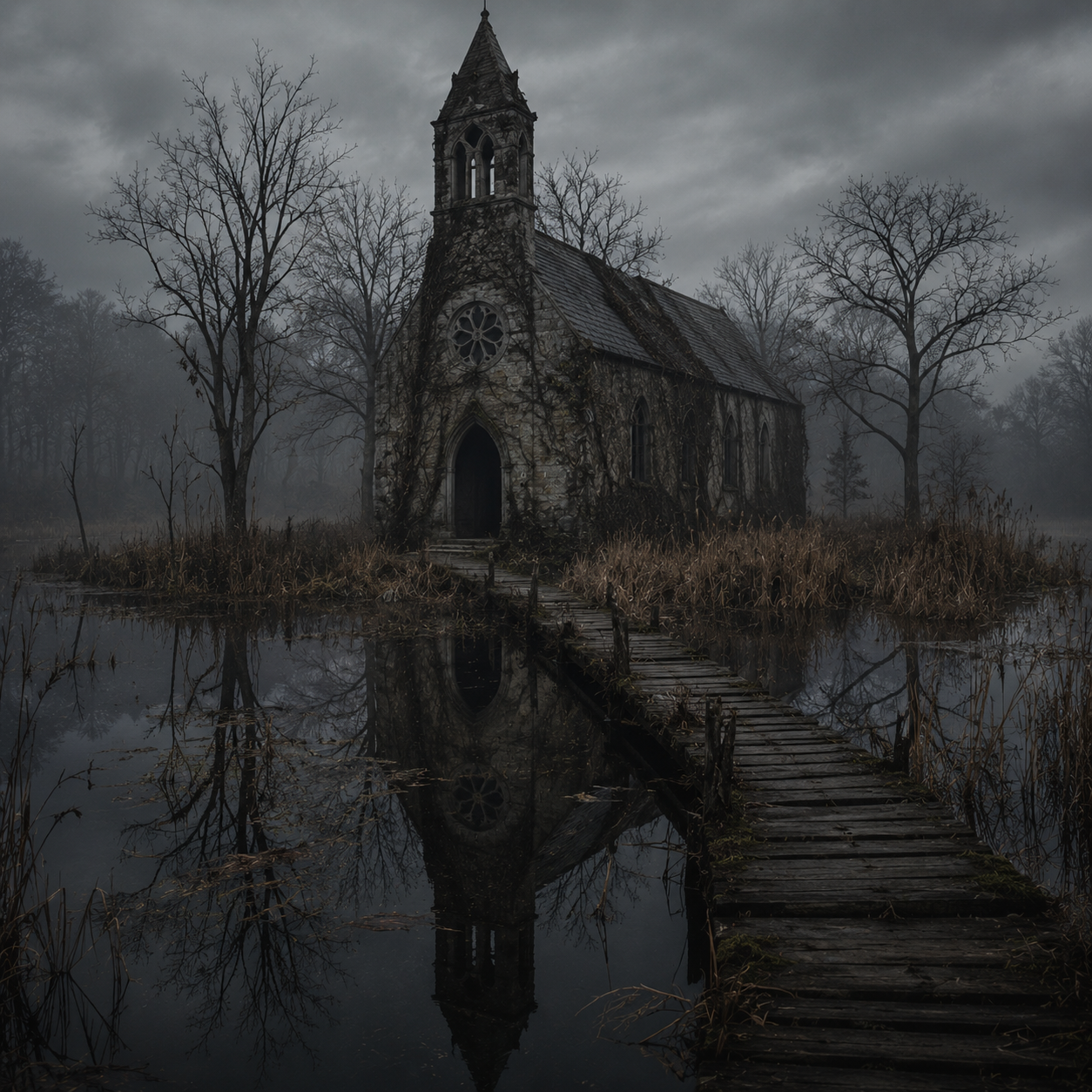
A lonely medieval chapel standing beside a flooded marsh.
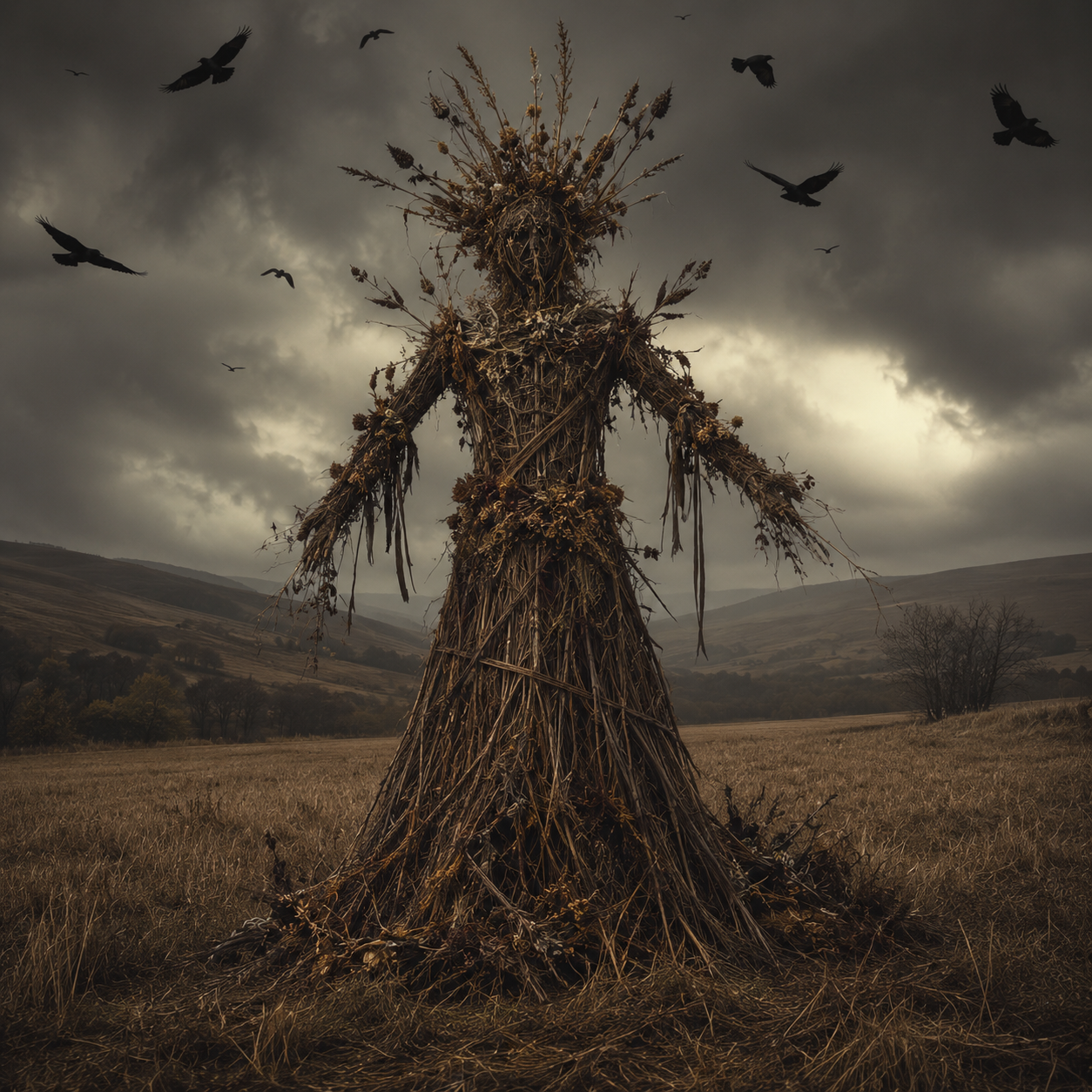
A windswept hill where a towering wicker effigy is rebuilt every harvest.
A narrow woodland path lined with trees carved with ancient symbols.
An abandoned manor surrounded by overgrown orchards and ancient yew trees.
A ruined monastery hidden deep within dense forest.
A remote coastal village where every cottage overlooks towering black cliffs.
A secluded valley where the same ancient bonfire has burned every midsummer for centuries.
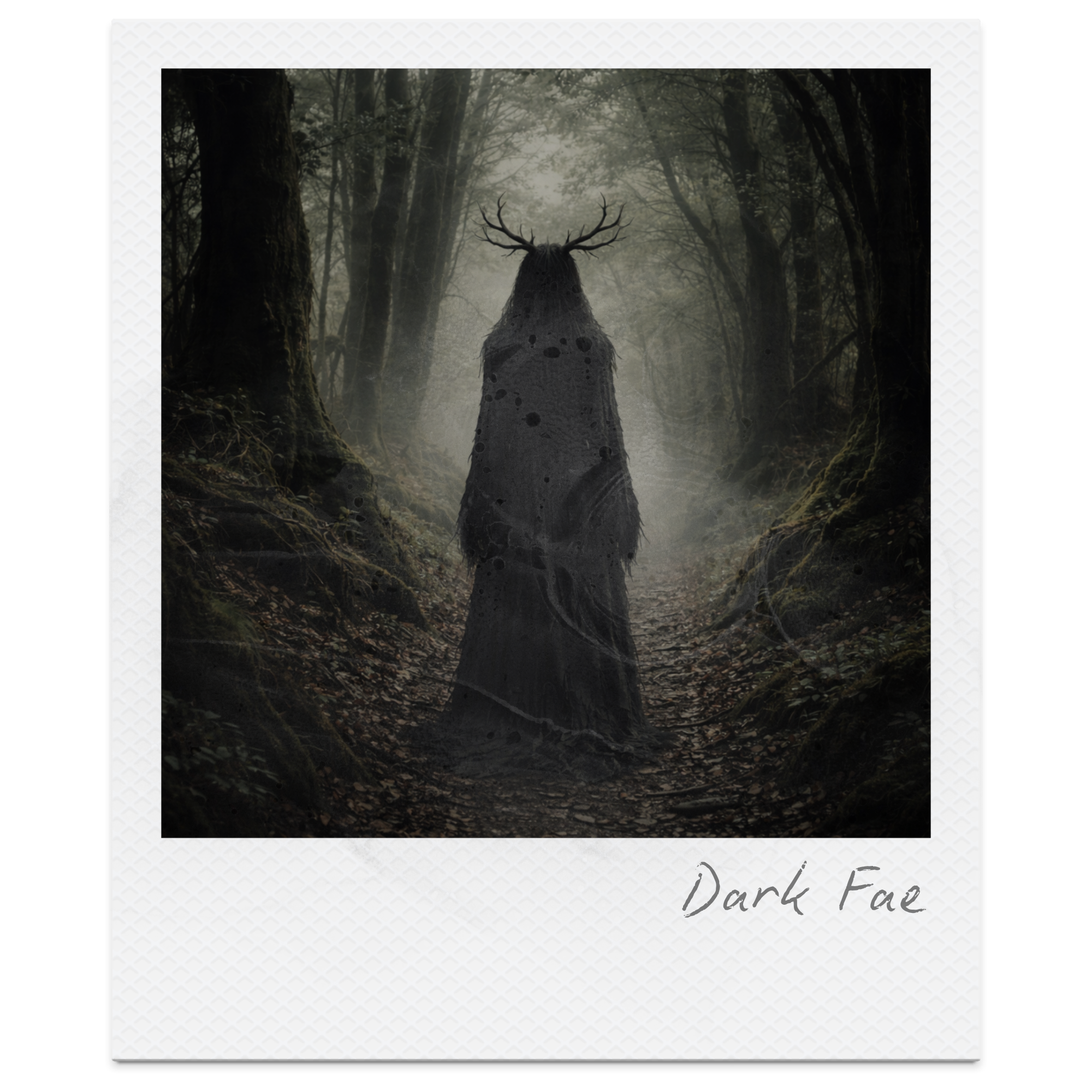
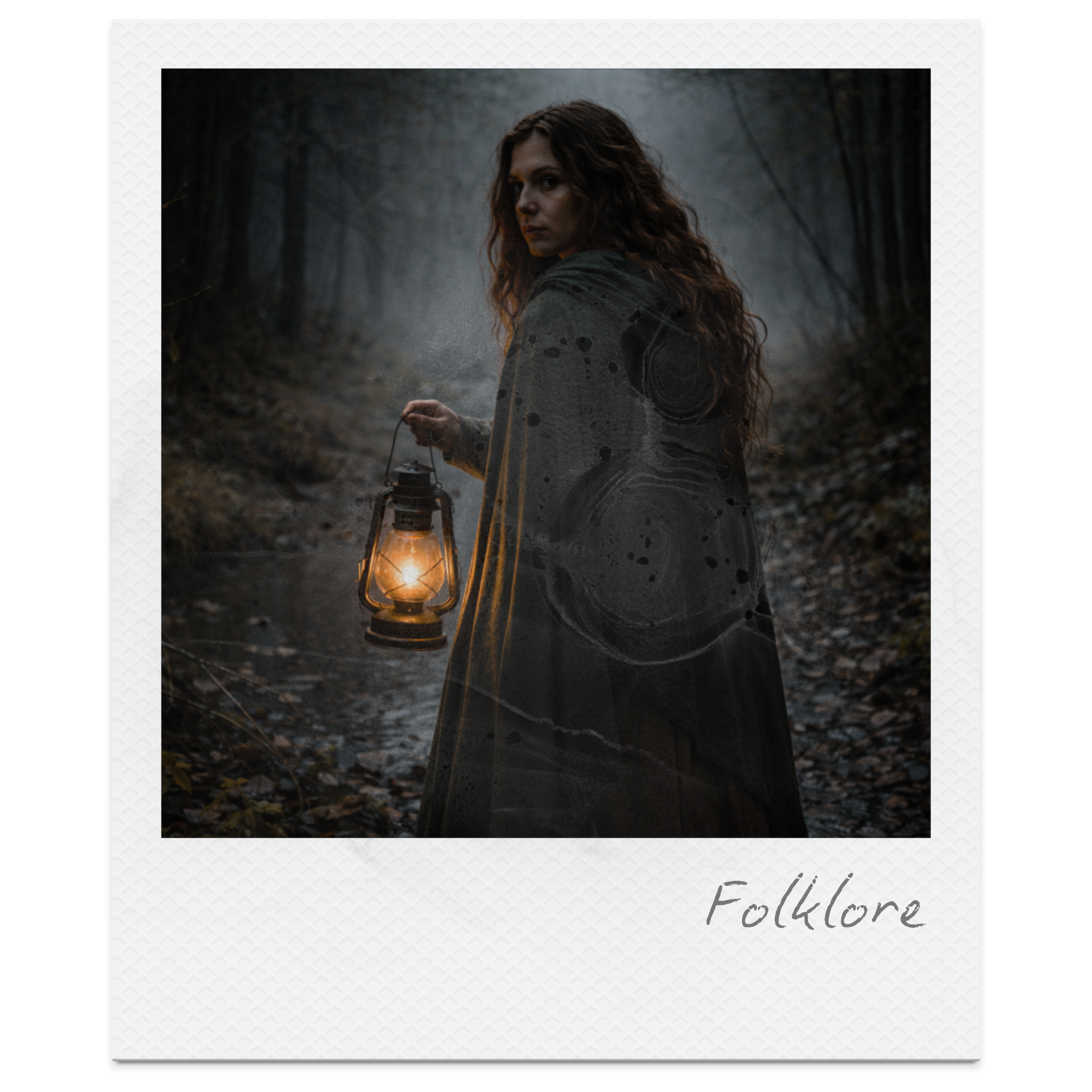
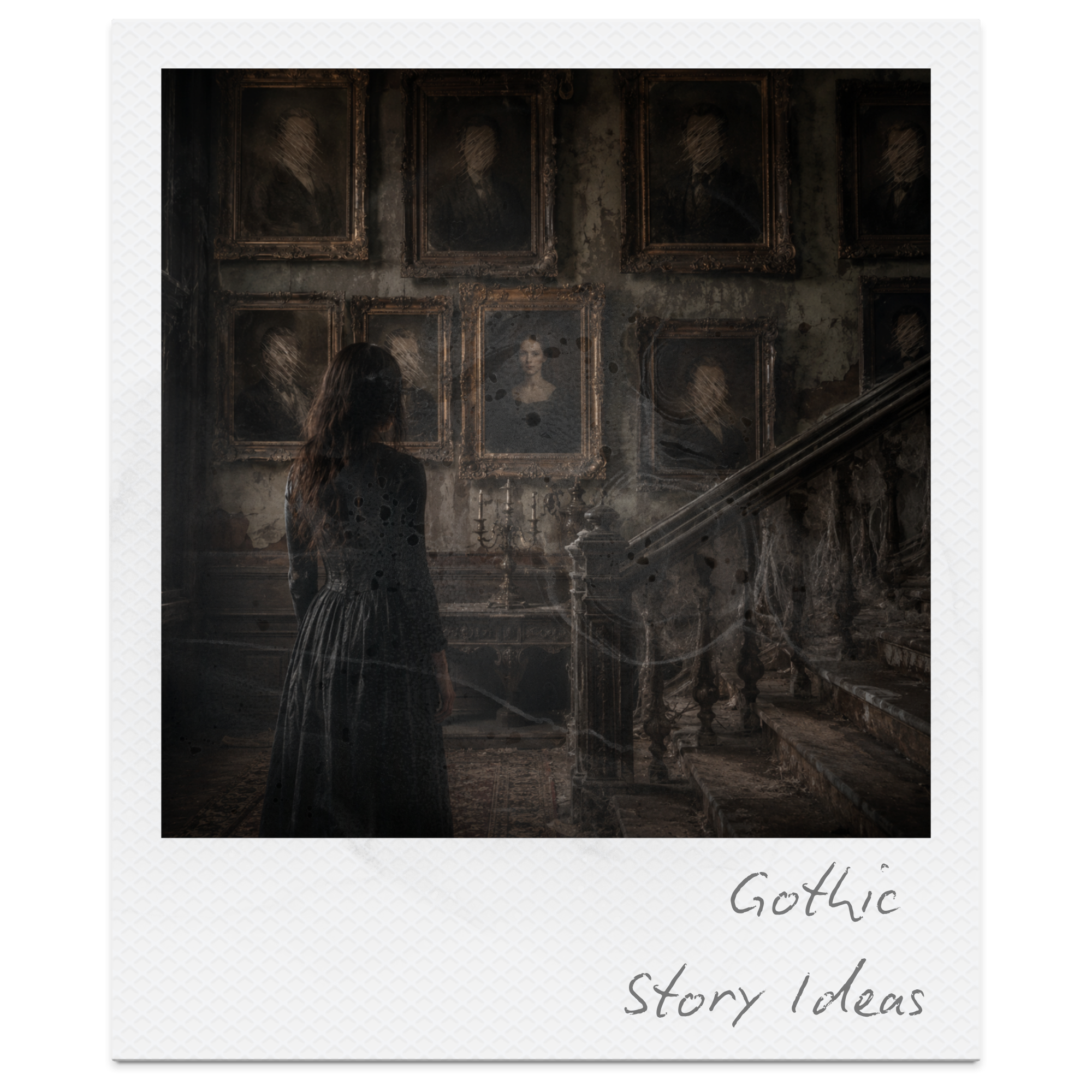
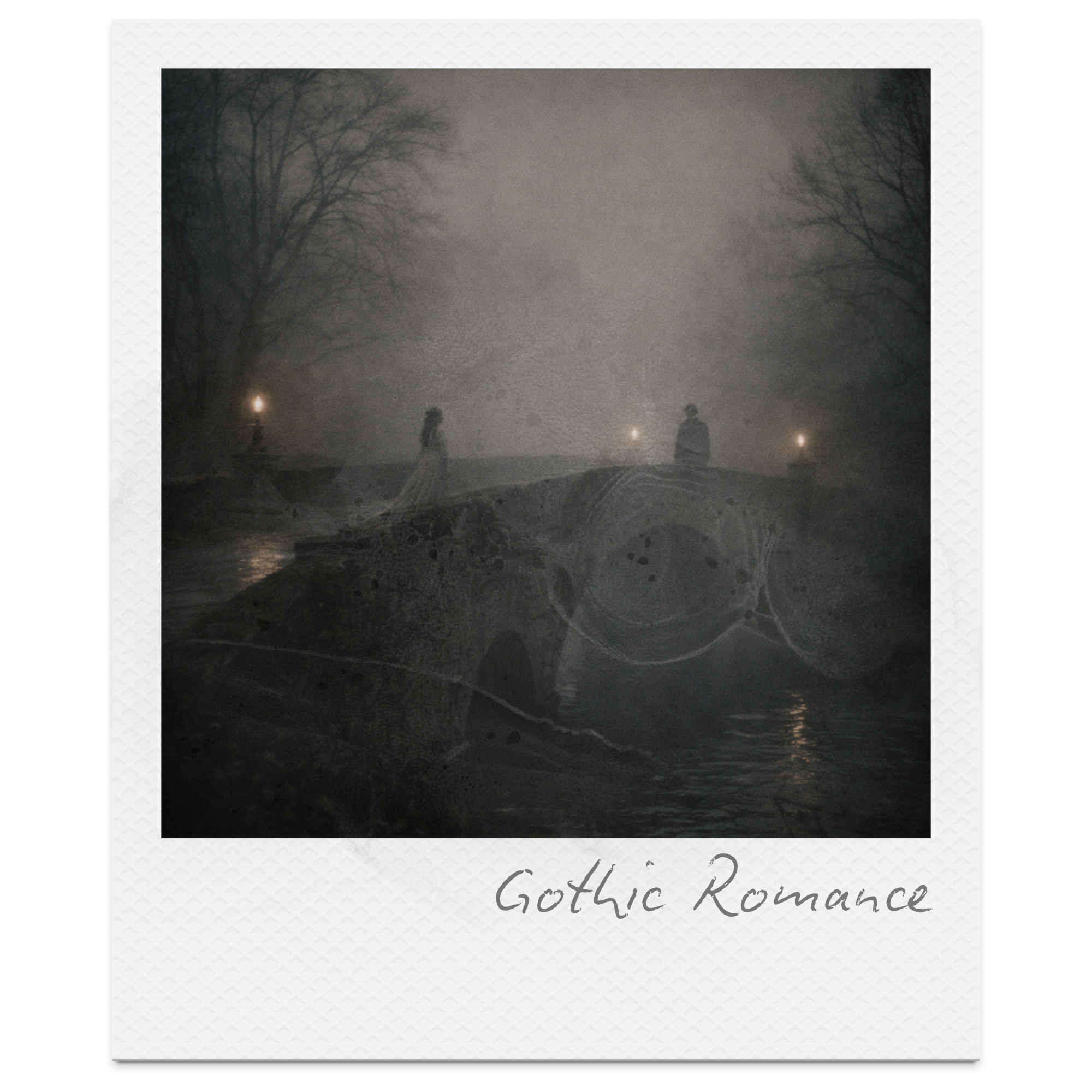
7. Picture Prompts
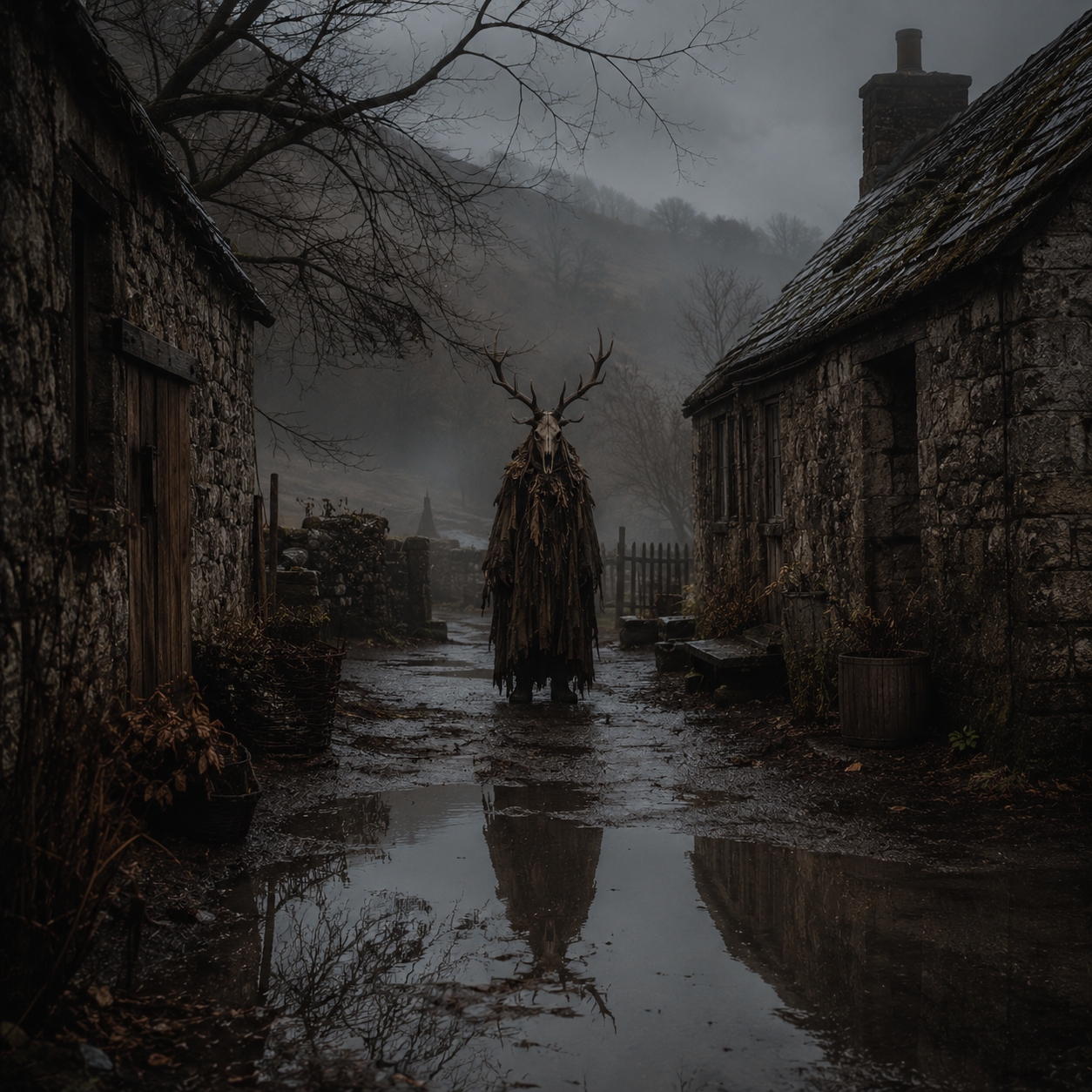
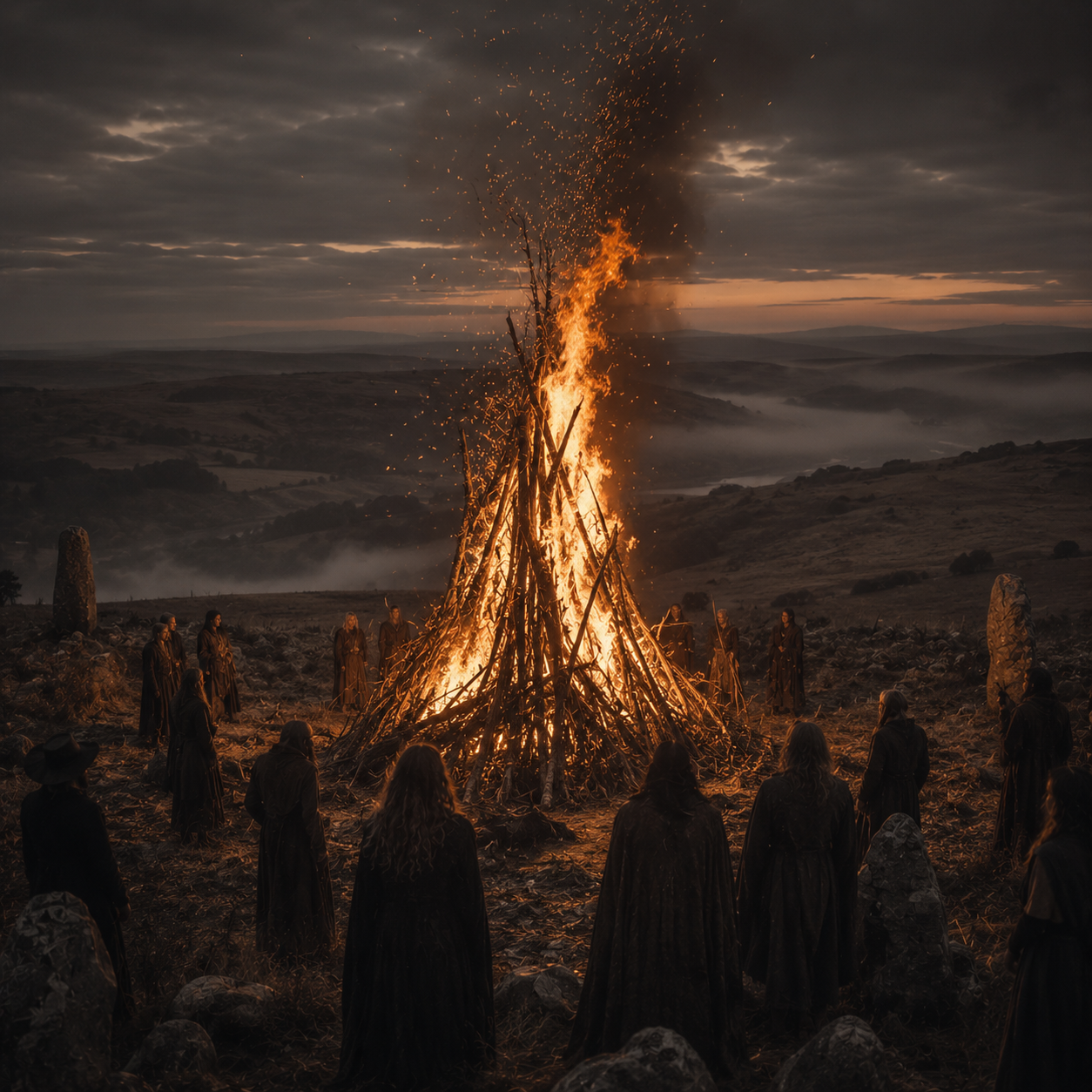
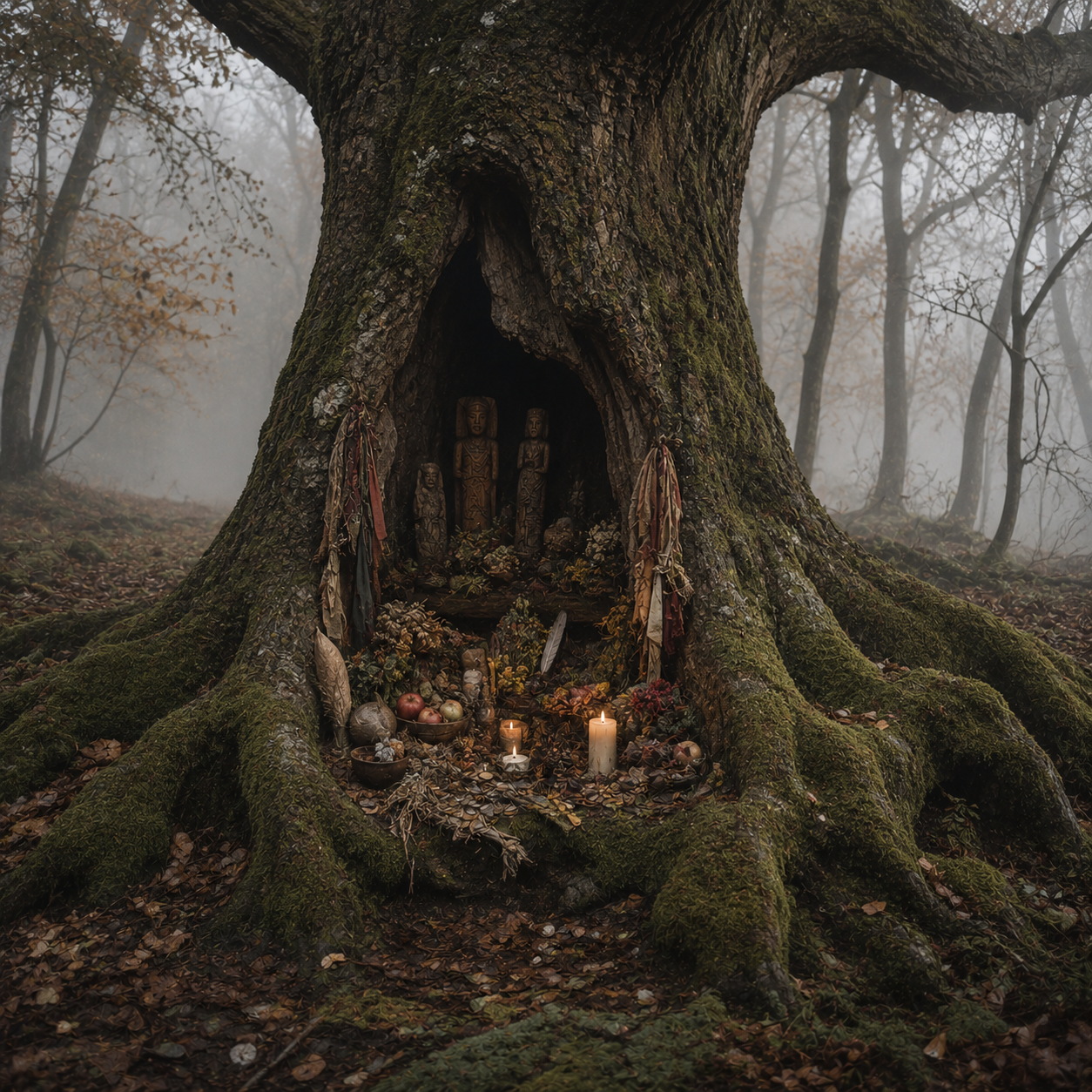
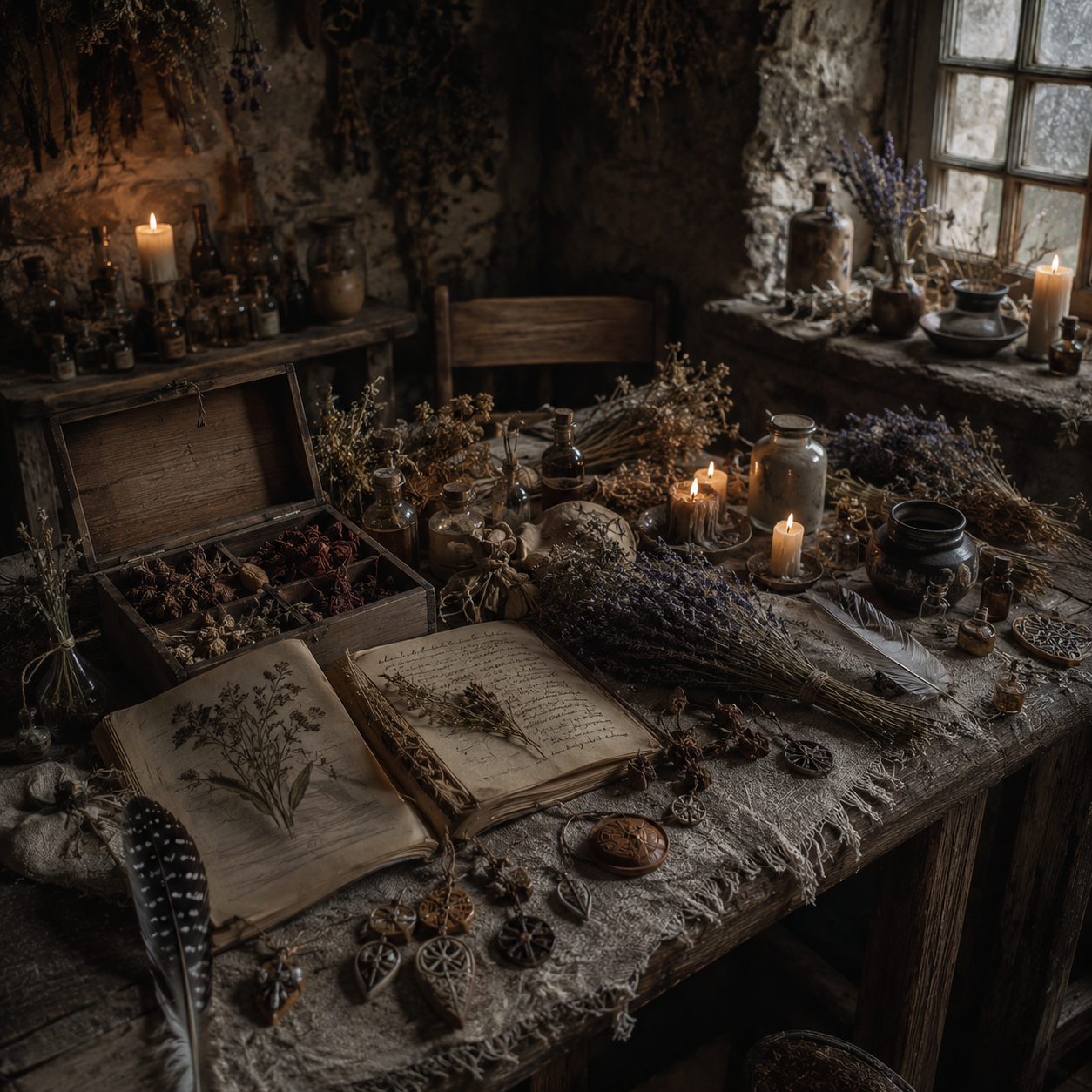
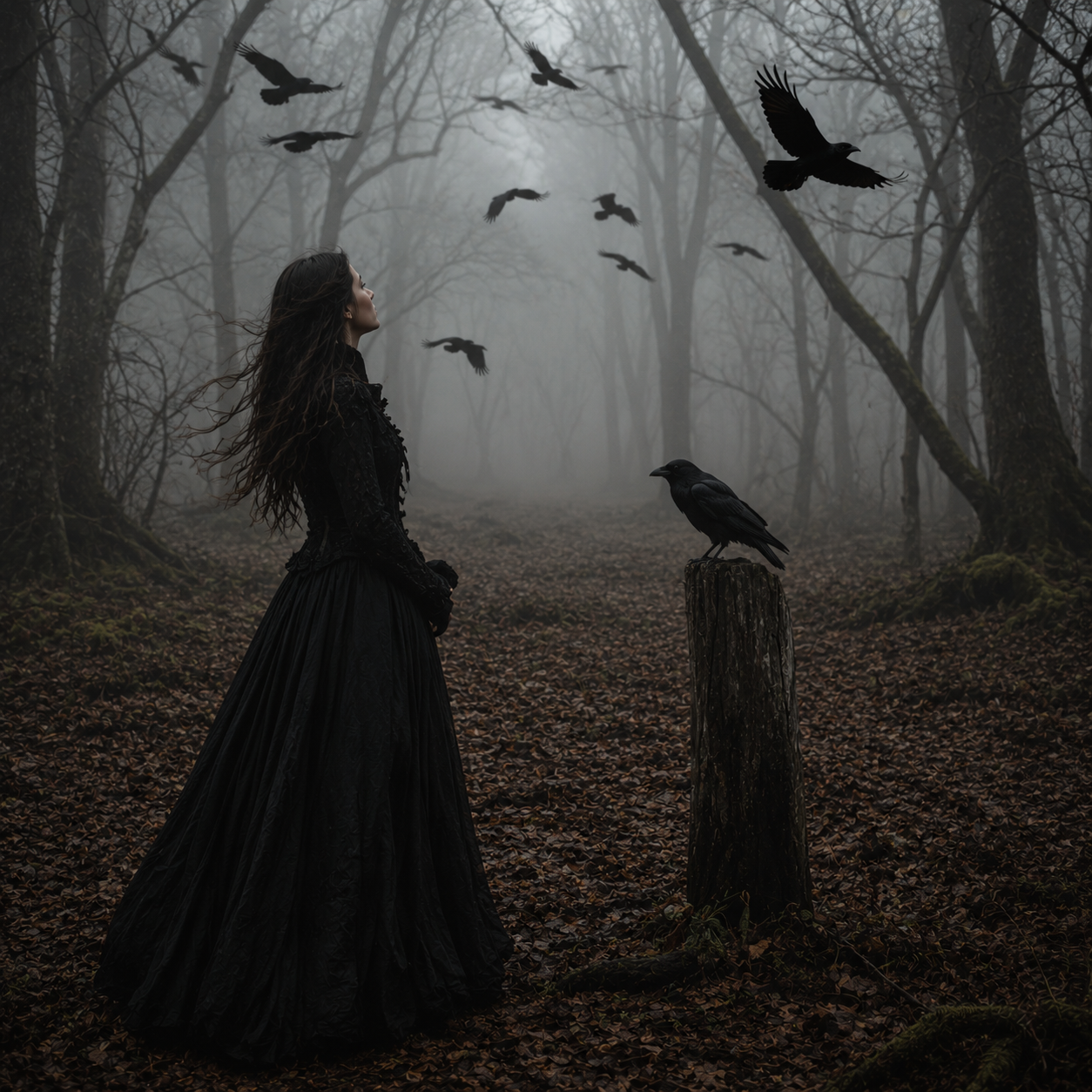
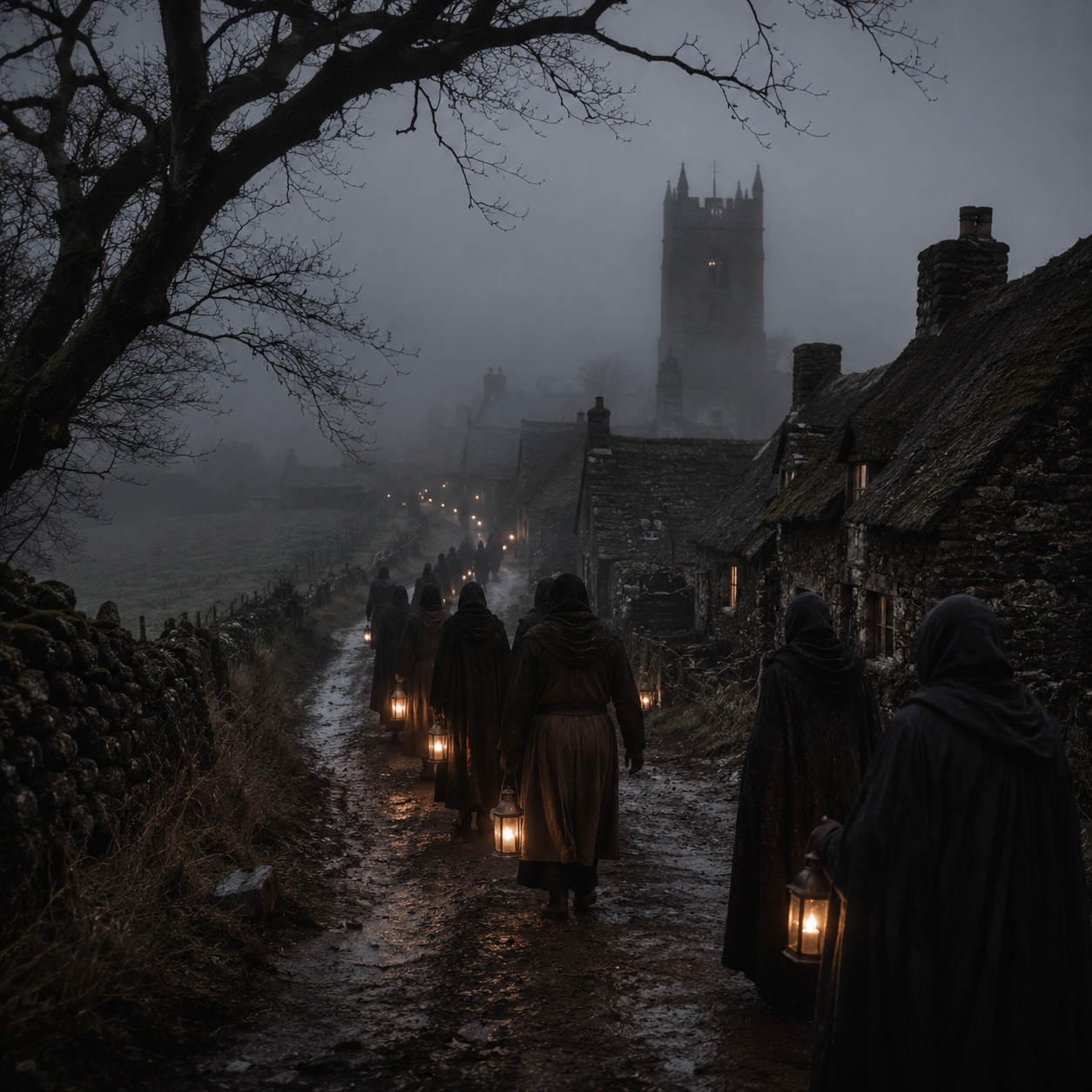
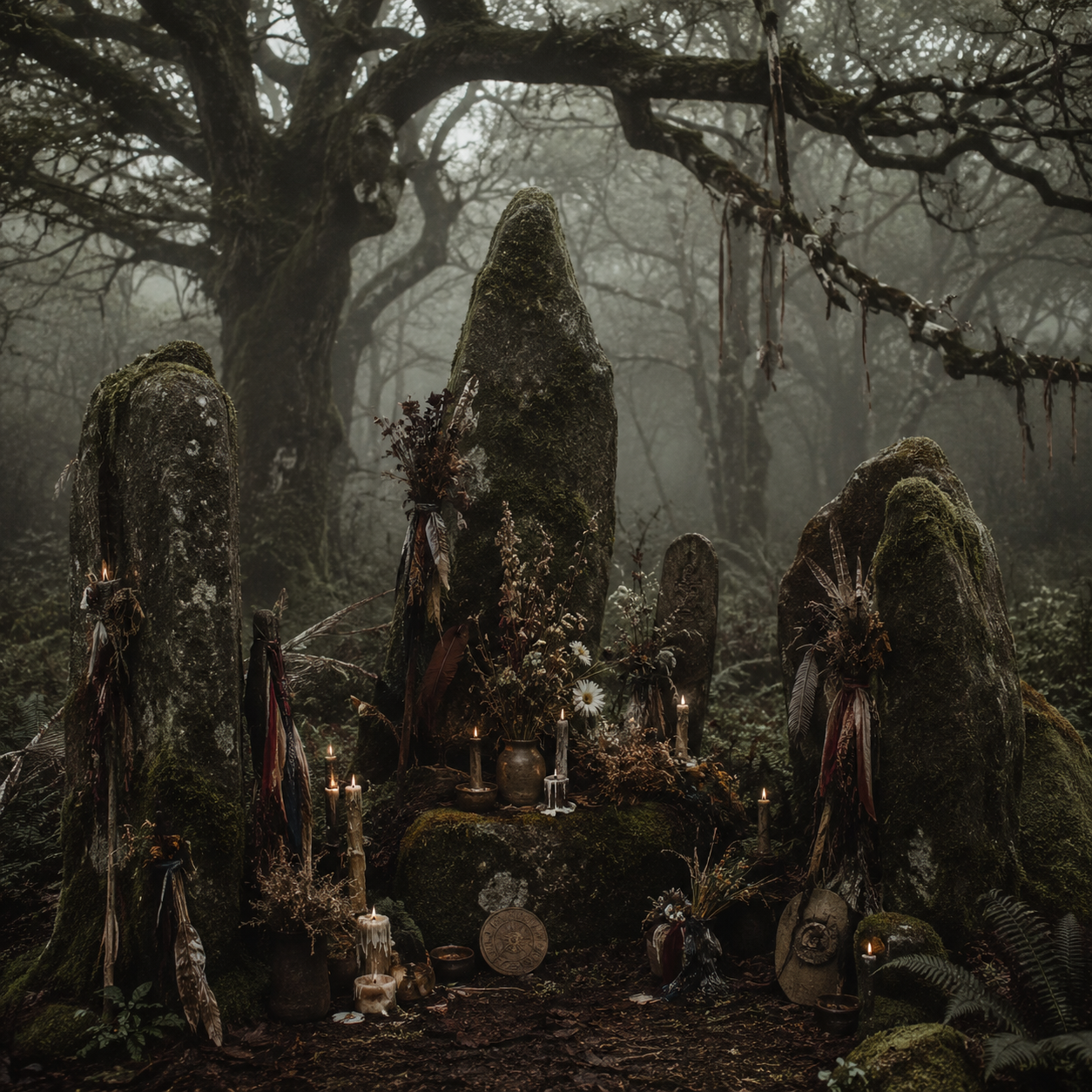
Folk Gothic is a deeply visual genre, drawing inspiration from mist-covered landscapes, forgotten shrines, rural traditions, and ancient folklore. Use these atmospheric scenes as the starting point for your own stories. Look beyond the obvious details and consider the history, traditions, relationships, and hidden mysteries each image might contain.
Go Deeper into Folk Gothic
The most memorable Folk Gothic stories are built on atmosphere, tradition, and the uneasy relationship between people and the landscape they inhabit. Unlike conventional horror, Folk Gothic rarely relies on constant danger or shocking violence. Instead, it creates slow-burning tension through forgotten customs, isolated communities, ancient beliefs, and the unsettling possibility that old stories may contain more truth than anyone realises. The countryside itself becomes a living archive, preserving memories, rituals, and secrets that refuse to disappear.
Landscape should never feel like a passive backdrop. Ancient woodlands, mist-covered hills, standing stones, abandoned churches, marshes, orchards, and lonely coastlines all shape the mood of your story while reflecting the beliefs and fears of the people who live there. Every location should feel as though it has witnessed generations of forgotten history.
◆ Let folklore become part of everyday life. Ancient customs, seasonal celebrations, local superstitions, and rural traditions should feel completely ordinary to the people who follow them, even if they seem unsettling to outsiders.
◆ Build mystery through unanswered questions rather than immediate explanations. A half-forgotten legend, a warning nobody fully understands, or a ritual whose original purpose has been lost can be far more unsettling than revealing everything at once.
◆ Treat nature as an active force within the story. Forests, rivers, ancient trees, wildlife, changing seasons, and weather can all influence characters and quietly shape the direction of the narrative.
◆ Create communities with long memories. Villages should feel connected by generations of shared history, inherited traditions, and secrets that everyone protects, even if nobody remembers exactly why.
◆ Use symbolism throughout your worldbuilding. Standing stones, wicker figures, ravens, antlers, harvest wreaths, oak trees, bells, bonfires, wildflowers, and woodland shrines can all reinforce the themes of memory, sacrifice, renewal, and belief.
◆ Balance beauty with unease. Sunlight filtering through ancient woodland, wildflower meadows, peaceful valleys, and cosy stone cottages become even more compelling when contrasted with quiet hints that something older still lingers beneath the surface.
◆ Remember that the greatest threat doesn't always come from monsters. Sometimes the most unsettling force is tradition itself—rituals repeated for centuries, communities unwilling to change, or ordinary people protecting secrets they no longer fully understand.
◆ Leave room for ambiguity. The strongest Folk Gothic stories rarely confirm whether the supernatural is entirely real. Instead, they invite readers to decide whether ancient folklore, collective belief, or something far older is quietly shaping the world around the characters.
Every year, the fire burns.
Every year, someone is chosen.
For generations, the people of Ashwick have gathered to celebrate the Longlight Festival. Visitors see wildflowers, music, bonfires, and ancient traditions passed carefully from one generation to the next.
But every village has its secrets.
And some traditions survive for a reason.
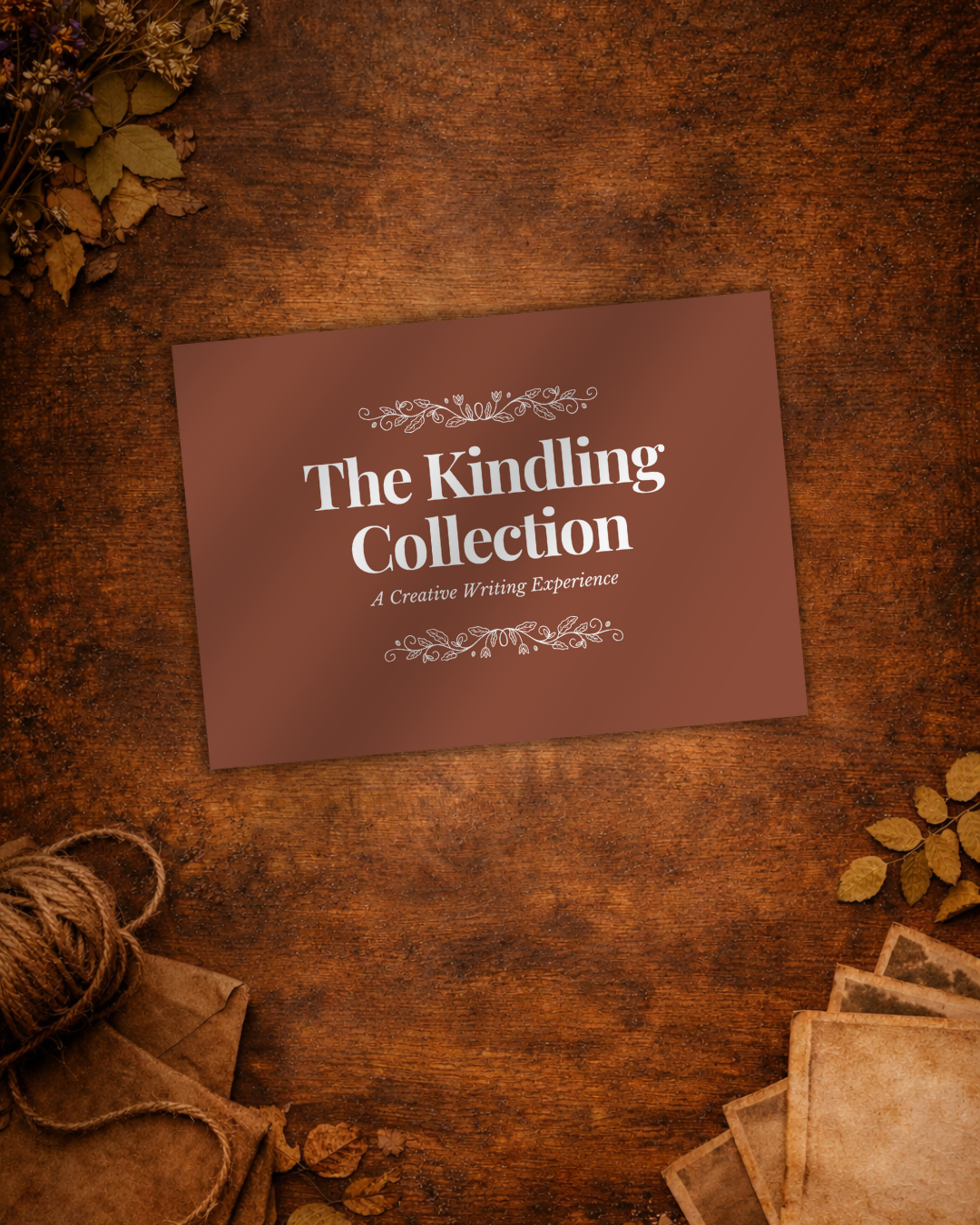
The Kindling Collection is an immersive archive inspired by folk horror, ritual, superstition, and isolated communities bound by traditions nobody dares question. Inside you'll discover letters, diary entries, photographs, festival posters, warnings, drawings, church documents, and other forgotten fragments connected to Ashwick and the Longlight Festival.
Some documents describe a harmless celebration.
Others hint at something far darker.
Why do some villagers refuse to discuss the festival?
Why do certain names disappear from the records?
And why does every warning seem to arrive too late?
The truth has been buried beneath generations of stories.
What's Inside?
◆ 50+ printable documents and artefacts from the world of Ashwick
◆ Letters, diary entries, drawings, festival posters, photographs, orders of service, warnings, and more
◆ A printable prompt card to inspire exploration and storytelling
◆ Instant digital download in PDF format
Who Is It For?
Perfect for:
◆ Writers and worldbuilders
◆ Fans of folk horror and rural gothic fiction
◆ Mystery lovers and curious minds
◆ Teachers and students
◆ Anyone fascinated by folklore, ritual, and hidden histories
What Makes This Different?
This isn't a guided story or a mystery with a solution.
It's an archive.
The documents don't agree. Some details repeat. Others contradict one another entirely.
Every piece reveals part of a larger story, but none reveal the whole truth.
What happened in Ashwick depends on what you believe, what you dismiss, and what connections you choose to make.
Every reader uncovers a different story.
And every year, the fire still burns.
Step Inside a Folk Gothic Mystery: The Kindling Collection
Folk Gothic stories often begin somewhere that looks perfectly ordinary.
A quiet village. A summer festival. Flowers hanging from cottage doors. Music drifting across the green. A bonfire prepared for a tradition everyone has celebrated for as long as anyone can remember.
And then you notice that nobody will tell you how the tradition began.
Welcome to Ashwick, the village at the heart of The Kindling Collection.
Every year, Ashwick celebrates the Longlight Festival — an old midsummer tradition filled with wildflowers, music, community celebrations and fire. To an outsider, it might look idyllic.
But every year, someone is chosen.
Instead of telling you what that means, Kindling gives you the fragments left behind: letters, diary entries, photographs, festival posters, children's drawings, church documents, warnings, memorials and records stretching across generations.
Some describe an innocent village celebration. Others suggest something considerably darker has been happening beneath the bunting and bonfires.
Certain names disappear from the records. Villagers avoid particular questions. Symbols repeat across decades. Warnings appear — usually too late.
And nobody is going to tell you which pieces you should believe.
There is no official solution and no single correct interpretation. Perhaps Ashwick is preserving an ancient supernatural bargain. Perhaps the festival hides a very human crime. Perhaps generations of villagers have misunderstood their own traditions. Or perhaps the truth is stranger than any of them realise.
Follow one disappearance, reconstruct the history of the festival, write from the perspective of an outsider who asks too many questions, invent the folklore behind its rituals, or use the archive to create an entirely different story of your own.
For writers drawn to isolated villages, ancient rituals, seasonal festivals, rural folklore, communal secrets, inherited traditions and the unsettling feeling that everyone knows something you don't, Kindling lets you stop imagining a Folk Gothic mystery and start investigating one.
Every year, the fire burns. Every year, someone is chosen. What happens next is your story.
→ Enter The Kindling Collection
Final Thoughts
Folk Gothic reminds us that the oldest stories are often rooted in the land itself. Ancient woodlands, forgotten shrines, standing stones, seasonal festivals, and isolated villages become more than atmospheric settings—they preserve memories, beliefs, and traditions that continue to shape the lives of those who live among them. Whether your story explores hidden rituals, rural mysteries, supernatural folklore, or the quiet tension between old customs and the modern world, Folk Gothic offers endless opportunities to create stories that are both haunting and deeply immersive.
These 70 Folk Gothic Writing Prompts explore forgotten villages, woodland shrines, harvest rituals, mysterious strangers, sacred landscapes, ancient legends, and the enduring power of folklore. Whether you're writing gothic horror, gothic fantasy, historical fiction, supernatural mystery, or literary fiction, these prompts are designed to help you build richly atmospheric worlds where every path, tradition, and whispered legend hints at a deeper story waiting to be uncovered.
If you're looking for even more inspiration, explore the Gothic Writing Hub for prompts, characters, settings, names, worldbuilding ideas, and genre guides, or browse the Fairytale and Folklore Writing Hub or Creative Writing Archive for hundreds of creative writing resources across fantasy, horror, mystery, romance, folklore, historical fiction, science fiction, and many more genres.
Choose Your Next Adventure