Notes from the Inkpot
Writing, teaching, creating - one ink-stained idea at a time.



Captain of the Lighthouse by Togara Muzanenhamo: Summary, Themes & Analysis
Explore Togara Muzanenhamo’s Captain of the Lighthouse with a detailed summary and analysis of its themes, imagery, structure, extended metaphor and poetic techniques. Discover how Muzanenhamo transforms a childhood game into a moving exploration of brotherhood, imagination, memory, grief, loss and the enduring power of love after death.
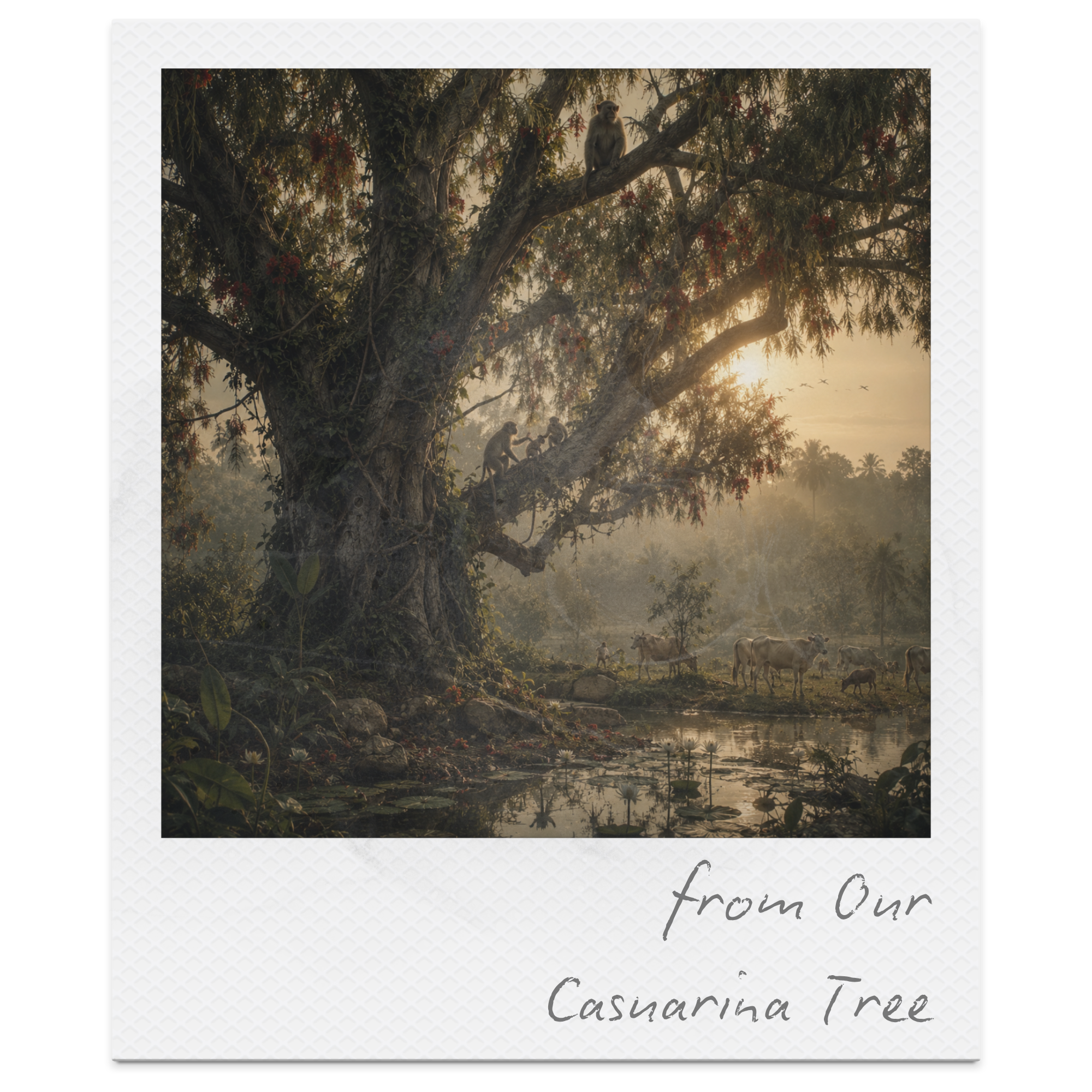
from Our Casuarina Tree by Toru Dutt: Summary, Themes & Analysis
Explore Our Casuarina Tree by Toru Dutt with this comprehensive poetry analysis, including context, summary, line-by-line analysis, key quotes, literary techniques, themes, alternative interpretations, and exam-ready insights. Discover how Dutt transforms a magnificent tree from her childhood into a powerful symbol of memory, sibling love, grief, home, cultural identity, and the passage of time. Through vivid natural imagery, symbolism, personification, and an increasingly reflective voice, Dutt explores the connections between nature, memory, and human mortality, ultimately turning to poetry as a way of preserving the people, places, and experiences threatened by time and forgetting.
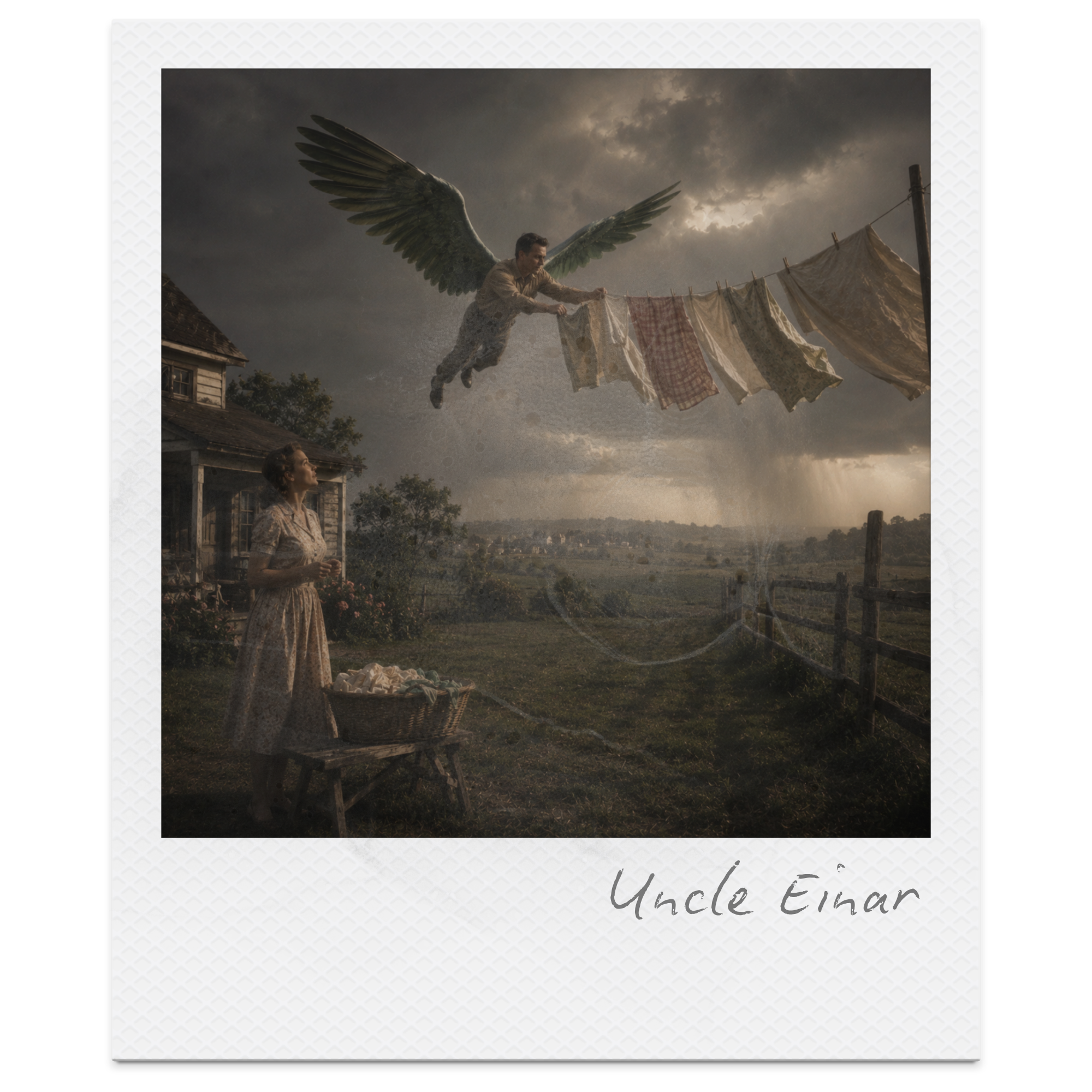
Uncle Einar by Ray Bradbury: Summary, Themes, Meaning & Analysis
Discover our complete analysis of Uncle Einar by Ray Bradbury, including a clear summary, detailed exploration of its themes, symbolism, characters, structure, setting, narrative voice, and important quotes. Explore how Bradbury uses the story of a winged man to examine identity, belonging, family, love, adaptation, and resilience, showing that true freedom comes not from reclaiming the past but from finding new ways to embrace the future. You'll also find alternative interpretations, classroom teaching ideas, essay inspiration, and further reading to deepen your understanding of one of Bradbury's most uplifting and imaginative short stories.
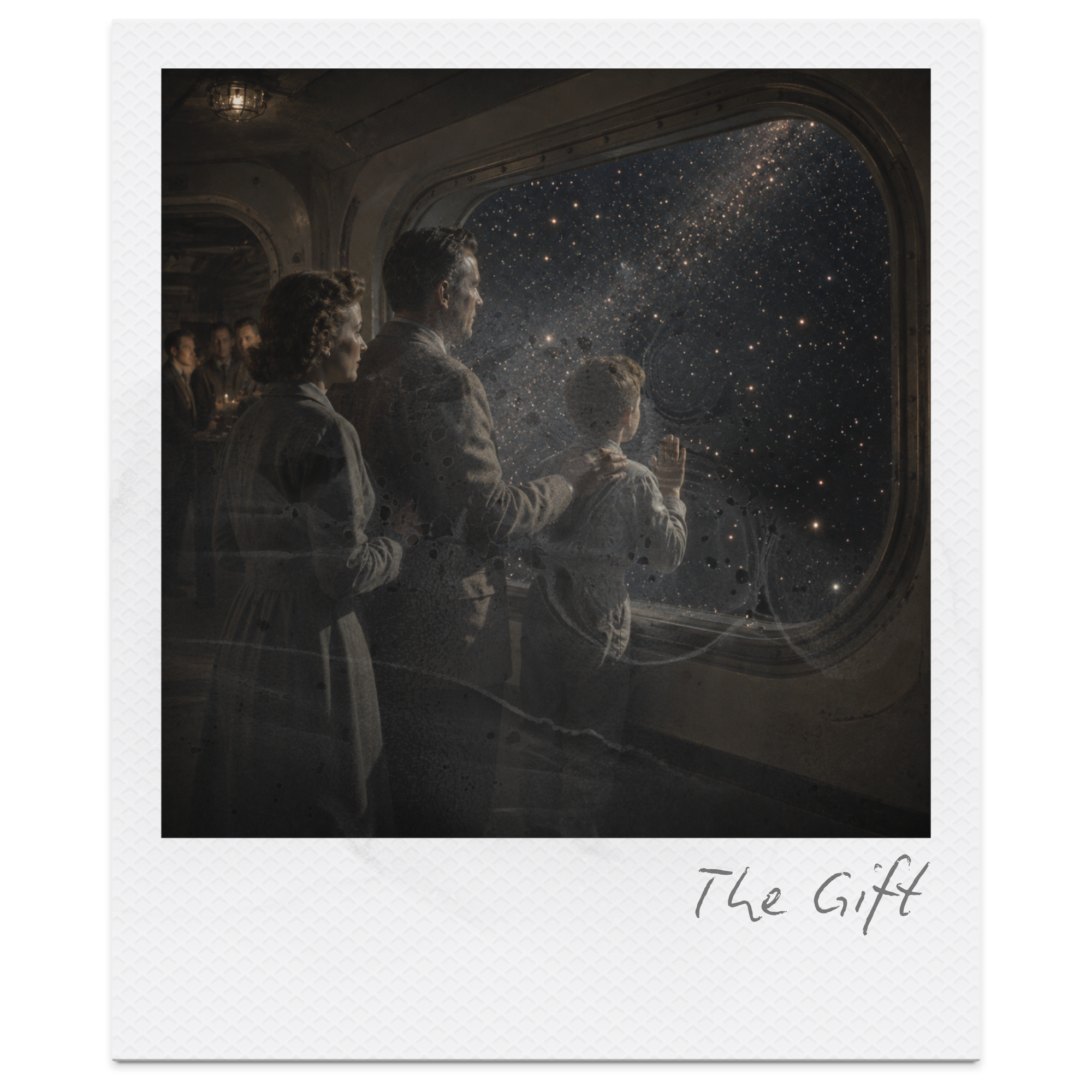
The Gift by Ray Bradbury: Summary, Themes, Meaning & Analysis
Discover our complete analysis of The Gift by Ray Bradbury, including a clear summary, detailed exploration of its themes, symbolism, characters, structure, narrative voice, and important quotes. Explore how Bradbury uses a simple Christmas story set in space to examine family, love, hope, wonder, and the meaning of tradition, revealing that the greatest gifts are often experiences rather than possessions. You'll also find alternative interpretations, classroom teaching ideas, essay inspiration, and further reading to deepen your understanding of one of Bradbury's most uplifting and thought-provoking science fiction stories.

Ode to a Pot Noodle by Romalyn Ante: Summary, Themes & Analysis
Romalyn Ante's Ode to a Pot Noodle is a poignant exploration of memory, migration, family, and belonging, showing how an ordinary instant meal can unlock powerful memories of home. Through vivid sensory imagery, domestic symbolism, and a gradual structural shift, Ante reveals that food nourishes not only the body but also identity, cultural heritage, and the enduring bonds of family. This analysis explores the poem's summary, themes, stanza-by-stanza analysis, key quotations, literary techniques, and form and structure, revealing how Ante transforms a humble Pot Noodle into a moving meditation on home, nostalgia, and the emotional power of memory.
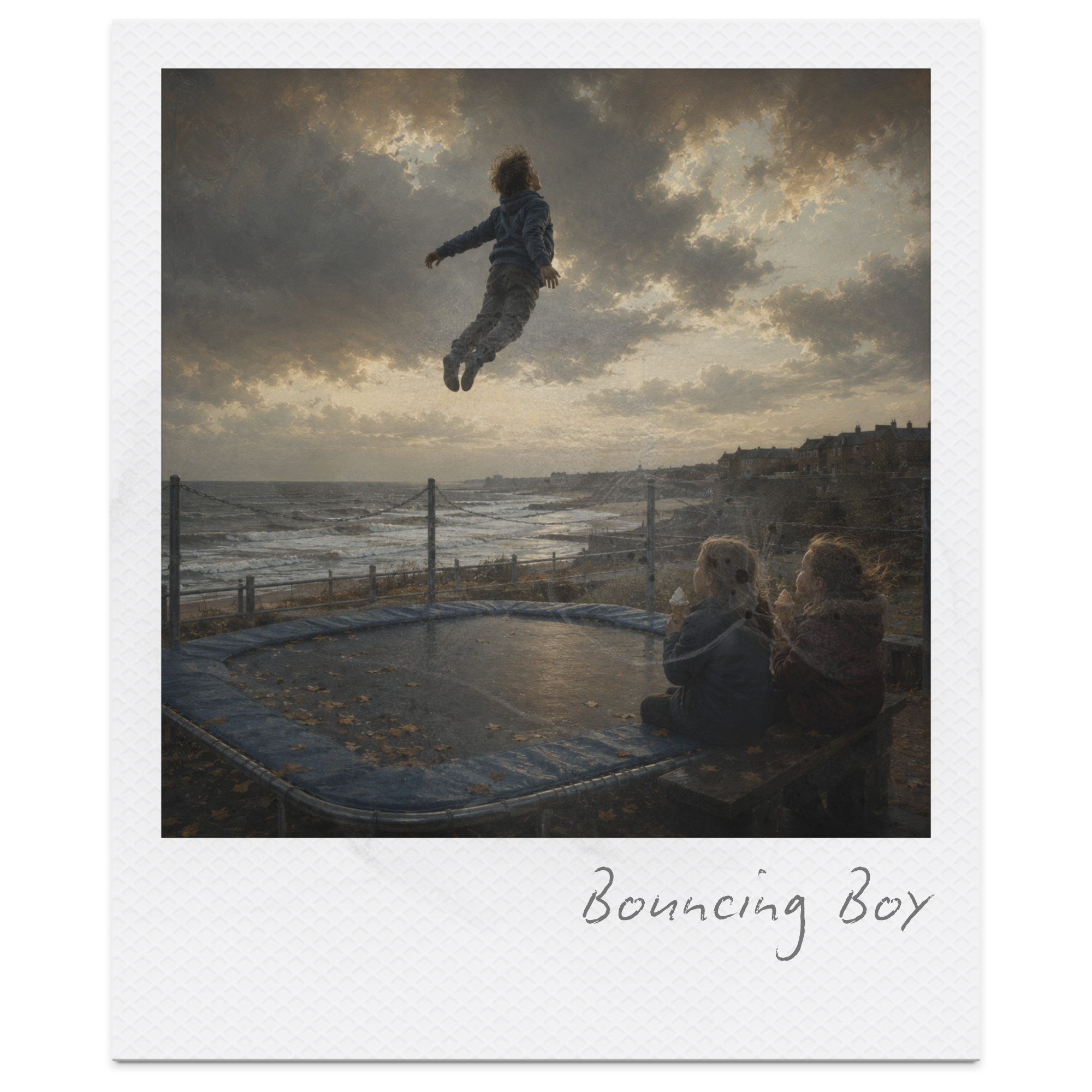
Bouncing Boy by Helen Dunmore: Summary, Themes & Analysis
Explore Bouncing Boy by Helen Dunmore with a detailed summary, stanza-by-stanza analysis, key quotations, themes, literary techniques, and exam-ready insights. Discover how Dunmore uses symbolism, imagery, and ambiguity to transform an ordinary childhood scene into a poignant exploration of memory, grief, love, and the enduring presence of those we have lost.

My Aunts Don't Want to Move by Moniza Alvi: Summary, Themes & Analysis
Explore My Aunts Don't Want to Move by Moniza Alvi with a detailed summary, stanza-by-stanza analysis, key quotes, themes, literary techniques, and alternative interpretations. Discover how Alvi uses symbolism, domestic imagery, and structure to explore home, identity, cultural heritage, tradition, and the complex meaning of belonging.
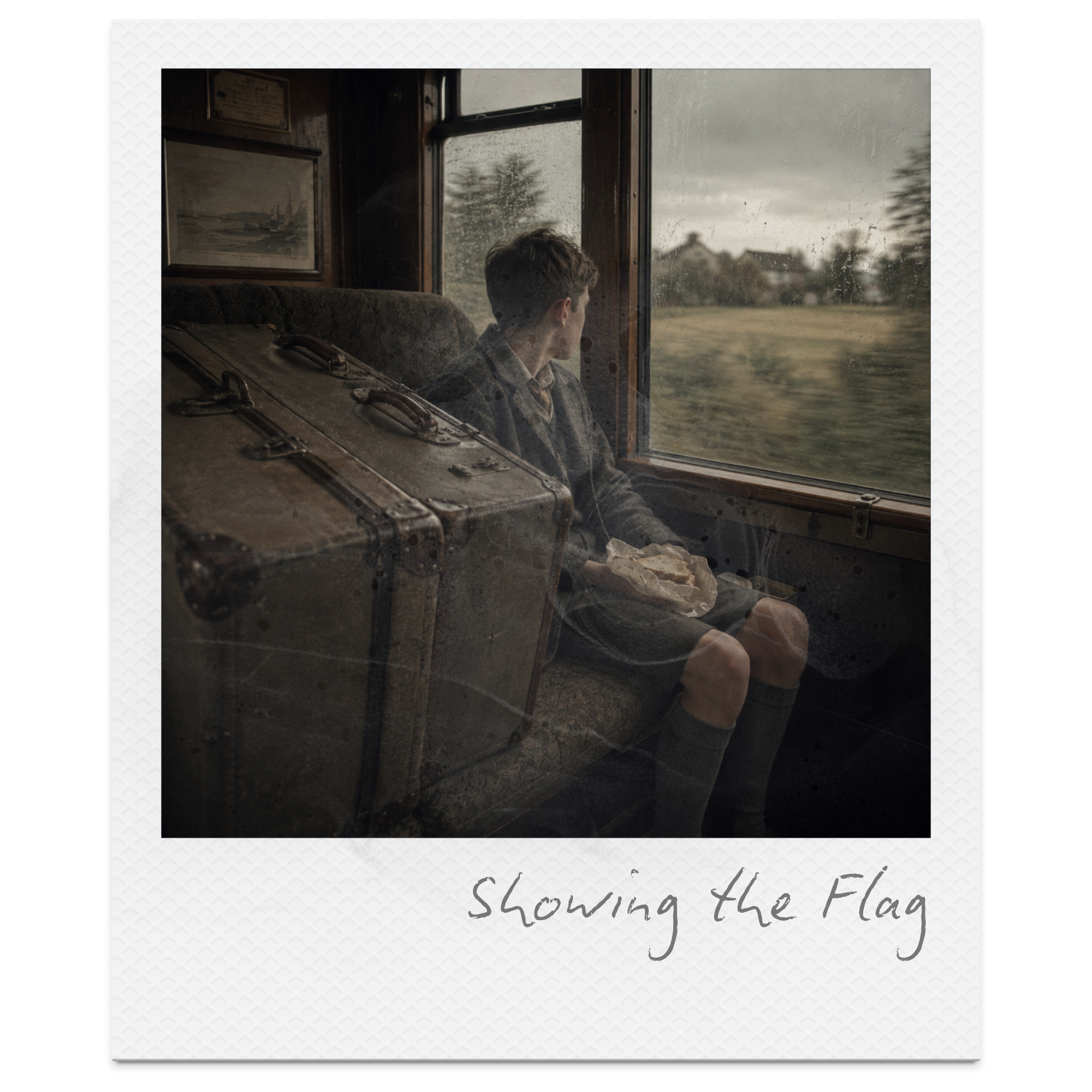
Showing the Flag by Jane Gardam: Summary, Themes & Analysis
Jane Gardam’s Showing the Flag is a psychologically rich short story exploring childhood insecurity, grief, emotional repression, and the fragile relationship between parents and children. Through Philip’s lonely journey from England to France shortly after his father’s death, Gardam reveals how fear and emotional misunderstanding can distort a child’s perception of love and belonging. This detailed analysis explores the story’s symbolism, themes, structure, narrative voice, key quotes, alternative interpretations, and exam-focused insights for CIE IGCSE English Literature (0475 & 0922), while examining how the seemingly simple image of a lost Union Jack becomes a powerful symbol of identity, emotional security, and hidden parental care.
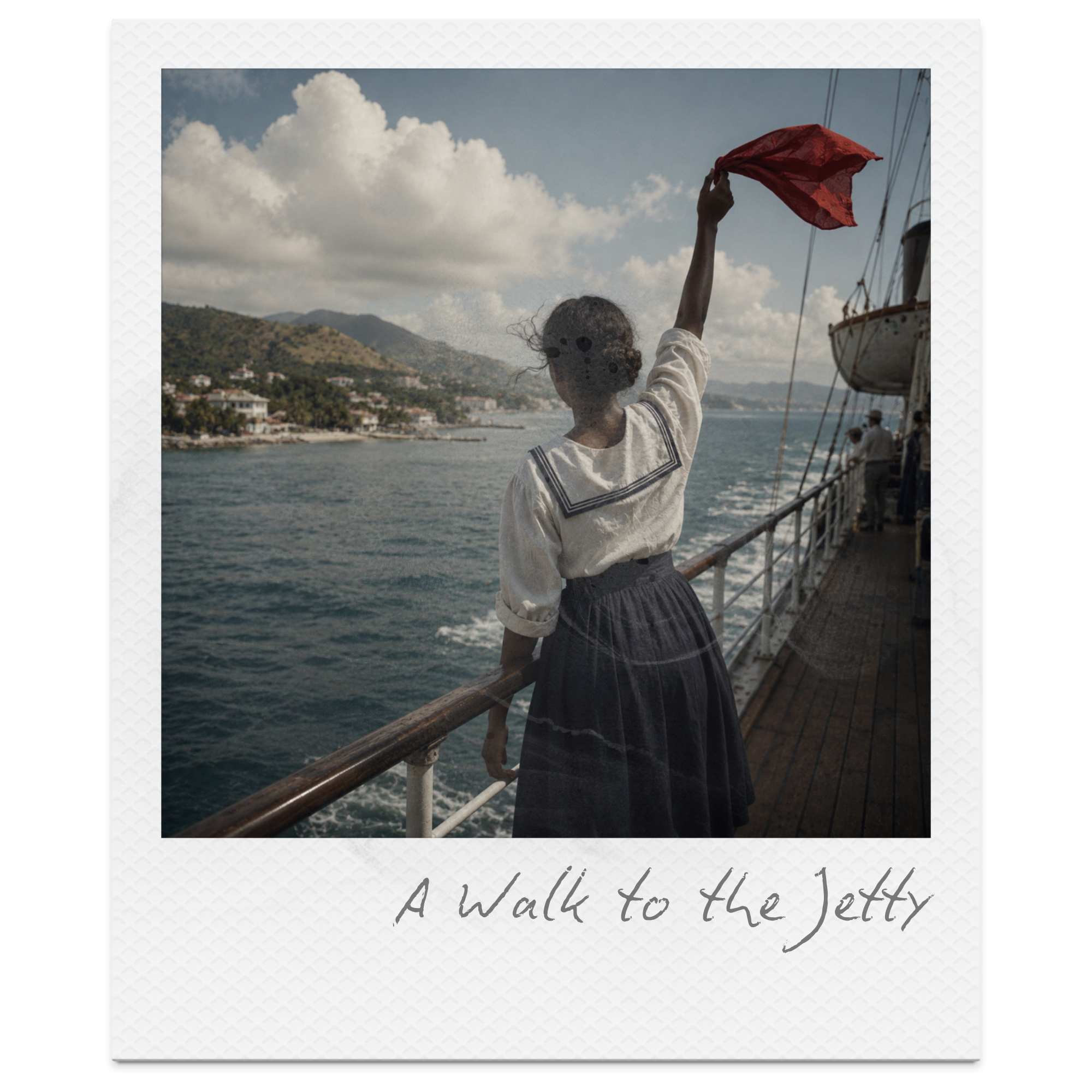
A Walk to the Jetty by Jamaica Kincaid: Summary, Themes & Analysis
Jamaica Kincaid’s A Walk to the Jetty is a deeply reflective short story exploring identity, separation, motherhood, migration, and the emotional conflict of leaving home. Through Annie John’s final journey from Antigua to the ship that will carry her to England, Kincaid examines the painful transition between childhood and adulthood, revealing how independence can feel both liberating and devastating at the same time. This detailed analysis explores the story’s themes, symbolism, structure, narrative voice, key quotes, alternative interpretations, and exam-focused insights for CIE IGCSE English Literature (0475 & 0922).
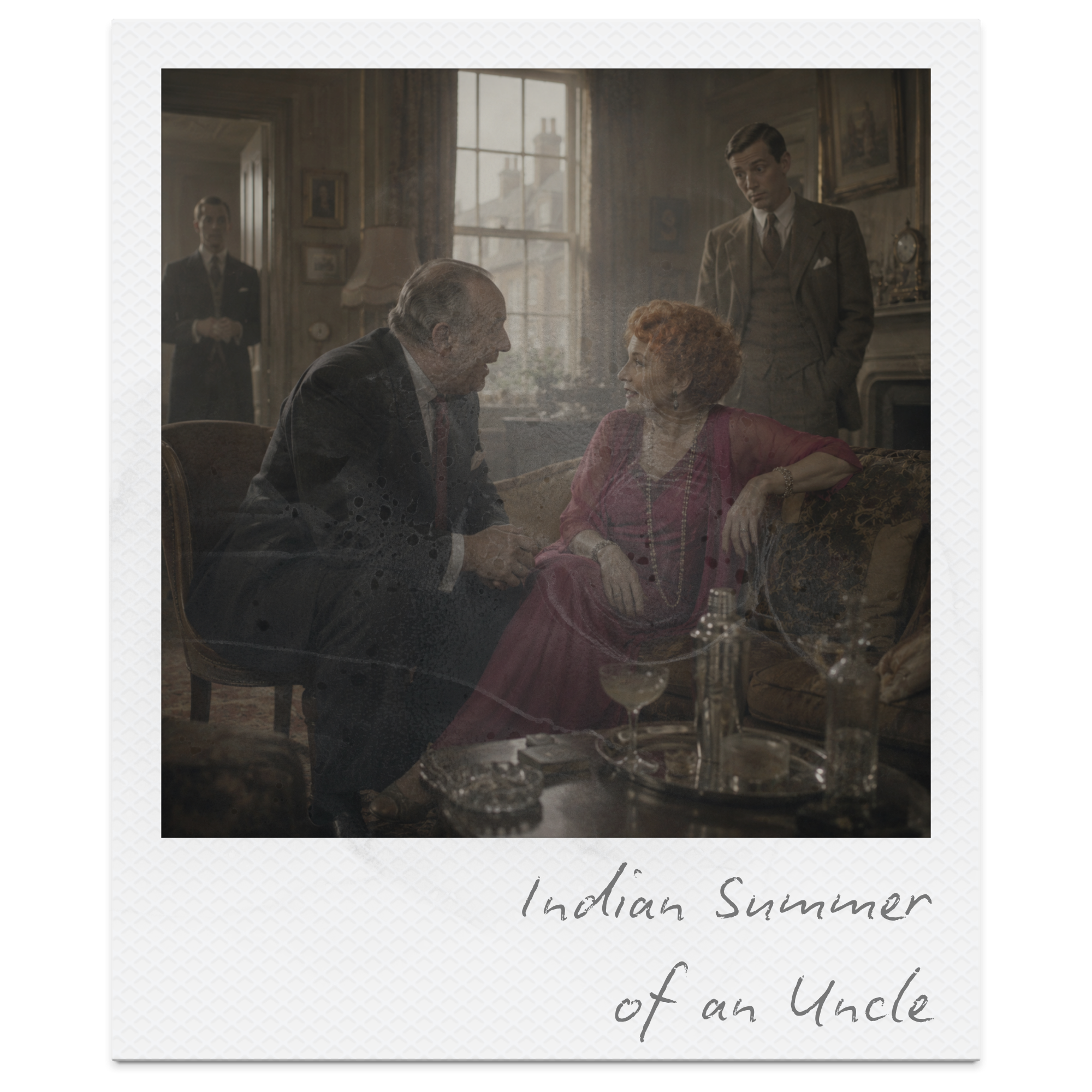
Indian Summer of an Uncle by P.G. Wodehouse: Summary, Themes & Analysis
P.G. Wodehouse’s Indian Summer of an Uncle is a comic short story exploring class, marriage, family pressure, romantic misunderstanding, and the absurdities of upper-class society through dramatic irony, exaggerated narration, and sharp social satire. Told through Bertie Wooster’s humorous first-person perspective, the story follows the chaos that erupts when the elderly Uncle George suddenly decides to marry a young waitress, horrifying his aristocratic family and forcing Bertie into a series of increasingly awkward situations. This detailed analysis for CIE IGCSE World Literature (0408) explores the story’s themes, symbolism, structure, narrative voice, and key quotations, while examining how Wodehouse creates humour through comic contrast, misunderstanding, and the gap between appearance and emotional reality. The guide also includes alternative interpretations, exam-ready insights, and classroom-focused teaching ideas designed to support deeper literary analysis and discussion.
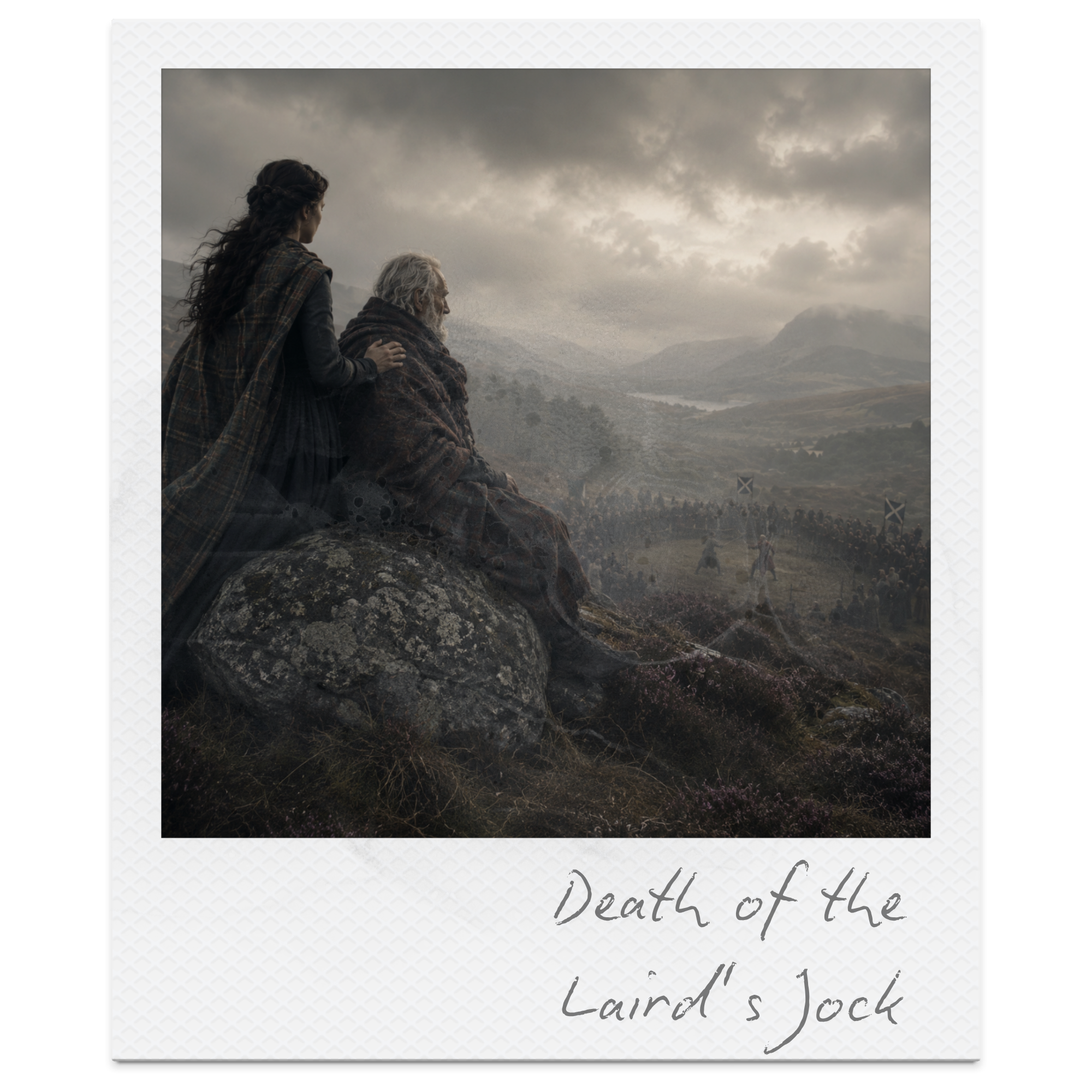
Death of the Laird’s Jock by Walter Scott: Summary, Themes & Analysis
Walter Scott’s Death of the Laird’s Jock is a dramatic historical short story from Stories of Ourselves Volume 2 which explores honour, masculinity, national identity, violence, and emotional collapse. Set in the Scottish Borders, the story follows the once-feared warrior known as the Laird’s Jock as he witnesses his son’s defeat in a public duel against an English champion. Through symbolism, dramatic imagery, and tragic contrast, Scott examines how identities built upon reputation and martial pride can become psychologically destructive. This analysis explores the story’s themes, symbolism, structure, narrative voice, and key quotations while focusing closely on Scott’s methods and their emotional impact. Designed for CIE IGCSE World Literature (0408) students and teachers, this guide offers revision-focused insights, analytical commentary, and classroom-ready interpretations to support deeper understanding of the text.

Praise Song for My Mother by Grace Nichols: Summary, Themes & Analysis
Praise Song for My Mother by Grace Nichols explores motherhood, nurture, and identity through a sequence of extended metaphors, repetition, and sensory imagery, presenting the mother as a sustaining, life-giving force. The poem moves through images of water, the moon, and sunrise, each representing different forms of care, while the repeated structure “You were” creates a rhythmic, cumulative pattern that mirrors the ongoing nature of maternal influence. As the poem develops, the imagery shifts from elemental and universal to more specific, culturally grounded detail, particularly in the final stanza, where references to food and environment highlight the importance of heritage and lived experience. The repetition of “replenishing” reinforces the idea of continuous nourishment, suggesting that the mother’s influence does not end, but remains present in shaping identity. Through its controlled voice and patterned structure, the poem presents nurture as both foundational and enduring.

For Heidi With Blue Hair by Fleur Adcock: Summary, Themes & Analysis
Fleur Adcock’s For Heidi With Blue Hair explores individuality, authority, and conformity through a seemingly minor conflict that reveals deeper tensions between self-expression and institutional control. Through a conversational voice, irony, and narrative progression, the poem presents the school’s response as rigid and inconsistent, exposing how rules are interpreted to enforce conformity rather than fairness. The detailed imagery of Heidi’s hair emphasises deliberate self-expression, while the use of dialogue allows competing perspectives to emerge. As the poem develops, a subtle shift introduces emotional depth, as the reference to the mother’s death “shimmer[s] behind the arguments,” suggesting that the conflict is shaped by unspoken grief as well as institutional pressure. The resolution, marked by an act of solidarity, reframes the situation as one where authority is quietly undermined rather than directly confronted. This movement from surface conflict to deeper meaning reveals how identity, emotion, and power interact, giving the poem its lasting impact.
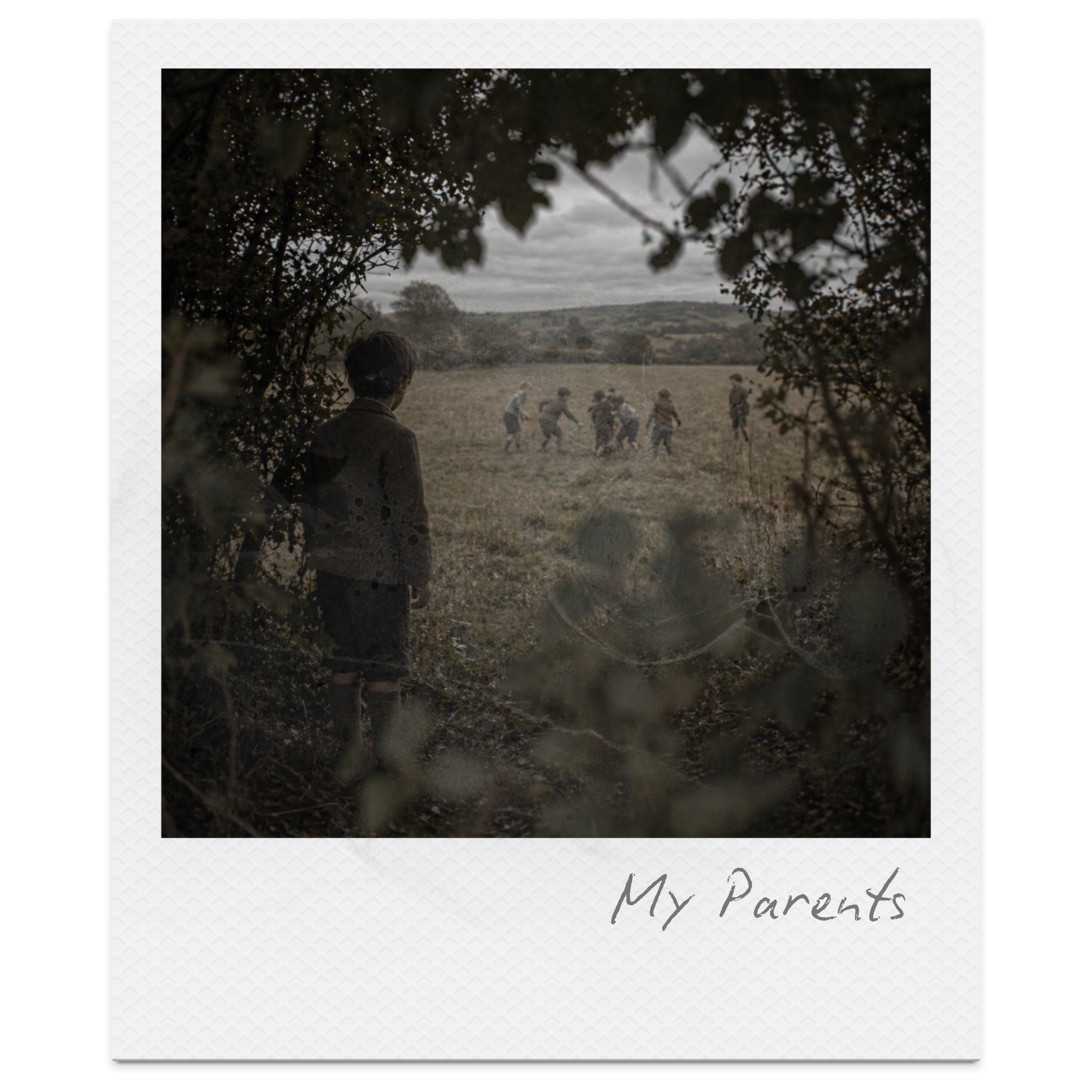
My Parents by Stephen Spender: Summary, Themes & Analysis
Stephen Spender’s My Parents explores childhood fear, class division, and social conditioning through a speaker who is both protected and isolated, shaped by the boundaries imposed on him. Through simile, animalistic imagery, and a reflective narrative voice, the poem presents the “rough” children as threatening and unpredictable, revealing how perception is constructed through upbringing rather than objective reality. The speaker’s fear is intensified by both physical imagery and social humiliation, particularly in moments where language becomes a form of attack. As the poem develops, a shift toward self-awareness and regret reframes the speaker’s experience, revealing that his fear was shaped as much by parental influence as by direct interaction. The final lines introduce a sense of missed empathy, suggesting that the speaker now recognises the limitations of his earlier perspective. This movement from fear to reflection transforms the poem into a powerful exploration of how memory, class division, and upbringing shape both experience and understanding.
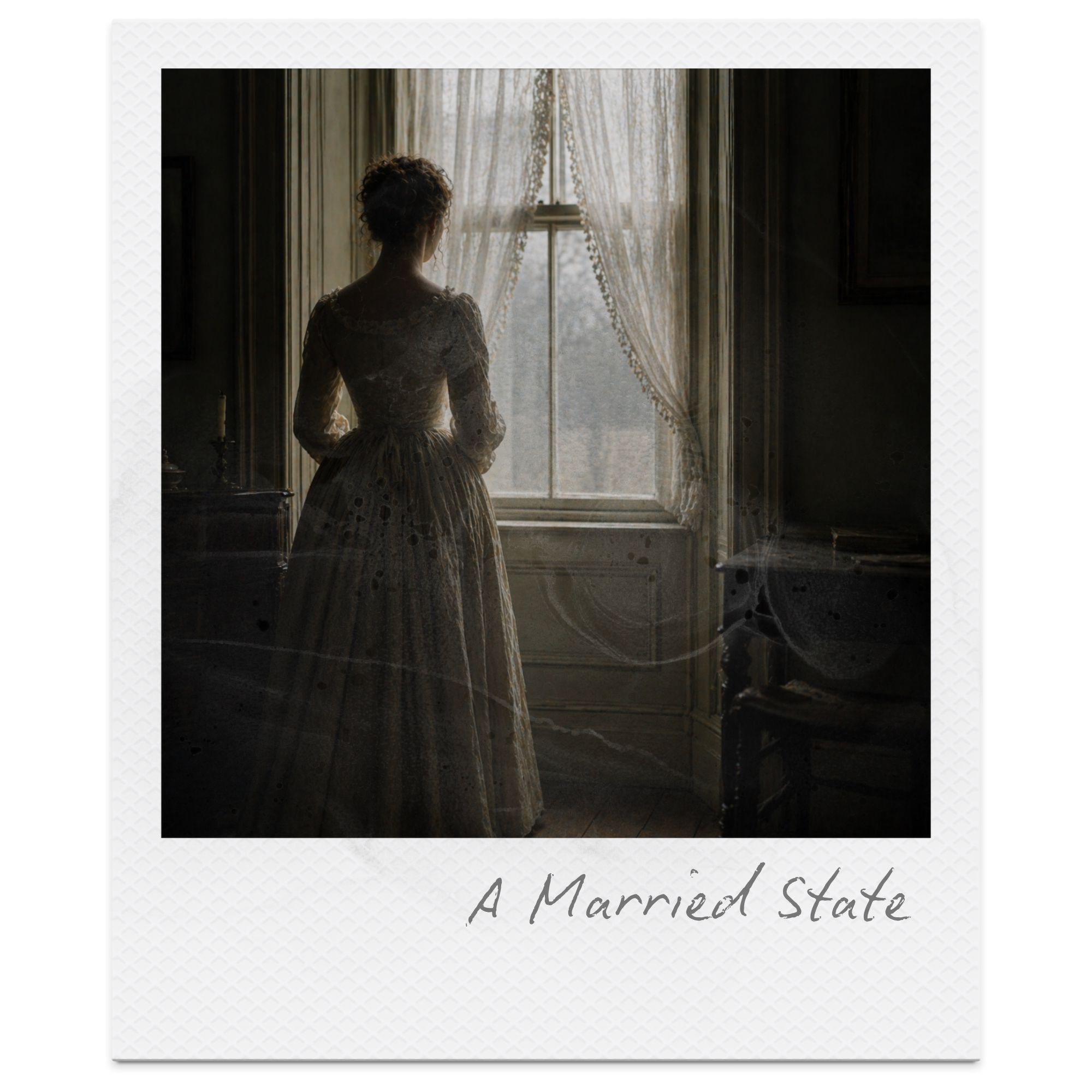
A Married State by Katherine Philips: Summary, Themes & Analysis
A Married State by Katherine Philips presents a sharp and ironic critique of marriage, challenging the idea that it brings happiness or fulfilment. Through rhyming couplets, controlled structure, and persuasive voice, Philips contrasts the pressures of married life with the freedom of remaining unmarried, exposing the emotional strain, physical burden, and social expectations placed on women. By combining satire, contrast, and direct address, the poem constructs a clear and memorable argument while also leaving room for ambiguity. The idealised “virgin state” and the command to “suppress wild nature” suggest a tension between freedom and desire, encouraging readers to question whether independence is truly simple or shaped by the same societal pressures the poem critiques.
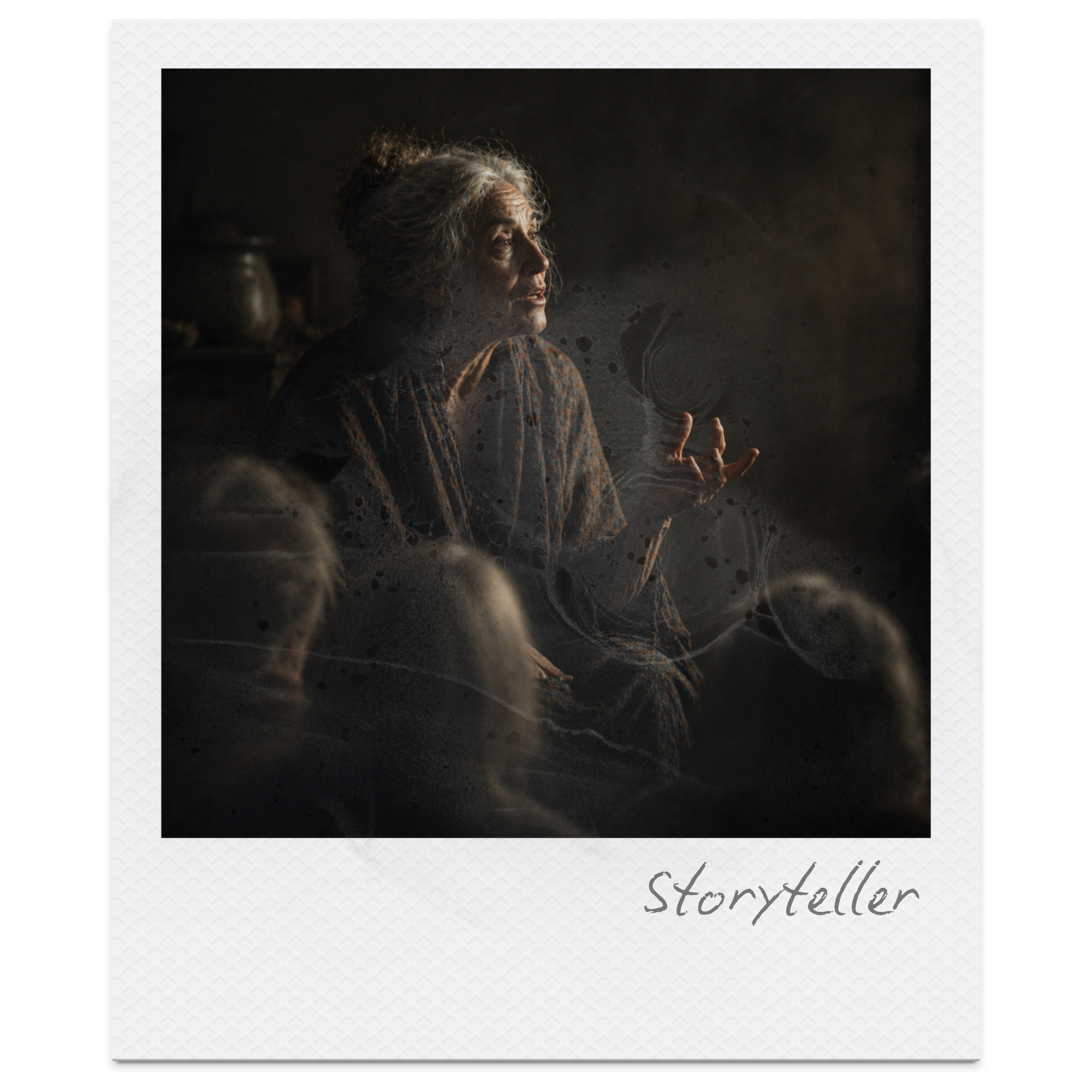
Storyteller by Liz Lochhead: Summary, Meaning, Themes & Analysis
Liz Lochhead’s Storyteller explores the power of oral storytelling, showing how stories are shaped through voice, memory, and everyday labour. Set within a domestic, communal environment, the poem presents storytelling as both practical work and a form of creative expression, revealing how stories are created, shared, and carried forward across generations. This analysis breaks down key themes, methods, and structural shifts, focusing on how Lochhead uses imagery, metaphor, and voice to create meaning. Ideal for IGCSE Literature, it helps students develop clear, method-focused responses, build confident interpretations, and prepare for high-level exam answers.