Uncle Einar by Ray Bradbury: Summary, Themes, Meaning & Analysis
Ray Bradbury's Uncle Einar is a lyrical science fiction short story infused with elements of fantasy, magical realism, and modern myth. On the surface, it tells the unusual story of a winged man who loses the ability to fly safely at night after a tragic accident. Beneath its whimsical premise, however, the story explores profound ideas about identity, love, disability, belonging, adaptation, and the search for purpose. Through Uncle Einar's struggle to reclaim the freedom that once defined him, Bradbury celebrates the resilience of the human spirit and the transformative power of family, acceptance, and imagination.
Like many of Bradbury's finest stories, Uncle Einar uses the extraordinary to illuminate deeply ordinary emotions. Rather than focusing on the mechanics of a winged man, Bradbury examines how people respond when illness, injury, or changing circumstances threaten the lives they once knew. Rich in symbolism, imagery, and emotional warmth, the story demonstrates Bradbury's belief that true fulfilment often comes not from returning to the past but from discovering new ways to live and thrive. If you'd like to explore more of Bradbury's unforgettable fiction, be sure to visit the Ray Bradbury Hub, or browse our wider Literature Library for analyses of classic short stories, novels, and poetry.

Context of Uncle Einar
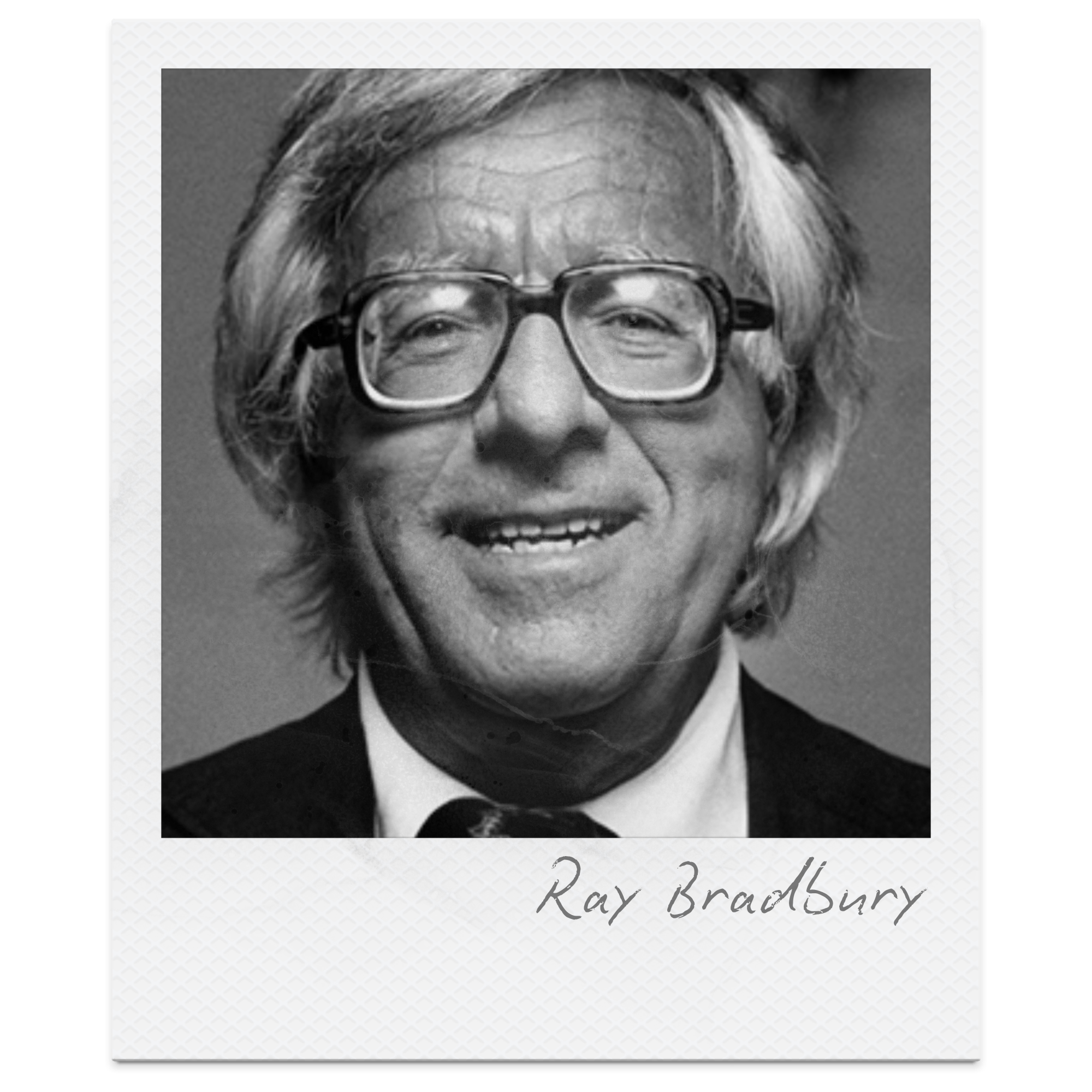
First published in 1947 and later collected in R Is for Rocket, Uncle Einar belongs to Ray Bradbury's interconnected Family stories, a series of tales blending fantasy, science fiction, folklore, and small-town Americana. Rather than presenting the supernatural as frightening, Bradbury imagines extraordinary beings living quietly alongside ordinary people, creating stories that celebrate difference, imagination, and belonging. Uncle Einar, with his magnificent green wings, is one of the most memorable members of this extended Family, yet his greatest struggle is not against monsters or villains but against the loss of an ability that once defined his identity. To explore the literary influences, recurring ideas, and historical background behind Bradbury's fiction, see our post on Ray Bradbury: Context, Themes and Influences.
The story also reflects Bradbury's lifelong fascination with transformation, identity, and humanity's relationship with the extraordinary. Although Uncle Einar possesses supernatural wings, his emotional journey is deeply recognisable: he must learn to adapt after a life-changing injury and discover that purpose can be regained in unexpected ways. Bradbury uses this blend of myth and everyday domestic life to suggest that true fulfilment comes not from recovering the past exactly as it was, but from embracing new possibilities without abandoning one's essential self. In doing so, Uncle Einar becomes a hopeful meditation on resilience, love, family, and the enduring human capacity to reinvent ourselves when circumstances change.
Uncle Einar: At a Glance
Form:Fantasy short story; science fiction; magical realism; modern folklore
Mood: Whimsical, poignant, hopeful, reflective, uplifting
Central tension: After losing his ability to fly safely at night, a winged man must rediscover his sense of purpose and freedom while adapting to an ordinary domestic life.
Core themes: Identity, belonging, family, love, adaptation, resilience, disability, freedom, purpose, acceptance, imagination
One-sentence meaning: Bradbury suggests that while loss may change a person's life forever, love, adaptation, and imagination can help transform limitation into a new kind of freedom.
Quick Summary of Uncle Einar
Uncle Einar, a member of Bradbury's extraordinary Family, possesses magnificent green wings that allow him to fly across the night sky. One rainy day, his wife asks him to help dry the washing by flying the clothesline around the farm. Although he reluctantly agrees, the task reminds him of the freedom he has lost since a terrible accident years earlier, leaving him bitter and longing for the life he once enjoyed.
The story then recounts how Uncle Einar collided with a high-voltage tower while flying home after a Family gathering, permanently destroying the special night vision that guided his flights. Unable to travel safely in darkness and afraid of being seen during the day, he is rescued by Brunilla Wexley, who nurses him back to health. The two fall in love, marry, and build a happy family, raising four children together, even though Uncle Einar continues to mourn the freedom his injury has taken from him.
Years later, while watching his children prepare for the annual kite festival, Uncle Einar suddenly realises that he no longer needs the cover of darkness. By tying a kite string to himself, he can appear to ordinary people as nothing more than an enormous kite flying across the sky. As his children proudly guide him through the air, Uncle Einar rediscovers his purpose, freedom, and joy, ending the story with a triumphant return to flight and a renewed sense of belonging.
Title of Uncle Einar
Ray Bradbury's titles often do far more than identify a story. They establish expectations, introduce central symbols, and encourage readers to think about character, identity, and the deeper ideas that will emerge throughout the narrative. At first glance, Uncle Einar appears to be named simply after its protagonist, but as the story unfolds the title comes to represent far more than one extraordinary individual. By choosing a personal name rather than something that emphasises wings or flight, Bradbury directs readers' attention towards humanity, family, and character rather than fantasy.
Initially, the title suggests that readers are about to hear a family anecdote about an eccentric relative. The informal title "Uncle" immediately creates warmth and familiarity, encouraging readers to view Einar as a beloved member of an extended family rather than as a mythical creature. This domestic framing softens the story's fantastical premise, making his remarkable green wings seem like one characteristic among many instead of the defining feature of his identity.
As the narrative develops, readers realise that the title deliberately avoids drawing attention to Einar's supernatural abilities. Although his wings dominate the plot, Bradbury consistently presents him first as a husband, father, and member of the Family. His greatest struggle is not learning to fly but learning to live after losing the freedom that once gave his life purpose. The title therefore reinforces one of the story's central ideas: a person's identity is shaped by relationships, resilience, and character rather than extraordinary talents alone.
There is also a subtle irony in the title. A reader expecting a heroic tale about a legendary winged man instead encounters a story filled with everyday concerns—drying washing, raising children, worrying about work, and adapting to disability. Bradbury deliberately juxtaposes the magical with the ordinary, suggesting that life's greatest acts of courage often occur within family life rather than in spectacular adventures. Uncle Einar's heroism lies not in possessing wings but in learning to rediscover hope after profound loss.
Ultimately, Uncle Einar becomes a title that celebrates identity, belonging, and acceptance. By naming the story after the man rather than his gift, Bradbury reminds readers that people should never be defined solely by what makes them different. Einar's wings make him extraordinary, but it is his love, perseverance, and ability to adapt that make him unforgettable.
Structure of Uncle Einar
Bradbury uses the structure of Uncle Einar to mirror his protagonist's emotional journey from freedom, to loss, to renewal. Rather than following a straightforward adventure, the story is carefully organised around contrast, moving between present and past before returning to the present for an uplifting resolution. Through flashback, delayed revelation, and a cyclical emotional pattern, Bradbury demonstrates that although people cannot erase loss, they can discover new ways to reclaim purpose and happiness.
Opening (Exposition)
The story opens with an amusing domestic disagreement as Brunilla asks Uncle Einar to help dry the washing by flying the clothes across the fields. This light-hearted opening immediately establishes both the story's whimsical tone and its extraordinary premise. However, beneath the humour lies a deeper emotional conflict. Einar's reluctant response and gloomy mood reveal that his bitterness is not really about household chores but about the life he has lost. Bradbury introduces the central emotional tension before readers understand its cause, encouraging curiosity about Einar's past.
Rising Action
The rising action unfolds through an extended flashback, explaining how Uncle Einar lost the ability to fly safely at night. Bradbury gradually reveals the accident with the electrical tower, his rescue by Brunilla, their growing relationship, marriage, and the birth of their children. This structural shift transforms readers' understanding of Einar. What initially appears to be simple grumpiness is revealed as grief for a lost identity. By delaying this information, Bradbury deepens readers' sympathy and allows Einar's emotional struggle to develop naturally rather than through immediate explanation.
Turning Point / Climax
The turning point arrives unexpectedly during the children's excitement over the annual kite festival. Seeing them holding colourful kites and balls of string, Einar suddenly realises that he no longer needs the protection of darkness. Bradbury presents this revelation almost as a moment of inspiration, with Einar crying, "I'm free!" before tying himself to a kite string and launching into the sky. The climax is striking because the solution is wonderfully simple, emerging from family life rather than magic or miracle. It demonstrates that true transformation often comes through a change in perspective rather than a reversal of circumstances.
Falling Action
The falling action celebrates Einar's return to the skies as his children proudly guide him across the countryside. Bradbury slows the pace slightly to focus on the family's shared joy, allowing readers to appreciate not only Einar's regained freedom but also the children's delight in helping make it possible. The emotional emphasis shifts from individual recovery to collective celebration, reinforcing the importance of family and belonging.
Ending (Resolution)
The story concludes with one of Bradbury's most joyful final images as the townspeople admire "the great green kite" soaring overhead, unaware that it is actually Uncle Einar. This ending resolves the central conflict without restoring the past exactly as it was. Einar has not regained his lost night vision, but he has discovered a creative way to fly once again while remaining hidden from ordinary people. Structurally, the story comes full circle: it begins with Einar using his wings reluctantly for domestic chores and ends with those same wings becoming symbols of renewed freedom, identity, and hope. Bradbury's carefully balanced structure ultimately suggests that resilience lies not in undoing loss, but in finding new ways to embrace the future.
Setting of Uncle Einar
In Uncle Einar, setting is never simply a backdrop for the action. Bradbury transforms landscapes into symbolic spaces that reflect identity, freedom, belonging, and emotional change. Open skies represent limitless possibility, while forests, farms, and family homes become places of healing and acceptance. Throughout the story, the settings evolve alongside Uncle Einar himself, mirroring his journey from loss and isolation towards renewed purpose and hope.
The Farm
The family's farm represents both security and confinement. It is here that Uncle Einar finds love with Brunilla, raises his children, and builds a peaceful domestic life. Yet it is also the place where he becomes painfully aware of everything he has lost. Sitting "under the apple tree to brood," he sees himself as "nothing more than a summer sun-parasol," revealing how the farm has become a place where his extraordinary abilities seem reduced to everyday chores. Bradbury deliberately contrasts the warmth of family life with Einar's lingering frustration, suggesting that emotional fulfilment and personal longing can coexist.
The Night Sky
The night sky is the story's most important symbolic landscape, representing freedom, identity, and the life Einar once possessed. Before his accident, he recalls how he "had sailed over islands of cloud and seas of summer sky," describing flight as an experience of exhilaration rather than simple movement. Bradbury's lyrical imagery transforms the heavens into a limitless world where Einar belongs completely. Losing the ability to navigate this landscape therefore becomes more than a physical injury—it is the loss of the environment that once defined his sense of self.
The Forest
The forest functions as a place of transition and unexpected transformation. After colliding with the electrical tower, Einar seeks refuge "in the deepest thicket," where he is forced to remain hidden until daylight passes. Although the woods initially symbolise vulnerability and uncertainty, they also become the place where he meets Brunilla. Bradbury therefore turns the forest into a space of renewal, suggesting that moments of apparent disaster can unexpectedly lead to love, healing, and a new future.
The Sky After the Accident
Following his injury, the daytime sky becomes a landscape of fear rather than liberation. Einar believes that if he flies in daylight he will "be seen and—miserable joke—maybe shot down! Or kept for a zoo perhaps." The same skies that once represented complete freedom now embody social judgement and exclusion. Bradbury uses this dramatic shift to show how trauma changes not only people's abilities but also the way they perceive familiar places. The sky itself has not altered—Einar's relationship with it has.
Kite Hill
Kite Hill becomes the setting of the story's joyful resolution and symbolises adaptation, family, and reclaimed identity. Watching his children prepare to fly their colourful kites inspires Einar's sudden realisation that he can once again take to the skies without fear. By tying himself to a kite string, he transforms his apparent limitation into an ingenious solution. The image of "the great green kite" soaring above the countryside allows him to recover both his freedom and his place within the ordinary world. Bradbury uses Kite Hill to demonstrate that fulfilment does not come from restoring the past exactly as it was, but from discovering new ways to embrace the future.
Narrative Voice in Uncle Einar
Bradbury uses the narrative voice in Uncle Einar to blend the ordinary with the extraordinary, encouraging readers to accept a winged man as naturally as any other member of a family. Although the story is told through third-person narration, the perspective remains closely aligned with Uncle Einar's emotional experience, allowing readers to understand his frustration, loneliness, and eventual joy. Rather than presenting fantasy as something strange or frightening, Bradbury uses the narrative voice to emphasise the deeply human emotions beneath the magical premise.
The story employs a close third-person perspective, following Uncle Einar's thoughts and emotions throughout much of the narrative. Readers immediately encounter his irritation as he refuses to help Brunilla with the washing, but the narration gradually reveals that his bitterness stems from something far deeper than household chores. By delaying the explanation of his accident until the extended flashback, Bradbury allows readers to reassess their first impressions. What initially appears to be stubbornness becomes understandable grief, creating sympathy rather than judgement.
The tone shifts fluidly between gentle humour, melancholy, and quiet optimism. Bradbury fills the opening with playful domestic exchanges, making the image of a winged man drying washing feel entirely natural. This light-hearted tone is gradually replaced by moments of genuine sadness as Einar reflects on the skies he has lost, before rising again into celebration during the final scenes. These tonal shifts mirror Einar's emotional journey, ensuring that the ending feels earned rather than sentimental.
Bradbury also uses the narrative voice to position readers firmly on Uncle Einar's side. Although ordinary humans might see him as something frightening or extraordinary, the narration presents his wings simply as part of who he is. Instead, readers are encouraged to fear the reactions of society, particularly when Einar worries he might be "shot down" or "kept for a zoo." This reversal challenges readers to question who the real outsiders are, suggesting that prejudice lies not in difference itself but in the inability of others to accept it.
The narrative voice also normalises the story's fantasy elements through calm, matter-of-fact description. Bradbury never pauses to explain how Einar's wings function or why magical members of the Family exist. Instead, supernatural details are woven naturally into everyday life, from discussions about drying clothes to raising children. This understated approach encourages readers to focus less on the mechanics of fantasy and more on its symbolic meaning, allowing Einar's wings to represent identity, freedom, and purpose rather than simply an unusual physical characteristic.
By the conclusion, the narrative voice becomes increasingly joyful and expansive as Uncle Einar rediscovers his place in the sky. His triumphant cry of "I'm free!" is followed by energetic descriptions of him soaring like "the great green kite," while his children's pride transforms what could have been a lonely victory into a shared family celebration. Bradbury deliberately ends with the townspeople admiring the magnificent kite without recognising its true identity, leaving readers with a sense of quiet satisfaction. Through its compassionate perspective, emotional warmth, and seamless blending of the magical with the everyday, the narrative voice reinforces Bradbury's belief that true freedom comes not from recovering the past but from finding new ways to embrace the future.
The Purpose and Impact of Uncle Einar
In Uncle Einar, Bradbury uses an enchanting tale of a winged man to explore universal questions about identity, loss, adaptation, and the enduring importance of love and family. Although the story contains elements of fantasy and science fiction, its emotional core is deeply human. Bradbury suggests that life's greatest challenges are not always physical limitations but the struggle to redefine ourselves when circumstances change. Rather than longing endlessly for what has been lost, the story encourages readers to discover new ways of living with hope, imagination, and resilience.
One of Bradbury's central purposes is to challenge the idea that a person's worth depends upon a single talent or ability. Flying has always defined Uncle Einar's identity, profession, and sense of freedom, so the accident appears to destroy not only his gift but his purpose. Bradbury deliberately presents this loss as a form of emotional displacement, showing how easily people can become trapped by memories of who they used to be. Einar's eventual solution demonstrates that identity is not fixed but can evolve through creativity, determination, and acceptance without abandoning the qualities that make a person unique.
Bradbury also explores the transformative power of love. Brunilla never sees Einar's wings as the most remarkable thing about him; instead, she recognises his kindness, vulnerability, and humanity. Their marriage is built upon mutual understanding and adaptation, with each partner changing aspects of their lives to support the other. Through this relationship, Bradbury argues that genuine love does not remove hardship but provides the emotional strength needed to endure it. The family's unwavering acceptance ultimately creates the conditions that allow Einar to rediscover his freedom.
Another important purpose is to celebrate the power of imagination as a response to adversity. The story's resolution does not depend upon magic restoring Einar's lost night vision or reversing his accident. Instead, his children unintentionally inspire a completely new way of flying. By tying himself to a kite string, Einar transforms what once seemed an impossible problem into an elegant solution. Bradbury suggests that imagination is most valuable not because it escapes reality but because it allows people to reimagine it, turning limitations into opportunities.
Emotionally, Uncle Einar moves readers from amusement to sympathy before ending with genuine joy. The playful domestic opening invites readers into an unusual world without fear, while the extended flashback deepens their understanding of Einar's quiet suffering. His triumphant cry of "I'm free!" provides an uplifting release that feels earned because Bradbury never offers an unrealistic miracle. Instead, the ending celebrates resilience, allowing readers to share in Einar's renewed confidence and the pride of his family.
The story lingers because Bradbury refuses to erase the past. Uncle Einar never regains the extraordinary night vision he once possessed, and his life is permanently changed by the accident. Yet the ending demonstrates that fulfilment does not require returning to who we once were. By closing with the unforgettable image of "the great green kite" soaring joyfully across the sky, Bradbury leaves readers with a hopeful vision of adaptation, belonging, and the enduring capacity of the human spirit to find freedom in unexpected ways.
Characters in Uncle Einar
The characters in Uncle Einar function as more than individuals within a fantasy narrative. Bradbury uses them to embody ideas about identity, love, belonging, adaptation, and family. While Uncle Einar's extraordinary wings initially distinguish him from everyone around him, the story ultimately reveals that his greatest strengths lie not in his supernatural abilities but in his resilience and the relationships that sustain him. Each character contributes to Bradbury's optimistic vision of a world where difference is accepted and compassion enables people to flourish.
Uncle Einar
Uncle Einar is both the story's fantastical hero and its most deeply human character. His magnificent green wings make him physically extraordinary, yet Bradbury quickly reveals that his greatest struggle is profoundly ordinary: learning to cope with the loss of an ability that once defined his identity. Sitting beneath the apple tree, he sees himself as "nothing more than a summer sun-parasol," while he longs for the days when he "had sailed over islands of cloud and seas of summer sky." These contrasting images reveal how completely his sense of self has become tied to flight.
Bradbury presents Einar as a symbol of resilience rather than perfection. His bitterness is understandable because he has not merely lost a practical skill but a way of life. Yet he never stops loving his wife or children, and when inspiration finally arrives through the children's kites, he embraces it immediately. His joyful cry of "I'm free!" marks not the recovery of his former life but the acceptance of a new one. Einar ultimately symbolises the human capacity to reinvent oneself without losing one's essential identity.
Brunilla Wexley
Brunilla represents unconditional love, acceptance, and emotional wisdom. Unlike others who might fear or exploit a winged man, she responds to Einar with simple curiosity and kindness. When she first discovers him injured in the forest, she sees "a man with wings," but within hours she has "quite forgotten his wings were there." Bradbury uses this understated detail to show that Brunilla values Einar for his character rather than his extraordinary appearance.
Her own belief that she is "quite ugly" creates an important parallel with Einar's insecurity about his disability. Both characters initially define themselves through perceived imperfections, yet their relationship allows each to recognise beauty in the other. When Brunilla tells Einar that one day she will "break out, spread wings as fine and handsome as you," and he replies, "You broke out long ago," Bradbury suggests that genuine love enables people to see beyond outward appearances. Brunilla therefore becomes a symbol of compassion, reminding readers that acceptance often gives people the confidence to transform themselves.
The Children
Uncle Einar's children symbolise hope, imagination, and the restorative power of family. They inherit none of their father's wings, yet Bradbury notes that "for their energy, seemed to have wings," linking them symbolically to his love of flight. They delight in hearing stories of "island clouds and ocean skies," ensuring that Einar's passion for flying survives through storytelling even when he cannot fully experience it himself.
Most importantly, the children unknowingly become the catalyst for Einar's transformation. Their excitement over the annual kite festival inspires the simple but brilliant solution that allows him to fly safely by day. They never attempt to solve his problem directly; instead, their creativity and enthusiasm remind him that new possibilities still exist. Bradbury presents them as symbols of renewal, suggesting that younger generations often help older ones rediscover hope by seeing the world with fresh eyes. Their proud declaration that "Our father made it!" transforms Einar's return to the skies into a shared family triumph rather than a solitary victory.
The Family
Although they appear only briefly, the Family represents belonging, heritage, and the coexistence of the magical with the ordinary. Bradbury describes them as relatives who "hid in small towns across the world," each possessing unusual gifts while quietly living alongside ordinary society. Their presence expands the story's world beyond Einar himself, suggesting that extraordinary people often remain hidden within everyday communities.
The Family also provides an important contrast to Einar's later isolation. Before his accident, he travelled freely across continents performing errands for them, giving him purpose and independence. Losing this role intensifies his grief, but Bradbury ultimately shows that belonging is not confined to one community. Through Brunilla and his children, Einar builds another family that offers a different, yet equally meaningful, sense of purpose. In this way, the Family symbolises both the importance of shared identity and Bradbury's belief that home is ultimately created through love rather than extraordinary abilities.
Key Themes in Uncle Einar
Bradbury uses Uncle Einar to explore what it means to find happiness when life changes in unexpected ways. Beneath its whimsical tale of a winged man, the story examines universal experiences of identity, loss, family, and adaptation. By combining elements of fantasy with recognisable human emotions, Bradbury suggests that fulfilment comes not from reclaiming the past exactly as it was but from discovering new ways to live with hope, imagination, and love.
Identity
The central theme of identity shapes Uncle Einar's emotional journey. His wings have always defined his place within the Family, allowing him to travel, work, and experience complete freedom. After the electrical accident destroys his ability to fly safely at night, he begins to lose his sense of self, describing himself as "nothing more than a summer sun-parasol." Bradbury suggests that people often connect their identity to a particular talent or role, making its loss deeply painful. By the story's conclusion, however, Einar discovers that identity is not fixed but can evolve. His wings remain important, but his greatest achievement is learning to redefine himself rather than abandoning who he is.
Belonging
Throughout the story, Bradbury explores the universal desire for belonging. Uncle Einar belongs naturally among the magical Family, yet after his injury he can no longer fulfil the role that once connected him to them. At the same time, he fears ordinary humans because flying in daylight might leave him "shot down" or "kept for a zoo." This places him between two worlds, belonging fully to neither. Bradbury ultimately resolves this tension by showing that belonging comes through relationships rather than social roles. By the end of the story, Einar finds his true place within his own family, soaring proudly while his children guide him across the sky.
Family
Family provides the emotional foundation of the entire narrative. The magical Family introduces Einar's unusual heritage, while Brunilla and their children create the domestic family that sustains him after his accident. Bradbury shows that although Einar loses much of his former life, he gains something equally valuable through marriage and fatherhood. His children admire his stories of flight, while their innocent enthusiasm at the kite festival ultimately restores his confidence. Rather than portraying family as an obstacle to freedom, Bradbury presents it as the source of healing, encouragement, and renewal.
Love
Bradbury presents love as an accepting and transformative force. Brunilla never defines Einar by his wings or his disability; instead, she sees his humanity long before she notices his extraordinary appearance. Likewise, Einar helps Brunilla overcome her own insecurities, assuring her that she "broke out long ago." Their relationship demonstrates that genuine love allows people to recognise strengths that individuals often fail to see in themselves. Through their marriage, Bradbury argues that love does not erase suffering but gives people the courage to endure and grow beyond it.
Adaptation
Rather than offering a miraculous cure, Bradbury celebrates adaptation. Uncle Einar never regains the extraordinary night vision that once guided his flight, meaning his circumstances are permanently altered. Instead of restoring the past, the story culminates in a creative solution inspired by the children's kites. By tying himself to the kite string, Einar adapts to his limitations without surrendering his passion for flying. Bradbury suggests that resilience often depends upon changing our methods rather than our dreams.
Resilience
Closely linked to adaptation is the theme of resilience. Einar spends years mourning the loss of his freedom, yet he never abandons his family or completely loses hope. His eventual breakthrough arrives not through magical intervention but through perseverance and a willingness to see old problems differently. Bradbury portrays resilience as quiet rather than dramatic, emphasising that recovery often involves patience, imagination, and emotional support rather than heroic acts. The triumphant ending demonstrates that setbacks need not define the rest of a person's life.
Disability
Although written decades before modern discussions of disability, Uncle Einar offers a remarkably compassionate exploration of life after permanent injury. The electrical accident changes Einar's relationship with the world, limiting his independence and leaving him fearful of exposure. Bradbury never portrays him as weak or broken; instead, he explores the emotional consequences of losing an important ability. The story ultimately argues that disability may alter how someone lives, but it does not diminish their value, dignity, or capacity for happiness. Einar's recovery comes through accommodation and adaptation rather than the restoration of what has been lost.
Freedom
Freedom is symbolised most obviously through flight, yet Bradbury gradually broadens its meaning. Initially, freedom seems to exist only in the open skies where Einar once "sailed over islands of cloud." After his injury, however, he discovers that physical freedom alone is not enough. His true liberation comes when he overcomes fear and embraces a new way of flying. By ending with the image of "the great green kite" soaring joyfully across the countryside, Bradbury suggests that freedom is ultimately a state of mind shaped by courage and perspective as much as physical ability.
Purpose
The loss of purpose causes much of Uncle Einar's despair. Once an important messenger for the Family, he now believes his wings are useful only for drying washing or cooling his children on hot afternoons. Bradbury carefully contrasts these ordinary domestic tasks with Einar's memories of crossing oceans and mountains, highlighting his feeling that life has become smaller. The kite festival restores not only his ability to fly but also his sense that his extraordinary gift still has meaning. Bradbury suggests that purpose often returns when people stop measuring themselves solely against the past.
Acceptance
Bradbury repeatedly demonstrates the importance of acceptance. Brunilla immediately accepts Einar despite his wings, while Einar learns to accept Brunilla beyond her own self-perceived flaws. Later, Einar must also accept himself, recognising that his identity is not limited by the abilities he has lost. This theme extends beyond individuals to family life as a whole, where mutual understanding allows each character to flourish. Bradbury suggests that acceptance is the foundation upon which resilience, love, and belonging are built.
Imagination
Finally, imagination becomes the force that transforms tragedy into triumph. The solution to Einar's problem emerges because he views the children's kites not simply as toys but as the key to a completely new way of flying. Bradbury celebrates imagination as a practical, life-changing power rather than mere fantasy. Throughout the story, magical events coexist with everyday domestic life, reinforcing the idea that creativity enables people to overcome obstacles that logic alone cannot solve. In Uncle Einar, imagination is not an escape from reality—it is the means by which reality is transformed.
Symbolism in Uncle Einar
Bradbury fills Uncle Einar with rich symbolism, transforming everyday objects and fantastical images into representations of identity, freedom, love, and adaptation. Rather than using symbols simply to decorate the narrative, he allows them to evolve alongside Uncle Einar's emotional journey. As the story progresses, these symbols shift in meaning, reinforcing Bradbury's belief that people can find new purpose without abandoning who they are.
Wings
Uncle Einar's wings are the story's central symbol, representing identity, freedom, and individuality. Before the accident, they allow him to "sail over islands of cloud and seas of summer sky," making flight inseparable from his understanding of himself. After losing his night vision, however, the wings become painful reminders of everything he can no longer do. They remain physically intact, but their symbolic meaning changes from liberation to frustration and loss. By the end of the story, the wings regain their positive significance as Einar discovers a new way to fly, demonstrating that identity can be renewed even after profound change.
Flight
Flight symbolises far more than physical movement. Throughout the story, it represents purpose, independence, and the freedom to live authentically. When Einar loses the ability to navigate safely in darkness, he loses not only mobility but also his confidence and sense of belonging. Bradbury deliberately separates the act of flying from the feeling of freedom, showing that Einar remains emotionally trapped long after his physical injuries have healed. His final return to the sky symbolises the recovery of hope rather than the restoration of the past, suggesting that freedom often comes through adaptation rather than perfect recovery.
The Electrical Tower
The high-voltage tower symbolises the collision between the modern world and the mythical. It is an ordinary human structure that unexpectedly injures a magical being, demonstrating how technological progress can unintentionally disrupt older ways of life. The tower also represents life's sudden, irreversible changes. Without warning, it transforms Einar's identity forever, reminding readers that a single moment can permanently alter a person's future. Bradbury does not portray the tower as evil; instead, it becomes a symbol of the unpredictable nature of existence and the challenges that every individual must eventually face.
The Kite
The kite is the story's most hopeful symbol, representing adaptation, imagination, and renewed freedom. What begins as a simple children's toy becomes the key to Einar's emotional and physical liberation. By tying himself to a kite string, he transforms something ordinary into the solution to an extraordinary problem. The kite symbolises Bradbury's belief that creative thinking allows people to overcome limitations without denying reality. Importantly, Einar is not pretending to be something else; instead, he embraces a new way of expressing who he has always been.
The Apple Tree
The apple tree, beneath which Uncle Einar sits "to brood," symbolises reflection, loss, and emotional stagnation. It becomes the place where he dwells on the life he once had, allowing memories to overshadow the happiness surrounding him. Traditionally associated with knowledge and transformation, the tree also foreshadows Einar's eventual change. He begins the story beneath its branches looking backwards, but ends it looking upwards towards the sky once again. Bradbury subtly uses the tree to mark the emotional distance between grief and acceptance.
Brunilla
Although a character, Brunilla also functions symbolically as the embodiment of acceptance, love, and healing. She sees beyond Einar's wings just as he eventually sees beyond her own insecurities about her appearance. Their relationship symbolises the idea that genuine love is based on recognising another person's humanity rather than defining them by strengths or weaknesses. Through Brunilla, Bradbury suggests that acceptance is one of the greatest forces for transformation because it allows people to rediscover confidence in themselves.
The Children
Uncle Einar's children symbolise hope, renewal, and the future. Bradbury notes that they seem to possess wings "for their energy," linking them metaphorically to the freedom their father has lost. More importantly, they become the unexpected source of his recovery. Without intending to, they inspire the kite solution that restores his joy. Their symbolic role demonstrates Bradbury's belief that younger generations often bring fresh perspectives capable of solving problems that older generations can no longer see. The children therefore represent the optimism, creativity, and resilience that carry humanity forward.
The Great Green Kite
The final image of "the great green kite" symbolises the complete transformation of Uncle Einar's identity. To the townspeople, it is simply a magnificent kite flying across the sky, but readers understand that it is Einar himself reclaiming the freedom he thought he had lost forever. This dual meaning is central to Bradbury's message. Einar has not become someone different, nor has his disability disappeared. Instead, he has learned to exist joyfully within his new reality. The great green kite therefore becomes a powerful symbol of resilience, acceptance, and the idea that true freedom comes from embracing change rather than resisting it.
Key Techniques in Uncle Einar
Bradbury uses a wide range of language and structural techniques in Uncle Einar to blend fantasy with emotional realism. His carefully crafted imagery, symbolism, and narrative structure transform a whimsical tale about a winged man into a moving exploration of identity, adaptation, family, and resilience.
◆ Symbolism — The wings, kite, flight, electrical tower, and apple tree all develop symbolic meanings, representing identity, freedom, adaptation, loss, and personal growth.
◆ Extended metaphor — Uncle Einar's ability to fly functions as an extended metaphor for purpose, independence, and self-expression, while his inability to fly symbolises the emotional impact of disability and loss.
◆ Fantasy blended with realism — Bradbury presents magical elements as ordinary parts of everyday life, allowing readers to focus on universal human emotions rather than questioning the supernatural premise.
◆ Flashback — The extended flashback gradually reveals the cause of Einar's despair, transforming readers' understanding of his behaviour and deepening sympathy for his emotional struggle.
◆ Delayed revelation — Bradbury withholds the explanation of Einar's injury until after introducing his bitterness, encouraging readers to reassess their initial judgement of his character.
◆ Contrast — The story contrasts freedom with confinement, past with present, magic with domestic life, and loss with renewal, highlighting Einar's emotional transformation.
◆ Juxtaposition — Extraordinary images of a winged man are placed alongside ordinary activities such as drying washing, raising children, and flying kites, emphasising that the magical and everyday can exist side by side.
◆ Visual imagery — Rich descriptions of green wings, summer skies, colourful kites, and open landscapes create vivid images that reinforce themes of freedom, beauty, and hope.
◆ Natural imagery — Bradbury repeatedly uses clouds, trees, fields, and the sky to reflect Einar's emotional state, turning the natural world into a symbolic landscape.
◆ Dialogue — Warm, humorous conversations between family members reveal character relationships naturally while balancing the story's moments of sadness with affection and optimism.
◆ Characterisation — Bradbury develops Einar through his actions, memories, and relationships rather than lengthy description, allowing his emotional growth to emerge gradually across the narrative.
◆ Structural circularity — The story begins with Uncle Einar using his wings reluctantly for household chores and ends with him joyfully flying once again, creating a satisfying cyclical structure that reinforces Bradbury's message that adaptation, rather than restoration, leads to fulfilment.
◆ Optimistic ending — Rather than reversing Einar's disability through magic, Bradbury resolves the conflict through imagination and acceptance, making the ending emotionally satisfying while reinforcing the story's celebration of resilience and human ingenuity.
Important Quotes from Uncle Einar
Bradbury's most memorable quotations reveal the story's exploration of identity, family, freedom, and adaptation. Although the story is filled with magical imagery, each quotation reflects recognisable human experiences, allowing Bradbury's fantasy to become a moving meditation on resilience, love, and belonging.
Loss of Identity
“I'm nothing more than a summer sun-parasol.”
◆ Analysis: Uncle Einar's bitter comparison reduces his magnificent wings to something ordinary and domestic. Rather than representing freedom, they have become useful only for providing shade, illustrating how completely his sense of identity has been diminished by his injury.
◆ Method: Metaphor; symbolism; self-deprecating dialogue.
◆ Effect: Readers understand that Einar's greatest loss is psychological rather than physical, creating sympathy for his emotional struggle.
◆ Link to theme:Identity; disability; purpose.
The Joy of Flight
“I sailed over islands of cloud and seas of summer sky.”
◆ Analysis: Bradbury uses lyrical imagery to present flying as an experience of beauty and belonging rather than simple movement. The poetic description emphasises why Einar mourns the loss of flight so deeply—it represented the life in which he felt most completely himself.
◆ Method: Visual imagery; metaphor; natural imagery.
◆ Effect: Readers appreciate both the wonder of Einar's former life and the scale of what has been taken from him.
◆ Link to theme:Freedom; identity; belonging.
Fear of Difference
“I'd be seen and—miserable joke—maybe shot down! Or kept for a zoo perhaps.”
◆ Analysis: Einar's fear reflects anxiety about society's treatment of those who are different. Bradbury suggests that prejudice can become just as limiting as physical disability, forcing individuals to hide parts of themselves in order to remain safe.
◆ Method: Hyperbole; dialogue; irony.
◆ Effect: Readers question whether the greatest obstacle facing Einar is his injury or society's inability to accept difference.
◆ Link to theme:Acceptance; belonging; identity.
Love Beyond Appearance
“In half an hour she had quite forgotten his wings were there.”
◆ Analysis: Brunilla immediately looks beyond Einar's extraordinary appearance, valuing him as a person rather than a curiosity. Bradbury suggests that genuine love sees character before difference.
◆ Method: Understatement; symbolism; characterisation.
◆ Effect: Readers recognise Brunilla as a source of healing and unconditional acceptance.
◆ Link to theme:Love; acceptance; family.
Inner Beauty
“You broke out long ago.”
◆ Analysis: Einar reassures Brunilla that she has already become beautiful through her kindness and spirit. Bradbury reverses expectations by suggesting that true transformation is emotional rather than physical.
◆ Method: Metaphor; dialogue; symbolism.
◆ Effect: The quotation deepens the emotional intimacy between the couple while reinforcing Bradbury's belief that inner qualities define identity.
◆ Link to theme:Love; acceptance; identity.
Family as Freedom
“For their energy, seemed to have wings.”
◆ Analysis: Although Einar's children possess no physical wings, Bradbury associates them with freedom through metaphor. Their enthusiasm symbolically continues the spirit of flight that their father fears he has lost.
◆ Method: Metaphor; symbolism.
◆ Effect: Readers see the children as symbols of hope and renewal rather than simply supporting characters.
◆ Link to theme:Family; hope; freedom.
A New Possibility
“The kite!”
◆ Analysis: This brief exclamation marks the story's turning point as Einar suddenly discovers a solution that has been hidden in plain sight. Bradbury demonstrates that imagination often emerges from ordinary experiences.
◆ Method: Exclamatory sentence; epiphany; symbolism.
◆ Effect: The pace quickens as readers realise Einar's life is about to change.
◆ Link to theme:Imagination; adaptation; hope.
Reclaimed Freedom
“I'm free!”
◆ Analysis: Einar's triumphant cry represents emotional liberation as much as physical flight. Although his disability has not disappeared, he has overcome the belief that it defines the rest of his life.
◆ Method: Exclamatory dialogue; symbolism.
◆ Effect: Readers experience the emotional release that has been building throughout the story.
◆ Link to theme:Freedom; resilience; adaptation.
Transformation Through Perspective
“The great green kite.”
◆ Analysis: Bradbury's final image unites Einar's wings with the children's kite, symbolising the reconciliation of identity and adaptation. To outsiders he appears to be nothing more than a kite, yet readers know he is reclaiming the freedom he feared was gone forever.
◆ Method: Symbolism; metaphor; visual imagery.
◆ Effect: The ending leaves readers with a powerful image of hope, demonstrating that true freedom comes from finding new ways to express who we are.
◆ Link to theme:Identity; adaptation; freedom.
A Shared Triumph
“Our father made it!”
◆ Analysis: The children's joyful celebration shifts the story's conclusion from an individual victory to a collective family achievement. Bradbury emphasises that Einar's success is made possible through love, encouragement, and shared imagination rather than solitary determination.
◆ Method: Dialogue; exclamation; characterisation.
◆ Effect: Readers finish the story with a sense of warmth and optimism, recognising that family is central to Einar's recovery.
◆ Link to theme:Family; love; belonging.
Alternative Interpretations of Uncle Einar
Although Uncle Einar appears to be a warm-hearted fantasy about a winged man, Bradbury's symbolism and emotional depth allow for several equally valid interpretations. The story can be read as an uplifting tale of family and hope, but it also explores broader ideas about identity, disability, belonging, and the ways people redefine themselves after life-changing events.
Psychological Interpretation: Rebuilding identity after trauma
A psychological reading views Uncle Einar's inability to fly as a metaphor for the emotional consequences of trauma and loss. His injury is significant not simply because it limits his movement but because it destroys the identity around which he has built his entire life. Bradbury explores the grief, frustration, and loss of purpose that often accompany major life changes, suggesting that recovery begins when people stop trying to recreate the past and instead build a new sense of self. The kite therefore symbolises psychological healing rather than physical restoration.
Disability Interpretation: Adaptation rather than cure
A disability reading presents the story as a remarkably compassionate exploration of living with permanent impairment. Bradbury never gives Uncle Einar a miraculous recovery or restores his damaged night vision. Instead, he develops practical ways to adapt to his new circumstances with the support of those around him. This interpretation suggests that fulfilment does not depend upon becoming the person one was before injury but upon finding new ways to participate fully in life. The story therefore celebrates accommodation, resilience, and dignity rather than "fixing" disability.
Humanist Interpretation: Love defines humanity
From a humanist perspective, Uncle Einar argues that compassion and love matter far more than extraordinary abilities. Although Einar's wings make him physically unique, the story consistently demonstrates that his most important relationships are built on kindness, loyalty, and mutual understanding. Brunilla's acceptance of him, and his acceptance of her, suggest that humanity is defined not by perfection or difference but by the ability to care for others. Bradbury ultimately celebrates emotional connection as the greatest source of meaning.
Symbolic Interpretation: The wings represent identity
A symbolic reading interprets Uncle Einar's wings as representing any defining aspect of identity, whether talent, career, health, youth, or independence. The accident therefore symbolises the unexpected events that force people to reconsider who they are. The story's conclusion suggests that while identity may evolve after loss, it is never completely erased. By learning to fly differently rather than abandoning flight altogether, Einar demonstrates that people can remain true to themselves while adapting to changing circumstances.
Social Interpretation: Society fears difference
A social interpretation focuses on Einar's fear that he will be "shot down" or displayed in a "zoo" if ordinary people discover him. Bradbury suggests that society often struggles to accept those who appear different, encouraging individuals to hide aspects of their identity in order to feel safe. The final image of Einar disguised as "the great green kite" can therefore be interpreted as both joyful and bittersweet. Although he regains his freedom, he must still conceal his true self, reminding readers that genuine acceptance remains one of humanity's greatest challenges.
Why Uncle Einar Still Matters
Although Uncle Einar was first published in 1947, its exploration of identity, disability, adaptation, and belonging remains deeply relevant today. Bradbury's story speaks to anyone whose life has been permanently altered by illness, injury, ageing, or unexpected change. Rather than suggesting that happiness depends upon recovering what has been lost, he argues that fulfilment comes from discovering new ways to live with purpose. This hopeful message continues to resonate in a world where many people face personal, social, and physical challenges that require resilience rather than perfect solutions.
The story is also strikingly modern in its portrayal of disability. Uncle Einar's injury changes the way he moves through the world, but Bradbury never reduces him to his impairment or presents him as someone who needs to be "fixed." Instead, the story focuses on adaptation, emotional wellbeing, and the importance of supportive relationships. Einar's eventual return to the sky is achieved not through a miraculous cure but through creativity, accommodation, and the encouragement of his family. In this respect, the story reflects contemporary conversations about accessibility, inclusion, and recognising people's abilities rather than defining them by their limitations.
Bradbury also raises enduring questions about acceptance and the fear of being different. Einar worries that if ordinary people discover him, he will be "shot down" or "kept for a zoo," revealing his anxiety about misunderstanding and prejudice. Although the story is fantastical, this fear reflects the experiences of many people who feel pressured to hide aspects of their identity in order to avoid judgement. Bradbury encourages readers to question why society so often fears difference, suggesting that compassion and understanding create stronger communities than suspicion or exclusion.
For students, Uncle Einar remains an excellent text for exploring how fantasy can illuminate real human experiences. Bradbury demonstrates that magical stories are not an escape from reality but another way of examining universal emotions such as grief, love, hope, and resilience. The story's rich symbolism, memorable imagery, and optimistic ending provide opportunities to discuss both literary techniques and wider ideas about identity, family, and personal growth. Ultimately, Uncle Einar continues to matter because it reminds readers that while life may change in ways we cannot control, our capacity for imagination, adaptation, and love remains one of our greatest strengths.
Teaching Ideas for Uncle Einar
Bradbury's Uncle Einar is an excellent text for exploring symbolism, character development, fantasy as allegory, and the ways literature represents identity, disability, and resilience. Its accessible narrative allows students to analyse sophisticated themes while considering how fantasy can reflect real human experiences.
1. Discussion Questions
These questions encourage students to think beyond the fantasy elements and explore Bradbury's wider message.
Does Uncle Einar regain his freedom because he can fly again, or because he changes the way he thinks about himself?
What does Bradbury suggest about the relationship between difference and belonging?
2. Model Paragraph Task (Analysis + Development)
Read the model paragraph before identifying the essay questions it could answer and evaluating the qualities of a top-band response.
Model paragraph
Bradbury presents the kite as a symbol of adaptation to suggest that true freedom comes through changing perspective rather than reversing loss. Throughout most of the story, Uncle Einar believes his damaged night vision has permanently ended the life he once loved, leaving his wings to symbolise frustration instead of liberation. However, the children's kite festival inspires the simple idea of tying himself to a kite string, allowing him to fly openly while appearing to be "the great green kite." This symbolic transformation demonstrates that Bradbury is less interested in miraculous recovery than in human resilience. By ending with Einar soaring joyfully across the countryside, Bradbury argues that fulfilment often comes from discovering new ways to use our strengths rather than longing for the past.
Students identify 2–3 essay questions this paragraph could answer.
Success criteria
Presents a clear conceptual argument.
Embeds quotations naturally.
Explains Bradbury's methods before analysing their effect.
Links symbolism to Bradbury's wider message.
Development task
Rewrite the paragraph by introducing an alternative interpretation of the kite or by exploring how the ending could be viewed as both hopeful and bittersweet.
3. Essay Angles
These essay titles encourage conceptual rather than descriptive responses.
How does Bradbury present identity in Uncle Einar?
Explore the significance of flight in Uncle Einar.
How does Bradbury use fantasy to explore real human experiences?
4. Symbolism Focus
Track the symbolism of Uncle Einar's wings throughout the story and explain how their meaning changes.
Identify what the wings symbolise before the accident.
Explain how their meaning changes after Einar loses his night vision.
Compare the symbolism of the wings with the kite in the final section.
Write a paragraph explaining how Bradbury uses these two symbols to communicate his message about adaptation, identity, and resilience.
5. Creative Writing Extension
Write a short story about a character who loses an ability that once defined their identity. Rather than giving them a magical solution, show how they gradually discover a new way to achieve the same sense of purpose, freedom, or belonging through creativity and perseverance.
If you're looking for creative writing prompts and resources across a wide range of genres, tropes, and themes, explore theCreative Writing Archive.
Go Deeper into Uncle Einar
If you enjoyed Uncle Einar, there are many other stories that explore identity, family, belonging, and the ways people adapt to extraordinary circumstances. For more recommendations, explore our guides to Best Bradbury for the Classroom and Using Black Mirror to Teach Bradbury, where you'll discover texts that examine how fantasy and speculative fiction illuminate universal human experiences.
◆The Strawberry Window by Ray Bradbury — Explores family, memory, and the importance of preserving humanity's traditions, showing how love and belonging shape identity across generations.
◆ The Gift by Ray Bradbury — Celebrates family, hope, and imagination, demonstrating that the greatest gifts are shared experiences rather than material possessions, much like Uncle Einar's rediscovery of freedom through those closest to him.
◆ The Wonderful Story of Henry Sugar by Roald Dahl — Follows a man whose extraordinary abilities transform his understanding of purpose, raising similar questions about identity, self-discovery, and using unusual gifts for meaningful ends.
◆ The Metamorphosis by Franz Kafka — Offers a striking contrast by exploring physical transformation, isolation, and identity through a far darker lens, making an excellent comparison with Bradbury's optimistic portrayal of difference and acceptance.
◆ Wonder by R. J. Palacio — Examines prejudice, kindness, belonging, and acceptance, encouraging readers to look beyond outward appearance in much the same way that Brunilla sees beyond Uncle Einar's wings.
◆ Edward Scissorhands (film, directed by Tim Burton) — Explores what it means to live with visible difference while longing for acceptance, combining fantasy with themes of identity, isolation, love, and belonging.
Together, these texts demonstrate that fantasy is often at its most powerful when it reveals timeless truths about identity, resilience, acceptance, and the enduring importance of finding a place where we truly belong.
Final Thoughts
Uncle Einar is one of Ray Bradbury's most compassionate and uplifting short stories, combining the wonder of fantasy with a deeply human exploration of identity, family, love, and resilience. Although its central image of a winged man is wonderfully imaginative, the story speaks to experiences shared by countless readers: coping with change, adapting to loss, and discovering that purpose can be found in unexpected places. Through Uncle Einar's emotional journey, Bradbury reminds us that true freedom is not about returning to the person we once were but about finding the courage to become someone new without losing what matters most. The unforgettable image of "the great green kite" soaring across the sky perfectly captures this hopeful message, transforming adaptation into an act of triumph rather than compromise.
More than seventy years after its publication, Uncle Einar continues to resonate because its themes remain universal. Whether read as a story about disability, belonging, acceptance, or the healing power of family, Bradbury's gentle optimism continues to inspire readers of all ages. If you'd like to explore more of Bradbury's imaginative fiction, visit the Ray Bradbury Hub, or browse the wider Literature Library.
Choose Your Next Text