The Gift by Ray Bradbury: Summary, Themes, Meaning & Analysis
Ray Bradbury's The Gift is a moving piece of science fiction that explores love, family, hope, and the enduring meaning of Christmas in an age of space travel. Set aboard a rocket travelling to Mars, the story asks whether tradition depends on physical objects or on the emotional connections people create. Through its simple yet powerful narrative, Bradbury transforms a futuristic journey into a timeless reflection on wonder, sacrifice, and the importance of seeing beauty in the universe.
Although brief, The Gift captures many of Bradbury's defining concerns: preserving humanity amid technological progress, finding beauty in unexpected places, and recognising that imagination often carries greater value than material possessions. Its hopeful message continues to resonate with readers of all ages, making it an excellent companion to other stories in the Ray Bradbury Hub and a memorable addition to the wider Literature Library, where science fiction becomes a vehicle for exploring the deepest aspects of the human experience.

Context of The Gift
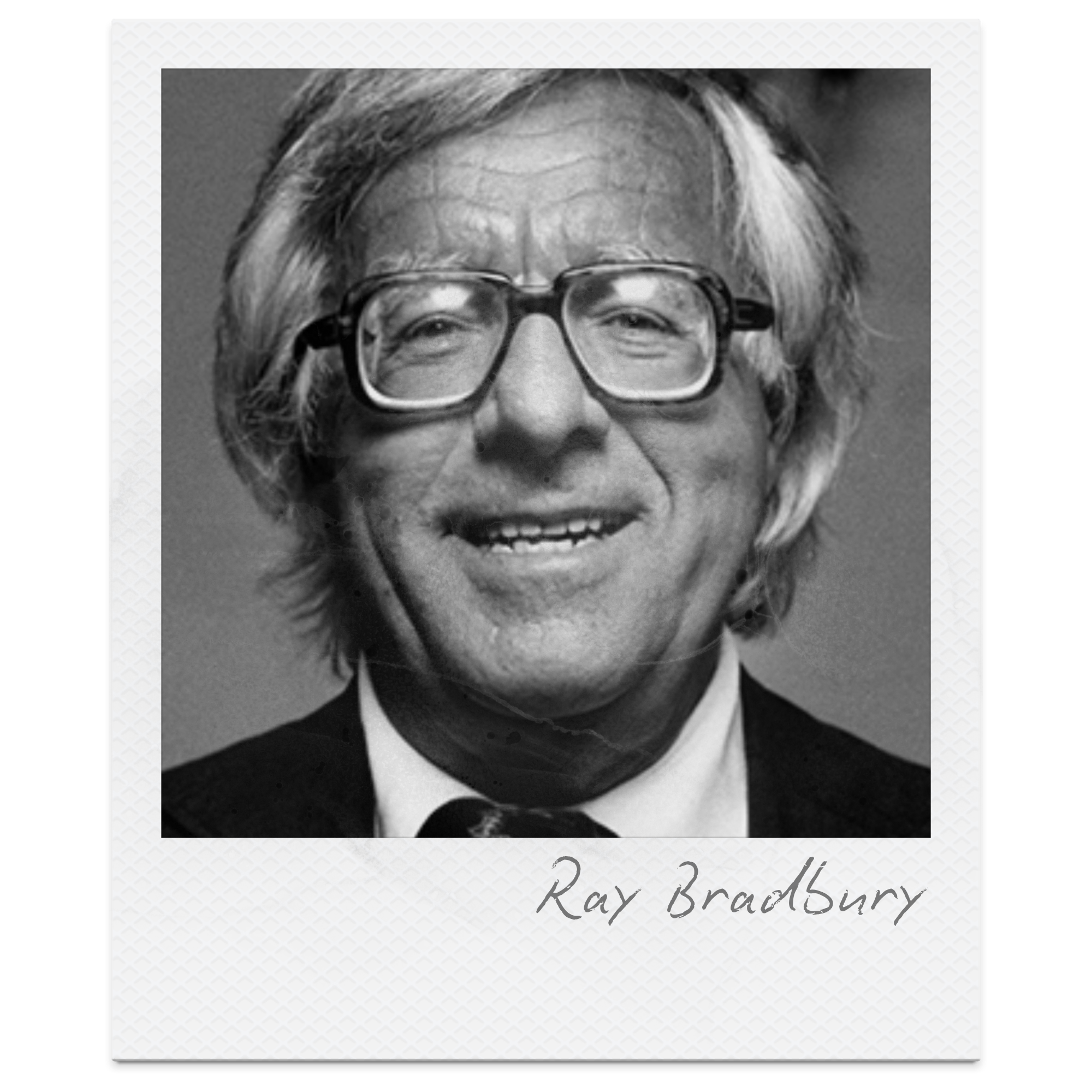
Published in 1952 and later collected in R Is for Rocket, The Gift reflects Ray Bradbury's distinctive approach to science fiction, using futuristic settings to explore timeless human emotions rather than scientific prediction. Writing during the early years of the Space Age, Bradbury was fascinated by the possibilities of space exploration, but he consistently argued that humanity's greatest achievements would mean little if people lost their sense of wonder, compassion, and imagination. Instead of focusing on rockets or technology themselves, The Gift uses interplanetary travel as the backdrop for a deeply personal story about family, hope, and the traditions that give human life meaning. If you'd like to explore the ideas, influences, and historical context that shaped Bradbury's writing, see our guide to Ray Bradbury: Context, Themes and Influences.
The story also embodies Bradbury's belief that science fiction should illuminate the human condition rather than simply imagine future inventions. Although the setting is futuristic, the emotional conflict is instantly recognisable: parents trying to preserve the magic of Christmas for their child despite difficult circumstances. Bradbury suggests that the true gifts people share are not material objects but love, memory, and the ability to find beauty even in unfamiliar worlds. By placing an intimate family moment against the vastness of space, he reminds readers that technological progress only has value when it continues to nurture the qualities that make us profoundly human.
The Gift at a Glance
Form: Science fiction short story; speculative fiction; Christmas story
Mood: Warm, hopeful, reflective, tender, uplifting
Central tension: A family travelling through space must find a way to celebrate Christmas after being forced to leave their gifts and decorations behind.
Core themes: Family, love, hope, wonder, Christmas, sacrifice, imagination, humanity, space exploration, the meaning of tradition
One-sentence meaning: Bradbury suggests that the greatest gifts are not material possessions but the love, wonder, and shared experiences that allow people to preserve their humanity wherever they go.
Quick Summary of The Gift
A mother, father, and their young son travel to a rocket port on Christmas Eve before departing for Mars. As they prepare to board, customs officials force the family to leave behind the boy's Christmas gift and their small decorated Christmas tree because they exceed the permitted weight limit. Heartbroken, the parents worry that the boy's first Christmas in space will be ruined.
As the rocket journeys away from Earth, the father searches for a way to restore the magic of Christmas despite having no presents or decorations. When midnight approaches according to Earth time, the excited boy asks about his promised gift. Confident that he has found a solution, the father leads his son and wife through the spacecraft to a darkened cabin where several passengers quietly wait.
Inside the room, the passengers begin singing familiar Christmas carols as the father invites his son to look through the enormous porthole into space. The boy gazes in wonder at the countless stars, described as "ten billion billion white and lovely candles," transforming the universe itself into the most beautiful Christmas display imaginable. The story ends with the family sharing a moment of awe, discovering that the greatest gift is not something that can be wrapped, but an experience of love, wonder, and shared humanity.
Title of The Gift
Ray Bradbury's titles often carry meanings that extend far beyond simply identifying a story. They establish emotional expectations, introduce central symbols, and invite readers to consider what the narrative values most deeply. The Gift appears to promise a straightforward Christmas story centred on a present, yet as the narrative unfolds, Bradbury gradually transforms the meaning of the title. By the ending, readers discover that the true gift is not a physical object but an experience of wonder, love, and shared humanity, making the title central to the story's emotional impact.
At first, the title encourages readers to think of a traditional Christmas gift. The boy eagerly anticipates the present his parents have promised, while his mother and father are devastated when customs officials force them to abandon both his gift and their decorated Christmas tree. Bradbury deliberately draws attention to these missing objects, allowing readers to assume that the story's conflict revolves around the disappointment of a child unable to celebrate Christmas in the usual way.
As the story progresses, however, expectations begin to shift. The father's quiet confidence that he can still provide "all that, and more" hints that the gift will not be something material. Instead of finding another present, he creates an unforgettable experience by leading his son to the spacecraft's porthole, where the stars become "ten billion billion white and lovely candles." The title therefore expands beyond the idea of a wrapped object, suggesting that the most meaningful gifts are moments of beauty, imagination, and emotional connection.
The title also carries a subtle irony. Although the family's original gift is taken away before the journey begins, the loss ultimately allows them to experience something far more profound. Had the present and tree remained with them, the boy might never have viewed the universe with the same sense of awe. Bradbury suggests that disappointment can sometimes open the way to a deeper appreciation of life's greatest treasures, transforming apparent loss into unexpected abundance.
Ultimately, The Gift symbolises the values that endure regardless of time, place, or technological progress. The story argues that love, hope, and wonder cannot be measured by material possessions, and that the greatest gifts are those that change the way people see the world. By giving the boy an experience rather than an object, Bradbury reminds readers that the most lasting presents are often those that cannot be wrapped, owned, or left behind.
Structure of The Gift
Bradbury uses a carefully controlled structure to transform a simple family journey into an emotionally powerful reflection on love, wonder, and the true meaning of Christmas. Rather than relying on dramatic action, the story builds emotional tension through withheld information, gradually shifting readers' expectations from disappointment to joy. Each stage of the narrative moves the family further away from familiar traditions while bringing them closer to a deeper understanding of what those traditions truly represent.
Opening (Exposition)
The story opens with a family travelling to a rocket port on Christmas Eve, immediately establishing both the futuristic setting and the central emotional conflict. Bradbury quickly introduces the problem when customs officials force the parents to leave behind their son's Christmas gift and the small tree with its "lovely white candles." This quiet disappointment creates sympathy for the family while raising the question of how they can celebrate Christmas so far from home. The exposition also establishes the contrast between advanced technology and timeless human traditions that shapes the rest of the narrative.
Rising Action
The rising action develops through the family's journey into space and the father's determination to solve an apparently impossible problem. Bradbury deliberately withholds the father's plan, allowing readers to share the mother's uncertainty as she repeatedly asks, "But—". At the same time, the boy's growing excitement about Christmas increases the emotional stakes, making readers fear that his hopes will be disappointed. This gentle suspense relies on anticipation rather than danger, encouraging readers to focus on the emotional journey instead of the physical voyage.
Turning Point / Climax
The climax occurs when the father leads his family into the darkened cabin overlooking the enormous porthole. Bradbury carefully delays the revelation until the boy steps forward and sees the vastness of space illuminated by "ten billion billion white and lovely candles." The symbolic transformation of the stars into Christmas lights provides the story's emotional resolution, replacing the expected material gift with an experience of overwhelming beauty and wonder. The climax succeeds because Bradbury reveals not a hidden object but a new way of seeing the universe.
Falling Action
The falling action is deliberately brief and contemplative. As the passengers quietly sing Christmas carols, the family shares a moment of silent appreciation rather than celebration through presents or decorations. Bradbury slows the pace, allowing readers to absorb the emotional significance of the father's gift and recognise that the true meaning of Christmas has been preserved despite the family's losses. The calm atmosphere reinforces the story's message that genuine joy comes through shared experiences rather than possessions.
Ending (Resolution)
The resolution concludes with the boy standing at the window "just looking and looking" into the endless night. Bradbury avoids explaining the lesson directly, instead allowing the final image to speak for itself. The stars remain both distant celestial bodies and symbolic Christmas candles, uniting science, imagination, and human tradition in a single unforgettable image. Structurally, the story moves from the loss of a physical gift to the discovery of a spiritual one, demonstrating that the most meaningful celebrations arise not from what people own but from how they choose to see the world.
Setting of The Gift
In The Gift, setting is more than a futuristic backdrop for a Christmas story. Bradbury uses each location to explore the relationship between technology and humanity, demonstrating that emotional warmth can exist even within the vast emptiness of space. As the family moves further from Earth, the physical settings become increasingly symbolic, showing that home, tradition, and wonder are not tied to a particular place but can be carried wherever people go. The contrast between the coldness of the universe and the warmth of the family's love lies at the heart of the story's meaning.
The Rocket Port
The rocket port immediately establishes a world where space travel has become ordinary, yet Bradbury quickly shifts attention away from technological achievement towards human emotion. At the customs desk, the family's carefully prepared Christmas celebration is interrupted when officials force them to leave behind the boy's gift and the little tree with its "lovely white candles." This setting symbolises the tension between bureaucratic efficiency and personal experience. Although the future appears technologically advanced, it still contains ordinary frustrations, reminding readers that progress cannot eliminate emotional disappointment.
The Rocket
Much of the story takes place inside the rocket, which functions as both a means of transport and a temporary home. Despite travelling through the vastness of space, the spacecraft is filled with familiar family conversations, quiet anticipation, and shared concern. Bradbury deliberately presents the rocket as an intimate domestic space rather than an exciting technological marvel. This contrast suggests that family, rather than machinery, provides stability during times of change. The confined setting also heightens the emotional significance of the father's determination to create a memorable Christmas despite the absence of traditional decorations and gifts.
Outer Space
The surrounding space initially appears cold, dark, and empty. The rocket leaves behind "Earth" and enters a place where "there was no time at all, no month, no year, no hour," creating a setting that seems detached from ordinary human life. Rather than presenting space as frightening, however, Bradbury gradually transforms it into a place of beauty and possibility. The timelessness of the universe reinforces the story's suggestion that experiences such as love, hope, and wonder transcend calendars, locations, and even planets.
The Dark Cabin
The darkened cabin creates one of the story's most effective symbolic settings. Bradbury carefully removes light before revealing the stars, ensuring that the family's attention is focused entirely on what lies beyond the spacecraft. The darkness mirrors the family's earlier disappointment, but it also prepares them for a moment of revelation. As passengers quietly sing familiar Christmas carols, the cabin becomes a place where tradition is recreated through shared experience rather than physical objects. This transformation demonstrates that meaningful celebrations depend upon people rather than possessions.
The Porthole
The enormous porthole serves as the story's most important symbolic setting. Described as "a great glass eye," it functions as a window not only into space but into a new way of seeing the world. Through the glass, the boy discovers "ten billion billion white and lovely candles," transforming distant stars into the most magnificent Christmas display imaginable. Bradbury turns the porthole into a bridge between science and imagination, showing that technological exploration can deepen rather than diminish humanity's capacity for awe. By ending the story with the boy quietly gazing into the universe, Bradbury suggests that the greatest settings are those that expand human perspective, allowing ordinary traditions to take on extraordinary meaning.
Narrative Voice in The Gift
Bradbury uses the narrative voice in The Gift to create an intimate and emotionally resonant story that encourages readers to experience the excitement and uncertainty of Christmas through the eyes of a young child and his parents. Although the story is written in third-person narration, the perspective remains closely connected to the family's emotions, allowing readers to share their disappointment, anticipation, and ultimately their sense of wonder. Rather than focusing on the mechanics of space travel, Bradbury uses the narrative voice to remind readers that the most important journeys are emotional rather than physical.
The story employs a close third-person perspective, moving primarily alongside the family while remaining especially attentive to the father's thoughts and decisions. Readers understand the parents' anxiety from the opening scene, learning that they wanted "everything to be perfect" for their son's first journey into space. This limited perspective creates sympathy for the family because readers know only what they know, sharing both their disappointment when the gift is confiscated and their uncertainty about how Christmas can still be celebrated. By withholding complete access to the father's plan, Bradbury quietly builds anticipation without relying on dramatic suspense.
The tone is warm, gentle, and quietly hopeful throughout. Even when the family experiences disappointment, the narration avoids bitterness or anger, instead emphasising love, determination, and optimism. Bradbury's simple, lyrical descriptions allow emotional moments to emerge naturally, while the calm rhythm of the prose reflects the peaceful movement of the rocket through space. This restrained narrative style makes the final revelation feel sincere rather than sentimental, allowing readers to experience the same quiet awe as the characters.
Bradbury carefully positions readers to sympathise with each member of the family. The boy's excitement about his first Christmas in space feels completely genuine, while his parents' concern reflects a universal desire to protect childhood wonder. The father, in particular, becomes the emotional centre of the narrative. His determination to create "all that, and more" transforms him from an ordinary parent into a symbol of imagination and selfless love. Because the narration remains close to the family's emotional experience, readers value the father's gift long before they discover what it is.
The narrative voice also creates a subtle sense of wonder by contrasting the ordinary with the extraordinary. Conversations about presents, watches, and Christmas traditions take place aboard a spacecraft travelling between planets, making futuristic technology feel completely natural while emphasising timeless human emotions. Bradbury deliberately refuses to dwell on scientific explanation, allowing the vastness of space to function as an extension of the family's emotional journey rather than as the story's central focus.
In the closing scene, the narrative becomes almost reverential as the boy gazes through the porthole at "ten billion billion white and lovely candles." Bradbury avoids explaining the symbolism directly, trusting readers to recognise the stars as the father's true Christmas gift. This restraint gives the ending lasting emotional power, allowing the final image to linger long after the story ends. Through its compassionate perspective, lyrical tone, and carefully controlled distance, the narrative voice transforms a simple Christmas surprise into a timeless meditation on love, imagination, and the enduring ability of human beings to find beauty wherever they are.
The Purpose and Impact of The Gift
In The Gift, Bradbury uses a simple Christmas story to remind readers that the most meaningful parts of human life cannot be measured by material possessions. While the futuristic setting suggests a narrative about space exploration and technological progress, the story's true focus is the enduring importance of love, family, imagination, and wonder. Bradbury argues that as humanity reaches further into the universe, it must continue to preserve the traditions and emotional connections that define what it means to be human. Rather than asking readers to admire the future, he asks them to consider what values should travel into that future with us.
One of Bradbury's central purposes is to challenge the idea that happiness depends upon physical gifts. The family's disappointment at losing the boy's present and Christmas tree initially appears to threaten the entire celebration, reflecting the common belief that special occasions rely upon objects and rituals. By replacing these lost possessions with the breathtaking sight of the stars, Bradbury demonstrates that genuine joy comes from shared experiences rather than material ownership. The father's gift succeeds because it changes the way his son sees the universe, not because it gives him something to keep.
The story also celebrates the power of human imagination. The stars themselves remain exactly as they always were, yet the father transforms them into "ten billion billion white and lovely candles" simply by changing the way his son views them. Bradbury suggests that imagination is one of humanity's greatest gifts, allowing ordinary reality to become extraordinary without altering the world itself. In this sense, the father does not create Christmas aboard the rocket; he reveals that its beauty already exists for those willing to see it.
Emotionally, The Gift creates a quiet but lasting sense of hope. There are no dramatic conflicts or spectacular revelations, only a deeply personal moment shared between parents and child. Bradbury's restrained storytelling allows readers to recognise the father's love through his actions rather than sentimental declarations, making the ending feel sincere and deeply moving. The image of the boy silently gazing into space while Christmas carols fill the cabin leaves readers with a feeling of peace, suggesting that wonder often emerges from the simplest acts of kindness and understanding.
The ending lingers because Bradbury refuses to explain its meaning explicitly. Instead, he leaves readers with the unforgettable image of countless stars becoming Christmas candles, allowing the symbolism to resonate long after the story ends. The final scene encourages readers to reconsider their own understanding of tradition, celebration, and gift-giving, asking whether the greatest presents are those we receive or those that change the way we experience the world. Through its hopeful conclusion, The Gift reminds us that even in the vast emptiness of space, humanity's capacity for love, wonder, and imagination remains its greatest achievement.
Characters in The Gift
Although The Gift contains only a handful of characters, Bradbury uses each of them as a symbolic embodiment of love, hope, and the enduring values that define humanity. Rather than developing detailed personalities, he focuses on the emotional relationships between family members, showing how kindness, imagination, and selflessness can transform disappointment into joy. Every character contributes to the story's central message that the greatest gifts are those that deepen human connection rather than provide material possessions.
The Father
The father is the emotional centre of the story, representing selfless love, imagination, and the determination to preserve childhood wonder. When the family's carefully planned Christmas is threatened after they are forced to leave behind the boy's gift and tree, he refuses to accept that the celebration has been ruined. Instead, he quietly promises his son, "Yes, yes, all that, and more," revealing both his optimism and his belief that the true spirit of Christmas cannot be limited by circumstance.
Bradbury presents the father as someone who understands that meaningful gifts are created rather than purchased. His decision to reveal the stars as "ten billion billion white and lovely candles" transforms the ordinary universe into something magical, demonstrating that imagination can be more powerful than any wrapped present. Rather than replacing the lost gift with another object, he changes the way his son experiences the world. The father therefore symbolises the enduring human ability to create hope, beauty, and joy even when material comforts are unavailable.
The Mother
The mother represents care, emotional sensitivity, and the universal desire to protect a child's happiness. From the beginning, she shares the father's disappointment over leaving behind the Christmas tree and gift, worrying that her son's first Christmas in space has been permanently spoiled. Her quiet concern reflects the natural instinct of parents to provide memorable experiences for their children, making her immediately sympathetic to readers.
Unlike the father, the mother cannot initially imagine a solution to the family's problem. Her repeated uncertainty—"But—" and "I don't understand"—allows readers to experience the father's surprise alongside her. When she finally joins her husband and son before the porthole, her wonder mirrors the readers' own emotional response. Bradbury uses her character to show that hope often requires trust and imagination before it can be fully understood.
The Boy
The boy symbolises innocence, wonder, and the limitless curiosity that Bradbury celebrates throughout his fiction. Excited by both his first journey into space and the arrival of Christmas, he reacts with genuine enthusiasm rather than cynicism. His eager questions about presents and his excitement as midnight approaches make his emotions feel authentic, ensuring that readers become invested in his happiness.
Importantly, the boy never values the stars because they replace a more expensive gift. Instead, he instinctively responds to their beauty, pressing his face against the glass and remaining there "just looking and looking." His response demonstrates that children often possess a greater capacity for wonder than adults because they remain open to seeing familiar things in extraordinary ways. Bradbury therefore presents the boy as a symbol of humanity's ability to find joy through imagination rather than possession.
The Passengers
The other passengers appear only briefly, yet they play an important symbolic role in the story's conclusion. By quietly gathering in the dark cabin and singing familiar Christmas carols, they transform a spacecraft into a shared place of celebration and belonging. Their willingness to participate in the father's surprise demonstrates that traditions survive because communities choose to preserve them together.
Rather than remaining anonymous travellers, the passengers become a symbol of shared humanity. They remind readers that even while journeying through the vastness of space, people continue to seek connection, comfort, and collective celebration. Bradbury suggests that technological progress does not weaken community but instead offers new opportunities for people to carry their traditions wherever they go, reinforcing the story's hopeful vision of humanity's future.
Key Themes in The Gift
Bradbury uses The Gift to explore the enduring values that remain constant even as humanity reaches into space. Although the story is set in a technologically advanced future, its concerns are deeply human, focusing on family, love, hope, and the ability to find meaning beyond material possessions. By placing a familiar Christmas celebration aboard a rocket travelling to Mars, Bradbury suggests that progress should never come at the expense of the emotional traditions that define humanity.
Family
At its heart, The Gift is a celebration of family. The emotional centre of the story is not the journey to Mars but the parents' determination to ensure that their son's first Christmas remains special. Their shared disappointment when they are forced to abandon the gift and tree demonstrates the depth of their care, while the father's promise of "all that, and more" reflects his commitment to placing his son's happiness above his own frustration. Bradbury presents family as the constant that gives meaning to every setting, suggesting that home is created through relationships rather than geography.
Love
Bradbury portrays love through quiet actions rather than dramatic declarations. The father's determination to create a memorable Christmas despite impossible circumstances becomes the story's greatest expression of affection. His gift is not something purchased or wrapped but an experience designed to inspire lifelong wonder. By focusing on thoughtful sacrifice rather than material generosity, Bradbury suggests that genuine love is measured by imagination, understanding, and the willingness to place another person's happiness first.
Hope
Despite the family's initial disappointment, hope quietly shapes every stage of the narrative. The father refuses to believe that Christmas has been ruined, confidently assuring his son that everything will be all right even before he knows exactly how he will achieve it. This optimism transforms what appears to be a story about loss into one about possibility. Bradbury ultimately argues that hope is not passive optimism but the creative determination to find joy even when circumstances seem disappointing.
Wonder
The theme of wonder reaches its climax in the story's closing image of "ten billion billion white and lovely candles." Bradbury suggests that the universe possesses extraordinary beauty for those willing to look beyond the ordinary. The stars themselves never change; instead, it is the boy's perspective that is transformed by his father's imagination. Through this moment, Bradbury celebrates wonder as one of humanity's greatest strengths, demonstrating that awe does not disappear with scientific knowledge but can become even richer through it.
Christmas
For Bradbury, Christmas represents far more than presents or decorations. The confiscated tree and abandoned gift initially seem to threaten the celebration, yet the story ultimately reveals that the spirit of Christmas survives through generosity, love, and shared experience. As passengers quietly sing familiar Christmas carols, Bradbury shows that traditions endure because people choose to carry them forward together. Christmas therefore becomes a symbol of continuity, reminding readers that meaningful celebrations depend upon people rather than possessions.
Sacrifice
Although subtle, sacrifice underpins the story's emotional power. The parents willingly leave behind cherished possessions because the rules of space travel leave them no choice, while the father sacrifices his own peace of mind as he searches for a way to restore the magic of Christmas. Rather than dwelling on what has been lost, Bradbury shows how acts of quiet selflessness strengthen family bonds. The story suggests that sacrifice often creates opportunities for deeper appreciation and more meaningful experiences.
Imagination
Bradbury presents imagination as a uniquely human gift capable of transforming reality. The stars are not physically altered, yet the father's description allows them to become an immense Christmas tree decorated with countless candles. This simple act demonstrates that imagination changes not the world itself but the way people experience it. Bradbury suggests that creativity enables humanity to find beauty in unfamiliar places, making imagination essential for both survival and happiness in an ever-changing future.
Humanity
Although rockets and space exploration dominate the setting, Bradbury's real concern is the preservation of humanity. The story repeatedly contrasts advanced technology with timeless emotions, showing that scientific progress has little value if people lose their capacity for compassion, celebration, and wonder. The family's quiet Christmas gathering demonstrates that human values can travel beyond Earth, suggesting that the future should expand rather than replace the qualities that make life meaningful.
Space Exploration
Rather than portraying space exploration as cold or impersonal, Bradbury presents it as an extension of humanity's journey. The rocket does not erase family traditions but provides a new setting in which they can evolve. By transforming the stars into Christmas candles, Bradbury suggests that exploration should deepen humanity's appreciation of the universe rather than diminish its emotional or spiritual life. Space becomes not a place of isolation but a source of inspiration and connection.
The Meaning of Tradition
Ultimately, The Gift explores the true meaning of tradition. At first, the family believes that Christmas depends upon familiar objects such as presents and decorated trees, but the father's gift reveals that traditions survive because of the values they represent rather than the objects associated with them. By ending with a family united in awe beneath the light of distant stars, Bradbury argues that traditions remain meaningful when they continue to express love, hope, and shared human experience, regardless of where people find themselves in the universe.
Symbolism in The Gift
Bradbury uses symbolism throughout The Gift to show that the most meaningful aspects of life cannot be contained within physical objects. Everyday items gradually take on deeper significance, transforming a simple Christmas story into a meditation on love, hope, imagination, and humanity's place in the universe. As the story unfolds, familiar Christmas symbols are reimagined through the setting of space, demonstrating that traditions endure because of the meanings people attach to them rather than the objects themselves.
The Gift
The gift symbolises far more than a Christmas present. At the beginning of the story, it represents the family's desire to preserve a familiar celebration despite travelling into an unfamiliar future. When the physical present is confiscated, it appears that Christmas has been diminished. However, Bradbury gradually reveals that the true gift is not something that can be wrapped or carried aboard the rocket, but an experience that changes the boy's understanding of the world. By replacing a material object with a moment of awe, Bradbury suggests that the greatest gifts are those that inspire lasting wonder, strengthen relationships, and reshape perspective.
The Christmas Tree
The abandoned Christmas tree symbolises tradition, home, and the comfort of familiar rituals. Decorated with its "lovely white candles," it represents the Christmas the family had hoped to recreate during their journey. Its loss initially seems devastating because it appears to sever their connection to Earth and to cherished family customs. Yet as the story progresses, Bradbury demonstrates that traditions are not dependent upon physical objects. The symbolic role of the tree develops when the stars themselves become a far grander version of its candles, suggesting that traditions survive through imagination rather than possession.
The Stars
The stars are the story's most powerful symbol, representing wonder, hope, and the limitless beauty of the universe. Initially they are simply part of the space through which the rocket travels, but in the final scene they become "ten billion billion white and lovely candles," transforming the cosmos into the family's Christmas celebration. This symbolic transformation reflects Bradbury's belief that beauty already exists within the universe; what changes is the way people choose to see it. The stars therefore come to symbolise both the infinite possibilities of space exploration and the enduring capacity of human beings to find meaning wherever they are.
The Porthole
The porthole functions as a symbolic window between ordinary experience and a new way of understanding reality. Described as "a great glass eye," it allows the boy to look beyond the confined world of the rocket into the vastness of the universe. Significantly, the porthole does not simply reveal the stars; it enables the father's vision of Christmas to become reality. Bradbury therefore transforms it into a symbol of perspective, suggesting that profound change often comes not from altering the world itself but from changing how we look at it.
The Rocket
The rocket symbolises both progress and the continuity of humanity. It carries the family away from Earth and into an unknown future, yet it also becomes the place where they preserve one of humanity's oldest traditions. Rather than portraying technology as something that replaces emotional life, Bradbury shows that it can become a vehicle through which love, memory, and celebration continue to flourish. The rocket therefore develops from a symbol of scientific achievement into one of hope, illustrating that humanity's future should carry its deepest values alongside its greatest inventions.
Christmas Carols
The Christmas carols symbolise the enduring power of community, memory, and shared tradition. Sung quietly by the passengers in the darkened cabin, they connect the family to countless Christmas celebrations that have taken place across generations. Unlike the confiscated presents or tree, the songs cannot be taken away because they exist within people rather than objects. Bradbury uses the carols to show that traditions survive through collective remembrance and participation, reinforcing his belief that the most meaningful parts of human culture can travel wherever humanity chooses to go—even into the depths of space.
Key Techniques in The Gift
Bradbury uses a range of language and structural techniques to create a story that is emotionally uplifting while exploring family, hope, wonder, and the meaning of tradition. Rather than relying on dramatic action, he uses carefully chosen imagery and symbolism to demonstrate that humanity's greatest gifts are emotional rather than material.
◆ Symbolism — The gift, Christmas tree, stars, porthole, and rocket all develop symbolic meanings, representing love, hope, wonder, tradition, and humanity's future.
◆ Extended metaphor — The stars become "ten billion billion white and lovely candles," transforming the universe into a Christmas tree and suggesting that beauty and celebration exist everywhere for those with the imagination to recognise them.
◆ Contrast — Bradbury contrasts the cold, seemingly empty vastness of space with the emotional warmth of the family's love, demonstrating that human connection is not diminished by physical distance.
◆ Juxtaposition — Everyday Christmas traditions are placed within a futuristic setting of space travel, highlighting that technological progress and timeless human values can coexist.
◆ Withheld information — The father keeps his plan secret until the final scene, creating gentle suspense and allowing readers to experience the same surprise and wonder as the boy.
◆ Close third-person narration — The limited narrative perspective keeps readers emotionally connected to the family's disappointment and anticipation, making the father's final gift more moving.
◆ Dialogue — Natural family conversations reveal character relationships, build emotional tension, and emphasise the father's optimism without lengthy exposition.
◆ Imagery — Rich visual descriptions of the stars, darkness, and the vastness of space create a sense of awe that culminates in the story's unforgettable final image.
◆ Religious allusion — References to Christmas, carols, and candles evoke Christian traditions while broadening the story into a universal celebration of hope, generosity, and peace.
◆ Motif of light — Candles, stars, and illumination recur throughout the story, symbolising hope, guidance, and the enduring presence of beauty even in darkness.
◆ Understatement — Bradbury avoids exaggerated emotional language, allowing the father's quiet actions and the boy's silent amazement to carry the story's emotional weight, making the ending feel sincere rather than sentimental.
◆ Circular structure — The narrative begins with the loss of the family's Christmas celebration and ends by restoring its meaning in an unexpected form, demonstrating that traditions survive through love and imagination, not through material possessions alone.
Important Quotes from The Gift
Bradbury's most memorable quotations reveal the story's exploration of love, family, wonder, and the true meaning of Christmas. Although the story is brief, each quotation contributes to its emotional impact, gradually transforming what appears to be a simple Christmas tale into a timeless reflection on humanity, imagination, and hope.
The Loss of Tradition
"They felt themselves deprived of the season and their love."
◆ Analysis: Bradbury immediately establishes that the family's disappointment extends far beyond losing a present or a tree. The phrase suggests that Christmas represents an emotional experience rather than a collection of objects, revealing how closely the parents associate tradition with expressions of love. This emotional conflict drives the rest of the story.
◆ Method: Symbolism; emotive language; foreshadowing.
◆ Effect: Readers sympathise with the family's disappointment while anticipating how they might rediscover the spirit of Christmas.
◆ Link to theme: Family; love; the meaning of tradition.
A Father's Determination
"I'll think of something."
◆ Analysis: Despite the apparent impossibility of replacing the confiscated gifts, the father's simple declaration reflects quiet optimism and determination. Bradbury presents him as someone who refuses to allow circumstances to define his family's happiness, demonstrating that creativity often begins with hope.
◆ Method: Short declarative sentence; dialogue; understated characterisation.
◆ Effect: Readers trust the father's resourcefulness while becoming curious about his solution.
◆ Link to theme: Hope; love; family.
Beyond Time
"There was no time at all, no month, no year, no hour."
◆ Analysis: Bradbury removes the family from ordinary human measures of time, emphasising the vastness of space while simultaneously suggesting that meaningful traditions transcend calendars. Although Christmas exists on Earth, its emotional significance continues even beyond the planet itself.
◆ Method: Repetition; listing; symbolism.
◆ Effect: Readers appreciate the isolation of the family's journey while recognising that human values remain unchanged.
◆ Link to theme: Space exploration; humanity; the meaning of tradition.
More Than a Present
"Yes, yes, all that, and more, much more."
◆ Analysis: The father's promise subtly shifts readers' expectations away from material gifts towards something far greater. His confidence suggests that the true meaning of Christmas cannot be measured by possessions but by experiences capable of creating lasting memories.
◆ Method: Repetition; dialogue; foreshadowing.
◆ Effect: Readers anticipate an unexpected solution while recognising the father's deep understanding of his son.
◆ Link to theme: Love; hope; imagination.
The Great Glass Eye
"Before them loomed a great glass eye."
◆ Analysis: Bradbury transforms the porthole into something almost alive, suggesting that it is not merely a window but a new way of seeing the universe. The image prepares readers for the symbolic revelation that follows, where perspective becomes more important than physical objects.
◆ Method: Personification; symbolism; visual imagery.
◆ Effect: Readers sense that an important moment of discovery is about to occur.
◆ Link to theme: Wonder; imagination; space exploration.
A Gift Beyond Possessions
"Merry Christmas, son."
◆ Analysis: The father's greeting arrives before any physical gift is presented, emphasising that his greatest present is the experience itself. Bradbury suggests that generosity is measured by thoughtfulness and emotional connection rather than material value.
◆ Method: Dialogue; understatement.
◆ Effect: The simple phrase carries emotional warmth, making the father's love feel genuine and selfless.
◆ Link to theme: Family; love; Christmas.
Shared Celebration
"Some people began to sing."
◆ Analysis: The quiet singing of Christmas carols transforms the spacecraft into a place of community and belonging. Bradbury demonstrates that traditions survive because people choose to celebrate them together, even in the most unfamiliar environments.
◆ Method: Symbolism; auditory imagery.
◆ Effect: Readers experience a growing sense of warmth and collective hope before the final revelation.
◆ Link to theme: Christmas; humanity; the meaning of tradition.
The Father's True Gift
"The boy moved forward slowly until his face was pressed against the cool glass of the port."
◆ Analysis: Bradbury emphasises the boy's instinctive attraction to the view beyond the spacecraft, suggesting that genuine wonder requires no explanation. His silent movement reflects complete absorption in the beauty before him, demonstrating that the father's gift is one of perspective rather than possession.
◆ Method: Visual imagery; symbolism; understated narration.
◆ Effect: Readers share the boy's anticipation and emotional immersion in the moment.
◆ Link to theme: Wonder; imagination; space exploration.
The Universe as Christmas
"Ten billion billion white and lovely candles."
◆ Analysis: This is the story's defining image, transforming distant stars into the candles of an immense Christmas tree. Bradbury unites science and tradition, suggesting that the universe itself can become part of humanity's celebrations when viewed through imagination and love. The metaphor reveals that beauty already exists within the world; people simply need to recognise it.
◆ Method: Extended metaphor; symbolism; vivid visual imagery.
◆ Effect: Readers experience the same sense of awe as the boy, making the ending emotionally uplifting and unforgettable.
◆ Link to theme: Wonder; Christmas; imagination.
Silent Wonder
"He stood there for a long long time, just looking and looking out into space."
◆ Analysis: Bradbury ends the story with silence rather than explanation, allowing the boy's sustained gaze to communicate the emotional power of the father's gift. The repeated phrase "looking and looking" suggests that true wonder cannot be exhausted or fully explained. The ending reinforces the idea that the greatest gifts transform how people see the world rather than what they possess.
◆ Method: Repetition; understated ending; symbolism.
◆ Effect: Readers are left with a lasting feeling of peace, hope, and quiet reflection.
◆ Link to theme: Wonder; hope; humanity.
Alternative Interpretations of The Gift
Although The Gift appears to be a simple Christmas story, Bradbury's symbolism and understated ending support several valid interpretations. The story can be read as a celebration of family, but it also raises broader questions about humanity, space exploration, and the values people carry into the future.
Humanist Interpretation: Humanity's greatest strength is its capacity for love
From a humanist perspective, The Gift argues that compassion, imagination, and emotional connection are humanity's greatest achievements. The story's futuristic setting becomes almost secondary to the relationship between the parents and their son, suggesting that technological progress has little value unless it continues to nurture kindness and shared experience. Bradbury ultimately celebrates love rather than science as the force that gives human life meaning.
Religious Interpretation: The universe reflects divine wonder
A religious reading sees the story as a modern reimagining of the Christmas message. The father's gift replaces traditional candles with the stars themselves, suggesting that creation is already filled with signs of beauty and hope. The quiet singing of Christmas carols and the transformation of the heavens into a Christmas tree evoke ideas of faith, gratitude, and the belief that sacred wonder can be found far beyond familiar places.
Psychological Interpretation: Imagination transforms loss into hope
A psychological interpretation focuses on the father's response to disappointment. Rather than dwelling on what has been taken away, he reframes the family's experience by encouraging his son to see the universe differently. Bradbury suggests that resilience often depends upon perspective, and that imagination enables people to overcome disappointment without denying its reality. The father's greatest gift is therefore not the stars themselves but a new way of interpreting them.
Science Fiction Interpretation: Progress should preserve humanity
From a science fiction perspective, the story explores what humanity should carry into the future. Although rockets and interplanetary travel have become commonplace, the family's greatest concern is preserving Christmas, not celebrating technological achievement. Bradbury suggests that exploration should expand humanity's horizons without abandoning its traditions, values, or emotional connections. The future is presented as meaningful only if it remains recognisably human.
Symbolic Interpretation: The greatest gifts cannot be possessed
A symbolic reading views the story as an argument against materialism. The confiscated present and Christmas tree appear to represent loss, yet they become unnecessary once the boy experiences the beauty of the stars. Bradbury suggests that the most valuable gifts are those that cannot be owned, bought, or taken away. Wonder, love, and shared memories become lasting treasures precisely because they exist beyond material possession, transforming the meaning of both the story's title and its ending.
Why The Gift Still Matters
Although The Gift was published in 1952, its message feels remarkably relevant in a world increasingly shaped by technology, space exploration, and rapid social change. Bradbury reminds readers that progress should never come at the expense of love, family, and human connection. As modern society becomes more dependent on digital communication and material consumption, the story encourages us to remember that life's most meaningful experiences are created through relationships rather than possessions.
The story also speaks to contemporary discussions about consumerism and the pressures surrounding celebrations such as Christmas. In many cultures, holidays can become dominated by expensive presents and commercial expectations. Bradbury quietly challenges this mindset by showing that the boy's most treasured Christmas memory comes not from receiving an object but from sharing an unforgettable moment with his parents. His message encourages readers to value experiences, generosity, and togetherness above material wealth.
The Gift has become even more relevant as humanity moves closer to long-term space exploration. With renewed interest in missions to the Moon, Mars, and beyond, Bradbury asks an important question: what parts of human culture should accompany us into the future? Rather than focusing on scientific achievement alone, he suggests that traditions, music, stories, and family rituals are just as essential to survival as technology itself. The story reminds readers that wherever humanity travels, it must also carry its capacity for wonder, imagination, and compassion.
For students, The Gift remains an excellent classroom text because it demonstrates how symbolism, imagery, and narrative structure can communicate profound ideas through a deceptively simple story. Its accessible plot opens discussions about family, hope, tradition, and humanity, while its rich symbolism rewards deeper literary analysis. More importantly, Bradbury leaves readers with a timeless reminder that the greatest gifts cannot be wrapped or owned—they are the moments that change how we see the world and the people with whom we share it.
Teaching Ideas for The Gift
Bradbury's The Gift is an excellent classroom text for exploring symbolism, theme, narrative perspective, and the way science fiction can communicate timeless human values. Its accessible narrative and uplifting ending make it ideal for developing conceptual analysis while encouraging students to think beyond the literal events of the story.
1. Discussion Questions
These questions encourage students to move beyond the plot and explore Bradbury's wider message.
Why does Bradbury make the stars more meaningful than the confiscated Christmas present?
What does The Gift suggest humanity should value most as technology continues to advance?
2. Model Paragraph Task (Analysis + Development)
Read the model paragraph before identifying the exam questions it could answer and evaluating the qualities of a top-band response.
Model paragraph
Bradbury presents the stars as a symbol of wonder to suggest that the greatest gifts cannot be measured by material value. At the beginning of the story, the family believes Christmas has been ruined because the boy's present and tree are left behind, but the father's decision to reveal "ten billion billion white and lovely candles" transforms the universe itself into a Christmas celebration. This extended metaphor demonstrates that imagination changes the way people experience reality rather than reality itself. By replacing a physical gift with a moment of shared awe, Bradbury argues that love and perspective create more lasting happiness than possessions, reinforcing the story's celebration of humanity over materialism.
Students identify 2–3 essay questions this paragraph could answer.
Success criteria
Develops a clear conceptual argument.
Integrates quotations naturally.
Explains Bradbury's methods before linking them to his wider message.
Development task
Rewrite the paragraph by introducing an alternative interpretation of the stars or by strengthening the discussion of tradition and humanity.
3. Essay Angles
These essay titles encourage conceptual rather than descriptive responses.
How does Bradbury use symbolism to communicate the meaning of Christmas?
To what extent is The Gift a story about family rather than space exploration?
4. Symbolism Focus
Track the symbolism of the stars throughout the story and explain how their meaning develops.
Identify how the stars are described before the final scene.
Explain why the father presents them as Christmas candles.
Compare the symbolism of the stars with the abandoned Christmas tree.
Write a paragraph explaining how Bradbury transforms an ordinary scientific image into a symbol of hope and love.
5. Creative Writing Extension
Write a short story in which an ordinary object or natural phenomenon becomes an unforgettable gift because of the meaning someone gives it. Focus on how imagination, love, and perspective transform the experience rather than the object itself.
If you're looking for creative writing prompts and resources across a wide range of genres, tropes, and themes, explore the Creative Writing Archive.
Go Deeper into The Gift
If you enjoyed The Gift, there are many other stories that explore family, hope, humanity, and the emotional consequences of space exploration. For more recommendations, explore our guides to Best Bradbury for the Classroom and Using Black Mirror to Teach Bradbury, where you'll find texts that examine how technology shapes human relationships while preserving Bradbury's enduring optimism.
◆ The Rocket by Ray Bradbury — Explores a father's determination to give his family the experience of space travel, highlighting love, sacrifice, and the power of imagination to fulfil dreams.
◆ The Strawberry Window by Ray Bradbury — Examines family, memory, and the importance of preserving human traditions in an unfamiliar future, much like The Gift celebrates carrying emotional values into space.
◆ The Little Prince by Antoine de Saint-Exupéry — Uses a journey through space to explore childhood wonder, love, imagination, and the values that remain invisible to those focused only on the practical.
◆ The Polar Express by Chris Van Allsburg — Celebrates belief, wonder, and the magic of Christmas, reminding readers that the greatest gifts often come through experience rather than material possessions.
◆ The Best Christmas Pageant Ever by Barbara Robinson — Explores the true spirit of Christmas, showing that generosity, compassion, and human connection matter far more than outward appearances or perfect traditions.
◆ Interstellar (film, directed by Christopher Nolan) — Combines space exploration with themes of family, sacrifice, hope, and the enduring emotional bonds that transcend distance and time.
Together, these works remind readers that the greatest journeys are not only those across space or time, but those that deepen our understanding of love, wonder, and what it truly means to be human.
Final Thoughts
The Gift is one of Ray Bradbury's most heartfelt and uplifting short stories, demonstrating his remarkable ability to combine the imagination of science fiction with deeply human emotions. Through a simple Christmas narrative, Bradbury explores family, love, hope, wonder, and the meaning of tradition, reminding readers that the greatest gifts cannot be measured by material value. By transforming the stars into "ten billion billion white and lovely candles," he creates an unforgettable image that celebrates both the beauty of the universe and humanity's extraordinary capacity to find meaning within it. The story proves that even the vastness of space cannot diminish the traditions and relationships that define us.
More than seventy years after its publication, The Gift continues to resonate because its message feels timeless. As humanity moves towards new eras of space exploration while navigating an increasingly technological world, Bradbury reminds us that progress should always be accompanied by compassion, imagination, and shared human experience. If you'd like to discover more of Bradbury's thought-provoking fiction, explore the Ray Bradbury Hub, or browse our wider Literature Library.
Choose Your Next Text