The Ultimate Guide to Teaching Ray Bradbury in the Secondary English Classroom
Ray Bradbury remains one of the most powerful and versatile writers to teach in the secondary English classroom, offering short stories and novels that feel increasingly relevant in a world shaped by technology, media saturation, and subtle forms of control and conformity. From dystopian fiction to speculative moral fables, Bradbury’s work invites students to question what it means to be human in societies driven by screens, automation, and passive consumption. His writing works seamlessly across middle and high school, as well as exam-level literature courses, combining accessible narratives with rich opportunities for close reading, thematic analysis, and ethical debate. Just as importantly, Bradbury’s short stories function as ideal gateways into creative writing, allowing students to explore world-building, symbolism, and speculative “what if?” scenarios without the cognitive overload of long novels. This guide brings together Bradbury’s most teachable texts, key themes, classroom strategies, and creative extensions, offering a complete framework for teaching Ray Bradbury with depth, confidence, and modern relevance.

Ray Bradbury: Context, Style, and Modern Relevance
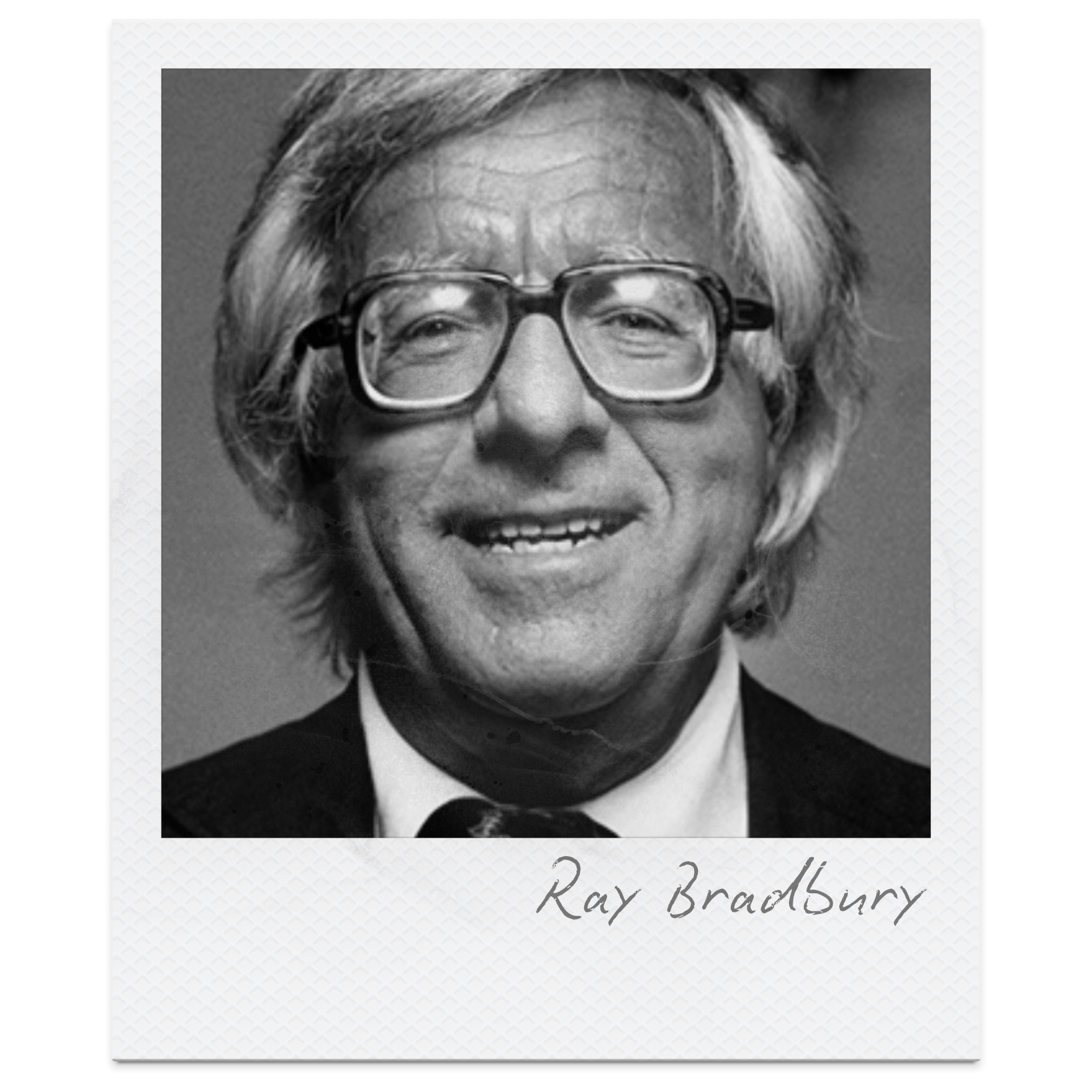
Although often associated with science fiction, Ray Bradbury’s work resists simple categorisation. Writing primarily in the mid-twentieth century, Bradbury used speculative and futuristic settings not to predict technological advancement, but to explore human behaviour, moral responsibility, and the emotional consequences of social change. His stories are less concerned with how technology works than with how it reshapes relationships, childhood, memory, and identity.
Bradbury was writing in response to a world shaped by mass media, Cold War anxiety, and growing concerns about conformity and censorship, yet his ideas feel strikingly current. Themes such as screen dependency, algorithmic thinking, and the erosion of empathy resonate strongly with students navigating social media, surveillance culture, and digital consumerism. This makes Bradbury particularly effective for encouraging discussion around modern relevance, allowing students to connect historical context with contemporary experience.
Stylistically, Bradbury’s writing is defined by economy, symbolic settings, and emotionally charged imagery. His short stories often centre on domestic or familiar spaces — homes, streets, schools — before introducing a single speculative disruption. This controlled approach makes his work highly accessible while still rewarding close reading, interpretation, and comparative analysis at higher levels. Because of this balance, Bradbury’s fiction functions both as a foundation for literary study and as a springboard for creative writing, modelling how powerful ideas can be developed through restraint rather than spectacle.
To see how these stylistic and thematic choices emerge from Ray Bradbury’s historical and cultural context, and how they connect across his wider body of work, readers should explore the full Ray Bradbury context overview alongside individual text studies.
Key Themes in Ray Bradbury’s Work
Across his short stories and novels, Ray Bradbury returns to a set of interconnected ideas that explore how technological progress, social pressure, and emotional detachment reshape human behaviour. Rather than presenting overt villains or dramatic revolutions, Bradbury examines quiet forms of damage — the erosion of empathy, the surrender of responsibility, and the ways ordinary people participate in their own control. These recurring themes provide a strong conceptual framework for teaching his work across year groups and ability levels, and they support both analytical writing and comparative study.
Technology vs Humanity
Bradbury consistently presents technology as morally neutral but emotionally dangerous when it replaces human connection. His stories explore how screens, automation, and artificial environments dull empathy, disrupt relationships, and encourage passive living. Rather than focusing on futuristic spectacle, Bradbury places technology inside domestic spaces, forcing readers to confront how easily comfort and convenience can erode human responsibility.
Control, Conformity, and Surveillance
A recurring concern in Bradbury’s work is the subtle nature of control. Authority is rarely enforced through violence; instead, it operates through social norms, fear of difference, and voluntary conformity. Surveillance often appears indirect or normalised, highlighting how societies maintain order not through oppression alone, but through collective compliance and self-censorship.
Media, Consumerism, and Passive Living
Bradbury’s depiction of mass media anticipates modern concerns about distraction, consumer culture, and emotional disengagement. Characters are frequently surrounded by noise, entertainment, and spectacle, yet remain isolated and unfulfilled. These narratives invite students to consider how constant stimulation can suppress critical thinking and reduce meaningful engagement with the world.
Parental Responsibility and Moral Failure
One of Bradbury’s most unsettling themes is the failure of adult responsibility. Parents and authority figures often abdicate their moral duties, choosing comfort, avoidance, or technological substitution over care and guidance. By placing harm within the family unit, Bradbury challenges readers to confront how neglect and passivity can be as destructive as deliberate cruelty.
Childhood, Power, and Vulnerability
Children in Bradbury’s fiction are rarely innocent observers. Instead, they are positioned as active participants within systems of power, capable of manipulation, resistance, or moral clarity. This theme allows exploration of agency, vulnerability, and the consequences of giving children unchecked authority within controlled environments.
Isolation, Memory, and Emotional Disconnection
Underlying many of Bradbury’s stories is a profound sense of isolation. Characters struggle to form genuine connections, often retreating into memory, routine, or fantasy. Bradbury uses emotional disconnection to examine what is lost when societies prioritise efficiency, entertainment, and order over reflection, grief, and remembrance.
Best Ray Bradbury Stories to Teach (With Classroom Angles)
Ray Bradbury’s short fiction is particularly effective in the classroom because it combines accessible narratives with conceptual depth. His stories are brief enough to teach in full, yet rich enough to support close reading, extended discussion, and creative transformation. Each of the texts below works across multiple age ranges and ability levels, allowing teachers to revisit Bradbury’s ideas through different analytical lenses.
For a more curated starting point, you may also want to read my post on my favourite Ray Bradbury texts for the classroom, which outlines the stories I return to most often and explains why they work so reliably with students.
The texts below are the Bradbury stories most commonly taught in classrooms, and the ones students tend to return to when discussing his ideas.

The Veldt
In The Veldt, Bradbury explores the dangers of technological substitution and the collapse of parental responsibility within a futuristic domestic setting. The story examines how immersive technology reshapes power dynamics within the family, ultimately reversing the traditional roles of parent and child.
Why it works in the classroom:
This text generates immediate engagement through its unsettling premise while supporting discussion around control, moral failure, and the ethics of convenience. It is particularly effective for debate-based lessons and ethical writing tasks.
Key themes:
Technology vs humanity · Parental responsibility · Childhood and power
I’ve written a full post on The Veldt, alongside a classroom resource bundle for teaching the story.
There Will Come Soft Rains
This story presents a fully automated house continuing its routines after the extinction of humanity. Through absence rather than action, Bradbury critiques technological progress divorced from human purpose, using setting and imagery to convey loss.
Why it works in the classroom:
The text is ideal for teaching symbolism, structure, and atmosphere, and it works well for visual analysis and creative response tasks. Its restraint makes it accessible while still emotionally powerful.
Key themes:
Technology vs humanity · Isolation · Memory
I also have a classroom resource bundle for There Will Come Soft Rains.

The Pedestrian
In The Pedestrian, Bradbury imagines a society where walking has become a suspicious act, and conformity is enforced through passive surveillance. The story explores how normal behaviour can be reframed as deviant within controlled societies.
Why it works in the classroom:
This text is particularly effective for exploring conformity, surveillance, and the erosion of individuality. It pairs well with non-fiction extracts, modern media discussions, and comparative dystopian texts.
Key themes:
Control and conformity · Surveillance · Isolation
I also have a classroom resource bundle for The Pedestrian.
All Summer in a Day
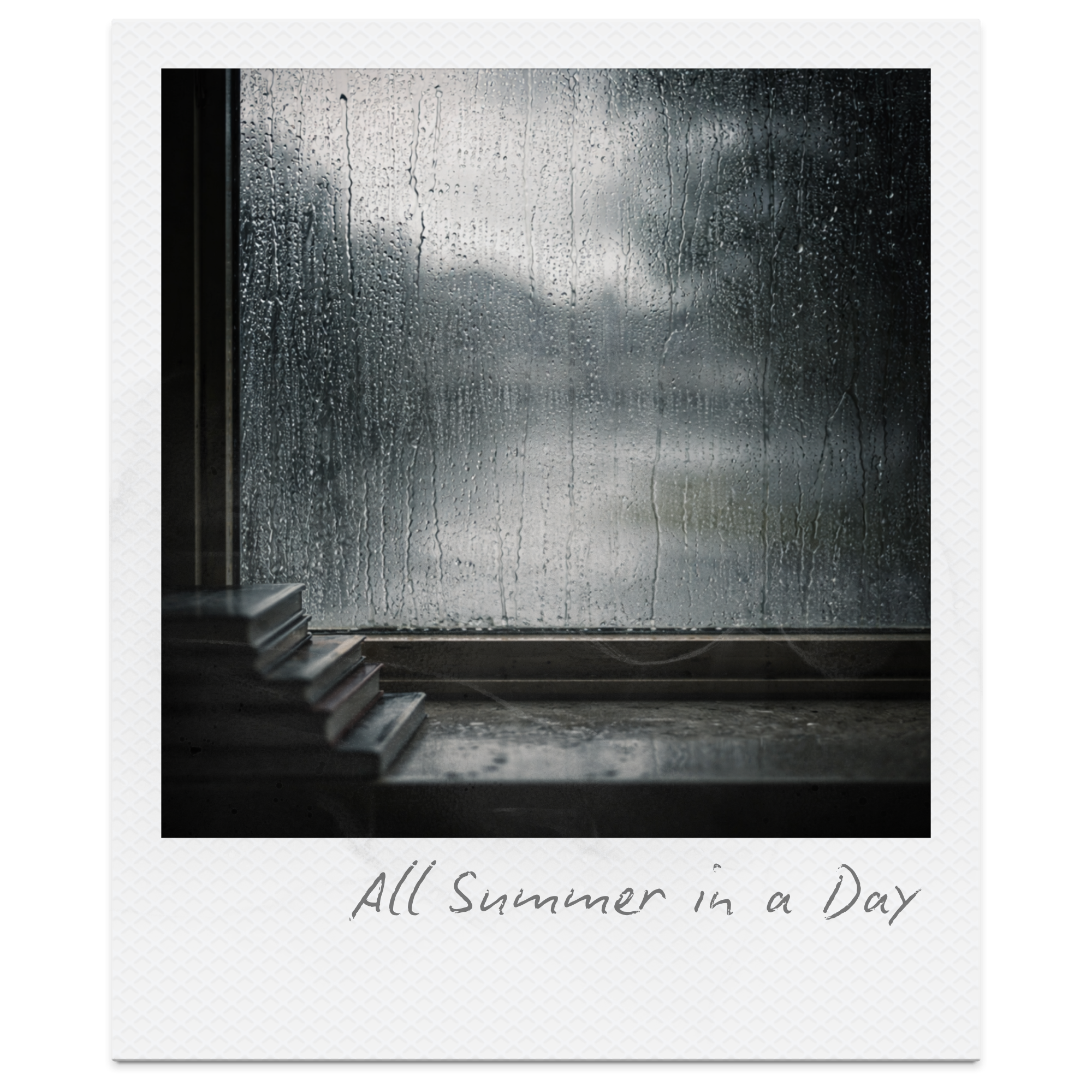
Set on a rain-soaked Venus, this story focuses on bullying, jealousy, and emotional cruelty among children. Bradbury uses an extreme environment to amplify psychological conflict rather than technological threat.
Why it works in the classroom:
The story supports exploration of character motivation, empathy, and moral responsibility. It is especially effective for KS3–early secondary groups, but also rewards deeper psychological analysis at higher levels.
Key themes:
Childhood and power · Isolation · Moral failure
I’ve written a full post on All Summer in a Day, alongside a classroom resource bundle for teaching the story.
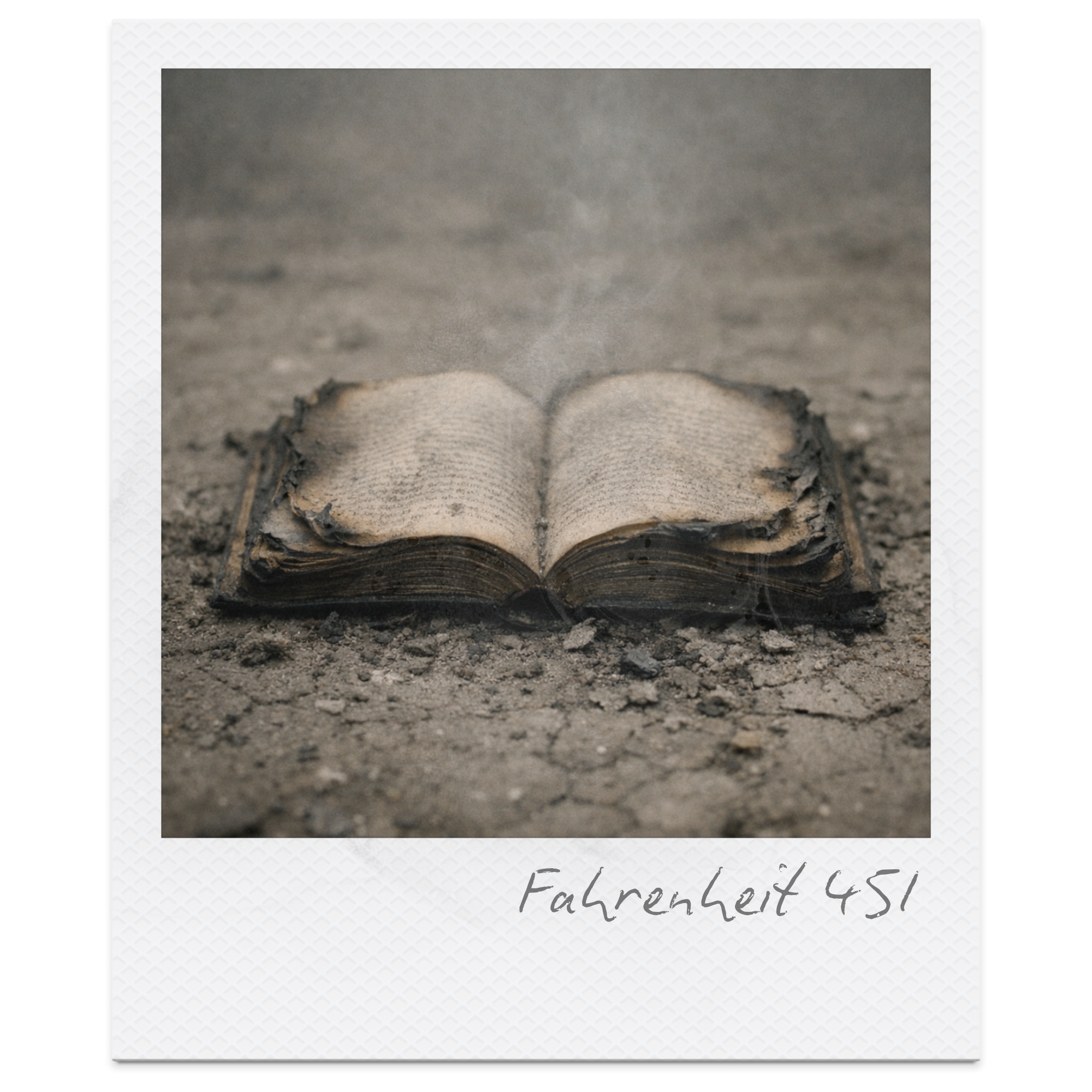
Fahrenheit 451
Bradbury’s most well-known novel presents a society that suppresses dissent not through force, but through distraction, entertainment, and emotional numbness. The text explores censorship, passive living, and the role of literature in preserving memory and identity.
Why it works in the classroom:
This novel supports extended study of dystopian conventions, media criticism, and individual resistance, making it suitable for older secondary and exam-level courses.
Key themes: Media and consumerism · Control and conformity · Memory and identity
I also have a classroom resource bundle for Fahrenheit 451.
Explore Ray Bradbury Texts and Classroom Deep Dives
Ray Bradbury’s body of work extends far beyond the core classroom staples outlined above. This gallery brings together in-depth teaching guides, analytical posts, and classroom-ready resources for a wider range of Bradbury’s short stories and novels, allowing teachers to explore his ideas across different themes, age groups, and learning contexts.
Click on a Polaroid to explore each text in more detail.

Teaching Approaches and Discussion Frameworks for Ray Bradbury
Ray Bradbury’s fiction lends itself particularly well to discussion-led teaching, ethical debate, and concept-driven analysis. His stories are short, focused, and idea-driven, making them ideal for approaches that prioritise interpretation, student voice, and critical thinking over content coverage. The strategies below can be adapted across age groups and learning contexts, from introductory dystopian units to advanced exam-level study.
Discussion-Based Exploration
Bradbury’s texts thrive in classrooms that allow students to explore ideas collaboratively. Because his stories rarely provide clear moral answers, they are well suited to structured discussion formats that encourage interpretation, justification, and alternative viewpoints.
Strategies such as Roll the Dice discussions or silent debates work particularly well when exploring themes like technological dependence, conformity, and moral responsibility. These frameworks allow students to test ideas, challenge assumptions, and engage with ethical questions without immediately committing to a fixed interpretation.
(Link to relevant discussion strategy posts here)
Ethics, Technology, and Modern Relevance
Many of Bradbury’s most effective teaching moments emerge when his speculative worlds are placed in dialogue with contemporary technology and media culture. Lessons can explore questions such as who controls technology, how convenience shapes behaviour, and where responsibility lies when harm is indirect.
This approach supports comparative thinking, encouraging students to draw connections between Bradbury’s fiction and modern examples such as social media algorithms, surveillance culture, or digital consumerism. It is particularly effective for developing evaluative writing and extended responses.
Close Reading and Structural Analysis
Bradbury’s economical style makes his work ideal for teaching close reading skills. Short passages can be examined in detail, focusing on imagery, symbolism, tone, and narrative perspective. Students can explore how meaning is shaped through what is included and what is omitted, particularly in stories driven by absence or restraint.
This approach is well suited to exam-focused courses, where precision, evidence selection, and interpretative control are essential.
Comparative Study and Cross-Text Links
Bradbury’s work functions effectively as a comparative anchor text. His stories pair naturally with other dystopian writers, non-fiction extracts, and contemporary media texts, allowing students to examine shared concerns across time periods and genres.
Comparisons might include Bradbury alongside George Orwell, modern dystopian fiction, or visual media that explores similar themes. This approach supports higher-level thinking and helps students recognise patterns and conventions within dystopian literature.
From Analysis to Creative Response
Bradbury’s fiction also provides a natural bridge between literary analysis and creative writing. Students can be encouraged to design their own speculative scenarios, rewrite events from alternative perspectives, or extend Bradbury’s ideas into modern contexts.
Creative responses allow students to demonstrate understanding of theme, structure, and style while developing original work. This approach is particularly effective for engaging reluctant writers and reinforcing conceptual understanding through application.
I’ve brought many of these creative and analytical approaches together in my Ray Bradbury Mega Bundle, which is designed to save planning time while giving you a wide range of ready-to-use resources for teaching his short fiction in depth.
Using Ray Bradbury as a Springboard for Creative Writing Units
Ray Bradbury’s fiction is particularly effective as a foundation for creative writing units because his stories are driven by ideas rather than complex plots. By focusing on a single speculative disruption within a familiar world, Bradbury models how powerful narratives can emerge from concept, atmosphere, and emotional consequence. This makes his work an ideal bridge between literary study and original writing across a range of age groups and abilities.
Writing Through “What If?” Scenarios
At the heart of Bradbury’s storytelling is a simple but unsettling question: what if one small change reshaped everyday life? Students can use this approach to develop their own speculative narratives by introducing a single disruption into a familiar setting, such as a home, school, or neighbourhood.
This framework encourages controlled world-building, helping students focus on cause and effect rather than elaborate backstory. It also supports thematic writing around responsibility, control, and unintended consequences.
World-Building Through Consequences
Rather than constructing vast futuristic worlds, Bradbury often reveals his societies through routine, habit, and absence. Creative writing tasks can ask students to design environments that reflect social values, power structures, or emotional states, showing how settings influence behaviour.
This approach reinforces the idea that world-building is not about scale, but about meaning, and it supports the development of symbolic and purposeful settings.
Character, Perspective, and Moral Choice
Bradbury’s stories frequently centre on ordinary characters faced with ethical decisions rather than heroic figures. Writing tasks can invite students to explore alternative perspectives, internal monologues, or moments of moral tension within speculative scenarios.
By focusing on choice and responsibility, students develop character-driven narratives that reflect Bradbury’s restrained, idea-led style.
Modern Reimaginings and Adaptations
One effective creative extension is to ask students to reinterpret Bradbury’s ideas through a modern lens. Scenarios might explore algorithmic control, influencer culture, digital parenting, or artificial intelligence, allowing students to translate mid-twentieth-century anxieties into contemporary contexts.
This approach strengthens relevance while encouraging critical engagement with modern technology and media.
Cross-Genre Creative Tasks
Bradbury’s work also lends itself to genre blending. Students can experiment with combining speculative fiction with domestic realism, coming-of-age narratives, or moral fables, mirroring Bradbury’s resistance to rigid genre boundaries.
These tasks support stylistic experimentation and help students recognise how genre conventions shape meaning.
Creative Writing Resources to Support Bradbury Units
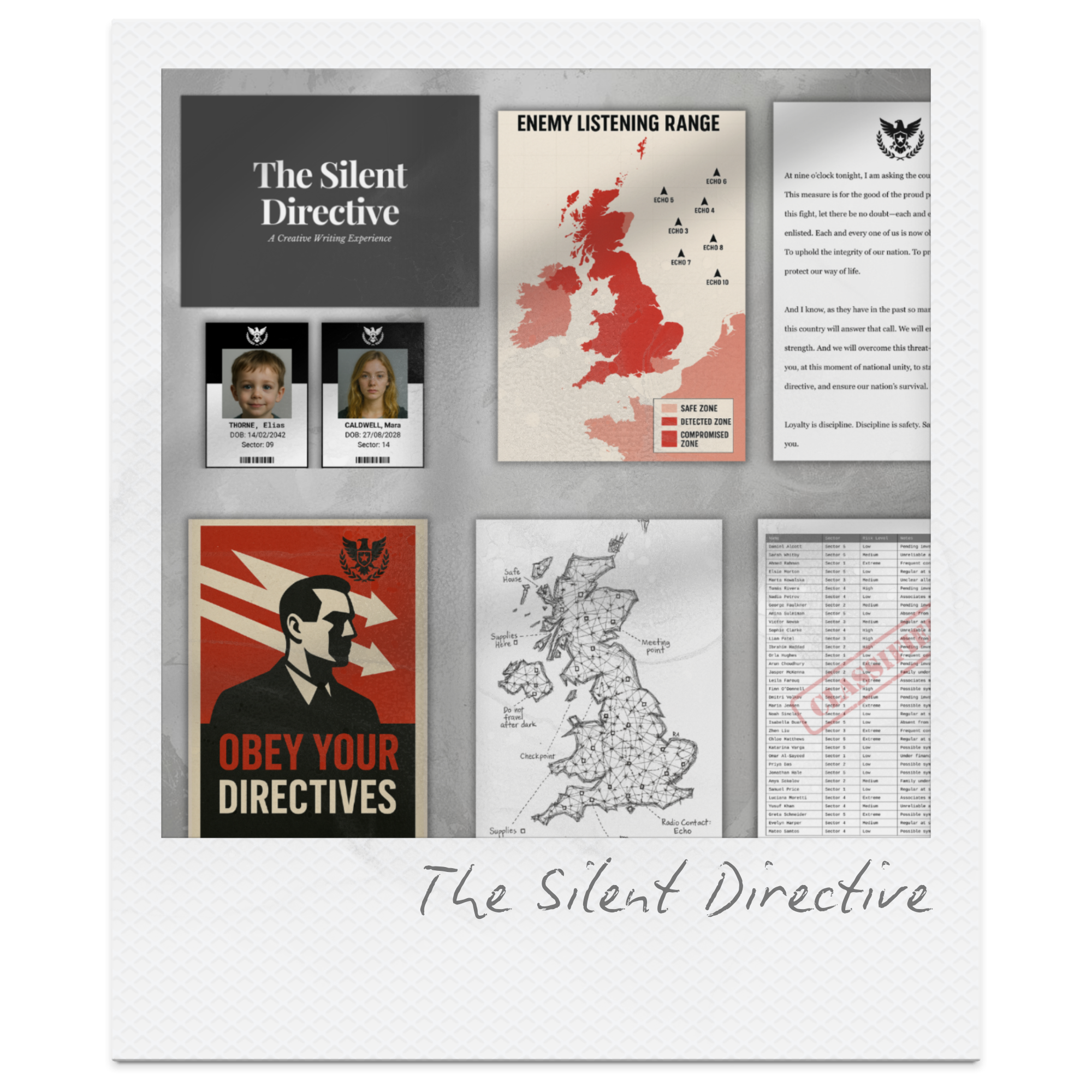
When using Ray Bradbury as a foundation for creative writing, structured resources can help students move from ideas to fully developed narratives. If you’re looking to extend this work, The Silent Directive and my 70 creative writing prompts offer flexible frameworks for speculative writing, ethical storytelling, and idea-led world-building that complement Bradbury’s approach rather than replacing it.
These materials can be used to scaffold longer writing units, support discussion-led planning, or offer low-pressure entry points into creative response tasks.
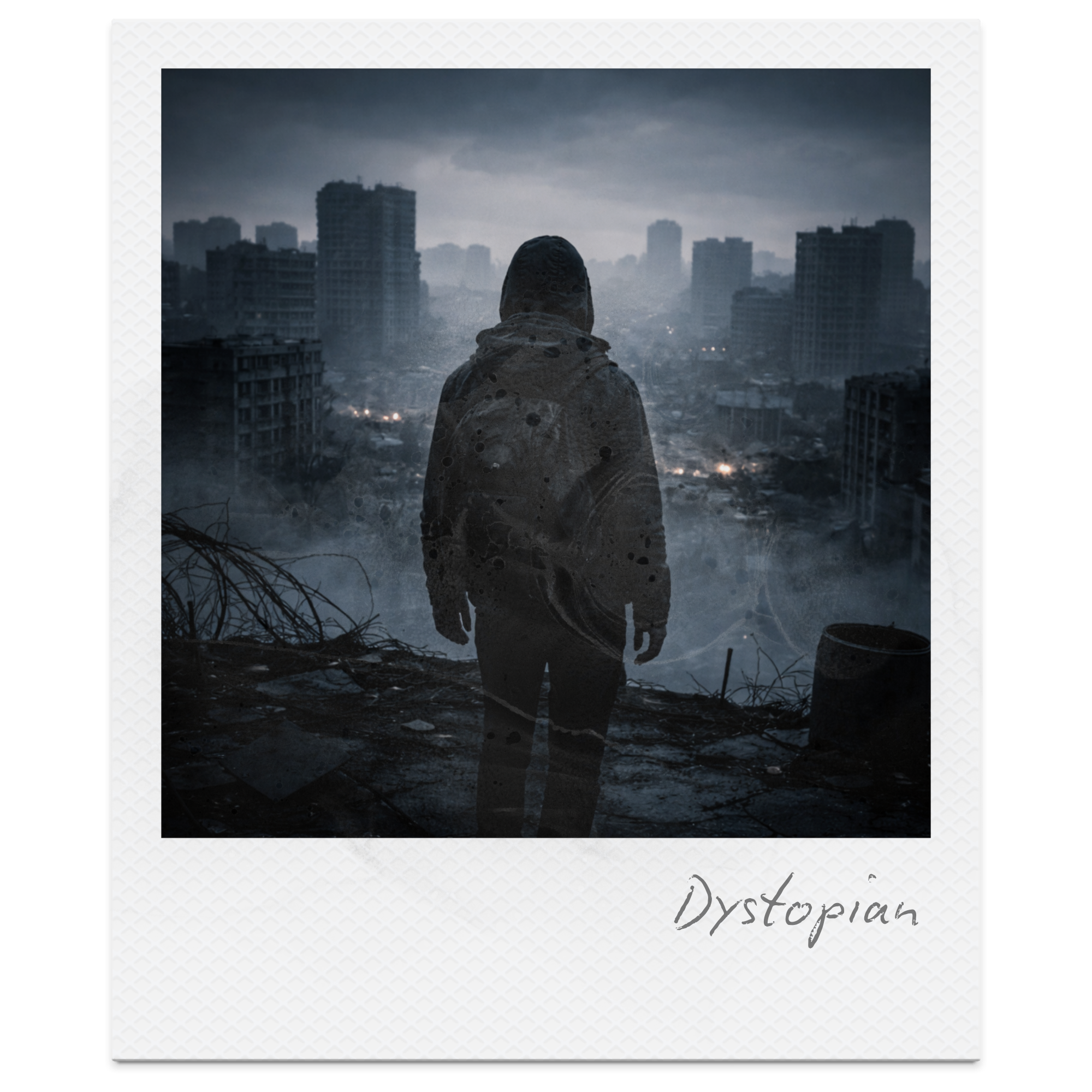
Ray Bradbury and Dystopia: Cross-Text Comparisons
Ray Bradbury’s work sits at the heart of dystopian literature, even though his stories often resist the large-scale world-building typical of the genre. Rather than focusing on totalitarian regimes or overt political systems, Bradbury explores dystopia at a human scale, examining how control, conformity, and moral failure operate within ordinary lives. This makes his work an ideal starting point for comparative study, allowing students to trace dystopian ideas across texts, genres, and time periods.
Bradbury and George Orwell
Bradbury’s dystopias are often compared to those of George Orwell, though the mechanisms of control differ significantly. Where Orwell presents explicit state surveillance and authoritarian power, Bradbury focuses on voluntary compliance, distraction, and emotional disengagement. Studying these texts together allows students to explore how dystopian societies can be maintained through fear or comfort, force or apathy.
This comparison is particularly effective for developing evaluative responses around power, responsibility, and resistance.
Bradbury as the “Original Black Mirror”
Many of Bradbury’s short stories function as early examples of what is now recognised as technology-driven speculative fiction. Like Black Mirror, his narratives examine how innovation amplifies existing human flaws rather than creating new ones. Comparing Bradbury’s work with modern media texts helps students recognise enduring concerns about screens, automation, and loss of empathy, while highlighting how speculative fiction evolves across mediums.
Bradbury and Modern Media Culture
Bradbury’s exploration of mass media, passive consumption, and emotional numbness feels increasingly relevant in the context of social media and algorithm-driven content. Cross-text comparisons can invite students to examine how Bradbury anticipates modern debates around attention, identity, and digital dependency, encouraging critical reflection on their own media environments.
This approach works particularly well for discussion-led lessons and non-fiction pairings.
Bradbury and Young Adult Dystopia
Bradbury’s influence is also visible in later young adult dystopian fiction, particularly in stories that centre on individual awakening rather than systemic overthrow. Comparing Bradbury with YA dystopian texts allows students to explore how genre conventions shift to meet different audiences, while retaining core concerns around control, identity, and choice.
Ray Bradbury Classroom Resources
If you’re building a Bradbury unit and want ready-made materials that extend learning without limiting interpretation, I’ve created a flexible classroom bundle designed to support deeper thinking and structured creativity.
Each short story includes:
◆ Creative Writing Prompts that encourage imaginative and analytical response
◆ Self-Grading Digital Quizzes to streamline assessment and retrieval practice
◆ Discussion Tools that promote ethical debate and critical thinking
◆ Silent Debate Activities to develop structured argument skills
◆ Review Games & Retrieval Tasks to reinforce key ideas and themes
These resources are built around idea-led learning, ethical inquiry, and structured creativity — the same principles that make Bradbury’s work so powerful in the classroom.
Use them as a complete unit framework or dip into individual components to strengthen specific lessons.
Go Deeper into Teaching Ray Bradbury
Ray Bradbury’s fiction works best as a starting point rather than a destination. His stories open into wider conversations about speculative and dystopian writing, where imagination becomes a way of testing ethical questions about technology, power, responsibility, and social control.
For teachers who want to move beyond individual texts, the collections below offer structured ways to extend Bradbury’s ideas through comparison, longer writing projects, and idea-led creative work.
◆ Speculative & Dystopian Writing Prompts
A structured archive of prompts designed to support ethical, idea-led speculative writing, suitable for short tasks, extended projects, or independent exploration.
◆ The Silent Directive
A framework for ethical and systems-focused writing that encourages students to interrogate power, responsibility, and consequence — echoing the moral tensions at the centre of Bradbury’s work.
◆ Comparative Writing & Discussion Tasks
Resources that support connections between Bradbury and wider speculative or dystopian texts, allowing students to trace ideas across authors, eras, and forms.
Final Thoughts
Ray Bradbury’s work continues to resonate because it asks enduring questions about human responsibility, technological progress, and the choices societies make in the name of comfort and control. His stories do not offer easy answers, but they invite readers to think critically, reflect ethically, and engage deeply with the world around them.
In the classroom, Bradbury provides rare flexibility. His writing supports close analysis, discussion-led learning, creative exploration, and comparative study, making his work adaptable across age groups and learning contexts. Whether used as a short unit, a comparative anchor, or a springboard into speculative writing, Bradbury’s fiction encourages students to interrogate ideas rather than simply absorb narratives.
If you’re looking to place Bradbury alongside other texts and themes, the Literature Library brings together connected authors, genres, and teaching pathways that support deeper, comparative study.
Teaching Ray Bradbury is ultimately an exercise in teaching attention, empathy, and choice — qualities that remain essential in an increasingly mediated world.
