Notes from the Inkpot
Writing, teaching, creating - one ink-stained idea at a time.


My Favourite Shakespeare Plays for the Classroom (And How I Teach Them)
Shakespeare’s plays remain some of the most rewarding — and most challenging — texts to teach in the classroom. Rather than treating his work as a checklist of required plays, this post explores the Shakespeare plays that genuinely work in the classroom, focusing on discussion, interpretation, and moral complexity rather than memorisation. From tragedy and comedy to romance and sonnets, these are the texts that consistently engage students and reward close reading. Drawing on classroom experience, this guide groups Shakespeare plays for teaching around key themes such as power, identity, justice, love, and consequence. Each section explains why the play works, how it sparks discussion, and what students gain from studying it. Whether you’re choosing your next Shakespeare text or rethinking how you teach a familiar one, this post offers a thoughtful, practical starting point.
Alternative Interpretations of Suicide in the Trenches by Siegfried Sassoon
Suicide in the Trenches is often taught as a poem with a clear message about the horrors of war. Yet Sassoon’s restraint, ambiguity, and shifting focus invite multiple interpretations about responsibility, blame, and silence. This post explores alternative interpretations of Suicide in the Trenches, examining whether the poem functions as a moral accusation against civilians, a critique of systems, or an exposure of emotional numbness. Designed to support discussion and debate, it encourages students to move beyond surface readings and engage with interpretation as an active, evidence-based process.
The Ultimate Guide to Teaching Shakespeare in the Secondary English Classroom
Teaching Shakespeare in the secondary English classroom can feel intimidating, but his plays remain some of the most powerful texts for developing close reading, discussion, interpretation, and creative writing. From tragedy and political drama to explorations of power, identity, and moral choice, Shakespeare’s work offers unmatched opportunities for student engagement across secondary and further education. This comprehensive guide brings together key Shakespeare plays, effective teaching approaches, and flexible classroom resources, showing how Shakespeare can be taught through language, performance, and interpretation rather than memorisation or reverence. Whether you’re introducing Shakespeare for the first time or refining your practice, this pillar provides a clear, confident framework for teaching Shakespeare with depth and purpose.
The Ultimate Guide to Teaching Ray Bradbury in the Secondary English Classroom
Ray Bradbury is one of the most powerful and versatile writers to teach in the secondary English classroom. His short stories and novels combine accessible narratives with conceptual depth, making them ideal for close reading, discussion-led learning, and ethical debate. From dystopian fiction to speculative moral fables, Bradbury’s work encourages students to question technology, conformity, media influence, and human responsibility — themes that remain strikingly relevant in a modern, screen-driven world. This guide offers a complete framework for teaching Ray Bradbury with confidence, bringing together key contexts, recurring themes, teachable texts, classroom strategies, and creative writing extensions. Designed for middle and high school English teachers, it shows how Bradbury can be used for analytical study, comparative work, and idea-led creative writing across a range of age groups and learning contexts.
The Real Point of A Christmas Carol: Meaning, Context, and Why We’re Still Missing It in the Classroom
A Christmas Carol is often taught as a simple story of personal redemption, but Charles Dickens wrote it as a fierce critique of poverty, inequality, and social responsibility. Beneath the familiar ghosts and festive imagery lies a political text that challenges readers to confront the systems that allow suffering to persist. This post explores the real meaning of A Christmas Carol in the classroom, examining Dickens’ purpose, key ideas, and modern relevance. With clear analysis, teaching insights, and discussion extensions, it shows how the novella works not just as a set text, but as a demand for action — making it more powerful, relevant, and challenging for students today.
Teaching Edgar Allan Poe in the Secondary English Classroom
Edgar Allan Poe remains one of the most effective writers to teach in the secondary English classroom, offering short stories and poems that reward close reading, discussion, and interpretation. His work explores unreliable narrators, psychological tension, symbolism, and moral ambiguity, making it ideal for discussion-led lessons that move beyond plot and towards deeper literary thinking. In this post, Poe’s most commonly taught texts are organised by theme rather than chronology, allowing teachers to explore patterns around guilt, power, grief, atmosphere, and logic across both prose and poetry. With practical classroom ideas and links to complete teaching resources, this guide supports secondary English teachers looking to teach Edgar Allan Poe with depth, flexibility, and intellectual rigour.
Why Silent Debates Might Be the Best Thing I Ever Did in an English Classroom
Silent debates are one of the most effective classroom discussion strategies for engaging every student — especially quieter learners who struggle with traditional whole-class discussion. By shifting debate into writing, silent debates create space for students to explore ideas, challenge interpretations, and respond to others without the pressure of speaking, leading to deeper and more thoughtful engagement with texts. This ultimate guide to silent debates in the English classroom explains what they are, why they work, and how to run them effectively before, during, and after reading. With practical steps, extension ideas, and clear links to essay writing and revision, it shows how silent debates build independent thinking, support strong analysis, and help students move beyond memorised responses.

Why Of Mice and Men Still Matters: Context, Controversy, and the Classroom
Of Mice and Men remains one of the most powerful and challenging texts taught in the secondary English classroom. Despite ongoing debate around challenged books, controversial language, and classroom suitability, Steinbeck’s novella continues to resonate with students because it tackles enduring questions of power, loneliness, prejudice, and moral responsibility. Short, accessible, and deceptively complex, it invites discussion rather than delivering easy answers. This post explores why teachers still teach Of Mice and Men in 2026, examining its historical context, its place within modern classrooms, and the strategies that keep students engaged through creative writing, discussion-led learning, and reflective tasks. It also offers ideas for taking learning deeper once the final chapter is reached — supporting thoughtful, nuanced teaching of a text that refuses to be forgotten.

How to Teach 1984: Context, Classroom Activities, and Real-World Connections
George Orwell’s 1984 remains one of the most powerful texts for exploring power, surveillance, and truth in the classroom. This teaching guide examines the novel’s political context, the totalitarian system of Oceania, and the mechanisms of control that shape Orwell’s dystopian world — from language manipulation to constant observation. Blending classroom experience with practical teaching strategies, this post explores how 1984 can be taught thoughtfully through discussion, real-world connections, and creative responses. It also includes a classroom social experiment, guidance on why the novel is often banned or challenged, and ideas for extending learning beyond the text — making 1984 accessible, relevant, and deeply engaging for students.
The Shoe Lesson: A Simple, Powerful Creative Writing Activity
The Shoe Lesson is a simple but powerful creative writing activity that helps students develop believable characters without the fear of the blank page. By giving students a single, ordinary object — a shoe — this lesson encourages close observation, inference, and thoughtful character development. It works particularly well in the secondary English classroom, where students often struggle to move beyond surface-level description or feel pressured to “be creative” on demand. Used at the start of a creative writing unit, the Shoe Lesson invites students to build characters from evidence rather than imagination alone. Scuffed soles, worn laces, and small details become clues to a life beyond the page, leading to writing that feels grounded, realistic, and human. It’s a low-stakes, high-impact approach that consistently engages even reluctant writers — and proves that the most powerful stories often begin with the most ordinary things.
A Midsummer Night’s Dream: Overview, Context, Key Ideas & Teaching Approaches
A Midsummer Night’s Dream is often taught as one of William Shakespeare’s lightest comedies, yet beneath its enchantment and humour lies a complex exploration of power, desire, authority, and social control. Set between the rigid law of Athens and the destabilising freedom of the forest, the play uses comedy, magic, and mistaken identity to expose how easily order can fracture — and how carefully it must be restored. This context-led overview explores A Midsummer Night’s Dream through historical background, genre, and key ideas, before considering effective ways to teach the play through discussion, performance, and creative writing. Rather than offering close analysis of individual scenes, it provides a framework for understanding how the play operates as a whole, and why it continues to reward reinterpretation, classroom debate, and creative response.
Roll-the-Dice Discussion Boards for Literature | A Student-Led Alternative to Traditional Questions
Traditional literature discussion questions don’t always work. Too often, the same few students dominate while others stay silent or disengaged. Roll-the-Dice Discussion Boards offer a student-led, gamified alternative that transforms classroom discussion into something more inclusive, thoughtful, and genuinely engaging. In this post, I explain why I swapped traditional discussion questions for roll-the-dice boards, how they work in real KS3–KS5 classrooms, and why they lead to deeper interpretation across poetry, novels, short stories, and Shakespeare. You’ll find practical classroom tips, teacher feedback, free examples to try, and ideas for building confident, meaningful literary discussion.
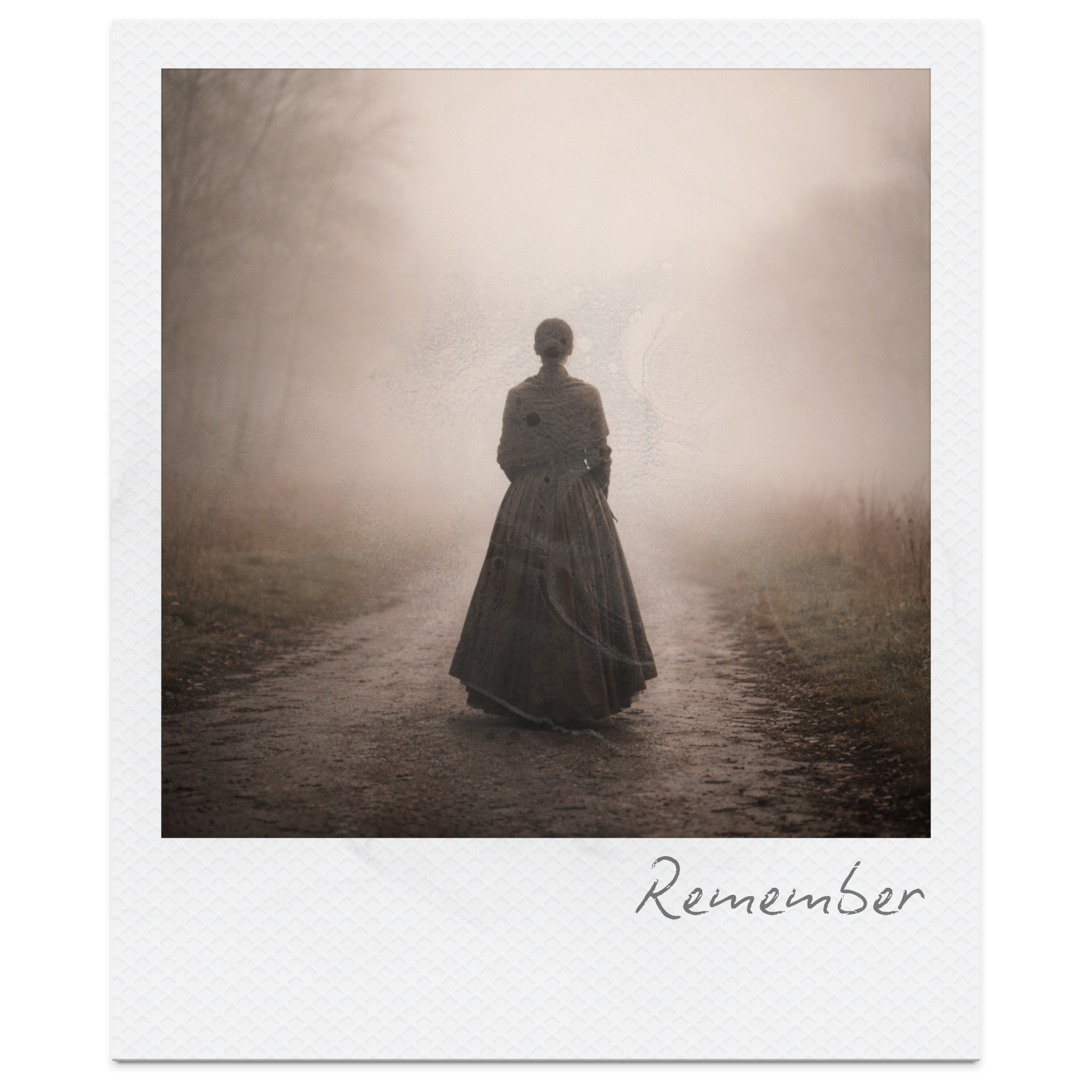
Remember by Christina Rossetti: Summary, Meaning & Critical Analysis
“Remember” by Christina Rossetti is a poem frequently taught at GCSE, AS, and A Level, yet its emotional restraint and moral complexity are often underestimated. At first glance, the poem appears to present a speaker asking to be remembered after death. However, as this Petrarchan sonnet unfolds, Rossetti complicates that request, transforming it into a meditation on love, memory, and loss that prioritises emotional responsibility over personal desire. Rather than offering consolation, the poem quietly interrogates whether remembrance is always an act of kindness. Written with careful control of form, tone, and structure, Remember traces a shift from quiet insistence to deliberate self-denial. Through subtle changes in voice and imagery, Rossetti reframes forgetting as a potential expression of love rather than betrayal. This critical analysis of “Remember” by Christina Rossetti explores the poem’s meaning, its treatment of death and remembrance, and the literary methods that make it one of Rossetti’s most ethically complex and quietly radical sonnets. If you’re teaching Remember in the classroom, keep scrolling for free essay questions on “Remember” by Christina Rossetti, along with discussion ideas and close-reading activities.