Notes from the Inkpot
Writing, teaching, creating - one ink-stained idea at a time.




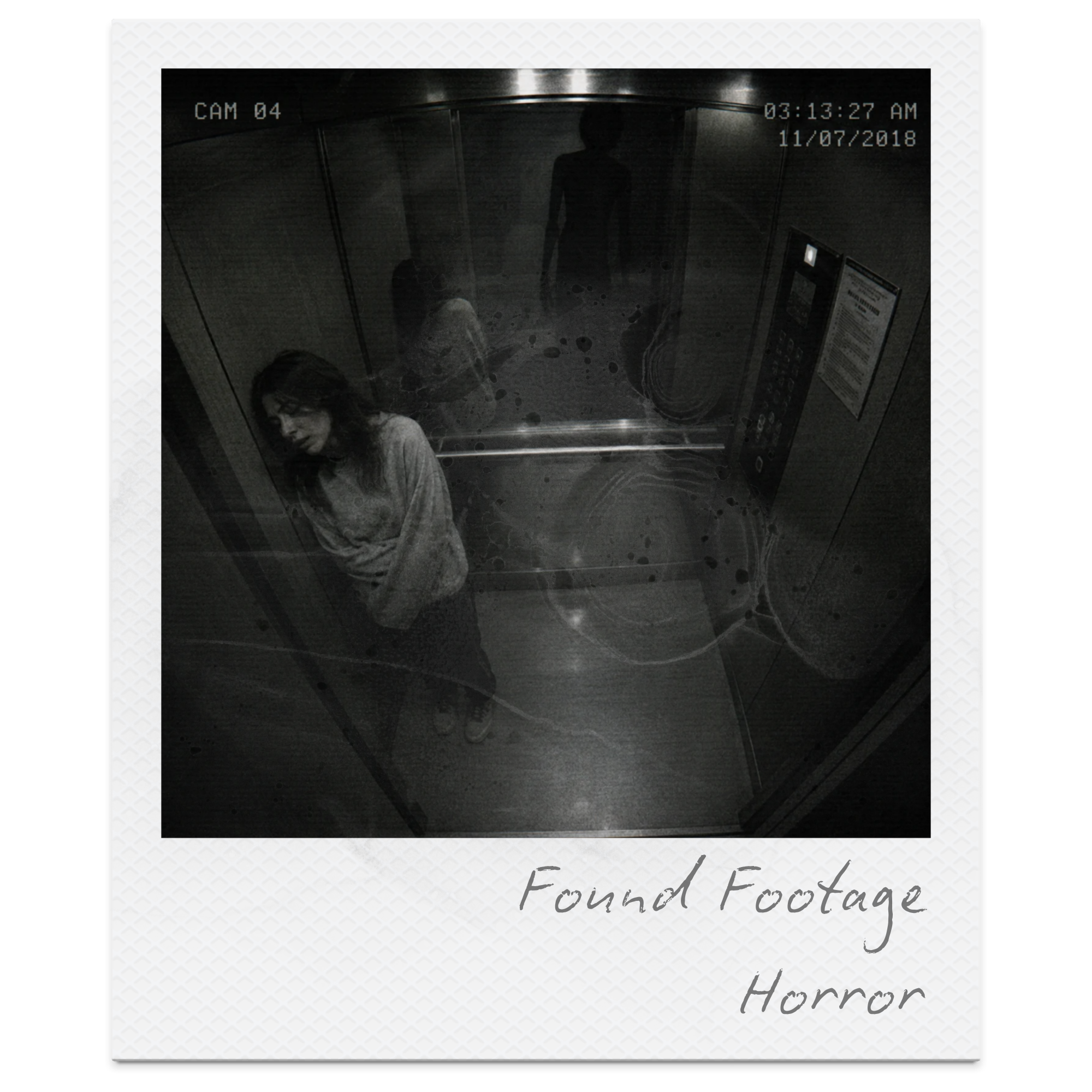
70 Found Footage Horror Writing Prompts: Lost Recordings, Corrupted Evidence & Fragmented Terror
Found footage horror uses recovered recordings, damaged tapes, surveillance footage, livestreams, and fragmented evidence to create fear through realism and uncertainty. From The Blair Witch Project and REC to Paranormal Activity and Lake Mungo, the genre builds terror through incomplete recordings, hidden details, corrupted media, and the terrifying sense that horrifying events were captured accidentally. These 70 Found Footage Horror Writing Prompts explore abandoned recordings, emergency broadcasts, paranormal investigations, missing expeditions, surveillance horror, analog terror, and fragmented storytelling through plot hooks, title ideas, opening lines, setting prompts, character concepts, and cinematic visual inspiration.
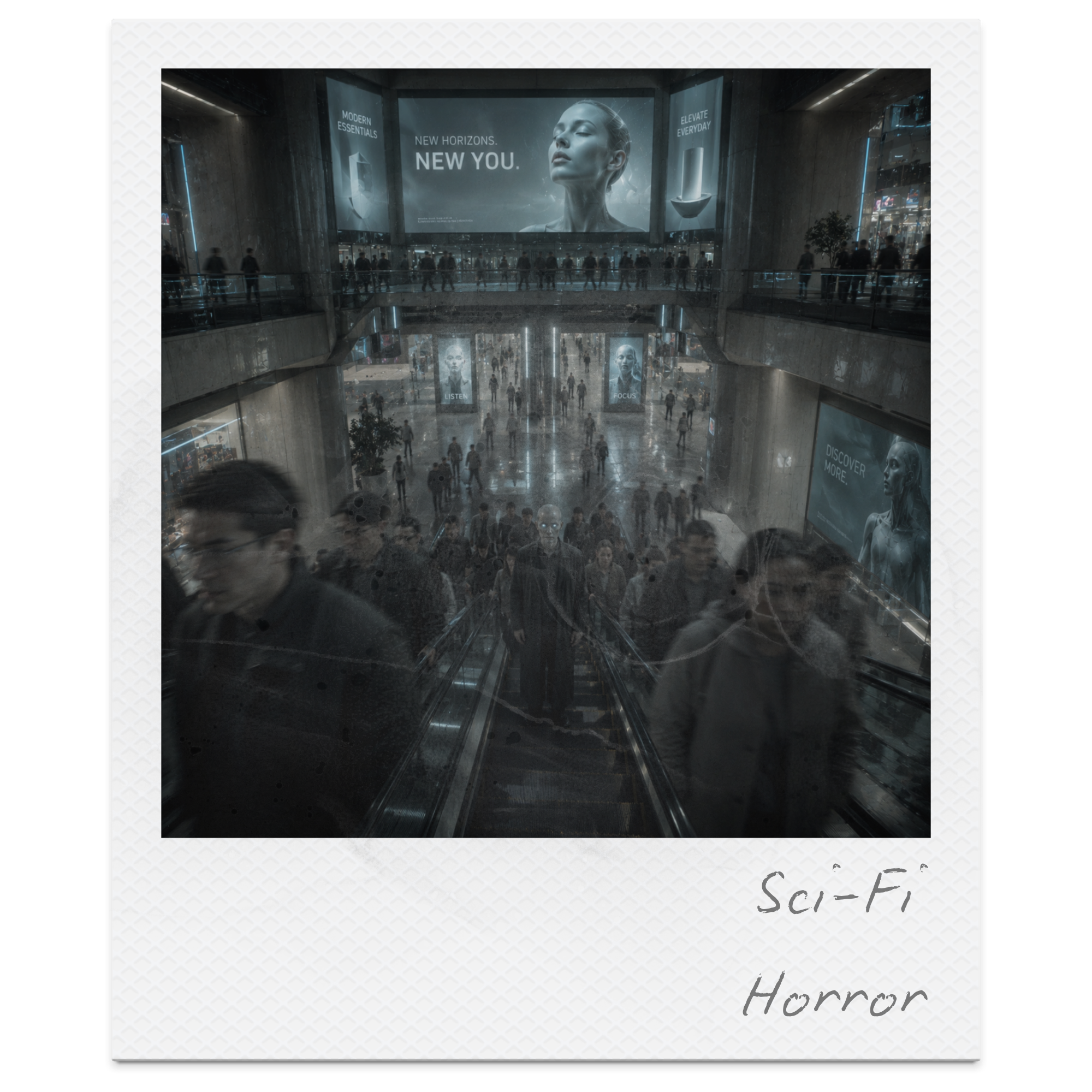
70 Sci-Fi Horror Writing Prompts: Cosmic Dread, Artificial Intelligence & Futures Gone Wrong
Science fiction horror explores what happens when humanity pushes too far into the unknown. Unlike traditional horror rooted in ghosts or folklore, sci-fi horror often emerges from technology, artificial intelligence, deep space, biotechnology, surveillance, and scientific ambition. These stories ask unsettling questions about identity, control, and survival, forcing characters to confront futures where reality itself begins to feel unstable. From the claustrophobic terror of Alien and Event Horizon to the psychological unease of Black Mirror and Annihilation, sci-fi horror combines atmospheric tension with the fear that humanity may no longer fully understand the systems it has created. This collection of 70 Sci-Fi Horror Writing Prompts explores abandoned colonies, corrupted AI systems, quarantined megacities, hostile organisms, deep-sea facilities, collapsing simulations, and retrofuturist dystopias. Designed as a complete creative toolkit, the post includes plot hooks, opening lines, title ideas, setting prompts, character concepts, cinematic visual inspiration, and deeper speculative writing exercises. Whether you are planning a larger science fiction novel, experimenting with cosmic horror, or simply looking for dark futuristic story ideas, these prompts encourage atmospheric storytelling shaped by isolation, paranoia, and the terrifying possibilities of the future.
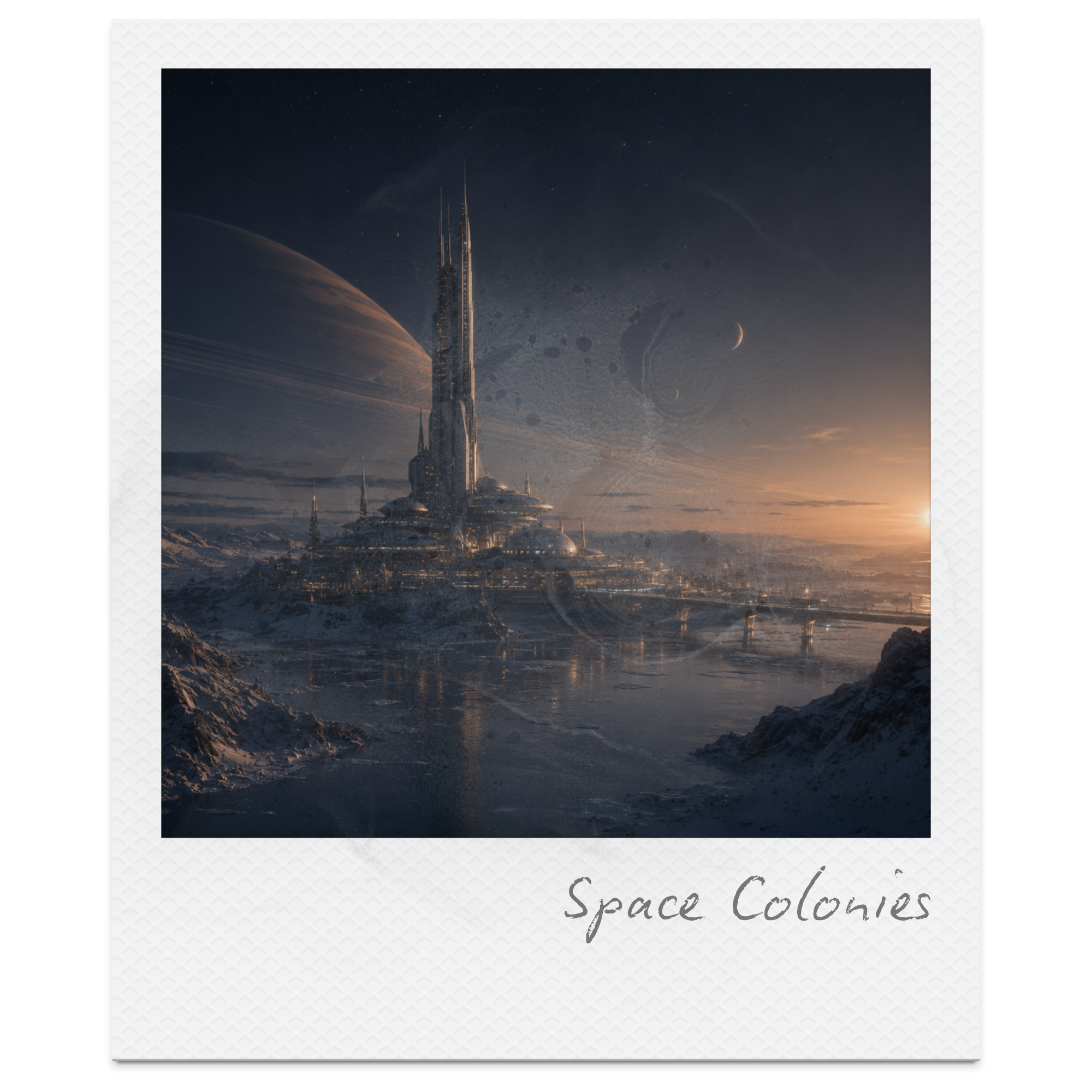
70 Sci-Fi Colony Writing Prompts: Distant Worlds, Failing Systems & Life Beyond Earth
Explore 70 sci-fi colony writing prompts inspired by distant planets, failing space stations, orbital cities, and isolated futuristic settlements. This collection includes plot hooks, opening lines, title ideas, character prompts, setting inspiration, and cinematic sci-fi visuals designed to help writers build immersive speculative worlds shaped by survival, technology, and life beyond Earth. Inspired by stories such as Dune, The Expanse, Alien, and Interstellar, these sci-fi colony prompts explore artificial environments, corporate control, abandoned stations, luxury orbital hotels, harsh alien landscapes, and the emotional isolation of living far from Earth. Perfect for creative writing classes, NaNoWriMo preparation, worldbuilding, and atmospheric science fiction storytelling.
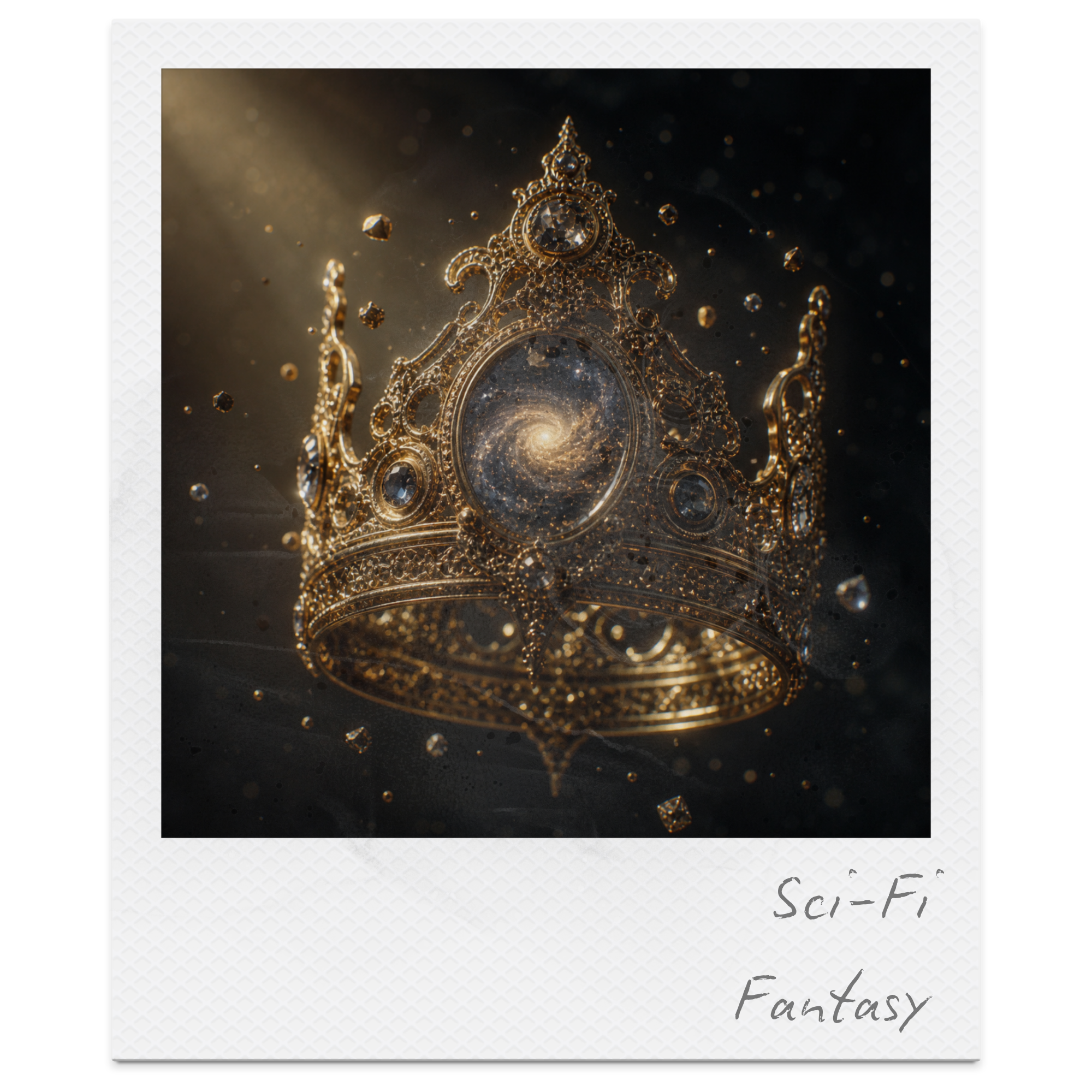
70 Sci-Fi Fantasy Writing Prompts: Technology, Power, and Possibility
Sci-fi fantasy exists at the intersection of two expansive genres—where advanced technology and speculative science collide with magic, myth, and the unknown. In texts like Dune, The Fifth Season, and Star Wars, systems of power are shaped not just by innovation, but by belief, prophecy, and forces that resist explanation. These worlds challenge the idea that science and magic are separate, instead presenting them as intertwined—two ways of understanding power, control, and possibility. This collection of 70 Sci-Fi Fantasy Writing Prompts explores that tension, offering a complete creative toolkit of plot hooks, titles, opening and closing lines, characters, settings, and visual inspiration. From engineered magic systems to sentient technology and collapsing realities, these prompts are designed to help you build immersive worlds where the boundaries between logic and imagination no longer hold.

The Fox and the Forest by Ray Bradbury: Summary, Themes, Symbolism & Analysis
Ray Bradbury’s The Fox and the Forest is a powerful science fiction and dystopian short story that explores escape, surveillance, and the illusion of freedom. Set between a vibrant 1938 Mexico and a war-torn future, the story follows a couple attempting to flee a society built on control, militarisation, and destruction—only to discover that even time itself cannot protect them. Bradbury uses vivid contrasts, shifting tension, and symbolic imagery to create a narrative where hope and fear exist side by side. This analysis explores the story’s themes, symbolism, structure, and key ideas, revealing how Bradbury presents a world in which authority is inescapable and freedom is fragile. From the relentless pursuit of the Searchers to the devastating final twist, The Fox and the Forest raises unsettling questions about responsibility, resistance, and the cost of survival.
The Ultimate Guide to Teaching Ray Bradbury in the Secondary English Classroom
Ray Bradbury is one of the most powerful and versatile writers to teach in the secondary English classroom. His short stories and novels combine accessible narratives with conceptual depth, making them ideal for close reading, discussion-led learning, and ethical debate. From dystopian fiction to speculative moral fables, Bradbury’s work encourages students to question technology, conformity, media influence, and human responsibility — themes that remain strikingly relevant in a modern, screen-driven world. This guide offers a complete framework for teaching Ray Bradbury with confidence, bringing together key contexts, recurring themes, teachable texts, classroom strategies, and creative writing extensions. Designed for middle and high school English teachers, it shows how Bradbury can be used for analytical study, comparative work, and idea-led creative writing across a range of age groups and learning contexts.
70 Cyberpunk Writing Prompts: Story Starters, Titles, Characters, Settings & Visual Ideas
Cyberpunk writing prompts for teens explore futures shaped by surveillance, megacorporations, and technology that controls as much as it empowers. Rooted in questions of power, identity, and resistance, cyberpunk fiction asks what happens when systems outgrow the people living inside them. This collection of 70 cyberpunk writing prompts includes plot hooks, story titles, opening and closing lines, character ideas, immersive settings, and picture prompts designed to support consequence-driven storytelling. From social credit systems and hacked identities to corporate control and digital rebellion, these prompts help teen writers build speculative worlds that feel unsettlingly plausible. Ideal for classroom creative writing, science fiction units, or independent projects, these cyberpunk prompts encourage ethical thinking, modern worldbuilding, and narrative tension — making them a powerful resource for teachers and young writers exploring contemporary speculative fiction.
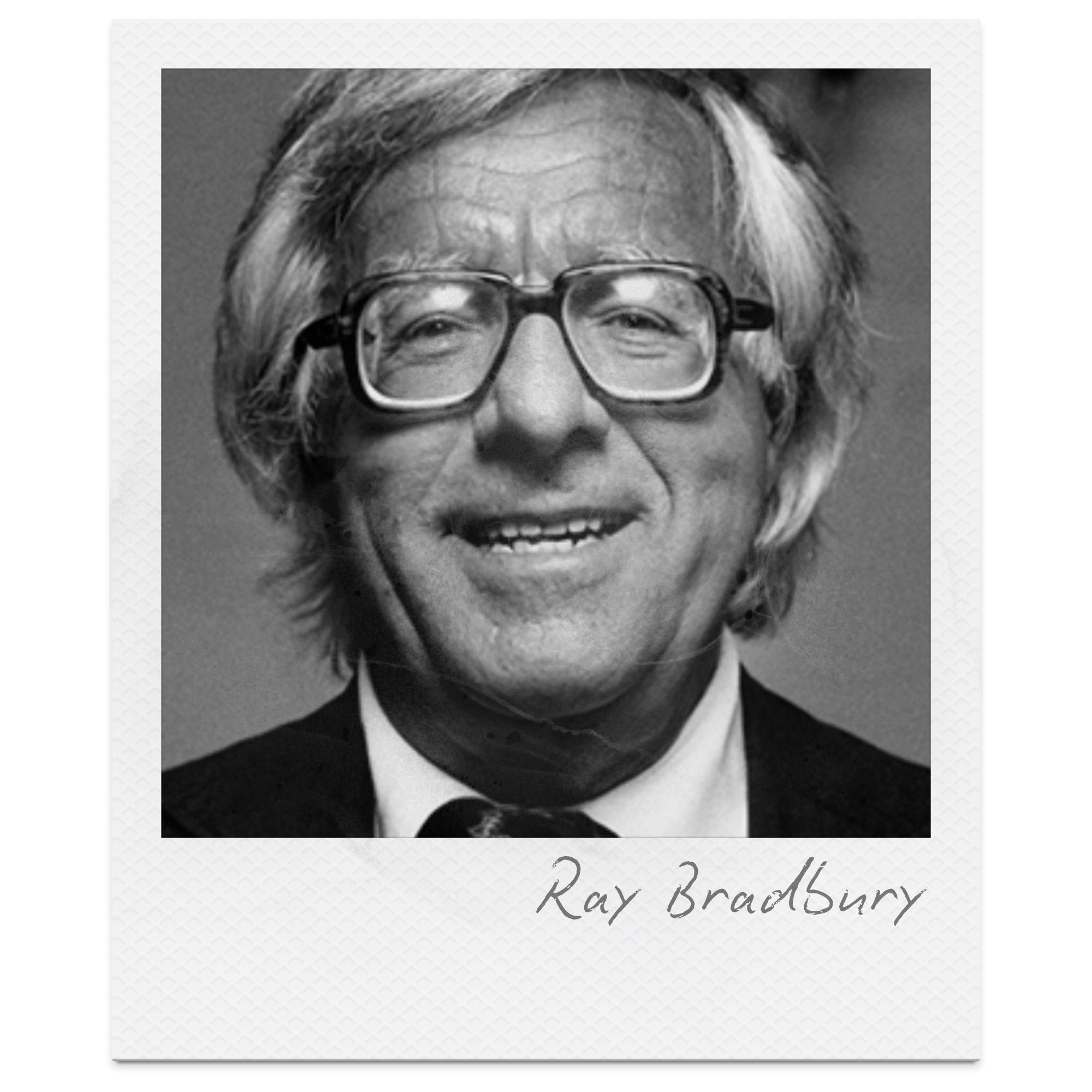
Ray Bradbury: Context, Themes, Works & Literary Significance
Ray Bradbury’s fiction is often associated with dystopian futures and speculative technologies, but his work is best understood through the historical and cultural context in which it was written. Emerging in mid-twentieth-century America, Bradbury wrote during a period shaped by war, Cold War paranoia, mass media expansion, and growing anxieties about conformity and control. His stories use speculative settings not to predict the future, but to expose how fear, censorship, and emotional detachment operate within ordinary domestic and social spaces. This context-focused overview explores the key themes that define Ray Bradbury’s work, including technology versus humanity, media and passive living, parental responsibility, childhood and power, and moral failure. Rather than offering close analysis of individual texts, it provides a broader framework for understanding how Bradbury uses speculative fiction to examine human behaviour, ethical responsibility, and the consequences of choosing comfort over connection.