Here There Be Tygers by Ray Bradbury: Summary, Themes, Meaning & Analysis
Here There Be Tygers is a richly symbolic work of science fiction exploring colonialism, environmental exploitation, human greed, and the possibility that nature may possess its own intelligence. When a group of space travellers lands on a beautiful and apparently generous planet, their experience is shaped by the attitudes they bring with them. Bradbury contrasts those who approach the world with curiosity, respect, and wonder against Chatterton, who sees it only as a source of wealth to be mined and controlled. The story gradually transforms an alien paradise into a moral test, asking whether humanity can encounter something valuable without attempting to possess or destroy it.
Beneath its imaginative setting, Here There Be Tygers examines the relationship between power, fear, nature, and human behaviour. The living planet responds differently to kindness and aggression, rewarding those who appreciate its beauty while punishing exploitation. Through this contrast, Bradbury creates a cautionary tale about conquest, capitalism, and the belief that unfamiliar worlds must be dominated before they become dangerous. This guide explores the story’s themes, characters, symbolism, narrative voice, and literary techniques. For more Bradbury analysis, visit the Ray Bradbury Hub or browse the Literature Library for further explorations of science fiction, dystopian writing, and classic short stories.

Context of Here There Be Tygers
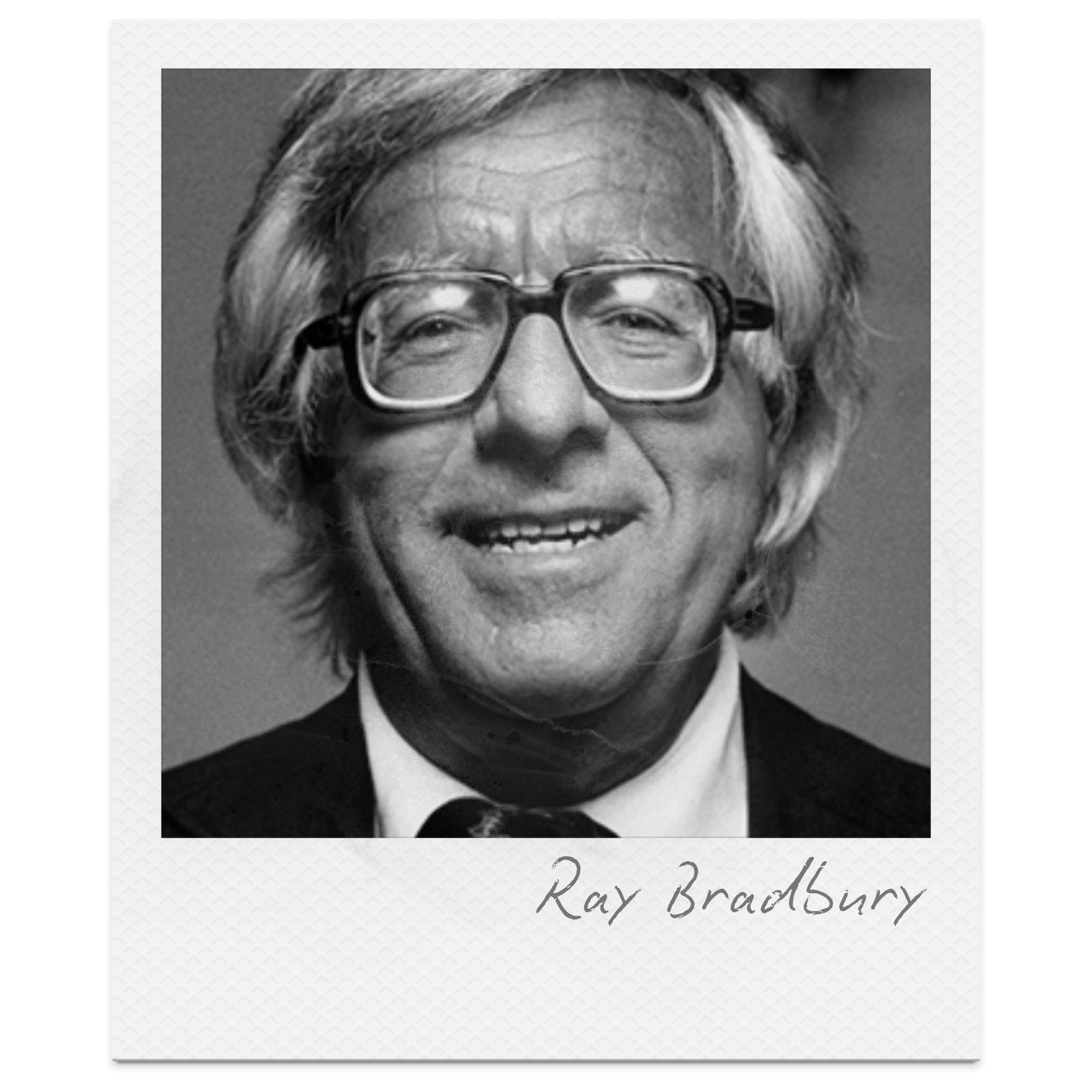
Here There Be Tygers, first published in 1951 and later collected in R is for Rocket, belongs to the optimistic yet deeply philosophical period of Ray Bradbury's science fiction. Although written during the early years of the Space Age, the story is less interested in technology than in the moral questions surrounding exploration. Like many of Bradbury's works, it asks not whether humanity can reach new worlds, but whether it deserves to. Rather than presenting space as a frontier waiting to be conquered, Bradbury imagines an alien planet that possesses its own intelligence, values, and agency. For a broader look at Bradbury's recurring ideas about exploration, humanity, and the unknown, see our Ray Bradbury Context Post.
The story also reflects changing attitudes towards colonialism, industrial expansion, and humanity's relationship with the natural world during the mid-twentieth century. Chatterton's determination to "rip it up, kill its snakes, poison its animals, dam its rivers" echoes the language of colonial exploitation, treating nature purely as a resource to be extracted for profit. Captain Forester offers the opposite perspective, insisting that other worlds deserve respect rather than domination. Long before environmentalism became a mainstream movement, Bradbury challenged the assumption that technological progress automatically justified exploitation. The result is a story that remains strikingly modern, exploring ecological ethics, sustainability, and the consequences of viewing living environments as commodities instead of communities.
Here There Be Tygers: At a Glance
Form: Science fiction short story
Mood: Wonder-filled, unsettling, philosophical, and cautionary
Central tension: Can humanity explore an unknown world with respect, or will greed and exploitation inevitably destroy the relationship between civilisation and nature?
Core themes: Colonialism, environmentalism, human greed, respect for nature, exploration, power, curiosity, trust, the unknown, and coexistence
One-sentence meaning: Bradbury suggests that the greatest danger on an unexplored world is not the planet itself, but humanity's willingness to exploit what it does not understand.
Quick Summary of Here There Be Tygers
A crew of space explorers lands on a beautiful, seemingly untouched planet led by Captain Forester, who believes new worlds deserve respect rather than exploitation. In contrast, the expedition's anthropologist and mineralogist, Chatterton, immediately sees the planet as something to conquer, insisting it should be mined and stripped of its resources. As soon as he steps onto the surface, the planet appears to react negatively to his presence, while the rest of the crew experience its remarkable beauty and generosity.
As the crew explores further, the planet reveals extraordinary qualities. The wind allows people to fly, streams provide water that tastes like fine wine, fish cook themselves naturally in hot springs, and the landscape seems designed to fulfil every need. While the crew grows increasingly enchanted by the living world, Chatterton becomes convinced it is deliberately manipulating them. Ignoring repeated warnings, he attempts to drill into the planet for mineral samples, only for the enormous machine to be swallowed by a tar pit. Furious, Chatterton later disappears after trying to retaliate against the planet, leaving behind only claw marks and signs that he has been killed by a mysterious tiger-like creature.
The remaining crew come to believe the planet is a living intelligence that rewards kindness but punishes those who seek to exploit it. Although many are tempted to remain forever, Captain Forester decides they must return to Earth. As their rocket departs, the peaceful landscape transforms into a terrifying wilderness filled with tigers, volcanoes, and violent storms, convincing the crew they can never safely return. However, Forester realises this display is intended only for them and that Driscoll, who secretly stayed behind, has likely been accepted by the planet and will spend the rest of his life living peacefully within its care.
Title of Here There Be Tygers
Bradbury's titles often do far more than identify a story. They establish expectations, introduce central symbols, create irony, and hint at deeper themes long before the narrative unfolds. Here There Be Tygers immediately evokes mystery and danger, but by the end of the story its meaning has shifted dramatically. What initially appears to warn of monstrous creatures ultimately becomes a meditation on human fear, colonialism, and the consequences of exploiting worlds that deserve respect.
At first glance, Here There Be Tygers promises a traditional adventure filled with unknown dangers. The phrase echoes the medieval mapmakers' warning, "Here there be dragons," used to mark unexplored regions believed to contain terrifying creatures. Readers therefore expect hostile aliens, dangerous beasts, or a deadly planet waiting to destroy its visitors.
As the story develops, however, these expectations begin to change. The planet proves astonishingly beautiful and generous, offering the crew food, water, flight, comfort, and companionship. Rather than presenting the unknown as something inherently dangerous, Bradbury suggests that the greatest threat comes from the assumptions humans carry with them. Chatterton expects hostility, so he responds with aggression from the moment he lands, declaring that planets should be "ripped up" and stripped of their resources. His attitude creates the very conflict he fears.
The title also becomes deeply symbolic. The imagined "tygers" are not simply the mysterious creature that ultimately kills Chatterton. Instead, they represent the consequences awaiting those who approach the unknown with greed, violence, and disrespect. For Captain Forester and the rest of the crew, who treat the planet with curiosity and gratitude, there are no monsters at all. The warning exists only for those who refuse to recognise the planet as a living being worthy of compassion.
There is considerable irony in the title. Throughout most of the story, readers discover an almost utopian world where every need is fulfilled and beauty exists in abundance. The threatening promise of the title appears misleading until the closing chapters reveal that the planet can indeed become hostile—but only in response to human exploitation. The danger is conditional rather than universal, overturning the expectations created by the medieval phrase.
The title also alludes to humanity's long history of exploration. Medieval maps labelled unexplored regions with mythical dangers because people feared what they did not understand. Bradbury adapts this idea to the age of space exploration, suggesting that modern explorers often carry the same prejudices into the cosmos. The story asks whether the real monsters inhabit distant planets or exist within humanity's desire to conquer everything it encounters.
Emotionally, the title lingers because it changes meaning completely by the story's conclusion. Readers realise that the warning is not about avoiding an alien world but about recognising the dangers of human arrogance. Bradbury transforms an ancient phrase associated with mythical beasts into a timeless reminder that the greatest threats often arise from humanity's own actions rather than from the unknown itself.
Structure of Here There Be Tygers
Bradbury carefully structures Here There Be Tygers as a gradual reversal of reader expectations. What begins as a conventional science fiction exploration narrative slowly becomes an ecological fable about respect, colonialism, and humanity's relationship with the natural world. The structure deliberately shifts from conflict between characters to conflict between opposing philosophies, building tension through mystery rather than action. Each stage of the story reveals another aspect of the planet's intelligence until the ending completely transforms how readers understand both the world and the people exploring it.
Opening (Exposition)
The story immediately establishes its central ideological conflict through the opposing views of Chatterton and Captain Forester before the crew even lands. Chatterton insists that planets should be "ripped up", mined, and abandoned once their resources have been extracted, while Forester argues that new worlds deserve admiration and respect. This debate functions as more than characterisation; it establishes the moral framework that governs everything which follows.
Bradbury also introduces the planet itself before readers experience it directly. Its description as an untouched landscape of endless green hills, clear lakes, and peaceful silence creates expectations of paradise while simultaneously encouraging suspicion. The contrast between Chatterton's fear and the planet's beauty creates immediate narrative tension.
Rising Action
The tension steadily increases as the crew discovers that the planet behaves unlike any world they have encountered before. The earthquake that occurs only when Chatterton steps onto the surface suggests the planet possesses awareness, while the ability to fly, the streams of wine-like water, and the naturally prepared food gradually reveal that this world actively responds to its visitors.
Rather than relying on external conflict, Bradbury builds suspense by encouraging readers to question whether these miracles are acts of kindness or carefully constructed traps. At the same time, Chatterton becomes increasingly paranoid, while the rest of the crew grow more trusting of the planet. This widening ideological divide steadily drives the narrative towards inevitable confrontation.
Turning Point / Climax
The story reaches its climax when Chatterton ignores every warning and orders the giant Earth Drill to bore into the planet. This moment represents the collision between two incompatible worldviews: exploitation versus coexistence.
The planet's response is immediate. The Drill is swallowed by the earth before Chatterton himself disappears after attempting to destroy the world further. The discovery of claw marks, blood, and the distant roar of a tiger transforms the symbolic warning contained within the title into physical reality. The climax therefore resolves the story's central moral conflict by demonstrating that the planet will tolerate curiosity but not violence.
Falling Action
Following Chatterton's disappearance, the pace becomes noticeably calmer as the surviving crew accept that the planet possesses intelligence and intention. Rather than reacting with fear, they begin discussing whether they should remain permanently, recognising that the world has offered them comfort, companionship, and harmony without demanding anything in return.
This slower section allows Bradbury to explore the emotional consequences of the climax while deepening the philosophical questions at the heart of the story. The tension no longer concerns survival but whether humanity is capable of accepting paradise without destroying it.
Ending (Resolution)
The ending delivers a final structural reversal. Although the crew chooses to leave, the planet reveals terrifying visions of tigers, volcanoes, and violent storms as the rocket departs. At first, this appears to confirm Chatterton's fears that the world was always hostile.
However, Bradbury immediately overturns this interpretation. Captain Forester realises that the terrifying landscape is merely a farewell designed to prevent humanity's return. The final revelation that Driscoll secretly remained behind—and is almost certainly living happily beneath the illusion—completely reframes the narrative. Readers understand that the planet never rejected humanity itself; it rejected only those who sought to exploit it.
By ending with Forester's quiet acceptance that Driscoll has found the life they were all searching for, Bradbury creates a structurally satisfying conclusion that reinforces the story's central argument: the greatest obstacle to peaceful exploration is not the unknown world, but humanity's willingness to approach it with greed instead of respect.
Setting of Here There Be Tygers
Bradbury uses the setting of Here There Be Tygers as far more than the backdrop for a space expedition. The planet functions as a living moral landscape that responds to the attitudes of those who enter it. Every location reflects the story's central conflict between respect and exploitation, with the environment rewarding curiosity while resisting greed. Rather than presenting an alien world as hostile simply because it is unfamiliar, Bradbury creates a paradise whose beauty exposes humanity's own assumptions about conquest and ownership.
The Living Planet
The planet itself is the story's most significant setting because it behaves as a conscious being rather than an inanimate landscape. From the moment Chatterton steps onto the surface and "the earth trembled", the world demonstrates that it can sense and respond to human intentions. Unlike conventional science fiction settings, this planet actively participates in the narrative, becoming both home and character simultaneously.
Its intelligence transforms the setting into a moral space. Those who arrive with wonder experience generosity, while those who seek domination encounter resistance. Bradbury therefore suggests that nature is not passive but capable of defending itself against exploitation.
The Endless Green Landscape
Bradbury repeatedly describes the planet as an untouched paradise filled with "freshest green" hills, clear lakes, and peaceful meadows stretching endlessly towards the horizon. Captain Forester imagines "a Sunday planet, a croquet-lawn world" where people might rest forever, emphasising tranquillity instead of danger.
The landscape deliberately contrasts with industrial civilisation. There are "no loud highways, signboards or cities," highlighting everything absent from the modern world. This absence symbolises innocence, suggesting the planet exists outside humanity's cycle of development, pollution, and commercialisation. Bradbury presents nature not as empty land waiting to be improved, but as something already complete.
Forests, Hills, and Rivers
The forests, streams, and rolling hills reinforce the atmosphere of harmony that surrounds the explorers. As the crew walks across the landscape, Bradbury fills the setting with sensory details, including "the smell of pollen and new rain" and the gentle movement of wind across the grass. These descriptions create an almost nostalgic vision of an idealised Earth remembered from childhood.
The natural landscape also reflects emotional states. For Forester and the crew, it becomes a place of freedom and renewal, encouraging flight, laughter, and companionship. For Chatterton, however, the same peaceful environment feels threatening because he cannot understand generosity without suspecting hidden motives.
The Tar Pit
The tar pit represents one of the story's sharpest contrasts. Hidden beneath the beautiful grass lies a place capable of destroying the enormous Earth Drill. When the machine disappears into the black liquid, the landscape itself appears to reject humanity's attempt to exploit it. Bradbury describes the Drill sinking "like a mammoth at the end of an Age," turning the setting into an image of nature reclaiming power over destructive technology.
Symbolically, the tar pit demonstrates that even paradise possesses boundaries. The planet welcomes respectful visitors but defends itself when violence threatens its existence.
The Rocket Ship
The rocket functions as the only artificial setting within the story. It represents human civilisation, technology, and the mindset the explorers bring with them from Earth. Unlike the organic landscape surrounding it, the rocket is enclosed, metallic, and governed by practical concerns.
As the story progresses, however, the crew spend less time inside the ship and more time embracing the living world outside. This gradual movement away from the rocket symbolises a growing rejection of purely technological thinking in favour of a more harmonious relationship with nature.
The Forest
The small forest becomes a place of mystery and judgement. It is here that Chatterton disappears after attempting to retaliate against the planet, and where the crew later discover "the marks of great claws" together with drops of blood. The forest therefore functions as the boundary between human understanding and the planet's hidden power.
Unlike the open fields, which encourage trust and freedom, the forest conceals truths the visitors cannot fully comprehend. Bradbury leaves its mysteries unresolved, preserving the sense that some aspects of nature should remain beyond complete human understanding.
The Vision of Paradise
Late in the story, Forester experiences a vision of beautiful women living beside "the large bright river," revealing another dimension of the planet's setting. This idyllic landscape reflects the crew's deepest emotional desires, offering companionship, belonging, and peace rather than material wealth.
Whether this vision is real or created by the planet remains deliberately ambiguous. In either case, the setting demonstrates its ability to respond to human longing, suggesting that paradise is shaped not only by physical beauty but also by emotional fulfilment.
The Final Transformation
The story's closing setting completely overturns readers' expectations. As the rocket departs, the peaceful landscape transforms into a terrifying wilderness filled with tigers, volcanoes, cyclones, and violent seas. What had appeared to be paradise suddenly resembles the dangerous frontier promised by the title.
However, Captain Forester recognises that this transformation is not reality but a deliberate illusion created for the departing crew. The setting therefore completes Bradbury's central idea: the planet changes according to the attitudes of its visitors. To those who seek to exploit it, it becomes hostile. To those who love and respect it, it remains one of the most beautiful places imaginable. The setting ultimately becomes the story's strongest symbol, reflecting humanity's own values back upon itself.
Narrative Voice in Here There Be Tygers
Bradbury tells Here There Be Tygers through a third-person limited narrative, primarily following Captain Forester's perspective. Although the narrator occasionally moves between members of the expedition, the story consistently aligns readers with Forester's thoughtful, respectful attitude towards the unknown rather than Chatterton's fear and aggression. This carefully controlled viewpoint shapes the reader's interpretation of the planet, encouraging us to experience it first as a place of wonder before gradually recognising its deeper intelligence. The narrative voice therefore becomes central to Bradbury's exploration of colonialism, environmental ethics, and humanity's relationship with nature.
Third-Person Limited Perspective
The narration remains closely connected to Captain Forester, allowing readers to experience the planet through someone naturally inclined towards curiosity rather than conquest. From his first observations, he wonders, "I wonder what it thinks of us?", immediately suggesting that he views the planet as something deserving empathy instead of exploitation.
Because readers share Forester's perspective, the planet initially appears peaceful, welcoming, and deeply beautiful. His imagination transforms the landscape into "a Sunday planet, a croquet-lawn world," demonstrating that the narration is coloured by appreciation and nostalgia rather than suspicion. Bradbury therefore positions readers to trust the world long before its true nature is revealed.
Limited Knowledge and Ambiguity
Although the narrator remains close to Forester, neither he nor the reader fully understands the planet. Bradbury deliberately withholds explanations for its extraordinary abilities, including the power of flight, the intelligent weather, and the mysterious disappearance of Chatterton.
This limited perspective creates sustained ambiguity. Readers witness events exactly as the crew does but never receive definitive confirmation about whether the planet is physically alive, psychologically influential, or something beyond ordinary human understanding. Bradbury allows mystery to remain part of the narrative, reinforcing the idea that some aspects of the universe resist complete explanation.
A Tone of Wonder
One of the defining qualities of the narrative voice is its atmosphere of wonder. Rather than focusing on scientific terminology or technological detail, Bradbury fills the narration with lyrical descriptions of colour, movement, and sensation.
The landscape becomes "the freshest green color they had seen since childhood," while the crew are repeatedly reminded of baseball games, summer holidays, and childhood freedom. These nostalgic descriptions encourage readers to associate the planet with innocence and emotional fulfilment rather than alien danger.
The poetic narration transforms the expedition from a scientific mission into an almost dreamlike encounter with paradise.
Contrasting Voices
Although the narration generally aligns readers with Forester, Bradbury repeatedly introduces Chatterton's dialogue to create an opposing worldview. Chatterton describes planets as places that should be "ripped up", mined, and abandoned, while Forester insists that rocket explorers are "lookers" who travel because they love discovering new worlds.
These contrasting voices create the story's central philosophical conflict. Because readers spend more time inside Forester's perspective than Chatterton's, Bradbury subtly positions us to question exploitation while sympathising with respect, curiosity, and restraint.
Reader Positioning
Bradbury carefully positions readers to reassess their own assumptions about exploration. At first, readers may share Chatterton's expectation that an unknown planet must conceal hidden dangers. However, as the narrative unfolds through Forester's observations, the planet consistently rewards kindness and punishes aggression.
By the conclusion, readers recognise that the greatest threat was never the alien world but humanity's willingness to exploit it. The narrative voice therefore guides readers through the same transformation experienced by the crew, replacing suspicion with admiration and ultimately encouraging a more ethical understanding of humanity's place within the natural universe.
Ultimately, Bradbury's third-person limited narration allows Here There Be Tygers to balance mystery, wonder, and philosophical reflection. By filtering the story primarily through Captain Forester's thoughtful perspective, Bradbury encourages readers to question humanity's instinct to dominate unfamiliar worlds and instead imagine exploration founded upon respect, curiosity, and coexistence.
The Purpose and Impact of Here There Be Tygers
In Here There Be Tygers, Bradbury challenges humanity's instinct to treat the unknown as something to be owned, controlled, or exploited. While the story appears to be a science fiction adventure about discovering an alien world, its deeper purpose is to question the attitudes people bring to exploration. Bradbury suggests that the greatest danger is not the unfamiliar planet itself, but the human belief that every new landscape exists solely for profit and conquest. Through the opposing philosophies of Captain Forester and Chatterton, he asks readers whether civilisation can truly progress if it refuses to respect anything beyond itself.
One of Bradbury's central purposes is to criticise the mindset of colonialism and unchecked industrial expansion. Chatterton repeatedly argues that planets should be "ripped up", mined, and abandoned once their resources have been extracted. His language deliberately echoes humanity's long history of exploiting both environments and cultures for economic gain. By making Chatterton's worldview responsible for his own destruction, Bradbury warns that exploitation ultimately becomes self-destructive. The story therefore reverses the traditional science fiction narrative in which humans conquer hostile worlds, presenting instead a world that resists conquest because it possesses its own value and identity.
Bradbury also celebrates wonder as an essential human quality. Captain Forester explains that rocket men become explorers because they enjoy "new airs", "new colors", and "new oceans and islands," not because they wish to dominate them. Through Forester, Bradbury argues that genuine exploration begins with observation rather than ownership. The planet rewards those who approach it with curiosity, generosity, and gratitude, suggesting that the most meaningful discoveries come through appreciation instead of possession.
Another important purpose is to challenge humanity's relationship with nature. Rather than portraying the natural world as passive, Bradbury imagines a living planet capable of making moral choices. It provides food, water, flight, companionship, and beauty to respectful visitors, yet removes the one person determined to destroy it. By giving nature agency, Bradbury overturns the traditional hierarchy in which humanity occupies the dominant position. Instead, readers are invited to imagine coexistence replacing conquest as the foundation of exploration.
Emotionally, the story leaves readers with a complex mixture of wonder, sadness, and quiet hope. Chatterton's disappearance introduces genuine danger, yet the dominant feeling is not fear but admiration for the extraordinary world Bradbury creates. The crew's reluctance to leave mirrors the reader's own desire to remain within this peaceful landscape, making the final departure unexpectedly moving. Even the revelation that Driscoll has remained behind carries both joy and melancholy, suggesting that paradise often demands sacrifices that others cannot make.
Intellectually, Here There Be Tygers encourages readers to reconsider assumptions about civilisation and progress. Bradbury questions whether technological advancement necessarily represents moral advancement, contrasting sophisticated spacecraft with Chatterton's primitive desire to dominate whatever he encounters. The story therefore invites readers to reflect on environmental ethics, colonial history, sustainability, and the responsibilities that accompany scientific exploration.
There is also a powerful ambiguity at the heart of the ending. Bradbury never fully explains whether the planet is biologically alive, possesses psychic abilities, or simply operates according to principles beyond human understanding. Likewise, readers never discover exactly what happened to Chatterton or whether the terrifying final vision is entirely an illusion. By refusing to answer every question, Bradbury preserves the mystery that makes the planet worthy of exploration in the first place, reminding readers that not everything should be fully understood or controlled.
Ultimately, Here There Be Tygers lingers because it asks readers to imagine a radically different relationship between humanity and the natural world. Instead of measuring success by extraction, ownership, or profit, Bradbury proposes that the highest form of exploration is respect. Long after the rocket leaves the planet behind, readers are left considering whether paradise is something humanity discovers—or something it destroys through its inability to recognise beauty without trying to possess it.
Characters in Here There Be Tygers
Bradbury uses the characters in Here There Be Tygers as symbolic representatives of competing philosophies rather than simply members of a space expedition. Each character embodies a different attitude towards exploration, nature, and power, allowing the story to examine whether humanity should approach the unknown with respect or exploitation. Their responses to the living planet ultimately determine their fate, reinforcing Bradbury's belief that character is revealed through the way people treat the world around them.
Captain Forester
Captain Forester serves as the moral centre of the story, representing curiosity, humility, and respect. Unlike Chatterton, he views exploration as an opportunity to appreciate rather than possess. Early in the story, he explains that "rocket men are lookers", people who travel because they love discovering "new airs," "new colors," and "new oceans and islands." His language immediately establishes him as someone motivated by wonder instead of profit.
Throughout the expedition, Forester consistently refuses to treat the planet as property. When Chatterton argues that worlds should be stripped of their resources, Forester quietly replies that he has "too much respect for other worlds" to behave that way. This contrast defines his character and positions him as Bradbury's voice for environmental responsibility.
Forester's greatest strength is his willingness to learn. Rather than fearing the planet's extraordinary abilities, he gradually accepts that it possesses intelligence and deserves ethical consideration. His decision to lie to Earth by declaring the world hostile demonstrates that he values preservation above human expansion. By protecting the planet from future exploitation, he completes his development from explorer to guardian.
Chatterton
Chatterton represents colonialism, industrial exploitation, and humanity's desire to dominate the natural world. From his opening speech, he argues that planets should be "ripped up", mined, and abandoned before they can become dangerous. His aggressive language reveals that he sees nature solely as a collection of resources waiting to be extracted.
Unlike the rest of the crew, Chatterton is incapable of accepting generosity. Every gift the planet offers—the ability to fly, the wine-like water, the naturally prepared food—becomes further evidence, in his mind, that it must be plotting against them. His fear grows directly from his own worldview; because he intends to exploit the planet, he assumes it must intend to exploit him.
Chatterton's destruction is both literal and symbolic. After attempting to drill into the planet and later seeking revenge, he disappears, leaving only "the marks of great claws" and drops of blood behind. Bradbury suggests that Chatterton is ultimately defeated not by an alien monster but by his inability to imagine a relationship with nature based upon anything other than domination.
Driscoll
Driscoll represents childlike wonder, imagination, and humanity's ability to embrace the unknown without suspicion. He is the first crew member to delight completely in the planet's gifts, laughing with joy after discovering he can fly. His excitement reflects the openness that Bradbury repeatedly celebrates throughout the story.
Unlike Chatterton, Driscoll responds to every new experience with gratitude rather than fear. He quickly accepts the planet's generosity without demanding explanations, recognising beauty where others search for hidden threats. His innocence allows him to form a genuine relationship with the world.
Driscoll ultimately becomes the only crew member to remain behind. Captain Forester concludes that the planet has accepted him because he approached it with kindness rather than greed. In many ways, Driscoll symbolises humanity as it could be: curious, respectful, and capable of living in harmony with nature rather than attempting to master it.
Koestler
Koestler functions as one of the story's philosophical voices. While less prominent than Forester or Chatterton, he often articulates the wider implications of the crew's experiences. When he suggests that "the purpose of this world is to make us happy," he reframes the expedition from one of survival to one of understanding.
Koestler also questions humanity's priorities, openly considering whether life on the planet would be preferable to returning to Earth's demanding civilisation. His conversations encourage readers to imagine alternatives to industrial society, reinforcing Bradbury's critique of materialism and endless economic growth.
By the end of the story, Koestler shares Forester's admiration for the planet while accepting the painful necessity of leaving it behind. His reflections deepen the story's emotional and philosophical impact.
The Crew
The remaining crew members function collectively as representatives of ordinary humanity. Initially cautious, they gradually abandon suspicion as they experience the planet's kindness. Their willingness to fly, drink from its streams, and enjoy its beauty demonstrates humanity's capacity to adapt when freed from fear and prejudice.
Importantly, the crew also reject Chatterton's destructive ambitions. They refuse to help him operate the Drill and later attempt to stop him from reaching the atomic bomb. Their collective decisions suggest that cooperation and empathy ultimately prove stronger than aggression.
Together, they represent humanity's potential to choose coexistence over conquest.
The Planet
Although not human, the planet is arguably the story's most important character. Bradbury gives it intelligence, personality, and emotional depth, allowing it to function as both setting and living presence. It reacts when Chatterton arrives, grants the crew extraordinary gifts, and later protects itself from destruction.
Forester eventually concludes that the planet is "a woman all right," one who has spent millions of years preparing herself for visitors and who simply wishes to be appreciated "for herself, not for her wealth." This comparison transforms the planet into a deeply symbolic character representing nature itself.
Unlike a conventional antagonist, the planet never seeks domination or revenge. It welcomes respectful guests with remarkable generosity but responds decisively when threatened. Bradbury therefore presents nature as intelligent, compassionate, and protective rather than passive. Through the planet, he argues that the greatest relationship humanity can build with the unknown is one founded upon mutual trust rather than exploitation.
Key Themes in Here There Be Tygers
Bradbury uses Here There Be Tygers to explore the moral responsibilities that accompany exploration. Rather than presenting an alien planet as something waiting to be conquered, he imagines a living world that judges humanity according to its intentions. Through the contrasting attitudes of Captain Forester and Chatterton, the story examines colonialism, environmentalism, human greed, and the possibility that genuine progress depends upon learning to coexist with the unknown rather than exploiting it.
Colonialism
One of the story's strongest themes is colonialism and the assumption that unfamiliar lands exist solely to benefit those who discover them. Chatterton immediately declares that planets should be "rip[ped] up," their resources extracted before moving on to the next world. His language echoes the attitudes of colonial powers that viewed distant territories as commodities rather than homes with intrinsic value.
Captain Forester represents the opposite philosophy. He argues that explorers should appreciate new worlds instead of dominating them, recognising that discovery brings responsibility as well as opportunity. Bradbury therefore challenges readers to reconsider whether exploration should involve ownership or understanding.
Environmentalism
Bradbury presents a powerful vision of environmentalism by imagining nature as an active force capable of protecting itself. The planet is not simply beautiful; it is alive, responsive, and unwilling to tolerate destruction.
When Chatterton orders the giant Earth Drill to bore into the ground, the planet swallows the machine into a tar pit, preventing further damage. Rather than portraying nature as passive, Bradbury gives it agency, suggesting that the natural world deserves respect because it possesses its own identity beyond human use.
Long before environmental conservation became a mainstream concern, Bradbury argued that humanity's relationship with nature should be based on stewardship rather than exploitation.
Human Greed
Throughout the story, human greed is embodied by Chatterton's obsession with profit. He repeatedly evaluates the planet according to the minerals hidden beneath its surface instead of the extraordinary life flourishing above it.
Even when the planet offers miraculous gifts—flight, food, water, and companionship—Chatterton remains determined to exploit it. His inability to value beauty without calculating its financial worth ultimately leads to his destruction. Bradbury suggests that greed blinds people to what is genuinely valuable, reducing living worlds to collections of resources instead of recognising their inherent worth.
Respect for Nature
Bradbury argues that respect for nature creates harmony while exploitation creates conflict. Captain Forester consistently approaches the planet with humility, wondering "what it thinks of us?" rather than asking what it can provide. This simple question establishes a relationship based on empathy instead of control.
The planet responds by rewarding respectful visitors with extraordinary experiences, while Chatterton's aggression is met first with warnings and eventually with punishment. Bradbury therefore suggests that nature reflects humanity's own behaviour back upon itself.
Exploration
Unlike traditional adventure stories, Bradbury presents exploration as an act of observation rather than conquest. Forester explains that "rocket men are lookers," people driven by wonder instead of ownership. Exploration becomes valuable because it expands understanding rather than territory.
The story therefore redefines success. The greatest achievement is not discovering resources but recognising the value of a world that cannot and should not be possessed.
Power
The theme of power runs throughout the story, although Bradbury repeatedly questions who truly possesses it. Chatterton believes technology gives humanity control over the planet, yet every attempt to exercise that power fails.
The living world quietly demonstrates far greater strength through earthquakes, intelligent weather, and the disappearance of those who threaten it. Bradbury therefore challenges the assumption that technological superiority guarantees dominance, suggesting instead that genuine power belongs to those capable of living in balance with their environment.
Curiosity
Bradbury celebrates curiosity as one of humanity's finest qualities. The crew eagerly explores the planet, delighting in its beauty and accepting its extraordinary gifts with childlike wonder.
Driscoll's joy when he discovers he can fly captures this spirit perfectly. Instead of demanding explanations, he embraces the experience, demonstrating that curiosity begins with openness rather than certainty. Bradbury contrasts this healthy curiosity with Chatterton's suspicion, showing that fear often prevents genuine discovery.
Trust
The story suggests that meaningful relationships—whether between people or between humanity and nature—depend upon trust. The crew gradually learns to trust the planet because it consistently responds to kindness with generosity.
By the conclusion, Koestler observes, "We trust it, and it trusts us," summarising the mutual relationship that has developed throughout the narrative. Bradbury implies that trust must be reciprocal; it cannot exist where one side seeks only domination or exploitation.
The Unknown
Rather than portraying the unknown as something inherently frightening, Bradbury argues that fear usually originates within humanity itself. The title encourages readers to expect monsters, yet the true danger emerges only when Chatterton attempts to destroy the planet.
The unknown therefore becomes a mirror reflecting human intentions. Those who arrive peacefully encounter paradise, while those who arrive seeking conquest create the very hostility they anticipated. Bradbury overturns centuries of exploration narratives by suggesting that unfamiliar places are not automatically dangerous simply because they remain unexplored.
Coexistence
Ultimately, the story argues that coexistence offers a more hopeful future than conquest. The planet provides everything the crew needs without demanding ownership or control, demonstrating that humans and nature can flourish together when mutual respect exists.
Driscoll's decision to remain behind symbolises this possibility. Unlike Chatterton, he never attempts to possess the world; instead, he accepts its hospitality and becomes part of it. Captain Forester's decision to protect the planet by declaring it hostile to Earth reinforces Bradbury's belief that some places are too precious to become colonies.
By ending with Driscoll walking peacefully across the endless green landscape while the others leave forever, Bradbury suggests that civilisation's greatest achievement may not be conquering new worlds, but learning when not to.
Symbolism in Here There Be Tygers
Bradbury fills Here There Be Tygers with symbols that transform a simple space expedition into a meditation on colonialism, human nature, and humanity's relationship with the natural world. Rather than relying on futuristic technology to convey meaning, he uses the planet's landscapes, objects, and miraculous events to explore ideas about power, respect, greed, and coexistence. Each symbol develops throughout the narrative, revealing that the greatest mysteries lie not within the planet itself, but within the attitudes of those who visit it.
The Living Planet
The planet is the story's central symbol, representing nature as a conscious, living force rather than an object to be possessed. It reacts emotionally to human behaviour, welcoming visitors who show curiosity while resisting those who arrive seeking domination.
Its intelligence challenges the assumption that nature exists solely for human benefit. Bradbury suggests that the environment possesses its own dignity and agency, making exploitation not only destructive but morally wrong. The planet ultimately becomes a symbol of ecological balance, demonstrating that respect creates harmony while greed creates conflict.
The Earth Drill
The enormous Earth Drill symbolises industrial exploitation and humanity's determination to extract wealth from every landscape it encounters. Chatterton sees the machine as a tool of progress, yet Bradbury presents it as an instrument of violence.
When the Drill bores into the planet before disappearing into the tar pit, its destruction symbolises the failure of technology when separated from ethics. The machine literally sinks beneath the world it attempts to dominate, suggesting that progress without respect ultimately collapses under the weight of its own arrogance.
Flight
The ability to fly symbolises freedom, trust, and the childlike wonder that accompanies genuine discovery. Driscoll only flies after surrendering himself completely to the wind, showing that extraordinary experiences require openness rather than control.
Unlike rockets, which represent mechanical achievement, flight is effortless and natural. Bradbury contrasts technological power with spiritual freedom, suggesting that humanity reaches its greatest heights not through machines but through imagination and trust. The symbol also recalls childhood dreams of flying, linking exploration with innocence rather than conquest.
The Wine Stream
The stream that produces wine instead of ordinary water symbolises abundance, hospitality, and nature's generosity. Rather than providing only survival, the planet offers pleasure and celebration, treating its guests with unexpected kindness.
For Chatterton, however, the wine represents corruption and manipulation. He refuses to drink because he believes accepting the planet's gifts will surrender his independence. Bradbury therefore uses the wine to reveal character: generous people recognise generosity, while fearful people see only hidden threats.
The Tiger
Although the title prepares readers for dangerous beasts, the tiger becomes a symbol of nature's justice rather than random violence. It appears only after Chatterton repeatedly attempts to destroy the planet, transforming the mythical warning into a moral consequence.
The tiger therefore represents boundaries. Bradbury suggests that paradise is not defenceless; it possesses the means to protect itself when kindness is replaced by exploitation. The symbol reinforces the idea that the true danger lies not in wilderness itself but in provoking it through human arrogance.
The Forest
The forest symbolises the unknown and the limits of human understanding. It conceals Chatterton's fate, leaving behind only claw marks and blood while refusing to reveal exactly what happened.
By preserving this mystery, Bradbury reminds readers that not every question requires an answer. The forest represents those aspects of nature that remain beyond scientific explanation, encouraging humility rather than certainty.
The Women
The mysterious women seen in the crew's shared vision symbolise belonging, companionship, and humanity's longing for home. They appear not as objects of conquest but as invitations to become part of the planet's harmonious existence.
Whether the vision is real or imagined is deliberately left unresolved. Symbolically, the women embody the emotional fulfilment that many of the explorers have sacrificed through years of endless travel. Bradbury suggests that paradise offers not simply comfort but genuine connection.
Chatterton
Chatterton himself functions as a symbol of colonial ambition and human greed. His obsession with mining, ownership, and control reflects the mindset that Bradbury repeatedly criticises throughout the story.
His inability to appreciate beauty without calculating its economic value demonstrates how exploitation narrows perception. Chatterton therefore symbolises a civilisation that mistakes extraction for progress and dominance for success.
Captain Forester
Captain Forester symbolises ethical exploration. Unlike Chatterton, he approaches unfamiliar worlds with humility, curiosity, and admiration, asking not what the planet can provide but "what it thinks of us." His perspective represents Bradbury's belief that exploration should begin with observation rather than conquest.
By choosing to protect the planet from future expeditions, Forester becomes a symbol of stewardship, demonstrating that true leadership sometimes means refusing to exploit opportunities for personal or collective gain.
The Final Transformation
The terrifying transformation of the landscape into a world filled with tigers, volcanoes, and hurricanes symbolises the protective masks nature adopts when threatened. At first, the vision appears to confirm humanity's fear of the unknown, yet Forester realises it exists only to discourage future invasions.
This final symbol completes Bradbury's central argument. The planet has not changed its nature; it has changed its appearance in response to human behaviour. The illusion reminds readers that the natural world reflects the attitudes brought to it. Those seeking paradise may find paradise, while those seeking conquest create the very hostility they expect.
Key Techniques in Here There Be Tygers
Bradbury combines lyrical language, symbolism, and science fiction conventions to create a story that is both imaginative and philosophical. His techniques consistently reinforce the central conflict between respect and exploitation, encouraging readers to question humanity's relationship with the natural world.
◆ Extended metaphor — The entire planet functions as an extended metaphor for nature, responding emotionally to human behaviour and reflecting Bradbury's belief that the environment deserves respect rather than domination.
◆ Personification — Bradbury repeatedly gives the planet human qualities, allowing it to feel, react, provide gifts, become angry, and protect itself. This transforms the setting into a living participant in the narrative rather than a passive backdrop.
◆ Juxtaposition — Captain Forester's philosophy of curiosity is consistently contrasted with Chatterton's obsession with exploitation, highlighting two opposing attitudes towards exploration and progress.
◆ Symbolism — Objects and events such as the Earth Drill, flight, the wine stream, the tiger, and the final illusion all represent larger ideas about greed, freedom, trust, justice, and coexistence.
◆ Allusion — The title references the medieval map warning "Here there be dragons," while inviting readers to reconsider humanity's fear of unexplored places and the assumptions explorers carry into the unknown.
◆ Irony — Readers initially expect the alien world to be dangerous, yet it becomes a paradise. Ironically, the only character destroyed is the one determined to destroy the planet first.
◆ Foreshadowing — The opening argument about ripping planets apart, the earthquake beneath Chatterton's feet, and repeated warnings about respecting the world all foreshadow his eventual disappearance.
◆ Pathetic fallacy — The environment appears to reflect emotional and moral states through earthquakes, changing weather, and the planet's final transformation, suggesting a direct connection between nature and human behaviour.
◆ Imagery — Rich visual, tactile, and sensory imagery creates an idyllic landscape filled with "freshest green" hills, gentle winds, clear lakes, and fragrant flowers, reinforcing the planet's beauty and emotional appeal.
◆ Semantic field of nature — Bradbury repeatedly uses vocabulary associated with grass, wind, trees, streams, fruit, flowers, and wildlife, emphasising harmony and natural abundance in contrast with machinery and industry.
◆ Semantic field of industry — Chatterton's language focuses on drilling, mining, machinery, profit, and resources, reinforcing his reduction of living environments to commercial assets.
◆ Dialogue as ideological conflict — Much of the story's tension develops through conversations rather than action, allowing Bradbury to explore opposing philosophies about exploration, ownership, and civilisation.
◆ Contrast — Peaceful landscapes are repeatedly contrasted with violent technology, while generosity is contrasted with suspicion, reinforcing the story's moral divisions.
◆ Motif of childhood — References to baseball, flying, summer holidays, and youthful freedom suggest that wonder and imagination are natural human qualities that adulthood often replaces with fear and exploitation.
◆ Repetition — Chatterton repeatedly insists he will "fix" the planet, reinforcing both his obsession with control and his inability to recognise that the world cannot be mastered.
◆ Ambiguity — Bradbury never fully explains whether the planet is biologically alive, psychic, or something beyond human understanding, preserving mystery and encouraging multiple interpretations.
◆ Allegory — The story operates as an allegory for colonialism and environmental ethics, suggesting that societies are ultimately judged by how they treat places that cannot defend themselves.
◆ Structural reversal — The narrative gradually overturns reader expectations, transforming what first appears to be a hostile alien world into paradise, while revealing that the true danger lies within human attitudes rather than the planet itself.
◆ Lyrical prose — Bradbury's poetic sentence structures and evocative descriptions elevate the story beyond conventional science fiction, creating an atmosphere of awe that mirrors the crew's experience of discovery.
◆ Open ending — The unresolved fate of Driscoll and the ambiguity surrounding the planet's true nature leave readers reflecting on whether humanity is capable of choosing coexistence over conquest, allowing the story's ideas to linger long after it ends.
Important Quotes from Here There Be Tygers
Bradbury's quotations reveal the story's exploration of colonialism, environmentalism, human greed, respect for nature, and coexistence. Each quotation develops the conflict between exploitation and stewardship, showing that the greatest threat on an unknown world comes not from the planet itself, but from the attitudes humanity brings with it.
"You have to beat a planet at its own game... Tear their skin off, I say. Drag out the minerals and run away."
◆ Analysis: Chatterton's opening speech immediately establishes him as the embodiment of exploitation and colonial thinking. He speaks of the planet as though it were an enemy that must be defeated before it can pose any threat, reducing a living world to nothing more than a source of wealth. Bradbury deliberately begins with this extreme viewpoint so that readers immediately recognise the moral conflict that will shape the entire story.
◆ Method: Violent imagery, imperatives, metaphor, semantic field of destruction.
◆ Effect: Creates immediate distrust of Chatterton while introducing the story's critique of colonialism and environmental exploitation.
◆ Link to theme: Colonialism, human greed, environmentalism, power.
"I have too much respect for other worlds..."
◆ Analysis: Forester immediately challenges Chatterton's worldview by placing respect above ownership. His quiet language contrasts sharply with Chatterton's aggression, suggesting that genuine exploration begins with humility rather than conquest. Bradbury positions Forester as the story's moral compass, demonstrating that curiosity and admiration are stronger foundations for discovery than fear or greed.
◆ Method: Direct contrast, first-person declaration, understated dialogue.
◆ Effect: Encourages readers to sympathise with Forester's philosophy while questioning humanity's instinct to dominate unfamiliar environments.
◆ Link to theme: Respect for nature, exploration, coexistence.
"Rocket men are lookers..."
◆ Analysis: This quotation redefines exploration as an act of observation rather than possession. Forester believes explorers travel because they want to experience new worlds, not because they wish to exploit them. Bradbury therefore presents curiosity as humanity's greatest strength, contrasting scientific wonder with commercial ambition.
◆ Method: Metaphor, characterisation through dialogue, contrast.
◆ Effect: Romanticises space exploration and establishes the story's belief that discovery should be motivated by appreciation rather than profit.
◆ Link to theme: Exploration, curiosity, the unknown.
"I wonder what it thinks of us?"
◆ Analysis: Instead of asking what humanity can gain from the planet, Forester wonders how humanity appears to it. This simple question reverses traditional ideas of human superiority by suggesting that people themselves may be judged by the worlds they explore. Bradbury subtly introduces the possibility that nature possesses intelligence and moral agency.
◆ Method: Rhetorical question, personification.
◆ Effect: Encourages readers to reconsider humanity's relationship with nature and challenges assumptions about human dominance.
◆ Link to theme: Respect for nature, coexistence, environmentalism.
"If ever a planet was a woman, this one is."
◆ Analysis: Forester's comparison transforms the planet into something nurturing, beautiful, and emotionally responsive. Rather than describing an object to be studied, he imagines a living presence worthy of admiration. This metaphor prepares readers for the later revelation that the planet genuinely reacts to the behaviour of its visitors.
◆ Method: Simile, personification, symbolism.
◆ Effect: Gives the setting emotional depth while reinforcing its role as a living character rather than a passive landscape.
◆ Link to theme: Respect for nature, coexistence, the unknown.
"I asked the wind to fly me. And it did!"
◆ Analysis: Driscoll's delight symbolises complete trust in the unknown. Unlike Chatterton, he embraces the impossible without immediately searching for hidden motives. Flight becomes a reward for openness and imagination, suggesting that the greatest discoveries belong to those willing to surrender fear.
◆ Method: Symbolism, first-person narration, exclamatory sentence.
◆ Effect: Creates one of the story's strongest moments of wonder while highlighting the emotional rewards of curiosity.
◆ Link to theme: Curiosity, trust, exploration.
"Suppose the purpose of this world is to make us happy."
◆ Analysis: Koestler completely reverses conventional science fiction expectations by proposing that the planet exists to nurture rather than threaten its visitors. His suggestion reflects Bradbury's optimistic belief that the unknown does not have to be feared. Instead, exploration becomes an opportunity for harmony rather than conflict.
◆ Method: Philosophical dialogue, hypothetical statement.
◆ Effect: Encourages readers to question assumptions about alien worlds while reinforcing the story's hopeful vision of coexistence.
◆ Link to theme: Trust, coexistence, the unknown.
"We'll go back to Earth and lie about it. Say it's hostile."
◆ Analysis: Forester's decision demonstrates that protecting the planet is more important than claiming it. Ironically, he chooses deception for ethical reasons, recognising that humanity is not yet mature enough to appreciate such a world without exploiting it. Bradbury therefore presents preservation as an act of responsibility rather than cowardice.
◆ Method: Irony, dialogue, reversal.
◆ Effect: Creates a satisfying moral resolution while showing that true leadership sometimes means refusing opportunities for exploitation.
◆ Link to theme: Environmentalism, power, respect for nature.
"She wanted to be loved... for herself, not for her wealth."
◆ Analysis: This quotation encapsulates the story's entire message. By comparing the planet to a woman who wishes to be valued beyond her material wealth, Bradbury condemns the human tendency to reduce living environments to economic assets. The metaphor transforms environmental exploitation into an emotional betrayal.
◆ Method: Extended metaphor, personification, emotive language.
◆ Effect: Gives the ending emotional power while reinforcing Bradbury's ecological message.
◆ Link to theme: Environmentalism, colonialism, human greed, coexistence.
"We trust it, and it trusts us."
◆ Analysis: This balanced statement summarises the philosophy that develops throughout the narrative. Mutual trust replaces domination, allowing humanity and nature to exist in harmony. Bradbury suggests that respect is reciprocal: when humans treat the natural world with care, it responds with generosity rather than hostility.
◆ Method: Parallel structure, repetition, balanced syntax.
◆ Effect: Leaves readers with a memorable expression of the story's moral vision and reinforces the possibility of peaceful coexistence.
◆ Link to theme: Trust, respect for nature, coexistence.
Alternative Interpretations of Here There Be Tygers
Bradbury deliberately leaves many aspects of Here There Be Tygers unresolved, allowing readers to approach the story through multiple critical lenses. While the narrative clearly celebrates respect for nature, its symbolism and ambiguity invite a range of equally valid interpretations that deepen its philosophical significance.
Environmental Interpretation: Nature as an active moral force
The story can be read as an environmental allegory in which the living planet represents the natural world defending itself against exploitation. Chatterton's determination to mine and damage the landscape symbolises humanity's destructive relationship with the environment, while the planet's responses suggest that nature possesses both value and agency independent of human needs. Bradbury ultimately argues that survival depends upon stewardship rather than domination.
Colonial Interpretation: A critique of imperial expansion
From a colonial perspective, the expedition mirrors the history of European exploration and empire. Chatterton embodies the belief that newly discovered lands exist to be conquered, exploited, and stripped of their resources, while Captain Forester rejects this philosophy. The planet's rejection of Chatterton can therefore be interpreted as Bradbury's condemnation of colonial attitudes that reduce living places and ecosystems to economic assets.
Psychological Interpretation: The planet as a mirror of human character
Rather than viewing the planet as literally alive, readers might interpret it as reflecting the personalities of those who visit it. Those who arrive with trust, curiosity, and kindness experience paradise, while Chatterton's fear and aggression create the hostility he expects to find. Under this reading, the planet functions as a psychological mirror, exposing each character's inner values rather than imposing its own.
Religious Interpretation: A modern Garden of Eden
The planet may also be interpreted as a symbolic Garden of Eden, offering abundance, harmony, and seemingly miraculous gifts to its visitors. Chatterton's desire to exploit paradise echoes humanity's tendency to corrupt sacred gifts through greed, while his disappearance functions as a form of moral judgement. Bradbury suggests that paradise can only be inhabited by those who approach it with humility rather than ownership.
Humanist Interpretation: Progress measured by wisdom rather than technology
A humanist reading suggests that Bradbury questions modern definitions of civilisation. Although humanity has mastered interstellar travel, Chatterton's behaviour reveals that technological advancement has not necessarily been matched by moral growth. Through Captain Forester and Driscoll, Bradbury proposes that true progress lies in empathy, restraint, and the ability to coexist peacefully with the unknown, rather than simply possessing the power to reach it.
Why Here There Be Tygers Still Matters
Although Here There Be Tygers was first published in 1951, its questions have become even more relevant as humanity prepares to explore deeper into space. Bradbury's story asks not whether we can reach new worlds, but how we should treat them once we arrive. As programmes such as NASA's Artemis missions aim to establish a long-term human presence on the Moon and space agencies continue planning future crewed missions to Mars, discussions about exploration, environmental responsibility, and planetary protection are no longer purely speculative—they are becoming real scientific and ethical debates.
Bradbury's warning about human greed also feels remarkably modern. Throughout history, natural environments have often been viewed primarily as resources to exploit, and the story challenges readers to question whether humanity might repeat those same mistakes on other worlds. Chatterton's determination to mine the planet regardless of the consequences reflects ongoing debates surrounding sustainability, conservation, and responsible scientific exploration.
The story also resonates because it challenges assumptions about power. Modern technology allows humanity to travel further into space than ever before, yet Bradbury reminds readers that technological achievement does not automatically bring moral wisdom. The expedition possesses extraordinary spacecraft capable of crossing the galaxy, but its greatest challenge is learning humility rather than developing better machines.
For students, the story provides an excellent opportunity to explore contemporary discussions about planetary protection, environmental ethics, and the responsibilities that accompany scientific discovery. As agencies consider how to prevent contamination of the Moon, Mars, and other celestial bodies, Bradbury's vision of a living planet asks readers to imagine whether exploration should always involve ownership, or whether some places deserve to remain protected simply because they exist.
Ultimately, Here There Be Tygers remains relevant because it asks a timeless question that becomes more urgent with every new space mission: if humanity reaches another world, will we arrive as conquerors, consumers, or respectful guests? Bradbury suggests that the answer may determine not only the future of exploration, but the kind of civilisation humanity chooses to become.
Teaching Ideas for Here There Be Tygers
Here There Be Tygers offers excellent opportunities to explore science fiction, environmental ethics, colonialism, and symbolism. The story encourages students to move beyond plot and examine how Bradbury uses an alien world to comment on real human attitudes, making it ideal for developing analytical and evaluative responses.
1. Discussion Questions
Use these questions to encourage students to explore the story's moral and philosophical ideas before writing analytical responses.
Does Bradbury present the planet as genuinely alive, or is it a reflection of the crew's attitudes?
Why does Captain Forester ultimately choose to protect the planet by lying about its existence?
2. Model Paragraph Task (Analysis + Development)
Read the model paragraph before identifying which examination questions it could answer.
Captain Forester represents Bradbury's belief that exploration should be guided by respect rather than conquest. While Chatterton insists that planets should be "ripped up" for their resources, Forester explains that "rocket men are lookers," suggesting that the true purpose of exploration is discovery rather than ownership. Bradbury uses this contrast to challenge colonial attitudes towards unfamiliar places, presenting curiosity as morally superior to exploitation. By making Forester the character who ultimately protects the planet from future expeditions, Bradbury argues that genuine progress depends not on technological power but on the wisdom to recognise when something should remain untouched.
Students should then identify 2–3 examination questions this paragraph could answer.
Success criteria:
Develop a conceptual argument from the opening sentence.
Embed evidence fluently within analysis.
Explain how Bradbury's methods create meaning.
Link analysis to the story's wider message.
Development task:
Rewrite the paragraph by offering an alternative interpretation. You could argue that Forester protects the planet because he fears humanity's destructive nature, rather than purely out of admiration for the world itself. Strengthen the conclusion by evaluating which interpretation is more convincing.
3. Essay Angles
Use these essay titles to develop deeper analytical responses.
How does Bradbury present humanity's relationship with nature in Here There Be Tygers?
Explore the significance of Captain Forester as a moral leader in Here There Be Tygers.
How does Bradbury criticise colonial attitudes through Chatterton?
4. Symbolism Focus
Track the symbolism of the living planet throughout the story.
Identify every point where the planet appears to respond to the crew.
Explain how Bradbury develops the idea that nature possesses intelligence and moral agency.
Consider how the planet's gifts contrast with its treatment of Chatterton.
Finish by explaining what the planet ultimately symbolises and how it reinforces Bradbury's message about coexistence.
5. Creative Writing Extension
Write your own science fiction story in which explorers discover a world that responds to human emotions, thoughts, or behaviour. Decide whether the environment welcomes its visitors, tests them, or rejects them, and explore what this reveals about both the planet and humanity.
If you're looking for creative writing prompts and resources across a wide range of genres, tropes, and themes, explore the Creative Writing Archive.
Go Deeper into Here There Be Tygers
If Here There Be Tygers interested you, Bradbury explores many of the same questions about exploration, human responsibility, and the unknown in other stories. You can also compare its ideas with works that examine colonialism, environmental ethics, and humanity's place within nature. For more recommendations, explore our Best Bradbury Stories for the Classroom guide and discover how Bradbury's ideas connect to modern science fiction in Using Black Mirror to Teach Bradbury.
◆ The Golden Apples of the Sun by Ray Bradbury — explores humanity's ambition to conquer the seemingly impossible, raising questions about scientific progress, myth, and the limits of exploration.
◆ The End of the Beginning by Ray Bradbury — presents a far more optimistic vision of space exploration, celebrating human curiosity while asking what responsibilities accompany technological advancement.
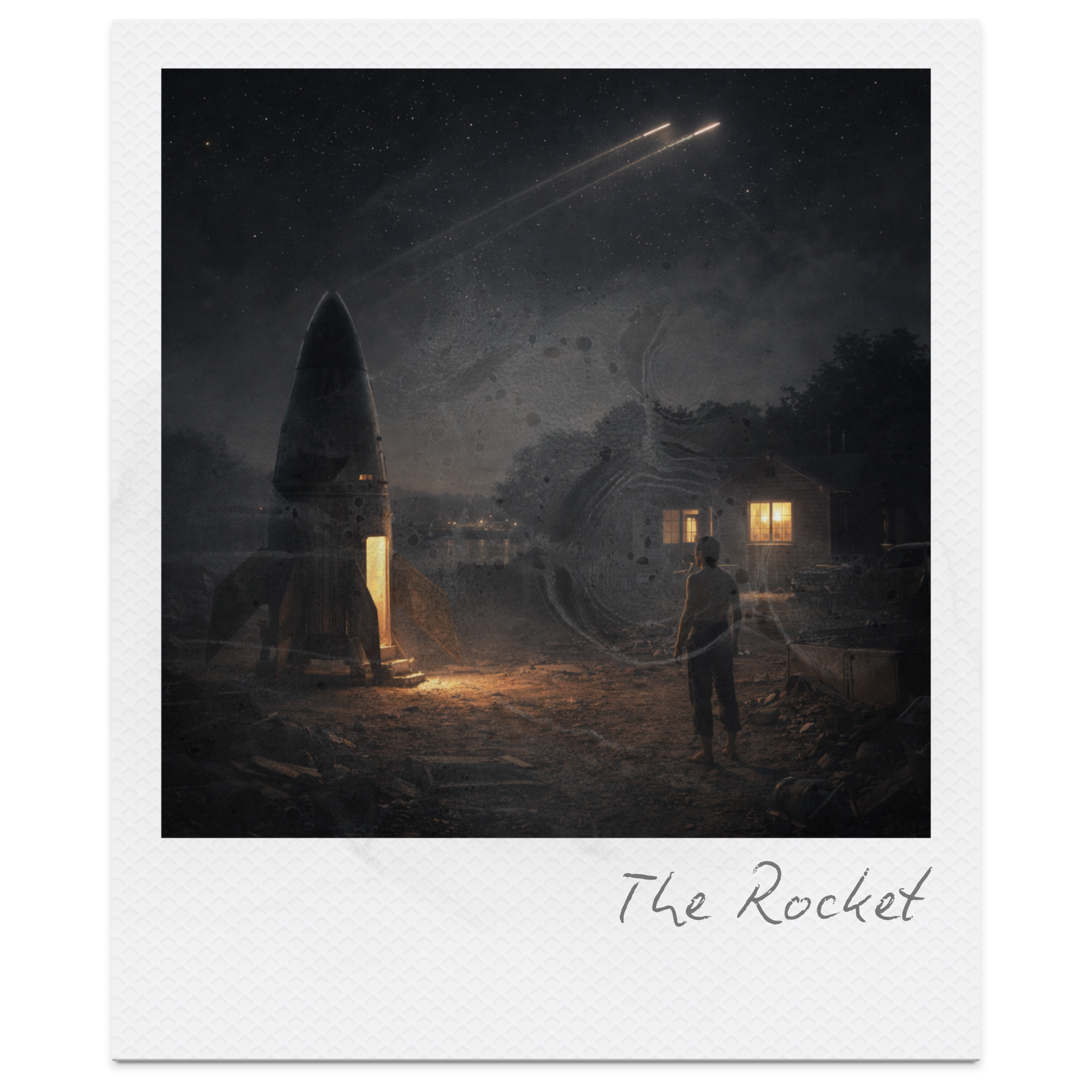
◆ The Rocket by Ray Bradbury — examines dreams, hope, and the emotional meaning of space travel, contrasting material achievement with imagination and human connection.
◆ There Will Come Soft Rains by Ray Bradbury — offers a powerful environmental warning by imagining a world where nature survives after humanity destroys itself.
◆ The Martian Chronicles by Ray Bradbury — particularly stories such as "—And the Moon Be Still as Bright" explore colonialism, cultural destruction, and whether humans inevitably repeat the mistakes of history when exploring new worlds.
◆ Avatar by James Cameron — provides an excellent modern comparison through its portrayal of environmental stewardship, indigenous cultures, and resistance to resource exploitation, echoing many of Bradbury's concerns about colonialism and respect for living worlds.
◆ The Word for World Is Forest by Ursula K. Le Guin — examines colonial expansion, environmental destruction, and the consequences of exploiting worlds that possess their own cultures and identities.
Bradbury's stories become even richer when read alongside one another, revealing his lifelong fascination with the balance between curiosity and responsibility, and reminding readers that the greatest discoveries often depend not on what humanity can conquer, but on what it chooses to protect.
Final Thoughts on Here There Be Tygers
Here There Be Tygers is one of Ray Bradbury's most thought-provoking science fiction stories because it shifts the focus away from futuristic technology and towards the moral choices that define humanity. Through the contrasting philosophies of Captain Forester and Chatterton, Bradbury explores colonialism, environmental responsibility, human greed, and the importance of approaching the unknown with curiosity rather than conquest. The story suggests that the greatest discoveries are not new planets or advanced machines, but the wisdom to recognise that some places deserve admiration instead of ownership.
More than seventy years after its publication, Here There Be Tygers feels remarkably relevant. As humanity prepares for new eras of space exploration, Bradbury's questions about stewardship, ethics, and coexistence remain as important as ever. Whether read as an environmental allegory, a critique of colonialism, or a celebration of wonder, the story continues to challenge readers to reconsider humanity's relationship with both the natural world and the unknown. To explore more of Bradbury's fiction, visit the Ray Bradbury Hub, or browse the Literature Library.
Choose Your Next Text