Notes from the Inkpot
Writing, teaching, creating - one ink-stained idea at a time.




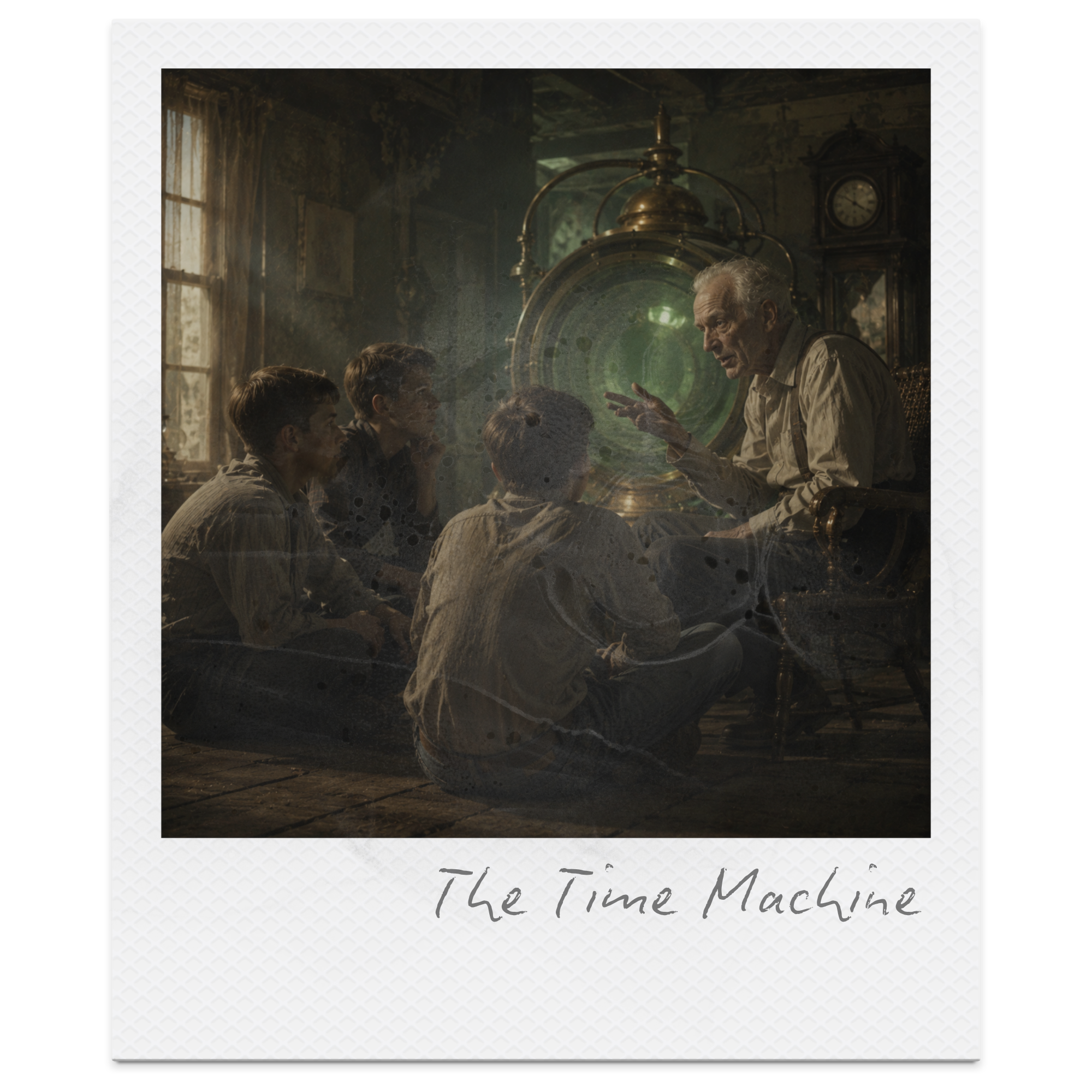
The Time Machine by Ray Bradbury: Summary, Themes, Meaning & Analysis
Explore our comprehensive The Time Machine analysis, featuring a clear summary, in-depth discussion of themes, characters, symbolism, structure, setting, important quotes, and literary techniques. Discover how Ray Bradbury transforms the idea of time travel into a moving exploration of memory, storytelling, history, and human connection, showing that the greatest journeys into the past are made through the experiences we preserve and the stories we choose to share.
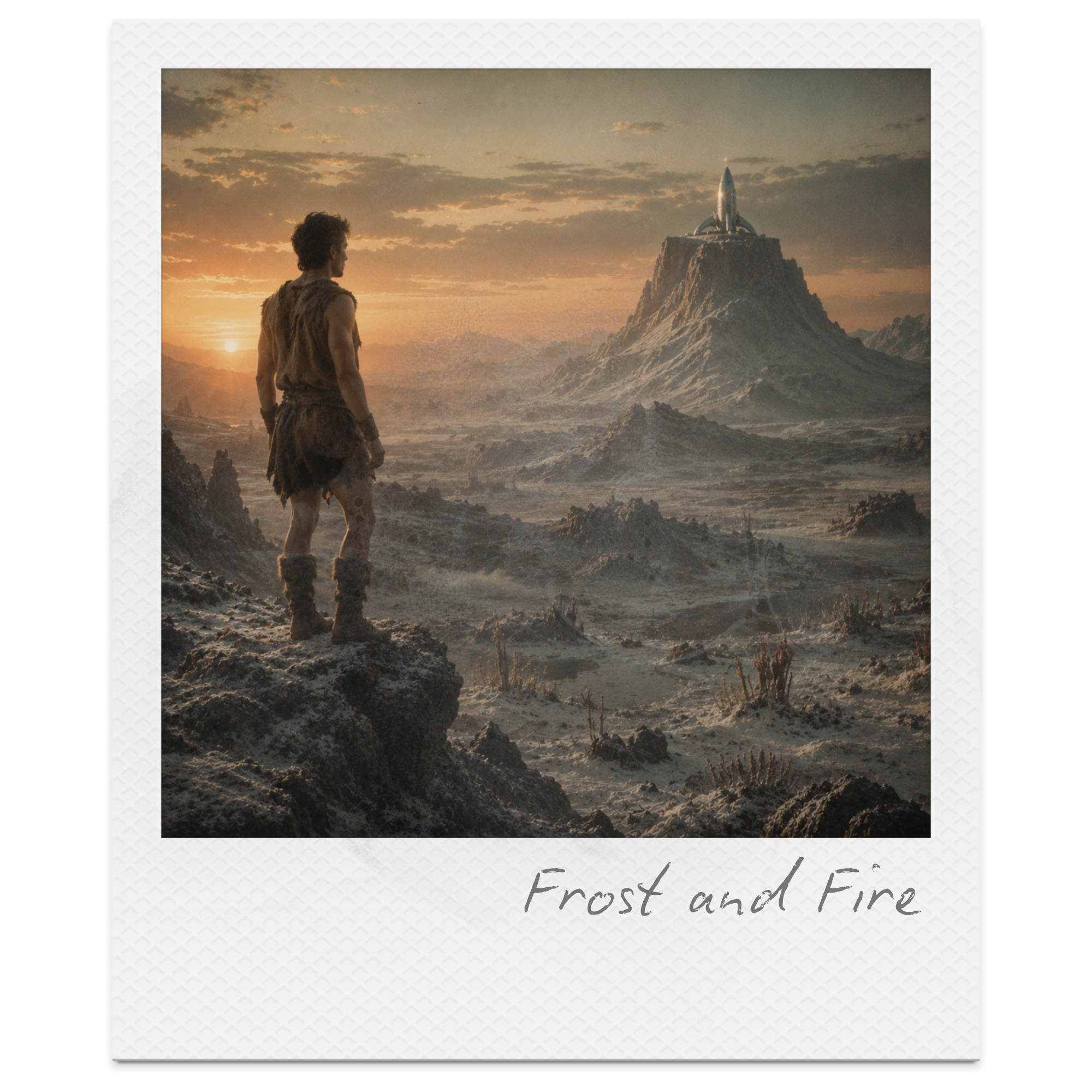
Frost and Fire by Ray Bradbury: Summary, Themes, Meaning & Analysis
Discover our comprehensive Frost and Fire analysis, featuring a clear summary, in-depth exploration of themes, characters, symbolism, structure, setting, important quotes, and literary techniques. Learn how Ray Bradbury transforms an imaginative science fiction premise into a powerful exploration of mortality, time, scientific progress, hope, and the resilience of the human spirit. Whether you're studying for an exam, teaching the story, or simply exploring Bradbury's work, this guide offers detailed insights, alternative interpretations, and practical classroom ideas to deepen your understanding of one of his most thought-provoking short stories.
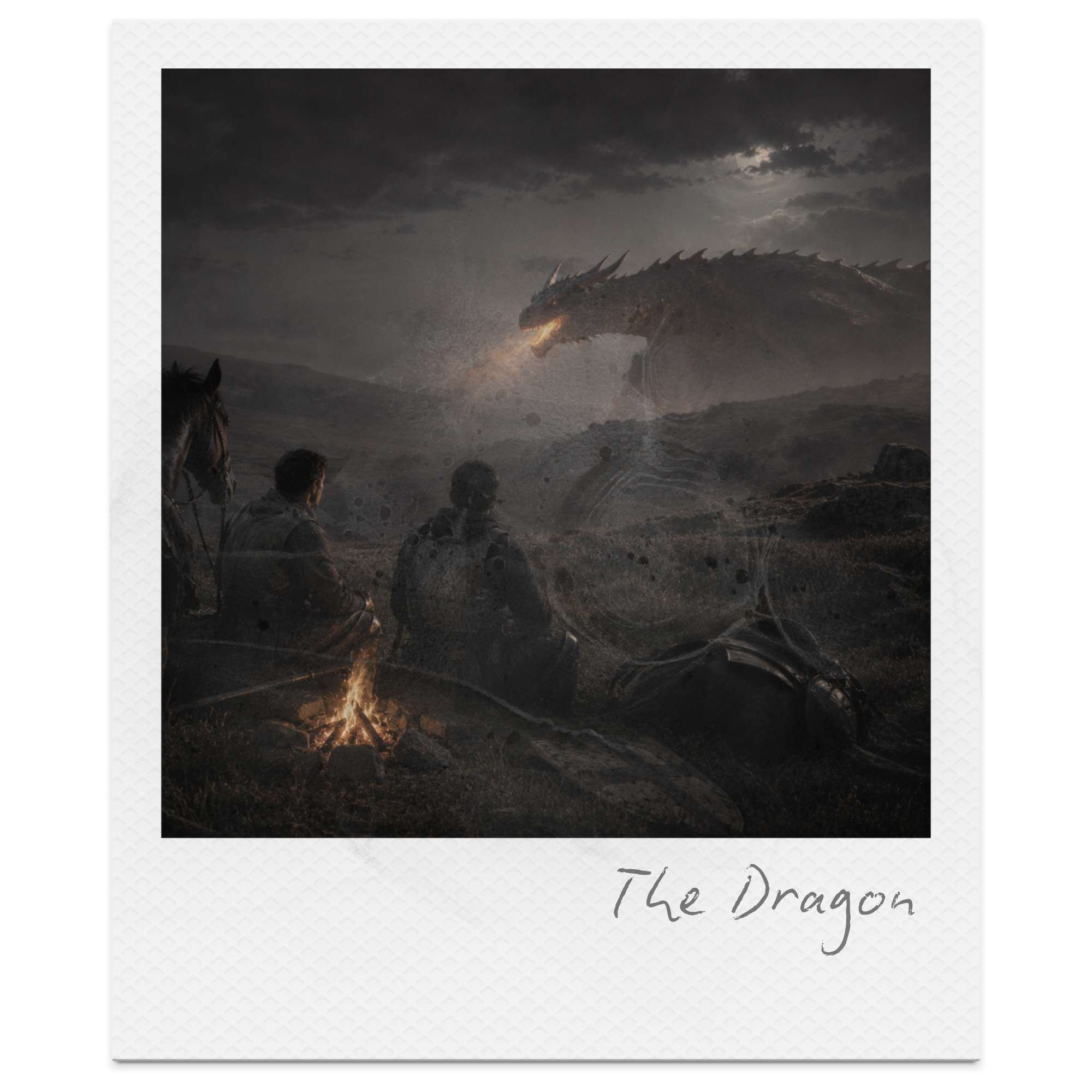
The Dragon by Ray Bradbury: Summary, Themes, Meaning & Analysis
Discover our complete analysis of The Dragon by Ray Bradbury, including a clear summary, detailed exploration of its themes, symbolism, characters, structure, narrative voice, and important quotes. Uncover how Bradbury uses a brilliant twist ending to examine perception, fear, time, technology, and the limits of human understanding, while exploring why this thought-provoking science fiction story continues to resonate with modern readers. You'll also find alternative interpretations, classroom teaching ideas, essay inspiration, and further reading to deepen your understanding of one of Bradbury's most ingenious short stories.
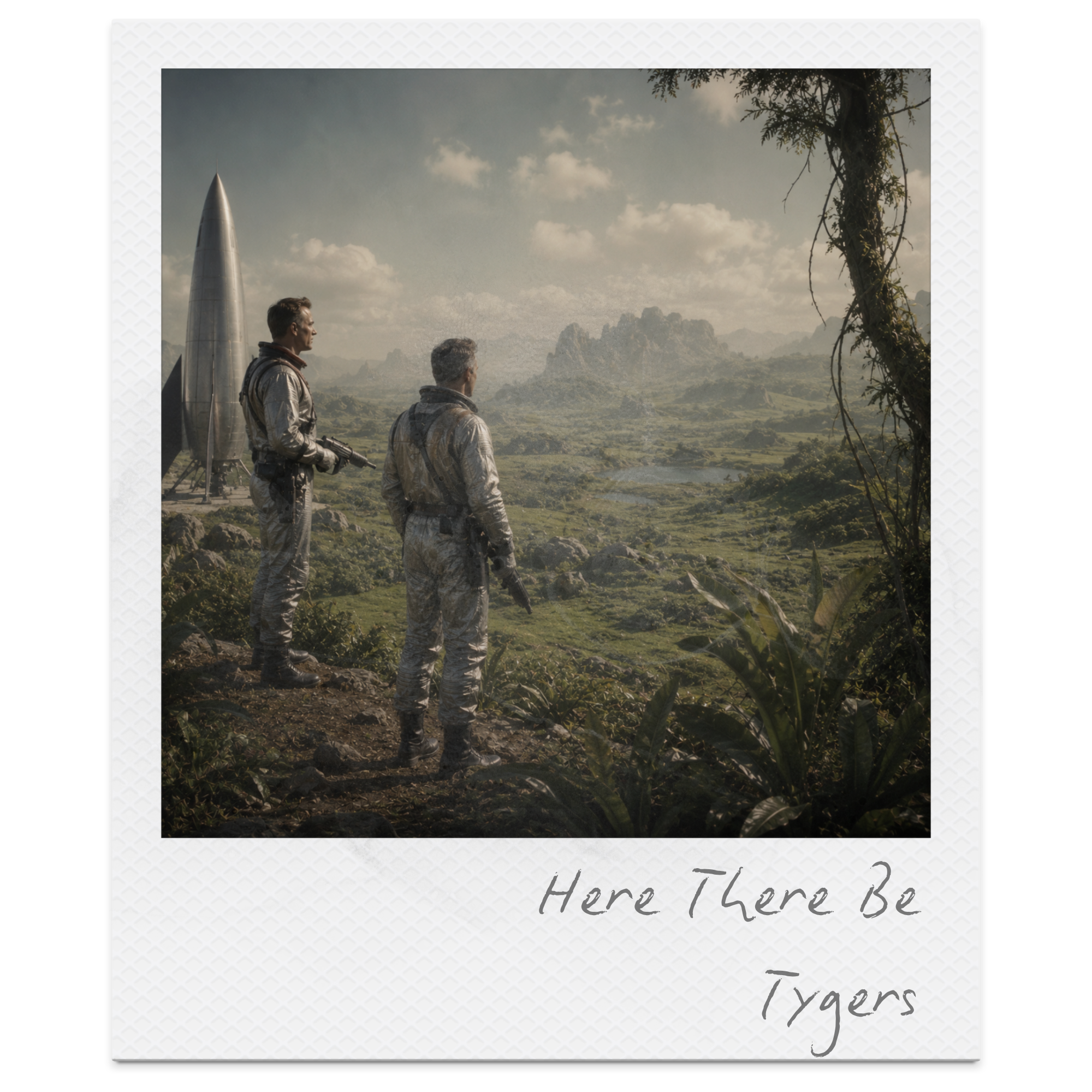
Here There Be Tygers by Ray Bradbury: Summary, Themes, Meaning & Analysis
Explore our comprehensive analysis of Here There Be Tygers by Ray Bradbury, including a clear summary, major themes, symbolism, important quotes, literary techniques, alternative interpretations, and detailed character analysis. Discover how Bradbury uses a living planet to explore colonialism, environmentalism, human greed, and respect for nature, while offering teaching ideas, essay guidance, and exam-focused insights for students and teachers.
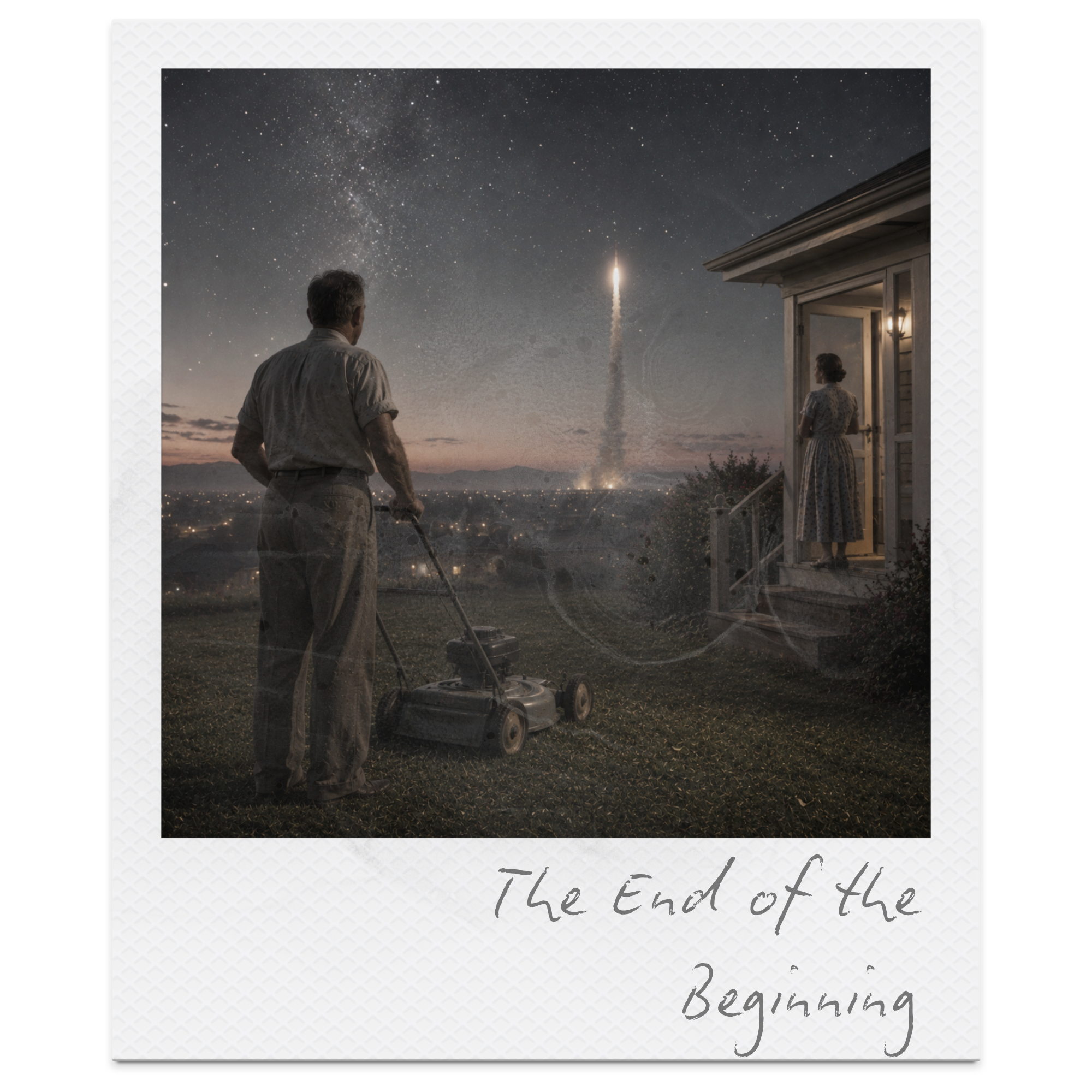
The End of the Beginning by Ray Bradbury: Summary, Themes, Meaning & Analysis
Explore our comprehensive analysis of The End of the Beginning by Ray Bradbury, including a detailed summary, themes, symbolism, important quotes, character analysis, narrative voice, structure, setting, alternative interpretations, and exam-focused teaching ideas. Discover how Bradbury transforms an ordinary evening into a profound reflection on space exploration, human progress, hope, and humanity's first steps towards an endless future among the stars.

Zero Hour by Ray Bradbury: Summary, Themes, Meaning & Analysis
Ray Bradbury’s Zero Hour explores childhood innocence and hidden power, revealing how easily trust can be manipulated when adults underestimate what they do not understand. Through the children’s seemingly harmless game of “Invasion,” Bradbury presents a world where imagination becomes a vehicle for real danger, blurring the line between play and reality. As the story unfolds, this illusion collapses into something far more unsettling. The adults’ confidence in their own control gives way to panic as they realise too late that the threat has already taken hold. Bradbury exposes the dangers of complacency, misjudgement, and unseen influence, showing how quickly stability can be replaced by chaos when warning signs are ignored.

The Illustrated Man by Ray Bradbury: Summary, Stories, Themes & Analysis
The Illustrated Man by Ray Bradbury is a powerful science fiction short story collection that explores technology, isolation, and the consequences of human behaviour through a series of interconnected narratives. Framed by the image of a man whose tattoos come alive to tell each story, the collection moves beyond simple speculation to present a series of unsettling futures that feel increasingly close to reality. This guide explores the key stories, recurring themes, and structural design of the collection, with clear links to deeper analysis of each text. From The Veldt to The Rocket Man, Bradbury’s work reveals how progress, when left unchecked, can reshape relationships, identity, and the future itself.
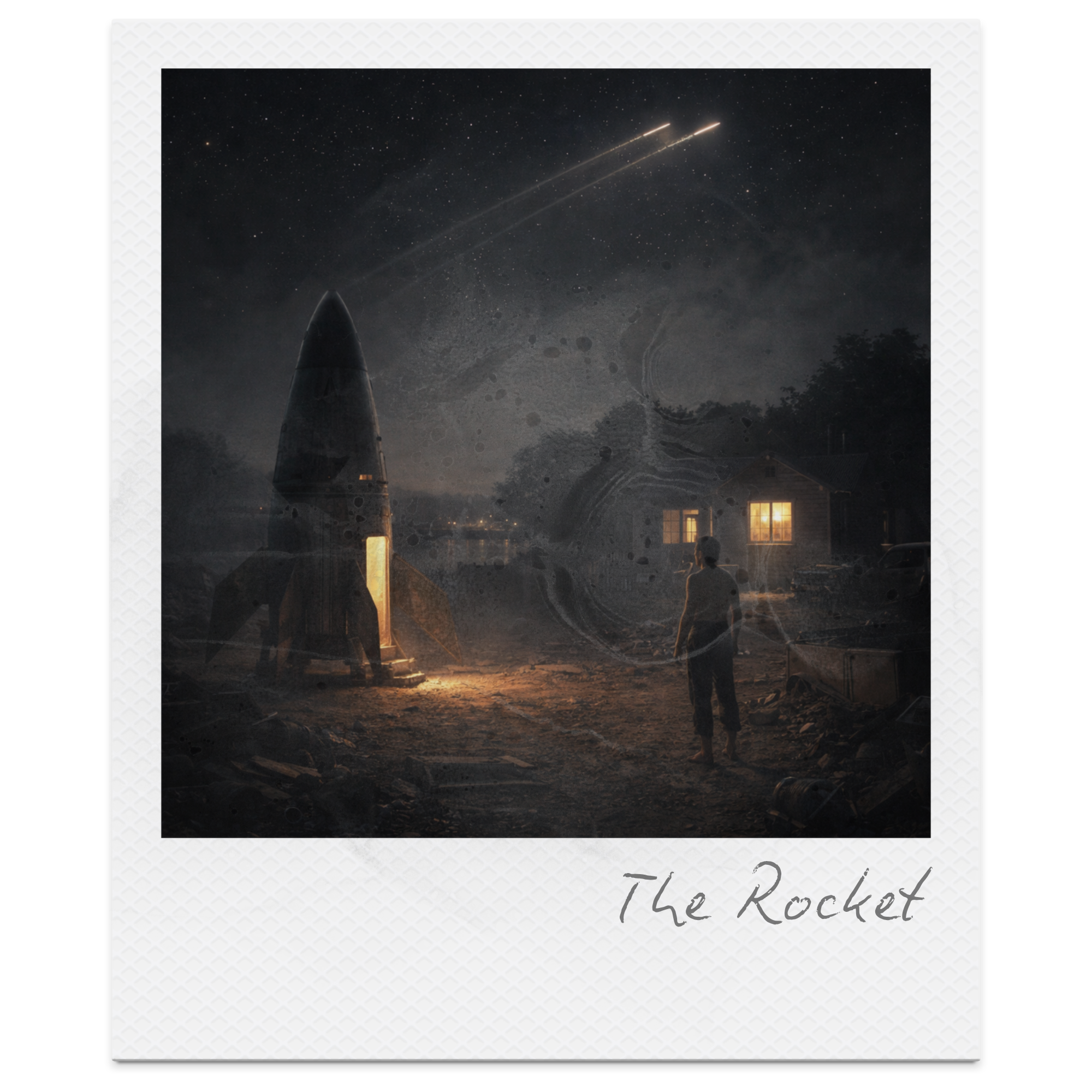
The Rocket by Ray Bradbury: Summary, Themes, Meaning & Analysis
The Rocket by Ray Bradbury is a quietly powerful piece of speculative fiction that explores aspiration, inequality, and the emotional weight of unattainable dreams. Through the character of Fiorello Bodoni, Bradbury presents a world where space travel exists—but only for the wealthy—forcing ordinary people to confront the painful distance between possibility and access. As Bodoni listens to rockets “sighing in the dark sky,” the story establishes a deep sense of longing, framing space not as a destination, but as a symbol of everything just out of reach. As the narrative unfolds, Bradbury shifts the focus from physical reality to emotional truth, revealing that the journey itself is an illusion. Yet this illusion becomes profoundly meaningful, as Bodoni creates an experience his children will “remember… for always.” In doing so, the story challenges the idea that reality is inherently more valuable than imagination, suggesting instead that shared experience, memory, and love can hold greater significance than material achievement.
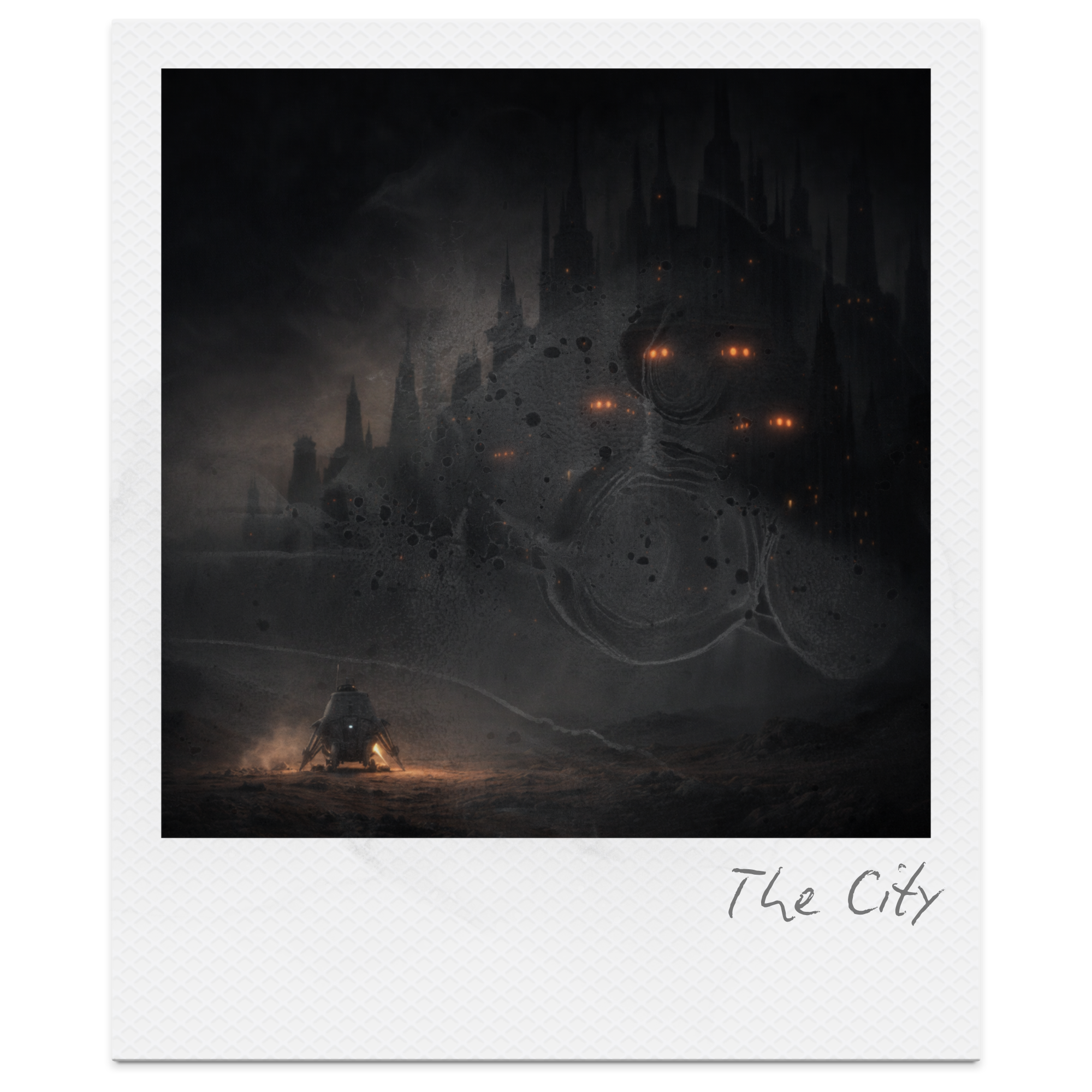
The City by Ray Bradbury: Summary, Themes, Meaning & Analysis
Ray Bradbury’s The City is a haunting work of speculative science fiction that explores revenge, memory, and technological power through the image of a vast, silent city waiting across twenty thousand years. At first, the city appears empty and lifeless, but as human explorers arrive, it becomes clear that it is watching, analysing, and responding with cold precision. Bradbury transforms setting into a conscious force, creating a narrative where the environment itself becomes the central intelligence. As the story unfolds, the city reveals its true purpose: to enact a long-delayed act of revenge against humanity. What makes this particularly unsettling is the way emotion has been embedded into a mechanical system, removing empathy and replacing it with calculation. The result is a chilling exploration of how violence and memory can be preserved beyond human life, raising questions about justice, control, and the consequences of past actions that continue to shape the future.
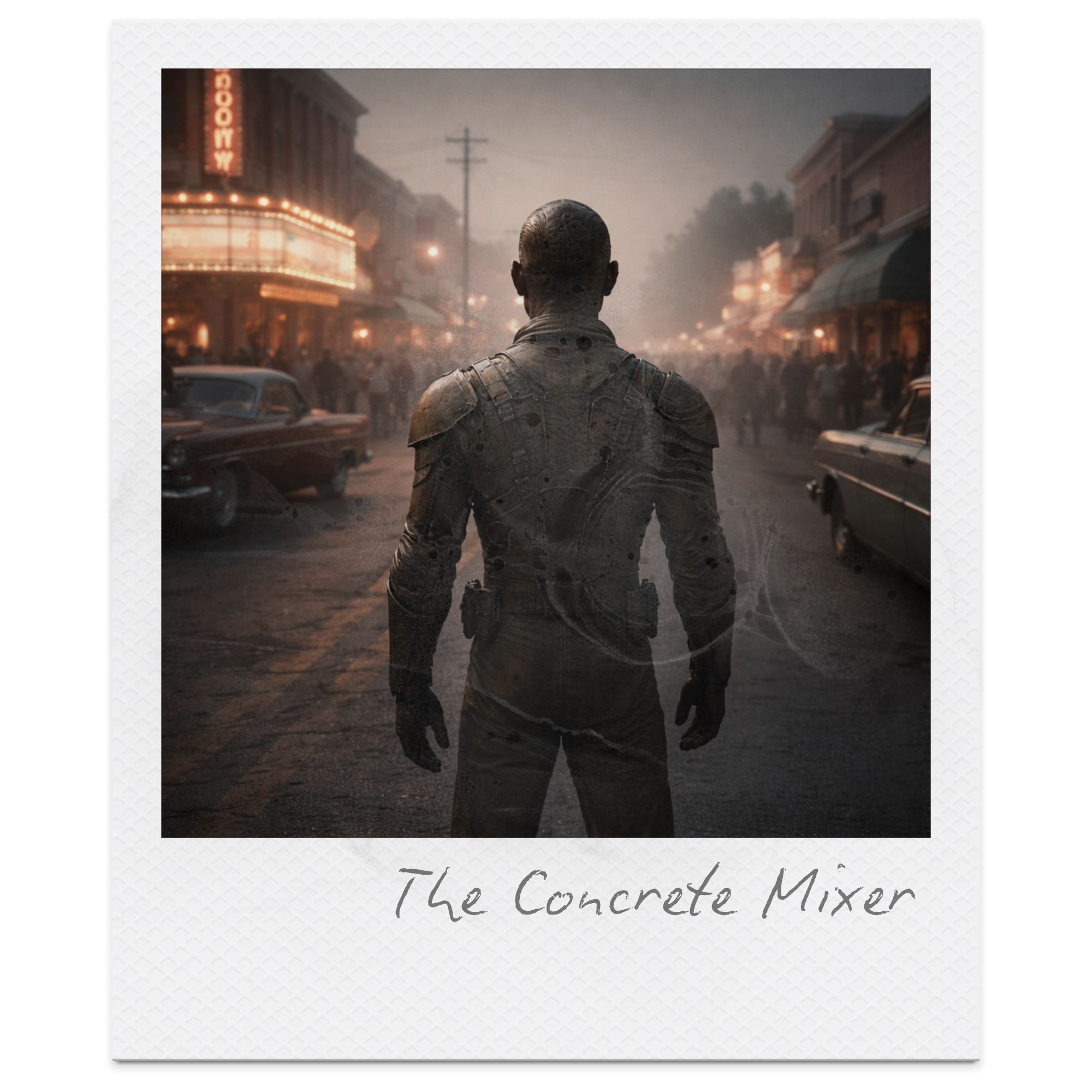
The Concrete Mixer by Ray Bradbury: Summary, Themes, Meaning & Analysis
The Concrete Mixer by Ray Bradbury is a darkly satirical science fiction story that explores the dangers of consumerism, mass culture, and the quiet power of assimilation. When the Martian Ettil arrives on Earth expecting war, he instead finds a world of overwhelming friendliness, entertainment, and excess. Beneath the surface of this hospitality, however, lies something far more unsettling—a society that conquers not through violence, but through distraction, comfort, and the erosion of individuality. As Ettil moves through this strange new world, he begins to realise that the Martians are not being defeated—they are being absorbed. Bradbury uses irony, exaggeration, and symbolic imagery to critique modern life, suggesting that the greatest threat to identity is not destruction, but transformation. In this analysis, we explore the story’s themes, symbolism, and deeper meaning, revealing why The Concrete Mixer remains one of Bradbury’s most thought-provoking and relevant works.
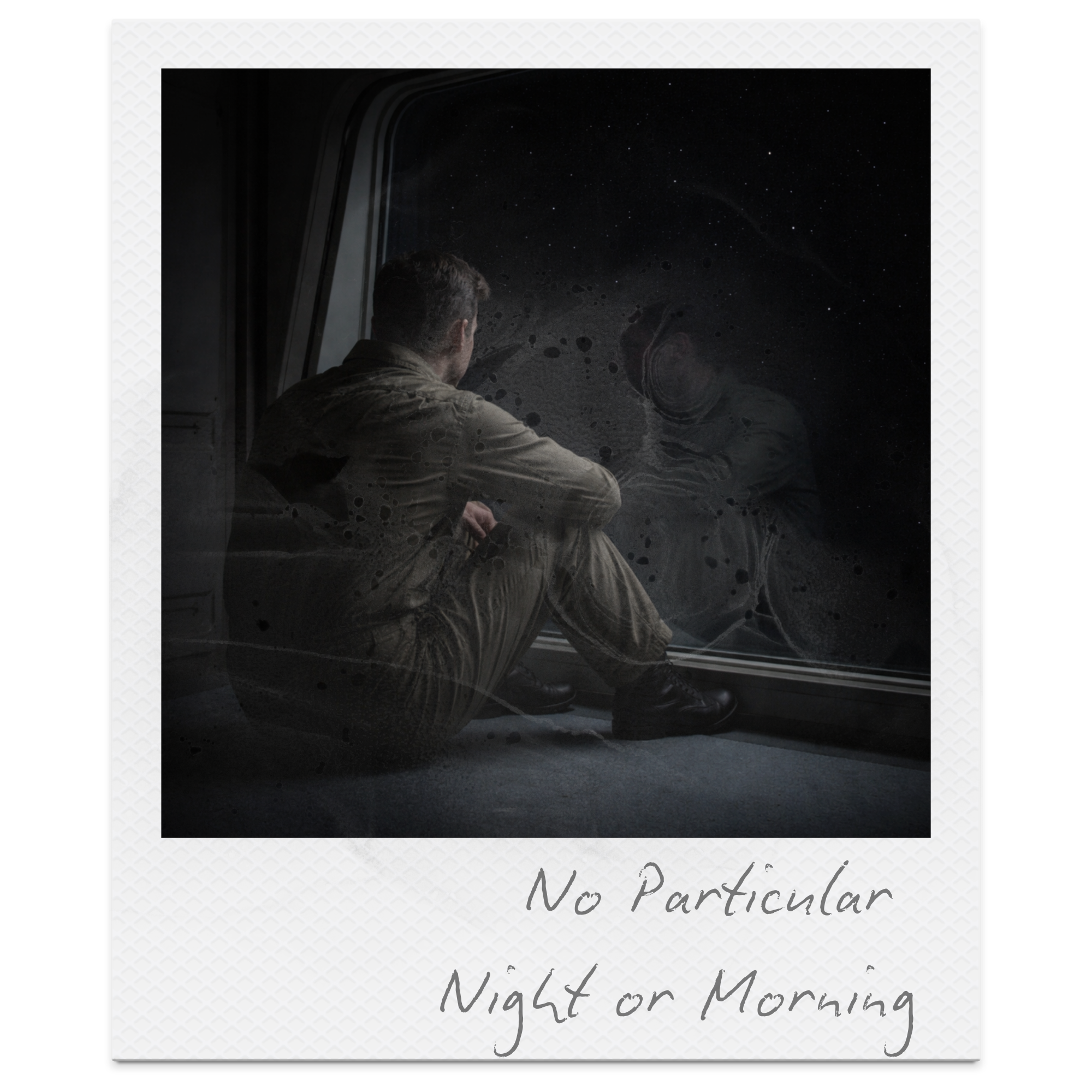
No Particular Night or Morning by Ray Bradbury: Summary, Themes, Symbolism & Analysis
No Particular Night or Morning explores existential uncertainty, isolation, and the limits of proof through the unsettling perspective of a man who can only believe in what he can immediately see, touch, or verify. As Hitchcock begins to reject the existence of Earth, memory, and even other people when they are not physically present, Bradbury builds a disturbing vision of reality reduced to isolated moments, stripped of continuity and meaning. As the story progresses, this rigid form of rationalism leads to the breakdown of identity and perception, revealing how dependent human life is on imagination, memory, and shared belief. Set against the vast emptiness of space, Hitchcock’s descent becomes both psychological and symbolic, culminating in a chilling rejection of everything—body, world, and self—leaving only “space” and “the gap.”