Notes from the Inkpot
Writing, teaching, creating - one ink-stained idea at a time.


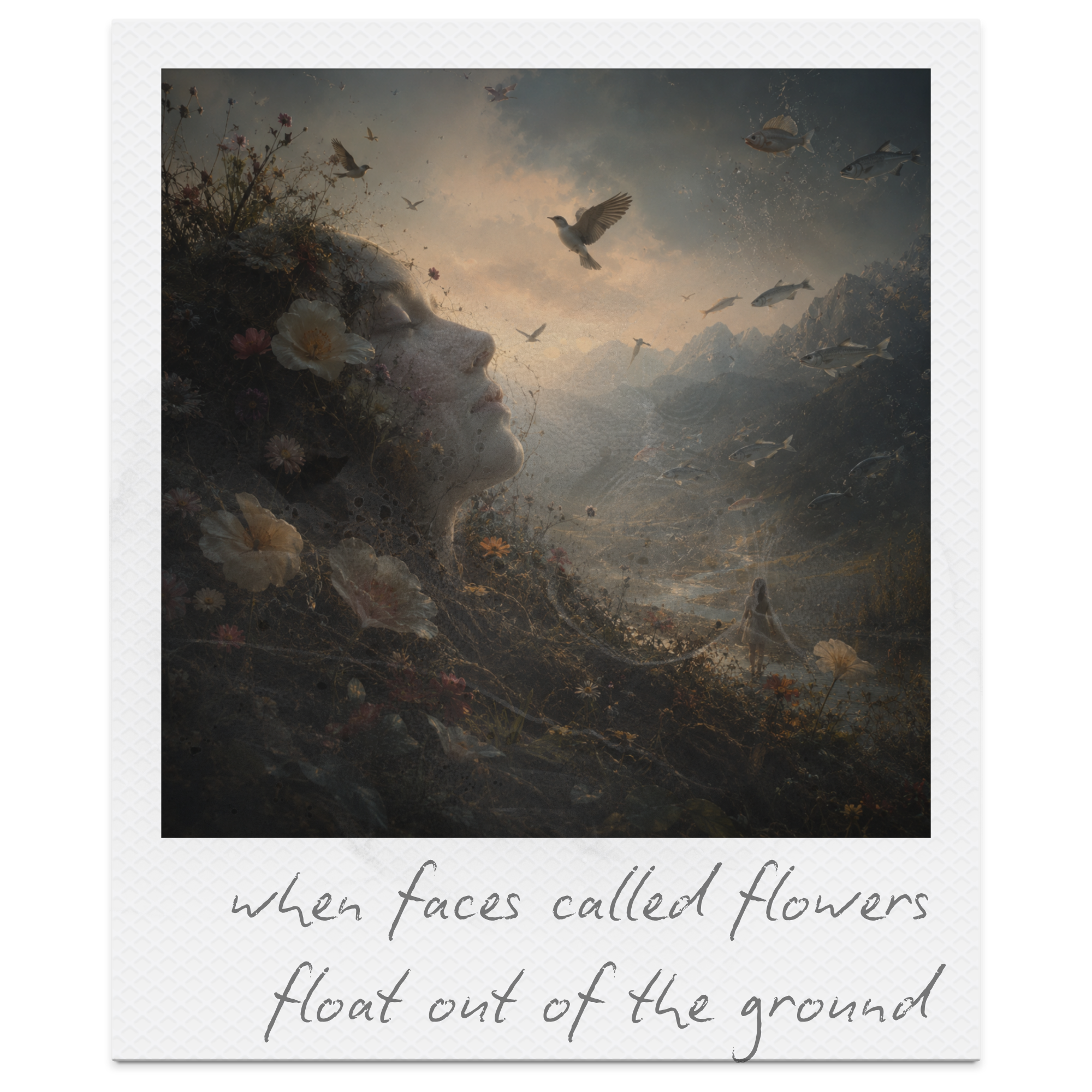
when faces called flowers float out of the ground by E. E. Cummings: Summary, Themes & Analysis
Explore E. E. Cummings’s when faces called flowers float out of the ground with a detailed summary and analysis of its themes, imagery, structure, unconventional punctuation and poetic techniques. Discover how Cummings transforms the arrival of spring into a joyful exploration of renewal, love, nature, freedom, generosity, transformation and the experience of being fully alive.
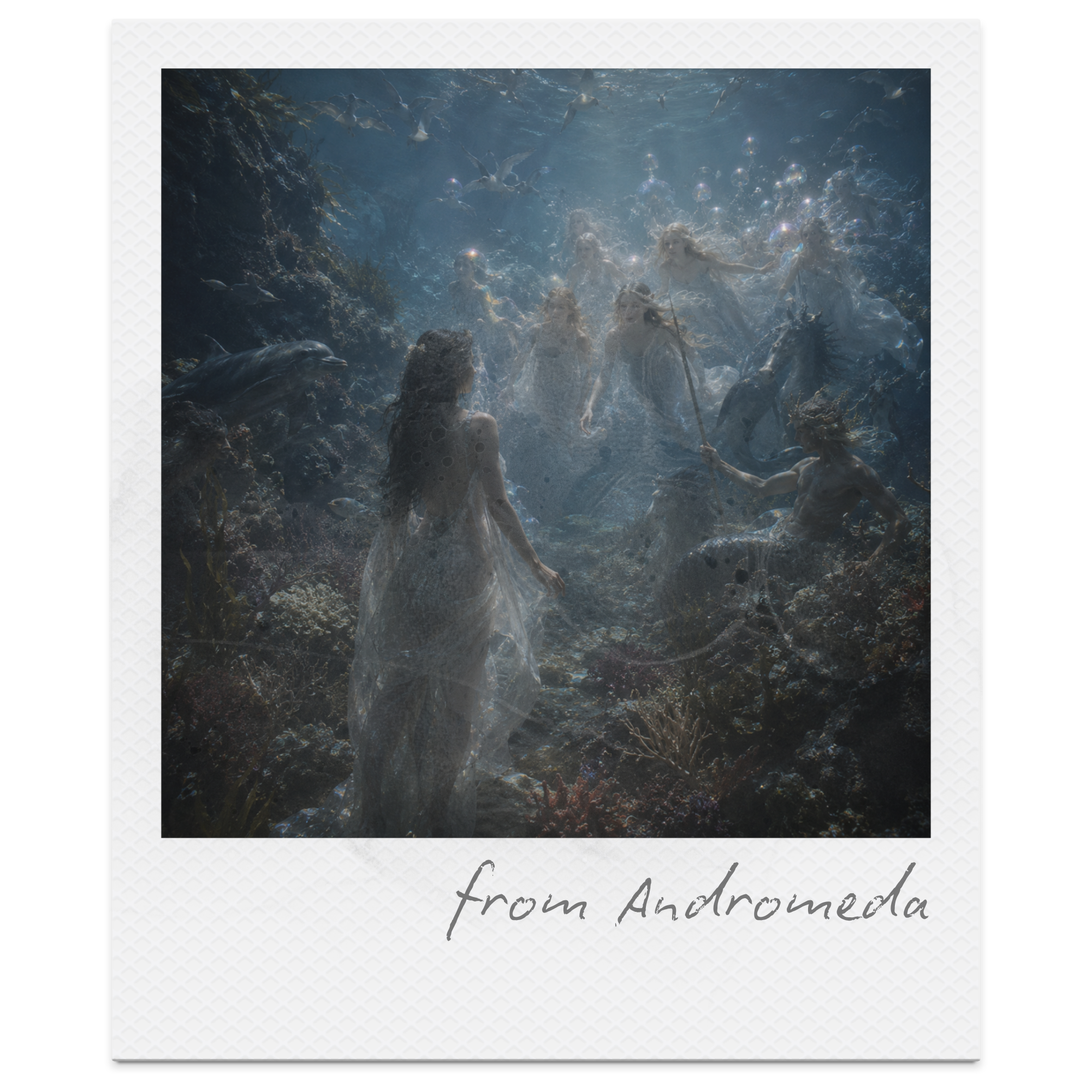
From Andromeda by Charles Kingsley: Summary, Themes & Analysis
Explore Charles Kingsley’s From Andromeda with a detailed summary and analysis of its themes, imagery, classical influences, supernatural beauty and contrast between mortality and immortality. Discover how Kingsley uses English hexameter, repetition, sensory imagery, personification and paradox to create an extraordinary vision of divine joy, freedom, sensuality and awe.

Heart and Mind by Edith Sitwell: Analysis of Love, Mortality and the Conflict Between Heart and Mind
Edith Sitwell's Heart and Mind is a richly symbolic exploration of love, mortality, desire, and the enduring conflict between emotion and reason. Through a sequence of dramatic voices—including a Lion, a Skeleton, the Sun, and the Moon—Sitwell transforms an abstract philosophical debate into a vivid allegorical drama. Recurring images of fire, dust, gold, and celestial bodies create a poem that continually questions what gives human life meaning and whether passion or intellect ultimately holds greater power. This detailed analysis of Heart and Mind explores the poem's structure, symbolism, themes, literary techniques, and alternative interpretations. It includes stanza-by-stanza analysis, key quotations, anthology comparisons, and exam-focused insights, examining how Sitwell uses paradox, mythological imagery, and dramatic dialogue to present the heart and mind as powerful yet fundamentally irreconcilable forces.
The Bargain by Sir Philip Sidney: Analysis of Love, Exchange and Emotional Equality
Explore The Bargain by Sir Philip Sidney through detailed analysis of love, emotional reciprocity, identity, and psychological vulnerability. This in-depth guide examines the poem’s structure, symbolism, exchange imagery, emotional tensions, and layered presentation of intimacy, revealing how Sidney transforms a seemingly balanced love lyric into a more complex exploration of dependence and shared suffering. Perfect for CIE AS Level Literature in English (9695), this analysis includes line-by-line commentary, key quotes and techniques, alternative interpretations, anthology comparisons, exam-ready insights, and teaching ideas designed to support advanced literary discussion and revision.

Last Sonnet by John Keats: Themes, Meaning and Analysis
Explore Last Sonnet by John Keats — widely known by its opening line, “Bright star, would I were stedfast as thou art” — through detailed analysis of love, mortality, permanence, and emotional vulnerability. This in-depth guide examines the poem’s imagery, symbolism, structure, sound, and shifting emotional tensions, while exploring how Keats contrasts eternal constancy with fragile human intimacy. Perfect for CIE AS Level Literature in English (9695), this analysis also includes close line-by-line commentary, key quotes and techniques, alternative interpretations, anthology comparisons, exam-ready insights, and teaching ideas designed to support advanced literary discussion and revision.
Because I could not stop for Death by Emily Dickinson: Summary, Themes & Analysis
Emily Dickinson’s Because I could not stop for Death presents death as a calm, deliberate journey, using personification and symbolism to transform a typically feared concept into something controlled and almost reassuring. Through the image of a carriage ride, the poem moves steadily through the stages of life, suggesting that death is not a sudden end but a process leading toward eternity. However, beneath this calm surface lies a deeper sense of uncertainty, as shifts in perspective and imagery reveal the limits of human understanding. The progression from familiar scenes to the final realisation of eternity highlights how time and control break down beyond life, leaving the reader with a quiet but unsettling reflection on what lies beyond death.
Know Then Thyself – An Essay on Man by Alexander Pope: Summary, Themes & Analysis
This analysis of Know Then Thyself, an extract from An Essay on Man by Alexander Pope, explores how Pope presents humanity as a contradictory “middle state,” caught between reason and weakness, knowledge and ignorance, and power and limitation. Through antithesis, paradox, and tightly structured heroic couplets, the poem reveals the instability at the heart of human identity. Designed for IGCSE Literature (0475), this guide breaks down language, structure, and key methods to show how meaning is created, helping students move from basic understanding to confident, analytical responses.

No, Thank You, John by Christina Rossetti: Summary, Themes, Symbolism & Analysis
Christina Rossetti’s No, Thank You, John is a confident and sharply controlled exploration of rejection, emotional honesty, and personal autonomy. Through a direct, conversational voice, the speaker firmly refuses a persistent suitor, challenging the expectation that love must be returned or softened through politeness. The poem redefines rejection as a form of clarity rather than cruelty, exposing the imbalance between romantic persistence and the right to refuse. This analysis of No, Thank You, John explores themes, structure, tone, and key techniques, alongside alternative interpretations and teaching ideas. With close reference to language and form, it reveals how Rossetti constructs a speaker who is both measured and resolute, offering a powerful examination of boundaries, gender expectations, and emotional integrity.
Echo by Christina Rossetti: Summary, Themes, Symbolism & Analysis
Christina Rossetti’s Echo is a haunting exploration of love, memory, and longing beyond death, where dreams become the only space for reunion. Through repetition, paradox, and lyrical imagery, the poem captures the tension between emotional closeness and physical absence, revealing how memory both sustains and intensifies grief. This analysis of Echo explores themes, structure, symbolism, and alternative interpretations, offering clear, in-depth insight into Rossetti’s presentation of desire, loss, and spiritual tension. Ideal for students and teachers, this guide breaks down the poem in a way that is both accessible and analytically rigorous.

A Helpmeet for Him by Christina Rossetti: Summary, Themes, Symbolism & Analysis
Christina Rossetti’s A Helpmeet for Him explores gender roles, hidden strength, and Victorian ideals of womanhood, presenting a seemingly traditional view of female identity while subtly questioning its limitations. Through repetition, paradox, and controlled structure, the poem suggests that submission may conceal a deeper form of influence. This analysis examines the poem’s themes, symbolism, and structure, as well as its exploration of power, dependency, and identity. Ideal for students and teachers, it offers a clear summary alongside detailed interpretation to support deeper understanding of Rossetti’s work.
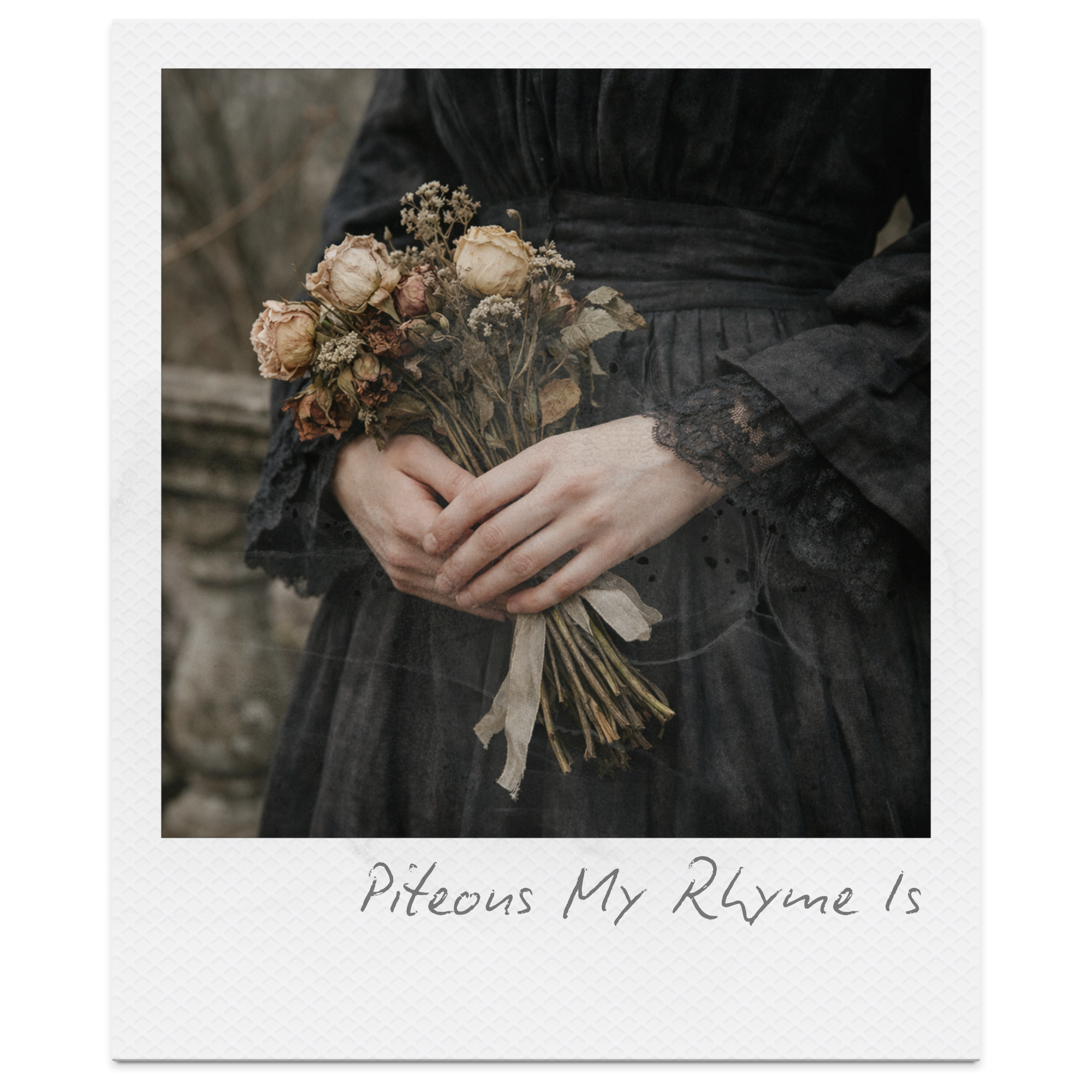
Piteous My Rhyme Is by Christina Rossetti: Summary, Themes, Symbolism & Analysis
Christina Rossetti’s Piteous My Rhyme Is explores the paradoxical relationship between love, suffering, and emotional endurance. Through a carefully mirrored structure, the poem contrasts two perspectives on love: one that sees love as wasted, unreturned, and painful, and another that interprets the same experience as evidence of love’s strength and lasting power. In this analysis of Piteous My Rhyme Is, we examine Rossetti’s use of structure, repetition, rhyme, and rhetorical questioning to explore themes such as unreturned love, emotional sacrifice, and the contrast between mortal life and lasting emotion. The poem ultimately suggests that love’s willingness to endure suffering may reveal its deepest significance.