Notes from the Inkpot
Writing, teaching, creating - one ink-stained idea at a time.



The Soldier by Rupert Brooke: Summary, Themes & Analysis
Explore Rupert Brooke's The Soldier with this comprehensive poetry analysis, examining its themes of patriotism, national identity, sacrifice and spiritual immortality. Discover how Brooke uses sonnet form, pastoral imagery, symbolism and religious language to transform the possibility of death in war into a vision of enduring belonging. Uncover the poem's historical context, key quotations, literary techniques and alternative interpretations, including its idealisation of England and romanticisation of military sacrifice. Explore detailed stanza-by-stanza analysis and thought-provoking teaching ideas to deepen your understanding of this iconic First World War poem. Perfect for students, teachers and literature enthusiasts, this guide also includes comparative poetry suggestions and downloadable classroom resources.

Deep in the Hills by Ruth Dallas: Summary, Themes & Analysis
Explore Deep in the Hills by Ruth Dallas with a detailed summary, stanza-by-stanza analysis, key quotes, themes, literary techniques, and alternative interpretations. Discover how Dallas uses metaphor, imagery, contrast, and structural reversal to explore identity, belonging, memory, and humanity's enduring relationship with the natural world.

I Dream of You... – Christina Rossetti: Summary, Themes & Analysis
Christina Rossetti's I Dream of You... is a poignant sonnet exploring love, longing, dreams, absence, memory, and mortality. Through the contrast between dream fulfilment and waking reality, Rossetti presents a speaker who finds temporary reunion with a beloved figure only within sleep, creating a powerful meditation on desire, loss, and the limitations of earthly happiness. This analysis explores the poem's themes, symbolism, structure, key quotations, literary techniques, and alternative interpretations while examining how Rossetti transforms a personal expression of longing into a broader reflection on fulfilment, faith, death, and the human search for permanence. Ideal for students studying CIE AS & A Level Literature (9695) Songs of Ourselves Volume 2.
Amoretti, Sonnet 86 by Edmund Spenser: Analysis of Time, Absence and Emotional Longing
Explore Amoretti, Sonnet 86 by Edmund Spenser with this detailed analysis of love, longing, absence, and the perception of time. Discover how Spenser uses sonnet form, imagery, repetition, and contrast to present the emotional effects of separation and the way powerful feelings can distort human experience. This guide examines the poem's themes, symbolism, structure, key quotations, literary techniques, alternative interpretations, and anthology comparisons, making it ideal for students and teachers studying Cambridge International AS & A Level Literature in English (9695) Songs of Ourselves: Volume 2.

The White House by Claude McKay: Analysis of Racism, Exclusion and Resistance
Claude McKay's The White House is a powerful sonnet that explores racism, exclusion, dignity, and resistance. Through the symbolic image of a closed door, McKay examines the emotional and psychological impact of prejudice while celebrating the courage required to maintain self-respect in the face of discrimination. The poem's tension between anger and restraint transforms a personal experience of rejection into a wider reflection on power, identity, and moral integrity. This analysis explores the poem's symbolism, sonnet form, key quotes, themes, line-by-line analysis, alternative interpretations, anthology comparisons, and exam-focused insights. Ideal for students and teachers studying Cambridge International AS & A Level Literature in English (9695), it provides detailed commentary on how McKay presents exclusion, resilience, and the determination to resist hatred without surrendering one's humanity.

The Bargain by Sir Philip Sidney: Analysis of Love, Exchange and Emotional Equality
Explore The Bargain by Sir Philip Sidney through detailed analysis of love, emotional reciprocity, identity, and psychological vulnerability. This in-depth guide examines the poem’s structure, symbolism, exchange imagery, emotional tensions, and layered presentation of intimacy, revealing how Sidney transforms a seemingly balanced love lyric into a more complex exploration of dependence and shared suffering. Perfect for CIE AS Level Literature in English (9695), this analysis includes line-by-line commentary, key quotes and techniques, alternative interpretations, anthology comparisons, exam-ready insights, and teaching ideas designed to support advanced literary discussion and revision.

Last Sonnet by John Keats: Themes, Meaning and Analysis
Explore Last Sonnet by John Keats — widely known by its opening line, “Bright star, would I were stedfast as thou art” — through detailed analysis of love, mortality, permanence, and emotional vulnerability. This in-depth guide examines the poem’s imagery, symbolism, structure, sound, and shifting emotional tensions, while exploring how Keats contrasts eternal constancy with fragile human intimacy. Perfect for CIE AS Level Literature in English (9695), this analysis also includes close line-by-line commentary, key quotes and techniques, alternative interpretations, anthology comparisons, exam-ready insights, and teaching ideas designed to support advanced literary discussion and revision.
Report to Wordsworth by Boey Kim Cheng: Summary, Themes & Analysis
Report to Wordsworth by Boey Kim Cheng explores the devastating impact of human activity on the natural world, using vivid imagery, mythological allusion, and a disrupted sonnet form to contrast Romantic ideals with modern environmental decline. Through its urgent tone and escalating imagery, the poem presents nature as weakened, silenced, and in need of restoration. This analysis examines how Cheng uses language, structure, and voice to create meaning, focusing on environmental destruction, the failure of poetry and spirituality, and the loss of harmony between humanity and nature. Designed for IGCSE Literature (0475), it supports students in developing clear, method-focused responses.
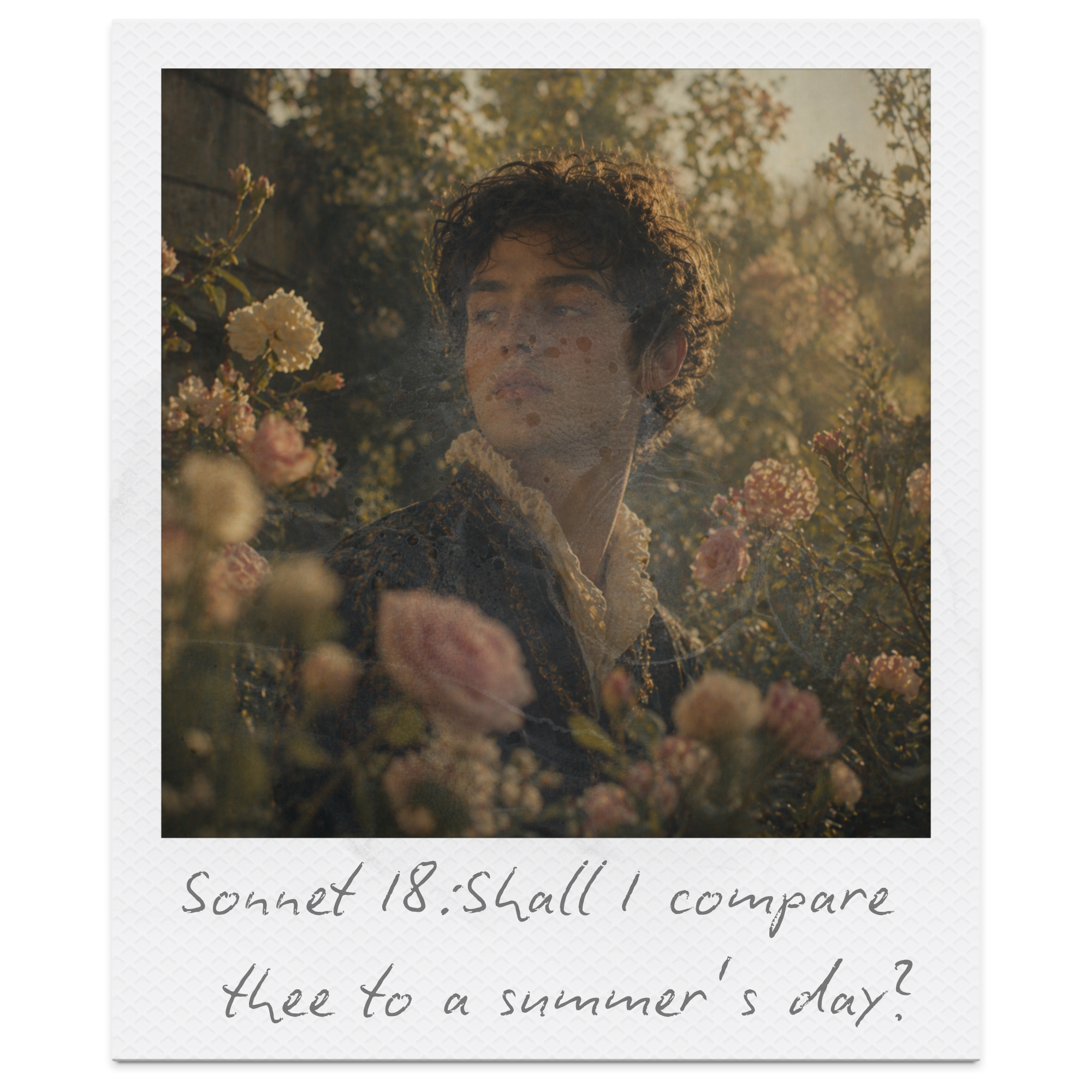
Sonnet 18 by William Shakespeare: Summary, Themes & Analysis of “Shall I compare thee to a summer’s day?”
Sonnet 18 by William Shakespeare explores the contrast between temporary natural beauty and the lasting power of poetry. Through a structured argument and a clear shift in tone, the poem shows how beauty fades in nature but can be preserved through language. This analysis breaks down how Shakespeare uses imagery, structure, and sound to present ideas about time, permanence, and legacy, helping students understand how meaning is created and how to write strong, method-focused responses.