I Dream of You... – Christina Rossetti: Summary, Themes & Analysis
Christina Rossetti's I Dream of You... is a deeply reflective sonnet exploring love, absence, longing, dreams, mortality, and the painful divide between desire and reality. Through its intimate first-person voice, Rossetti presents dreams as a temporary refuge where emotional fulfilment becomes possible, while waking life brings renewed awareness of separation and loss. The poem gradually develops from romantic yearning into a more philosophical meditation on sleep, death, and the limitations of earthly existence.
Written in Rossetti's characteristically restrained yet emotionally powerful style, the poem combines personal feeling with broader questions about faith, mortality, and human happiness. The speaker finds comfort in dreams where emotional and spiritual unity can be achieved, yet the poem continually acknowledges the temporary nature of such consolation. As a result, Rossetti creates a complex exploration of desire, suggesting that imagined fulfilment may sometimes feel more real than lived experience.
This analysis explores the poem's context, structure, form, language, symbolism, themes, key quotations, alternative interpretations, and exam-focused insights while examining how Rossetti presents the tension between dream and reality.
For more anthology analysis, visit the Songs of Ourselves Volume 2 Hub. For wider poetry, prose, and drama resources, explore the Literature Library. If you are studying Rossetti more broadly, you may also find the Christina Rossetti Hub helpful, which brings together analyses of her major poems and recurring themes including love, faith, mortality, temptation, longing, identity, and spiritual struggle.

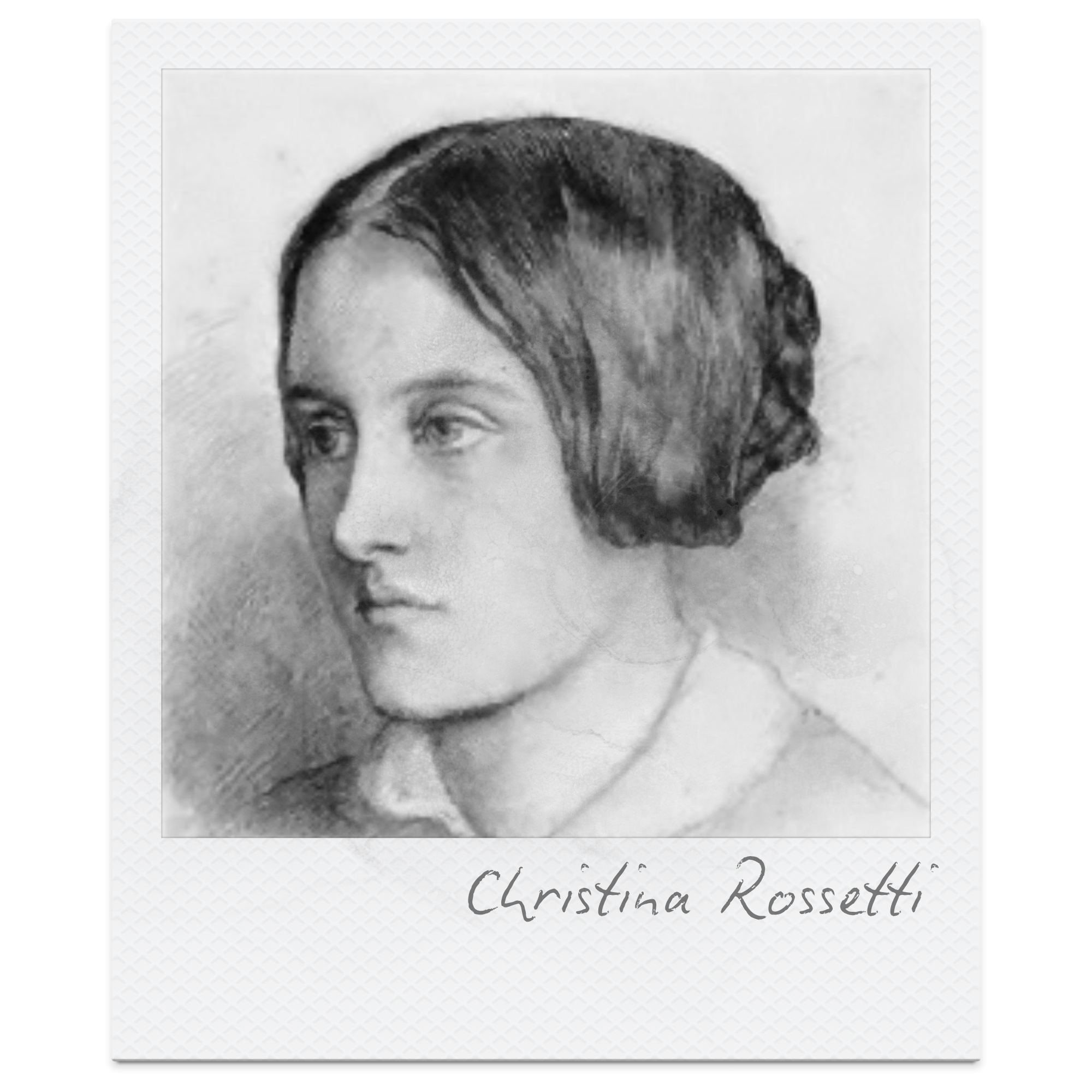
Context and Literary Background of I Dream of You...
Christina Rossetti's I Dream of You... reflects many of the concerns that appear throughout her poetry, including love, absence, dreams, faith, mortality, and the tension between earthly desire and spiritual fulfilment. Although the poem can be understood without detailed contextual knowledge, Rossetti's religious beliefs, Victorian literary influences, and recurring interest in unattainable or incomplete relationships help illuminate its exploration of longing and emotional separation.
Rossetti (1830–1894) was one of the most important Victorian poets and a central figure associated with the Pre-Raphaelite movement, which emphasised emotional sincerity, symbolism, vivid imagery, and spiritual depth. While many Victorian poets focused on public, political, or social concerns, Rossetti frequently turned inward, exploring personal experiences of love, loss, temptation, faith, and mortality. Her poetry often examines the gap between what people desire and what they are able to possess, a tension that lies at the heart of I Dream of You....
A recurring feature of Rossetti's work is her presentation of love as something that is often desired but unattainable, remembered rather than experienced, or interrupted by absence and separation. Poems such as Echo, Remember, What Would I Give?, and I Loved You First: But Afterwards Your Love explore similar emotional territory, presenting speakers who long for intimacy, reunion, or emotional fulfilment that remains just beyond reach. In I Dream of You..., dreams provide a temporary escape from this separation, allowing the speaker to experience unity with the beloved before waking reality restores distance and loss.
Rossetti's religious faith also provides important context. A committed Anglo-Catholic throughout her life, she frequently viewed earthly existence as temporary and incomplete when compared with spiritual eternity. Many of her poems explore the idea that true fulfilment may exist beyond the limitations of ordinary human experience. This perspective helps explain the poem's movement from dreams towards reflections on death. When the speaker suggests that "to die were surely sweeter than to live," the statement reflects not simply despair but a broader Rossettian interest in whether lasting peace, reunion, or fulfilment might exist beyond mortal life.
The poem also reflects wider Victorian fascination with dreams and the inner emotional life. During the nineteenth century, dreams were often viewed as spaces where hidden desires, memories, and emotional truths could emerge more freely than in waking life. Rossetti uses this tradition to create a contrast between dream and reality. Within dreams, the speaker experiences intimacy, happiness, and reciprocity; within waking life, those experiences disappear. The resulting tension creates much of the poem's emotional power.
Like many of Rossetti's most memorable poems, I Dream of You... moves from a deeply personal experience towards a larger philosophical reflection. What begins as a poem about longing gradually becomes a meditation on mortality, fulfilment, and the limitations of earthly happiness. Through this progression, Rossetti transforms private emotion into a universal exploration of love, absence, and the human desire for permanence.
For a broader exploration of Rossetti's life, religious beliefs, literary influences, and recurring themes, see the Christina Rossetti Context Post, which examines the ideas that connect many of her most important poems.
I Dream of You...: At a Glance
◆ Form: Petrarchan sonnet
◆ Tone and emotional movement: Tender and yearning at first, becoming increasingly reflective, melancholic, and philosophical as the speaker moves from dreams towards thoughts of death and fulfilment beyond life.
◆ Central tensions: Dream versus reality; presence versus absence; fulfilment versus loss; life versus death; temporary comfort versus permanent reunion.
◆ Core concerns: Love, separation, longing, memory, dreams, mortality, emotional fulfilment, and spiritual transcendence.
◆ Dominant imagery: Dreams and sleep; light and darkness; seasonal change; birds in flight; waking and slumbering; companionship and absence.
◆ Stylistic features: Petrarchan sonnet structure; direct address; dream imagery; paradox; contrast; symbolism; elevated diction; philosophical reflection; balanced octave-sestet progression.
◆ Key themes: Love and longing; dreams and reality; absence and separation; mortality; emotional fulfilment; memory; faith; the transience of earthly happiness.
◆ One-sentence interpretation: Rossetti presents dreams as a temporary refuge where love can be fully experienced, using the contrast between sleeping and waking to explore longing, loss, and the possibility of fulfilment beyond ordinary life.
Quick Summary of I Dream of You...
The poem opens with the speaker expressing a wish to remain within a dream rather than wake from it. In the dream world, the beloved is present and companionship feels complete, whereas waking brings the painful recognition that the loved one is absent. Rossetti develops this contrast through images of dreams, light, and seasonal change, suggesting that dreams temporarily restore what reality has taken away.
As the poem progresses, the speaker reflects on how dreams provide a form of emotional and spiritual fulfilment that waking life cannot offer. The final sestet shifts from personal longing towards a broader philosophical meditation, as the speaker suggests that if sleeping is sweeter than waking because it allows reunion with the beloved, then death itself may be sweeter than life. The poem ends without resolving this tension, leaving readers to contemplate the relationship between love, loss, dreams, mortality, and the desire for lasting fulfilment.
Title, Form, Structure and Metre
Rossetti's formal choices are central to the poem's exploration of love, absence, dreams, and mortality. The carefully controlled sonnet structure reflects the speaker's attempt to contain powerful feelings of longing, while the progression from dream imagery towards reflections on death creates increasing philosophical depth. Throughout the poem, Rossetti balances emotional intensity with formal restraint, allowing personal desire to develop into a broader meditation on fulfilment and loss.
The Significance of the Title
The title, I Dream of You..., immediately establishes the poem's focus on longing and absence. The use of the first-person pronoun creates intimacy, drawing readers directly into the speaker's emotional experience. At the same time, the title suggests separation, since the beloved exists within dreams rather than physical reality.
The ellipsis is particularly significant because it creates a sense of continuation and incompleteness. The speaker's longing extends beyond the poem itself, reflecting the unresolved nature of desire. This open-ended quality anticipates the poem's conclusion, which offers no definitive resolution to the tensions between dreaming and waking, life and death, fulfilment and loss.
Form
The poem is a Petrarchan sonnet, a form traditionally associated with love, desire, separation, and emotional reflection. Rossetti draws upon this literary tradition while also extending it into more philosophical territory.
The sonnet allows her to explore intense personal emotion within a tightly controlled structure. This tension between emotional depth and formal discipline mirrors the speaker's situation throughout the poem. Although the speaker experiences profound longing, the expression of that longing remains measured and composed.
The form also supports the poem's movement from personal feeling towards broader reflection. What begins as a private expression of yearning gradually develops into a meditation on dreams, mortality, and the possibility of fulfilment beyond earthly life.
Structure
The poem follows the traditional octave-sestet structure associated with the Petrarchan sonnet.
The octave focuses primarily on the contrast between dreams and waking reality. Within dreams, the speaker experiences reunion with the beloved, renewed vitality, and emotional fulfilment. Waking, however, restores absence and separation.
A significant volta occurs at the beginning of the sestet:
"Thus only in a dream we are at one,"
This shift marks a movement away from description and towards interpretation. The speaker begins to reflect upon what dreams reveal about love, happiness, and human existence.
The final lines develop increasingly philosophical implications. The speaker reasons that if sleep is sweeter than waking because it allows reunion with the beloved, then death itself may be sweeter than life. This progression transforms the poem from a personal lament into a broader meditation on mortality, desire, and the search for permanence.
Metre
The poem is written primarily in iambic pentameter, the traditional metre of the sonnet form. The regular rhythm contributes to the poem's reflective and contemplative atmosphere while reinforcing the speaker's emotional control.
The opening line follows a largely regular iambic pattern:
i DREAM | of YOU | to WAKE | would THAT | i MIGHT
The alternating unstressed and stressed syllables create a smooth, flowing movement that mirrors the speaker's meditative thought process. The metre allows Rossetti to express powerful emotions without sacrificing formal elegance.
A similar pattern appears in the second line:
dream OF | you AND | not WAKE | but SLUM | ber ON
The steady rhythm reinforces the dream-like quality of the poem while reflecting the speaker's desire to remain asleep rather than return to reality.
Throughout the sonnet, Rossetti largely maintains the expectations of iambic pentameter while allowing subtle variations to emphasise important ideas. Words associated with the poem's central tensions, including "dream," "wake," "sleep," "die," and "live," often receive particular rhythmic prominence.
The controlled metre is especially significant because it contrasts with the intensity of the speaker's feelings. While the poem explores profound longing and emotional loss, its measured rhythm prevents these emotions from becoming excessive or uncontrolled. The result is a voice that feels both deeply personal and carefully disciplined.
Rhyme Scheme
The poem follows a Petrarchan rhyme scheme:
ABBAABBA CDECDE
The enclosed rhyme pattern of the octave creates a sense of emotional containment, reflecting the speaker's inability to escape thoughts of the absent beloved.
The sestet introduces greater flexibility while maintaining overall harmony. This subtle structural shift mirrors the poem's movement away from immediate emotional experience and towards philosophical reflection.
The balance between formal control and emotional intensity reflects one of the poem's central concerns: the attempt to find permanence and fulfilment within a world defined by separation, change, and transience.
Sound and Musicality
Rossetti's careful use of repetition, alliteration, and echoing sounds contributes significantly to the poem's dream-like atmosphere.
Repeated references to dreaming, waking, sleeping, and living create verbal patterns that reinforce the poem's central oppositions. Similarly, the gentle flow of vowel sounds throughout the sonnet contributes to its lyrical and reflective quality.
This musicality softens the poem's exploration of mortality and loss, creating a voice that remains intimate and contemplative even as it moves towards its most challenging philosophical ideas. The result is a sonnet whose formal beauty mirrors the speaker's attempt to find meaning within longing, absence, and the desire for lasting emotional fulfilment.
Voice, Perspective and Emotional Conflict
Rossetti's handling of voice is central to the poem's emotional power. The speaker appears intimate, sincere, and emotionally vulnerable, yet beneath this apparent simplicity lies a complex negotiation between desire and reality. Throughout the poem, the voice moves between personal confession, romantic longing, and philosophical reflection, allowing private emotion to develop into broader questions about love, absence, mortality, and fulfilment.
A Personal and Intimate First-Person Voice
The poem is written in the first person, immediately drawing readers into the speaker's private emotional experience.
The opening declaration, "I dream of you, to wake: would that I might / Dream of you and not wake but slumber on," establishes a voice that feels deeply personal and confessional. Rather than observing events from a distance, the speaker directly expresses her desires, regrets, and emotional struggles.
This intimacy encourages readers to experience the speaker's longing alongside her. The poem therefore creates a strong sense of emotional immediacy despite its highly controlled sonnet form.
Direct Address and Emotional Closeness
The repeated use of "you" creates the impression that the speaker is addressing the absent beloved directly.
Although the beloved never speaks, the poem's language creates a sense of ongoing emotional connection. The relationship remains psychologically present even when physical reunion is impossible.
This direct address reinforces one of the poem's central tensions. The beloved feels emotionally close within the speaker's imagination and dreams, yet remains physically absent within reality. The voice therefore exists in a space between intimacy and separation.
Longing and Emotional Vulnerability
Much of the poem's emotional force comes from the speaker's openness about her own vulnerability.
The speaker openly acknowledges the comfort provided by dreams and the disappointment caused by waking. She admits that dreams restore happiness and vitality while reality leaves her emotionally diminished. The contrast between "I blush again" and "look so wan" reveals the extent to which the speaker's emotional wellbeing depends upon the imagined presence of the beloved.
This contrast highlights the poem's exploration of absence, suggesting that emotional fulfilment remains possible only within the dream world. At the same time, Rossetti avoids excessive sentimentality. The speaker remains reflective and self-aware, allowing emotional intensity to coexist with intellectual control.
Reflection and Philosophical Development
As the poem progresses, the voice becomes increasingly reflective.
The octave focuses largely on emotional experience, describing the difference between dream fulfilment and waking loss. However, the sestet introduces a more analytical voice as the speaker begins considering the implications of this experience.
The repeated phrase "Thus only" marks an important shift. Rather than simply expressing longing, the speaker begins reflecting on what dreams reveal about love, happiness, and human existence. This development transforms the poem from a personal expression of desire into a broader philosophical meditation.
The Conflict Between Desire and Reality
A central emotional conflict emerges between what the speaker desires and what reality allows.
Within dreams, the speaker and beloved are "at one", able to "give and take / The faith that maketh rich". The dream world offers reciprocity, intimacy, and fulfilment. Waking life, however, denies these possibilities.
The voice repeatedly moves between these opposing states. Dreams provide hope and temporary satisfaction, while reality restores separation and disappointment. This tension drives the poem's emotional progression and explains why the speaker increasingly values sleep over waking experience.
Ambiguity and Emotional Complexity
Although the speaker's feelings appear straightforward, the voice remains more complex than it initially seems.
The poem becomes increasingly philosophical when the speaker argues that "to sleep is sweeter than to wake" and ultimately suggests that "to die were surely sweeter than to live." These statements can be interpreted in several ways. They may reflect romantic devotion, spiritual longing, emotional despair, or a broader meditation on mortality.
Rossetti deliberately avoids clarifying which interpretation is correct. As a result, the voice retains an important degree of ambiguity, allowing multiple emotional and conceptual possibilities to coexist.
A Voice Between Hope and Resignation
By the end of the poem, the speaker's voice occupies an uncertain position between hope and resignation.
Dreams continue to provide emotional fulfilment, suggesting that connection remains possible in some form. Yet the speaker also recognises that such fulfilment cannot be permanently sustained within waking life.
The concluding reference to "nothing new beneath the sun" reinforces this tension. The phrase acknowledges the permanence of human longing and the limitations of earthly experience. Rather than resolving these contradictions, Rossetti leaves them unresolved.
The result is a voice that feels simultaneously hopeful and melancholic, personal and philosophical, intimate in its emotional honesty yet universal in its exploration of love, loss, and the desire for lasting fulfilment.
Line-by-Line Analysis of I Dream of You...
Rossetti's sonnet develops through a carefully structured progression from longing and dream fulfilment towards increasingly philosophical reflections on absence, mortality, and the possibility of a more permanent form of reunion. The poem's movement from personal experience to broader existential questioning reflects the traditional structure of the Petrarchan sonnet, while revealing the emotional and intellectual complexity beneath its apparently simple expression of love.
Lines 1–2: Dreaming as Escape from Reality
The poem opens with the speaker's desire to remain within the dream world: "I dream of you, to wake: would that I might / Dream of you and not wake but slumber on." The contrast between "dream" and "wake" immediately establishes one of the poem's central tensions. Dreams offer emotional fulfilment and companionship, while waking restores separation and loss.
The phrase "would that I might" conveys longing and impossibility. The speaker recognises that her wish cannot be granted, yet she continues to imagine a reality in which dreams could continue indefinitely. The verb "slumber" contributes to the poem's gentle, reflective tone while suggesting a state removed from the disappointments of ordinary life.
Lines 3–4: Separation and the Inevitability of Loss
The speaker explains why waking is so painful, lamenting that she must "find with dreams the dear companion gone." The adjective "dear" emphasises both emotional affection and personal value, highlighting the depth of the relationship.
Rossetti develops this sense of loss through the seasonal simile "As, Summer ended, Summer birds take flight." The image introduces ideas of transience, change, and inevitability. Just as migrating birds naturally depart when seasons change, the beloved inevitably disappears when dreams end. The repetition of "Summer" reinforces the sense of something beautiful but temporary.
Lines 5–8: Dreams as a Space of Emotional Renewal
The octave's second half presents dreams as a realm of restoration and emotional fulfilment. The speaker declares that "In happy dreams I hold you full in night," suggesting complete possession of what reality denies.
The contrast between "I blush again" and "look so wan" reveals the transformative effect of dreams. Within dreams, the speaker regains vitality, warmth, and emotional energy. Waking life, by contrast, leaves her pale and diminished.
Rossetti strengthens this contrast through light imagery. The beloved's smile is described as "Brighter than sunniest day that ever shone," while dreams allow that smile to "make day of night." This paradoxical image transforms darkness into illumination, suggesting that emotional fulfilment possesses the power to overcome ordinary limitations. Dreams become a symbolic space where absence, darkness, and loneliness are temporarily defeated.
Lines 9–11: The Possibility of Perfect Union
The volta occurs with the repeated phrase "Thus only in a dream," signalling a shift from description towards reflection.
The speaker now considers what dreams make possible. Within them, "we are at one" and "we give and take / The faith that maketh rich." The language of mutual exchange is significant. Unlike the earlier focus on absence, these lines emphasise reciprocity, unity, and shared emotional experience.
The noun "faith" introduces a possible spiritual dimension. The word may refer to trust between lovers, emotional devotion, or even religious belief. Its ambiguity allows Rossetti to blur the boundaries between romantic fulfilment and spiritual fulfilment, a recurring feature of her poetry.
Lines 12–14: From Dream to Death
The final lines move beyond romantic longing into philosophical speculation. The speaker reasons that "If thus to sleep is sweeter than to wake," then "To die were surely sweeter than to live."
This progression is deliberately provocative. Rossetti develops a logical argument in which dreams provide a model for a more complete form of fulfilment. If sleep temporarily reunites the speaker with the beloved, death may offer an even more lasting reunion.
Importantly, the poem does not necessarily advocate death. Instead, it explores the emotional logic of longing taken to its furthest conclusion. The speaker imagines death as a state free from the limitations that define earthly existence.
The final line, "Though there be nothing new beneath the sun," introduces a note of resignation and wisdom. Echoing the language of Ecclesiastes, the phrase suggests the permanence of human experience. Love, loss, longing, and mortality are not unique to the speaker but form part of the universal human condition.
The poem therefore ends without resolving its central tensions. Dreams continue to offer fulfilment, waking continues to bring loss, and the possibility of a more permanent reunion remains uncertain. This ambiguity gives the sonnet much of its enduring emotional power, leaving readers suspended between hope, longing, and philosophical reflection.
Key Quotes and Literary Methods in I Dream of You...
Rossetti's most significant quotations reveal how she explores love, absence, dreams, longing, and mortality through carefully controlled language and symbolism. The poem's imagery repeatedly contrasts dream fulfilment with waking disappointment, creating a powerful meditation on the limits of earthly happiness.
"I dream of you, to wake: would that I might / Dream of you and not wake but slumber on"
◆ Method or literary feature: Direct address; contrast; repetition; dream imagery.
◆ Interpretation and implied meaning: The speaker wishes to remain permanently within the dream world where emotional fulfilment is possible.
◆ Why the poet uses it: To establish the poem's central tension between dream and reality.
◆ Emotional/intellectual effect: Creates immediate sympathy for the speaker's longing while introducing a sense of impossibility.
◆ Broader conceptual significance: Suggests that dreams provide access to desires that reality cannot satisfy.
"the dear companion gone"
◆ Method or literary feature: Emotive diction; understated expression.
◆ Interpretation and implied meaning: The beloved is defined through emotional closeness rather than physical description.
◆ Why the poet uses it: To emphasise the significance of absence rather than presence.
◆ Emotional/intellectual effect: Creates a sense of quiet grief and emotional loss.
◆ Broader conceptual significance: Highlights the poem's exploration of separation and unattainable fulfilment.
"As, Summer ended, Summer birds take flight"
◆ Method or literary feature: Simile; seasonal imagery; symbolism.
◆ Interpretation and implied meaning: The departure of the beloved is presented as natural yet unavoidable.
◆ Why the poet uses it: To connect personal loss with larger cycles of nature and change.
◆ Emotional/intellectual effect: Softens the pain of separation while emphasising its inevitability.
◆ Broader conceptual significance: Suggests that transience is an unavoidable feature of human experience.
"In happy dreams I hold you full in night"
◆ Method or literary feature: Dream imagery; contrast; possessive language.
◆ Interpretation and implied meaning: Dreams provide a complete emotional fulfilment unavailable in waking life.
◆ Why the poet uses it: To establish dreams as a symbolic space of reunion and satisfaction.
◆ Emotional/intellectual effect: Creates warmth, intimacy, and temporary relief from loss.
◆ Broader conceptual significance: Positions dreams as an alternative reality where emotional desires can be realised.
"I blush again who waking look so wan"
◆ Method or literary feature: Contrast; colour imagery; physical imagery.
◆ Interpretation and implied meaning: Dreams restore vitality and emotional wellbeing, while reality leaves the speaker diminished.
◆ Why the poet uses it: To demonstrate the transformative power of the dream experience.
◆ Emotional/intellectual effect: Highlights the psychological impact of longing and separation.
◆ Broader conceptual significance: Suggests that emotional fulfilment shapes both inner and outward identity.
"Brighter than sunniest day that ever shone"
◆ Method or literary feature: Hyperbole; light imagery.
◆ Interpretation and implied meaning: The beloved becomes a source of extraordinary emotional illumination.
◆ Why the poet uses it: To elevate the significance of the beloved beyond ordinary experience.
◆ Emotional/intellectual effect: Creates a sense of idealisation and emotional intensity.
◆ Broader conceptual significance: Reinforces the connection between love, happiness, and light.
"your smile makes day of night"
◆ Method or literary feature: Paradox; light and darkness imagery; metaphor.
◆ Interpretation and implied meaning: The beloved's presence transforms darkness into happiness and fulfilment.
◆ Why the poet uses it: To emphasise the emotional power of reunion within dreams.
◆ Emotional/intellectual effect: Creates a sense of wonder and emotional restoration.
◆ Broader conceptual significance: Suggests that love possesses the power to overcome absence and despair, at least temporarily.
"Thus only in a dream we are at one"
◆ Method or literary feature: Repetition; symbolism; declarative statement.
◆ Interpretation and implied meaning: Genuine unity is possible only within the dream world.
◆ Why the poet uses it: To mark the poem's shift from description towards reflection.
◆ Emotional/intellectual effect: Creates melancholy through the recognition of limitation.
◆ Broader conceptual significance: Highlights the gap between desire and reality that defines much of the poem.
"The faith that maketh rich"
◆ Method or literary feature: Religious language; metaphor.
◆ Interpretation and implied meaning: Emotional or spiritual devotion becomes a form of wealth.
◆ Why the poet uses it: To connect romantic fulfilment with deeper spiritual values.
◆ Emotional/intellectual effect: Broadens the poem's significance beyond personal longing.
◆ Broader conceptual significance: Suggests that true richness derives from connection rather than material possession.
"If thus to sleep is sweeter than to wake"
◆ Method or literary feature: Comparative language; philosophical reflection.
◆ Interpretation and implied meaning: The speaker begins questioning the value of waking reality itself.
◆ Why the poet uses it: To develop the logical progression towards the poem's meditation on mortality.
◆ Emotional/intellectual effect: Introduces uncertainty and philosophical complexity.
◆ Broader conceptual significance: Challenges assumptions about consciousness, happiness, and fulfilment.
"To die were surely sweeter than to live"
◆ Method or literary feature: Hyperbole; paradox; philosophical statement.
◆ Interpretation and implied meaning: Death is imagined as a state offering greater fulfilment than life.
◆ Why the poet uses it: To push the poem's central argument to its most extreme conclusion.
◆ Emotional/intellectual effect: Creates shock while encouraging deeper reflection on longing and loss.
◆ Broader conceptual significance: Connects personal desire with larger questions about mortality and transcendence.
"Though there be nothing new beneath the sun"
◆ Method or literary feature: Biblical allusion; proverbial language.
◆ Interpretation and implied meaning: Human experiences of love, loss, and longing are universal and timeless.
◆ Why the poet uses it: To place the speaker's emotions within a broader human context.
◆ Emotional/intellectual effect: Creates a tone of wisdom, resignation, and acceptance.
◆ Broader conceptual significance: Suggests that longing and impermanence are enduring features of the human condition.
Key Techniques in I Dream of You...
Rossetti uses a range of sophisticated literary techniques to explore love, absence, dreams, memory, and mortality. Rather than presenting longing as a simple emotional experience, she develops a poem filled with contrasts, symbolic imagery, and philosophical reflection, creating a voice that is simultaneously intimate and universal.
Dream Imagery
The most significant technique in the poem is Rossetti's sustained use of dream imagery.
Dreams function as a symbolic space where the limitations of reality temporarily disappear. Within dreams, the speaker can remain with the beloved, experience emotional fulfilment, and overcome separation. The repeated references to "dream," "sleep," and "slumber" create a clear distinction between the dream world and waking existence.
Rossetti uses this contrast to explore the tension between desire and reality, suggesting that imagined experiences may sometimes feel more emotionally meaningful than lived ones.
Contrast and Juxtaposition
The poem is structured around a series of powerful contrasts.
Rossetti repeatedly opposes:
◆ dream and wake
◆ presence and absence
◆ night and day
◆ sleep and life
◆ fulfilment and loss
These oppositions create the poem's emotional movement and reinforce its central argument. The dream world becomes associated with happiness, intimacy, and unity, while waking life becomes associated with separation and disappointment.
Light and Darkness Imagery
Rossetti repeatedly uses light imagery to represent emotional fulfilment.
The beloved's smile is described as "Brighter than sunniest day that ever shone," while dreams allow that smile to "make day of night." These images transform light into a symbol of happiness, companionship, and emotional renewal.
Darkness, meanwhile, becomes associated with absence and loneliness. However, Rossetti complicates this symbolism by allowing dreams to transform darkness into illumination, suggesting that emotional experience can reshape perception itself.
Symbolism
The poem's imagery operates symbolically throughout.
Dreams symbolise emotional fulfilment, memory, and imagined reunion.
Sleep symbolises escape from reality while also anticipating the poem's later reflections on death.
Summer birds symbolise transience, impermanence, and the inevitability of separation.
Day and night become symbolic representations of fulfilment and loss rather than simple descriptions of time.
These symbols allow Rossetti to move beyond personal experience towards broader reflections on human existence.
Repetition
Rossetti uses repetition to emphasise key emotional concerns and reinforce patterns of thought.
The repeated references to "dream" highlight the speaker's dependence upon the dream world for happiness and fulfilment. Similarly, the repetition of "Thus only in a dream" marks a crucial turning point within the poem.
This repetition reinforces the speaker's growing awareness that dreams provide something reality cannot offer.
Paradox
The poem contains several important examples of paradox, where apparently contradictory ideas exist simultaneously.
The most obvious example occurs when the beloved's smile "makes day of night." The image collapses the distinction between darkness and light, suggesting that emotional fulfilment can overcome ordinary limitations.
A larger paradox emerges in the final lines. Sleep, which is traditionally associated with passivity or unconsciousness, becomes preferable to waking life, while death is imagined as potentially sweeter than life itself.
These paradoxes challenge readers to reconsider conventional assumptions about happiness, reality, and fulfilment.
Seasonal Imagery
The comparison between the beloved's disappearance and "Summer birds" taking flight introduces significant seasonal imagery.
Summer traditionally symbolises warmth, happiness, abundance, and fulfilment. Its ending therefore reflects the loss experienced when dreams give way to waking reality.
By linking personal longing to natural cycles, Rossetti suggests that separation and change are universal aspects of human experience rather than uniquely personal tragedies.
Religious and Biblical Allusion
Rossetti's language frequently draws upon religious ideas and traditions.
The reference to "faith" introduces spiritual associations, while the final line, "nothing new beneath the sun," echoes the biblical language of Ecclesiastes.
These allusions broaden the poem's significance beyond romantic longing. The speaker's experience becomes part of larger questions concerning human existence, mortality, fulfilment, and the search for meaning.
The Petrarchan Volta
Rossetti makes effective use of the traditional Petrarchan volta.
The repeated phrase "Thus only in a dream" signals a shift away from description and towards reflection. The poem moves from personal emotional experience to philosophical speculation about life, death, and fulfilment.
This structural turning point allows Rossetti to deepen the poem's significance while maintaining its emotional coherence.
Philosophical Reflection
Perhaps the poem's most distinctive technique is its gradual movement into philosophical reflection.
What begins as an expression of romantic longing develops into a meditation on the nature of happiness itself. The speaker moves from wishing to remain asleep to considering whether death might provide a more complete form of fulfilment than life.
This progression transforms the poem from a personal love sonnet into a wider exploration of mortality, desire, absence, and the human search for permanence in a transient world.
Symbolism in I Dream of You...
Symbolism is central to Rossetti's exploration of love, absence, longing, and mortality. The poem's seemingly simple language conceals a rich symbolic framework in which dreams, sleep, seasonal imagery, and light become vehicles for exploring emotional and philosophical questions. Rather than functioning as fixed symbols with single meanings, many of the poem's images remain deliberately open to multiple interpretations.
Dreams
Dreams are the poem's most important symbol.
On the most immediate level, dreams represent a temporary escape from reality. Within them, the speaker can reunite with the absent beloved and experience the emotional fulfilment denied by waking life.
However, dreams also symbolise desire, memory, and the imagination's ability to create alternative realities. They become a space where emotional truths can be experienced even when they cannot be realised in ordinary life.
As the poem develops, dreams take on a more philosophical significance. They symbolise the possibility of a state beyond the limitations of earthly existence, foreshadowing the speaker's later reflections on death and transcendence.
Sleep
Sleep initially appears as the natural condition that allows dreams to occur.
As the sonnet progresses, however, it becomes increasingly symbolic. Sleep represents withdrawal from reality, relief from emotional suffering, and temporary freedom from the limitations imposed by waking life.
The speaker's desire to continue sleeping suggests a longing to remain within a state where absence no longer exists. By the final lines, sleep begins to function as a symbolic bridge between life and death, preparing readers for the poem's speculation that death may offer an even more complete form of fulfilment.
The Beloved
The beloved functions as more than a literal romantic figure.
Although the poem appears to address a specific person, the beloved can also be interpreted symbolically as representing happiness, fulfilment, connection, or an ideal state of emotional completion.
Rossetti provides almost no physical description of the beloved, allowing the figure to operate as a broader symbol of whatever the speaker feels is missing from her life.
This ambiguity gives the poem a universal quality, enabling readers to interpret the beloved in multiple ways.
Summer Birds
The image of "Summer birds" taking flight carries significant symbolic weight.
Birds often symbolise freedom, movement, and transience. Here, their departure reflects the temporary nature of happiness and the inevitability of separation.
The seasonal context is equally important. Summer traditionally symbolises warmth, abundance, vitality, and fulfilment. Its ending therefore represents emotional loss and the passing of a happier state.
Together, the birds and seasonal imagery reinforce the poem's exploration of impermanence and change.
Day and Night
Rossetti repeatedly uses day and night as symbolic opposites.
Traditionally, day is associated with clarity, reality, and consciousness, while night is linked to dreams, mystery, and the unconscious. However, Rossetti complicates these conventional associations.
The beloved's smile "makes day of night," transforming darkness into illumination. Night therefore becomes a space of emotional fulfilment rather than fear or uncertainty.
This reversal suggests that emotional experience can reshape reality itself, allowing dreams to become more meaningful than waking life.
Light
Light functions throughout the poem as a symbol of joy, intimacy, and emotional fulfilment.
The beloved's smile is described as "Brighter than sunniest day that ever shone," elevating it beyond ordinary experience. Light becomes associated not merely with happiness but with a transformative emotional presence capable of overcoming absence and loneliness.
The intensity of this imagery reflects the speaker's idealisation of both the beloved and the dream world.
Waking
Waking symbolises the return to reality and the reassertion of loss.
Each awakening forces the speaker to recognise that the beloved is absent. Waking therefore becomes associated with disappointment, separation, and emotional deprivation.
This symbolism is significant because it reverses conventional assumptions. Normally, waking represents truth while dreaming represents illusion. In Rossetti's poem, however, waking becomes the source of suffering while dreams provide the experience of fulfilment.
Faith
The reference to "The faith that maketh rich" introduces a symbol that operates on both emotional and spiritual levels.
Within the context of the relationship, faith may represent trust, devotion, or mutual emotional commitment. At the same time, the word carries strong religious associations that reflect Rossetti's broader interest in spiritual fulfilment.
This ambiguity allows faith to symbolise both human connection and the possibility of a more enduring form of fulfilment beyond earthly life.
Death
Death emerges as the poem's final and most complex symbol.
The speaker's suggestion that "To die were surely sweeter than to live" does not necessarily express a desire for death itself. Instead, death becomes symbolic of permanence, release from separation, and the possibility of a state where fulfilment cannot be interrupted by awakening.
Rossetti deliberately leaves this possibility unresolved. Death therefore remains an ambiguous symbol, simultaneously associated with loss, transcendence, reunion, and hope.
The Sun
The final reference to "nothing new beneath the sun" broadens the poem's symbolism beyond the individual speaker.
The sun symbolises the enduring world of human experience, within which love, longing, absence, and mortality have been repeated across generations. By ending with this image, Rossetti places the speaker's personal suffering within a larger and timeless human context.
The result is a conclusion that is both intimate and universal, reminding readers that the emotions explored throughout the sonnet are part of the shared experience of being human.
How the Poet Creates Meaning and Impact
Rossetti creates meaning in I Dream of You... by transforming a deeply personal experience of longing into a broader meditation on love, absence, mortality, and the human desire for lasting fulfilment. Through the interplay of dream imagery, symbolism, contrast, and philosophical reflection, the poem explores what happens when emotional desires cannot be satisfied within ordinary reality.
One of the poem's most significant achievements is its presentation of dreams as a space where emotional truth becomes possible. Throughout the sonnet, dreams provide what waking life cannot: reunion with the beloved, mutual affection, and a sense of completeness. Rossetti repeatedly contrasts the happiness of dreaming with the disappointment of waking, creating a tension between imagination and reality that drives the poem forward.
The poem's emotional power also depends upon its exploration of absence. Significantly, the beloved never appears as a fully developed individual. Instead, the figure is defined largely through separation and longing. This absence allows the beloved to become symbolic, representing not only a lost person but also broader ideas of happiness, connection, and emotional fulfilment. As a result, the poem speaks to experiences that extend beyond romantic love alone.
Rossetti further deepens the poem's meaning through her use of light and darkness imagery. The beloved's smile is described as "Brighter than sunniest day that ever shone," while dreams can "make day of night." These images transform emotional fulfilment into a source of illumination. Light becomes a symbol of intimacy, hope, and connection, while darkness is associated with separation and loneliness. Yet Rossetti complicates these traditional associations by allowing the dream world to overcome darkness entirely, suggesting that emotional experience can reshape perception itself.
The poem also creates meaning through its treatment of memory and imagination. Dreams become a place where the speaker can preserve what reality has removed. In this sense, the poem explores humanity's desire to resist loss through acts of remembrance and emotional reconstruction. Although the dream world is temporary, it allows the speaker to experience a form of permanence that waking life cannot provide.
A particularly important aspect of the poem is its gradual movement from personal longing towards philosophical reflection. The opening lines focus on the speaker's emotional experience, but the poem becomes increasingly concerned with larger questions about fulfilment and existence. The repeated phrase "Thus only in a dream" marks this transition, signalling a shift from description towards interpretation.
This progression culminates in the poem's most provocative idea: if dreams are sweeter than waking life because they allow reunion with the beloved, then perhaps death is sweeter than life. Importantly, Rossetti does not present this conclusion as straightforward despair. Instead, it emerges as the logical extension of the speaker's emotional reasoning. The poem therefore becomes an exploration of how longing can transform perceptions of life, happiness, and mortality.
Rossetti's treatment of death is deliberately ambiguous. On one level, death appears as a possible escape from suffering and separation. On another, it symbolises permanence and the possibility of a fulfilment that earthly life cannot provide. The poem never confirms whether such fulfilment exists, leaving readers suspended between hope and uncertainty.
The sonnet's Petrarchan structure reinforces these ideas. The octave focuses primarily on emotional experience, while the sestet introduces broader philosophical questions. This structural movement mirrors the speaker's thought process, allowing personal feeling to develop into intellectual reflection. The traditional form also creates a sense of restraint that contrasts with the intensity of the speaker's emotions.
Another important source of impact lies in the poem's balance between the personal and the universal. Although the speaker's longing feels intensely individual, the final biblical allusion to "nothing new beneath the sun" broadens the poem's scope. Love, loss, separation, and longing become part of a timeless human experience rather than a uniquely personal tragedy.
Rossetti's refusal to resolve the poem's central tensions is equally significant. Dreams offer fulfilment but cannot last. Love provides happiness but is threatened by absence. Death appears attractive but remains unknowable. By refusing easy answers, Rossetti captures the complexity of human desire and the uncertainty that accompanies attempts to find lasting happiness.
Ultimately, I Dream of You... explores the painful gap between what people long for and what reality can provide. Through its rich symbolism, emotional honesty, and philosophical depth, the poem suggests that dreams may offer temporary consolation, but they also reveal the enduring human desire for permanence, connection, and a form of fulfilment capable of overcoming loss itself.
Central Ideas and Themes
Rossetti's I Dream of You... explores a range of interconnected themes centred on love, absence, memory, and the human search for lasting fulfilment. Through the contrast between dreaming and waking, the poem examines the tension between emotional desire and reality, gradually expanding a personal experience of longing into a broader reflection on mortality, faith, and the limitations of earthly happiness.
Love and Longing
At its heart, the poem is an exploration of love sustained through absence.
The speaker's emotional attachment to the beloved remains powerful despite separation. Dreams provide temporary reunion, allowing the speaker to experience intimacy and companionship that waking life denies. However, the very existence of these dreams highlights the beloved's absence, creating a continual cycle of fulfilment and loss.
Rossetti presents love as both enriching and painful. The beloved brings happiness, vitality, and emotional meaning, yet the inability to remain united creates ongoing longing. The poem therefore explores the paradox that love often becomes most intense when it cannot be fully realised.
Dreams and Reality
One of the poem's central concerns is the contrast between dreams and reality.
Within dreams, the speaker experiences happiness, connection, and emotional fulfilment. Reality, by contrast, restores separation and disappointment. The dream world becomes a symbolic space where desires can be realised and emotional needs can be satisfied.
However, Rossetti avoids presenting dreams as simple escapism. Dreams may be temporary and unreal, yet they contain emotional truths that reality cannot provide. The poem therefore questions whether fulfilment should be measured by objective reality or by the intensity of emotional experience.
Absence and Separation
The poem is shaped by the experience of absence.
The beloved never appears physically within the poem but exists primarily through memory, imagination, and dreams. This absence becomes the source of the speaker's longing and emotional conflict.
Rossetti emphasises that separation affects every aspect of the speaker's life. Dreams temporarily overcome distance, but waking inevitably restores it. The poem therefore presents separation not as a single event but as a continuing emotional condition that shapes the speaker's identity and perception of the world.
Mortality
As the poem progresses, it becomes increasingly concerned with mortality.
The speaker's reflection that "To die were surely sweeter than to live" extends the poem beyond romantic longing into philosophical territory. Death becomes associated with the possibility of permanence and release from the limitations of earthly existence.
Importantly, Rossetti presents mortality ambiguously. Death is not depicted as frightening or destructive, nor is it explicitly celebrated. Instead, it emerges as a possible solution to the problem of separation, allowing the poem to explore humanity's desire for a state beyond loss and transience.
Emotional Fulfilment
The search for emotional fulfilment drives the poem's development.
Within dreams, the speaker and beloved are "at one", able to "give and take / The faith that maketh rich." These lines suggest a form of connection that feels complete and reciprocal.
Rossetti repeatedly contrasts this fulfilment with the incompleteness of waking life. The poem therefore asks whether genuine happiness can exist within a world characterised by change, absence, and impermanence.
Memory
Although the poem focuses on dreams, memory remains an important underlying theme.
Dreams preserve the beloved's presence and allow the speaker to revisit emotional experiences that reality can no longer provide. In this sense, dreams function as an extension of memory, enabling the speaker to resist loss through imagination.
However, memory is both comforting and painful. It keeps the beloved emotionally present while simultaneously reminding the speaker of what has been lost. Rossetti therefore presents remembrance as a source of both consolation and suffering.
Faith
The reference to "The faith that maketh rich" introduces a theme that operates on both emotional and spiritual levels.
Faith may refer to trust and devotion between the speaker and the beloved. At the same time, the word carries religious associations that reflect Rossetti's broader interest in spiritual fulfilment and eternal realities.
This ambiguity allows the poem to move beyond romantic love. Faith becomes associated with hope, connection, and the possibility that fulfilment might exist beyond the limitations of earthly life.
The Transience of Earthly Happiness
A recurring theme throughout the poem is the temporary nature of human happiness.
The image of "Summer birds" taking flight symbolises the inevitability of change and loss. Just as summer cannot last forever, neither can the moments of fulfilment experienced within dreams.
Rossetti repeatedly emphasises that happiness is fleeting. Dreams end, loved ones depart, and emotional fulfilment remains difficult to sustain. Yet the poem does not present this transience as meaningless. Instead, it suggests that the very fragility of happiness contributes to its emotional significance.
Ultimately, I Dream of You... presents human existence as a continual negotiation between desire and limitation. Through its exploration of love, dreams, absence, faith, and mortality, the poem reflects on the universal longing for a form of fulfilment capable of overcoming time, separation, and loss.
Alternative Interpretations
One of the strengths of I Dream of You... is its openness to multiple interpretations. While the poem appears to be a straightforward expression of romantic longing, Rossetti's symbolism, ambiguity, and philosophical reflections allow readers to approach it from several different perspectives. The beloved, the dream world, and the final references to death all remain open to debate, creating a poem that resists a single definitive meaning.
Psychological Interpretation: Desire and Emotional Compensation
From a psychological perspective, the poem can be read as an exploration of how the mind compensates for emotional loss.
The speaker's dreams provide precisely what waking life denies: companionship, intimacy, and emotional fulfilment. Dreams become a mechanism through which the subconscious attempts to satisfy unmet emotional needs. The beloved's presence within dreams may therefore represent the mind's effort to preserve happiness in the face of absence.
From this perspective, the poem explores the human tendency to construct emotional refuge through imagination when reality becomes painful or disappointing.
Religious Interpretation: Longing for Spiritual Fulfilment
Rossetti's religious beliefs invite a spiritual reading of the poem.
The movement from dreams towards reflections on death can be interpreted as a longing not merely for a human beloved but for a more complete spiritual fulfilment. The repeated emphasis on unity, faith, and transcendence suggests that the beloved may symbolise a deeper desire for connection with the divine.
The statement "To die were surely sweeter than to live" therefore becomes less a rejection of life and more an expression of hope that true fulfilment exists beyond earthly limitations.
Romantic Interpretation: The Pain of Separation
A traditional romantic interpretation views the poem as an expression of love made more intense through absence.
The speaker experiences emotional fulfilment only within dreams because physical reunion is impossible. The beloved remains the central focus of the poem, and every image ultimately reinforces the pain of separation.
From this perspective, the sonnet belongs to a long literary tradition of poems exploring unattainable love, idealised relationships, and the emotional consequences of longing for someone who cannot be fully possessed.
Existential Interpretation: Reality as a Source of Dissatisfaction
An existential reading focuses on the poem's dissatisfaction with ordinary life.
The dream world becomes attractive because it offers meaning, fulfilment, and emotional completeness that reality cannot provide. Waking repeatedly exposes the limitations of human existence, while dreams create an alternative state in which those limitations disappear.
The poem therefore raises broader questions about whether genuine fulfilment is possible within human life or whether people are destined to pursue ideals that remain permanently out of reach.
The Beloved as a Symbolic Figure
Another interpretation suggests that the beloved should not be understood solely as a literal person.
Rossetti provides remarkably little information about the beloved's identity or characteristics. As a result, the figure can be interpreted symbolically as representing happiness, fulfilment, hope, lost innocence, or even an idealised state of emotional completeness.
This reading helps explain why the poem resonates beyond romantic experience. The beloved becomes a symbol for anything deeply desired yet difficult to attain.
Death as Transcendence Rather Than Despair
The poem's final lines are often interpreted as expressions of sadness or despair, but they can also be read as reflections on transcendence.
When the speaker suggests that "To die were surely sweeter than to live," she does not necessarily express a wish for death. Instead, death may symbolise a state beyond separation, change, and impermanence.
Rossetti leaves this possibility deliberately unresolved. The poem therefore invites readers to consider whether death represents loss, reunion, fulfilment, or simply the unknown.
Feminist Interpretation: Restriction and Emotional Limitation
A feminist reading may focus on the limited options available to many Victorian women.
The speaker's fulfilment exists largely within dreams rather than reality. Her emotional desires remain unfulfilled within the world she inhabits, forcing her to seek satisfaction through imagination and memory.
From this perspective, the poem can be interpreted as reflecting the constraints placed upon female emotional and personal fulfilment during the Victorian period, even if Rossetti never addresses these limitations directly.
Philosophical Interpretation: The Nature of Happiness
The poem can also be read as a philosophical exploration of happiness itself.
Rossetti repeatedly questions what makes life meaningful. If dreams provide greater fulfilment than waking life, what does this reveal about the nature of happiness? Is happiness defined by reality, permanence, emotional intensity, or personal perception?
Rather than answering these questions, the poem leaves them unresolved. This uncertainty encourages readers to reflect on their own assumptions about fulfilment, desire, and the relationship between imagination and reality.
A Poem About Human Longing Itself
Perhaps the broadest interpretation is that the poem is ultimately less concerned with a particular beloved than with the universal experience of longing.
The final reference to "nothing new beneath the sun" places the speaker's emotions within a timeless human context. Love, loss, desire, memory, and the search for fulfilment become experiences shared across generations.
From this perspective, the poem's enduring power lies in its recognition that human beings continually long for states of completeness that remain difficult, and perhaps impossible, to sustain within ordinary life.
Compare With Other Songs of Ourselves Volume 2 Poems
Rossetti's I Dream of You... shares important concerns with several poems in the anthology, particularly those exploring love, absence, memory, mortality, faith, and the tension between reality and emotional desire. However, Rossetti's distinctive use of dreams allows her to examine these themes through a uniquely intimate and symbolic lens.
◆ Sleep – Kenneth Slessor – Both poems explore the relationship between sleep, dreams, and alternative states of existence. Slessor presents sleep as a symbolic space that blurs the boundaries between life, death, and rebirth, while Rossetti uses dreams as a temporary refuge from emotional loss. Both poems ultimately move towards reflections on mortality and fulfilment beyond ordinary reality.
◆ The Exequy – Henry King – Both poems explore love that persists despite separation. King's speaker looks forward to reunion after death, while Rossetti imagines temporary reunion through dreams. In both poems, death becomes associated with the possibility of overcoming absence and restoring emotional connection.
◆ To My Dear and Loving Husband – Anne Bradstreet – Bradstreet presents love as reciprocal, stable, and spiritually enduring, whereas Rossetti presents love as shaped by distance and longing. Both poets connect romantic affection with ideas of spiritual fulfilment and permanence, but they arrive at very different emotional conclusions.
◆ Homecoming – Lenrie Peters – Both poems explore the tension between desire and reality. Peters' speaker returns physically to a familiar place only to discover emotional and cultural dislocation, while Rossetti's speaker finds fulfilment only within dreams. Both poems examine the painful gap between expectation and lived experience.
◆ Song – Alun Lewis – Both poems focus on memory, absence, and the persistence of emotional attachment. Lewis explores how grief continues to shape the lives of those left behind, while Rossetti explores how dreams preserve emotional connection despite separation. Both poets present love as a force capable of transcending physical absence.
◆ I Have a Rendezvous with Death – Alan Seeger – Both poems engage directly with mortality, although in contrasting ways. Seeger confronts death as an external reality that must eventually be faced, while Rossetti arrives at thoughts of death through emotional longing and philosophical reflection. Both speakers ultimately accept the possibility of death with surprising calmness rather than fear.
Exam-Ready Insight
Strong A Level responses to I Dream of You... move beyond describing the poem as a simple expression of romantic longing and instead explore how Rossetti uses dream imagery, symbolism, contrast, and sonnet form to examine the tension between emotional desire and reality. Perceptive essays recognise that the poem gradually develops from a personal meditation on absence into a broader philosophical reflection on mortality, fulfilment, faith, and the limitations of earthly happiness.
Strong responses typically:
◆ Explore how dreams function as both a literal experience and a symbol of emotional fulfilment.
◆ Analyse the contrast between dreaming and waking as the poem's central structural and conceptual tension.
◆ Examine how Rossetti presents absence as a defining feature of the speaker's emotional life.
◆ Analyse the significance of the Summer birds image as a symbol of transience and inevitable loss.
◆ Explore how light imagery transforms the beloved into a source of emotional and spiritual illumination.
◆ Discuss the importance of the volta and how the poem shifts from personal longing towards philosophical reflection.
◆ Analyse the ambiguity of "faith" and its possible romantic and religious meanings.
◆ Explore how the final lines connect personal desire to broader questions about mortality and fulfilment.
◆ Consider how the Petrarchan sonnet form reinforces the movement from emotional experience to intellectual reflection.
◆ Examine Rossetti's use of paradox, particularly the suggestion that sleep may be sweeter than waking and death sweeter than life.
◆ Use short, embedded quotations naturally to support interpretation.
◆ Move beyond technique spotting to explore how methods contribute to the poem's larger exploration of love, longing, and human limitation.
The strongest responses often focus on the poem's central paradox: that dreams are both comforting and painful. They provide temporary fulfilment, yet they also remind the speaker of what reality cannot provide. Rather than resolving this tension, Rossetti uses it to explore the universal human desire for permanence in a world defined by change and loss.
Example Thesis Statement
In I Dream of You..., Christina Rossetti uses dream imagery, symbolism, and the Petrarchan sonnet form to explore the tension between emotional fulfilment and reality, suggesting that human longing is shaped by a desire for permanence that earthly life cannot fully satisfy.
Model Analytical Paragraph
Rossetti presents dreams as a space of emotional fulfilment that simultaneously intensifies the pain of absence. The speaker wishes to "Dream of you and not wake but slumber on," immediately establishing the dream world as preferable to waking reality. The contrast between "dream" and "wake" becomes one of the poem's central organising principles, with dreams offering intimacy, companionship, and emotional completeness while waking restores separation and loss. This tension is reinforced through the recurring imagery of light, particularly when the beloved's smile is described as "Brighter than sunniest day that ever shone." The hyperbolic comparison elevates the beloved beyond ordinary reality, transforming them into a source of emotional illumination. However, because this experience exists only within dreams, the image also highlights the distance between desire and fulfilment. Rossetti therefore uses dream imagery not merely to express longing but to explore the human tendency to seek permanence and completeness in experiences that are ultimately temporary and fragile.
Teaching Ideas
I Dream of You... offers excellent opportunities for advanced discussion because it moves beyond a simple love poem to explore absence, memory, dreams, mortality, and the search for lasting fulfilment. Its combination of emotional intimacy and philosophical reflection makes it particularly valuable for developing sophisticated analytical and interpretive skills.
1. Conceptual Debate Activity: Are Dreams a Comfort or a Curse?
Students explore the poem's central paradox that dreams simultaneously provide fulfilment and intensify loss.
◆ Do the dreams help the speaker cope with absence, or do they make reality more painful?
◆ Why does the speaker value dreams more than waking life?
◆ Does the poem ultimately present dreams as positive or negative?
◆ Which interpretation is most strongly supported by the poem's language?
2. Comparative Anthology Discussion
Students compare Rossetti's treatment of love, absence, and mortality with other anthology poems.
◆ Compare the presentation of separation in I Dream of You... and The Exequy.
◆ Compare the treatment of mortality in I Dream of You... and I Have a Rendezvous with Death.
◆ Compare how Rossetti and Slessor use dreams and sleep in I Dream of You... and Sleep.
◆ Which poem presents the most hopeful view of love overcoming absence?
3. Close Analysis Workshop
Students focus on how Rossetti develops meaning through imagery and symbolism.
◆ Analyse the significance of the Summer birds image.
◆ Explore how light and darkness imagery shape the speaker's emotional experience.
◆ Examine the symbolic role of dreams throughout the poem.
◆ How does Rossetti transform personal longing into a broader philosophical reflection?
4. Silent Debate
Provide students with a statement and ask them to respond using evidence from the poem before discussing their ideas.
Statement: The poem is ultimately more concerned with death than love.
Possible discussion questions:
◆ At what point does the poem begin focusing on mortality?
◆ Is death presented as an escape, a reunion, or something else?
◆ Does the final couplet change the meaning of the earlier lines?
◆ Which theme dominates the poem by the end?
5. Analytical Thesis Building
Students practise constructing conceptual arguments suitable for high-level essay responses.
◆ Create a thesis focused on the relationship between dreams and reality.
◆ Develop a thesis exploring the poem's presentation of absence.
◆ Write a thesis examining the significance of the final reference to death.
◆ Construct a comparative thesis linking the poem to another anthology text.
6. Unseen Poetry Connections
Students use the poem as a springboard for exploring wider literary ideas that often appear in unseen texts.
◆ How do poets use dreams as symbols?
◆ Why are light and darkness such common literary images?
◆ How do writers transform personal experiences into universal reflections?
◆ What techniques make a poem emotionally powerful without becoming sentimental?
These activities encourage students to move beyond surface-level understanding and engage with the poem's ambiguity, symbolism, philosophical depth, and emotional complexity while developing the analytical skills required for successful A Level responses.
Go Deeper into I Dream of You…
If I Dream of You... interests you, these texts explore similar themes of love, absence, dreams, memory, mortality, and the desire for emotional or spiritual reunion. Together, they offer valuable opportunities to explore how different writers respond to longing, loss, and the search for lasting fulfilment.
◆ Echo by Christina Rossetti – A powerful companion poem in which Rossetti also explores dreams, memory, and the longing for reunion with an absent loved one. Both poems present dreams as spaces where emotional connection can briefly be restored despite separation.
◆ Bright Star by John Keats – Keats explores permanence, love, and the desire to escape the changes and uncertainties of human life. Like Rossetti, he contrasts fleeting earthly experience with the longing for something enduring and unchanging.
◆ Neutral Tones by Thomas Hardy – Hardy presents a far bleaker vision of love and memory, exploring emotional loss through winter imagery and reflection on a failed relationship. Both poets examine how absence continues to shape the present.
◆ Wuthering Heights by Emily Brontë – This Gothic novel explores obsessive love, memory, loss, and the possibility of emotional connection transcending death. Like Rossetti's poem, it blurs the boundaries between reality, longing, and imagined reunion.
◆ Remember by Christina Rossetti – Another of Rossetti's most famous explorations of love and mortality. While I Dream of You... focuses on dreams and longing, Remember considers how love might survive separation and death through memory and selfless devotion.
Final Thoughts
Christina Rossetti's I Dream of You... transforms a deeply personal experience of longing into a wider exploration of love, absence, dreams, mortality, and the search for lasting fulfilment. Through its elegant sonnet form, rich symbolism, and carefully controlled emotional voice, the poem captures the tension between what the heart desires and what reality can provide.
What makes the poem particularly powerful is its refusal to separate emotional experience from philosophical reflection. Dreams offer comfort, companionship, and temporary reunion, yet they also remind the speaker of what has been lost. The poem continually moves between hope and disappointment, fulfilment and absence, creating an emotional complexity that extends far beyond a conventional love poem.
Rossetti's final reflections on sleep, death, and the possibility of a more permanent form of reunion elevate the poem into a meditation on the universal human desire for permanence in a transient world. Rather than offering clear answers, the poem leaves readers contemplating the relationship between reality and imagination, earthly happiness and spiritual fulfilment, love and loss.
For students studying Songs of Ourselves Volume 2, I Dream of You... provides a rich example of how symbolism, contrast, imagery, and sonnet structure can be used to explore complex emotional and philosophical ideas. Its combination of intimacy, ambiguity, and intellectual depth makes it one of Rossetti's most rewarding poems for close analysis.
For more anthology analysis and comparison material, explore the Songs of Ourselves Volume 2 Hub. For wider poetry, prose, and drama resources, visit the Literature Library. If you are studying Rossetti more broadly, the Christina Rossetti Hub explores the recurring themes, contexts, and literary techniques that connect many of her most significant poems.
Choose Your Next Text