Notes from the Inkpot
Writing, teaching, creating - one ink-stained idea at a time.




Sonnet 106 by William Shakespeare: Summary, Themes & Analysis of “When in the chronicle of wasted time”
William Shakespeare's Sonnet 106 is a reflective exploration of beauty, time, history, and the power of poetry. Through its elegant sonnet form, historical imagery, and thought-provoking conclusion, Shakespeare considers whether language can ever fully capture extraordinary human beauty or whether some experiences will always remain beyond words. This analysis explores the poem's summary, themes, language, structure, key quotations, and literary techniques, showing how Shakespeare transforms a traditional love sonnet into a profound meditation on artistic expression and the enduring relationship between the past and the present.
I Dream of You... – Christina Rossetti: Summary, Themes & Analysis
Christina Rossetti's I Dream of You... is a poignant sonnet exploring love, longing, dreams, absence, memory, and mortality. Through the contrast between dream fulfilment and waking reality, Rossetti presents a speaker who finds temporary reunion with a beloved figure only within sleep, creating a powerful meditation on desire, loss, and the limitations of earthly happiness. This analysis explores the poem's themes, symbolism, structure, key quotations, literary techniques, and alternative interpretations while examining how Rossetti transforms a personal expression of longing into a broader reflection on fulfilment, faith, death, and the human search for permanence. Ideal for students studying CIE AS & A Level Literature (9695) Songs of Ourselves Volume 2.
Amoretti, Sonnet 86 by Edmund Spenser: Analysis of Time, Absence and Emotional Longing
Explore Amoretti, Sonnet 86 by Edmund Spenser with this detailed analysis of love, longing, absence, and the perception of time. Discover how Spenser uses sonnet form, imagery, repetition, and contrast to present the emotional effects of separation and the way powerful feelings can distort human experience. This guide examines the poem's themes, symbolism, structure, key quotations, literary techniques, alternative interpretations, and anthology comparisons, making it ideal for students and teachers studying Cambridge International AS & A Level Literature in English (9695) Songs of Ourselves: Volume 2.

Heart and Mind by Edith Sitwell: Analysis of Love, Mortality and the Conflict Between Heart and Mind
Edith Sitwell's Heart and Mind is a richly symbolic exploration of love, mortality, desire, and the enduring conflict between emotion and reason. Through a sequence of dramatic voices—including a Lion, a Skeleton, the Sun, and the Moon—Sitwell transforms an abstract philosophical debate into a vivid allegorical drama. Recurring images of fire, dust, gold, and celestial bodies create a poem that continually questions what gives human life meaning and whether passion or intellect ultimately holds greater power. This detailed analysis of Heart and Mind explores the poem's structure, symbolism, themes, literary techniques, and alternative interpretations. It includes stanza-by-stanza analysis, key quotations, anthology comparisons, and exam-focused insights, examining how Sitwell uses paradox, mythological imagery, and dramatic dialogue to present the heart and mind as powerful yet fundamentally irreconcilable forces.
Meeting at Night by Robert Browning: Summary, Themes, Meaning & Analysis
Robert Browning’s Meeting at Night explores romantic desire, anticipation, and secrecy, presenting a speaker driven across a dark landscape to reach a moment of intimate connection. Through vivid sensory imagery, rhythmic variation, and a carefully structured progression from distance to closeness, the poem transforms a physical journey into a powerful expression of emotional urgency. This analysis examines how Browning uses language, form, and sound to create meaning and impact, showing how each stage of the journey intensifies the speaker’s focus and desire. With a clear emphasis on method → purpose → effect, this guide supports IGCSE World Literature (0408) students in developing precise, high-level analytical responses.

A Quoi Bon Dire by Charlotte Mew: Summary, Themes & Analysis
Charlotte Mew’s À Quoi Bon Dire explores enduring love, memory, and the tension between public perception and private truth, presenting a speaker who refuses to accept the finality of loss. Through parallel structure, structural contrast, and subtle shifts in voice, the poem reveals how emotional connection can persist beyond physical absence, challenging conventional ideas of death and separation. This analysis examines how Mew uses language, form, and temporal ambiguity to create meaning and impact, showing how the speaker’s quiet certainty resists social assumptions. With a focus on method → purpose → effect, this guide supports IGCSE World Literature (0408) students in developing strong, analytical responses.
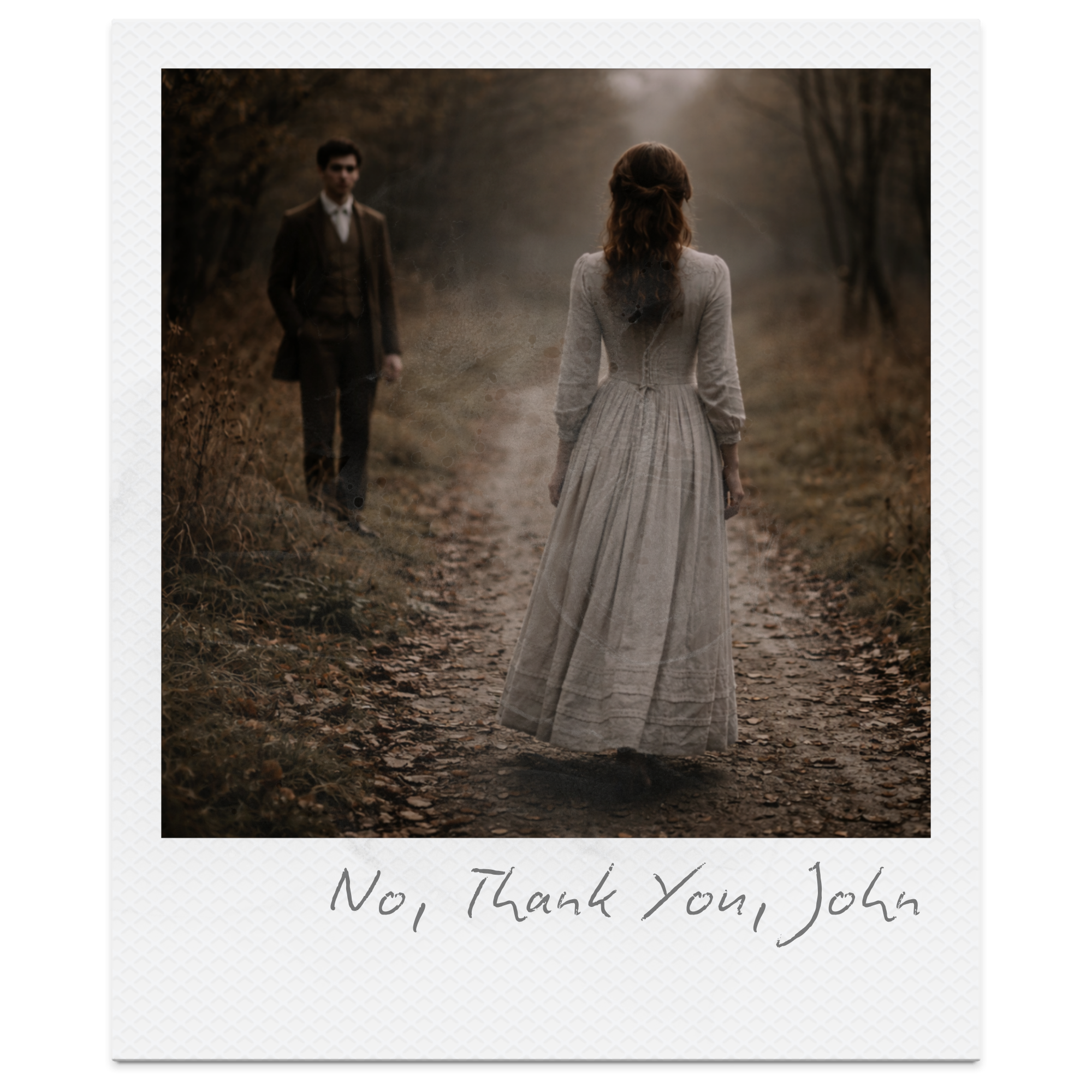
No, Thank You, John by Christina Rossetti: Summary, Themes, Symbolism & Analysis
Christina Rossetti’s No, Thank You, John is a confident and sharply controlled exploration of rejection, emotional honesty, and personal autonomy. Through a direct, conversational voice, the speaker firmly refuses a persistent suitor, challenging the expectation that love must be returned or softened through politeness. The poem redefines rejection as a form of clarity rather than cruelty, exposing the imbalance between romantic persistence and the right to refuse. This analysis of No, Thank You, John explores themes, structure, tone, and key techniques, alongside alternative interpretations and teaching ideas. With close reference to language and form, it reveals how Rossetti constructs a speaker who is both measured and resolute, offering a powerful examination of boundaries, gender expectations, and emotional integrity.

Twice by Christina Rossetti: Summary, Themes, Symbolism & Analysis
Christina Rossetti’s Twice explores the emotional journey of a speaker who offers her heart first to a human lover and then to God, revealing the contrast between human rejection and divine understanding. Through powerful symbolism and structural repetition, Rossetti examines themes of unrequited love, judgement, and emotional vulnerability, showing how easily personal worth can be shaped—and damaged—by external evaluation. As the poem progresses, the speaker transforms her experience of rejection into an opportunity for spiritual redemption, turning away from flawed human judgement toward a more meaningful and enduring form of acceptance. This analysis explores how Rossetti uses imagery, tone, and form to chart this shift, making Twice a compelling study of identity, faith, and the search for lasting fulfilment.
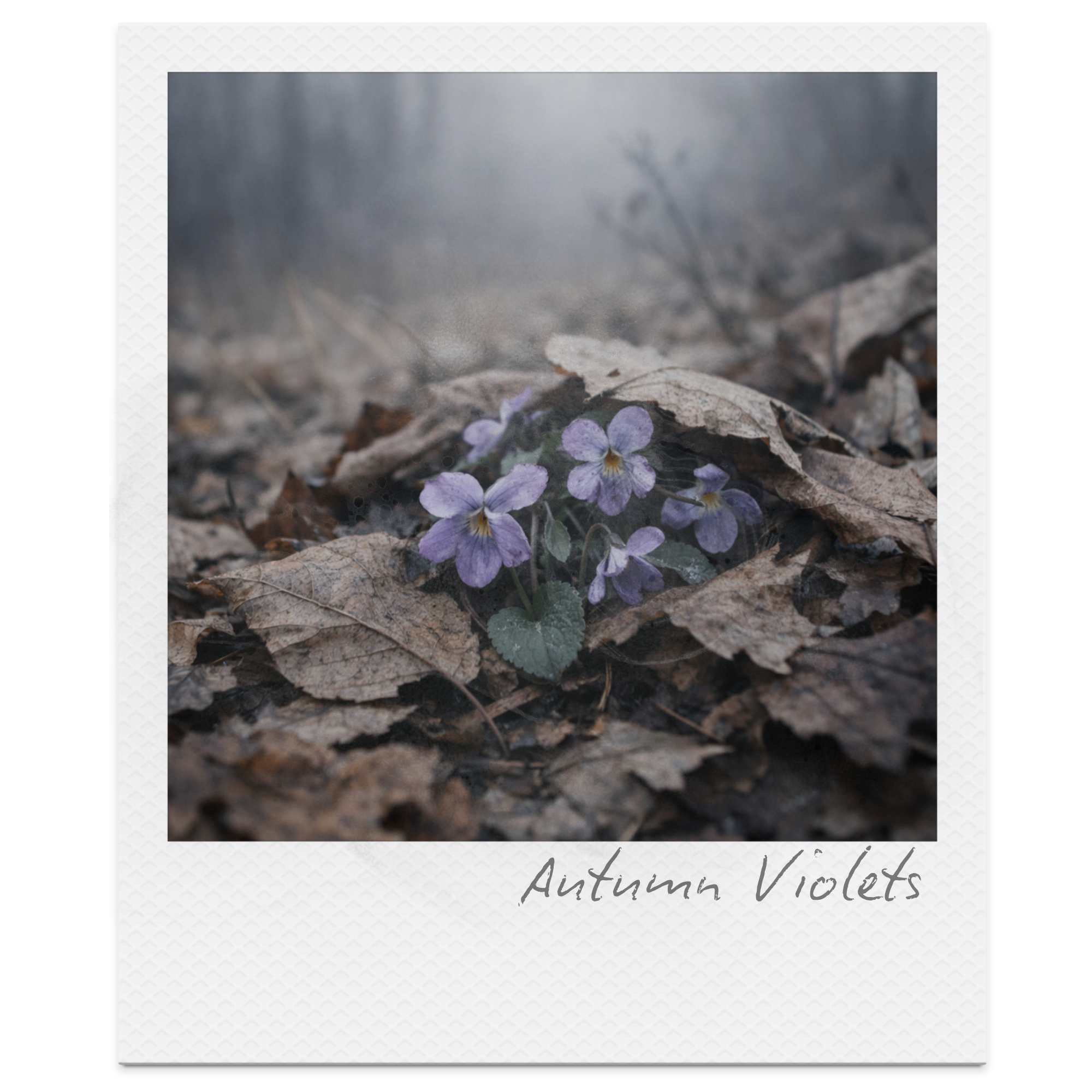
Autumn Violets Christina Rossetti Analysis: Themes, Symbolism, Structure & Key Quotes
Christina Rossetti’s Autumn Violets is a reflective sonnet that explores how love is shaped by time, age, and emotional limitation. Through the delicate image of violets blooming out of season, Rossetti contrasts youthful, idealised love with a quieter, more restrained form of love that emerges later in life. The poem suggests that, like the natural world, emotional experiences follow a pattern, and when they occur outside their “proper” moment, they must be understood differently. In this analysis, we explore Rossetti’s use of seasonal symbolism, structure, and language to examine the relationship between love and timing. With detailed breakdowns of key lines, themes, and techniques, this guide offers a clear and insightful reading of Autumn Violets, revealing how the poem ultimately presents acceptance—not fulfilment—as the defining quality of later love.