From the Coptic by Stevie Smith: Analysis of Mortality, Choice and the Human Condition
Stevie Smith's From the Coptic is a deceptively simple yet deeply philosophical poem that explores mortality, choice, human existence, and the meaning of life itself. Drawing upon the structure of a creation myth, Smith imagines a conversation between angels and a reluctant heap of clay that is being invited to become human. Through dialogue, repetition, humour, and symbolic imagery, the poem examines what makes human life worth living and presents a striking paradox: it is not the promise of happiness that persuades the clay to become human, but the certainty of death. By combining a childlike narrative voice with profound existential questions, Smith challenges readers to reconsider the relationship between suffering, mortality, purpose, and the value of human experience.
If you are teaching or studying for Paper 1 (2027 or 2028) of CIE 9695, be sure to explore the other poems on the Songs of Ourselves Volume 2 Hub as well as the wider collection of poetry, prose, and drama texts available in the Literature Library.
Context and Literary Background of From the Coptic
Understanding the context of From the Coptic helps illuminate its exploration of mortality, human existence, and the value of life itself. Although the poem draws upon the structure of a simple creation story, it engages with some of the most significant philosophical and literary questions of the twentieth century, including why human beings accept suffering, how mortality shapes meaning, and whether death gives purpose to life.
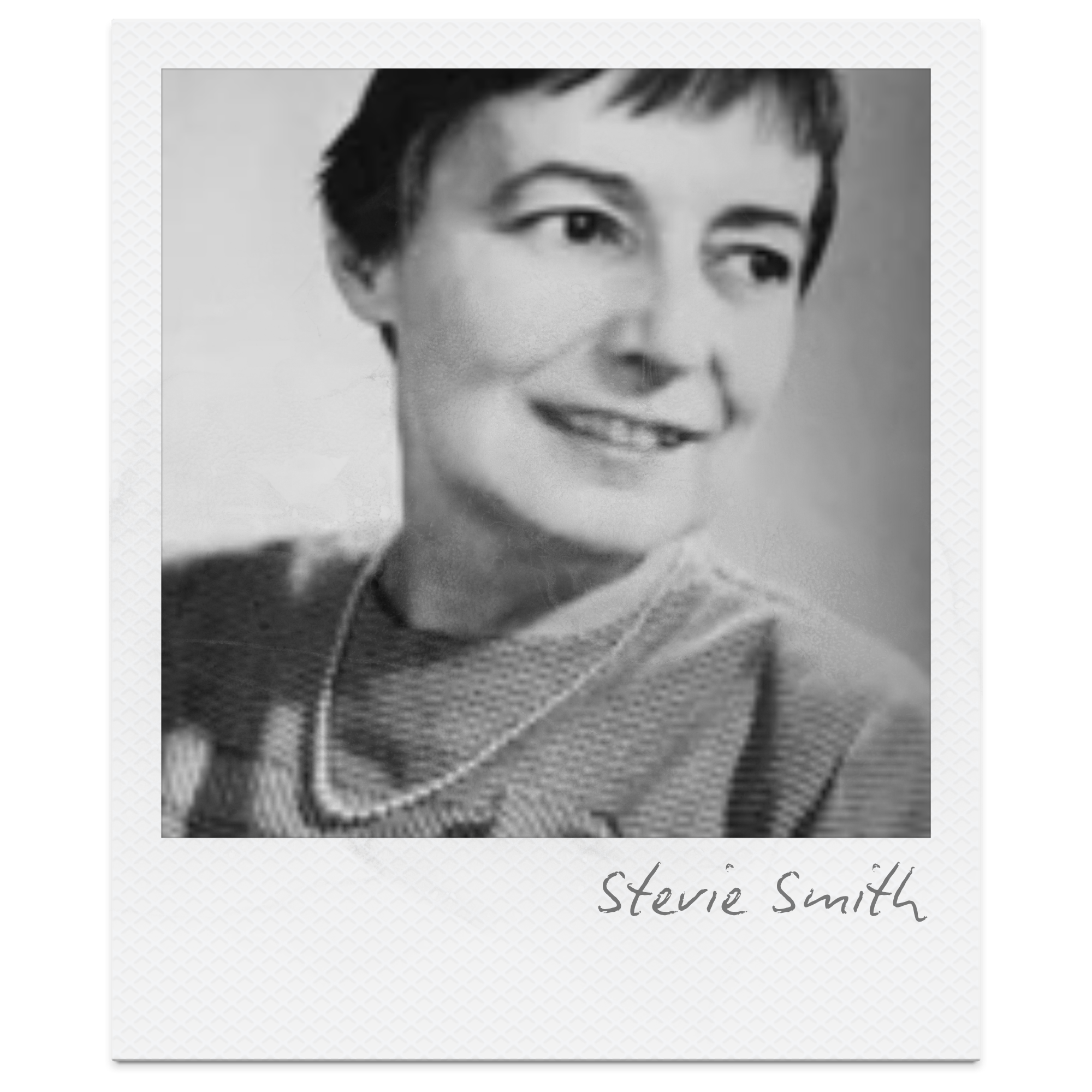
Stevie Smith (1902–1971) was one of the most distinctive voices in twentieth-century British poetry. Her work often combines deceptively simple language, nursery-rhyme rhythms, humour, and fantasy with serious explorations of death, loneliness, religion, and the human condition. Many of her poems appear playful on the surface while concealing profound philosophical and emotional complexity beneath. This blend of accessibility and depth is one of Smith's defining characteristics and is particularly evident in From the Coptic.
Smith wrote during a period marked by immense social and intellectual change. The first half of the twentieth century witnessed two world wars, political upheaval, and growing challenges to traditional religious beliefs. Many writers became increasingly concerned with questions of meaning, purpose, and individual existence in a world where old certainties seemed less secure. As a result, twentieth-century literature often explores existential questions about freedom, mortality, identity, and the search for meaning. From the Coptic can be read within this broader intellectual context.
The poem's title refers to the Coptic tradition associated with Egyptian Christianity. While Smith does not directly retell a specific Coptic text, she borrows the atmosphere of a religious creation myth. The poem resembles stories found in many religious traditions in which humanity is formed from clay or earth. Readers may recognise similarities to the Biblical account in the Book of Genesis, where God creates Adam from dust. However, Smith significantly alters the traditional narrative by giving the clay its own voice and agency.
This change is crucial because it transforms the poem from a straightforward creation story into a philosophical debate. Instead of passively accepting life, the clay questions whether becoming human is desirable at all. The poem therefore engages with ideas associated with existential philosophy, particularly the question of whether life is worth embracing despite suffering, uncertainty, and death.
The poem also reflects Smith's lifelong fascination with death. Throughout her work, death frequently appears not simply as a source of fear but as a subject of curiosity, contemplation, and even comfort. In From the Coptic, death occupies a paradoxical position. Rather than discouraging the clay from becoming human, the promise of mortality ultimately persuades it to embrace existence. This unexpected reversal challenges conventional assumptions about death and happiness.
Stylistically, the poem draws upon traditions of folk tales, parable, and fable. The presence of angels, talking clay, repetitive dialogue, and simple narrative structure creates the impression of an ancient story passed down through generations. Yet beneath this simplicity lies a sophisticated exploration of choice, purpose, and the meaning of being human.
For modern readers, From the Coptic remains compelling because it addresses universal questions that continue to resonate across cultures and historical periods. Through its blend of humour, myth, and philosophy, the poem invites readers to reflect on whether mortality is a limitation of human existence or the very thing that gives life its significance.
From the Coptic: At a Glance
◆ Form: A narrative poem and philosophical parable that adopts the structure of a creation myth while exploring existential questions about human life.
◆ Tone and emotional movement: Playful and conversational at first, becoming increasingly reflective and philosophical before ending with a surprising sense of acceptance and affirmation.
◆ Central tensions: Existence versus non-existence; mortality versus immortality; suffering versus meaning; certainty versus uncertainty.
◆ Core concerns: Death, human purpose, free will, mortality, suffering, choice, creation, and the meaning of being human.
◆ Dominant imagery: Clay, angels, creation, bones, rain, death, and transformation from formless matter into human life.
◆ Stylistic features: Dialogue, repetition, biblical and mythological allusions, personification, simple diction, irony, and fable-like storytelling.
◆ Key themes: Mortality and meaning, the human condition, acceptance of death, existential choice, creation and identity, suffering and fulfilment, and the value of finite existence.
◆ One-sentence interpretation: Smith uses a playful creation myth to suggest that human life gains its meaning not despite death, but because mortality gives existence purpose, urgency, and value.
Quick Summary of From the Coptic
The poem begins with three angels addressing a heap of red clay, commanding it to rise and become a human being. However, the clay is reluctant and questions why it should accept such an offer. Rather than eagerly embracing life, it resists the transformation and asks what benefits human existence can provide.
The first angel explains that human life will contain both happiness and pain, neither of which can be predicted or controlled. The second angel offers a similar message, but the clay remains unconvinced, preferring to stay as it is rather than accept responsibility for the uncertainties of human life.
Finally, the third angel reveals that human beings experience death and that death brings an end to life. Surprisingly, this is the promise that persuades the clay to become human. Rather than fearing mortality, the clay embraces it, declaring friendship with Death and willingly accepting its transformation into a person. The poem ends by suggesting that the certainty of death may be what gives meaning and value to human existence.
Title, Form, Structure and Metre in From the Coptic
Stevie Smith's formal choices are essential to the poem's exploration of mortality, human existence, and the meaning of life. While From the Coptic initially resembles a simple folktale or children's story, its carefully crafted structure, rhythmic patterns, and use of dialogue allow Smith to explore profound philosophical questions in an accessible and memorable way. The poem's apparent simplicity disguises considerable conceptual complexity.
The Significance of the Title
The title immediately establishes a connection with religious and mythological traditions. The word "Coptic" refers to the ancient Christian tradition associated with Egypt and evokes ideas of sacred stories, creation myths, and spiritual wisdom.
However, Smith does not present a traditional religious narrative. Instead, she uses the framework of a creation story to explore modern questions about choice, mortality, and the value of human existence. The title therefore creates expectations of a religious text while preparing readers for a more philosophical and unconventional exploration of humanity.
The title also contributes to the poem's timeless quality. By situating the poem within an ancient storytelling tradition, Smith elevates its questions beyond any particular historical period and presents them as universal concerns.
Form
The poem functions as a narrative poem, a parable, and a creation myth simultaneously.
As a narrative poem, it tells a complete story with characters, dialogue, conflict, and resolution. The angels and the clay interact in a way that creates dramatic tension and narrative progression.
As a parable, the poem uses a simple scenario to explore larger philosophical ideas. The clay's decision about whether to become human becomes a symbolic discussion about the nature of existence itself.
As a creation myth, the poem reimagines humanity's origins. However, unlike many traditional creation stories in which creation is imposed upon passive matter, Smith gives the clay agency and the ability to question its fate. This transforms the poem into an exploration of free will and conscious choice.
Structure
The poem follows a clear narrative progression that mirrors a philosophical debate.
The opening section introduces the clay and establishes the central conflict. The angels invite the clay to become human, but the clay immediately questions the value of such a transformation.
The middle section consists largely of a series of arguments. The first angel offers happiness and pain as part of the human experience, while the second angel repeats a similar promise. The clay remains unconvinced because these experiences appear unpredictable and potentially burdensome.
The final section introduces a dramatic turning point. The third angel reveals the existence of death, and this unexpected revelation resolves the poem's central conflict. The clay immediately accepts human existence, creating an ending that both surprises readers and forces them to reconsider conventional attitudes towards mortality.
This structure resembles a philosophical dialogue in which multiple viewpoints are presented before a final conclusion emerges.
Dialogue as Structure
Much of the poem is constructed through direct speech.
The repeated exchanges between the angels and the clay create a dramatic quality while also emphasising the poem's concern with choice and reasoning. Rather than receiving information passively, the clay questions, challenges, and evaluates each proposal.
This dialogue-driven structure allows Smith to present abstract philosophical ideas in a lively and accessible form. Readers engage with the debate alongside the clay, considering each argument before reaching the poem's conclusion.
The conversational quality also contributes to the poem's deceptively simple surface style.
Rhyme Scheme
Smith employs a largely regular rhyme scheme throughout the poem, often using paired or alternating rhymes that reinforce the poem's folkloric atmosphere.
For example, the opening stanza follows an AABB pattern:
clay (A)
lay (A)
clay (B)
day (B)
The strong end-rhymes create a musical quality reminiscent of nursery rhymes, ballads, and oral storytelling traditions.
Throughout the poem, Smith frequently relies on simple and memorable rhyme patterns:
head / said
rain / blame
moans / bones
end / friend
These straightforward rhymes contribute to the poem's accessibility while contrasting with the complexity of the ideas being explored.
Metre and Rhythm
The poem's metre is intentionally flexible rather than strictly regular. Many lines move broadly within an iambic framework, but Smith frequently varies the rhythm to reflect natural speech and conversation.
For example:
u S | u S | u S | u S
stand UP | stand UP | thou LA | zy RED clay
The repeated stresses create an almost incantatory quality, appropriate for a creation myth involving angels and transformation.
Similarly:
u S | u S | u S | u S
thou SHALT | have HAP | piNESS | thou SHALT have PAIN
The repeated stresses on "shalt", "happiness", and "pain" emphasise the certainty of the angel's promises while creating a rhythmic balance between opposing experiences.
Smith often allows rhythm to follow the natural movement of spoken language. This conversational flexibility prevents the poem from feeling overly formal and helps maintain the accessibility of the dialogue.
Repetition and Oral Storytelling
One of the poem's most important formal features is its use of repetition.
Phrases such as "Stand up, stand up", "red clay", and repeated questioning create the impression of an oral tale passed down through generations. Repetition reinforces key ideas while making the poem feel memorable and communal.
The repeated commands also emphasise the tension between passivity and action. The angels continually urge movement and transformation, while the clay initially resists.
This technique helps foreground one of the poem's central concerns: whether existence itself is worth embracing.
The Significance of the Ending
The poem concludes with a concise and striking final exchange:
"I am Death," said the angel, and death is the end,
"I am Man," cries clay rising, and you are my friend.
Structurally, this ending functions as both a resolution and a reversal. Readers may expect the revelation of death to discourage the clay, yet it produces the opposite effect.
The abrupt shift creates a powerful sense of surprise while forcing readers to reconsider assumptions about mortality. By placing this revelation at the very end of the poem, Smith ensures that the final idea continues to resonate long after the narrative has concluded.
The structure therefore mirrors the poem's philosophical argument: mortality is not presented as a reason to reject life but as one of the very qualities that makes human existence meaningful.
Voice, Perspective and Emotional Conflict in From the Coptic
The voice of From the Coptic is one of the poem's most distinctive features. Stevie Smith combines the simplicity of a folk tale or parable with surprisingly profound philosophical questions, creating a voice that feels playful, conversational, and deceptively naïve. Beneath the poem's accessible surface lies a serious exploration of mortality, human existence, and the reasons people choose to embrace life despite suffering and uncertainty.
A Voice Rooted in Storytelling
The poem immediately adopts the voice of a traditional storyteller.
The opening line, "Three angels came to the red red clay," resembles the beginning of a myth, fairy tale, or religious narrative. The straightforward diction, repetitive phrasing, and clear narrative structure create the impression of an ancient story being retold. This simplicity is important because it makes complex philosophical ideas accessible without diminishing their significance.
The storytelling voice also contributes to the poem's timeless quality. Readers are encouraged to view the debate between the angels and the clay as a universal reflection on human existence rather than a discussion confined to a particular historical moment.
The Clay as an Unexpected Speaker
One of the poem's most striking features is the decision to give the clay a voice.
In many creation myths, clay functions as passive material waiting to be shaped by a divine force. Smith radically alters this convention by allowing the clay to question, argue, and resist.
The clay's voice is sceptical, practical, and surprisingly independent. Rather than eagerly accepting life, it repeatedly asks "And why should I do such a thing?" This question introduces an element of philosophical enquiry into the poem. The clay becomes a representative of human doubt, forcing readers to confront assumptions about whether existence is inherently valuable.
The Angels as Voices of Authority
In contrast to the clay, the angels speak with confidence and certainty.
Their language is characterised by commands and declarations such as "Stand up, stand up" and "Thou shalt have happiness, thou shalt have pain."
The repeated use of "thou shalt" evokes Biblical language and reinforces their authority. The angels appear to possess knowledge about the human condition that the clay lacks.
However, Smith also complicates their authority. Despite their certainty, the first two angels fail to persuade the clay. Their promises of happiness and pain prove insufficient.
This creates an interesting tension between divine authority and individual choice, suggesting that existence cannot simply be imposed upon an unwilling participant.
Humour and Philosophical Inquiry
The poem's voice frequently balances humour with serious intellectual exploration.
The image of a heap of clay arguing with angels is inherently playful, while the clay's reluctance to become human introduces a subtle comic element. Its desire to remain clay and "take no blame" feels surprisingly familiar and recognisably human.
Yet beneath this humour lie significant philosophical questions.
What makes life worth living?
Is happiness sufficient justification for existence?
Does suffering diminish or enhance the value of life?
The poem's voice therefore operates on two levels simultaneously, allowing readers to enjoy the narrative while engaging with deeper existential concerns.
Emotional Restraint and Intellectual Curiosity
Unlike many poems about life and death, From the Coptic avoids overt emotional intensity.
The speakers do not express fear, grief, joy, or despair in dramatic ways. Instead, the poem remains remarkably controlled and conversational throughout.
This restraint shifts attention towards ideas rather than emotions. Readers are invited to think alongside the clay rather than simply sympathise with it.
The result is a voice characterised by curiosity and reflection rather than emotional persuasion.
The Paradoxical Voice of Acceptance
The poem's most significant tonal shift occurs in the final exchange.
Throughout the poem, the clay rejects the promises of happiness and pain. Human existence appears unattractive because it involves uncertainty and responsibility.
However, everything changes when the third angel introduces death.
The clay's response is immediate. Upon hearing "I am Death", the clay rises and declares "I am Man", describing Death as "my friend."
This sudden transformation creates one of the poem's most powerful paradoxes. Death, which readers might expect to discourage the clay, becomes the very reason it chooses life.
The voice therefore moves from resistance and scepticism towards acceptance and affirmation. Importantly, this acceptance is not based on happiness, comfort, or certainty, but on the recognition that mortality gives human existence meaning and shape.
A Voice Balancing Simplicity and Complexity
Ultimately, the poem's voice exemplifies one of Stevie Smith's greatest strengths as a writer: her ability to express profound ideas through apparently simple language.
The narrative voice feels accessible, conversational, and even childlike at times, yet it addresses some of the most challenging questions in literature and philosophy. Through this combination of simplicity and depth, Smith encourages readers to reconsider familiar assumptions about life, death, choice, and the human condition.
The result is a voice that remains playful and approachable while simultaneously engaging with questions that have occupied philosophers, theologians, and writers for centuries.
Stanza-by-Stanza Analysis of From the Coptic
A close reading of From the Coptic reveals how Stevie Smith gradually develops her exploration of mortality, human existence, and the meaning of life through a deceptively simple creation story. Each stanza advances the philosophical debate between the angels and the clay, moving from resistance and scepticism towards acceptance and affirmation. Through dialogue, repetition, symbolism, and irony, Smith transforms a seemingly playful narrative into a profound reflection on why human beings embrace life despite its suffering, uncertainty, and inevitable end.
Stanza 1: Creation and Potential
The opening stanza immediately establishes the poem's mythic and symbolic framework. In just two lines, Smith introduces the central image of the red clay, the supernatural presence of the three angels, and the state of existence before human life begins. Although the language appears simple and almost childlike, the stanza introduces important questions about identity, creation, free will, and what it means to become human. The clay exists in a condition of possibility rather than reality, waiting between non-existence and life as the angels arrive to initiate its transformation.
The poem opens with "Three angels came to the red red clay," immediately establishing a setting that feels both Biblical and folkloric. The presence of angels introduces ideas of divine authority, creation, and spiritual knowledge. Their arrival suggests that a significant moment is about to occur, while the number three carries traditional symbolic associations with completeness, spiritual authority, and religious storytelling.
The description of "red red clay" is particularly significant. The repetition creates a simple, almost nursery-rhyme quality that contributes to the poem's deceptively innocent tone. At the same time, the colour red evokes multiple associations. It recalls the earth from which humanity is traditionally created in many religious myths, while also suggesting blood, life, vitality, and human physical existence. The repeated adjective therefore foreshadows the transformation from inert matter into living humanity.
The clay itself functions as a symbol of potential. At this stage, it has not yet become human and possesses none of the experiences, emotions, responsibilities, or limitations that define human life. It exists in a state of possibility, making it an ideal vehicle through which Smith can explore whether existence is desirable in the first place.
The second line, "Where in a heap it formless lay," emphasises this state of incompleteness. The noun "heap" suggests disorder, passivity, and a lack of individual identity. Similarly, the adjective "formless" highlights the clay's absence of shape, purpose, or selfhood. Unlike a human being, it has no defined existence and no awareness of itself as an individual.
This image is important because it creates a clear contrast with the transformation that follows later in the poem. The clay begins as an undefined mass without identity, but the angels' arrival introduces the possibility of becoming something distinct and conscious. The poem's central question therefore emerges almost immediately: is it better to remain safely formless, or to embrace the uncertainties of human existence?
Although brief, the stanza establishes many of the poem's key concerns. Through the symbolic image of the clay and the arrival of the angels, Smith introduces themes of creation, identity, choice, and human potential, laying the foundation for the philosophical debate that unfolds throughout the rest of the poem.
Stanza 2: The Invitation to Humanity
The second stanza introduces the angels' first direct command and establishes the central conflict of the poem. For the first time, the clay is invited to abandon its passive, formless existence and become human. Although the invitation initially appears positive and celebratory, Smith immediately introduces questions about free will, identity, and the desirability of human life. The angels present humanity as a gift, yet the forceful nature of their language suggests that the transformation may be more complicated than it first appears.
The repeated command "Stand up, stand up" creates an urgent and authoritative tone. The repetition gives the line an almost incantatory quality, resembling a spell, prayer, or divine decree. It immediately establishes the angels as figures of power while emphasising the dramatic shift they are demanding. The clay is being called from passivity into action, from non-existence into conscious life.
The phrase "lazy red clay" is particularly interesting because it personifies the clay before it has officially become human. The adjective "lazy" attributes a recognisably human characteristic to something that is supposedly inanimate. This creates a subtle irony, suggesting that the clay already possesses some of the traits associated with humanity even before its transformation.
At the same time, the description implies a judgement. The angels view the clay's current state as inactive and unproductive, reinforcing the idea that existence, action, and engagement are preferable to passive non-existence.
The command "Stand up and be Man" introduces one of the poem's most important symbols. The capitalised "Man" elevates the word beyond an individual person and transforms it into a symbol of humanity itself. The angels are not merely offering life to a single individual; they are offering participation in the entire human experience.
This invitation carries both positive and negative implications. To become human means gaining consciousness, identity, and experience, but it also means accepting responsibility, suffering, uncertainty, and mortality. Although these consequences have not yet been revealed, the poem already hints that becoming human involves more than simply receiving life.
The phrase "this happy day" introduces a note of optimism that becomes increasingly significant as the poem develops. The angels assume that becoming human is a cause for celebration and present the transformation as unquestionably desirable.
However, readers may already notice a tension between the angels' certainty and the clay's later reluctance. The adjective "happy" reflects the angels' perspective rather than an objective truth. One of the poem's central questions will become whether happiness alone is sufficient justification for existence.
Structurally, the stanza functions as a catalyst for everything that follows. The angels issue a clear invitation, but the simplicity of the command conceals the complexity of the decision being offered. Through repetition, personification, and symbolic language, Smith transforms a seemingly straightforward act of creation into the beginning of a profound philosophical debate about what it means to be human.
Stanza 3: Resistance and the Question of Existence
The third stanza introduces the clay's first response to the angels' invitation and establishes the philosophical debate that drives the remainder of the poem. Rather than accepting humanity with gratitude or excitement, the clay immediately questions whether becoming human is desirable at all. Through personification, dialogue, and subtle irony, Smith presents the clay as a surprisingly thoughtful and sceptical figure whose reluctance forces readers to consider what life actually offers. The stanza shifts the poem from a simple creation story into an exploration of free will, choice, and the value of existence itself.
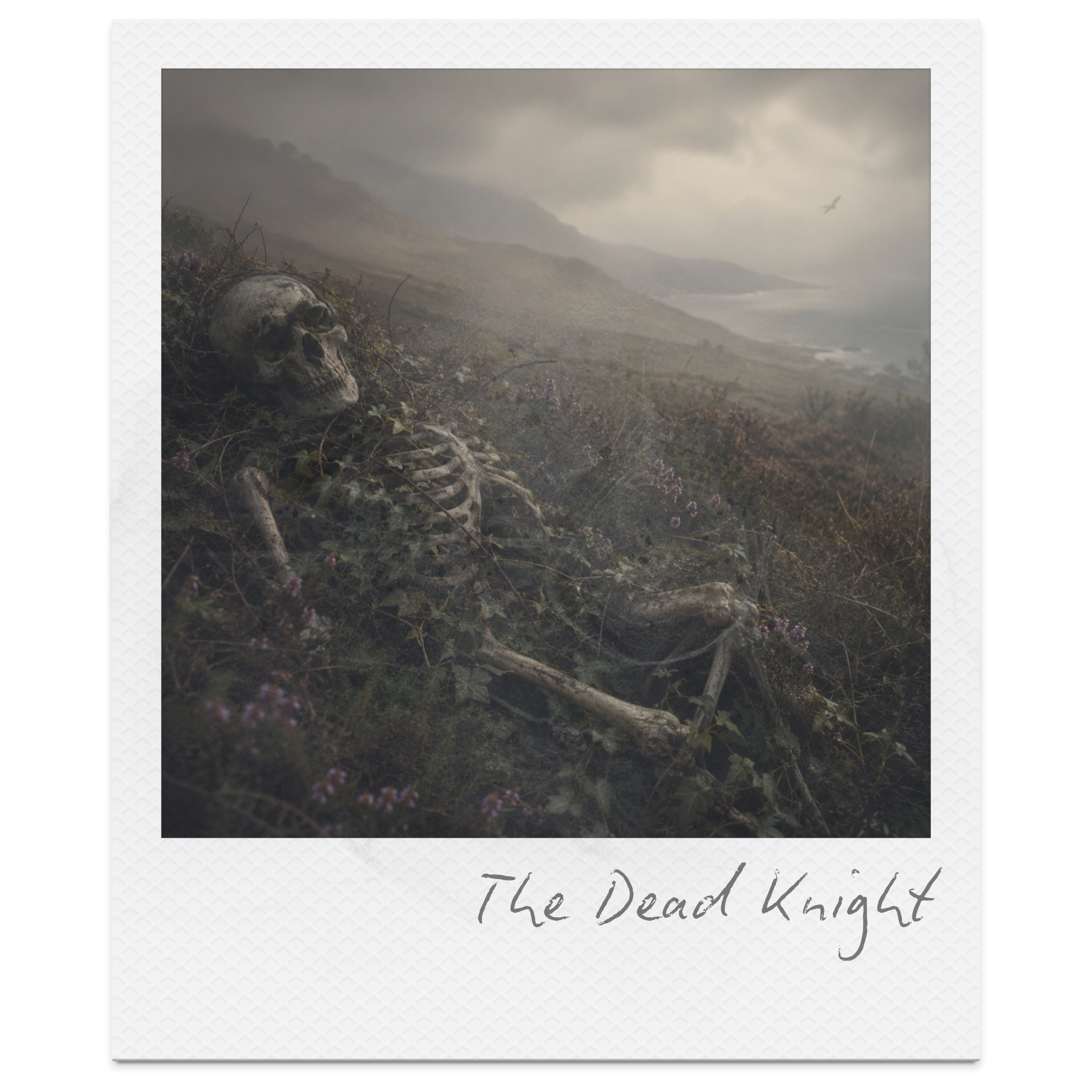
The stanza opens with "Oh, in its bones the red clay groaned," a striking image because the clay is described as possessing "bones" before it has become human. This creates a deliberate paradox. On one level, the phrase personifies the clay, suggesting that it already possesses traces of humanity. On another, it foreshadows the physical reality of human existence that the clay is being asked to embrace.
The verb "groaned" immediately establishes resistance. Rather than responding with enthusiasm, the clay reacts with discomfort and reluctance. The sound of the word conveys weariness and dissatisfaction, implying that the clay already suspects that becoming human may involve burdens as well as rewards.
The clay's direct question, "And why should I do such a thing?", introduces the poem's central philosophical challenge. Instead of assuming that life is inherently valuable, the clay demands justification. This moment is crucial because it reverses the expectations of traditional creation stories. Rather than longing for existence, the clay treats humanity as a proposal that must be carefully evaluated.
Smith therefore encourages readers to view life from an unusual perspective. By imagining a being that has not yet entered human existence, she creates distance from assumptions that people often take for granted.
The second question, "And take such a thing on my downy head?", deepens this scepticism. The phrase "take such a thing on" suggests responsibility, obligation, or burden rather than opportunity. The clay appears to view humanity as something that must be endured rather than celebrated.
The adjective "downy" is particularly interesting. It evokes softness, comfort, warmth, and innocence. The clay's current state appears peaceful and uncomplicated. By describing its head in these terms, Smith emphasises what might be lost through the transition into human life. Existence is associated not only with possibility but also with disruption.
The clay's questions also introduce an important theme of free will. Unlike many creation myths, where humanity is created without consultation, Smith allows the clay to participate actively in its own creation. It is not a passive object but a conscious voice capable of questioning authority and demanding reasons.
The stanza concludes with "Then the first angel stood forth and said," creating a sense of anticipation. The angel's response is delayed until the next stanza, allowing the clay's doubts to linger in the reader's mind. Structurally, this functions as a turning point. The poem moves from command to debate, transforming the creation narrative into a philosophical discussion about whether human existence is a gift, a burden, or something more complex than either description alone.
By the end of the stanza, Smith has established one of the poem's most important ideas: life cannot simply be assumed to be valuable. Instead, its worth must be examined, questioned, and ultimately chosen.
Stanza 4: The Uncertainty of Human Experience
In the fourth stanza, the first angel presents the clay with its first explanation of what human life involves. Rather than promising constant joy or fulfilment, the angel offers a balanced vision of existence in which happiness and pain are inseparable and continually changing. This response introduces one of the poem's central ideas: human life is defined by uncertainty. Through repetition, contrast, and cyclical imagery, Smith explores the unpredictable nature of experience while questioning whether happiness alone is sufficient justification for becoming human.
The angel begins with the declaration "Thou shalt have happiness, thou shalt have pain," presenting the two most fundamental aspects of human existence. The parallel structure places happiness and pain in direct opposition, creating an immediate sense of balance. Neither is given greater importance than the other. Instead, the angel suggests that both experiences are unavoidable parts of being human.
The repetition of "thou shalt have" reinforces the certainty of this promise. Unlike many aspects of life, happiness and suffering are presented as inevitable. Every human being will encounter both, regardless of their circumstances or choices.
The next line develops this idea further: "And each shall fall turn and about again." The cyclical movement implied by "turn and about again" suggests that neither happiness nor pain is permanent. Joy gives way to suffering, and suffering gives way to joy. The image reflects the changing rhythms of human life, where emotional states continually shift rather than remaining fixed.
This cyclical pattern is important because it challenges simplistic ideas about happiness. The angel does not promise lasting fulfilment or permanent contentment. Instead, life is characterised by fluctuation, uncertainty, and change.
The third and fourth lines continue this emphasis on unpredictability. The angel explains that "no man shall say when the day shall fall / That thou shalt be happy or not at all." These lines suggest that human beings can never fully predict their future emotional experiences. Happiness cannot be guaranteed, controlled, or permanently secured.
The phrase "when the day shall fall" carries symbolic significance. On a literal level, it refers to the passing of time, but it also evokes the broader progression of a human life. Individuals move through periods of joy and suffering without certainty about what lies ahead.
Importantly, the angel's argument is remarkably realistic. Rather than idealising human existence, it presents life as fundamentally uncertain. This honesty distinguishes the poem from many traditional creation stories in which life is portrayed as an unquestionable blessing.
However, the stanza also helps explain why the clay remains unconvinced. The angel offers a life shaped by unpredictability, alternating pleasure and pain, and no guarantee of lasting happiness. From the clay's perspective, these conditions may appear more burdensome than attractive.
Structurally, the stanza represents the first attempt to persuade the clay. Yet the argument is notable for what it lacks. The angel explains what human beings experience, but not why those experiences make existence worthwhile. As a result, the stanza deepens the poem's philosophical debate while preparing readers for the clay's continued resistance in the following section.
Stanza 5: Rejecting Responsibility and Human Burdens
The fifth stanza demonstrates that the first angel's argument has failed to persuade the clay. Having heard that human life consists of unpredictable cycles of happiness and pain, the clay chooses to reject the offer entirely. Through imagery, symbolism, and irony, Smith explores humanity's desire to avoid suffering, uncertainty, and responsibility. The stanza also highlights the poem's growing focus on choice, as the clay actively decides that non-existence appears preferable to the risks associated with being human.
The stanza opens with "And the second angel said much the same," immediately suggesting that the second angel's message offers little that is fundamentally different from the first. This brief summary creates a sense of repetition and reinforces the idea that happiness and pain are central and unavoidable aspects of human existence.
The phrase "much the same" is also subtly dismissive. Rather than presenting a new perspective, the second angel merely reinforces the argument already made. This repetition highlights the limitations of the angels' reasoning. If life is defined primarily by alternating pleasure and suffering, the clay remains unconvinced that it is worth embracing.
The image of the clay "lay flat in the falling rain" is particularly significant. The verb "lay" emphasises passivity and resistance. While the angels repeatedly command the clay to stand up, it stubbornly remains where it is, refusing transformation.
The falling rain contributes additional symbolic meaning. Rain is often associated with growth, renewal, and life, yet here it falls upon the motionless clay without changing its mind. This creates an interesting contrast between nature's life-giving associations and the clay's determination to remain inactive.
The image may also symbolise the burdens and discomforts of existence. The clay remains exposed to the elements, yet still prefers its current state to the uncertainties described by the angels.
The clay's declaration, "I will stay clay and take no blame," reveals the deeper reason for its reluctance. The noun "blame" introduces the idea of responsibility, accountability, and moral consequence. The clay does not simply fear pain; it wishes to avoid the obligations that accompany conscious existence.
This line reflects one of the poem's most important philosophical concerns. To become human means making choices, experiencing consequences, and accepting responsibility for one's actions. The clay recognises that life involves more than happiness and suffering—it also involves accountability.
There is also a subtle irony here. The clay's desire to avoid blame resembles recognisably human behaviour. Even before becoming human, it displays caution, self-interest, and a reluctance to accept responsibility. Smith therefore humorously suggests that some aspects of human nature already exist within the clay itself.
Structurally, the stanza functions as a moment of stalemate. The angels have offered their first explanation of life, and the clay has rejected it. The debate remains unresolved, creating tension and anticipation for the next stage of the argument.
By the end of the stanza, Smith has demonstrated that promises of happiness are not enough to justify existence. The clay remains unconvinced because human life appears burdened by uncertainty, suffering, and responsibility. This prepares readers for the poem's most surprising development: the revelation that it is not happiness, but death, that will ultimately persuade the clay to become human.
Stanza 6: The Promise of a Deeper Truth
The sixth stanza marks an important turning point in the poem. After the first two angels fail to persuade the clay, the third angel steps forward with the confidence that he possesses a more compelling argument. The stanza creates anticipation and suspense while signalling that the discussion is about to move beyond questions of happiness, pain, and responsibility towards something more fundamental. Through repetition, symbolism, and foreshadowing, Smith prepares readers for the poem's surprising resolution.
The stanza begins with "Then the third angel rose up and said," immediately distinguishing this angel from the previous two. The verb "rose" carries symbolic significance because it suggests authority, importance, and elevation. Unlike the earlier angels, whose arguments have already failed, the third angel appears as a figure who may finally resolve the debate.
The presence of a third angel is also significant within religious and folkloric traditions, where the third attempt often brings success after two earlier failures. Readers may therefore anticipate that this angel possesses knowledge or insight that the others lack.
The command "Listen thou clay, raise thy downy head," continues the poem's recurring imagery of movement and transformation. Earlier, the angels repeatedly commanded the clay to "stand up." Here, the request is less forceful and more conversational. The emphasis shifts from physical action to understanding.
The verb "listen" is particularly important because it suggests that persuasion will come through knowledge rather than command. The clay must hear and comprehend something before it can choose to become human.
Meanwhile, the repeated description of the clay's "downy head" recalls the earlier stanza and reinforces the image of innocence, softness, and unformed potential. The clay still exists in a state untouched by the complexities of human experience.
The next two lines build suspense through deliberate foreshadowing:
"When thou hast heard what I have to say
Thou shalt rise Man and go man's way."
Unlike the previous angels, who immediately revealed the contents of their message, the third angel first promises its effect. This creates anticipation because readers know that whatever follows will finally persuade the clay.
The phrase "go man's way" is especially significant. Rather than simply becoming human, the clay will undertake the full journey of human existence. The expression implies a life shaped by experience, growth, struggle, choice, and ultimately mortality.
At this stage, neither the clay nor the reader knows exactly what the third angel will reveal. However, the certainty of "thou shalt rise Man" suggests that the final argument addresses something more essential than happiness or pain.
Structurally, the stanza functions as a bridge between rejection and acceptance. The clay has resisted every previous argument, but the third angel confidently predicts success. This creates dramatic tension and prepares readers for the poem's central paradox: that the truth which finally persuades the clay is not a promise of joy, fulfilment, or reward, but the certainty of death itself.
By the end of the stanza, Smith has carefully built anticipation while shifting the poem towards its philosophical climax. The focus is no longer on what humans experience during life, but on the deeper question of what makes life meaningful in the first place.
Stanza 7: Mortality as the Meaning of Life
The final stanza delivers the poem's philosophical climax and resolves the debate that has driven the narrative from the beginning. In a surprising reversal, the revelation that finally persuades the clay to become human is not the promise of happiness, fulfilment, or reward, but the certainty of death. Through dialogue, irony, symbolism, and paradox, Smith challenges conventional assumptions about mortality and suggests that the finite nature of human existence may be what gives life its meaning and value.
The stanza begins with the clay's final question: "What have you to promise?" This direct challenge reinforces the clay's sceptical nature and highlights its determination to make an informed choice. Unlike a passive figure in a traditional creation story, the clay continues to evaluate the offer critically.
The question also reveals that the clay is still searching for something capable of justifying existence. Neither happiness nor pain has provided a sufficient answer, and the clay remains unconvinced that becoming human is worthwhile.
The second question, "What have you in store for my future bones?", introduces an important shift in focus. Earlier, the clay was concerned with responsibility and suffering. Here, it explicitly thinks ahead to the future and imagines itself possessing "bones," a symbol of human physical existence and mortality.
The reference to "future bones" is particularly significant because bones often symbolise death, decay, and the temporary nature of life. Even before the angel speaks, the clay appears to be contemplating the possibility of mortality.
The angel's response is remarkably simple: "I am Death, and death is the end." The brevity of the statement gives it considerable power. There is no attempt to soften or qualify the message. Unlike many religious narratives, the angel offers no promise of eternal life, spiritual reward, or existence beyond death.
The phrase "death is the end" presents mortality in its most direct form. Human life is finite, limited, and temporary. Readers might expect this revelation to confirm the clay's reluctance, yet Smith immediately overturns those expectations.
The poem's final line creates one of the most striking reversals in the anthology. Upon hearing of death, the clay instantly declares "I am Man" and addresses Death as "my friend."
This response transforms the entire poem. The clay rejects happiness, rejects pain, and rejects uncertainty as reasons for existence, yet willingly embraces humanity once it learns that life has an ending.
The description of Death as "my friend" is especially significant. Traditionally, death is portrayed as an enemy, threat, or source of fear. Smith reverses this convention by presenting mortality as something welcomed rather than resisted.
This creates the poem's central paradox: death, the very thing many people fear most, becomes the quality that makes human life desirable. Without death, life might be endless, shapeless, and without urgency. Mortality gives existence limits, meaning, and significance.
The verb "rising" reinforces the symbolic transformation taking place. Throughout the poem, the clay has resisted the command to stand. Now it rises voluntarily. The decision is no longer imposed by the angels but chosen by the clay itself.
Structurally, the ending resolves the poem's central conflict while simultaneously opening larger philosophical questions. Smith never explicitly explains why death persuades the clay. Instead, readers are invited to consider their own interpretations.
One possibility is that mortality gives life value precisely because it is finite. Another is that death provides relief from suffering and responsibility. A third interpretation is that human beings need endings in order to create meaning from their experiences.
By concluding with this unexpected acceptance of mortality, Smith transforms a seemingly simple creation myth into a profound reflection on the human condition. The final stanza suggests that death is not merely the end of life but one of the very things that makes life worth living in the first place.
Key Quotes and Literary Methods in From the Coptic
Smith's most significant quotations reveal how she combines myth, dialogue, symbolism, and irony to explore mortality, choice, and the meaning of human existence. These quotations are particularly useful because they demonstrate how apparently simple language can convey profound philosophical ideas.
"red red clay"
◆ Method or literary feature: Repetition; symbolism; biblical allusion.
◆ Interpretation and implied meaning: The repeated adjective emphasises the clay's connection to the earth while evoking traditional creation myths in which humanity is formed from dust or clay.
◆ Why the poet uses it: To establish the poem's mythological framework and present the clay as a symbol of humanity before creation.
◆ Emotional/intellectual effect: Creates a simple, memorable image that feels both childlike and timeless.
◆ Broader conceptual significance: Positions humanity as fundamentally connected to the natural world and the material from which life emerges.
"Stand up, stand up, thou lazy red clay"
◆ Method or literary feature: Repetition; direct address; imperative language.
◆ Interpretation and implied meaning: The angels urge the clay towards action, transformation, and conscious existence.
◆ Why the poet uses it: To introduce the central conflict between passive non-existence and active participation in life.
◆ Emotional/intellectual effect: Creates urgency and highlights the significance of the choice being offered.
◆ Broader conceptual significance: Suggests that existence requires engagement, movement, and acceptance of uncertainty.
"And why should I do such a thing?"
◆ Method or literary feature: Rhetorical question; dialogue.
◆ Interpretation and implied meaning: The clay refuses to assume that becoming human is automatically desirable.
◆ Why the poet uses it: To challenge conventional assumptions that life is unquestionably valuable.
◆ Emotional/intellectual effect: Encourages readers to examine beliefs about existence that are often taken for granted.
◆ Broader conceptual significance: Introduces existential questions about meaning, purpose, and the value of life itself.
"Thou shalt have happiness, thou shalt have pain"
◆ Method or literary feature: Parallel structure; juxtaposition; biblical diction.
◆ Interpretation and implied meaning: Human life is defined by opposing emotional experiences that exist together.
◆ Why the poet uses it: To present a balanced and realistic picture of existence.
◆ Emotional/intellectual effect: Highlights the inevitability of both joy and suffering.
◆ Broader conceptual significance: Suggests that human experience is characterised by complexity rather than permanent fulfilment.
"And each shall fall turn and about again"
◆ Method or literary feature: Cyclical imagery; rhythm; repetition.
◆ Interpretation and implied meaning: Happiness and pain continually replace one another throughout life.
◆ Why the poet uses it: To emphasise the changing and unpredictable nature of human experience.
◆ Emotional/intellectual effect: Creates a sense of movement and instability.
◆ Broader conceptual significance: Reflects the cyclical nature of existence and the impossibility of permanent emotional certainty.
"I will stay clay and take no blame"
◆ Method or literary feature: First-person declaration; irony; symbolism.
◆ Interpretation and implied meaning: The clay rejects humanity because it wishes to avoid responsibility and consequence.
◆ Why the poet uses it: To explore the burdens that accompany consciousness and free will.
◆ Emotional/intellectual effect: Creates humour while revealing genuine philosophical concerns.
◆ Broader conceptual significance: Suggests that existence involves accountability as well as experience.
"Listen thou clay, raise thy downy head"
◆ Method or literary feature: Imperative language; symbolism; foreshadowing.
◆ Interpretation and implied meaning: The third angel prepares the clay for a revelation that will transform its perspective.
◆ Why the poet uses it: To create suspense before the poem's philosophical climax.
◆ Emotional/intellectual effect: Builds anticipation and signals an important turning point.
◆ Broader conceptual significance: Suggests that understanding precedes meaningful choice.
"What have you in store for my future bones?"
◆ Method or literary feature: Symbolism; rhetorical question; foreshadowing.
◆ Interpretation and implied meaning: The clay begins to contemplate mortality before the angel explicitly introduces death.
◆ Why the poet uses it: To connect human identity with the inevitability of physical decline and death.
◆ Emotional/intellectual effect: Creates a sense of curiosity and anticipation.
◆ Broader conceptual significance: Highlights humanity's unique awareness of mortality.
"I am Death, said the angel, and death is the end"
◆ Method or literary feature: Personification; declarative statement; paradox.
◆ Interpretation and implied meaning: Death is presented directly and without comforting qualifications.
◆ Why the poet uses it: To confront readers with mortality in its simplest and most unavoidable form.
◆ Emotional/intellectual effect: Creates surprise, seriousness, and philosophical tension.
◆ Broader conceptual significance: Positions mortality as the central fact around which human existence is organised.
"I am Man, cries clay rising, and you are my friend"
◆ Method or literary feature: Paradox; symbolism; dramatic reversal.
◆ Interpretation and implied meaning: The clay embraces humanity because of, rather than despite, the existence of death.
◆ Why the poet uses it: To overturn conventional assumptions about mortality and meaning.
◆ Emotional/intellectual effect: Produces surprise while encouraging deeper reflection.
◆ Broader conceptual significance: Suggests that death gives value, urgency, and significance to human life, making mortality an essential part of the human condition.
Key Techniques in From the Coptic
Stevie Smith employs a range of literary techniques to transform a simple creation story into a sophisticated exploration of mortality, choice, and the human condition. The poem's power lies in its ability to present profound philosophical ideas through deceptively simple language, allowing readers to engage with complex questions about existence in an accessible and memorable way.
Creation Myth and Religious Allusion
The poem draws heavily upon the conventions of a creation myth, particularly traditions in which humanity is formed from clay or earth.
References to angels, clay, and the creation of Man evoke Biblical narratives such as the creation of Adam in Genesis. However, Smith deliberately adapts these familiar stories by giving the clay a voice and allowing it to question the value of existence.
This technique enables Smith to explore modern philosophical concerns within an ancient narrative framework.
Dialogue
Much of the poem unfolds through direct dialogue between the angels and the clay.
This conversational structure transforms the poem into a debate rather than a simple narrative. Readers witness competing perspectives on life, suffering, and mortality, allowing philosophical questions to emerge naturally through discussion.
The dialogue also gives the poem a dramatic quality while making abstract ideas easier to understand.
Personification
Smith repeatedly uses personification by giving the clay human characteristics before it officially becomes human.
The clay groans, questions, argues, complains, and makes decisions. It even possesses "bones" and a "downy head" before its transformation.
This technique creates humour while emphasising the poem's central concern with human identity. The clay already behaves in recognisably human ways before becoming Man, suggesting that the qualities defining humanity may be psychological as much as physical.
Symbolism
The poem relies heavily on symbolic figures and objects.
The red clay symbolises humanity before consciousness and experience. The angels represent different perspectives on existence and human destiny. Death functions as both a literal ending and a symbolic force that gives meaning to life.
These symbols allow Smith to explore universal questions without becoming tied to specific historical or social circumstances.
Repetition
Repetition appears throughout the poem in phrases such as "red red clay", "Stand up, stand up", and the repeated promises of the angels.
This technique creates a rhythm reminiscent of oral storytelling, religious texts, and folk tales. It also emphasises key ideas while making the poem feel memorable and timeless.
The repeated commands additionally reinforce the tension between passivity and action that runs throughout the poem.
Biblical and Archaic Diction
The poem frequently uses language associated with religious texts, including words such as "thou", "shalt", and "Man."
This archaic diction creates the impression of an ancient or sacred narrative. It reinforces the poem's mythological atmosphere while connecting its philosophical concerns to long-standing religious and cultural traditions.
At the same time, the simplicity of the language prevents the poem from becoming overly formal or inaccessible.
Rhetorical Questions
The clay repeatedly asks questions, including "And why should I do such a thing?" and "What have you to promise?"
These rhetorical questions are crucial because they challenge assumptions that life is inherently desirable. Instead of accepting creation passively, the clay demands justification.
This technique encourages readers to engage critically with the poem's ideas and consider their own responses to its philosophical dilemmas.
Contrast and Juxtaposition
The poem repeatedly places opposing ideas alongside one another.
Examples include:
◆ Happiness and pain
◆ Existence and non-existence
◆ Clay and Man
◆ Immobility and action
◆ Life and death
These contrasts highlight the complexities of human experience and emphasise that meaning often emerges through opposition rather than certainty.
Irony
Irony is one of the poem's most important techniques.
Readers might expect the promise of happiness to persuade the clay, yet it does not. Similarly, they might expect the revelation of death to discourage it, yet this is what finally convinces the clay to become human.
This reversal challenges conventional assumptions and forces readers to reconsider their attitudes towards mortality.
The poem's central irony is that death, often viewed as life's greatest tragedy, becomes the reason the clay chooses life.
Paradox
The poem culminates in a powerful paradox when the clay declares Death to be "my friend."
Death is traditionally associated with loss, fear, and endings, yet the clay embraces it as something positive.
This paradox lies at the heart of the poem's meaning. Smith suggests that mortality may be precisely what gives human existence its urgency, purpose, and value.
Humour and Playfulness
Despite addressing profound philosophical issues, the poem frequently employs humour.
The image of angels arguing with a reluctant heap of clay is inherently amusing, while the clay's desire to avoid responsibility feels recognisably human.
This playful tone prevents the poem from becoming overly abstract or solemn. Instead, Smith uses humour to make difficult questions about life and death more approachable.
Foreshadowing
Several details anticipate the poem's final revelation.
The clay's reference to "future bones" introduces mortality before Death appears directly. Similarly, the repeated discussions of responsibility, uncertainty, and human limitation prepare readers for the idea that life's meaning may depend upon its finite nature.
This foreshadowing ensures that the ending feels surprising yet logically connected to the themes developed throughout the poem.
Structural Reversal
The poem's entire structure is built around a dramatic reversal.
The first two angels present qualities commonly associated with life, yet these fail to persuade the clay. The third angel introduces death, which readers might expect to be the least attractive possibility.
Instead, this final revelation resolves the conflict and prompts acceptance.
This structural reversal reinforces the poem's central argument that mortality is not simply an unfortunate consequence of life but one of the qualities that makes human existence meaningful.
Symbolism in From the Coptic
Symbolism lies at the heart of From the Coptic. Although the poem appears simple on the surface, many of its characters, objects, and images represent larger philosophical ideas about life, death, choice, and the human condition. Through these symbols, Smith transforms a creation story into an exploration of what gives human existence meaning.
The Red Clay
The red clay is the poem's central symbol.
Before it becomes human, the clay exists in a state of pure potential. It has no identity, responsibilities, emotions, or experiences. As a result, it symbolises humanity before consciousness and before entering the complexities of life.
The colour red is also significant. It evokes blood, vitality, and physical life, foreshadowing the transformation from inert matter into a living human being.
More broadly, the clay symbolises every human being confronted with the question of whether existence is worth embracing despite its difficulties.
The Angels
The three angels symbolise different perspectives on human existence.
Each angel presents a different aspect of life, gradually building towards the poem's final revelation. They function as guides, teachers, or representatives of wisdom, leading the clay towards self-understanding.
At the same time, the angels symbolise the forces that shape human destiny. They possess knowledge about life that the clay does not yet possess, yet they cannot force the clay to accept humanity. This highlights the importance of choice and free will throughout the poem.
Humanity ("Man")
The capitalised "Man" symbolises humanity as a whole rather than a single individual.
When the angels invite the clay to become Man, they are offering participation in the entire human experience. This includes joy, suffering, responsibility, uncertainty, relationships, ambition, failure, and mortality.
The symbol therefore represents both the privileges and burdens of conscious existence.
Happiness and Pain
The paired concepts of happiness and pain symbolise the dual nature of human experience.
Neither emotion exists in isolation. Instead, the angel presents them as inseparable aspects of life that continually replace one another.
Together, they symbolise the unpredictable emotional cycles that define human existence. Their inability to persuade the clay suggests that pleasure and suffering alone are not sufficient explanations for why life matters.
The Falling Rain
The image of the clay lying "flat in the falling rain" carries several symbolic meanings.
Rain is traditionally associated with growth, fertility, renewal, and life. However, despite being surrounded by these symbols of transformation, the clay remains resistant.
The rain therefore symbolises opportunity and potential change. It highlights the contrast between the possibility of growth and the clay's desire to remain unchanged.
The image may also suggest the inevitable forces that act upon individuals whether they choose to engage with life or not.
The Downy Head
The clay's "downy head" symbolises innocence, vulnerability, and undeveloped potential.
The adjective "downy" evokes softness, comfort, and protection. At this stage, the clay has not yet experienced suffering, responsibility, or loss.
This image reinforces the contrast between the safety of non-existence and the challenges that accompany human life. The clay's reluctance partly stems from a desire to preserve this innocent state.
Bones and Future Bones
The references to bones and future bones symbolise mortality and physical existence.
Bones are traditionally associated with death, decay, and the body's inevitable decline. However, they also represent the underlying structure that makes life possible.
When the clay asks about its "future bones," it demonstrates an awareness that becoming human means becoming mortal. The image foreshadows the appearance of Death and prepares readers for the poem's final revelation.
The bones therefore symbolise both life's limitations and the reality that gives existence shape and meaning.
Death
Death is the poem's most important symbol.
On a literal level, Death represents the end of human life. However, symbolically it represents limitation, finality, and the finite nature of existence.
Importantly, Smith presents Death not as a terrifying enemy but as a necessary companion to life. The clay's acceptance of Death suggests that mortality gives value to human experiences because they cannot last forever.
Death therefore symbolises the very condition that makes meaning possible.
The Friend
The clay's declaration that Death is "my friend" is one of the poem's most powerful symbolic moments.
Traditionally, friendship implies trust, acceptance, companionship, and understanding. By describing Death in these terms, Smith overturns conventional assumptions.
The symbol suggests reconciliation with mortality rather than fear of it. Death becomes something that gives life definition and significance rather than simply taking it away.
This friendship symbolises acceptance of the human condition in its entirety.
Rising
The repeated imagery of rising symbolises transformation, choice, and self-acceptance.
Throughout the poem, the clay remains passive and resistant. Only after hearing about Death does it finally rise.
The act of rising therefore symbolises more than physical movement. It represents the conscious decision to embrace existence despite uncertainty, suffering, and mortality.
In this sense, rising becomes a symbol of what it means to be human: accepting life's limitations while choosing to live fully within them.
The Creation Story
The creation narrative itself functions as an extended symbol.
Rather than focusing on the origins of humanity, the story symbolises the decision every person must make about how to respond to existence. The clay's debate mirrors broader human questions about purpose, suffering, responsibility, and mortality.
The creation myth therefore becomes a symbolic exploration of the human condition, allowing Smith to examine timeless philosophical questions through a deceptively simple narrative framework.
Taken together, these symbols suggest that life derives its meaning not from endless happiness or certainty, but from the very limitations that make human experience finite. Through the clay's acceptance of Death, Smith ultimately presents mortality as one of the defining conditions that gives value, urgency, and significance to existence itself.
How Smith Creates Meaning and Impact in From the Coptic
The enduring power of From the Coptic lies in Stevie Smith's ability to address profound philosophical questions through an apparently simple narrative. Beneath its folktale structure and playful dialogue, the poem explores mortality, free will, human existence, and the search for meaning. By presenting life as a choice rather than an inevitability, Smith encourages readers to reconsider assumptions about what makes human existence valuable.
One of the poem's most significant achievements is its reversal of the traditional creation story. In many religious narratives, humanity is created without consultation or resistance. Smith, however, gives the clay a voice and allows it to question whether becoming human is desirable. This alteration transforms the poem from a story about creation into a debate about the value of existence itself. Readers are invited to see life from an unfamiliar perspective, considering not what it means to live, but why anyone would choose to do so.
Smith also creates meaning through her presentation of free will. The clay is not a passive object waiting to be shaped by divine authority. Instead, it questions, resists, and evaluates the arguments offered by the angels. This emphasis on choice suggests that human existence gains significance through conscious acceptance rather than blind obedience. The clay's eventual decision to become human is meaningful precisely because it is freely made.
The poem's exploration of happiness and pain further develops its philosophical depth. The first angel presents these experiences as inseparable aspects of life, emphasising that neither can be guaranteed or permanently maintained. Smith therefore rejects simplistic ideas of happiness as the ultimate purpose of existence. The clay remains unconvinced because emotional pleasure alone does not provide a sufficient reason to embrace the uncertainties of human life.
Another important source of meaning comes from the poem's treatment of responsibility. When the clay declares that it will "stay clay and take no blame," it reveals an awareness that human existence involves accountability as well as experience. Life requires individuals to make choices, accept consequences, and navigate uncertainty. Through this idea, Smith suggests that consciousness itself carries burdens that cannot be avoided without rejecting existence altogether.
The poem's greatest impact emerges through its treatment of death. Throughout the narrative, readers are encouraged to expect that happiness, love, achievement, or fulfilment will ultimately persuade the clay. Instead, Smith presents a startling reversal. The revelation that "death is the end" becomes the very reason the clay chooses to become human.
This moment creates a powerful paradox. Death is traditionally viewed as something to fear, resist, or mourn. Yet the clay welcomes it as a friend. The reversal forces readers to reconsider their assumptions about mortality and its relationship to meaning. Smith implies that life derives value precisely because it is finite. Experiences matter because they are temporary, relationships matter because they cannot last forever, and choices matter because time is limited.
The poem also creates impact through its balance of humour and seriousness. The image of angels debating with a reluctant heap of clay is inherently amusing, while the clay's complaints often resemble recognisably human excuses and anxieties. This playful surface makes the poem accessible and engaging. At the same time, the underlying philosophical questions remain deeply serious, creating a productive tension between simplicity and complexity.
Smith's use of a parable-like structure further strengthens the poem's impact. The narrative is concise, symbolic, and universal. Rather than focusing on specific historical or social circumstances, the poem addresses questions that transcend particular cultures and periods. As a result, readers from different backgrounds can engage with its exploration of existence, purpose, and mortality.
Perhaps the poem's most important achievement is its refusal to provide easy answers. Smith never explicitly explains why death persuades the clay. Instead, readers are left to interpret the significance of this choice for themselves. Some may conclude that mortality gives life urgency and meaning. Others may view death as a necessary limit that allows human experiences to retain value. The poem's openness ensures that its central questions continue to resonate long after the final line.
Ultimately, From the Coptic presents a striking vision of the human condition. Through its blend of myth, humour, and philosophy, the poem suggests that mortality is not simply a limitation imposed upon life but one of the qualities that makes life meaningful. By transforming Death from an enemy into a friend, Smith challenges readers to view human existence not as something diminished by its ending, but as something defined and enriched by it.
Central Ideas and Themes in From the Coptic
Although From the Coptic adopts the form of a simple creation story, it explores profound questions about existence, mortality, and what it means to be human. Through the debate between the angels and the clay, Stevie Smith examines why people choose to embrace life despite suffering, uncertainty, and death. The poem ultimately suggests that many of the qualities often viewed as limitations may actually be the source of life's meaning.
Mortality and Meaning
The most important theme in the poem is the relationship between mortality and meaning.
Throughout the poem, the clay rejects promises of happiness and remains unconvinced by descriptions of ordinary human experience. However, when the third angel reveals that "death is the end," the clay immediately chooses to become human.
This surprising reversal suggests that life derives significance from its finite nature. Experiences matter because they do not last forever, and human existence gains urgency because time is limited.
Rather than presenting death as something that diminishes life, Smith implies that mortality may be one of the very things that makes life meaningful.
The Human Condition
The poem explores fundamental aspects of the human condition, including uncertainty, responsibility, suffering, happiness, and mortality.
The angels describe a life in which joy and pain alternate unpredictably, while the clay expresses concerns about blame and accountability. Together, these elements create a realistic portrait of human existence as something complex, imperfect, and often contradictory.
By presenting humanity through the eyes of a being that has not yet become human, Smith encourages readers to reconsider experiences that are often taken for granted.
Acceptance of Death
Unlike many literary works that portray death as frightening or tragic, From the Coptic explores the possibility of accepting mortality.
The poem's most striking moment occurs when the clay describes Death as "my friend." This challenges traditional assumptions and transforms death from an enemy into something welcomed.
Smith does not present death as desirable in itself, but she suggests that acceptance of mortality may be essential to understanding the value of life. The poem therefore encourages readers to confront death honestly rather than avoid thinking about it.
Existential Choice
The poem is deeply concerned with choice and individual agency.
The clay is not forced to become human. Instead, it questions, evaluates, and ultimately decides whether existence is worth embracing. This emphasis on choice reflects ideas associated with existential philosophy, which often focuses on freedom, responsibility, and the search for meaning.
The clay's decision is significant because it is made consciously. Human life gains value not because it is imposed, but because it is chosen despite its difficulties.
Creation and Identity
The poem's creation-story framework allows Smith to explore how identity emerges.
At the beginning of the poem, the clay is formless, passive, and undefined. By the end, it declares "I am Man," marking the creation not only of a body but of a conscious self.
This transformation suggests that identity is closely connected to experience, awareness, and choice. Becoming human means acquiring a sense of self, but it also means accepting the limitations and responsibilities that accompany individuality.
Suffering and Fulfilment
The first angel's promise that humanity will experience both "happiness" and "pain" introduces the theme of suffering and fulfilment.
Smith presents these experiences as inseparable. Human beings cannot choose one while avoiding the other. Happiness gains meaning partly because suffering exists, while suffering is made bearable by the possibility of joy.
The poem therefore rejects simplistic ideas of fulfilment based solely on pleasure. Instead, it suggests that a meaningful life includes both positive and negative experiences.
The Value of Finite Existence
Ultimately, the poem argues for the value of finite existence.
The clay's acceptance of humanity only after learning about death suggests that endless existence might be less meaningful than a limited one. Mortality gives shape, urgency, and significance to human life because it establishes boundaries and endings.
Without death, experiences could become endless and therefore lose their importance. By contrast, a finite life encourages individuals to value time, relationships, and opportunities.
The poem's final message is therefore both paradoxical and hopeful. Human existence is valuable not because it escapes limitation, but because it is defined by it. Through this idea, Smith presents mortality as an essential part of what makes life meaningful.
Alternative Interpretations of From the Coptic
One of the reasons From the Coptic remains such a compelling poem is its openness to multiple interpretations. While the narrative appears straightforward, Smith deliberately leaves key questions unresolved, particularly regarding why the clay embraces humanity only after learning about death. As a result, readers can approach the poem from philosophical, psychological, religious, and symbolic perspectives.
Psychological Interpretation: The Need for Limits
From a psychological perspective, the poem can be read as an exploration of why human beings need limits in order to find meaning.
The clay rejects promises of happiness because pleasure alone does not provide purpose. However, the certainty of death introduces a boundary that gives life shape and urgency. Human beings often value experiences precisely because they are temporary.
From this perspective, Death becomes a symbol of the limitations that make achievement, love, relationships, and personal growth meaningful.
Existential Interpretation: Choosing Life Despite Suffering
An existential reading focuses on the clay's freedom to choose whether or not to become human.
The clay repeatedly questions the value of existence and refuses to accept simplistic answers. This reflects existential concerns about freedom, responsibility, and the search for meaning in an uncertain world.
The decision to embrace humanity despite suffering and mortality suggests that meaning is not discovered but created through conscious choice. The clay accepts life with full knowledge of its difficulties rather than because of any guarantee of happiness.
Philosophical Interpretation: Mortality Creates Value
A philosophical reading emphasises the poem's central paradox that death may be what gives life significance.
If existence continued forever, experiences might lose their urgency and importance. The revelation that "death is the end" provides a framework within which human actions gain meaning.
From this perspective, Smith is arguing that mortality is not a flaw in existence but one of the conditions that makes existence valuable.
Religious Interpretation: A Reimagined Creation Story
The poem can also be read as a reinterpretation of traditional religious creation narratives.
The angels, clay, and language of creation evoke Biblical accounts of humanity's origins. However, Smith significantly alters the story by allowing the clay to question and resist its creation.
This interpretation suggests that the poem explores the relationship between divine authority and human free will. Rather than presenting humanity as passively created, Smith emphasises conscious participation in existence.
Secular Interpretation: Meaning Without an Afterlife
The third angel's statement that "death is the end" can support a secular interpretation of the poem.
Unlike many religious texts, the poem offers no promise of heaven, resurrection, or eternal reward. Instead, mortality is presented as final and unavoidable.
From this perspective, Smith suggests that life possesses value even without the prospect of an afterlife. Human meaning emerges from lived experience itself rather than from what may come afterwards.
Humanist Interpretation: Celebrating Human Existence
A humanist reading focuses on the clay's eventual acceptance of humanity.
The poem acknowledges suffering, uncertainty, and mortality, yet the clay ultimately chooses life. This decision can be interpreted as an affirmation of human experience despite its imperfections.
The poem therefore celebrates the richness, complexity, and significance of existence without pretending that life is easy or free from pain.
Symbolic Interpretation: The Journey Into Consciousness
The clay can be interpreted symbolically as representing consciousness itself.
At the beginning of the poem, it exists in a passive and formless state. By the end, it has become self-aware and capable of making meaningful choices.
The transformation from clay to Man therefore symbolises the development of identity, selfhood, and human awareness. The poem becomes less about physical creation and more about the emergence of consciousness.
Ironic Interpretation: Humanity's Strange Priorities
Smith's characteristic humour allows for an ironic interpretation of the poem.
The clay rejects happiness but embraces death. This reversal appears absurd at first and highlights the strangeness of human attitudes towards meaning and fulfilment.
The poem may therefore be gently mocking humanity's tendency to find significance in difficulty, limitation, and struggle rather than in comfort or certainty.
Ambiguous Interpretation: Acceptance or Relief?
The poem's ending remains deliberately open to multiple readings.
The clay's friendship with Death may represent an affirmation of life because mortality gives existence value. Alternatively, it may suggest relief at the knowledge that suffering and responsibility are not endless.
Smith never clarifies which interpretation is correct. This ambiguity is central to the poem's power because it forces readers to confront their own beliefs about mortality, purpose, and what makes life worth living.
Compare With Other Songs of Ourselves Volume 2 Poems
Comparing From the Coptic with other poems in the anthology highlights how different writers explore mortality, identity, human purpose, suffering, and the search for meaning. While Smith presents these ideas through a playful creation myth, many of the anthology's other poets approach similar concerns through personal reflection, philosophical meditation, or emotional experience.
◆ I Have a Rendezvous with Death – Alan Seeger
Both poems explore death as something that should be accepted rather than feared. However, Seeger's speaker knowingly anticipates death in the future, while Smith's clay embraces humanity only after discovering that death exists. Both poems challenge conventional attitudes towards mortality.
◆ Late Wisdom – George Crabbe
Both poems are philosophical in nature and encourage readers to reflect on the meaning of life. Crabbe focuses on lessons learned through experience and age, whereas Smith examines whether life is worth beginning at all. Both ultimately suggest that human existence gains value through its limitations.
◆ Old Man & Very Old Man – James Henry
Both poems explore the realities of being human and the physical conditions associated with existence. Henry focuses on ageing and bodily decline, while Smith addresses mortality before life even begins. Together, they offer contrasting perspectives on the human life cycle.
◆ Homecoming – Lenrie Peters
Both poems examine questions of identity, belonging, and what it means to be human. Peters focuses on emotional and spiritual reconnection, while Smith explores the initial decision to enter human existence itself. Both are concerned with the search for meaning and self-understanding.
◆ I Years had been from Home – Emily Dickinson
Both poems explore transformation and altered perspectives. Dickinson examines how absence changes a person's sense of identity and belonging, while Smith explores the transition from non-existence into conscious life. Both poets use deceptively simple language to investigate profound psychological questions.
◆ The Exequy – Henry King
Both poems engage with mortality and the significance of death. However, King's poem focuses on grief and remembrance from the perspective of the living, whereas Smith approaches death philosophically, presenting it as a necessary condition of meaningful existence.
◆ To a Millionaire – A. R. D. Fairburn
Both poems question what gives life value. Fairburn critiques the pursuit of wealth and material success, while Smith questions whether happiness alone can justify existence. Both suggest that deeper forms of meaning exist beyond superficial rewards.
◆ Heart and Mind – Edith Sitwell
Both poems explore opposing forces within human experience. Sitwell presents a conflict between emotion and reason, while Smith explores tensions between existence and non-existence, happiness and suffering, life and death. Both use symbolic figures to dramatise abstract philosophical ideas.
◆ Song – Alun Lewis
Both poems engage with absence and mortality, though in very different ways. Lewis explores the emotional consequences of loss and remembrance, whereas Smith examines the role mortality plays in making life meaningful in the first place.
◆ Excelsior – Henry Wadsworth Longfellow
Both poems centre on a figure confronted with a significant choice about how to live. Longfellow's protagonist embraces ambition and aspiration despite danger, while Smith's clay chooses humanity despite suffering and death. Both poems suggest that meaning emerges through embracing life's challenges rather than avoiding them.
Exam-Ready Insight for From the Coptic
Strong AS Level responses to From the Coptic move beyond describing the poem as a simple creation story and instead explore how Stevie Smith uses myth, dialogue, paradox, and symbolism to investigate mortality, human purpose, and the meaning of existence. Perceptive essays recognise that the poem's central concern is not the creation of humanity itself, but the question of why anyone would choose to become human when life contains suffering, uncertainty, and death.
Strong responses typically:
◆ Explore how Smith adapts the conventions of a creation myth to examine modern philosophical questions
◆ Analyse the significance of the clay's reluctance to become human and what this reveals about existence
◆ Examine the poem's treatment of free will, choice, and individual agency
◆ Analyse the symbolic significance of the red clay, the angels, and Death
◆ Explore the tension between happiness and pain as defining features of human experience
◆ Discuss how dialogue allows competing perspectives on life and mortality to emerge
◆ Analyse the role of paradox, particularly the clay's acceptance of Death as a friend
◆ Explore how the poem challenges conventional attitudes towards mortality
◆ Track the structural progression from resistance and scepticism towards acceptance and affirmation
◆ Analyse the poem's blend of humour and philosophical seriousness
◆ Use short, embedded quotations naturally to support interpretation
◆ Move beyond feature spotting into analysis of effect, purpose, symbolism, and conceptual significance
The strongest responses often focus on the poem's central paradox: the clay rejects happiness as a reason to become human but embraces existence once it learns that life has an ending. Smith suggests that mortality is not merely a limitation of life but one of the very qualities that gives human experience meaning, urgency, and value.
Example Thesis Statement
In From the Coptic, Stevie Smith uses a playful creation myth, symbolic dialogue, and paradoxical imagery to suggest that mortality gives human existence its meaning, presenting death not as an obstacle to life but as one of the conditions that makes life worth embracing.
Model Analytical Paragraph
Smith presents mortality as the defining feature of meaningful human existence through her use of paradox and dramatic reversal. Throughout the poem, the clay remains unconvinced by the angels' descriptions of happiness and pain, rejecting humanity because it appears uncertain and burdensome. However, this resistance immediately disappears when the third angel reveals that "death is the end." Readers might expect this revelation to discourage the clay, yet Smith deliberately reverses this expectation. The clay responds by declaring "I am Man" and describing Death as "my friend." This paradox transforms the poem's entire meaning. Rather than presenting mortality as something that diminishes life, Smith suggests that finite existence possesses value precisely because it is limited. The abrupt structural shift from rejection to acceptance emphasises the importance of death within the poem's philosophy, while the personification of Death as a friend challenges traditional assumptions that mortality should be feared. Smith ultimately presents death as one of the forces that gives human experience urgency, significance, and purpose.
Teaching Ideas for From the Coptic
From the Coptic works particularly well for advanced literary discussion because its apparently simple creation story conceals deeper questions about mortality, free will, meaning, responsibility, and the value of human existence. The poem encourages students to move beyond surface-level interpretations of life and death and instead explore why mortality becomes the very reason the clay chooses to become human.
1. Exploring Whether Life Is Worth Living
This activity encourages students to engage directly with the poem's central philosophical question. Students should examine the arguments presented by the angels and evaluate whether they would persuade the clay to become human.
◆ Why does the clay initially reject the offer of human life?
◆ Is happiness a sufficient reason to exist?
◆ Which argument presented by the angels do you find most convincing, and why?
2. Close Analysis Workshop: Paradox and Reversal
Students explore how Smith uses paradox and structural reversal to challenge readers' assumptions about mortality.
◆ Why does the clay reject happiness but accept death?
◆ How does the final line change your understanding of the entire poem?
◆ What effect does Smith create by presenting Death as a friend rather than an enemy?
3. Comparative Anthology Discussion: Mortality and Human Purpose
This discussion encourages students to compare Smith's treatment of mortality with other poems in Songs of Ourselves Volume 2.
◆ Compare the presentation of death in From the Coptic and I Have a Rendezvous with Death.
◆ Which anthology poems suggest that mortality gives life meaning?
◆ How do different poets present the relationship between death and human identity?
4. Building Sophisticated Interpretations and Thesis Statements
This activity helps students develop conceptual literary arguments rather than descriptive observations.
◆ Write a thesis statement exploring how Smith presents mortality as a source of meaning.
◆ Develop a thesis focusing on free will and the clay's decision-making process.
◆ Create a comparative thesis linking From the Coptic with another anthology poem concerned with identity, mortality, or purpose.
5. Creation Myths and Human Identity
Students explore how Smith adapts traditional religious and mythological creation stories.
◆ How does Smith's creation story differ from more familiar religious accounts?
◆ Why is it important that the clay can question and resist the angels?
◆ What does the poem suggest about the relationship between creation and free will?
6. Existential Questions and the Human Condition
This activity encourages students to explore the poem's philosophical dimensions and connect them to wider ideas about existence.
◆ What does the poem suggest gives life meaning?
◆ Does the poem present a hopeful or pessimistic view of human existence?
◆ Why might mortality make life more valuable rather than less valuable?
7. Unseen Poetry Preparation: Symbolism and Philosophical Ideas
This activity helps students prepare for unseen poetry analysis by exploring how poets use symbolic narratives to examine complex concepts.
◆ How does Smith use the clay as a symbol for humanity?
◆ What does Death symbolise beyond its literal meaning?
◆ How does the poem transform an apparently simple story into a philosophical argument?
8. Debate Activity: Is Death Necessary for Meaning?
Students divide into groups and use evidence from the poem to debate its central philosophical idea.
◆ Would life have meaning if it lasted forever?
◆ Is the clay correct to welcome Death as a friend?
◆ Does the poem ultimately celebrate life, death, or both?
This activity encourages students to engage critically with the poem's paradoxes while developing analytical and evaluative skills supported by textual evidence.
Go Deeper into From the Coptic
If From the Coptic interests you, these poems and texts explore similar ideas surrounding mortality, existence, identity, free will, and the search for meaning. Each text examines what it means to be human and how individuals respond to the limitations and uncertainties of life.
◆ Because I could not stop for Death by Emily Dickinson – Like Smith's poem, Dickinson presents Death in an unexpected way, transforming it from a frightening force into a calm companion. Both poems challenge conventional attitudes towards mortality and encourage readers to reconsider their relationship with death.
◆ The Love Song of J. Alfred Prufrock by T. S. Eliot – Eliot explores anxiety, self-consciousness, indecision, and the difficulty of living meaningfully. Both poems examine fundamental questions about human existence, although Eliot focuses on paralysis and uncertainty while Smith ultimately embraces action and choice.
◆ The Guest House by Rumi – This philosophical poem encourages readers to welcome all experiences, including suffering and loss, as part of being human. Like Smith, Rumi suggests that discomfort and limitation may contribute to a richer understanding of life.
◆ The Myth of Sisyphus by Albert Camus – Although an essay rather than a poem, Camus explores whether life can possess meaning despite mortality and suffering. Both writers engage with existential questions and suggest that meaning emerges through acceptance rather than avoidance of life's realities.
◆ Ode to a Nightingale by John Keats – Keats reflects on mortality, transience, and the tension between temporary human existence and the desire for permanence. Like Smith, he explores how awareness of death shapes the way people understand and value life.
Final Thoughts
Stevie Smith's From the Coptic transforms a deceptively simple creation story into a profound exploration of mortality, choice, and the human condition. Through the dialogue between the angels and the clay, Smith challenges readers to reconsider assumptions about happiness, suffering, and what gives life its value. Rather than presenting death as something that diminishes existence, the poem suggests that mortality may be one of the very qualities that makes human experience meaningful.
What makes the poem particularly striking is its central paradox. The clay refuses to become human when offered happiness and fulfilment, yet willingly embraces existence once it learns that life has an ending. Through this unexpected reversal, Smith invites readers to reflect on the relationship between limitation and meaning, suggesting that finite existence possesses a significance that endless life might lack.
From the Coptic provides a rich opportunity to explore how symbolism, dialogue, irony, and philosophical questioning can be used to examine universal human concerns. Its combination of playful storytelling and existential depth makes it one of the anthology's most thought-provoking poems.
For more anthology analysis and comparison material, explore the Songs of Ourselves Volume 2 Hub. For wider poetry, prose, and drama resources, visit the Literature Library.
Choose Your Next Text