I Years Had Been from Home by Emily Dickinson: Analysis of Memory, Alienation and Belonging
In I Years Had Been from Home, Emily Dickinson transforms a seemingly simple return home into a deeply unsettling exploration of memory, identity, belonging, and psychological uncertainty. Through vivid symbolism, striking similes, and a voice shaped by hesitation and fear, Dickinson examines the possibility that both people and places may become unrecognisable over time. The poem's tension arises from the speaker's desperate desire to reconnect with the past while simultaneously fearing what they might discover if they do. If you are studying Songs of Ourselves Volume 2 for Cambridge International AS & A Level Literature (9695), this poem offers a rich opportunity to explore how Dickinson uses imagery, structure, and emotional ambiguity to examine the fragile relationship between memory and reality. For more anthology analysis, visit the Songs of Ourselves Volume 2 Hub and the Literature Library.
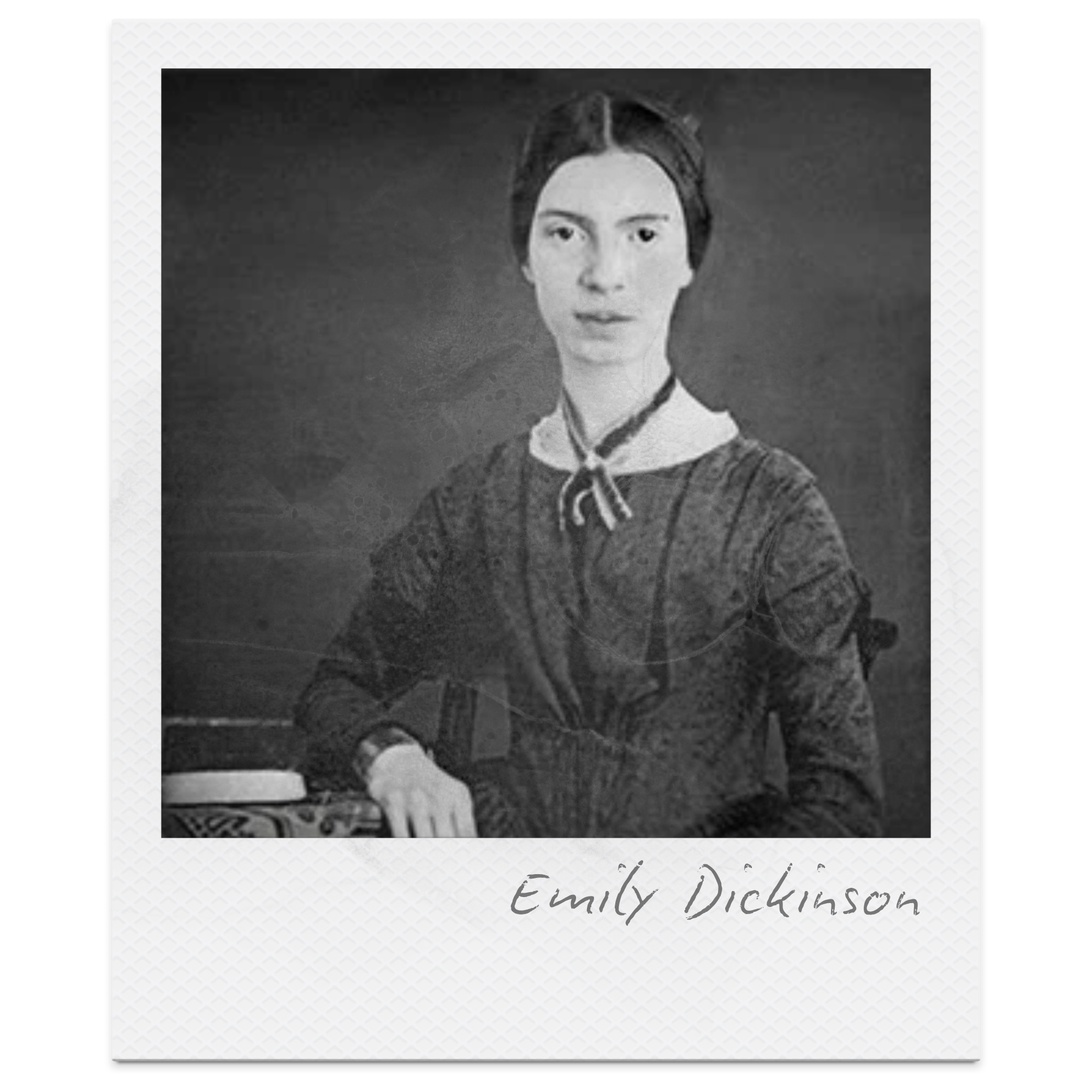
Context and Literary Background of I Years Had Been from Home
Understanding the context of I Years Had Been from Home helps illuminate Dickinson's fascination with memory, identity, emotional isolation, and psychological uncertainty. Although the poem appears to describe a simple return to a familiar house, it explores much deeper anxieties about change, belonging, and the fear that the past may no longer exist in the form we remember.
Emily Dickinson (1830–1886) is now regarded as one of the most influential poets in American literature, yet during her lifetime very little of her work was published. She composed nearly 1,800 poems, most of which remained private and were discovered only after her death by her sister Lavinia. As a result, many of Dickinson's most celebrated poems, including I Years Had Been from Home, were unknown to the wider public until posthumous collections brought them into print.
Dickinson's relative isolation from literary circles helped shape her distinctive poetic style. Her poems often combine the rhythms of traditional hymns with unconventional punctuation, fragmented syntax, compressed language, and startling imagery. Rather than focusing on large public events, Dickinson frequently explores the inner workings of the mind, examining fear, doubt, memory, identity, mortality, and emotional experience with remarkable psychological precision.
The poem also reflects Dickinson's connections to the broader American Romantic and Transcendentalist traditions. Like writers such as Ralph Waldo Emerson and William Wordsworth, Dickinson was interested in the relationship between the self and the world, as well as the individual's search for meaning and personal understanding. However, while many Romantic writers celebrate self-discovery and emotional certainty, Dickinson often focuses on uncertainty, ambiguity, and the limits of human knowledge.
The poem was likely written in 1862, one of Dickinson's most productive years and a period that coincided with the turmoil of the American Civil War. Although Dickinson rarely wrote directly about political events, she lived during a time when familiar social structures were being challenged and transformed. The poem's preoccupation with change, estrangement, and the fear of confronting an altered reality can therefore be read against a backdrop of wider cultural uncertainty.
Biographical details may also enrich interpretation. Dickinson spent most of her life in Amherst, Massachusetts, and experienced significant changes within her own domestic world. When her family returned to the Homestead in 1855, relationships, responsibilities, and family dynamics continued to evolve around her. Such experiences may help explain the poem's powerful focus on the unsettling possibility that a place once associated with security and belonging can become unfamiliar over time.
This context deepens the significance of the poem's central situation. The speaker's fear of opening the door becomes more than a literal hesitation; it reflects a broader anxiety about memory, identity, and the possibility that time has transformed both home and self beyond recognition.
I Years Had Been from Home: At a Glance
◆ Form: Lyric poem structured in six quatrains, combining narrative progression with intense psychological reflection.
◆ Tone and emotional movement: Anxious, hesitant, apprehensive, and increasingly fearful before ending in panic and retreat.
◆ Central tensions: Memory versus reality; belonging versus alienation; courage versus fear; past identity versus present uncertainty.
◆ Core concerns: Homecoming, identity, change, memory, estrangement, emotional displacement, and the fear of confronting the unknown.
◆ Dominant imagery: Doors, windows, silence, oceans, thieves, trembling hands, and thresholds.
◆ Stylistic features: Symbolism, extended metaphor, simile, first-person narration, psychological imagery, dashes, repetition, and dramatic tension.
◆ Key themes: Memory and identity; home and belonging; displacement; fear of change; psychological uncertainty; the passage of time; self-recognition.
◆ One-sentence interpretation: Dickinson presents homecoming as a psychologically unsettling experience in which the speaker becomes paralysed by the fear that time has transformed both home and self beyond recognition.
Quick Summary of I Years Had Been from Home
In I Years Had Been from Home, the speaker returns after a long absence and stands outside a familiar house, unable to bring themselves to open the door. Although they have come home, they are overwhelmed by the fear that everything inside may have changed. The speaker imagines encountering unfamiliar faces and questions whether the life they once left behind still exists at all.
As the poem develops, the speaker becomes increasingly anxious and paralysed by uncertainty. The silence surrounding the house intensifies their fear, while ordinary actions such as touching the latch become emotionally overwhelming. Rather than entering, the speaker ultimately retreats, fleeing from the house like a thief. The poem ends without resolution, leaving the speaker suspended between memory and reality, unable to discover whether their fears are justified.
Title, Form, Structure and Metre in I Years Had Been from Home
The formal features of I Years Had Been from Home play a crucial role in shaping the poem's atmosphere of anxiety, hesitation, and psychological uncertainty. Dickinson combines a familiar hymn-like structure with subtle disruptions to create a speaker who appears increasingly overwhelmed by fear. The poem's form, metre, rhyme, and structural progression all contribute to the growing tension between the desire to return home and the terror of discovering what time may have changed.
The Significance of the Title
The title immediately establishes the poem's central situation: a speaker returning after a prolonged absence. The phrase "Years Had Been from Home" emphasises duration and separation, drawing attention to the distance that has developed between the speaker and the place they once knew.
Importantly, the title does not celebrate reunion. Instead, it foregrounds absence. Before the poem even begins, readers are made aware that a significant period of time has passed, creating uncertainty about what remains unchanged and what may have been lost.
The use of Dickinson's characteristic dashes also contributes to the title's emotional effect. The pauses create a hesitant rhythm that mirrors the speaker's later reluctance to approach the door, establishing an atmosphere of uncertainty from the outset.
Form and Structure
The poem is primarily structured as a sequence of quatrains, creating a sense of order and control that contrasts sharply with the speaker's growing emotional instability.
For most of the poem, Dickinson maintains this regular pattern, allowing tension to build gradually as the speaker remains trapped outside the house. Each stanza contributes another stage in the speaker's escalating anxiety, creating the impression of someone repeatedly delaying a decisive action.
However, the poem's conclusion subtly disrupts this structural regularity. The final stanza appears shorter than those that precede it, creating a feeling of acceleration and incompleteness. This structural shift mirrors the speaker's sudden retreat from the house and contributes to the poem's unresolved ending.
The movement from relative formal stability towards disruption reflects the poem's broader concern with the collapse of certainty and emotional control.
Hymn Form and Literary Tradition
Like many of Dickinson's poems, I Years Had Been from Home draws upon the rhythms and stanza patterns of traditional Protestant hymns.
This connection is significant because hymn forms are often associated with certainty, spiritual reassurance, and communal belonging. Dickinson adopts these familiar structures but uses them to explore fear, doubt, and psychological instability.
The result is a subtle tension between form and content. The poem sounds reassuringly familiar while simultaneously presenting an experience of profound emotional uncertainty.
Metre and Rhythm
The poem largely employs Dickinson's characteristic mixture of iambic trimeter and iambic tetrameter, creating a rhythm that feels both conversational and controlled.
For example:
i DARED | not O | pen, LEST
the SI | lence LIKE | an O | cean ROLLED
The alternation between shorter and longer lines creates a gentle forward movement that resembles natural speech. However, Dickinson also uses these rhythmic patterns to generate tension. The longer lines often arrive unexpectedly, creating a subtle expansion that mirrors the speaker's growing anxiety.
The rhythm frequently feels hesitant rather than smooth, reflecting the speaker's emotional uncertainty and inability to act decisively.
Rhythmic Disruption and Emotional Panic
Although the poem generally follows recognisable metrical patterns, Dickinson occasionally stretches or compresses lines in ways that attract attention.
Particularly towards the end of the poem, the rhythm becomes more unstable as the speaker's fear intensifies. Longer lines and unexpected pauses create a sense of emotional acceleration, reflecting the speaker's increasingly frantic state of mind.
The final stanza feels especially rushed compared with the more measured pacing of the opening sections. This contributes to the impression that the speaker is retreating both physically and psychologically from the confrontation they can no longer face.
Rhyme Scheme and Slant Rhyme
The poem broadly follows Dickinson's preferred ABCB rhyme pattern:
door (A)
before (B)
mine (C)
there (B)
This hymn-like rhyme scheme contributes to the poem's apparent simplicity and regularity.
However, Dickinson frequently employs slant rhyme rather than perfect rhyme. Words often echo one another without achieving complete sonic harmony. This technique creates a subtle sense of instability beneath the poem's structured surface.
The imperfect rhymes are particularly effective in a poem concerned with estrangement and uncertainty. Just as the speaker fears no longer fitting comfortably into their former life, the rhymes themselves resist complete resolution and harmony.
Structural Progression and Escalating Tension
The poem's structure closely mirrors the speaker's emotional journey. Rather than moving towards reunion or discovery, each stanza introduces another obstacle that prevents the speaker from entering the house.
The progression is almost dramatic in its construction:
arrival at the house
fear of recognition
fear of change
growing anxiety
physical hesitation
complete retreat
This repeated postponement creates intense suspense. Readers expect the door to open, yet Dickinson continually delays the moment of revelation.
The ultimate refusal to enter is therefore profoundly significant. The poem ends not with knowledge but with uncertainty. The speaker never discovers what lies beyond the door, leaving both the speaker and reader trapped between memory and reality.
Form as Psychological Experience
Ultimately, Dickinson's formal choices transform a simple narrative into a study of fear itself. The regular stanza structure, hymn rhythms, slant rhymes, and gradual structural disruption all work together to recreate the speaker's emotional state.
Rather than simply describing anxiety, the poem allows readers to experience it. Every delay, pause, and disruption contributes to the growing sense that the true source of fear is not what lies behind the door, but the possibility that time has altered both home and self beyond recognition.
Voice, Perspective and Emotional Conflict in I Years Had Been from Home
The emotional power of I Years Had Been from Home emerges largely through its intensely personal first-person voice. Dickinson places readers inside the speaker's consciousness, allowing them to experience every moment of hesitation, uncertainty, and fear. Although the poem describes a simple physical action—the possibility of opening a door—the voice transforms this ordinary event into a profound psychological struggle. As a result, the poem becomes less about returning home and more about confronting the unsettling possibility that both the world and the self may have changed beyond recognition.
A First-Person Voice Shaped by Anxiety
The poem is narrated entirely through the first person, creating an immediate sense of intimacy. Readers experience events directly through the speaker's perceptions, fears, and emotional reactions.
However, the speaker does not present a confident or reliable account of reality. Instead, their perspective is dominated by anticipation and imagined possibilities. Before opening the door, they envision unfamiliar faces, altered circumstances, and painful discoveries. The voice therefore reveals a mind preoccupied not with what is known but with what might be true.
This emphasis on imagined outcomes creates much of the poem's tension, as readers are drawn into the speaker's anxiety long before any external threat appears.
Fear of Recognition and Fear of Non-Recognition
One of the poem's most interesting emotional conflicts lies in the speaker's contradictory fears. On the surface, they have returned home because they desire reconnection with the past. Yet they are simultaneously terrified of what they might find.
The imagined "face / I never saw before" reveals a fear of non-recognition. The speaker worries that the people associated with home may have disappeared entirely, replaced by strangers. At the same time, there is also an implied fear of recognition itself. Opening the door would force the speaker to confront the reality of time's passing and perhaps acknowledge changes within themselves.
The voice therefore becomes caught between opposing desires: the desire to know and the desire not to know.
Psychological Rather Than Physical Fear
What makes the speaker's voice particularly striking is the contrast between the scale of the fear and the apparent simplicity of the situation. There is no visible danger, no threat, and no evidence that anything terrible has happened.
Yet the speaker reacts as though facing a life-threatening encounter. The house becomes psychologically overwhelming because it symbolises memory, identity, and the past. The fear is therefore entirely internal.
This contrast reaches its clearest expression when the speaker reflects that they have previously faced "Danger—and the Dead" but now find themselves terrified of a door. The voice recognises the irrationality of this response while remaining unable to overcome it.
Self-Consciousness and Emotional Awareness
Throughout the poem, the speaker displays a high degree of self-awareness. They observe and analyse their own behaviour, noticing their hesitation, trembling, and fear.
The phrase "I laughed a wooden laugh" is particularly revealing. The speaker recognises the absurdity of their own reaction, yet the laughter provides no genuine relief. The adjective "wooden" suggests artificiality and emotional stiffness, indicating that the speaker is attempting to mask fear rather than overcome it.
This self-conscious quality gives the voice an almost conversational intimacy, allowing readers to witness the speaker's internal conflict in real time.
The Voice of a Mind Trapped Between Past and Present
The speaker occupies a liminal position throughout the poem. They are physically present at the house yet emotionally separated from it. They stand between memory and reality, unable to commit fully to either.
This in-between state shapes the voice from beginning to end. The speaker repeatedly pauses, hesitates, and postpones action, reflecting an inability to reconcile remembered experience with present uncertainty.
The house itself becomes a threshold not only between outside and inside but also between past and present. Crossing that threshold would require the speaker to abandon comforting memories and confront reality.
Retreat and Emotional Defeat
As the poem progresses, the voice becomes increasingly overwhelmed by fear. The careful observation and hesitant curiosity of the opening stanzas gradually give way to panic.
By the final lines, the speaker abandons any attempt to enter the house and instead flees "like a thief." The simile is revealing because it suggests guilt, shame, and illegitimacy. Despite returning to what should be a familiar place, the speaker suddenly feels like an intruder.
The voice therefore ends not with discovery or reconciliation but with retreat. The speaker remains trapped in uncertainty, preferring imagined possibilities to potentially painful truths.
An Unresolved Perspective
Importantly, Dickinson never reveals whether the speaker's fears are justified. The door remains unopened, and the mystery remains unresolved.
This lack of closure is central to the poem's power. The voice never achieves certainty because certainty would require confrontation. Instead, the speaker chooses uncertainty over knowledge, preserving both their memories and their fears.
As a result, the poem concludes with a perspective suspended between longing and avoidance, revealing the profound psychological difficulty of returning to a place that exists both in reality and in memory.
Stanza-by-Stanza Analysis of I Years Had Been from Home
A close reading of I Years Had Been from Home reveals how Dickinson gradually transforms a simple homecoming into a powerful study of fear, memory, identity, and emotional displacement. Each stanza intensifies the speaker's anxiety, moving them further away from certainty and closer to psychological paralysis. Through recurring images of thresholds, silence, danger, and estrangement, Dickinson explores the unsettling possibility that the places we remember may no longer exist in the form we imagine. The poem's progression is carefully structured, allowing readers to experience the speaker's growing hesitation as they struggle to confront a past that may have changed beyond recognition.
Stanza 1: The Fear of What Time Has Changed
The opening stanza immediately establishes the poem's central tension between memory and reality. The speaker has finally returned after a long absence, yet instead of experiencing comfort or excitement, they are paralysed by fear. The phrase "I years had been from home" emphasises the length of the separation, drawing attention to the possibility that time may have transformed both the place and the people associated with it.
The image of standing "before the door" introduces one of the poem's most important symbols. On a literal level, the door marks the entrance to the house. Symbolically, however, it represents a threshold between past and present, memory and reality, and certainty and discovery. The speaker stands at this boundary, unable to move forward.
Dickinson immediately subverts traditional expectations of homecoming through the confession "I dared not open." The verb "dared" is particularly significant because it transforms the simple act of opening a door into an act requiring courage. The speaker behaves as though they are confronting danger rather than returning to a familiar place, revealing the depth of their psychological anxiety.
The fear itself is expressed through the imagined possibility of encountering "a face / I never saw before." Importantly, the speaker has not yet discovered any evidence of change. The fear exists entirely within the imagination. This creates dramatic tension because the speaker is responding not to reality but to uncertainty.
The image of the unfamiliar face symbolises the broader fear that the past may no longer exist in the form remembered. The speaker worries that time has replaced what was once familiar with something entirely unknown. On a deeper level, the face may also symbolise fears about identity and belonging. If the people associated with home have changed beyond recognition, the speaker's own connection to that world may have disappeared as well.
As an opening stanza, these lines establish the poem's atmosphere of hesitation, estrangement, and psychological uncertainty. Dickinson presents home not as a source of reassurance but as a place capable of provoking profound fear, immediately transforming a familiar situation into something unsettling and emotionally complex.
Stanza 2: Questioning Whether the Past Still Exists
The second stanza develops the speaker's anxiety by moving from fear of unfamiliar people to fear that an entire former life may have disappeared. Rather than opening the door and discovering the truth, the speaker continues to imagine possible outcomes, allowing uncertainty to grow more powerful than reality itself.
The image of a face that might "Stare vacant into mine" is particularly unsettling. The adjective "vacant" suggests emptiness, indifference, and lack of recognition. The speaker fears not only encountering a stranger but encountering someone who looks at them without any sense of connection or shared history. The emotional significance of home therefore appears increasingly fragile, dependent upon recognition from others.
The imagined question, "And ask my business there," introduces a striking irony. The speaker should belong in this place, yet they imagine being treated as an outsider who must justify their presence. The word "business" feels formal and impersonal, creating the impression that the speaker has become a stranger in what was once their own home.
Dickinson deepens this sense of alienation through the emotional pause created by the dash in "My business,—just a life I left." The phrase is both simple and profoundly moving. The speaker does not describe possessions, relationships, or achievements, but an entire "life." This suggests that home represents far more than a physical location. It embodies identity, memory, belonging, and personal history.
The stanza culminates in the haunting question: "Was such still dwelling there?" The uncertainty of "still" highlights the speaker's fear that time may have erased what once seemed permanent. The verb "dwelling" is particularly significant because it implies continued existence rather than mere physical presence. The speaker is not simply asking whether the house remains standing; they are asking whether the life associated with it continues to exist in any meaningful sense.
This question introduces one of the poem's central concerns: whether the past survives independently of memory. The speaker fears that the world preserved in their imagination may have vanished long ago, leaving them emotionally disconnected from the place they once called home.
As a result, the stanza shifts the poem from physical apprehension to a deeper exploration of identity, belonging, and the passage of time. Dickinson suggests that the greatest fear is not finding strangers behind the door, but discovering that the self who once belonged there has disappeared as well.
Stanza 3: Paralysed by Anticipation
In the third stanza, Dickinson shifts from imagined scenarios to the speaker's immediate physical and emotional reactions. Although nothing has happened externally, the speaker becomes increasingly overwhelmed by anxiety. The tension of the poem now emerges not from what may be behind the door but from the speaker's inability to overcome their own fear.
The opening confession, "I fumbled at my nerve," is striking because it presents courage as something physical that can be searched for and grasped. The verb "fumbled" suggests clumsiness, uncertainty, and lack of control. Rather than possessing confidence, the speaker appears to be desperately trying to locate it. This image reinforces the psychological nature of the conflict, highlighting how fear has begun to undermine the speaker's sense of composure.
The speaker then "scanned the windows near," a phrase that conveys vigilance and apprehension. The verb "scanned" suggests careful observation, as though the speaker is searching for signs of danger or reassurance. Yet the windows reveal nothing. Traditionally, windows symbolise vision, knowledge, and access to the world beyond. Here, however, they fail to provide answers, reinforcing the poem's atmosphere of uncertainty.
The most memorable image of the stanza arrives in the simile "The silence like an ocean rolled." Dickinson transforms silence into a vast and overwhelming force. Oceans are often associated with depth, mystery, distance, and the unknown, making this comparison particularly effective. What should be a simple absence of sound becomes something immense and threatening.
The verb "rolled" gives the silence physical movement and momentum, suggesting that it is actively advancing towards the speaker. This subtle personification makes the silence feel almost alive, reflecting the speaker's growing sense that their fears are becoming impossible to escape.
The image reaches its climax when the silence "broke against my ear." The phrase extends the ocean metaphor by evoking the movement of waves crashing against a shoreline. The effect is paradoxical because silence should be characterised by the absence of sound, yet Dickinson presents it as something powerful enough to be physically felt. This contradiction reflects the speaker's psychological state: ordinary experiences become magnified and distorted by fear.
As a result, the stanza marks an important escalation in the poem's tension. The threat no longer lies behind the door but within the speaker's imagination. Through the powerful ocean imagery, Dickinson illustrates how anticipation can become more overwhelming than reality itself, transforming silence into a force capable of paralysing action.
Stanza 4: The Irrationality of Fear
The fourth stanza introduces a moment of self-awareness as the speaker briefly recognises the apparent absurdity of their own behaviour. Yet rather than reducing the tension, this awareness only highlights the extraordinary power that fear now holds over them. Dickinson explores the contrast between external courage and internal vulnerability, suggesting that psychological fears can be more unsettling than physical dangers.
The stanza opens with the striking phrase "I laughed a wooden laugh." The repetition immediately draws attention to the speaker's attempt at self-control, yet the adjective "wooden" undermines the laughter's authenticity. Wood is rigid, lifeless, and artificial, suggesting that the speaker's amusement is forced rather than genuine. Instead of expressing relief, the laugh reveals emotional strain and discomfort.
The speaker appears astonished by their own reaction, remarking "That I could fear a door." The simplicity of the image is significant. A door is an ordinary domestic object, traditionally associated with welcome, shelter, and belonging. Yet throughout the poem it has become a powerful symbol of uncertainty and change. The speaker's surprise emphasises the irrational nature of fear, demonstrating how anxiety can transform familiar objects into sources of dread.
Dickinson then introduces a striking contrast through the claim that the speaker has faced "danger and the dead." The phrase expands the poem's emotional scale dramatically. "Danger" suggests physical threats and real-world hardship, while "the dead" introduces associations with mortality, grief, and loss. Together, they imply experiences far more serious than approaching a house.
The juxtaposition between these formidable challenges and the simple act of opening a door highlights the poem's central paradox. The speaker can confront external threats but struggles to confront emotional uncertainty. Dickinson therefore suggests that fears connected to memory, identity, and belonging may be more difficult to overcome than tangible dangers.
The final line, "But never quaked before," reinforces this idea. The verb "quaked" evokes involuntary trembling, implying a loss of control over both body and mind. Unlike courage, which can be consciously chosen, fear emerges as an uncontrollable force that overwhelms rational thought.
As a result, the stanza deepens the poem's psychological complexity. The speaker understands that their fear appears unreasonable, yet this understanding provides no protection against it. Dickinson demonstrates that the most powerful fears are often not those connected to physical danger but those connected to memory, loss, and the possibility that the past cannot be recovered.
Stanza 5: The Door Becomes a Symbol of Terror
The fifth stanza brings the speaker closer than ever to confronting reality. For the first time in the poem, they physically attempt to open the door. However, rather than resolving the tension, this moment intensifies the atmosphere of fear and anticipation. Dickinson transforms an ordinary action into an almost unbearable psychological ordeal.
The stanza begins with the deliberate action "I fitted to the latch / My hand." The verb "fitted" suggests careful precision and conscious effort, emphasising how much determination is required to perform what should be a simple movement. The speaker is no longer merely imagining possibilities but is on the verge of crossing the threshold between memory and reality.
Yet this apparent progress is immediately undermined by the phrase "with trembling care." The adjective "trembling" reveals the speaker's loss of physical control, while "care" suggests caution and apprehension. Together, the words create a vivid image of someone attempting to act despite being overwhelmed by fear. The contrast between action and hesitation reinforces the poem's central tension between curiosity and avoidance.
The description of "the awful door" marks a significant development in the symbolism of the house. Earlier, the door functioned primarily as a boundary between the known and the unknown. Here, it becomes explicitly threatening. The adjective "awful" carries connotations of fear, dread, and overwhelming emotional power. Importantly, nothing about the door itself has changed; it is the speaker's perception that has transformed it into an object of terror.
Dickinson deepens this sense of unease through the personification of the door. The speaker fears that it might "spring" back unexpectedly, giving the object an almost aggressive quality. The image suggests a loss of control, as though the speaker is no longer directing events but is vulnerable to forces beyond their command.
The final line, "And leave me standing there," captures the speaker's deepest anxiety. On a literal level, they fear being rejected by what lies beyond the door. Symbolically, however, the image reflects a fear of exclusion and non-belonging. The speaker worries that the life they once knew may no longer have a place for them.
As a result, the stanza transforms the door into a powerful symbol of memory, identity, and the fear of change. The speaker stands at the threshold of discovery, yet the closer they come to the truth, the more impossible it becomes to confront it. Dickinson therefore presents anticipation itself as a source of suffering, revealing how fear can become more powerful than the reality it seeks to avoid.
Stanza 6: Retreating from the Truth
The final stanza brings the poem to its dramatic conclusion, yet Dickinson deliberately denies both the speaker and the reader the revelation that has been anticipated throughout. Instead of opening the door and confronting reality, the speaker abandons the attempt entirely. The poem ends not with discovery but with retreat, reinforcing its exploration of fear, uncertainty, and the power of imagination.
The opening line, "I moved my fingers off", immediately signals withdrawal. After spending the previous stanza gathering the courage to touch the latch, the speaker now reverses that action. The movement is small and seemingly insignificant, yet it carries enormous emotional weight because it marks the moment when fear triumphs over curiosity.
Dickinson intensifies this hesitation through the simile "As cautiously as glass." Glass is fragile, delicate, and easily shattered. The comparison suggests that the speaker's emotional state has become similarly vulnerable. The image also implies that the moment itself feels precarious, as though even the slightest action could cause irreparable damage. Rather than protecting the glass, however, the speaker appears to be protecting themselves from whatever knowledge lies beyond the door.
The next phrase, "And held my ears," is particularly revealing. The speaker seems to be shielding themselves from a sound that has not yet occurred. This irrational precaution demonstrates how completely fear has taken hold. The threat exists almost entirely within the imagination, yet the speaker reacts as though catastrophe is imminent.
The poem culminates in the striking simile "like a thief." Throughout the poem, the speaker has viewed the house as home, a place to which they should naturally belong. Yet in this final moment they compare themselves to a criminal or intruder. The simile reveals a profound crisis of belonging. The speaker no longer feels entitled to enter the space they once considered their own.
The verb "Fled" provides a dramatic contrast to the careful hesitation that characterises the earlier stanzas. For much of the poem, the speaker moves cautiously and slowly, delaying action at every opportunity. Now the movement is sudden and decisive. The rapid shift in pace reflects the overwhelming force of the speaker's panic.
The final word "house" is significant because it is notably less emotional than "home." The poem begins with "home", a word associated with memory, identity, comfort, and belonging. It ends with "house", a more neutral and physical description. This subtle change suggests that the speaker's emotional connection to the place has been broken. The home preserved in memory has become merely a building that they cannot bring themselves to enter.
As a concluding stanza, these lines encapsulate the poem's central insight: sometimes the fear of discovering the truth becomes more powerful than the desire to know it. Dickinson leaves both the speaker and the reader trapped in uncertainty, suggesting that imagination, memory, and anxiety can be more overwhelming than reality itself. The unopened door remains a symbol of everything the speaker cannot bear to confront—change, loss, time, and the possibility that the past no longer exists.
Key Quotes and Literary Methods in I Years Had Been from Home
The most significant quotations in I Years Had Been from Home reveal Dickinson's exploration of memory, identity, belonging, fear, and psychological uncertainty. Through symbolism, imagery, simile, irony, rhetorical questions, and emotional contrast, Dickinson transforms a simple homecoming into a profound examination of the human fear of change. Many of the poem's most memorable lines derive their power from what remains unknown, allowing uncertainty itself to become a source of tension and meaning.
"I years had been from home"
◆ Method or literary feature: First-person narration; temporal reference.
◆ Interpretation and implied meaning: The speaker immediately establishes a long period of separation from a place closely connected to identity and memory.
◆ Why the poet uses it: To foreground absence and create uncertainty before the narrative begins.
◆ Emotional/intellectual effect: Creates anticipation and encourages readers to consider the effects of time.
◆ Broader significance: Suggests that prolonged absence can transform a relationship with home and self.
"I dared not open"
◆ Method or literary feature: Emotive language; understatement.
◆ Interpretation and implied meaning: The speaker experiences opening the door as an act requiring courage.
◆ Why the poet uses it: To demonstrate how ordinary actions become psychologically overwhelming.
◆ Emotional/intellectual effect: Creates tension and immediate curiosity.
◆ Broader significance: Highlights the power of fear and uncertainty over rational thought.
"a face / I never saw before"
◆ Method or literary feature: Imagery; symbolism.
◆ Interpretation and implied meaning: The imagined stranger symbolises the fear that time has altered home beyond recognition.
◆ Why the poet uses it: To externalise the speaker's anxieties about change.
◆ Emotional/intellectual effect: Creates unease and apprehension.
◆ Broader significance: Suggests that home is partly defined by recognition, familiarity, and shared history.
"My business,—just a life I left"
◆ Method or literary feature: Enjambment; dash; understatement.
◆ Interpretation and implied meaning: The speaker reduces an entire personal history to the simple phrase "a life."
◆ Why the poet uses it: To emphasise the emotional weight attached to memory and belonging.
◆ Emotional/intellectual effect: Creates poignancy and quiet sadness.
◆ Broader significance: Suggests that identity is closely tied to the places and experiences left behind.
"Was such still dwelling there?"
◆ Method or literary feature: Rhetorical question.
◆ Interpretation and implied meaning: The speaker questions whether their former life still exists in any meaningful way.
◆ Why the poet uses it: To foreground uncertainty and emotional insecurity.
◆ Emotional/intellectual effect: Creates tension because the question remains unanswered.
◆ Broader significance: Explores the fragility of memory and the inevitability of change.
"The Silence like an Ocean rolled"
◆ Method or literary feature: Simile; personification; auditory imagery.
◆ Interpretation and implied meaning: Silence becomes vast, overwhelming, and almost physically threatening.
◆ Why the poet uses it: To transform an absence of sound into a powerful emotional force.
◆ Emotional/intellectual effect: Creates an atmosphere of isolation and psychological pressure.
◆ Broader significance: Suggests that fear often expands ordinary experiences into something overwhelming.
"I laughed a wooden laugh"
◆ Method or literary feature: Repetition; metaphorical description.
◆ Interpretation and implied meaning: The speaker's laughter is forced, unnatural, and emotionally unconvincing.
◆ Why the poet uses it: To reveal the gap between outward behaviour and inner feeling.
◆ Emotional/intellectual effect: Highlights the speaker's self-awareness and vulnerability.
◆ Broader significance: Suggests that attempts to conceal fear may expose it more clearly.
"Who danger and the dead had faced"
◆ Method or literary feature: Juxtaposition; hyperbolic imagery.
◆ Interpretation and implied meaning: The speaker contrasts previous courage with their present fear.
◆ Why the poet uses it: To emphasise the irrational nature of psychological anxiety.
◆ Emotional/intellectual effect: Creates surprise and deepens the poem's emotional complexity.
◆ Broader significance: Suggests that emotional fears can be more powerful than physical dangers.
"the awful door should spring"
◆ Method or literary feature: Symbolism; personification; emotive language.
◆ Interpretation and implied meaning: The door becomes an active and threatening force, symbolising the truth the speaker fears to confront.
◆ Why the poet uses it: To transform an ordinary object into a representation of change, memory, and uncertainty.
◆ Emotional/intellectual effect: Creates suspense and reinforces the speaker's growing panic.
◆ Broader significance: Represents the threshold between past and present, memory and reality, belonging and exclusion.
"And leave me standing there"
◆ Method or literary feature: Symbolism; ambiguity; emotional understatement.
◆ Interpretation and implied meaning: The speaker fears being left outside both physically and emotionally. The image suggests exclusion from a former life, as though home may no longer recognise or accept them.
◆ Why the poet uses it: To reveal that the speaker's deepest anxiety is not simply encountering change but discovering that they no longer belong to the world they once called home.
◆ Emotional/intellectual effect: Creates a powerful sense of vulnerability and isolation. Readers recognise that the fear extends far beyond the door itself and touches questions of identity and self-worth.
◆ Broader significance: The image encapsulates the poem's exploration of memory, belonging, and the passage of time. Dickinson suggests that returning home can become psychologically frightening when individuals fear that both places and identities have changed beyond recognition.
Key Techniques in I Years Had Been from Home
Dickinson employs a range of literary techniques in I Years Had Been from Home to transform a simple return to a familiar house into a powerful exploration of memory, identity, belonging, fear, and psychological uncertainty. Rather than focusing on external events, she uses symbolism, imagery, structural tension, and emotional contradiction to reveal how anxiety can distort perception and make the familiar appear threatening. The poem's techniques work together to create a growing sense of suspense while emphasising the gap between memory and reality.
Symbolism of the Door and Threshold
The most important symbol in the poem is the door, which functions as far more than a physical object. It represents the boundary between past and present, memory and reality, certainty and knowledge, and belonging and exclusion.
Throughout the poem, the speaker remains trapped on one side of this threshold. The inability to cross it reflects a deeper inability to confront change and uncertainty. As the poem progresses, the door becomes increasingly threatening, culminating in the description of the "awful door", which transforms an ordinary object into a symbol of psychological fear.
Psychological Suspense
Much of the poem's tension comes from what does not happen. Dickinson continually delays the moment when the speaker might enter the house and discover the truth.
Each stanza introduces a new hesitation, fear, or imagined possibility, creating a form of psychological suspense. Readers expect a revelation, yet the poem repeatedly postpones it. This technique mirrors the speaker's own reluctance to exchange uncertainty for knowledge.
The result is a poem driven not by action but by anticipation.
Rhetorical Questions and Uncertainty
Dickinson uses rhetorical questioning to emphasise the speaker's insecurity and lack of certainty.
The question "Was such still dwelling there?" remains unanswered, reflecting the poem's refusal to provide clear resolutions. Rather than offering knowledge, the poem presents a series of possibilities and anxieties.
This uncertainty becomes one of the poem's defining characteristics, reinforcing its exploration of fear and emotional instability.
Simile and Psychological Imagery
Dickinson frequently uses similes to transform internal emotions into vivid physical experiences.
The comparison "The Silence like an Ocean rolled" expands silence into something vast, mysterious, and overwhelming. Similarly, the speaker flees "like a thief," a simile that reveals feelings of guilt, estrangement, and illegitimacy.
These comparisons make abstract emotions tangible, allowing readers to experience the intensity of the speaker's anxiety.
Personification
Several images in the poem blur the boundary between the external world and the speaker's imagination through personification.
The silence appears to "roll" and "broke against my ear," behaving almost like a living force. Likewise, the speaker imagines the door might "spring" back unexpectedly.
These moments reflect how fear alters perception, causing ordinary objects and experiences to appear threatening or active.
Emotional Contrast and Paradox
Dickinson repeatedly creates tension through contrast and paradox.
The speaker claims to have faced "danger and the dead" yet is terrified of opening a door. This contrast appears irrational, but it reveals an important truth about the poem: psychological fears are often more difficult to confront than physical dangers.
The poem therefore challenges conventional ideas of bravery by suggesting that emotional vulnerability can be more frightening than external threats.
Imagery of Vision and Recognition
Images of faces, windows, staring, and observation recur throughout the poem.
The speaker fears seeing "a face / I never saw before" and anxiously "scanned the windows near." These visual images reinforce the fear of recognition and non-recognition that runs throughout the poem.
The speaker longs for confirmation that the past remains intact while simultaneously fearing evidence that it has changed. Vision therefore becomes closely linked to knowledge and self-understanding.
Semantic Field of Fear and Anxiety
The poem is united by a recurring semantic field of fear and nervous anticipation.
Words and phrases such as "dared not", "fumbled", "fear", "quaked", "trembling care", "awful", "cautiously", and "gasping" create a consistent atmosphere of emotional distress.
This accumulation of anxious language allows readers to track the speaker's psychological deterioration throughout the poem.
Dickinson's Dashes
Dickinson's characteristic dashes are central to the poem's meaning and rhythm.
The frequent interruptions create pauses, hesitations, and moments of uncertainty that mirror the speaker's thought process. Rather than moving smoothly from one idea to another, the poem continually stops and starts, reflecting the speaker's inability to act decisively.
The dashes also create ambiguity, allowing multiple meanings and emotional possibilities to coexist simultaneously.
Structural Delay
The entire poem is built around delay. Readers anticipate the opening of the door from the very beginning, yet Dickinson continually postpones that moment.
Each stanza functions almost like another step towards discovery before immediately retreating. This structural pattern mirrors the speaker's emotional conflict and reinforces the poem's central concern with avoidance.
Importantly, the anticipated revelation never arrives. The poem ends with flight rather than discovery, making absence itself a crucial structural technique.
Irony of Homecoming
The poem's central irony lies in the contrast between what a homecoming traditionally represents and what actually occurs.
A return home is normally associated with reunion, comfort, and recognition. Instead, Dickinson presents homecoming as an experience of fear, uncertainty, and alienation.
This irony deepens the poem's exploration of belonging by suggesting that home may become psychologically inaccessible long before it becomes physically unreachable.
First-Person Psychological Perspective
The poem's first-person narration places readers directly inside the speaker's consciousness.
Everything is filtered through their fears, expectations, and assumptions. As a result, readers never gain access to an objective reality beyond the speaker's perceptions.
This technique is crucial because it transforms the poem into a study of psychological experience. The true subject is not the house itself but the speaker's emotional response to the possibility of change.
Symbolism in I Years Had Been from Home
Symbolism is central to the emotional power of I Years Had Been from Home. Dickinson repeatedly transforms ordinary objects and experiences into symbols of memory, identity, belonging, loss, and psychological uncertainty. The poem's symbols operate on multiple levels simultaneously, allowing a simple homecoming to become an exploration of the fear that time may have altered both the external world and the self beyond recognition.
The House
The house functions as the poem's central symbol. On a literal level, it is the speaker's former home. Symbolically, however, it represents memory, identity, personal history, belonging, and the life the speaker left behind.
Importantly, the speaker never enters the house. As a result, it remains suspended between reality and imagination. The house becomes a repository for memories, fears, and unanswered questions, symbolising the uncertain relationship between the past and the present.
By the end of the poem, the house also symbolises the possibility that some aspects of life cannot be recovered, no matter how strongly they are remembered.
The Door
The door is perhaps the poem's most significant symbol. It functions as a threshold between two worlds: the remembered past and the unknown present.
Throughout the poem, the speaker remains physically and emotionally unable to cross this boundary. The door therefore symbolises confrontation, truth, and revelation. Opening it would force the speaker to abandon uncertainty and discover reality.
The speaker's fear of the "awful door" suggests that knowledge itself has become threatening. The door ultimately represents the emotional difficulty of confronting change.
The Unfamiliar Face
The imagined "face / I never saw before" symbolises the speaker's fear that time has transformed home beyond recognition.
On one level, the face represents unfamiliar people who may now occupy the speaker's former world. On a deeper level, it symbolises estrangement itself. The speaker fears discovering that the connections, relationships, and shared histories that once defined home have disappeared.
The face therefore becomes a symbol of loss and emotional displacement.
Windows
The speaker "scanned the windows near", transforming the windows into symbols of observation and knowledge.
Traditionally, windows offer insight and perspective. They allow individuals to see what lies beyond a barrier. In this poem, however, the windows provide no answers. They become symbols of frustrated understanding, reflecting the speaker's inability to discover the truth about the house or their former life.
The image reinforces the poem's recurring tension between curiosity and avoidance.
Silence
The silence that "like an Ocean rolled" functions as a powerful symbol of the unknown.
Rather than representing peace or stillness, the silence becomes overwhelming and threatening. It symbolises everything the speaker cannot know about the years that have passed. The absence of information allows fear to expand and dominate the imagination.
As a result, silence becomes a symbol of uncertainty itself.
The Ocean
Through the simile "The Silence like an Ocean rolled," the ocean acquires symbolic significance beyond the immediate comparison.
Oceans are often associated with depth, mystery, distance, and forces beyond human control. Here, the ocean symbolises the vast emotional distance separating the speaker from their former life.
The image also suggests that memory contains hidden depths that cannot be fully explored or recovered.
The Latch
The latch represents the possibility of action and discovery.
For much of the poem, the speaker remains emotionally paralysed, but touching the latch brings them closest to confronting reality. The latch therefore symbolises choice. It is the point at which uncertainty could become knowledge.
However, because the speaker ultimately withdraws their hand, the latch also symbolises missed opportunities and emotional avoidance.
Glass
The simile "As cautiously as glass" introduces glass as a symbol of fragility and vulnerability.
Glass can shatter easily, making it an appropriate symbol for the speaker's emotional state. The image suggests that memories, identities, and assumptions about home may be far more fragile than they initially appear.
The comparison also implies that the speaker fears emotional damage more than physical danger.
The Thief
The speaker's comparison of themselves to "a thief" represents one of the poem's most revealing symbols.
A thief does not belong. A thief enters places without permission and fears being discovered. By comparing themselves to a thief, the speaker symbolically acknowledges a profound loss of belonging.
Although the house should represent home, the speaker now feels like an outsider. The symbol therefore encapsulates the poem's exploration of alienation and emotional displacement.
Home
Perhaps the most important symbol in the poem is home itself.
Home initially appears to represent comfort, familiarity, identity, and belonging. Yet Dickinson gradually complicates these assumptions. The speaker's fear suggests that home exists as much within memory as within physical reality.
By the end of the poem, home becomes an elusive and uncertain idea rather than a fixed location. The poem suggests that what the speaker truly fears losing is not a house but a former version of themselves and the life they once inhabited.
How Dickinson Creates Meaning and Impact in I Years Had Been from Home
In I Years Had Been from Home, Dickinson creates meaning through the careful interaction of symbolism, psychological perspective, imagery, structural delay, and emotional ambiguity. Rather than presenting a dramatic external event, she focuses on a moment of hesitation, using the speaker's fear to explore broader questions about memory, identity, belonging, and the passage of time. The poem's power comes not from what is discovered but from what remains unknown.
Dickinson Presents Fear as a Product of Imagination
One of the poem's most striking features is that nothing objectively frightening occurs. The speaker never encounters a stranger, receives no rejection, and discovers no evidence that the home has changed.
Instead, Dickinson allows fear to develop entirely through imagined possibilities. The speaker worries about "a face / I never saw before" and questions whether their former life is "still dwelling there", yet these fears remain hypothetical.
By focusing on anticipation rather than reality, Dickinson suggests that the imagination can create fears more powerful than any external threat. The poem therefore becomes an exploration of psychological rather than physical danger.
The Poem Explores the Tension Between Memory and Reality
Throughout the poem, the speaker remains trapped between what they remember and what they fear they might discover.
The house functions as a physical reminder of the past, yet the speaker becomes increasingly unable to separate memory from reality. Because they never enter, the remembered version of home remains intact while simultaneously becoming inaccessible.
Dickinson uses this tension to explore a universal human experience: the fear that cherished memories may not survive confrontation with the present.
Symbolism Transforms an Ordinary Situation into a Psychological Drama
Dickinson repeatedly elevates ordinary objects into powerful symbols.
The door becomes a threshold between past and present. The house becomes a symbol of identity and belonging. The latch represents the possibility of knowledge, while the speaker's retreat from it symbolises emotional avoidance.
These symbols allow a simple homecoming to become a broader meditation on change, loss, and self-understanding. The poem's meaning therefore extends far beyond its literal narrative.
Structural Delay Mirrors the Speaker's Hesitation
The poem's structure closely reflects the speaker's emotional state.
Each stanza appears to move the speaker closer to opening the door, yet every advance is followed by further hesitation. Dickinson repeatedly postpones the moment of revelation, creating suspense while mirroring the speaker's inability to act.
This structural delay is crucial because it allows readers to experience the same anticipation and uncertainty as the speaker. Form and meaning therefore work together to reinforce the poem's central concerns.
Contrasts Reveal the Complexity of Fear
Dickinson creates meaning through a series of striking contrasts.
The speaker has faced "danger and the dead" yet fears a door. Home should represent comfort, yet it becomes a source of terror. The speaker longs to return, yet ultimately runs away.
These contradictions reveal the complexity of psychological experience. Dickinson suggests that emotional fears are often irrational but no less powerful for being so.
The poem therefore challenges simplistic ideas about courage, vulnerability, and belonging.
First-Person Perspective Creates Psychological Intimacy
Because the poem is narrated entirely through the first person, readers experience events directly through the speaker's consciousness.
The poem provides no objective account of the house or its occupants. Everything is filtered through the speaker's expectations, anxieties, and memories. This limited perspective creates uncertainty because readers cannot distinguish between reality and imagined fears.
As a result, Dickinson turns the poem into an intimate study of emotional experience, inviting readers to share the speaker's confusion and apprehension.
The Unresolved Ending Deepens the Poem's Significance
Perhaps the most important way Dickinson creates meaning is through what she refuses to reveal.
The speaker never opens the door. Readers never discover who lives inside or whether the speaker's fears are justified. The poem ends with flight rather than resolution.
This ambiguity forces readers to focus on the psychological journey rather than the outcome. The unanswered questions become more significant than any potential answers.
By withholding closure, Dickinson suggests that uncertainty itself is an unavoidable part of human experience. The poem ultimately argues that the fear of change can become so powerful that individuals choose not to know the truth at all.
Meaning Beyond the Homecoming
Although the poem centres on a return home, Dickinson's ideas extend far beyond this specific situation. The speaker's hesitation reflects broader fears about confronting the past, accepting change, and recognising how time alters both places and identities.
The poem therefore becomes a powerful reflection on the human tendency to preserve idealised memories while avoiding realities that might challenge them. Through its symbolism, ambiguity, and psychological depth, I Years Had Been from Home suggests that the greatest barriers we face are often not external obstacles but the fears we carry within ourselves.
Key Themes in I Years Had Been from Home
Although I Years Had Been from Home focuses on a seemingly simple moment of return, Dickinson uses the speaker's hesitation to explore a range of complex themes relating to memory, identity, belonging, fear, and change. The poem suggests that returning to a familiar place can become psychologically unsettling when time has created uncertainty about both the external world and the self.
Memory and Identity
One of the poem's central concerns is the relationship between memory and identity. The speaker's sense of self is closely connected to the life they once lived and the home they left behind.
The phrase "My business,—just a life I left" suggests that home represents far more than a physical location. It contains memories, relationships, experiences, and a former version of the self. As a result, the speaker's return becomes an attempt to reconnect with a past identity.
However, the poem raises an important question: if the place has changed, can the identity attached to it survive unchanged? Dickinson suggests that memory preserves earlier versions of ourselves, yet reality may no longer support those memories.
Home and Belonging
The poem explores the idea that belonging is not guaranteed simply because a place was once familiar.
The speaker stands outside what should be home, yet behaves as though approaching a stranger's house. The fear of encountering "a face / I never saw before" reveals anxiety that the connections which once created a sense of belonging may have disappeared.
By the end of the poem, the speaker flees "like a thief," implying that they no longer feel entitled to enter a place that once seemed unquestionably theirs. Dickinson therefore presents belonging as something fragile and dependent upon recognition, continuity, and shared history.
Displacement
Although the speaker has physically returned home, they experience a profound sense of displacement.
This displacement is emotional rather than geographical. The speaker occupies an uncertain space between past and present, memory and reality. They belong neither fully to the life they left behind nor to the changed world they fear discovering.
The poem therefore suggests that displacement can occur even within familiar surroundings. Physical return does not necessarily restore emotional connection.
Fear of Change
Fear of change drives almost every aspect of the poem.
The speaker never discovers whether their fears are justified because they cannot bring themselves to confront reality. Instead, they become increasingly overwhelmed by imagined possibilities and worst-case scenarios.
The unfamiliar face, the silent house, and the unopened door all symbolise the possibility that time has altered what was once familiar. Dickinson suggests that change itself can be frightening because it threatens stability, continuity, and identity.
Psychological Uncertainty
The poem is fundamentally concerned with uncertainty.
The speaker continually asks questions, imagines possibilities, and hesitates before acting. Crucially, readers never learn what lies beyond the door because Dickinson refuses to provide definitive answers.
This uncertainty shapes the poem's emotional atmosphere. The speaker fears not only what they might discover but also the process of discovering it. Dickinson therefore presents uncertainty as a powerful psychological force capable of preventing action altogether.
The Passage of Time
Time is an invisible but powerful presence throughout the poem.
The opening line immediately establishes that many years have passed since the speaker left home. Although these years remain largely undescribed, their effects are felt everywhere. The speaker's fears arise because time may have transformed people, places, and relationships beyond recognition.
Importantly, Dickinson presents time not simply as a process of ageing but as a force capable of reshaping identity and belonging. The poem suggests that no amount of memory can completely preserve the past against its effects.
Self-Recognition
Beneath the fear of not recognising home lies a deeper fear of not recognising oneself.
The speaker returns expecting to reconnect with a former life, yet their hesitation suggests uncertainty about whether that earlier self still exists. If home has changed, then the identity attached to it may also have been altered.
This idea becomes particularly powerful in the poem's conclusion. By fleeing from the house, the speaker avoids not only the possibility of external change but also the possibility of confronting how much they themselves have changed.
Dickinson therefore presents self-recognition as one of the poem's most unsettling challenges. The speaker fears that opening the door may reveal not only a different home but a different version of themselves.
An Interconnected Exploration of Change
Ultimately, these themes work together to create a nuanced exploration of what it means to return after a long absence. Dickinson suggests that memory, identity, belonging, and self-understanding are deeply interconnected, making change psychologically difficult to confront.
The poem's enduring power lies in its recognition that the fear of discovering how much has changed can sometimes be stronger than the desire to know the truth. Through this tension, I Years Had Been from Home becomes a profound meditation on memory, loss, and the uncertain relationship between past and present.
Alternative Interpretations of I Years Had Been from Home
Like many of Dickinson's poems, I Years Had Been from Home resists a single definitive interpretation. While it can be read as a literal homecoming, the poem's symbolism, ambiguity, and psychological focus invite a range of alternative readings. The unopened door, the unfamiliar face, and the speaker's sudden retreat all suggest meanings that extend far beyond the physical return to a house.
Psychological Interpretation: Fear of Confronting the Self
A psychological reading suggests that the house may symbolise the speaker's own mind rather than a literal home.
In this interpretation, returning home becomes a metaphor for confronting aspects of the self that have been avoided or suppressed. The fear of seeing "a face / I never saw before" may reflect anxiety about personal change and self-recognition. The speaker worries not only that home has changed, but that they have changed as well.
The decision to flee before opening the door suggests the human tendency to avoid uncomfortable truths about ourselves, even when we long to understand them.
Memory and Nostalgia Interpretation: Protecting an Idealised Past
Another interpretation focuses on the relationship between memory and nostalgia.
The speaker may suspect that the remembered home cannot survive contact with reality. By refusing to enter the house, they preserve the past exactly as it exists in memory. Opening the door would risk destroying that idealised image forever.
In this reading, the poem explores how people sometimes prefer uncertainty to disappointment because memory can feel safer than truth.
Mental Health Interpretation: Returning to a Familiar Emotional State
The poem can also be read as a metaphor for returning to a familiar emotional condition or state of mind.
The house may symbolise an earlier psychological self that the speaker both recognises and fears. The hesitation before entering suggests ambivalence: part of the speaker feels drawn towards what is familiar, while another part fears becoming trapped there again.
The image of fleeing "like a thief" is particularly interesting in this interpretation. The speaker may feel as though they are stealing a brief escape from an emotional state that continues to exert power over them. The fear is not necessarily of the house itself but of what waits inside—a return to old patterns of thought, feeling, or suffering.
This reading is speculative, but it aligns with Dickinson's frequent interest in psychological states, emotional struggle, and the hidden workings of the mind.
Existential Interpretation: The Impossibility of Returning
An existential reading focuses on the passage of time and the impossibility of reclaiming the past.
The speaker's fear emerges because they understand that no return can ever be complete. Time has passed, people have changed, and the self that once belonged to this place no longer exists in exactly the same form.
The unopened door therefore symbolises an impossible desire: the hope that the past can be recovered intact.
Identity Interpretation: Alienation from the Former Self
The poem can also be interpreted as a crisis of identity.
The speaker's anxiety is not primarily about whether they will recognise the house but whether the house will recognise them. The imagined stranger and the fear of exclusion suggest uncertainty about personal identity and belonging.
In this reading, the house becomes a symbol of a former self, and the speaker's retreat reflects an inability to reconcile who they once were with who they have become.
Biographical Interpretation: Dickinson and Withdrawal
A biographical interpretation considers Dickinson's increasingly private and isolated lifestyle.
Although the poem appears to describe a physical homecoming, it may reflect broader concerns about separation, isolation, and emotional distance. Dickinson often explored states of withdrawal, exclusion, and uncertainty, and the speaker's inability to cross the threshold mirrors a recurring interest in boundaries between self and world.
The poem's power may therefore lie in its portrayal of a mind caught between longing for connection and fearing what connection might reveal.
Universal Interpretation: Fear of Change
Ultimately, the poem can be read as a universal exploration of change itself.
Most people experience moments when they revisit places, relationships, or memories that once seemed central to their identity. Dickinson captures the unsettling possibility that what we remember may no longer exist as we imagine it.
The poem suggests that the fear of discovering how much has changed can sometimes be stronger than the desire to know the truth.
Compare I Years Had Been from Home With Other Songs of Ourselves Volume 2 Poems
Comparing I Years Had Been from Home with other poems in Songs of Ourselves Volume 2 reveals recurring concerns with memory, identity, belonging, displacement, emotional uncertainty, and the passage of time. These comparisons can help students develop stronger comparative arguments by examining how different poets use symbolism, voice, imagery, and structure to explore similar experiences from different perspectives.
◆ Homecoming – Lenrie Peters: Both poems explore the unsettling experience of returning to a place associated with the past. However, Peters focuses on the visible changes that have transformed home, while Dickinson concentrates on the fear of discovering those changes and never actually crosses the threshold into reality.
◆ The Migrant – A. L. Hendriks: Both poems examine displacement and questions of belonging. Hendriks explores cultural and geographical dislocation, whereas Dickinson presents a more psychological form of displacement in which the speaker feels estranged from a place that should feel familiar.
◆ Late Wisdom – George Crabbe: Both poems are reflective and shaped by hindsight. Crabbe looks back on life from the perspective of old age and experience, while Dickinson focuses on the uncertainty and anxiety that emerge when confronting the past.
◆ The Poplar-Field – William Cowper: Both poems explore the effects of time and loss. Cowper laments the physical disappearance of a cherished landscape, whereas Dickinson fears that a beloved world may have changed beyond recognition.
◆ I Dream of You... – Christina Rossetti: Both poems explore the relationship between memory and absence. Rossetti focuses on the persistence of emotional attachment through memory, while Dickinson examines the fear that memory may no longer correspond with reality.
◆ Sleep – Kenneth Slessor: Both poems blur the boundaries between reality and psychological experience. Slessor explores dream-like states and altered consciousness, while Dickinson presents a speaker whose fears and imaginings become more powerful than observable reality.
◆ The White House – Claude McKay: Both poems explore exclusion and the feeling of being shut out from something desirable. McKay focuses on social and racial barriers, while Dickinson explores emotional and psychological barriers that prevent the speaker from entering a place that should represent belonging.
◆ London Snow – Robert Bridges: Both poems present familiar places transformed into something strange and unfamiliar. Bridges depicts temporary transformation through snowfall, whereas Dickinson's speaker fears a more permanent alteration caused by time.
◆ Old Man & Very Old Man – James Henry: Both poems consider how time alters human experience and self-perception. Henry focuses on ageing and mortality, while Dickinson explores the emotional consequences of returning to a past that may no longer exist.
◆ Amoretti, Sonnet 86 – Edmund Spenser: Both poems are shaped by absence and longing. Spenser's speaker longs to reunite with a beloved person, while Dickinson's speaker longs to reconnect with a former life and sense of belonging. Both poets explore how separation alters emotional experience, though Dickinson's poem is considerably more anxious and uncertain.
Exam-Ready Insight for I Years Had Been from Home
Strong AS Level responses to I Years Had Been from Home move beyond identifying individual techniques and instead develop a clear argument about how Dickinson presents memory, identity, belonging, and psychological uncertainty. Perceptive essays explore how symbolism, imagery, structure, and perspective work together to create a speaker who is trapped between the desire to reconnect with the past and the fear of discovering how much has changed.
Strong responses typically:
◆ Develop a clear argument about the relationship between memory and reality
◆ Analyse how symbolism shapes the poem's exploration of identity and belonging
◆ Explore the significance of the door as a threshold between past and present
◆ Track the speaker's growing anxiety across the poem's structural progression
◆ Analyse how Dickinson creates tension through delay and avoidance
◆ Discuss the significance of the poem's unanswered questions and unresolved ending
◆ Explore the contrast between physical courage and psychological vulnerability
◆ Analyse how imagery transforms ordinary objects into sources of fear
◆ Examine the significance of silence, absence, and uncertainty
◆ Explore how first-person narration limits readers to the speaker's subjective perspective
◆ Use short, embedded quotations naturally within analysis
◆ Move beyond feature spotting into interpretation of effect, purpose, and broader significance
The strongest responses often focus on the poem's central paradox. Although the speaker has successfully returned home, they remain emotionally incapable of entering it. Essays that explore this tension between physical return and psychological retreat are often able to produce particularly sophisticated interpretations. Likewise, stronger responses frequently consider whether the speaker is truly afraid of what lies inside the house or whether they are ultimately afraid of confronting change itself.
Example Thesis Statement
In I Years Had Been from Home, Dickinson presents homecoming as a psychologically unsettling experience, using symbolism, structural delay, imagery, and first-person perspective to suggest that the fear of change can become more powerful than the desire to reconnect with the past.
Model Analytical Paragraph
Dickinson presents the fear of change as psychologically overwhelming through her symbolism of the door. Although the speaker has finally returned home after years of absence, they confess that they "dared not open" the door, transforming an ordinary action into an act requiring courage. The door functions as a symbolic threshold between memory and reality, representing the truth the speaker is reluctant to confront. This symbolism becomes increasingly significant as the poem progresses because the speaker never actually discovers what lies beyond it. Instead, they imagine "a face / I never saw before", allowing uncertainty to generate greater fear than any confirmed reality. Dickinson reinforces this psychological tension through structural delay, repeatedly postponing the moment of revelation as the speaker hesitates, questions, and retreats. By the final stanza, the speaker abandons the attempt altogether and flees "like a thief", a simile that suggests both alienation and a loss of belonging. As a result, the poem ultimately suggests that the fear of discovering how much the past has changed can become so powerful that individuals choose uncertainty over knowledge.
Teaching Ideas for I Years Had Been from Home
I Years Had Been from Home works particularly well for advanced literary discussion because of its exploration of memory, identity, belonging, fear, and psychological uncertainty. The poem encourages students to move beyond a literal reading of homecoming and consider how Dickinson uses symbolism and ambiguity to explore the relationship between the past and the present. Its unresolved ending also makes it especially useful for developing interpretation and debate.
1. Exploring Memory and Reality
This activity encourages students to consider whether the speaker's fears are justified or whether they are largely created by imagination. Students should support their ideas closely with textual evidence while considering how memory shapes the speaker's perception of home.
◆ What evidence suggests the speaker's fears may be exaggerated?
◆ How does Dickinson distinguish between reality and imagined possibilities?
◆ Does the speaker fear change itself, or the possibility of discovering change?
2. Close Analysis Workshop: The Symbolism of the Door
The door is the poem's central symbol and offers an excellent opportunity for detailed close reading. Students should explore how its meaning develops throughout the poem and how it contributes to the speaker's emotional conflict.
◆ What does the door represent at different points in the poem?
◆ Why does the speaker describe it as an "awful door"?
◆ How does the symbolism of the door help communicate the poem's larger themes?
3. Comparative Anthology Discussion: Home, Memory, and Belonging
This discussion encourages students to place I Years Had Been from Home within the wider concerns of Songs of Ourselves Volume 2. Students should compare both literary methods and thematic ideas rather than focusing only on surface similarities.
◆ Compare how Dickinson and another poet present the effects of absence or separation.
◆ Which poems in the anthology explore the relationship between memory and identity?
◆ How do different poets present the tension between belonging and alienation?
4. Building Strong Interpretations and Thesis Statements
This activity helps students move beyond identifying techniques and towards constructing thoughtful literary arguments. Students should focus on linking method, meaning, and interpretation throughout their responses.
◆ Write a thesis statement exploring how Dickinson presents homecoming as a psychological experience.
◆ Develop a thesis focusing on the relationship between memory and reality in the poem.
◆ Create a comparative thesis linking the poem with another text exploring identity, displacement, or change.
5. Alternative Interpretations Debate
Because the poem is highly symbolic and ambiguous, it lends itself particularly well to interpretative discussion.
◆ Is the poem primarily about returning to a physical home or confronting a former version of the self?
◆ Could the house symbolise memory, identity, or emotional experience rather than a literal location?
◆ Does the speaker flee because of what they might discover, or because they are unwilling to discover anything at all?
6. Unseen Poetry Connections: Psychological Conflict and Uncertainty
This activity prepares students for unseen poetry analysis by encouraging them to identify how writers create tension through ambiguity and emotional conflict.
◆ How does Dickinson create suspense despite very little external action?
◆ What role do symbolism and imagery play in communicating psychological experience?
◆ How does the poem use uncertainty to shape the reader's response?
7. Creative Writing Extension: The Door Opens
This activity encourages students to engage creatively with Dickinson's unresolved ending while deepening their understanding of the poem's themes.
◆ Write the scene that occurs if the speaker finally opens the door.
◆ Describe what the speaker sees and how they react.
◆ Decide whether the speaker's fears were justified, exaggerated, or misplaced, and explain how your ending changes the meaning of the poem.
For additional writing activities, students can explore the Creative Writing Archive.
Go Deeper in I Years Had Been from Home
I Years Had Been from Home connects powerfully with a range of poems, novels, and short stories exploring memory, identity, belonging, psychological uncertainty, and the unsettling relationship between past and present. These texts are particularly useful for extending understanding of how writers explore the fear of change and the difficulty of confronting lost or altered versions of the self.
◆ The Return by Ngũgĩ wa Thiong'o – Both texts explore the emotional complexities of returning after a long absence. Like Dickinson's speaker, Ngũgĩ's protagonist discovers that homecoming is far more complicated than anticipated, shaped by change, memory, and shifting identities.
◆ The Emigrée by Carol Rumens – Both works explore the tension between memory and reality. Rumens' speaker preserves an idealised vision of a homeland remembered from afar, while Dickinson's speaker fears that reality may destroy the comforting image preserved in memory.
◆ Great Expectations by Charles Dickens – Pip repeatedly struggles with questions of identity, belonging, and social change. Like Dickinson's speaker, he becomes increasingly disconnected from the world he once considered home and must confront uncomfortable truths about himself and the past.
◆ The Odyssey by Homer – One of literature's most famous homecoming narratives, The Odyssey explores the challenges of return after years of separation. While Odysseus ultimately reclaims his home, Dickinson focuses on the psychological fear that makes such a return feel impossible.
◆ The Dead by James Joyce – Like Dickinson's poem, Joyce's story explores memory, self-discovery, and the unsettling realisation that the past may be more powerful than the present. Both works reveal how confronting hidden truths can challenge an individual's understanding of identity and belonging.
Final Thoughts on I Years Had Been from Home
I Years Had Been from Home is one of Dickinson's most compelling explorations of memory, identity, belonging, and psychological uncertainty. Through its deceptively simple narrative, the poem reveals how returning to a familiar place can become emotionally overwhelming when time has created doubt about what remains unchanged. The speaker's hesitation transforms an ordinary doorway into a powerful symbol of the distance between memory and reality.
What makes the poem particularly striking is its focus on anticipation rather than discovery. Dickinson never allows the speaker to open the door, forcing both the speaker and the reader to remain suspended in uncertainty. As a result, the poem becomes less concerned with what has actually changed and more concerned with the fear of change itself. The unanswered questions remain more powerful than any answers could be.
The poem's enduring significance lies in its recognition that home is not simply a physical location but a complex mixture of memory, identity, and emotional attachment. Dickinson suggests that the places we long to return to often exist as much in the imagination as they do in reality. By ending with retreat rather than reunion, she captures the unsettling possibility that confronting the past may sometimes feel more frightening than leaving it undisturbed.
For more poetry analysis and anthology comparisons, explore the Songs of Ourselves Volume 2 Hub and the Literature Library.
Choose Your Next Text