70 Folklore Mystery Writing Prompts: Legends, Secrets & Hidden Truths
Folklore mystery combines the suspense of a mystery with the rich traditions, legends, and beliefs that shape communities across generations. These stories often begin with an unexplained disappearance, a strange object, a local legend, or an event that seems impossible to explain. As characters investigate, they uncover hidden histories, forgotten traditions, family secrets, and truths buried beneath layers of myth and storytelling.
The genre appears in novels such as The Lost Village, The Lamplighters, and Once Upon a River, where folklore, community memory, and mystery become deeply intertwined. Some folklore mysteries lean toward the supernatural, while others ultimately reveal entirely human explanations. The uncertainty between myth and reality is often what makes these stories so compelling.
Unlike fantasy mystery, where magic is usually accepted as part of the world, folklore mystery often takes place in recognisable communities where people debate whether old stories can truly be trusted. The mystery lies not only in what happened, but in whether the legends themselves contain clues to the truth.
This collection of 70 Folklore Mystery Writing Prompts is designed as a complete creative toolkit, combining plot hooks, title ideas, opening lines, closing lines, character ideas, setting prompts, and cinematic visual inspiration. These prompts explore local legends, missing persons, strange traditions, forgotten histories, mysterious artefacts, hidden communities, and secrets passed down through generations.
If you would like even more inspiration, explore the Folklore & Fairytale Writing Hub, browse the Mystery Writing Hub, or visit the Creative Writing Archive, where hundreds of additional prompts, characters, settings, and story ideas await.
1. Plot Hooks
Folklore mysteries often begin when an old story suddenly becomes relevant again.
Write about a village where someone disappears every twenty years on the same night.
Write about a journalist investigating a local legend that appears connected to a recent disappearance.
Write about a family who inherit a collection of objects linked to an old folktale.
Write about a researcher who discovers several versions of a legend all contain the same hidden clue.
Write about a coastal community where an abandoned lighthouse is tied to generations of missing persons.
Write about a child who claims to know details about a mystery nobody has solved.
Write about a traveller who arrives in a town where nobody will discuss a particular woodland path.
Write about a forgotten festival that seems connected to a recent series of strange events.
Write about a woman who discovers her grandmother's journals contain evidence that a local legend was real.
Write about a group of villagers determined to stop outsiders from uncovering an old secret.
2. Title Ideas
Folklore mystery titles often evoke legends, landscapes, traditions, and hidden histories.
The Village Beneath the Hill
Whispers from the Hollow Wood
The Forgotten Festival
The Lighthouse Secret
Beneath the Standing Stones
The Last Storyteller
The Path Nobody Takes
Secrets of Blackwater Marsh
The Legend of Ash Hollow
The House of Old Tales
3. Opening Lines
Strong folklore mystery openings establish both atmosphere and uncertainty.
Everyone in the village knew the story, but nobody agreed on how it ended.
The standing stones had been there for centuries, yet something about them had changed.
The disappearance happened on the same night as the legend predicted.
My grandmother warned me never to follow the path through the woods.
The lighthouse had been abandoned for decades when the light appeared again.
Nobody could explain where the carved figure had come from.
The first clue was hidden inside a folk song.
Every version of the story ended differently.
The village festival had been cancelled for fifty years.
The old map marked a place that should not exist.
4. Closing Lines
Folklore mystery endings often reveal hidden truths while preserving a sense of wonder.
The legend had been telling the truth all along.
Some mysteries were older than anyone realised.
The truth survived because it had become a story.
The village returned to normal, though nobody looked at the woods the same way again.
We solved the mystery, but not the legend.
The final clue had been hidden inside the tale for generations.
Not every question received an answer.
The old stories suddenly felt much less fictional.
History and folklore turned out to be the same thing.
Some secrets were meant to become legends.
5. Character Ideas
Folklore mystery characters are often drawn to stories, traditions, and hidden histories.
A folklorist documenting disappearing local traditions.
A journalist investigating an old legend.
A village storyteller who knows more than they admit.
A historian searching for the truth behind a famous tale.
A lighthouse keeper's descendant determined to solve a family mystery.
A teacher uncovering forgotten stories in local archives.
A teenager fascinated by village legends.
A museum curator researching a mysterious artefact.
A newcomer who notices details locals ignore.
An elderly resident who remembers events others have forgotten.
6. Setting Ideas
Folklore mysteries thrive in locations shaped by history, tradition, and storytelling.
A remote village surrounded by ancient woodland.
A windswept coastline dotted with abandoned buildings.
A valley famous for strange local traditions.
A town built around ancient standing stones.
A marshland filled with old stories and warnings.
A mountain settlement cut off during winter.
A riverside village known for its annual festival.
A remote island community.
A countryside manor filled with generations of family records.
A forest where landmarks seem to move.
7. Picture Prompts
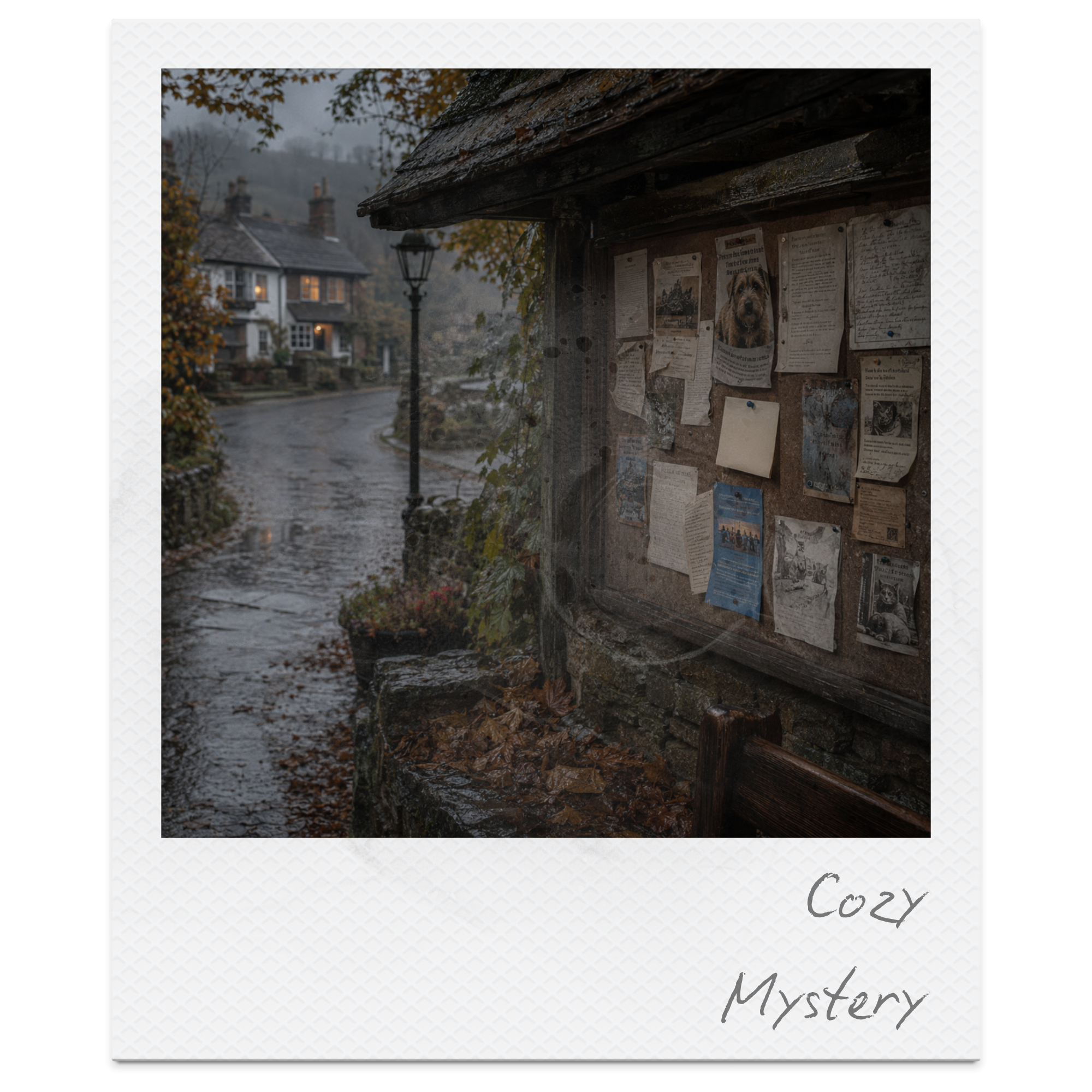
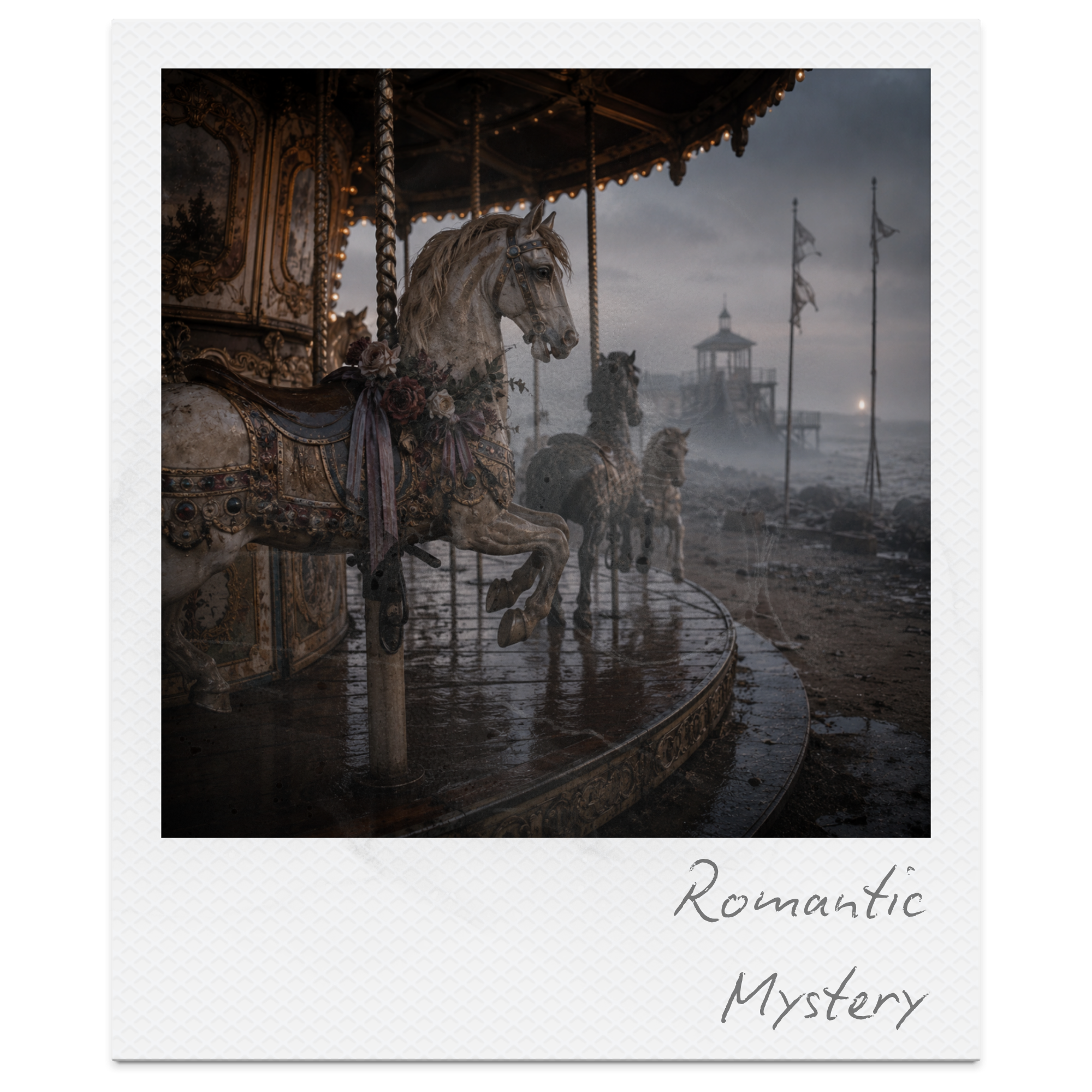
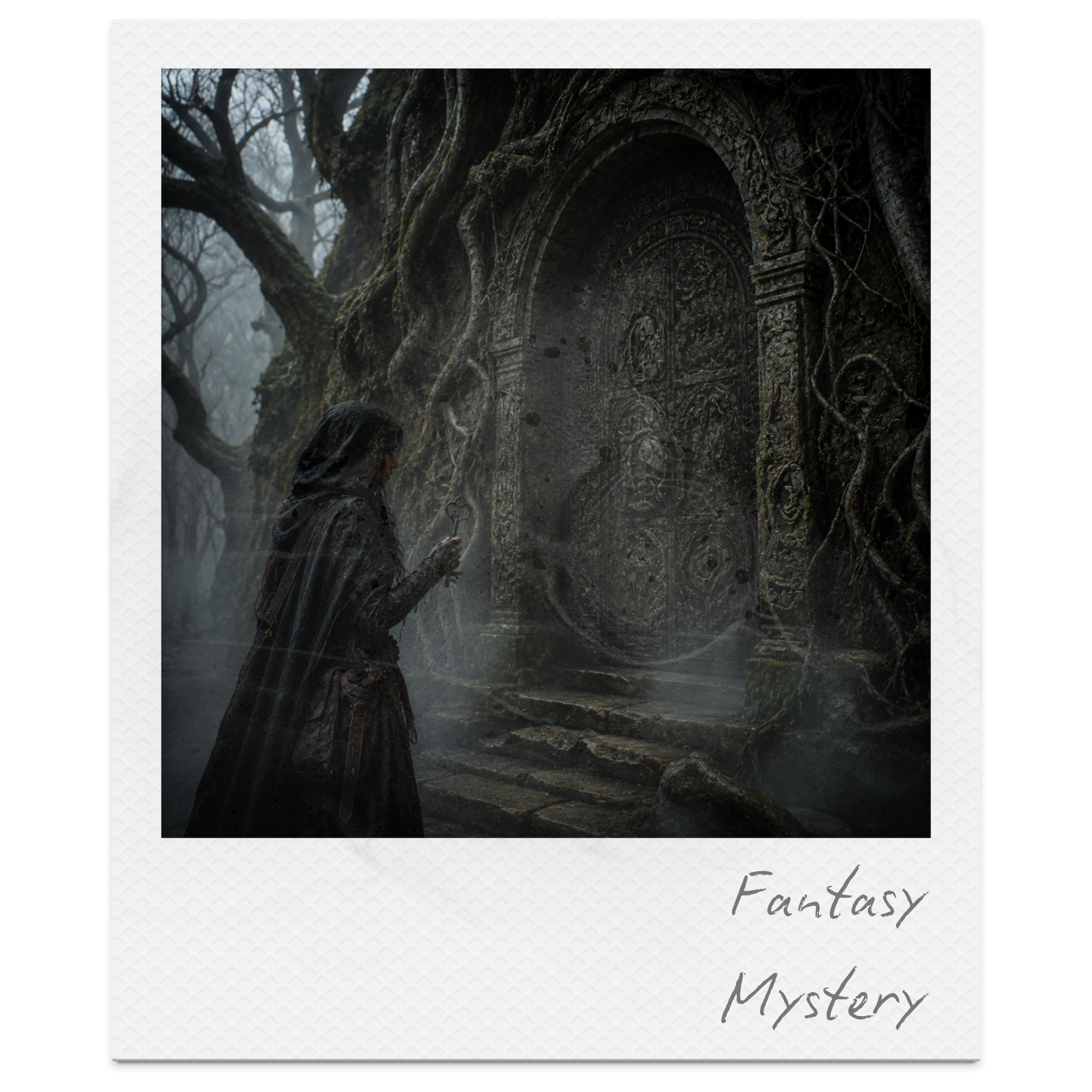
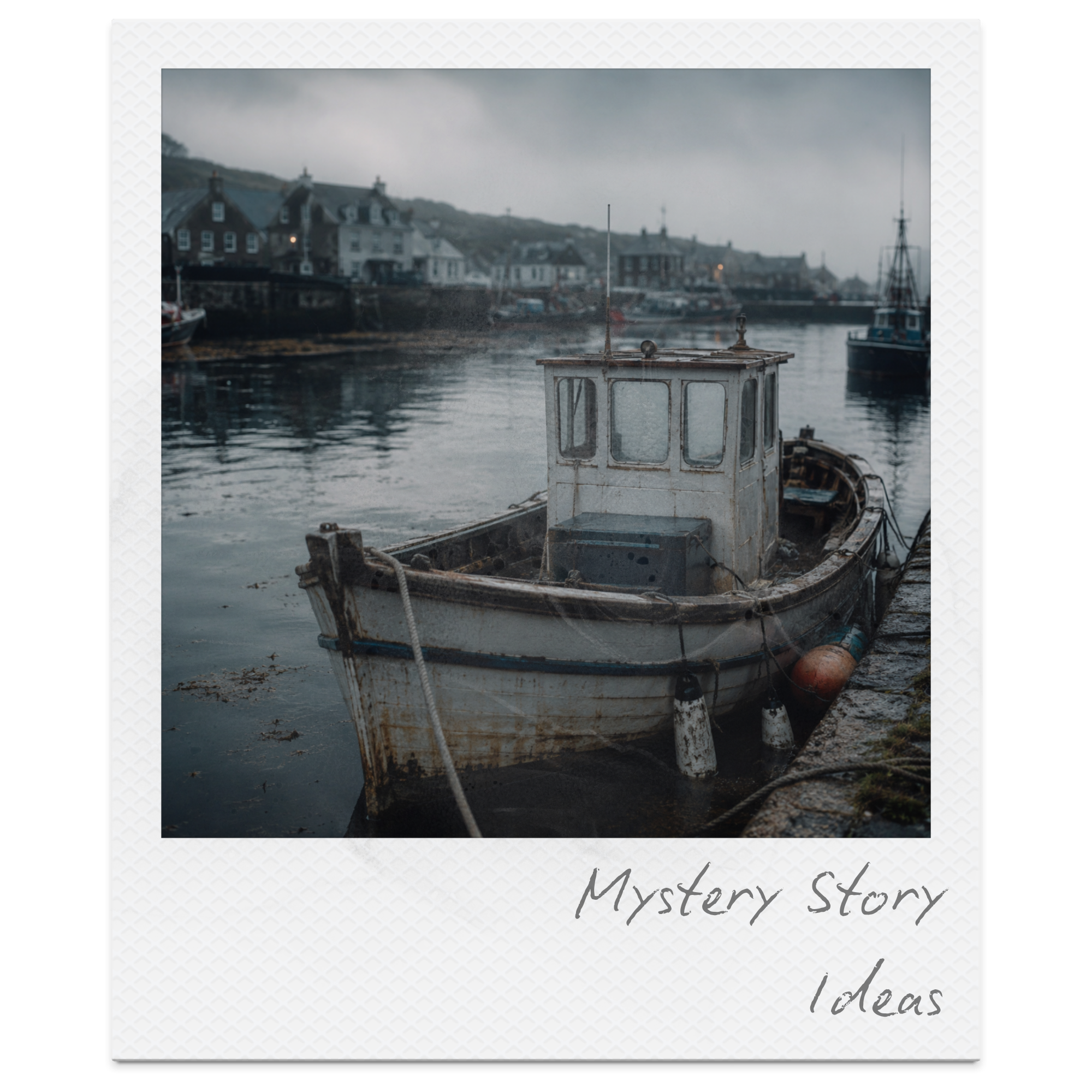
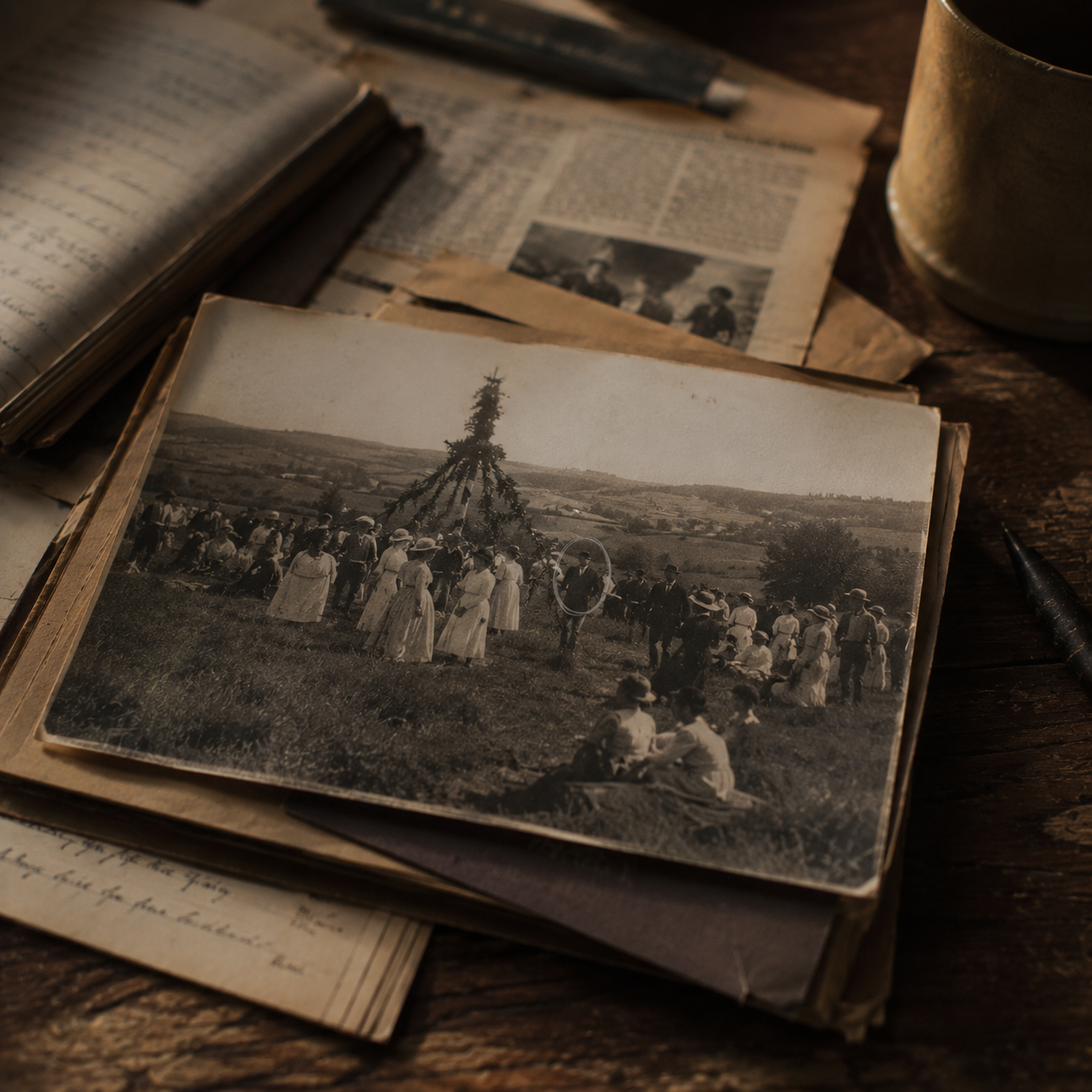
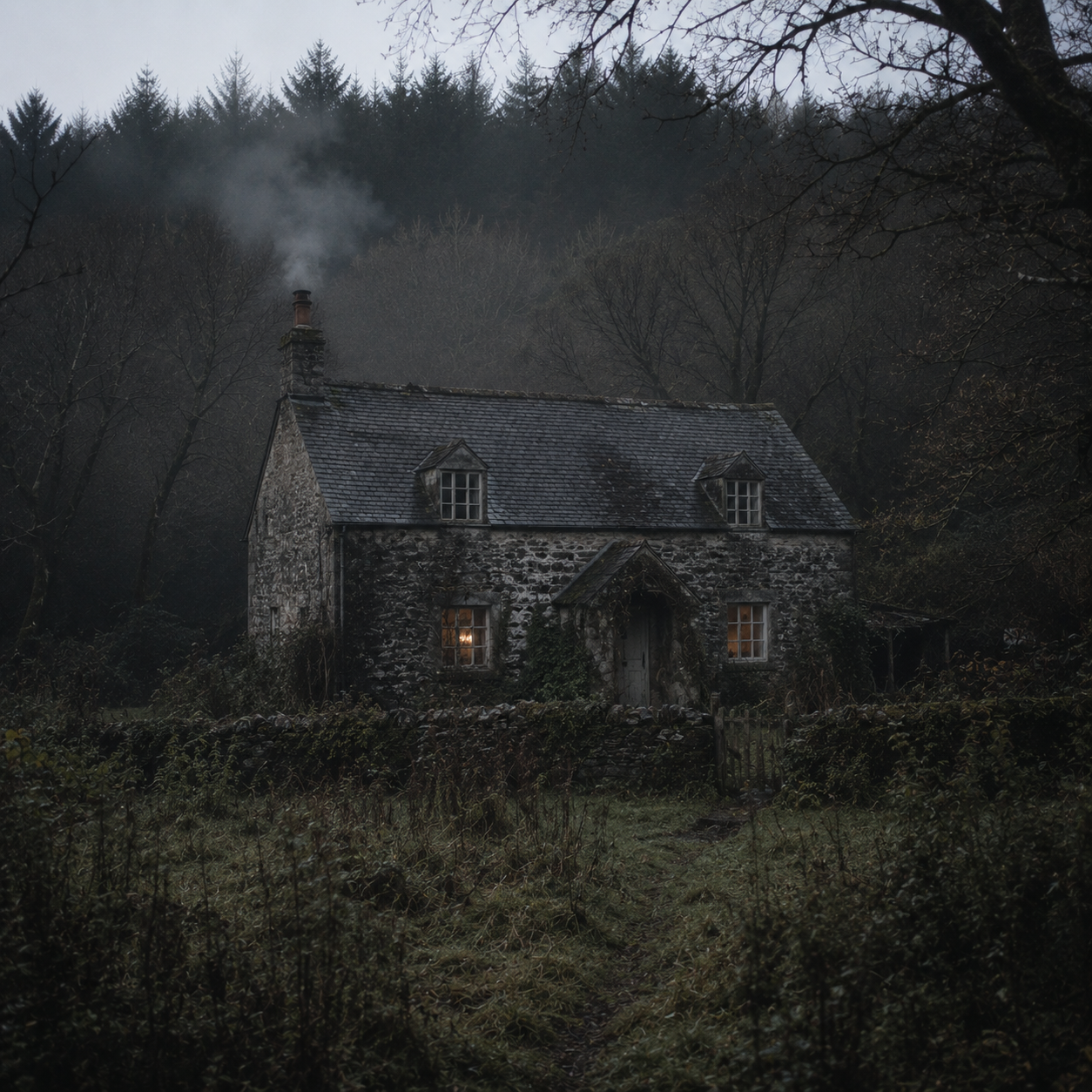
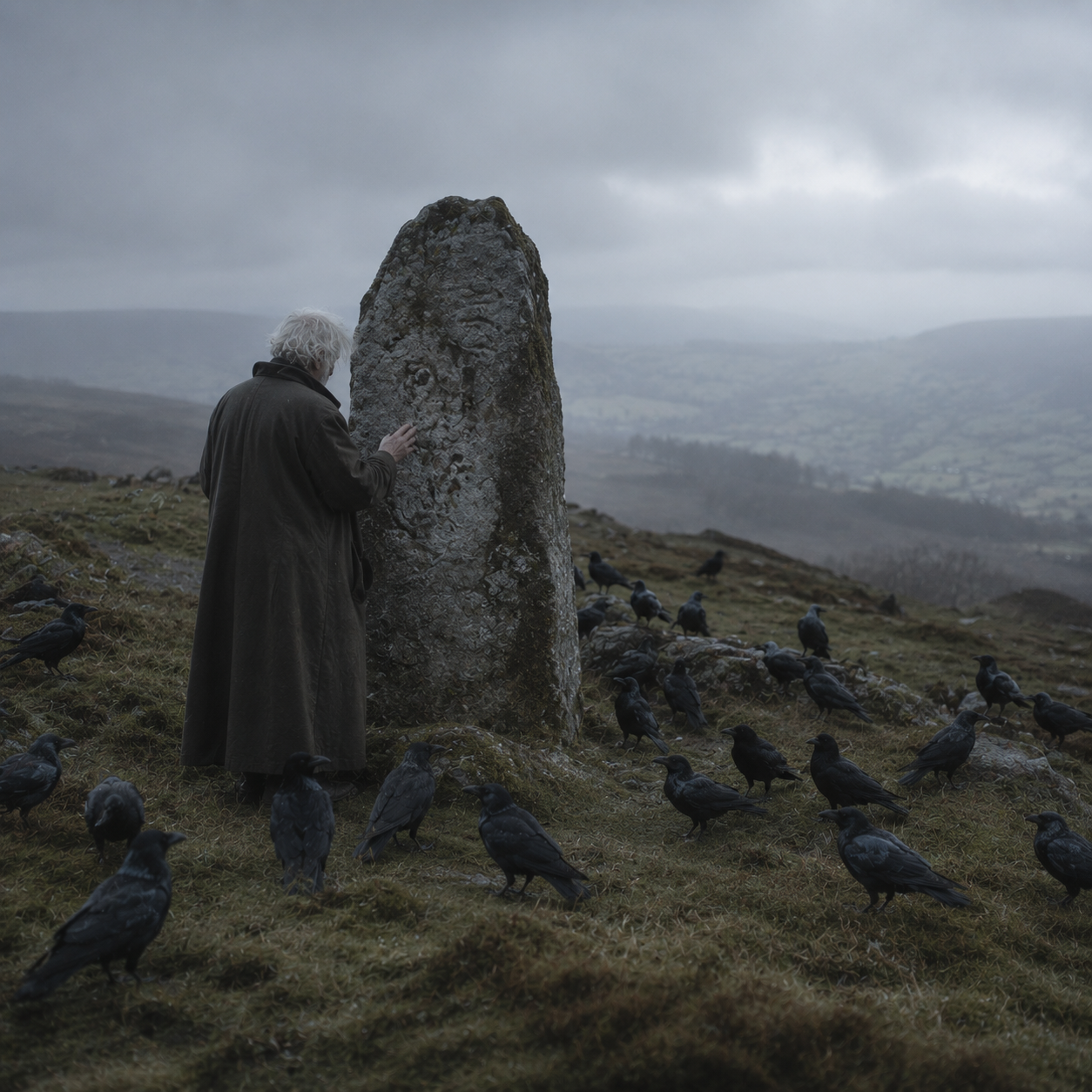
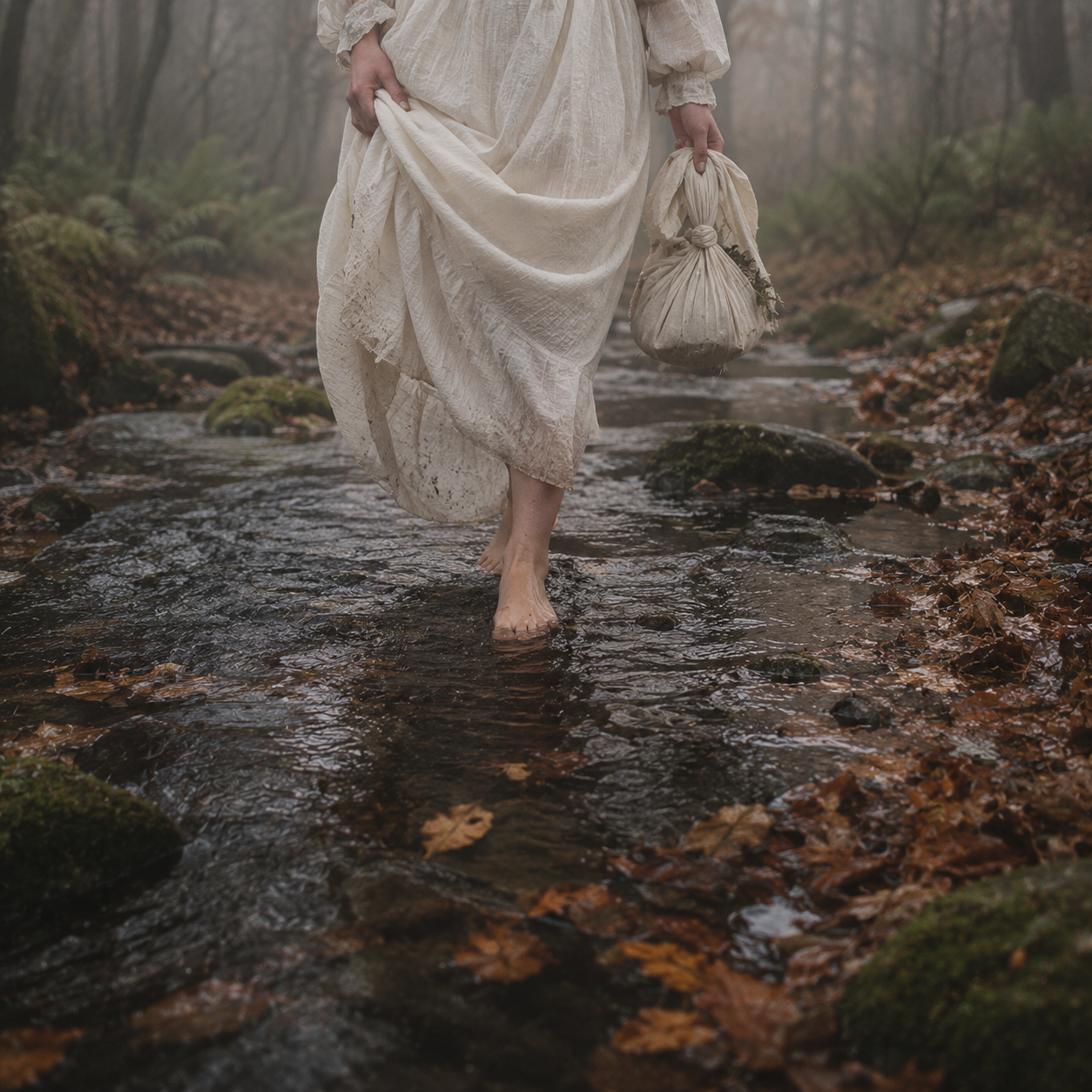
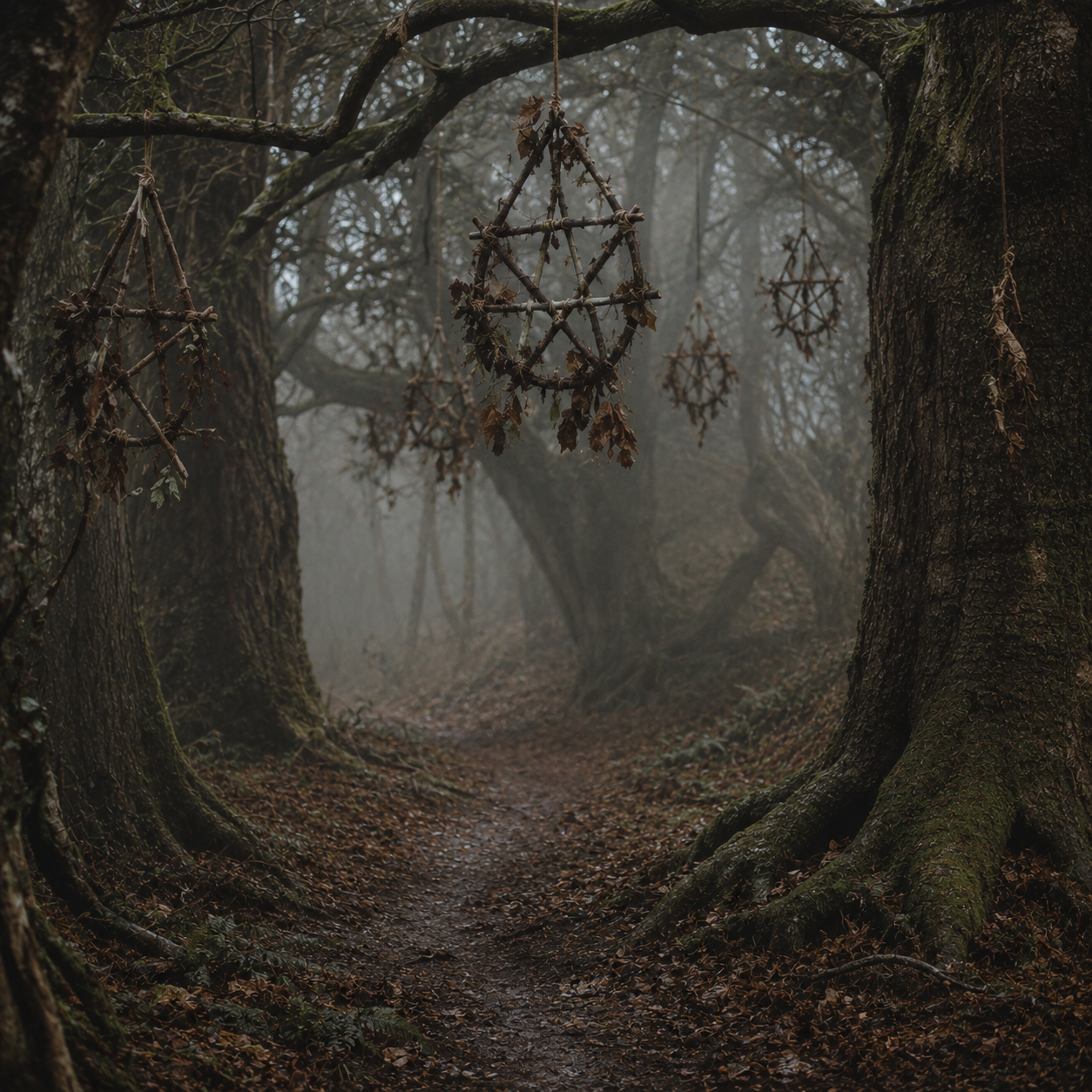
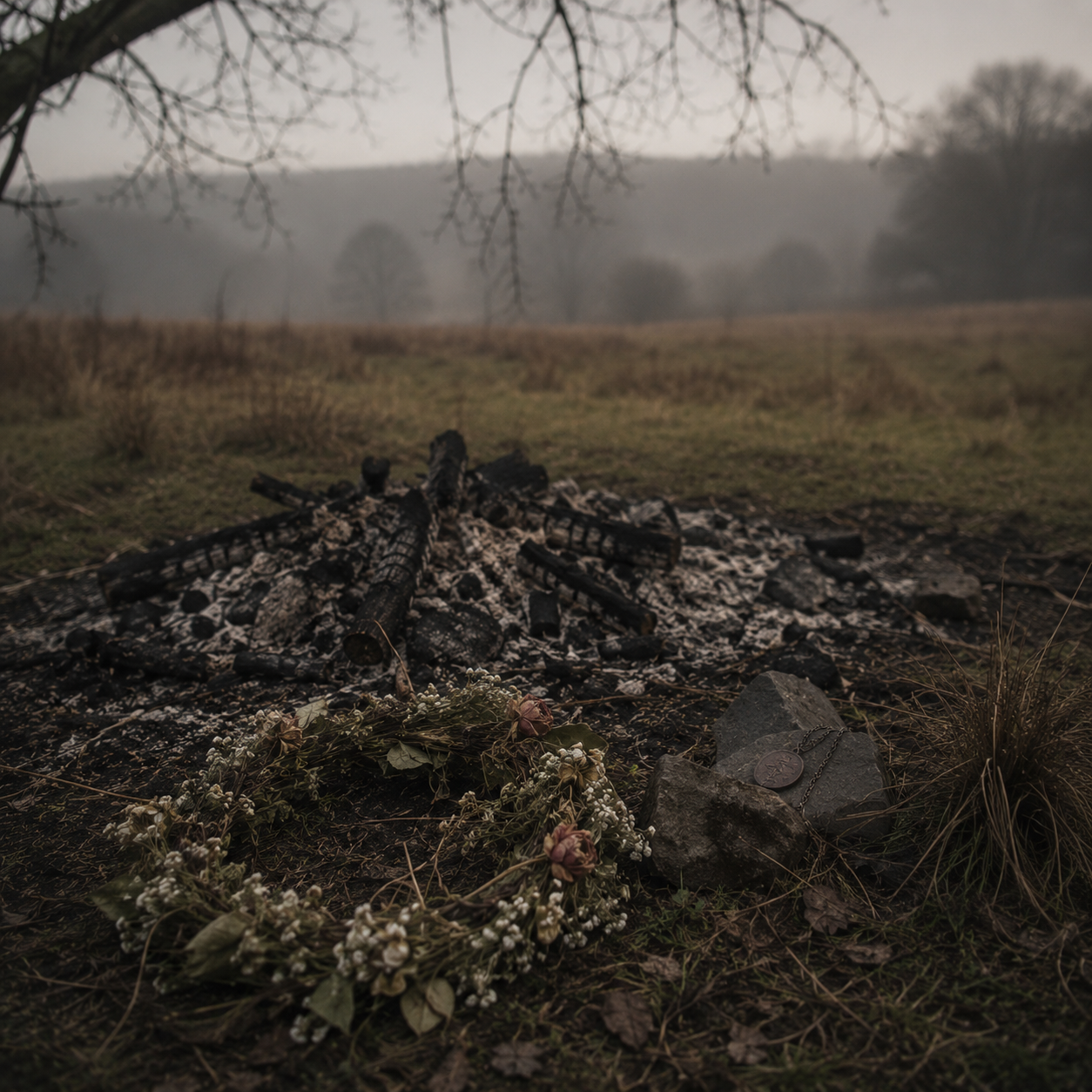
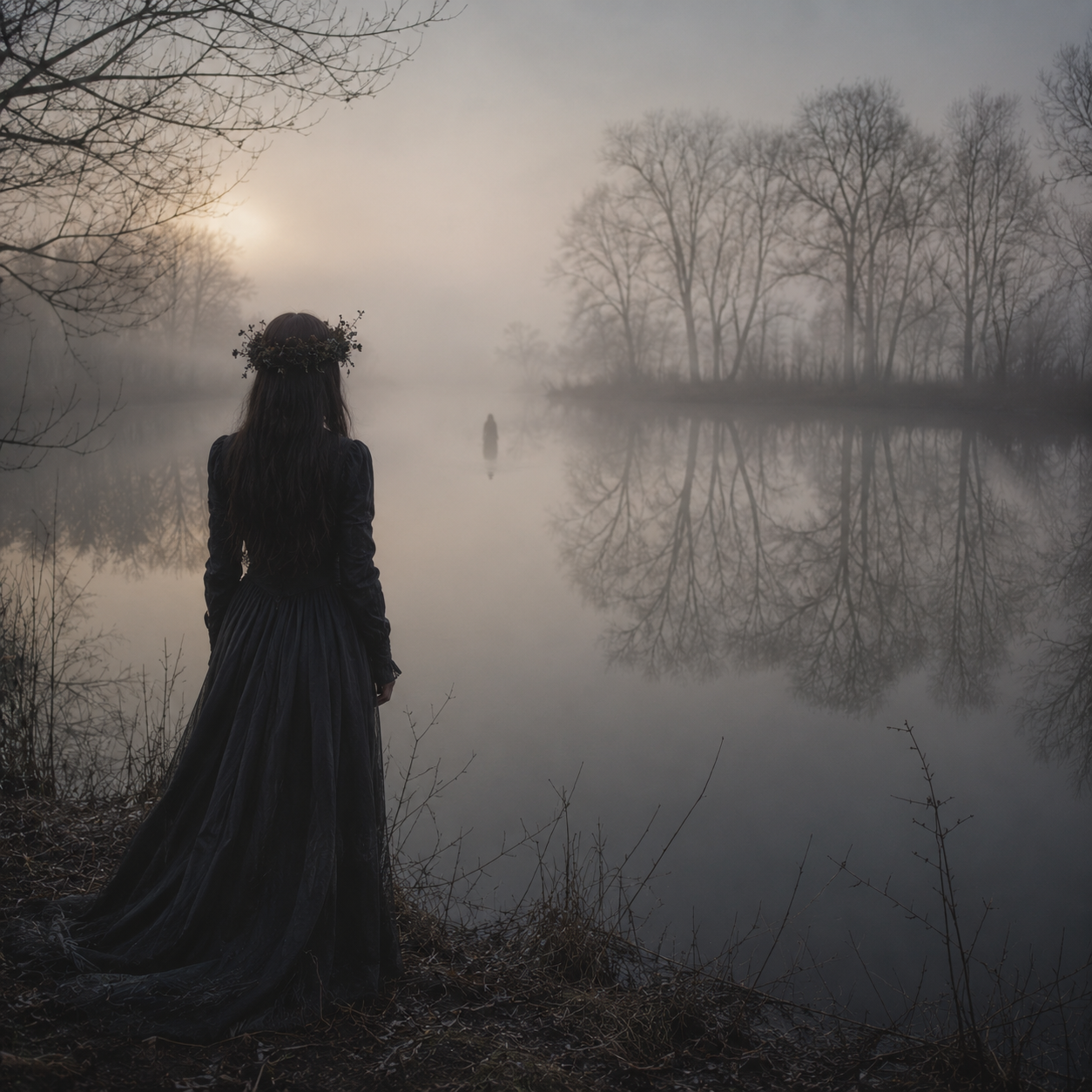
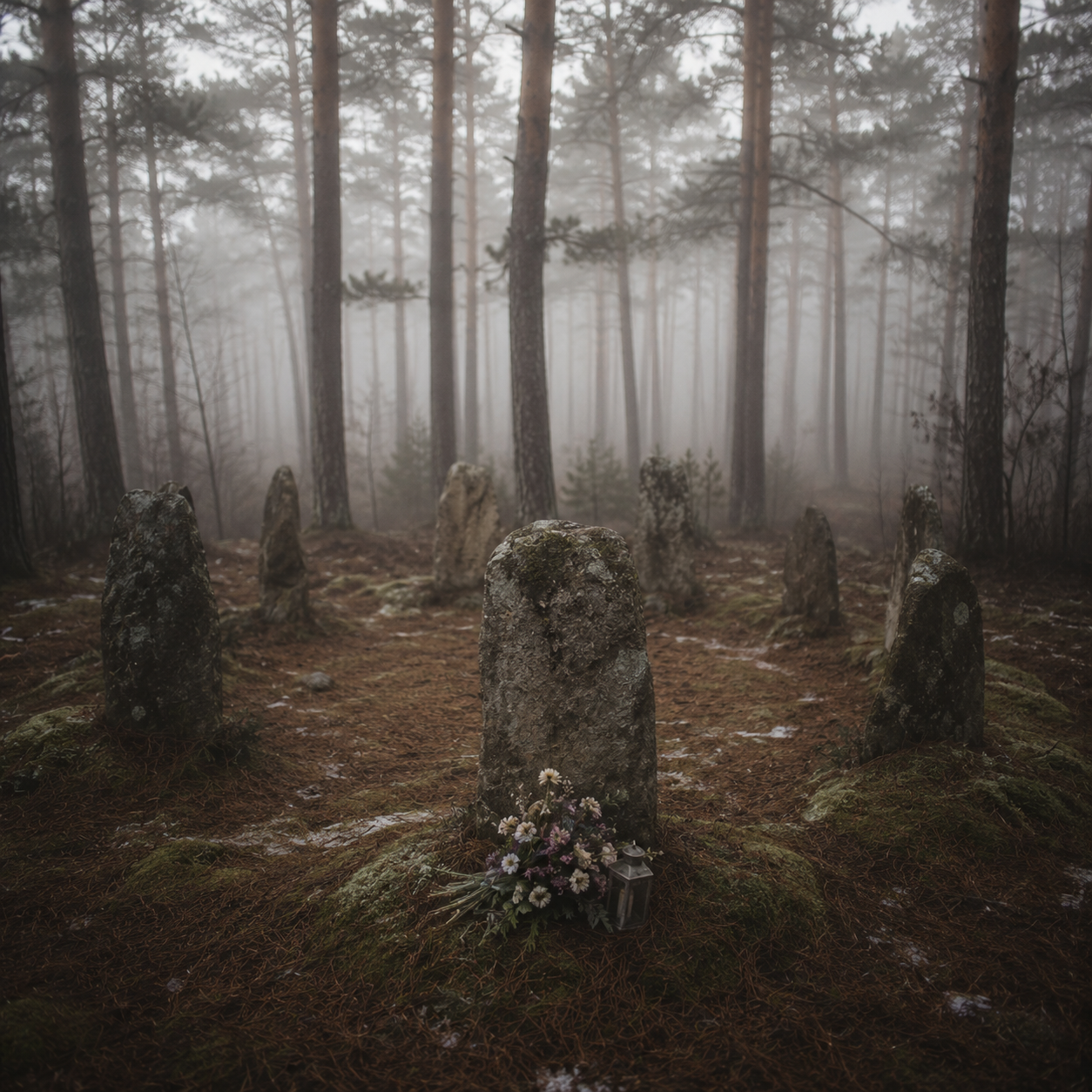
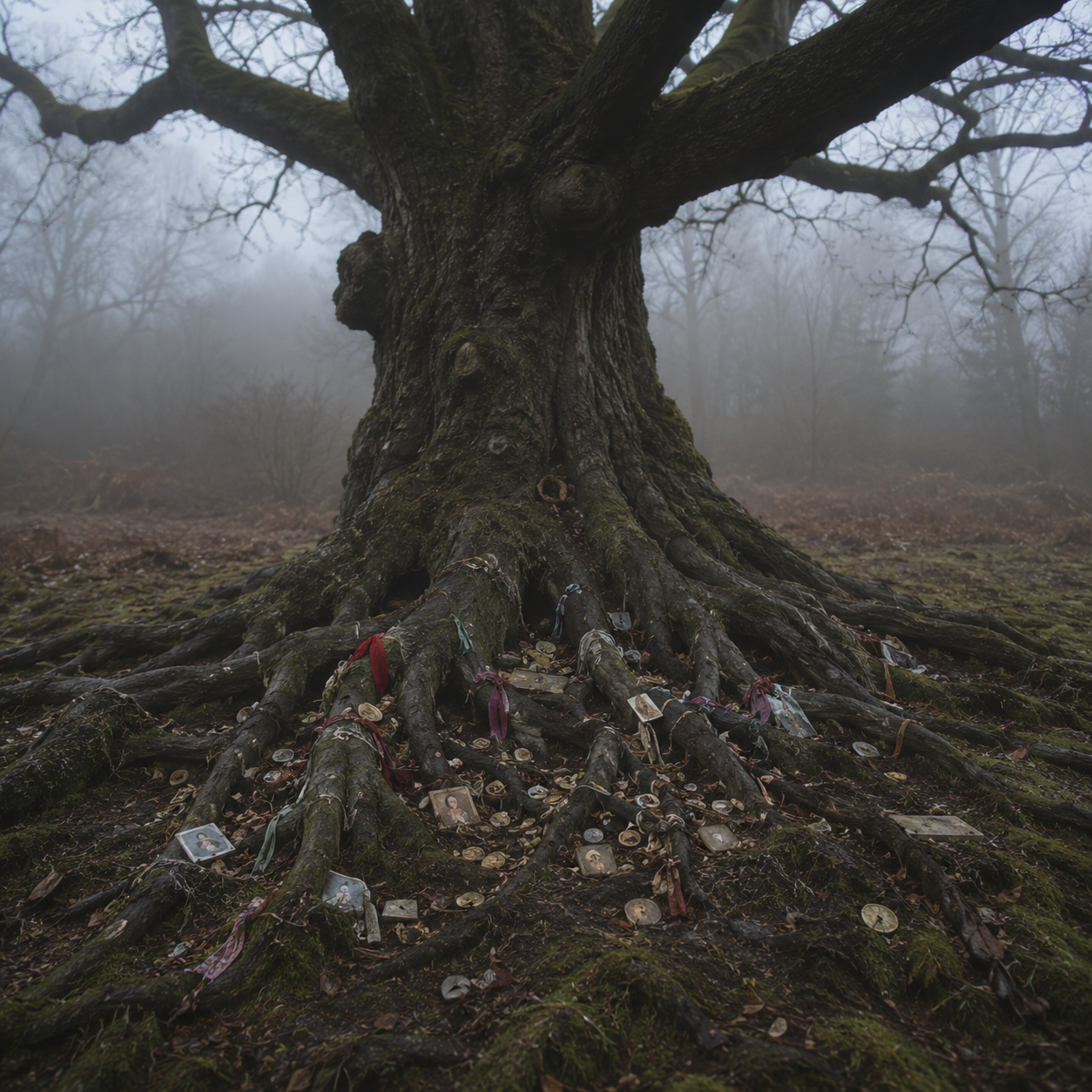
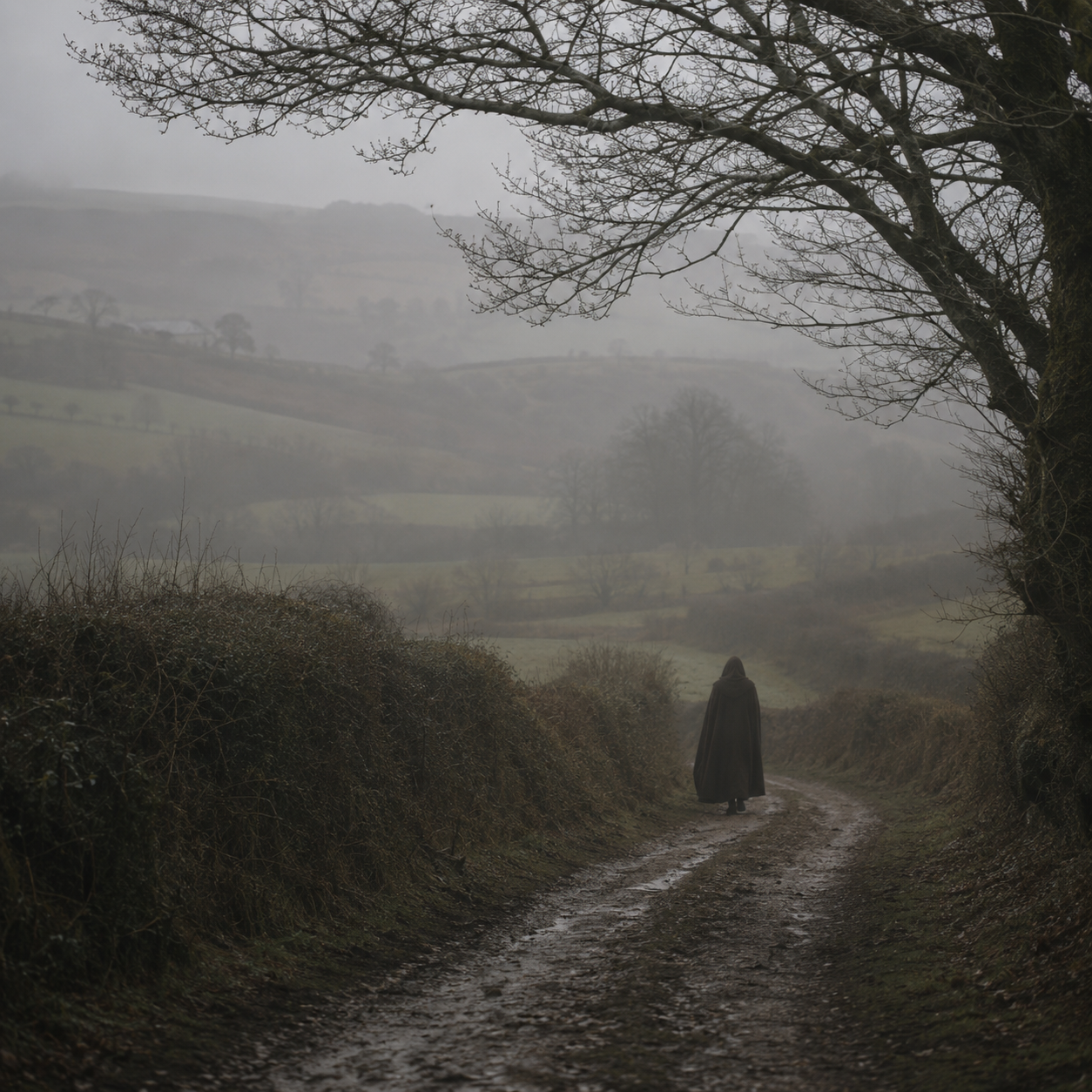
Visual prompts can help capture the atmosphere, mystery, and sense of hidden history that define folklore mystery stories. Use these images as inspiration for local legends, forgotten traditions, missing persons, ancient symbols, hidden communities, and mysteries that blur the line between history and myth.
Go Deeper into Folklore Mystery Writing
The strongest folklore mysteries explore the relationship between stories and truth. Focus on how legends evolve over time, how communities preserve memories, and how folklore can hide clues to real events.
◆ Consider how oral traditions change as they pass between generations.
◆ Explore the tension between folklore and historical evidence.
◆ Think about why communities might preserve or hide certain stories.
◆ Use songs, rituals, symbols, local traditions, and legends as sources of clues.
Final Thoughts
Folklore mystery remains compelling because it combines the thrill of investigation with the enduring power of storytelling. By exploring local legends, forgotten histories, community traditions, and hidden truths, writers can create mysteries that feel both timeless and deeply atmospheric.
These 70 Folklore Mystery Writing Prompts invite writers to explore ancient legends, mysterious disappearances, hidden communities, strange traditions, and secrets buried beneath generations of storytelling. Whether you are planning a novel, developing a short story, or searching for inspiration, these prompts offer countless opportunities for mystery, atmosphere, and discovery.
For more inspiration, explore the Folklore & Fairytale Writing Hub, browse the Mystery Writing Hub, or visit the Creative Writing Archive, where hundreds of additional prompts, characters, settings, and story ideas are waiting to be uncovered.
Choose Your Next Adventure