Notes from the Inkpot
Writing, teaching, creating - one ink-stained idea at a time.


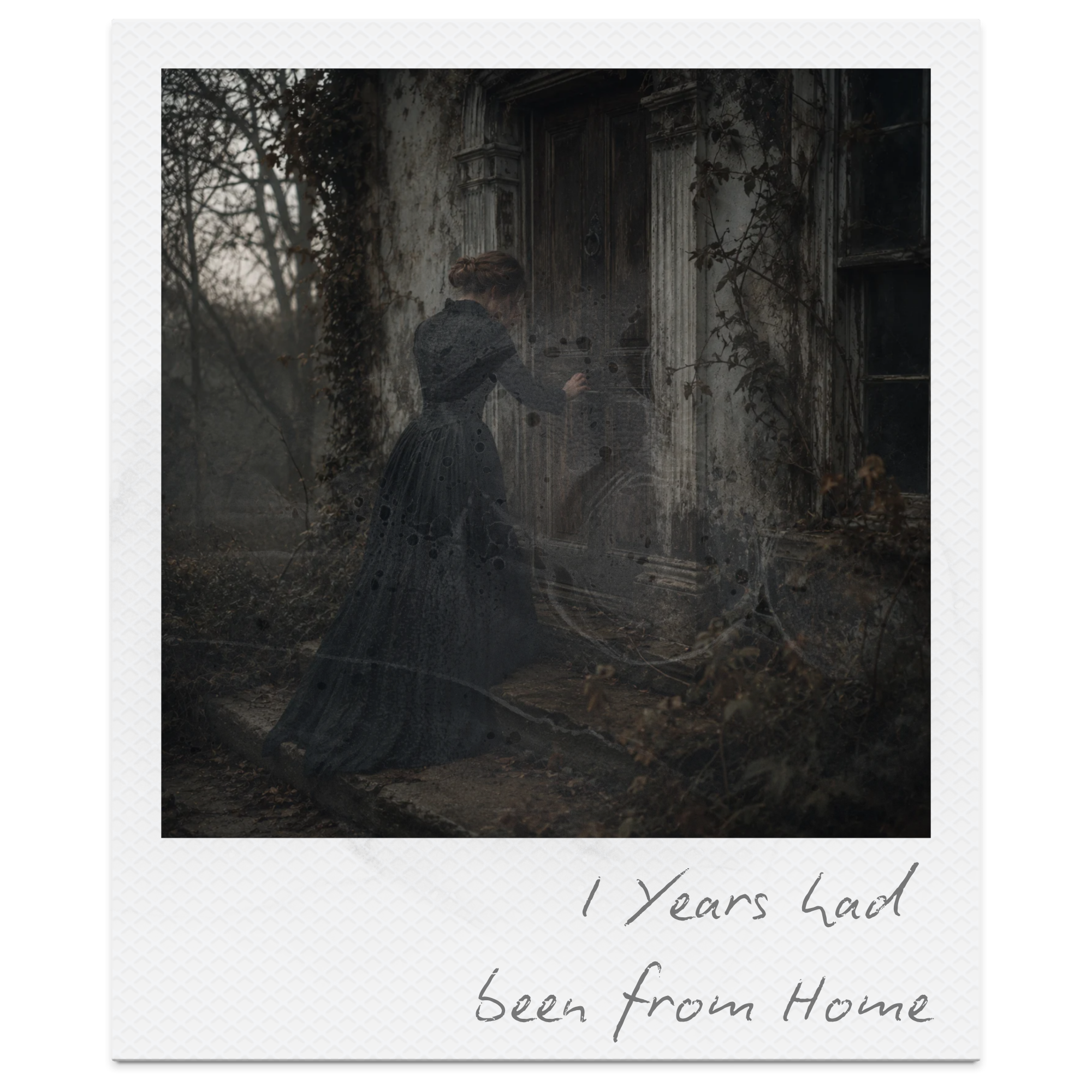
I Years Had Been from Home by Emily Dickinson: Analysis of Memory, Alienation and Belonging
Explore I Years Had Been from Home by Emily Dickinson with this detailed analysis of memory, identity, belonging, displacement, psychological uncertainty, and the passage of time. Discover how Dickinson uses symbolism, imagery, structure, and first-person perspective to transform a simple homecoming into a powerful exploration of fear, change, and self-recognition. This guide explores the poem's themes, symbolism, literary techniques, key quotes, alternative interpretations, anthology comparisons, and exam-ready insights, making it ideal for students and teachers studying Cambridge International AS & A Level Literature in English (9695) Songs of Ourselves: Volume 2.
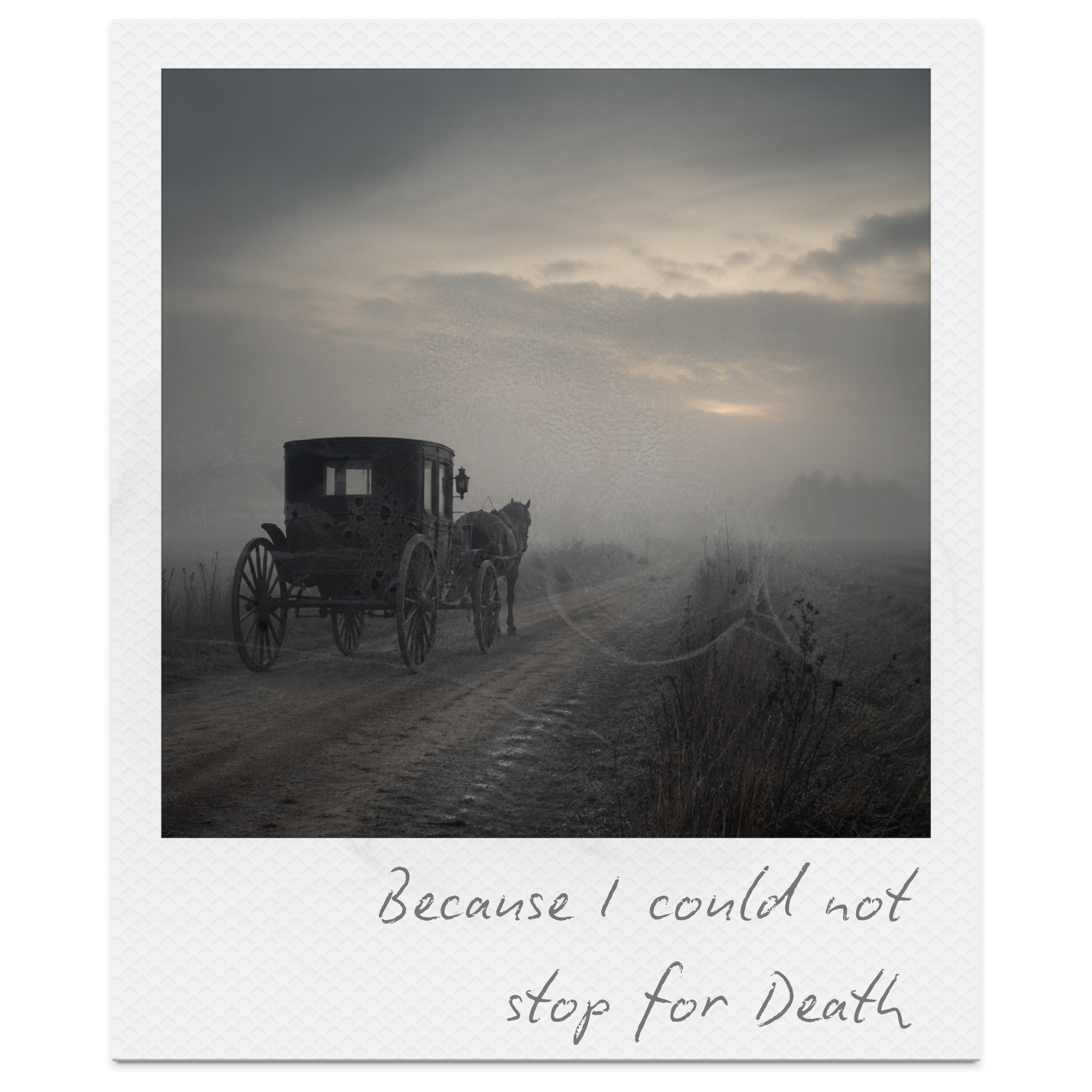
Because I could not stop for Death by Emily Dickinson: Summary, Themes & Analysis
Emily Dickinson’s Because I could not stop for Death presents death as a calm, deliberate journey, using personification and symbolism to transform a typically feared concept into something controlled and almost reassuring. Through the image of a carriage ride, the poem moves steadily through the stages of life, suggesting that death is not a sudden end but a process leading toward eternity. However, beneath this calm surface lies a deeper sense of uncertainty, as shifts in perspective and imagery reveal the limits of human understanding. The progression from familiar scenes to the final realisation of eternity highlights how time and control break down beyond life, leaving the reader with a quiet but unsettling reflection on what lies beyond death.

10 Haunting Poems to Teach This Halloween (That Aren’t Just The Raven)
Halloween isn’t just for spooky short stories — poetry can be just as haunting. From Poe’s The Raven to eerie ballads like The Unquiet Grave, these poems bring atmosphere, symbolism, and Gothic chills into the classroom. Perfect for middle and high school, this list offers ten haunting poems that make October lessons both literary and seasonal.