Old Man and Very Old Man by Henry James: Summary, Themes & Analysis
Henry James's Old Man and Very Old Man form a fascinating poetic pair that explores the human experience across the entire span of life. Through deceptively simple language and vivid symbolic imagery, James reflects on ageing, mortality, memory, perception, and the passage of time. While Old Man focuses on the frustration of pursuing an ideal that remains perpetually out of reach, Very Old Man presents old age as a return to the uncertainty and vulnerability of childhood, creating a powerful sense of life's cyclical nature.
Both poems are particularly rich in symbolism and philosophical reflection. James uses images of distance, journeys, veils, movement, and vision to explore how human beings understand themselves and their place in the world. Together, the poems invite readers to consider how perspectives change over time and whether the mysteries that surround life can ever truly be understood.
This analysis explores the poems' context, structure, imagery, symbolism, themes, and literary methods. For more poetry analysis, visit the Songs of Ourselves Volume 2 Hub, and explore the wider Literature Library for additional anthology resources, comparisons, and revision support.
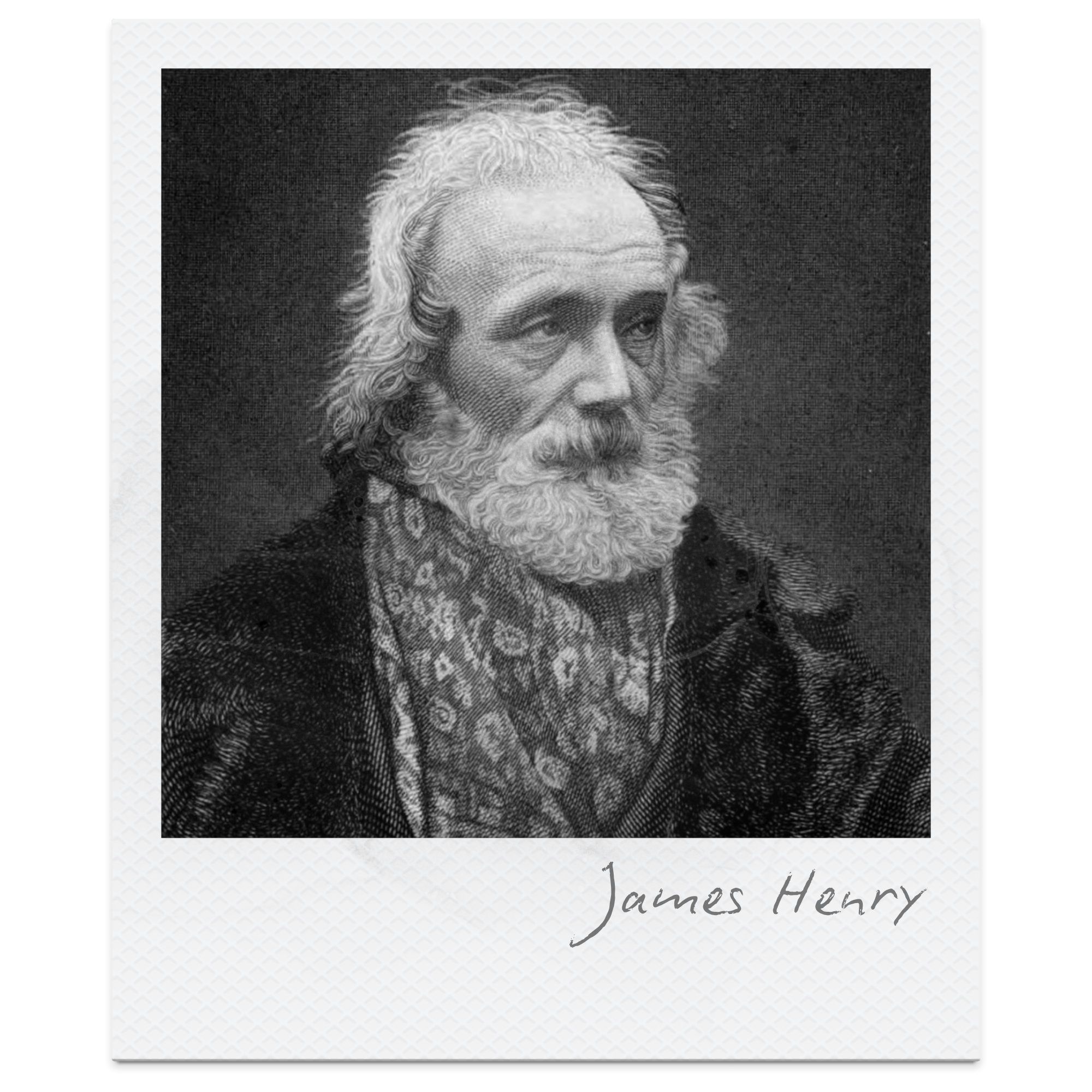
Context and Literary Background of Old Man and Very Old Man
James Henry (1798–1876) was an Irish poet, physician, scholar, and classical critic whose work remained largely overlooked during his lifetime. Educated at Trinity College Dublin, he initially pursued a medical career before eventually devoting himself to literary and scholarly pursuits. Although he published several volumes of poetry, Henry never achieved the fame of many of his Victorian contemporaries and remains a relatively obscure figure today. Interest in his work increased only much later, particularly following his inclusion in important twentieth-century anthologies of Victorian poetry.
Henry was deeply influenced by the literature of the classical world, especially the Roman poet Virgil. Much of his later life was dedicated to studying, editing, and travelling across Europe in search of Virgil manuscripts. His poetry often reflects the reflective, philosophical qualities associated with classical literature, showing a particular interest in time, mortality, human limitation, and the search for meaning.
Old Man and Very Old Man were published in 1854 and are intended to be read as companion poems. Together they trace the same speaker's reflections on ageing across a ten-year period. In Old Man, a sixty-year-old speaker reflects on a lifelong pursuit that seems forever beyond reach. In Very Old Man, that same speaker has reached the age of seventy and finds himself confronting an even deeper mystery: not the goals and ambitions of life, but the unknown reality of death itself. Read together, the poems create a powerful meditation on the changing perspectives that accompany old age.
The poems were written during the Victorian period, a time characterised by enormous social, scientific, and intellectual change. Advances in science, medicine, industry, and technology were transforming everyday life, while new ideas challenged long-established beliefs about religion, society, and humanity's place in the world. Victorian writers frequently grappled with questions about progress, faith, mortality, and the meaning of existence, concerns that resonate strongly throughout Henry's poetry.
Henry's own experiences likely informed these reflections on ageing and time. Having spent years working as a physician before turning increasingly towards scholarship and travel, he was writing these poems in his late fifties, close to the age of the speaker in Old Man and not far removed from the concerns explored in Very Old Man. The poems therefore carry a sense of personal authenticity, reflecting not only philosophical ideas about ageing but also the observations of a writer beginning to contemplate the later stages of his own life.
At a Glance: Old Man and Very Old Man
Old Man
◆ Form: Reflective lyric poem
◆ Tone: Thoughtful, regretful, philosophical
◆ Central Tensions: Aspiration versus reality; desire versus limitation; youth versus old age
◆ Core Concerns: Ageing, ambition, time, unattainable goals, human limitation
◆ Dominant Imagery: Distance, movement, pursuit, vision, pictures, force
◆ Stylistic Features: Extended metaphor, visual symbolism, contrast, temporal shifts, first-person reflection
◆ Key Themes: The passage of time; ageing and mortality; aspiration; disappointment; perspective; the human journey
◆ One-Sentence Interpretation: James presents life as a continual pursuit of meaning and fulfilment, suggesting that the goals we spend our lives chasing often remain just beyond our reach.
Very Old Man
◆ Form: Reflective lyric poem
◆ Tone: Meditative, uncertain, melancholic, contemplative
◆ Central Tensions: Knowledge versus mystery; life versus death; familiarity versus the unknown
◆ Core Concerns: Mortality, ageing, uncertainty, memory, the limits of human understanding
◆ Dominant Imagery: Childhood, darkness, veils, enclosed spaces, blindness, circular journeys
◆ Stylistic Features: Structural parallels, cyclical imagery, symbolism, first-person reflection, philosophical meditation
◆ Key Themes: Mortality; fear of the unknown; ageing and decline; memory; self-recognition; the cyclical nature of life
◆ One-Sentence Interpretation: James presents extreme old age as a return to the uncertainty of childhood, suggesting that human beings begin and end life surrounded by mysteries they cannot fully understand.
At a Glance Comparison
◆ Old Man focuses on life's ambitions and the frustration of never fully reaching them.
◆ Very Old Man focuses on mortality and the unknowable reality that awaits beyond life.
◆ Both poems use a first-person speaker reflecting on ageing and the passage of time.
◆ Both poems explore how perspective changes across the lifespan.
◆ Together, the poems create a circular vision of life in which childhood and old age mirror one another.
◆ James suggests that human beings remain limited in their understanding despite a lifetime of experience.
Summary of Old Man
In Old Man, the speaker reflects on the experience of ageing by comparing life to the pursuit of a beautiful picture. As a child of six, he sees this image shining in the distance and spends his days striving towards it, believing that one day he will reach it. However, despite his efforts, the goal always remains beyond his grasp.
Now sixty years old, the speaker finds himself finally close to the same vision he pursued throughout his life. Yet instead of reaching it, he discovers that an invisible force is steadily carrying him away from it. He realises that by the age of seventy he will once again be as distant from his dream as he was in childhood. The poem therefore presents a powerful reflection on ambition, ageing, and the frustrating human tendency to spend life pursuing goals that remain permanently out of reach.
Summary of Very Old Man
In Very Old Man, the speaker looks back to his earliest memories as a small child learning to navigate an unfamiliar world. Surrounded by strange objects and experiences, he recalls feeling both curiosity and uncertainty about the unknown.
Now seventy years old, he finds himself in a surprisingly similar position. Sitting in one of the same chairs from childhood, he once again confronts mysteries he cannot fully understand. This time, however, the unknown is not the beginning of life but its approaching end. As a symbolic veil gradually closes around him, obscuring the world from view, the speaker becomes increasingly aware of mortality and the limits of human knowledge. The poem suggests that old age mirrors childhood, with both stages of life defined by uncertainty, vulnerability, and encounters with the unknown.
Summary Comparison
◆ Old Man explores the frustration of pursuing life's ambitions only to find them slipping away.
◆ Very Old Man explores the mystery of mortality and humanity's inability to understand what lies beyond death.
◆ Both poems are narrated by elderly speakers reflecting upon the passage of time.
◆ Both use childhood memories to illuminate experiences in later life.
◆ Together, the poems suggest that human beings remain limited in their understanding regardless of age or experience.
◆ James presents life as a circular journey in which childhood and old age share surprising similarities.
Title, Form and Structure in Old Man and Very Old Man
Both Old Man and Very Old Man are deceptively simple poems that use straightforward language and regular structure to explore complex ideas about ageing, mortality, human ambition, and the limits of understanding. Although the poems are brief, James carefully shapes their form, structure, and rhythm to reinforce their philosophical concerns.
The Significance of the Titles
The titles immediately emphasise age as the poems' central concern. Rather than giving the speakers individual names, James identifies them entirely through their stage of life. This choice encourages readers to view the speakers as universal figures rather than specific individuals.
The progression from Old Man to Very Old Man is particularly significant. The titles suggest a movement through time, inviting readers to treat the poems as companion pieces that chart the final stages of a human life. The ten-year gap between the speakers' ages allows James to examine how attitudes towards ambition, knowledge, and mortality evolve as death draws closer.
Form
Both poems are written as single, uninterrupted stanzas.
In Old Man, the fifteen-line structure mirrors the speaker's lifelong pursuit of an unattainable goal. Because there are no stanza breaks, the poem feels continuous and unbroken, reflecting the way the speaker's desire has remained constant from childhood into old age. The uninterrupted form reinforces the poem's central idea that the same longing has shaped the speaker's entire life.
The poem's fifteen lines are also notable because they place it only one line beyond the length of a traditional sonnet. Since sonnets frequently explore longing, desire, and unattainable ideals, James may be drawing loosely upon this tradition while deliberately denying the sense of resolution often associated with sonnet endings.
Very Old Man adopts a similarly compact form but is even more compressed, consisting of a single twelve-line stanza. The poem divides naturally into two balanced sections: the opening six lines focus on childhood, while the final six lines focus on old age. This structural symmetry reinforces the poem's central argument that infancy and extreme old age share surprising similarities.
In both poems, the absence of stanza breaks creates a sense of continuity. James suggests that despite the passing decades, certain aspects of human experience remain unchanged.
Structure
The structure of Old Man is built around contrast.
The opening section presents the speaker as a six-year-old child pursuing a beautiful vision that remains distant and unreachable. The second half shifts abruptly to the speaker at sixty years old, creating a dramatic comparison between youth and old age. However, rather than revealing progress or fulfilment, the contrast exposes a painful irony. Just as the speaker finally approaches his lifelong goal, he discovers that time is carrying him away from it.
The structure therefore creates a circular pattern. The speaker begins far from the picture and ultimately finds himself returning to a similar position, suggesting that human ambitions may never be fully realised.
Very Old Man is structured around a parallel comparison between the beginning and end of life. The poem opens with the speaker as a helpless infant navigating an unfamiliar world and concludes with him as an elderly man confronting another unknown reality. This creates a cyclical structure in which childhood and old age mirror one another.
Unlike Old Man, which focuses on distance and pursuit, Very Old Man focuses on uncertainty and perception. The poem's movement from childhood curiosity to elderly apprehension suggests that human beings remain surrounded by mysteries throughout their lives.
Metre and Rhythm
Both poems are written primarily in iambic pentameter, creating a steady rhythm that reflects the gradual movement of time.
For example, the opening line of Old Man follows a regular pattern:
at SIX | years OLD | I HAD | beFORE | mine EYES
The regular rhythm mirrors the speaker's steady progress through life while also reflecting the slow, persistent movement of the unseen force that eventually carries him away from his goal.
James occasionally varies this pattern for emphasis. Strategic disruptions in the metre draw attention to key moments of frustration, desire, or uncertainty, preventing the poems from becoming mechanically regular.
In Very Old Man, the measured rhythm contributes to the poem's reflective and contemplative tone:
and NOW | with STIFF | ened JOINTS | I SIT | all DAY
The regularity creates a sense of routine and inevitability, reflecting the speaker's awareness of advancing age. Small metrical variations often occur at moments where the speaker expresses hope, fear, or uncertainty, drawing attention to the emotional tensions beneath the calm surface of the poem.
Rhyme and Sound Patterns
Neither poem uses a regular rhyme scheme.
The absence of rhyme contributes to the poems' conversational and reflective quality. Rather than sounding highly lyrical or decorative, the speakers appear to be thinking aloud, reflecting honestly upon their experiences.
This lack of rhyme is particularly significant given the themes of both poems. Rhyme often creates a sense of closure, order, or resolution. James deliberately avoids these effects. Neither speaker arrives at certainty, fulfilment, or complete understanding. Instead, both poems conclude with unresolved questions about ambition, ageing, mortality, and the limits of human knowledge.
The use of blank verse also allows James to focus attention on ideas rather than musicality. The poems therefore feel philosophical and meditative, encouraging readers to reflect on the universal experiences they describe.
Form and Meaning
Taken together, the form and structure of Old Man and Very Old Man reinforce their shared exploration of the human condition. Their single-stanza structures emphasise continuity across a lifetime, while their regular blank verse reflects the steady passage of time. Through parallel structures, cyclical patterns, and the absence of neat formal resolution, James suggests that life may not provide the certainty or fulfilment people seek. Instead, both poems present human existence as a journey shaped by aspiration, mystery, and an ongoing search for understanding.
Voice and Perspective in Old Man and Very Old Man
Both poems are written in the first person and adopt the voice of an elderly speaker reflecting upon the experience of growing old. However, despite sharing the same speaker, the poems focus on different concerns. In Old Man, the speaker reflects on ambition, desire, and the frustrating distance between dreams and reality. In Very Old Man, attention shifts towards mortality, uncertainty, and the approach of death. Together, the poems create the impression of a single consciousness examining life from two different points on the journey towards its end.
The Speaker in Old Man
The speaker of Old Man is sixty years old and looking back across the course of his life. Rather than presenting old age as a source of wisdom or certainty, he emphasises continuity between childhood and adulthood. As a young boy, he was captivated by a beautiful vision that seemed permanently beyond his reach. Decades later, he remains driven by the same longing.
The image of the distant picture functions as both a personal memory and a broader symbol of human aspiration. The speaker never defines precisely what the picture represents, allowing it to stand for happiness, fulfilment, success, knowledge, purpose, or any other ideal that people spend their lives pursuing. This ambiguity gives the poem a universal quality, encouraging readers to connect the speaker's experience to their own ambitions and desires.
Unlike the hopeful child he once was, however, the older speaker recognises the limits imposed by time. He understands that an "invisible, compulsive force" continually carries him away from the object of his desire. Whether this force represents ageing, mortality, fate, or the inevitable disappointments of life, it operates beyond the speaker's control. As a result, the voice combines reflection with resignation. The speaker is thoughtful and self-aware, yet he cannot offer any comforting resolution to the problem he describes.
The Speaker in Very Old Man
The speaker of Very Old Man appears to be the same individual ten years later, now around seventy years old. Looking back to infancy, he reflects upon the similarities between the beginning and end of life. Although he possesses decades of experience, he does not claim greater certainty or understanding. Instead, he presents himself as someone who remains surrounded by mystery.
The speaker recalls his earliest experiences of the world as a child learning to navigate unfamiliar surroundings. At that stage of life, everything seemed strange, uncertain, and difficult to understand. In old age, he finds himself confronting a similar situation. Once again, he faces something unknown, but this time the mystery is death rather than life.
The image of the "thick, dark veil" is particularly revealing. It may symbolise approaching death, the gradual loss of physical sight, declining health, or the limits of human understanding itself. Whatever interpretation readers favour, the veil represents barriers to knowledge. The speaker recognises that even after a lifetime of experience, some questions remain unanswered.
As a result, the voice in Very Old Man feels quieter and more contemplative than in Old Man. The earlier poem focuses on frustration and unattainable goals; this poem focuses on uncertainty and acceptance. The speaker no longer struggles against the limitations of life but instead observes them with calm reflection.
Reliability and Self-Awareness
Both speakers appear highly self-aware and reflective. They openly acknowledge their fears, frustrations, and uncertainties rather than attempting to conceal them. This honesty encourages readers to trust their observations.
However, the poems are also shaped by the limitations of personal perspective. The speakers interpret life through memory, emotion, and introspection rather than objective certainty. In Old Man, the speaker assumes that fulfilment will always remain beyond reach. In Very Old Man, the speaker can only speculate about the nature of death and what lies beyond the symbolic veil.
James therefore presents voices that are reliable in their emotional honesty but limited in their ability to answer life's largest questions. This tension between reflection and uncertainty lies at the heart of both poems.
Voice and Meaning
The reflective first-person voices give both poems an intimate and philosophical quality. By presenting ageing through personal experience rather than abstract argument, James encourages readers to consider their own relationship with time, ambition, memory, and mortality. The speakers do not offer certainty or solutions. Instead, they reveal how the mysteries that surround human life remain present from childhood to old age, creating a powerful sense of continuity across the entire lifespan.
Line-by-Line Analysis of Old Man
Old Man traces the speaker's reflections on ageing through a comparison between childhood and old age. The poem moves from youthful aspiration to mature disillusionment, revealing how the passage of time alters the speaker's relationship with his lifelong ambitions. Through imagery of distance, movement, and vision, James explores the frustrating gap between human desire and human limitation.
Lines 1–7: The Distant Vision of Childhood
The poem opens with the speaker recalling a vivid image from childhood: "At six years old I had before mine eyes / A picture painted, like the rainbow, bright." The picture immediately functions as a symbol rather than a literal object. Its beauty, brightness, and rainbow-like qualities suggest an idealised vision of fulfilment, happiness, success, or purpose. The comparison to a rainbow is particularly significant because rainbows appear tantalisingly real yet remain impossible to reach. From the beginning, James introduces the idea that human beings may spend their lives pursuing goals that always remain beyond their grasp.
The image is further developed through the description of the picture as "far, far off in th' unapproachable distance." The repetition of "far" emphasises the vast separation between the speaker and his desired objective, while "unapproachable" hints that the goal may never have been attainable at all. The language introduces a tension that will shape the entire poem: the conflict between aspiration and reality.
The speaker recalls that "With all my childish heart I longed to reach it." The phrase conveys innocence, sincerity, and complete emotional investment. As a child, he believes that determination and effort will eventually bring success. This belief is reflected in the repeated verb "strove and strove," which emphasises persistence and relentless effort.
However, the line concludes with the devastating phrase "in vain." Despite all his striving, no meaningful progress is achieved. James therefore introduces one of the poem's central ideas: effort alone does not guarantee fulfilment.
This frustration continues through the image of movement in "Advancing with slow step some few short yards / But not perceptibly the distance lessening." Although the speaker physically moves forwards, the goal appears unchanged. The contrast between movement and stagnation creates a powerful paradox. Progress seems to occur, yet the desired destination remains just as distant as before.
By the end of this section, the picture has evolved into a universal symbol of human longing. The speaker's childhood experience becomes a reflection on the ambitions, dreams, and ideals that often shape an entire lifetime.
Lines 8–15: Ageing and the Retreating Ideal
The second half of the poem shifts abruptly from childhood to old age. The speaker is now "At threescore years old," creating a striking contrast with the six-year-old child of the opening lines. Readers might expect the older speaker to have achieved the goal he spent his life pursuing. Instead, James introduces a cruel irony.
The speaker finds himself "almost within / Grasp of my outstretched arms the selfsame picture." The image suggests that after decades of striving, fulfilment finally appears attainable. The phrase "outstretched arms" conveys both desire and frustration, emphasising how close the speaker seems to be to achieving his ambition.
Significantly, the picture remains unchanged. It still possesses "all its beauteous colors painted bright," suggesting that the ideal itself has retained its attraction throughout the speaker's life. The goal has not diminished in value; rather, the speaker's relationship with it has changed.
The poem's central revelation follows immediately. Instead of moving towards the picture, the speaker declares, "I'm backward from it further borne each day." The passive construction is important because it suggests a loss of control. Earlier in the poem, the child actively "strove and strove." Now the speaker is being carried by forces beyond his influence.
James develops this idea through the image of "an invisible, compulsive force." The force remains deliberately undefined, allowing multiple interpretations. It may represent ageing, mortality, time itself, fate, or the inevitable limitations of human existence. By refusing to identify the force explicitly, James broadens the poem's significance beyond one individual's experience.
The speaker further describes this force as "Gradual but yet so steady, sure, and rapid." The apparent contradiction is revealing. Ageing often feels slow when experienced day by day, yet when viewed across decades it appears astonishingly swift. The accumulation of adjectives emphasises the relentless certainty of time's movement.
The poem concludes with a deeply pessimistic realisation. The speaker predicts that "at threescore and ten" he will be "even more distant than I was at six." The ending creates a powerful circular structure. The poem began with a child separated from his dream and ends with an old man anticipating a return to that same distance. Despite a lifetime of effort, he has gained no lasting proximity to the object he desires.
This conclusion transforms the poem from a personal reflection into a broader meditation on the human condition. James suggests that fulfilment may remain perpetually elusive and that the passage of time continually alters our relationship with the goals we seek. Rather than moving steadily towards certainty or satisfaction, human beings may find themselves caught in a cycle of aspiration, pursuit, and disappointment.
Line-by-Line Analysis of Very Old Man
In Very Old Man, James presents old age as a return to the uncertainties of childhood. Through a carefully balanced structure, the poem compares the speaker's earliest memories with his present experience as an elderly man. While the young child confronts the mysteries of life, the old man confronts the mystery of death. This parallel allows James to explore ageing, mortality, memory, and the limits of human understanding.
Lines 1–6: Childhood and the Unknown World
The poem opens with an act of remembrance as the speaker reflects upon infancy: "I well remember how some threescore years / And ten ago, a helpless babe, I toddled." The phrase "I well remember" immediately establishes a reflective and personal voice, while the reference to "threescore years / And ten" emphasises the immense span of time separating the speaker from these early experiences.
The description of himself as a "helpless babe" highlights vulnerability and dependence. The image of the child who "toddled / From chair to chair about my mother's chamber" creates a sense of tentative movement and exploration. The world is presented as unfamiliar territory through which the child must carefully navigate.
James develops this idea through the phrase "Feeling, as 'twere, my way in the new world." The metaphor extends beyond the literal act of learning to walk. The child is not simply moving through a room but attempting to understand existence itself. The "new world" represents life in its entirety, suggesting that infancy is humanity's first encounter with uncertainty and mystery.
The speaker recalls being "foolishly afraid of, or, as 't might be, / Foolishly pleased with, th' unknown objects round me." The repetition of "foolishly" is important because it reveals the speaker's retrospective perspective. Looking back, he recognises that his childhood fears and excitements were responses to things he did not understand.
However, the balanced contrast between "afraid" and "pleased" also suggests that uncertainty can provoke both anxiety and wonder. The child reacts emotionally to the unknown because he lacks the knowledge needed to interpret the world around him.
By the end of this section, James has established childhood as a period defined by exploration, vulnerability, and incomplete understanding.
Lines 7–12: Old Age and the Approaching Veil
The second half of the poem creates a striking parallel between infancy and old age. The transition begins with the simple phrase "And now," moving readers from the distant past into the speaker's present reality.
Where the child once moved from chair to chair, the elderly speaker now sits "with stiffened joints" in "one of those same chairs." The repetition of the chair imagery creates a powerful structural link between the beginning and end of life. The child explored the world through movement, while the old man experiences increasing physical restriction and immobility.
Yet despite the passing decades, the speaker recognises a surprising continuity. He remains "as foolishly / Hoping or fearing" as he was in childhood. The repetition of emotional uncertainty suggests that age has not provided complete wisdom or certainty. Although the objects of fear and hope have changed, the fundamental human response to the unknown remains the same.
The mystery confronting the elderly speaker is represented through the image of "the thick, dark veil." This is the poem's most significant symbol. The veil may represent approaching death, the afterlife, failing eyesight, declining health, or the limits of human knowledge itself. James deliberately leaves the image open to multiple interpretations, allowing it to embody the uncertainty surrounding mortality.
The speaker observes the veil "hourly / And minutely on every side round closing." The language creates a sense of gradual but relentless encroachment. Unlike a sudden event, death is presented as a process that slowly narrows the speaker's world and understanding.
The poem concludes with the veil "from my view all objects shutting out." This final image is both literal and symbolic. On one level, it suggests blindness and physical decline. On another, it represents humanity's inability to see beyond the boundary of death. The ending leaves readers with a powerful sense of uncertainty, reinforcing the poem's central idea that some mysteries remain unresolved throughout life.
By mirroring childhood and old age, James suggests that human beings begin and end life in remarkably similar circumstances. Both stages are characterised by vulnerability, limited knowledge, and encounters with realities that lie beyond complete understanding.
Key Quotes and Literary Methods in Old Man and Very Old Man
The most significant quotations in Old Man and Very Old Man reveal James's exploration of ageing, mortality, ambition, memory, uncertainty, and the limits of human understanding. Although the poems form a connected pair, they approach these concerns from different perspectives. Old Man focuses on the frustration of pursuing unattainable goals, while Very Old Man explores the mysteries that surround the end of life.
Old Man
"A picture painted, like the rainbow, bright"
◆ Method or literary feature: Simile; symbolism; visual imagery.
◆ Interpretation and implied meaning: The picture symbolises an idealised goal or vision of fulfilment that has captivated the speaker since childhood.
◆ Why James uses it: The rainbow comparison emphasises both beauty and unattainability, introducing the poem's central tension.
◆ Emotional/intellectual effect: Readers recognise the attraction of the vision while also sensing its impossibility.
◆ Broader significance: Suggests that human beings often dedicate their lives to pursuing ideals that remain beyond reach.
"far, far off in th' unapproachable distance"
◆ Method or literary feature: Repetition; hyperbolic imagery.
◆ Interpretation and implied meaning: The speaker emphasises the enormous gap between himself and the object of his desire.
◆ Why James uses it: To establish aspiration and frustration as central concerns from the beginning of the poem.
◆ Emotional/intellectual effect: Creates a powerful sense of longing and unattainability.
◆ Broader significance: Reflects the distance that often exists between human ambition and reality.
"strove and strove the livelong day in vain"
◆ Method or literary feature: Repetition; emotive language.
◆ Interpretation and implied meaning: The speaker's efforts are persistent and sincere, yet ultimately unsuccessful.
◆ Why James uses it: To emphasise the disconnect between hard work and fulfilment.
◆ Emotional/intellectual effect: Generates sympathy for the speaker's lifelong struggle.
◆ Broader significance: Suggests that determination alone cannot overcome every limitation imposed by life.
"an invisible, compulsive force"
◆ Method or literary feature: Symbolism; ambiguity; personification.
◆ Interpretation and implied meaning: The force may represent time, ageing, mortality, fate, or the limitations imposed by human existence.
◆ Why James uses it: By keeping the force undefined, James allows the image to acquire universal significance.
◆ Emotional/intellectual effect: Creates a sense of helplessness and inevitability.
◆ Broader significance: Highlights humanity's inability to control the passage of time or the approach of old age.
"even more distant than I was at six"
◆ Method or literary feature: Circular structure; irony.
◆ Interpretation and implied meaning: Despite a lifetime of effort, the speaker ultimately finds himself no closer to fulfilment than he was in childhood.
◆ Why James uses it: To create a pessimistic yet thought-provoking conclusion.
◆ Emotional/intellectual effect: Challenges assumptions about progress, success, and achievement.
◆ Broader significance: Suggests that some human desires remain permanently unresolved.
Very Old Man
"a helpless babe"
◆ Method or literary feature: Characterisation; imagery.
◆ Interpretation and implied meaning: The speaker presents infancy as a period of vulnerability, dependence, and uncertainty.
◆ Why James uses it: To establish the starting point for the poem's comparison between childhood and old age.
◆ Emotional/intellectual effect: Encourages readers to reflect upon the fragility of human life.
◆ Broader significance: Highlights the vulnerability shared by all human beings regardless of age.
"Feeling, as 'twere, my way in the new world"
◆ Method or literary feature: Extended metaphor; symbolism.
◆ Interpretation and implied meaning: The child is not simply learning to walk but attempting to understand an unfamiliar existence.
◆ Why James uses it: To transform a personal memory into a reflection on the broader human experience.
◆ Emotional/intellectual effect: Creates a sense of curiosity, wonder, and uncertainty.
◆ Broader significance: Suggests that life begins with incomplete knowledge and continual exploration.
"foolishly afraid of, or ... Foolishly pleased with"
◆ Method or literary feature: Parallelism; contrast.
◆ Interpretation and implied meaning: The child's emotional responses are shaped by uncertainty rather than understanding.
◆ Why James uses it: To demonstrate how fear and excitement often arise from the same source: the unknown.
◆ Emotional/intellectual effect: Creates both humour and sympathy.
◆ Broader significance: Suggests that human beings frequently respond emotionally to realities they cannot fully comprehend.
"with stiffened joints I sit all day"
◆ Method or literary feature: Physical imagery.
◆ Interpretation and implied meaning: The speaker's ageing body contrasts sharply with the mobility and energy of childhood.
◆ Why James uses it: To emphasise the physical realities of growing old.
◆ Emotional/intellectual effect: Creates a sense of decline and limitation.
◆ Broader significance: Highlights the unavoidable effects of ageing on the human body.
"the thick, dark veil"
◆ Method or literary feature: Symbolism; metaphor.
◆ Interpretation and implied meaning: The veil may represent approaching death, failing eyesight, declining health, or the limits of human understanding.
◆ Why James uses it: To embody the mystery confronting the speaker in old age.
◆ Emotional/intellectual effect: Creates apprehension and uncertainty.
◆ Broader significance: Suggests that some aspects of existence remain unknowable regardless of age or experience.
"from my view all objects shutting out"
◆ Method or literary feature: Symbolism; visual imagery.
◆ Interpretation and implied meaning: The speaker's access to the world is gradually being obscured, both physically and metaphorically.
◆ Why James uses it: To conclude the poem with an image of narrowing perception and growing uncertainty.
◆ Emotional/intellectual effect: Leaves readers with a powerful sense of unresolved mystery.
◆ Broader significance: Suggests that death remains one of life's ultimate unknowns, resisting complete understanding even at the end of a long life.
Key Techniques in Old Man and Very Old Man
James uses a range of literary techniques to explore ageing, ambition, mortality, memory, and uncertainty. Although the poems form a connected pair, they emphasise different aspects of the human experience. Old Man focuses on lifelong striving and disappointment, while Very Old Man explores the mysteries that surround old age and death. Together, the poems demonstrate how symbolism, contrast, imagery, and structural parallels can transform personal reflection into a broader meditation on the human condition.
Old Man
Extended Symbolism
The central image of the distant picture functions as an extended symbol throughout the poem. James never explains exactly what the picture represents, allowing it to symbolise happiness, fulfilment, success, meaning, or any other ideal that individuals pursue throughout their lives. This ambiguity broadens the poem's relevance and transforms a personal reflection into a universal statement about human aspiration.
Simile
The comparison of the picture to "the rainbow" immediately establishes its beauty and unattainability. Just as a rainbow appears vividly real while remaining impossible to reach, the speaker's lifelong goal remains permanently beyond his grasp. The simile therefore reinforces the poem's exploration of desire and frustration.
Repetition
James repeatedly uses phrases such as "far, far off" and "strove and strove" to emphasise both distance and persistence. The repetition reflects the speaker's sustained effort while simultaneously highlighting the futility of his attempts to close the gap between himself and the object of his desire.
Irony
A powerful irony shapes the second half of the poem. After a lifetime of striving, the speaker finally finds himself close to the picture, only to discover that he is being carried away from it. Readers expect progress to bring fulfilment, but James instead presents advancement and disappointment occurring simultaneously.
Circular Structure
The poem begins with a six-year-old child separated from the picture and ends with an elderly man predicting that he will once again be distant from it. This circular movement reinforces the idea that some desires remain unresolved regardless of how much time passes.
Very Old Man
Structural Parallelism
The poem is divided into two closely balanced halves that mirror one another. The first presents a child exploring an unfamiliar world, while the second presents an elderly man confronting the unknown reality of death. This parallel structure reinforces the similarities between the beginning and end of life.
Symbolism
The poem's most significant symbol is "the thick, dark veil." James leaves its meaning deliberately ambiguous. The veil may represent mortality, failing eyesight, declining health, spiritual uncertainty, or the limits of human knowledge. This ambiguity strengthens the poem's exploration of life's unanswered questions.
Contrast
James contrasts infancy and old age throughout the poem. The helpless child becomes the elderly man with "stiffened joints," yet both figures experience similar feelings of uncertainty. The contrast reveals unexpected continuities between the two stages of life.
Imagery
Physical imagery helps James convey the realities of ageing. Descriptions such as "with stiffened joints I sit all day" create a vivid sense of physical decline while grounding the poem's philosophical concerns in concrete experience.
Metaphor
The speaker's description of "Feeling, as 'twere, my way in the new world" functions as an extended metaphor for humanity's attempt to understand existence. The child learning to navigate a room becomes a symbol for all human beings trying to make sense of life.
Similarities and Differences in Technique
◆ Both poems rely heavily on symbolism to explore abstract ideas such as ambition, mortality, and uncertainty.
◆ Both poems use first-person reflection to create an intimate and philosophical tone.
◆ Both poems employ single-stanza structures, emphasising continuity across a lifetime.
◆ Old Man focuses more heavily on irony, repetition, and circular structure.
◆ Very Old Man relies more heavily on parallelism, contrast, and symbolic ambiguity.
◆ Both poems transform individual experience into broader reflections on the human condition.
◆ Together, the poems use recurring images of movement, perception, and limitation to explore humanity's relationship with time and mortality.
Symbolism in Old Man and Very Old Man
Symbolism plays a central role in both Old Man and Very Old Man. Rather than presenting ageing and mortality through direct philosophical discussion, James uses symbolic images to explore ambition, time, uncertainty, and the human search for meaning. Many of these symbols remain deliberately open to interpretation, encouraging readers to reflect on their own experiences of aspiration, ageing, and mortality.
Old Man
The Picture
The picture is the poem's most important symbol. The speaker never explains exactly what it represents, allowing it to stand for fulfilment, happiness, success, purpose, knowledge, or any other ideal that people spend their lives pursuing.
Its enduring presence throughout the poem suggests that certain ambitions remain constant despite the passing decades. Although the speaker grows older, the picture retains its beauty and attraction, symbolising the persistent nature of human desire.
At the same time, the picture's unattainability suggests that complete fulfilment may always remain beyond human reach. James therefore uses the image to explore the tension between aspiration and limitation.
The Rainbow
The comparison between the picture and a rainbow adds another symbolic layer. Rainbows are beautiful and captivating, yet they cannot be physically reached.
As a result, the rainbow symbolises dreams, ambitions, and ideals that inspire people while remaining permanently elusive. The image reinforces the poem's suggestion that some goals derive their power precisely because they cannot be fully possessed.
Distance
Distance functions symbolically throughout the poem. The physical separation between the speaker and the picture reflects the emotional and psychological distance between human beings and their desires.
The fact that this distance remains despite years of effort suggests that fulfilment is often more complicated than simple progress or achievement. Distance therefore becomes a symbol of human limitation and the persistent gap between expectation and reality.
The Invisible Force
The "invisible, compulsive force" symbolises the powers that shape human life without regard for individual wishes. It may represent ageing, mortality, time, fate, or the unavoidable limitations of existence.
Its invisibility is particularly important because it emphasises how these forces operate beyond human control. The speaker can recognise their effects but cannot resist them.
Very Old Man
The Child
The child functions as a symbol of vulnerability, uncertainty, and limited understanding. Although the speaker looks back on infancy from the perspective of old age, he ultimately discovers that the same uncertainties still surround him.
The child therefore becomes a symbol not only of youth but also of the universal human condition.
The Mother's Chamber
The mother's chamber represents the familiar world into which the child is born. It is both protective and limiting, functioning as the first environment through which the speaker attempts to understand existence.
The room symbolises the small sphere of knowledge available to human beings at the beginning of life.
The Chair
The chair becomes a powerful symbol through repetition. As a child, the speaker moves "from chair to chair" while exploring the world. As an old man, he sits motionless in "one of those same chairs."
The recurring image creates a symbolic link between childhood and old age. It suggests that despite decades of experience, the speaker remains confined by the same fundamental limitations that shaped his earliest years.
The New World
The "new world" symbolises life itself. The child entering an unfamiliar environment mirrors humanity's attempt to understand existence.
The phrase therefore transforms a childhood memory into a broader reflection on the process of learning, growth, and self-discovery.
The Thick, Dark Veil
The veil is the poem's most significant symbol. It may represent approaching death, declining eyesight, physical deterioration, spiritual uncertainty, or the limits of human knowledge.
Importantly, James never fully defines the symbol. This ambiguity allows the veil to embody all the mysteries that remain unresolved at the end of life. It becomes a powerful representation of the unknown future awaiting the speaker.
Similarities and Differences in Symbolism
◆ Both poems use symbolism to transform personal experiences into broader reflections on the human condition.
◆ Both central symbols remain deliberately ambiguous, encouraging multiple interpretations.
◆ In Old Man, symbolism primarily explores ambition, fulfilment, and the passage of time.
◆ In Very Old Man, symbolism focuses on mortality, uncertainty, and the limits of knowledge.
◆ Both poems use symbolic images of perception and distance to examine humanity's relationship with reality.
◆ The picture in Old Man represents something desired but never attained, while the veil in Very Old Man represents something inevitable but never fully understood.
◆ Together, the symbols suggest that human beings spend their lives navigating realities that remain partly beyond their control and comprehension.
How James Creates Meaning and Impact in Old Man and Very Old Man
Although Old Man and Very Old Man are brief poems, James uses symbolism, structure, imagery, and contrast to explore some of the largest questions facing human beings. Together, the poems encourage readers to reflect on ambition, ageing, mortality, uncertainty, and the passage of time. Rather than offering clear answers, James creates meaning by highlighting the limitations of human understanding and the persistent mysteries that accompany both life and death.
Old Man
Meaning Through the Pursuit of an Ideal
In Old Man, James creates meaning through the image of the distant picture. Because the picture is never fully explained, it becomes a universal symbol capable of representing happiness, fulfilment, success, purpose, or any other goal that individuals pursue throughout their lives.
The speaker's inability to reach the picture suggests that human beings often spend their lives striving towards ideals that remain permanently beyond their grasp. James therefore challenges assumptions that effort necessarily leads to fulfilment or that age automatically brings satisfaction.
Meaning Through Time and Distance
The poem repeatedly links time with increasing distance. Readers might expect the speaker to move closer to his goal as he grows older, yet the opposite occurs. This irony creates one of the poem's central insights: life does not always progress in a straightforward or rewarding direction.
The image of the "invisible, compulsive force" reinforces this idea by suggesting that time operates independently of human wishes. The speaker may strive, plan, and hope, but he cannot prevent the gradual movement of ageing and mortality.
Impact on the Reader
The poem encourages readers to reflect upon their own ambitions and expectations. Many readers recognise the experience of pursuing goals that seem perpetually just out of reach. As a result, the speaker's frustration feels both personal and universal.
The poem's circular ending is particularly impactful because it undermines conventional ideas about progress and achievement. Rather than reaching fulfilment, the speaker anticipates ending life no closer to certainty than he was as a child.
Very Old Man
Meaning Through the Cycle of Life
In Very Old Man, James creates meaning through the structural parallels between infancy and old age. By placing these two stages of life side by side, he suggests that human beings begin and end life in remarkably similar states of uncertainty.
The child entering an unfamiliar world becomes a mirror image of the elderly man approaching death. This cyclical structure challenges the assumption that age necessarily brings complete understanding or wisdom.
Meaning Through the Unknown
The poem repeatedly emphasises uncertainty. As a child, the speaker responds emotionally to unfamiliar objects he cannot understand. As an old man, he experiences similar feelings when confronting the mystery represented by the "thick, dark veil."
James therefore presents uncertainty as a permanent feature of human existence rather than a temporary condition that can be overcome through experience.
Impact on the Reader
The poem encourages readers to reconsider assumptions about ageing and knowledge. Rather than portraying old age as a stage of complete certainty, James presents the elderly speaker as someone who still confronts unanswered questions.
The image of the closing veil creates a powerful emotional effect because it captures both physical decline and the approach of death. Readers are left with a sense of mystery rather than resolution, reflecting the poem's broader concern with the unknowable aspects of existence.
Meaning and Impact Across Both Poems
◆ Both poems explore the limitations of human knowledge and understanding.
◆ Both speakers discover that age does not eliminate uncertainty.
◆ Old Man focuses on the unattainability of fulfilment, while Very Old Man focuses on the unknowability of death.
◆ Both poems challenge conventional assumptions that life progresses towards clarity, wisdom, or resolution.
◆ James uses simple language and familiar experiences to explore complex philosophical ideas.
◆ The paired structure encourages readers to consider the entire human lifespan, from childhood curiosity to the uncertainties of old age.
◆ Together, the poems suggest that human beings spend their lives searching for answers while remaining confronted by mysteries that can never be fully resolved.
Key Themes in Old Man and Very Old Man
Although Old Man and Very Old Man focus on different stages of later life, they explore many of the same concerns. Together, the poems examine ageing, mortality, ambition, uncertainty, memory, and the limits of human understanding. By placing the two poems side by side, James encourages readers to consider the entire human lifespan and the questions that continue to shape experience from childhood to old age.
Ageing and Mortality
Ageing lies at the centre of both poems. In Old Man, the speaker reflects upon the gradual passage of time and the realisation that advancing years have not brought the fulfilment he once expected. In Very Old Man, ageing becomes even more immediate through references to "stiffened joints" and the symbolic "thick, dark veil" that appears to represent approaching death.
Importantly, James does not present ageing as a process that leads to certainty or wisdom. Instead, both speakers remain confronted by unanswered questions. Old age therefore becomes a period of reflection rather than resolution.
The Passage of Time
Both poems explore the relentless movement of time and its effects on human life. In Old Man, time functions as the force that carries the speaker away from his lifelong ambitions just as they seem within reach. In Very Old Man, time creates a bridge between infancy and old age, encouraging readers to see these apparently different stages as connected.
James repeatedly emphasises that time operates independently of human wishes. The speakers can reflect upon its effects, but they cannot control its movement.
Ambition and Fulfilment
This theme is particularly important in Old Man, where the distant picture symbolises a lifelong goal that remains unattainable. The speaker's experience suggests that human beings often spend their lives pursuing ideals that remain permanently beyond reach.
The poem therefore questions traditional assumptions about achievement and success. Rather than presenting life as a journey towards fulfilment, James presents it as a continual process of striving.
Uncertainty and the Unknown
Both poems are shaped by uncertainty. The child in Very Old Man encounters an unfamiliar world, while the elderly speaker confronts the mystery of death. Similarly, the speaker in Old Man spends his life pursuing an objective whose meaning remains ambiguous.
James suggests that uncertainty is not confined to any particular stage of life. Instead, it remains a constant feature of the human experience.
Memory and Self-Reflection
Both speakers look backwards in order to understand their present circumstances. Childhood memories become a means of exploring broader questions about identity, ageing, and existence.
The poems therefore demonstrate how memory can create connections across time, allowing individuals to recognise patterns and continuities within their own lives.
The Limits of Human Understanding
Perhaps the most significant theme across both poems is the recognition that complete understanding remains impossible. The speaker of Old Man never fully comprehends the nature of the picture he pursues, while the speaker of Very Old Man cannot see beyond the symbolic veil that surrounds him.
James repeatedly emphasises that human beings are limited in their knowledge. Despite experience, reflection, and age, some questions remain unanswered.
The Circular Nature of Life
A powerful cyclical pattern links the two poems. In Old Man, the speaker ends life almost as distant from fulfilment as he was in childhood. In Very Old Man, the experiences of infancy and old age mirror one another closely.
This circularity suggests that life may be less a story of progress than a series of recurring questions and experiences. James encourages readers to see connections between beginnings and endings, youth and age, hope and uncertainty.
Human Vulnerability
Both poems highlight the fragility of human existence. The helpless child and the elderly man with stiffened joints occupy very different stages of life, yet both are vulnerable to forces beyond their control.
James uses this vulnerability to emphasise shared human experiences and to remind readers that ageing, uncertainty, and mortality are universal realities.
Alternative Interpretations of Old Man and Very Old Man
Although Old Man and Very Old Man appear relatively straightforward on first reading, both poems support a range of interpretations. James deliberately leaves key symbols undefined, allowing readers to approach the poems from psychological, philosophical, existential, and even spiritual perspectives. The ambiguity surrounding the picture, the invisible force, and the dark veil encourages readers to engage with the poems' larger questions about identity, ageing, fulfilment, and mortality.
Psychological Interpretation: Desire, Anxiety, and Human Dissatisfaction
From a psychological perspective, both poems can be read as explorations of the human tendency towards dissatisfaction and uncertainty.
In Old Man, the distant picture may represent an idealised version of happiness or fulfilment that the speaker continually imagines but never achieves. The fact that the picture remains attractive throughout his life suggests that desire itself may be more powerful than attainment. Psychologically, the speaker appears trapped in a cycle of longing, always believing that satisfaction lies somewhere ahead rather than in the present moment.
Similarly, Very Old Man explores how fear and uncertainty persist across the lifespan. As a child, the speaker is "foolishly afraid" or "foolishly pleased" by unfamiliar experiences. As an old man, he responds in much the same way to the mystery of death. James may therefore be suggesting that age does not eliminate anxiety; instead, the objects of anxiety simply change over time.
Existential Interpretation: The Search for Meaning
An existential reading focuses on humanity's search for purpose in a world that offers few clear answers.
In Old Man, the speaker spends his life pursuing an undefined vision without ever fully understanding what it represents or whether it can be attained. The poem therefore reflects the existential struggle to find meaning within a finite life.
In Very Old Man, the symbolic veil represents another unanswered question: what lies beyond death. The speaker has gained experience but not certainty. James may be suggesting that human existence is defined not by knowledge but by the continual confrontation with mysteries that cannot be fully resolved.
Philosophical Interpretation: The Limits of Human Knowledge
Both poems can also be interpreted as philosophical reflections on the limitations of human understanding.
The child in Very Old Man enters a world he cannot comprehend, while the elderly speaker approaches death with similarly incomplete knowledge. Likewise, the speaker in Old Man pursues an ideal whose true nature remains unclear throughout the poem.
From this perspective, James presents ignorance not as a weakness but as an unavoidable aspect of the human condition. No matter how much experience individuals acquire, certain questions remain unanswered.
Symbolic Interpretation: The Human Journey
The poems can be read symbolically rather than literally. In this interpretation, the picture, the force, and the veil all represent different stages of the human journey.
The picture symbolises aspiration and possibility. The invisible force symbolises time and mortality. The veil symbolises the final mystery that awaits every individual.
Together, these symbols transform the poems into an allegory of life itself, tracing humanity's movement from childhood curiosity through adult striving towards the uncertainties of old age.
Spiritual Interpretation: Life, Death, and What Lies Beyond
A spiritual reading places particular emphasis on the symbolism of the veil in Very Old Man. Rather than representing simple extinction, the veil may suggest a boundary separating earthly life from another form of existence.
Similarly, the picture in Old Man could be interpreted as a spiritual ideal that remains unattainable during life. The speaker's inability to reach it may reflect humanity's desire for perfection, transcendence, or ultimate truth.
This interpretation does not require adherence to a specific religious belief but encourages readers to consider whether the poems are exploring realities beyond the physical world.
A Victorian Interpretation: Ageing in an Age of Change
Written during the Victorian period, the poems can also be interpreted as responses to an era increasingly concerned with science, progress, and human development.
Victorian culture often celebrated improvement and advancement, yet James presents a more sceptical perspective. His speakers do not become increasingly certain, successful, or enlightened as they age. Instead, they remain confronted by limitations, unanswered questions, and forces beyond their control.
From this perspective, the poems challenge optimistic assumptions about progress and suggest that some aspects of human existence remain fundamentally mysterious regardless of scientific or social change.
Compare Old Man and Very Old Man With Other Songs of Ourselves Volume 2 Poems
James's paired poems explore ageing, mortality, uncertainty, ambition, and the passage of time. These concerns appear throughout Songs of Ourselves Volume 2, although different poets approach them from very different perspectives. Comparing Old Man and Very Old Man with other anthology poems helps reveal the collection's wider interest in identity, memory, fulfilment, and human limitation.
◆ Homecoming – Lenrie Peters
Both James and Peters explore how time alters an individual's relationship with identity and belonging. In Homecoming, the speaker discovers that returning home does not restore the past, while James's speakers recognise that ageing changes their relationship with ambition, memory, and understanding. Both poets suggest that time creates irreversible change, although Peters focuses more on place and identity whereas James focuses on ageing itself.
◆ I Years Had Been from Home – Emily Dickinson
Both Dickinson and James explore psychological uncertainty. Dickinson's speaker fears confronting a familiar place that may no longer feel familiar, while James's speakers struggle with uncertainty surrounding fulfilment and mortality. In both cases, the greatest obstacles are internal rather than external, and both poets suggest that age does not necessarily bring certainty.
◆ Late Wisdom – George Crabbe
Like James, Crabbe presents old age as a period of reflection. Both poets look backwards across a lifetime and evaluate what has been gained and lost. However, Crabbe focuses more directly on regret and personal judgement, while James adopts a broader philosophical approach, exploring humanity's relationship with time, aspiration, and mortality.
◆ To a Millionaire – A. R. D. Fairburn
Both poets question conventional ideas of success and achievement. In To a Millionaire, material wealth fails to provide genuine fulfilment, while Old Man presents a speaker who discovers that lifelong striving has not brought the satisfaction he once expected. Both poems challenge assumptions that external success automatically leads to happiness.
◆ Song – Alun Lewis
Both Song and Very Old Man explore mortality and the inevitability of death. Lewis focuses on the emotional reality of human mortality, while James emphasises uncertainty and the limits of human knowledge. Nevertheless, both poets encourage readers to reflect upon life's brevity and humanity's inability to escape the passage of time.
Exam-Ready Insight for Old Man and Very Old Man
Strong AS Level responses to Old Man and Very Old Man move beyond describing the poems as simple reflections on ageing and instead explore how James uses symbolism, structural parallels, contrast, and cyclical patterns to examine the limitations of human understanding. Perceptive essays recognise that both poems challenge the assumption that age brings certainty, wisdom, or fulfilment. Instead, James presents human life as a journey shaped by aspiration, uncertainty, and unanswered questions.
Strong responses typically:
◆ Explore how James uses the symbolic picture in Old Man to represent fulfilment, ambition, happiness, or meaning
◆ Analyse the significance of the "invisible, compulsive force" and its relationship to time, ageing, and mortality
◆ Examine how the speaker's lifelong pursuit of the picture creates a tension between aspiration and disappointment
◆ Explore the poem's circular structure and the significance of ending life almost as distant from fulfilment as childhood
◆ Analyse the parallels between infancy and old age in Very Old Man
◆ Discuss the significance of the recurring chair imagery and how it connects the beginning and end of life
◆ Explore how the "thick, dark veil" symbolises mortality, uncertainty, or the limits of human knowledge
◆ Analyse how James presents ageing as a process of reflection rather than a source of certainty
◆ Examine how both poems challenge assumptions that experience automatically leads to wisdom
◆ Explore the philosophical dimensions of the poems and their wider reflections on the human condition
◆ Use short, embedded quotations naturally to support interpretation
◆ Move beyond feature spotting into analysis of symbolism, structure, and meaning
The strongest responses often focus on the central paradox linking both poems: despite gaining decades of experience, the speakers remain confronted by mysteries they cannot fully understand. Essays that sustain this tension between experience and uncertainty throughout their argument are likely to produce more sophisticated interpretations.
Example Thesis Statement
In Old Man and Very Old Man, James presents ageing not as a journey towards certainty or fulfilment but as an increasing awareness of human limitation, using symbolism, cyclical structures, and parallel imagery to suggest that ambition, mortality, and the search for meaning remain unresolved throughout life.
Model Analytical Paragraph
James challenges the assumption that age inevitably brings fulfilment through the central symbolism of the picture in Old Man. The speaker recalls pursuing "a picture painted, like the rainbow, bright" since childhood, establishing the image as a symbol of an idealised goal or vision of happiness. The comparison to a rainbow is significant because rainbows are beautiful yet impossible to reach, immediately linking aspiration with unattainability. This symbolism becomes increasingly pessimistic as the speaker realises that an "invisible, compulsive force" is carrying him away from the object of his desire. The adjective "compulsive" suggests an unstoppable power operating beyond human control, reinforcing the influence of time and mortality. By ending the poem with the prediction that he will become "even more distant than I was at six," James creates a circular structure that undermines conventional ideas of progress and achievement. The poem therefore suggests that fulfilment may remain permanently beyond reach, regardless of how much time or effort an individual invests in pursuing it.
Teaching Ideas for Old Man and Very Old Man
Old Man and Very Old Man work particularly well for advanced literary discussion because their simple language conceals complex philosophical ideas about ageing, mortality, fulfilment, uncertainty, and the passage of time. The paired structure encourages students to move beyond surface-level observations and instead explore how James uses symbolism, cyclical patterns, and structural parallels to examine the human condition.
1. Exploring Ageing as Progress or Limitation
This activity encourages students to debate whether James presents ageing as a process of growth and understanding or as an increasing awareness of human limitations. Students should focus closely on the speakers' reflections and the symbolic imagery that shapes each poem.
◆ Does either speaker become wiser as a result of ageing?
◆ How does James challenge traditional assumptions about old age?
◆ Do the poems present experience as valuable, frustrating, or both?
2. Close Analysis Workshop: Symbolism and Ambiguity
Students explore how James uses symbolism to communicate abstract ideas about fulfilment, mortality, and uncertainty. This activity works particularly well for developing close-reading skills and analytical writing.
◆ What might the picture symbolise in Old Man?
◆ Why does James leave the "invisible, compulsive force" undefined?
◆ What different interpretations might readers give to the "thick, dark veil" in Very Old Man?
3. Comparative Anthology Discussion: Time, Ageing, and Human Experience
This discussion encourages students to place James's poems within the wider concerns of Songs of Ourselves Volume 2. Students should compare both thematic ideas and literary methods rather than focusing only on surface similarities.
◆ Compare how James and another poet present the passage of time.
◆ Which anthology poems suggest that experience leads to understanding, and which suggest that uncertainty remains?
◆ How do different poets explore ageing, memory, or mortality?
4. Building Strong Interpretations and Thesis Statements
This activity helps students move beyond feature spotting and towards more developed literary arguments. Students should focus on connecting symbolism, structure, and interpretation throughout their responses.
◆ Write a thesis statement exploring how James presents fulfilment as permanently unattainable.
◆ Develop a thesis focusing on the similarities between childhood and old age.
◆ Create a comparative thesis linking Old Man and Very Old Man to another anthology poem exploring mortality or self-reflection.
5. Creative Writing Extension: Life Through Different Ages
Students explore James's ideas through their own writing by reflecting on how perspective changes across a lifetime. This activity works particularly well alongside the Creative Writing Archive.
◆ Write a short monologue from the perspective of a person at two different stages of life reflecting on the same ambition or memory.
◆ Create a symbolic object similar to James's picture or veil and explain what it represents.
◆ Write a poem exploring a connection between childhood and old age through recurring imagery or repeated symbols.
Go Deeper After Reading Old Man and Very Old Man
Old Man and Very Old Man connect strongly with a range of poetry and prose exploring ageing, mortality, memory, fulfilment, and humanity's search for meaning. These texts work particularly well for broader literary study beyond the Songs of Ourselves Volume 2 anthology.
◆ Ulysses by Alfred, Lord Tennyson – Both texts explore ageing and the passage of time, but Tennyson presents old age as a call to continued action and exploration, whereas James focuses on reflection, limitation, and the mysteries that remain unresolved despite experience.
◆ When You Are Old by W. B. Yeats – Both writers reflect upon later life and the effects of time. Yeats emphasises memory, lost love, and regret, while James explores broader philosophical questions concerning fulfilment, mortality, and human understanding.
◆ The Love Song of J. Alfred Prufrock by T. S. Eliot – Both texts examine self-reflection, ageing, and human uncertainty. Eliot's speaker is paralysed by indecision and self-consciousness, while James's speakers confront the limitations imposed by time and mortality.
◆ Tithonus by Alfred, Lord Tennyson – Both poems explore ageing and humanity's relationship with time. However, Tennyson imagines the consequences of endless life, while James focuses on the unavoidable movement towards old age and death. Both ultimately question whether time brings fulfilment or wisdom.
◆ King Lear by William Shakespeare – Shakespeare's tragedy and James's poems both examine ageing, vulnerability, and the limits of human knowledge. Lear's suffering forces him to confront truths about himself and the world, while James's speakers recognise that some mysteries remain beyond understanding regardless of age or experience.
Final Thoughts
Old Man and Very Old Man offer a thoughtful and surprisingly profound exploration of the human experience. Through simple language, powerful symbolism, and carefully balanced structures, James examines some of life's most enduring questions: What are we striving towards? Does age bring fulfilment or understanding? And how do we confront the mysteries that remain beyond our knowledge?
The paired poems challenge the comforting assumption that experience inevitably leads to certainty. In Old Man, the speaker discovers that fulfilment remains frustratingly elusive despite a lifetime of effort. In Very Old Man, the speaker realises that old age mirrors childhood in unexpected ways, with both stages characterised by uncertainty and encounters with the unknown. Together, the poems suggest that while human beings gain experience, they never fully escape the limitations of their understanding.
One of the poems' greatest strengths lies in their use of symbolism. The distant picture, the invisible force, and the dark veil all resist a single fixed interpretation, allowing readers to engage with the poems on personal, philosophical, psychological, and spiritual levels. This ambiguity gives the poems a lasting relevance, as each generation can find new meanings within James's reflections on time, ambition, ageing, and mortality.
Ultimately, Old Man and Very Old Man present life not as a journey towards certainty but as an ongoing process of questioning, striving, and reflection. Their enduring power comes from their recognition that some mysteries remain unresolved from childhood to old age, making them among the anthology's most thoughtful explorations of the human condition.
For more poetry analysis and anthology comparisons, explore the Songs of Ourselves Volume 2 Hub and the Literature Library. If you're interested in developing your own reflective or philosophical writing.
Choose Your Next Text