Notes from the Inkpot
Writing, teaching, creating - one ink-stained idea at a time.



Deep in the Hills by Ruth Dallas: Summary, Themes & Analysis
Explore Deep in the Hills by Ruth Dallas with a detailed summary, stanza-by-stanza analysis, key quotes, themes, literary techniques, and alternative interpretations. Discover how Dallas uses metaphor, imagery, contrast, and structural reversal to explore identity, belonging, memory, and humanity's enduring relationship with the natural world.

Oblivion by Ellis Ayitey Komey: Summary, Themes & Analysis
Discover Oblivion by Ellis Ayitey Komey through a clear summary, exploration of its key themes, important quotations, literary techniques, and alternative interpretations. Learn how Komey uses vivid imagery, symbolism, and repetition to explore memory, identity, nature, and the enduring power of remembering the people and places that shape our lives.
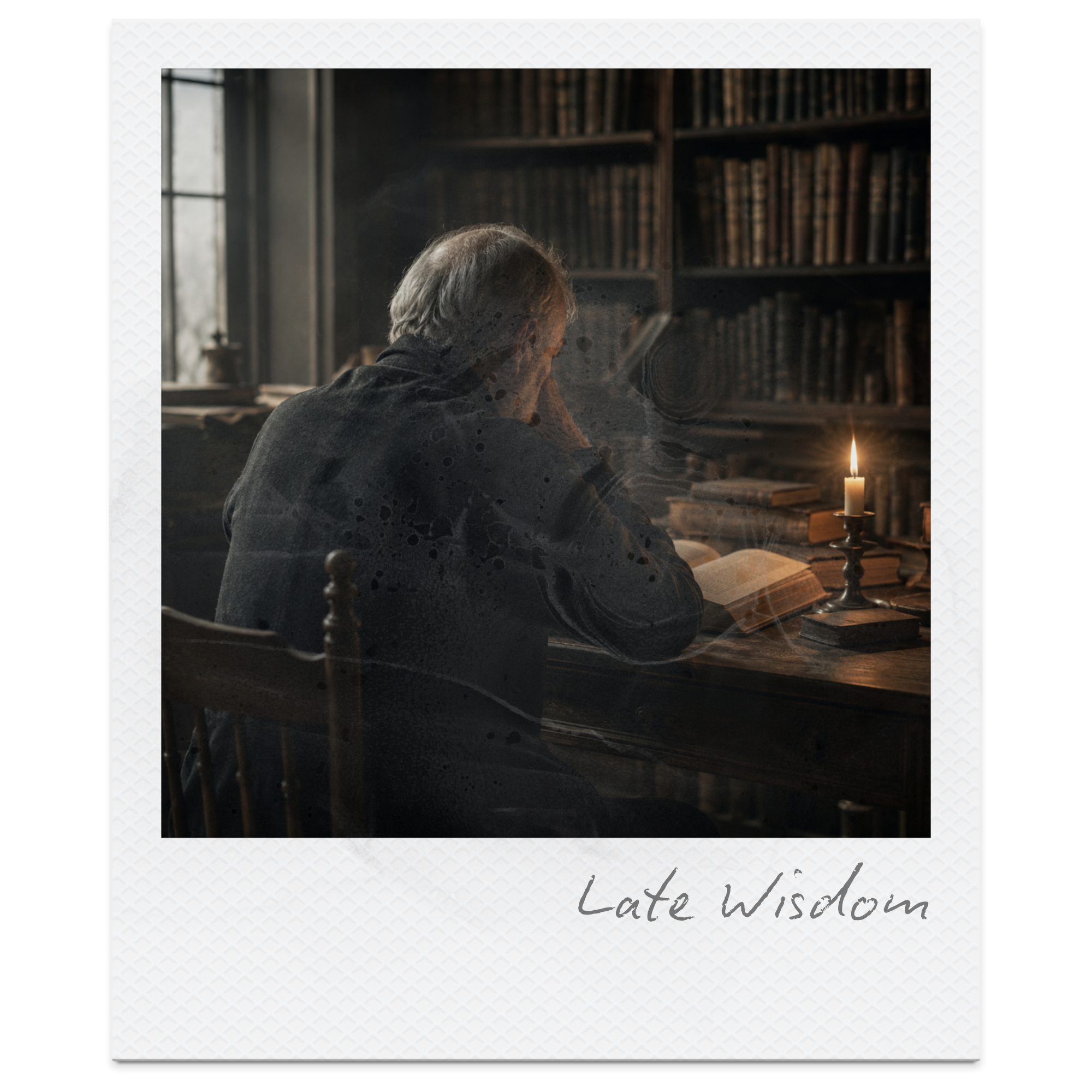
Late Wisdom by George Crabbe: Meaning, Mortality and the Limits of Experience
Late Wisdom by George Crabbe is a thoughtful exploration of ageing, experience, hindsight, and self-knowledge. Through the powerful symbolism of a "maze of error" and a "torch of truth," Crabbe examines the uncomfortable reality that wisdom often arrives only after life's most important mistakes and opportunities have passed. This analysis explores the poem's themes, symbolism, structure, literary techniques, key quotes, and exam-ready insights, revealing how Crabbe transforms a reflection on old age into a deeper meditation on human limitation and the true value of understanding.
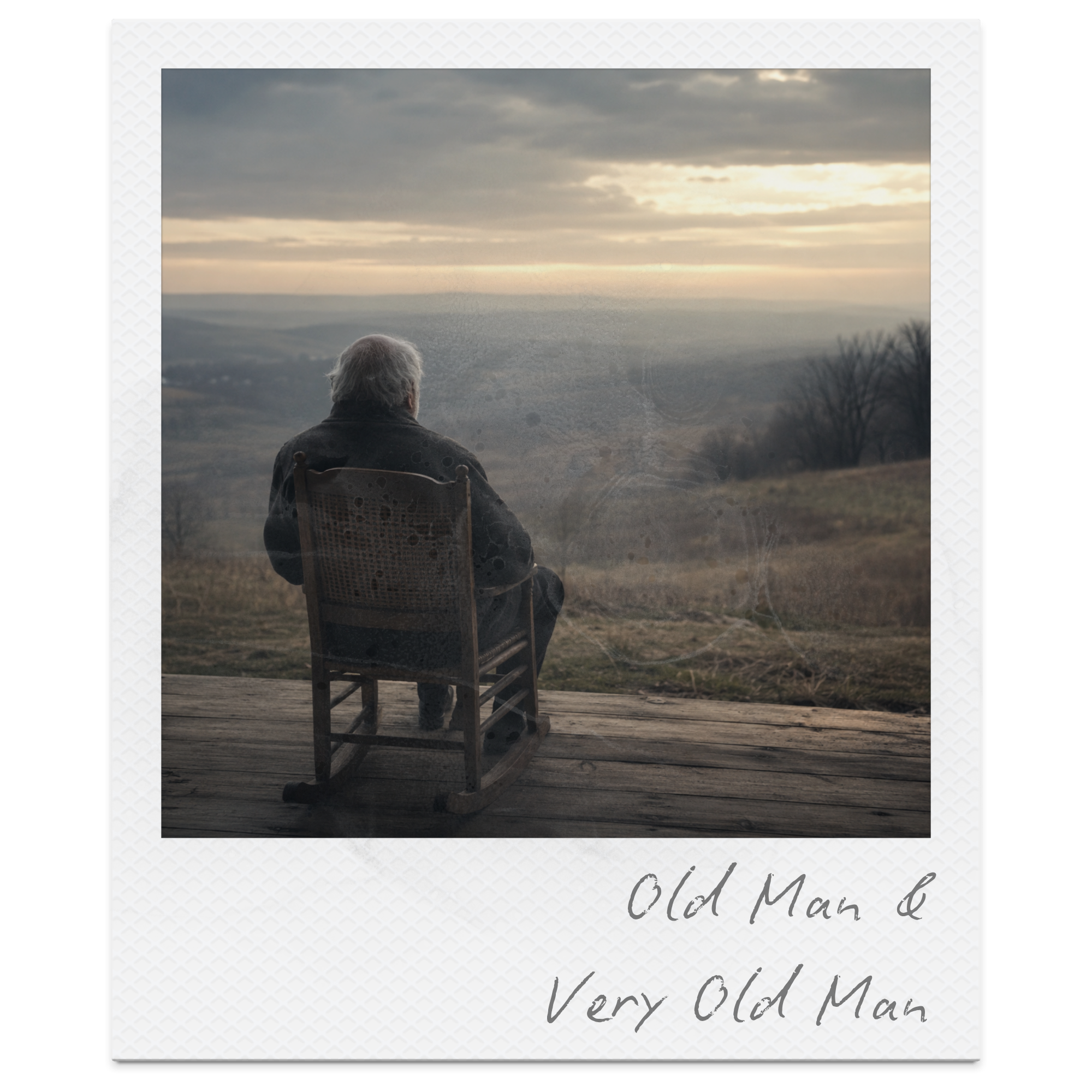
Old Man and Very Old Man by Henry James: Summary, Themes & Analysis
Old Man and Very Old Man by Henry James explore ageing, mortality, memory, and the passage of time through two closely connected reflections on later life. Using powerful symbolism, cyclical structures, and philosophical imagery, James examines humanity's lifelong search for fulfilment and understanding. This analysis explores the poems' themes, symbolism, structure, key quotes, and literary methods, revealing how James challenges assumptions about ageing by suggesting that uncertainty and unanswered questions remain with us from childhood to old age.
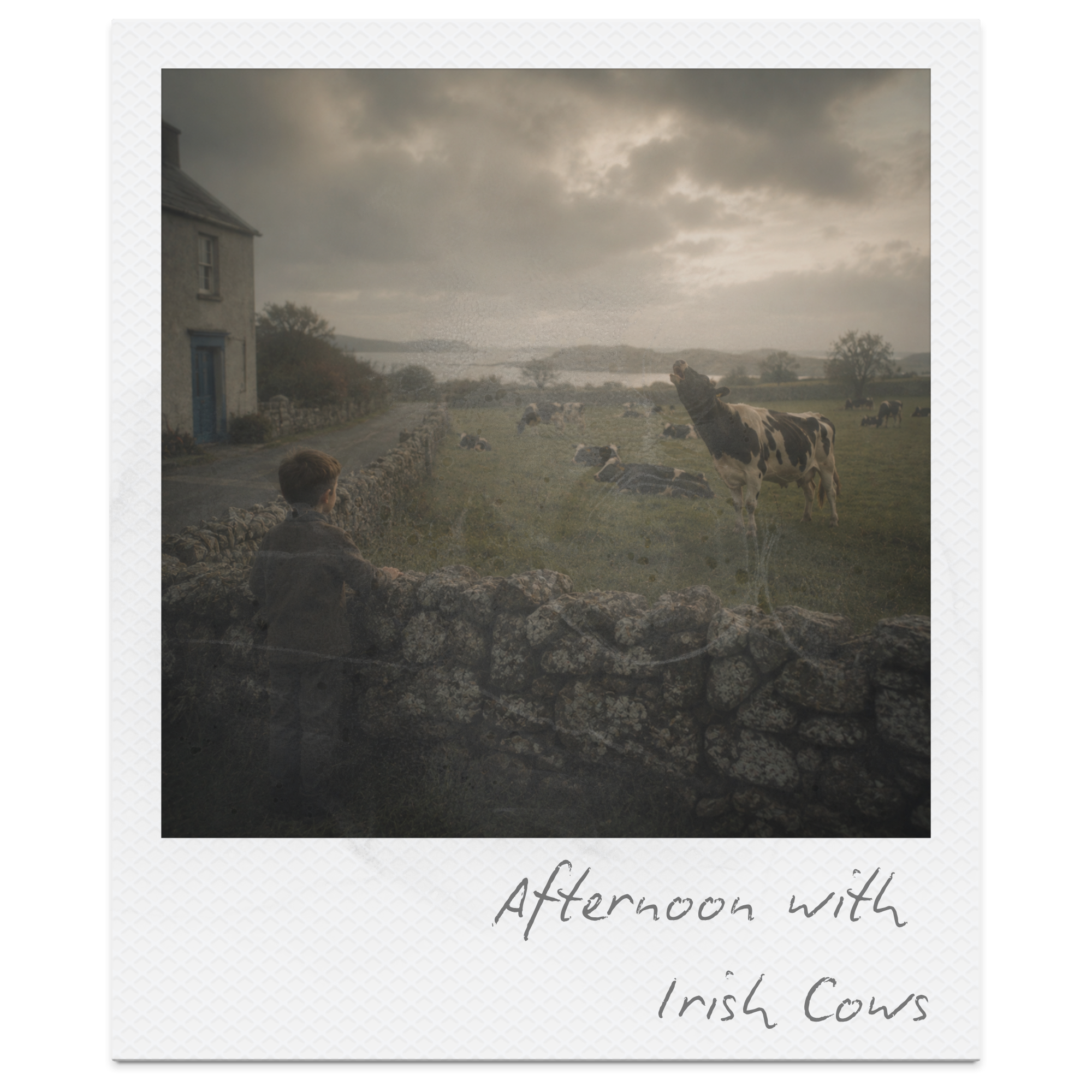
Afternoon with Irish Cows by Billy Collins: Analysis of Identity, Wonder and the Extraordinary Ordinary
Billy Collins' Afternoon with Irish Cows is a thoughtful exploration of identity, selfhood, perception, and the hidden significance of everyday life. What begins as a seemingly simple observation of cattle grazing in a field gradually develops into a meditation on authenticity, consciousness, and humanity's relationship with the natural world. Through conversational language, humour, vivid imagery, and symbolic moments of revelation, Collins challenges readers to look beyond first impressions and recognise the complexity that exists within even the most ordinary experiences. This detailed analysis explores the poem's themes, literary techniques, symbolism, key quotations, alternative interpretations, anthology comparisons, and exam insights for Cambridge International AS & A Level Literature in English (9695).
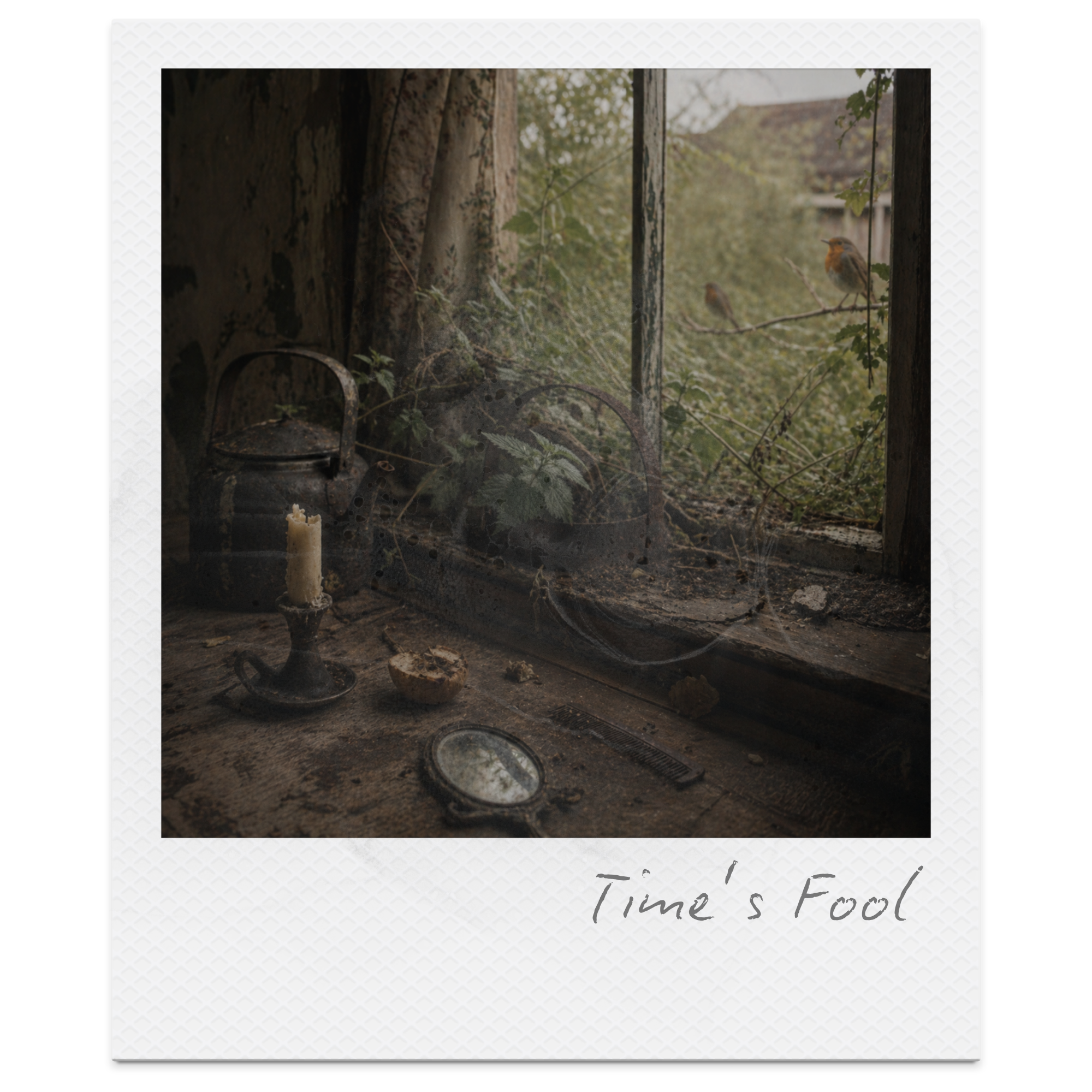
Time’s Fool by Ruth Pitter: Summary, Themes & Analysis
Ruth Pitter’s Time’s Fool reflects on how time reshapes our understanding of the past, transforming experiences that once seemed ordinary or insignificant into sources of deep emotional value. Through nostalgic imagery, paradox, and a reflective tone, the poem explores the contrast between material poverty and inner richness, revealing how memory redefines what truly matters. As the speaker revisits a life of simple comforts and natural surroundings, the poem shifts from a sense of loss to quiet acceptance, suggesting that fulfilment lies not in possessions but in experience, connection, and perspective. In doing so, Pitter presents a nuanced view of time—not just as a force of change, but as something that gives meaning to what has been left behind.
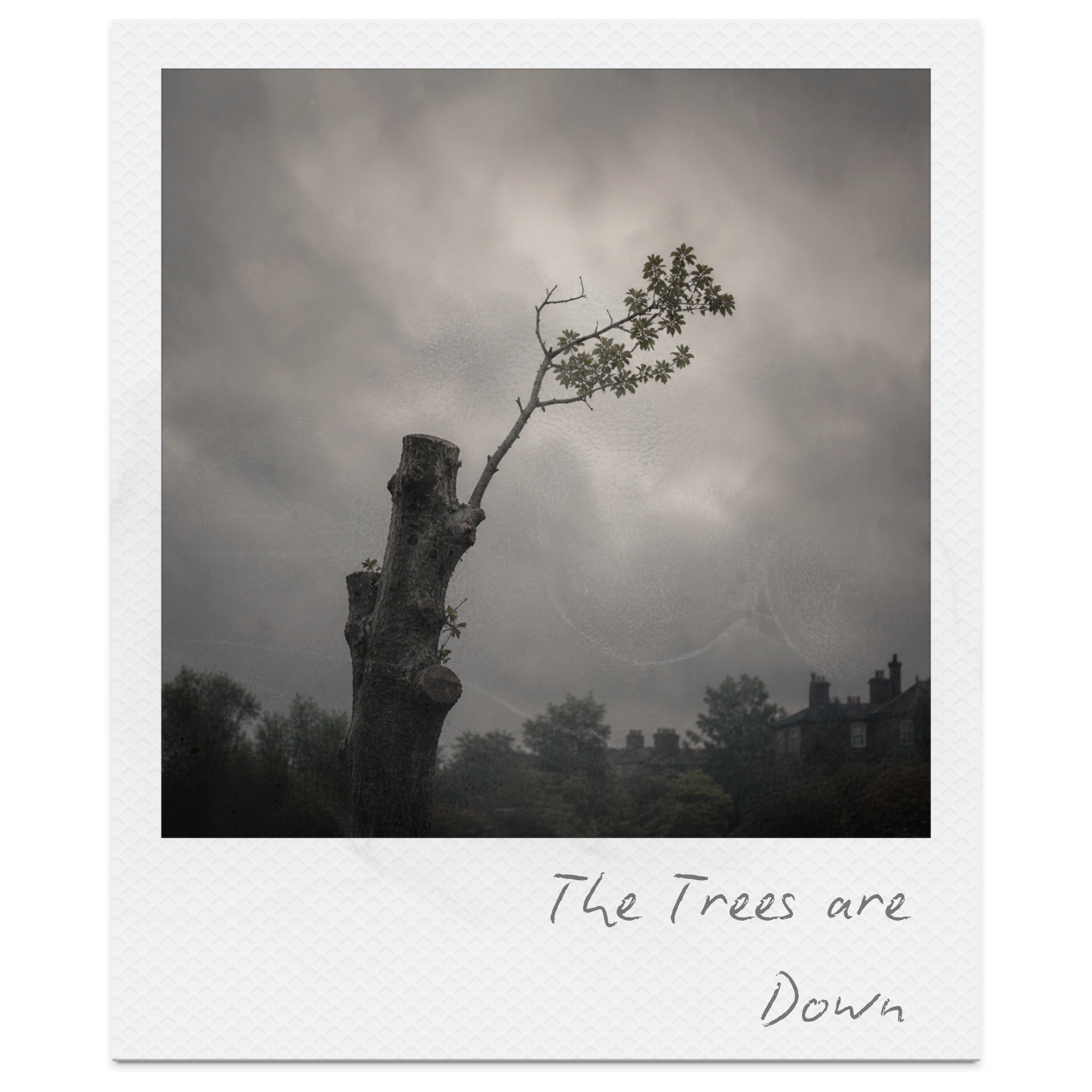
The Trees Are Down by Charlotte Mew: Summary, Themes & Analysis
The Trees Are Down by Charlotte Mew explores loss, destruction of nature, and emotional connection to place, transforming the cutting of trees into a powerful reflection on identity and memory. Through harsh sound imagery, contrast, and a shifting personal voice, Mew presents the act as more than physical labour, revealing it as a deeply unsettling and morally charged event. As the poem develops, the speaker moves from observation to personal reflection and protest, showing how the loss of the trees disrupts both the natural world and her own sense of self. The final image of an “angel crying” elevates this response into a form of spiritual warning, leaving the reader with a lasting sense that what has been destroyed cannot be restored, and that such loss carries profound emotional and ethical consequences.
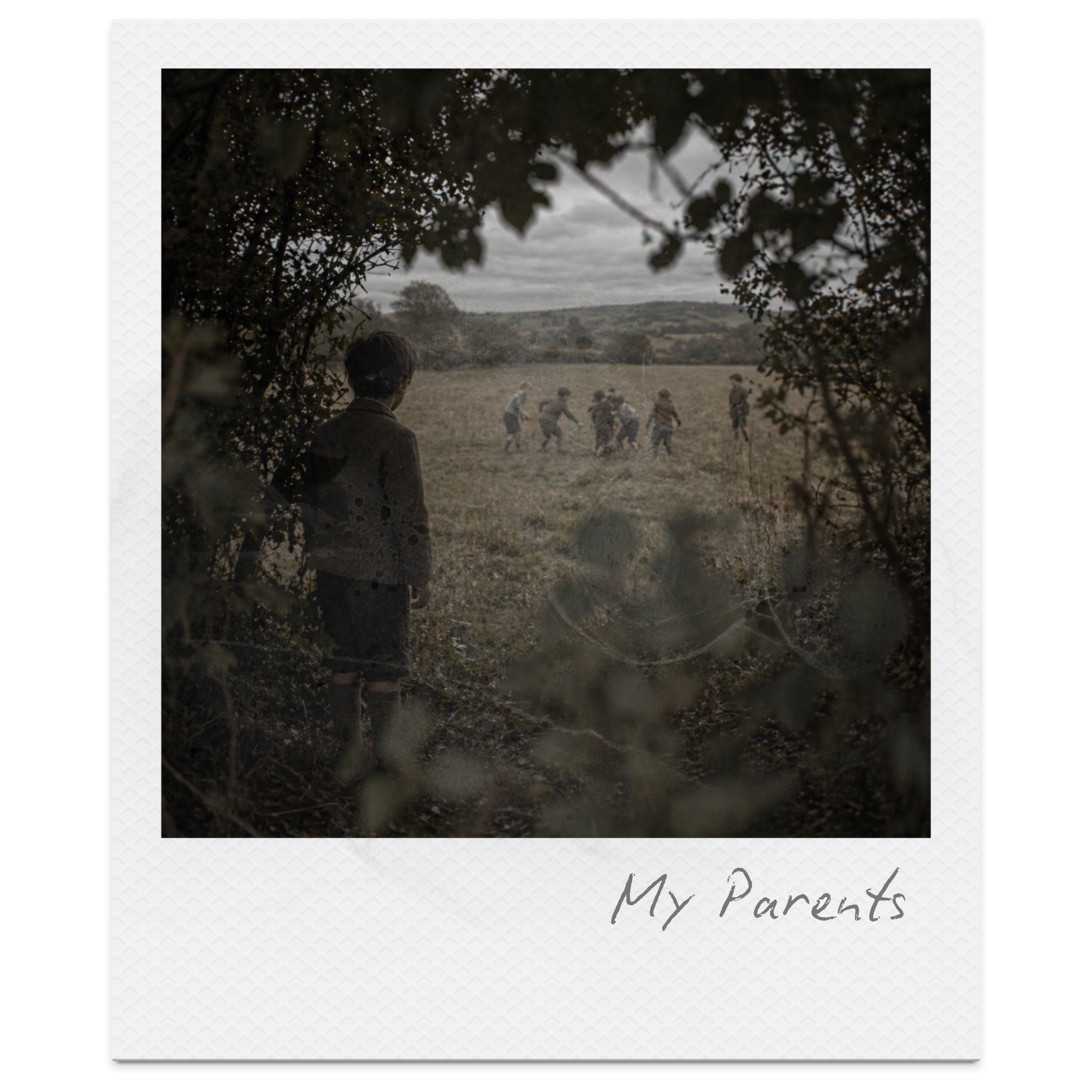
My Parents by Stephen Spender: Summary, Themes & Analysis
Stephen Spender’s My Parents explores childhood fear, class division, and social conditioning through a speaker who is both protected and isolated, shaped by the boundaries imposed on him. Through simile, animalistic imagery, and a reflective narrative voice, the poem presents the “rough” children as threatening and unpredictable, revealing how perception is constructed through upbringing rather than objective reality. The speaker’s fear is intensified by both physical imagery and social humiliation, particularly in moments where language becomes a form of attack. As the poem develops, a shift toward self-awareness and regret reframes the speaker’s experience, revealing that his fear was shaped as much by parental influence as by direct interaction. The final lines introduce a sense of missed empathy, suggesting that the speaker now recognises the limitations of his earlier perspective. This movement from fear to reflection transforms the poem into a powerful exploration of how memory, class division, and upbringing shape both experience and understanding.