The Dead Knight by John Masefield: Analysis of Death, Memory and Nature's Requiem
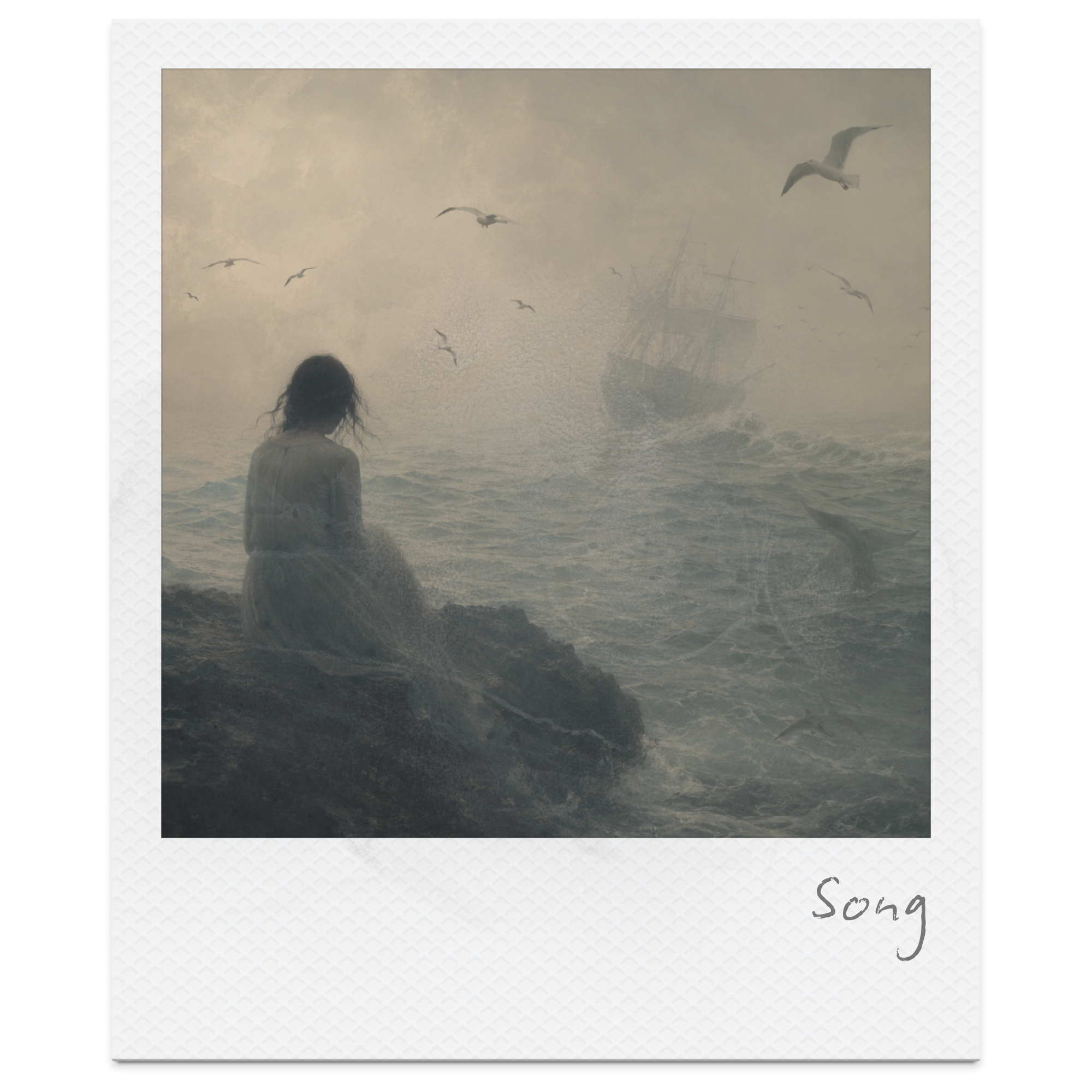
John Masefield's The Dead Knight is a haunting meditation on death, memory, and the relationship between humanity and the natural world. Rather than presenting warfare, heroism, or glory directly, the poem focuses on what remains after death, exploring how nature gradually absorbs the fallen knight into the landscape that surrounds him. Through rich imagery, religious symbolism, personification, and a deeply reflective tone, Masefield transforms a forgotten corpse into a powerful symbol of mortality, impermanence, and the quiet dignity of remembrance. The poem continually blurs the boundary between human mourning and the natural environment, suggesting that while human memory fades, nature itself becomes the knight's priest, mourner, and guardian.
If you are teaching or studying for Paper 1 (2027 or 2028) of CIE 9695, be sure to explore the other poems on the Songs of Ourselves Volume 2 Hub as well as the wider collection of poetry, prose, and drama texts available in the Literature Library.
Context and Literary Background of The Dead Knight
Understanding the context of The Dead Knight helps illuminate the poem's fascination with death, memory, and humanity's place within the natural world. Although the poem centres on a fallen medieval knight, it reflects broader literary interests that shaped the work of John Masefield and many writers of the late nineteenth and early twentieth centuries.
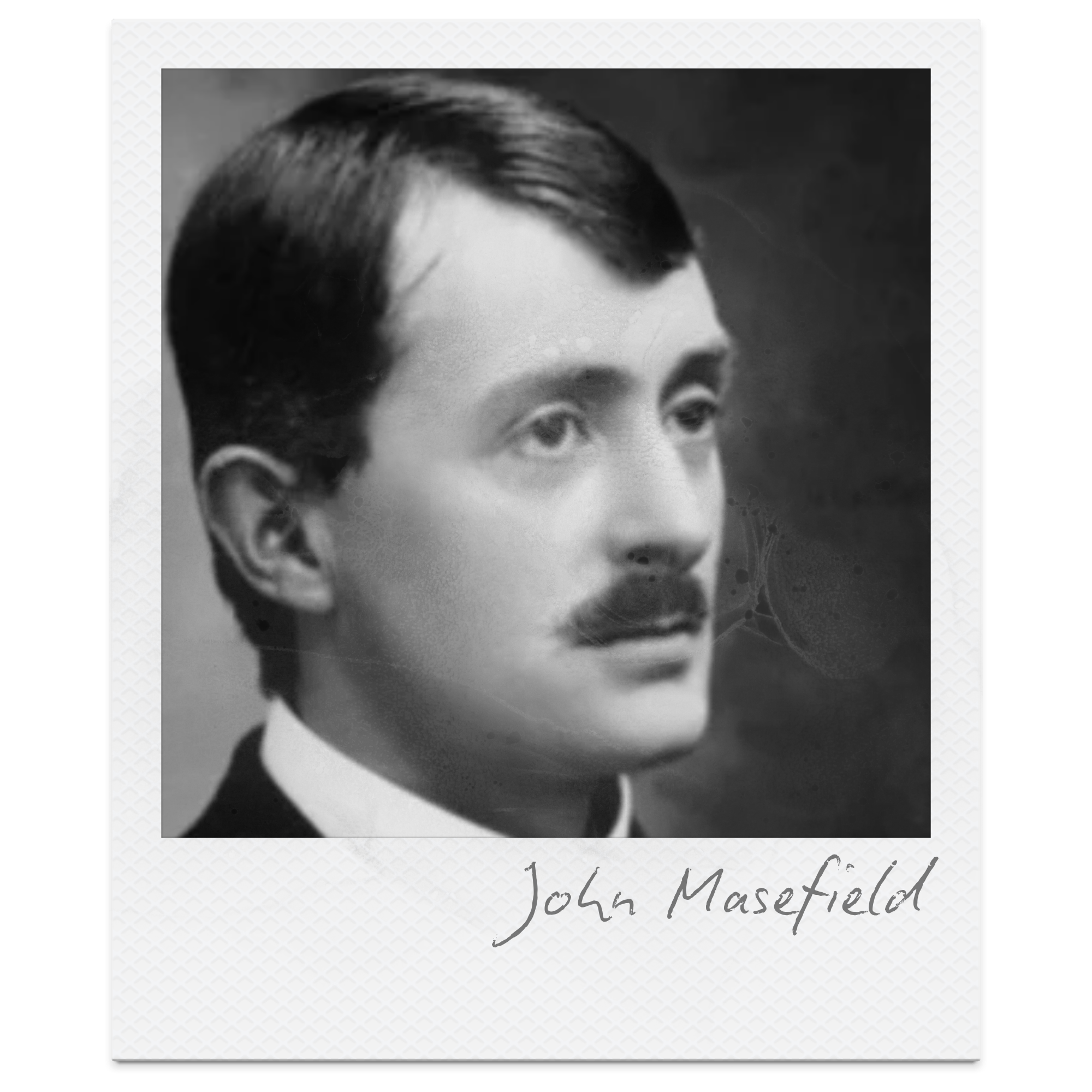
Masefield (1878–1967) was an English poet, novelist, and later Poet Laureate. Much of his writing explores ordinary lives, landscapes, folklore, adventure, and the passage of time. Unlike many poets who focused primarily on political events or urban modernity, Masefield was deeply interested in nature, rural settings, and the enduring power of storytelling. These interests are clearly visible in The Dead Knight, where the landscape becomes as important as the human figure at the centre of the poem.
The poem was written during a period when many writers were questioning traditional ideas about heroism, mortality, and historical remembrance. Although the knight initially appears to belong to a world of medieval romance and chivalry, Masefield avoids celebrating military glory. Instead, he focuses on the physical reality of death and the gradual way in which the natural world reclaims the body. This reflects a growing literary interest in impermanence and the tension between human achievement and the vastness of time.
Masefield was also influenced by elements of Romantic poetry, particularly its fascination with nature as a source of meaning and spiritual reflection. Poets such as William Wordsworth often portrayed nature as a powerful presence capable of offering comfort, wisdom, or emotional insight. In The Dead Knight, nature performs a similar role. Flowers, wind, grass, ivy, and birdsong replace human mourners, creating a natural funeral service that suggests a form of peace beyond organised religion or social ceremony.
The poem's religious imagery is equally significant. References to "shrieve his soul," "requiem-bells," "holy spell," and hymns draw upon Christian funeral traditions, yet no priest appears. Instead, nature itself assumes these sacred responsibilities. This blending of religious symbolism and natural imagery creates ambiguity: the poem may suggest divine comfort, or it may imply that nature offers its own alternative form of remembrance and renewal.
For modern readers, The Dead Knight remains powerful because it transforms a forgotten death into a meditation on memory, decay, and continuity. While the knight's social identity has disappeared, the poem suggests that he has become part of something larger and more enduring. Through this tension between human mortality and nature's permanence, Masefield explores how the dead may be remembered long after history itself has fallen silent.
The Dead Knight: At a Glance
◆ Form: A lyrical narrative poem combining elements of elegy, ballad tradition, and pastoral reflection.
◆ Tone and emotional movement: Quietly mournful at first, before becoming increasingly reflective and contemplative as the knight is absorbed into the surrounding landscape.
◆ Central tensions: Human mortality versus nature's endurance; heroic identity versus physical decay; religious ritual versus nature's own forms of remembrance.
◆ Core concerns: Death, memory, impermanence, remembrance, the passage of time, and the relationship between humanity and the natural world.
◆ Dominant imagery: Wild flowers, grass, brambles, ivy, wind, sea sounds, bones, and natural forms of burial and mourning.
◆ Stylistic features: Rich personification, alliteration, sound imagery, religious symbolism, natural symbolism, and gentle rhythmic patterns that echo funeral songs and hymns.
◆ Key themes: Death and decay, nature as a force of renewal, forgotten heroism, memory, spiritual peace, and the continuity of life beyond individual existence.
◆ One-sentence interpretation: Masefield presents the dead knight's return to nature as both a reminder of human impermanence and a surprisingly peaceful form of remembrance in which the natural world becomes his eternal mourner.
Quick Summary of The Dead Knight
The poem opens by describing the resting place of a dead knight whose body has been left in the landscape for many years. Grass, brambles, flowers, and insects now surround his remains, while the natural world continues its daily rhythms around him. Rather than being buried through formal ceremony, the knight appears to have been gradually reclaimed by the countryside itself.
As the poem develops, Masefield presents nature as a substitute for traditional mourners, priests, and funeral rites. The wind sings hymns, wildflowers become bells, and plants grow around the knight's bones. By the final stanza, the knight has been almost entirely absorbed into the landscape, while the wind and sea continue their mournful song. The poem ends on a note of quiet reflection, suggesting both the inevitability of death and the enduring power of nature to preserve a form of memory long after human remembrance has faded.
Title, Form, Structure and Metre of The Dead Knight
Masefield's formal choices are central to the poem's exploration of death, memory, and nature's quiet authority. While The Dead Knight appears deceptively simple on first reading, its carefully controlled structure, musical language, and recurring sound patterns create the atmosphere of a natural elegy, allowing the landscape itself to perform the knight's funeral rites.
The Significance of the Title
The title immediately focuses attention on a paradox. A knight traditionally suggests heroism, status, loyalty, and public remembrance, while the adjective "dead" reduces that identity to its most fundamental condition. Rather than naming the individual, Masefield removes any personal identity, presenting the figure as both a specific fallen warrior and a universal symbol of human mortality.
The title also creates expectations of battle, conflict, or heroic achievement. However, the poem largely ignores the circumstances of the knight's death. Instead, attention shifts towards what happens afterwards, transforming the poem from a story of heroism into a meditation on decay, remembrance, and the relationship between humanity and nature.
Form
The poem combines elements of a lyric poem, a pastoral elegy, and a traditional ballad. Like an elegy, it reflects on death and loss, yet it avoids the intense grief often associated with mourning poetry. Instead, the poem develops a sense of acceptance and peaceful reflection.
The ballad-like qualities emerge through its strong rhythm, regular rhyme patterns, and musical repetitions. This gives the poem the quality of a folk song or oral tale, reinforcing the idea that the knight belongs to an older, almost legendary world. The simplicity of the form contrasts with the complexity of the poem's ideas, allowing profound reflections on death to emerge through accessible and memorable language.
Structure
The poem is organised into three stanzas that chart the knight's gradual transformation from an individual human being into part of the natural landscape.
The first stanza establishes the setting and introduces the knight's remains. The focus falls on the physical details of his body as grass grows through his hair and brambles bind his knees. Human identity begins to dissolve beneath the influence of nature.
The second stanza shifts towards religious imagery. Funeral rituals that would traditionally be performed by priests are instead carried out by flowers, wind, and birdsong. This structural movement broadens the poem from a description of physical decay into a meditation on spiritual rest and remembrance.
The final stanza emphasises transformation. The knight is no longer described as a recognisable person but as a skeleton surrounded by ivy, nettles, wind, and sea sounds. The structure therefore moves from individual identity towards complete integration with the natural world, mirroring the poem's central concern with impermanence.
Rhyme Scheme
Masefield employs a highly musical and carefully controlled rhyme scheme. The opening stanza follows an ABABCC pattern:
air (A)
bees (B)
there (A)
ease (B)
hair (C)
knees (C)
This creates a sense of balance and closure while linking natural imagery with the knight's remains.
The second stanza develops an even stronger pattern of interconnected sounds through repeated endings such as hell, rang, bell, spell, sang, and well. The repeated -ell sounds are particularly significant because they echo the poem's concern with funeral bells and religious ritual. Sound becomes part of the poem's symbolic structure.
The final stanza loosens slightly as the description expands outward into the surrounding landscape. However, recurring end sounds continue to create musical unity, reinforcing the impression of an extended funeral hymn.
Metre and Rhythm
The metre is broadly iambic, although Masefield frequently introduces variations to create a more natural and conversational flow. A typical iambic pattern consists of an unstressed syllable followed by a stressed syllable:
u S | u S | u S | u S
For example:
The CLEAN | ly RUSH | of the MOUN | tain AIR
Although not perfectly regular, the line moves predominantly through rising iambic rhythms. The effect is gentle and flowing, reflecting the movement of wind across the landscape.
Similarly:
The PIT | iful BONES | are LAID | at EASE
Again, the dominant pattern approximates an iambic movement while allowing natural speech rhythms to remain intact.
Masefield often varies the metre through additional syllables, inverted stresses, and longer phrases. Consider:
The MIST | y RAIN | and COLD | DEW
Here the line contracts dramatically compared with surrounding lines. The shorter rhythm slows the poem and creates a moment of stillness, mirroring the gradual erosion of the knight's body by natural forces.
The repeated use of alliteration also contributes to the poem's musical qualities. Phrases such as "bleached and blanched," "mumbling, grumbling," and "hare-bell and the heather-bell" create patterns of sound that resemble chants, hymns, or funeral songs. These effects blur the distinction between metre and meaning, allowing the poem's rhythms to become part of its exploration of remembrance.
Sound as Structure
Perhaps the poem's most significant structural feature is its emphasis on sound. Bells ring, hymns are sung, winds moan, gulls cry, and the sea speaks its "mournful word." These recurring auditory images create an extended natural requiem that binds the entire poem together.
As a result, the poem's structure does not simply describe mourning; it performs it. Through its rhythm, rhyme, and carefully patterned sounds, Masefield transforms the landscape into a choir whose song continues long after human voices have fallen silent.
Voice, Perspective and Emotional Conflict in The Dead Knight
The poem's voice is one of its most distinctive features. Rather than presenting dramatic grief, heroic celebration, or personal mourning, Masefield adopts a calm, reflective perspective that encourages readers to contemplate death, memory, and the passage of time. The restrained voice creates an atmosphere of quiet reverence, allowing the poem's emotional power to emerge gradually through observation rather than overt emotion.
A Detached Yet Compassionate Narrator
The speaker is a third-person observer who describes the knight and his surroundings from a position of distance. Unlike a traditional elegy, the narrator does not claim a personal relationship with the dead man and does not express direct grief.
However, this detachment should not be mistaken for indifference. Descriptions such as "The pitiful bones are laid at ease" reveal a voice that remains sympathetic and compassionate. The adjective "pitiful" acknowledges human vulnerability, while the phrase "laid at ease" softens the reality of death through language associated with rest and peace.
This balance between emotional restraint and quiet sympathy contributes to the poem's reflective tone.
The Voice as a Witness to Time
Throughout the poem, the speaker functions almost as a witness to the long passage of time. There is little sense of immediate action or dramatic change. Instead, the narrator observes the gradual processes through which nature transforms the knight's body.
The repeated focus on grass, brambles, ivy, rain, dew, and wind creates a perspective that emphasises continuity rather than sudden events. The voice therefore encourages readers to view death not as a single moment but as part of a larger natural cycle.
This perspective reinforces one of the poem's central tensions: individual human lives are temporary, while the forces of nature continue indefinitely.
The Absence of Human Voices
One striking feature of the poem is the near-total absence of living human voices. We learn briefly that the knight was once loved by "his lady" and known by "his men," but these figures never speak.
Instead, sounds come from the natural world:
the mumbling, grumbling bees
the wind's gentle hymn
the wind that moans
the gull's cry
the sea's mournful word
This shift is significant because it transfers the role of mourning from humans to nature itself. The poem's emotional centre therefore emerges through natural sounds rather than human expression.
The result is a voice that feels both solitary and expansive, suggesting that the landscape has become the knight's only remaining companion.
Emotional Restraint and Quiet Acceptance
Unlike many poems about death, The Dead Knight avoids anger, fear, or despair. The narrator never questions the knight's fate or laments the loss of his former status. Instead, the voice repeatedly emphasises stillness and peace.
Expressions such as "Hushed he is" and "he lies quiet, and sleeps well" create an atmosphere of acceptance. The language deliberately echoes ideas associated with sleep, suggesting that death may represent rest rather than suffering.
This emotional restraint prevents the poem from becoming sentimental. Rather than telling readers how to feel, Masefield allows imagery and symbolism to generate emotional meaning.
Tension Between Heroism and Oblivion
Although the narrator speaks calmly, an underlying tension runs throughout the poem. The knight was once a "kingly one" admired by his followers, yet he has been reduced to a skeleton hidden beneath vegetation.
The voice acknowledges this contrast without openly judging it. Instead, the speaker presents both realities side by side: former glory and present decay.
This creates a subtle emotional conflict. On one level, the poem recognises the tragedy of human impermanence. On another, it suggests that the knight has found a different form of dignity through his union with nature.
The voice therefore occupies a space between mourning and acceptance, refusing to settle entirely on either response.
A Voice Shaped by Reverence
Ultimately, the poem's voice resembles that of a quiet memorial service. The narrator never celebrates the knight's military achievements, yet neither does he diminish them. Instead, the speaker treats the dead man with consistent respect, gentleness, and reverence.
Through this carefully controlled perspective, Masefield transforms a forgotten corpse into a symbol of mortality, memory, and humanity's enduring connection to the natural world. The voice invites readers not simply to mourn the knight, but to reflect on the fate that ultimately awaits every human life.
Stanza-by-Stanza Analysis of The Dead Knight
A close reading of The Dead Knight reveals how Masefield gradually develops his meditation on death, memory, and nature's enduring presence. Each stanza builds upon the previous one, moving from the physical reality of the knight's remains to broader questions about remembrance, spirituality, and humanity's place within the natural world. Through carefully layered imagery, sound patterns, and symbolism, the poem transforms a forgotten corpse into a powerful reflection on mortality and the passage of time.
Stanza 1: Nature's Quiet Guardianship
The opening stanza immediately establishes the poem's distinctive atmosphere, presenting a landscape where nature has become the sole witness to the knight's death. Rather than introducing human mourners, religious figures, or signs of heroic remembrance, Masefield focuses on the sounds and movements of the natural world. This creates a powerful contrast between the knight's former status and his present condition, while also introducing the poem's central idea that nature has assumed responsibility for his care and remembrance.
The stanza opens with the sensory image of "The cleanly rush of the mountain air", immediately immersing readers in a landscape characterised by movement and vitality. The adjective "cleanly" suggests purity, freshness, and renewal, creating an interesting contrast with the reality of death that follows. Rather than presenting death as something corrupting or grotesque, Masefield situates it within a healthy and continuing natural environment.
The description of the "mumbling, grumbling humble-bees" demonstrates Masefield's skillful use of alliteration, internal rhyme, and onomatopoeia. The repeated m and g sounds imitate the low buzzing of bees while creating a gentle, continuous soundscape. These insects are not simply decorative details; they contribute to the impression that life continues around the knight despite his death. Nature remains active and productive, indifferent to yet somehow respectful of human mortality.
The statement that these natural sounds "Are the only things that wander there" introduces an important sense of isolation. The knight appears entirely forgotten by human society. No friends, family members, soldiers, or religious officials visit his resting place. The word "only" emphasises this abandonment while simultaneously highlighting nature's role as his remaining companion.
At the centre of the stanza lies the poignant description of "The pitiful bones are laid at ease." The adjective "pitiful" invites sympathy, reminding readers of the vulnerability that ultimately affects all human beings regardless of status or achievement. However, the phrase "laid at ease" softens the image considerably. The language evokes peaceful rest rather than violence or suffering, suggesting that death has brought a form of release.
The final two lines develop the poem's recurring imagery of nature reclaiming the body. The grass growing through the knight's "tangled hair" demonstrates the passage of time, while the "rambling bramble" that "binds his knees" creates a striking image of the landscape physically enveloping him. The verb "binds" is particularly significant. On one level, it suggests entrapment, implying that the knight has become inseparable from the earth. On another, it evokes care and protection, as though nature is wrapping or preserving him.
By the end of the stanza, the knight's identity as a warrior has largely disappeared. What remains is a set of bones gradually being absorbed into the landscape. Yet rather than presenting this process as tragic, Masefield depicts it with remarkable gentleness, establishing the poem's ongoing tension between human impermanence and nature's enduring continuity.
Stanza 2: Nature as Priest, Choir, and Mourner
The second stanza deepens the poem's exploration of death and remembrance by introducing a rich network of religious imagery. Having established the knight's physical resting place in the opening stanza, Masefield now imagines nature performing the spiritual and ceremonial functions that would traditionally belong to human mourners and religious officials. The stanza transforms flowers, wind, sunlight, and rain into participants in an ongoing funeral service, suggesting that although the knight has been forgotten by society, he has not been abandoned by the world itself.
The opening line, "To shrieve his soul from the pangs of hell," immediately introduces the language of Christian ritual. The verb "shrieve" refers to hearing confession and granting absolution before death, a practice associated with spiritual cleansing and salvation. Its inclusion is significant because no priest is present. Instead, the poem raises the possibility that nature itself has assumed responsibility for the knight's soul. This creates an intriguing ambiguity: Masefield may be suggesting divine comfort through nature, or he may be presenting nature as an alternative source of spiritual peace.
The next two lines develop this idea through the striking image of "requiem-bells." Traditionally, requiem bells announce death and accompany funeral rites, yet the only bells that ring for the knight are "the hare-bell and the heather-bell." Masefield replaces human ceremony with wildflowers, transforming ordinary plants into sacred objects. The repetition of "bell" creates both a musical effect and a symbolic connection between nature and religious ritual. The knight receives no formal burial, yet the landscape itself provides a funeral service.
The line "Hushed he is with the holy spell" continues this movement towards peace and stillness. The alliteration of "hushed," "holy," and "spell" creates a soft, soothing rhythm that mirrors the quiet atmosphere of the poem. The word "spell" is particularly interesting because it carries both religious and folkloric associations. It may suggest divine blessing, but it also evokes enchantment, reinforcing the poem's blending of Christian symbolism with the mysterious power of nature.
Masefield develops this idea further through "the gentle hymn the wind sang." The personification of the wind transforms the landscape into a choir, while the noun "hymn" extends the religious imagery established earlier in the stanza. Importantly, the wind's song is described as "gentle," reinforcing the poem's refusal to present death as violent or frightening. Instead, death becomes associated with comfort, rest, and acceptance.
The stanza concludes with one of the poem's most peaceful images: "And he lies quiet, and sleeps well." The metaphor of death as sleep is a long-standing literary convention, but Masefield uses it to emphasise tranquillity rather than uncertainty. The simple rhythm of the line creates a sense of finality and calm, as though the knight has finally found rest after whatever struggles once defined his life.
The second half of the stanza shifts from spiritual transformation to physical transformation. The alliterative phrase "bleached and blanched" highlights the effects of time and exposure, while the repetition of similar sounds creates a slow, fading quality. Sunlight, rain, and dew become agents of change, gradually erasing the knight's former identity.
Particularly significant is the contrast between the knight's past and present selves. He was once "the kingly one" who was loved by "his lady" and known by "his men." These brief references provide the only glimpse of the knight's former life, reminding readers of his status, relationships, and importance. However, the parenthetical structure of the line makes these memories feel distant and fragile, almost like fading echoes from another world.
The stanza's final line, "And dwindled him to a skeleton," presents the unavoidable reality of mortality. The verb "dwindled" suggests a gradual process rather than sudden destruction, reinforcing the poem's emphasis on the slow work of time and nature. Yet despite the stark image of a skeleton, the tone remains remarkably gentle. Masefield presents physical decay not as horror, but as part of the natural cycle through which all human distinctions ultimately disappear.
By the end of the stanza, the knight's former identity as a powerful and admired figure has been almost completely erased. What remains is not his social status or worldly achievements, but his place within a larger process of nature, time, and remembrance.
Stanza 3: Complete Absorption into the Natural World
The final stanza brings the poem's central ideas to their fullest expression, depicting the knight's near-complete integration into the landscape that surrounds him. While earlier stanzas emphasised physical decay and nature's role as mourner, this closing section presents a world in which the boundaries between the knight and the natural environment have almost disappeared. Through persistent personification, mournful sound imagery, and symbols of continuity, Masefield creates a powerful meditation on mortality, memory, and the enduring rhythms of nature.
The stanza opens with images of vegetation physically intertwining with the knight's remains. "The vetches have twined about his bones" suggests a slow but inescapable process of reclamation. The verb "twined" conveys both entanglement and intimacy, implying that nature is not violently consuming the knight but gently incorporating him into its own cycles. This image continues the poem's recurring suggestion that the natural world acts as a guardian rather than a destroyer.
Similarly, "The straggling ivy twists and creeps / In his eye-sockets" presents one of the poem's most striking examples of gothic imagery. The empty eye-sockets are a stark reminder of death's physical reality, yet the focus quickly shifts towards the ivy itself. Traditionally associated with endurance, remembrance, and immortality, ivy often appears in funerary art and graveyard symbolism. Here, it becomes both a sign of decay and a symbol of continuing life, reinforcing the poem's tension between ending and renewal.
The line "the nettle keeps / Vigil about him while he sleeps" develops the poem's recurring personification of nature. A vigil is traditionally associated with mourning, prayer, or watchfulness beside the dead. By attributing this role to the nettles, Masefield transforms ordinary plants into devoted guardians. Once again, the language of human ritual is transferred to the natural world. The metaphor of the knight "sleeping" also continues the poem's presentation of death as peaceful rest rather than annihilation.
The focus then shifts from visual imagery to sound imagery, which dominates the remainder of the stanza. "Over his body the wind moans" introduces a more overtly mournful tone than earlier descriptions of the wind's gentle hymn. The verb "moans" evokes grief, lamentation, and sorrow, suggesting that nature itself continues to mourn the knight long after human memory has faded.
Masefield develops this auditory atmosphere through the phrase "With a dreary tune throughout the day." The noun "tune" recalls the hymns and requiem bells of the previous stanza, linking the poem's various natural sounds into a single extended funeral song. The adjective "dreary" introduces a note of melancholy, reminding readers that despite the poem's emphasis on peace, death remains a source of loss.
The description of the wind's voice as "a chorus wistful, eerie, thin" is particularly significant. The word "chorus" suggests multiple voices singing together, reinforcing the idea that the entire landscape participates in mourning. Meanwhile, the sequence of adjectives creates a complex emotional effect. "Wistful" conveys longing and remembrance, "eerie" introduces an unsettling supernatural quality, and "thin" suggests fragility and distance. Together, these words create an atmosphere suspended between comfort and sadness.
The simile comparing the sound to "the gull's cry" and "the cry in the bay" expands the poem's setting beyond the immediate grave site. The landscape becomes broader and more elemental, connecting the knight's resting place to larger natural forces. The repetition of "cry" reinforces the impression of ongoing lamentation, while also suggesting that nature possesses its own language of grief.
The poem concludes with the haunting phrase "The mournful word the seas say / When tides are wandering out or in." This ending is deliberately ambiguous. The sea does not speak a specific word; instead, its sound becomes a symbolic expression of mourning itself. The personification gives the sea an almost eternal voice, while the cyclical movement of the tides introduces one final reminder of nature's permanence.
The image of tides moving endlessly "out or in" contrasts sharply with the knight's mortality. Human life is finite, but nature continues its rhythms without end. Yet the conclusion is not entirely bleak. The knight may have vanished as an individual, but he has become part of a larger, ongoing cycle that transcends any single human life.
By ending with the sea's eternal voice rather than the knight himself, Masefield shifts attention away from personal loss and towards the enduring continuity of the natural world. The final stanza, therefore, completes the poem's transformation from a description of a dead warrior into a profound reflection on death, memory, time, and humanity's place within nature's endless cycles.
Key Quotes and Literary Methods in The Dead Knight
Masefield's most significant quotations reveal how he combines natural imagery, religious symbolism, and sound patterns to explore death, remembrance, and the gradual dissolution of human identity. These quotations are particularly useful for close analysis because they demonstrate how individual methods contribute to the poem's wider meditation on mortality and nature's enduring presence.
"The pitiful bones are laid at ease"
◆ Method or literary feature: Emotive language; juxtaposition; euphemistic imagery.
◆ Interpretation and implied meaning: The phrase combines the harsh reality of death with an image of peaceful rest, presenting the knight as both vulnerable and tranquil.
◆ Why the poet uses it: To encourage sympathy while avoiding sensational or graphic descriptions of death.
◆ Emotional/intellectual effect: Readers are invited to reflect on mortality with sadness but not horror.
◆ Broader conceptual significance: Introduces the poem's central tension between physical decay and spiritual peace.
"The grass has grown in his tangled hair"
◆ Method or literary feature: Visual imagery; symbolism; natural imagery.
◆ Interpretation and implied meaning: Nature has gradually absorbed the knight into the landscape, erasing the distinction between body and environment.
◆ Why the poet uses it: To emphasise the passage of time and the inevitability of nature's reclaiming power.
◆ Emotional/intellectual effect: Creates a haunting but surprisingly gentle image of decay.
◆ Broader conceptual significance: Suggests that human beings ultimately become part of larger natural cycles.
"A rambling bramble binds his knees"
◆ Method or literary feature: Alliteration; personification; symbolic imagery.
◆ Interpretation and implied meaning: The bramble appears to physically claim the knight, binding him to the earth.
◆ Why the poet uses it: To show the gradual process through which nature takes possession of the dead.
◆ Emotional/intellectual effect: Creates both a sense of permanence and a feeling of quiet guardianship.
◆ Broader conceptual significance: Reinforces the poem's portrayal of nature as both caretaker and inheritor.
"The only requiem-bells that rang / Were the hare-bell and the heather-bell"
◆ Method or literary feature: Religious symbolism; repetition; metaphor.
◆ Interpretation and implied meaning: Wildflowers replace church bells, transforming nature into a participant in funeral rites.
◆ Why the poet uses it: To blur the boundary between religious ceremony and the natural world.
◆ Emotional/intellectual effect: Produces a sense of sacred beauty and quiet reverence.
◆ Broader conceptual significance: Suggests that remembrance can exist outside formal human institutions.
"Hushed he is with the holy spell"
◆ Method or literary feature: Alliteration; religious diction; ambiguity.
◆ Interpretation and implied meaning: The knight has entered a state of profound stillness and peace.
◆ Why the poet uses it: To emphasise the transition from earthly life to a state of rest.
◆ Emotional/intellectual effect: Creates a soothing, almost enchanted atmosphere.
◆ Broader conceptual significance: Blends Christian and folkloric traditions to present death as a mysterious but peaceful process.
"The gentle hymn the wind sang"
◆ Method or literary feature: Personification; auditory imagery; religious symbolism.
◆ Interpretation and implied meaning: The wind becomes a choir, providing the knight with a natural funeral song.
◆ Why the poet uses it: To continue the poem's transfer of human rituals to the natural world.
◆ Emotional/intellectual effect: Creates a sense of comfort and continuity.
◆ Broader conceptual significance: Suggests that nature preserves memory when human voices have disappeared.
"He is bleached and blanched with the summer sun"
◆ Method or literary feature: Alliteration; visual imagery; natural symbolism.
◆ Interpretation and implied meaning: Time and the elements have gradually erased the knight's physical identity.
◆ Why the poet uses it: To highlight the unavoidable effects of mortality and exposure.
◆ Emotional/intellectual effect: Encourages reflection on the temporary nature of human existence.
◆ Broader conceptual significance: Demonstrates how nature ultimately reduces all social distinctions.
"The kingly one / (That his lady loved, and his men knew)"
◆ Method or literary feature: Contrast; parenthetical structure; characterisation.
◆ Interpretation and implied meaning: The knight once possessed status, affection, and importance, all of which have now faded.
◆ Why the poet uses it: To contrast former glory with present anonymity.
◆ Emotional/intellectual effect: Creates a poignant sense of loss and forgotten history.
◆ Broader conceptual significance: Explores the fragility of reputation and worldly achievement.
"The nettle keeps / Vigil about him while he sleeps"
◆ Method or literary feature: Personification; religious imagery; extended metaphor.
◆ Interpretation and implied meaning: The nettles become mourners standing watch over the dead knight.
◆ Why the poet uses it: To reinforce nature's role as guardian and caretaker.
◆ Emotional/intellectual effect: Creates a feeling of devotion and continuing remembrance.
◆ Broader conceptual significance: Suggests that nature performs the rituals abandoned by humanity.
"The mournful word the seas say / When tides are wandering out or in"
◆ Method or literary feature: Personification; symbolism; cyclical imagery.
◆ Interpretation and implied meaning: The sea becomes an eternal voice expressing sorrow and continuity.
◆ Why the poet uses it: To conclude the poem with an image of nature's endless rhythms.
◆ Emotional/intellectual effect: Leaves readers with a lingering sense of melancholy and reflection.
◆ Broader conceptual significance: Contrasts human mortality with the permanence of natural cycles, reinforcing one of the poem's most important themes.
Key Techniques in The Dead Knight
Masefield's poem gains much of its power from the way individual techniques work together to create a meditation on death, memory, and nature's permanence. Rather than relying on dramatic events or emotional outbursts, the poem uses carefully layered symbolism, personification, sound patterns, and contrasts to transform a forgotten corpse into a profound reflection on human mortality.
Personification of Nature
One of the poem's most important techniques is its persistent personification of the natural world. Flowers become funeral bells, the wind sings hymns, nettles keep vigil, and the sea speaks a mournful word.
This technique gradually transforms nature from a passive setting into an active participant in the knight's remembrance. The landscape does not merely surround the dead man; it effectively replaces the mourners, priests, and companions who are absent from his grave.
As a result, nature becomes a force capable of memory, grief, and care, suggesting that remembrance may continue even when human memory has faded.
Religious Symbolism
Religious imagery runs throughout the poem, particularly in references to shrieving, requiem-bells, holy spells, hymns, and vigils.
What makes this symbolism especially interesting is that traditional Christian rituals are performed not by priests but by natural elements. The hare-bell and heather-bell replace church bells, while the wind assumes the role of a choir.
This creates deliberate ambiguity. The poem may suggest divine presence within nature, or it may imply that nature provides its own form of spiritual comfort independent of organised religion.
Symbolic Reclamation by Nature
Throughout the poem, plants gradually envelop the knight's body. Grass grows through his hair, brambles bind his knees, and ivy creeps into his eye-sockets.
These images function symbolically rather than merely descriptively. The vegetation represents nature's ability to reclaim what once belonged to humanity.
Importantly, the process is presented as gentle rather than violent. Nature does not conquer the knight; it absorbs him into a larger cycle of growth, decay, and renewal.
This symbolism reinforces the poem's exploration of impermanence and humanity's ultimate connection to the natural world.
Sound Imagery and the Natural Requiem
Sound plays a crucial structural role throughout the poem. Readers hear buzzing bees, ringing bells, hymns, moaning winds, crying gulls, and the voice of the sea.
These recurring sounds create what can be viewed as a natural requiem, an extended funeral service conducted entirely by the landscape.
The accumulation of auditory imagery ensures that the knight is never truly surrounded by silence. Instead, the natural world continually produces sounds that resemble mourning, remembrance, and prayer.
This technique helps transform the landscape into an active memorial space.
Alliteration and Musical Language
Masefield frequently employs alliteration to create musicality and reinforce meaning.
Examples include:
"mumbling, grumbling humble-bees"
"bleached and blanched"
"hare-bell and the heather-bell"
"holy spell"
These repeated sounds often imitate the noises being described. The buzzing consonants echo insects, while softer sounds create a soothing, hymn-like quality.
The musicality contributes to the poem's elegiac atmosphere, helping the language itself resemble a funeral song.
Contrast Between Past and Present
A subtle but powerful contrast exists between the knight's former identity and his present condition.
He was once "the kingly one", loved by his lady and known by his followers. By the end of the poem, however, he has become little more than bones intertwined with plants.
Masefield deliberately places these images alongside one another to emphasise the fragility of human status.
The technique encourages readers to question how much worldly achievements ultimately matter when confronted with death and time.
Death as Sleep
The recurring presentation of death as sleep is another important technique.
The knight is described as lying quiet, sleeping well, and resting while nettles keep vigil nearby.
This metaphor softens the reality of death and removes much of its terror. Rather than presenting death as violent extinction, Masefield frames it as a state of rest and release.
At the same time, the metaphor remains ambiguous. Sleep implies peace, but it also suggests absence, silence, and separation from the living world.
Cyclical Natural Imagery
The poem repeatedly emphasises natural processes that continue regardless of individual human lives.
Grass grows, rain falls, wind sings, bees wander, and tides move endlessly in and out.
These cyclical patterns create an important contrast with the knight's mortality. Human life ends, but nature continues its rhythms uninterrupted.
This technique shifts the poem beyond personal grief and towards a broader meditation on time, continuity, and the enduring structures of the natural world.
Tonal Restraint
Perhaps the poem's most striking technique is its refusal to become overtly sentimental.
Despite focusing on death, decay, and forgotten heroism, the speaker remains calm, reflective, and controlled throughout.
There are no dramatic expressions of grief or outrage. Instead, Masefield relies on imagery and symbolism to generate emotional impact.
This restraint allows readers to arrive at their own emotional response, creating a poem that feels contemplative rather than didactic.
Juxtaposition of Decay and Beauty
Throughout the poem, images of physical deterioration coexist with descriptions of beauty and tranquillity.
Bones lie among flowers. Ivy grows through eye-sockets. Skeletons rest beneath summer sunlight.
This juxtaposition prevents the poem from becoming either entirely bleak or excessively comforting. Instead, Masefield suggests that beauty and decay are inseparable aspects of the same natural process.
The result is a complex vision of mortality in which loss and renewal exist side by side, making the poem both mournful and strangely hopeful.
Symbolism in The Dead Knight
Symbolism is central to Masefield's exploration of death, memory, and humanity's relationship with the natural world. Rather than presenting abstract ideas directly, the poem uses recurring natural images, religious references, and elements of the landscape to explore complex questions about mortality, remembrance, and the passage of time. Many of these symbols remain deliberately ambiguous, allowing multiple interpretations to exist simultaneously.
The Knight
The dead knight functions as far more than an individual character. Although he was once a specific person with social status, relationships, and responsibilities, he gradually becomes a symbol of human mortality itself.
His transformation from "the kingly one" into a skeleton reflects the fate that ultimately awaits all people regardless of power, wealth, or achievement. The knight therefore represents both an individual life and the universal human experience of impermanence.
At the same time, his peaceful resting place suggests that death may not be solely a source of loss, but also a return to something larger than the self.
Bones and the Skeleton
The repeated references to bones and skeletal remains symbolise the stripping away of external identity.
Titles, achievements, relationships, and social distinctions disappear, leaving only the physical reality shared by all human beings. The skeleton therefore becomes a symbol of equality in death.
However, Masefield does not present the skeleton as frightening or grotesque. Instead, it exists within a peaceful natural setting, transforming a traditional symbol of mortality into one associated with acceptance and continuity.
Grass, Brambles, and Vines
The vegetation growing around the knight symbolises nature's power to reclaim what humanity temporarily possesses.
The grass in his hair, the bramble binding his knees, and the vetches twining around his bones all suggest gradual absorption into the landscape. These plants are not portrayed as hostile invaders but as natural participants in a process of renewal.
Their growth symbolises the cyclical relationship between death and life. As the knight's body decays, it becomes part of the environment that supports future growth.
Ivy
The ivy creeping through the knight's eye-sockets is one of the poem's most striking symbols.
Traditionally, ivy has been associated with endurance, memory, and even forms of immortality because it remains green throughout the year. In funerary traditions, ivy often symbolises continuity beyond death.
Its presence in the knight's eye-sockets creates an important contrast. The eyes, which once represented perception and individual identity, have vanished. In their place grows a symbol of persistence and survival.
This image suggests that although individual lives end, something larger continues.
Hare-Bells and Heather-Bells
The hare-bell and heather-bell symbolise nature's ability to replace human ceremonies and institutions.
Normally, church bells would accompany funeral rites and communal mourning. Here, wildflowers perform that role instead. The flowers therefore become symbols of a natural spirituality that exists independently of organised religion.
They also reinforce the poem's recurring suggestion that the knight has not been forgotten, even if human society no longer remembers him.
The Wind
The wind functions as one of the poem's most important symbols.
At different points, it sings hymns, whispers spells, and moans over the knight's body. As a result, the wind becomes a symbol of memory, continuity, and the unseen forces that connect the living and the dead.
Unlike human mourners, the wind never leaves. It continues its song across generations, suggesting forms of remembrance that extend beyond individual lifetimes.
The wind may also symbolise nature's voice itself, expressing emotions that no human speaker remains to articulate.
Sleep
The recurring references to the knight sleeping symbolise a peaceful interpretation of death.
Rather than presenting death as annihilation, the poem repeatedly frames it as rest. This aligns with long-standing literary and religious traditions in which sleep functions as a metaphor for transition, renewal, or spiritual peace.
At the same time, sleep remains an ambiguous symbol. It suggests comfort, but it also implies absence and separation from the living world.
This ambiguity reflects the poem's refusal to offer simple answers about death.
The Vigil
The nettle's vigil symbolises ongoing remembrance.
A vigil traditionally involves remaining beside someone in prayer, mourning, or watchfulness. By transferring this role to a plant, Masefield suggests that remembrance has moved from the human world into the natural world.
The symbol reinforces one of the poem's central ideas: although people may forget, nature continues to remember in its own way.
The Sea
The sea at the poem's conclusion symbolises eternity, continuity, and the vast forces that transcend individual human lives.
Unlike the knight, the sea never stops moving. Its tides continue to flow in and out regardless of human concerns. This cyclical movement creates a powerful contrast with mortality.
At the same time, the sea's "mournful word" suggests that nature itself possesses a form of memory. The sea becomes both mourner and witness, carrying the poem beyond the story of one knight towards a broader reflection on existence itself.
The Natural Funeral
Perhaps the poem's most important symbol is the funeral created by the landscape as a whole.
Flowers become bells, the wind becomes a choir, nettles become mourners, and the sea becomes a voice of lamentation. Collectively, these elements form an extended symbolic funeral service.
This natural requiem suggests that death does not lead to complete disappearance. Instead, the knight becomes part of an ongoing cycle of remembrance enacted not by human beings, but by the enduring rhythms of the natural world.
Through this final symbolic pattern, Masefield transforms an abandoned grave into a meditation on memory, mortality, and humanity's lasting connection to nature.
How Masefield Creates Meaning and Impact in The Dead Knight
The lasting power of The Dead Knight comes from Masefield's ability to transform what could have been a simple description of a dead warrior into a profound meditation on mortality, memory, and the enduring presence of nature. Through carefully layered imagery, symbolism, sound patterns, and structural progression, the poem encourages readers to think beyond the individual knight and consider broader questions about what remains after death.
One of the poem's most significant achievements is its refusal to focus on the circumstances of the knight's death. Readers never learn how he died, what battle he fought, or whether his cause was just. Instead, Masefield directs attention towards what happens afterwards. This shift is important because it moves the poem away from traditional ideas of military glory and towards a more universal exploration of human impermanence. The knight's identity as a warrior gradually becomes less important than his identity as a mortal human being.
Masefield also creates meaning through his persistent use of nature imagery. Grass, brambles, flowers, ivy, wind, birds, and the sea repeatedly appear throughout the poem, creating the impression that the natural world has become the knight's caretaker. Unlike many depictions of death, where nature acts as an indifferent backdrop, nature here becomes an active participant in remembrance. The landscape mourns, watches, sings, and preserves. This encourages readers to reconsider the relationship between humanity and the environment, suggesting that death may represent a return to nature rather than a complete disappearance from existence.
The poem's extensive religious symbolism adds another layer of meaning. References to requiem bells, hymns, holy spells, vigils, and the salvation of the soul create expectations of traditional Christian burial rites. Yet these ceremonies are performed by flowers, wind, and plants rather than priests or mourners. This ambiguity is central to the poem's impact. Masefield never explicitly states whether nature acts as an expression of divine care or as an alternative spiritual force in its own right. Readers are therefore left to consider multiple interpretations simultaneously.
Another important source of meaning comes from the poem's treatment of time. The knight was once a respected and admired figure, remembered by his lady and his men. However, these human relationships are mentioned only briefly before the poem returns to images of grass, bones, and weather. The contrast highlights the fragility of reputation and worldly achievement. Human memory fades, but nature continues its cycles uninterrupted. This creates a subtle critique of the desire for lasting fame or importance.
The poem's emotional impact is strengthened by its remarkable restraint. Masefield avoids dramatic expressions of grief, anger, or despair. Instead, the speaker adopts a calm and reflective tone throughout. This restraint allows readers to engage with the poem's ideas without being directed towards a particular emotional response. The result is a poem that feels contemplative rather than sentimental, encouraging thoughtful reflection rather than immediate emotional reaction.
Sound also plays a crucial role in shaping meaning. The buzzing bees, requiem bells, hymns, moaning wind, gulls' cries, and the sea's mournful voice create an extended natural requiem that runs throughout the poem. These recurring sounds suggest that remembrance continues even in the absence of human mourners. The landscape itself becomes a living memorial, ensuring that the knight is not entirely forgotten.
Perhaps the poem's most important achievement is the way it balances loss and continuity. On one hand, the knight's body decays, his status disappears, and his personal history fades from memory. On the other hand, he becomes integrated into a larger and more enduring natural cycle. Masefield therefore presents death as both an ending and a transformation. The knight ceases to exist as an individual figure, yet he becomes part of the landscape that continues long after him.
Ultimately, the poem leaves readers with a complex but comforting vision of mortality. Rather than portraying death as something purely tragic or frightening, Masefield suggests that human lives become part of larger patterns of growth, decay, remembrance, and renewal. Through its rich symbolism and reflective tone, The Dead Knight transforms a forgotten grave into a meditation on what it means to be remembered and how nature itself may preserve a form of memory long after human voices have fallen silent.
Central Ideas and Themes in The Dead Knight
Masefield's poem explores a range of interconnected themes centred on mortality, memory, and humanity's relationship with the natural world. Rather than presenting death as a simple ending, the poem continually examines how identity, remembrance, and existence are transformed through the passage of time.
Death and Decay
At its most immediate level, The Dead Knight is a poem about death and the gradual process of physical decay. The knight's body is reduced to bones and eventually a skeleton, while grass, brambles, ivy, and other plants grow around and through his remains.
Importantly, Masefield does not present decay as shocking or grotesque. Instead, the process unfolds slowly and naturally, becoming part of the landscape itself. This restrained treatment encourages readers to view death as an inevitable aspect of existence rather than an interruption of it.
The poem therefore challenges the desire to separate humanity from nature, reminding readers that all human lives ultimately return to the earth.
Nature as a Force of Renewal
Although the poem contains numerous images of death, it is equally concerned with renewal and continuity. The same natural forces that contribute to the knight's physical disappearance also create new life around him.
Grass grows, flowers bloom, bees continue their work, and tides move endlessly in and out. These recurring natural processes suggest that endings are often accompanied by new beginnings.
Nature is not portrayed as a destructive force but as a sustaining one. Through this perspective, Masefield presents death as part of a larger cycle of growth, transformation, and regeneration.
Forgotten Heroism
The knight was once "the kingly one", admired by his followers and loved by his lady. However, the poem deliberately provides very little information about his achievements, victories, or status.
This absence is significant. Masefield shifts attention away from heroic deeds and towards the reality of what remains after glory has faded. The knight's social importance has vanished, and the world appears to have forgotten him entirely.
In doing so, the poem questions traditional ideas of heroic immortality. Human achievements may seem significant during life, but time eventually erodes even the most impressive reputations.
Memory and Remembrance
The theme of memory runs throughout the poem, although it appears in unusual forms.
No human beings remain to remember the knight. His lady and his men exist only as distant references from the past. Yet despite this apparent abandonment, the poem repeatedly suggests that remembrance continues through the natural world.
Flowers become funeral bells, nettles keep vigil, and the wind sings hymns over his resting place. Nature effectively assumes the role traditionally performed by mourners.
This creates an important distinction between human memory, which fades, and a broader form of remembrance embedded within the landscape itself.
Spiritual Peace
The poem repeatedly associates death with rest, stillness, and peace rather than suffering.
Religious language such as "shrieve," "requiem-bells," "holy spell," and "hymn" creates the impression of a spiritual ceremony, while phrases such as "he lies quiet, and sleeps well" suggest comfort and release.
However, Masefield avoids offering a clear religious message. The poem never explicitly confirms the knight's salvation or describes an afterlife. Instead, it presents peace as something found through harmony with nature.
This ambiguity allows readers to interpret the poem as either a religious meditation or a more secular reflection on acceptance and belonging.
The Continuity of Life Beyond Individual Existence
Perhaps the poem's most profound theme concerns the relationship between individual mortality and larger cycles of existence.
The knight dies, decays, and loses his identity, but the world around him continues. The wind still blows, the bees still wander, the sea still speaks its mournful word, and the tides continue their endless movement.
These recurring patterns emphasise the contrast between human finitude and nature's apparent permanence.
Yet the poem does not present this contrast as entirely tragic. Instead, Masefield suggests that the knight becomes part of these ongoing cycles. His individual life may end, but he remains connected to something larger and more enduring than himself.
The final image of the wandering tides captures this idea perfectly. Human lives are temporary, but nature's rhythms continue indefinitely, carrying traces of the past into the future. Through this vision, the poem transforms death from an ending into a form of continuity, offering a reflective and unexpectedly comforting perspective on mortality itself.
Alternative Interpretations of The Dead Knight
One of the strengths of The Dead Knight is its openness to multiple interpretations. While the poem can be read as a straightforward reflection on death and remembrance, Masefield's symbolism, religious imagery, and treatment of nature allow for a range of more complex readings. The poem's refusal to provide definitive answers encourages readers to explore competing perspectives simultaneously.
Psychological Interpretation: Acceptance of Mortality
From a psychological perspective, the poem can be read as an exploration of how individuals come to terms with death and impermanence.
Rather than presenting death as terrifying or traumatic, the poem repeatedly associates it with peace, rest, and stillness. The knight is described as lying at ease, sleeping well, and being watched over by the natural world. This may reflect a psychological desire to find meaning and comfort in the face of mortality.
The landscape's role as mourner and guardian can therefore be interpreted as a projection of human hopes that death is neither lonely nor meaningless.
Existential Interpretation: Human Insignificance
An existential reading emphasises the poem's portrayal of humanity's small place within the wider universe.
The knight was once admired, respected, and loved, yet these achievements ultimately become irrelevant. Nature continues its cycles without reference to his former status, while grass, wind, rain, and tides outlast human memory.
From this perspective, the poem highlights the temporary nature of all human accomplishments and confronts readers with the reality that individual lives occupy only a brief moment within larger natural processes.
Religious Interpretation: Nature as Divine Grace
The poem's repeated references to requiem bells, hymns, vigils, and spiritual cleansing support a religious interpretation.
Although no priest appears, nature performs many of the functions associated with Christian burial rites. The wind sings hymns, flowers become bells, and the knight appears to rest peacefully after death.
This may suggest that divine grace operates through the natural world. Rather than separating spirituality from nature, Masefield presents them as deeply interconnected, implying that God's presence can be found within creation itself.
Spiritual Interpretation: Union with a Greater Whole
A broader spiritual reading moves beyond specifically Christian ideas and focuses on the knight's gradual merging with nature.
The vegetation that grows around his body, the wind that sings above him, and the sea that continues its eternal rhythms all suggest a dissolution of individual boundaries. Death becomes a return to a larger force rather than a complete ending.
From this perspective, the poem proposes that personal identity may disappear while existence itself continues in another form.
Ecocritical Interpretation: Nature's Enduring Authority
An ecocritical reading focuses on the poem's presentation of nature as the ultimate authority over human life.
The knight may once have possessed power and social importance, but nature eventually reclaims him without resistance. Human hierarchies and achievements prove temporary when compared with the enduring cycles of the natural world.
The poem therefore challenges human-centred perspectives by placing nature at the centre of the narrative. Rather than serving as a backdrop, the landscape becomes the poem's most enduring presence.
Social Interpretation: The Fragility of Status and Reputation
The poem can also be read as a commentary on social status and the illusion of permanence.
The knight's identity as a respected leader survives only briefly through the memory that he was loved by his lady and known by his men. These references are quickly overwhelmed by images of decay and natural reclamation.
This interpretation suggests that social prestige, power, and reputation are ultimately fragile constructs. Death removes distinctions that seemed important during life, leaving all individuals subject to the same natural processes.
Romantic Interpretation: Nature as Consolation
Influenced by traditions associated with Romantic poetry, the poem can be interpreted as celebrating nature's ability to provide comfort and meaning.
Rather than portraying the landscape as indifferent, Masefield presents it as compassionate and nurturing. The wind sings hymns, flowers ring funeral bells, and plants keep watch over the dead knight.
This reading views nature as a source of consolation capable of offering forms of remembrance and continuity that human society cannot sustain indefinitely.
Ambiguous Interpretation: Peace or Oblivion?
Perhaps the most interesting interpretation emerges from the poem's refusal to resolve its central ambiguity.
On one hand, the knight appears peaceful, cared for, and remembered by nature. On the other, his identity, achievements, and relationships have largely disappeared. Readers may therefore disagree about whether the poem presents death as a comforting union with nature or a gradual erasure of selfhood.
Masefield deliberately leaves this question unanswered. The poem's enduring power lies in its ability to sustain both possibilities at once, inviting readers to reflect on their own beliefs about mortality, memory, and what remains after death.
Compare With Other Songs of Ourselves Volume 2 Poems
Comparing The Dead Knight with other poems in the anthology helps reveal how different writers explore mortality, memory, identity, and humanity's relationship with forces larger than the self. While Masefield focuses on nature's role in remembrance and renewal, many other poets on the set text list approach similar concerns through different perspectives and techniques.
◆ I Have a Rendezvous with Death – Alan Seeger
Both poems confront death directly, but Seeger presents it as an anticipated future meeting while Masefield explores what remains after death has already occurred. Seeger's speaker actively accepts his fate, whereas Masefield focuses on nature's quiet guardianship of the dead.
◆ Homecoming – Lenrie Peters
Both poems explore the relationship between the individual and larger cycles of existence. However, Peters focuses on the emotional and spiritual experience of returning home, while Masefield emphasises humanity's eventual return to the natural world itself.
◆ The Exequy – Henry King
Both poems are concerned with death and remembrance, yet King presents personal grief and emotional loss from the perspective of a mourner. In contrast, Masefield removes human mourners almost entirely, allowing nature to perform the work of memory and mourning.
◆ Old Man & Very Old Man – James Henry
Both poems reflect on ageing, mortality, and the vulnerability of the human body. Masefield, however, places greater emphasis on the processes that continue after death, while James Henry concentrates on the physical realities of old age itself.
◆ Late Wisdom – George Crabbe
Both poems encourage reflection on the limits of human life and achievement. Crabbe's poem focuses on wisdom gained through experience, whereas Masefield presents a more universal reminder that time ultimately diminishes all worldly status and ambition.
◆ Sleep – Kenneth Slessor
Both poems use the idea of sleep as a powerful metaphor. Slessor explores the mysterious boundary between consciousness and unconsciousness, while Masefield uses sleep to soften the reality of death and suggest peaceful rest.
◆ I Years had been from Home – Emily Dickinson
Both poets examine separation and distance. Dickinson focuses on psychological and emotional estrangement, while Masefield presents the separation created by death itself. Both poems explore how identity changes over time.
◆ The White House – Claude McKay
Although very different in subject matter, both poems explore the relationship between individuals and larger forces beyond their control. McKay examines social exclusion and racial barriers, while Masefield considers mortality and the power of nature.
◆ Excelsior – Henry Wadsworth Longfellow
Both poems feature solitary figures associated with heroic ideals. Longfellow celebrates aspiration, ambition, and relentless striving, whereas Masefield explores what remains once ambition and achievement have faded into memory.
◆ The Song of the Shirt – Thomas Hood
Both poems invite readers to reflect on human suffering, but Hood focuses on social injustice and hardship during life, while Masefield contemplates the universal reality of death and the ways in which nature responds to it.
Exam-Ready Insight for The Dead Knight
Strong AS Level responses to The Dead Knight move beyond describing the poem as simply a reflection on a dead warrior and instead explore how Masefield combines natural imagery, religious symbolism, and sound patterns to transform an abandoned corpse into a meditation on mortality, remembrance, and humanity's place within the natural world. Perceptive essays analyse how the poem blurs the boundary between human ritual and natural process, presenting nature as mourner, priest, guardian, and witness.
Strong responses typically:
◆ Explore how Masefield uses personification to transform nature into an active participant in mourning and remembrance
◆ Analyse the significance of religious imagery, including requiem bells, hymns, vigils, and spiritual cleansing
◆ Examine how the poem presents death as both physical decay and peaceful transformation
◆ Analyse the tension between human mortality and nature's apparent permanence
◆ Explore how the knight's former status as "the kingly one" contrasts with his eventual reduction to a skeleton
◆ Discuss how sound imagery creates an extended natural requiem throughout the poem
◆ Analyse the symbolism of flowers, ivy, wind, and the sea as vehicles of memory and continuity
◆ Explore the poem's presentation of nature as both a force of decay and a source of renewal
◆ Track the structural movement from individual identity towards complete integration with the landscape
◆ Analyse how Masefield balances melancholy with acceptance, avoiding both sentimentality and despair
◆ Use short, embedded quotations naturally to support interpretation
◆ Move beyond feature spotting into analysis of effect, purpose, symbolism, and conceptual significance
The strongest responses often focus on the poem's central paradox: although the knight's identity, achievements, and relationships disappear, he becomes part of something larger and more enduring. Masefield presents death not simply as loss, but as a transformation that reconnects humanity with the natural world.
Example Thesis Statement
In The Dead Knight, Masefield presents death as both an act of physical dissolution and spiritual transformation, using natural symbolism, religious imagery, and personification to suggest that while human identity fades with time, nature provides a form of remembrance that transcends individual mortality.
Model Analytical Paragraph
Masefield presents nature as a substitute for traditional funeral rituals through his use of religious symbolism and personification. The speaker explains that the only "requiem-bells" that rang for the knight were "the hare-bell and the heather-bell", transforming ordinary wildflowers into sacred participants in a funeral ceremony. This substitution is significant because it removes human institutions from the process of mourning and transfers their responsibilities to the natural world. The repetition of "bell" reinforces the connection between religious ritual and the landscape, while the flowers themselves symbolise both remembrance and renewal. Masefield develops this idea further when "the gentle hymn the wind sang" replaces the role of a church choir. Through this personification, nature becomes an active mourner capable of preserving memory long after human voices have disappeared. The poem therefore suggests that although the knight has been forgotten by society, he remains part of a larger and more enduring cycle of remembrance embedded within the natural world itself.
Teaching Ideas for The Dead Knight
The Dead Knight works particularly well for advanced literary discussion because its apparently simple description of a dead warrior conceals deeper questions about mortality, memory, spirituality, identity, and humanity's relationship with nature. The poem encourages students to move beyond surface-level observations about death and instead explore how Masefield transforms physical decay into a meditation on continuity and remembrance.
1. Nature as Mourner and Guardian
This activity encourages students to explore how Masefield transfers traditional human roles to the natural world. Students should consider how flowers, wind, plants, and the sea participate in the knight's remembrance.
◆ Why does Masefield replace priests and mourners with flowers, wind, and vegetation?
◆ How does personification shape our understanding of nature throughout the poem?
◆ Does the poem suggest that nature remembers the knight more faithfully than humanity does?
2. Close Analysis Workshop: Religious Symbolism and Spiritual Peace
Students examine how religious imagery contributes to the poem's presentation of death and remembrance.
◆ Why does Masefield include references to requiem bells, hymns, vigils, and spiritual cleansing?
◆ Does the poem present a specifically Christian vision of death?
◆ How does religious symbolism interact with the poem's natural imagery?
3. Comparative Anthology Discussion: Death, Memory, and Mortality
This discussion encourages students to compare Masefield's presentation of death with other poems in Songs of Ourselves Volume 2.
◆ Compare the presentation of death in The Dead Knight and I Have a Rendezvous with Death.
◆ How do different poets present the relationship between mortality and memory?
◆ Which anthology poems suggest that something endures beyond individual human lives?
4. Building Sophisticated Interpretations and Thesis Statements
This activity helps students develop conceptual arguments rather than descriptive observations.
◆ Write a thesis statement exploring how nature functions as a substitute for human remembrance.
◆ Develop a thesis focusing on the tension between decay and renewal in the poem.
◆ Create a comparative thesis linking The Dead Knight with another anthology poem concerned with mortality or permanence.
5. Heroism, Status, and Human Impermanence
Students explore how the poem challenges traditional ideas of glory and heroic achievement.
◆ Why does Masefield provide so little information about the knight's accomplishments?
◆ What is the significance of the contrast between "the kingly one" and the skeleton?
◆ Does the poem diminish heroism, or does it redefine it?
6. Sound, Atmosphere, and the Natural Requiem
This activity encourages students to focus on the poem's auditory imagery and musical effects.
◆ How do bees, bells, hymns, wind, gulls, and the sea contribute to the poem's atmosphere?
◆ Why is sound so important to the poem's presentation of mourning?
◆ How does the final image of the sea's "mournful word" shape the poem's ending?
Go Deeper into The Dead Knight
If The Dead Knight interests you, these poems and texts explore similar ideas surrounding mortality, memory, nature, spiritual reflection, and the relationship between individual lives and larger forces that endure beyond them.
◆ Elegy Written in a Country Churchyard by Thomas Gray – Like Masefield's poem, Gray reflects on forgotten lives, mortality, and the way time gradually erases human achievements. Both works question what remains after death and explore the dignity of ordinary remembrance.
◆ Because I could not stop for Death by Emily Dickinson – Dickinson personifies death as a calm companion rather than a terrifying force. Both poems reject dramatic presentations of mortality, instead exploring death through quiet acceptance, reflection, and spiritual ambiguity.
◆ Thanatopsis by William Cullen Bryant – This Romantic meditation on death encourages readers to view mortality as a return to nature. Like Masefield, Bryant presents the natural world as a source of comfort and continuity rather than fear.
◆ Tithonus by Alfred, Lord Tennyson – Tennyson explores ageing, mortality, and humanity's relationship with natural cycles. Both poems contrast human limitations with the enduring processes of the natural world, although Tennyson focuses on the tragedy of escaping death rather than accepting it.
◆ Dulce et Decorum Est by Wilfred Owen – While very different in tone, Owen's poem offers an interesting contrast to Masefield's treatment of death. Owen exposes the brutal reality of warfare, whereas Masefield largely ignores the circumstances of battle and focuses instead on remembrance, decay, and what follows after death itself.
Final Thoughts
John Masefield's The Dead Knight transforms what could have been a simple description of a forgotten grave into a rich meditation on mortality, memory, and the enduring power of the natural world. Through vivid symbolism, religious imagery, and carefully crafted sound patterns, the poem explores how human achievements, identities, and relationships inevitably fade, while nature continues its endless cycles of growth, decay, and renewal.
What makes the poem particularly powerful is its refusal to present death as either purely tragic or wholly comforting. Instead, Masefield embraces ambiguity, suggesting that although the knight's individual identity has largely disappeared, he has become part of something larger and more enduring. The landscape that surrounds him functions as mourner, guardian, choir, and memorial, creating a vision of remembrance that extends beyond human memory itself.
For students studying Songs of Ourselves Volume 2, The Dead Knight offers a thoughtful exploration of how poets use nature, symbolism, and voice to examine life's most fundamental questions. For further analysis and anthology comparisons, explore the Songs of Ourselves Volume 2 Hub, and for wider poetry, prose, and drama resources, visit the Literature Library.
Choose Your Next Text