Notes from the Inkpot
Writing, teaching, creating - one ink-stained idea at a time.


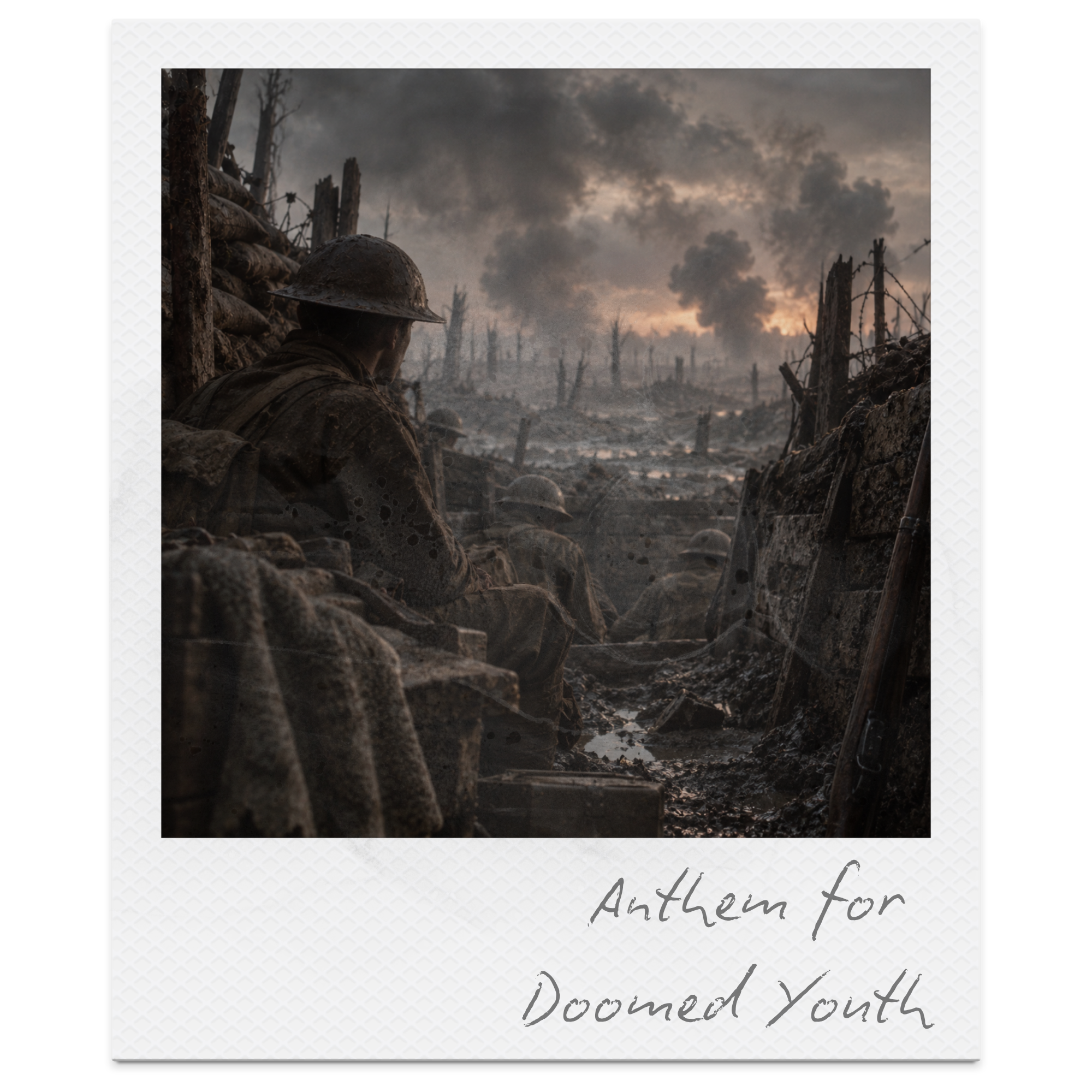
Anthem for Doomed Youth by Wilfred Owen: Summary, Themes & Analysis
Explore Anthem for Doomed Youth by Wilfred Owen with detailed analysis of its meaning, themes, form, structure, metre, symbolism, imagery and poetic techniques. Discover how Owen contrasts the brutal sounds of the battlefield with funeral rituals, private grief and remembrance to expose the human cost of the First World War.
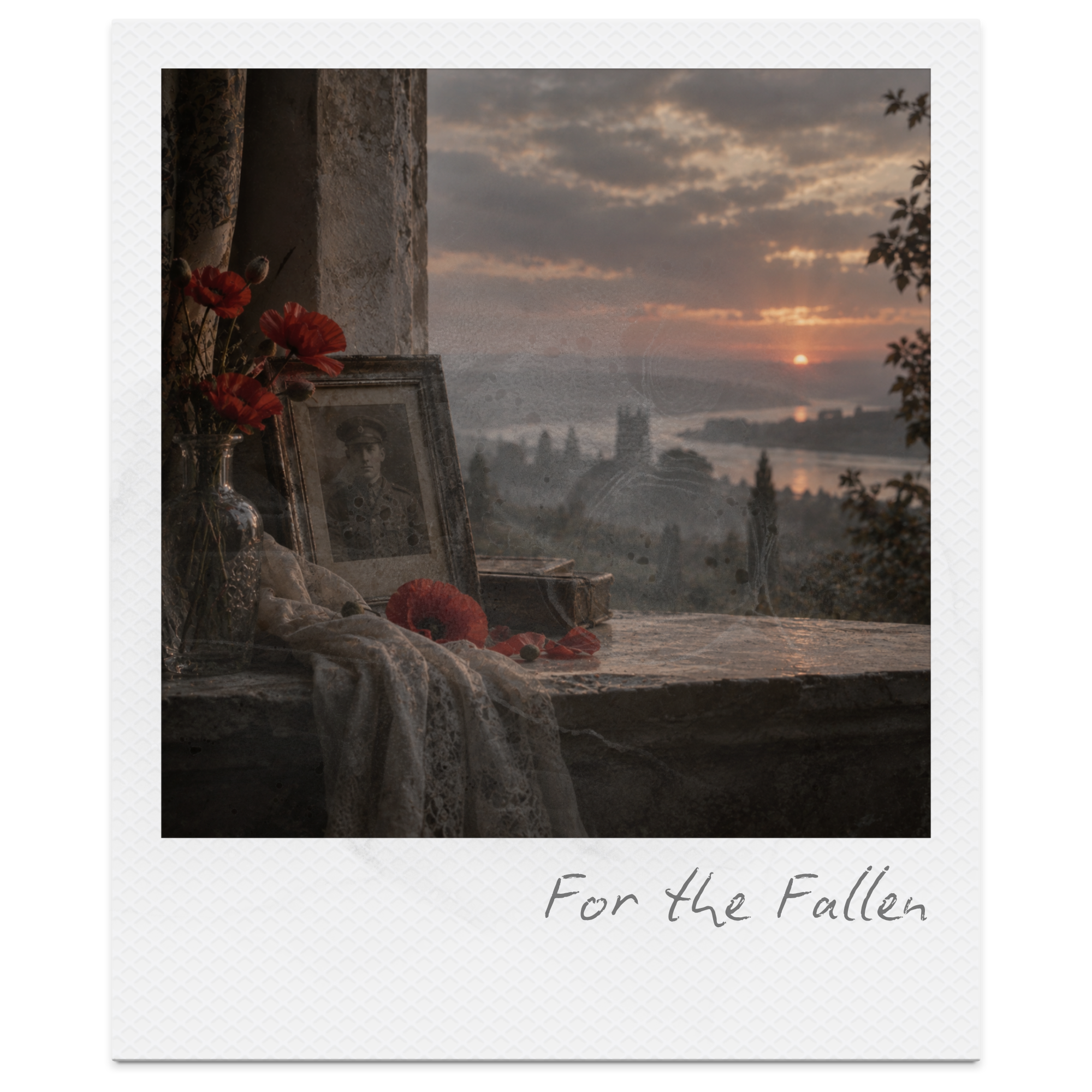
For the Fallen by Laurence Binyon: Summary, Themes & Analysis
Explore Laurence Binyon’s For the Fallen with a detailed guide to its meaning, context, themes, symbolism, key quotes, poetic techniques, structure and alternative interpretations. Discover how Binyon transforms grief and wartime loss into an enduring meditation on youth, sacrifice, remembrance, national identity and memory.
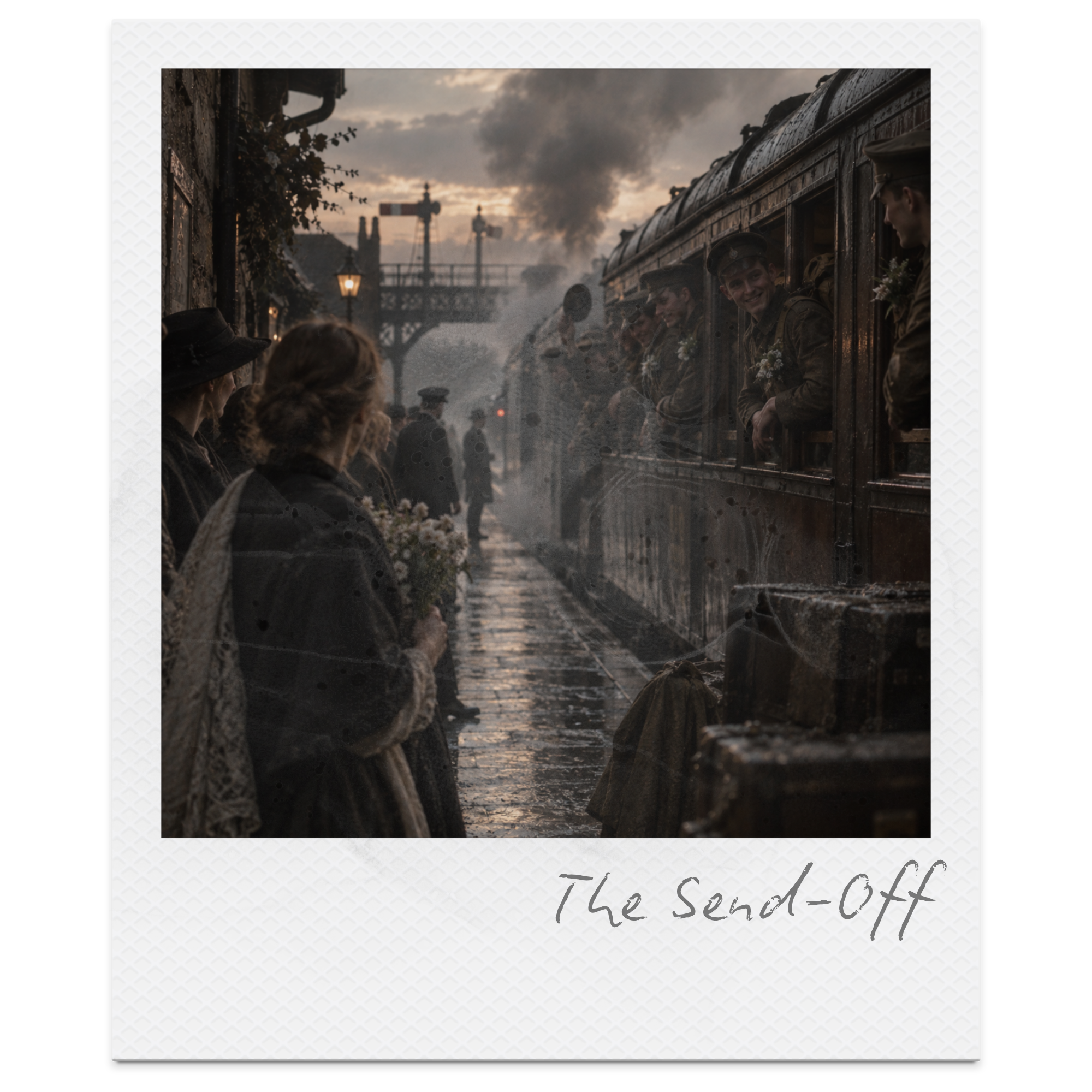
The Send-Off by Wilfred Owen: Summary, Themes & Analysis
Explore The Send-Off by Wilfred Owen with detailed analysis of its meaning, themes, form, structure, metre, symbolism, imagery and poetic techniques. Discover how Owen transforms a soldiers’ departure for war into an unsettling exploration of death, uncertainty, separation, loss and the possibility of returning home profoundly changed.
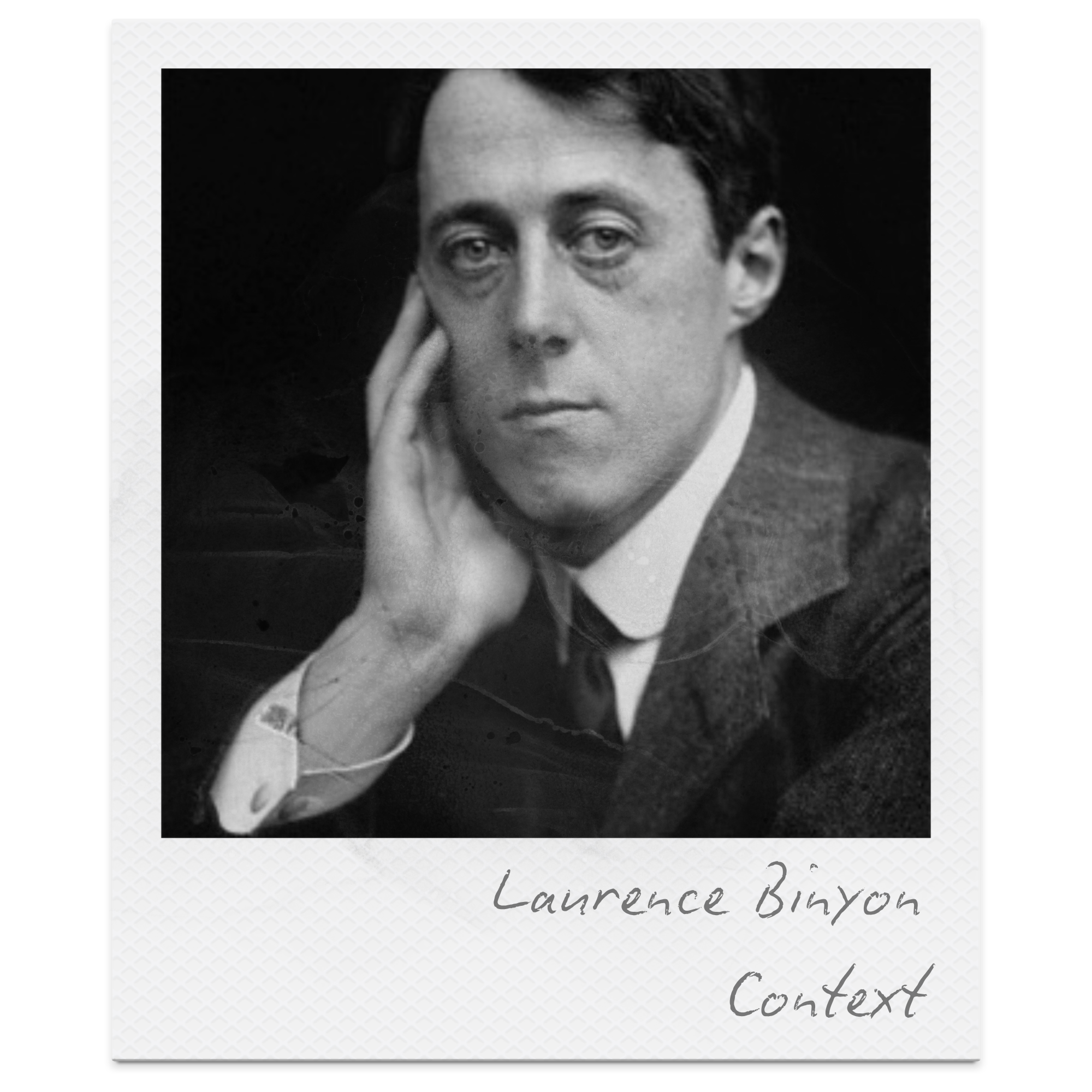
Laurence Binyon: Context, War Poetry, and Literary Significance
Explore the life, historical context, poetry and literary significance of Laurence Binyon, author of For the Fallen. Discover how remembrance, sacrifice, collective grief, mortality and cultural memory shaped his First World War poetry, and how the famous Ode of Remembrance became part of the enduring language of commemoration.
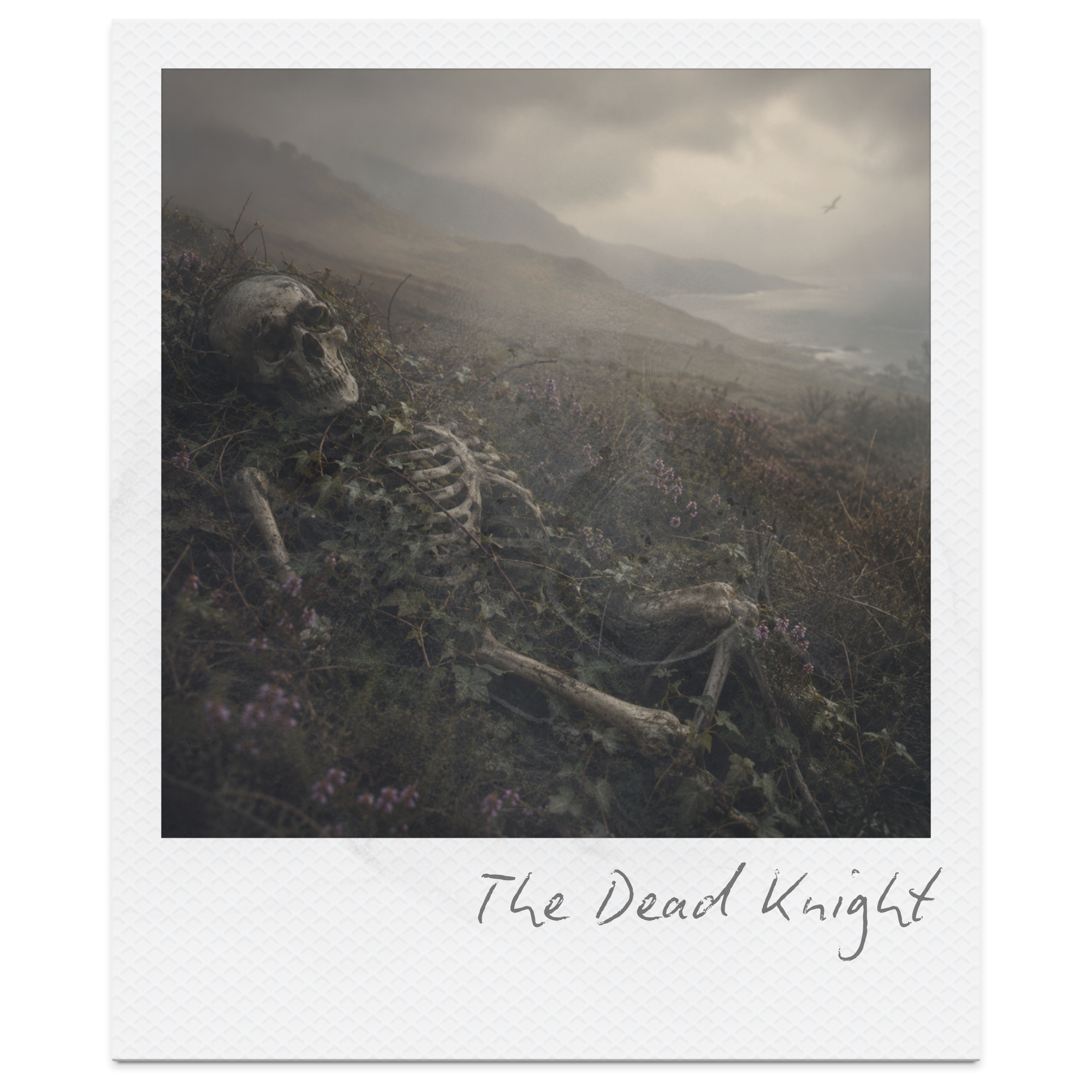
The Dead Knight by John Masefield: Analysis of Death, Memory and Nature's Requiem
John Masefield's The Dead Knight is a powerful meditation on death, memory, and the enduring presence of nature. Through rich natural imagery, religious symbolism, and haunting sound patterns, the poem explores how a forgotten knight is gradually reclaimed by the landscape, transforming physical decay into a reflection on remembrance, mortality, and spiritual peace. This analysis examines the poem's themes, symbolism, structure, voice, and key quotations while exploring how Masefield presents nature as mourner, guardian, and witness.
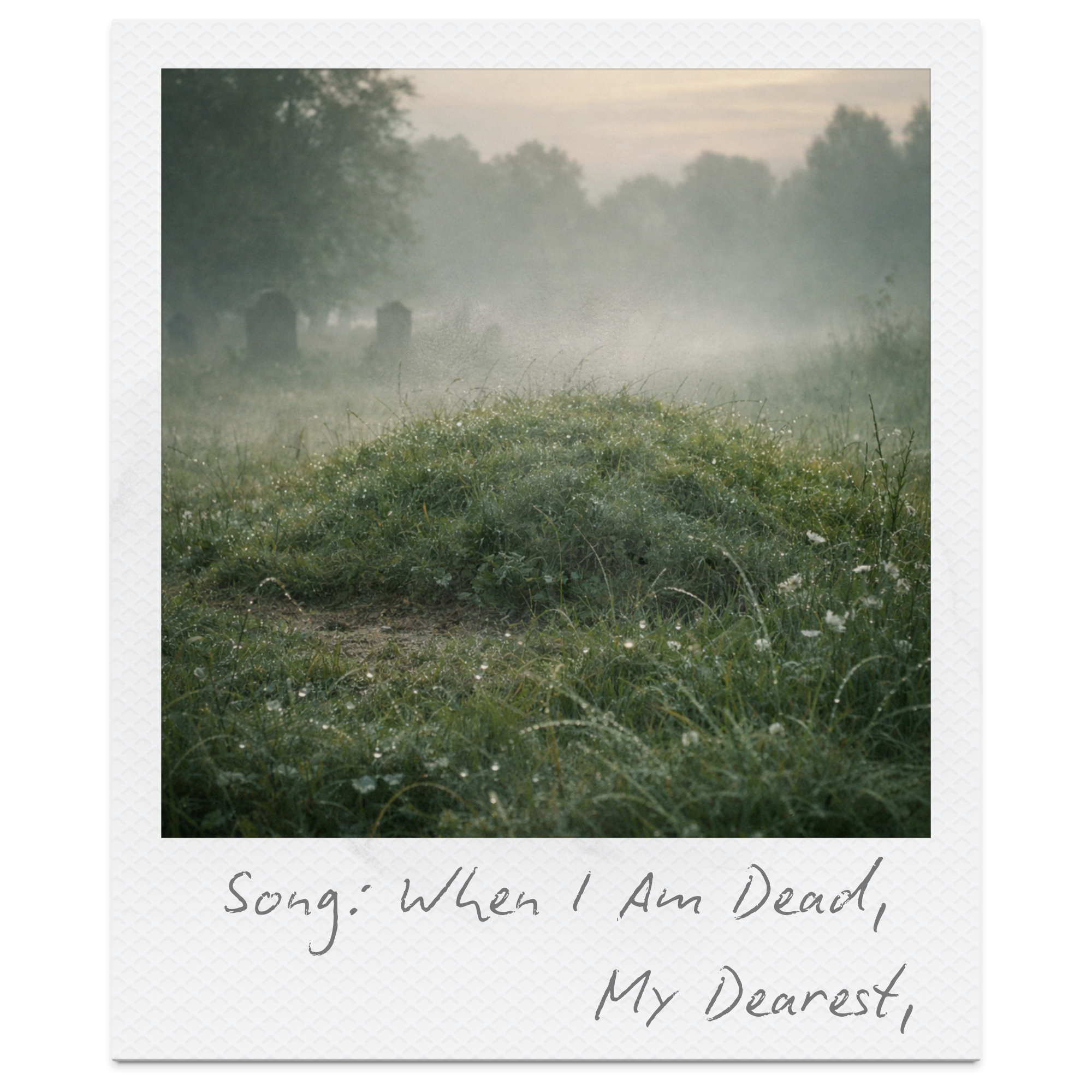
Song: When I Am Dead, My Dearest by Christina Rossetti: Meaning, Themes & Analysis
This guide offers a clear analysis of Song: When I Am Dead, My Dearest by Christina Rossetti, exploring the poem’s themes, structure, imagery, and tone. The article provides a detailed summary alongside stanza-by-stanza analysis, helping readers understand how Rossetti presents death with calm acceptance while questioning the importance of remembrance. You’ll also find explanations of key quotations, literary techniques, and alternative interpretations of the poem, making this guide useful for GCSE and A Level literature study. The analysis explores Rossetti’s ideas about memory, emotional detachment, and the limits of mourning, while linking the poem to wider themes in her poetry.
10 Best WWI Poems to Teach (And How to Teach Them)
World War One poetry is a powerful and enduring part of secondary English literature, offering students a direct literary response to war, trauma, memory, and loss. This post explores 10 of the best WWI poems to teach, with clear teaching focuses, classroom-ready ideas, and suggestions for discussion and creative response. The poems are grouped thematically to support comparative study and flexible unit planning. Designed for global classrooms, this guide supports close reading, empathy-building discussion, and analytical writing, while linking to deeper teaching resources and the wider Literature Library. Whether you’re planning a full World War One poetry unit or selecting individual poems to complement a wider literature course, this post offers practical guidance rooted in strong literary foundations.
Siegfried Sassoon: Context, War Poetry, and Literary Significance
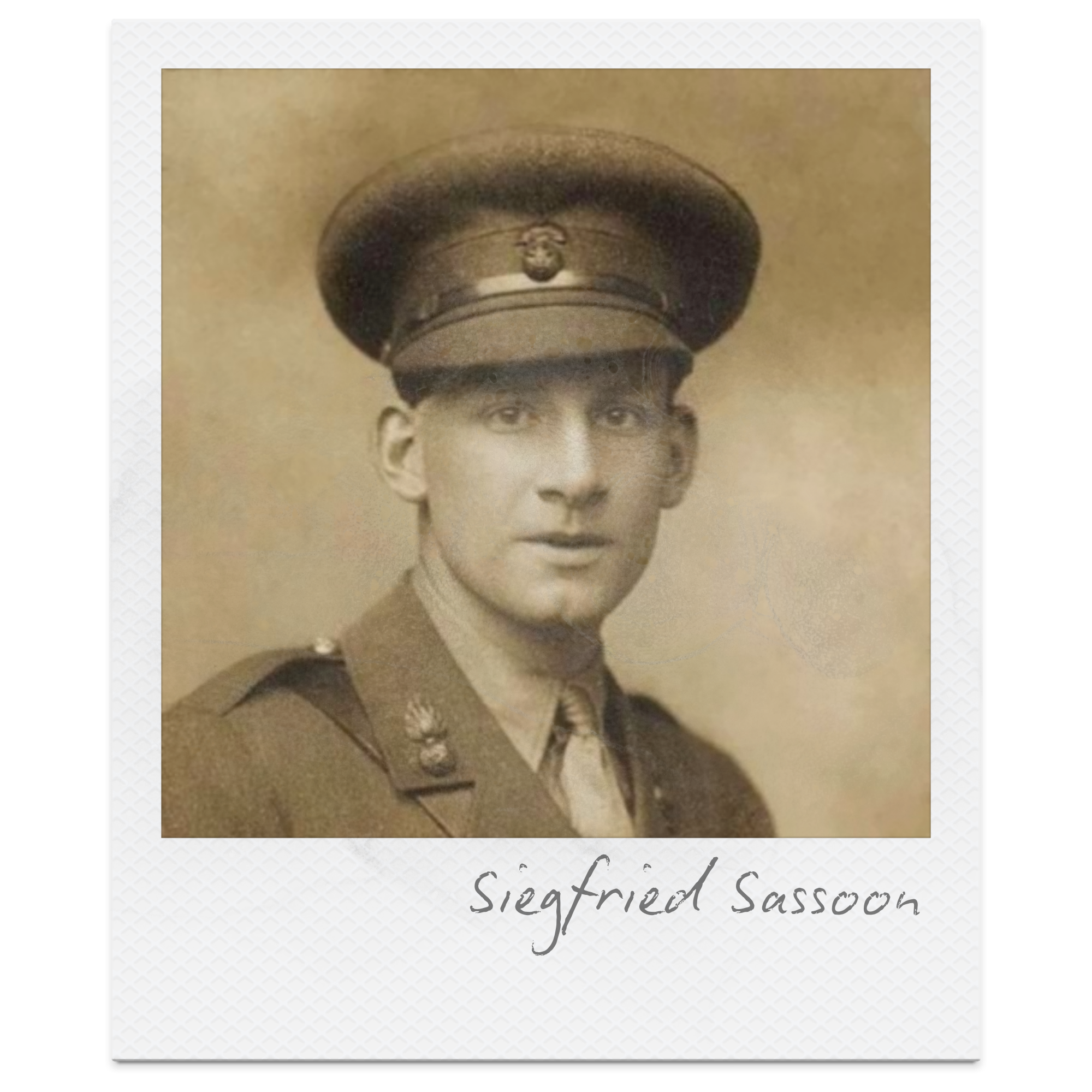
Siegfried Sassoon is one of the most important voices in First World War poetry, writing not from imagination but from direct experience of trench warfare. His poems expose the brutality, futility, and moral failure of modern war, challenging patriotic narratives that present suffering as noble or necessary. Through irony, anger, and controlled restraint, Sassoon forces readers to confront the gap between those who fight and those who authorise violence from a distance. Understanding Sassoon’s context is essential for reading poems such as “Suicide in the Trenches.” Shaped by frontline combat, public protest, and psychological trauma, his writing interrogates responsibility, authority, and the language used to justify mass death. Rather than offering comfort or heroic sacrifice, Sassoon’s war poetry demands ethical engagement, making it central to the study of WWI literature and modern protest writing.
Remember by Christina Rossetti: Summary, Meaning & Critical Analysis
“Remember” by Christina Rossetti is a poem frequently taught at GCSE, AS, and A Level, yet its emotional restraint and moral complexity are often underestimated. At first glance, the poem appears to present a speaker asking to be remembered after death. However, as this Petrarchan sonnet unfolds, Rossetti complicates that request, transforming it into a meditation on love, memory, and loss that prioritises emotional responsibility over personal desire. Rather than offering consolation, the poem quietly interrogates whether remembrance is always an act of kindness. Written with careful control of form, tone, and structure, Remember traces a shift from quiet insistence to deliberate self-denial. Through subtle changes in voice and imagery, Rossetti reframes forgetting as a potential expression of love rather than betrayal. This critical analysis of “Remember” by Christina Rossetti explores the poem’s meaning, its treatment of death and remembrance, and the literary methods that make it one of Rossetti’s most ethically complex and quietly radical sonnets. If you’re teaching Remember in the classroom, keep scrolling for free essay questions on “Remember” by Christina Rossetti, along with discussion ideas and close-reading activities.