50 Horror Story Opening Lines: Creeping Dread, Unnatural Silence & Things Waiting in the Dark
Horror opening lines immediately establish tension, unease, atmosphere, or danger. A strong horror opening creates curiosity through silence, fear, violence, isolation, or the suggestion that something is deeply wrong long before the full horror appears. These first lines encourage readers to continue because they imply hidden danger waiting beneath the surface.
Some of the most memorable horror stories establish dread almost immediately. The Shining by Stephen King uses isolation and psychological instability to create unease, while Dracula by Bram Stoker transforms ordinary travel into mounting terror. Stories such as The Haunting of Hill House, The Exorcist, Bird Box, The Ritual, and Mexican Gothic all use atmosphere, mystery, fear, and unsettling imagery to hook readers from the opening page. Horror openings often rely on implication — strange behaviour, impossible details, unnatural silence, or something lurking just beyond understanding.
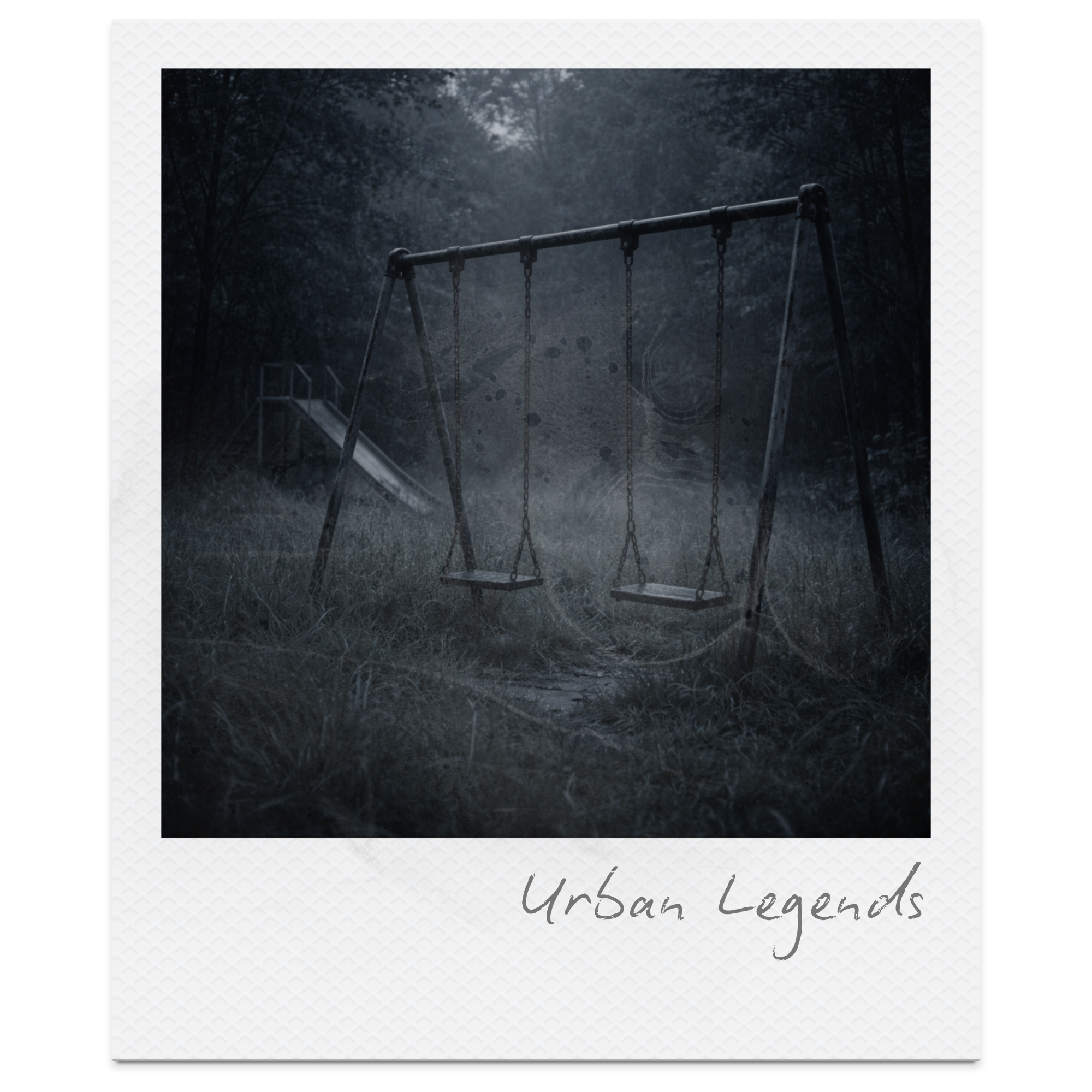
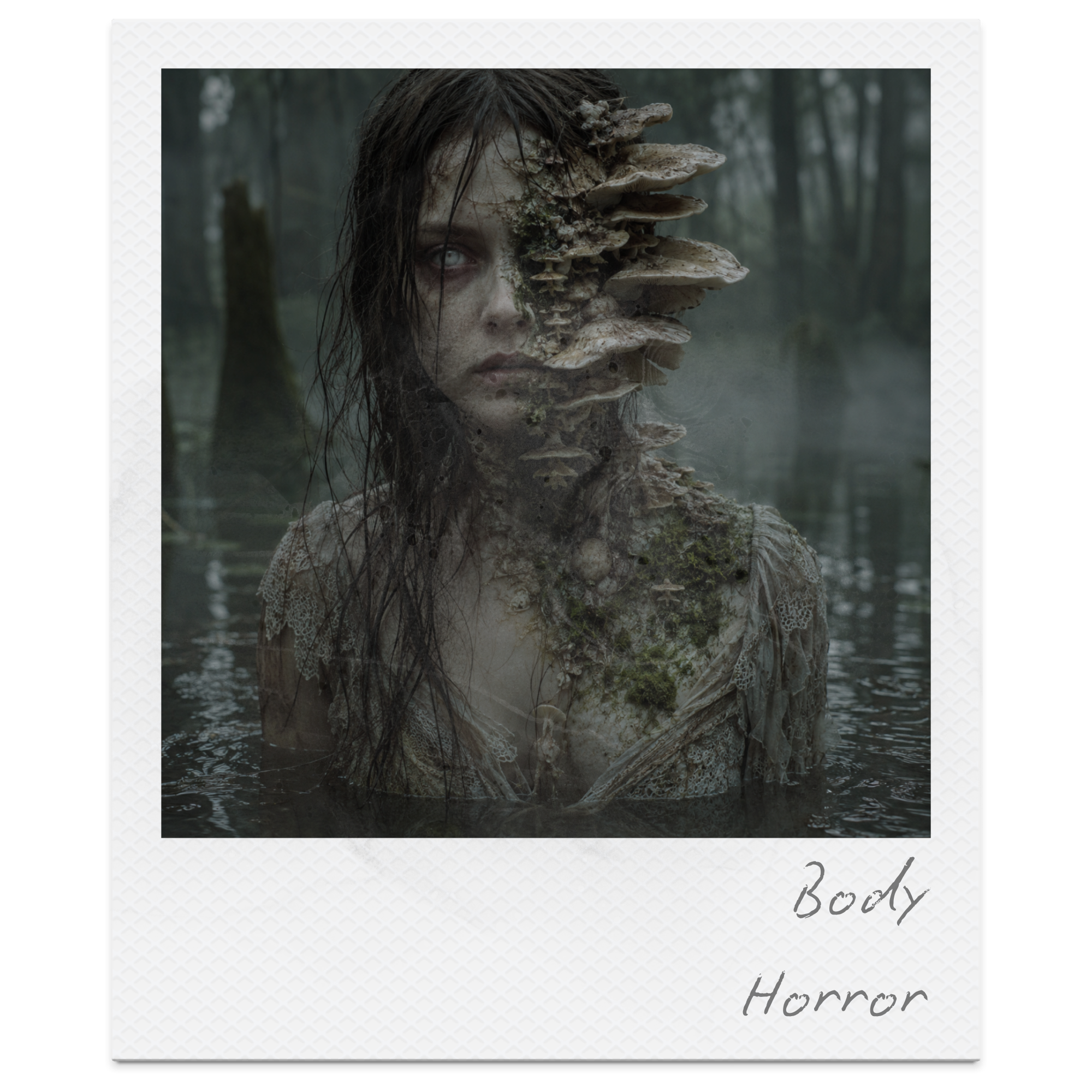
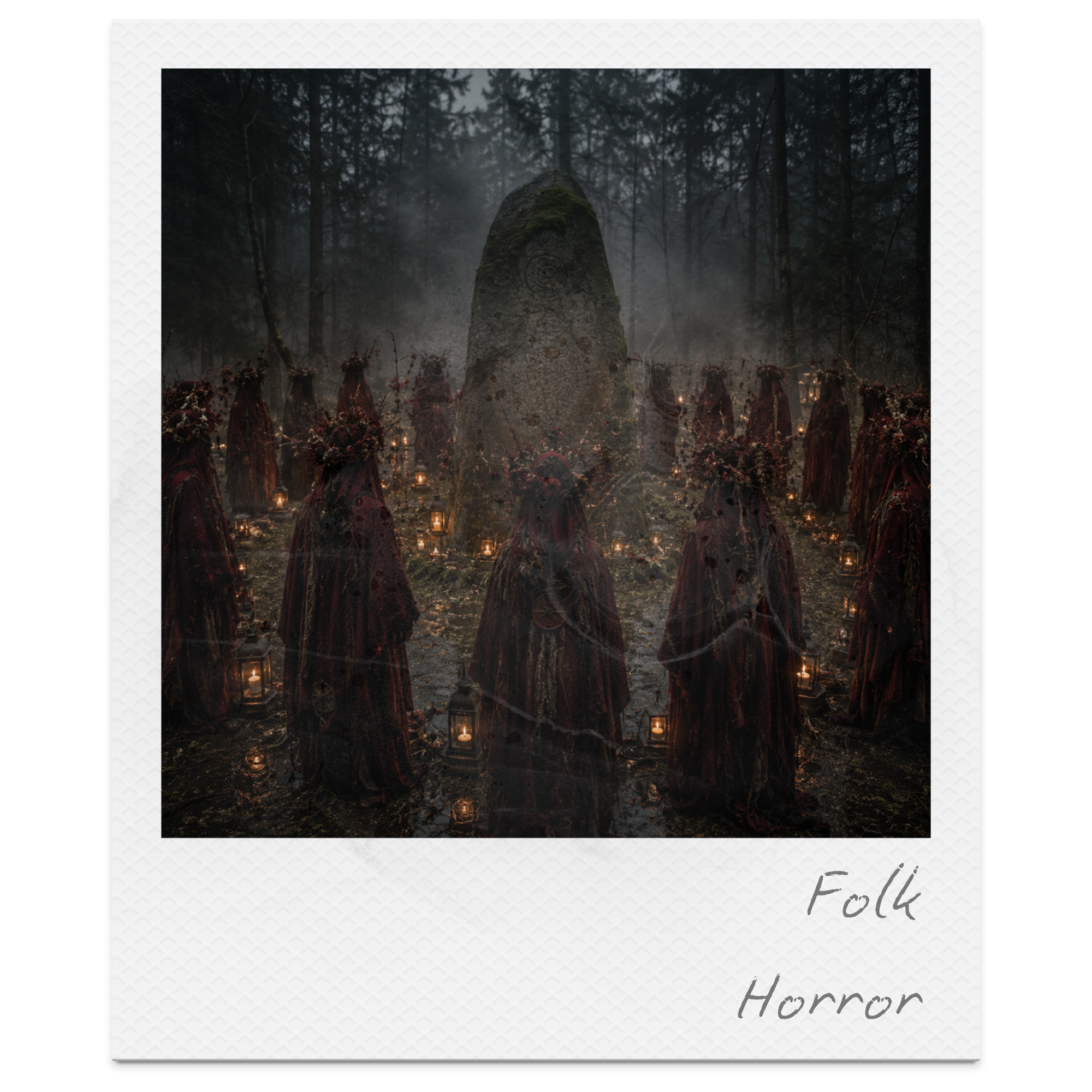
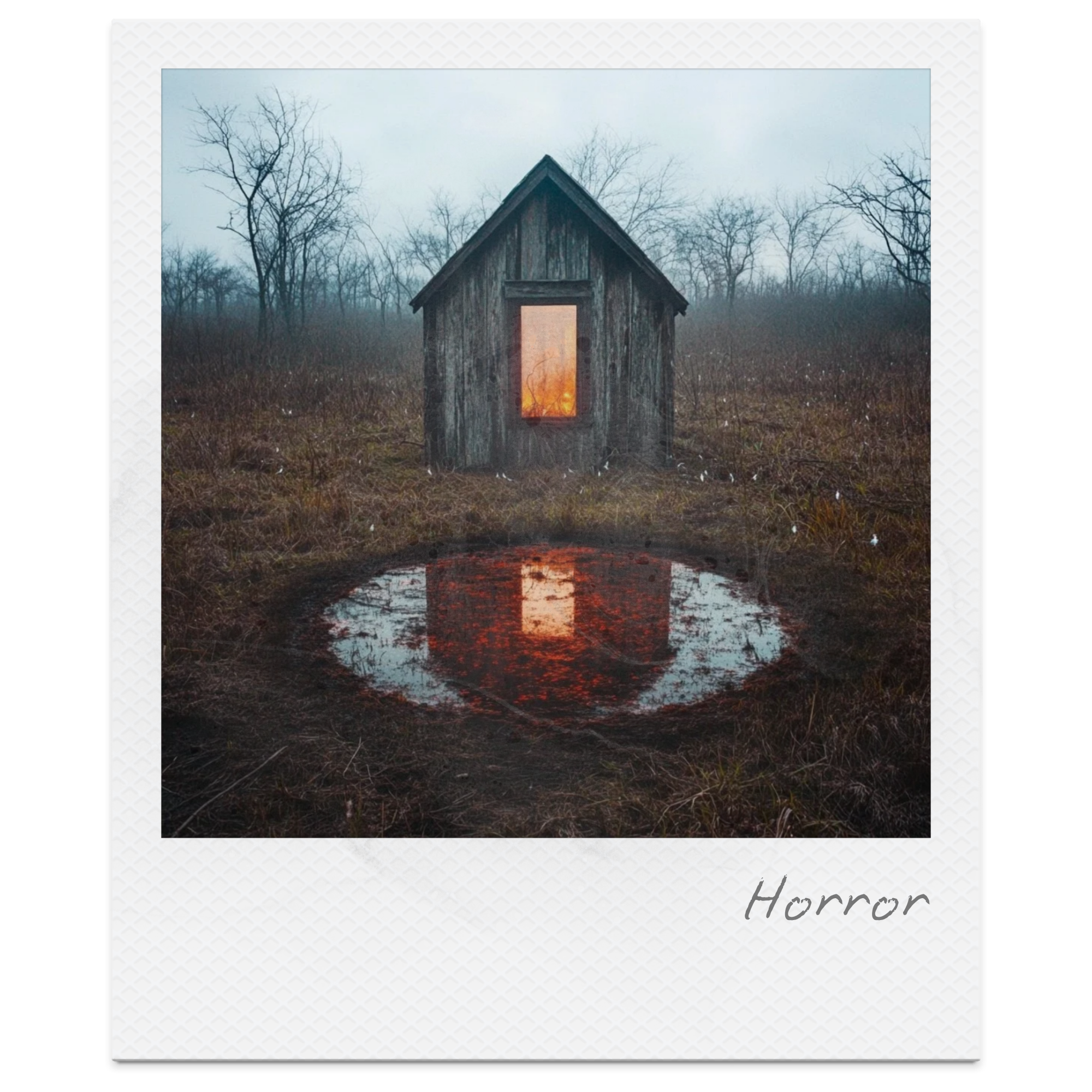
This collection of 50 Horror Story Opening Lines is designed as a creative writing resource for students, classrooms, aspiring writers, and horror storytellers looking to strengthen their story beginnings. These opening lines explore haunted houses, abandoned towns, body horror, isolation, psychological dread, supernatural terror, cults, creatures, disappearances, and ordinary moments interrupted by something deeply unsettling.
If you would like to explore more unsettling prompts, eerie storytelling, and atmospheric speculative fiction, you can browse the Creative Writing Archive or discover psychological dread, monsters, survival horror, and cinematic fear inside the Horror Writing Hub.
1. Atmospheric Opening Lines
Atmosphere is one of the most important elements in horror fiction. Strong atmospheric openings create unease before the main horror even appears, often through weather, silence, setting, darkness, or subtle environmental details that immediately feel wrong.
The town had been silent for three days before the screaming started.
Nobody opened their windows after sunset anymore.
By morning, the fog had swallowed the entire coastline.
The house smelled faintly of smoke even though it had burned down thirty years earlier.
Every streetlight in the village went out at exactly 2:17 a.m.
The woods behind the church had grown impossibly dense overnight.
At low tide, something black and enormous became visible beneath the water.
The first snowfall arrived carrying footprints no one could explain.
The hotel corridor seemed longer each time we walked down it.
Somewhere beneath the floorboards, something had started breathing.
2. Dialogue Opening Lines
Dialogue openings create immediate tension because readers are dropped directly into conflict, fear, secrecy, or confusion without explanation. In horror fiction, a single line of dialogue can instantly suggest danger or imply something terrible has already happened.
“Don’t look at the ceiling,” my brother whispered.
“Whatever you hear tonight, do not leave your room.”
“That thing in the photograph wasn’t there yesterday.”
“The police told us not to answer the phone after midnight.”
“You said the house was empty.”
“Mum keeps speaking to someone downstairs after everyone goes to bed.”
“If the lights go out again, we run.”
“The man in the hallway has been standing there for hours.”
“Tell me exactly what you saw in the basement.”
“We buried her three days ago.”
3. Mysterious Opening Lines
Mystery is central to horror because readers instinctively want answers. Strong mysterious openings hint at hidden history, disappearances, impossible events, or disturbing discoveries without immediately revealing the truth.
The bodies appeared along the motorway sometime before dawn.
Nobody could explain why every clock in the school stopped at the same time.
We found the tape hidden inside the walls of the apartment.
The village did not appear on any map printed after 1986.
By the second night, all the mirrors in the house had cracked.
Something had been digging beneath the garden for weeks.
The missing hikers returned without their shadows.
Every child in town described the same nightmare.
The church bell rang thirteen times just before the power failed.
The forest had moved closer during the night.
4. Action & Immediate Conflict Opening Lines
Some horror stories begin in the middle of danger, panic, violence, or survival situations. These openings create instant momentum and immediately force readers into fear, confusion, or chaos alongside the characters.
We started running the moment the thing in the river stood up.
The emergency broadcast interrupted every channel at once.
Dad locked all the doors before boarding up the windows.
Something slammed against the attic door hard enough to shake the entire house.
The first body fell from the church tower just after midnight.
We abandoned the car when the road disappeared beneath floodwater.
The power station exploded three miles north of town.
By the time we reached the campsite, half the tents were empty.
Somebody began screaming in the flat above ours at exactly 3 a.m.
The elevator stopped between floors before the lights went out.
5. Quiet or Emotional Opening Lines
Quiet horror openings are often deeply effective because they contrast ordinary emotions with unsettling details. These openings focus on grief, loneliness, memory, obsession, guilt, or emotional vulnerability before introducing horror elements.
After my mother died, the knocking started every night at midnight.
I still listened to my brother’s old voicemails long after the funeral.
The house felt emptier after the funeral, but not quieter.
Dad refused to explain why he nailed every mirror shut.
I knew something was wrong when the dog stopped entering the kitchen.
My grandmother’s voice sounded clearer on the tape than it ever had in life.
Nobody else remembered the little girl from the photograph.
The scarecrow in the field looked more human each morning.
Since moving into the apartment, I had stopped dreaming completely.
Some nights, I could still hear breathing beside me after waking up alone.
Go Deeper into Horror Writing
Horror opening lines become more effective when writers focus on atmosphere, tension, curiosity, emotional vulnerability, and the slow suggestion that something is deeply wrong beneath the surface of ordinary life.
◆ Write an opening line that introduces an impossible event as if it is completely normal.
◆ Explore how weather, silence, darkness, or setting can immediately create dread.
◆ Write an opening where a character already knows something terrible is about to happen.
◆ Experiment with dialogue that creates immediate fear without explaining the danger.
◆ Describe an ordinary domestic moment interrupted by one deeply unsettling detail.
◆ Write an opening line that hints at hidden history, disappearances, or buried violence.
Final Thoughts
Horror opening lines establish atmosphere, tension, fear, and narrative momentum within only a few words or sentences. The strongest openings create curiosity immediately, encouraging readers to continue while hinting at danger, mystery, psychological instability, supernatural terror, or something impossible hiding beneath ordinary reality.
These 50 Horror Story Opening Lines encourage writers to experiment with different storytelling styles, tones, and narrative hooks. Whether used for classroom activities, horror planning, creative writing exercises, short stories, or novel inspiration, these openings are designed to help writers create stronger, more immersive, and more unsettling story beginnings.
If you would like to explore more atmospheric horror writing, eerie prompts, psychological dread, and cinematic speculative fiction, you can browse the Creative Writing Archive or discover unsettling stories, monsters, survival horror, and dark mystery inside the Horror Writing Hub.
Choose Your Next Adventure