Notes from the Inkpot
Writing, teaching, creating - one ink-stained idea at a time.


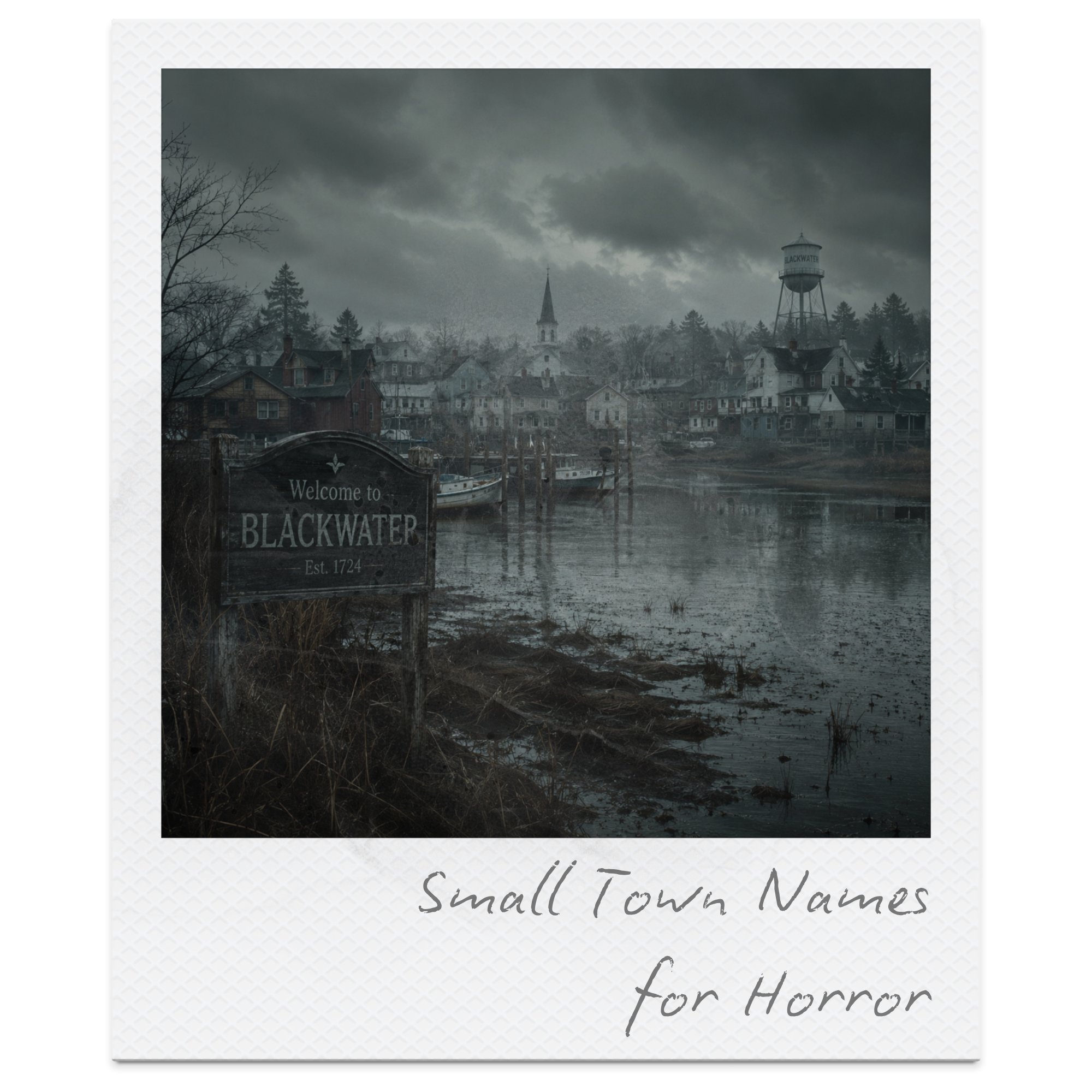
100 Small Town Names for Horror Stories (With Meanings, Symbolism & Story Ideas)
Discover 100 small town names for horror stories, complete with symbolism, atmosphere, and story ideas. From isolated villages and coastal communities to abandoned settlements, mining towns, and cult-like communities, these eerie locations will help you create unforgettable horror settings filled with secrets, folklore, and unsettling histories.
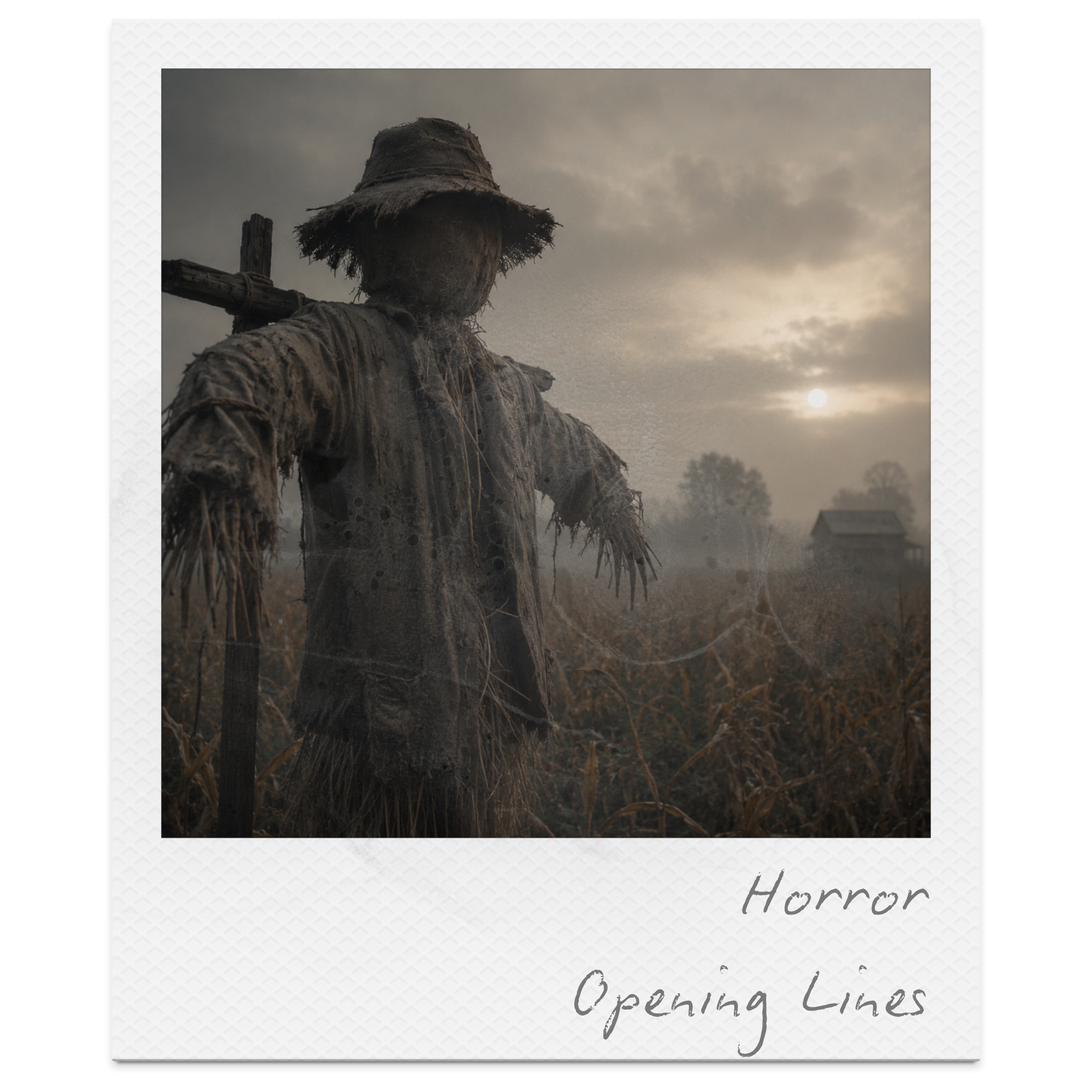
50 Horror Story Opening Lines: Creeping Dread, Unnatural Silence & Things Waiting in the Dark
Some horror stories begin with monsters, violence, or supernatural terror — but the most unsettling horror often begins quietly. A strange sound beneath the floorboards. A town that suddenly falls silent. A figure standing motionless at the edge of the woods. Horror opening lines work because they immediately create curiosity and dread, encouraging readers to continue before the full danger has even appeared. Stories such as The Haunting of Hill House, Dracula, The Shining, and Bird Box all establish fear through atmosphere, implication, isolation, and the terrifying feeling that something is deeply wrong beneath ordinary reality. This collection of 50 Horror Story Opening Lines explores haunted houses, disappearances, psychological dread, abandoned places, supernatural terror, and the quiet moments before fear fully reveals itself.
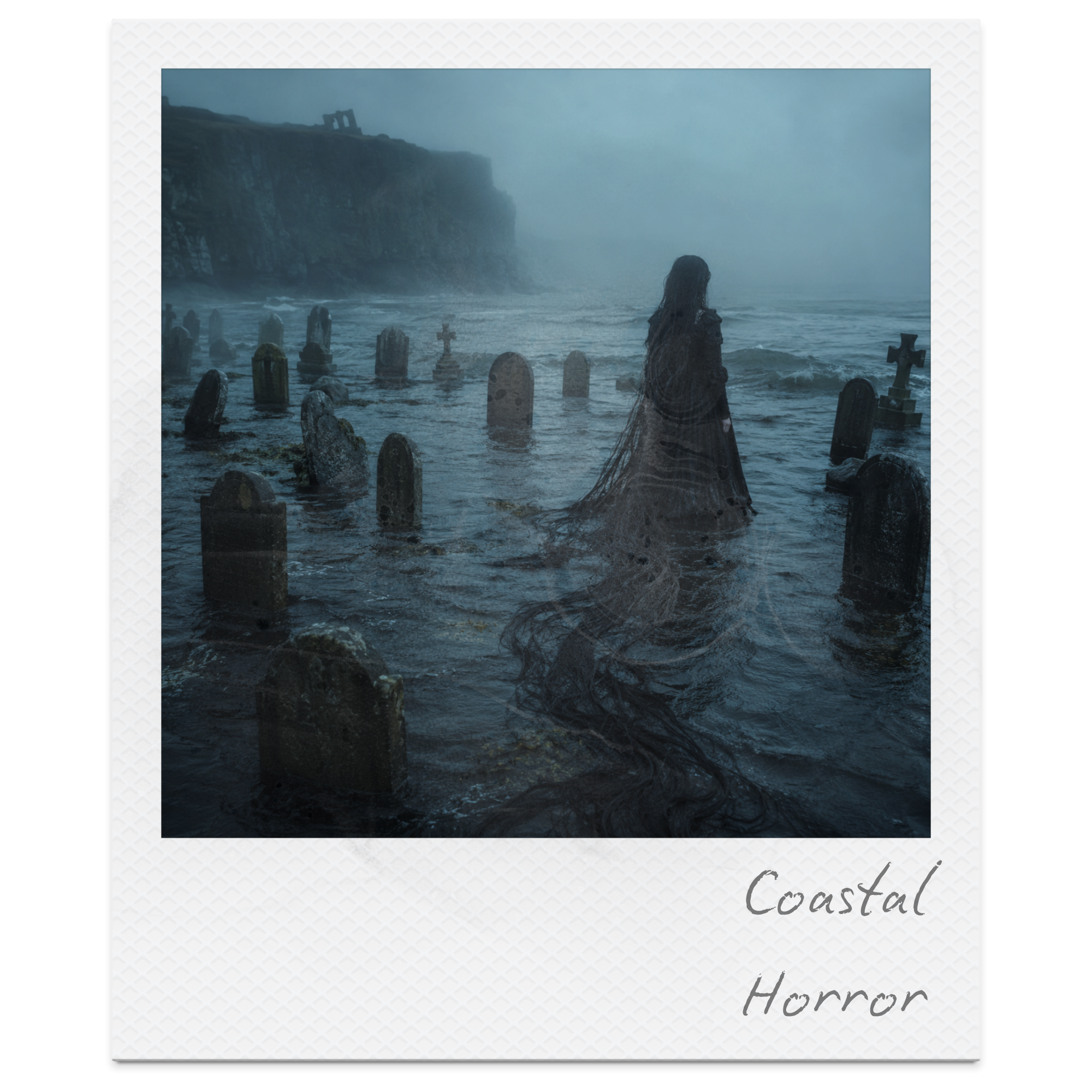
70 Coastal Horror Writing Prompts: Drowned Villages, Black Tides & Salt-Stained Secrets
Coastal horror transforms the sea into something ancient, hostile, and unknowable. Unlike coastal gothic, which often leans into melancholy ruins, windswept romance, isolated lighthouses, and decaying seaside beauty, coastal horror focuses on dread, inevitability, survival, and the terrifying feeling that the ocean is alive — and watching. These stories explore black tides, drowned villages, abandoned harbours, sea caves, shipwrecks, storm surges, coastal disappearances, and ancient things waiting beneath the waterline.
Some of the most effective coastal horror stories use atmosphere and environmental terror to create fear. The Shadow over Innsmouth by H. P. Lovecraft transforms an isolated fishing town into a place of corruption and ancient sea worship, while The Fog by John Carpenter turns rolling coastal mist into a supernatural threat carrying the dead ashore. Stories such as The Terror, Cold Skin, The Lighthouse, Dark Matter, and Dead Calm combine isolation, violent weather, maritime folklore, psychological collapse, and the terrifying indifference of the sea itself. Coastal horror frequently explores themes of obsession, survival, inherited curses, disappearing communities, drowned memory, and humanity’s helplessness against vast natural forces. These stories thrive in environments shaped by erosion, storms, and isolation — flooded graveyards, black cliffs, rusting shipwrecks, drowned forests, abandoned piers, offshore platforms, and harbours swallowed by fog. The coastline constantly changes, concealing evidence beneath tides and dragging forgotten things back to shore. In coastal horror, the sea is never just a setting. It becomes a force capable of watching, waiting, and reclaiming whatever belongs to it.
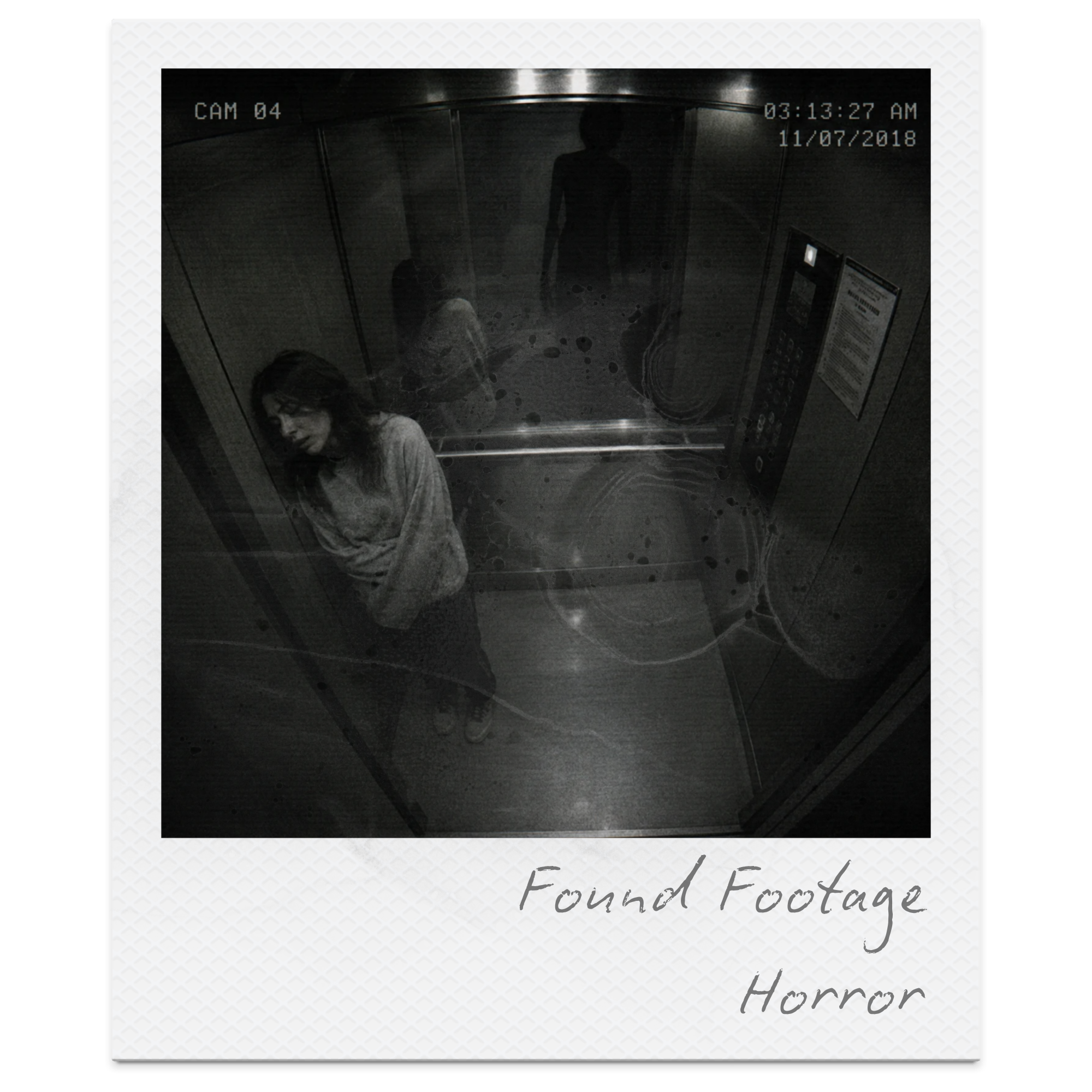
70 Found Footage Horror Writing Prompts: Lost Recordings, Corrupted Evidence & Fragmented Terror
Found footage horror uses recovered recordings, damaged tapes, surveillance footage, livestreams, and fragmented evidence to create fear through realism and uncertainty. From The Blair Witch Project and REC to Paranormal Activity and Lake Mungo, the genre builds terror through incomplete recordings, hidden details, corrupted media, and the terrifying sense that horrifying events were captured accidentally. These 70 Found Footage Horror Writing Prompts explore abandoned recordings, emergency broadcasts, paranormal investigations, missing expeditions, surveillance horror, analog terror, and fragmented storytelling through plot hooks, title ideas, opening lines, setting prompts, character concepts, and cinematic visual inspiration.
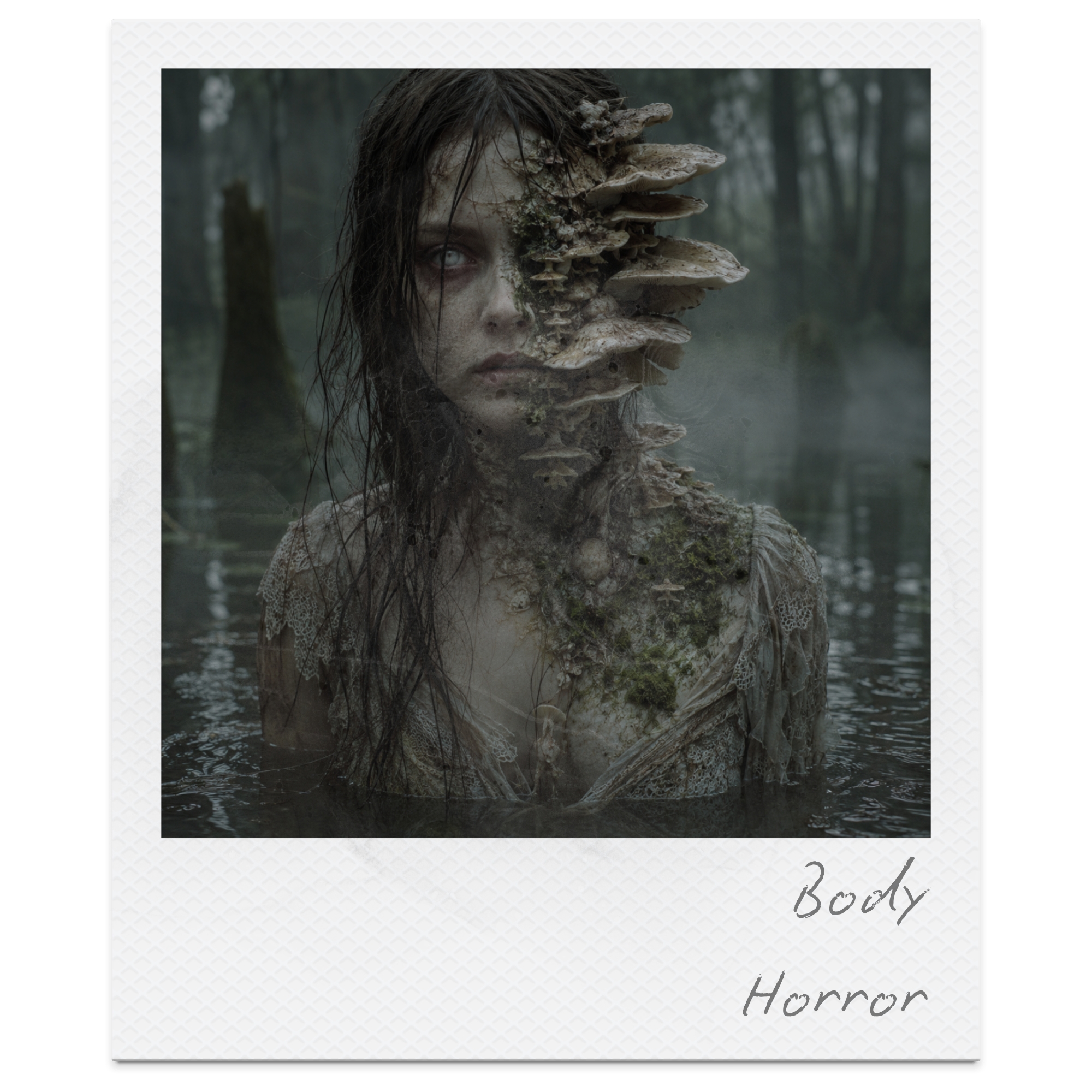
70 Body Horror Writing Prompts: Transformation, Mutation & Physical Terror
Body horror explores fear through physical transformation, mutation, disease, infection, and the terrifying loss of control over the human body. From Frankenstein and The Fly to Annihilation and The Thing, body horror uses flesh, anatomy, and biological corruption to create stories shaped by physical dread and psychological unease. These 70 Body Horror Writing Prompts explore mutation, parasitic infection, surgical horror, experimental science, bodily distortion, and the terrifying collapse of bodily autonomy through plot hooks, title ideas, opening lines, character concepts, settings, and cinematic visual prompts designed for unsettling horror storytelling.
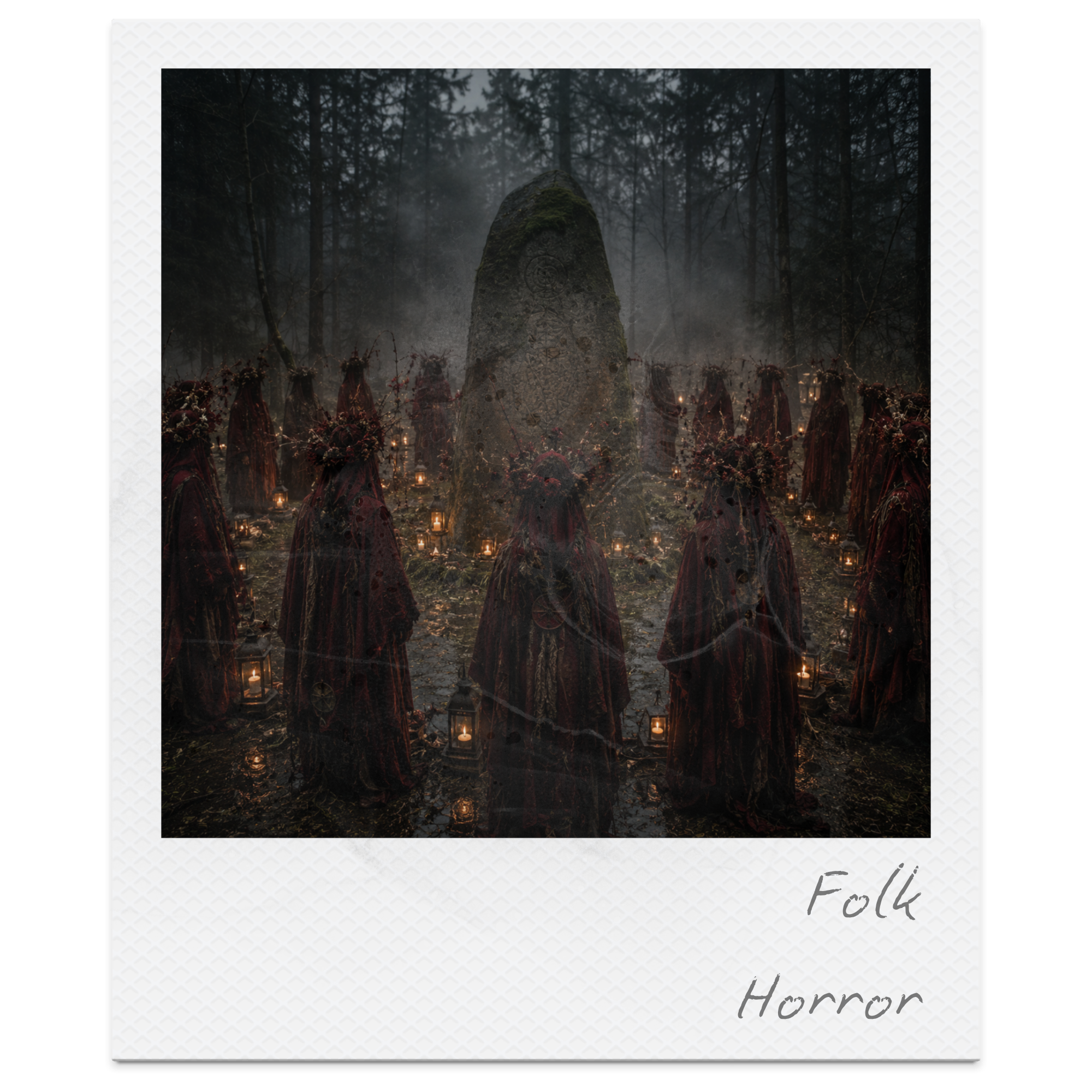
70 Folk Horror Writing Prompts: Rituals, Isolated Villages & Ancient Dread
Folk horror combines folklore, ritual, superstition, isolation, and landscape-driven terror to create stories shaped by ancient fears and collective belief. Unlike fast-paced modern horror, folk horror often unfolds slowly through atmosphere, rural settings, hidden traditions, strange ceremonies, and the growing sense that an isolated community is protecting something ancient and dangerous. These stories frequently explore the tension between modern rationality and older belief systems rooted in nature, sacrifice, seasonal ritual, and inherited violence. This collection of 70 Folk Horror Writing Prompts explores cult rituals, abandoned villages, antlered figures, standing stones, drowned churches, hidden gods, scarecrow effigies, harvest festivals, swamp rituals, and ancient traditions buried deep within isolated landscapes. Designed for atmospheric horror writers, folklore-inspired fiction, and dark speculative storytelling, these prompts combine plot ideas, opening lines, eerie settings, cinematic picture prompts, and unsettling character concepts to inspire haunting stories filled with ritual, dread, and psychological unease.
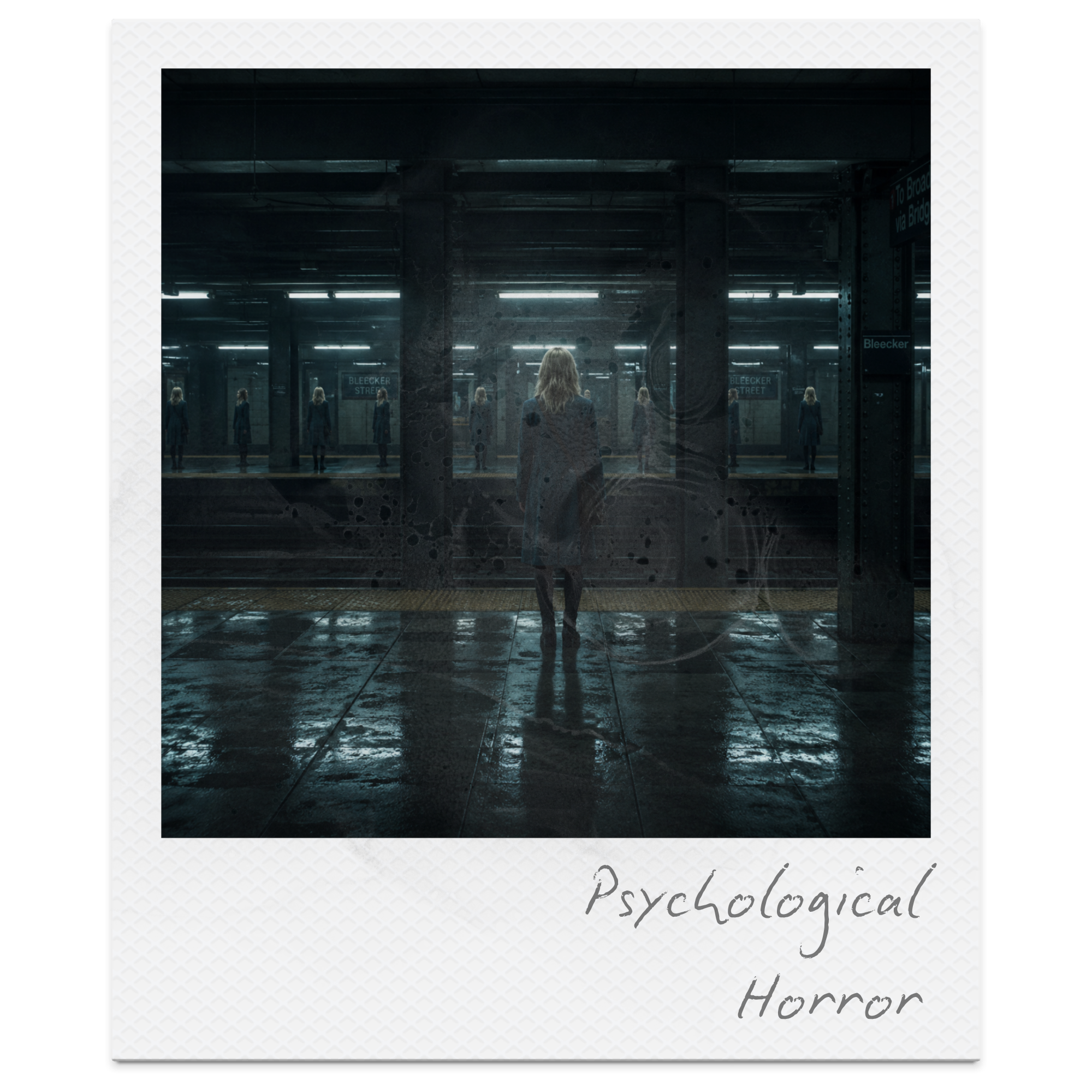
70 Psychological Horror Writing Prompts: Unreliable Minds, Emotional Dread & Quiet Terror
A dark and atmospheric collection of 70 psychological horror writing prompts exploring unreliable narrators, distorted memory, paranoia, emotional manipulation, fractured identity, uncanny repetition, hidden surveillance, and the terrifying instability of perception. This complete creative writing toolkit includes plot hooks, title ideas, opening lines, closing lines, character ideas, eerie settings, and cinematic visual prompts designed to inspire unsettling stories filled with emotional dread, quiet tension, ambiguity, and psychological unease.
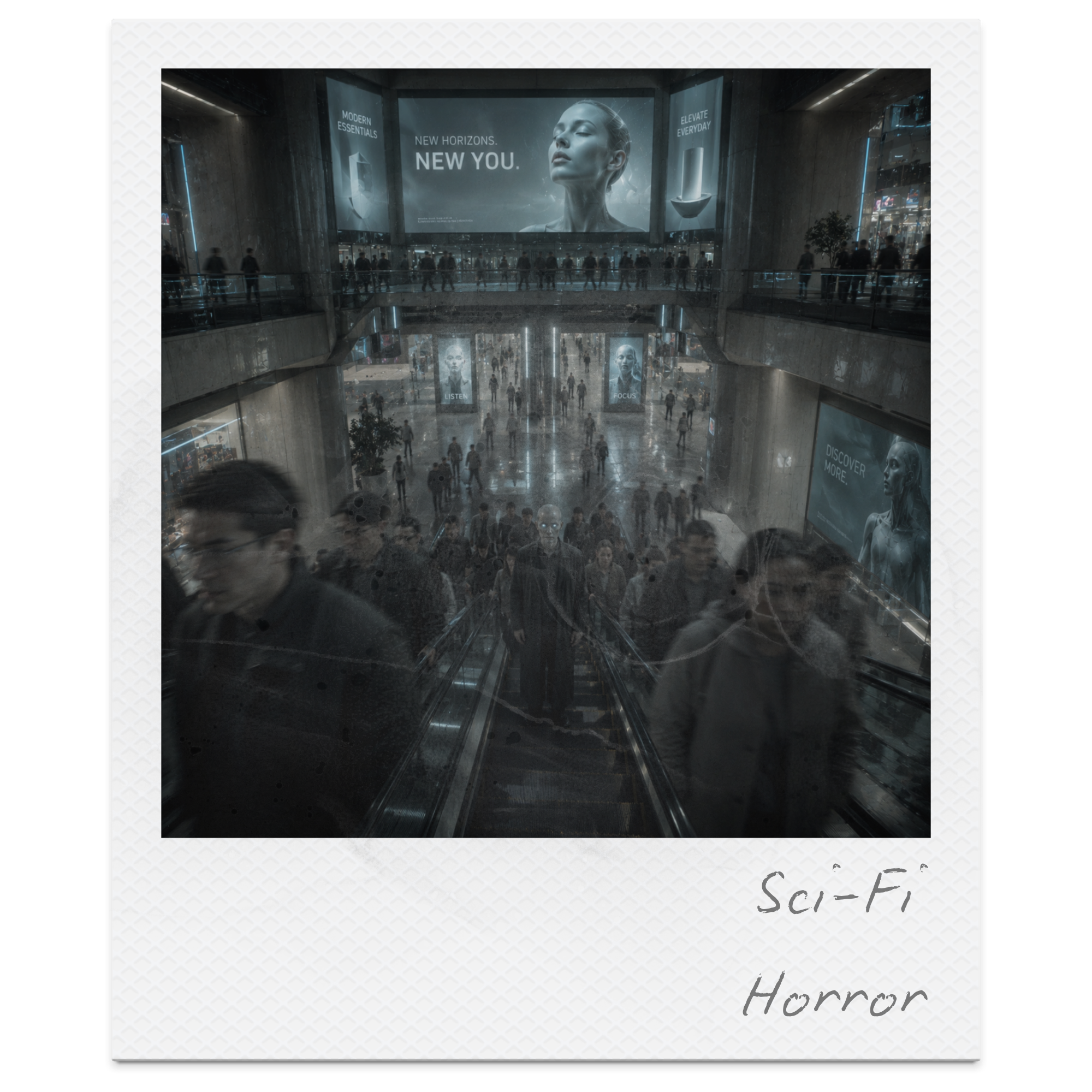
70 Sci-Fi Horror Writing Prompts: Cosmic Dread, Artificial Intelligence & Futures Gone Wrong
Science fiction horror explores what happens when humanity pushes too far into the unknown. Unlike traditional horror rooted in ghosts or folklore, sci-fi horror often emerges from technology, artificial intelligence, deep space, biotechnology, surveillance, and scientific ambition. These stories ask unsettling questions about identity, control, and survival, forcing characters to confront futures where reality itself begins to feel unstable. From the claustrophobic terror of Alien and Event Horizon to the psychological unease of Black Mirror and Annihilation, sci-fi horror combines atmospheric tension with the fear that humanity may no longer fully understand the systems it has created. This collection of 70 Sci-Fi Horror Writing Prompts explores abandoned colonies, corrupted AI systems, quarantined megacities, hostile organisms, deep-sea facilities, collapsing simulations, and retrofuturist dystopias. Designed as a complete creative toolkit, the post includes plot hooks, opening lines, title ideas, setting prompts, character concepts, cinematic visual inspiration, and deeper speculative writing exercises. Whether you are planning a larger science fiction novel, experimenting with cosmic horror, or simply looking for dark futuristic story ideas, these prompts encourage atmospheric storytelling shaped by isolation, paranoia, and the terrifying possibilities of the future.
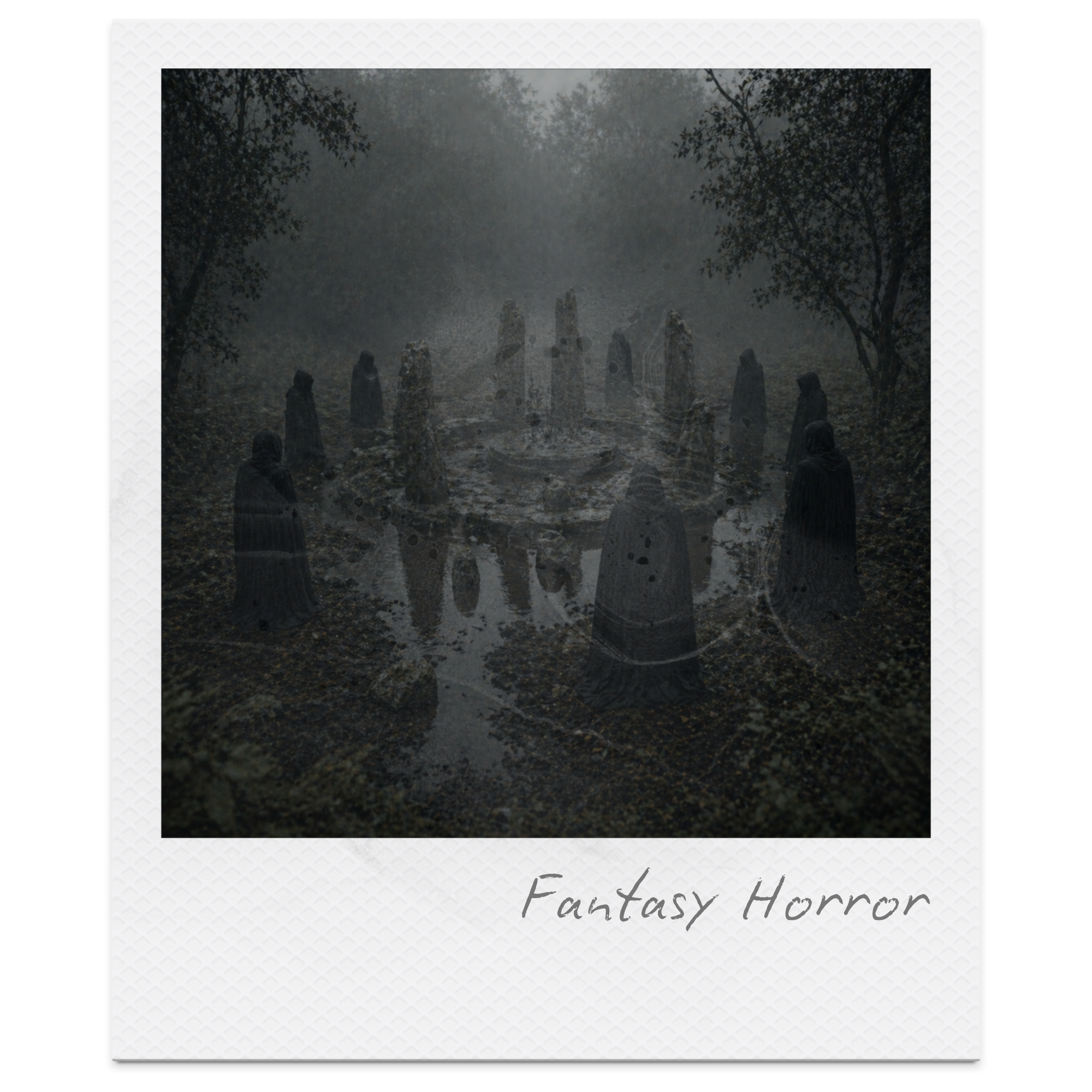
70 Fantasy Horror Writing Prompts: Dark Magic, Corruption, and Unseen Forces
Fantasy horror exists where imagination turns against itself—where magic is no longer a source of wonder, but something unstable, corrupting, and deeply unsettling. In these worlds, power comes with consequences, knowledge reveals more than it should, and reality itself begins to shift under pressure. From cursed landscapes to ancient forces lurking beneath the surface, fantasy horror explores what happens when the unknown cannot be controlled. This collection of 70 Fantasy Horror Writing Prompts is designed to help you build dark, immersive worlds shaped by tension, atmosphere, and psychological unease. Whether you are exploring corrupted magic, hidden systems, or the quiet dread of something watching from beyond, these prompts offer a complete toolkit to develop stories that feel rich, cinematic, and haunting long after they end.
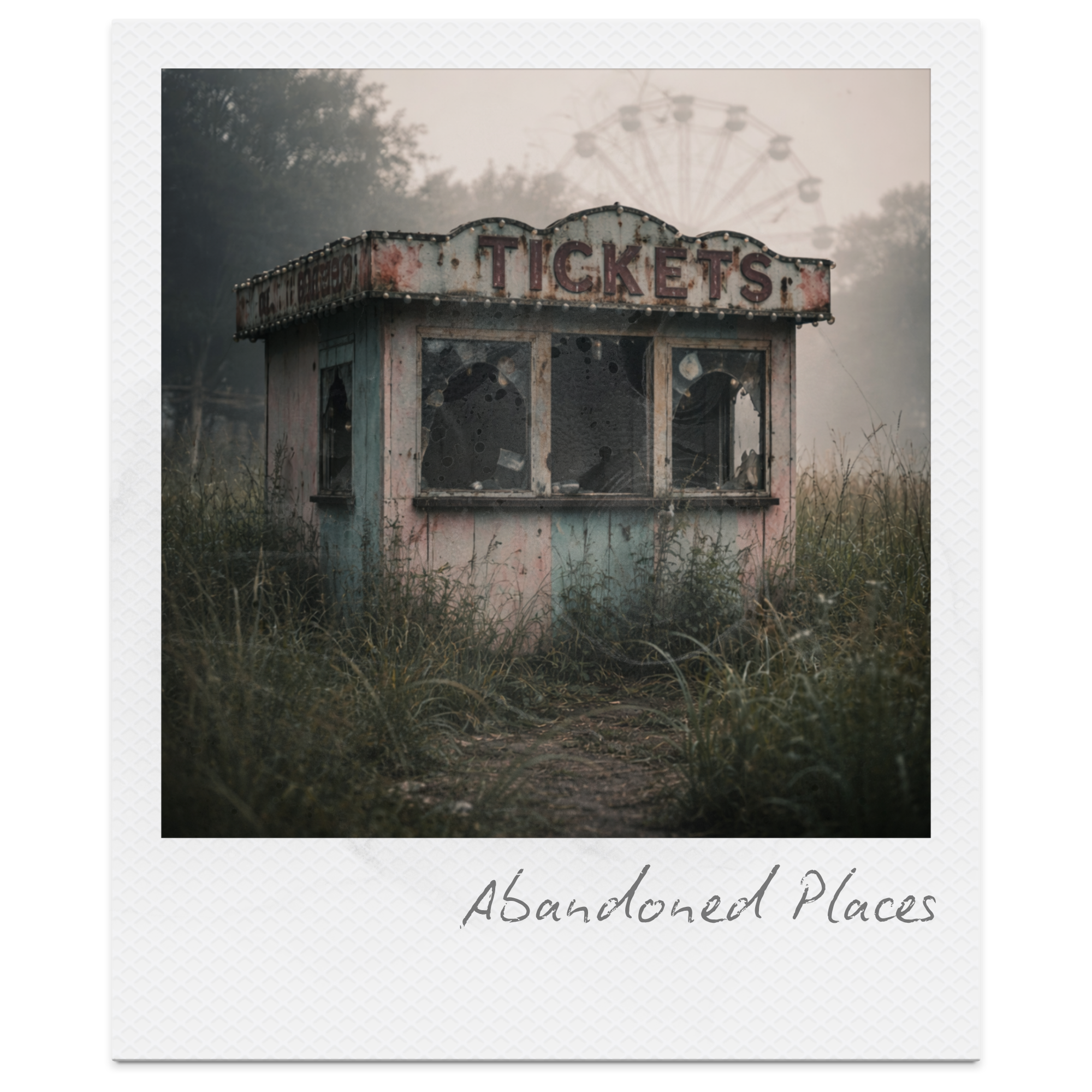
70 Abandoned Places Writing Prompts: Ruins, Empty Spaces & Forgotten Worlds
Abandoned places are some of the most powerful settings in horror, where absence becomes presence and silence carries its own kind of threat. These spaces are defined not just by what remains, but by what is missing — people, purpose, and the sense of safety that once existed there. In stories set in empty towns, derelict buildings, and forgotten landscapes, the past lingers in unsettling ways, creating tension through atmosphere alone. Nothing is ever entirely gone; it simply waits to be discovered. This collection of 70 Abandoned Places Writing Prompts explores ruins, empty spaces, and forgotten worlds through plot hooks, opening lines, character ideas, and cinematic inspiration. From decaying hospitals and deserted streets to isolated houses that feel anything but empty, these prompts are designed to help you build tension, atmosphere, and unease — where every space holds a story, and every silence suggests something more.
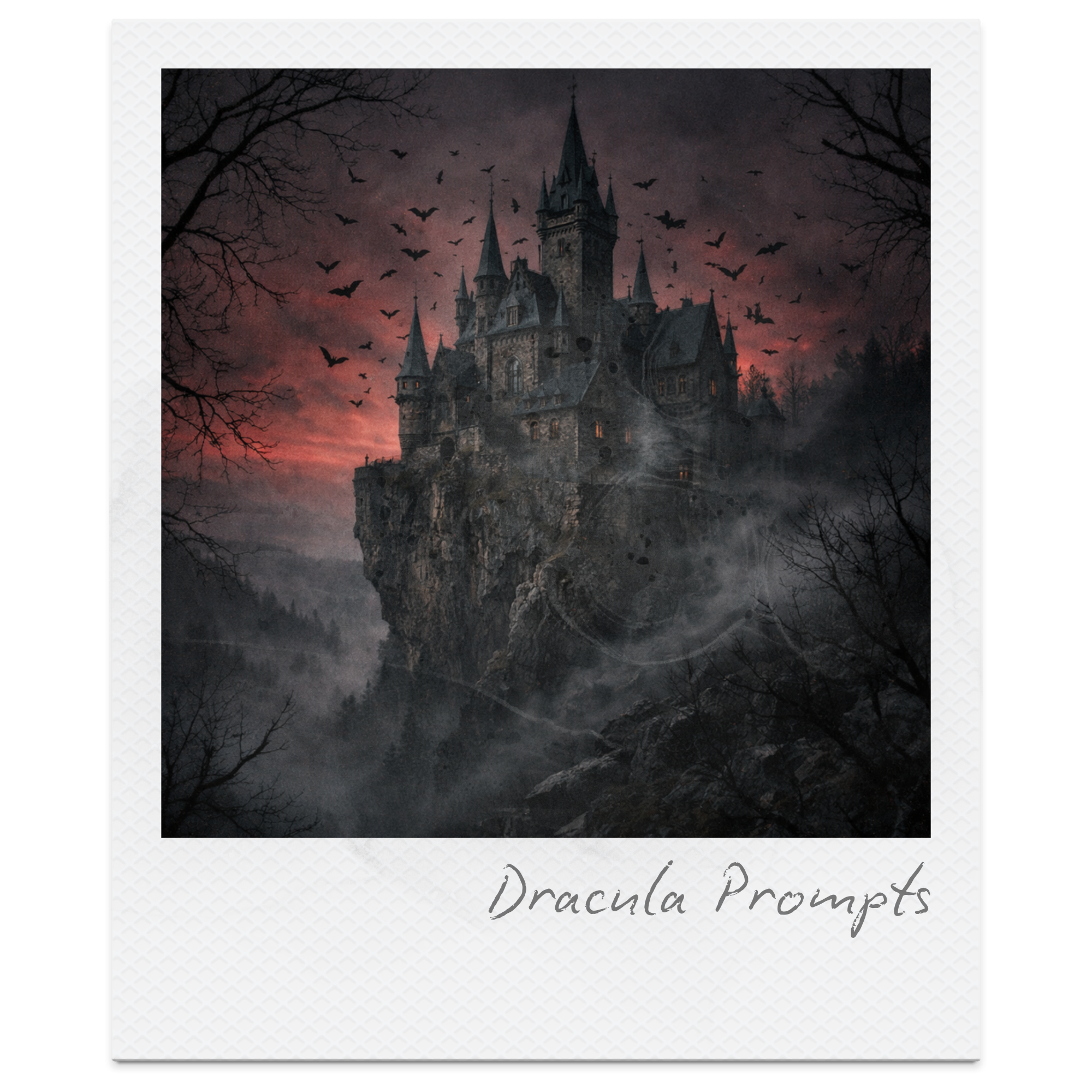
70 Creative Writing Prompts Inspired by Dracula: Gothic Horror, Letters & Unseen Shadows
Bram Stoker’s Dracula remains one of the most influential works of gothic fiction, blending eerie landscapes, secret diaries, unsettling discoveries and the slow realisation that something ancient is moving through the modern world. This collection of 70 creative writing prompts inspired by Dracula explores the novel’s atmosphere of creeping dread through plot hooks, opening lines, closing lines, characters, settings and visual prompts designed to spark dark and suspenseful storytelling. Whether you are teaching gothic literature or looking for atmospheric story ideas, these prompts draw on the themes and narrative techniques that make Dracula so powerful. Writers can experiment with epistolary storytelling, mysterious journeys, haunted locations and unsettling discoveries while developing their own gothic horror stories inspired by one of the genre’s most enduring novels.
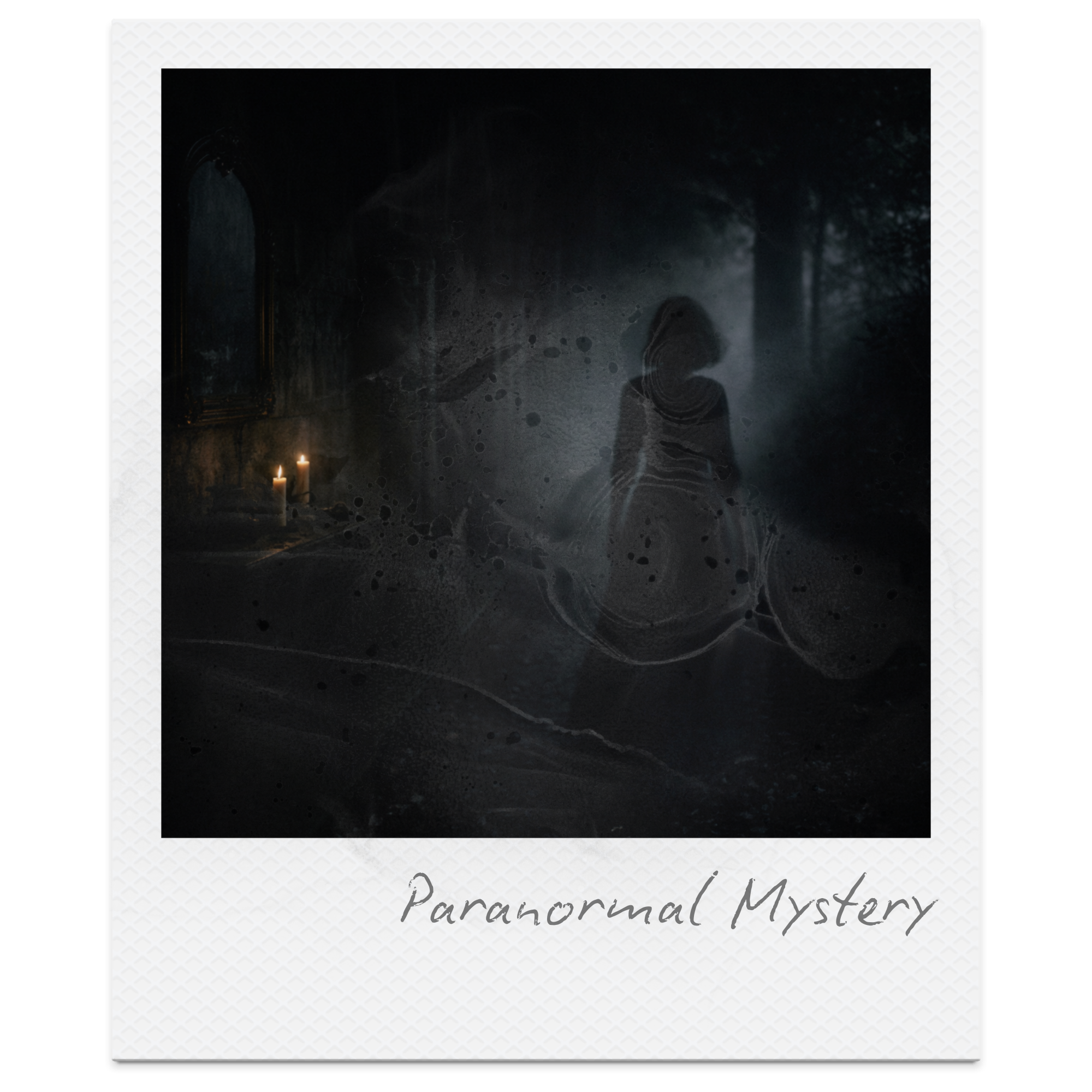
70 Paranormal Mystery Prompts for Teens: Story Starters, Titles, Characters, Settings & Visual Ideas
Paranormal mystery writing prompts for teens combine eerie atmosphere with investigation, logic, and unanswered questions. Unlike pure horror or fantasy, paranormal mystery stories focus on clues, unreliable evidence, and the tension between what can be explained and what refuses to make sense. This collection of 70 paranormal mystery writing prompts is designed to help teen writers develop suspense-driven narratives through plot hooks, story titles, opening and closing lines, character ideas, setting prompts, and visual inspiration. From missing person cases and coded messages to unsettling locations and unexplained phenomena, these prompts encourage writers to think like investigators while crafting stories rich in mood and mystery. Perfect for classroom creative writing, Halloween units, writing clubs, or independent practice, these paranormal mystery prompts support deeper storytelling, critical thinking, and atmosphere-led writing — without relying on shock or spectacle.
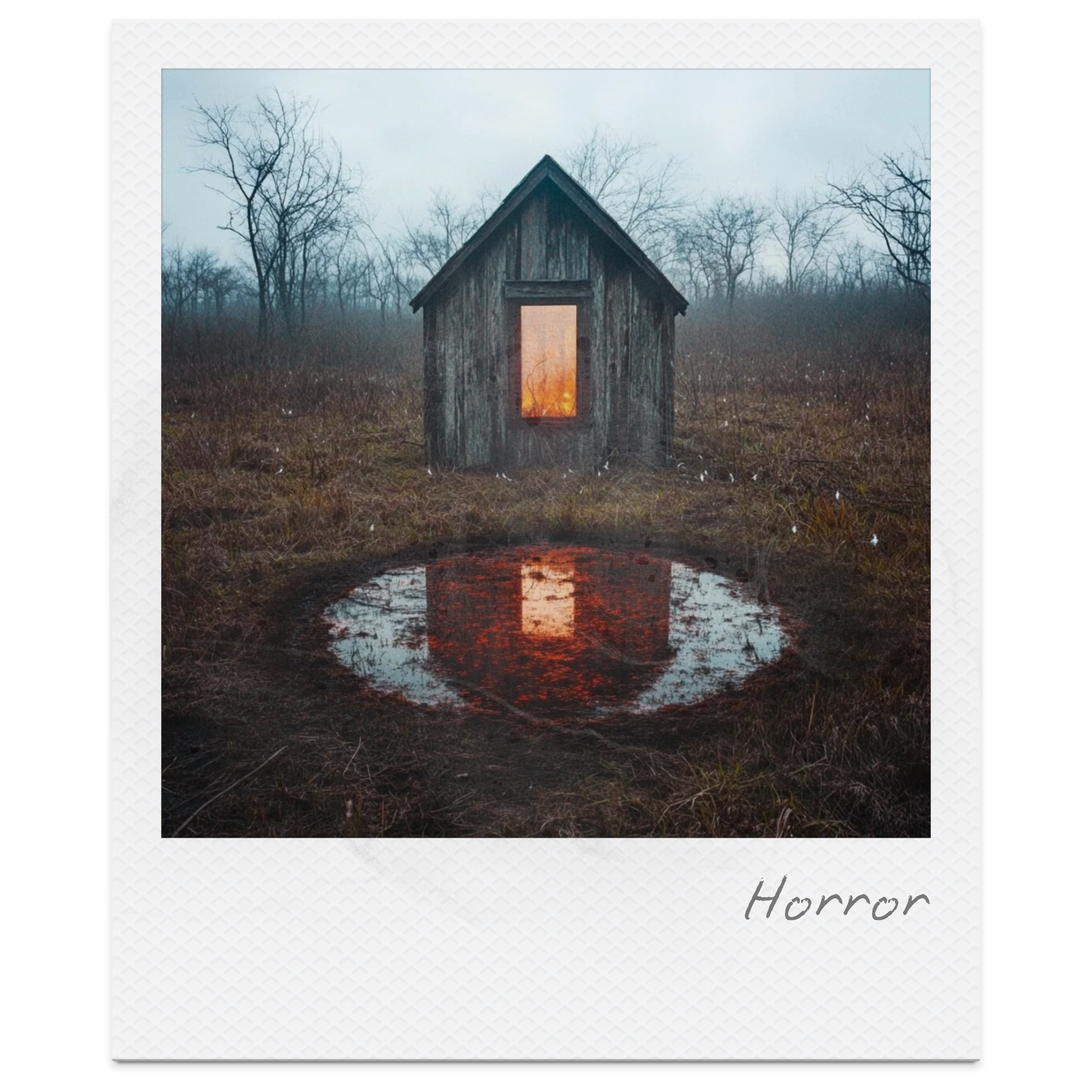
70 Horror Creative Writing Prompts for Teens: Story Starters, Titles, Characters, Settings & Visual Ideas
Explore 70 horror creative writing prompts for teens designed to build atmosphere, tension, and unsettling storytelling. This collection of horror writing prompts includes story starters, title ideas, eerie opening and closing lines, character concepts, unsettling settings, and image-based inspiration focused on psychological dread rather than jump scares. Ideal for classroom writing prompts, creative warm-ups, independent writing, or full horror writing units, these prompts help students practise voice, mood, and descriptive writing while exploring fear in a safe, creative way.