70 Coastal Horror Writing Prompts: Drowned Villages, Black Tides & Salt-Stained Secrets
Coastal horror transforms the sea into something ancient, hostile, and unknowable. Unlike coastal gothic, which often leans into melancholy ruins, windswept romance, isolated lighthouses, and decaying seaside beauty, coastal horror focuses on dread, inevitability, survival, and the terrifying feeling that the ocean is alive — and watching. These stories explore black tides, drowned villages, abandoned harbours, sea caves, shipwrecks, storm surges, coastal disappearances, and ancient things waiting beneath the waterline.
Some of the most effective coastal horror stories use atmosphere and environmental terror to create fear. The Shadow over Innsmouth by H. P. Lovecraft transforms an isolated fishing town into a place of corruption and ancient sea worship, while The Fog by John Carpenter turns rolling coastal mist into a supernatural threat carrying the dead ashore. Stories such as The Terror, Cold Skin, The Lighthouse, Dark Matter, and Dead Calm combine isolation, violent weather, maritime folklore, psychological collapse, and the terrifying indifference of the sea itself. Coastal horror frequently explores themes of obsession, survival, inherited curses, ancient rituals, disappearing communities, drowned memory, and humanity’s helplessness against vast natural forces.
Coastal horror settings are often bleak, isolated, and deeply atmospheric — storm-battered cliffs, flooded graveyards, abandoned piers, black beaches, sea caves, rusting trawlers, submerged towns, offshore platforms, forgotten islands, drowned forests, and harbours swallowed by fog. These environments become terrifying because the sea constantly changes them, erases evidence, and hides things beneath the tide.
This collection of 70 Coastal Horror Writing Prompts is designed as a complete creative toolkit, combining plot hooks, title ideas, opening lines, closing lines, character ideas, setting prompts, and cinematic visual inspiration. These prompts explore drowned revenants, impossible tides, maritime curses, sea rituals, abandoned vessels, coastal disappearances, deep water terror, black storms, forgotten islands, and ancient horrors waiting beneath the waves.
If you would like to explore more unsettling horror concepts, eerie atmospheric storytelling, and dark speculative fiction, you can browse the Creative Writing Archive or discover psychological dread, folk terror, and cinematic horror inside the Horror Writing Hub.
1. Plot Hooks
Coastal horror stories often begin with disappearances, strange tides, isolated communities, abandoned vessels, drowned legends, and something ancient returning from the sea.
Write about a fishing village where the tide brings back the bodies of people who drowned decades earlier.
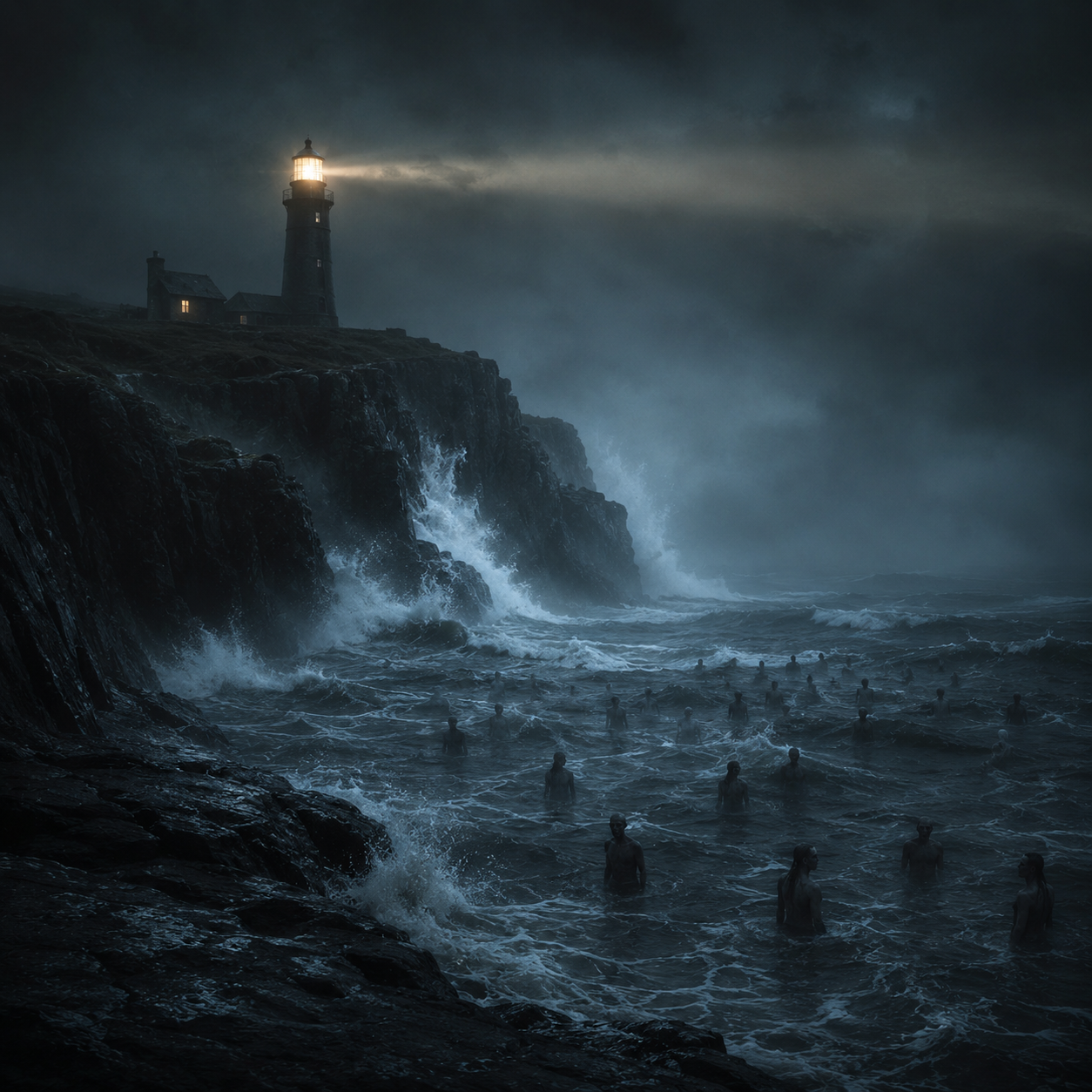
Write about a lighthouse keeper who begins seeing human figures standing motionless in the waves every night after a storm.
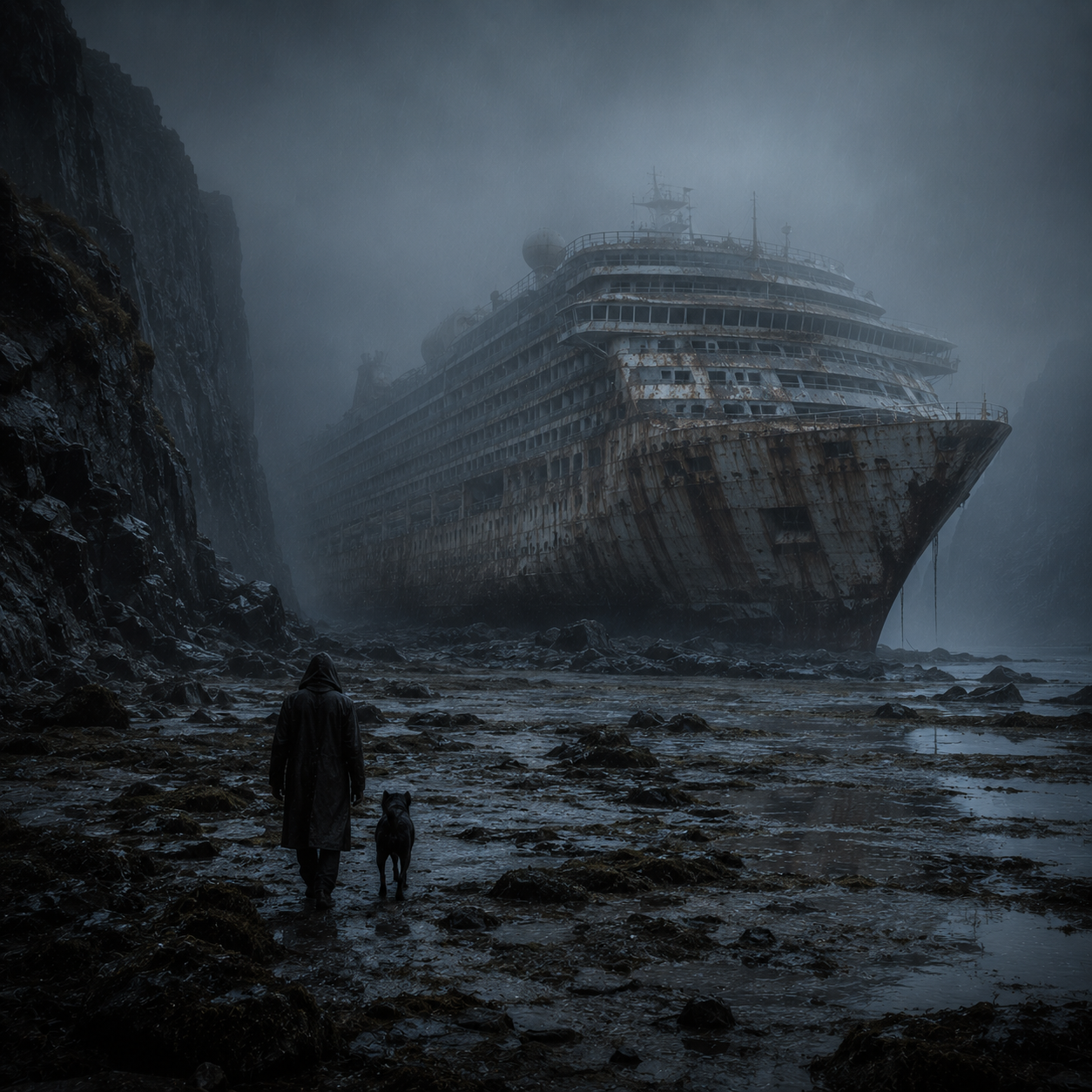
Write about an abandoned cruise ship discovered stranded between cliffs during an unnatural low tide.
Write about a coastal town where every dog begins barking toward the ocean at exactly midnight.
Write about divers exploring a submerged church bell tower far beneath the sea.
Write about a woman who discovers her impossibly long hair continues growing after surviving a shipwreck.
Write about a harbour where dozens of empty boats drift back to shore with wet footprints inside.
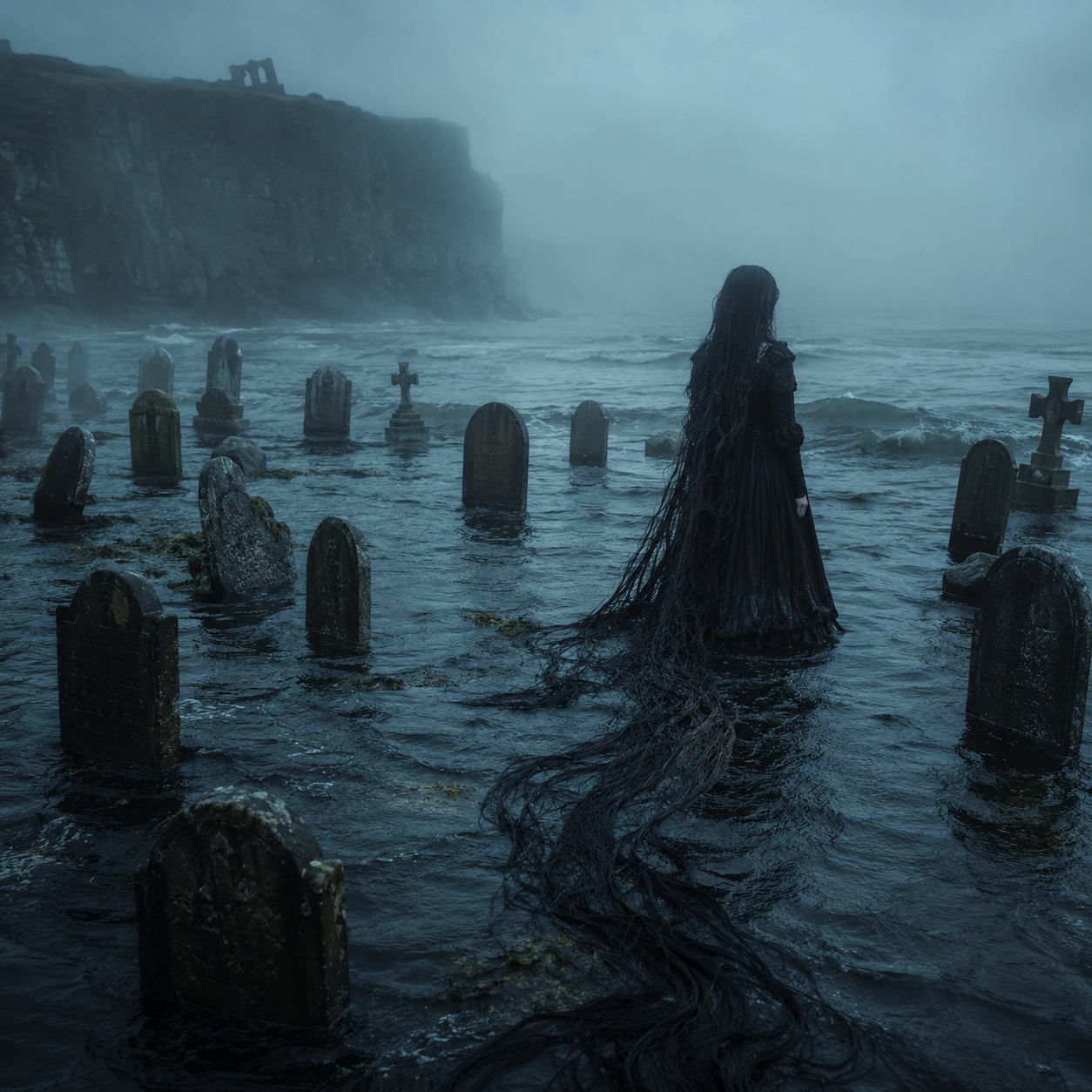
Write about a storm that reveals an entire drowned cemetery beneath the coastline.
Write about a marine biologist studying a section of ocean where all sound suddenly disappears.
Write about an isolated island where the tide never recedes naturally anymore.
2. Title Ideas
Coastal horror titles often evoke storms, tides, shipwrecks, drowning, sea folklore, isolation, and ancient maritime dread.
The Tide Returned Them
Beneath Black Water
The Drowned Harbour
Salt in the Graveyard
Low Tide at Black Hollow
The Lighthouse Below the Sea
When the Fog Came Ashore
The Sea Keeps Its Dead
The Bell Beneath the Cliffs
Found Floating Offshore
3. Opening Lines
Coastal horror openings often establish environmental dread immediately through weather, isolation, strange tides, silence, or something emerging from the sea.
The bodies arrived with the morning tide.
Nobody in the village would go near the cliffs after dark anymore.
At low tide, you could finally see the gravestones beneath the water.
The fog rolled in silently, swallowing the harbour lights one by one.
We found the ship where no ship should have been able to reach.
The sea had been unusually quiet for three straight days.
Every radio in town started broadcasting the same distress signal at midnight.
Something enormous moved beneath the fishing boat just before dawn.
The lighthouse beam kept stopping at the exact same point in the ocean.
By morning, the tide line was covered in human footprints leading inland.
4. Closing Lines
Coastal horror endings often leave behind uncertainty, isolation, drowned evidence, or the horrifying suggestion that the sea is still waiting.
At sunrise, the entire village had disappeared beneath the tide.
The final footprints ended at the water’s edge.
Somewhere offshore, the foghorn sounded again.
The lighthouse beam never stopped pointing toward the same place.
Deep beneath the waves, something opened its eyes.
The tide erased every trace of the bodies by morning.
We realised too late that the voices were coming from beneath the water.
The sea returned for the rest of them before dawn.
Long after the storm ended, the bell continued ringing beneath the cliffs.
Far out in the darkness, dozens of figures still stood motionless in the surf.
5. Character Ideas
Coastal horror characters are often isolated, obsessive, grieving, or trapped between survival and superstition.
A lighthouse keeper slowly losing track of how many figures appear below the cliffs each night.
A marine archaeologist obsessed with a shipwreck nobody else can locate twice.
A storm chaser documenting increasingly unnatural tides along the coastline.
A widow convinced her drowned husband has returned from the sea.
A harbourmaster investigating why abandoned boats keep appearing overnight.
A teenager trapped inside a flooded seaside town during a storm surge.
A fisherman who refuses to speak about what he saw beneath his trawler nets.
A historian uncovering records of an entire coastal village erased from maps.
A diver recovering strange religious artefacts from a submerged cave system.
A ferryman transporting passengers to an island nobody else remembers existing.
6. Setting Ideas
Coastal horror settings often combine isolation, violent weather, environmental decay, and the constant threat of deep water.
A flooded graveyard slowly disappearing beneath rising tides.
A rusting trawler graveyard hidden within dense coastal fog.
A storm-battered lighthouse built atop black volcanic cliffs.
An abandoned amusement pier where silhouettes move beneath the water.
A drowned village visible only during extreme low tide.
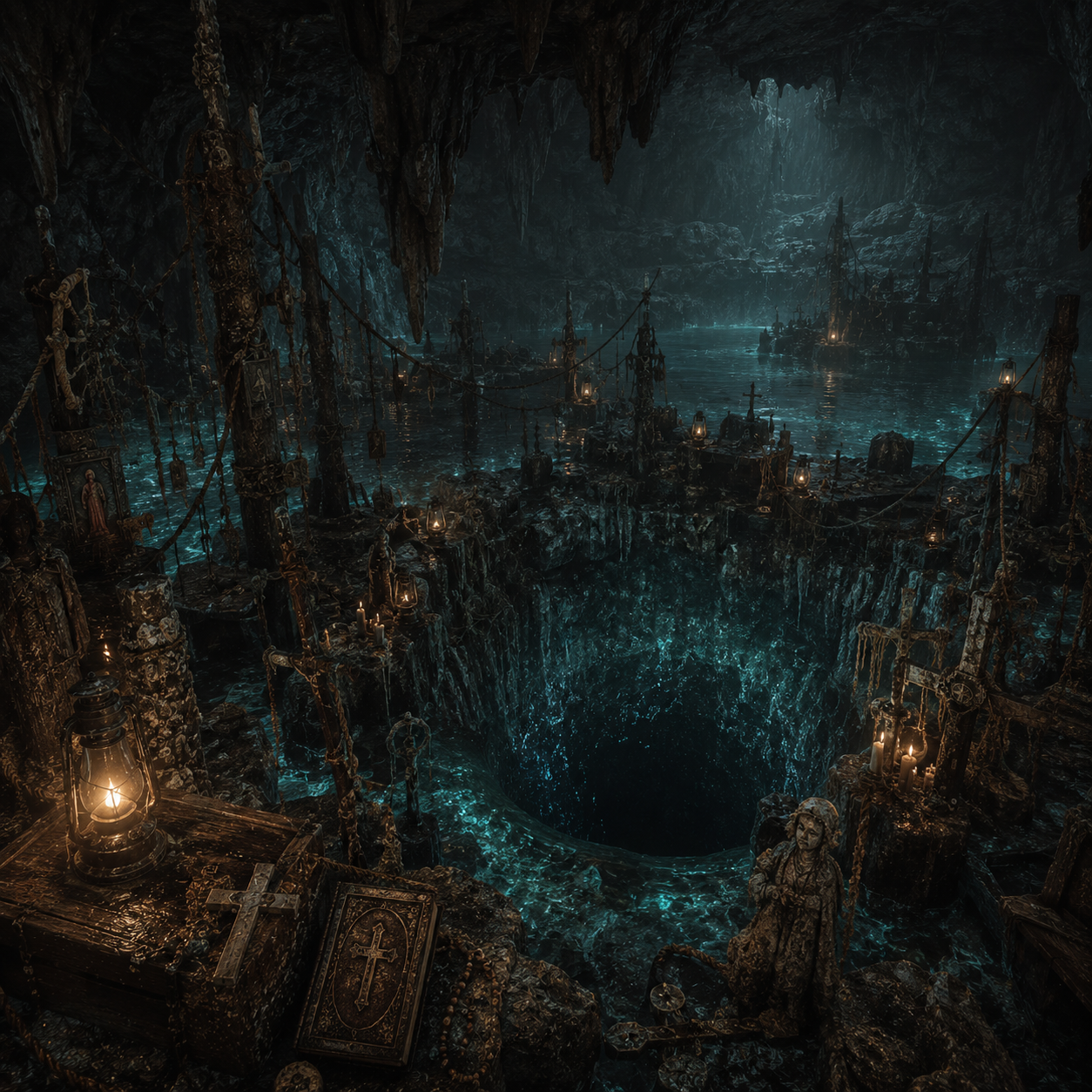
A sea cave filled with ritual offerings and salt-covered crosses.
A remote island connected to the mainland by a causeway swallowed by tides.
A coastal caravan park evacuated after repeated disappearances.
An offshore drilling platform isolated during a violent storm.
A harbour town where the ocean has begun flooding the streets permanently.
7. Picture Prompts
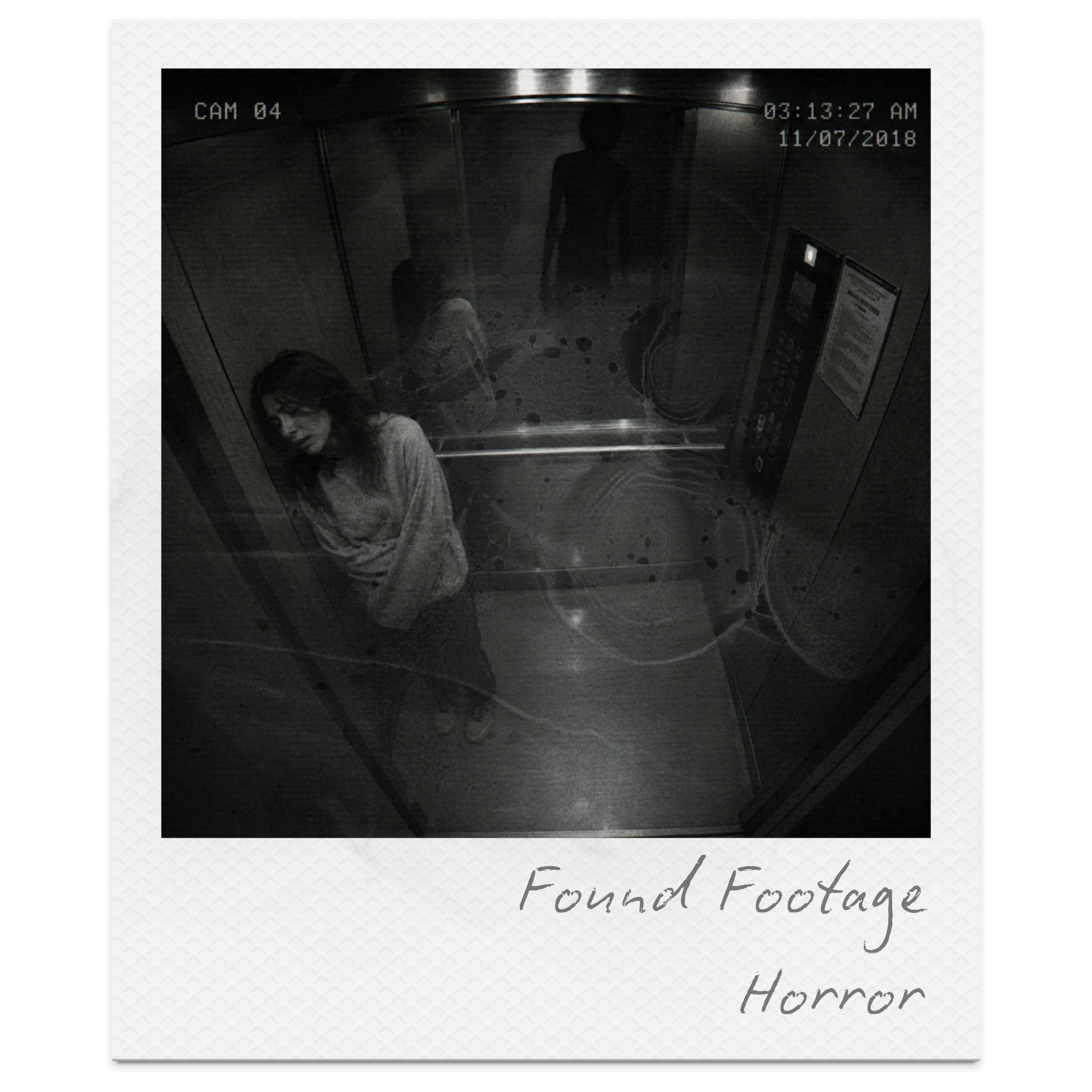
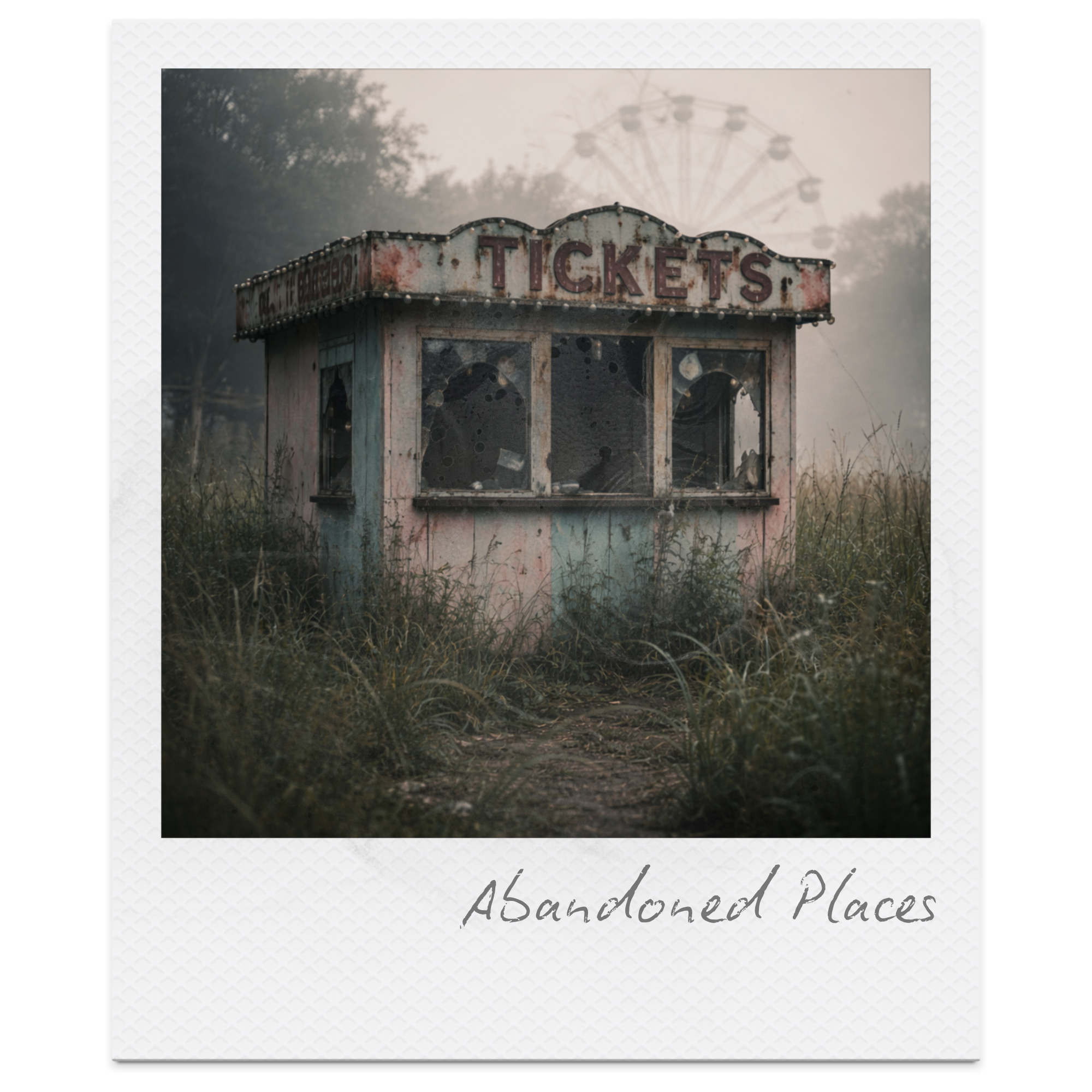
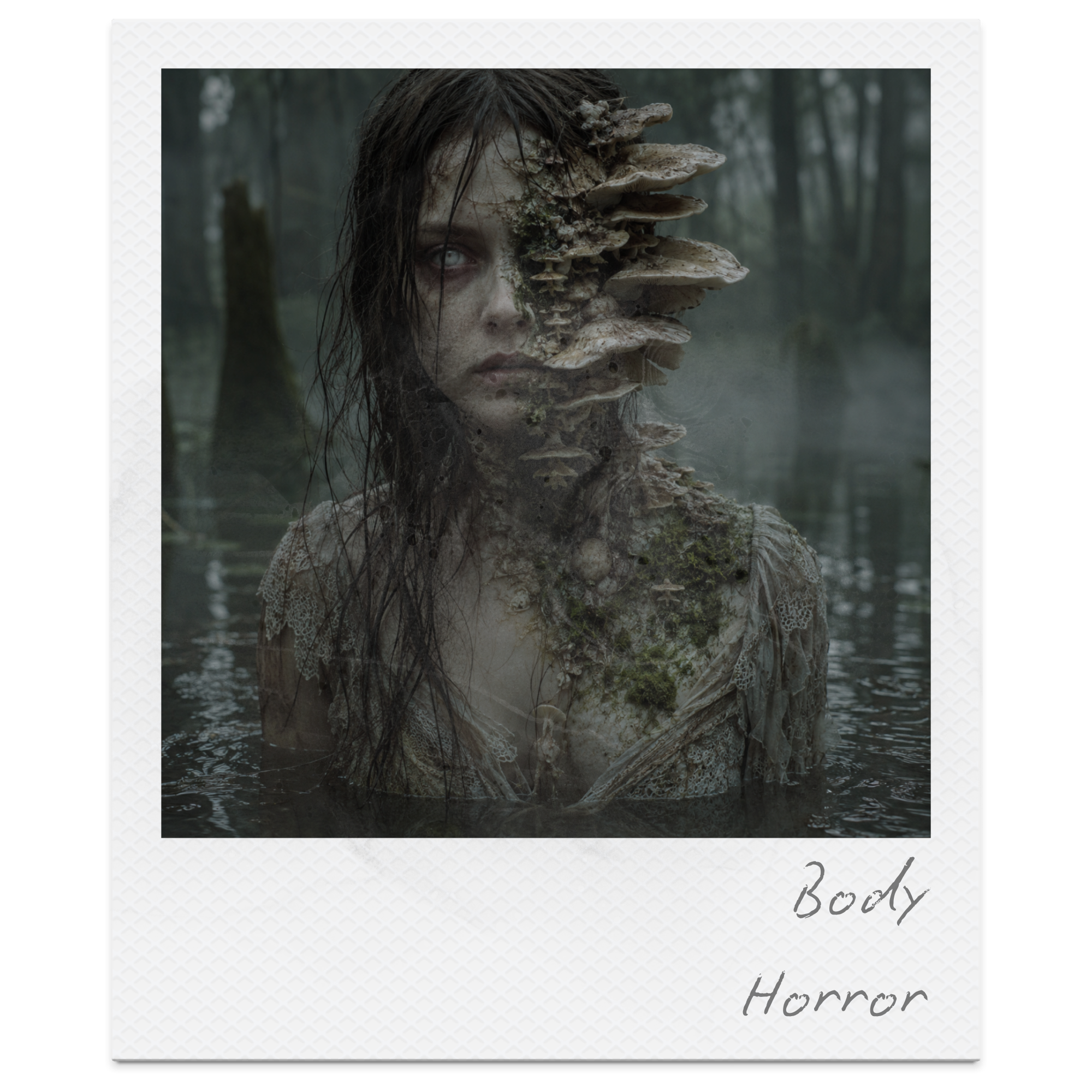
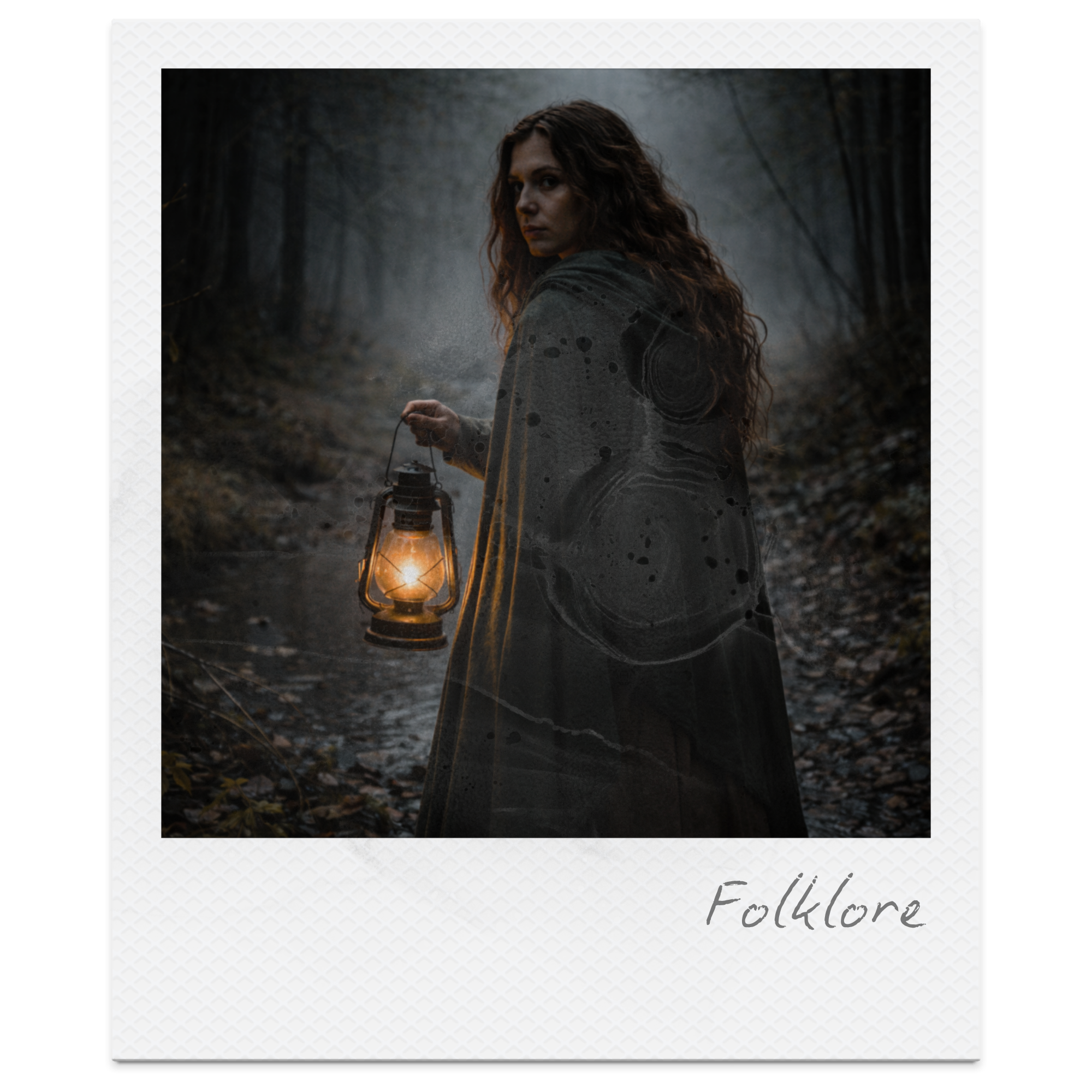
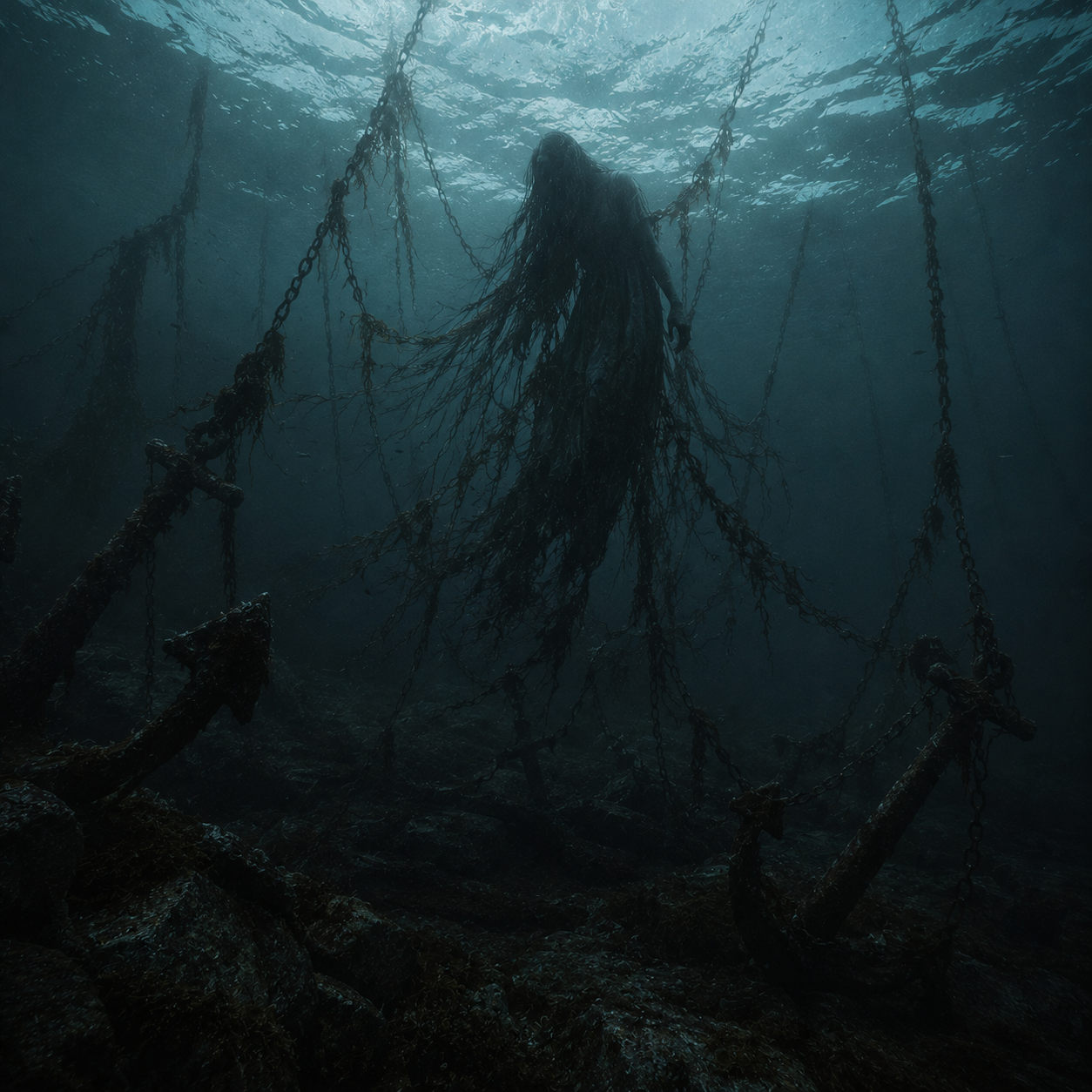
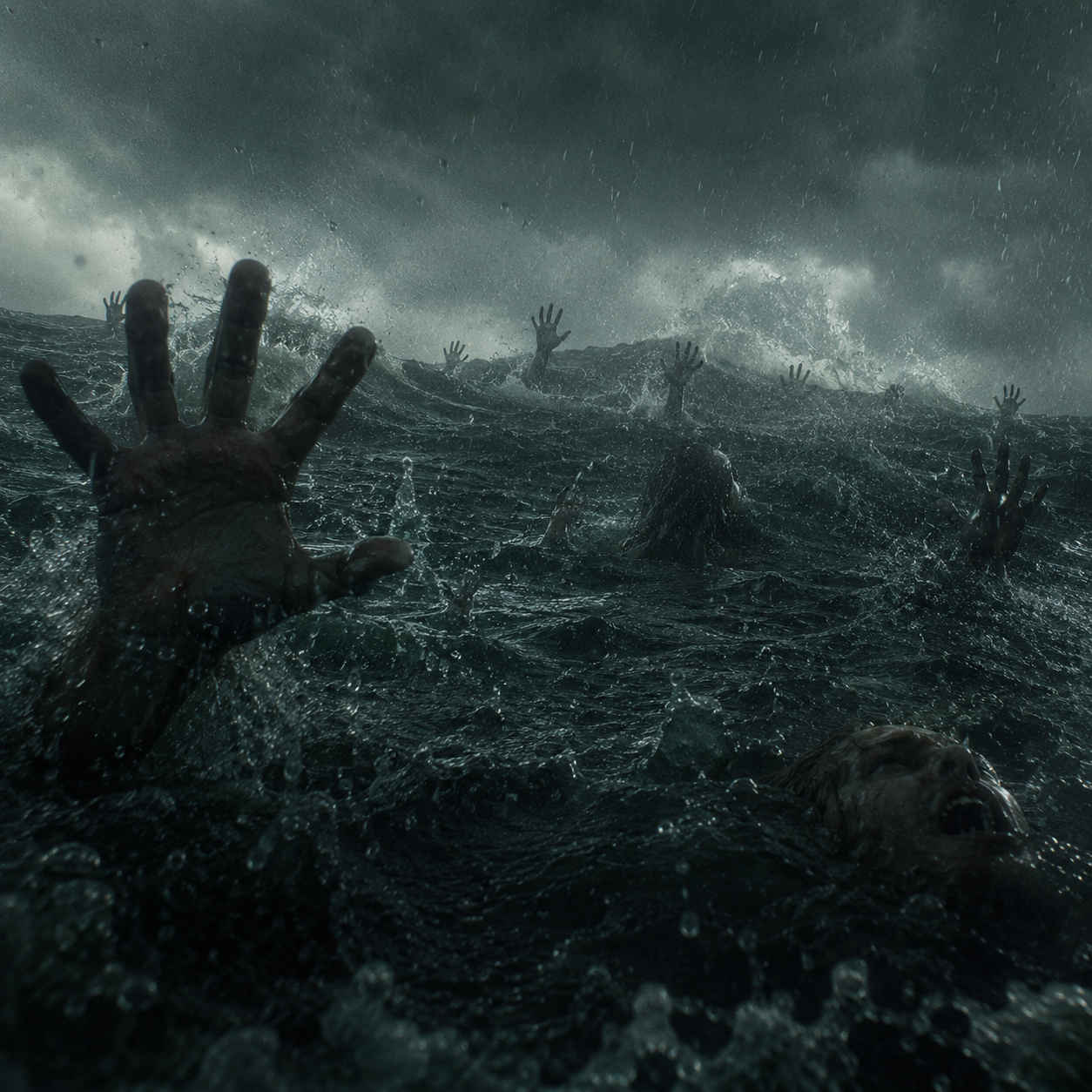
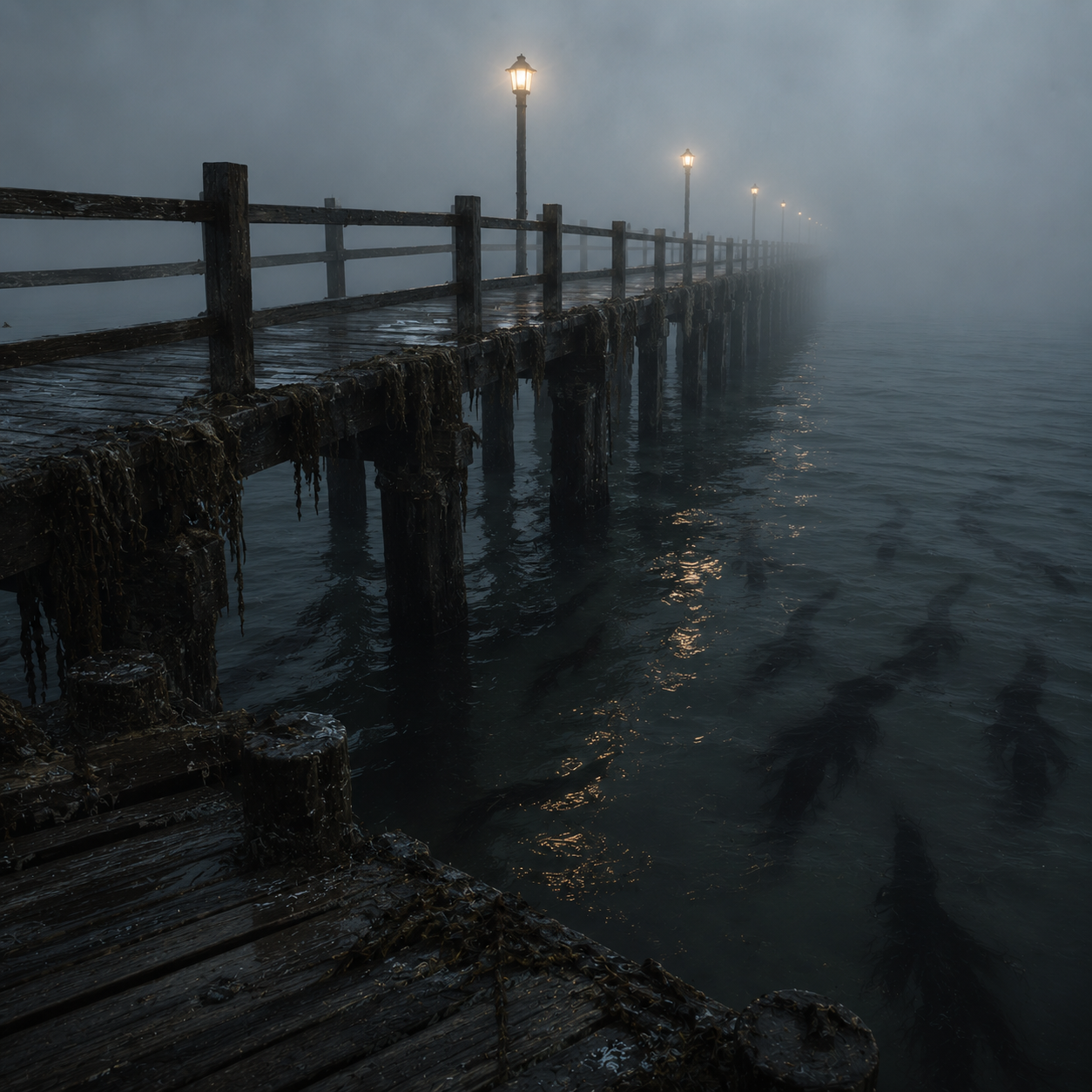
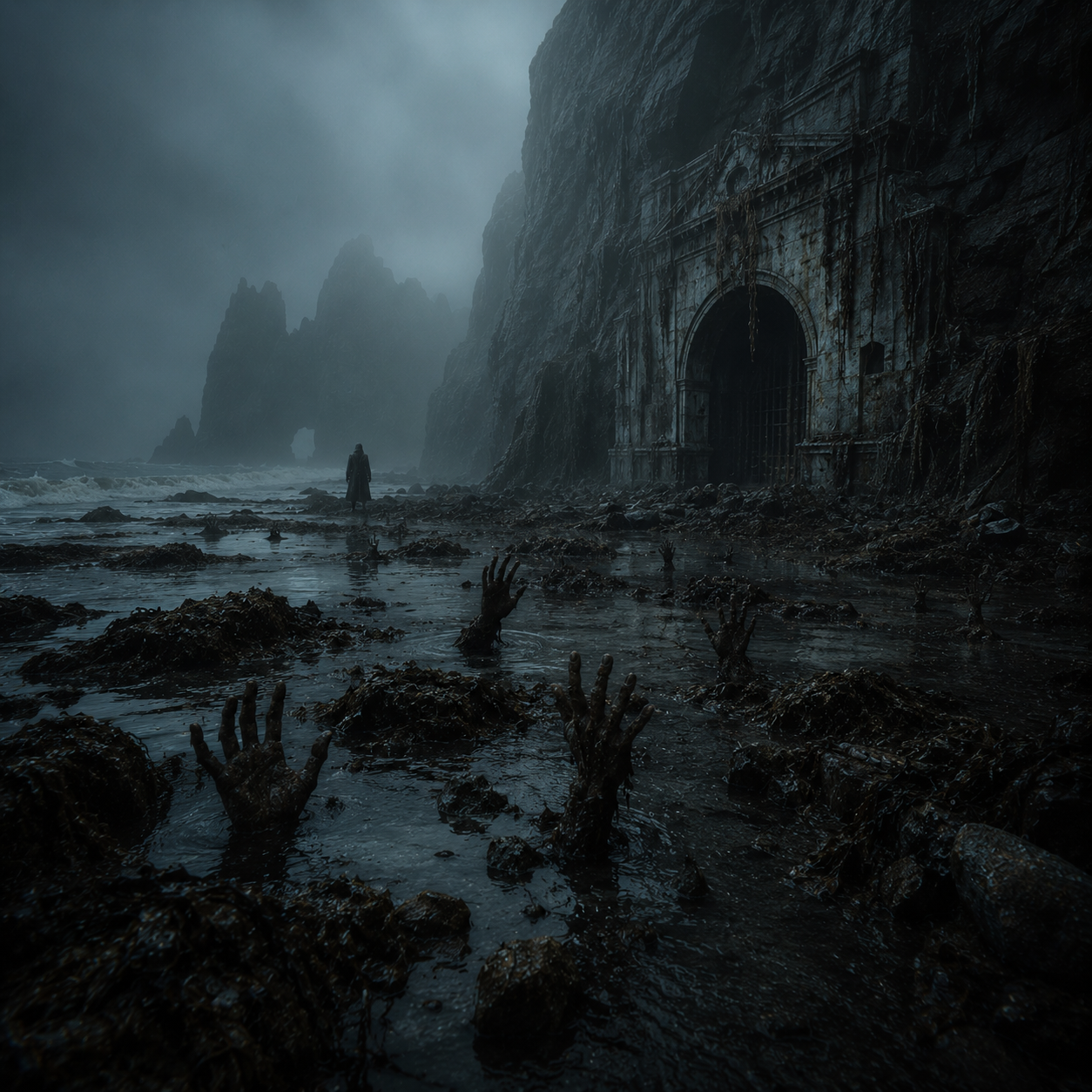
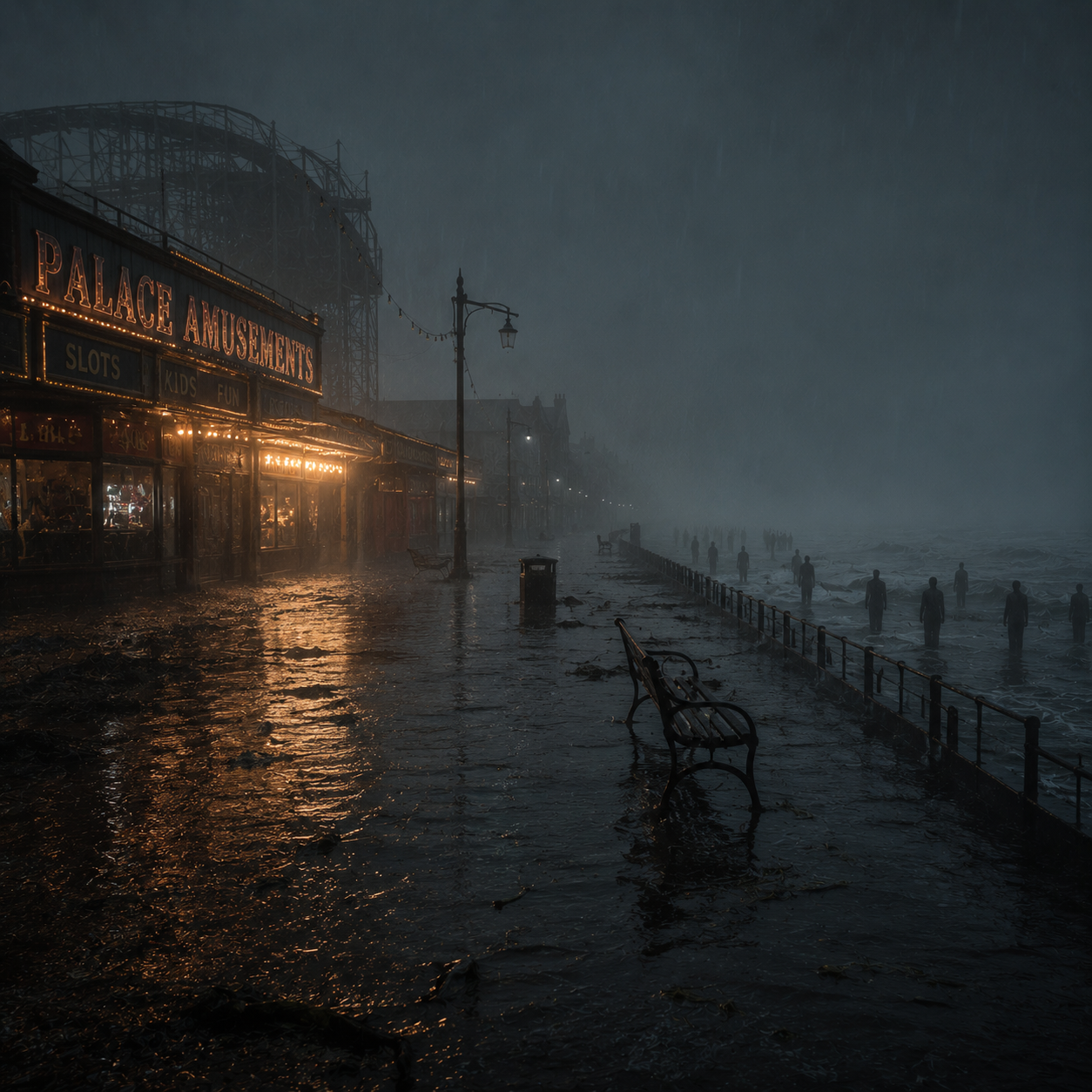
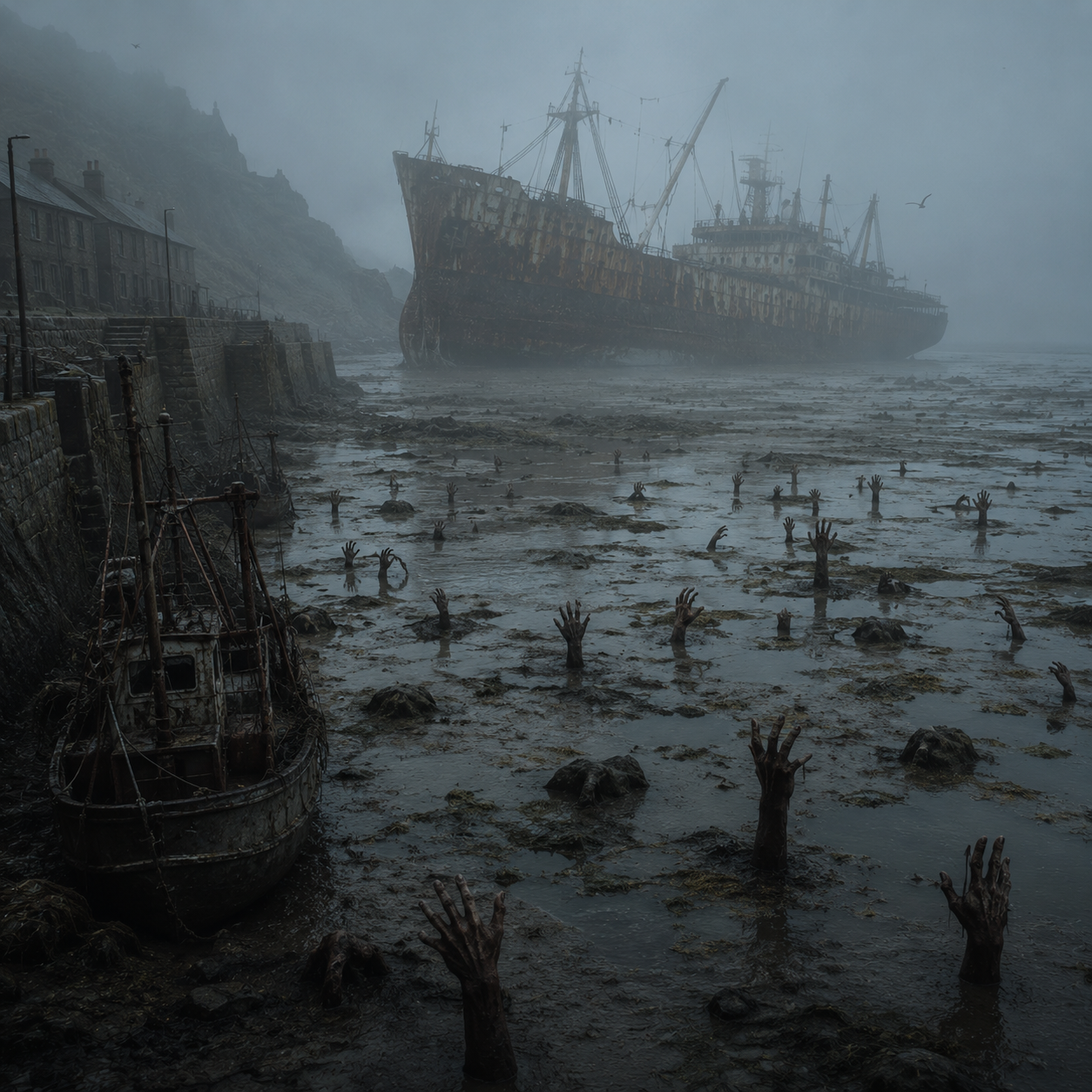
Visual prompts are especially effective for coastal horror because atmosphere depends heavily on isolation, weather, scale, darkness, and environmental storytelling. Fog-shrouded coastlines, flooded graveyards, drowned figures, black tides, abandoned vessels, sea caves, offshore lights, impossible silhouettes, and storm-battered cliffs all encourage stories shaped by survival, ancient fear, and the terrifying unpredictability of the ocean itself.
Go Deeper into Coastal Horror
Coastal horror becomes more unsettling when writers focus on environmental dread, isolation, unpredictable weather, ancient folklore, and the terrifying idea that the sea hides things far older and larger than humanity.
◆ Write a scene where the tide reveals something that should have remained buried beneath the coastline.
◆ Explore how fog and storms distort visibility, distance, and sound until familiar places become threatening.
◆ Describe the emotional effect of hearing something moving beneath black water at night.
◆ Write about a character slowly becoming obsessed with returning to the ocean despite knowing something is wrong.
◆ Explore how abandoned harbours, flooded graveyards, and rusting ships create environmental unease before any supernatural horror appears.
◆ Describe a coastal community that treats horrifying sea rituals as completely normal.
Final Thoughts
Coastal horror combines isolation, environmental terror, maritime folklore, violent weather, and ancient fear to create stories shaped by dread and inevitability. These narratives often explore humanity’s fragility against vast natural forces, the terrifying unpredictability of the ocean, and the horrifying idea that the sea never truly gives up its dead. Unlike more romantic coastal gothic fiction, coastal horror focuses on survival, disappearance, drowning, corruption, and the ancient things hidden beneath black water.
These 70 Coastal Horror Writing Prompts invite writers to explore storm-battered coastlines, drowned graveyards, abandoned harbours, black tides, sea rituals, impossible shipwrecks, offshore mysteries, and terrifying things waiting beneath the waves. Whether used for classroom writing, horror planning, speculative fiction, dark fantasy, or cinematic storytelling, these prompts encourage atmospheric narratives filled with tension, mystery, and escalating dread.
If you would like to explore more atmospheric horror storytelling, eerie speculative fiction, and psychological dread, you can browse the Creative Writing Archive or discover unsettling narratives, folk terror, and cinematic fear inside the Horror Writing Hub.
Choose Your Next Text