Notes from the Inkpot
Writing, teaching, creating - one ink-stained idea at a time.


70 Coastal Horror Writing Prompts: Drowned Villages, Black Tides & Salt-Stained Secrets
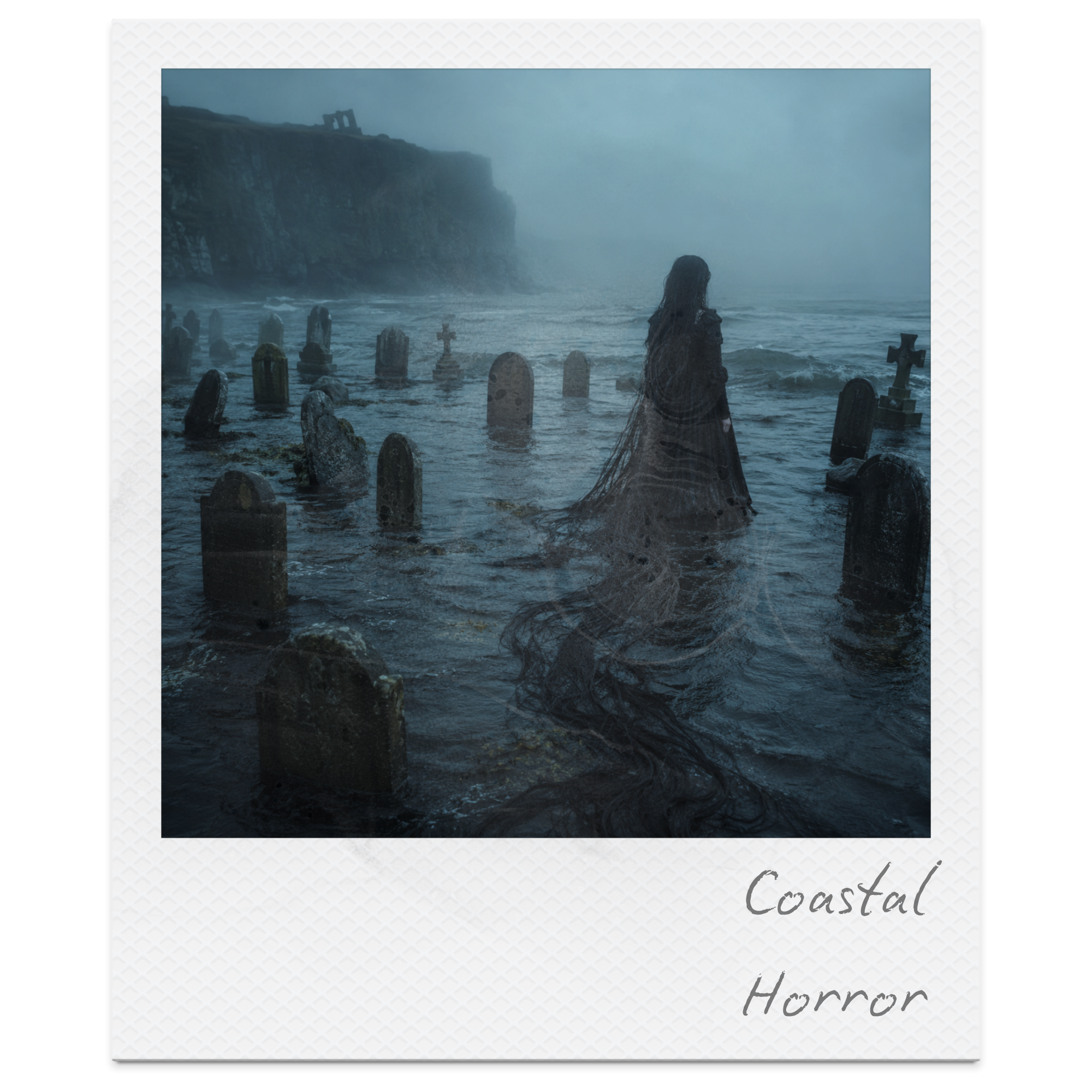
Coastal horror transforms the sea into something ancient, hostile, and unknowable. Unlike coastal gothic, which often leans into melancholy ruins, windswept romance, isolated lighthouses, and decaying seaside beauty, coastal horror focuses on dread, inevitability, survival, and the terrifying feeling that the ocean is alive — and watching. These stories explore black tides, drowned villages, abandoned harbours, sea caves, shipwrecks, storm surges, coastal disappearances, and ancient things waiting beneath the waterline.
Some of the most effective coastal horror stories use atmosphere and environmental terror to create fear. The Shadow over Innsmouth by H. P. Lovecraft transforms an isolated fishing town into a place of corruption and ancient sea worship, while The Fog by John Carpenter turns rolling coastal mist into a supernatural threat carrying the dead ashore. Stories such as The Terror, Cold Skin, The Lighthouse, Dark Matter, and Dead Calm combine isolation, violent weather, maritime folklore, psychological collapse, and the terrifying indifference of the sea itself. Coastal horror frequently explores themes of obsession, survival, inherited curses, disappearing communities, drowned memory, and humanity’s helplessness against vast natural forces. These stories thrive in environments shaped by erosion, storms, and isolation — flooded graveyards, black cliffs, rusting shipwrecks, drowned forests, abandoned piers, offshore platforms, and harbours swallowed by fog. The coastline constantly changes, concealing evidence beneath tides and dragging forgotten things back to shore. In coastal horror, the sea is never just a setting. It becomes a force capable of watching, waiting, and reclaiming whatever belongs to it.
70 Folk Horror Writing Prompts: Rituals, Isolated Villages & Ancient Dread
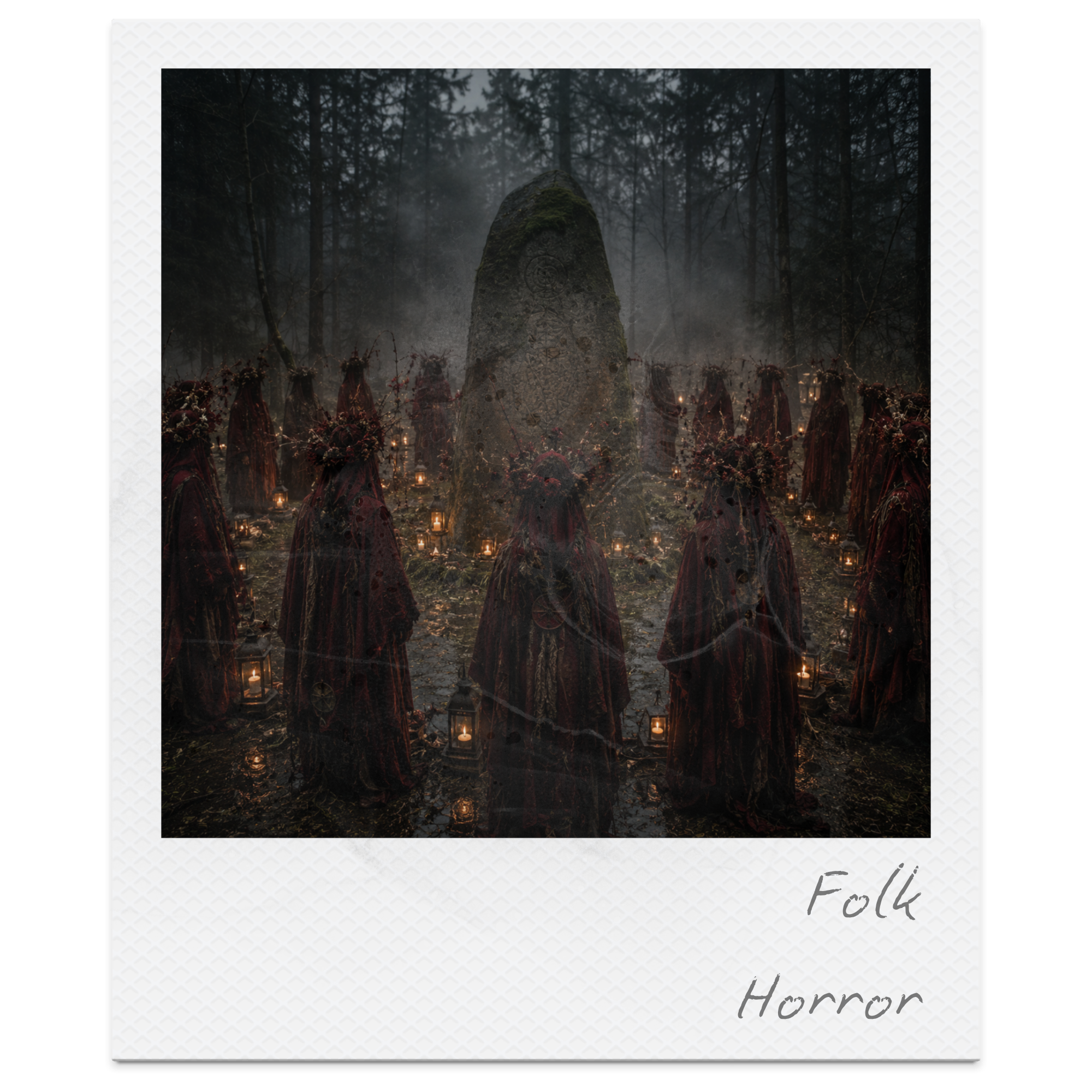
Folk horror combines folklore, ritual, superstition, isolation, and landscape-driven terror to create stories shaped by ancient fears and collective belief. Unlike fast-paced modern horror, folk horror often unfolds slowly through atmosphere, rural settings, hidden traditions, strange ceremonies, and the growing sense that an isolated community is protecting something ancient and dangerous. These stories frequently explore the tension between modern rationality and older belief systems rooted in nature, sacrifice, seasonal ritual, and inherited violence. This collection of 70 Folk Horror Writing Prompts explores cult rituals, abandoned villages, antlered figures, standing stones, drowned churches, hidden gods, scarecrow effigies, harvest festivals, swamp rituals, and ancient traditions buried deep within isolated landscapes. Designed for atmospheric horror writers, folklore-inspired fiction, and dark speculative storytelling, these prompts combine plot ideas, opening lines, eerie settings, cinematic picture prompts, and unsettling character concepts to inspire haunting stories filled with ritual, dread, and psychological unease.
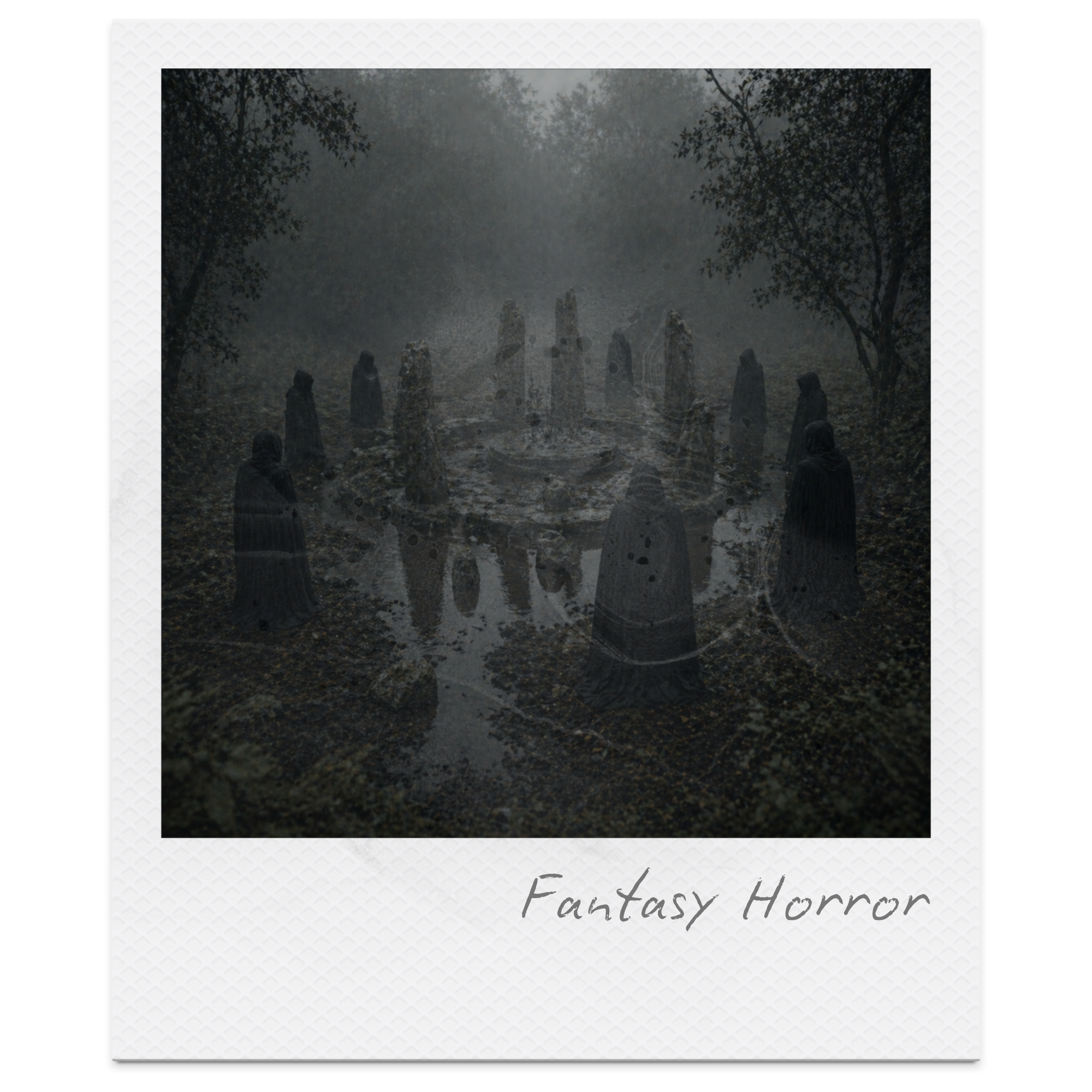
70 Fantasy Horror Writing Prompts: Dark Magic, Corruption, and Unseen Forces
Fantasy horror exists where imagination turns against itself—where magic is no longer a source of wonder, but something unstable, corrupting, and deeply unsettling. In these worlds, power comes with consequences, knowledge reveals more than it should, and reality itself begins to shift under pressure. From cursed landscapes to ancient forces lurking beneath the surface, fantasy horror explores what happens when the unknown cannot be controlled. This collection of 70 Fantasy Horror Writing Prompts is designed to help you build dark, immersive worlds shaped by tension, atmosphere, and psychological unease. Whether you are exploring corrupted magic, hidden systems, or the quiet dread of something watching from beyond, these prompts offer a complete toolkit to develop stories that feel rich, cinematic, and haunting long after they end.