A Warning to the Curious by M.R. James: Summary, Themes & Analysis:::
Introduction to A Warning to the Curious
M.R. James’s A Warning to the Curious is a deeply unsettling Gothic ghost story exploring curiosity, fear, historical memory, guilt, and the dangerous consequences of disturbing what should remain hidden. Through the isolated coastal setting of Seaburgh, the mysterious Anglo-Saxon crown, and the increasingly terrified figure of Paxton, James creates an atmosphere of mounting dread in which the past feels terrifyingly alive and capable of violent revenge. The story combines supernatural horror with psychological tension, gradually transforming historical curiosity into a fatal act of intrusion.
What makes the story especially powerful is the way James blends ordinary realism with growing supernatural unease. The detailed descriptions of landscape, folklore, and physical setting make the haunting feel disturbingly believable, while the ambiguity surrounding William Ager creates lingering fear long after the story ends. A Warning to the Curious remains one of James’s most memorable stories because it explores the idea that history, tradition, and the dead themselves may resist modern attempts to possess or exploit them. If you are studying or teaching Stories of Ourselves for CIE IGCSE World Literature (0408), explore the full anthology in the Stories of Ourselves Volume 2 Hub, or discover more prose and poetry analysis in the Literature Library.

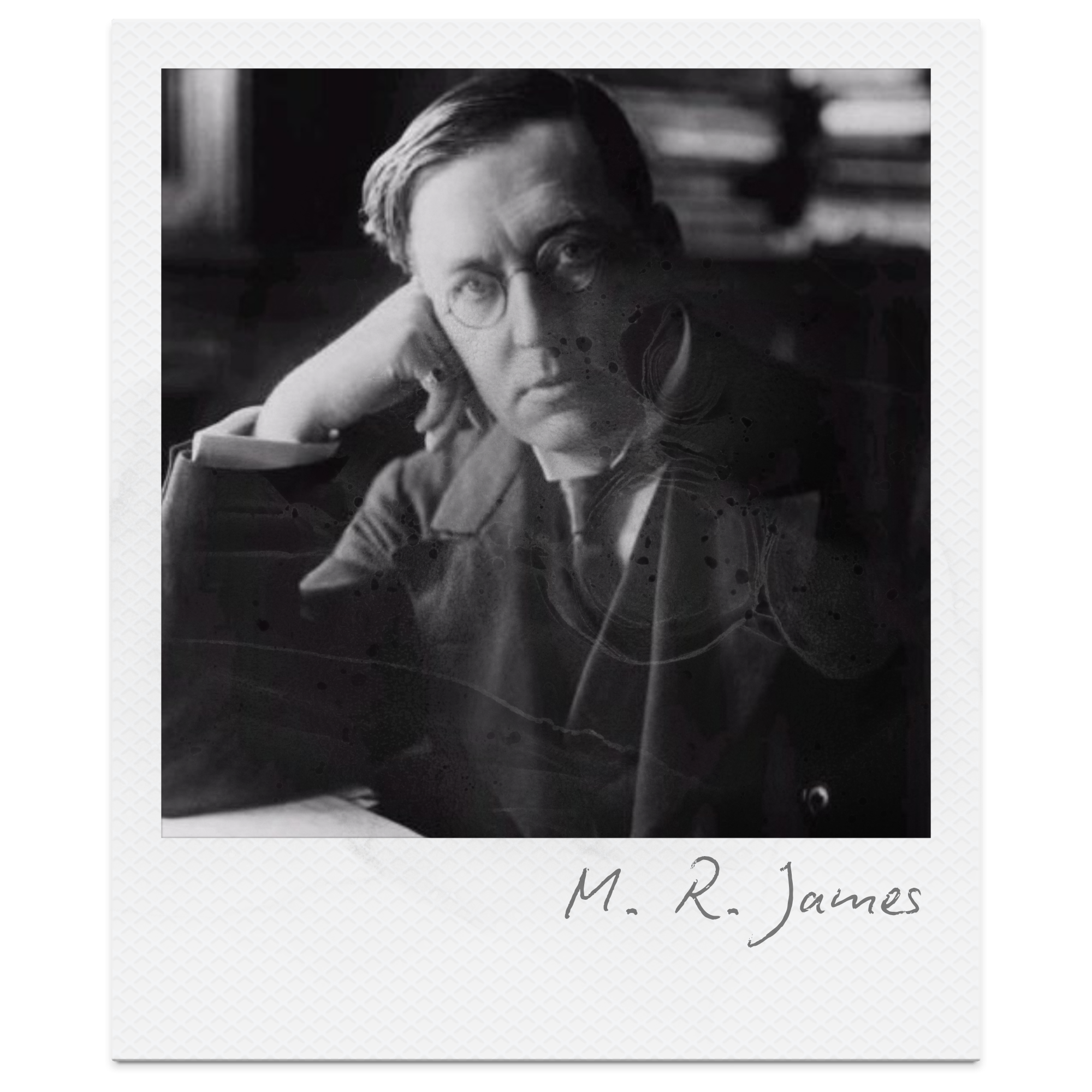
Context of A Warning to the Curious
M.R. James wrote during the late Victorian and early twentieth-century period, a time when interest in antiquarianism, archaeology, folklore, and England’s historical past was especially strong. Many educated readers were fascinated by ancient manuscripts, churches, burial sites, and medieval artefacts, yet James repeatedly transforms these scholarly interests into sources of supernatural danger. In A Warning to the Curious, curiosity about history becomes dangerous because Paxton attempts to possess and remove an object connected to older spiritual and cultural beliefs. The story reflects anxieties surrounding whether the modern world truly understands or respects the past it attempts to uncover.
The story was also shaped by the aftermath of war and fears surrounding national vulnerability. The legend of the “holy crowns” protecting England from invasion connects the supernatural elements to ideas of national identity, defence, and historical continuity. Written shortly after the First World War, the story reflects a society still deeply aware of invasion, violence, and loss. James combines these fears with traditional Gothic and ghost-story conventions, using isolated landscapes, folklore, supernatural pursuit, and psychological dread to create a haunting exploration of guilt, intrusion, and the terrifying persistence of the past.
A Warning to the Curious: At a Glance
Form: Gothic ghost story / supernatural horror fiction
Mood: Unsettling, suspenseful, isolated, increasingly fearful
Central conflict: Paxton’s decision to remove the buried crown brings him into conflict with the supernatural guardian protecting it.
Core themes: Curiosity, guilt, fear, historical memory, intrusion into the past, supernatural revenge, isolation, national identity
Narrative perspective: Framed first-person narration with embedded storytelling and limited perspective
One-sentence meaning: James suggests that disturbing sacred or historically protected spaces can unleash forces beyond human understanding or control.
Quick Summary of A Warning to the Curious
The story begins with a detailed description of the coastal town of Seaburgh before the narrator recalls a disturbing experience shared with him by a friend. While staying at a hotel in Seaburgh, the narrator and Henry Long meet a nervous young archaeologist named Paxton, who gradually reveals that he has uncovered something terrifying connected to an old local legend.
Paxton explains that he became fascinated by stories surrounding the three “holy crowns” supposedly buried along the East Anglian coast to protect England from invasion. After learning that one final crown may still remain hidden near Seaburgh, he secretly excavates a burial mound and steals the ancient crown for himself. However, from the moment he removes it, he begins experiencing overwhelming fear and becomes convinced he is being followed by the ghostly guardian of the crown, linked to the dead William Ager family who once protected it.
Terrified by the supernatural presence pursuing him, Paxton asks the narrator and Long to help him secretly return the crown to its burial place under cover of darkness. Although the crown is successfully restored, Paxton remains certain he will not be forgiven for his “sacrilege.” The following day he mysteriously disappears while walking near the coast. The narrator and Long later discover his brutally broken body near an abandoned military battery, strongly implying that the supernatural guardian has finally taken revenge.
Title of A Warning to the Curious
The title immediately establishes an atmosphere of danger, mystery, and suspense. By using the phrase “A Warning,” M.R. James signals from the beginning that the story functions not simply as entertainment, but as a cautionary tale about the consequences of curiosity and intrusion. Readers are prepared for the idea that someone will ignore boundaries they should have respected, creating tension before the supernatural elements have even appeared.
The word “Curious” is especially important because it operates on several levels throughout the story. On a literal level, Paxton is intellectually curious about local folklore, archaeology, and history. His fascination with the buried crown initially appears harmless and scholarly, reflecting the interests of many antiquarians during James’s period. However, the title gradually reveals that curiosity itself can become dangerous when it turns into obsession, possession, or disrespect toward the past.
The title also carries moral and supernatural implications. Paxton is “warned” repeatedly throughout the story:
◆ through local folklore
◆ through the history of the Ager family
◆ through the strange supernatural signs surrounding the crown
◆ through his own growing fear and anxiety
Despite these warnings, he continues with the excavation, making the title feel increasingly ominous as the story progresses.
Importantly, the title remains deliberately vague. James does not specify who is issuing the warning or exactly what danger the curious person faces. This ambiguity strengthens the Gothic atmosphere because readers gradually uncover the threat alongside Paxton. By the ending, the title takes on a tragic and sinister meaning: curiosity has not simply led to knowledge, but to supernatural punishment and death.
The title therefore encapsulates one of the story’s central ideas — that some parts of history, folklore, and the supernatural world may resist human attempts to uncover, possess, or control them.
Structure of A Warning to the Curious
M.R. James carefully structures the story to create suspense, gradual revelation, and growing psychological fear. The narrative slowly develops from detailed realism into supernatural horror, allowing tension to build through atmosphere, withheld information, and increasingly disturbing events. The structure mirrors Paxton’s journey from harmless curiosity into terror and destruction.
Opening / Exposition
The story opens with a long, highly descriptive introduction to Seaburgh and the surrounding coastline. James focuses on realistic details such as the church, windmills, marshes, roads, and sea-front, creating a believable physical setting before introducing any supernatural elements. This detailed realism grounds the story in ordinary life, making the later horror feel far more convincing.
The framed narrative structure is also established early. The unnamed narrator explains that the story was told to him by another man, creating distance between readers and the supernatural events. This layered narration makes the haunting feel more authentic, almost like a recovered account or eyewitness testimony.
The exposition also quietly introduces key ideas that will become important later:
◆ isolation
◆ historical memory
◆ folklore
◆ hidden danger
◆ the relationship between landscape and the past
Although the opening initially appears calm and nostalgic, subtle unease already exists beneath the surface.
Rising Action
The rising action begins when Paxton explains how he became fascinated by the legend of the “holy crowns.” James structures this section like an investigation, with Paxton gradually uncovering more information through conversations, clues, and historical fragments.
Each stage brings him closer to danger:
◆ the old caretaker’s story
◆ the rector’s explanation
◆ the history of the Ager family
◆ the prayer-book entries
◆ discovering the burial mound
This creates a strong sense of inevitability, as though Paxton is being drawn toward something forbidden.
The supernatural tension also escalates steadily throughout this section. At first, the strange presence only appears vaguely “at the tail” of Paxton’s eye, but the haunting becomes increasingly threatening after he removes the crown. James carefully delays direct supernatural confirmation, forcing readers to share Paxton’s uncertainty and fear.
The pacing becomes quicker and more intense once the crown is stolen. Paxton’s growing panic, sleeplessness, and belief that he is being followed create psychological tension long before physical violence occurs.
Turning Point / Climax
The turning point occurs when Paxton decides the crown must be returned to its burial place. Structurally, this moment reverses the earlier excavation scene, transforming the return journey into a desperate attempt to undo the original act of intrusion.
The night-time expedition to the burial mound creates some of the story’s strongest Gothic atmosphere. The moonlit landscape, dark fir trees, sea mist, silence, and feeling of “restrained hostility” all intensify suspense. James slows the pacing during this sequence, focusing on sensory detail and psychological fear to heighten tension.
The climax itself comes later, with Paxton’s death on the beach near the martello tower. Importantly, James avoids describing the supernatural attacker directly. Instead, the horror is implied through:
◆ footprints in the sand
◆ the strange mist
◆ the “breathless, lungless laugh”
◆ Paxton’s injuries
◆ the sense of pursuit
This indirect approach makes the violence more disturbing because readers imagine the horror rather than seeing it clearly.
Ending / Resolution
The ending leaves the story unresolved in a literal sense while still strongly implying supernatural revenge. Paxton’s death confirms that returning the crown was not enough to erase the “sacrilege” of disturbing it in the first place.
James deliberately avoids complete explanation. The guardian figure is never fully described, and the mystery surrounding William Ager remains partly unresolved. This ambiguity gives the ending lasting psychological power because uncertainty continues after the story finishes.
The inquest and official verdict also create irony. Rational society attempts to explain events through ordinary legal language, yet readers understand that something far older and stranger may have caused Paxton’s death. The story therefore ends with the unsettling suggestion that some forces exist beyond human understanding or control.
Structurally, the story comes full circle by returning attention to Seaburgh itself. The landscape remains unchanged while the terrifying events fade into rumour and memory, reinforcing the idea that the supernatural presence may still exist beneath the ordinary surface of the town.
Setting of A Warning to the Curious
The setting is central to the story’s Gothic atmosphere, psychological tension, and supernatural fear. M.R. James uses the isolated coastal landscape of Seaburgh to create a world where the past feels dangerously close to the present, and where ordinary reality slowly becomes unstable. The setting is never simply background description; instead, it reflects the story’s deeper themes surrounding intrusion, memory, fear, and hidden supernatural power.
The opening descriptions immediately establish Seaburgh as both realistic and strangely haunting. The town is surrounded by “marshes intersected by dykes,” “heath, fir woods, and, above all, gorse,” creating a landscape that feels isolated, exposed, and slightly untamed. James fills the setting with physical detail to make the supernatural events more believable later. The nostalgic tone of the narrator’s memories initially creates comfort and familiarity, yet the landscape also feels lonely and emotionally distant.
The coastal setting becomes increasingly symbolic throughout the story. The sea constantly suggests vulnerability, invasion, and hidden historical danger, particularly through the legend of the “holy crowns” protecting England from foreign attack. The coastline therefore represents a boundary between safety and threat, civilisation and destruction. This connection between geography and national protection gives the supernatural elements greater historical and cultural significance.
The burial mound itself is one of the story’s most important symbolic spaces. Positioned on “a rather well-defined mound commanding the level fields,” it physically overlooks the surrounding land, reinforcing the idea that the buried crown still watches over and protects the coast. The mound appears peaceful during daylight, yet becomes deeply threatening once Paxton begins excavating it. James transforms the landscape from picturesque to hostile as the supernatural tension grows.
The fir woods surrounding the mound are especially important in shaping atmosphere. Paxton repeatedly sees the ghostly figure standing “by one of the firs,” turning the trees into symbols of concealment, surveillance, and supernatural presence. The “eternal whisper of the Scotch firs” during the night-time return scene creates an atmosphere of constant unease, as though the landscape itself is watching the intruders.
James also uses weather and natural conditions to intensify fear. The rising mist during the final pursuit scene becomes psychologically terrifying because it obscures vision and destroys certainty. Even though “the sun should still be bright in the sky,” the characters “could see nothing,” creating a disturbing contrast between daylight and blindness. The mist symbolises confusion, supernatural influence, and the collapse of rational understanding.
The abandoned military structures near the beach also deepen the story’s atmosphere. The ruined battery and martello tower connect the setting to war, defence, and historical violence, reinforcing the wider theme of England being protected against invasion. These decaying structures mirror the fading but still dangerous power of the ancient crown and its supernatural guardian.
By the ending, the setting itself feels actively hostile. The quiet beach, sea mist, and empty coastline become spaces of pursuit and death rather than peaceful landscape. James ultimately presents Seaburgh as a place where history, folklore, and the supernatural remain embedded within the physical environment, making the landscape itself a source of fear and danger.
Narrative Voice in A Warning to the Curious
M.R. James uses a layered first-person framed narrative to create realism, suspense, and uncertainty. The story is presented through an unnamed narrator who recounts events told to him by another man, who then retells Paxton’s experiences. This indirect narrative structure creates distance between readers and the supernatural events, making the haunting feel more believable because it resembles recovered testimony or shared memory rather than direct fiction.
The narrative voice is calm, conversational, and highly detailed, particularly in the opening descriptions of Seaburgh. The narrator speaks with confidence and familiarity about the landscape, history, and atmosphere of the town, grounding the story in realism before the supernatural elements emerge. This careful realism is one of James’s most important narrative methods because it makes the later horror feel disturbingly plausible.
The narration is also limited in important ways. Readers only know what the narrator has been told, which means the supernatural events are always partly filtered through memory, interpretation, and second-hand experience. This limitation creates ambiguity because readers are never given complete certainty about what is happening. The ghostly guardian is implied rather than fully explained, and the narrative voice deliberately avoids absolute confirmation.
James also uses shifts in tone to shape reader response. The opening feels nostalgic and reflective, while Paxton’s account gradually becomes tense, fearful, and psychologically unstable. As Paxton’s terror increases, the narration becomes more fragmented and emotionally charged, particularly during descriptions of being watched or pursued. This tonal shift mirrors the movement from ordinary realism into Gothic horror.
Importantly, the narrative voice often sounds rational even while describing impossible events. The narrator and Henry Long repeatedly attempt logical explanations for Paxton’s fears, which makes the supernatural details more unsettling when rationality ultimately fails. James therefore uses the narrative perspective to maintain tension between belief and scepticism throughout the story.
The first-person narration also positions readers closely alongside the witnesses rather than the supernatural force itself. Readers experience fear through uncertainty, observation, and implication rather than direct confrontation. This restrained perspective makes the story psychologically effective because much of the horror remains unseen or only partially understood.
Characters in A Warning to the Curious
M.R. James uses his characters not simply as individuals, but as embodiments of larger ideas surrounding curiosity, fear, historical intrusion, guilt, and the tension between modern rationality and older supernatural forces. Many of the characters function symbolically within the story’s Gothic structure, representing different responses to history, folklore, and the unknown.
Paxton
Paxton is the central tragic figure of the story, representing dangerous curiosity and the human desire to uncover hidden knowledge. He initially appears intelligent, polite, and scholarly, with a genuine interest in architecture, archaeology, and local history. His fascination with the legend of the “holy crowns” begins as intellectual curiosity, but gradually develops into obsession.
James carefully presents Paxton as emotionally vulnerable from the beginning. He is described as “rather a rabbity anæmic subject,” immediately making him seem nervous, physically weak, and psychologically fragile. This vulnerability becomes increasingly important as the supernatural pressure surrounding the crown intensifies.
Paxton’s greatest flaw is his inability to respect boundaries. Despite repeated warnings through folklore, local history, and supernatural signs, he continues excavating the burial mound because he becomes consumed by the idea of discovery. His removal of the crown is repeatedly described in terms of “sacrilege,” transforming his archaeological curiosity into a moral and spiritual violation.
As the story develops, Paxton becomes increasingly isolated and terrified. His descriptions of the supernatural guardian watching him “with the tail of my eye” reveal growing paranoia and psychological collapse. However, James never presents his fear as madness alone; the narrative strongly implies that the threat is real.
Paxton’s tragic importance lies in the fact that he eventually understands his mistake too late. Even after returning the crown, he remains convinced that he “won’t be forgiven,” suggesting that some acts of intrusion cannot be undone. By the ending, Paxton becomes a victim not simply of a ghost, but of his own inability to leave forbidden things untouched.
The Narrator
The unnamed narrator functions as both witness and intermediary between readers and the supernatural events. He initially appears rational, calm, and somewhat sceptical, helping ground the story in realism.
Importantly, the narrator never fully dismisses Paxton’s experiences, even when they seem irrational. As the story progresses, he gradually becomes more willing to accept supernatural explanations, particularly during the return of the crown and the final pursuit across the beach.
The narrator’s restrained and observational tone makes the horror feel more believable because he rarely exaggerates emotional reactions. Instead, fear develops gradually through careful description and implication. His perspective also reinforces the story’s ambiguity because readers only experience the haunting indirectly through testimony and memory.
By the ending, the narrator remains haunted psychologically by the events at Seaburgh. His refusal ever to return there suggests the lasting emotional impact of encountering forces beyond rational understanding.
Henry Long
Henry Long acts as a practical and stabilising presence throughout much of the story. Compared with Paxton’s nervous intensity, Long appears calm, rational, and socially confident. He often attempts to respond logically to situations, particularly when encouraging Paxton to return the crown or think more clearly.
However, Long’s rational confidence gradually weakens as the supernatural evidence grows stronger. By the night-time expedition to the burial mound, he too senses the “restrained hostility” surrounding them. His growing fear is important because it confirms that the haunting is not simply a product of Paxton’s imagination.
Long therefore functions partly as a bridge between scepticism and belief. Through him, James shows how rational people can slowly become convinced of supernatural realities when confronted with experiences beyond explanation.
William Ager and the Ager Family
Although William Ager is dead before the story begins, he remains one of its most powerful presences. The Ager family symbolically represents duty, sacrifice, and guardianship across generations. According to local tradition, they devoted themselves to protecting the final holy crown from disturbance.
William Ager’s presence becomes increasingly threatening after Paxton steals the crown. He is strongly implied to be the supernatural guardian pursuing Paxton, yet James never fully confirms this directly. This ambiguity makes him more frightening because he exists somewhere between ghost, protector, and embodiment of historical vengeance.
The supernatural force associated with Ager also symbolises the persistence of the past. Even death does not end his role as guardian, reinforcing the story’s wider idea that ancient responsibilities and sacred protections continue beyond ordinary human understanding.
The Rector
The rector represents educated historical knowledge and local tradition existing together. Unlike Paxton, he respects the folklore surrounding the crowns without dismissing it entirely as superstition.
Importantly, the rector never directly encourages Paxton to search for the crown. His hesitation and careful tone imply that some knowledge may be dangerous when pursued too aggressively. He therefore acts as an indirect warning figure within the story.
The rector also reflects one of James’s recurring ideas: that older beliefs and local legends often contain truths modern rationality fails to fully understand.
John the Caretaker
John functions as a voice of folklore, oral tradition, and instinctive belief. Unlike the more educated characters, he accepts completely that the crowns protect England from invasion. His emotional intensity and certainty initially seem almost irrational, yet the story gradually suggests he may understand more than the supposedly rational outsiders.
Through John, James reinforces the tension between modern scepticism and traditional belief. The caretaker’s warnings are largely ignored, but they prove disturbingly accurate by the story’s conclusion.
Key Themes in A Warning to the Curious
M.R. James explores a range of interconnected themes throughout the story, using Gothic atmosphere, supernatural tension, and psychological fear to examine curiosity, historical intrusion, guilt, and the dangerous persistence of the past. The themes overlap constantly, creating a world in which history and folklore remain frighteningly alive beneath the surface of ordinary reality.
Curiosity and Forbidden Knowledge
One of the story’s central themes is the danger of curiosity when it crosses moral or spiritual boundaries. Paxton’s interest in the “holy crowns” begins as harmless scholarly fascination, linked to archaeology, architecture, and local history. However, his desire to uncover the final crown gradually becomes obsessive.
James presents curiosity as something capable of leading people into forces they do not fully understand or control. Despite repeated warnings through folklore, local stories, supernatural signs, and his own growing fear, Paxton continues excavating the mound. His search for knowledge ultimately becomes an act of violation and “sacrilege.”
The story therefore suggests that some aspects of history or the supernatural world resist human attempts to possess or expose them.
Fear and Psychological Terror
Fear dominates the emotional atmosphere of the story. Importantly, James creates horror not through graphic violence, but through uncertainty, suggestion, and anticipation.
Paxton’s fear develops gradually:
◆ first through fleeting glimpses of a figure near the fir trees
◆ then through the sense of being watched
◆ later through physical pursuit and supernatural threat
Much of the terror comes from the fact that the ghostly guardian is rarely seen directly. Instead, James relies on partial perceptions, sounds, footprints, mist, and implication. This uncertainty makes the haunting psychologically disturbing because readers imagine the horror themselves.
The story also explores how fear isolates individuals. Paxton becomes emotionally trapped by the knowledge that something is pursuing him and that he cannot escape the consequences of his actions.
The Past Refusing to Remain Buried
James repeatedly suggests that the past remains active and powerful rather than safely contained within history. The buried crown symbolises historical continuity and ancient protection, while the Ager family represents generations of guardianship extending beyond death itself.
Paxton treats the crown initially as an archaeological discovery or historical object, but the story gradually reveals that it possesses deeper spiritual and symbolic importance. The supernatural pursuit suggests that the past actively resists modern attempts to disturb or possess it.
This theme is reinforced by the physical landscape itself. Burial mounds, ruined military structures, churches, and folklore all connect the present to older histories still haunting the environment.
Guilt and Punishment
After stealing the crown, Paxton becomes consumed by guilt and dread. Even before direct violence occurs, he already believes himself condemned for what he calls “that miserable sacrilege.”
James presents guilt as psychological as well as supernatural. Paxton’s fear grows partly because he recognises that he has violated something sacred or protected. Returning the crown offers temporary hope, yet Paxton understands instinctively that the act itself cannot be undone.
The story therefore explores punishment not simply as revenge, but as the unavoidable consequence of crossing forbidden boundaries. Paxton’s death feels both supernatural and morally symbolic.
Supernatural Revenge
The haunting in the story is strongly connected to protection and revenge. William Ager’s ghostly presence appears motivated not by random violence, but by the defence of the buried crown and the traditions connected to it.
This gives the supernatural force a strange moral complexity. The guardian is terrifying, yet the story repeatedly suggests that Paxton himself caused the conflict through intrusion and greed. James therefore complicates the traditional ghost-story structure by making the supernatural figure seem both horrifying and justified.
The idea of revenge also reinforces the warning contained in the title. The supernatural world responds violently when sacred historical protections are disturbed.
Isolation
Isolation shapes both the physical setting and the emotional experience of the characters. The coastal landscape, burial mound, empty beaches, and sea mist all create an atmosphere of loneliness and exposure.
Paxton becomes increasingly isolated psychologically as well. Although the narrator and Long attempt to help him, they can never fully share or remove his terror. His growing certainty that he “won’t be forgiven” separates him emotionally from everyone around him.
The final pursuit scene intensifies this isolation further. The mist-covered coastline becomes a space where ordinary society disappears, leaving Paxton alone with the supernatural force hunting him.
History, Folklore, and National Identity
The legend of the crowns protecting England from invasion connects the supernatural story to ideas of national identity and historical continuity. The crowns are not merely valuable objects; they symbolise protection, sacrifice, and defence stretching back across centuries.
James combines folklore with historical realism to suggest that older traditions may contain truths modern society dismisses too easily. The Ager family’s generations of guardianship reinforce the idea that history imposes responsibilities extending beyond individual lifetimes.
Written after the First World War, the story also reflects anxieties surrounding invasion, national vulnerability, and the fragility of civilisation.
Rationality Versus the Supernatural
Throughout the story, characters repeatedly attempt rational explanations for events that gradually resist logical understanding. The narrator and Long initially treat Paxton’s fears cautiously, wondering whether he is simply nervous or psychologically unstable.
However, the growing supernatural evidence forces them toward belief. James uses this conflict between scepticism and supernatural reality to sustain tension throughout the narrative.
The story ultimately suggests that rationality alone may be insufficient when confronting forces connected to folklore, memory, and ancient spiritual power.
Symbolism in A Warning to the Curious
M.R. James uses recurring symbols throughout the story to reinforce themes surrounding fear, historical memory, guilt, intrusion, and the dangerous persistence of the past. Many of the symbols gradually shift in meaning as the story develops, transforming apparently ordinary objects and landscapes into sources of supernatural tension and psychological dread.
The Crown
The buried crown is the story’s central symbol, representing far more than a valuable historical artefact. Although Paxton initially sees it as an exciting archaeological discovery, the crown gradually becomes associated with sacred duty, national protection, and supernatural power.
The legend states that the “holy crowns” were buried to protect England from invasion, making the remaining crown symbolic of continuity, defence, and the survival of the nation across centuries. Its burial also symbolises the idea that some parts of history are meant to remain hidden and protected rather than possessed or exposed.
Once Paxton removes the crown, it becomes a symbol of violation and “sacrilege.” The supernatural consequences suggest that the crown carries moral and spiritual significance beyond ordinary material value. By the ending, the crown symbolises forbidden knowledge and the dangerous consequences of disturbing the past.
The Burial Mound
The mound symbolises hidden history and the boundary between the living and the dead. Positioned above the surrounding landscape, it acts almost like a silent guardian overlooking the coast.
At first, the mound appears peaceful and picturesque, yet it gradually becomes associated with secrecy, intrusion, and supernatural hostility. Paxton’s excavation physically breaks into a protected space, symbolising humanity’s attempt to uncover and control what should remain buried.
The tunnel Paxton digs into the mound is also symbolically important. It represents penetration into forbidden knowledge and the crossing of boundaries that should not be violated. The deeper he digs, the closer he moves toward destruction.
The Coastline and Sea
The coastal setting symbolises vulnerability, invasion, and the unstable boundary between safety and danger. The crowns are believed to protect England from enemies arriving by sea, making the coastline a symbolic defensive border between civilisation and threat.
The sea itself constantly suggests uncertainty and hidden power. Its changing conditions mirror the growing supernatural tension within the story, particularly during the final pursuit scene. The sea mist becomes especially symbolic because it obscures vision and destroys certainty, reinforcing themes surrounding confusion, fear, and supernatural manipulation.
The coastline also reflects the relationship between past and present. Ancient protections still exist beneath the ordinary modern landscape, suggesting history remains active rather than safely distant.
The Fir Trees
The fir trees repeatedly symbolise concealment, surveillance, and supernatural presence. Paxton first notices the ghostly figure “standing by one of the firs,” transforming the trees into markers of fear and pursuit.
Their “eternal whisper” during the night-time return scene intensifies the Gothic atmosphere, making the natural world itself seem watchful and threatening. The trees create shadows, obscurity, and partial concealment, reinforcing the story’s focus on uncertainty and unseen danger.
The firs also connect closely to the burial mound, strengthening the idea that the supernatural guardian is inseparable from the landscape itself.
The Prayer Book
The prayer book symbolises historical continuity, family duty, and the persistence of the past across generations. The repeated Ager inscriptions create a sense of inherited responsibility stretching through time.
Its mysterious reappearance on Paxton’s table after being hidden also transforms the prayer book into a supernatural warning. The open fly-leaf constantly reminds him of the Ager family’s guardianship and his violation of that sacred duty.
The religious nature of the object deepens the sense of sacrilege surrounding the theft of the crown, linking historical intrusion with spiritual wrongdoing.
Mist and Darkness
Mist symbolises uncertainty, fear, and the collapse of rational understanding. During the final pursuit scene, the sea mist obscures visibility even while “the sun should still be bright in the sky,” creating an unsettling contradiction between daylight and blindness.
The mist also symbolises supernatural influence. It becomes increasingly difficult for the characters to distinguish reality clearly, reinforcing Paxton’s earlier belief that the ghostly figure has “some power over your eyes.”
Darkness throughout the story similarly represents hidden danger, forbidden knowledge, and the growing power of the supernatural over rational certainty.
Footprints
The footprints on the sand symbolise physical evidence of supernatural reality. Until this point, much of the haunting could potentially be interpreted psychologically or imaginatively. However, the “tracks made before those… of someone not in shoes” suggest something physically present and inhuman.
The footprints are especially disturbing because they are temporary. The tide later washes them away, symbolising how supernatural truth remains difficult to preserve or prove within rational society.
They also reinforce the theme of pursuit. Paxton is not merely frightened psychologically — something is actively following and hunting him.
The Martello Tower and Battery
The military ruins near the beach symbolise historical defence and violence. Like the crowns themselves, these structures were built to protect England from invasion, connecting the setting to wider themes of national security and historical continuity.
Their ruined condition reflects the weakening of modern protective structures compared with the ancient supernatural protections still attached to the crown. The final confrontation occurring near these ruins reinforces the idea that older powers remain stronger and more enduring than modern civilisation assumes.
Key Quotes and Methods in A Warning to the Curious
M.R. James uses key quotations throughout the story to build psychological fear, Gothic atmosphere, and growing supernatural tension. The quotations reveal how curiosity gradually becomes terror, while also reinforcing themes surrounding guilt, intrusion, history, and the dangerous persistence of the past.
“But why do I encumber you with these commonplace details?”
◆ Method: Direct address and conversational narration
◆ Meaning: The narrator draws attention to the unusually detailed setting description at the opening of the story.
◆ Purpose: James grounds the supernatural events in realism, making the haunting feel more believable.
◆ Impact: Readers feel drawn into a fully realised world before the horror begins.
◆ Link to theme, conflict, or symbolism: Links to memory, realism, and the relationship between ordinary settings and supernatural fear.
“There has always been a belief in these parts in the three holy crowns.”
◆ Method: Folklore and mythological framing
◆ Meaning: The crowns are presented as ancient objects connected to local belief and national protection.
◆ Purpose: James establishes historical depth and supernatural mystery surrounding the crowns.
◆ Impact: Readers sense that the story is connected to forces far older than the characters themselves.
◆ Link to theme, conflict, or symbolism: Links to history, folklore, national identity, and supernatural power.
“The last of the holy crowns, if it’s there, has no guardian now.”
◆ Method: Foreshadowing and ominous tone
◆ Meaning: The absence of a guardian suggests vulnerability and the possibility of intrusion.
◆ Purpose: James prepares readers for Paxton’s later excavation and the consequences that follow.
◆ Impact: The line creates suspense because readers anticipate danger surrounding the unguarded crown.
◆ Link to theme, conflict, or symbolism: Connects to duty, protection, and the persistence of the past.
“I wish I’d left it alone.”
◆ Method: Retrospective regret and understatement
◆ Meaning: Paxton immediately frames his discovery as a terrible mistake rather than a triumph.
◆ Purpose: James transforms curiosity into fear and establishes the moral danger of disturbing the crown.
◆ Impact: Readers understand early that the excavation will lead to destruction rather than success.
◆ Link to theme, conflict, or symbolism: Links to curiosity, guilt, and forbidden knowledge.
“There was always somebody—a man—standing by one of the firs.”
◆ Method: Ambiguous visual imagery
◆ Meaning: The supernatural guardian first appears indirectly and uncertainly.
◆ Purpose: James creates psychological unease through partial perception rather than direct horror.
◆ Impact: Readers experience fear because the figure remains indistinct and difficult to explain rationally.
◆ Link to theme, conflict, or symbolism: Connects to fear of the unknown, surveillance, and supernatural pursuit.
“He has some power over your eyes.”
◆ Method: Supernatural suggestion and uncertainty
◆ Meaning: Paxton believes the ghostly figure can distort perception and manipulate vision.
◆ Purpose: James increases ambiguity and destabilises the reliability of ordinary reality.
◆ Impact: Readers become uncertain about what can truly be seen or trusted.
◆ Link to theme, conflict, or symbolism: Links to fear, supernatural influence, and psychological instability.
“There came a sort of cry behind me—Oh, I can’t tell you how desolate it was!”
◆ Method: Exclamatory language and auditory imagery
◆ Meaning: The supernatural presence expresses grief, rage, or loss when the crown is removed.
◆ Purpose: James humanises the haunting slightly while still making it terrifying.
◆ Impact: The emotional intensity of the cry creates both pity and fear.
◆ Link to theme, conflict, or symbolism: Connects to guilt, sacrilege, and supernatural revenge.
“An acute, an acrid consciousness of a restrained hostility very near us.”
◆ Method: Sensory imagery and abstract description
◆ Meaning: The characters feel surrounded by invisible supernatural threat during the return journey.
◆ Purpose: James creates psychological tension without needing direct physical confrontation.
◆ Impact: Readers experience constant anticipation and dread.
◆ Link to theme, conflict, or symbolism: Links to fear, supernatural presence, and psychological terror.
“That wasn’t my coat.”
◆ Method: Sudden revelation and understated horror
◆ Meaning: The mysterious figure near the mound may have physically manifested beside them.
◆ Purpose: James introduces direct supernatural possibility while still avoiding full explanation.
◆ Impact: The quiet simplicity of the line makes the moment deeply unsettling.
◆ Link to theme, conflict, or symbolism: Connects to supernatural ambiguity, haunting, and pursuit.
“I’m not forgiven.”
◆ Method: Short sentence and emotional certainty
◆ Meaning: Paxton believes the supernatural force will continue pursuing him despite returning the crown.
◆ Purpose: James reinforces the irreversible consequences of disturbing the burial site.
◆ Impact: Readers understand that the story is moving inevitably toward tragedy.
◆ Link to theme, conflict, or symbolism: Links to guilt, punishment, and sacrilege.
“A breathless, a lungless laugh.”
◆ Method: Repetition and disturbing auditory imagery
◆ Meaning: The supernatural figure is suggested through unnatural sound rather than direct appearance.
◆ Purpose: James creates horror through sensory detail and implication.
◆ Impact: The description feels physically impossible and therefore deeply frightening.
◆ Link to theme, conflict, or symbolism: Connects to fear of the unknown and supernatural horror.
“The tracks made before those… of someone not in shoes.”
◆ Method: Physical evidence and ambiguity
◆ Meaning: The footprints suggest something physically real pursued Paxton across the beach.
◆ Purpose: James strengthens the supernatural interpretation without fully explaining the attacker.
◆ Impact: Readers are left with disturbing evidence that cannot easily be rationalised.
◆ Link to theme, conflict, or symbolism: Links to pursuit, supernatural reality, and the collapse of rational certainty.
Key Techniques in A Warning to the Curious
M.R. James combines Gothic atmosphere, psychological tension, symbolism, and carefully controlled ambiguity to create fear throughout the story. Rather than relying on graphic horror, James gradually builds unease through suggestion, pacing, sensory detail, and the growing sense that ancient supernatural forces still exist beneath ordinary reality.
◆ Foreshadowing — Early references to the “holy crowns,” the missing guardian, and warnings surrounding the burial mound prepare readers for the supernatural consequences of Paxton’s actions.
◆ Framed narrative structure — The layered storytelling creates realism and distance, making the haunting feel like recovered testimony rather than direct fiction.
◆ Detailed realism — James grounds the story in convincing physical detail, especially through descriptions of Seaburgh, churches, landscapes, and local folklore.
◆ Gothic atmosphere — Isolated coastlines, moonlight, sea mist, ruined military structures, and whispering fir trees create an atmosphere of fear and supernatural unease.
◆ Supernatural ambiguity — The ghostly guardian is rarely seen directly, forcing readers to balance rational explanation against increasingly disturbing evidence.
◆ Symbolism — The crown, burial mound, coastline, mist, and footprints all carry deeper symbolic meanings connected to guilt, intrusion, protection, and historical memory.
◆ Psychological horror — Fear develops through Paxton’s growing anxiety, paranoia, sleeplessness, and certainty that he is being pursued.
◆ Sensory imagery — James uses sound, touch, weather, and visual detail to create vivid emotional tension, particularly during the night-time return scene.
◆ Auditory imagery — Sounds such as the “lungless laugh,” whispering trees, and supernatural cries intensify fear without requiring direct visual horror.
◆ Understatement — James often describes terrifying events calmly or indirectly, making the horror feel colder and more believable.
◆ Withheld information — The supernatural force is never fully explained or clearly described, sustaining mystery throughout the narrative.
◆ Pathetic fallacy — Mist, darkness, silence, and changing weather reflect growing fear and psychological instability.
◆ Contrast — James contrasts peaceful landscapes with hidden supernatural violence and ordinary scholarly curiosity with fatal consequences.
◆ Dialogue — Much of the exposition and suspense develops naturally through conversation, making the folklore and haunting feel historically authentic.
◆ Pacing and escalation — The story moves gradually from calm realism into intense supernatural horror, allowing fear to build slowly and effectively.
◆ Folklore and legend — Local stories and oral traditions create historical depth while reinforcing the idea that ancient beliefs may contain truth.
◆ Physical evidence — Footprints, the prayer-book, and the crown itself provide material signs of the supernatural, making the haunting harder to dismiss rationally.
◆ Ambiguous ending — James avoids complete explanation, leaving readers unsettled and uncertain even after Paxton’s death.
How the Writer Creates Meaning and Impact in A Warning to the Curious
M.R. James creates meaning and emotional impact through a careful combination of realistic detail, Gothic atmosphere, psychological fear, symbolism, and supernatural ambiguity. The story gradually transforms from an apparently ordinary account of antiquarian curiosity into a disturbing exploration of guilt, intrusion, and the dangerous persistence of the past. James’s horror is especially effective because it relies on suggestion and tension rather than graphic supernatural spectacle.
One of the most important ways James creates meaning is through his detailed realism. The opening descriptions of Seaburgh focus carefully on “marshes intersected by dykes,” “heath, fir woods,” church towers, and windmills, grounding the story in an ordinary and believable physical world. This realism makes the supernatural events feel more convincing later because readers experience the haunting within a setting that initially seems entirely normal. James deliberately builds trust in the physical reality of the world before destabilising it through fear and uncertainty.
James also creates meaning through the gradual escalation of supernatural tension. The ghostly guardian is rarely seen directly, appearing instead “with the tail of my eye” or through sounds, footprints, and fleeting impressions. This ambiguity is central to the story’s psychological horror because readers are forced to imagine the threat themselves. By withholding complete explanation, James allows fear to grow naturally through uncertainty and anticipation.
The story’s symbolism deepens its emotional and thematic impact. The buried crown symbolises far more than historical treasure; it represents sacred duty, national protection, and the dangerous power of the past. Paxton initially approaches the crown as an exciting archaeological discovery, but James gradually transforms the excavation into an act of violation and “sacrilege.” The removal of the crown therefore symbolises humanity’s attempt to possess and control forces it does not fully understand.
James also uses setting symbolically throughout the narrative. The isolated coastline, burial mound, sea mist, and whispering fir trees create an atmosphere of exposure and vulnerability. The landscape itself seems connected to the supernatural presence pursuing Paxton, making nature feel hostile and watchful rather than comforting. During the final pursuit scene, the mist becomes especially important because it obscures vision even while “the sun should still be bright in the sky,” symbolising the collapse of rational certainty.
Narrative structure is another important method James uses to shape meaning. The framed first-person narration creates distance between readers and the supernatural events, making the haunting feel like remembered testimony rather than direct fiction. This layered storytelling increases realism while also maintaining ambiguity because readers only receive second-hand accounts rather than absolute certainty.
James also creates emotional impact through pacing and delayed revelation. The story moves slowly at first, focusing on folklore, conversation, and historical background before gradually increasing tension through Paxton’s growing fear. Once the crown is removed, the pacing becomes more intense and claustrophobic, mirroring Paxton’s psychological collapse. This careful escalation makes the final death scene feel inevitable and tragic.
The contrast between rationality and the supernatural further strengthens the story’s meaning. Characters initially attempt logical explanations for Paxton’s experiences, but the growing evidence — the footprints, the mysterious figure, the unnatural laugh — increasingly resists rational understanding. James suggests that modern logic and scholarship may be powerless against older supernatural forces connected to history and folklore.
Finally, James creates lasting impact through the story’s unresolved ending. Paxton’s death is horrifying precisely because the supernatural attacker is never fully revealed. Readers are left with implication rather than certainty, making the horror linger psychologically beyond the final page. The ambiguity surrounding William Ager and the guardian figure reinforces one of the story’s central ideas: that the past cannot always be safely uncovered, possessed, or explained.
Alternative Interpretations of A Warning to the Curious
M.R. James’s story supports multiple interpretations because the supernatural horror can also be read psychologically, symbolically, historically, and morally. The ambiguity surrounding the ghostly guardian allows readers to approach the story from several different perspectives at once.
Psychological Interpretation: Paxton destroyed by fear and guilt
From a psychological perspective, the story can be interpreted as the collapse of Paxton’s mind under the pressure of guilt and obsession. After stealing the crown, Paxton becomes consumed by paranoia and terror, increasingly convinced he is being watched and pursued.
Many of the supernatural experiences are filtered through Paxton’s frightened perception:
◆ glimpses “with the tail of my eye”
◆ the sense of being followed
◆ strange figures near the fir trees
◆ the feeling that something controls vision itself
Under this interpretation, the haunting may represent Paxton’s guilty conscience rather than a literal ghost. His death could therefore symbolise psychological destruction caused by violating moral and spiritual boundaries.
However, James complicates this interpretation through physical evidence such as the footprints and the testimony of other witnesses, preventing readers from dismissing the supernatural entirely.
Supernatural Interpretation: William Ager as a literal guardian ghost
The story can also be read directly as a traditional Gothic ghost story involving a genuine supernatural protector. William Ager’s family guarded the crown for generations, and after death he continues defending it from intruders.
This interpretation is strongly supported by:
◆ the mysterious figure near the fir trees
◆ the prayer-book repeatedly being moved
◆ the supernatural pursuit
◆ the “lungless laugh”
◆ the footprints on the beach
◆ Paxton’s violent death
Under this reading, the haunting is not symbolic but entirely real. James presents the ghost as a terrifying force enforcing ancient obligations and punishing sacrilege.
The story therefore becomes a warning about disturbing sacred objects or violating traditions protected by supernatural powers.
Historical Interpretation: The past resisting modern intrusion
A historical interpretation would focus on the tension between modern archaeology and the sacred nature of historical objects. Paxton initially approaches the crown as an exciting academic discovery, treating the burial mound as something to excavate and possess.
However, James suggests that the past cannot simply be turned into property or museum display. The crown carries spiritual, cultural, and historical meaning beyond its material value. Paxton’s excavation therefore becomes an act of historical violence and disrespect.
Under this interpretation, William Ager symbolises the persistence of history itself. The dead continue protecting traditions and responsibilities that modern society no longer fully understands.
The story can therefore be interpreted as criticism of intellectual arrogance and the belief that all hidden things should be uncovered.
Moral Interpretation: Punishment for sacrilege
The repeated use of words such as “sacrilege” encourages a moral interpretation of the story. Paxton’s theft is not presented as ordinary crime or curiosity alone, but as a violation of something sacred and protected.
James repeatedly suggests that warnings were available:
◆ local folklore
◆ the rector’s caution
◆ the history of the Ager family
◆ Paxton’s own fear
Despite this, Paxton continues because of ambition and curiosity. His eventual death therefore appears as punishment resulting from moral transgression rather than random supernatural violence.
This interpretation makes the story function almost like a cautionary tale, warning against greed, intrusion, and disrespect toward sacred traditions.
National Interpretation: Protection of England and cultural memory
The crowns themselves are symbolically linked to England’s protection from invasion. The story was written shortly after the First World War, making ideas surrounding defence, vulnerability, and national survival especially significant.
Under this interpretation, the guardian spirit protects not merely treasure, but England’s historical continuity and cultural identity. The burial of the crowns symbolises sacrifice and national defence stretching across centuries.
Paxton’s theft therefore threatens not just an individual object, but a larger historical system of protection and memory. The supernatural revenge can be interpreted as England’s buried past violently resisting violation.
Gothic Interpretation: Fear of unseen forces
A Gothic interpretation would focus on uncertainty, atmosphere, and the terrifying presence of unseen forces operating beyond human understanding. James uses isolated landscapes, sea mist, darkness, whispers, ruins, and partial perception to create a world where reality itself feels unstable.
The story’s fear comes largely from what cannot be fully seen or explained. Readers rarely encounter direct supernatural spectacle; instead, horror develops through implication, silence, and anticipation.
Under this interpretation, the ghost matters less as an individual character and more as a manifestation of ancient fear itself — a reminder that civilisation and rationality cannot fully erase the unknown.
Why A Warning to the Curious Still Matters
Although A Warning to the Curious was written in the early twentieth century, its exploration of fear, obsession, historical intrusion, and the tension between rationality and the unknown still feels highly relevant today. Modern readers continue to connect with stories that question whether humanity fully understands the forces — historical, psychological, or supernatural — that it attempts to control.
One reason the story remains powerful is its exploration of curiosity and obsession. Paxton’s desire to uncover the buried crown initially appears intellectual and harmless, yet his fascination gradually becomes destructive. The story still resonates in a modern world where people continue pushing into dangerous or ethically uncertain areas in pursuit of discovery, knowledge, or personal achievement.
The story also remains relevant because of its treatment of the past. James suggests that history is not dead or safely distant, but something that continues shaping the present. Modern audiences still engage with debates surrounding archaeology, ownership of historical artefacts, cultural preservation, and whether some objects or traditions should remain protected rather than exploited.
Its psychological horror also continues to feel effective. James avoids graphic supernatural violence and instead builds fear through atmosphere, implication, isolation, and uncertainty. The mist, empty coastline, whispering trees, and half-seen figure remain deeply unsettling because they rely on imagination rather than spectacle. This restrained style of horror still influences modern Gothic and supernatural storytelling.
The story’s ambiguity also gives it lasting significance. Readers can interpret the haunting as literal supernatural revenge, psychological collapse, moral punishment, or symbolic historical resistance. This openness encourages discussion and multiple interpretations, making the story especially valuable for classroom analysis.
Finally, A Warning to the Curious still matters because it captures a timeless human fear: the possibility that some boundaries exist for a reason. James suggests that curiosity without respect or moral responsibility may lead not to enlightenment, but to destruction. That warning continues to feel disturbing and relevant for modern readers.
Exam-Ready Insight and Teaching Ideas for A Warning to the Curious
Strong responses to A Warning to the Curious move beyond simply identifying the story as a ghost narrative and instead focus closely on how M.R. James creates fear, psychological tension, and supernatural ambiguity through setting, symbolism, pacing, and narrative perspective. The strongest essays explore how James gradually transforms ordinary realism into Gothic horror while also examining the moral consequences of curiosity and intrusion.
What Strong Responses Do
◆ analyse how James builds suspense gradually rather than relying on sudden horror
◆ explore how the setting shapes atmosphere and emotional tension
◆ track the symbolism of the crown, mound, coastline, and mist
◆ examine how ambiguity makes the supernatural more frightening
◆ analyse how the framed narrative structure increases realism
◆ explore the relationship between curiosity and punishment
◆ use short embedded quotations to support conceptual interpretations
◆ focus closely on method → meaning → impact rather than retelling events
Conceptual Argument
A strong conceptual argument for the story would be:
James presents curiosity as dangerous when it becomes an attempt to possess or control the past, using Gothic atmosphere, symbolism, and supernatural ambiguity to suggest that some historical and spiritual boundaries resist human intrusion.
Model Analytical Paragraph
James uses setting and atmosphere to transform the ordinary coastal landscape into a source of supernatural fear. Early descriptions of “marshes intersected by dykes” and “heath, fir woods” initially create realism and physical detail, grounding the story in a believable world. However, as Paxton’s fear increases, the same landscape becomes threatening and psychologically unstable. During the return of the crown, the characters feel “an acrid consciousness of a restrained hostility very near us,” suggesting that the environment itself has become connected to the supernatural presence. James deliberately avoids showing the ghost directly, instead relying on mist, darkness, sounds, and partial glimpses to create uncertainty and dread. Through these methods, the story suggests that the past remains dangerously alive beneath the surface of the ordinary world.
Teaching Ideas for A Warning to the Curious
This story works especially well for analysing Gothic atmosphere, symbolism, narrative structure, and supernatural ambiguity because James combines psychological tension with detailed realism and folklore-based horror.
1. Structured Close Analysis
Students track:
◆ descriptions of the landscape and coastline
◆ moments of supernatural ambiguity
◆ references to fear and psychological tension
◆ symbolism connected to the crown and mound
◆ changes in pacing throughout the narrative
◆ how James delays direct supernatural revelation
◆ moments where rationality begins to fail
Students can then use these observations to build conceptual analytical paragraphs focused on method → meaning → impact.
2. Silent Debate
Students respond to conceptual statements such as:
◆ “Paxton causes his own destruction.”
◆ “The story is more psychological than supernatural.”
◆ “The ghost is protecting history rather than seeking revenge.”
◆ “Curiosity is presented as dangerous throughout the story.”
◆ “James makes the setting more frightening than the ghost itself.”
This story works especially well for discussion-based lessons focused on fear, morality, ambiguity, and supernatural interpretation. To explore ways of structuring analytical classroom discussion, explore this silent debate post
3. Model Paragraph Development
Provide students with a strong analytical paragraph focused on the mist, the crown, or the burial mound.
Students then:
◆ identify where embedded quotations are used effectively
◆ track how the paragraph follows method → meaning → impact
◆ improve the paragraph using the mark scheme
◆ add an alternative interpretation
◆ rewrite the paragraph from a psychological or supernatural perspective
◆ strengthen links between symbolism and theme
This helps students move beyond simple feature spotting into more developed literary analysis.
4. Comparative Thinking Task
Students compare:
◆ supernatural fear
◆ Gothic atmosphere
◆ isolated settings
◆ hidden historical danger
◆ curiosity and transgression
◆ psychological tension
◆ ambiguity and unresolved endings
with another anthology story or wider Gothic text from the Literature Library.
5. Creative Writing Extension
Students write:
◆ a Gothic coastal ghost story inspired by local folklore
◆ a modern retelling involving a cursed historical artefact
◆ a first-person account from William Ager’s perspective
◆ a tension-focused scene set in heavy sea mist
◆ an alternative ending where Paxton survives
◆ a symbolic description of an isolated landscape becoming threatening
If you’re looking for atmospheric story prompts, Gothic settings, folklore-inspired ideas, and classroom-ready creative activities, explore the Creative Writing Archive, the Gothic Writing Hub, and the Folklore Writing Hub.
Go Deeper into A Warning to the Curious
Comparing A Warning to the Curious with other Gothic and supernatural texts can help students develop more conceptual interpretations surrounding fear, historical memory, supernatural revenge, isolation, and the dangers of forbidden knowledge.
◆ Oh, Whistle, and I’ll Come to You, My Lad by M.R. James — both stories explore curiosity leading to supernatural pursuit, using isolated coastal settings, psychological fear, and unseen forces to create tension.
◆ The Signalman by Charles Dickens — similarly combines atmospheric realism with supernatural dread, focusing on fear, fatalism, and the unsettling presence of forces beyond human understanding.
◆ The Treasure of Abbot Thomas by M.R. James — both stories examine the consequences of greed and intrusion into protected spaces, using clues, hidden objects, and supernatural guardians.
◆ The Fall of the House of Usher by Edgar Allan Poe — linked through Gothic atmosphere, psychological instability, decaying settings, and the idea that the past remains terrifyingly alive.
◆ The Mezzotint by M.R. James — useful for comparing James’s use of gradual supernatural revelation, restrained horror, and physical evidence of haunting.
◆ The Lottery by Shirley Jackson — both stories explore the frightening persistence of tradition and the unsettling power of inherited social or historical rituals.
◆ The Monkey’s Paw by W.W. Jacobs — connected through themes of temptation, unintended consequences, and the danger of interfering with forces that should remain untouched.
These comparisons help students move beyond surface-level ghost-story analysis and instead explore wider literary ideas surrounding fear, morality, history, and the instability of rational certainty.
Final Thoughts
M.R. James’s A Warning to the Curious remains one of the most effective and psychologically unsettling stories in Stories of Ourselves because it combines Gothic atmosphere, supernatural ambiguity, and emotional tension with deeper ideas surrounding curiosity, guilt, and historical intrusion. Through the tragic figure of Paxton, James explores the terrifying possibility that the past is not dead or safely contained, but still capable of resisting and punishing those who disturb it.
What makes the story especially powerful is its restraint. James rarely shows the supernatural directly, instead relying on atmosphere, implication, setting, and partial perception to create fear. The whispering fir trees, sea mist, footprints, and “lungless laugh” remain disturbing precisely because they are never fully explained. This ambiguity forces readers to participate in the horror imaginatively, making the fear linger long after the story ends.
For students studying Stories of Ourselves Volume 2 for CIE IGCSE World Literature (0408), the story offers rich opportunities to explore symbolism, narrative voice, Gothic conventions, and alternative interpretations. If you would like to explore more anthology analysis, visit the Stories of Ourselves Volume 2 Hub, or discover further prose and poetry resources in the Literature Library.
Choose Your Next Text