A Story of a Wedding-Tour by Margaret Oliphant: Summary, Themes & Analysis
Margaret Oliphant’s A Story of a Wedding-Tour is a deeply unsettling and emotionally complex story exploring marriage, female autonomy, power, freedom, and the painful gap between romantic expectation and reality. Through Janey’s impulsive escape from her husband during a railway journey, Oliphant examines the limited choices available to women and the emotional desperation created by loneliness, dependence, and unequal relationships. The story combines elements of psychological realism, social criticism, and quiet suspense, creating an atmosphere filled with both fear and exhilaration.
What makes the story especially powerful is its refusal to offer easy moral judgments. Janey’s actions are both shocking and understandable, while the narrative constantly explores questions of duty, survival, identity, and guilt. The recurring imagery of trains, movement, and escape reflects Janey’s desire for independence while also foreshadowing the consequences she can never fully outrun. If you are studying or teaching Stories of Ourselves Volume 2 for CIE IGCSE World Literature (0408, 2027 syllabus), explore the full anthology in the Stories of Ourselves Volume 2 Hub, or discover more prose and poetry analysis in the Literature Library.

Context of A Story of a Wedding-Tour
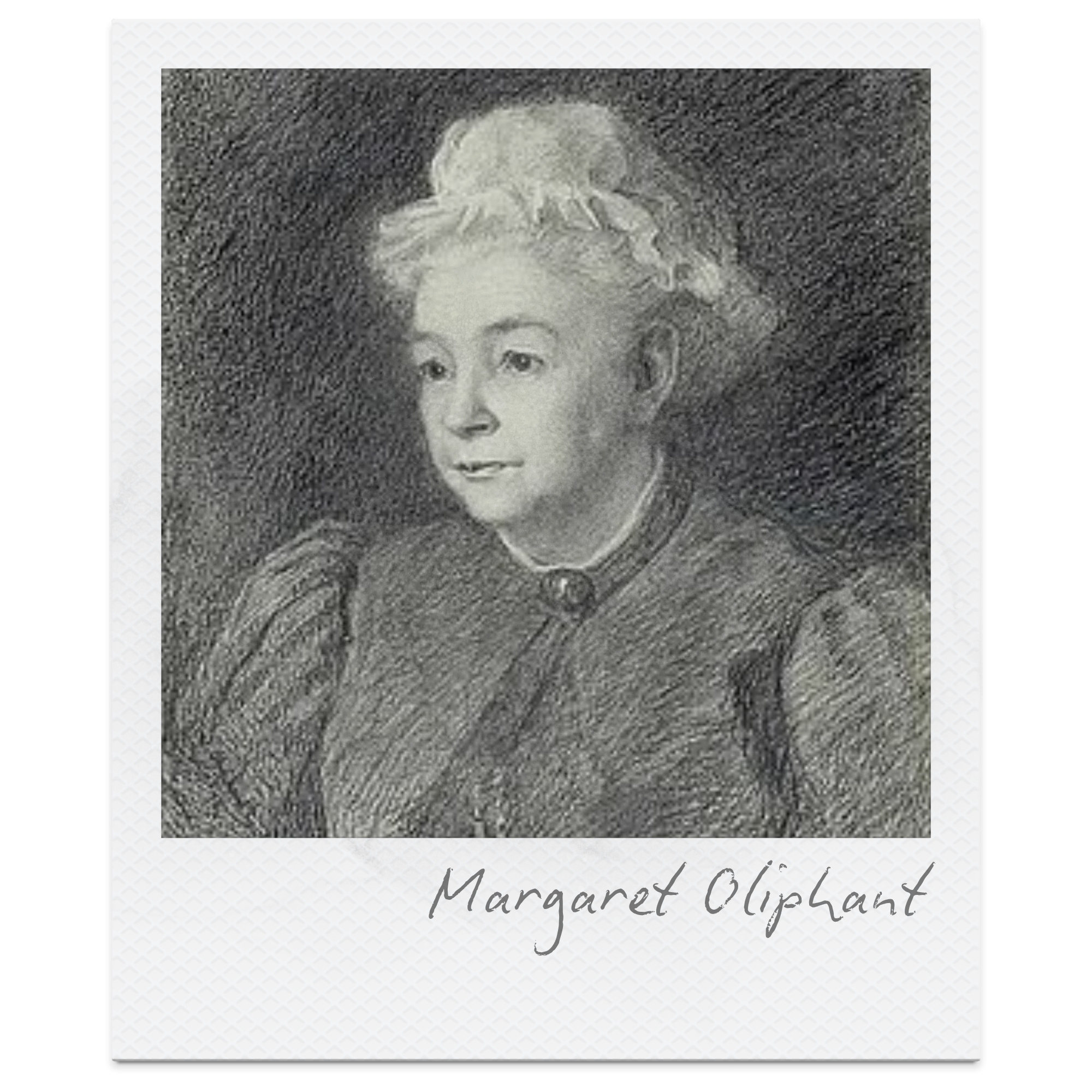
Margaret Oliphant was a major Victorian writer who often explored marriage, female independence, social expectation, and the emotional pressures placed upon women within respectable society. Unlike many idealised Victorian love stories, Oliphant’s fiction frequently examines the unequal power dynamics hidden beneath conventional domestic life. In A Story of a Wedding-Tour, she presents marriage not as a romantic ending, but as a source of fear, confinement, and psychological disillusionment for the young protagonist, Janey.
The story reflects many anxieties of the late nineteenth century, particularly surrounding women’s limited legal and social freedom. During this period, wives were often expected to obey their husbands and had very little independence once married. Janey’s decision to flee therefore becomes shocking but also understandable within the restrictive world Oliphant presents. The story also reflects Victorian fascination with rail travel, which symbolised both modern progress and sudden social change. Oliphant uses the railway journey not only as a plot device, but as a symbol of escape, transition, chance, and irreversible life decisions.
Oliphant was strongly influenced by the tradition of Victorian realism, focusing on believable emotions, social behaviour, and moral complexity rather than melodramatic heroes or villains. This makes the story especially powerful because Janey’s situation feels psychologically convincing. Readers are encouraged to sympathise with her loneliness and desperation while also questioning the consequences of her actions. The ending refuses to provide a simple moral resolution, instead leaving readers with lingering questions about guilt, freedom, responsibility, and the emotional cost of survival.
A Story of a Wedding-Tour at a Glance
Form: Short story / Victorian realist fiction
Mood: Tense, reflective, unsettling, emotionally conflicted
Central conflict: Janey struggles between the safety of personal freedom and the social, emotional, and moral consequences of abandoning her marriage.
Core themes: Marriage and power, female autonomy, freedom and confinement, identity, guilt, loneliness, social expectation, escape
Narrative perspective: Third-person narration closely focused on Janey’s emotional experience and inner thoughts
One-sentence meaning: Oliphant explores how desperation for freedom can lead to moral ambiguity, emotional reinvention, and lifelong psychological consequences.
Quick Summary of A Story of a Wedding-Tour
The story begins with Janey, a lonely young orphan raised without affection by her practical but emotionally distant guardians, marrying Mr Rosendale, a wealthy man who appears deeply “in love” with her. However, during their honeymoon journey through France, Janey quickly realises that his love is shallow and possessive. He admires her beauty but shows little interest in her thoughts, feelings, or comfort, leaving her increasingly trapped, isolated, and frightened within the marriage.
During a late-night railway stop, Rosendale accidentally becomes separated from the train. Alone for the first time since her marriage, Janey experiences an overwhelming sense of freedom and relief. As she travels onward by herself, she impulsively decides not to return to her husband at all. Instead, she escapes to the small coastal village of St Honorat, where she creates a quiet new life under a different identity, eventually raising a son and supporting herself through teaching and sewing.
Ten years later, Rosendale unexpectedly sees Janey while passing through the village on another train journey. Terrified that he will reclaim both her and her child, Janey prepares for confrontation, but Rosendale suffers a fatal collapse before he can reach her. Although Janey is legally and socially protected after his death, the ending leaves her overwhelmed by guilt, convinced that her escape and long absence have indirectly caused his destruction. The story closes with emotional ambiguity rather than triumph, forcing readers to question the true cost of freedom and survival.
Title of A Story of a Wedding-Tour
The title immediately creates expectations of romance, travel, and celebration. A “wedding-tour” suggests happiness, intimacy, and the beginning of married life, encouraging readers to anticipate a conventional romantic narrative. However, Oliphant quickly subverts these expectations by transforming the honeymoon journey into a story of emotional disillusionment, fear, and escape. The contrast between the pleasant simplicity of the title and the darker emotional reality of the story creates subtle irony from the beginning.
On a literal level, the title refers to the railway journey Janey and Rosendale take after their marriage. Symbolically, however, the “tour” becomes a journey into the realities of power, dependence, and identity. The movement of the trains reflects Janey’s psychological transition from naïve hope to painful self-awareness. What begins as a honeymoon gradually becomes an escape narrative, with travel representing both danger and liberation.
The title also becomes more emotionally complex by the ending of the story. The “wedding-tour” is no longer simply the setting of the narrative, but the moment that permanently alters Janey’s entire life. The train journey separates her from her husband physically, emotionally, and morally, shaping the ten years that follow. Oliphant therefore turns an ordinary social ritual into the starting point of a story about freedom, guilt, and the unpredictable consequences of a single impulsive decision.
Structure of A Story of a Wedding-Tour
Oliphant carefully structures the story around moments of movement, interruption, and reversal. The narrative progresses through a series of emotional and physical transitions, using the railway journey to mirror Janey’s psychological transformation. The structure steadily increases tension by moving from social realism into emotional crisis, before ending with a tragic sense of inevitability and unresolved moral complexity.
Opening / Exposition
The opening establishes Janey’s emotional vulnerability and isolation long before the marriage begins. Oliphant spends significant time describing Janey’s upbringing, emphasising that she has been raised with duty but very little affection. This slow exposition is important because it explains why Janey is so vulnerable to Rosendale’s apparent love. The early sections also create irony, since readers quickly recognise that Janey’s romantic hopes are based on emotional desperation rather than genuine compatibility.
The exposition additionally introduces many of the story’s central tensions:
◆ appearance versus reality
◆ love versus possession
◆ security versus freedom
◆ social expectation versus personal happiness
By revealing Janey’s emotional loneliness before the honeymoon even begins, Oliphant ensures that readers understand the psychological reasons behind her later escape.
Rising Action
The rising action focuses on Janey’s growing disillusionment during the honeymoon journey. Rather than presenting dramatic conflict immediately, Oliphant builds tension through smaller moments of discomfort and disappointment. Rosendale’s constant admiration of Janey’s appearance gradually becomes oppressive because it ignores her identity as a person. His behaviour creates emotional claustrophobia, making Janey increasingly aware that she has entered a deeply unequal marriage.
The railway separation becomes the major turning point that accelerates the narrative. Structurally, the sudden accident interrupts the slow realism of the opening sections and introduces a sense of unpredictability and possibility. Janey’s emotional reaction is especially important because her first response is not grief but relief. This moment fundamentally changes the direction of the story, transforming it from a conventional marriage narrative into a story of escape and reinvention.
Oliphant also increases suspense by forcing Janey into rapid decision-making. The narrative pacing becomes quicker and more urgent as she changes trains, invents explanations, and chooses a new life without fully understanding the consequences.
Turning Point / Climax
The true climax occurs when Janey consciously decides not to return to Rosendale. Although the external action remains quiet, the internal decision is enormous. Oliphant presents this moment as psychologically transformative, with Janey suddenly recognising a stronger and more independent version of herself. The narrative shifts from fear and confusion toward determination, creating a powerful emotional turning point.
A second structural climax occurs ten years later when Rosendale unexpectedly sees Janey from the train. The circular return of the railway imagery creates intense tension because the past violently re-enters the life Janey has built. Oliphant mirrors the earlier train separation scene, but this time the emotional atmosphere is dominated by dread rather than exhilaration. The coincidence feels almost fated, reinforcing the idea that Janey can never fully escape her past.
Ending / Resolution
The ending is deliberately tragic and morally ambiguous. Rosendale’s death prevents direct confrontation, but it does not provide emotional closure for Janey. Instead of ending with liberation or punishment, Oliphant leaves Janey psychologically trapped by guilt. Structurally, this prevents the narrative from becoming a simple story of triumph or justice.
The final sections are especially powerful because they reverse Janey’s earlier feelings of freedom. At the beginning of her escape, the train symbolised release and possibility. By the ending, the railway becomes associated with death, fear, and irreversible consequences. This cyclical structure gives the story a haunting emotional effect, suggesting that moments of escape may still leave permanent emotional scars.
Oliphant’s ending therefore avoids certainty and instead leaves readers questioning whether Janey’s decision saved her life, destroyed another person’s, or somehow achieved both at once.
Setting of A Story of a Wedding-Tour
Oliphant uses setting not simply as background, but as a way of shaping emotion, psychological tension, and symbolic meaning throughout the story. The movement between trains, stations, hotels, and coastal landscapes mirrors Janey’s shifting emotional state, transforming physical locations into reflections of fear, freedom, confinement, and uncertainty.
At the beginning of the story, the railway carriage becomes a deeply claustrophobic space. Janey watches Rosendale sleeping “snoring complacently with his mouth open,” while the confined compartment intensifies her growing horror and emotional discomfort. The moving train traps her physically beside a man she already fears emotionally, making the setting feel oppressive rather than romantic. Oliphant also describes the stations at night as “ghastly in the desertion of the night,” creating an atmosphere of unease and isolation that foreshadows the life-changing separation about to occur.
Once Rosendale is left behind, however, the railway setting changes dramatically in meaning. The train suddenly becomes associated with freedom, movement, and possibility. Janey experiences a “fearful joy” at being alone for the first time since her marriage, while the movement of the train through darkness reflects her uncertain transition into a completely unknown future. The contrast between confinement and liberation is central to the story’s emotional structure. The same railway system that initially symbolises entrapment later becomes the mechanism of escape.
The coastal village of St Honorat is presented in striking contrast to the suffocating atmosphere of the honeymoon journey. Janey sees “the sea flashing in the sunshine” alongside “red porphyry rocks” and villages “blazing in the sun,” creating imagery filled with warmth, openness, and possibility. Nature becomes associated with emotional renewal and temporary peace. The village appears almost dreamlike in its beauty, reflecting Janey’s sense of exhilaration and rebirth as she begins to imagine an independent life for herself.
Oliphant also uses domestic settings carefully to reflect Janey’s emotional condition. The small hotel room where she first finds herself alone is described as “a haven of peace,” even though it is objectively ordinary and insignificant. This reveals how desperate Janey has become for privacy, safety, and control over her own existence. Later, the simple home she builds in St Honorat reflects the modest but genuine stability she creates for herself and her son. Unlike the wealth associated with Rosendale, these quieter domestic spaces carry emotional warmth and personal agency.
By the ending of the story, the railway setting once again becomes threatening. The passing train violently reconnects Janey with the life she escaped, showing how the past can suddenly return without warning. The cyclical return of the railway imagery gives the setting symbolic power throughout the narrative, linking trains and travel with fate, transition, danger, and irreversible change.
Narrative Voice in A Story of a Wedding-Tour
Oliphant uses a third-person narrative voice that remains closely aligned with Janey’s thoughts, emotions, and perceptions. Although the narrator is not speaking directly as Janey, the story frequently moves close to her inner experience, allowing readers to understand her loneliness, fear, excitement, and growing desperation. This limited perspective is important because it encourages sympathy for Janey even when her actions become morally questionable.
The narrative voice often reflects Janey’s emotional state through emotionally charged descriptions and rhetorical questioning. For example, when Janey first experiences freedom after being separated from Rosendale, the narration mirrors her excitement and disbelief through repeated questions such as “Was it possible that she was alone?” and “Safe!” This creates immediacy and emotional intensity, allowing readers to experience her relief alongside her rather than simply observing it from a distance.
At the same time, the narrator occasionally adopts a more ironic or socially observant tone, particularly when discussing Victorian attitudes toward marriage, class, and women’s roles. Early descriptions of Janey’s upbringing contain subtle criticism of the Midhursts’ idea of “duty,” exposing the emotional coldness hidden beneath their respectable behaviour. Similarly, the narrator quietly undermines romantic ideas about marriage by revealing how little Rosendale actually understands or values Janey as a person.
The narrative voice also controls sympathy very carefully. Rosendale is largely presented through Janey’s perspective, meaning readers experience him as oppressive, selfish, and physically unsettling. His “love” is repeatedly associated with possession and self-indulgence rather than emotional connection. Because readers remain so close to Janey’s viewpoint, her decision to flee appears emotionally understandable even if it remains socially shocking.
However, Oliphant avoids making the narrative entirely one-sided or simplistic. The ending introduces greater emotional ambiguity, particularly when Janey becomes consumed by guilt after Rosendale’s death. The narrator does not fully confirm whether Janey should blame herself, instead leaving space for multiple interpretations. This restrained and psychologically complex narrative voice is one of the reasons the story feels so emotionally realistic and unsettling.
Characters in A Story of a Wedding-Tour
Oliphant’s characters are deeply connected to the story’s exploration of power, freedom, dependence, and emotional isolation. Rather than creating simple heroes or villains, Oliphant presents characters whose behaviour reflects the social expectations and inequalities of Victorian society. The emotional complexity of the story comes largely from the contrast between Janey’s desperate search for autonomy and the controlling structures surrounding her.
Janey
Janey begins the story as a lonely and emotionally neglected young woman who has spent most of her life being managed by others. Although her guardians provide for her materially, she grows up without affection or belonging, making her especially vulnerable to the idea of being loved. When Rosendale is described as “very much in love” with her, Janey is overwhelmed less by passion than by the emotional possibility of finally mattering to someone.
As the honeymoon progresses, however, Janey gradually realises that Rosendale values her beauty rather than her individuality. Oliphant repeatedly emphasises Janey’s emotional disappointment and growing revulsion, particularly as she discovers that marriage offers her neither companionship nor understanding. Her desire for escape becomes psychologically believable because readers see how trapped and objectified she feels.
Janey’s most important transformation occurs after the train separation. Oliphant presents this as both an external and internal turning point, with Janey suddenly discovering a stronger sense of identity and agency. The description of her reflection reveals this change clearly:
“It was not that of Janey, the little governess-pupil; it was not young Mrs Rosendale. It was full of life, and meaning, and energy, and strength.”
This moment symbolises Janey’s emotional awakening and rejection of the passive role society expects her to occupy.
However, Oliphant avoids presenting Janey as entirely triumphant or morally uncomplicated. Although she successfully creates a peaceful life for herself and her son, the ending reveals how deeply guilt still controls her psychologically. Her horror after Rosendale’s death suggests that freedom has not fully released her from fear, responsibility, or emotional conflict.
Mr Rosendale
Rosendale is presented as emotionally selfish, possessive, and incapable of genuine intimacy. Although he believes himself deeply “in love,” Oliphant gradually exposes the shallow nature of his affection. He constantly praises Janey’s appearance — her “pretty hair,” “pretty eyes,” and “smallness of her waist” — but shows no interest in her thoughts, emotions, or desires.
This creates one of the story’s central ironies. Rosendale genuinely sees himself as loving, yet his behaviour reduces Janey to an object designed for his pleasure and comfort. His emotional blindness becomes especially disturbing because he appears unaware of the damage he causes. Oliphant therefore critiques a wider social model of marriage in which male desire and authority automatically dominate female individuality.
Rosendale’s physical descriptions also contribute to the reader’s discomfort. His sleeping body is described in unattractive and almost grotesque detail, while later in life he appears physically damaged by excess and self-indulgence. By the final section, his red face, failing health, and violent temper symbolise both moral and physical decay.
Despite this, Oliphant does not entirely demonise him. His final journey back to St Honorat suggests obsession, desperation, or perhaps even emotional need, though readers never fully discover his intentions. This ambiguity prevents him from becoming a simple villain and keeps the story psychologically realistic.
The Midhursts
Mr and Mrs Midhurst represent respectable Victorian society and its emphasis on duty over emotional care. Although they fulfil their financial responsibilities toward Janey, they never offer her genuine affection or belonging. Their treatment of her reflects a cold practicality that quietly shapes Janey’s emotional vulnerability throughout the story.
Oliphant’s narration is subtly ironic when discussing their “goodness.” The Midhursts believe they have behaved honourably because they educate Janey carefully and protect her financial interests, yet they completely fail to recognise her emotional isolation. This absence of love becomes one of the key reasons Janey is so easily persuaded by Rosendale’s apparent devotion.
The Midhursts therefore function symbolically as representatives of a society more concerned with respectability, usefulness, and social order than emotional wellbeing.
John
Although John appears more significantly in the later sections, he becomes symbolically important within the story. He represents both the new life Janey creates for herself and the emotional responsibility that ties her permanently to the past. Janey’s greatest fear is not returning to Rosendale herself, but losing her son.
John also highlights the contrast between Janey’s two lives. Unlike her own childhood, which lacked affection and security, John grows up surrounded by warmth, simplicity, and emotional closeness. Through him, Oliphant suggests that Janey’s escape, however morally complicated, allowed her to create the loving domestic life she herself never experienced.
At the same time, John increases the emotional tension of the ending because his existence transforms Janey’s past decision into something irreversible. He becomes living evidence of both Janey’s freedom and the permanent consequences of her actions.
Key Themes in A Story of a Wedding-Tour
Oliphant explores a range of deeply interconnected themes throughout the story, using Janey’s emotional journey to examine the pressures placed upon women, the psychological cost of dependence, and the moral complexity of personal freedom. The story repeatedly questions whether genuine independence is ever possible without emotional consequences.
Marriage and Power
Marriage in the story is presented not as a romantic partnership, but as a deeply unequal structure shaped by control, possession, and social expectation. Although Rosendale believes himself passionately “in love,” his affection is entirely focused on Janey’s appearance and his own gratification. He admires her “pretty hair” and “pretty eyes,” but shows no interest in her inner life or emotional wellbeing.
Oliphant therefore exposes the imbalance of power within Victorian marriage. Rosendale assumes that Janey’s desires should naturally align with his own simply because she is now his wife. The relationship quickly becomes emotionally claustrophobic, with Janey realising that marriage has reduced her from an individual into something decorative and submissive.
The story also critiques wider social attitudes toward marriage. Janey is encouraged to marry because Rosendale appears financially secure and socially respectable, not because emotional compatibility exists between them. Oliphant suggests that marriage can easily become a form of legal and emotional confinement when women possess little independence outside it.
Female Autonomy
Janey’s decision to flee transforms the story into an exploration of female independence and self-determination. For perhaps the first time in her life, Janey makes a decision entirely for herself rather than following the expectations of guardians, teachers, or husbands.
The moment she sees her own reflection after deciding to escape symbolises this awakening:
“It was full of life, and meaning, and energy, and strength.”
Oliphant presents autonomy as both exhilarating and frightening. Janey experiences intense relief and liberation once she is alone, yet she also understands that her actions place her outside accepted social behaviour. The story therefore explores how difficult genuine freedom becomes for women living within restrictive social systems.
Importantly, Janey’s independence is practical as well as emotional. She supports herself through teaching, sewing, and music, quietly building a stable life without male protection. This challenges Victorian assumptions that women were naturally dependent or incapable of self-sufficiency.
Freedom and Confinement
The contrast between freedom and confinement shapes nearly every stage of the narrative. At the beginning of the story, Janey feels emotionally trapped within her marriage despite the physical movement of the honeymoon journey. The train carriage becomes symbolic of her lack of control, with Rosendale’s presence making even travel feel oppressive.
Once separated from him, however, Janey experiences a “fearful joy” at being alone. Freedom is presented almost physically, as though she can finally breathe properly for the first time. The movement of the trains and the openness of the coastal landscapes reinforce this sense of release and possibility.
Yet Oliphant complicates the idea of freedom by showing that emotional confinement still remains. Even after ten years, Janey continues living in fear of discovery. The ending demonstrates that psychological guilt can imprison a person just as powerfully as social rules or marriage itself.
Identity
The story repeatedly explores how identity can be shaped, restricted, and reinvented. Early in the narrative, Janey exists largely according to the expectations of others: she is a pupil, an orphan, a future governess, and finally “young Mrs Rosendale.” Her individuality is almost invisible beneath these social roles.
After her escape, however, Janey gradually develops a stronger sense of self. The story suggests that separation from Rosendale allows her to become a more complete and independent person. Her life in St Honorat is modest, but it belongs to her in a way her earlier life never did.
At the same time, identity in the story remains unstable and fragile. Janey is constantly aware that her past identity could return at any moment and destroy the life she has created. This tension between reinvention and inescapable history gives the story much of its psychological depth.
Guilt
Although Janey initially experiences escape as liberation, the final sections reveal how powerfully guilt shapes her inner life. Rosendale’s death transforms her understanding of her own actions, causing her to feel morally responsible even though she never directly harms him.
The story refuses to give readers a simple answer about whether Janey should feel guilty. On one hand, her escape clearly protects her from emotional misery and control. On the other hand, the narrative’s tragic ending creates an uncomfortable connection between her flight and Rosendale’s destruction.
Oliphant therefore presents guilt as psychologically unavoidable rather than legally rational. Janey’s inability to forgive herself reveals how deeply social ideas about duty, marriage, and responsibility continue to influence her even after years of independence.
Loneliness
Loneliness shapes Janey’s emotional vulnerability from the very beginning of the story. As an orphan raised without affection, she becomes deeply vulnerable to the idea of being loved. Her willingness to marry Rosendale is driven less by passion than by emotional hunger and the desire to belong to someone.
Even within marriage, however, Janey remains profoundly isolated. Rosendale notices her beauty but never understands her emotionally, leaving her lonelier as a wife than she was before marriage. Oliphant suggests that emotional neglect can exist even within apparently secure relationships.
The story contrasts destructive loneliness with more peaceful forms of solitude. Janey’s later life in St Honorat is isolated, but it also provides emotional calm, personal control, and genuine affection through her relationship with her son. Oliphant therefore distinguishes between loneliness imposed by emotional neglect and solitude chosen freely.
Social Expectation
Victorian social expectations exert constant pressure throughout the story. Janey is expected to become a governess, then a wife, and finally a submissive partner within marriage. Respectability, obedience, and female dependence are treated as normal social ideals.
Oliphant quietly exposes the cruelty hidden beneath these expectations. Janey’s guardians believe they have fulfilled their responsibilities honourably, yet they never provide emotional care. Society assumes Rosendale is a suitable husband because he is financially secure, despite his selfishness and emotional insensitivity.
The scandal surrounding Janey’s disappearance also reveals how harshly women were judged for rejecting social norms. Her flight requires her to abandon her identity completely because society offers almost no acceptable space for a woman who leaves her husband voluntarily.
Escape
Escape functions both literally and symbolically throughout the story. Janey’s physical escape from the train becomes a rejection of the life society has chosen for her. The railway itself symbolises sudden change, chance, and irreversible movement, allowing Janey to cross from one identity into another.
However, Oliphant also questions whether true escape is ever possible. Janey successfully escapes Rosendale physically, yet she cannot entirely escape fear, memory, or moral responsibility. The sudden reappearance of Rosendale after ten years demonstrates how the past can violently return without warning.
The ending ultimately suggests that escape may provide survival and freedom, but not necessarily emotional peace. Janey’s new life is real and meaningful, yet it remains permanently shadowed by the consequences of the decision she made during that single railway journey.
Symbolism in A Story of a Wedding-Tour
Oliphant uses recurring symbols throughout the story to deepen its exploration of freedom, fear, identity, and emotional confinement. Many ordinary objects and settings gradually gain larger symbolic meaning as Janey’s psychological state changes. The symbolism is especially effective because it develops naturally through the narrative rather than feeling forced or overly dramatic.
The Railway and Trains
The railway is the story’s most important symbol, representing both escape and danger. At first, the honeymoon train journey symbolises Janey’s movement into married life and the loss of personal freedom. The railway carriage becomes a confined and oppressive space where she begins to realise the reality of her relationship with Rosendale.
However, once Rosendale is accidentally left behind, the train takes on an entirely different meaning. It becomes the mechanism of liberation, carrying Janey away from emotional imprisonment and toward a new identity. The speed and movement of the trains symbolise irreversible change, showing how quickly a single moment can alter an entire life.
The railway also symbolises fate and uncontrollable chance. Janey’s entire future changes because of an accident entirely outside her control. By the ending, the train becomes associated with fear and death as Rosendale’s return journey leads directly to his collapse. Oliphant therefore transforms the railway into a symbol of modern life’s unpredictability and the impossibility of fully escaping the past.
The Sea
The sea surrounding St Honorat symbolises freedom, emotional openness, and renewal. When Janey first sees “the sea flashing in the sunshine,” the landscape appears expansive and welcoming compared with the suffocating atmosphere of her marriage.
Unlike the enclosed railway carriage, the sea suggests possibility and emotional release. Its openness reflects Janey’s growing sense of independence and the new life she begins constructing for herself. The coastline also separates her physically from England and her former identity, reinforcing the sense that she has crossed into another existence entirely.
At the same time, the sea carries subtle undertones of uncertainty and instability. Like Janey’s future, it is beautiful but unpredictable, suggesting that freedom itself may not guarantee safety or peace.
Janey’s Reflection
The scene in which Janey sees herself in the mirror after deciding to flee is highly symbolic because it represents the emergence of a new identity. The narrative states:
“It was not that of Janey, the little governess-pupil; it was not young Mrs Rosendale.”
The mirror symbolises self-recognition and transformation. For perhaps the first time in her life, Janey sees herself as an independent individual rather than as someone defined by social expectations or relationships to others.
This symbolic moment marks the psychological birth of a stronger selfhood. However, the mirror scene also suggests instability, since Janey herself barely recognises the person she has become. Her new identity feels empowering but also uncertain and frightening.
Money and the Pocket-Book
Janey’s pocket-book and savings symbolise practical independence and personal agency. The repeated counting of the money reveals how important financial security is to her freedom. A hundred pounds represents far more than wealth; it represents the possibility of controlling her own future.
The money also symbolises the contrast between dependence and autonomy. Earlier in the story, Janey’s life is controlled entirely by other people’s financial decisions, from her guardians managing her inheritance to Rosendale expecting obedience within marriage. Once she takes possession of her own money, she begins to control her own choices for the first time.
Oliphant therefore uses the pocket-book as a symbol of survival and self-determination within a society where women’s financial dependence often reinforced their social powerlessness.
St Honorat
The village of St Honorat symbolises refuge and reinvention. It exists almost like a threshold space between Janey’s old life and her new one. The warm landscapes, sunlight, and calm atmosphere reflect the emotional peace she has been denied elsewhere.
Importantly, St Honorat is also small, isolated, and somewhat hidden from the wider world. This mirrors Janey’s desire not only for freedom, but for invisibility and protection. The village allows her to construct a quieter identity removed from social judgment and control.
Yet the symbolic safety of St Honorat is ultimately fragile. Rosendale’s sudden appearance proves that the past can still intrude even within the sanctuary Janey has built. The village therefore symbolises both emotional refuge and the temporary nature of escape.
Rosendale’s Physical Decay
By the final section of the story, Rosendale’s failing body becomes symbolic of moral and emotional corruption. His “bloodshot” eyes, “purple-red” face, and physical collapse reflect a lifetime of self-indulgence and uncontrolled appetite.
Oliphant’s descriptions connect physical deterioration with emotional selfishness and excess. Rosendale’s body symbolises the destructive consequences of a life focused entirely on personal gratification and dominance over others.
At the same time, his helplessness at the ending creates uncomfortable sympathy. The once controlling husband becomes physically powerless, reversing the power dynamics established earlier in the narrative. This symbolic reversal contributes to the story’s emotional ambiguity and tragic atmosphere.
Key Quotes and Methods in A Story of a Wedding-Tour
Oliphant’s key quotations reveal the story’s central concerns with power, freedom, identity, emotional isolation, and moral ambiguity. The language often appears deceptively simple, but the writer carefully uses imagery, contrast, irony, and symbolism to shape the reader’s understanding of Janey’s emotional experience.
“Nobody had ever loved her, much less been ‘in love’ with her.”
◆ Method: Repetition of “love” and emotionally loaded phrasing
◆ Meaning: The quotation highlights Janey’s emotional deprivation and vulnerability.
◆ Purpose: Oliphant explains why Janey is so easily persuaded by Rosendale’s apparent affection despite lacking genuine emotional connection with him.
◆ Impact: Readers sympathise with Janey’s loneliness and understand the psychological desperation behind her marriage.
◆ Link to theme, conflict, or symbolism: Links strongly to loneliness, marriage, and emotional dependence.
“He was in love with her beauty, but as indifferent to herself as any of the persons she had quitted.”
◆ Method: Contrast between “beauty” and “herself”
◆ Meaning: Rosendale values Janey’s appearance while ignoring her identity and individuality.
◆ Purpose: Oliphant critiques shallow forms of love based on possession and appearance rather than emotional understanding.
◆ Impact: The quotation creates discomfort and reveals the emotional emptiness beneath Rosendale’s romantic behaviour.
◆ Link to theme, conflict, or symbolism: Connects to marriage and power, identity, and objectification.
“Safe!”
◆ Method: Exclamatory single-word sentence
◆ Meaning: Janey’s immediate feeling after being separated from Rosendale is relief rather than panic.
◆ Purpose: Oliphant reveals how emotionally oppressive the marriage has already become.
◆ Impact: The abruptness of the word shocks readers and emphasises the intensity of Janey’s fear and desperation.
◆ Link to theme, conflict, or symbolism: Links to freedom and confinement and the symbolism of escape.
“A fearful joy”
◆ Method: Oxymoron
◆ Meaning: Janey experiences freedom as both exhilarating and terrifying at the same time.
◆ Purpose: Oliphant captures the emotional complexity of escaping social expectations and marital control.
◆ Impact: Readers understand that Janey’s liberation is psychologically complicated rather than simple or triumphant.
◆ Link to theme, conflict, or symbolism: Connects to escape, female autonomy, and emotional conflict.
“It was not that of Janey, the little governess-pupil; it was not young Mrs Rosendale.”
◆ Method: Repetition and fragmented self-definition
◆ Meaning: Janey symbolically rejects the identities imposed upon her by society and marriage.
◆ Purpose: Oliphant presents this moment as a psychological transformation and awakening of selfhood.
◆ Impact: The quotation creates a powerful sense of reinvention and emotional independence.
◆ Link to theme, conflict, or symbolism: Links strongly to identity, female autonomy, and self-discovery.
“It was full of life, and meaning, and energy, and strength.”
◆ Method: Listing and cumulative language
◆ Meaning: Janey finally sees herself as capable, independent, and emotionally alive.
◆ Purpose: Oliphant contrasts this new self-awareness with Janey’s earlier passivity and emotional suppression.
◆ Impact: Readers experience Janey’s exhilaration and growing confidence alongside her.
◆ Link to theme, conflict, or symbolism: Connects to freedom, identity, and transformation.
“The cage door had been opened and the bird had flown away.”
◆ Method: Metaphor and symbolic imagery
◆ Meaning: Janey’s marriage is symbolically presented as imprisonment.
◆ Purpose: Oliphant reinforces the idea that Janey’s escape is instinctive and necessary for survival.
◆ Impact: The imagery encourages sympathy for Janey while emphasising the restrictive nature of her social position.
◆ Link to theme, conflict, or symbolism: Links directly to freedom and confinement and symbolic escape.
“I will not go with you.”
◆ Method: Direct declarative statement
◆ Meaning: Janey mentally asserts her independence and refusal to surrender control of her life again.
◆ Purpose: Oliphant demonstrates how dramatically Janey has changed from the passive young bride at the beginning of the story.
◆ Impact: The simplicity of the statement makes it emotionally powerful and defiant.
◆ Link to theme, conflict, or symbolism: Connects to female autonomy, resistance, and self-determination.
“He is my husband.”
◆ Method: Short sentence and restrained tone
◆ Meaning: Despite everything, Janey still feels emotionally and morally tied to Rosendale.
◆ Purpose: Oliphant complicates the story’s moral perspective by showing that escape has not erased duty or guilt.
◆ Impact: Readers recognise the emotional conflict and lingering psychological power Rosendale still holds over Janey.
◆ Link to theme, conflict, or symbolism: Links to guilt, marriage, and social expectation.
“She had not blamed herself before; but now seemed to herself no less than the murderer of her husband.”
◆ Method: Hyperbolic self-judgment and emotionally charged language
◆ Meaning: Janey internalises overwhelming guilt after Rosendale’s death.
◆ Purpose: Oliphant refuses to provide a simple happy ending, instead exploring the lasting psychological consequences of Janey’s actions.
◆ Impact: The ending leaves readers unsettled and forces them to question responsibility, morality, and emotional survival.
◆ Link to theme, conflict, or symbolism: Connects to guilt, moral ambiguity, and the emotional cost of freedom.
Key Techniques in A Story of a Wedding-Tour
Oliphant combines symbolism, psychological realism, irony, and carefully controlled narrative perspective to explore marriage, freedom, identity, and emotional conflict. The techniques throughout the story are subtle but highly effective, allowing the emotional tension to develop gradually rather than relying on dramatic action alone.
◆ Symbolism — Trains and railway journeys symbolise transition, escape, fate, and irreversible life changes, reflecting Janey’s psychological transformation throughout the story.
◆ Irony — The title suggests romance and happiness, yet the honeymoon journey becomes a story of fear, disillusionment, and escape, undermining traditional expectations of marriage.
◆ Psychological realism — Oliphant focuses closely on Janey’s thoughts, fears, and emotional reactions, making her decisions feel psychologically believable rather than melodramatic.
◆ Contrast — The oppressive atmosphere of the honeymoon journey contrasts sharply with the openness and sunlight of St Honorat, reinforcing the themes of confinement and freedom.
◆ Free indirect style — The third-person narration frequently moves close to Janey’s inner thoughts and emotional responses, encouraging sympathy and emotional immediacy.
◆ Imagery — Descriptions such as the “sea flashing in the sunshine” create emotional associations between nature, freedom, and renewal.
◆ Foreshadowing — Early references to Rosendale’s temper and selfishness prepare readers for Janey’s eventual escape and fear of confrontation.
◆ Motif of movement — Constant travelling, trains, stations, and changing locations reinforce the instability and unpredictability of Janey’s life.
◆ Repetition — Repeated references to “love” expose the gap between romantic language and emotional reality within Janey’s marriage.
◆ Cyclical structure — The story begins and ends with railway journeys, creating a sense that Janey can never fully escape the consequences of the past.
◆ Juxtaposition — Janey’s emotional exhilaration during her escape is contrasted with her later guilt, showing how freedom and suffering become intertwined.
◆ Physical description — Rosendale’s appearance is described in increasingly unpleasant detail to reflect emotional selfishness, excess, and moral decay.
◆ Moral ambiguity — Oliphant avoids presenting Janey as either completely innocent or fully guilty, forcing readers to grapple with multiple interpretations.
◆ Pathetic fallacy — The warmth, light, and beauty of the coastal setting mirror Janey’s emotional release and growing sense of hope.
◆ Narrative pacing — The story moves slowly during Janey’s growing disillusionment before accelerating rapidly once she decides to escape, reflecting her emotional transformation.
◆ Dialogue — Short, restrained dialogue often reveals power imbalances and emotional distance more effectively than lengthy speeches.
◆ Domestic realism — Ordinary settings, practical details, and believable social interactions make the emotional conflict feel authentic and grounded.
◆ Emotional understatement — Oliphant frequently presents major emotional moments through restrained narration, making the tension and psychological conflict feel more realistic and powerful.
How the Writer Creates Meaning and Impact in A Story of a Wedding-Tour
Oliphant creates meaning and emotional impact through a careful combination of psychological realism, symbolism, narrative perspective, and structural contrast. Rather than presenting dramatic confrontations or exaggerated emotion, she focuses on Janey’s gradual psychological awakening, allowing the tension to build through internal conflict, emotional discomfort, and shifting perceptions.
One of the most important ways Oliphant creates meaning is through her close focus on Janey’s emotional experience. The third-person narration frequently moves close to Janey’s thoughts and reactions, allowing readers to understand her growing fear and disappointment within marriage. This perspective is essential because Janey’s decision to flee could easily appear selfish or irrational without the emotional context Oliphant provides. By showing how emotionally isolated and objectified Janey feels, the writer encourages sympathy while still leaving room for moral uncertainty.
Oliphant also uses contrast very effectively throughout the story. The oppressive atmosphere of the honeymoon journey is contrasted with the openness and beauty of St Honorat. Early scenes inside railway carriages and hotel rooms feel claustrophobic and emotionally suffocating, while the descriptions of “the sea flashing in the sunshine” create a sense of emotional release and possibility. This contrast reflects Janey’s psychological movement from confinement toward independence.
The symbolism of the railway system is central to the story’s meaning. Trains represent movement, transition, and irreversible change, but they also symbolise unpredictability and loss of control. Janey’s entire future changes because of a random accident beyond her control, suggesting how fragile and unstable life can become. The cyclical return of railway imagery at the ending reinforces the idea that the past can never be escaped completely.
Oliphant additionally creates impact through irony. The title A Story of a Wedding-Tour initially sounds romantic and conventional, yet the honeymoon becomes a source of fear and emotional horror for Janey. Similarly, Rosendale believes himself deeply loving while actually treating Janey as an object of admiration rather than a human being. This irony exposes the gap between Victorian ideals of marriage and the emotional realities experienced by many women.
The writer also uses physical description carefully to shape reader response. Rosendale’s body is repeatedly associated with excess, selfishness, and discomfort. His sleeping figure, his heavy physical presence, and finally his grotesque physical collapse all contribute to the reader’s growing unease. In contrast, Janey is often associated with movement, lightness, and emotional sensitivity, reinforcing the imbalance within their relationship.
Oliphant’s use of pacing is equally important. The story begins slowly, focusing on Janey’s background and emotional discoveries before accelerating rapidly once the train separation occurs. This sudden shift mirrors Janey’s psychological transformation, making her escape feel impulsive yet emotionally inevitable. The calmer middle section in St Honorat then creates temporary stability before the tension violently returns with Rosendale’s reappearance ten years later.
Perhaps most importantly, Oliphant creates lasting impact through moral ambiguity. The story refuses to offer a clear judgment about Janey’s actions. Readers understand why she escapes, yet the ending prevents her freedom from feeling entirely triumphant. Rosendale’s death transforms the emotional meaning of the story, filling Janey with overwhelming guilt and forcing readers to question whether liberation can ever exist without consequences.
By combining psychological depth, symbolic settings, emotional realism, and unresolved moral tension, Oliphant creates a story that remains unsettling long after it ends. The reader is left not with certainty, but with difficult questions about freedom, duty, love, and the emotional cost of survival.
Alternative Interpretations of A Story of a Wedding-Tour
Oliphant’s story supports multiple interpretations because the narrative avoids presenting Janey’s actions as entirely right or entirely wrong. The emotional complexity of the story encourages readers to think carefully about freedom, morality, social expectation, and psychological survival from different perspectives.
Psychological Interpretation: Janey’s escape as emotional survival
From a psychological perspective, Janey’s decision to flee can be interpreted as an act of self-preservation. Although Rosendale is not physically violent, his possessive behaviour, emotional selfishness, and lack of empathy create a deeply oppressive environment. Janey experiences marriage as emotional suffocation, making her escape feel necessary rather than reckless.
This interpretation is strengthened by the imagery of confinement throughout the story, especially the railway carriage and Janey’s repeated feelings of fear and relief. Her sudden transformation after the separation suggests that she has been psychologically trapped for much of her life, first by neglect and then by marriage.
Under this interpretation, the story becomes a powerful exploration of how emotionally damaging relationships can destroy personal identity and autonomy.
Social Interpretation: Critique of Victorian marriage and gender expectations
The story can also be interpreted as a critique of Victorian social structures, particularly the limited choices available to women. Janey is repeatedly controlled by others throughout her life — by guardians, educational systems, and finally her husband. Even her marriage is treated partly as a practical arrangement rather than an emotional partnership.
Oliphant exposes how respectable society often prioritises financial security and appearances over emotional wellbeing. Rosendale is considered a good match because he is wealthy and socially acceptable, despite his inability to treat Janey as an equal human being.
From this perspective, Janey’s escape becomes less an individual rebellion and more a rejection of the restrictive systems surrounding women during the nineteenth century.
Moral Interpretation: Janey’s freedom carries unavoidable consequences
A more morally critical interpretation might suggest that Janey cannot fully escape responsibility for her actions. Although readers sympathise with her unhappiness, the ending links her disappearance directly to Rosendale’s final desperate journey and eventual death.
Oliphant deliberately leaves this morally unresolved. Janey does not physically harm Rosendale, yet she comes to see herself as “the murderer of her husband.” This interpretation emphasises the emotional and ethical consequences of abandoning social and marital obligations, even within an unhappy relationship.
Under this reading, the story becomes a warning about the painful moral complexity of freedom and the impossibility of escaping guilt completely.
Feminist Interpretation: Reclaiming identity and agency
A feminist interpretation would focus on Janey’s refusal to remain trapped within a marriage that denies her individuality and autonomy. The story repeatedly shows how women are expected to exist for the comfort and pleasure of others, while Janey gradually learns to value her own emotional needs and independence.
Her decision to build a life through work, motherhood, and self-sufficiency challenges traditional expectations of female dependence. The symbolic moment in which she sees a new version of herself in the mirror reinforces the idea of identity being reclaimed from patriarchal control.
From this perspective, Janey’s escape represents not selfishness, but resistance against a system that reduces women to possessions within marriage.
Religious Interpretation: Guilt, judgment, and moral accountability
The story can also be interpreted through a religious or spiritual lens. Janey repeatedly seeks comfort in churches and religious spaces, while her guilt after Rosendale’s death resembles a form of spiritual punishment or moral reckoning.
Her inability to forgive herself suggests that emotional conscience remains powerful even when society’s judgment has been escaped. The narrative repeatedly questions whether human beings can truly free themselves from moral responsibility, regardless of legal or social circumstances.
This interpretation makes the story feel less like a simple social drama and more like a meditation on conscience, guilt, and the lasting weight of personal choices.
Why A Story of a Wedding-Tour Still Matters
Although the story was written in the Victorian period, many of its central concerns still feel strikingly modern. Oliphant explores emotionally unequal relationships, the pressure to conform to social expectations, and the psychological consequences of losing personal independence. Modern readers still connect strongly with Janey’s desire to escape a life that feels emotionally suffocating, even when her choices become morally complicated.
The story also remains relevant because of its exploration of identity and emotional autonomy. Janey’s struggle is not simply about romance or marriage, but about whether she is allowed to exist as a full individual rather than as someone shaped entirely by the expectations of others. Her emotional awakening and desire for self-determination continue to resonate with readers today, particularly in discussions surrounding gender, relationships, and personal freedom.
Oliphant’s portrayal of marriage also remains powerful because it focuses on emotional control rather than obvious cruelty. Rosendale does not appear openly monstrous, yet his selfishness and inability to recognise Janey’s emotional needs create a deeply oppressive relationship. This subtle psychological realism makes the story feel believable and unsettling even for modern audiences.
The story’s moral ambiguity is another reason it continues to matter. Oliphant refuses to provide simple answers about whether Janey’s actions are justified. Readers are left balancing sympathy for her suffering against the tragic consequences that follow. This complexity encourages discussion, debate, and multiple interpretations, making the story especially valuable for classroom analysis.
Finally, A Story of a Wedding-Tour continues to resonate because it explores universal emotional experiences including loneliness, fear, guilt, hope, and the longing for freedom. Even though the social world of the story belongs to the nineteenth century, Janey’s emotional conflict still feels intensely human and recognisable.
Exam-Ready Insight and Teaching Ideas for A Story of a Wedding-Tour
Strong responses to A Story of a Wedding-Tour move beyond simple plot summary and focus closely on how Oliphant uses symbolism, narrative perspective, contrast, and psychological realism to explore marriage, freedom, identity, and emotional confinement. The strongest essays track Janey’s gradual emotional transformation while analysing how trains, movement, and shifting settings reflect her changing psychological state.
What Strong Responses Do
◆ analyse how the railway journey symbolises both confinement and escape
◆ track Janey’s psychological transformation across the story
◆ explore how Oliphant critiques Victorian marriage and gender expectations
◆ examine the contrast between appearance and emotional reality
◆ analyse how narrative voice shapes sympathy for Janey
◆ explore the symbolic importance of St Honorat and the sea
◆ track how freedom gradually becomes connected to guilt and fear
◆ use short embedded quotations to support conceptual interpretations
◆ connect methods directly to emotional and thematic impact
Conceptual Argument
A strong thesis for the story would be:
Oliphant presents freedom as emotionally necessary but psychologically costly, using symbolism, narrative perspective, and contrast to show how restrictive social expectations can force individuals into morally complex acts of survival.
Model Analytical Paragraph
Oliphant uses symbolism and contrast to present freedom as both liberating and psychologically unsettling. The railway initially symbolises Janey’s emotional confinement within marriage, with the honeymoon journey becoming increasingly claustrophobic and oppressive. However, once Rosendale is accidentally left behind, Janey experiences a “fearful joy,” with the oxymoron capturing both her exhilaration and terror at sudden independence. Oliphant develops this transformation further through the symbolic shift in setting from enclosed railway carriages to the openness of “the sea flashing in the sunshine” at St Honorat. The contrast between these environments reflects Janey’s movement from emotional imprisonment toward personal autonomy. However, the later return of the train imagery at the ending suggests that freedom cannot fully erase guilt or the consequences of the past. Through these symbolic contrasts, Oliphant presents escape not as simple liberation, but as a psychologically complex act shaped by fear, desperation, and survival.
Teaching Ideas for A Story of a Wedding-Tour
This story works particularly well for close analysis, psychological interpretation, symbolism, and discussion-based exploration because Oliphant combines emotional realism with deeper questions surrounding marriage, freedom, identity, and moral responsibility.
1. Structured Close Analysis
Students track:
◆ symbolism connected to trains and travel
◆ shifts in Janey’s emotional state
◆ contrasts between confinement and freedom
◆ imagery connected to light, movement, and escape
◆ how narrative perspective shapes sympathy
◆ descriptions of Rosendale and their emotional effect
◆ how the ending changes the meaning of earlier events
Students can then use these observations to develop conceptual analytical paragraphs focused on method → meaning → impact.
2. Silent Debate
Students respond to conceptual statements such as:
◆ “Janey’s escape is completely justified.”
◆ “Rosendale loves Janey in his own way.”
◆ “The story criticises Victorian marriage.”
◆ “Freedom in the story always comes with consequences.”
◆ “Janey should not feel guilty at the ending.”
This story works especially well with discussion-led lessons focused on moral ambiguity, interpretation, and emotional conflict. To explore how to run an effective classroom discussion activity, check out the silent debate post.
3. Model Paragraph Development
Provide students with a model analytical paragraph focused on the train symbolism, Janey’s transformation, or the ending of the story.
Students then:
◆ identify where embedded quotations are used effectively
◆ track where the analysis explains method → meaning → impact
◆ highlight conceptual vocabulary connected to freedom and identity
◆ improve the paragraph using the mark scheme
◆ add an alternative interpretation using another quotation
◆ rewrite part of the paragraph from a different thematic perspective
This helps students move beyond simple quotation spotting into deeper conceptual literary analysis.
4. Comparative Thinking Task
Students compare:
◆ marriage and power
◆ freedom and confinement
◆ loneliness and emotional isolation
◆ symbolic journeys
◆ identity and reinvention
◆ guilt and moral responsibility
◆ social expectation and rebellion
with another anthology story or a wider prose text from the Literature Library.
5. Creative Writing Extension
Students write:
◆ an internal monologue from Janey during the train separation
◆ a retelling from Rosendale’s perspective
◆ a modern story centred around emotional escape
◆ a symbolic description of a journey or train station
◆ an alternative ending in which Rosendale survives
If you’re looking for creative writing prompts and classroom-ready activities across a wide range of genres, tropes, and themes, explore the Creative Writing Archive.
Go Deeper into A Story of a Wedding-Tour
Comparing stories helps students develop more flexible and conceptual interpretations. A Story of a Wedding-Tour connects especially well to texts exploring emotional confinement, identity, social pressure, moral ambiguity, and psychological conflict.
◆ The Yellow Wallpaper by Charlotte Perkins Gilman — both stories explore female confinement, psychological distress, and the oppressive effects of patriarchal control over women’s lives.
◆ The Story of an Hour by Kate Chopin — similarly examines marriage, freedom, and the sudden emotional shock of imagined independence from restrictive domestic roles.
◆ The Lady with the Dog by Anton Chekhov — explores emotional dissatisfaction within conventional relationships and the tension between social expectation and authentic feeling.
◆ Miss Brill by Katherine Mansfield — both stories focus on loneliness, emotional isolation, and the fragile psychological worlds individuals create to survive emotionally difficult lives.
◆ A Doll’s House by Henrik Ibsen — strongly linked through its critique of marriage, female dependence, and a woman’s decision to reject socially expected roles in pursuit of selfhood.
◆ Jane Eyre by Charlotte Brontë — both texts explore female autonomy, emotional independence, and the struggle to maintain identity within unequal relationships.
These comparisons help students move beyond plot-based responses and instead focus on wider literary ideas surrounding freedom, identity, emotional survival, and social pressure.
Final Thoughts
Margaret Oliphant’s A Story of a Wedding-Tour remains a deeply unsettling and emotionally complex exploration of marriage, freedom, identity, and moral responsibility. Through Janey’s escape and the life she creates afterward, Oliphant challenges idealised Victorian ideas about romance and domestic happiness, revealing how emotional neglect and unequal power can transform marriage into a form of psychological confinement.
What makes the story especially memorable is its refusal to provide simple answers. Janey’s escape feels both understandable and morally troubling, while the ending leaves readers suspended between sympathy, guilt, relief, and tragedy. Oliphant’s use of symbolism, narrative perspective, and emotional realism ensures that the story continues to provoke debate and multiple interpretations long after it ends. If you are studying Stories of Ourselves Volume 2 for CIE IGCSE World Literature (0408), explore more anthology analysis in the Stories of Ourselves Volume 2 Hub, or discover additional prose and poetry resources in the Literature Library.
Choose Your Next Text