Notes from the Inkpot
Writing, teaching, creating - one ink-stained idea at a time.




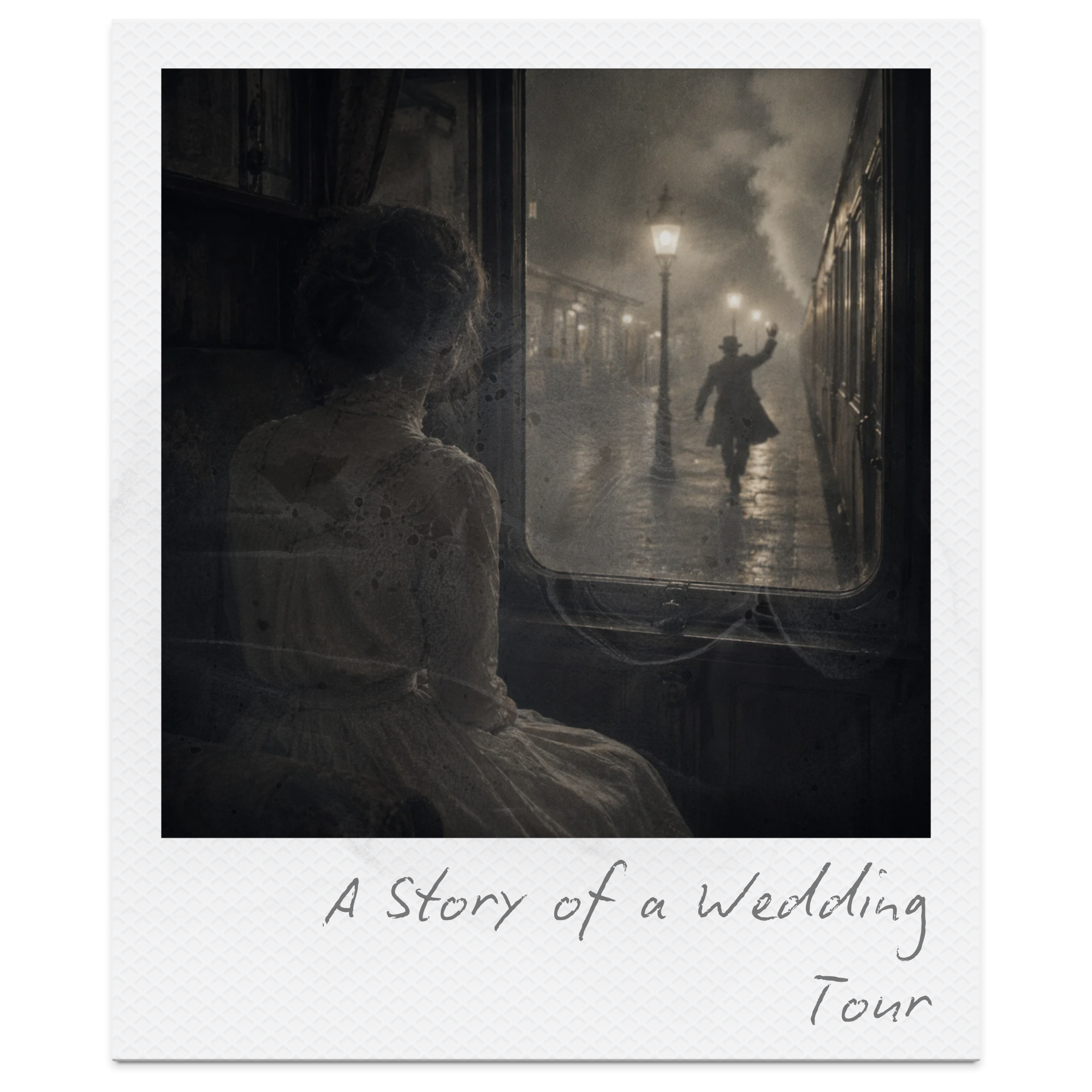
A Story of a Wedding-Tour by Margaret Oliphant: Summary, Themes & Analysis
Margaret Oliphant’s A Story of a Wedding-Tour is a psychologically complex Victorian short story exploring marriage, female autonomy, freedom, identity, and moral ambiguity through the story of Janey, a young bride who impulsively abandons her husband during their honeymoon journey through France. Combining emotional realism with powerful symbolism, Oliphant examines the suffocating realities hidden beneath romantic expectations while exploring the emotional consequences of escape and reinvention. This analysis explores the story’s themes, structure, symbolism, narrative voice, and key quotations, while examining how Oliphant uses trains, movement, and shifting settings to reflect Janey’s psychological transformation. Ideal for students studying Stories of Ourselves Volume 2 for CIE IGCSE World Literature (0408), the guide also includes exam-ready insights, alternative interpretations, and classroom-focused teaching ideas.
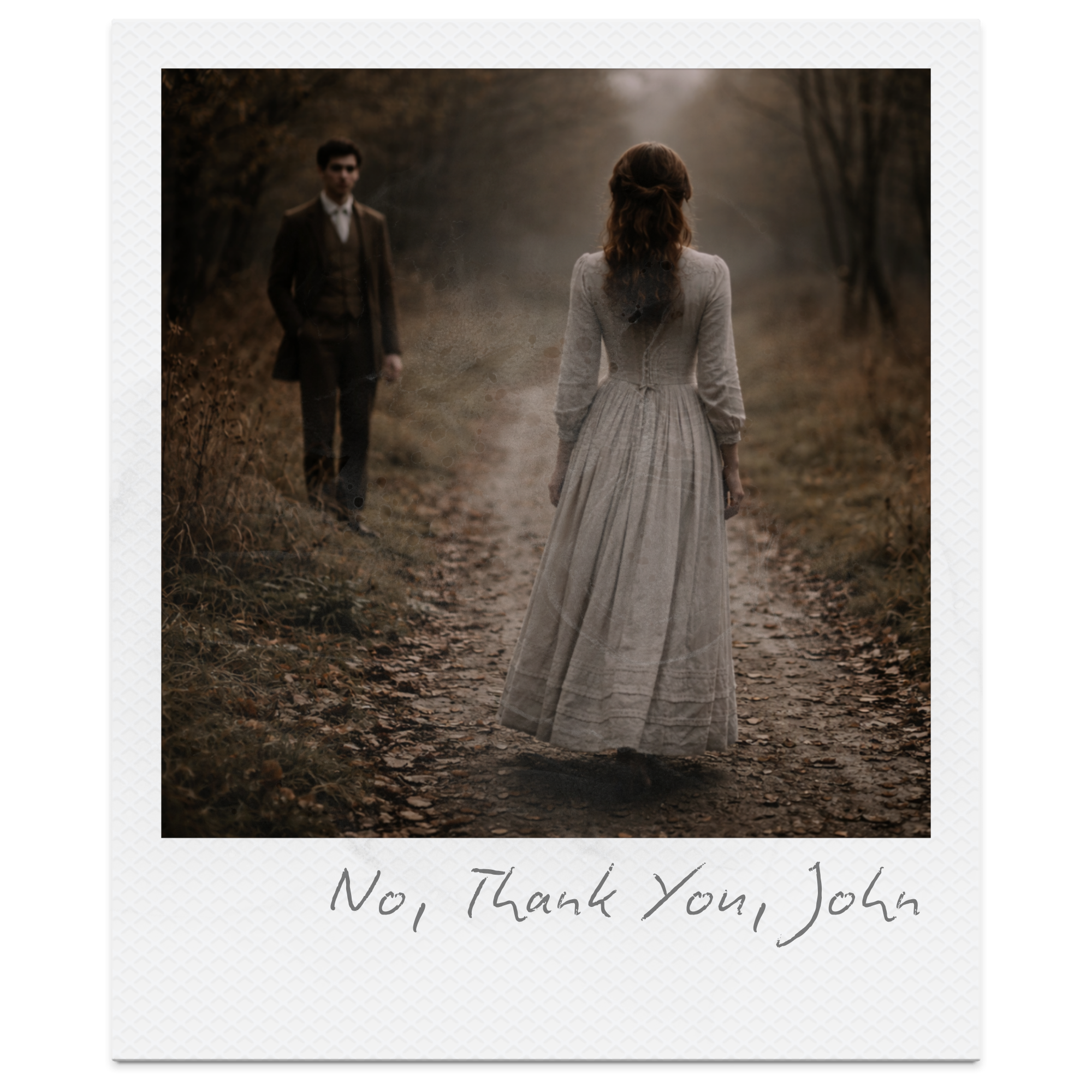
No, Thank You, John by Christina Rossetti: Summary, Themes, Symbolism & Analysis
Christina Rossetti’s No, Thank You, John is a confident and sharply controlled exploration of rejection, emotional honesty, and personal autonomy. Through a direct, conversational voice, the speaker firmly refuses a persistent suitor, challenging the expectation that love must be returned or softened through politeness. The poem redefines rejection as a form of clarity rather than cruelty, exposing the imbalance between romantic persistence and the right to refuse. This analysis of No, Thank You, John explores themes, structure, tone, and key techniques, alongside alternative interpretations and teaching ideas. With close reference to language and form, it reveals how Rossetti constructs a speaker who is both measured and resolute, offering a powerful examination of boundaries, gender expectations, and emotional integrity.
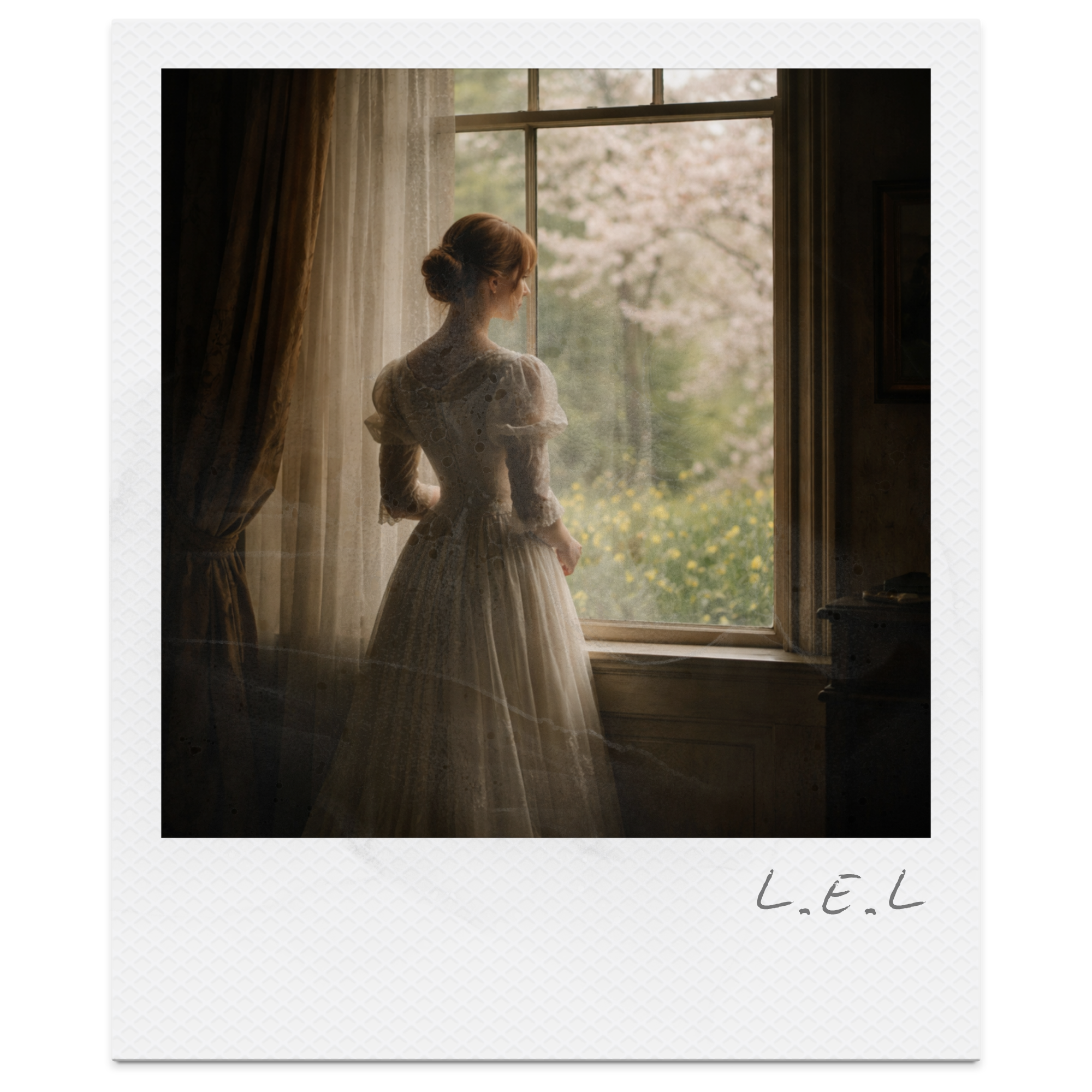
L.E.L. by Christina Rossetti: Summary, Themes, Symbolism & Analysis
Christina Rossetti’s L.E.L. explores unfulfilled love, emotional isolation, and the tension between public performance and private suffering. Through its repeated refrain and vivid spring imagery, the poem contrasts a lively, outward persona with a deeply lonely inner life, revealing how easily pain can remain hidden beneath social appearances. This analysis examines Rossetti’s use of structure, symbolism, and religious imagery to present longing as both a personal and spiritual experience. It considers how the poem moves from quiet despair toward deferred hope, suggesting that love denied in the present may find fulfilment beyond earthly life.
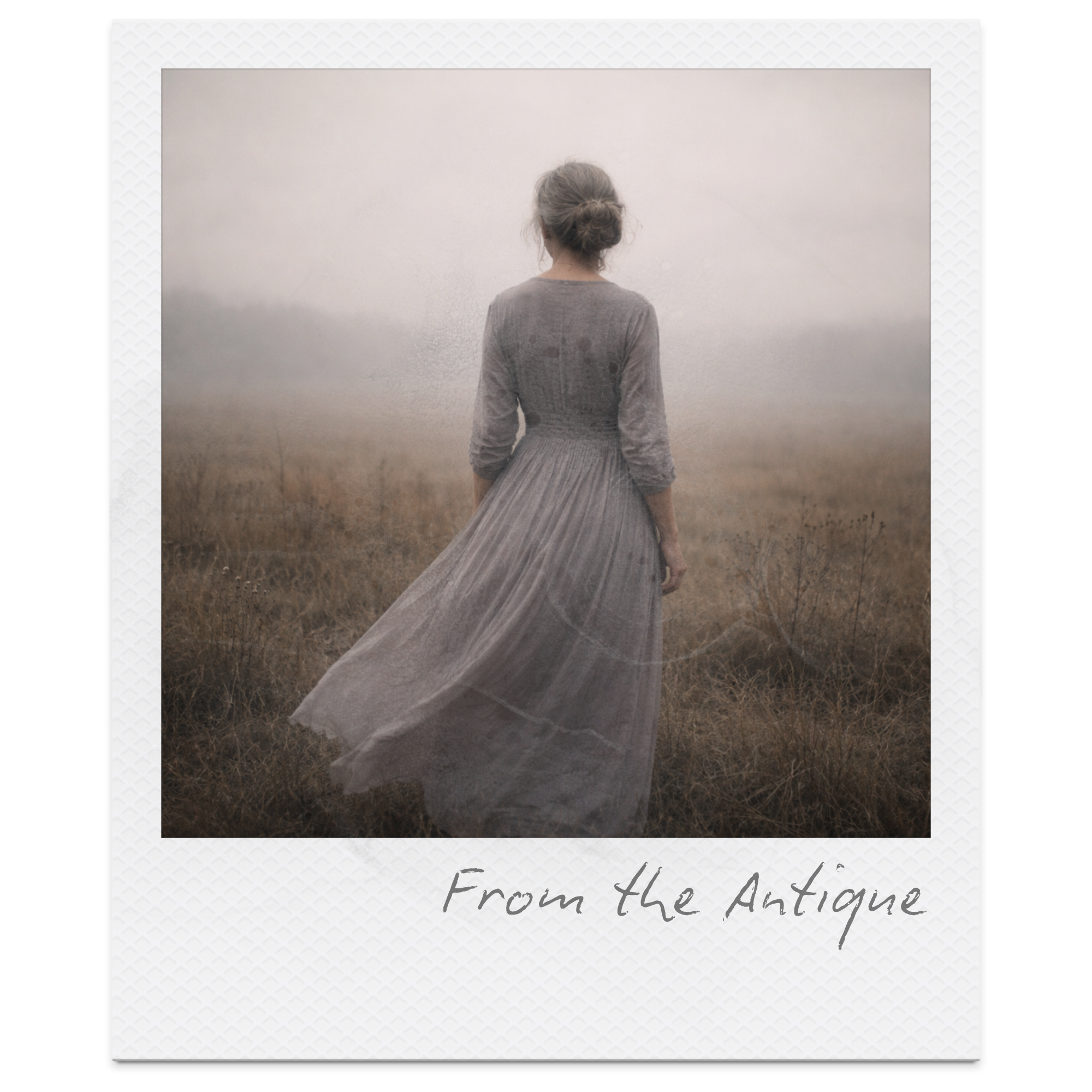
From the Antique Christina Rossetti Analysis: Themes, Feminism & Existential Meaning
Christina Rossetti’s From the Antique offers a striking exploration of weariness, identity, and existential despair, presenting a speaker who moves beyond dissatisfaction with life to question the value of existence itself. Through deceptively simple language and a controlled, almost conversational tone, the poem traces a progression from frustration with a “woman’s lot” to a far more unsettling desire for complete non-existence. The speaker does not merely long for change or escape, but for the erasure of both body and soul, revealing a profound rejection of identity and selfhood. At the same time, Rossetti contrasts this personal despair with the steady continuity of the natural world. While the speaker imagines her own disappearance, the seasons continue to turn, blossoms bloom, and life moves forward unchanged. This juxtaposition highlights a central tension within the poem: the individual experience of suffering exists within a world that remains indifferent and self-sustaining. Through this contrast, Rossetti raises deeper questions about insignificance, perception, and the meaning of existence, positioning the poem as both a personal reflection and a broader philosophical meditation.