Notes from the Inkpot
Writing, teaching, creating - one ink-stained idea at a time.



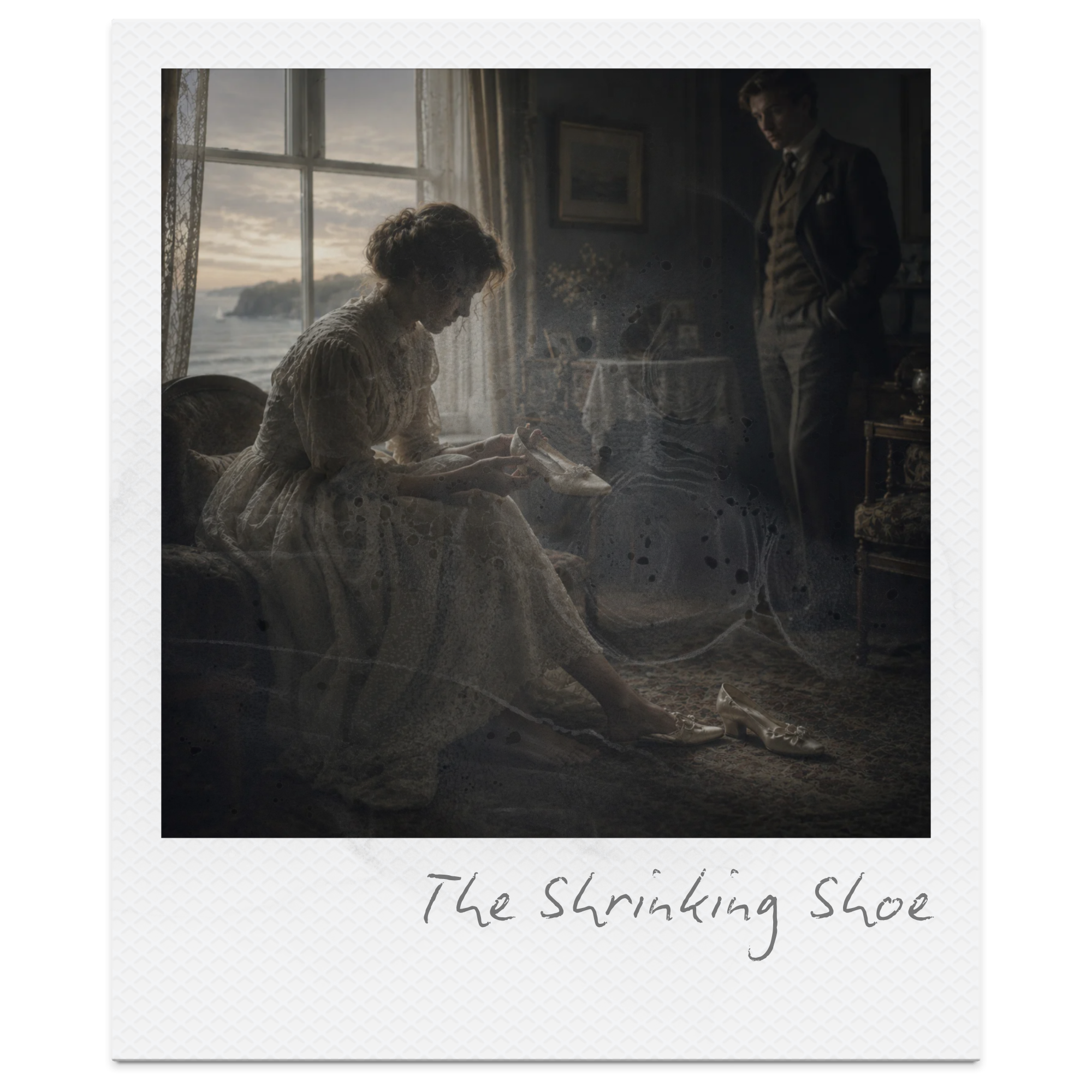
The Shrinking Shoe by Walter Besant: Summary, Themes & Analysis
Walter Besant’s The Shrinking Shoe is a reflective Victorian short story exploring ambition, idealism, wealth, emotional disappointment, and the tension between youthful dreams and adult reality. Inspired by the Cinderella fairy tale, the story follows Katie De Lisle and Geoffrey Armiger as romantic hope and heroic ambition gradually fade beneath comfort, idleness, and emotional compromise. Through symbolism, irony, and reflective narration, Besant transforms a familiar fairy-tale structure into a much more morally complex examination of identity, wasted potential, and self-improvement. This detailed analysis for CIE IGCSE World Literature (0408) explores the story’s themes, symbolism, structure, narrative voice, and key quotations, while examining how Besant uses the symbolic shrinking slipper to reflect fading ambition, emotional disillusionment, and the fragile possibility of renewal. The guide also includes alternative interpretations, exam-ready insights, and classroom-focused teaching ideas designed to support deeper literary analysis and discussion.
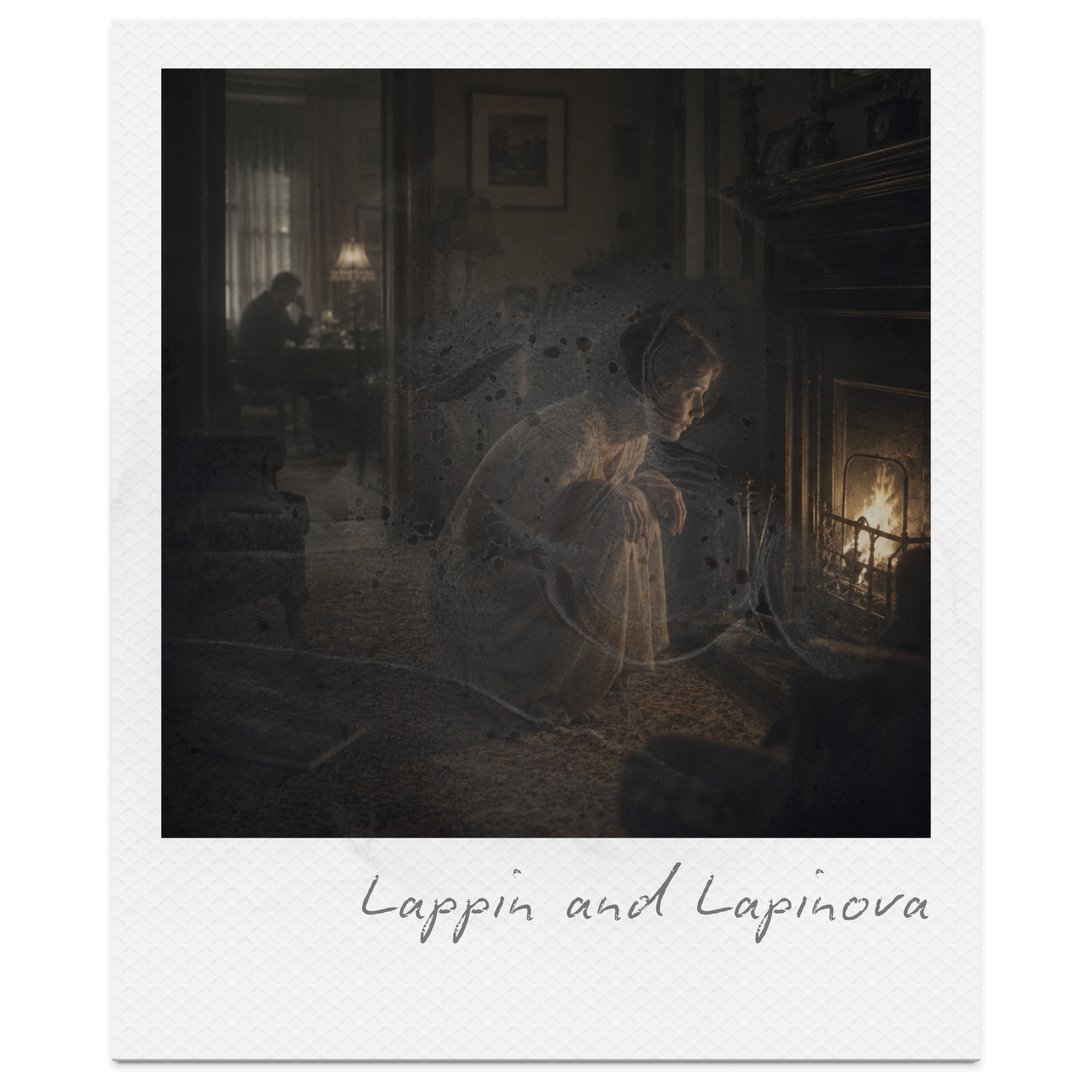
Lappin and Lapinova by Virginia Woolf: Summary, Themes & Analysis
Virginia Woolf’s Lappin and Lapinova is a psychologically rich short story exploring marriage, identity, imagination, and emotional isolation through symbolism, shifting atmosphere, and modernist narration. The story follows Rosalind and Ernest Thorburn as they create a private fantasy world in which they become King Lappin and Queen Lapinova — symbolic rabbit identities that allow them to escape ordinary domestic reality and form an intimate emotional language of their own. This detailed analysis for CIE IGCSE World Literature (0408) explores the story’s themes, symbolism, structure, narrative voice, and key quotations, while examining how Woolf uses rabbit imagery, psychological perspective, and the gradual collapse of fantasy to reveal the fragility of intimacy and the fear of losing identity within marriage. The guide also includes alternative interpretations, exam-ready insights, and classroom-focused teaching ideas designed to support deeper literary analysis and discussion.
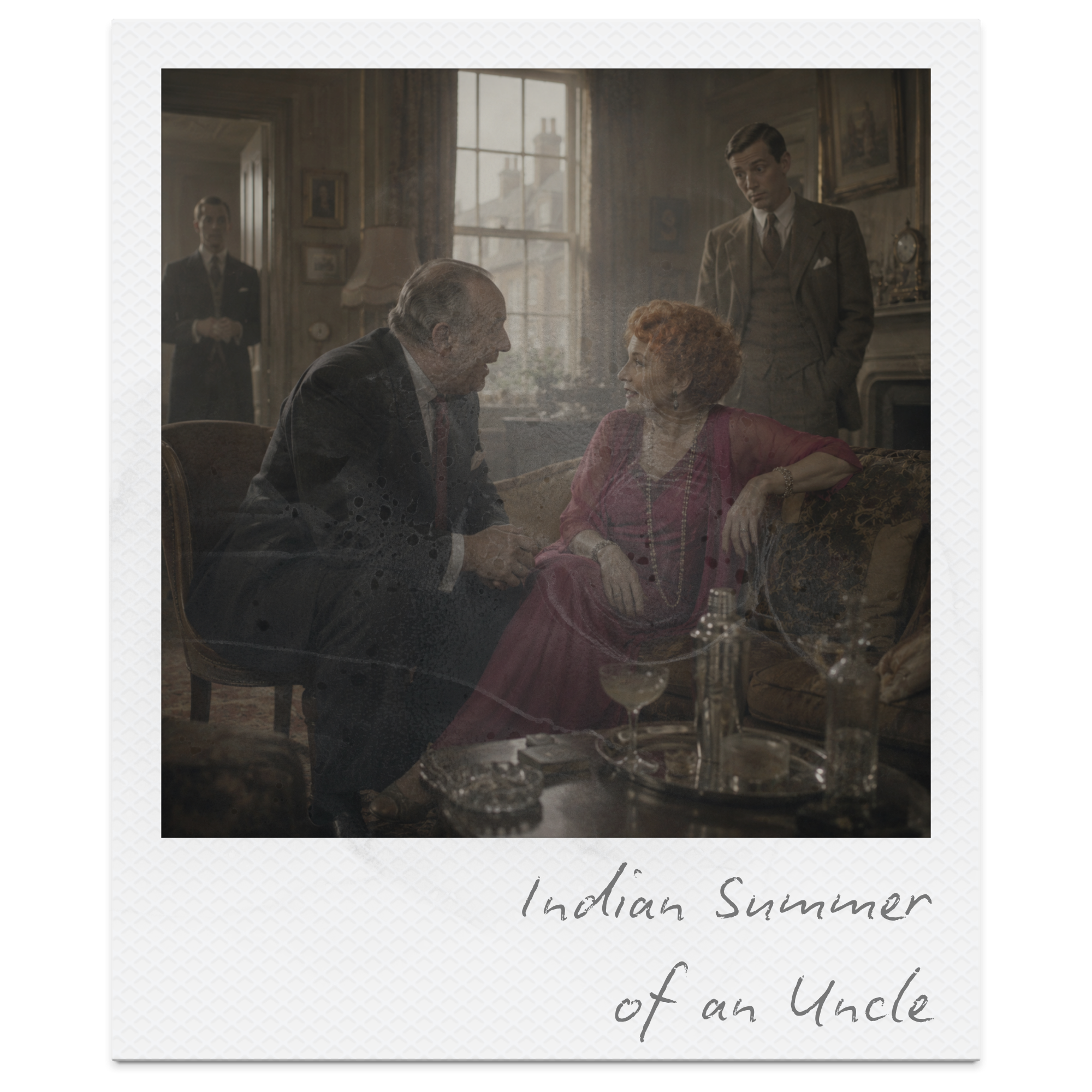
Indian Summer of an Uncle by P.G. Wodehouse: Summary, Themes & Analysis
P.G. Wodehouse’s Indian Summer of an Uncle is a comic short story exploring class, marriage, family pressure, romantic misunderstanding, and the absurdities of upper-class society through dramatic irony, exaggerated narration, and sharp social satire. Told through Bertie Wooster’s humorous first-person perspective, the story follows the chaos that erupts when the elderly Uncle George suddenly decides to marry a young waitress, horrifying his aristocratic family and forcing Bertie into a series of increasingly awkward situations. This detailed analysis for CIE IGCSE World Literature (0408) explores the story’s themes, symbolism, structure, narrative voice, and key quotations, while examining how Wodehouse creates humour through comic contrast, misunderstanding, and the gap between appearance and emotional reality. The guide also includes alternative interpretations, exam-ready insights, and classroom-focused teaching ideas designed to support deeper literary analysis and discussion.
A Warning to the Curious by M.R. James: Summary, Themes & Analysis:::
M.R. James’s A Warning to the Curious is a chilling Gothic ghost story exploring curiosity, fear, historical memory, guilt, and the dangerous consequences of disturbing what should remain hidden. Through the isolated coastal setting of Seaburgh, the mysterious buried crown, and the increasingly terrified figure of Paxton, James gradually transforms scholarly curiosity into psychological horror and supernatural dread. This detailed analysis for CIE IGCSE World Literature (0408) explores the story’s themes, symbolism, structure, narrative voice, and key quotations, while examining how James creates fear through atmosphere, ambiguity, folklore, and Gothic tension. The guide also includes alternative interpretations, exam-ready insights, and classroom-focused teaching ideas designed to support deeper literary analysis and discussion.
Gabriel-Ernest by Saki: Summary, Themes & Analysis
Saki’s Gabriel-Ernest is a dark and unsettling Gothic short story exploring civilisation versus savagery, hidden violence, fear of the unknown, and the dangerous instincts lurking beneath respectable society. Through the mysterious figure of Gabriel-Ernest, Saki gradually transforms an apparently ordinary rural setting into a landscape filled with supernatural tension, psychological unease, and growing horror. This detailed analysis for CIE IGCSE World Literature (0408) explores the story’s themes, symbolism, narrative voice, structure, and key quotations, while examining how Saki uses animalistic imagery, irony, and ambiguity to create suspense and fear. The guide also includes alternative interpretations, exam-ready insights, and classroom-focused teaching ideas designed to support deeper literary analysis and discussion.
A Story of a Wedding-Tour by Margaret Oliphant: Summary, Themes & Analysis
Margaret Oliphant’s A Story of a Wedding-Tour is a psychologically complex Victorian short story exploring marriage, female autonomy, freedom, identity, and moral ambiguity through the story of Janey, a young bride who impulsively abandons her husband during their honeymoon journey through France. Combining emotional realism with powerful symbolism, Oliphant examines the suffocating realities hidden beneath romantic expectations while exploring the emotional consequences of escape and reinvention. This analysis explores the story’s themes, structure, symbolism, narrative voice, and key quotations, while examining how Oliphant uses trains, movement, and shifting settings to reflect Janey’s psychological transformation. Ideal for students studying Stories of Ourselves Volume 2 for CIE IGCSE World Literature (0408), the guide also includes exam-ready insights, alternative interpretations, and classroom-focused teaching ideas.
The Copper Beeches by Sir Arthur Conan Doyle: Summary, Themes & Analysis
In this detailed analysis of The Copper Beeches by Sir Arthur Conan Doyle, we explore how Doyle combines detective fiction, Gothic atmosphere, and psychological tension to examine power, imprisonment, deception, gender control, and appearance versus reality. Through the mysterious Copper Beeches house, the unsettling behaviour of the Rucastles, and Sherlock Holmes’s analytical methods, the story gradually reveals hidden cruelty beneath outward respectability. Designed for CIE IGCSE World Literature (0408) and wider secondary literature study, this guide explores structure, symbolism, narrative voice, key quotes, themes, and writer’s methods in a clear, classroom-ready format. Perfect for revision, essay planning, close analysis, and discussion-based learning.
The Nightingale and the Rose by Oscar Wilde: Summary, Themes & Analysis
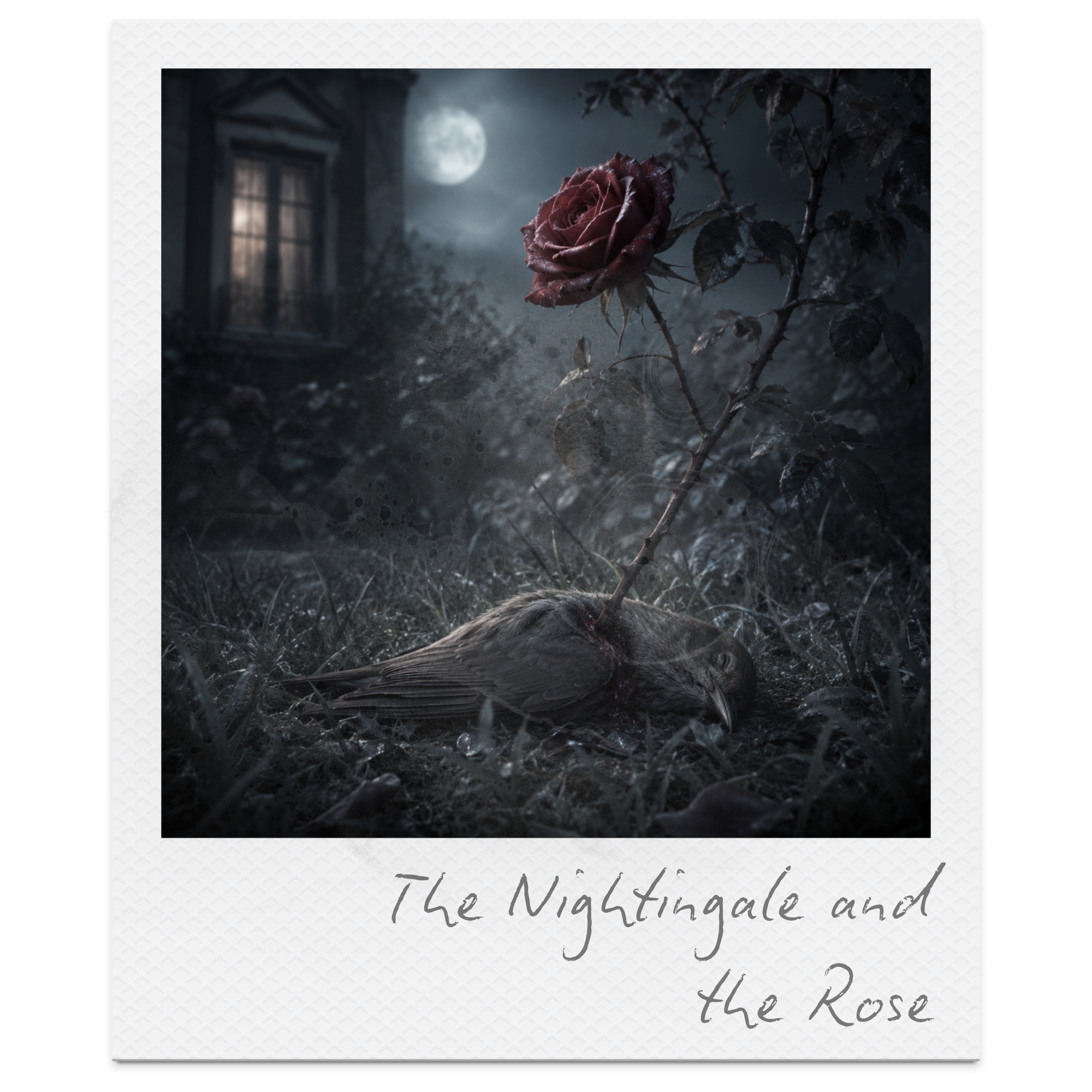
Oscar Wilde’s The Nightingale and the Rose is a tragic and deeply symbolic fairy tale exploring love, sacrifice, beauty, materialism, and emotional blindness. Through the Nightingale’s devastating sacrifice to create a single red rose, Wilde contrasts genuine emotional sincerity with the shallow values of human society. This analysis of The Nightingale and the Rose explores Wilde’s use of symbolism, irony, fairy-tale conventions, colour imagery, and narrative contrast while examining major themes, key quotes, structure, characters, and the story’s powerful tragic ending for CIE IGCSE World Literature (0408).
George Silverman’s Explanation by Charles Dickens: Summary, Themes & Analysis
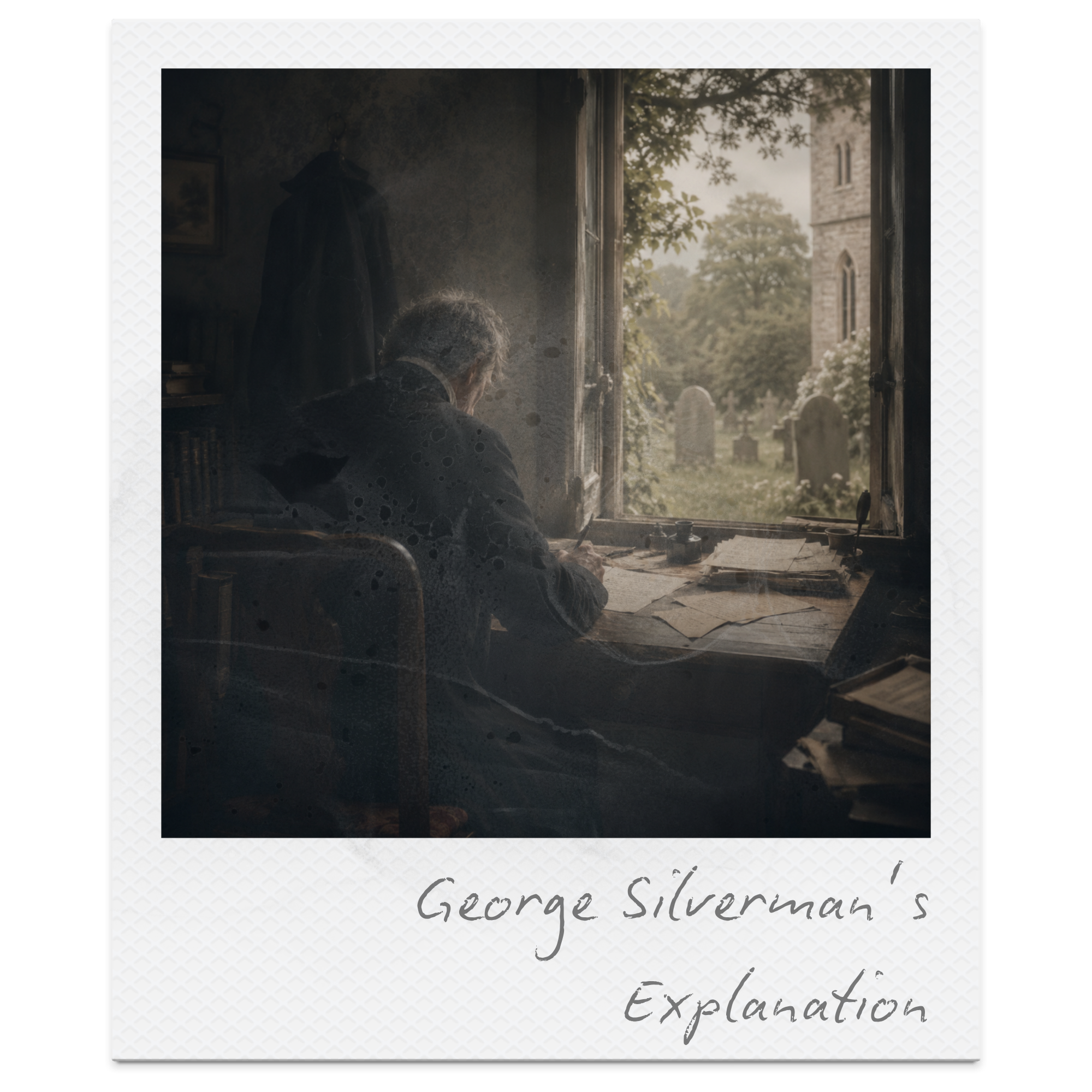
George Silverman’s Explanation by Charles Dickens is a powerful Victorian short story exploring poverty, religious hypocrisy, class prejudice, self-sacrifice, and identity through the reflective narration of George Silverman, a deeply lonely and emotionally damaged protagonist. Written as a first-person “explanation,” the story traces George’s journey from a traumatic childhood in poverty to adulthood shaped by shame, misunderstanding, and quiet moral conflict. This analysis explores how Dickens uses narrative voice, structure, symbolism, and social criticism to create emotional impact and expose the psychological effects of neglect, guilt, and social judgement. Ideal for students studying Stories of Ourselves Volume 2 for CIE IGCSE World Literature (0408), this guide includes key themes, quotes, techniques, symbolism, alternative interpretations, and exam-focused insight.
Nick by Christina Rossetti: Summary, Themes & Analysis
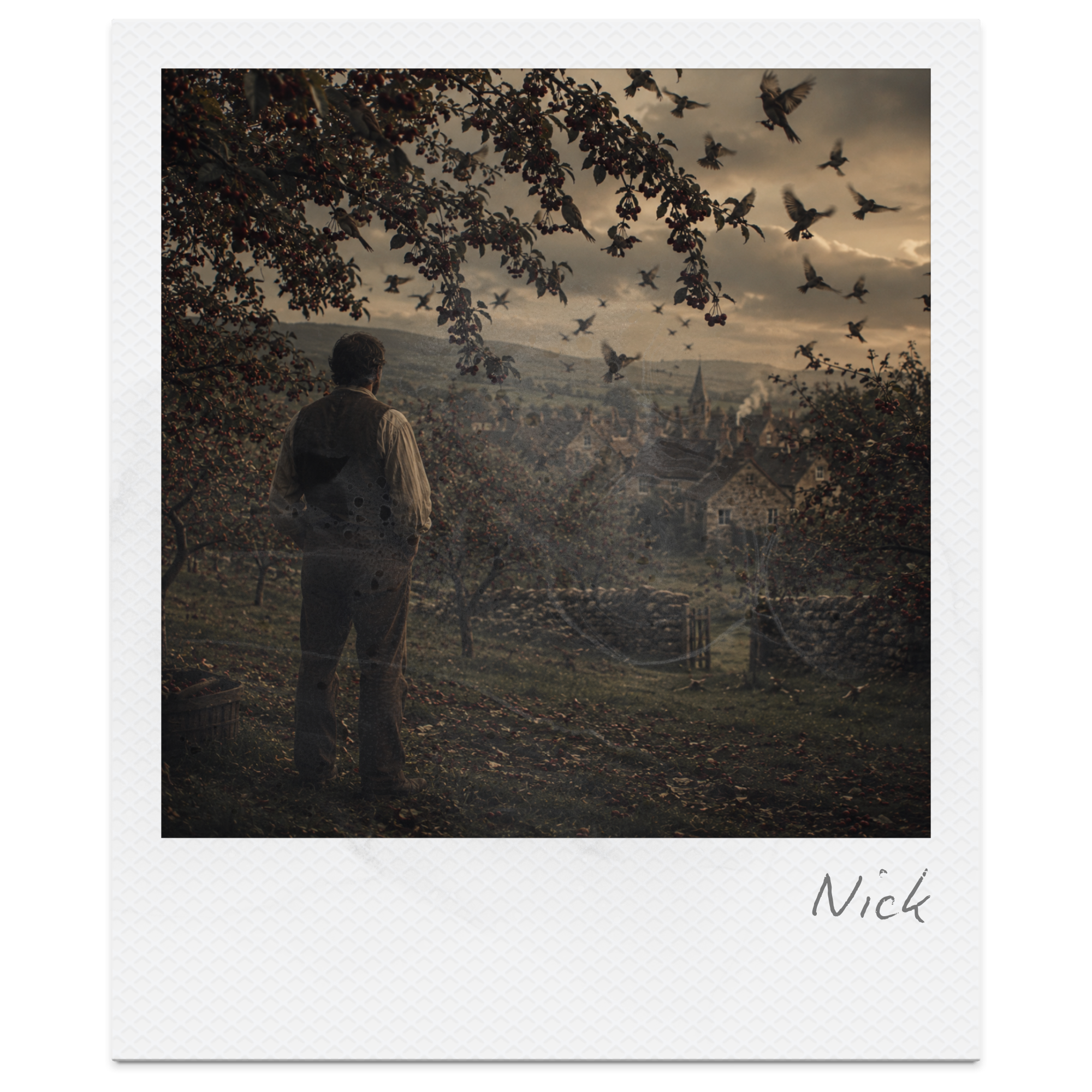
Christina Rossetti’s Nick is a darkly comic moral fable exploring envy, greed, consequence, and self-awareness through a series of strange magical transformations. Although Nick already lives in comfort and prosperity, he becomes consumed by jealousy and bitterness towards his neighbours. After receiving the power to become whatever he wishes, his malicious desires repeatedly spiral into humiliation, fear, and destruction. This analysis of Nick explores Rossetti’s use of symbolism, narrative voice, structure, and fairytale conventions to examine the psychological effects of resentment and selfishness. It also considers key themes including morality, social responsibility, and transformation, while offering exam-focused insights for CIE IGCSE English Literature (0475 & 0922).
The Concrete Mixer by Ray Bradbury: Summary, Themes, Meaning & Analysis
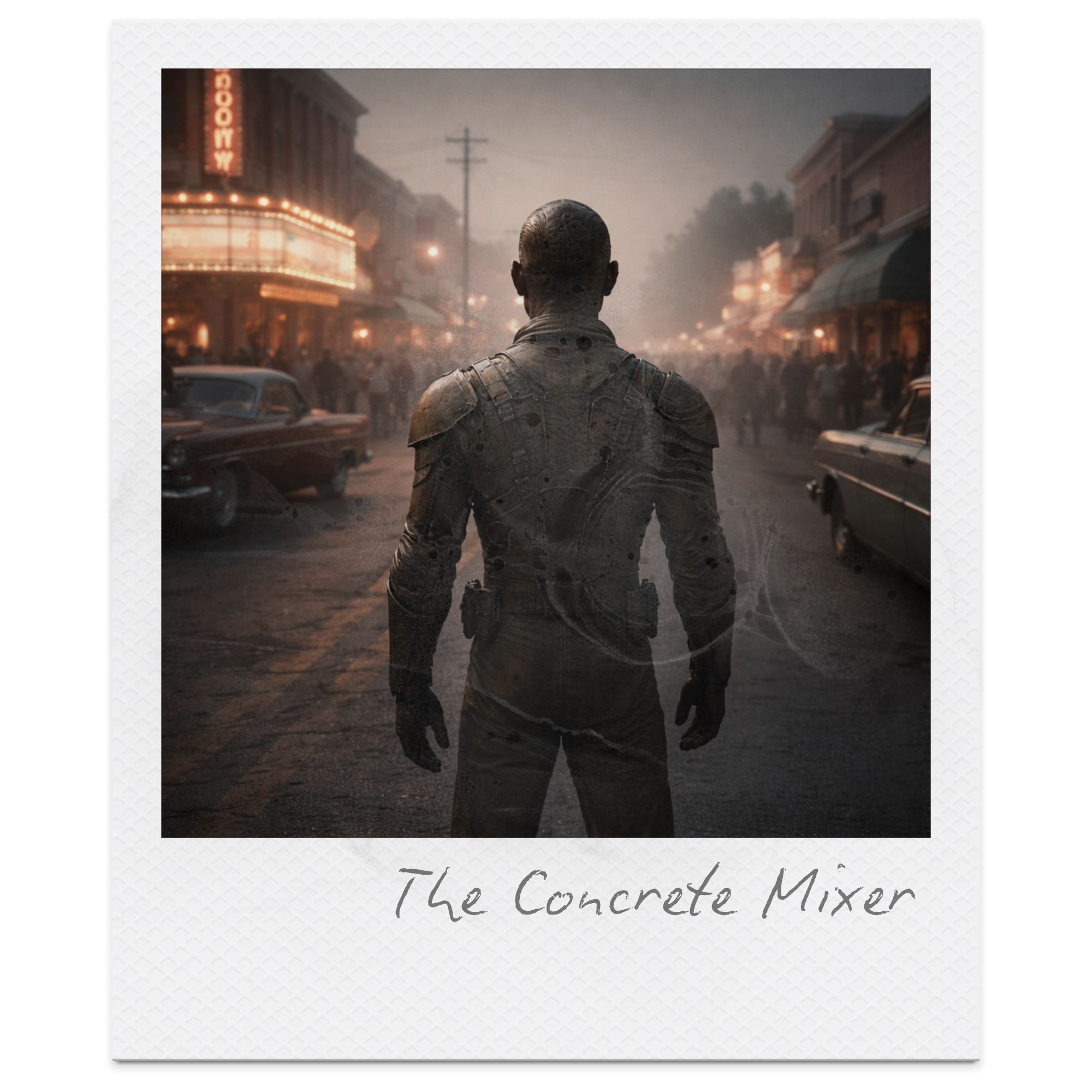
The Concrete Mixer by Ray Bradbury is a darkly satirical science fiction story that explores the dangers of consumerism, mass culture, and the quiet power of assimilation. When the Martian Ettil arrives on Earth expecting war, he instead finds a world of overwhelming friendliness, entertainment, and excess. Beneath the surface of this hospitality, however, lies something far more unsettling—a society that conquers not through violence, but through distraction, comfort, and the erosion of individuality. As Ettil moves through this strange new world, he begins to realise that the Martians are not being defeated—they are being absorbed. Bradbury uses irony, exaggeration, and symbolic imagery to critique modern life, suggesting that the greatest threat to identity is not destruction, but transformation. In this analysis, we explore the story’s themes, symbolism, and deeper meaning, revealing why The Concrete Mixer remains one of Bradbury’s most thought-provoking and relevant works.
The April Witch by Ray Bradbury: Summary, Themes, Symbolism & Analysis
Ray Bradbury’s The April Witch is a lyrical piece of speculative fiction that explores longing, identity, and the desire for connection through a magical yet emotionally grounded premise. The story follows Cecy, a young girl who can inhabit other living beings, as she seeks to experience love by entering another person’s body, revealing both the beauty and the limitations of her extraordinary ability. At its heart, the story examines illusion versus reality, the fragility of belonging, and the emotional cost of distance, showing that borrowed experiences cannot replace genuine connection. Through rich imagery and a dreamlike tone, Bradbury creates a haunting reflection on what it truly means to be present, loved, and understood.

The Long Rain by Ray Bradbury: Summary, Themes, Symbolism & Analysis
Ray Bradbury’s The Long Rain is a relentless exploration of survival, madness, and environmental hostility, set on a version of Venus where the rain never stops. As a group of men struggle through the jungle in search of a Sun Dome, the story shifts from a physical journey into a psychological one, where exhaustion, isolation, and constant sensory pressure begin to erode their sense of reality. Bradbury transforms the environment into a force that does not simply threaten the body, but steadily dismantles the mind. What makes the story so powerful is its focus on endurance rather than action. There is no single moment of catastrophe—only the slow, crushing weight of continuous exposure. Through this, Bradbury explores the fragile balance between hope and despair, showing how quickly control can slip away when relief is out of reach. The ambiguous ending leaves readers questioning whether survival has truly been achieved, or whether it exists only as a final illusion in a mind pushed beyond its limits.

The Last Night of the World by Ray Bradbury: Summary, Themes, Symbolism & Analysis
Bradbury’s The Last Night of the World presents an unsettlingly calm vision of apocalypse, where the end does not arrive through chaos or destruction, but through quiet, shared certainty. As a husband and wife realise—through identical dreams experienced across the world—that existence will end that very night, their response is not panic, but routine. They drink coffee, put their children to bed, and carry on as usual, creating a striking contrast between the enormity of the event and the simplicity of their actions. This quiet acceptance lies at the heart of the story’s power. Rather than asking how the world ends, Bradbury asks how people respond when they know it will—and his answer is both comforting and deeply unsettling. Through its focus on inevitability, human nature, and routine, the story suggests that even in the face of extinction, what matters most is not survival, but connection, normality, and the small rituals that define everyday life.

The Exiles by Ray Bradbury: Summary, Themes, Symbolism & Analysis
Bradbury’s The Exiles is a haunting exploration of censorship, imagination, and the fragility of stories, set on a dying Mars where forgotten authors and their creations struggle to survive. As books are banned and burned on Earth, the figures they once sustained begin to fade, turning the story into a powerful reflection on what happens when culture is erased and memory is lost. Blending science fiction, gothic atmosphere, and a deeply meta-literary perspective, the story challenges readers to consider the true cost of suppressing imagination. Through its unsettling imagery and quiet, devastating ending, The Exiles asks a central question: if stories disappear, what happens to the parts of ourselves they once held together?
The Purloined Letter by Edgar Allan Poe: Summary, Themes, Symbolism & Analysis
The Purloined Letter is a clever and thought-provoking detective story that challenges the idea that mysteries are always complex. Instead, Edgar Allan Poe presents a case where the solution is hidden in plain sight, revealing how assumptions and rigid thinking can prevent us from seeing the obvious. Through the character of Dupin, Poe explores how true intelligence lies in understanding how others think, rather than simply relying on method or procedure. As the investigation unfolds, the story shifts from a traditional search for hidden clues to a deeper exploration of perception, power, and psychological strategy. The stolen letter becomes more than just an object—it represents control, secrecy, and vulnerability, showing how knowledge can be used as a form of influence. Ultimately, the story leaves readers questioning not just the mystery itself, but the way human reasoning shapes what we see—and what we miss.
The Fall of the House of Usher by Edgar Allan Poe: Summary, Themes, Symbolism & Analysis
The Fall of the House of Usher is one of Edgar Allan Poe’s most famous Gothic short stories, exploring madness, isolation, fear, and the uneasy link between the human mind and its surroundings. This analysis examines the story’s plot, themes, symbolism, and literary techniques, showing how Poe transforms the decaying Usher mansion into a powerful reflection of psychological collapse and family decline. Ideal for students, teachers, and anyone revising Gothic fiction, this guide explores key ideas such as unreliable narration, family decay, premature burial, and the blurred boundary between reality and the supernatural. It also includes quotes, alternative interpretations, and teaching ideas to support deeper reading and classroom discussion.

Favourite Short Stories for the Classroom: Powerful Texts That Spark Discussion and Debate
Short stories offer some of the richest opportunities for discussion in the classroom. Their compact form allows students to engage deeply with power, choice, identity, and consequence, while leaving space for interpretation rather than easy answers. The best short stories do not rush towards resolution; they invite debate, uncertainty, and close attention to language. This post brings together favourite short stories for the classroom — texts that consistently spark discussion and reward close reading. Organised by theme, it explores stories such as The Lottery, The Yellow Wallpaper, The Necklace, and The Monkey’s Paw, alongside practical classroom ideas designed to support thoughtful, discussion-led teaching.
Teaching Edgar Allan Poe in the Secondary English Classroom
Edgar Allan Poe remains one of the most effective writers to teach in the secondary English classroom, offering short stories and poems that reward close reading, discussion, and interpretation. His work explores unreliable narrators, psychological tension, symbolism, and moral ambiguity, making it ideal for discussion-led lessons that move beyond plot and towards deeper literary thinking. In this post, Poe’s most commonly taught texts are organised by theme rather than chronology, allowing teachers to explore patterns around guilt, power, grief, atmosphere, and logic across both prose and poetry. With practical classroom ideas and links to complete teaching resources, this guide supports secondary English teachers looking to teach Edgar Allan Poe with depth, flexibility, and intellectual rigour.
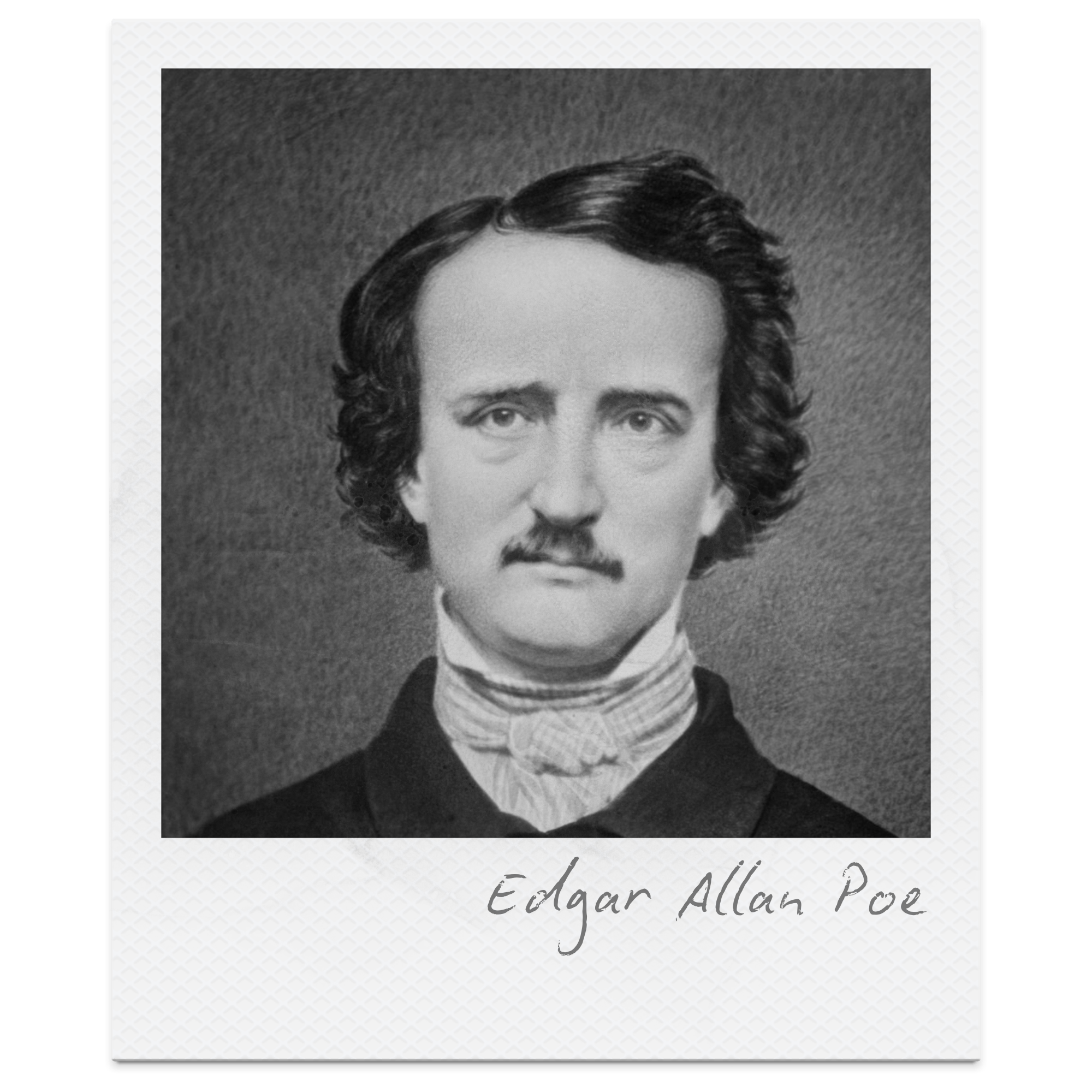
Edgar Allan Poe: Context, Themes, and Literary Significance
Edgar Allan Poe is one of the most widely taught American writers in the secondary English classroom, known for his Gothic fiction, psychological narratives, and influential detective stories. Writing in the early nineteenth century, Poe explored themes of unreliable narration, guilt, obsession, and moral ambiguity, using tightly controlled structure and atmosphere to shape reader interpretation. His work rewards close reading and discussion, making it particularly effective for developing analytical confidence. This guide explores Edgar Allan Poe’s historical context, recurring themes, and literary significance, offering a framework for understanding how his writing operates across poetry and short fiction. Rather than focusing on plot or biography, it examines how Poe uses voice, perspective, and implication to generate meaning, supporting discussion-led teaching and thematic study in the secondary English classroom.