The Copper Beeches by Sir Arthur Conan Doyle: Summary, Themes & Analysis
Sir Arthur Conan Doyle’s The Copper Beeches is a detective short story that combines mystery, domestic Gothic, social control, and female vulnerability. What begins as a strange employment offer for the independent governess Violet Hunter gradually becomes a darker story of imprisonment, manipulation, inheritance, and patriarchal power, with the isolated country house becoming a space of secrecy and danger.
Although the story follows the familiar Sherlock Holmes pattern of clues, deduction, and revelation, its power comes from the atmosphere of unease surrounding Violet’s position inside the Rucastle household. The story remains compelling because it turns ordinary details — a dress, a haircut, a window, a locked room — into signs of hidden cruelty. If you are studying or teaching CIE IGCSE World Literature (0408) then check out the Stories of Ourselves: Volume 2 Hub, or for a wider variety of texts, explore more analysis in the Literature Library.

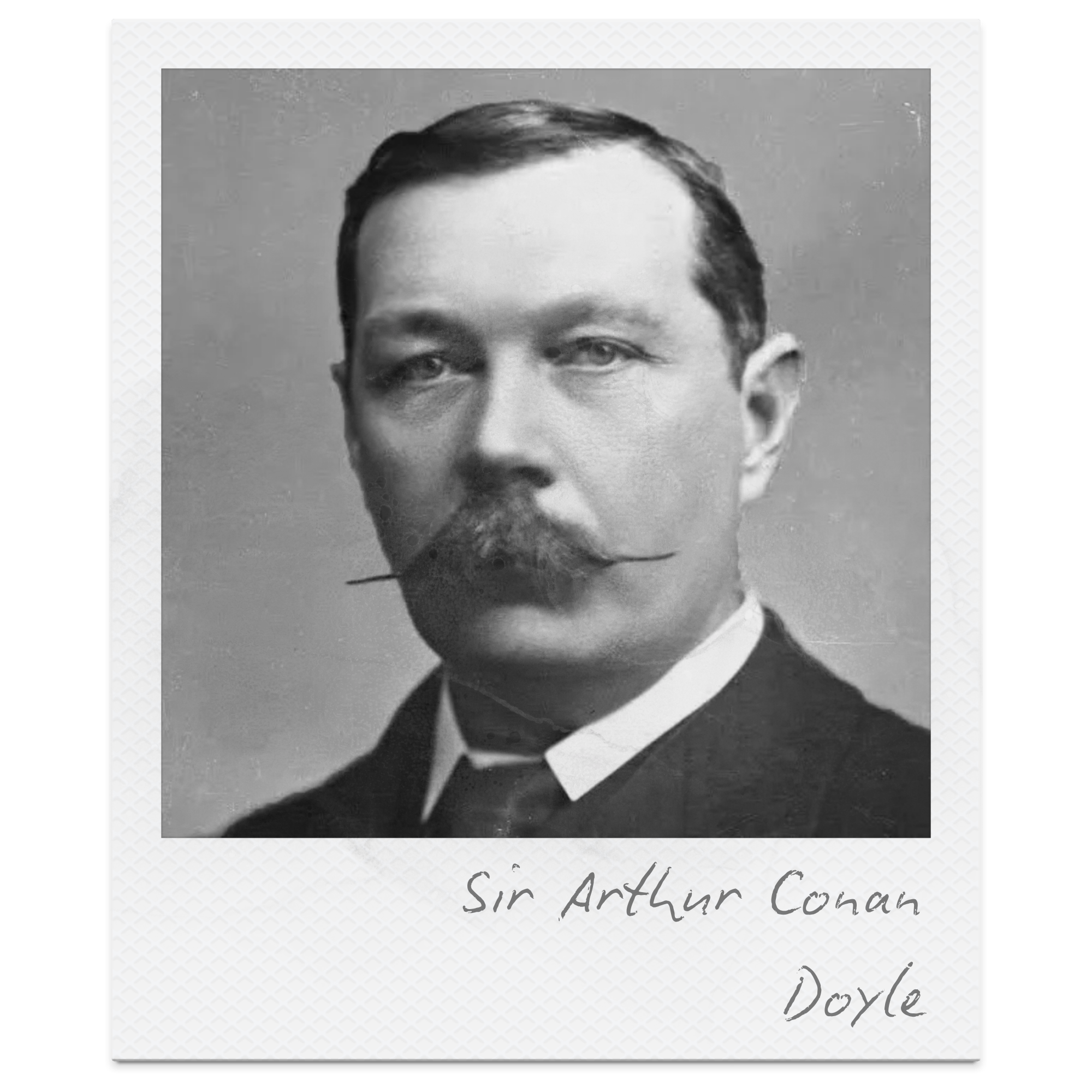
Context of The Copper Beeches
Sir Arthur Conan Doyle wrote The Copper Beeches during the late Victorian period, when fears surrounding crime, secrecy, inheritance, gender roles, and hidden domestic abuse frequently appeared in popular fiction. First published in 1892 as part of The Adventures of Sherlock Holmes, the story reflects Victorian anxieties about what might be concealed beneath the surface of respectable middle-class life. Doyle often contrasts the appearance of the peaceful English countryside with the reality of isolation and hidden cruelty, suggesting that danger can exist behind even the most ordinary domestic settings.
The story also reflects growing Victorian interest in logic, deduction, and scientific reasoning, embodied through Sherlock Holmes’s analytical methods. At the same time, Doyle combines detective fiction with elements of the Gothic, including the isolated house, locked rooms, threatening animals, surveillance, and imprisoned women. Violet Hunter’s role as a governess is also significant, as governesses occupied an uncertain social position in Victorian society — educated and respectable, but financially vulnerable and dependent upon wealthy employers for survival.
The Copper Beeches: At a Glance
Form: Detective short story with Gothic elements
Mood: Suspenseful, eerie, and increasingly threatening
Central conflict: Violet Hunter attempts to uncover the secret hidden within the Rucastle household
Core themes: Power, imprisonment, deception, gender control, isolation, cruelty, and appearance versus reality
Narrative perspective: First-person narration through Dr Watson
One-sentence meaning: Doyle explores how logic and observation expose hidden cruelty beneath the surface of respectable Victorian domestic life.
Quick Summary of The Copper Beeches
Violet Hunter, a young governess struggling financially, accepts a highly paid position at a country house called the Copper Beeches despite several strange conditions, including cutting her hair short and wearing a specific blue dress. Concerned by the unusual behaviour of her employer, Mr. Rucastle, she consults Sherlock Holmes before travelling to rural Hampshire.
At the house, Violet becomes increasingly disturbed by the atmosphere of secrecy, surveillance, and manipulation surrounding the family. She is repeatedly made to sit in front of a window while dressed like the absent daughter of the house, and she notices signs that someone may be imprisoned in a locked wing of the building. The isolated setting, the violent child, the drunken servant, and the terrifying mastiff all deepen the sense of danger and hidden cruelty.
Frightened but determined to uncover the truth, Violet contacts Holmes for help. Holmes eventually discovers that the Rucastles have imprisoned Alice Rucastle in order to control her inheritance and prevent her relationship with her fiancé. Alice escapes before Holmes arrives, and the mystery ends with Mr. Rucastle attacked by his own savage dog while Holmes exposes the deception, imprisonment, and abuse of power hidden within the household.
Title of The Copper Beeches
The title immediately creates a sense of place, atmosphere, and symbolism. On a literal level, The Copper Beeches refers to the large trees standing outside the Rucastle house, giving the estate its name. However, Doyle quickly transforms this peaceful natural image into something unsettling, linking the house and its surrounding landscape to secrecy, imprisonment, and hidden danger.
The word “copper” carries rich symbolic associations. Its reddish metallic colour suggests both warmth and threat, reflecting the deceptive contrast between the outward friendliness of Mr. Rucastle and the cruelty concealed within the house. The beech trees themselves become symbols of isolation and concealment, surrounding the estate almost like a barrier separating it from wider society and protection.
By the ending of the story, the title has gained a darker emotional resonance. What initially sounds like the name of a pleasant rural home instead becomes associated with control, deception, surveillance, and Gothic imprisonment, reinforcing Doyle’s idea that danger often hides beneath the appearance of domestic respectability.
Structure of The Copper Beeches
Doyle structures The Copper Beeches as a gradual process of suspicion, investigation, and revelation, allowing tension to build slowly through fragmented clues and increasingly unsettling details. The story follows the classic Sherlock Holmes pattern of mystery fiction, but it also uses many features of the Gothic, including secrecy, isolation, hidden rooms, and delayed revelation.
Opening / Exposition
The story opens with Holmes and Watson discussing the nature of detective fiction itself, immediately foregrounding ideas of logic, observation, and interpretation. This framing device establishes Holmes’s analytical mindset before the mystery even begins. Violet Hunter’s arrival then introduces the central mystery through the strange governess advertisement, with the bizarre conditions creating immediate unease.
Doyle carefully escalates suspicion through apparently trivial details such as the demand to cut Violet’s hair, the unusually high salary, and the insistence on wearing a blue dress. The gradual accumulation of odd details creates tension long before any explicit danger appears.
Rising Action
Once Violet arrives at the Copper Beeches, the structure becomes increasingly driven by observation and discovery. Doyle controls pacing carefully by revealing clues one at a time: the strange performances at the window, the mysterious man watching from the road, the locked wing of the house, the savage mastiff, and the discovery of the identical hair hidden in the drawer.
This section relies heavily on withheld information. Violet — and the reader — understands that something is wrong but cannot yet fully explain it. Doyle repeatedly places Violet close to discovering the truth before delaying revelation again, sustaining suspense throughout the middle of the narrative.
The isolated rural setting also strengthens structural tension because it limits escape and creates a sense of vulnerability. Holmes’s warning that “crime may be committed” more easily in the countryside foreshadows the hidden imprisonment at the centre of the story.
Turning Point / Climax
The climax occurs when Violet secretly enters the forbidden wing and discovers evidence that someone is being imprisoned behind the barricaded door. Doyle sharply increases tension here through sensory detail, pacing, and Gothic imagery, particularly the “shadow” moving beneath the door and Violet’s panicked escape.
The later investigation led by Holmes provides the story’s dramatic confrontation. The discovery that the prisoner has escaped initially creates uncertainty before the truth is finally exposed through Mrs. Toller’s explanation. The violent attack on Mr. Rucastle by his own starving mastiff acts as both narrative climax and symbolic punishment, with Doyle using irony to turn the instrument of control against its owner.
Ending / Resolution
The ending restores order through Holmes’s successful solution of the mystery, following the conventions of detective fiction. However, the resolution is not entirely triumphant. Although Alice escapes and marries Mr. Fowler, the story leaves behind lingering images of psychological cruelty, imprisonment, and domestic abuse.
Doyle also ends with an emotionally detached conclusion regarding Violet Hunter, reinforcing Holmes’s tendency to treat human experiences primarily as intellectual problems once the mystery itself has been solved. This final detail subtly complicates the resolution and reinforces one of the story’s recurring tensions between logic and emotional empathy.
Setting of The Copper Beeches
Doyle uses setting to create an atmosphere of unease, secrecy, and Gothic isolation, transforming the apparently peaceful countryside into a place associated with hidden cruelty and psychological tension. The setting is never merely descriptive; it constantly reflects the themes of imprisonment, surveillance, vulnerability, and deception running throughout the story.
The story begins in Baker Street, where Holmes and Watson sit surrounded by the “thick fog” and “heavy yellow wreaths” drifting through London. Even before the mystery properly begins, Doyle establishes an atmosphere of uncertainty and obscured truth. The fog symbolically reflects the lack of clarity surrounding Violet Hunter’s strange situation, while Holmes’s analytical reasoning contrasts against the obscurity surrounding the case.
The countryside setting of the Copper Beeches initially appears idyllic, with “rolling hills,” “light green foliage,” and the beauty of rural Hampshire. However, Holmes immediately challenges this romantic image, arguing that isolated country houses allow “hidden wickedness” and “hellish cruelty” to remain concealed from society. This contrast between outward beauty and hidden corruption becomes central to the story’s meaning.
The house itself is deeply Gothic in atmosphere. Although Violet describes it as “beautifully situated,” she immediately notes that it is “not beautiful in itself,” appearing “stained and streaked with damp and bad weather.” Doyle uses the physical deterioration of the house to symbolise the moral corruption hidden inside it. The isolated position of the estate, surrounded by woods and distant from public scrutiny, reinforces Violet’s vulnerability and the Rucastles’ power.
Specific rooms within the house carry symbolic importance. The large drawing-room, with its “three long windows reaching down to the floor,” becomes a space of performance and surveillance, where Violet is manipulated into impersonating Alice Rucastle. The repeated positioning of Violet in front of the window transforms the room into a stage-like setting where appearances are carefully controlled.
The locked wing of the house creates some of the story’s strongest Gothic imagery. Doyle describes the abandoned corridor as “unpapered and uncarpeted,” while the rooms are “dusty and cheerless,” creating an atmosphere of decay and neglect. The “barricaded door” and the “shadow” moving beneath it intensify the sense of imprisonment and hidden suffering. These details symbolise the suppression of Alice Rucastle herself, physically and emotionally confined within the household.
Even the grounds surrounding the house contribute to the threatening atmosphere. The “giant dog” roaming beneath the moonlit copper beeches transforms the landscape into a space of fear and entrapment. Carlo acts almost like a living extension of the house’s violence, preventing escape and reinforcing the sense that the entire setting functions as a prison controlled by Mr. Rucastle.
Narrative Voice in The Copper Beeches
Doyle uses first-person narration through Dr Watson, allowing the story to balance Holmes’s logical analysis with a more emotional and suspenseful perspective. Watson’s narration shapes the reader’s experience by limiting information, gradually revealing clues, and increasing tension alongside Violet Hunter’s growing fear.
Because Watson can only describe what he personally witnesses or what others tell him, the narrative voice creates natural mystery and uncertainty. Important information is deliberately withheld until Holmes pieces the clues together, allowing readers to participate in the process of deduction. This controlled perspective strengthens the detective structure of the story and makes the final revelation more satisfying.
Watson’s tone is also deeply influenced by atmosphere and emotional response. He frequently describes settings and events in dramatic or Gothic terms, referring to the “sinister house,” the “horrible” mastiff, and the “hidden wickedness” that may exist within isolated country homes. His reactions help position the reader emotionally, encouraging sympathy for Violet Hunter and suspicion towards the Rucastles.
At the same time, Holmes’s voice repeatedly interrupts Watson’s narration with moments of cold logic and analytical reasoning. This contrast between Watson’s emotional storytelling and Holmes’s detached deduction reinforces one of the story’s central tensions between human feeling and intellectual analysis. Doyle therefore uses narrative voice not only to create suspense, but also to explore different ways of interpreting human behaviour and danger.
Characters in The Copper Beeches
The characters in The Copper Beeches often function as embodiments of broader ideas surrounding power, deception, gender control, logic, cruelty, and vulnerability. Doyle develops tension not simply through plot, but through the unsettling contrasts between outward appearance and hidden intention.
Violet Hunter
Violet Hunter is presented as intelligent, observant, and unusually courageous for a Victorian governess figure. Although financially vulnerable, she consistently demonstrates independence, curiosity, and practical judgement, refusing to remain passive despite the dangers surrounding her. Doyle immediately establishes her resilience through her “bright, quick face” and “brisk manner,” suggesting both intelligence and determination.
Importantly, Violet is not portrayed as a helpless Gothic heroine. Instead, she actively investigates the mystery herself, secretly observing the household, discovering clues, and eventually contacting Holmes for assistance. Her curiosity becomes both a source of danger and a sign of moral courage. Doyle therefore challenges some traditional Victorian expectations surrounding female passivity and obedience.
At the same time, Violet’s vulnerability as a governess reflects wider anxieties surrounding women’s economic dependence during the Victorian period. Her willingness to accept increasingly disturbing conditions because “the money” is so desperately needed highlights the limited opportunities available to women without wealth or family protection.
Sherlock Holmes
Sherlock Holmes functions as the story’s central force of logic, rationality, and deduction. He approaches the mystery analytically, repeatedly emphasising the importance of “data” and observation. Unlike Watson, Holmes is emotionally detached, viewing the case primarily as an intellectual puzzle rather than a human tragedy.
However, Doyle complicates Holmes’s coldness slightly through his concern for Violet Hunter. He warns that he would not wish to see “a sister of mine apply for” such a position, suggesting that beneath his detached reasoning there remains a moral awareness of danger, exploitation, and abuse of power.
Holmes also acts as a contrast to the story’s Gothic atmosphere. While the setting encourages fear, secrecy, and irrational suspicion, Holmes represents clarity, explanation, and order. Doyle therefore uses Holmes to show how rational investigation can expose hidden cruelty concealed beneath respectable appearances.
Mr. Rucastle
Mr. Rucastle is one of the story’s most unsettling characters because of the contrast between his outward friendliness and inner cruelty. He initially appears “smiling,” “genial,” and humorous, presenting himself as a harmless eccentric. However, Doyle gradually reveals the violence and manipulation hidden beneath this performance.
Rucastle constantly treats people as objects to control. He attempts to shape Violet’s appearance, behaviour, and movements, forcing her to become part of a carefully staged deception. His exaggerated cheerfulness therefore becomes deeply sinister because it masks psychological manipulation and emotional intimidation.
The sudden shifts in his behaviour are particularly disturbing. Doyle repeatedly contrasts his “amiable manner” with moments where his face transforms into “the face of a demon.” These violent tonal shifts reveal the instability and cruelty hidden beneath his social performance.
Rucastle also represents broader themes of patriarchal authority, greed, and domestic imprisonment. His treatment of Alice Rucastle shows his willingness to exploit and imprison his own daughter in order to maintain financial control.
Mrs. Rucastle
Mrs. Rucastle appears emotionally subdued and psychologically trapped within the household. Violet describes her as “silent” and “pale-faced,” suggesting emotional exhaustion and repression. Unlike her husband’s exaggerated theatricality, Mrs. Rucastle is defined by stillness, sadness, and silence.
Although she participates in the deception surrounding Alice, Doyle presents her less as an active villain and more as a figure shaped by fear, dependence, and emotional submission. Her “sad, anxious look” and moments of private tears imply hidden suffering beneath her outward obedience.
Mrs. Rucastle therefore reflects themes of female powerlessness and emotional repression within Victorian domestic structures. Her silence becomes symbolic of the broader atmosphere of secrecy surrounding the house.
Alice Rucastle
Although Alice Rucastle appears only indirectly for much of the story, her absence dominates the narrative. She functions as the hidden victim at the centre of the mystery, representing female imprisonment, loss of autonomy, and patriarchal control.
The discovery of her identical hair symbolises the attempt to erase and replace her identity. Violet is effectively forced to perform Alice’s role while the real woman is hidden away and silenced. Doyle therefore presents Alice less as an individual character and more as a symbol of the dangers faced by women trapped within controlling domestic environments.
Her eventual escape restores a degree of justice, but the psychological cruelty she experiences continues to shape the emotional impact of the story.
The Child
The Rucastles’ young son functions as an unsettling symbol of inherited cruelty and moral corruption. Violet describes him as finding pleasure in harming animals and weaker creatures, suggesting a complete absence of empathy.
Holmes treats the child’s behaviour as psychologically revealing, arguing that children expose truths about their parents. The child therefore becomes evidence of the violence hidden beneath Mr. Rucastle’s cheerful exterior. Doyle uses him to reinforce the idea that cruelty within the household is not accidental but deeply rooted within the family itself.
Watson
Dr Watson functions as both narrator and emotional mediator for the reader. His narration emphasises the atmosphere, fear, and human consequences of the mystery in ways Holmes often ignores. Watson’s reactions encourage sympathy for Violet Hunter and strengthen the story’s emotional realism.
At the same time, Watson’s more limited understanding allows Doyle to preserve suspense. Because Watson cannot fully solve the mystery himself, the reader uncovers the truth gradually alongside him.
Key Themes in The Copper Beeches
Doyle uses The Copper Beeches to explore themes surrounding power, control, secrecy, vulnerability, and hidden violence beneath respectable Victorian society. The story combines detective fiction with Gothic anxiety, showing how ordinary domestic spaces can conceal manipulation and cruelty.
Power
The story repeatedly explores how individuals use social, financial, and psychological power to dominate others. Mr. Rucastle controls almost every aspect of life within the house, from Violet’s appearance to Alice’s imprisonment. His authority depends not simply on physical force, but on his ability to manipulate vulnerable people financially and emotionally.
Doyle especially emphasises the power imbalance between wealthy employers and financially dependent women. Violet initially feels pressured to accept suspicious conditions because she desperately needs employment, while Alice becomes trapped because her father seeks control over her inheritance. The story therefore critiques systems where wealth and authority allow individuals to exploit others behind closed doors.
Holmes’s intellectual authority forms an important contrast to Rucastle’s abuse of power. Whereas Rucastle uses deception and intimidation, Holmes uses logic, observation, and deduction to expose hidden wrongdoing.
Imprisonment
Imprisonment operates both literally and psychologically throughout the story. Alice Rucastle is physically confined within the locked wing of the house, hidden away from society in order to control her choices and inheritance. The barricaded room, shuttered window, and guarded grounds all reinforce the Gothic image of confinement.
However, Doyle also presents other forms of imprisonment. Violet is not physically trapped, but she becomes psychologically confined by fear, secrecy, and surveillance. Even Mrs. Rucastle appears emotionally imprisoned within her marriage, defined by silence, anxiety, and submission.
The isolated countryside setting strengthens this theme further. Holmes specifically warns that hidden cruelty becomes easier in remote locations where victims are cut off from public protection and observation.
Deception
The entire structure of the story depends upon performance, disguise, and manipulation. Violet is hired to impersonate Alice Rucastle, unknowingly becoming part of an elaborate deception designed to mislead Alice’s fiancé into believing she is content and no longer wishes to communicate with him.
Doyle repeatedly shows how appearances are carefully staged and controlled. The blue dress, the positioning at the window, the forced laughter, and the repeated performances all turn Violet into part of a constructed illusion. Even Mr. Rucastle himself performs friendliness and humour while concealing violence beneath the surface.
This emphasis on deception reinforces one of the central concerns of detective fiction: the difficulty of distinguishing truth from carefully manufactured appearances.
Gender Control
The story strongly reflects Victorian anxieties surrounding female autonomy and patriarchal authority. Both Violet and Alice are controlled largely because they are women with limited social and financial independence.
Alice’s imprisonment is particularly significant because it is directly linked to marriage and inheritance. Mr. Rucastle attempts to prevent her relationship in order to retain control of her money, reducing her to something closer to property than an independent person. Doyle therefore exposes how Victorian legal and social structures could allow fathers and husbands enormous control over women’s lives.
Violet’s treatment also reflects this theme. Mr. Rucastle attempts to dictate her appearance, movements, and behaviour, repeatedly treating her body and identity as things to manipulate for his own purposes. Her resistance to this control helps position her as one of the story’s strongest moral figures.
Isolation
Isolation shapes both the atmosphere and the danger of the story. Holmes explicitly argues that isolated country houses allow hidden cruelty to flourish because victims are removed from society, public scrutiny, and legal protection.
The Copper Beeches itself becomes a symbol of emotional and physical isolation. Surrounded by woods, guarded by the mastiff, and separated from neighbouring communities, the house functions almost like a private prison where secrecy can continue unchecked.
Several characters also experience emotional isolation. Alice is cut off from society entirely, Mrs. Rucastle suffers in silence, and Violet enters the household as an outsider with no allies inside the home. Doyle uses this isolation to intensify the story’s atmosphere of vulnerability and fear.
Cruelty
Cruelty appears throughout the story in both subtle and overt forms. Mr. Rucastle’s manipulation of Alice and Violet reveals calculated psychological cruelty, while the starving mastiff represents physical violence used as a tool of intimidation and control.
The child’s behaviour is especially disturbing because his enjoyment of harming animals suggests cruelty without remorse or empathy. Holmes treats this as evidence of deeper moral corruption within the family itself. Doyle therefore suggests that violence and abuse are not isolated acts but part of a wider culture of domination within the household.
Importantly, much of the cruelty in the story hides beneath outward respectability. Doyle repeatedly contrasts smiling politeness with hidden brutality, making the violence feel more unsettling because it exists within ordinary domestic life.
Appearance Versus Reality
One of the story’s most important themes is the contrast between surface appearances and hidden truth. Nearly every major element of the story contains this tension. The peaceful countryside conceals imprisonment, the respectable household hides abuse, and Mr. Rucastle’s cheerful personality masks manipulation and violence.
Doyle constantly encourages readers to question what they initially see. Holmes succeeds because he understands that appearances are often performances designed to conceal deeper realities. Even the central deception involving Violet depends entirely upon visual resemblance and mistaken identity.
This theme also connects closely to the detective genre itself. The mystery can only be solved once Holmes looks beyond superficial appearances and uncovers the hidden structures of control operating beneath the surface of ordinary Victorian life.
Symbolism in The Copper Beeches
Doyle uses symbolism throughout The Copper Beeches to deepen the story’s atmosphere of secrecy, imprisonment, surveillance, and hidden corruption. Objects, spaces, colours, and physical details repeatedly carry meanings that extend beyond their literal function, helping transform the detective story into something far more psychologically unsettling and Gothic in tone.
The Copper Beeches
The copper beeches themselves symbolise the deceptive contrast between beauty and hidden danger. At first, the trees create an image of peaceful rural elegance, helping the estate appear respectable and attractive. However, as the story progresses, the house associated with them becomes linked to cruelty, imprisonment, and fear.
The word “copper” also carries darker associations through its reddish metallic colouring, subtly suggesting violence, warning, and concealment. The trees form a symbolic barrier surrounding the house, reinforcing the isolation that allows abuse and secrecy to flourish away from public scrutiny.
Violet Hunter’s Hair
Violet’s hair becomes one of the story’s most important symbols of identity and control. Mr. Rucastle’s insistence that she cut her “luxuriant” chestnut hair represents his desire to reshape her identity for his own purposes.
The discovery of Alice Rucastle’s identical hair hidden in the locked drawer deepens this symbolism further. The duplicated hair symbolises the attempt to erase Alice’s individuality and replace her with Violet’s staged performance at the window. Doyle therefore transforms an ordinary physical feature into a symbol of female vulnerability, impersonation, and loss of autonomy.
Hair also carries wider Gothic associations connected to femininity, beauty, and bodily control, making its forced removal psychologically disturbing.
The Blue Dress
The electric-blue dress symbolises performance, deception, and constructed identity. Violet is repeatedly dressed in Alice’s clothing and positioned carefully before the window in order to create a false image for the man watching from the road.
The dress therefore becomes part of a theatrical performance controlled entirely by Mr. Rucastle. Violet is transformed into a visual illusion rather than treated as an individual person. Doyle uses this symbolism to reinforce themes of surveillance, manipulation, and appearance versus reality.
The colour blue itself may also suggest artificial calmness or emotional distance, contrasting sharply with the fear and tension hidden beneath the surface of the household.
The Window
The drawing-room window functions as a symbol of both surveillance and separation. It creates a visual connection between the inside and outside worlds while also reinforcing the deception at the centre of the story.
Violet is positioned deliberately with her back to the window, preventing her from seeing the full truth of what is happening outside. Meanwhile, the man on the road is manipulated into believing the staged image presented to him. Doyle therefore uses the window to symbolise distorted perception and the difficulty of accessing truth.
The repeated focus on observation also connects symbolically to Holmes’s role as a detective, since the story repeatedly asks who is truly seeing clearly and who is being deceived.
The Locked Wing
The locked wing of the house symbolises hidden suffering, repression, and domestic imprisonment. Physically separated from the rest of the home, it represents the concealed violence hidden beneath respectable Victorian domestic life.
The dusty corridor, barricaded door, shuttered window, and dimly lit interior all contribute to its Gothic symbolism. Doyle transforms the hidden rooms into a physical representation of secrecy itself, where uncomfortable truths are literally locked away from public view.
Alice’s imprisonment inside this wing symbolises the silencing and confinement of women whose independence threatens patriarchal authority.
Carlo the Mastiff
Carlo symbolises violence, intimidation, and uncontrolled brutality. The dog acts as both a physical guard and a psychological weapon, preventing escape and reinforcing the atmosphere of fear surrounding the house.
Importantly, Carlo reflects Mr. Rucastle himself. Both appear outwardly controlled but are fundamentally dangerous beneath the surface. The starving of the dog also symbolises how cruelty is deliberately cultivated within the household as a means of maintaining power and control.
The dog’s eventual attack upon Rucastle carries strong symbolic irony. The violence he created and used against others ultimately turns against him, making Carlo a symbol of self-destruction and moral consequence.
The Locked Door and Barrier
The barricaded door represents the deliberate suppression of truth, freedom, and individuality. The iron bar fixed across it creates a powerful visual symbol of forceful imprisonment and control.
At the same time, the faint light and moving shadow beneath the door suggest that truth cannot remain fully hidden forever. Doyle uses these details to create suspense while symbolising the persistence of human resistance beneath oppression and secrecy.
The door therefore becomes both a literal obstacle within the mystery and a symbolic barrier separating outward appearances from hidden reality.
Key Quotes and Methods in The Copper Beeches
Important quotations in The Copper Beeches reveal power, deception, isolation, cruelty, surveillance, and hidden fear. Doyle uses dialogue, imagery, symbolism, and tonal shifts to gradually expose the disturbing reality hidden within the Rucastle household.
“The lowest and vilest alleys in London do not present a more dreadful record of sin than does the smiling and beautiful countryside.”
◆ Method — Contrast, ironic imagery, Gothic foreshadowing
◆ Meaning — Holmes challenges the romantic idea that the countryside is naturally peaceful or morally pure
◆ Purpose — Doyle foreshadows the hidden cruelty concealed within the isolated rural household
◆ Impact — The contrast between “smiling” beauty and “sin” creates unease and encourages readers to distrust appearances
◆ Link to theme, conflict, or symbolism — Links to appearance versus reality, isolation, and hidden corruption
“If you ever put your foot over that threshold again… I’ll throw you to the mastiff.”
◆ Method — Threatening dialogue, violent imagery, sudden tonal shift
◆ Meaning — Rucastle’s cheerful mask disappears, revealing his capacity for cruelty and intimidation
◆ Purpose — Doyle exposes the violence hidden beneath respectable behaviour
◆ Impact — The abrupt shift from politeness to menace shocks both Violet and the reader
◆ Link to theme, conflict, or symbolism — Links to power, fear, domestic abuse, and cruelty
“There was a man standing in the Southampton Road… looking earnestly up.”
◆ Method — Suspense, visual imagery, surveillance motif
◆ Meaning — The unknown man introduces the idea that the events within the house are being secretly observed from outside
◆ Purpose — Doyle increases mystery while hinting that Violet is unknowingly participating in a deception
◆ Impact — The image creates tension because the reader understands that something important is happening beyond Violet’s understanding
◆ Link to theme, conflict, or symbolism — Links to deception, surveillance, and appearance versus reality
“It was my coil of hair.”
◆ Method — Symbolism, shock revelation, Gothic detail
◆ Meaning — The discovery of identical hair symbolises the attempted replacement and erasure of Alice Rucastle’s identity
◆ Purpose — Doyle transforms an ordinary object into evidence of psychological manipulation and hidden imprisonment
◆ Impact — The sudden discovery creates horror because it suggests that Violet is being forced into someone else’s role
◆ Link to theme, conflict, or symbolism — Links to identity, gender control, and imprisonment
“He glared down at me with the face of a demon.”
◆ Method — Simile, Gothic imagery, monstrous description
◆ Meaning — Rucastle is presented as something almost inhuman beneath his social performance
◆ Purpose — Doyle reveals the moral corruption hidden beneath Rucastle’s earlier friendliness
◆ Impact — The demonic imagery intensifies fear and reinforces the Gothic atmosphere of the story
◆ Link to theme, conflict, or symbolism — Links to appearance versus reality, hidden evil, and psychological terror
“Data! Data! Data! I can’t make bricks without clay.”
◆ Method — Repetition, metaphor, emphatic dialogue
◆ Meaning — Holmes emphasises the importance of evidence and rational observation
◆ Purpose — Doyle reinforces Holmes’s identity as a detective driven by logic rather than emotion or assumption
◆ Impact — The repetition creates energy and highlights Holmes’s frustration with incomplete information
◆ Link to theme, conflict, or symbolism — Links to logic, investigation, and truth-seeking
“The giant dog… as large as a calf.”
◆ Method — Simile, animal imagery, Gothic symbolism
◆ Meaning — Carlo becomes a symbol of violence, intimidation, and uncontrolled brutality within the household
◆ Purpose — Doyle increases the atmosphere of danger surrounding the Copper Beeches
◆ Impact — The exaggerated description creates fear and reinforces the sense that Violet is trapped within a hostile environment
◆ Link to theme, conflict, or symbolism — Links to cruelty, control, and imprisonment
“You were chosen, doubtless, as resembling her in height, figure, and the colour of your hair.”
◆ Method — Deductive explanation, symbolism, parallel imagery
◆ Meaning — Holmes uncovers the central deception involving Violet’s physical resemblance to Alice
◆ Purpose — Doyle reveals how identity has been manipulated and staged for selfish purposes
◆ Impact — The explanation recontextualises earlier events and creates satisfaction through revelation
◆ Link to theme, conflict, or symbolism — Links to deception, identity, and appearance versus reality
Key Techniques in The Copper Beeches
Doyle combines detective fiction conventions, Gothic atmosphere, and careful narrative control to create suspense while exploring themes of power, deception, imprisonment, and hidden cruelty.
◆ Foreshadowing — Holmes’s warning that isolated country houses allow “hidden wickedness” foreshadows the imprisonment and abuse concealed within the Copper Beeches
◆ Gothic imagery — Doyle uses locked rooms, shadows, moonlight, barred doors, and the savage mastiff to create an atmosphere of fear, secrecy, and psychological tension
◆ Contrast — The peaceful beauty of the countryside is repeatedly contrasted with the cruelty hidden inside the house, reinforcing the theme of appearance versus reality
◆ Symbolism — Objects such as the blue dress, the hair, the locked wing, and the mastiff symbolise identity, surveillance, imprisonment, and control
◆ Withheld information — Doyle carefully delays revelation by allowing clues to emerge gradually through Violet’s observations, sustaining suspense throughout the narrative
◆ First-person narration — Watson’s limited perspective controls what readers know, allowing the mystery to unfold slowly while increasing emotional engagement and uncertainty
◆ Character duality — Mr. Rucastle’s exaggerated friendliness contrasts sharply with his moments of violence and cruelty, making him more unsettling and unpredictable
◆ Repetition — The repeated performances at the window reinforce the artificial and theatrical nature of the deception surrounding Alice Rucastle
◆ Sensory imagery — Descriptions of the “thick fog,” “heavy yellow wreaths,” barking mastiff, and dark corridors intensify the atmosphere of unease and isolation
◆ Irony — The mastiff, used by Rucastle as a weapon of control, ultimately attacks its own master, creating symbolic punishment and moral consequence
◆ Pacing and escalation — Doyle structures the story around increasingly disturbing discoveries, gradually intensifying tension from mild suspicion to Gothic horror and physical danger
◆ Dialogue — Holmes’s analytical speech contrasts with Watson’s emotional narration, reinforcing the tension between logic and fear throughout the story
How the Writer Creates Meaning and Impact in The Copper Beeches
Doyle creates meaning in The Copper Beeches by combining detective fiction, Gothic atmosphere, symbolism, and psychological tension to expose the cruelty hidden beneath respectable Victorian domestic life. Throughout the story, apparently ordinary details gradually become signs of manipulation, imprisonment, and abuse of power, encouraging readers to question the reliability of outward appearances.
One of Doyle’s most effective methods is his use of gradual revelation and withheld information. The mystery develops through small but increasingly disturbing details — the cutting of Violet’s hair, the blue dress, the performances at the window, the locked wing, and the discovery of the identical tresses. By revealing clues slowly, Doyle creates suspense while placing readers in the same uncertain position as Violet Hunter. This structure allows tension to escalate naturally as ordinary eccentricity gradually transforms into genuine danger.
Doyle also creates impact through the contrast between appearance and reality. Mr. Rucastle initially appears humorous, generous, and welcoming, yet his exaggerated friendliness eventually becomes deeply sinister. Doyle repeatedly shifts his behaviour from cheerful performance to sudden violence, revealing the cruelty hidden beneath his social mask. This contrast reinforces the story’s wider warning that evil may exist beneath ordinary domestic respectability.
The story’s Gothic atmosphere intensifies its emotional and psychological impact. Doyle transforms the isolated countryside setting into a place of fear and secrecy through imagery of fog, shadows, locked rooms, moonlight, and the savage mastiff. The Copper Beeches itself becomes symbolic of hidden corruption, with the beautiful rural landscape masking imprisonment and abuse. The locked wing and barricaded door particularly strengthen the atmosphere of repression and concealed suffering.
Doyle further deepens meaning through symbolism connected to identity and control. Violet’s hair and the blue dress symbolise the forced replacement of Alice Rucastle’s identity, showing how women within the story are manipulated and reshaped according to male authority. The repeated performances at the window reinforce the idea that identity itself becomes something staged and controlled for the benefit of others.
Narrative perspective also shapes the story’s meaning. Watson’s first-person narration allows readers to experience the mystery gradually while emotionally responding to Violet’s fear and uncertainty. His reactions encourage sympathy and suspense, while Holmes’s analytical deductions provide moments of clarity and explanation. Doyle therefore balances emotional tension with intellectual satisfaction, combining Gothic fear with detective logic.
Finally, Doyle creates lasting impact through moral and psychological ambiguity. Although Holmes solves the mystery and Alice escapes, the story leaves readers disturbed by the hidden cruelty that existed unnoticed within an apparently respectable household. The violent attack on Rucastle by his own starving dog acts as symbolic punishment, reinforcing themes of moral consequence and self-destruction, while also revealing how violence ultimately consumes those who create it.
Alternative Interpretations of The Copper Beeches
Strong literary analysis recognises that The Copper Beeches supports multiple interpretations depending on how readers view the story’s treatment of power, gender, logic, fear, and domestic control.
Psychological Interpretation: fear and hidden violence
From a psychological perspective, the story explores the fear created when ordinary domestic spaces become psychologically threatening. Much of the tension comes not from direct violence, but from uncertainty, surveillance, and the gradual realisation that something is deeply wrong beneath the surface of the household.
The locked wing, the staged performances at the window, and Mr. Rucastle’s sudden shifts in behaviour create an atmosphere where Violet constantly questions what is real and what is being concealed. Doyle may therefore be exploring how fear develops through power imbalance, manipulation, and isolation, rather than through overt physical danger alone.
Social Interpretation: patriarchal control and female vulnerability
A social interpretation focuses on the story’s criticism of Victorian gender expectations and economic dependence. Both Violet Hunter and Alice Rucastle are vulnerable largely because their financial security depends upon powerful men.
Alice’s imprisonment can be interpreted as an extreme example of patriarchal control, with her father attempting to restrict her freedom and inheritance in order to maintain authority over her life. Similarly, Violet’s willingness to accept increasingly disturbing conditions reflects the limited opportunities available to women without wealth or family protection.
From this perspective, Doyle presents the household as a distorted version of Victorian domestic society, exposing how respectability and authority can conceal exploitation and abuse.
Gothic Interpretation: the hidden corruption beneath respectability
The story can also be read as a Gothic exploration of the corruption hidden beneath ordinary Victorian life. Doyle repeatedly contrasts the peaceful beauty of the countryside with the cruelty concealed within the house, transforming the domestic home into a place of secrecy, imprisonment, and fear.
The locked rooms, barred doors, moonlit grounds, savage mastiff, and hidden prisoner all connect the story to traditional Gothic conventions. However, unlike supernatural Gothic fiction, the horror here is entirely human. Doyle suggests that the true danger comes not from monsters or ghosts, but from ordinary individuals capable of manipulation and cruelty.
This interpretation reinforces the idea that evil often hides behind social respectability and familiar domestic structures.
Moral Interpretation: logic exposing cruelty
Another interpretation focuses on the role of logic and rational investigation within the story. Holmes repeatedly rejects emotional assumptions in favour of evidence, observation, and deduction, ultimately exposing the truth hidden beneath deception.
From this perspective, Doyle presents rational thinking as a force capable of uncovering injustice and protecting vulnerable people. Holmes acts almost as a moral investigator, restoring order by exposing hidden abuse and challenging the secrecy protecting the Rucastle household.
At the same time, the story subtly questions emotional detachment through Holmes’s limited interest in Violet once the mystery is solved, suggesting that logic alone may not fully address human suffering.
Why The Copper Beeches Still Matters
The Copper Beeches continues to resonate because its central fears remain deeply recognisable. Although the story was written in the Victorian period, its exploration of coercive control, manipulation, surveillance, isolation, and hidden abuse still feels strikingly modern. Readers continue to connect with the idea that dangerous behaviour is often concealed beneath charm, politeness, and outward respectability.
The story also remains relevant because of its treatment of female vulnerability and economic dependence. Violet Hunter’s willingness to tolerate disturbing conditions because she desperately needs employment reflects wider social pressures that still exist today. Alice Rucastle’s imprisonment and loss of autonomy similarly raise important questions about power, control, and personal freedom within family structures and relationships.
Doyle’s presentation of the countryside as a place capable of concealing “hidden wickedness” also remains powerful. The story challenges idealised ideas about domestic life and social respectability, suggesting that abuse and cruelty often remain invisible when protected by privacy and isolation.
At the same time, the story’s detective structure continues to appeal to modern readers because it combines suspense, deduction, Gothic atmosphere, and psychological tension. Holmes’s careful observation and logical reasoning still feel satisfying, while the gradual uncovering of hidden truths keeps the narrative compelling for contemporary audiences.
For students, the story remains especially valuable because it allows discussion of power, gender, morality, fear, identity, and appearance versus reality while also introducing important features of both detective fiction and Gothic literature.
Exam-Ready Insight for The Copper Beeches
Strong responses to The Copper Beeches move beyond simple plot summary and explore how Doyle combines detective fiction, Gothic atmosphere, symbolism, and narrative perspective to expose hidden cruelty beneath respectable Victorian domestic life. The strongest essays focus on the contrast between outward appearance and concealed truth while analysing how tension gradually develops through structure and withheld information.
What Strong Responses Do
◆ analyse how Doyle gradually builds suspense and unease through fragmented clues and delayed revelation
◆ explore how the isolated setting contributes to themes of fear, imprisonment, and hidden cruelty
◆ track the contrast between Mr. Rucastle’s cheerful performance and his violent behaviour
◆ analyse the symbolic importance of the blue dress, hair, locked rooms, and mastiff
◆ examine how Watson’s first-person narration controls suspense and reader understanding
◆ explore the presentation of female vulnerability and patriarchal control
◆ use short embedded quotations to support conceptual arguments
◆ explain how Doyle combines Gothic imagery with rational detective logic
Conceptual Thesis
A strong thesis for the story could argue:
Doyle presents The Copper Beeches as a Gothic detective story in which logic and observation expose the cruelty hidden beneath respectable Victorian domestic life, using symbolism, atmosphere, deception, and narrative tension to explore themes of power, imprisonment, and appearance versus reality.
Model Analytical Paragraph
Doyle uses the isolated setting of the Copper Beeches to create an atmosphere of hidden danger and psychological imprisonment. Although the countryside initially appears peaceful and attractive, Holmes warns that “hidden wickedness” can flourish within isolated rural homes protected from public scrutiny. This contrast between outward beauty and concealed cruelty reinforces the story’s theme of appearance versus reality. The locked wing, shuttered window, and roaming mastiff further transform the house into a Gothic prison, symbolising the control exercised over Alice Rucastle. Doyle therefore uses setting not simply as background detail, but as a reflection of secrecy, fear, and abuse of power.
Teaching Ideas for The Copper Beeches
This story works particularly well for close analysis, Gothic atmosphere, symbolism, detective fiction conventions, and discussion-based exploration because much of its meaning develops through suspense, observation, and gradually revealed deception.
1. Structured Close Analysis
Students track:
◆ symbolism connected to the blue dress, hair, mastiff, and locked rooms
◆ shifts in the presentation of Mr. Rucastle
◆ how Doyle builds suspense and fear through pacing and withheld information
◆ contrasts between the peaceful countryside and hidden cruelty
◆ examples of Gothic imagery and atmosphere
◆ how Watson’s narration shapes reader understanding
Students can then use these observations to develop analytical responses focused on method → meaning → impact.
2. Silent Debate
Students respond to conceptual statements such as:
◆ “The greatest danger in The Copper Beeches comes from appearances that seem respectable.”
This story works especially well with discussion-led lessons focused on power, gender, fear, and deception. For tips on how to effectively run a silent debate in your classroom, check out the silent debate post
3. Model Paragraph Development
Provide students with a model paragraph focused on:
◆ the symbolism of the locked wing
◆ the significance of Violet’s hair
◆ the role of the mastiff
◆ the contrast between appearance and reality
◆ Gothic atmosphere and isolation
Students then:
◆ identify where the paragraph analyses methods effectively
◆ highlight embedded quotations
◆ track where the response explains reader impact
◆ improve the paragraph using the mark scheme
◆ add an alternative interpretation using additional evidence
◆ rewrite one sentence to strengthen the connection between method and meaning
This helps students move beyond plot summary towards more analytical literary interpretation.
4. Comparative Thinking Task
Students compare:
◆ female vulnerability and control
◆ imprisonment and secrecy
◆ Gothic settings and atmosphere
◆ symbolism and hidden meaning
◆ appearance versus reality
◆ psychological fear and tension
with another anthology story or wider prose text.
Useful comparisons may include The Signal-Man by Charles Dickens, The Yellow Wallpaper by Charlotte Perkins Gilman, The Fall of the House of Usher by Edgar Allan Poe, or other Gothic and mystery-focused texts exploring hidden psychological or domestic conflict.
5. Creative Writing Extension
Students write:
◆ an internal monologue from Alice Rucastle inside the locked room
◆ a diary entry from Violet Hunter after discovering the hair in the drawer
◆ a Gothic description of an isolated house hiding a secret
If you’re looking for creative writing prompts and classroom-ready activities across a wide range of genres, tropes, and themes, explore the Creative Writing Archive.
Go Deeper into The Copper Beeches
Comparing stories helps students develop more conceptual and flexible interpretations. The Copper Beeches connects particularly well to stories exploring mystery, psychological tension, hidden cruelty, Gothic atmosphere, and deceptive appearances.
◆ The Purloined Letter by Edgar Allan Poe — both stories explore how observation, deception, and hidden truths shape detective investigation
◆ The Murders in the Rue Morgue by Edgar Allan Poe — both feature analytical detectives solving mysteries through logic, deduction, and close attention to overlooked details
◆ The Signal-Man by Charles Dickens — both use isolated settings, suspense, and Gothic atmosphere to create fear and psychological unease
◆ The Yellow Wallpaper by Charlotte Perkins Gilman — both stories explore female confinement, psychological control, and imprisonment within domestic spaces
These comparisons help students explore how writers combine mystery, symbolism, atmosphere, and psychological tension to examine hidden power structures and human behaviour.
Final Thoughts
The Copper Beeches remains memorable because Doyle combines the satisfaction of detective fiction with the atmosphere and emotional tension of Gothic storytelling. The gradual revelation of the mystery allows ordinary details — hair, clothing, windows, locked rooms — to become deeply unsettling symbols of control, deception, imprisonment, and hidden suffering.
The story ultimately suggests that danger often hides beneath ordinary appearances and respectable social structures. Through Holmes’s investigation, Doyle exposes the cruelty concealed within the isolated household while also exploring wider concerns surrounding power, gender, vulnerability, and psychological control. For more anthology analysis, explore the Stories of Ourselves Volume 2 Hub, or discover further prose and poetry resources in the Literature Library.
Choose Your Next Text