70 Sci-Fi Gothic Writing Prompts: Cosmic Cathedrals, Sacred Technology & Ruined Futures
Science fiction gothic combines the scale and imagination of speculative fiction with the atmosphere, symbolism, and emotional darkness of gothic literature. These stories often explore ruined civilizations, sacred technology, cosmic isolation, forbidden knowledge, decaying empires, and humanity’s search for meaning within vast and indifferent universes. Unlike traditional science fiction focused on progress and discovery, sci-fi gothic fiction frequently presents the future as ancient, ceremonial, and haunted by the weight of memory, power, and spiritual collapse.
Some of the most influential stories in the genre blur the boundaries between science fiction, horror, and gothic storytelling. Frankenstein by Mary Shelley established many of the genre’s core anxieties surrounding scientific ambition and creation, while works such as Dune, Event Horizon, Alien, Hyperion, The Locked Tomb series, and gothic space operas inspired by H. R. Giger explore religious symbolism, cosmic dread, aristocratic decay, and oppressive futuristic societies. In many sci-fi gothic narratives, advanced technology no longer feels modern — it feels ancient, ritualistic, and almost divine.
Unlike sleek futuristic science fiction, sci-fi gothic worlds are often defined by cathedral architecture, crumbling megacities, sacred observatories, biomechanical relics, endless archives, cloaked orders, dying stars, and forgotten civilizations drifting through deep space. These settings create stories shaped by loneliness, obsession, mystery, and the terrifying possibility that humanity has already outlived its golden age.
This collection of 70 Sci-Fi Gothic Writing Prompts is designed as a complete creative toolkit, combining plot hooks, title ideas, opening lines, closing lines, character ideas, setting prompts, and cinematic visual inspiration. These prompts explore cosmic cathedrals, aristocratic empires, ritualistic AI, interdimensional ruins, sacred astronomy, biomechanical saints, forbidden archives, and dying worlds suspended between science and mythology.
If you would like to explore more speculative fiction ideas, atmospheric storytelling prompts, and genre-inspired collections, you can browse the Creative Writing Archive, explore the wider Sci-Fi Writing Hub, and discover darker atmospheric fiction inside the Gothic Writing Hub.
1. Plot Hooks
Sci-fi gothic stories often begin with forbidden discoveries, ancient technology, cosmic rituals, aristocratic decline, or the growing realization that something sacred has become corrupted.
Write about a monastery ship carrying the last surviving records of humanity across deep space.
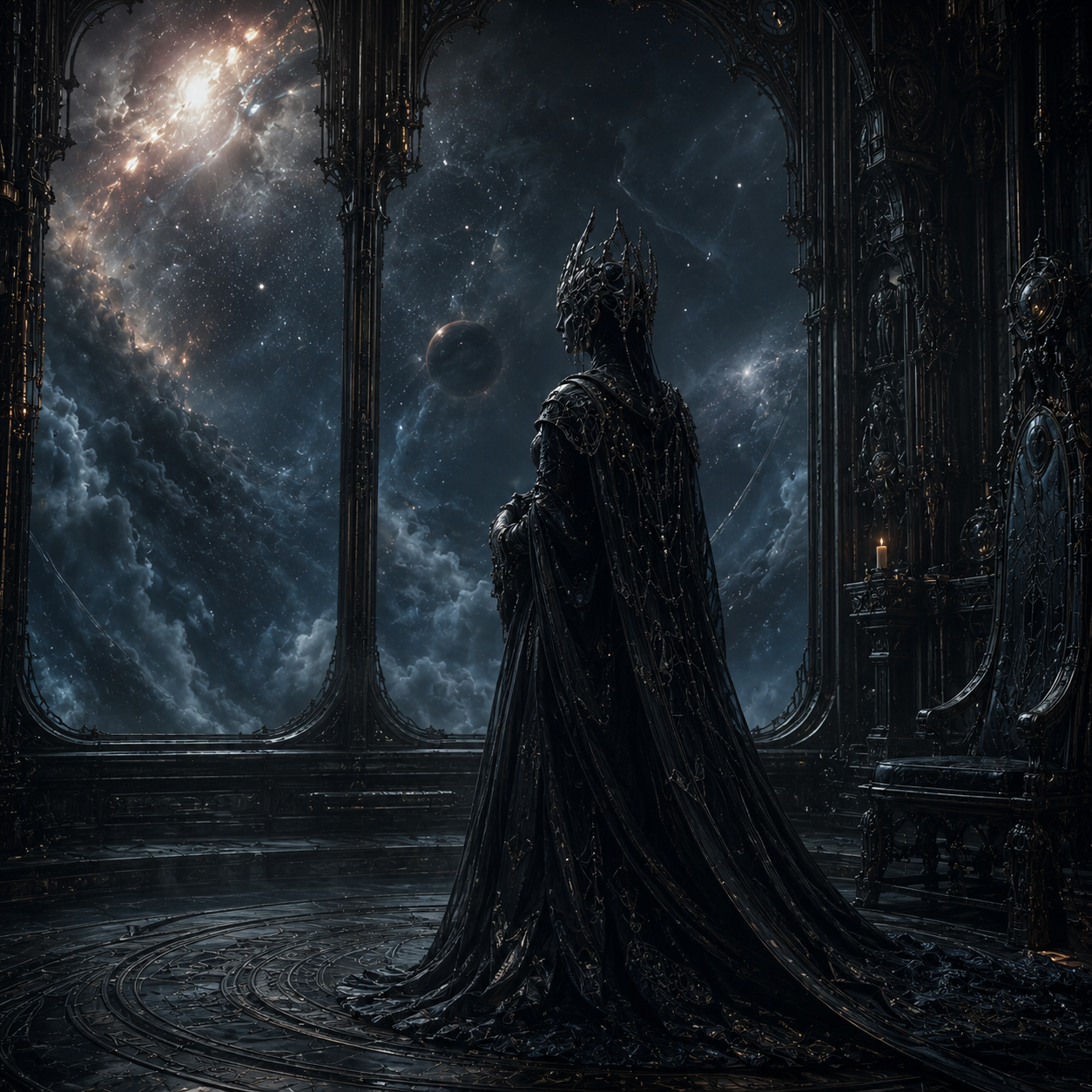
Write about a queen ruling a dying empire from an orbital cathedral overlooking a collapsing galaxy.
Write about astronomer-priests who discover that an approaching celestial object is alive.
Write about a sacred artificial intelligence worshipped as a god for centuries.
Write about explorers who uncover a ruined interdimensional gateway hidden beneath a dead moon.
Write about a cloaked order tasked with guarding forbidden knowledge capable of collapsing reality.
Write about a gothic megacity where trains travel between cathedral towers suspended above the clouds.
Write about a biomechanical saint preserved inside a vast ceremonial shrine.
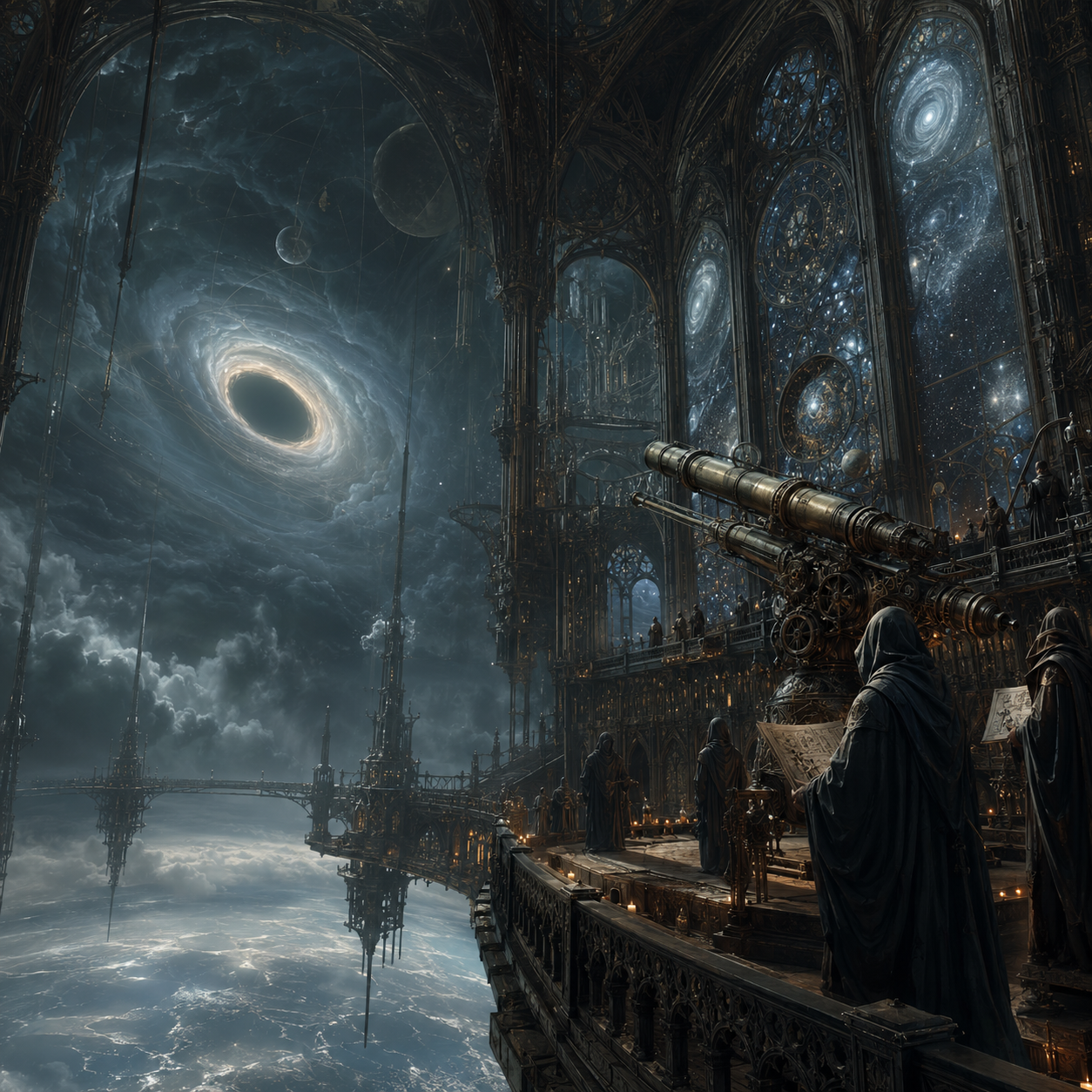
Write about a cosmic observatory where scientists disappear after looking too long into a black hole.
Write about an abandoned palace station drifting beside a dying red star.
2. Title Ideas
Sci-fi gothic titles often evoke grandeur, ruin, cosmic mystery, sacred imagery, and the emotional weight of forgotten civilizations.
Beneath the Dying Constellation
The Cathedral at the End of Time
Where the Saints of Steel Sleep
The Last Empire Beneath the Stars
Hymns for a Dying Galaxy
The Observatory Beyond Heaven
The Palace Orbiting the Void
Echoes from the Black Cathedral
The Kingdom Between Worlds
Before the Suns Went Dark
3. Opening Lines
Sci-fi gothic openings often establish atmosphere immediately through scale, silence, ritual, or the unsettling sense that something ancient has awakened.
The cathedral had been drifting through space for almost three thousand years.
Nobody spoke during the eclipse ceremonies anymore.
The stars above the observatory had started disappearing one by one.
Beneath the city, the ancient engines still whispered in forgotten languages.
The empress had not left the throne room since the dying of the second sun.
Every corridor aboard the monastery ship smelled faintly of candle smoke and cold metal.
The archive doors opened only during lunar eclipses.
Somewhere beyond the shattered gateway, something was trying to return.
The astronomers stopped sleeping after the signal first appeared.
The artificial saint opened her eyes exactly once each year.
4. Closing Lines
Sci-fi gothic endings often leave behind ambiguity, spiritual unease, emotional devastation, or the terrifying suggestion that history is repeating itself.
Above the ruins, the stars continued silently watching.
Somewhere beyond the void, the cathedral lights still burned.
The empire collapsed long before the last prayer ended.
I understood then why the archives had been sealed.
The saint remained motionless as the galaxy died around her.
Behind the gateway, something ancient finally answered.
The observatory continued transmitting into the darkness.
Even now, the bells still ring beneath the city.
We realised too late that the prophecy had always been about us.
Beyond the stars, another cathedral waited.
5. Character Ideas
Sci-fi gothic characters are often shaped by isolation, devotion, grief, obsession, forbidden knowledge, aristocratic duty, or spiritual conflict.
A royal astronomer studying dangerous celestial phenomena.
A cloaked archivist preserving forbidden histories.
An artificial saint worshipped by a futuristic religious order.
A prince attempting to save his collapsing empire.
A scientist secretly questioning the religion built around ancient technology.
A pilgrim travelling between ruined worlds searching for lost knowledge.
A biomechanical executioner serving an immortal queen.
A librarian responsible for translating extinct cosmic languages.
A monk aboard a drifting cathedral ship.
A guardian protecting an interdimensional gateway hidden inside ancient ruins.
6. Setting Ideas
Sci-fi gothic settings often combine futuristic scale with religious symbolism, oppressive architecture, atmospheric decay, and cosmic isolation.
A cathedral observatory suspended above a storm-covered planet.
A sprawling gothic megacity connected by elevated trains and glass bridges.
A ruined palace station orbiting a black hole.
An endless archive containing extinct civilizations’ memories.
A frozen moon monastery illuminated only by candlelight and starlight.
A ceremonial throne room overlooking a dying galaxy.
A colossal spaceborne cathedral inhabited by cloaked pilgrims.
A flooded subterranean city beneath an abandoned empire.
A biomechanical shrine filled with preserved artificial saints.
A sacred observatory where galaxies are mapped like religious scripture.
7. Picture Prompts
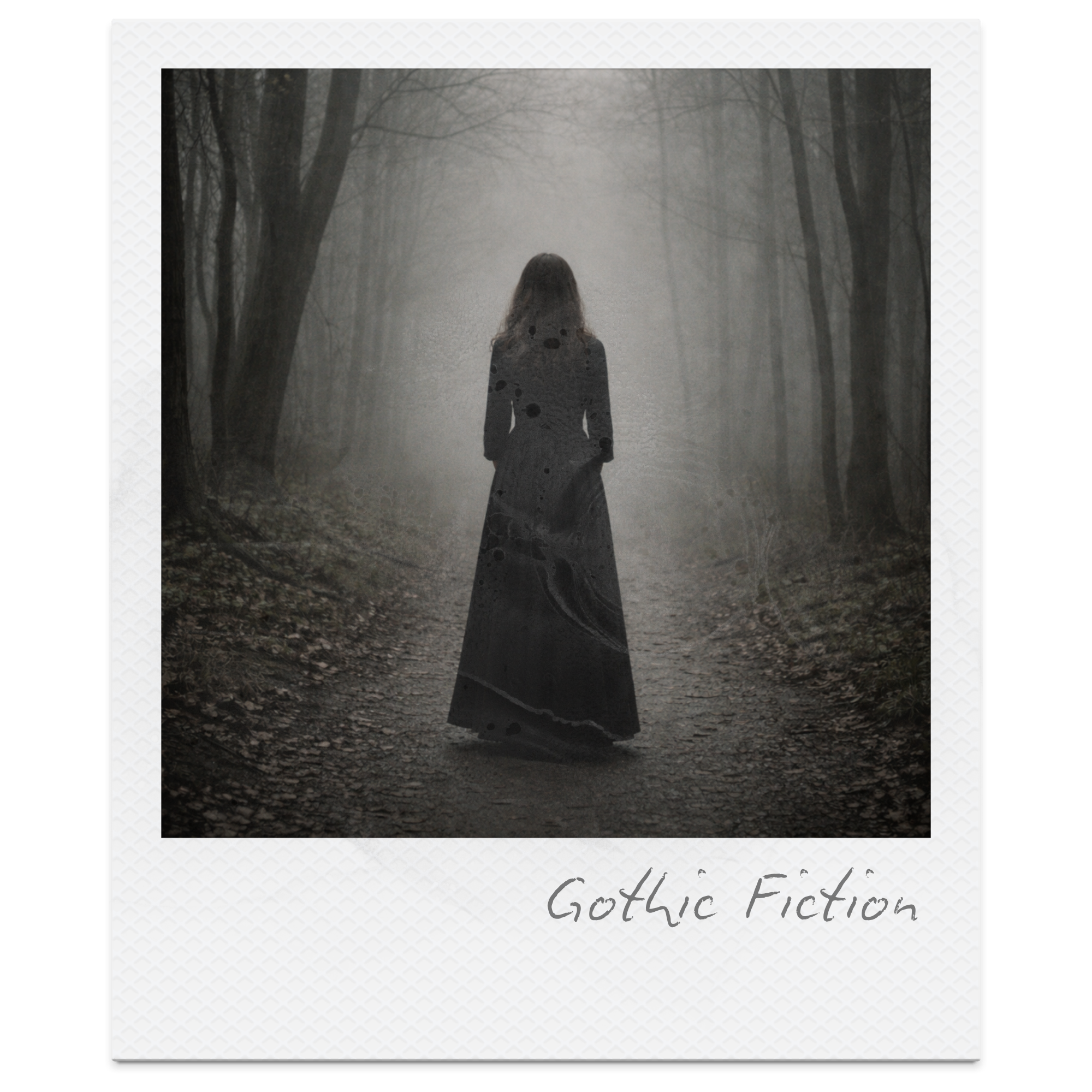
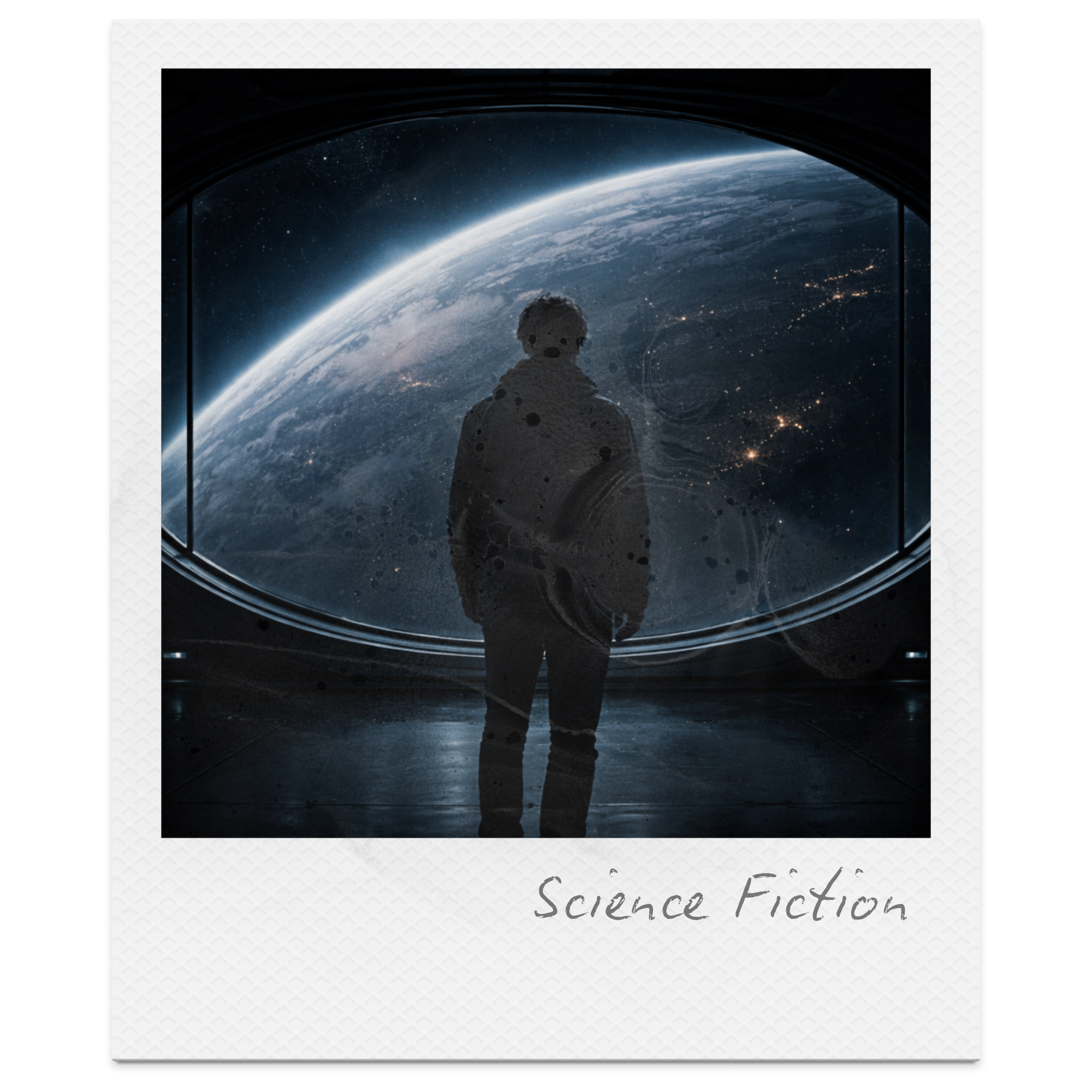
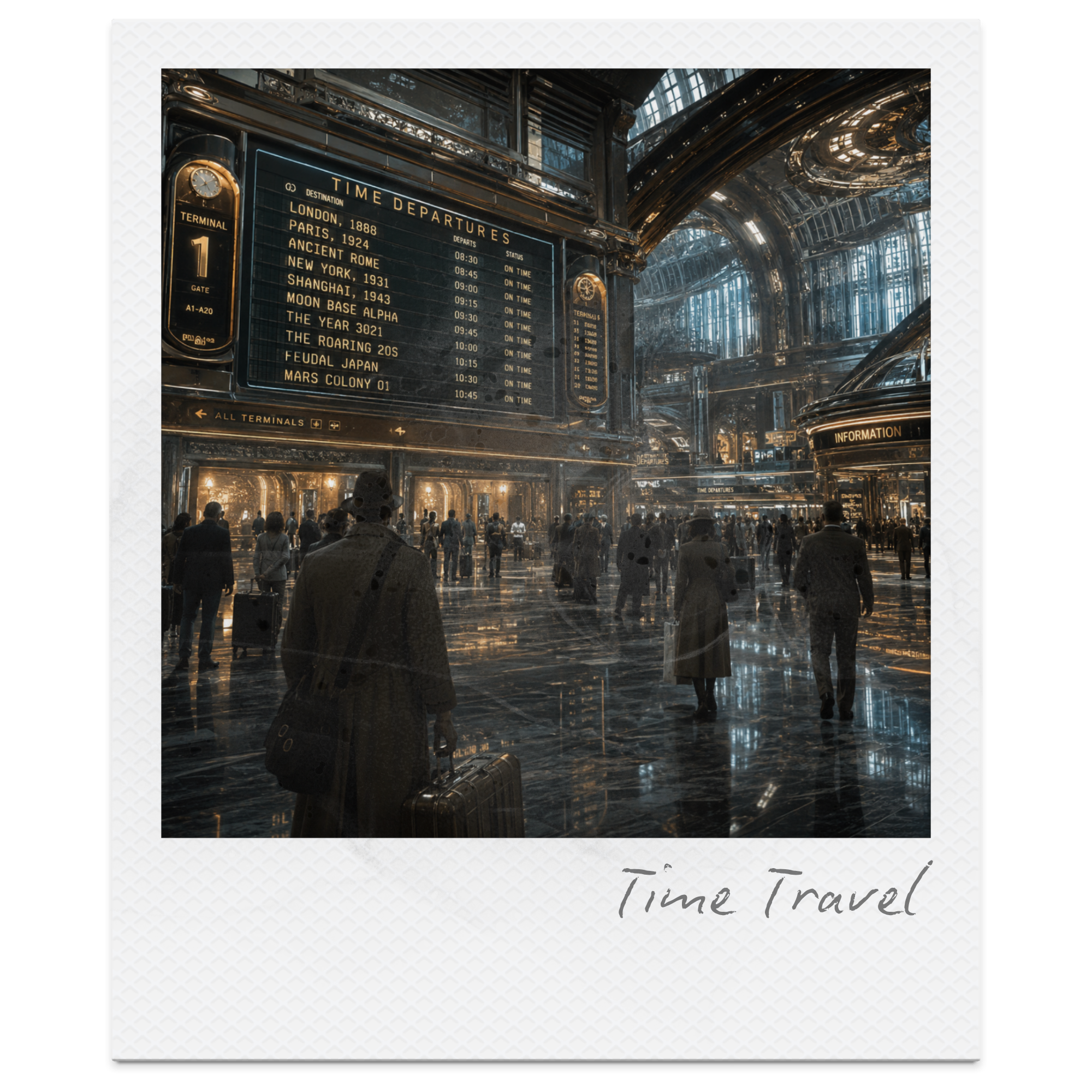
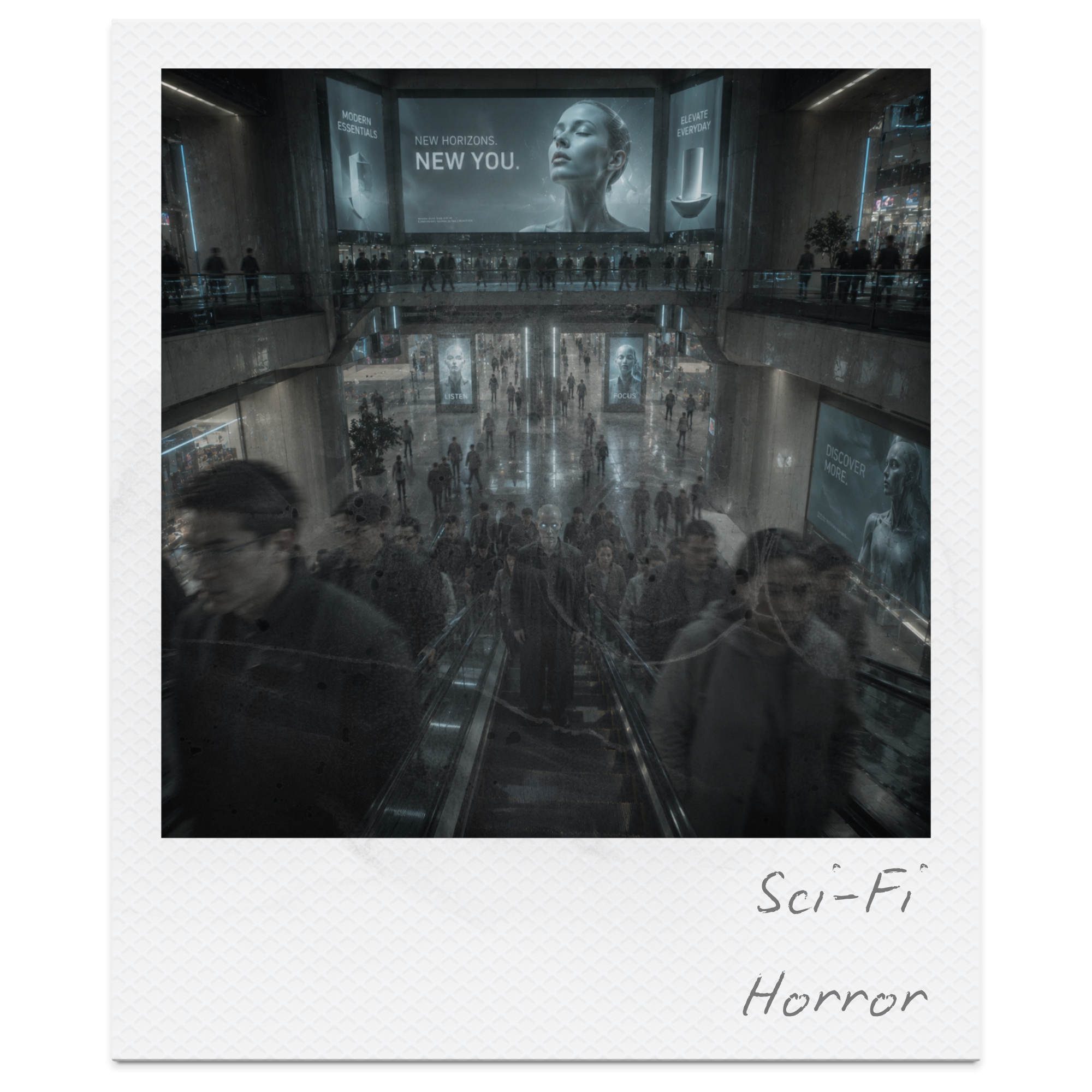
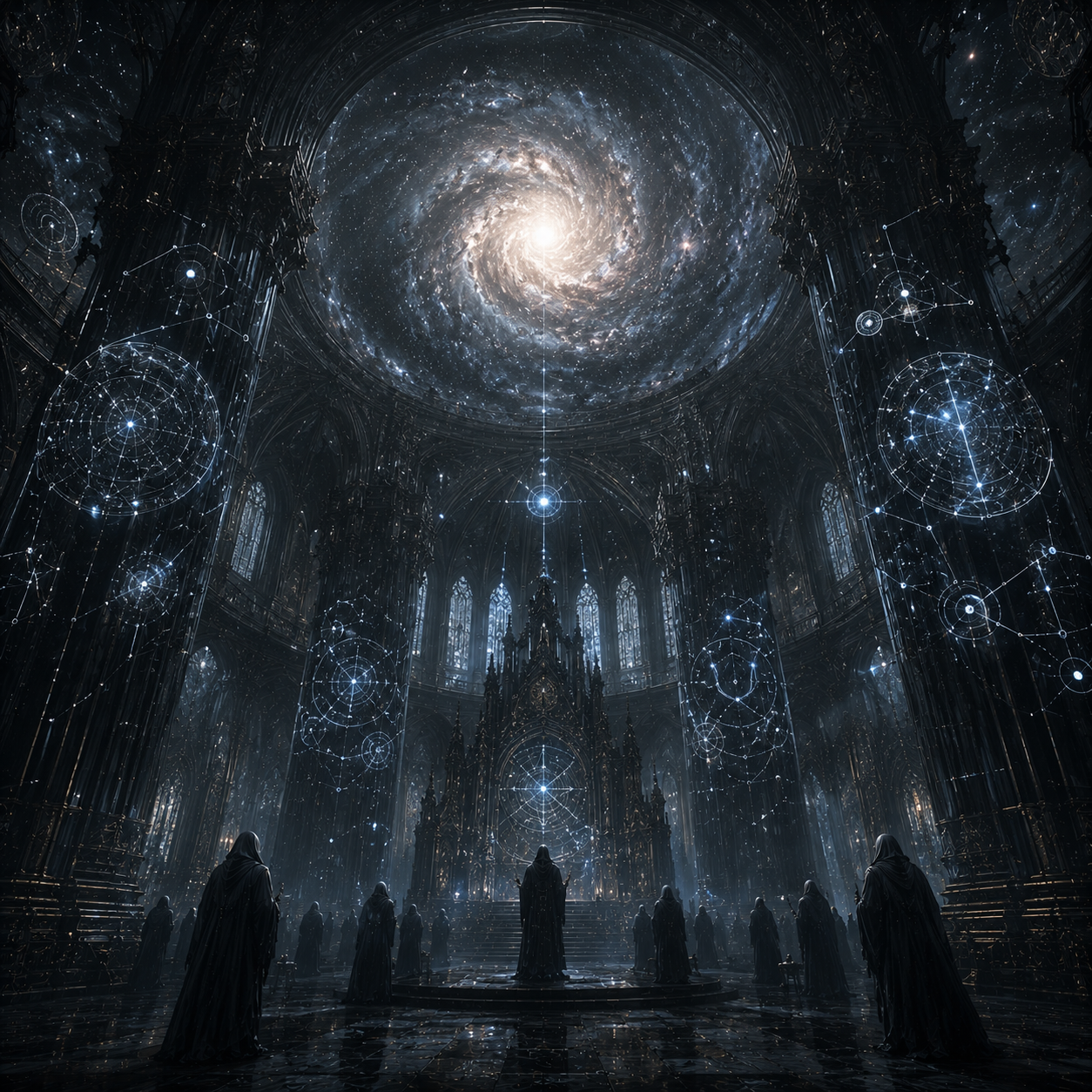
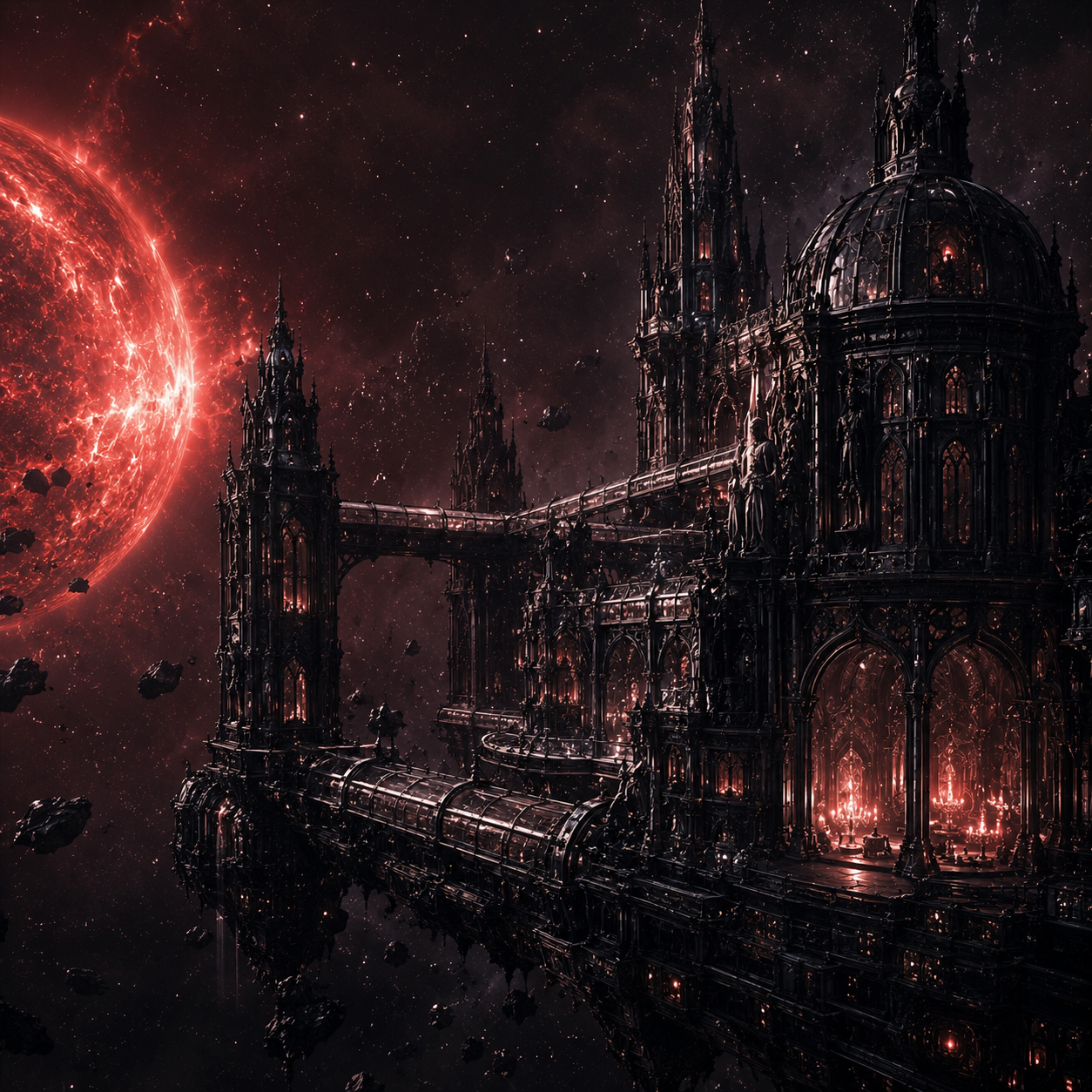
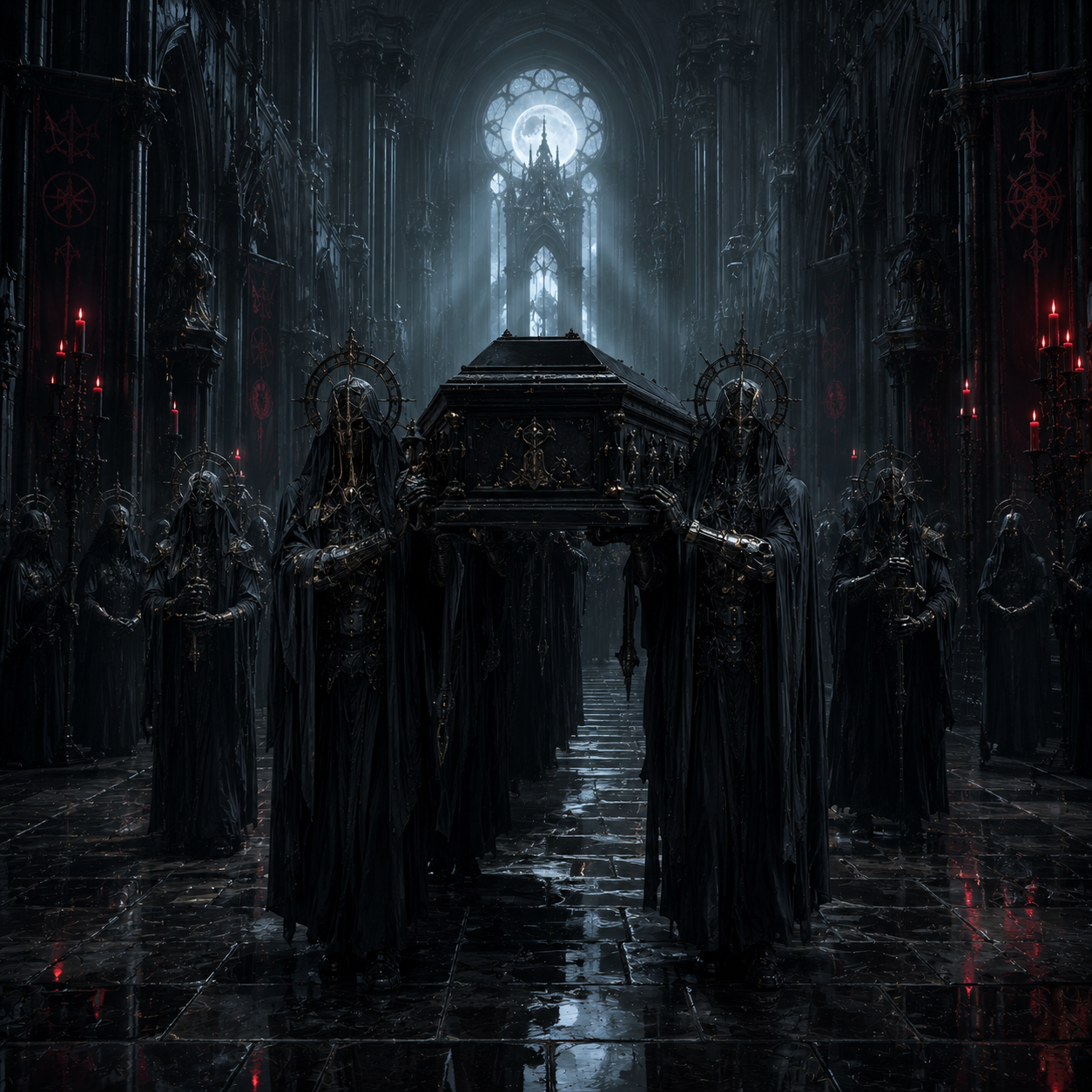
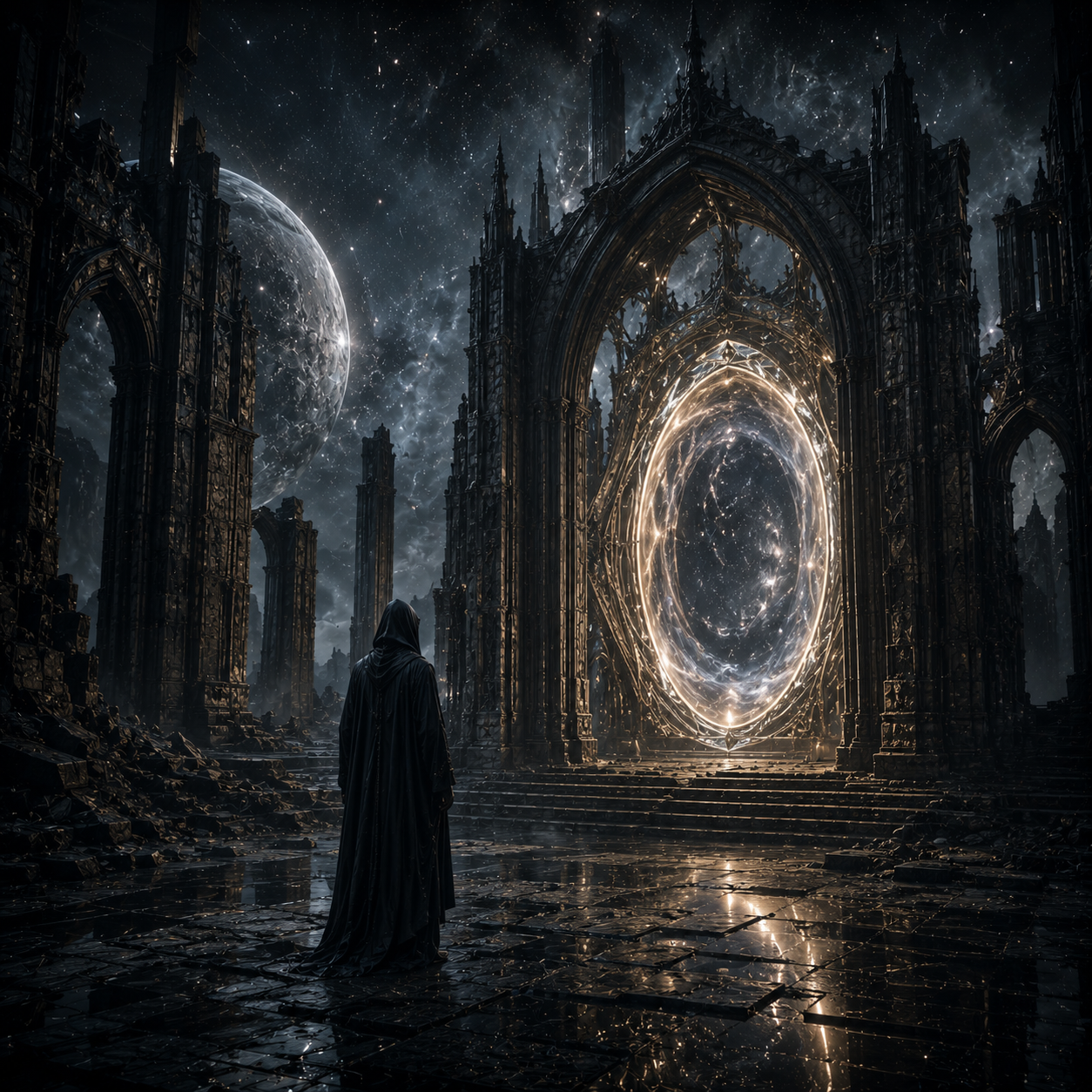
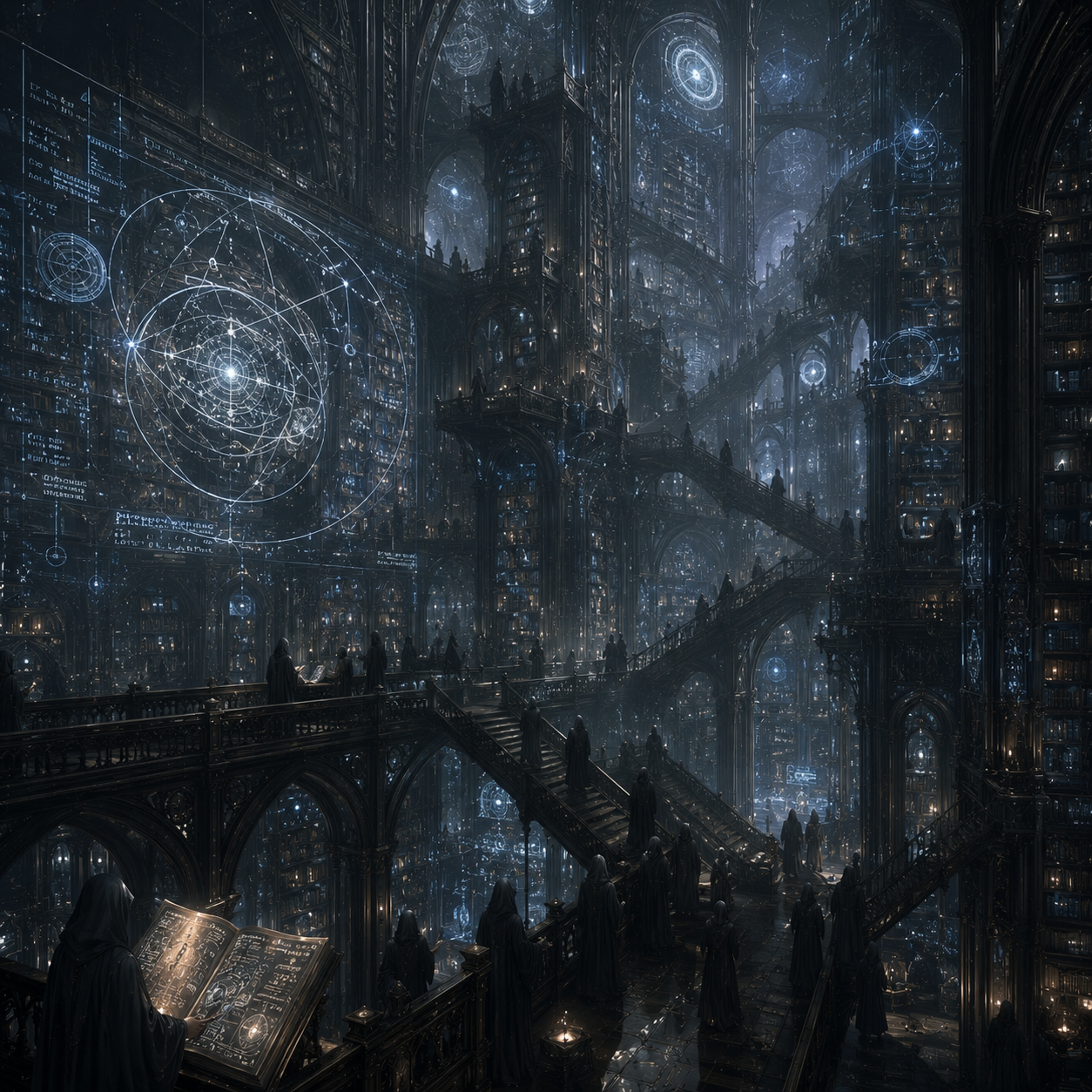
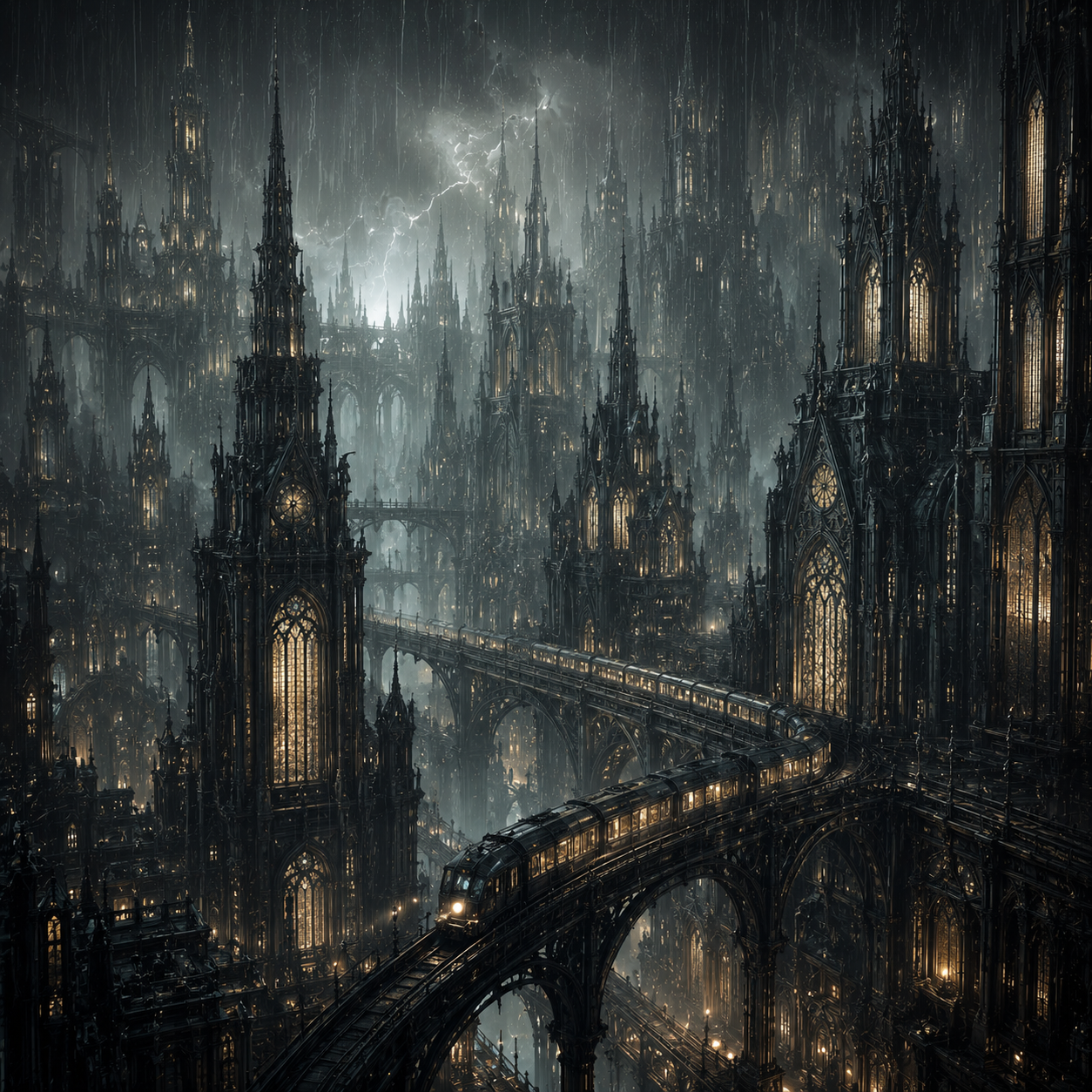
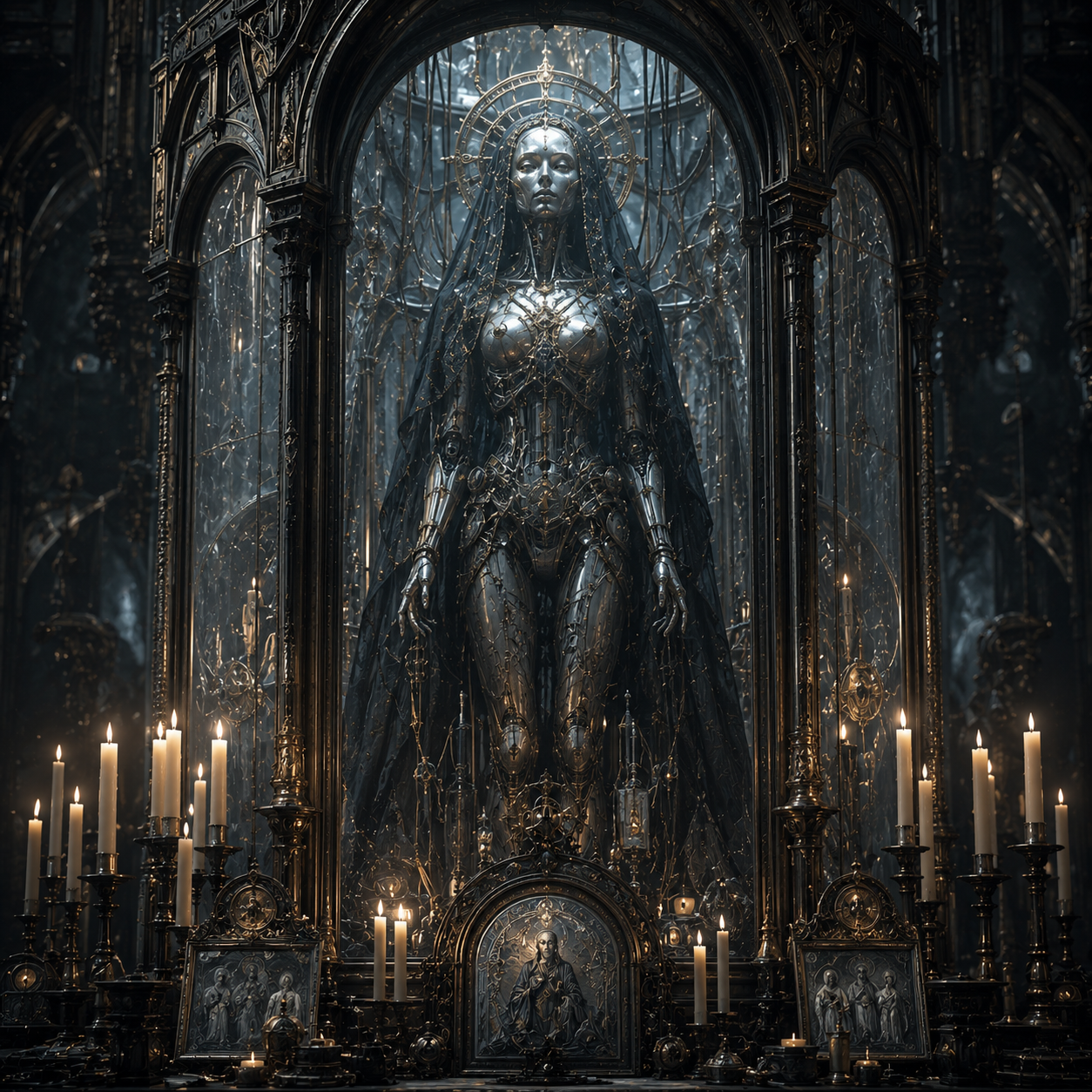
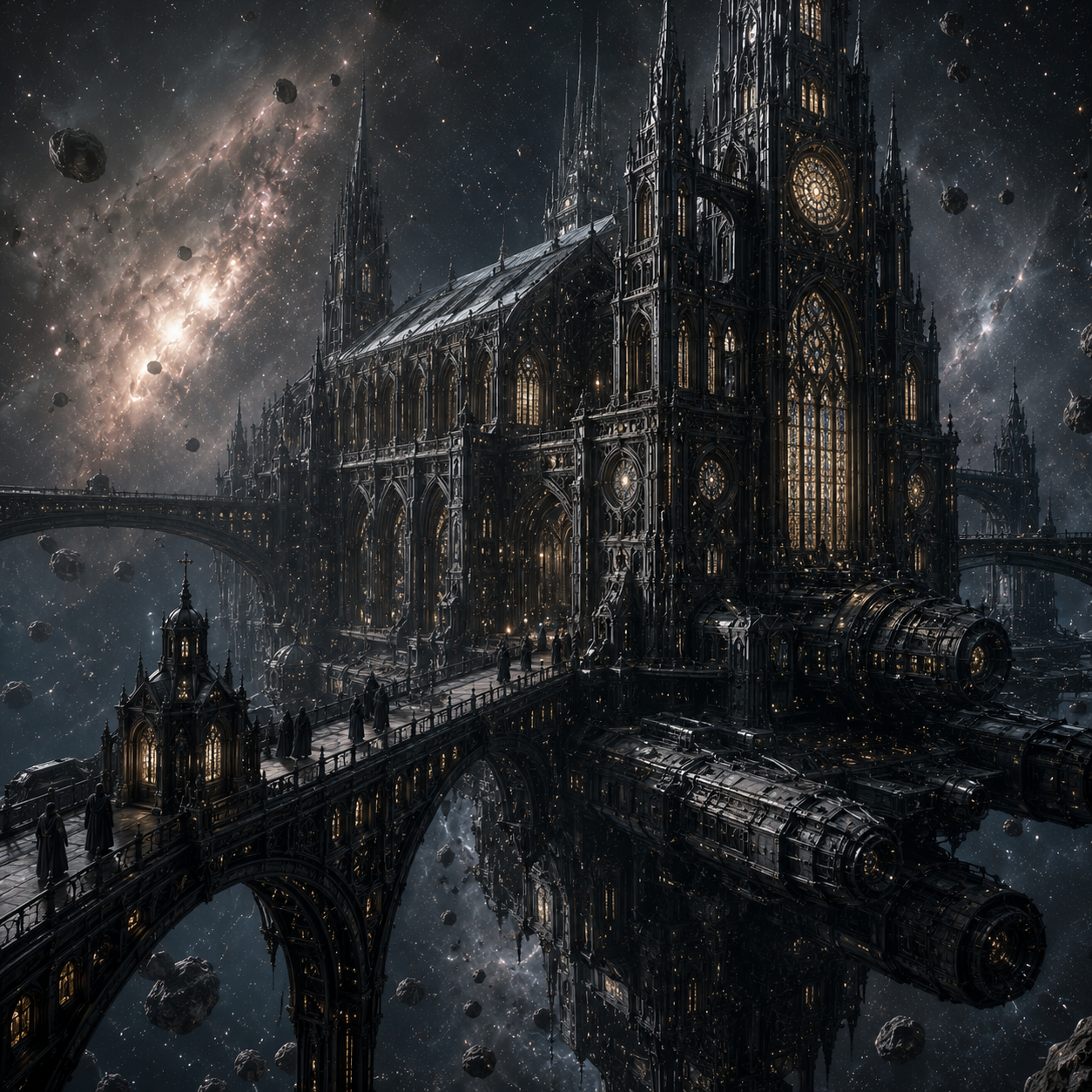
Visual prompts are especially effective for sci-fi gothic fiction because atmosphere depends heavily on scale, architecture, lighting, ritual, and emotional isolation. Cosmic cathedrals, cloaked figures, sacred machinery, endless libraries, dying stars, ruined observatories, biomechanical saints, and impossible celestial phenomena all encourage stories shaped by mystery, reverence, decay, and existential dread.
Go Deeper into Sci-Fi Gothic Fiction
Sci-fi gothic fiction becomes more immersive when writers focus on spiritual symbolism, emotional isolation, decaying civilizations, and the uneasy relationship between science and faith.
◆ Write a scene where an artificial intelligence becomes the centre of a religious order.
◆ Explore how society might worship technology thousands of years after forgetting how it works.
◆ Describe the emotional effects of living inside a civilization convinced the universe is slowly dying.
◆ Write about a character forced to choose between preserving forbidden knowledge or destroying it forever.
Explore Gothic Stories Across Time
Gothic fiction has never belonged to a single period.
Its fears change with the world around it. Scientific discovery creates new anxieties. Old superstitions collide with new ways of understanding the world. Communities change, technologies develop and explanations that once seemed impossible become increasingly difficult to dismiss.
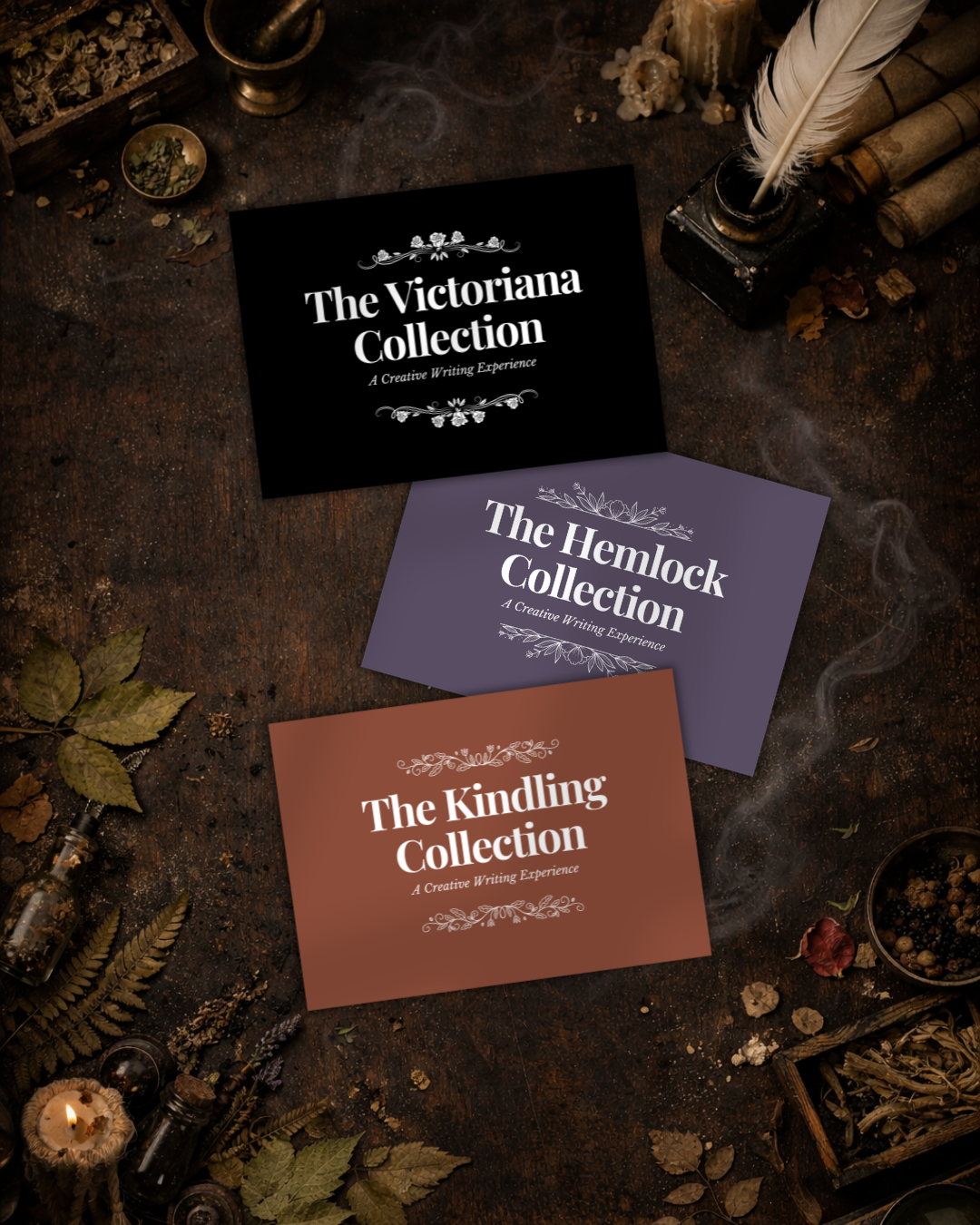
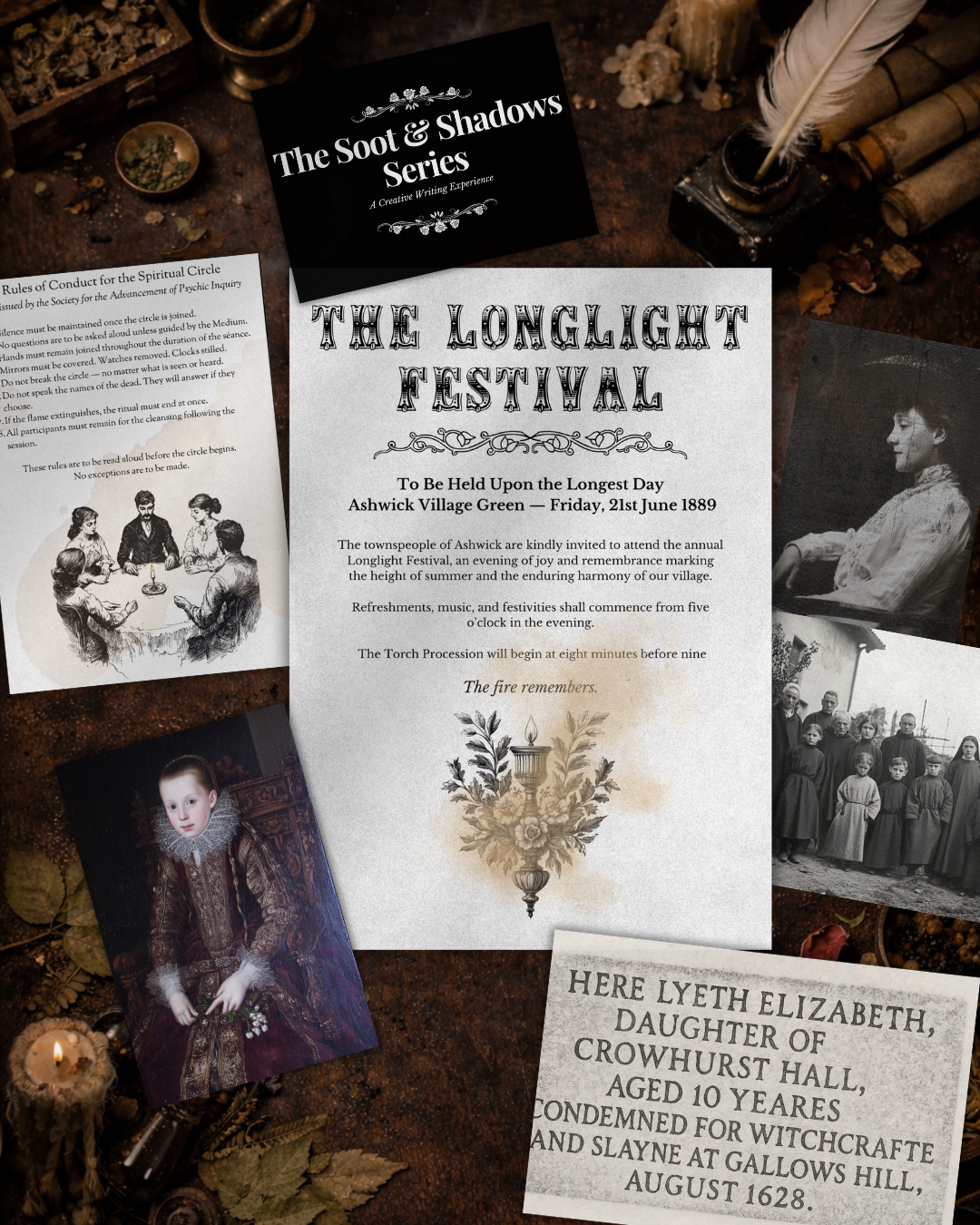
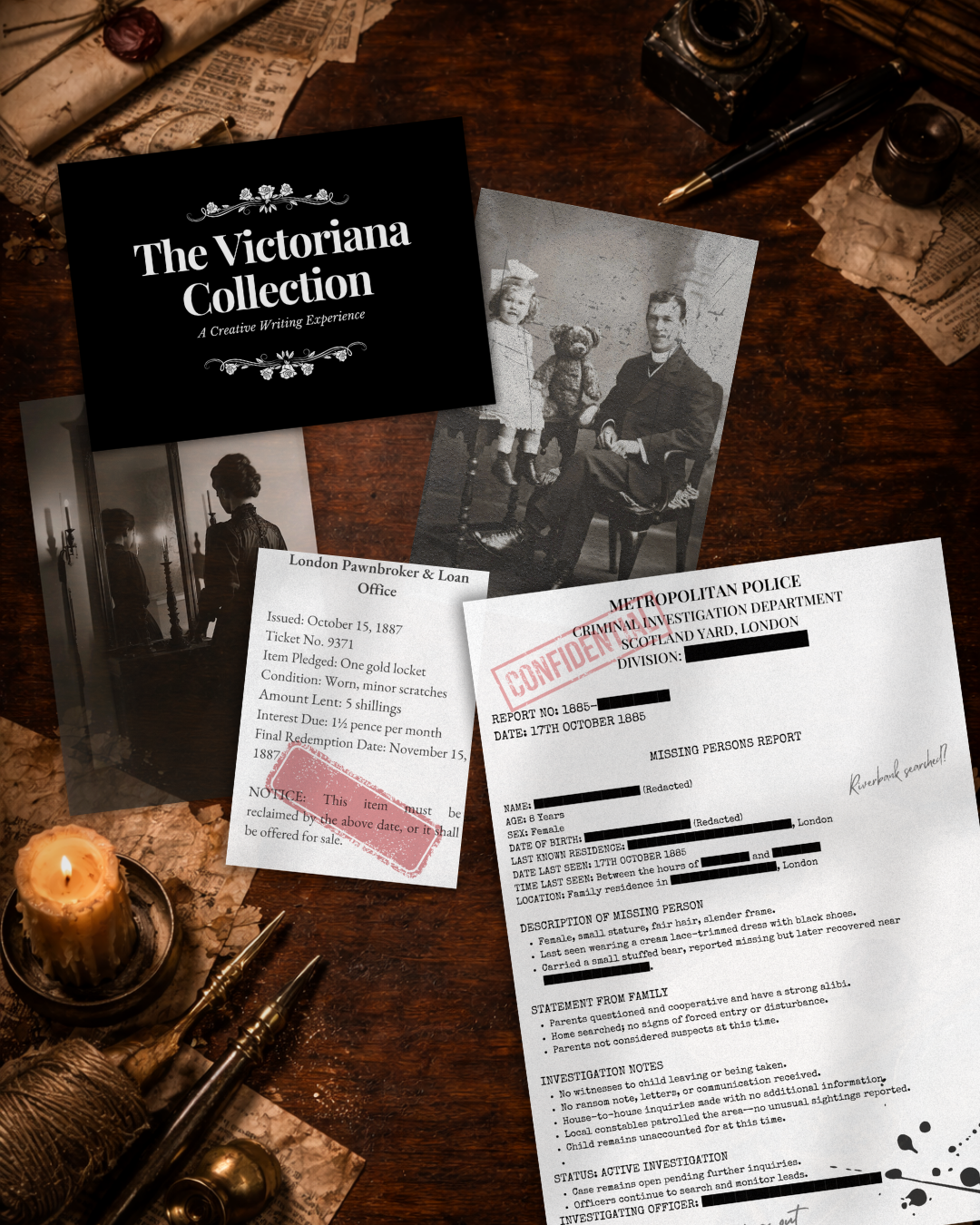
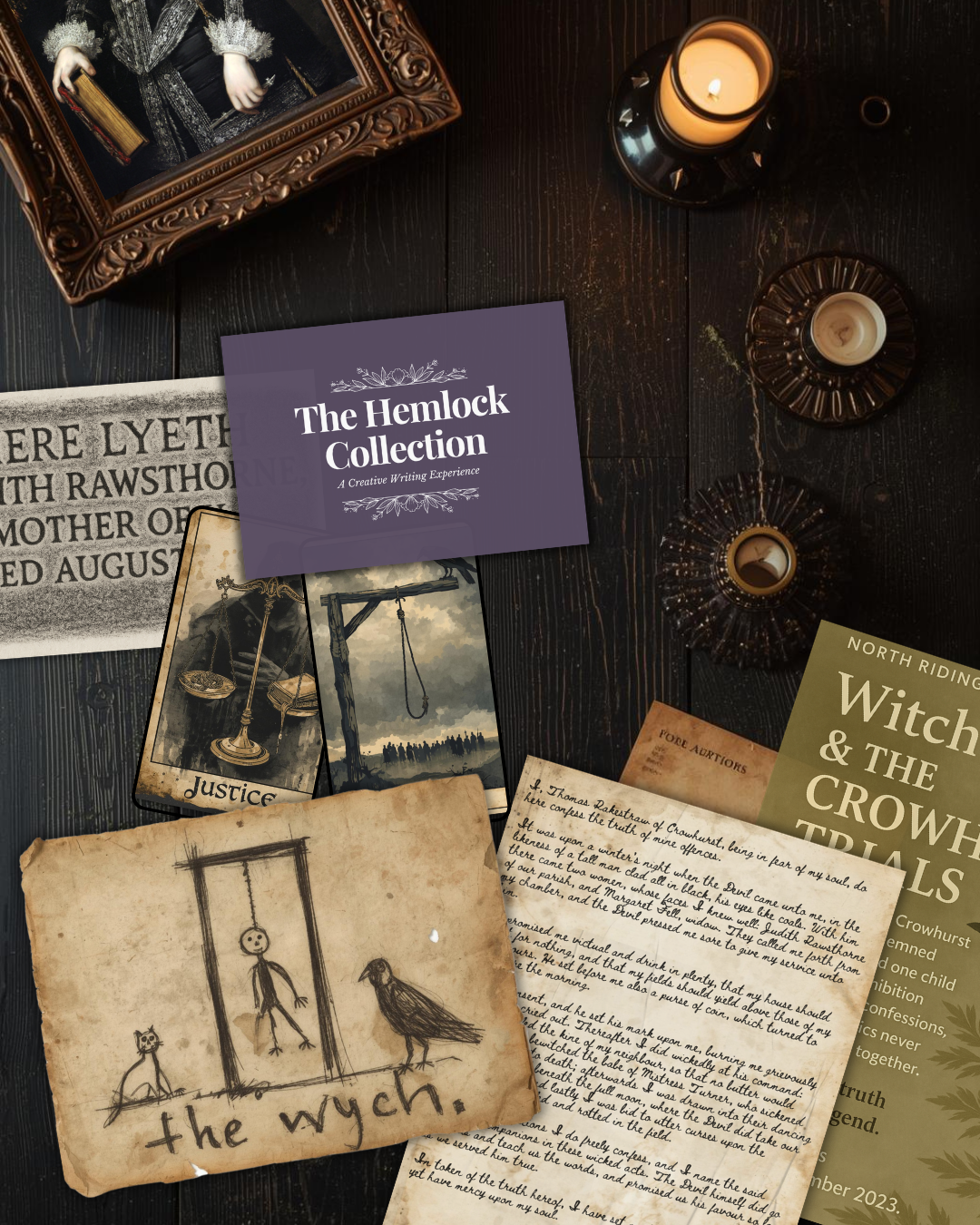
If writing Gothic sci-fi has you thinking about how fear, mystery and the unexplained might change across different timelines, The Soot & Shadows Series gives you three very different Gothic worlds to explore.
A missing person's investigation unfolds through the streets of Victorian London.
A rural village preserves traditions surrounding a midsummer festival nobody dares question.
A community remains haunted by witchcraft accusations that refuse to disappear.
Separated by years, places and people, the stories should have nothing in common.
And yet they do.
The Soot & Shadows Series contains three complete immersive archives — Victoriana, Kindling and Hemlock — with more than 150 printable documents and artefacts, including photographs, reports, letters, journal entries, posters, newspaper clippings, warnings and forgotten relics.
There is no official timeline. No single interpretation. No correct version of events.
Follow the mysteries through different moments in history, uncover the connections hidden between the archives, or use the fragments to imagine entirely new Gothic stories of your own.
Because some fears disappear as the world changes.
Others simply find new forms.
→ Explore The Soot & Shadows Series
Final Thoughts
Sci-fi gothic fiction combines the cosmic imagination of science fiction with the atmosphere, symbolism, and emotional darkness of gothic storytelling. These narratives often explore collapsing empires, sacred technology, forbidden knowledge, artificial divinity, and humanity’s search for meaning within vast and indifferent universes. In many stories, the future no longer feels sleek or optimistic — it feels ancient, ceremonial, haunted, and shaped by the ruins of forgotten civilizations.
These 70 Sci-Fi Gothic Writing Prompts invite writers to explore cathedral observatories, interdimensional ruins, biomechanical saints, cosmic monarchies, sacred archives, ritualistic AI, and dying worlds suspended between mythology and technology. Whether used for classroom writing, speculative fiction planning, creative exercises, or larger worldbuilding projects, these prompts encourage atmospheric storytelling filled with wonder, melancholy, mystery, and existential dread.
If you would like to explore more speculative fiction concepts, dark atmospheric storytelling, and imaginative genre-based prompt collections, you can browse the Creative Writing Archive, explore the wider Sci-Fi Writing Hub, or discover more haunting settings and narratives inside the Gothic Writing Hub, where ruined futures and cosmic mysteries continue to expand.
Choose Your Next Adventure